
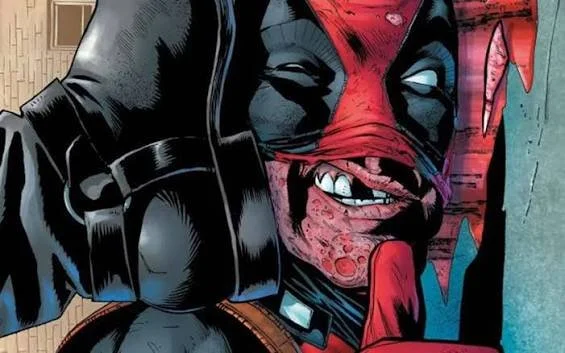
Wade Wilson: Deadpool is published by Marvel Comics and is written by Benjamin Percy, with art by Geoff Shaw, colors Alex Sinclair, lettering by Joe Sabino
The Recap: Hammerhead’s Trap and Central Park Chaos
If you’ve been following the 2026 relaunch of the Merc with a Mouth, you know that Benjamin Percy isn’t just giving us a "greatest hits" collection of chimichangas and fourth-wall breaks. He’s digging into the literal guts of Wade Wilson. Wade Wilson: Deadpool #3 hit the shelves last week, and honestly, I’ve had to read it three times just to process the tonal whiplash—in the best way possible.
This series has been branded with the tagline "Only Smiling on the Outside," and issue #3 is where that mask starts to show some serious cracks. If you're looking for a deep dive to see if this belongs in your pull list (or if it’s just more of the same), let’s break it down.
Picking up from the absolute insanity of the first two issues, Wade is still spiraling. We’ve seen him survive some truly heinous stuff (remember the cow incident in issue #1? I'm still trying to un-see it), but issue #3 brings the conflict back to the streets of New York. The main antagonist here is Hammerhead, who has decided he wants a piece of Wade’s "secret message gig."
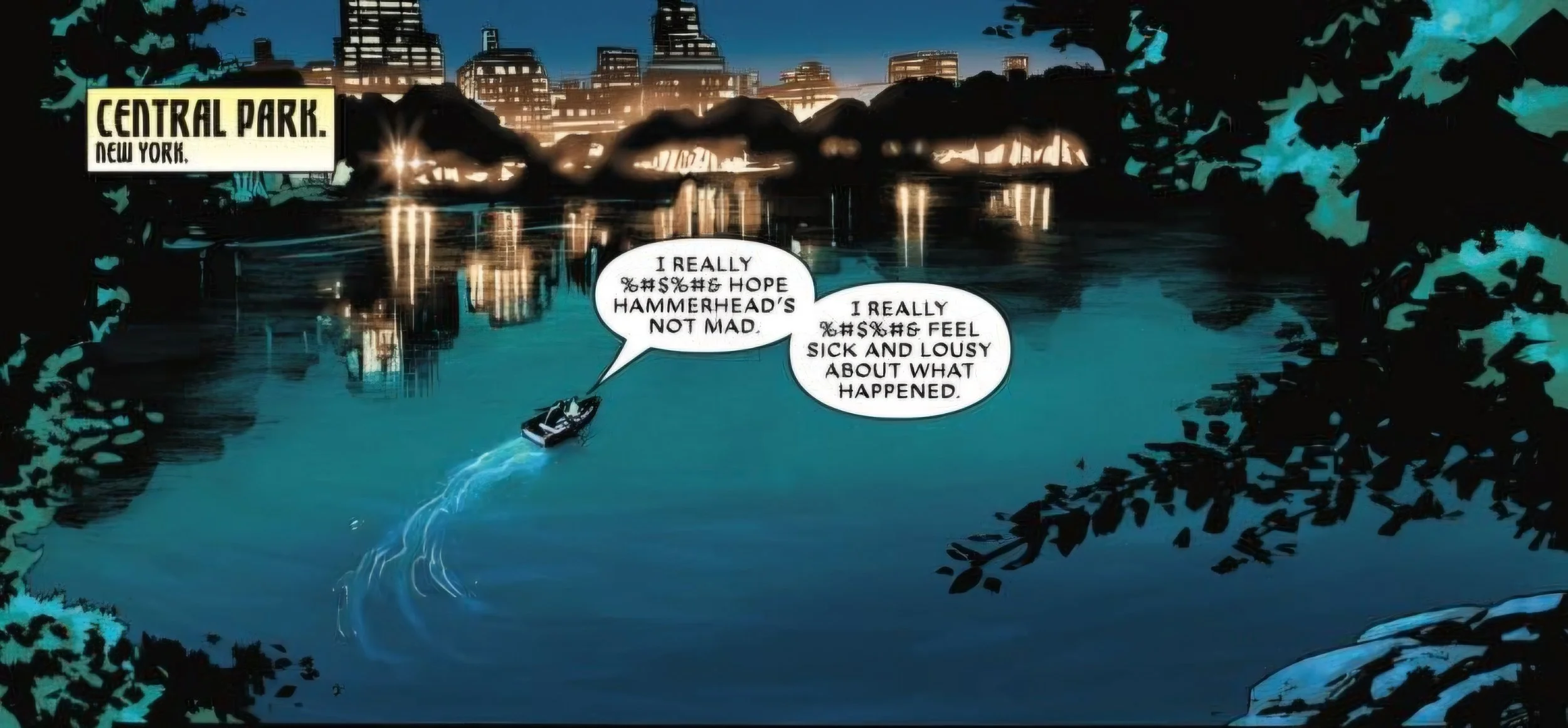
The plot kicks off with Wade trying to navigate his own deteriorating mental state while reporting to Hammerhead at a literal Pancake Palace—because of course it is. Hammerhead isn’t just looking for a merc; he’s looking to exploit Wade’s apparent death wish. The issue takes us from the gritty interiors of Blind Al’s Bushwick apartment (which still smells like "cat-farts and soap operas," according to the narration) to a high-stakes confrontation in Central Park.
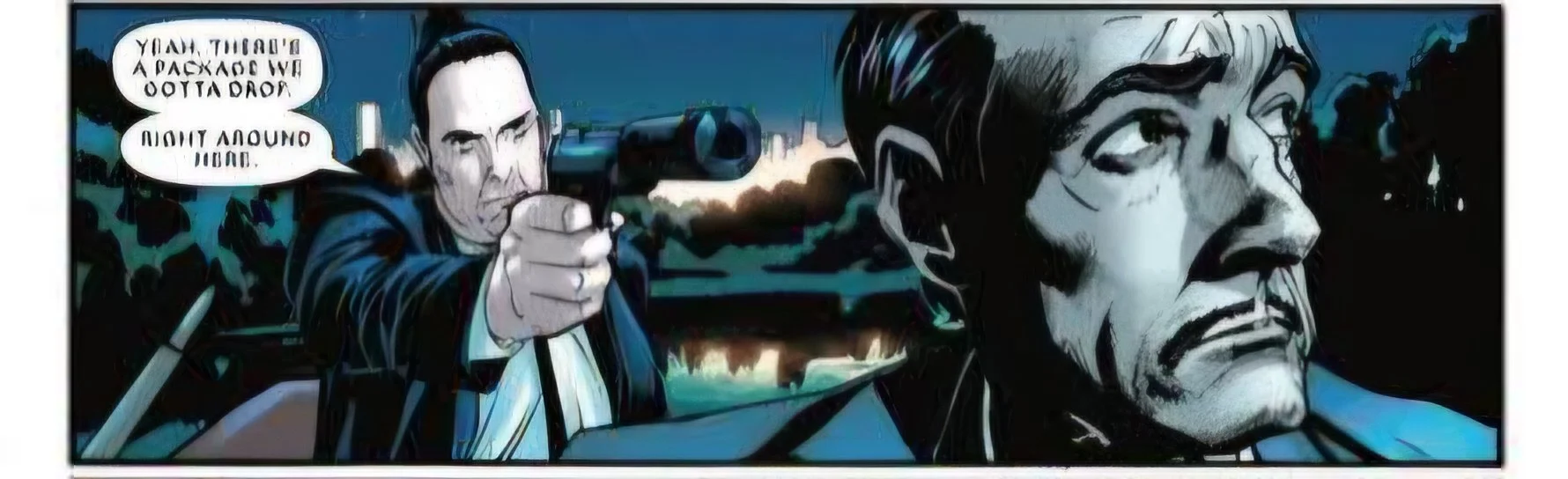
A mysterious murder in the park acts as the catalyst that forces Wade to stop moping and start moving. But the "heroic" turn isn't clean. Hammerhead lays a devious trap that involves more than just bullets; it involves a psychological dismantling of Wade that we rarely see in mainstream Marvel books. By the end of the issue, we aren’t just left with a cliffhanger; we’re left with a version of Deadpool that looks genuinely broken.
The Story: Humor vs. Heart (The Benjamin Percy Special)
Benjamin Percy is "cooking," as the kids say. What makes this story stand out is the tonal balance. Usually, Deadpool writers lean too hard into the "memelord" persona, but Percy is treating Wade like a man who uses comedy as a tourniquet for a bleeding soul.
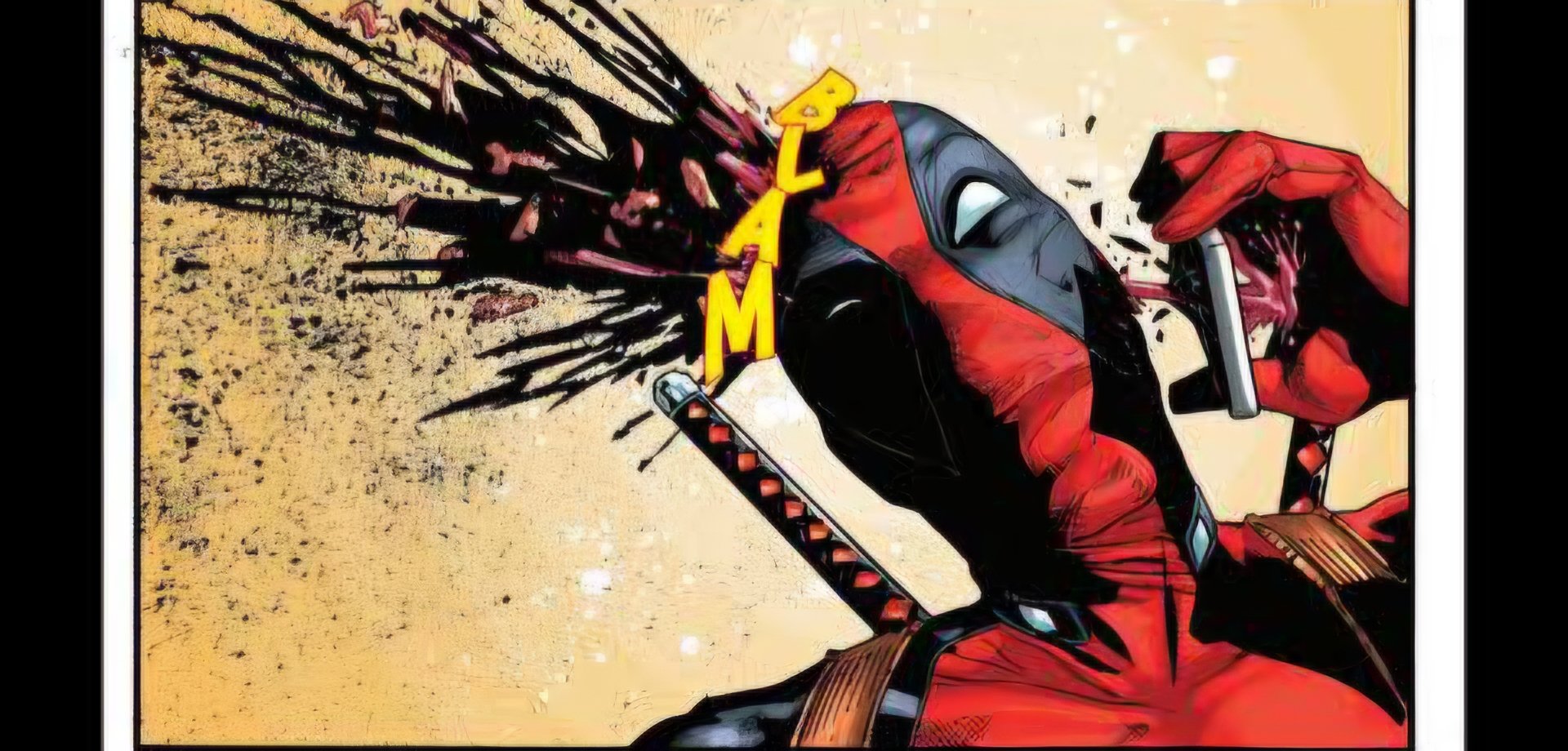
The theme of this issue is self-destruction. We see Wade literally begging for danger, asking Hammerhead to shoot him just to feel something. It’s dark stuff. However, Percy doesn't forget that this is a Deadpool book. The jokes are sharp, the editor's notes are back (shoutout to Joe Sabino’s blue captions), and the banter with Blind Al provides that much-needed domestic levity.
One of the standout narrative beats is the "Romantasy Club" mention—Wade trying to escape his pain through cheesy fiction, only to be snapped back into reality by a prophetic note falling from the sky. It’s weird, it’s surreal, and it feels like 2026-era Marvel taking a real risk. This isn't just a superhero story; it’s a character study of a man who doesn't believe he fits into the "hero" or "villain" mold and is trying to find a third option while everyone else is trying to kill him.
Pacing: A Rollercoaster in Red
If you're a fan of high-octane action, the pacing in Wade Wilson: Deadpool #3 will satisfy your craving, but it might leave you a bit breathless. The issue moves fast—sometimes too fast. We jump from an emotional, somber moment on a Manhattan rooftop where Wade is reflecting on his daughter, Ellie, straight into a "cavalcade of carnage."
The transition from the "sad clown" moments to the "bloody merc" moments is jarring, but I think that’s the point. It mimics Wade’s own fractured psyche. One minute, we're looking at a single, wordless panel of Wade crying, and the next, we’re watching him get lit up by a mob hit squad without even trying to dodge.
The middle section of the book slows down significantly to let the dialogue with Blind Al breathe. This is where the issue earns its keep. For anyone planning to adapt this into a script or a short-form breakdown, this is the "meat." It’s the calm before the storm that makes the final act in Central Park feel earned rather than just another random fight scene.
The Art: Geoff Shaw and Alex Sinclair’s Masterclass
Let’s talk visuals, because Geoff Shaw is absolutely killing it on this run. His style is gritty, detailed, and visceral. This isn't the "clean" superhero art you see in Avengers. It’s messy, just like Wade. The way Shaw draws the "armor and wrinkles" of Deadpool's suit makes it feel like a real piece of gear that has seen way too many explosions.
The gore is handled with a "MAX-line" sensibility (referencing Marvel's older R-rated imprint) but kept within the boundaries of a modern ongoing series. It’s ballsy. You see every bullet hole and ogni regenerations beat. But the MVP of the visuals has to be colorist Alex Sinclair.
Sinclair uses red as a character in itself. Whether it’s the signature crimson of the suit or the "copious sprays of blood" trailing behind Wade, the color palette is oppressive in the best way. He creates a fantastic contrast between the neon-lit streets of New York and the dark, shadowy corners of Wade’s mind. The blue editor's notes pop against the yellow word balloons, making the "voices in his head" feel like distinct entities on the page.
The Final Verdict
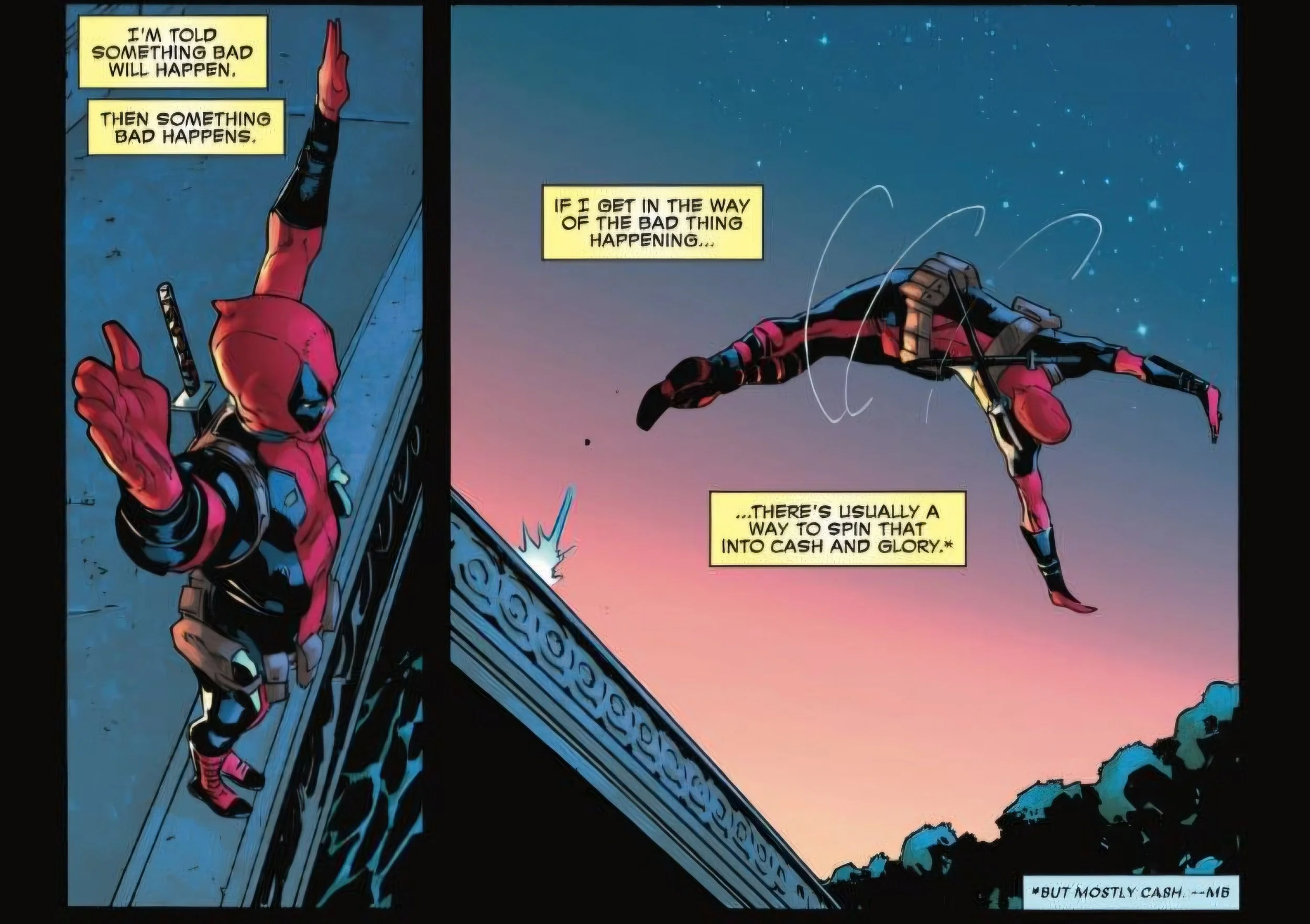
Wade Wilson: Deadpool #3 . It’s an "emotional sucker punch" wrapped in a layer of classic Wade Wilson absurdity. Benjamin Percy is doing something special here—he's making Deadpool feel dangerous and vulnerable at the same time. While the pacing can be a bit frantic, the character work is the strongest it's been in years.
Whether you’re a long-time fan or someone who usually finds Deadpool annoying, this run might just change your mind. Go get it before it sells out, because the "Deadpool/Wolverine" hype from last year is clearly still fueling the fire for these solo books.