Comic Book Clique

Breaking Down The 2026 Eisners: Best New Series Nominees

George SerranoComment

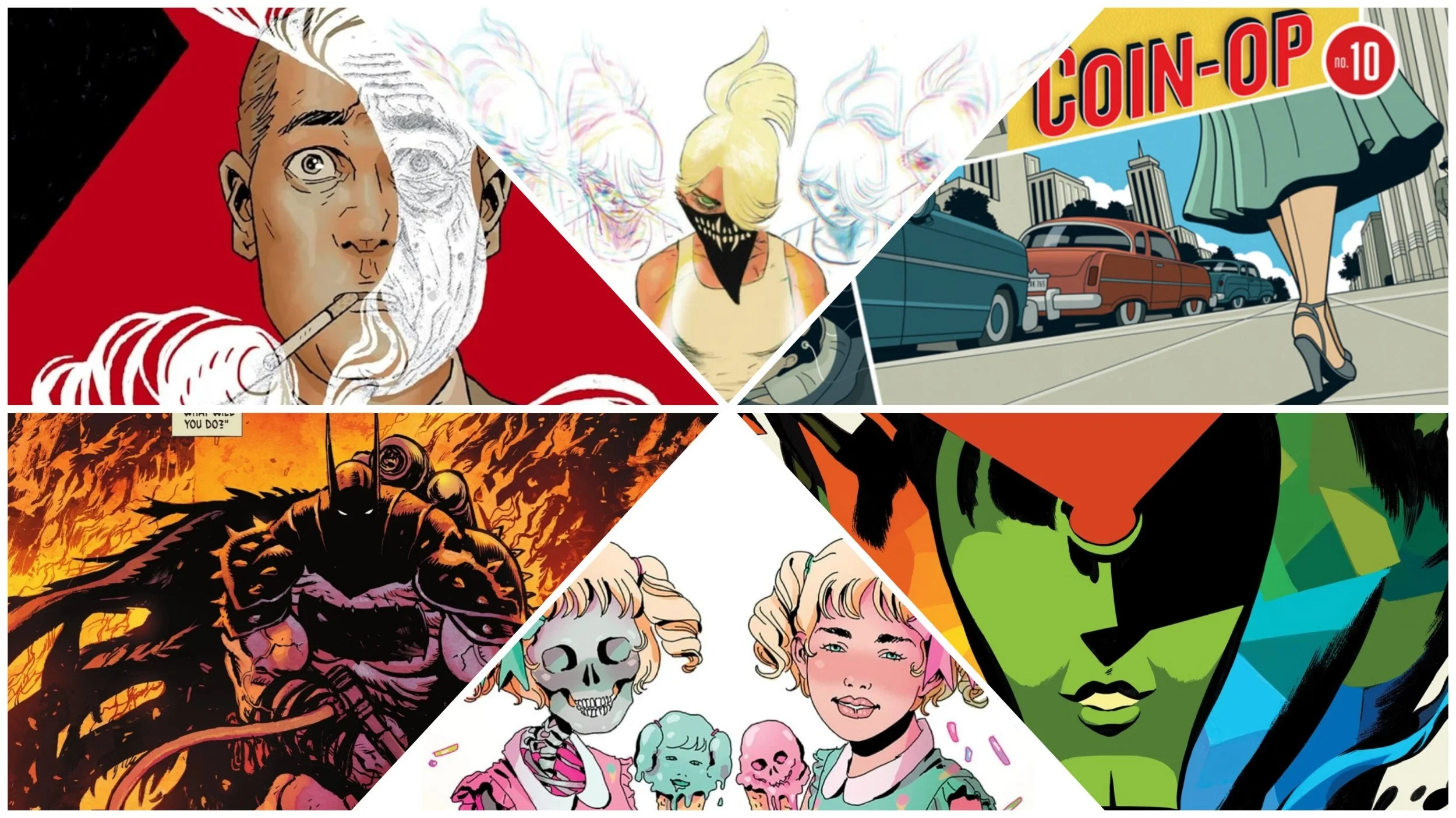
The 2026 Eisner Award nominations are finally in, and the Best New Series category is proving to be one of the most exciting groups in years. This category is always a highlight because it showcases the books that managed to grab our attention and refuse to let go from the very first issue.

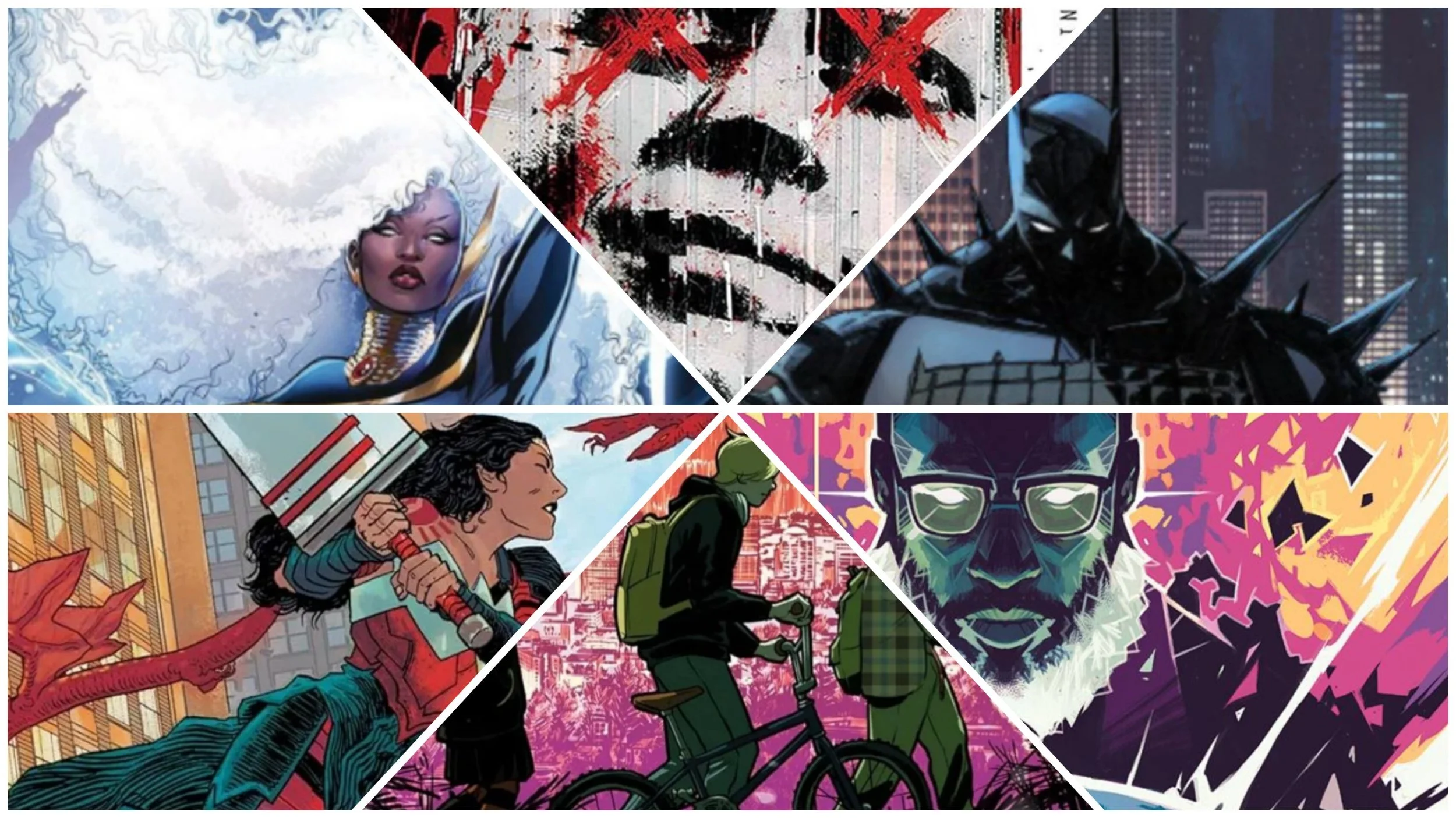
This year, we have a mix of massive corporate icons getting a fresh coat of paint and indie darlings that are pushing the boundaries of what a comic can actually do. From the time-bending adventures of a retired thief to the high-stakes horror of a killer contest, these six nominees represent the future of the industry.


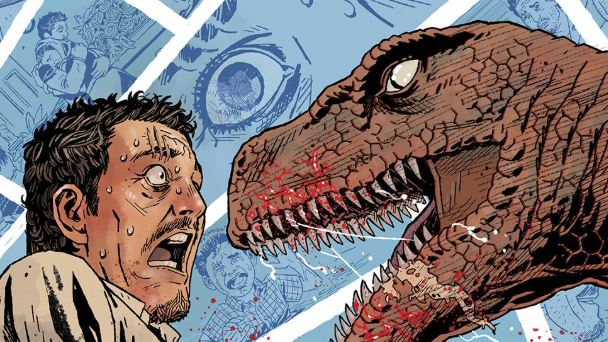
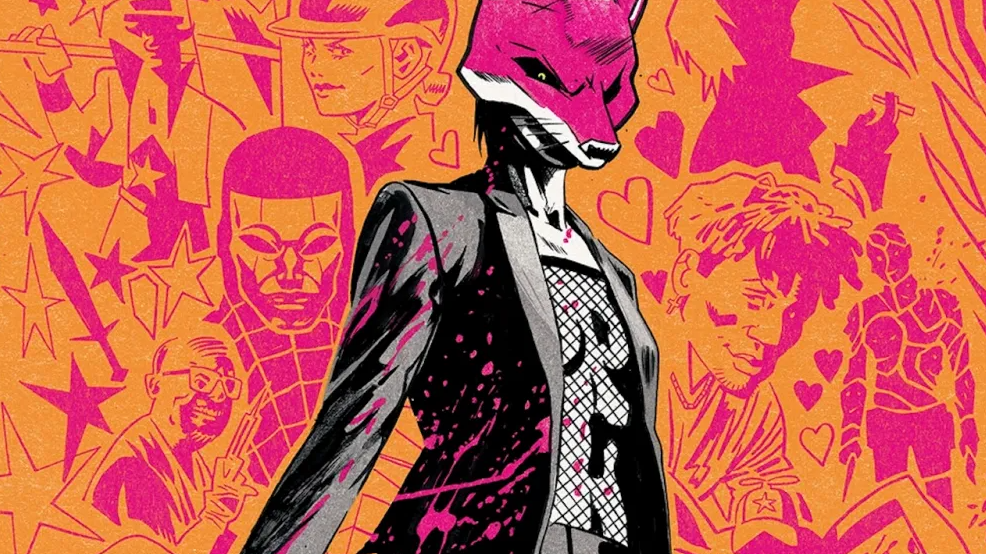
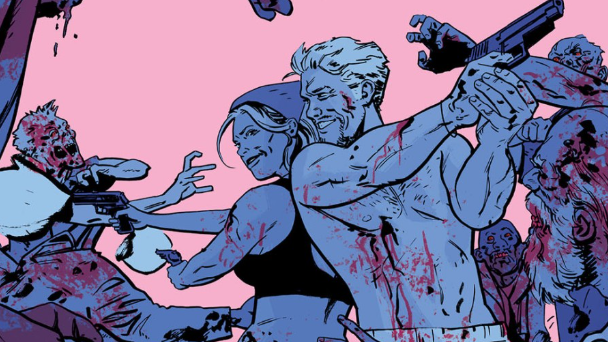
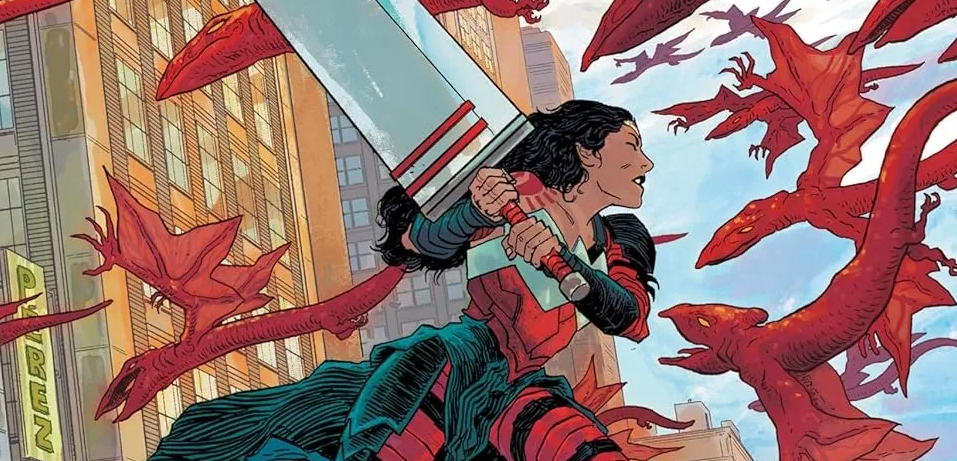
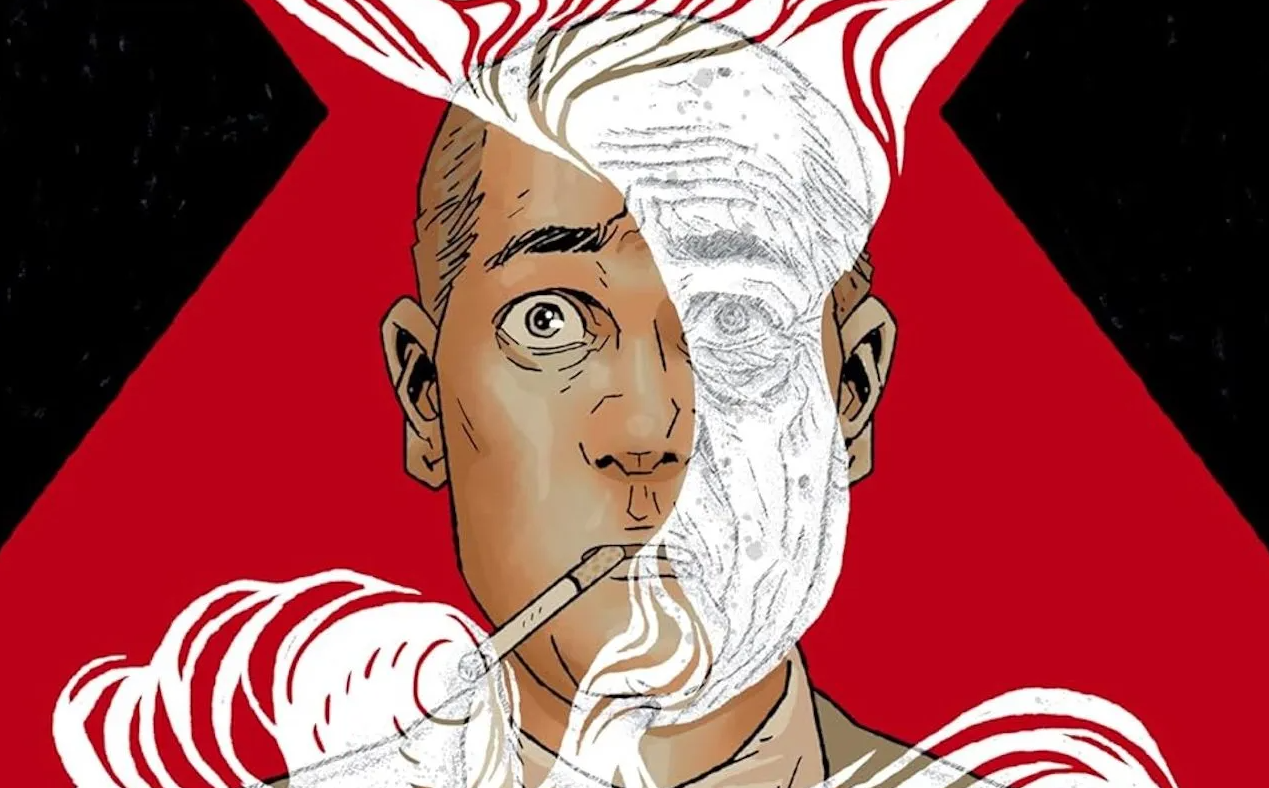
Assorted Crisis Events

What's it about?

This series is a mind-bending anthology that tackles the idea of "personal apocalypses." Instead of one massive world-ending event, each issue focuses on a different, surreal crisis. We see characters stuck in literal time loops, neighborhoods caught in interdimensional turf wars, and people physically trapped within the walls of a movie set. It is a deep, often uncomfortable exploration of trauma, systemic injustice, and the way humans desensitize themselves to the chaos around them.

Who is behind it?

The series is written by Deniz Camp, who has become a superstar with books like The Ultimates and 20th Century Men. The art is handled by Eric Zawadzki, known for his incredible work on The Dregs and Heart Attack. The book is published by Image Comics.

What folks are saying:

Critics are calling this one a "masterclass in visual experimentation." Reviews have praised the way the creative team uses circular panel designs and innovative layouts to mirror the psychological loops of the characters. It is frequently described as a modern, harsher version of The Twilight Zone that perfectly captures the anxiety of the 2020s.

Why it should win:

It should win for its pure narrative ambition. Camp and Zawadzki aren't just telling stories; they are testing the limits of the comic book page. It is a brave, intellectually challenging series that uses sci-fi weirdness to say something profound about real-world issues like migration and mental health.


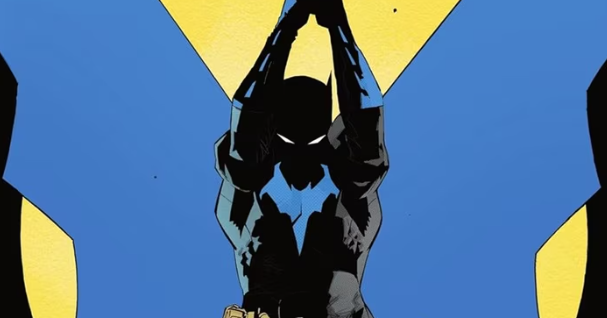
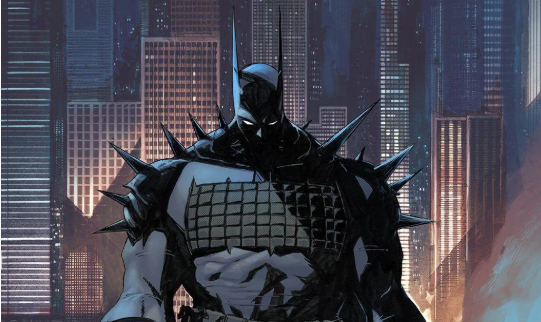
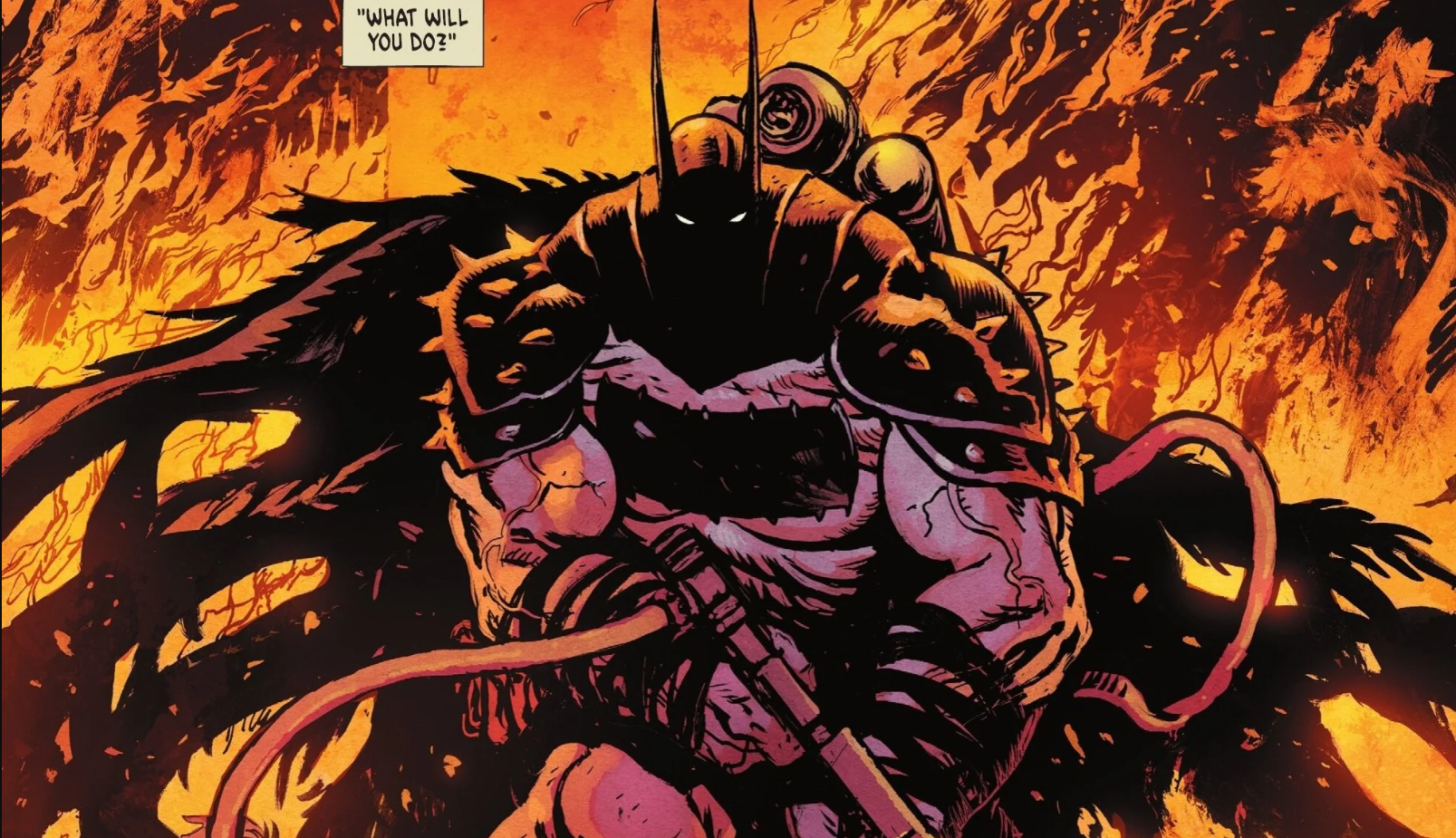
Batman Vol. 4

What's it about?

This is a sleek, high-tension relaunch of the main Dark Knight title. It moves away from world-ending multiversal threats to focus on the rot within Gotham's corporate and criminal infrastructure. The story introduces "The Minotaur," a white-collar villain who controls the financial lifeblood of the city's underworld. As Batman navigates this new landscape, we also get a closer look at the charm and charisma of Bruce Wayne as he interacts with the citizens of Gotham.

Who is behind it?

The series is written by Matt Fraction, the writer behind the legendary Hawkeye run and Sex Criminals. He is joined by superstar artist Jorge Jiménez, whose work on Justice League and Super Sons made him a fan favorite. It is published by DC.

What folks are saying:

Readers are loving the "stylish noir" vibe of this run. The general takeaway is that Fraction has brought a much-needed sense of fun and tension back to the title. Critics have highlighted the introduction of Minotaur as a "mic drop" moment for the series, and Jiménez's art continues to be praised for its incredible energy and detail.

Why it should win:

It should win because it revitalized a flagship book with style and substance. Fraction and Jiménez have managed to make Batman feel like a high-stakes crime thriller again. It balances character-driven moments with blockbuster action in a way that feels fresh even for a character with nearly a century of history.


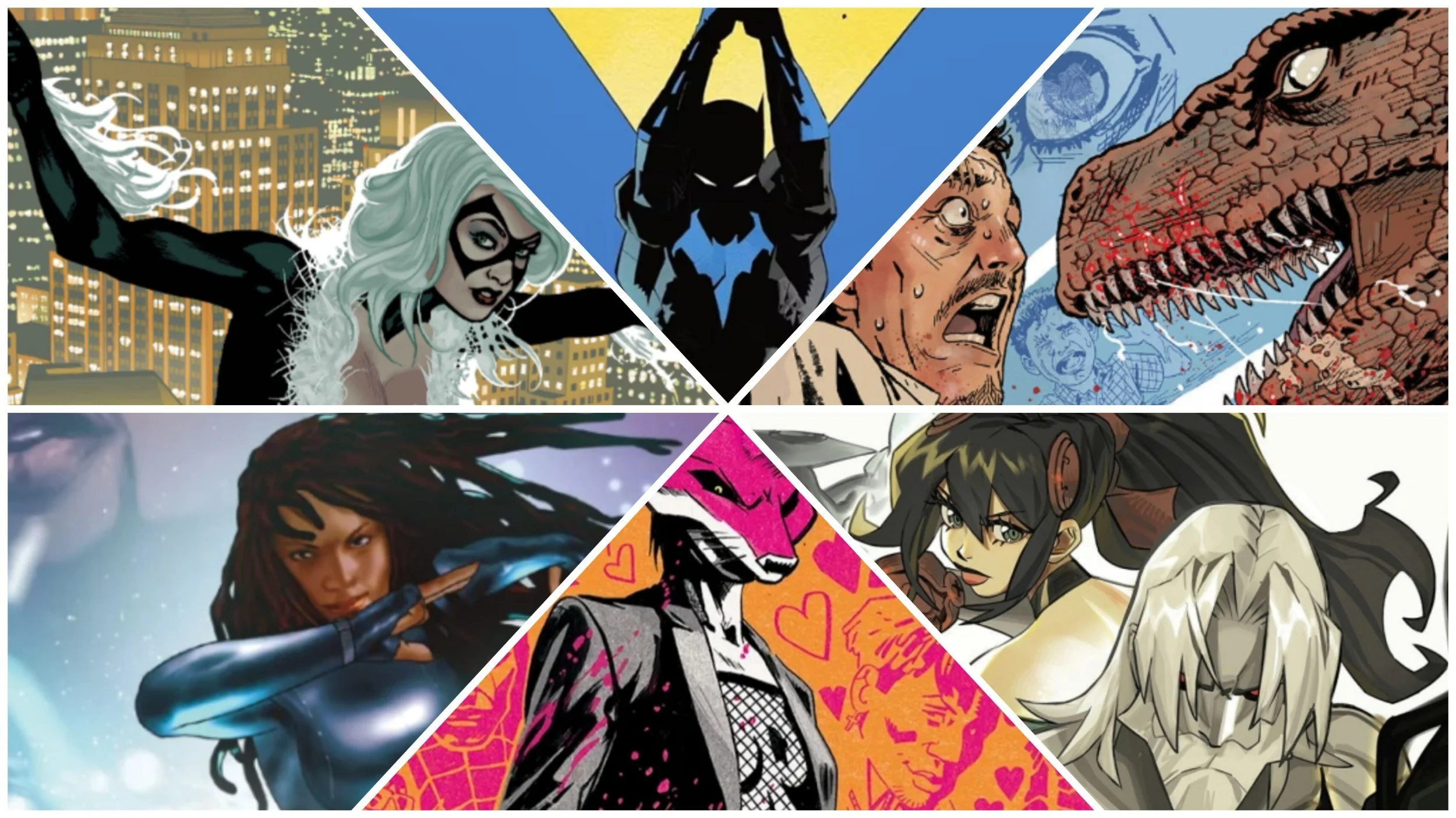
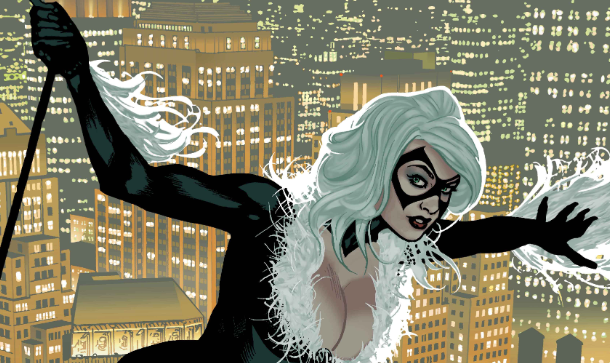
Black Cat

What's it about?

Felicia Hardy is turning over a new leaf, or at least she is trying to. Following a major battle in New York City, the world’s greatest cat burglar decides to try her hand at being a superhero. The plot follows Felicia as she takes on villains like The Lizard and Kingpin, all while trying to maintain her "super-thief" edge by skimming a little off the top for herself. It is a witty, fast-paced adventure about identity and the struggle to do the right thing when your instincts tell you to run with the loot.

Who is behind it?

The book is written by G. Willow Wilson, the co-creator of Ms. Marvel, and features art by Gleb Melnikov, known for his work on Robin. It is published by Marvel Comics.

What folks are saying:

Folks are calling this the most "charming and funny" book on Marvel’s current slate. Reviews mention that Felicia’s internal monologue is a highlight, providing a cynical but hilarious perspective on the superhero community. The art is described as fluid and expressive, perfectly matching the character's acrobatic nature.

Why it should win:

This series deserves the win for its pitch-perfect characterization. Wilson has a deep understanding of what makes Felicia Hardy tick, and she uses that to create a story that is equal parts heist thriller and hero's journey. It is a total blast to read from start to finish.


Exquisite Corpses

What's it about?

This is a dark, sprawling "chiller-thriller" centered on a lethal contest. Thirteen highly skilled killers are recruited by thirteen mysterious sponsors to compete in a high-stakes game of death. The story doesn't just focus on the action; it digs into the depraved mindsets of those in charge and the tragic pasts of the contestants. It is a psychological horror story that treats violence like performance art.

Who is behind it?

The series is written by James Tynion IV, the creator of The Nice House on the Lake, with art by Michael Walsh, the talent behind The Silver Coin. It is published by Image Comics.

What folks are saying:

Critics are calling it the "single best series start of the decade." The general consensus is that the book is incredibly smooth and memorable despite its massive cast. Reviews highlight the minimalist but effective art of Michael Walsh, which helps ground the over-the-top depravity in a chillingly realistic atmosphere.

Why it should win:

It should win for its masterful world-building and character craft. Tynion is at the absolute top of his game here, managing a huge ensemble cast without ever making the reader feel lost. It is an "exquisite" piece of horror that stays with you long after you put the book down.

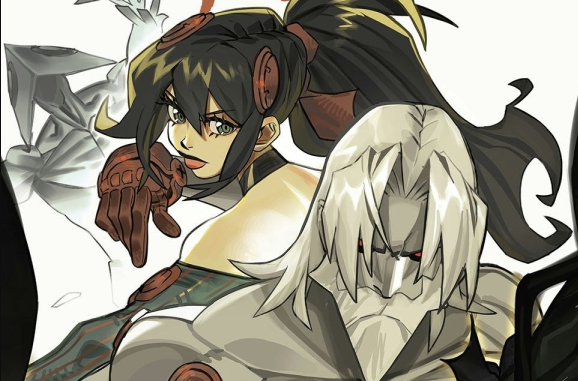
Ghost Pepper

What's it about?

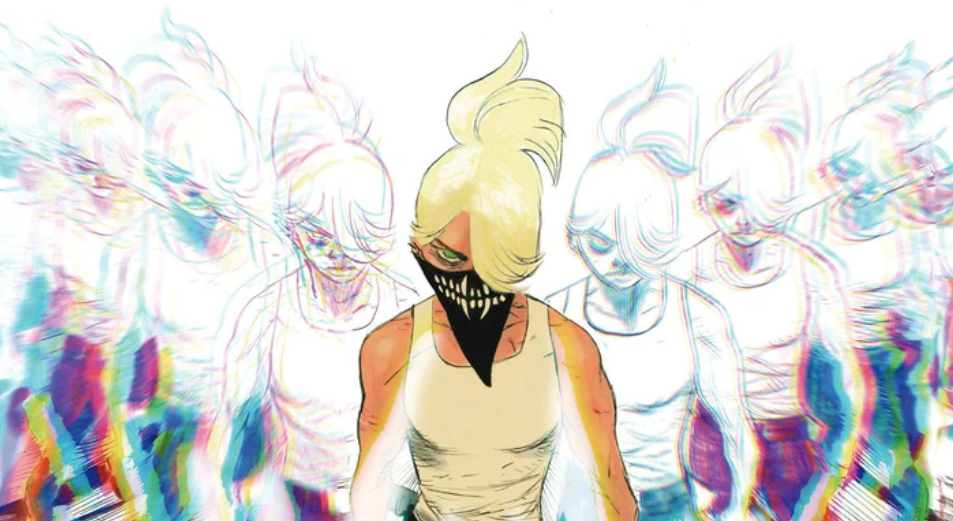
In a world dominated by high-tech armies, one woman fights back with the most unlikely weapon: a food truck. The story follows Loloi, a fearless chef who drives her truck directly into war zones to feed the resistance and undermine the forces of the villainous Lord Bataar. It is a high-octane action series that blends culinary culture with futuristic warfare, exploring themes of community and survival in the face of overwhelming odds.

Who is behind it?

The series is a solo creation written and illustrated by Ludo Lullabi, the artist behind the Battle Chasers revival. It is published by Image Comics.

What folks are saying:

The general takeaway is that the book is "pure kinetic energy." Readers are obsessed with Lullabi’s art style, which conveys speed and power with incredible precision. While the action is the main draw, many reviews mention that Loloi herself is the heart of the series, providing a relatable and grounded perspective in a wild sci-fi world.

Why it should win:

It should win for its sheer originality and visual flair. Lullabi has created a world that looks and feels like nothing else on the stands. It is a high-energy, fun, and beautifully illustrated series that proves you can find a unique hook even in the crowded sci-fi genre.


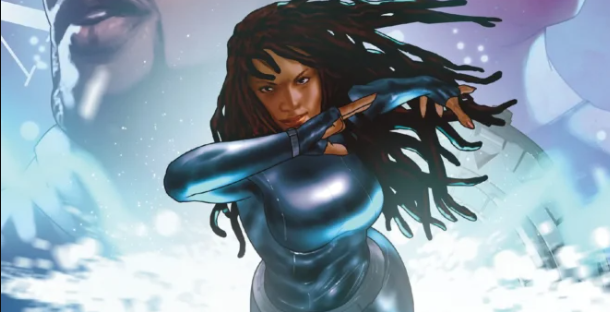
Temporal

What's it about?

Savannah was once a legendary temporal thief, slipping through time to steal rare artifacts. She gave it all up to raise her son and live a quiet life, but when her son’s birthday doesn't go as planned, she decides to go back for "one last job." She just wanted to steal a vintage gaming console from the past, but the mission accidentally triggers a reality-collapsing threat. Now, Savannah has to face her former life to protect her family’s future.

Who is behind it?

The series is written by Stephanie Williams, known for her work on Nubia and Moon Girl, with art by Asiah Fulmore, who worked on Amethyst: Princess of Gemworld. It is published by Mad Cave Studios.

What folks are saying:

Reviewers are calling this a "heartfelt and imaginative" take on time travel. Critics have praised the way the story balances sci-fi spectacle with the very real, grounded struggles of motherhood. The art is described as expressive and diverse, helping to make the different time periods feel distinct and lived-in.

Why it should win:

This book deserves the win for its emotional core. It uses a high-concept sci-fi premise to tell a very human story about regret and the things we do for our children. It is a refreshing, smart, and beautifully paced series that shows the strength of independent publishing.


Whether you are looking for a psychological deep dive or a high-energy superhero romp, the 2026 Best New Series nominees have something for everyone. Each of these titles managed to build a dedicated following almost overnight, and they are all essential reading for anyone trying to stay current with the industry. No matter who takes home the prize, these stories prove that the comic book medium is still full of surprises and fresh ideas.

Which of these new starts was your favorite this year?

Breaking Down The 2026 Eisners: Best Limited Series Nominees

ComicBook CliqueComment

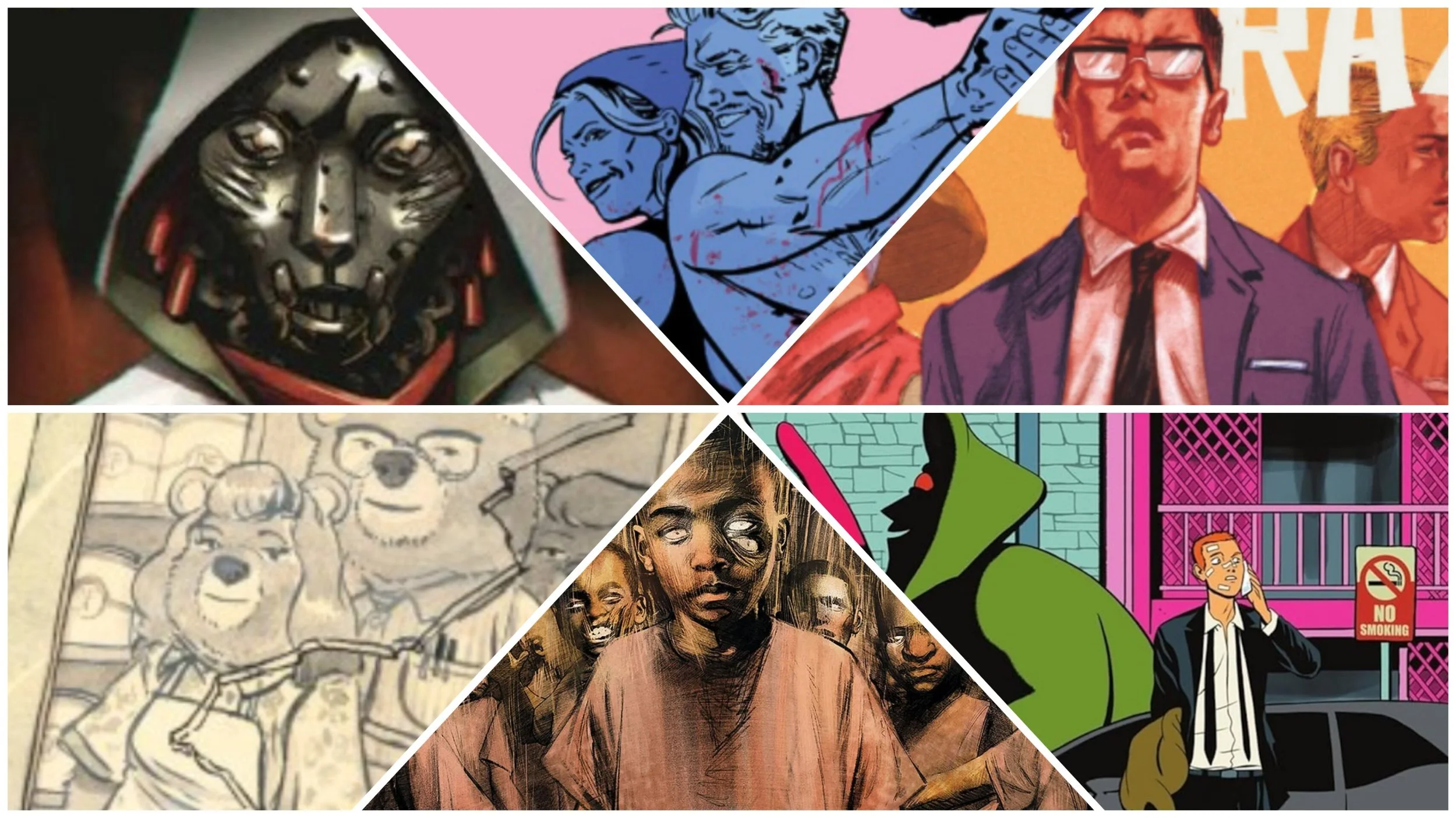
The 2026 Eisner Award nominations have officially dropped, and the Best Limited Series category is a complete gauntlet. This year’s list is a masterclass in how to tell a complete, impactful story within a set number of issues. From the reinvention of DC icons to hard hitting historical horror and indie sensations, these six nominees represent the absolute cutting edge of the medium. If you are looking for a story with a clear beginning, middle, and end that still manages to leave a permanent mark on your brain, these are the books to track down.


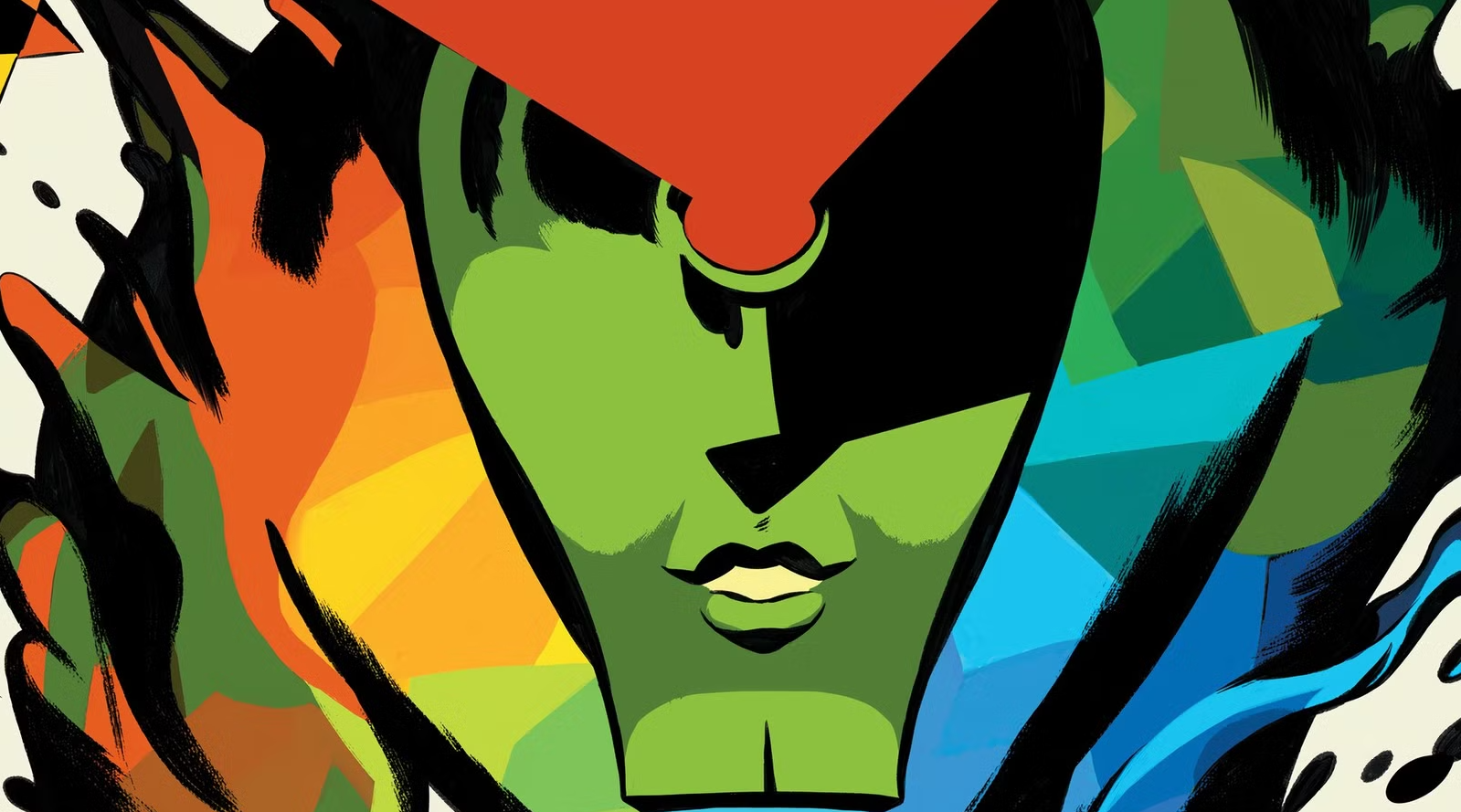
Absolute Martian Manhunter

What's it about?

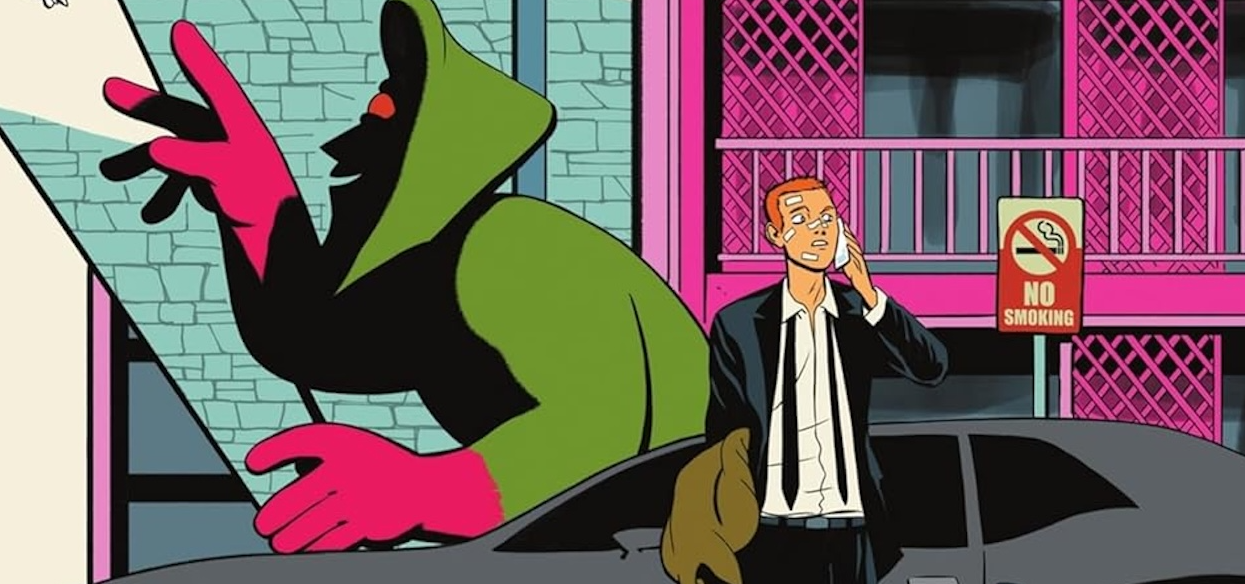
This is a far cry from the classic Justice League member who just loves Chocos. In this surrealist take, we follow FBI agent John Jones as he navigates a world where his sanity is slipping. He shares his mind with a Martian hitchhiker, leading to a psychological journey that feels more like a fever dream than a standard superhero book. The plot explores identity, immigration, and the "weird fiction" roots of the character, all while John tries to solve a series of horrific crimes.

Who is behind it?

The series is written by Deniz Camp, who has been on a massive winning streak with books like The Ultimates and 20th Century Men. The mind-bending visuals come from artist Javier Rodriguez, whose work on History of the Marvel Universe was legendary. It is published by DC as a standout title in their Absolute line.

What folks are saying:

Critics are calling this the "indie darling" of the Absolute Universe. Reviews often highlight how the book moves away from typical action beats to focus on "Martian Vision" and psychedelic storytelling. Fans love the chummy yet disturbing relationship between John and his Martian passenger, with many comparing the vibe to experimental classics like Shade the Changing Man.

Why it should win:

It should win for its pure creative bravery. Taking a major DC character and turning his story into a surrealist horror-thriller is a huge risk that pays off on every single page. The synergy between Camp’s dense, thoughtful scripts and Rodriguez’s vibrant, experimental layouts is unmatched right now.


Beneath The Trees Where Nobody Sees: Rite of Spring

What's it about?

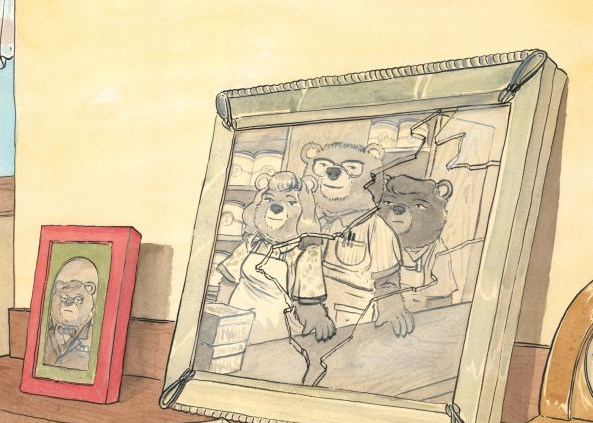
This is the chilling sequel to the surprise hit of the same name. Set eight years after the original massacre in the cozy town of Woodbrook, the story follows Samantha Strong, a cuddly brown bear who also happens to be a calculated serial killer. The plot shifts into high gear as Samantha realizes that in the age of the internet, it is much harder to keep your skeletons in the closet. It is a "Dexter meets Richard Scarry" nightmare that explores how secrets eventually rot from the inside out.

Who is behind it?

The series is a solo effort written and illustrated by Patrick Horvath. His unique ability to blend "cute" storybook aesthetics with visceral, psychological horror has made him a rising star at IDW.

What folks are saying:

The consensus is that Horvath didn't just replicate the success of the first book; he actually raised the stakes. Readers are praising the time jump for how it forces Samantha to evolve. Critics have noted that the "spark" of the original is still there, but with an added layer of modern dread regarding digital footprints and inescapable justice.

Why it should win:

It should win for its incredible execution of a "lightning in a bottle" concept. Horvath maintains a razor-sharp balance between the whimsical art style and the pitch-black narrative. It is one of the most tonally unique books in the history of the medium, and the sequel proves the concept has real staying power.


Bronze Faces

What's it about?

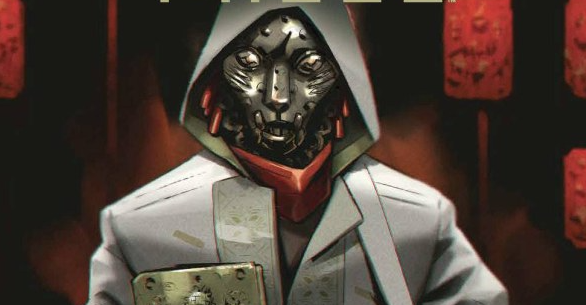
This is a high stakes heist story with a deep, meaningful core. Three childhood friends from Nigeria unite in London to plan a daring reclamation of stolen cultural artifacts. Their target: the British Museum. While the plot moves with the tension of a classic heist, it is really an exploration of the lasting impact of colonialism and the importance of reclaiming one's history. It is a story about heritage, friendship, and righting historical wrongs.

Who is behind it?

The series is created by Shobo and Shof Coker, the duo behind the acclaimed New Masters, and illustrated by Alexandre Tefenkgi, who previously wowed readers with The Good Asian. It is published by BOOM! Studios.

What folks are saying:

Reviews are calling it "powerful and cinematic." Critics have praised the way it handles themes of cultural theft without losing the energy of a thriller. The panel layouts and stylized expressions from Tefenkgi have been highlighted for giving the story a modern, fresh feel that separates it from standard historical fiction.

Why it should win:

It should win for its cultural significance and narrative strength. It tells a story that is rarely explored in comics with such nuance and excitement. It manages to be both an educational look at Nigerian history and a propulsive, entertaining read that keeps you guessing until the final page.


Crownsville

What's it about?

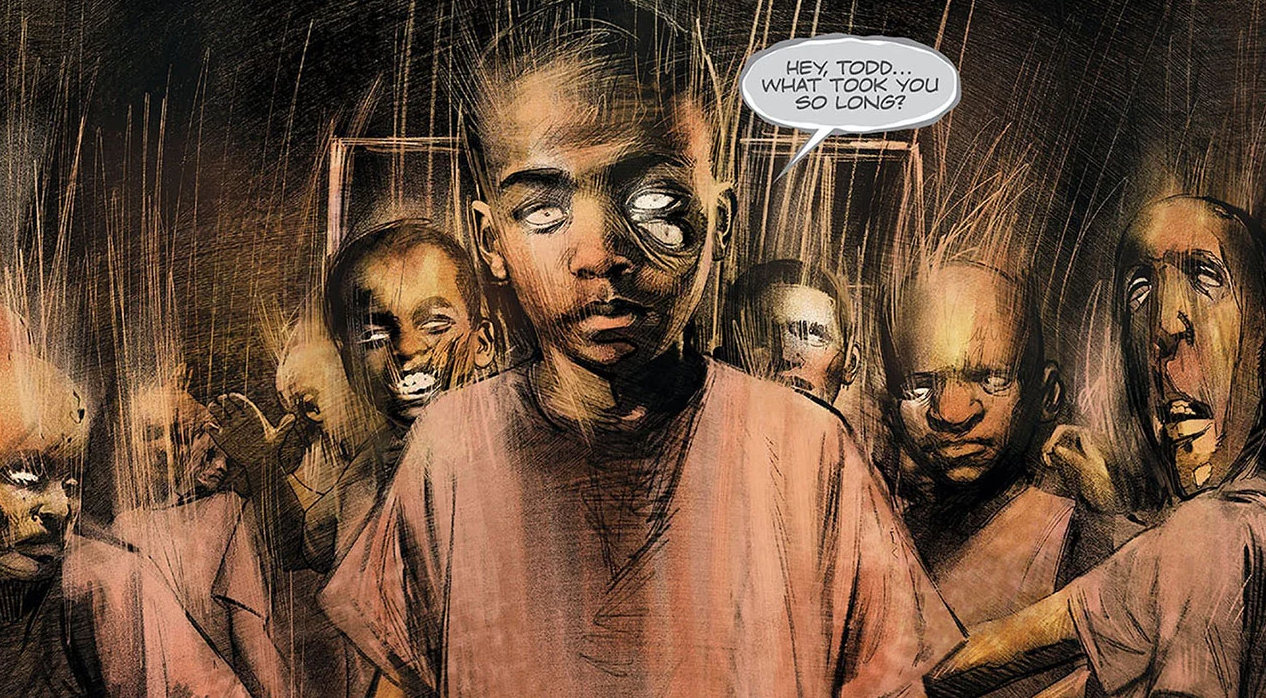
Rooted in real-life historical atrocity, this series focuses on the Crownsville Hospital, a notorious segregated all-Black psychiatric institute in Maryland. The story follows a police detective and a journalist as they investigate a death at the now-abandoned hospital. They soon discover that the horrors of the past haven't stayed buried. It is a supernatural horror tale where the building itself acts as a living, breathing character, reflecting the trauma and injustice of its history.

Who is behind it?

The book is written by Rodney Barnes, the master of modern horror comics like Killadelphia, and illustrated by Elia Bonetti. It is published by the team at Oni Press.

What folks are saying:

Folks are calling this a "haunting and poignant" read. The general takeaway is that Barnes uses horror to highlight forgotten history in a way that feels incredibly respectful yet terrifying. Reviewers are obsessed with Bonetti’s art, noting how the gritty, sketchy style perfectly conveys the decay and unease of the setting.

Why it should win:

It should win for its "Horror with a Purpose" approach. It uses the medium to shed light on a dark chapter of American history while delivering a genuinely scary supernatural thriller. The blend of true crime and the paranormal creates a weight that few other horror comics can match.


Everything Dead and Dying

What's it about?

This is a zombie story that isn't really about the zombies. It follows Jack Chandler, a queer man who is the sole survivor of an apocalypse in his rural community. Instead of killing the undead, he chooses to live with them, specifically his husband and daughter who have both turned. The plot explores what happens when outsiders discover his situation and threaten the "life" he has built. It is a devastating look at loneliness, grief, and the lengths we go to for love.

Who is behind it?

The series is written by Tate Brombal, known for Barbalien: Red Planet, and illustrated by Jacob Phillips, the standout artist from That Texas Blood. It is published by Image Comics.

What folks are saying:

Critics are labeling this the "definitive zombie comic" of 2026. Reviews mention that each page turn feels like a "knife twisting" because of the emotional honesty. Many readers have commented on how the book humanizes characters that would normally be the "monsters" in something like The Walking Dead.

Why it should win:

It deserves the win for reinventing one of the most tired genres in fiction. By centering the story on a queer perspective and the theme of domestic loss, Brombal and Phillips have created something that feels entirely new. It is a beautiful, heartbreaking piece of literature that just happens to have zombies in it.


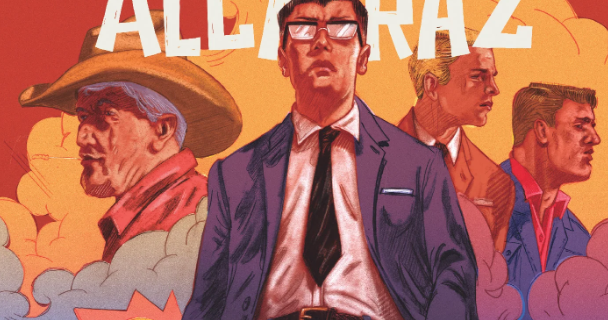
Out of Alcatraz

What's it about?

Starting with the real-life 1962 escape from Alcatraz, this series explores what might have happened to the inmates who were never found. It follows the fugitives as they limp through a murky Northern California underworld. The plot moves from a high-tension escape story into a psychological noir where the men realize that the world beyond the bars might be just as much of a cell as the prison itself.

Who is behind it?

The creative team is a heavy hitter duo: writer Christopher Cantwell, known for his work on Halt and Catch Fire and Iron Man, and artist Tyler Crook, the talent behind The Lonesome Hunters. It is published by Oni Press.

What folks are saying:

The consensus is that this is "bleakly gorgeous." Critics love the atmospheric, painterly art style that evokes a sense of cinematic dread. Reviewers have compared the tone to True Detective and the work of Ed Brubaker, praising the "metaphysical despair" that elevates the story beyond a simple crime thriller.

Why it should win:

It should win for its incredible mood and historical accuracy. Cantwell’s sharp script combined with Crook’s stunning watercolors creates a world that feels damp, dangerous, and deeply lived-in. It is a masterclass in historical fiction that uses a real mystery to explore deep, human fatalism.


These six titles show why the "Limited Series" format is such a vital part of the comic industry right now. Whether you are looking for a cosmic reinvention at DC or a heartbreaking indie drama at Image, this year's nominees offer something for everyone. They prove that you don't need a hundred issues to tell a story that sticks with a reader forever. No matter which book takes home the Eisner, this category is a win for anyone who loves high-quality, finished storytelling.

Which of these series has been on your pull list this year?

Breaking Down The 2026 Eisners: Best Continuing Series Nominees

George SerranoComment

The 2026 Eisner Award nominations are officially here, and the Best Continuing Series category is looking like an absolute powerhouse. Often referred to as the Oscars of the comic book world, these awards celebrate the pinnacle of graphic storytelling.

This year’s list of nominees is a perfect reflection of the industry’s current direction, blending massive superhero reinventions with deep indie dramas and high concept sci-fi. Whether you are following the bold new Absolute Universe at DC or the cosmic scales of Marvel’s mutant icons, there is no denying that we are living in a golden age for serialized storytelling.


Absolute Batman

What's it about?

This is not your father’s Batman. Scott Snyder and Nick Dragotta have stripped away the billionaire lifestyle and the high-tech cave to give us a Bruce Wayne who is a working-class hero. Set in a Gotham that feels more dangerous and grounded than ever, the story follows a Bruce who uses his engineering skills and raw physical power to wage a war against a city that seems determined to swallow him whole. It subverts everything you know about the Wayne legacy while keeping the core of the character intact.

Who is behind it?

The series is written by Scott Snyder, the architect of the fan favorite Court of Owls era, and illustrated by Nick Dragotta, known for the hyper-stylized visuals of East of West. It is published by DC as the flagship title of their Absolute line.

What folks are saying:

Critics are calling it a "tour de force" in pacing and visual energy. The general takeaway is that the series feels incredibly fresh and unpredictable, especially for a character that has been around for over 85 years. Fans love the brutal, high-energy action and the way it reimagines iconic villains in ways that actually feel scary again.

Why it should win:

It should win because it managed the impossible: making Batman feel brand new. The synergy between Snyder’s world-building and Dragotta’s gritty, kinetic art has created a series that feels vital to the modern comic landscape. It is a bold, risky take that has completely paid off.


Absolute Wonder Woman

What's it about?

In this reality, Diana was not raised on the paradise of Themyscira. Instead, she was raised in Hell by the witch Circe. This version of Wonder Woman is a warrior forged in a world of cruelty, yet she chooses to lead with empathy and kindness. The plot follows her as she navigates a dark, mythological landscape, fighting for those who have no voice and questioning the very gods who abandoned her.

Who is behind it?

The series is written by Kelly Thompson, whose work on Captain Marvel and Black Widow earned high praise, with art by Hayden Sherman and Mattia De Iulis. It is also part of the Absolute line at DC.

What folks are saying:

Readers are describing this series as "transcendently gorgeous." The general sentiment is that Thompson has captured the true heart of Diana, showing that kindness is her ultimate superpower. The artwork is frequently highlighted as some of the most beautiful on the stands today, blending high fantasy with a darker, more modern edge.

Why it should win:

It is a profound character study that proves you can change a character's origin without losing their soul. The focus on myth, empathy, and social justice makes it stand out as a series with real emotional weight. It is a masterclass in how to modernize a legend.


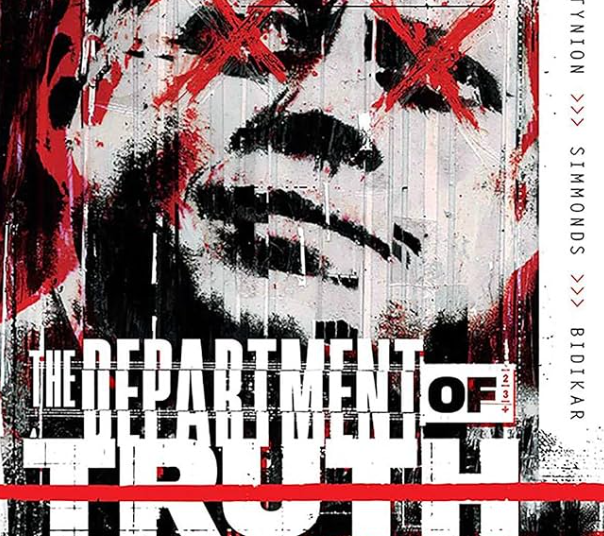
The Department of Truth

What's it about?

The premise is simple but terrifying: if enough people believe in a conspiracy theory, it becomes the truth. The story follows Cole Turner, a man recruited by a secret government agency tasked with making sure that reality stays reality. It is a deep dive into the history of American conspiracies, from the JFK assassination to modern day disinformation, all while exploring the high cost of maintaining the status quo.

Who is behind it?

The book is written by James Tynion IV, the mind behind Something Is Killing the Children, and features the haunting, experimental art of Martin Simmonds. It is published by Image Comics.

What folks are saying:

Critics often describe the book as "creeping dread in ink form." The art style, which many compare to Bill Sienkiewicz, is a major talking point for its ability to convey chaos and confusion. Reviews frequently praise the series for being one of the most intelligent and timely commentaries on the modern world.

Why it should win:

It should win for its sheer ambition and intellectual depth. Tynion and Simmonds have created a world that feels uncomfortably close to our own. It is a unique, challenging reading experience that pushes the boundaries of what a political thriller can be in the comic medium.


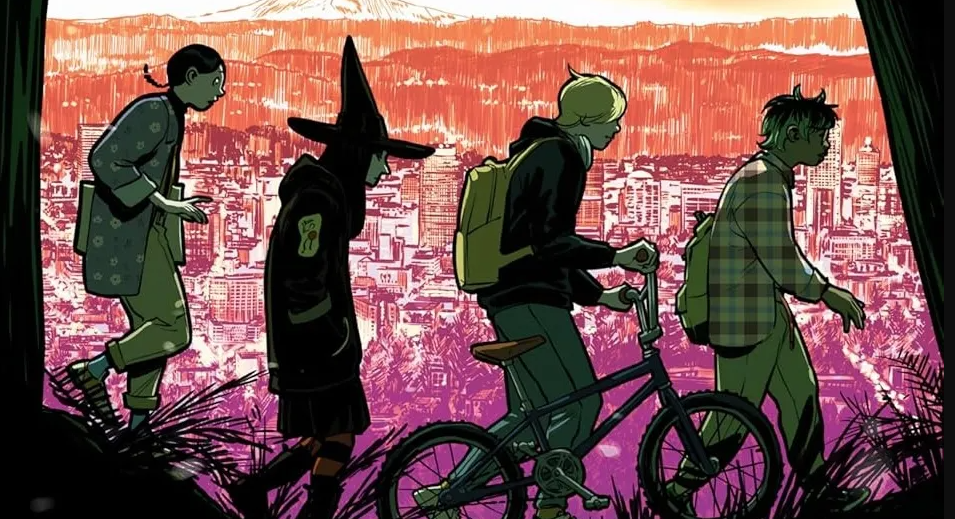
FML

What's it about?

Riley is a teenager in Portland who spends his days sketching out a heavy metal future between monster movies and band practice. However, after a ritual at a forest party goes sideways, his heavy metal fantasies start bleeding into reality. It is an "apocalyptic odyssey" that forces Riley to balance the horrors of high school, his goth sister, and his Riot Grrrl mother with actual supernatural threats in a world that already feels like it is ending.

Who is behind it?

The series reunites the Eisner-winning team of writer Kelly Sue DeConnick and artist David Lopez, the duo behind the iconic Captain Marvel run. It is published by Dark Horse Comics.

What folks are saying:

Reviews highlight the book as a perfect mix of "satire and sincerity." It has been compared to a blend of Buffy the Vampire Slayer and Jennifer’s Body, with a strong punk rock energy. Folks are particularly impressed with how the series handles the "horror of being both a child and a parent" in today's chaotic world.

Why it should win:

It is a brilliantly original and authentic coming-of-age story. The dialogue is snappy, the art is full of personality, and the central metaphor of teenage angst as literal supernatural chaos is perfectly executed. It is a refreshing, loud, and incredibly fun read.


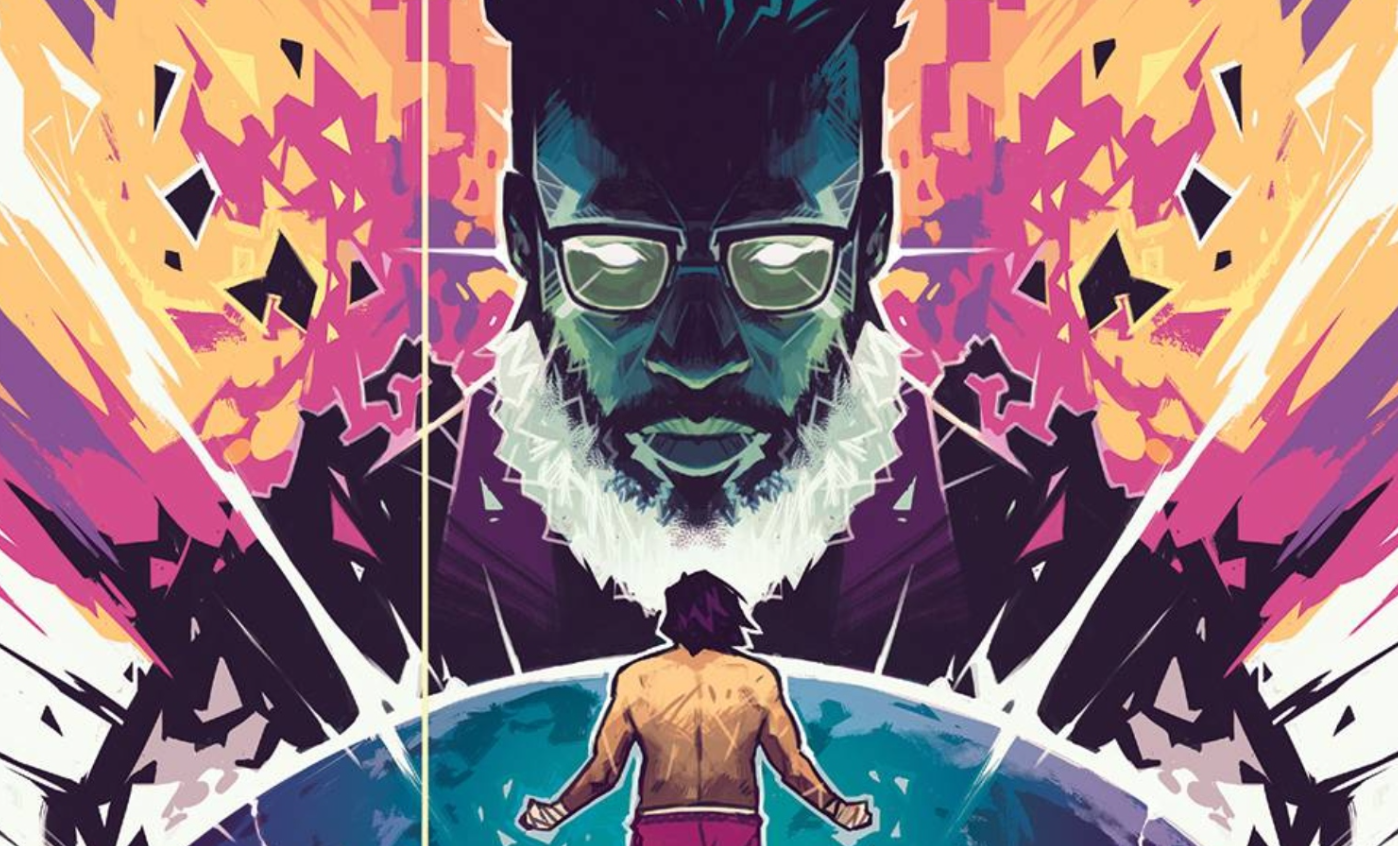
The Power Fantasy

What's it about?

What if the development of the atomic bomb also led to the birth of "Atomics," humans with world ending powers? The story focuses on the "Superpowers," six individuals who are so powerful that if they ever actually fought each other, it would be the end of existence. It is a high stakes political drama about the ethics of power and the secret treaties kept to prevent a global catastrophe.

Who is behind it?

Written by Kieron Gillen, the creator of The Wicked + The Divine, and illustrated by Caspar Wijngaard. The book is published by Image Comics.

What folks are saying:

Critics are calling it a "sprawling banger" that prioritizes character development and suspense over typical superhero fights. The general takeaway is that the series is a smart subversion of the genre, focusing on the tension of power rather than the use of it. Fans are already deep into theorizing about the world Gillen has built.

Why it should win:

It is one of the smartest "Big Idea" books currently on the market. Gillen’s ability to weave complex themes with Wijngaard’s vibrant, neon-soaked art makes for a compelling and unique experience. It is a sophisticated take on metahumans that feels entirely original.


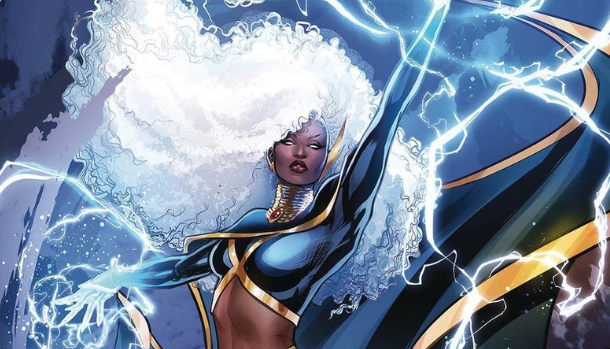
Storm

What's it about?

Ororo Munroe is finally getting the definitive solo series she deserves. The story follows Storm as she steps into her role as "Earth's Mightiest Mutant" and a cosmic Goddess. It explores her connection to abstract beings like Eternity and Oblivion while grounding her in her Yoruba cultural roots. It is a massive, planet-hopping adventure that shows why Ororo is one of the most powerful and respected icons in the Marvel Universe.

Who is behind it?

The creative team includes writer Murewa Ayodele and artist Lucas Werneck. Published by Marvel Comics, this series has quickly become the standout of the "From the Ashes" X-Men era.

What folks are saying:

The general consensus is that this is a "landmark solo series." Reviews consistently praise Lucas Werneck’s breathtaking art and the way Murewa Ayodele blends Nigerian mythology with high stakes superhero action. Fans are thrilled to see Storm treated with the gravitas and scale that her character demands.

Why it should win:

It is a visual and narrative spectacle. The series successfully balances Storm’s vulnerable, human side with her status as a cosmic powerhouse. It is a culturally rich, beautifully illustrated tribute to an icon that feels like the definitive take for 2026.


Looking back at this list, it is clear that the "Continuing Series" category is more competitive than ever. Each of these nominees has pushed the medium forward in its own way, whether through the reinvention of a classic or the creation of a brand new world.

No matter who takes home the trophy at the Eisners this year, these stories are all essential additions to any reader’s pull list. They remind us that the best comics aren't just about heroes and villains; they are about the deep, complex human experiences that connect us all.

Breaking Down The 2026 Eisners: Best One-Shot/Single Issue Nominees

George SerranoComment

The 2026 Eisner Award nominations for Best One-Shot or Single Issue highlight the absolute best of standalone storytelling in the comic book medium. While ongoing series get a lot of the spotlight, these single issues prove that you can deliver a world class narrative in just thirty or so pages. This year’s list is a fascinating mix of high-concept indie hits, bold reinventions of classic DC icons, and experimental anthologies that push the boundaries of the page. From the psychological weirdness of the Absolute Universe to the gut-wrenching passage of time in Image Comics’ standout entries, these nominees represent the peak of creative ambition in 2026.


Absolute Batman 2025 Annual #1

What's it about?

This annual takes a deep dive into the psyche of a Bruce Wayne who is still figuring out his mission. It interweaves flashbacks of a socially active Thomas Wayne with a present day story where Batman wages a brutal war against extremist groups in Slaughter Swamp. The main plot is a heavy exploration of rage and morality, while the backup stories offer different perspectives on the Dark Knight's impact on the citizens of Gotham.

Who is behind it?

The main story features the powerhouse team of writer/artist Daniel Warren Johnson. The issue also includes backup stories from James Harren, known for the savage visuals of Ultramega, and Meredith McClaren, who brings a lighter, educational touch to the bat-mythos. It is published by DC as part of their hit Absolute Universe line.

What folks are saying:

Critics are calling this one a "mirror of the rage we are all feeling." Reviews frequently point to the hyper-stylized action and the way Johnson depicts Batman’s sheer power. Many readers appreciated the political undertones and the complicated, almost terrifying way Batman is viewed by those he saves.

Why it should win:

It should win for being a rare superhero comic that feels both timeless and incredibly timely. The way it balances high-octane action with a genuine reflection on extremism and systemic issues makes it stand out. It proves that even the most established characters can be reinvented in ways that feel vital and necessary.


Absolute Martian Manhunter #1

What's it about?

This issue introduces a version of John Jones who is an FBI agent caught in a life-altering explosion. It quickly shifts into a psychological thriller as Jones realizes he is sharing his body and mind with an alien parasite. The story moves away from traditional superhero tropes to focus on telepathy, memory, and the "weird fiction" roots of J'onn J'onzz.

Who is behind it?

Writer Deniz Camp and artist Javier Rodriguez lead this creative team. Camp has been on a hot streak with projects like The Ultimates and 20th Century Men, while Rodriguez is celebrated for his incredible work on History of the Marvel Universe. It is published by DC.

What folks are saying:

Readers are obsessed with the "weirdness" of this book. Many have compared the vibe to Grant Morrison or Jack Kirby at their most experimental. The visual depiction of telepathy as a swirl of colors and shapes has been a major talking point in reviews, with many calling it the most visually distinct book in the Absolute line.

Why it should win:

This issue deserves the win for its sheer creative audacity. It takes a B-list hero and turns his origin into a mind-bending, genre-defying masterpiece. The synergy between Camp’s script and Rodriguez’s layouts creates a reading experience that truly couldn't exist in any other medium.


Assorted Crisis Events #4

What's it about?

In this experimental issue, we follow a character named Mikey through his entire life. The story moves at a breakneck pace, with Mikey aging from a child to a senior citizen over the course of just 32 pages. It is a poignant, often heartbreaking look at how "time flies" and how easy it is to lose oneself in the routine of modern life.

Who is behind it?

This is another stellar entry from writer Deniz Camp, this time collaborating with artist Eric Zawadzki. Zawadzki is known for his detailed, expressive work on titles like The Dregs and Heart Attack. The book is published by Image Comics.

What folks are saying:

The general takeaway is that this issue is a total "gut punch." Reviewers have praised the opening pages for their masterful use of the medium to show the passage of time. Many readers found it deeply relatable, noting how it captures the feeling of modern alienation and the sense that life is moving faster than we can process.

Why it should win:

It should win for its emotional weight and technical precision. Compressing an entire human life into a single issue without it feeling rushed is a massive achievement. It is a profound piece of work that uses the static nature of comics to tell a story about the fluidity of time.


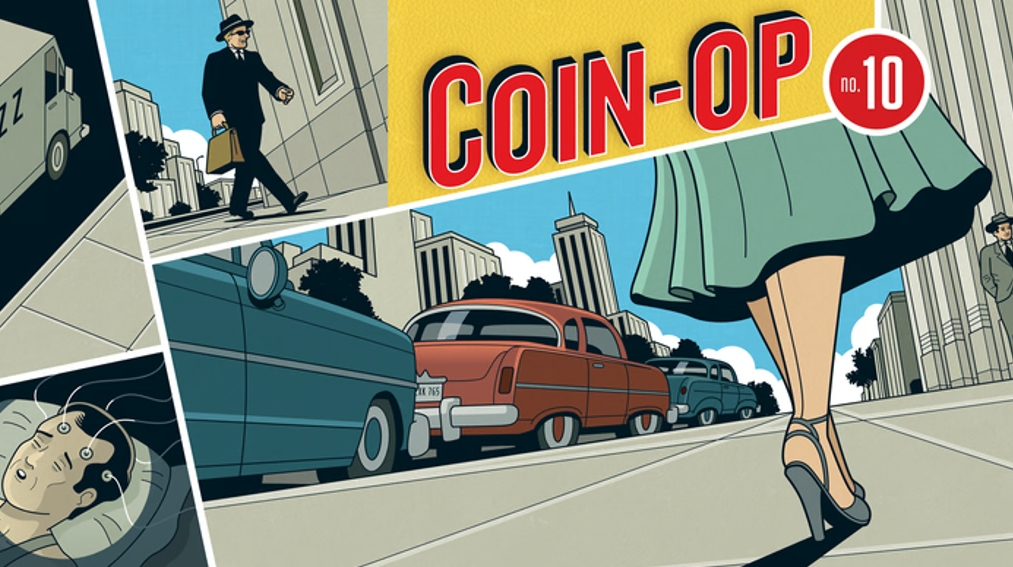
Coin-Op no. 10: Wet Cement

What's it about?

This 50-page one-shot is a surreal journey through a city that knows way too much. It blends noir sensibilities with a love triangle plot involving brainwave transmissions and secret authorities. The story feels like a "dreamscape" where the unbelievable becomes ordinary, exploring themes of loneliness and the disconnect from reality in the modern era.

Who is behind it?

The book is created by the brother-sister duo of Peter and Maria Hoey. Their work is heavily influenced by surrealism and jazz history, often published through their own Coin-Op Books imprint.

What folks are saying:

Critics have described the Hoeys' work as a connection between the noir aesthetic and the surrealist movement. Reviews highlight the "purposeful flatness" of the art and how it effectively pulls the reader into an otherworldly headspace. It has been called one of the best indie books of the year by major bookstore curators.

Why it should win:

It is a testament to the power of independent, creator-owned comics. The Hoeys have a visual language that is entirely their own, and Wet Cement is perhaps their most refined work yet. It should win for its unique atmosphere and its commitment to the "comix" tradition of pushing artistic boundaries.


Ice Cream Man #43: “One Page Horror Stories”

What's it about?

This issue of the long-running horror anthology takes a bold format-bending turn. It features dozens of "one-page horror stories" from a massive list of guest creators. Each page is a self-contained nightmare, compressing the series' signature "life-is-horror" theme into nine-panel grids or prose-heavy experimental layouts.

Who is behind it?

Regular series writer W. Maxwell Prince is joined by a star-studded lineup of guests including Grant Morrison, Patton Oswalt, Kelly Sue DeConnick, and Jeff Lemire. The constant factor is the incredible art team of Martin Morazzo and Chris O’Halloran. It is published by Image Comics.

What folks are saying:

The consensus is that this is a "star-studded, jaw-dropping" achievement. While readers admit that not every single page lands with the same impact, the best stories are being called extraordinary. Critics have particularly praised the stories by Grant Morrison and Kelly Sue DeConnick for how they maximized the one-page constraint.

Why it should win:

It should win for the sheer ambition of the project. Managing a guest list of that caliber while maintaining the consistent, unsettling tone of Ice Cream Man is no small feat. It is a celebration of the short-form comic and a showcase of how many different ways a creator can scare a reader in just one page.


Something Is Killing the Children: A Monster Hunter Walks into a Bar #1

What's it about?

Set in the world of the hit series Something Is Killing the Children, this one-shot moves the focus away from Erica Slaughter. Instead, it explores the perspectives of the "normal" people in Archer's Peak who survived the monster attacks. It is an anthology style issue that shows how people rationalize the horrific events they’ve witnessed, turning the monster hunter herself into a local legend.

Who is behind it?

The story is written by series creator James Tynion IV and illustrated by the regular series artist Werther Dell’Edera. This team has turned SIKTC into a modern horror juggernaut at BOOM! Studios.

What folks are saying:

Fans have called this an "excellent aside" from the main storyline. Reviews mention how it successfully adds depth to the world-building by showing the trauma and skepticism of the townspeople. It is praised for being accessible to new readers while offering deeper lore for long-time followers of the Order of St. George.

Why it should win:

It should win for its focus on the "human cost" of a horror story. Tynion and Dell’Edera have built a massive franchise, but this issue proves they haven't lost sight of the small-town intimacy that made the series a hit in the first place. It is a chilling, grounded look at grief and survival.


This year’s Best One-Shot category is a perfect snapshot of why the comics industry is so vibrant right now. We have everything from high-budget superhero reinventions to quiet, experimental indie tales about the passage of time. Each of these six nominees found a way to make thirty pages feel like an entire universe. Whether it is the visual spectacle of Absolute Martian Manhunter or the haunting realism of Assorted Crisis Events, these issues are essential reading for any comic book fan in 2026.

2026 Eisner Award Nominees Announced

Jonathan EscuderoComment

The 2026 Eisner Award Nominees have been officially announced!

DC Comics dominates this year's nominations with 16 nods and 10 shared, heavily driven by titles like Absolute Martian Manhunter with six nominations and Absolute Batman with five.

Image Comics follows closely with 12 nominations and nine shared, propelled by acclaimed series such as Deniz Camp and Eric Zawadski’s Assorted Crisis Events, which secured five nods, and James Tynion IV and Martin Simmonds’ Department of Truth with four.

Fantagraphics earned 14 nominations across memoirs, international editions, and archives, while Abrams secured nine across multiple categories. Drawn & Quarterly took six spots, closely followed by Random House with five. Other notable publishers include Dark Horse, Henry Holt, First Second, and VIZ Media with four each, alongside Marvel and Top Shelf.

On the creator front, Deniz Camp leads the pack with five nominations, including Best Writer and nods for both Absolute Martian Manhunter and Assorted Crisis Events. James Tynion IV earned four nominations, while Juni Ba, Javier Rodriguez, Jesse Lonergan, Linnea Sterte, Kelly Thompson, and Eric Zawadski each secured three. Standout works also include Jesse Lonergan’s Drome and Linnea Sterte’s A Garden of Spheres, both celebrated across multiple major categories.

Best Writer

Deniz Camp, Absolute Martian Manhunter (DC); Assorted Crisis Events (Image); The Ultimates (Marvel)

Scott Snyder, Absolute Batman, Batman/Deadpool (DC); By a Thread: Book 2 (Comixology Originals), You Won’t Feel a Thing (DSTLRY)

Mariko Tamaki, This Place Kills Me (Abrams Fanfare)

Kelly Thompson, Absolute Wonder Woman, Birds of Prey (DC); Jeff the Land Shark (Marvel)

James Tynion IV, Something Is Killing the Children, Wynd: The Power of the Blood (BOOM! Studios); Let This One Be a Devil, Red Book (Dark Horse); The City Beneath Her Feet (DSTLRY); The Department of Truth, Exquisite Corpses, W0RLDTR33 (Image); Universal Monsters: The Invisible Man (Image Skybound)

Stephanie Williams, Street Sharks (IDW); Roots of Madness (Ignition Press); Temporal (Mad Cave)


Best Writer/Artist

Juni Ba, The Boy Wonder (DC); The Fable of Erkling Woods (Goats Flying Press); Monkey Meat Summer Batch (Image)

Jamal Campbell, Zatanna (DC)

Jesse Lonergan, Drome (23rd St. Books)

Chang Sheng, Yan, vols. 1–2 (Titan Manga)

Linnea Sterte, A Garden of Spheres (Peow2)

Kazumi Yamashita, Land, vol. 1 (Yen Press)


Best Penciller/Inker

Elsa Charetier, The City Beneath Her Feet (DSTLRY)

Sean Phillips, Giant Size Criminal #1, The Knives: A Criminal Book (Image)

Javier Rodriguez, Absolute Martian Manhunter (DC)

Chris Samnee, Batman and Robin: Year One (DC)

Hayden Sherman, Absolute Wonder Woman, Batman: Dark Patterns (DC)

Eric Zawadzki, Assorted Crisis Events (Image)


Best Painter/Multimedia Artist

Teddy Kristiansen, Black Hammer: Spiral City (Dark Horse)

Cathy Malkasian, Shadows of the Sea (Fantagraphics)

Qu, Slices of Life: A Comic Montage (Bulgilhan Press)

Martin Simmonds, The Department of Truth (Image)

Mika Song, Night Chef: An Epic Tale of Friendship with a Side of Deliciousness! (Random House Graphic)

Linnea Sterte, A Garden of Spheres (Peow)


Best Cover Artist

Juni Ba, The Boy Wonder (DC); The Fable of Erkling Woods (Goats Flying Press); TMNT Nightwatcher, TMNT Godzilla (IDW); Monkey Meat Summer Batch (Image)

Nick Dragotta, Absolute Batman, Absolute Batman 2025 Annual, Batman #1, Batman/Deadpool (DC)

Francesco Francavilla, Cyberpunk 2077, Star Wars: Tales from the Nightlands (Dark Horse); Absolute Batman, Absolute Martian Manhunter, Batman: Full Moon, Nightwing variants (DC); Green Hornet/Miss Fury (Dynamite); Star Trek: The Last Starship, Twilight Zone (IDW); Dick Tracy (Mad Cave)

Mateus Manhanini, Absolute Superman, Absolute Wonder Woman, Mr. Terrific: Year One variants (DC); Doctor Strange, Ironheart: Bad Chemistry, Miles Morales: Spider-Man, Phases of the Moon Knight, Star Wars: The High Republic, Storm, The Ultimates (Marvel)

Javier Rodriguez, Absolute Martian Manhunter, Batman & Robin: Year One #7, The New Gods #8 (DC)

Hayden Sherman, Absolute Wonder Woman, Batman: Dark Patterns #3-12 (DC)

Best Coloring

Jordie Bellaire, Absolute Wonder Woman, The Nice House by the Sea (DC); The Exorcism at 1600 Penn (IDW); Assorted Crisis Events, The Department of Truth, Exquisite Corpses, W0RLDTR33 (Image); GI Joe (Image/Skybound); EC Catacomb of Torment, EC Epitaphs from the Abyss (Oni Press)

Ninakupenda Gaillard, Chickenpox (Henry Holt Books for Young Readers)

Jesse Lonergan, Drome (23rd St. Books)

Matheus Lopes, Batman and Robin Year One (DC); The Seasons (Image)

Javier Rodriguez, Absolute Martian Manhunter (DC)

José Villarrubia, This Ink Runs Cold (Alan Spiegel Fine Arts); Ghostbox (Comixology Originals); Dracula Book 2: The Brides, The Witcher: The Bear and the Butterfly (Dark Horse); Hunger (The Lab Press); It Rhymes with Takei (Top Shelf)

Best Lettering

Janice Chiang, Acro and the Cat, All Upon a Time, Beyond the Aural Vault, Republica, Solarblader (Sandstorm); John Carpenter’s Blood of the Taken: Next of Kin, Pause, Tales of Science Fiction (Storm King)

Clayton Cowles, Absolute Batman, Batman, Batman & Robin: Year One, Birds of Prey, Black Canary: Best of the Best, Trinity: Daughter of Wonder Woman, Wonder Woman, (DC); Daredevil: Cold Day in Hell #1-3 (Marvel)

Hassan Otsmane-Elhaou, Ill Vacation, Stillman (Comixology Originals); Absolute Martian Manhunter, Challengers of the Unknown, DC K.O., The Flash, Green Arrow, Poison Ivy (DC); Beneath the Trees Where Nobody Sees, The Exorcism at 1600 Penn, Starship Godzilla, (IDW); Author Immortal (Image); Our-Soot-Stained Heart (Mad Cave)

Nate Piekos, American Caper #1, Archie Vs. Minor Threats, Black Hammer: Spiral City, The Brood, Minor Threats: The Last Devil Left Alive, Stranger Things and Dungeons & Dragons, The Umbrella Academy Plan B, Welcome to Twilight (Dark Horse); I Hate Fairyland (Image)

Ben Wickey, More Weight: A Salem Story (Top Shelf)

Best Short Story

“Blood Harvest,” in Brain Damage, by Shintaro Kago, translated by Zack Davisson (Fantagraphics)

“The Curse Room,” in Brain Damage, by Shintaro Kago, translated by Zack Davisson (Fantagraphics)

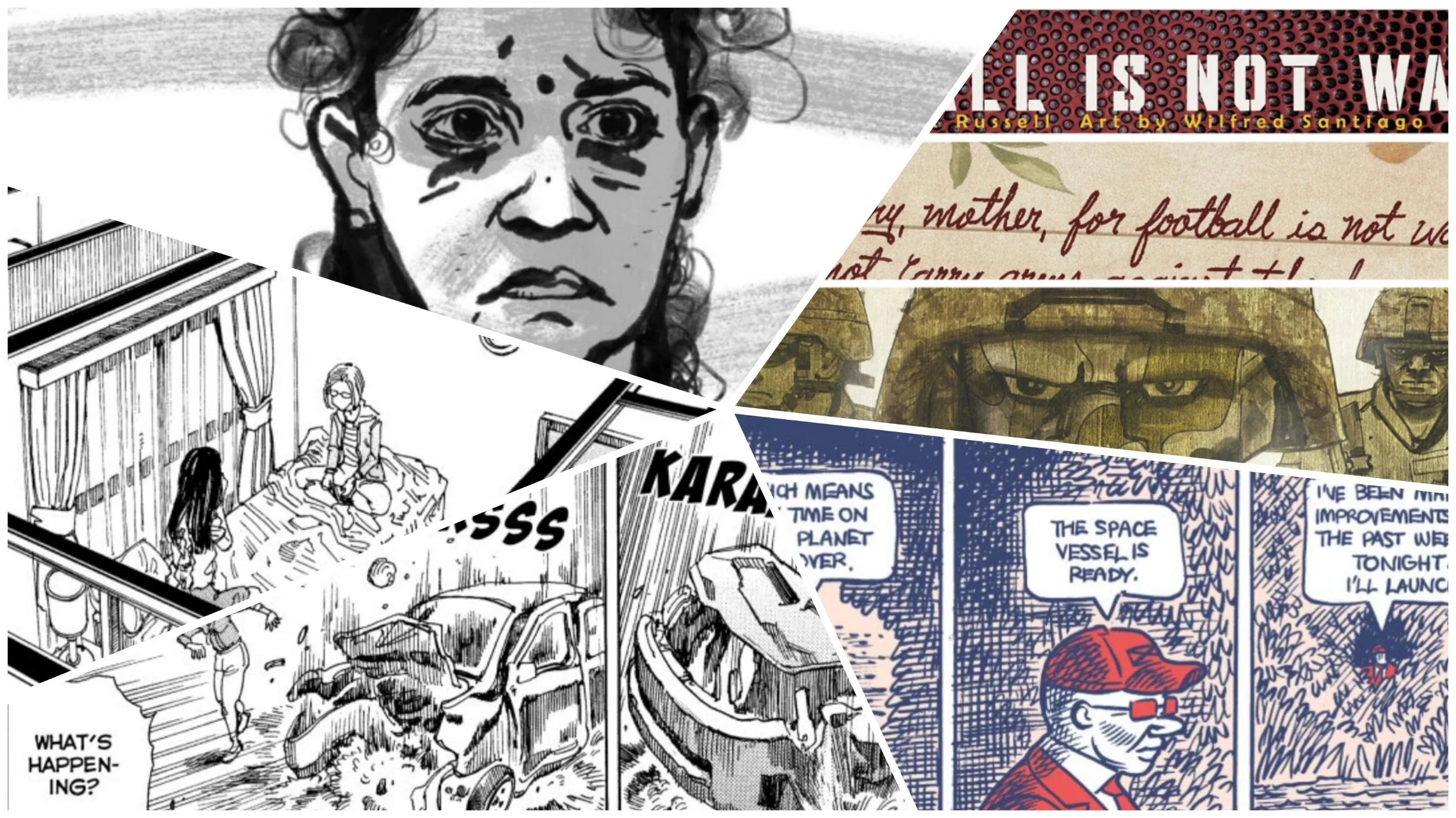
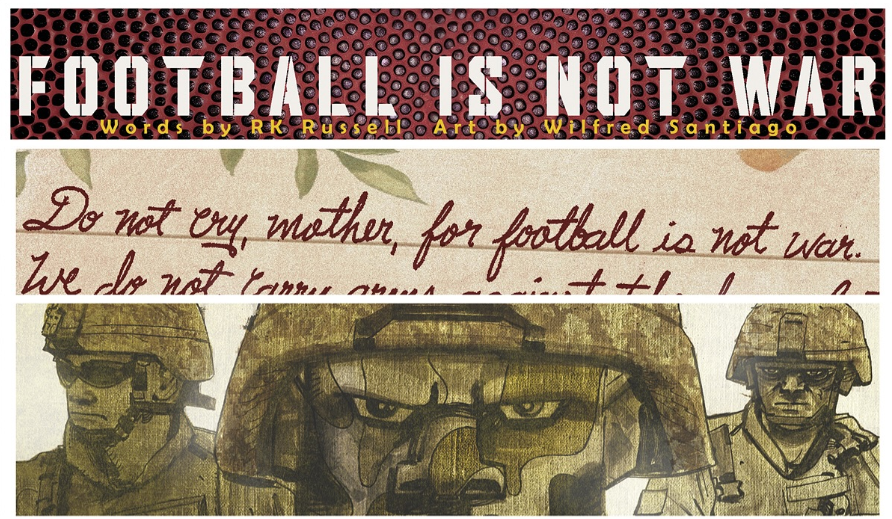
“Football Is Not War,” by R. K. Russell and Wilfred Santiago, in Come Out and Play: The Queer Sports Project (Stacked Deck Press)

“Red Snapper in the Rea,” by Michael D. Kennedy, in Milk White Steed (Drawn & Quarterly)

“trAPPedby Anand RK, Suparna Sharma, and Natalie Obiko Pearson (Bloomberg News)

Best One-Shot/Single Issue

Absolute Batman 2025 Annual #1, by Daniel Warren Johnson, James Harren, and Meredith McClaren (DC)

Absolute Martian Manhunter #1, by Deniz Camp and Javier Rodriguez (DC)

Assorted Crisis Events #4, by Deniz Camp and Eric Zawadski (Image)

Coin-Op no. 10: Wet Cement, by Peter and Maria Hoey (Coin-Op Books)

Ice Cream Man #43: “One Page Horror Stories,” by W. Maxwell Prince and others (Image)

Something Is Killing the Children: A Monster Hunter Walks into a Bar #1, by James Tynion IV and Werther Dell’Edera (BOOM! Studios)

Best Continuing Series

Absolute Batman, by Scott Snyder, Nick Dragotta, and others (DC)

Absolute Wonder Woman, by Kelly Thompson, Hayden Sherman, and Mattia De Iulis (DC)

The Department of Truth, by James Tynion IV and Martin Simmonds (Image)

FML, by Kelly Sue DeConnick and David Lopez (Dark Horse)

The Power Fantasy, by Kieron Gillen and Caspar Wijngaard (Image)

Storm, by Murewa Ayodele, Lucas Werneck, and others (Marvel)

Best Limited Series

Absolute Martian Manhunter, by Deniz Camp and Javier Rodriguez (DC)

Beneath The Trees Where Nobody Sees: Rite of Spring, by Patrick Horvath (IDW)

Bronze Faces, by Shobo, Shof, and Alexandre Tefenkgi (BOOM! Studios)

Crownsville, by Rodney Barnes and Elia Bonetti (Oni Press)

Everything Dead and Dying, by Tate Brombal and Jacob Phillips (Image)

Out of Alcatraz, by Christopher Cantwell & Tyler Crook (Oni Press)

Best New Series

Assorted Crisis Events, by Deniz Camp and Eric Zawadski (Image)

Batman Vol. 4, by Matt Fraction and Jorge Jiménez (DC)

Black Cat, by G. Willow Wilson and Gleb Melnikov (Marvel)

Exquisite Corpses, by James Tynion IV, Michael Walsh, Pornsak Pichetshote, and others (Image)

Ghost Pepper, by Ludo Lullabi (Image)

Temporal, by Stephanie Williams and Asiah Fulmore (Mad Cave)

Best Publication for Early Readers

All the Hulk Feels, by Dan Santat (Abrams Fanfare/Marvel)

The Faraway Forest: Wally’s Route, by Debbie Fong (Chronicle Books)

The Fire-Breathing Duckling, by Frank Cammuso (TOON Books)

Night Light, by Michael Emberley (Holiday House)

Steve, A Rare Egg, by Kelly Collier (Kids Can Press)

Best Publication for Kids

The Cartoonists Club, by Raina Telgemeier and Scott McCloud (Scholastic Graphix)

Chickenpox, by Remy Lai (Henry Holt Books for Young Readers)

Creature Clinic, by Gavin Aung Than (First Second)

Night Chef: An Epic Tale of Friendship with a Side of Deliciousness! By Mika Song (Random House Graphic)

Oasis, by Guojing (Godwin Books/Henry Holt Books for Young Readers)

A Song for You and I, by K. O’Neill (Random House Graphic)

Best Publication for Teens

Angelica and the Bear Prince, by Trung Le Nguyen (Random House Graphic)

Clementine: Book Three, by Tillie Walden (Image Skybound)

Everyone Sux But You, by K. Wroten (Henry Holt Books for Young Readers)

Hello Sunshine, by Keezy Young (Little, Brown Ink)

This Place Kills Me, by Mariko Tamaki and Nicole Goux (Abrams Fanfare)

Trumpets of Death, by Simon Bournel-Bosson, translated by Edward Gauvin (Graphic Universe/Lerner)

Best Humor Publication

And to Think We Started as a Book Club, by Tom Toro (Andrews McMeel Universal)

Ew, It’s Beautiful: A False Knees Comics Collection, by Joshua Barkman (Andrews McMeel Universal)

The Great British Bump-Off: Kill or Be Quilt, by John Allison and Max Sarin (Dark Horse)

Jeff the Land Shark, by Kelly Thompson and Tokitokoro (Marvel)

Physics for Cats, by Tom Gauld (Drawn & Quarterly)

Spent: A Comic Novel, by Alison Bechdel (Mariner Books)


Best Anthology

Come Out and Play: The Queer Sports Project, edited by Meghan Kemp-Gee and Megan Praz (Stacked Deck Press)

DC Pride 2025, edited by Andrea Shea and Jillian Grant (DC)

Noir Is the New Black Season 2 (FairSquare Graphics)

Stardust the Super Wizard Anthology, edited by Van Jensen (Blue Creek Creative)

2000AD 2026 Annual Featuring Judge Dredd, edited by Oliver Pickles (Rebellion)

Best Reality-Based Work

Black Arms to Hold You Up: A History of Black Resistance, by Ben Passmore (Pantheon)

Do Admit: The Mitford Sisters and Me, by Mimi Pond (Drawn & Quarterly)

Fela: Music Is the Weapon, by Jibola Fagbamiye and Conor McCreery (Amistad)

Globetrotters: Nellie Bly and Elizabeth Bisland’s World Tour, by Julian Voloj and Julie Rocheleau (Abrams ComicArts)

Muybridge, by Guy Delisle, translated by Helge Daschert and Rob Aspinal (Drawn & Quarterly)

Surrounded: America’s First School for Black Girls, 1832, by Wilfrid Lupano and Stéphane Fert (ABLAZE)

Best Graphic Memoir

The Ephemerata: Shaping the Exquisite Nature of Grief, by Carol Tyler (Fantagraphics)

My Life in 24 Frames Per Second, by Rintaro (Kana Manga US)

It Rhymes with Takei, by George Takei, Harmony Becker, Steven Scott, and Justin Eisinger (Top Shelf)

Precious Rubbish, by Kayla E. (Fantagraphics)

Raised by Ghosts, by Briana Loewinsohn (Fantagraphics)

Talking to My Father’s Ghost: An Almost True Story, by Alex Krokus (Chronicle)

Best Graphic Album–New

Cannon, by Lee Lai (Drawn & Quarterly)

Drome, by Jesse Lonergan (23rd St. Books)

The Fable of Erkling Woods, by Juni Ba (Goats Flying Press)

A Garden of Spheres, by Linnea Sterte (Peow2)

More Weight: A Salem Story, by Ben Wickey (Top Shelf)

Shadows of the Sea, by Cathy Malkasian (Fantagraphics)


Best Graphic Album–Reprint

Beneath the Trees Where Nobody Sees: Storybook Edition, by Patrick Horvath (IDW)

Ginseng Roots: A Memoir, by Craig Thompson (Pantheon)

Goes Like This, by Jordan Crane (Fantagraphics)

Superman’s Pal, Jimmy Olsen: The Deluxe Edition, by Matt Fraction and Steve Lieber (DC)

Tongues, by Anders Nilsen (Pantheon)


Best Adaptation from Another Medium

Alanna: The First Adventure (Song of the Lioness, Book 1), by Tamora Pierce, adapted by Vita Ayala and Sama Beck (Abrams Fanfare)

The Compleat Angler: A Graphic Adaptation, by Izaak Walton, adapted by Gareth Brookes (SelfMadeHero)

Dead Man Walking: Graphic Edition, by Sister Helen Prejean, adapted by Rose Vines and Catherine Anyango Grünewald (Random House)

Ghost Boys: The Graphic Novel, by Jewell Parker Rhodes and Setor Fiadzigbey (Little, Brown Ink)

Lord of the Flies: The Graphic Novel, by William Golding, adapted by Aimée De Jongh (Penguin Classics)

A Wizard of Earthsea: A Graphic Novel, by Ursula K. Le Guin, adapted by Fred Fordham (Clarion Books)


Best U.S. Edition of International Material

Buff Soul, by Moa Romanova, translated by Melissa Bowers (Fantagraphics)

Cornelius: The Merry Life of a Wretched Dog, by Marc Torices, translated by Andrea Rosenberg (Drawn & Quarterly)

In the End We All Die, by Tobias Aeschbacher, translated by Andrew Shields (Helvetiq)

Nocturnos, by Laura Perez, translated by Andrea Rosenberg (Fantagraphics)


Raging Clouds, by Yudori (Fantagraphics)

Smoke Gets in Your Eyes, by Anaïs Flogny, translated by Dan Christensen (Abrams ComicArts)

Best U.S. Edition of International Material–Asia

Hirayasumi, vols. 4–7, by Keigo Shinzo, translated by Jan Mitsuko Cash (VIZ Media)

Land, vol. 1, by Kazumi Yamashita, translated by Kevin Gifford (Yen Press)

Purgatory Funeral Cakes, by Sanho, translated by Danny Lim (Dark Horse)

Tokyo Alien Bros., vols. 1–3, by Keigo Shinzo, translated by Casey Loe (VIZ Media)

Yan, vols. 1–2, by Chang Sheng, translated by Vanessa Liu (Titan Manga)


Best Archival Collection/Project—Strips

Arthur Ferrier’s Pin-Up Parade Box Set, edited by Rian Hughes (Korero Press)

Barnaby, vol. 5: 1950–1952, by Crockett Johnson, edited by Eric Reynolds and Philip Nel (Fantagraphics)

The George Herriman Library: Krazy & Ignatz 1928–1930, edited by J. Michael Catron and Bill Blackbeard (Fantagraphics)

Rea Irvin’s The Smythes, edited by R. Kikuo Johnson and Dash Shaw (NYRC)

Terminal Exposure: Comics, Sculpture, and Risky Behavior, by Michael McMillan, edited by Lucas Adams (NYRC)


Best Archival Collection/Project—Comic Books

AKIRA Volumes 1–5 Hardcover Collection, by Katsuhiro Otomo, edited by Haruko Hashimoto, Ajani Oloye, and Lauren Scanlan (Kodansha USA Publishing)

The Atlas Comics Library No. 7: Girl Comics, edited by Dr. Michael J. Vassallo (Fantagraphics)

Comics of the Movement #1, by Courtland Cox, Jennifer Lawson, Alfred Hassler, and Benton Resnik (Good Trouble Comics)

Hothead Paisan, by Diane DiMassa, organized by Anika Banister (NYRC)

Scream! The Specials 1985–2024, edited by Chiara Mestieri (Rebellion)

Weird Science Vol. 1 XXL, edited by Grant Geissman (TASCHEN)


Best Academic/Scholarly Work

Comic Art in Korea, by John A. Lent (University Press of Mississippi)

Comics of the Anthropocene: Graphic Narrative at the End of Nature, by José Alaniz (University Press of Mississippi)

Graphic Narratives of Resistance, by Jennifer Boum Make and Charly Verstraet (Edinburgh University Press)

Latinx Comics Studies: Critical and Creative Crossings, edited by Fernanda Díaz-Basteris and Maite Urcaregui (Rutgers University Press)

Manga’s First Century: How Creators and Fans Made Japanese Comics, 1905–1989, by Andrea Horbinski (University of California Press)


Best Comics-Related Periodical/Journalism

CANON, by Colin Blanchette and Alex Eklund

Comic Book Creator, edited by Jon B. Cooke (TwoMorrows)

Dummy, edited by John Kelly (The Dummy Corporation)

Shelfdust, edited by Steve Morris, www.shelfdust.com

SKTCHD, by David Harper, www.sktchd.com

SOLRAD: The Online Literary Magazine for Comics, edited by Daniel Elkin, www.solrad.co (Fieldmouse Press)


Best Comics-Related Book

Crumb: A Cartoonist’s Life, by Dan Nadel (Scribner)

Facing Feelings: Inside the World of Raina Telgemeier, by Raina Telgemeier (Scholastic)

How Comics Are Made, by Glenn Fleishman (Andrews McMeel)

Making Nonfiction Comics: A Guide to Graphic Narrative, by Eleri Harris and Shay Mirk (Abrams ComicArts)

Only What’s Necessary: Charles M. Schulz and the Art of Peanuts, by Chip Kidd (Abrams ComicArts)

Ooops…I Just Catharted!: Fifty Years of Cathartic Comics, by Rupert Kinnard, edited by William O. Tyler (Stacked Deck Press)


Best Publication Design

The Art of Manga, designed by Tessa Lee (Fine Arts Museum of San Francisco/VIZ Media)

The Essential Peanuts, designed by Shawn Dahl with Chip Kidd (Abrams ComicArts)

Fruits Basket: The Complete Box Set (Collector’s Edition #13), designed by Wendy Chan (Yen Press)

Red Light Properties: Unfinished Business, designed by Dan Goldman (Kinjin Storylab)

The Marvel Art of Michael Allred Slipcase Edition, designed by Kurtis Findlay (Clover Press)

Weird Science Vol. 1 XXL, designed by Anna-Tina Kessler (TASCHEN)


Best Webcomic

The Accidental Undergrad by Christian Giroux (Fieldmouse Press)  

Keeping Time by Kody Okamoto (keepingtimecomic.com) 

The Legend of Parvaterra by Raúl Arnáiz (WEBTOON)

Sable: A Ghost Story, by Ethan M. Aldridge (sablecomic.com) 

Superfish, by Peglo (WEBTOON) 

Terran Omega: The Ghosts of War, by PJ Holden (pauljholden.com) 

Tiger, Tiger by Petra Erika Nordlund (tigertigercomic.com) 


Best Digital Comic

DeadAss, by hakei (VIZ Media)

In the Real Dark Night, by Jimmy Gownley (G-Ville Comics)

The Lycan, by Mike Carey, Thomas Jane, David James Kelly, and Diego Yapur (Comixology Originals)

Overwatch 2: Against the Tide, by Brandon Chen and Velinxi (Blizzard Entertainment)

Practical Defense Against Piracy, by Tony Cliff (delilahdirk.com)

The World of Lublu, by Charbak Dipta (The Charbax Store)

Breaking Down The 2026 Eisners: Best Short Story Nominees

ComicBook CliqueComment

The 2026 Eisner Award nominations are finally out, and the Best Short Story category is looking incredibly stacked this year. Often called the Oscars of the comic book world, these awards highlight the absolute best in the business. This year’s short story picks cover everything from grotesque body horror to heavy hitting investigative journalism. It is a wild mix of styles that shows just how versatile comics can be in 2026.


“Blood Harvest” (in Brain Damage)

What's it about?

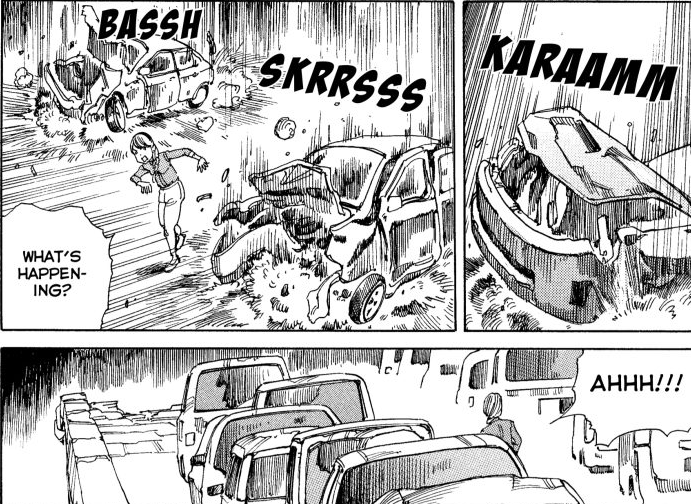
Featured in the collection Brain Damage, this story delivers a chilling car based horror scenario. The plot centers on a series of gruesomely mangled bodies discovered inside perfectly pristine vehicles. When a young woman nods off during a stagnant traffic jam, she awakens to a terrifying realization: something sinister might be lurking within the cold masses of glass and steel we inhabit every day.

Who is behind it?

The story comes from the legendary Shintaro Kago, a master of the erotic grotesque subgenre. It was translated for English audiences by Zack Davisson and published by the team at Fantagraphics. Kago is well known for previous mind bending works like Dementia 21 and The Princess of the Never-Ending Castle.

What folks are saying:

Critics are calling the story a masterclass in tension and subversion. Reviews highlight the abrupt and shocking final panel twist that leaves readers questioning the mechanical world around them. While the gore is significant, the psychological impact of the "car horror" premise is what really sticks with the audience.

Why it should win:

This story deserves the win for its sheer visual inventiveness. Kago manages to take a mundane setting, a traffic jam, and turn it into a claustrophobic nightmare. It is a perfect example of how short form comics can deliver a punchier and more unsettling narrative than many full length novels.


“The Curse Room” (in Brain Damage)

What's it about?

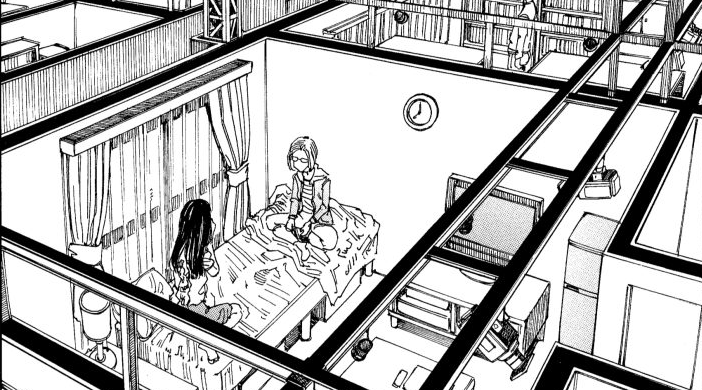
Also found within the Brain Damage anthology, this story offers a unique spin on the saturated zombie genre. It follows a plucky health aide tasked with a strange and dangerous job: keeping "peaceful" zombies calm so they do not descend into a brain eating frenzy. The plot thickens as the protagonist begins to feel that something is fundamentally wrong within her own apartment, leading to a series of outlandish escalations.

Who is behind it?

This is another collaboration between author and artist Shintaro Kago and translator Zack Davisson, published by Fantagraphics. This duo has been instrumental in bringing avant-garde Japanese manga to a broader Western audience.

What folks are saying:

Readers love the blend of dark humor and macabre absurdity. Unlike traditional survival horror, this story treats the undead with a level of bureaucratic mundanity that makes the eventual horror feel even more surreal. Some have called it a refreshing and funny take on a genre that often takes itself too seriously.

Why it should win:

It should win for its incredible ability to balance tone. Moving seamlessly between satire and genuine dread is a difficult feat, but this short story executes it flawlessly. The artwork is intricate and serves the bizarre plot points with terrifying precision.


“Football Is Not War” (in Come Out and Play: The Queer Sports Project)

What's it about?

This narrative is a standout entry in the Come Out and Play anthology. It provides a deeply personal look at the intersection of professional sports and queer identity. The story explores the contrast between the inherent violence of American football and the protagonist's internal search for peace and authenticity. It uses the gridiron as a metaphor for broader social battles while grounding the story in human emotion.

Who is behind it?

The story is written by R. K. Russell, a former NFL player turned poet and advocate, and illustrated by Wilfred Santiago. Santiago is highly respected for his kinetic and expressive art in books like 21: The Story of Roberto Clemente. The publisher is Stacked Deck Press.

What folks are saying:

Takeaways from this piece often focus on its visceral honesty. Readers have praised the high energy artwork that captures the impact of the sport while maintaining the intimacy of a memoir. It is seen as a vital piece of representation that speaks to the loneliness and eventual triumph of being an out athlete.

Why it should win:

This story is a strong contender because of its cultural weight. Combining the lived experience of an NFL veteran with the sophisticated visual storytelling of Santiago creates a powerful and authentic narrative that expands the boundaries of what sports comics can achieve.


“Red Snapper in the Rea” (in Milk White Steed)

What's it about?

Set within the collection Milk White Steed, this surrealist story follows a character named Kenny who is dealing with isolation and grief after the death of his father. Kenny uses science fiction tropes and whiskey to cope with the realities of systemic oppression and his identity as part of the Windrush generation in England. The narrative takes a surreal turn as Kenny’s life begins to merge with a "snapper man" caricature drawn by his son.

Who is behind it?

The book is written and illustrated by Michael D. Kennedy and published by Drawn & Quarterly. Kennedy often incorporates autobiographical elements and Caribbean mythology into his work to explore themes of race and immigration.

What folks are saying:

Reviews highlight the complexity of the story and its refusal to be didactic. It is described as an angry yet poetic reflection on the British experience for people of color. Critics have noted the clever use of sci-fi elements to discuss very real and grounded issues like Brexit and systemic racism.

Why it should win:

The emotional depth of this story is staggering. Kennedy’s ability to weave together heavy political themes with dreamlike and surrealist imagery makes for a haunting reading experience. It is a sophisticated piece of literature that happens to be told through the medium of comics.


“trAPPed”

What's it about?

Originally published by Bloomberg News, this is a work of illustrated investigative journalism. It tells the harrowing true story of a neurologist in India who fell victim to a "digital arrest." The story details how scammers used her phone and surveillance techniques to hold her hostage in her own home. It is a cautionary tale about the growing global dangers of cyber fraud and digital surveillance.

Who is behind it?

The creative team includes artist Anand RK and journalists Suparna Sharma and Natalie Obiko Pearson. This team recently won a Pulitzer Prize for this work, marking a significant moment for comics in mainstream journalism.

What folks are saying:

The general takeaway is one of genuine alarm and fascination. Reviewers have called it a riveting account that uses the visual language of comics to make a complex and modern crime feel immediate and terrifying. It has been lauded for its clarity and its ability to humanize the victims of digital scams.

Why it should win:

Winning an Eisner would recognize the power of comics as truth. This piece demonstrates that the medium is not just for fiction: it is a vital tool for reporting and social commentary. The combination of rigorous journalism and evocative illustration makes it one of the most important stories of the year.


These five stories highlight why short form comics are so vital right now. Whether it is through the lens of a fictional nightmare or the hard reality of modern crime, each nominee pushes the boundaries of what a few pages can achieve. No matter who takes home the trophy, these selections prove that the industry is in a very exciting and experimental place.

Alex Ross Pays Tribute To George Perez In JLA/Avengers Facsimile Variant Covers

Jonathan EscuderoComment

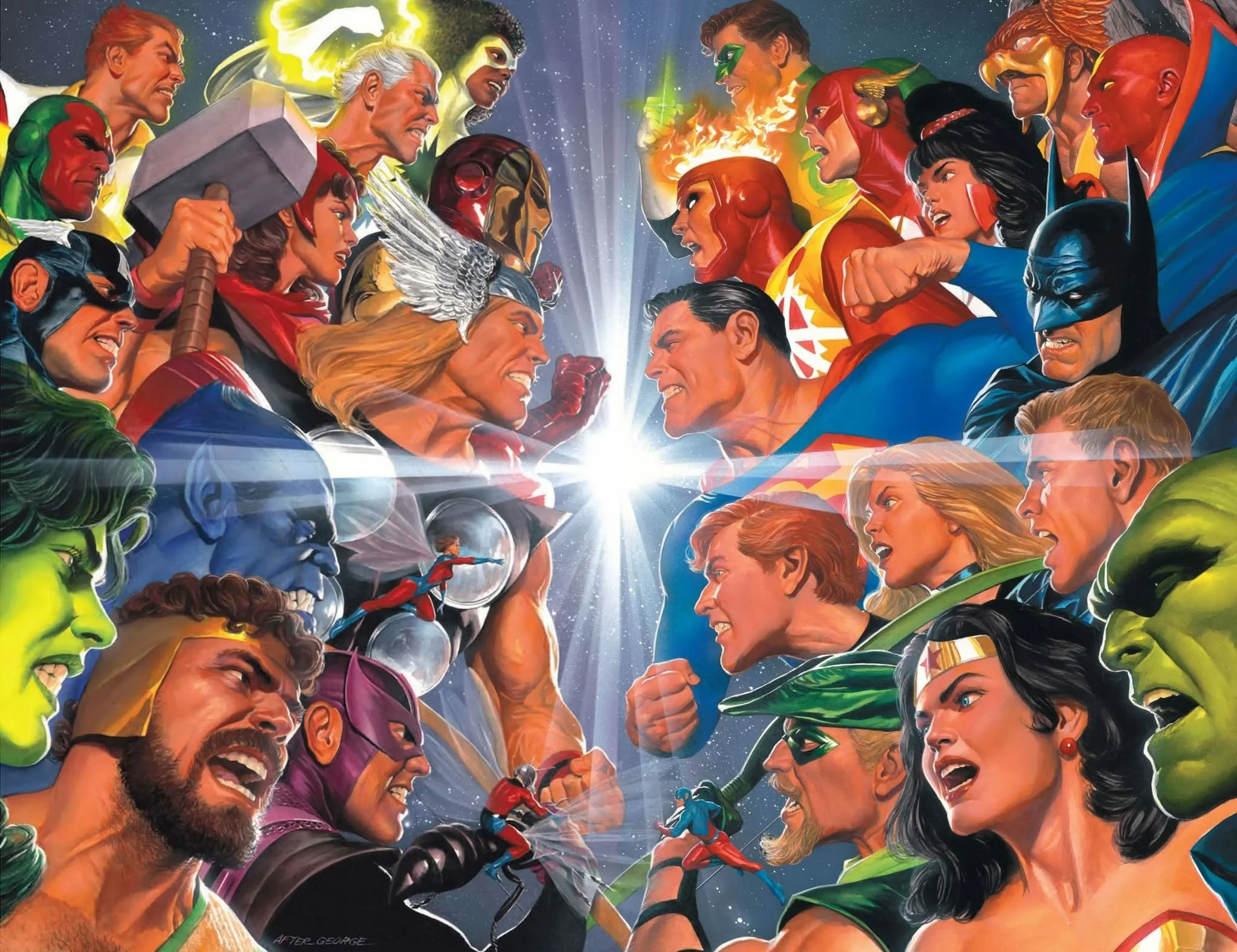
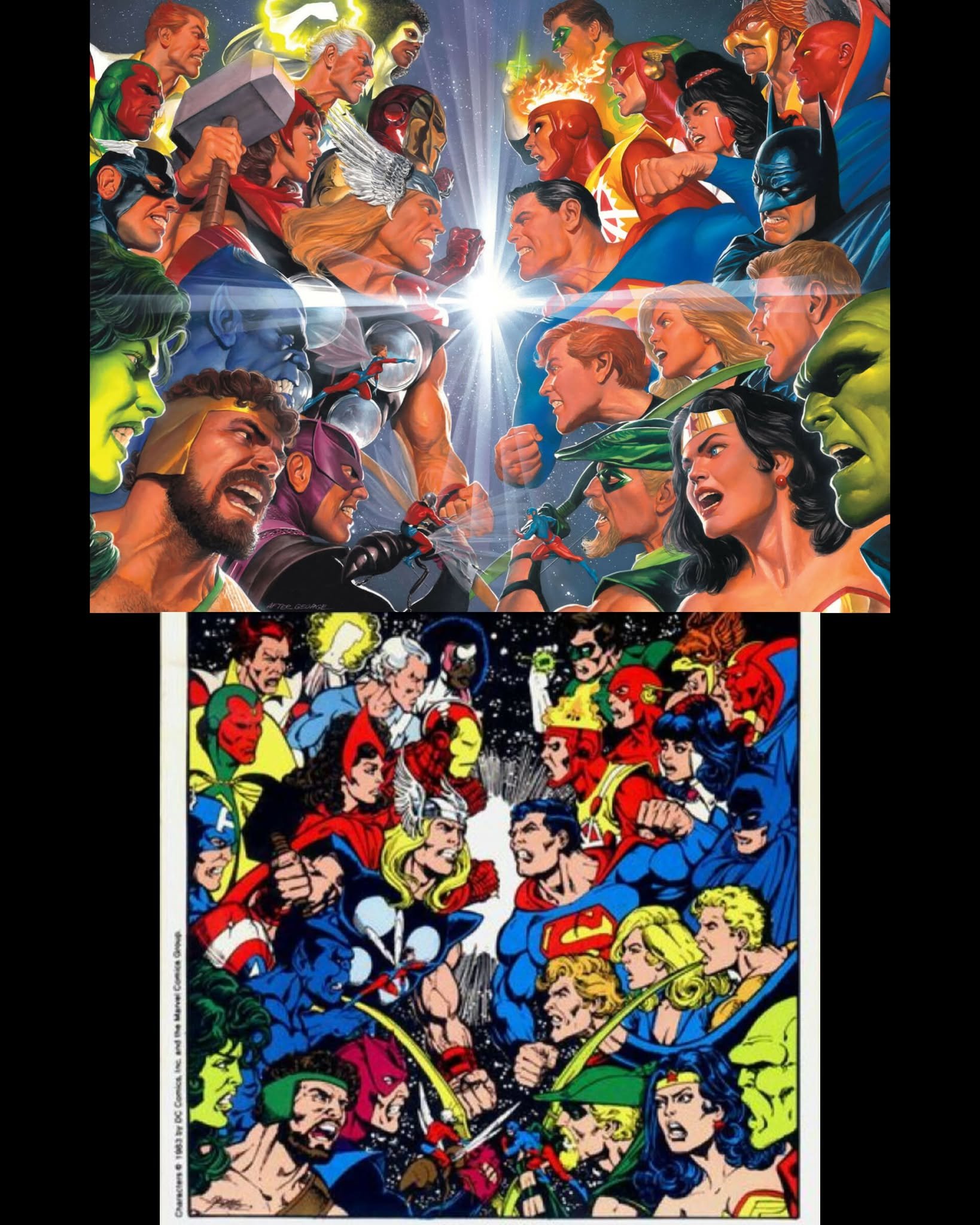
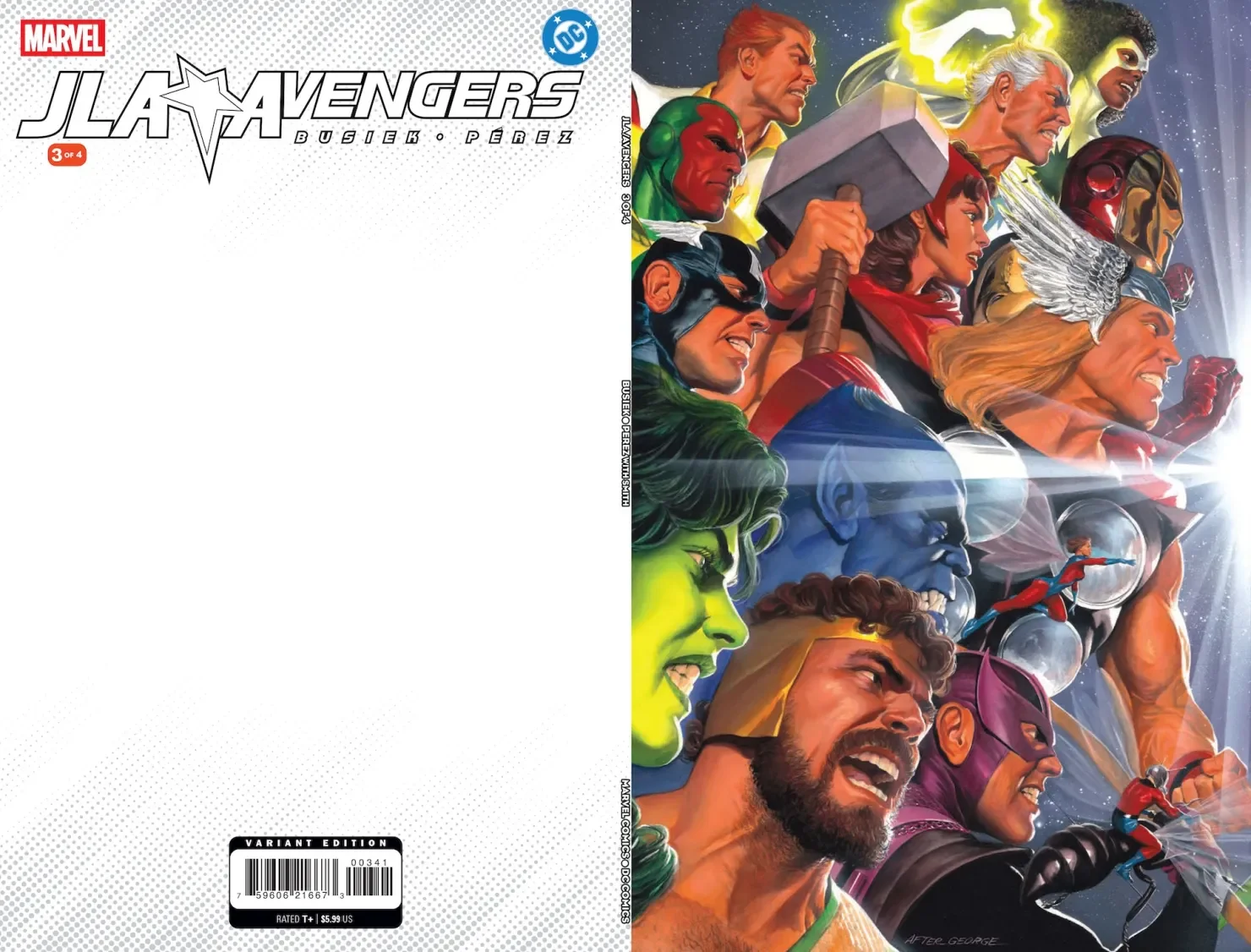
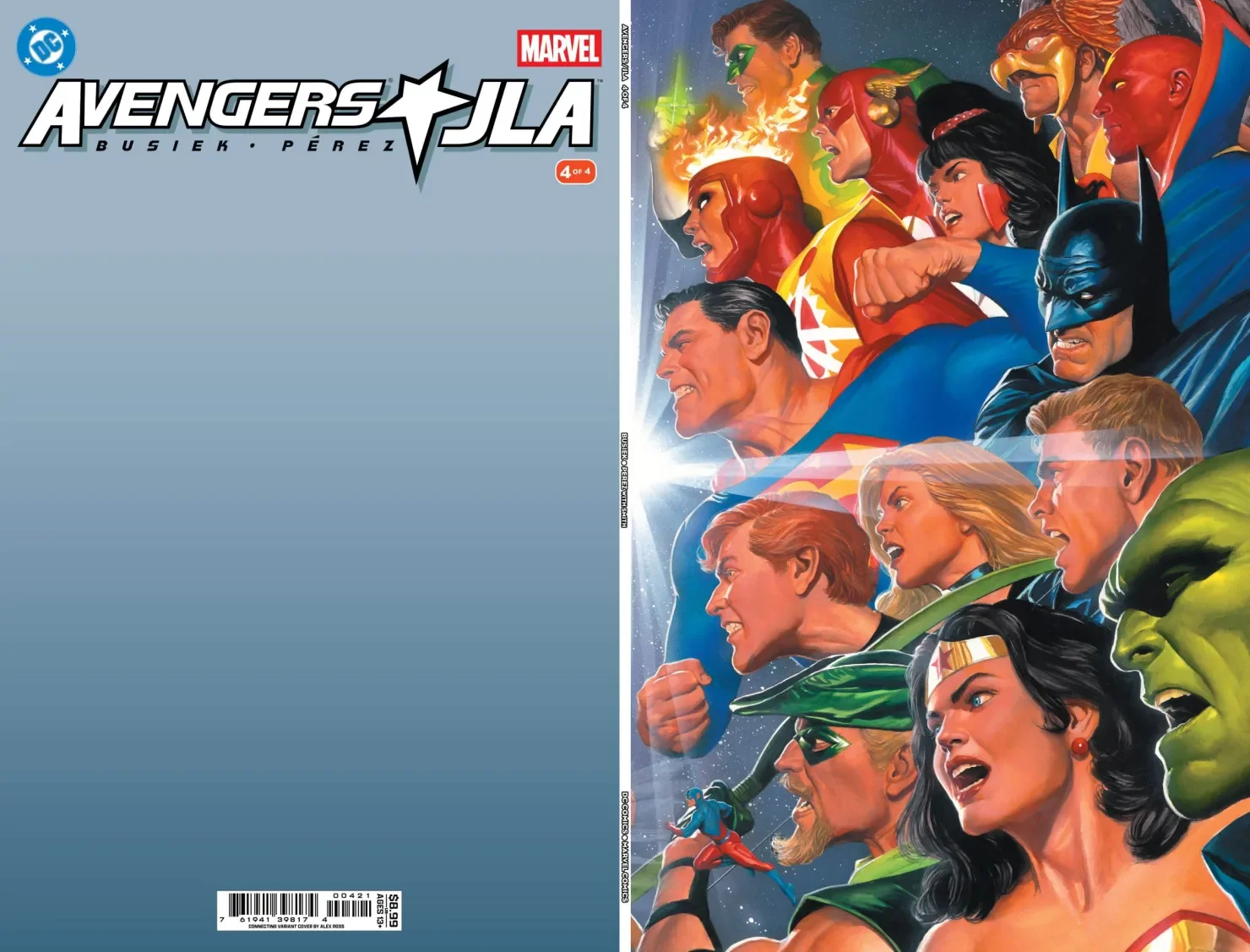
Comic book history is roaring back to local shops this summer as DC Comics and Marvel Comics join forces to reprint the landmark 2003-2004 JLA/Avengers crossover. Originally crafted by the legendary team of Kurt Busiek and George Pérez, the epic four-issue series will return as exacting facsimile editions, complete with classic trade dress, wraparound cardstock covers, and the original story entirely intact. Elevating the re-release is a breathtaking new two-piece connecting variant cover by master painter Alex Ross, paying direct homage to Pérez’s classic 1983 cover from Comics Interview Special Edition #6.

Marvel will kick off the visual showdown by publishing the first half of the image on JLA/Avengers #3 this July, spotlighting Earth's Mightiest Heroes. DC will then complete the epic panorama in August with Avengers/JLA #4, featuring the Justice League. When placed side-by-side, the covers form a massive, face-to-face confrontation between the two iconic teams. Fans and collectors looking to secure this monumental crossover can preorder all four facsimile issues at their local comic shops now.

Matt Reeves Welcomes MCU Veterans Sebastian Stan and Scarlett Johansson to 'The Batman Part II'

Jonathan EscuderoComment

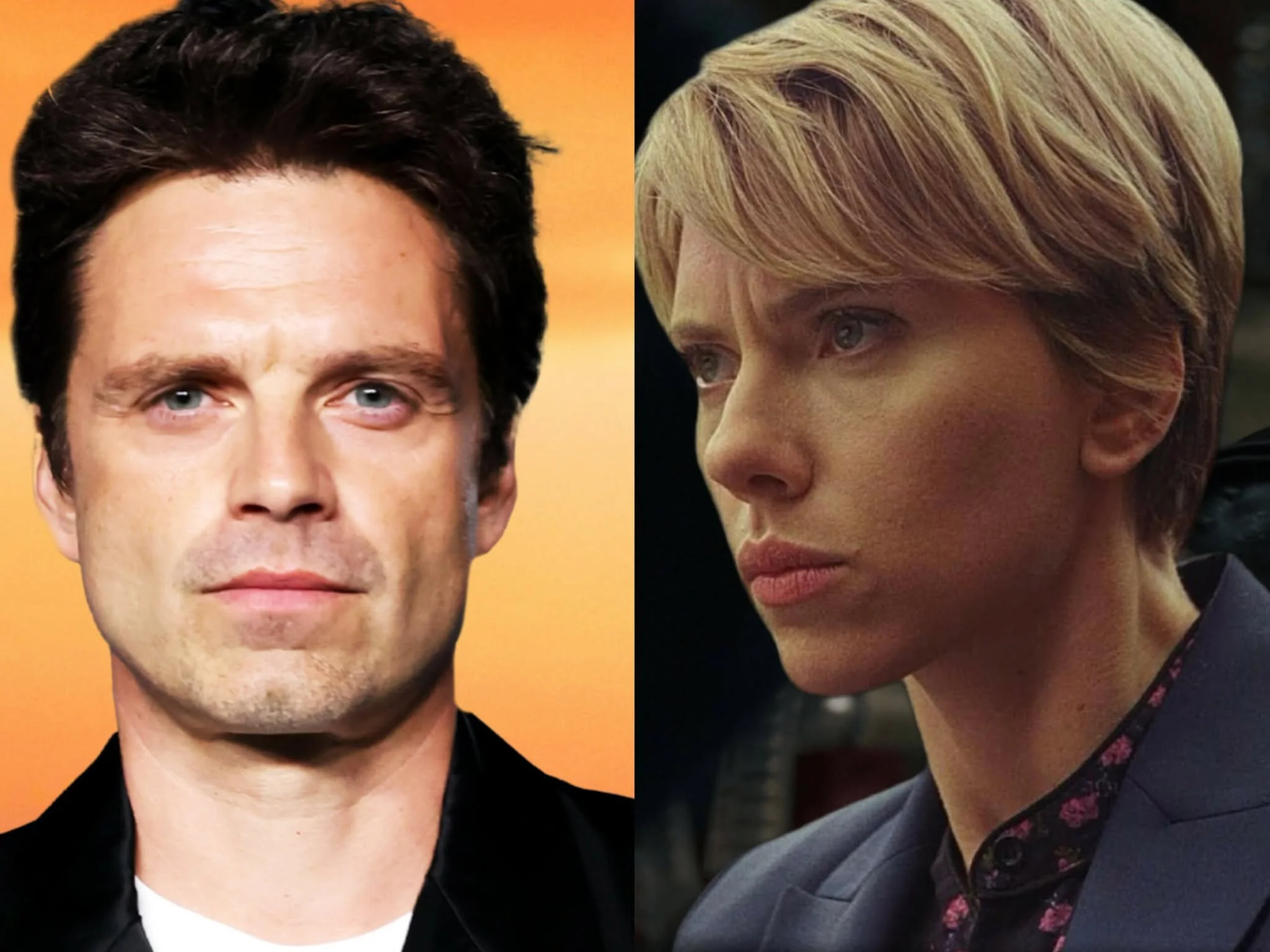
Director Matt Reeves has officially welcomed Marvel Cinematic Universe veterans Sebastian Stan and Scarlett Johansson to the gritty world of The Batman - Part II alongside legendary actor Charles Dance. In a series of social media posts confirming the expanding cast for the highly anticipated 2027 sequel, Reeves shared gifs of the actors confirming their participation. Rumors have suggested the duo will portray Harvey and Gilda Dent. Stan, widely known for his long-running role as Bucky Barnes, is set to play the idealistic District Attorney who eventually transforms into the fractured villain Two-Face. Johansson will step into the role of his devoted wife, Gilda. Game of Thrones veteran Charles Dance has also been cast as Christopher Dent, Harvey's father.

They join returning stars Robert Pattinson as Bruce Wayne, Jeffrey Wright as Commissioner Gordon, and Colin Farrell as the Penguin. With production currently underway and Reeves teasing a wintery Gotham setting, the addition of Stan and Johansson promises a nuanced, psychologically complex storyline that will deeply challenge Pattinson’s evolving Dark Knight as he confronts the deep-rooted corruption plaguing his city

Empire Lives: Mark Waid and Barry Kitson Launch Crowdfunded Return

Frank JaromeComment

Empire

Writer: Mark Waid

Artist: Barry Kitson

Have you ever wondered what would happen if Doctor Doom took over the world?

Yes, I know that basically just happened recently in the One World Under Doom event, but we knew from the start that wouldn’t stick for long.

I’m talking full conquest, no magic shenanigans, no taking it back.

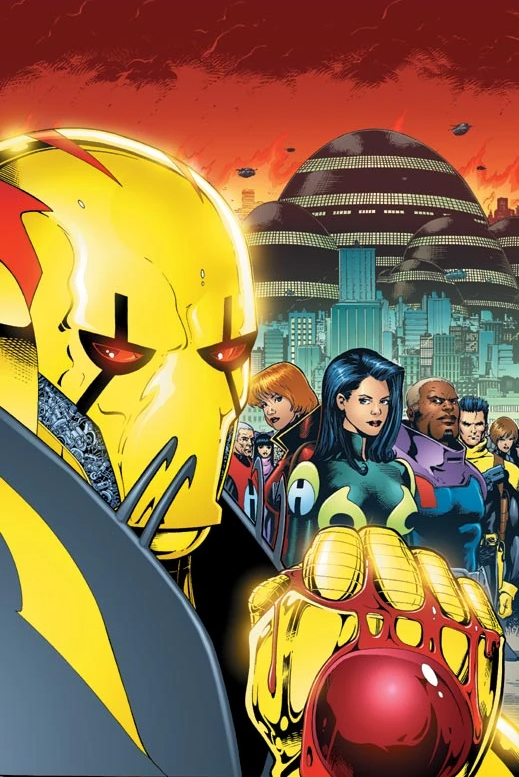
Back in the year 2000, Mark Waid and Barry Kitson told a version of this story in Empire.

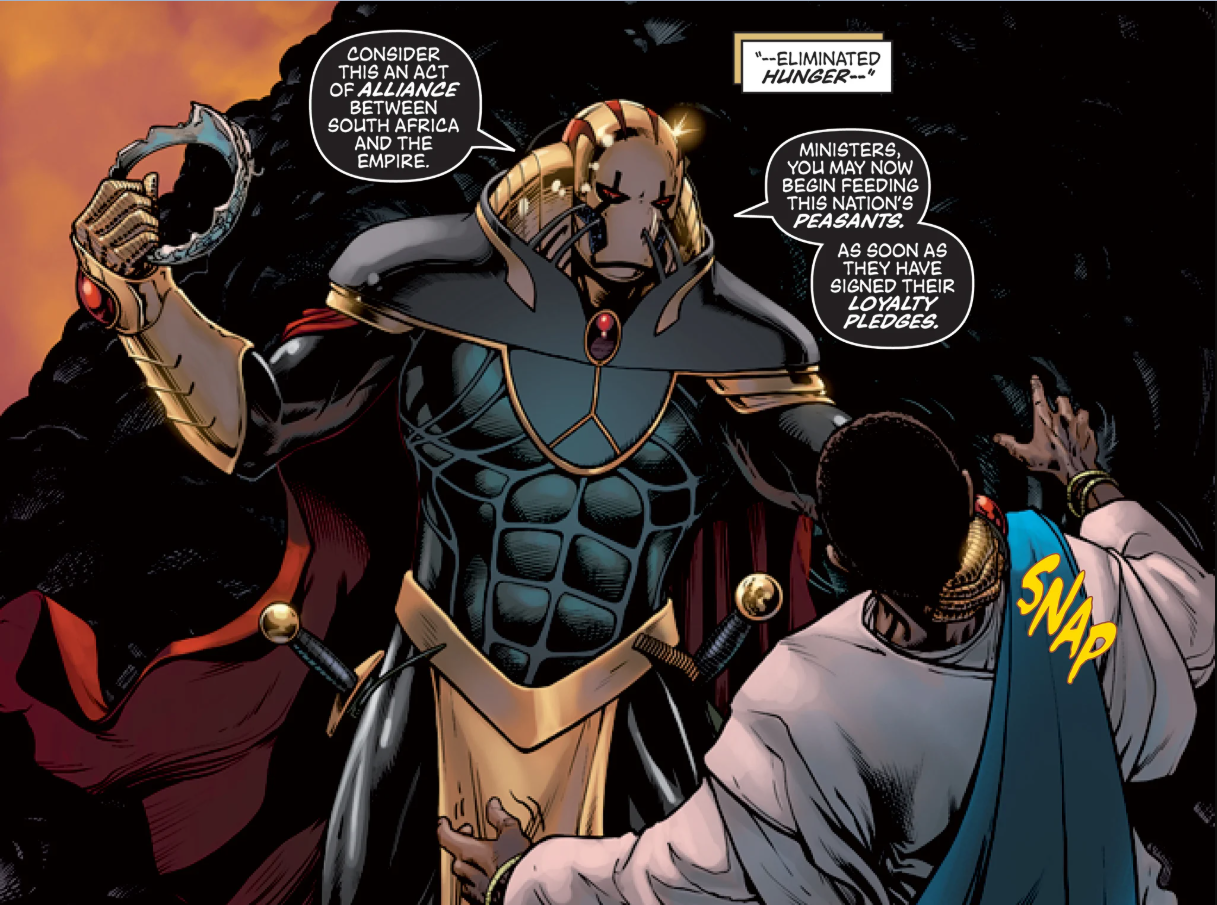
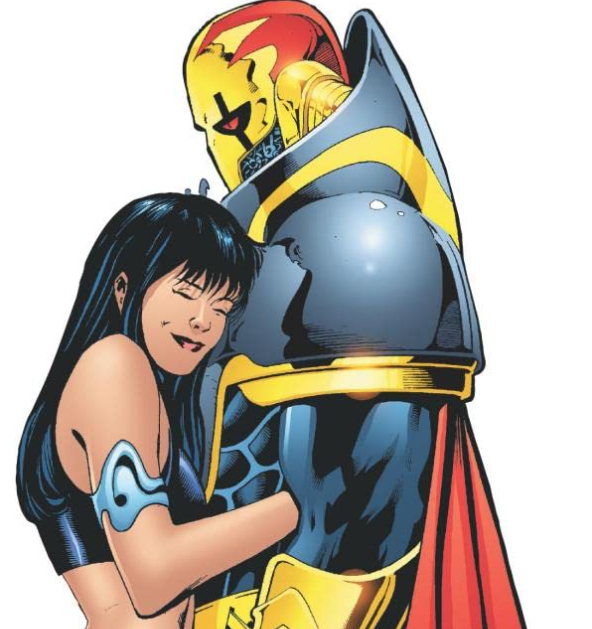
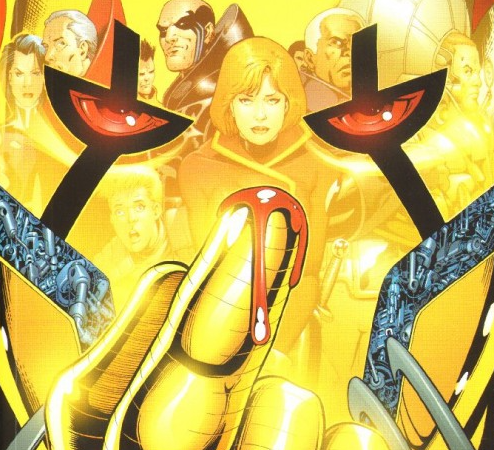
Armored villain Golgoth has defeated all of the superheroes and conquered the world. Now he rules with an iron fist, reshaping everything in his own image. Through the help of his armies and his Ministers (loyal supers), he maintains a tight grip on everything.

Cracks begin to show as the Ministers begin to entertain their own ambitions.


“Aggressive Negotiations”

The story behind Empire has almost as many twists and turns as the story itself. In May 2000, the series launched under the publisher Gorilla Comics, which folded after publishing the first two issues. In September 2003, DC Comics published a #0 issue that collected those initial chapters, followed by a six-issue miniseries that finished the story. A trade paperback collection was published in 2004.

The rights to Empire reverted to Waid and Kitson in April 2014, and they released a new printing of the collection through IDW Publishing. They began a follow-up series, Empire: Uprising, in 2015, but it was cancelled after only four issues and ended on a cliffhanger.

Since then, Empire has been relegated to back issue bins and second-hand stores. The kind of book that many readers have heard of, but never actually read.


“Take Your Daughter to Work Day”

I personally missed out on Empire the first time around in 2000, but discovered it a few years later when it came to DC Comics. I had been out of the comics game for a while, but fell back in hard thanks to books like Mark Waid and Mike Wieringo’s Fantastic Four, Brian Michael Bendis and Mark Bagley’s Ultimate Spider-Man, and Jeph Loeb and Jim Lee’s Batman: Hush.

By then, I was paying much closer attention to creators, and the “Mark Waid” name alone was enough to get me through the door. What I found completely hooked me. At that point, I still hadn’t read many stories where evil truly won and stayed on top. Empire took that idea seriously, exploring just what it means to forcibly take that kind of power, and what sacrifices need to be made to keep it.


“Do you know how hard it is to get bloodstains out of golden armor?”

If you’re one of those who’s never experienced Empire, you will soon get your chance. Mark Waid and Barry Kitson are preparing a crowdfunding campaign through Zoop to bring the original series back into print as a deluxe hardcover. No word on the exact launch date or pricing yet, but you can sign up to be notified when the campaign goes live here.

Waid says that this campaign is focused solely on the original miniseries, which was designed to stand on its own. He and Kitson continue to chip away at Uprising as their schedules allow, but it’s still a long way off. For now, this campaign is about giving a long-overlooked comic another chance to find the audience it deserves.

Marvel Reveals Midnight Universe Details

Jonathan EscuderoComment

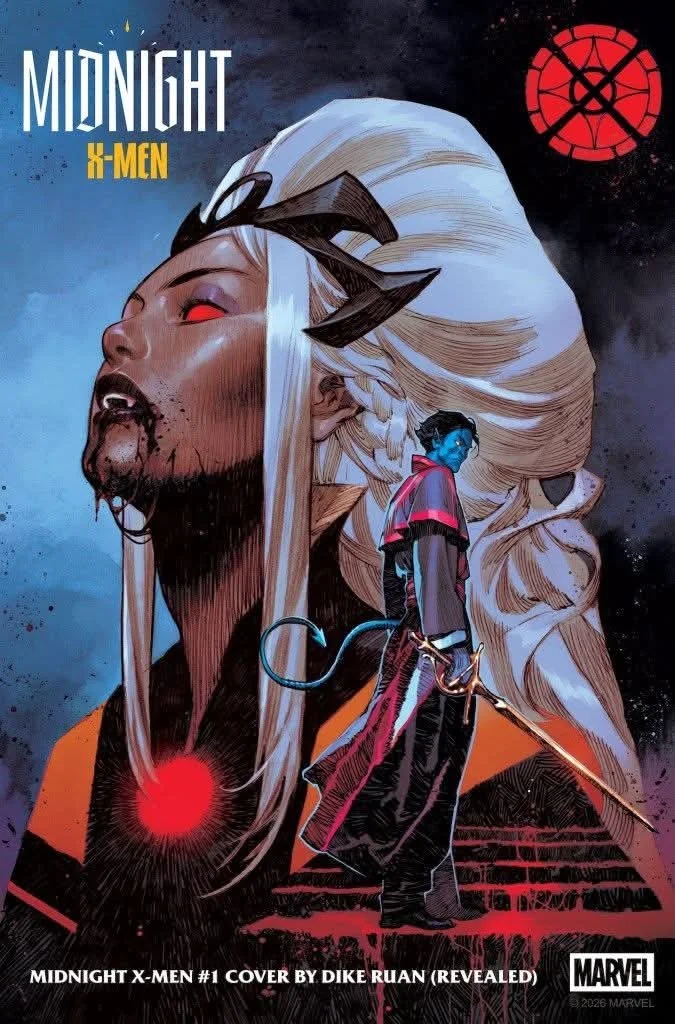
Marvel Comics is officially plunging its most iconic heroes into the abyss with the announcement of the Midnight Universe, a terrifying new publishing line that violently twists classic mythology into unadulterated horror.

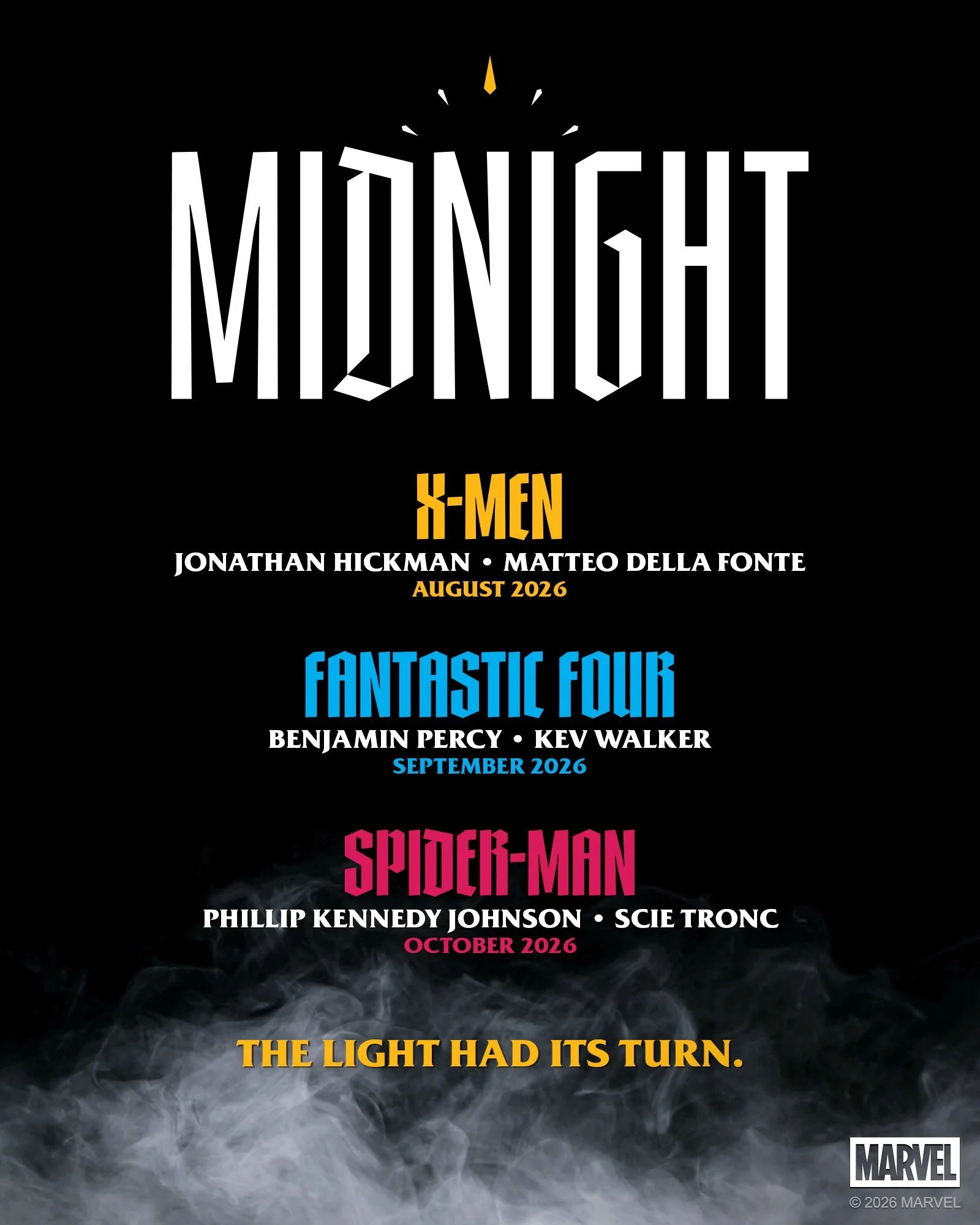
Kicking off this August, the imprint gives superstar creators free rein to unleash monsters, psychological terror, and shocking transformations across the entire Marvel landscape. The nightmare begins with three chilling core titles.

Midnight X-Men, crafted by Jonathan Hickman and artist Matteo Della Fonte, abandons the mutants' traditional fight for peaceful acceptance; instead, they are driven by a ruthless hunger for blood as an outright war brews between mutant empires and vampires in the shadows of New York City.

In Midnight Fantastic Four by Benjamin Percy and Kev Walker, the beloved First Family's origin is corrupted by cosmic horror when an obsessive scientist's dark universe-spanning discoveries leave the team physically and psychologically warped in truly horrifying ways.

Finally, *Midnight Spider-Man*, written by Phillip Kennedy Johnson and featuring the Marvel debut of artist Scie Tronc, forces Peter Parker to pay a monstrous cost. Mutated into a hideous spider hybrid by a ruthless Oscorp, Peter fully embraces his grotesque new form in a disturbing bid to stop them, proving the light has finally had its turn.

Brian Michael Bendis Returns to Marvel for Avengers #800!

George SerranoComment

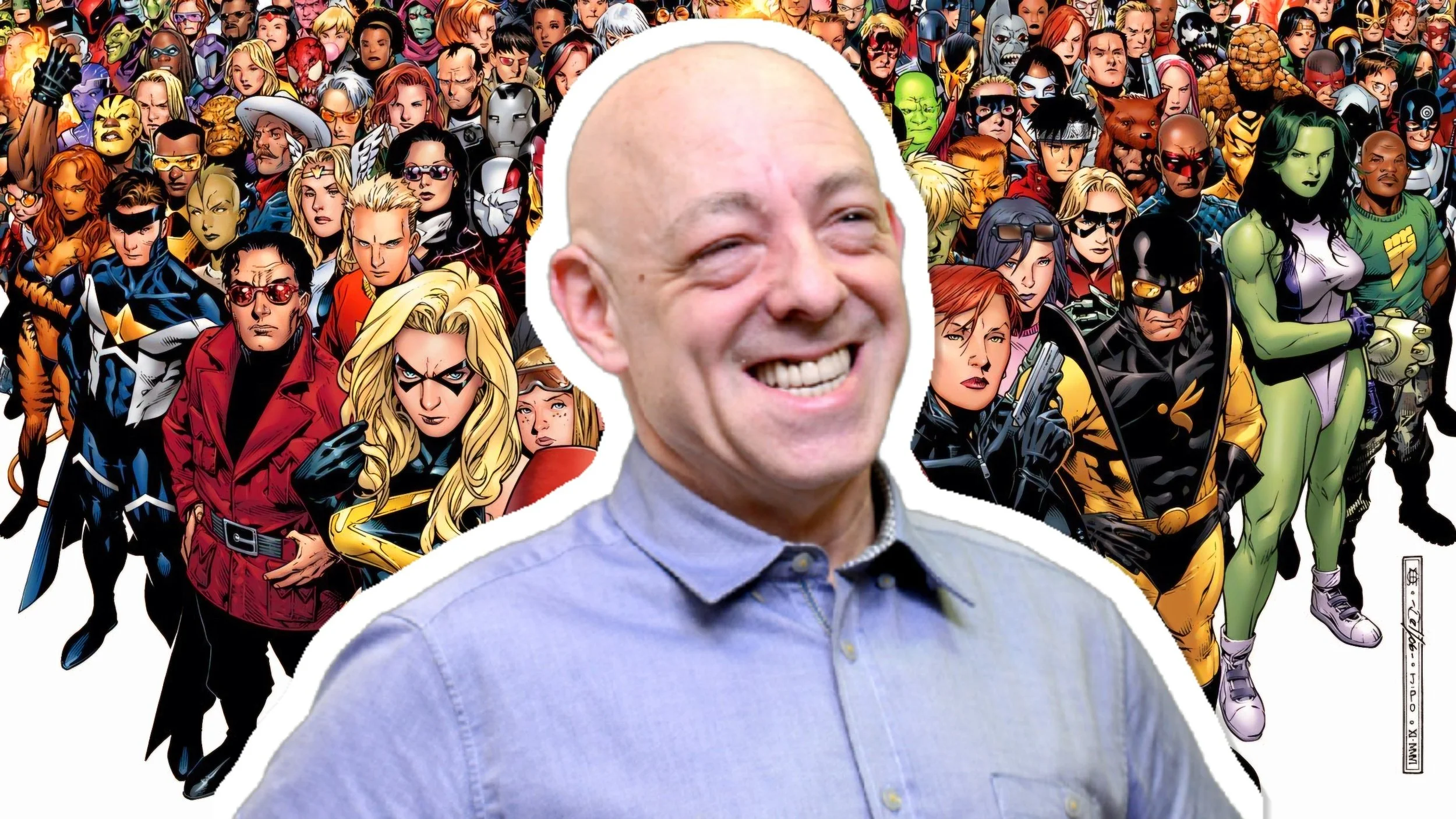
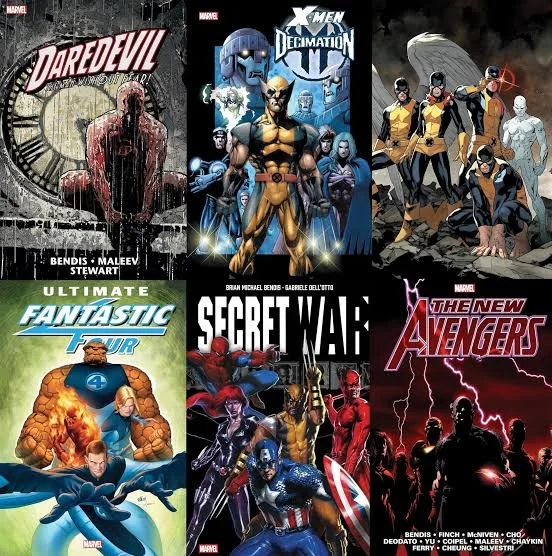
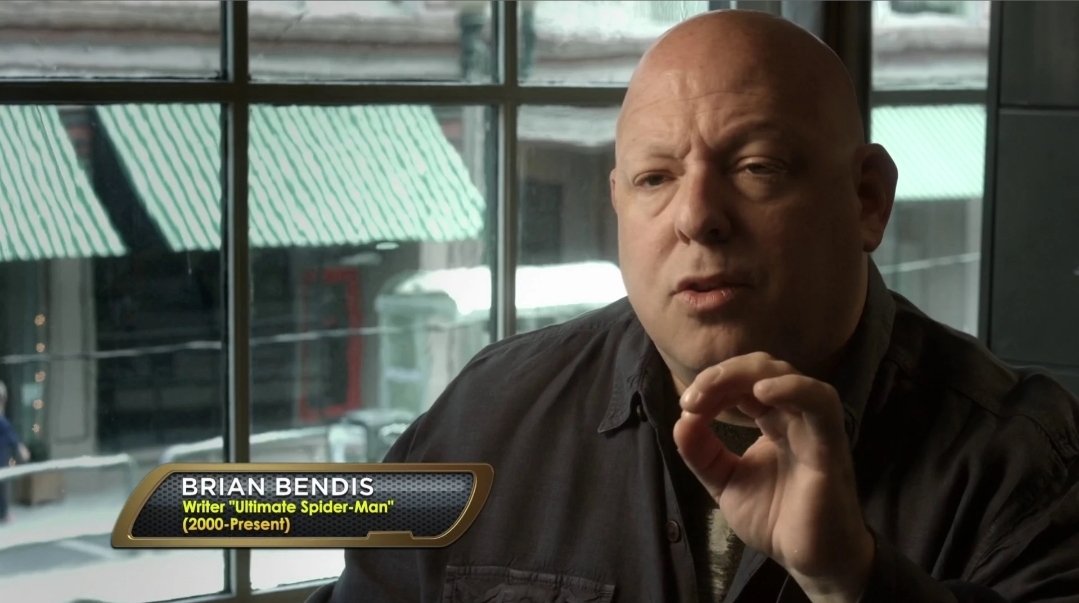
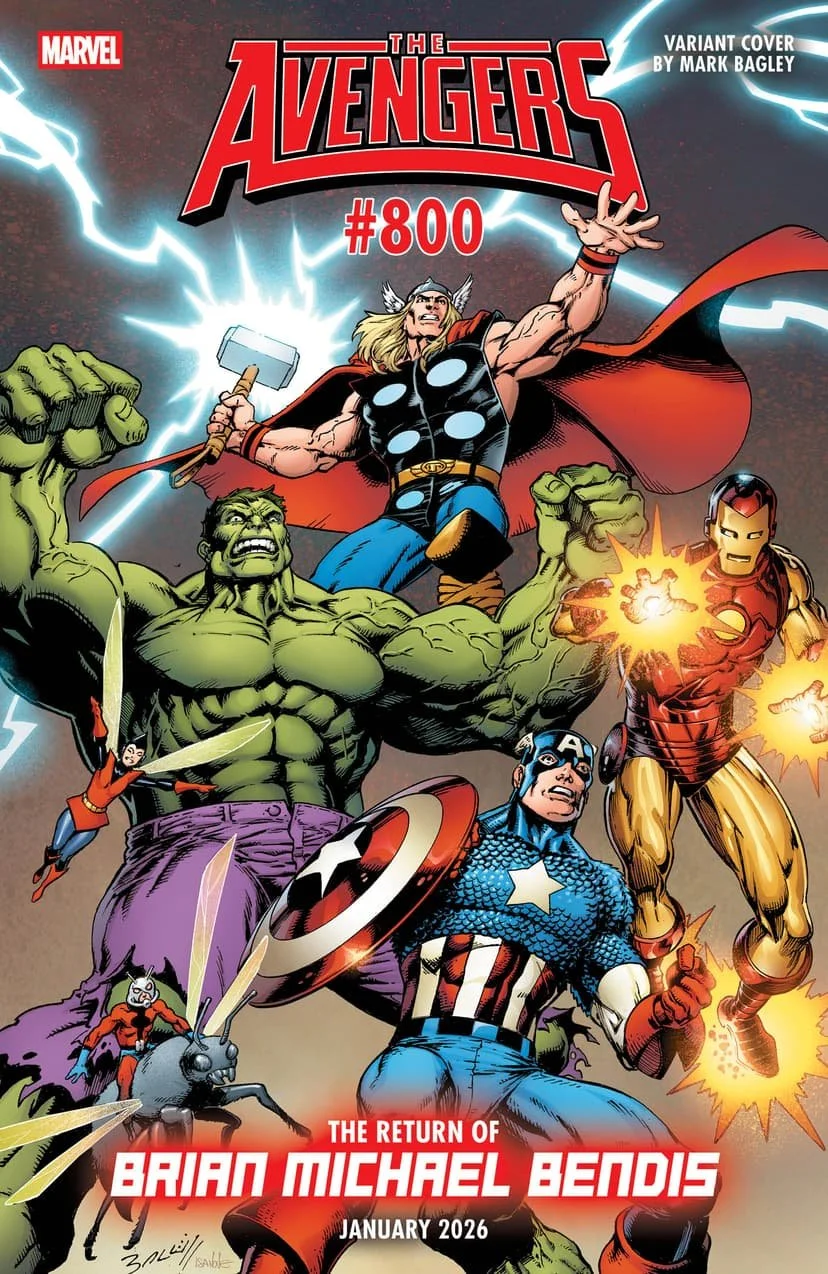
A milestone like Avengers #800 deserves something big, and Marvel is pulling out all the stops. This January, Brian Michael Bendis officially returns to the Marvel Universe for the landmark Avengers (1963) #34, marking the 800th issue in the series’ history.

While the main story will continue Jed MacKay and Farid Karami’s current Avengers run, the issue will also feature a 14-page backup story written by Bendis and drawn by his longtime collaborator Mark Bagley. The pair helped define a generation of Marvel storytelling with Ultimate Spider-Man and Avengers Assemble, and their creative chemistry is still one of the most beloved partnerships in modern comics.

For longtime readers, Bendis’ return is more than a cameo. It marks a homecoming to the series that helped make him one of Marvel’s biggest names and laid the groundwork for the interconnected storytelling style the publisher is still known for today.


The Big Three Take the Spotlight

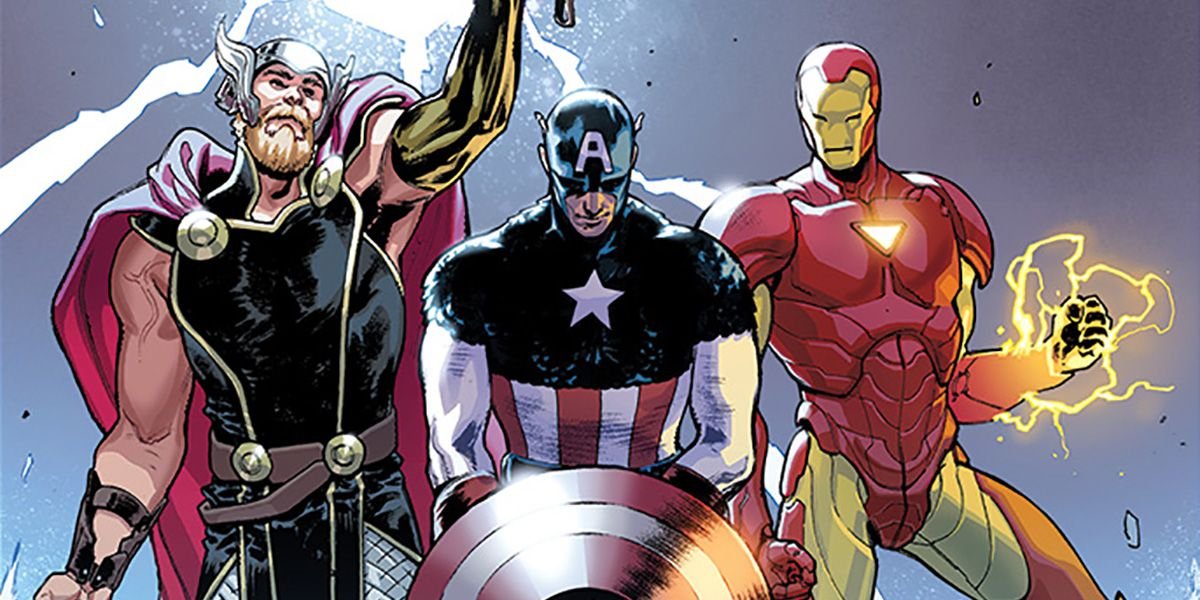
Bendis’ new story reunites the “Big Three” of the Marvel Universe: Iron Man, Thor, and Captain America. The trio finds themselves in a race against time to stop Hydra’s newest weapon of mass destruction before it can change the balance of power across the globe. But as the crisis grows, the call goes out to Avengers from across eras—classic members and modern recruits alike—uniting in an epic battle that celebrates every version of the team.

Set on the anniversary of the Avengers’ founding, this story is meant to be both a tribute and a reminder of the group’s original mission: that when the world faces its darkest days, heroes rise together. Readers can expect plenty of callbacks to Bendis’ past arcs, as well as emotional beats that honor the team’s legacy while looking toward the future.


A Decade of Defining the Avengers

For nearly a decade, Brian Michael Bendis was the voice of the Avengers. His run on titles like Avengers, New Avengers, and Avengers Assemble revitalized the franchise for a modern era, turning the team into a pop culture phenomenon once again. Under his direction, the Avengers became the heart of the Marvel Universe, leading directly into now-classic events like House of M, Secret Invasion, Siege, and Dark Reign.

Bendis’ writing brought a cinematic quality to Marvel’s storytelling, emphasizing sharp dialogue, team dynamics, and long-term world-building that mirrored the approach Marvel Studios would later bring to the MCU. His influence still echoes across the line, from the tone of current Avengers books to the way Marvel treats its interconnected universe as a living, breathing ecosystem.


Bendis on Coming Home to Marvel

“Returning to the pages of Marvel Comics has been an incredible experience,” Bendis said. “To reunite with the Avengers on the occasion of an anniversary is doubly wonderful because anniversary issues are where we really celebrate our love of the characters and legacy. I made my Avengers debut on Avengers #500. I love the symmetry.”

For Bendis, this isn’t just another writing gig—it’s a reunion with old friends, both fictional and real. He spoke with special appreciation for his longtime collaborator, Mark Bagley, who came out of retirement to draw the story. “Just reuniting would be magical enough, but him coming out of retirement to do this story with me was an incredible gesture,” Bendis said. “He’s already penciled magical pages. It’s been a wonderful reunion between us and the characters.”

Before signing off, Bendis hinted that his Marvel return is just beginning. “This is the first of some truly special Marvel projects that I will be part of in the near future. Stay tuned.”


The Legacy Continues

Between Bendis’ return, Bagley’s comeback, and the celebration of Avengers #800, this issue is shaping up to be one of 2025’s biggest comic book releases. It’s a rare moment where Marvel’s past, present, and future collide, reminding readers of just how much impact one creative team can have on an entire universe.

For fans who followed Bendis’ transformative run or newcomers discovering the Avengers through Jed MacKay’s work, this issue promises to deliver both nostalgia and new beginnings. With an all-star creative team, a classic lineup, and a story that honors the team’s foundation, Avengers #34 stands as a love letter to Earth’s Mightiest Heroes and the fans who’ve kept them standing tall for more than six decades.

Doomsday's True Purpose: How a New Kryptonian Lore Retcon Changes the Meaning of Superman's Death

ComicBook CliqueComment

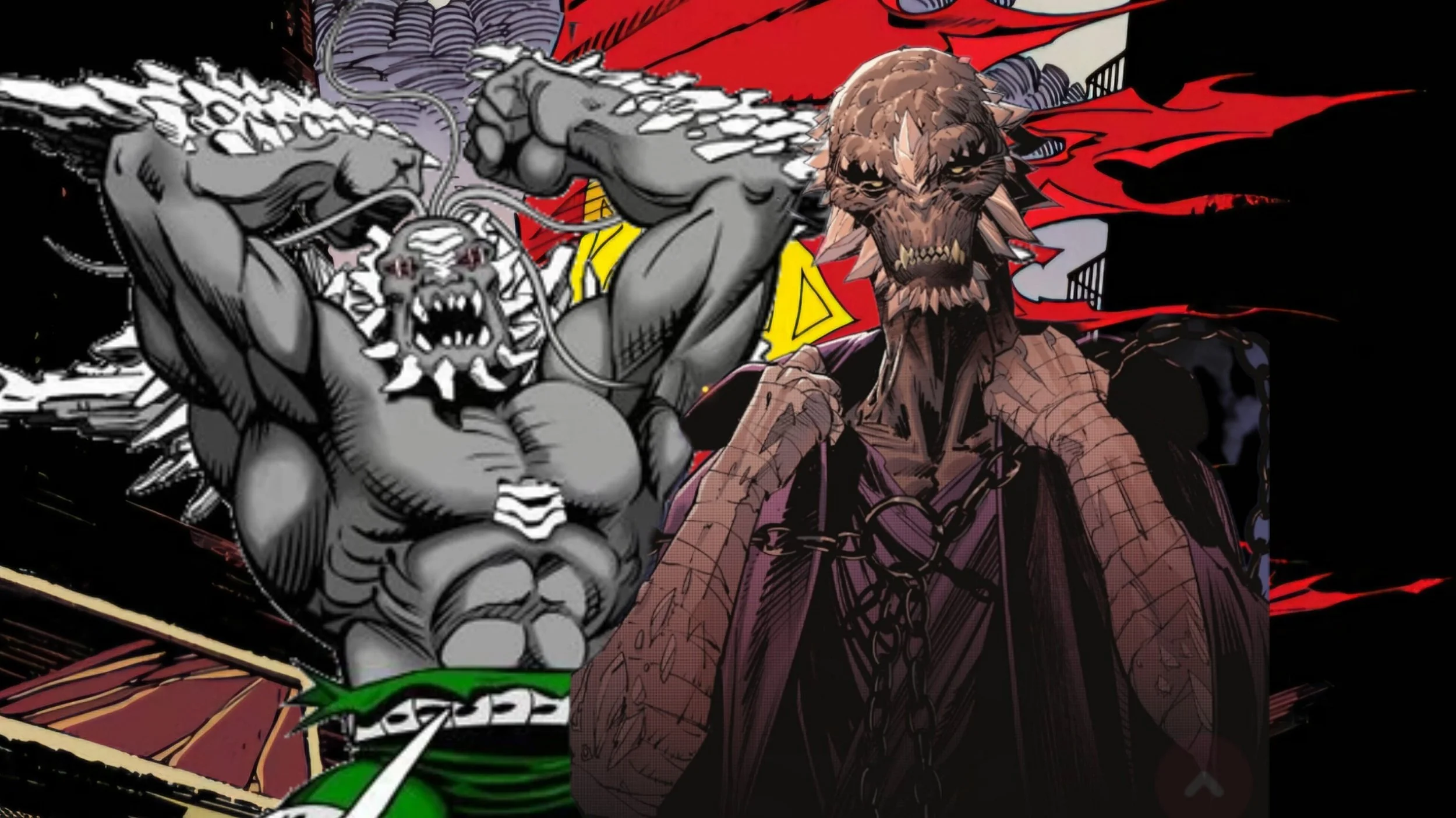
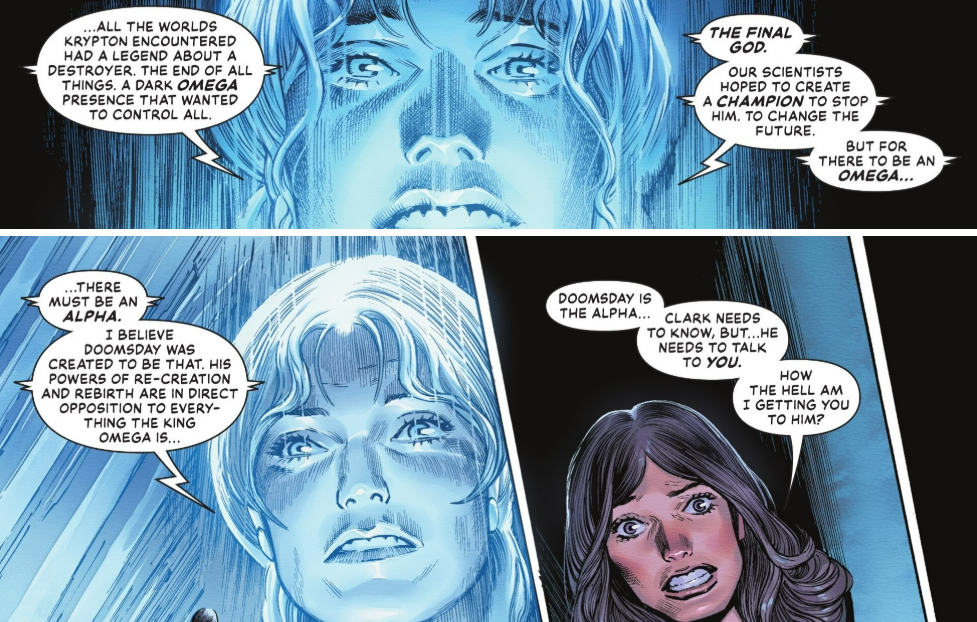
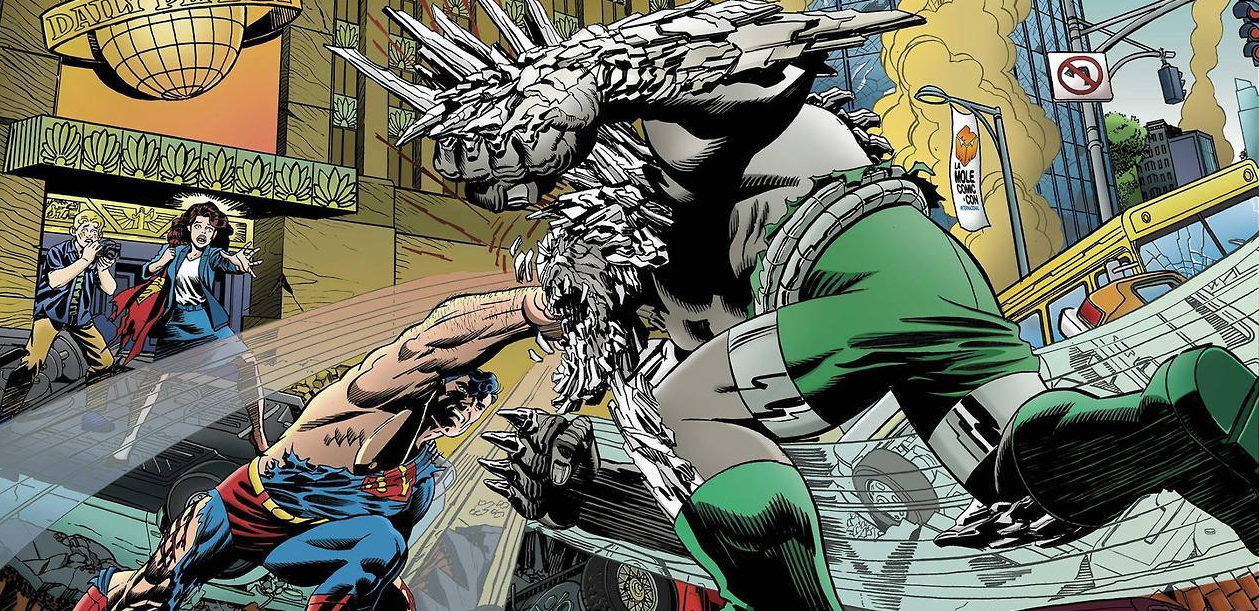
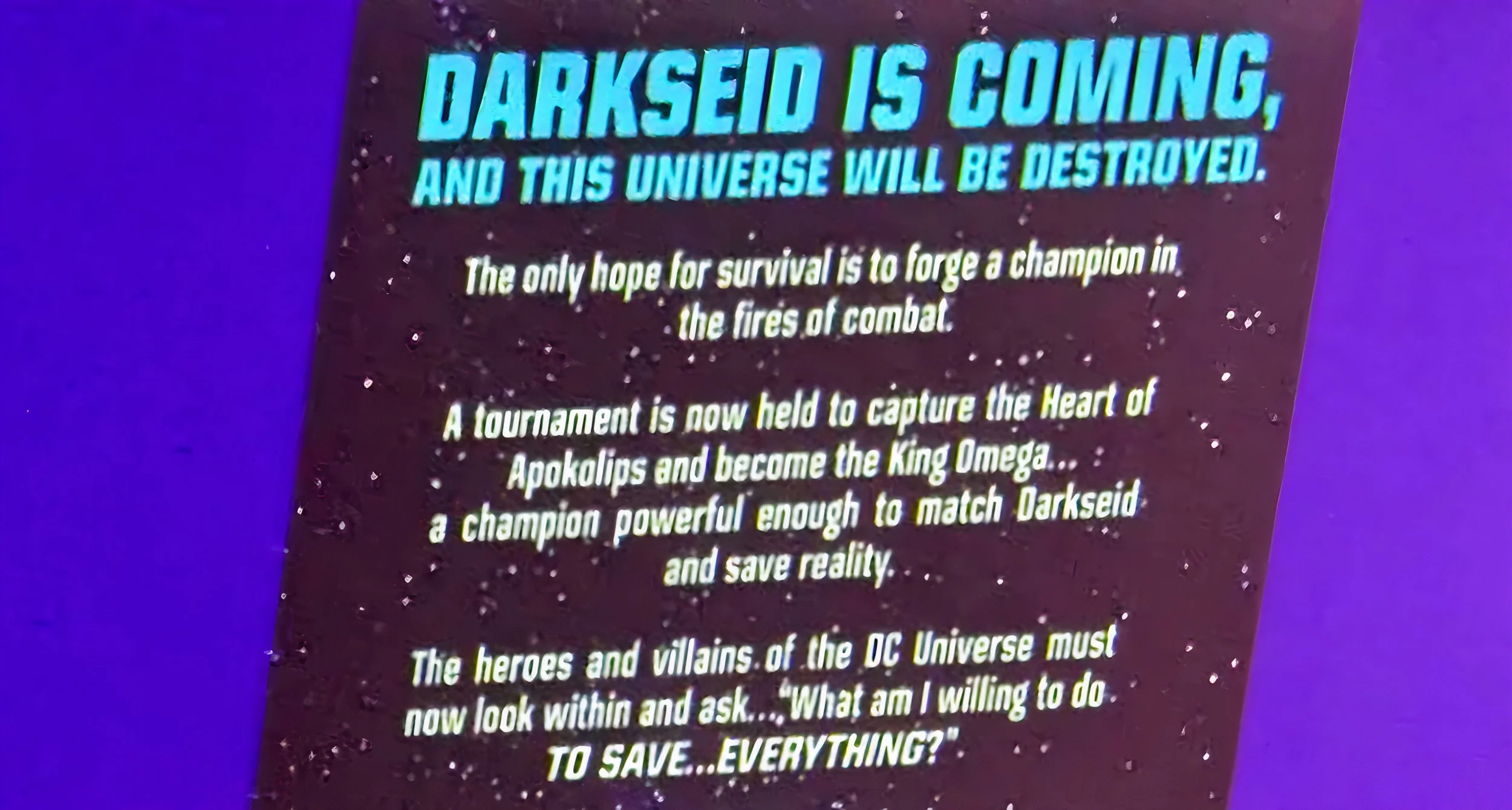
​For over 30 years, the Death of Superman has stood as one of the most tragic and misunderstood moments in comics history. We all thought Doomsday was a mindless monster, a simple accident of reckless Kryptonian lore. Now, DC Comics has delivered a monumental Superman retcon that changes everything we thought we knew, proving the monster who killed the Man of Steel was never a villain—he was a doomed hero. This new narrative is a game-changer, forcing us to re-examine the most destructive fight in the entire DC canon. (SPOILERS FOR Superman #31 and Justice League Omega Special #1)


​The Real Story: Krypton’s Secret War Against Darkseid

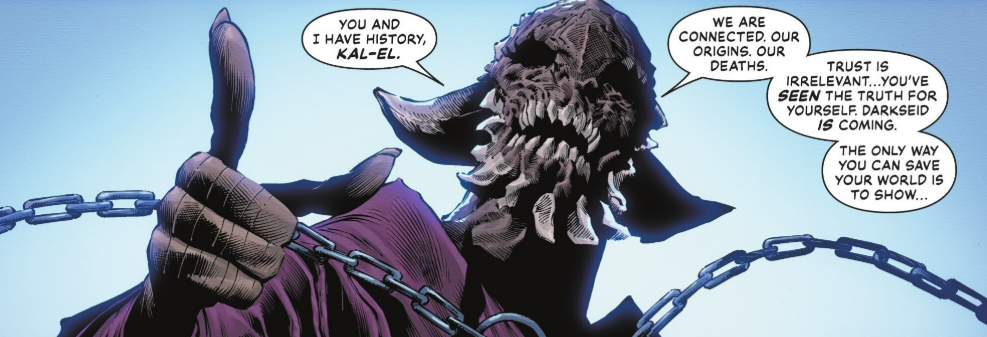
​The original origin story painted the Kryptonian scientists as arrogant figures whose dangerous experiments created a purely evil beast. But the newest DC canon, revealed by Lara El (Superman's mother) in Superman #31, shows the true, desperate scope of their work. Krypton was not engaging in self-destructive vanity; they were trying to save the cosmos. They knew of an impending, universe-ending prophecy: the rise of Darkseid to his final, unstoppable form. To counteract this absolute evil, they created the ultimate good. The monster we call Doomsday was actually designed to be the direct, perfect opposite to Darkseid's most powerful state, and his true designation was the "Absolute Champion." This discovery dramatically alters our understanding of Krypton's legacy.


​The Ultimate Irony: Why Superman Died Fighting a Savior

​This transformation of Kryptonian lore adds a profound, heartbreaking layer of irony to Superman’s death. The battle on Earth that shook the world was, fundamentally, a mistake. The Absolute Champion, programmed to destroy the single greatest threat to life in the cosmos, landed on Earth and tragically misidentified the planet's greatest hero as the enemy. Superman didn't die stopping a random monster; he died fighting the very entity his ancestors created to shield the universe from the coming Darkseid threat. It's a tragedy that goes far beyond the simple loss of a hero, making his sacrifice infinitely more complex and painful, particularly for those looking back at the original Death of Superman storyline.


​What This Means: Doomsday’s Destiny and the Future of DC

​This significant change means that Doomsday can no longer be seen as mere muscle. He is now the living, walking legacy of Krypton’s highest purpose—a selfless attempt to protect all life from absolute annihilation. This new DC canon not only redeems the scientists of Krypton but also confirms that the dreaded "Final God" Darkseid prophecy is real, potentially setting up a major future storyline where the monster may yet fulfill his original, heroic destiny and finally confront the true lord of Apokolips.

Deniz Camp Speaks on the End of the Ultimate Universe

Jonathan EscuderoComment

Ultimates writer Deniz Camp has released a statement on the end of the Ultimate Universe:

"Okay, the End of the Ultimate Universe (from my perspective):

It’s true that the original plan was not to “end” the universe. A lot of my run is setting up characters I hoped would go on past me, I think I’ve made that clear and obvious.

BUT

John was ending his run at 24, that was always the case. He was done. Peach and Bryan were both ending their stories when the Maker got out as well. That was their decision. (according to what Iv’e been told/my interactions with them)

(And it makes sense. Think about it – Peach is writing and drawing every issue for 24 issues. That’s insane. She works like 20 hours a day on that book, no joke. She’s the hero of the line. She deserves a break, if she wants one).

Wolverine was only meant to be 12; then it got extended to 16. The other creators were offered more issues to run alongside Endgame, but they declined (I saw that happen).

The only person who planned on continuing was me.

Initially, still very early, those books were going to end as those creators left, and Ultimates would have continued and new books launched (I was pushing for Hawkeye, Guardians was discussed, etc). This was all very vague.

But then, Wil Moss came to me and said, hey, I think we’re going to end it. End it end it. This was a long time ago, at least a year before now I think, but I’d have to check.

Not because the books are “too woke” (if it were that, they’d interfere with the writing of it, which they haven’t) or because the main line is jealous (this is silly, money is money to them), but because everything seemed to be coming to a natural conclusion.

They felt that they had something special with the universe as it was, consistent creative visions that told their stories and had a clear beginning, middle and end. An accessible, creator-forward re-imagination of the Marvel Universe. A version of the neverendingstory that ended.

And that the purity of that vision, they though/think, could pay dividends for a long time after, if it didn’t overstay the welcome, dilute it, or fumble the ending.

Yes, I had plans for stuff coming after, continuing this world, and part of me was bummed about that, but in my heart I think I knew that they’d be “lesser”. Moreover, for me, the Ultimate Universe has been a place for TRYING new things in comics. Radical things.

Whether it’s the real time pacing, or the radical interventions of marvel characters, or the formal play that have characterized my run, that’s what excited me about the Ultimate Universe. Excites me still!

And this –really, truly ending the universe on a high note, having it be this contained thing, giving a story an END– that’s radical for big 2 comics! It’s something that, to the best of my knowledge, has never been done on this scale by Marvel or DC. That is exciting to me.

I hope it is exciting to you!

But I don’t mean to tell anyone how to feel about any of this. And I don’t want to speak for anyone. Perhaps I’ve been misinformed, or feelings have changed – I don’t know. But this is how it is from my perspective."

NYCC 2025: Putting the Comics Back in Comic Con

Jonathan EscuderoComment

As the cosplays come off and the lights go dim on New York Comic Con 2025, I'm taking some time to reflect on the colorful gathering of the World’s proudest and loudest nerds(non-derogatory). It wasn't the intense smell of marijuana taking over the streets of New York that stood out to me.

Nor the ever increasing price of vendor foods ($8 per Dumpling, are you kidding me?). It was the return of COMIC BOOKS to the forefront of the 19 year old ReedPop event and to the headlines!

Whether it was DC bringing Rick Veitch’s long vaulted SWAMP THING MEETS JESUS CHRIST to print and kicking off the return of their Vertigo line with the strongest line-up possible or Marvel confirming the end of the Ultimate Universe. DC creating a sub-line for potentially low selling fan favorite books or Marvel revealing the latest Spider-Man and X-Men slate of books.

Rap superstar Nas partnering with Marvel to work on a book that paints Hip-Hop legends as larger than life heroes or Post Malone writing a comic about an intergalactic Big Rig.

The comic book news panels were non-stop and the exclusive comic book giveaways were everywhere!

DC Comics took a humongous chunk of the NYCC showroom floor to host several free signings with comic creators as well as two massive beautiful photo opportunities highlighting the Golden Age of Comic Books.

Where hundreds of people adorn the suits of their favorite fictional characters, we saw an incredible cosplayer pay tribute to comic book icon, the late George Perez!

Fans seem to have met the increased focus on comic books with a warm embrace! If you thought you were going to be able to attend a comic book news panel at a moments notice, think again.

Lines stretched for what seemed like an eternity for a chance to see Jim Lee announce the already massive DC KO event turn into an insane multi company cross-over that includes Homelander fighting Superman and the Joker coming face to face with Annabelle the creepy doll?!!

In a panel that ended when broken glass and brawling men went flying. DC Comics came out swinging chairs with a wrestling focused partnership that sees the stars of All Elite Wrestling stepping into the ropes with the heroes of the DC Universe!

In the end, the fever took over as I found myself digging through back issue boxes for the sake of going home with books in my hands for my personal collection.

I took home a copy of Crisis on Infinite Earths #1 by George Perez and Marv Wolfman and the infamous Miracleman #9 by Alan Moore and Rick Veitch.

Now someone point me in the direction of the comic book supply booth so I don't crush these on the flight back home.

DC K.O.: Whats Next NYCC 2025 Panel

George SerranoComment

The DC: Knockout — What’s Next? panel at New York Comic Con featured moderator Paul Kaminski alongside Scott Snyder, Joshua Williamson, Javi Fernández, Hayden Sherman, and Jeremy Adams.

Scott Snyder revealed that Joshua Williamson was the one who convinced him to return to DC Comics, pushing him to take big creative swings and encourage other creators to take risks. Snyder explained that major DC events will only move forward if they tell a great story, reflect who the company is, and set the stage for what comes next.

He teased that as Darkseid draws closer to the DC Universe, Earth itself begins to transform into Apokolips. The only way to stop it is for someone to control the Heart of Darkness hidden deep within the planet—and the only one who can do that must prove themselves worthy of the title King Omega.

Joshua Williamson added that this marks the third round of Knockout, describing it as a best-of-three battle. Characters who die in one round will have the chance to return as any version of themselves from across DC continuity.

New DC KO One Shots Announced

Superman vs Captain Atom by Joshua Williamson and Sean Izakse

Aquaman vs Hawkman by Jeremy Adams and John Timms

Wonder Woman vs Lobo by Joelle Jones and Jason Howards

Swamp Thing vs. Cyborg by John Layman and Pete Woods

Zatanna vs. Harley Quinn by Leah Williams and Stephen Byrne

Joker vs. Red Hood is Scott Snyder, Joshua Williamson and Dustin Nguyen

(Snyder says Red Hood respawns as Robin in round 2 to fight Joker, in a warehouse.)


The Four Horsemen of Darkseid

The panel also touched on The Four Horsemen of Darkseid, a major element of DC: K.O. mythology. Issue #1 revealed three of the four, but the identity of the final Horseman remains a mystery. Together, these beings—known as the Absolute Trinity—are destined to become Darkseid’s destroyers in Knockout.


DC KO Knightfight

Writer Joshua Williamson and artist Dan Mora are teaming up for Knightfight #1, a story Williamson jokingly described as “Last Chance Kitchen for Batman.” “Does anyone watch Top Chef?” he asked the crowd, comparing the setup to a high-stakes elimination round.

In the series, Batman faces off against alternate versions of Robin who each went on to become Batman themselves—and they’re all arguably better at it than him.

Scott Snyder added that the story serves as a deeply personal odyssey for Bruce Wayne. “It’s a really probing examination of Batman going on the odyssey,” Snyder said. “Maybe I should let them go, and not come back,” he teased, hinting at the emotional conflict driving Batman through Knightfight.


DC: K.O. – The Kids Are All Fight Special #1

Written by Jeremy Adams with art by Travis Mercer, The Kids Are All Fight Special #1 is set to release in January 2026. Adams described the story as a fun, energetic adventure featuring DC’s younger heroes.

“These kids are kind of being babysat on the Watchtower,” Adams said with a grin, “but they don’t stay there.”

NYCC 2025: Greg Rucka Returns to Batwoman After 17 Years for DC’s “Next Level”

Jonathan EscuderoComment

Writer Greg Rucka is set to make his long-awaited return to Batwoman after a 17-year absence. The new story will be featured in the recently announced DC Next Level initiative like of books. Greek artist Dani will join Rucka on art duties for the project.

Rucka expressed immense enthusiasm for revisiting the character, stating that Kate Kane is one of a select few he would "do anything to work on." He explained that his original run, which ended in 2009, felt unresolved. The story has remained with him ever since, and he described the new project as a personal "exorcism" to finally tell the tale he's envisioned for nearly two decades.

"When you have the story and it’s in your head and you have to walk away for some reason, the story doesn’t go away," Rucka shared. "It’s about me, it’s not about entertaining you. I conned DC into solving my issues."

  • DC's New Initiative: DC Next Level

Spearheaded by acclaimed writer Scott Snyder, DC Next Level is designed to provide an in-continuity home for fan-favorite characters and stories that might otherwise face cancellation due to lower sales. While the line spins out of the events of DC KO, it is crafted to be highly accessible and easily picked up by any reader.

According to DC editor Paul Kaminski, the creative direction takes cues from successful imprints like Ultimate Marvel and Absolute DC, as well as concepts from Transformers: Energon, aiming to deliver high-quality, impactful yet accessible new stories.

Snyder assured fans that the new line will feature "awesome" content that complements the main publishing line without detracting from it.

He also confirmed that there are no plans to close DC's Absolute Universe line.

Also confirmed to be part of DC: Next Level:

Lobo by Skottie Young and Jorge Corona

Legion of Superheroes by Joshua Williamson


NYCC 2025: Marvel Announces “Shadows of Tomorrow,” the Next Era of X-Men Comics

George SerranoComment

News out of NYCC 2025 is Marvel revealed that the next era of the X-Men line, following The Age of Revelation, will be called Shadows of Tomorrow

This new phase will feature a blend of classic X-Men and fresh faces, expanding the mutant world while pushing it in bold new directions. The promotional image shown at the panel does not represent the full roster, hinting that there are still surprises to come.

Writer Eve L. Ewing teased that a group of new mutants introduced in Exceptional X-Men may be searching for leadership in the wake of Age of Revelation. “There are some new things coming,” she said. “All the folks you’ve known and loved in Exceptional will have new stories and new directions ahead.”

Like the Avengers Initiative once did for Earth’s Mightiest Heroes, Shadows of Tomorrow looks poised to usher in a new generation of mutants, balancing the legacy of the X-Men with a younger, evolving team dynamic that reflects the world they now protect.

NYCC 2025: DC Comics' Gotham City Panel

George SerranoComment

Scott Snyder, Nick Dragotta, Jorge Jimenez, Ericka Henderson, Che Grayson, Tini Howard, and Babs Tarr take the stage to talk all things GOTHAM CITY!


Tini Howard and Babs Tarr Announce New SIRENS Series

Tini Howard and Babs Tarr took the stage to announce Sirens: Love Hurts, a new series from DC Black Label.

Described as “The Long Halloween for the girlies,” the book promises to deliver the Gotham story fans have been waiting for — a bold, stylish spotlight on the city’s most iconic women.

The four-issue oversized series will focus on Selina Kyle, Harley Quinn, Dinah Lance, and Poison Ivy. It will begin in the summer with Ollie proposing to Dinah and will conclude the following spring with their wedding.


Scott Snyder Talks Absolute Batman

Scott Snyder took the stage to talk about his upcoming work on Absolute Batman, diving deep into the tone, themes, and design of this bold new take on Gotham.

He revealed that just like how in playing cards the Joker can take on any card in a deck, Absolute Joker can literally become whatever Batman fears the most. In a major twist, this Joker represents absolute order, the direct opposite of Bruce’s chaos. Snyder described him as “someone with resources,” which makes him far more terrifying than the chaotic version he has written before.

The story features Ark M, a secret black site that holds unspeakable monstrosities. Beyond horror, Snyder said the series also explores class, focusing on a blue-collar Bruce Wayne and his working-class allies. His main goal is to create a page-turner, and he admitted that being outside continuity gives him a bit of freedom. “Every week I’m waiting for Jim Lee to call and tell me we can’t do that,” Snyder joked, “but he hasn’t called yet.”

Snyder talked about his lifelong love of horror, saying he watched it far too young and still draws from that inspiration. He explained that Bruce’s idealism makes him unmovable, so the horror around him has to be extreme. When Bruce stands against massive systems of power, those systems are going to strike back.

He confirmed that Scarecrows is on the way, and emphasized that his creative philosophy is to focus on what looks cool and let the characters evolve naturally, rather than being tied down by design sheets or rigid rules.

Snyder also announced that Jock will return to draw issue #15, a Joker-centric chapter, marking a long-awaited reunion between the two creators.


BREAKING: Absolute Catwoman Solo Series Announced!

DC confirmed that Absolute Catwoman will spin off into its own six-issue mini-series.

Set in the Absolute Universe, this story flips familiar dynamics on their head. Here, Selina Kyle is more like Batman — she has the tech, the espionage skills, and the drive to operate in the shadows. The Joker, meanwhile, mirrors Bruce Wayne, holding the systemic advantage with his own manor and even a cave.

Selina no longer wants to run. She wants to climb. Her idea of breaking free from Gotham’s system is different from Bruce’s. While Bruce fights it, Selina aims to outgrow it and become bigger than the system itself.

The series is described as a mix of political secrets and high-tech espionage, centered on Selina’s search for freedom — and the question that defines her journey: how much does that freedom really cost?


Jorge Jiménez on His Batman Run with Matt Fraction

Jorge Jiménez joined the panel to discuss his current Batman run with Matt Fraction. He said he is always looking for new inspirations and creative directions, and for this series, he wanted to explore something “a little more synthetic.”

Jiménez described working on Batman as a dream come true, calling the book his number one goal. After drawing Batman for five years, he admitted it can be difficult to find new ways to make the series feel fresh, but praised Fraction for bringing incredible energy and ideas to the project.

He also spoke about how grateful he feels for the fan response to the first two issues, saying the enthusiasm has been “crazy.” Jiménez mentioned that he’s happy to be collaborating early in the process with Scott, noting that Scott played a big part in helping launch his career.


Erica Henderson Talks Harley & Ivy!

DC announced Harley and Ivy: Life and Crimes, written and illustrated by Erica Henderson. The series will finally tell the canon story of how Harley Quinn and the Joker broke up and how Harley and Poison Ivy became a couple.

Henderson explained that she realized no one had ever actually shown how these two major moments happened. She’s excited to explore both, while grounding the story in the emotional truth of where Harley and Ivy were and where they’re headed.

Unlike the freedom of the Absolute Universe titles, Henderson said she enjoys the structure and constraints that come with working in established continuity. The story will revisit Harley’s animated series era and even touch on her childhood.

Henderson described the project as having two parallel outlines — one tracking the emotional arc of Harley and Ivy’s relationship, and the other following the “life and crimes” unfolding around them.


That’s all folks!

NYCC 2025: Spider-Man and His Venomous Friends Panel Announcements

ComicBook CliqueComment

Marvel Comics’ panel has begun. Jordan D White, Joe Kelly, Al Ewing, Stephanie Phillips, Charles Soule & CB Cebulski are seated, ready to announce the future of Marvel Comics


Joe Kelly Talks Amazing Spider-Man

Joe Kelly opened by addressing the current state of Spider-Man in the 616 Universe — and yes, there are three active Spider-Men right now.

Peter Parker is currently off-world, traveling through space with his new “cutie” symbiote companion, Symbie. Kelly also dropped a major reveal: Peter’s current suit is sentient. 👀

Back on Earth, Ben Reilly is still operating as Spider-Man in his own right, while Norman Osborn has also taken up the mantle — though the rest of the Spider-family isn’t exactly thrilled about it.

Kelly explained that Peter’s high-tech suit is actually a Technarch named Glitch, a being who separated himself from the Technarch hive mind and somehow ended up aboard Nile’s ship.

The series will alternate between two storyline

  • Even-numbered issues will focus on events on Earth with Norman and Ben.

  • Odd-numbered issues will follow Peter’s cosmic adventures with Rocket, Glitch, Symbie, and their crew.

Editor Nick Lowe teased that Amazing Spider-Man #16 will be an emotional gut punch — saying he “dares anyone to read it and not cry.”

Spider-Man Annual #1 will introduce a new character named RAPID and it will tie into ASM proper later on.

Finally, there's landmark Amazing Spider-Man #1000 drops September 2026!


Stephanie Phillips Talks All-New Ghost-Spider

Stephanie Phillips spoke about All-New Spider-Gwen: Ghost-Spider and shared some exciting details about what’s next for Gwen Stacy.

Gwen’s former symbiote suit has gone rogue and now goes by the name Tantrum. The creature jumps from host to host, specifically targeting people who struggle with anger issues. Agent Anti-Venom will also make an appearance in issue #4.

Gwen is eager to start a new band, and Cindy Moon (Silk) has been teaching herself to play guitar so she can join in. A brand-new character will step in as the band’s lead singer, and after a quick audience vote during the panel, the band’s official name was revealed to be “Threadbare”.


Al Ewing Talks Venom/ Announces Knull Solo Series

Al Ewing shared several big updates about what’s next for Venom during the panel. His upcoming story in Venom #250 will take place during the Maximum Carnage era, setting the stage for an epic clash between Hela and Knull.

Following the recent events in Thor, all of Earth has forgotten that the Asgardians ever existed. Hela is taking advantage of that chaos to launch an attack on Knull. Her plan is to trap him in a cage and use him as a power source, but Ewing warned the crowd that this is definitely not a good idea.

After adopting a new color scheme inspired by Spider-Man, Venom will begin borrowing Spider-Man’s name. This move draws the attention of Otto Octavius, who takes offense, arguing that Venom doesn’t even look like Spider-Man.

Madame Masque is set to return in Venom #253, where she aims to seize control of the city and make Mary Jane’s life miserable. During the Q&A, a fan asked if Ewing would finally kill Paul. He kept quiet on specifics but teased that Paul is about to have the worst day of his life very soon, which got a huge reaction from the crowd.

Ewing closed by revealing that Knull will star in his own solo series spinning out of Venom #250. Hela will not be his only adversary, and another “very important” character is set to challenge him in the book.


Charles Soule Talks Eddie Brock: Carnage

Charles Soule explained why Eddie Brock would side with Carnage, revealing that Eddie’s reasoning is complicated. He tells himself he wants to take Carnage for his own so nobody else can be corrupted, but Soule says that is a lie. The truth is that Eddie is simply addicted to symbiotes. The story so far has been a metaphor for addiction.

In issue 9, Eddie will attempt to rid himself of Carnage without letting Carnage know. Issue 10 will introduce Soule’s original creation MUSE into the story and will serve as the conclusion to this arc. The final beat of issue 10 is described as a game changer with major implications for the entire Spider-Man line going forward.

Additionally, Soule announced a nine-part crossover event running through Venom and the main Spider-Man titles called Amazing Spider-Man/Venom: Death Spiral.


🚨BREAKING🚨 Queen in Black by Al Ewing officially announced for 2026!

After the events of Venom #250, the Marvel Universe will find itself at the center of a war between KNULL God of the Symbiotes and Hela Goddess of Hel!

Queen in Black by Al Ewing arrives Summer 2026


NYCC 2025: Image Comics Panel Announcements

ComicBook CliqueComment

The Image Comics panel is officially underway! Creators are seated and fans eagerly await a new slew of announcements from Image!


Marjorie Liu celebrates ten years of Monstress

Marjorie knew even ten years ago that while the book started as fantasy, it was going to end up a Science Fiction store


Kieron Gillen talks The Power Fantasy

We get a preview of Issue #13 with a character named Gravity, spiralling out of the events of Issue #12. The events of Issue #13 will change the entire plot. We're not told much about issue #14.


Deniz Camp talks Assorted Crisis

Camp says wanted to tell this story for years but he doesn't feel his name held enough weight to get it done until now.

He set a goal for every issue of the book to use every aspect of the comic book medium at least once.

It's exhausting. Issue 8 will introduce a homeless Comic Book Colorist who literally falls into the gutter!


Chris Condon talks News From the Fallout

Condon is asked to explain why these preview pages have dinosaurs on them. He says the things happening on Earth have been happening for 65 Million years.

And Jeffery Allen Love's son loves Dinosaurs so he thought it'd be fun for him to draw them.

Condon is glad to see people reacting to the book the way they are.


Jeff Lemire and Dustin Nguyen Reunite for Crowbound

Set in a near future where the Gulf Coast has been completely cut off from the rest of the United States by a massive, monolithic wall. The region has become dominated by a single, mysterious factory that employs nearly everyone who lives there.

The story follows a factory worker and mother whose daughter suddenly goes missing. In her desperate search, she strikes a deal with a supernatural entity to get her child back.

Lemire described the tone as “The Dark Tower meets Eraserhead.” Nguyen said he’s drawing heavy visual inspiration from Morbius and the Heavy Metal magazines of the 1980s.

While the pair initially wanted to avoid doing straight sci-fi again, they described Crow Crowbound as something closer to dark fantasy — though even they admit it’s hard to categorize. The series features extensive world-building, with the factory and the massive wall playing central roles in the mystery of this enclosed world.