
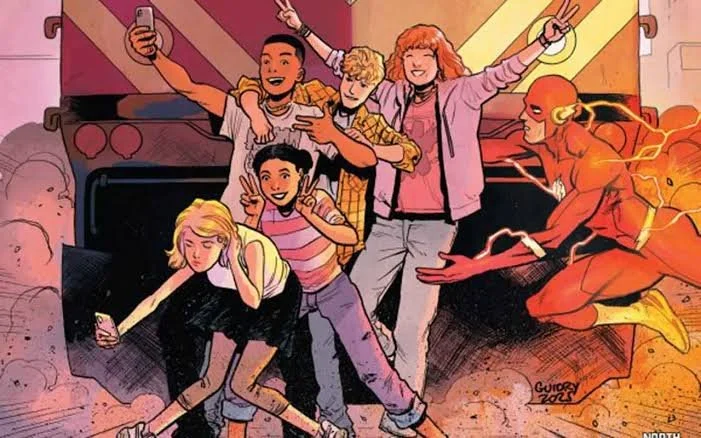
The Flash issue #32 is published by DC Comics and is written by Ryan North, art by Gavin Guidry colours by Adriano Lucas and lettering by Buddy Beaudoin
The Recap: A Viral Headache
There is something inherently terrifying about a superhero whose greatest enemy isn’t a guy in a yellow suit or a telepathic gorilla, but a viral hashtag. In The Flash #32, writer Ryan North and artist Gavin Guidry deliver a story that feels painfully modern, hilariously frantic, and deeply rooted in what makes Wally West the most relatable speedster in the DC Multiverse.
Since North took over the title with issue #31, there’s been a palpable shift in energy. We’ve moved away from the high-concept, cosmic horror "cosmic weirdness" of previous runs and back into the street-level (well, high-speed street-level) charm that defined the Waid and Johns eras. Issue #32, titled "Speed Shots," is the definitive proof that this new creative team knows exactly how to handle the "Fastest Man Alive" when he’s being slowed down by the sheer absurdity of human nature.
The premise of this issue is a stroke of genius that feels like it should have happened years ago. An anonymous, shady online content creator has launched a contest: $10,000 to anyone who captures high-quality footage of themselves being rescued by the Flash.
Naturally, Central City has descended into absolute chaos.
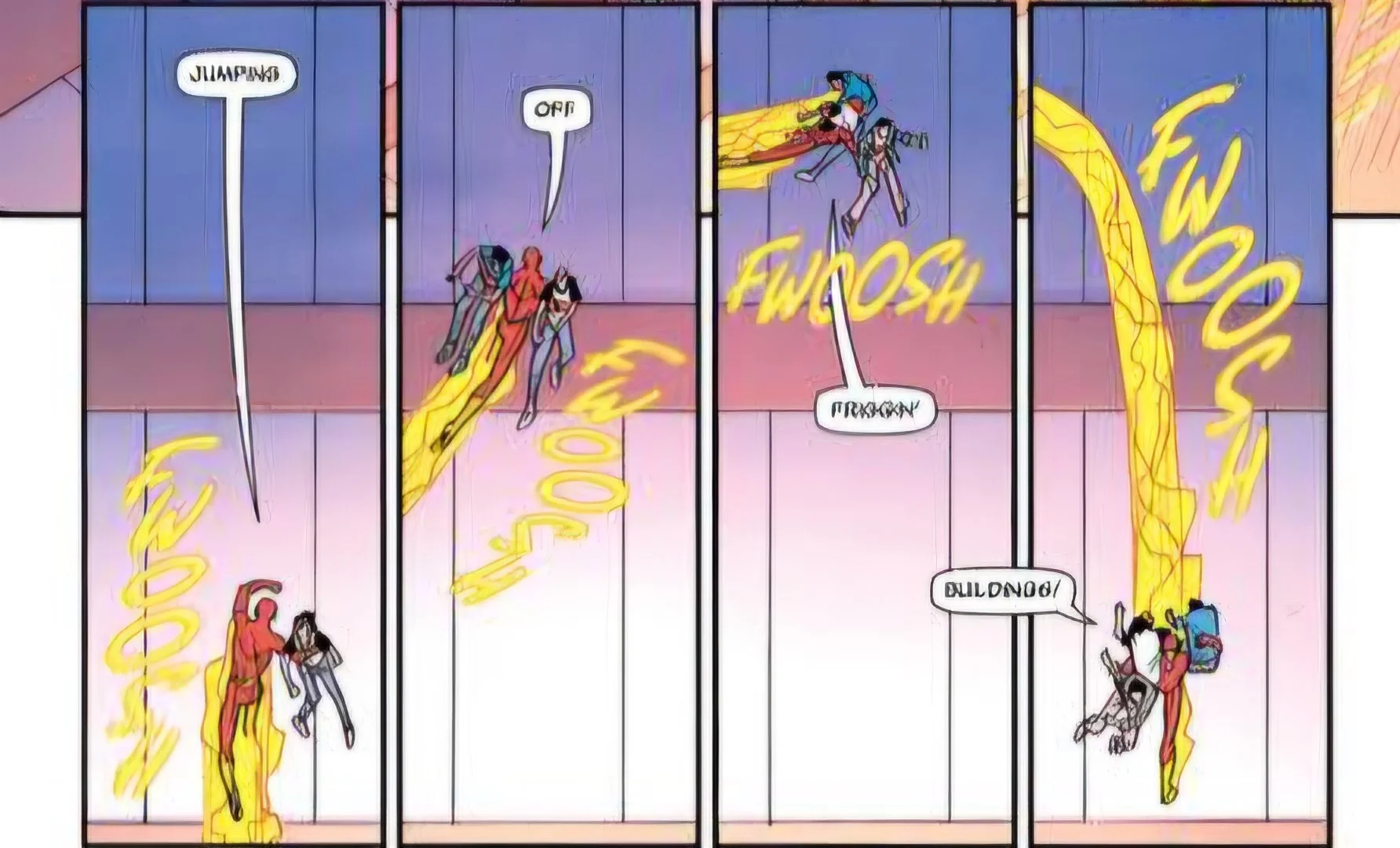
The issue opens with Wally West being run ragged. He’s not fighting the Rogues or stopping a bank heist; he’s essentially playing the world’s most dangerous game of "Catch the Influencer." Civilians are throwing themselves off rooftops, jumping in front of moving buses, and dangling from cranes—all while holding their phones at the perfect angle for that sweet, sweet engagement.
Wally is exhausted. He’s missing family dinners every fifteen seconds, his stress levels are through the roof, and he’s starting to question his "no-judgment" policy. Just as he’s reaching his breaking point, he spots a familiar face on a ledge: Leonard Snart, a.k.a. Captain Cold. But Snart isn't there for the prize money. He’s there because he has a warning that makes the "Clout Crisis" look like a walk in the park.
The Story: Character Over Chaos
Ryan North has a specific gift for writing dialogue that feels like a real conversation, even when one participant is moving at Mach 5. What makes the story in #32 work isn't just the humor—though there are some genuine laugh-out-loud moments regarding the "Flash-Tok" trend—it’s the way North centers Wally’s humanity.
Wally West has always been the "Blue Collar Flash." Unlike Barry Allen, who often feels like a scientific icon, Wally is a dad, a husband, and a guy who just wants to finish his sandwich. Seeing his frustration boil over as he rescues the 50th person of the hour is incredibly satisfying. It’s a meta-commentary on our current attention economy, but it never feels like a lecture. It feels like a genuine obstacle for a hero who can be everywhere at once but can’t be responsible for everyone’s common sense.
The real meat of the story, however, is the team-up. The dynamic between Wally and Leonard Snart is legendary, and North leans into the "respectful enemies" trope with perfection. Snart’s "hard reset" back to a man with a code is a welcome change. Their snarky back-and-forth as they investigate the source of the contest provides the issue’s best beats. When they realize the contest isn't just about views—that it’s actually a cover for something much more sinister—the stakes shift from "social media satire" to "cataclysmic threat" with surprising grace.
Pacing: A Sprint, Not a Marathon
The pacing of The Flash #32 is, fittingly, breathless. Ryan North uses a structure that mirrors Wally’s current state of mind: fragmented, high-speed, and constantly interrupted.
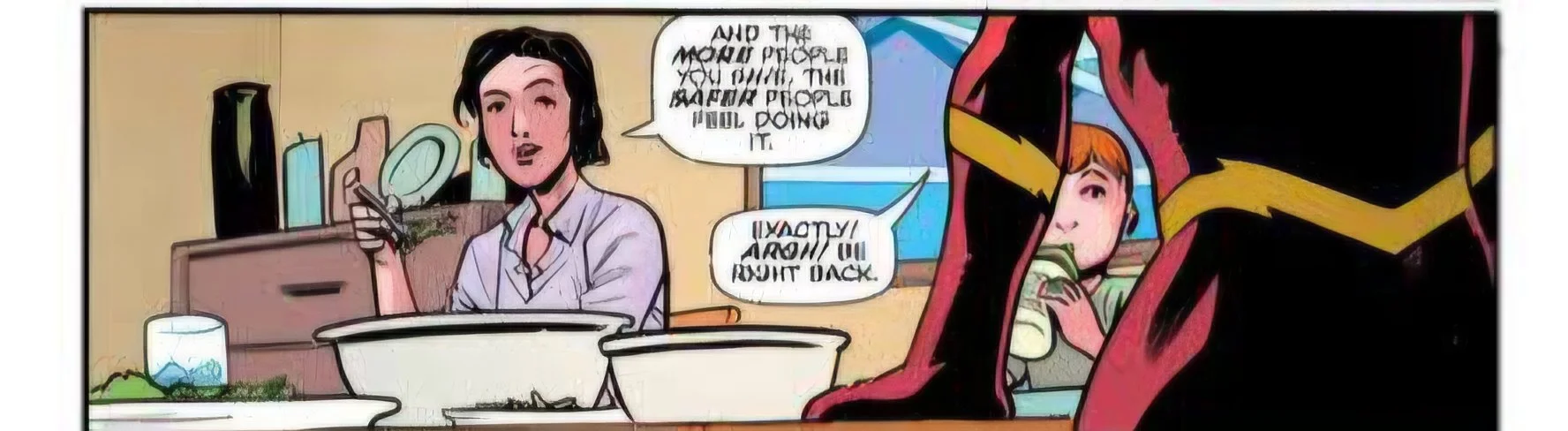
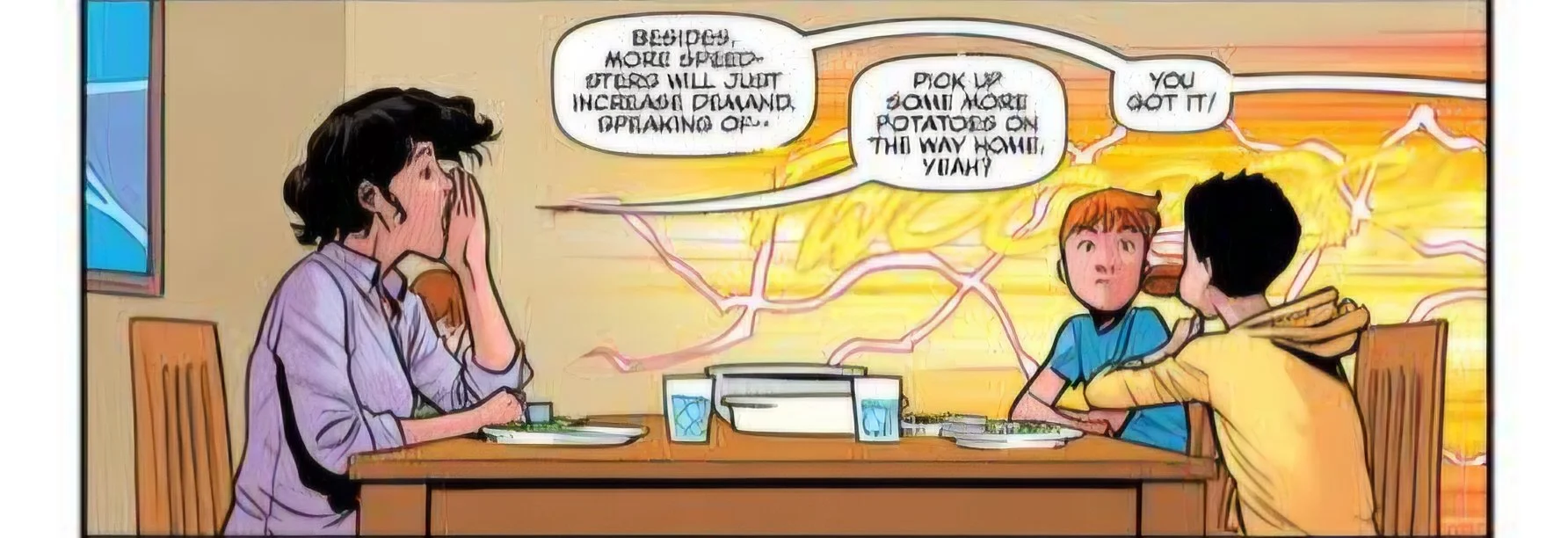
The first half of the book is a series of rapid-fire vignettes—rescue after rescue, interspersed with brief moments of Wally trying to maintain his home life. These scenes could feel repetitive in lesser hands, but the variety of the "stunts" people pull keeps the momentum high.
Once Captain Cold enters the fray, the pacing settles into a more traditional investigative groove, but it never loses that underlying sense of urgency. The transition from the comedic absurdity of the "Speed Shots" contest to the grim reality of the looming threat is handled through a brilliant escalation of tension. By the time we reach the final pages, the humor has evaporated, replaced by a cliffhanger that actually feels earned. It’s a masterclass in how to bait a hook for the next issue.
The Art: Expressive Velocity
Gavin Guidry’s art is the perfect dance partner for North’s script. If you’re looking for the hyper-detailed, grim-dark aesthetic of the 90s, you won't find it here. Instead, Guidry delivers clean lines, incredibly expressive character acting, and a sense of motion that feels fresh.
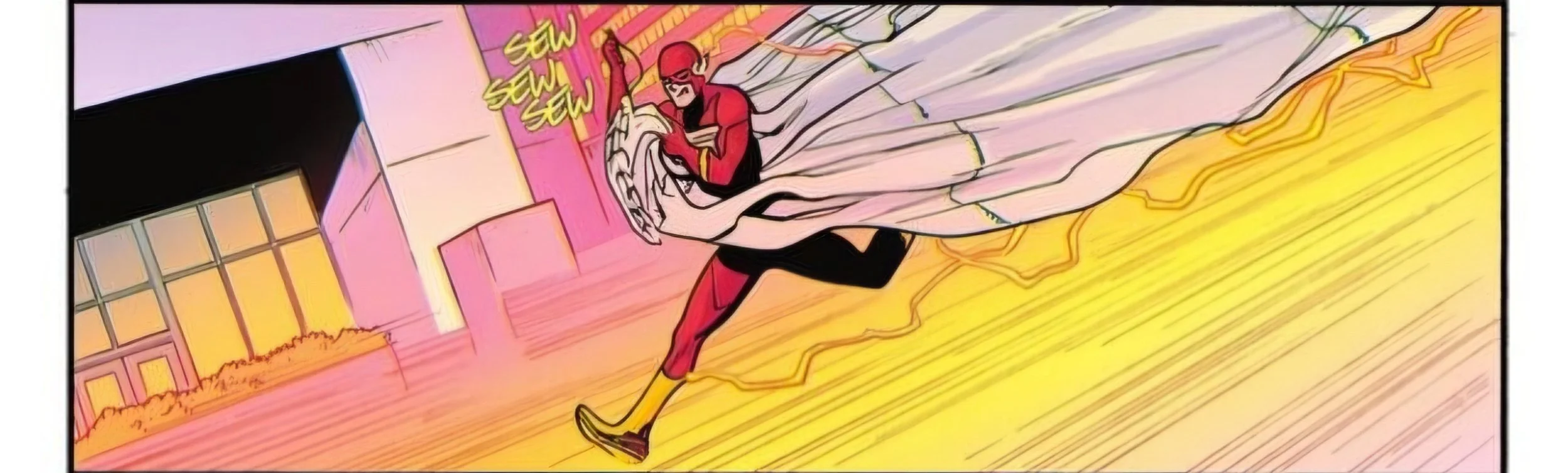
What stands out most in this issue is how Guidry handles the "Speed Force" visuals. Instead of just drawing blurred lines or static lightning, he uses the "save" sequences to create visual gags that actually tell a story. There’s a particular panel where Wally rescues a guy jumping off a building while simultaneously deleting the guy’s footage that is just a chef’s kiss.
The color work by Adriano Lucas deserves its own shout-out. The palette is vibrant and "pop-y," emphasizing the bright reds and yellows of the Flash against the cool, icy blues of Captain Cold. It makes the book feel alive and energetic, which is exactly what a Flash book should be. The way Lucas uses lighting to show the "snap" of the Speed Force gives the art a tactile feeling—you can almost hear the sonic booms.
The Final Verdict
The Flash #32 is a quintessential superhero comic. It manages to be funny, relevant, and emotionally grounded while still delivering the high-octane action fans expect from the title.
Ryan North is clearly having the time of his life with Wally’s voice, and Gavin Guidry is proving to be one of the best "acting" artists in the business. By taking a modern annoyance like "doing it for the ‘gram" and turning it into a legitimate tactical problem for the world’s fastest man, the creative team has found a way to make the Flash feel more essential than ever.
If you’ve been away from the Flash for a while, or if you were worried about the transition after the previous creative team’s departure, this is your sign to jump back in. This isn't just a great Flash story; it’s a great comic book story.