
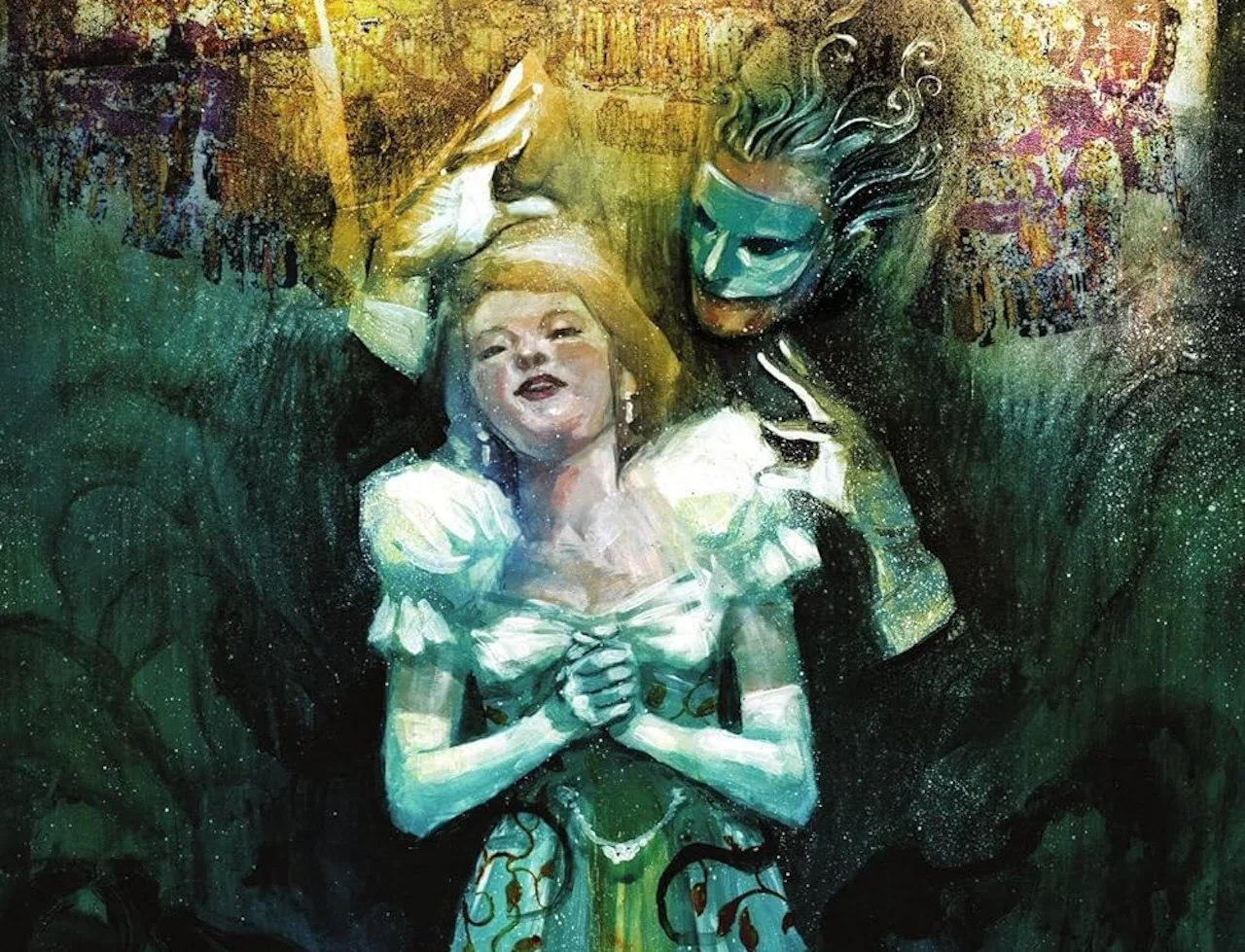
Phantom of The Opera #3 is published by Image Comics and is written by Tyler Boss with art by Martin Simmonds and lettering by Becca Carey
The Recap: A Descent into the Dark
The wait for Universal Monsters: Phantom of the Opera #3 has been weighing on me all month, especially after how issue #2 left us hanging in the rafters. Coming from the team of Tyler Boss and Martin Simmonds, this series has been a visceral reimagining that feels less like a dusty theatrical adaptation and more like a fever dream you can’t wake up from. Having followed the previous Universal Monsters entries at Skybound, I went into this one expecting something dark, but I wasn’t quite prepared for how this specific issue would shift the stakes.
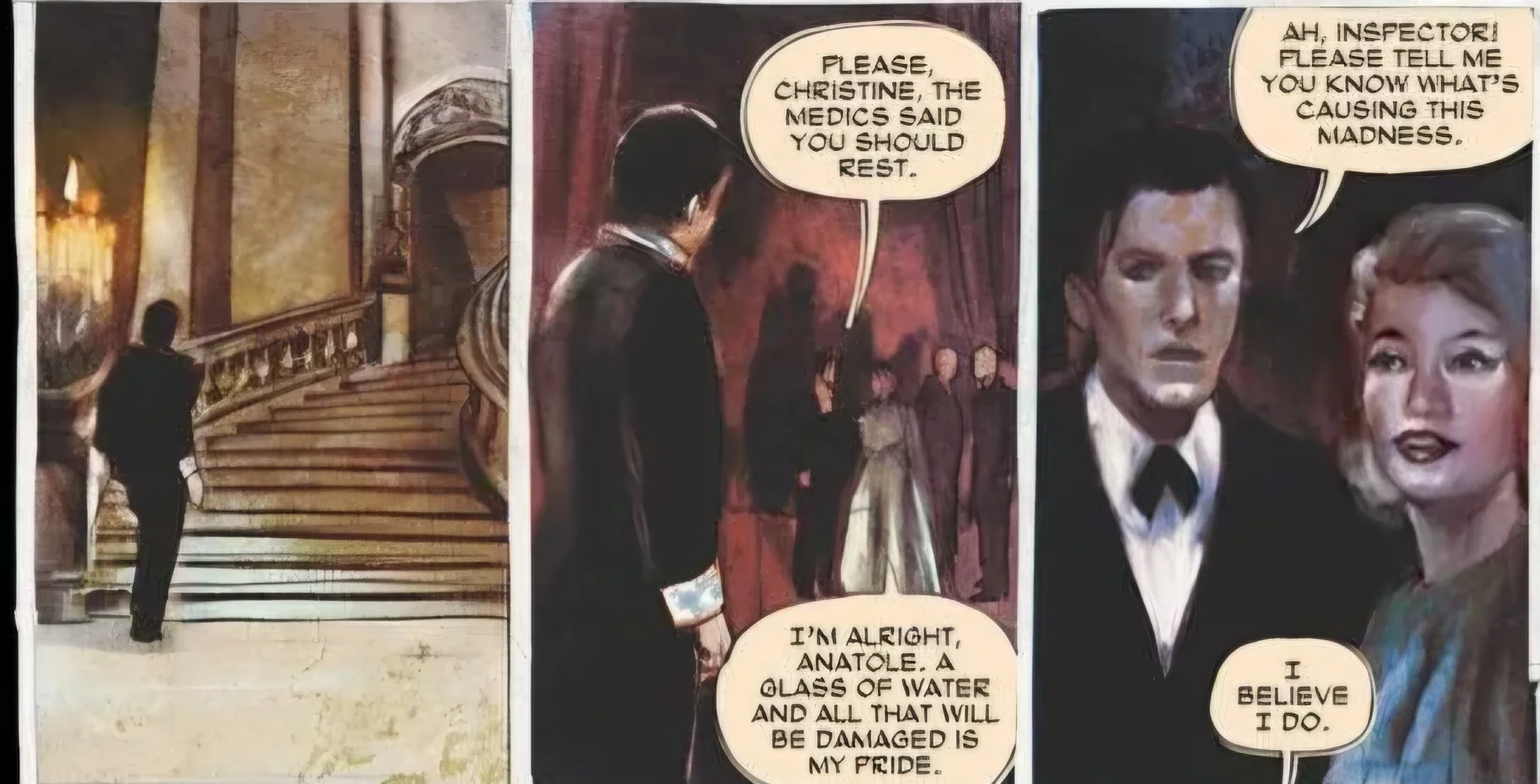
Picking up from the tension of the previous month, Issue #3 finds the Paris Opera House in a state of absolute paranoia. We open with Raoul—portrayed here not just as a pining lover, but as a man increasingly desperate and out of his depth—teaming up with the local police to stage a massive dragnet. Their goal is simple: catch the “spectre” haunting the theater. However, as is the case with most tragedies, their incompetence is the Phantom’s greatest weapon.
The police end up arresting Anatole Garron, the tenor, under the false assumption that he is the one behind the string of violent crimes. While the authorities are busy patting themselves on the back for "solving" the case, the real Phantom is busy solidifying his psychological cage around Christine. This issue leans heavily into the grooming and gaslighting that often gets glossed over in more romanticized versions of the story. The Phantom is pushing Christine toward a performance of his own magnum opus, Don Juan Triumphant, and the way he manipulates her belief that he is an "Angel of Music" is genuinely chilling to watch.
Story: Psychological Horror Over Gothic Romance
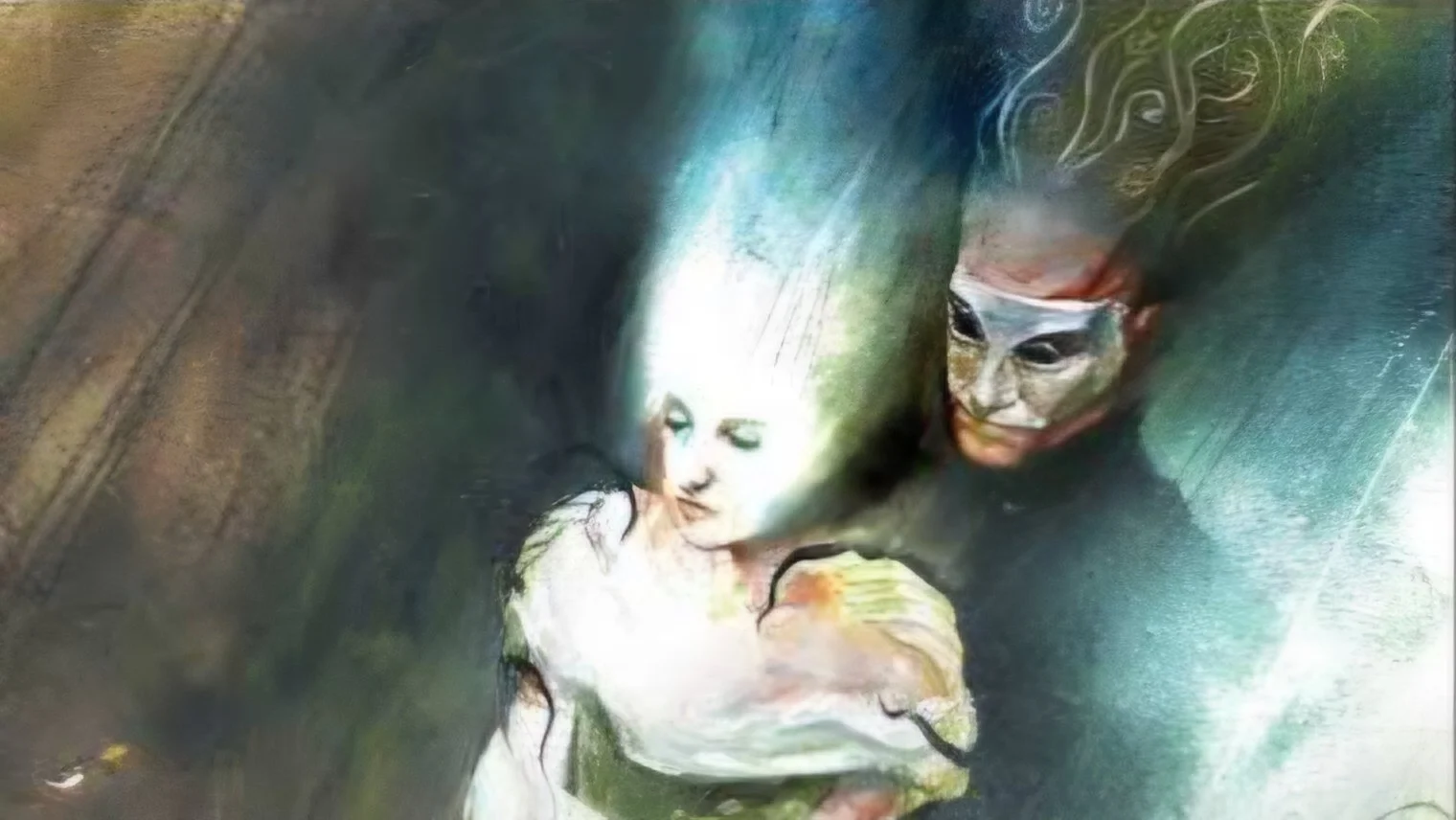
Tyler Boss is doing something incredibly bold with the script here. Instead of relying on the "misunderstood monster" trope, he is leaning into the psychological predatory nature of Erik. The writing feels modern and sharp, yet it retains that heavy, gothic atmosphere. In this issue, the story focuses on the "trap" set by the opera house management and the police during the performance.
What I loved about the narrative structure of this issue was the juxtaposition between the public spectacle of the opera and the private horror happening in the shadows. The dialogue between Christine and the "Voice" is some of the strongest in the series so far. You can feel her confusion and her desperate need for artistic guidance being weaponized against her. By the time we get to the climax of the issue, the "trap" backfires spectacularly, leading to the iconic chandelier moment, but with a twist that feels fresh for 2026. This isn't just about a falling light fixture; it’s about the total collapse of order within the Opera House.
Pacing: The Slow Burn That Explodes
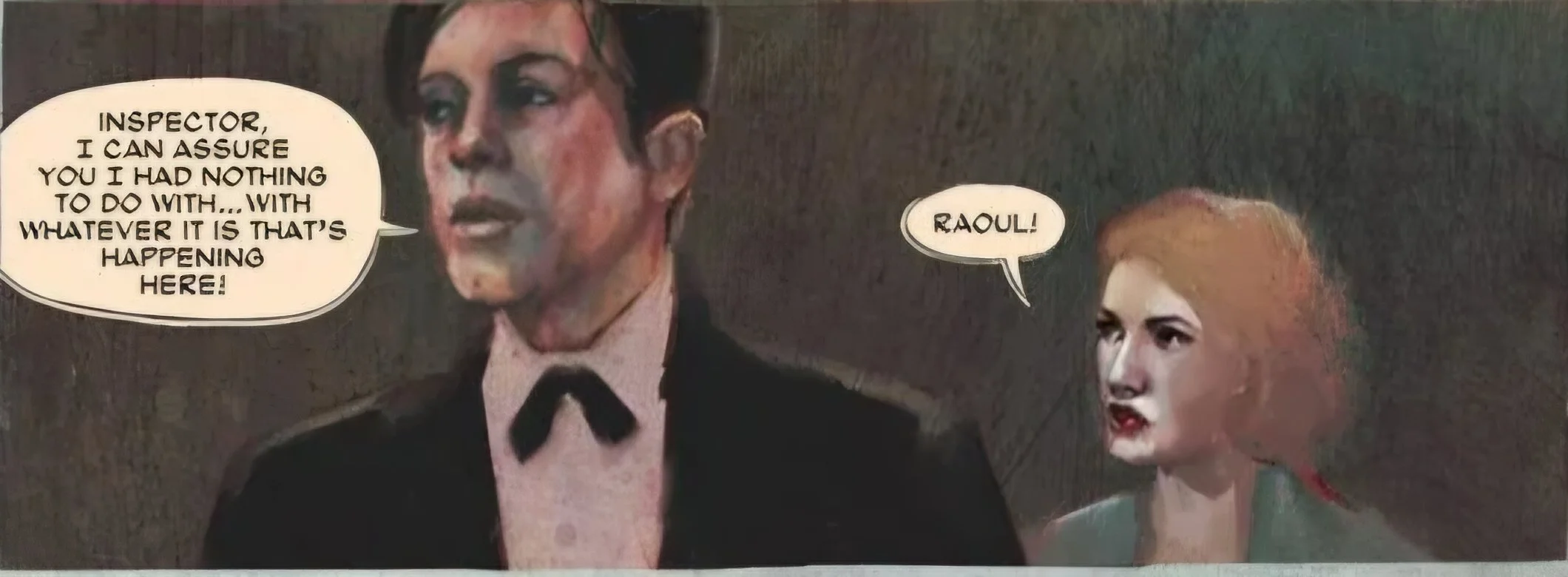
If I were to storyboard this for a video breakdown, I’d focus on how the first fifteen pages are a masterclass in building dread. The pacing starts off deliberately slow, focusing on the bureaucratic bumbling of the police and Raoul’s frantic energy. It feels like a police procedural for a moment, which makes the sudden shift into surreal horror all the more impactful.
The middle section of the book slows down to focus on the intimacy between Christine and the Phantom. These scenes feel claustrophobic, which is exactly what you want in a story about being trapped by an obsession. However, once the "Don Juan" performance begins, the pacing shifts into overdrive. The final five pages move at a breakneck speed, culminating in a crescendo of violence and visual metaphors that left me breathless. It’s a perfectly structured penultimate issue that does exactly what it needs to do: it makes the wait for the finale feel like an eternity.
Art: Martin Simmonds is a Visionary
I have to spend some time talking about Martin Simmonds because, frankly, no one else is doing art like this in mainstream comics right now. His style—painterly, messy, and deeply expressive—is the perfect fit for the Universal Monsters brand. If you’ve seen his work on Dracula or The Department of Truth, you know he doesn’t just draw characters; he draws moods.
In issue #3, his use of color is particularly striking. The "Angel of Music" scenes are bathed in a sickly, ethereal light that feels both heavenly and poisonous. The way he handles the "trap" sequence is a stroke of genius. Rather than showing us a literal, gory depiction of the chandelier crushing the audience, Simmonds uses a cascade of red roses to symbolize the fall. It’s an abstract, beautiful, and haunting way to depict mass tragedy. The panels are often tight and intrusive when the Phantom is speaking, making the reader feel as trapped as Christine, while the wide pans of the opera house during the disaster give us a sense of the sheer scale of the chaos.
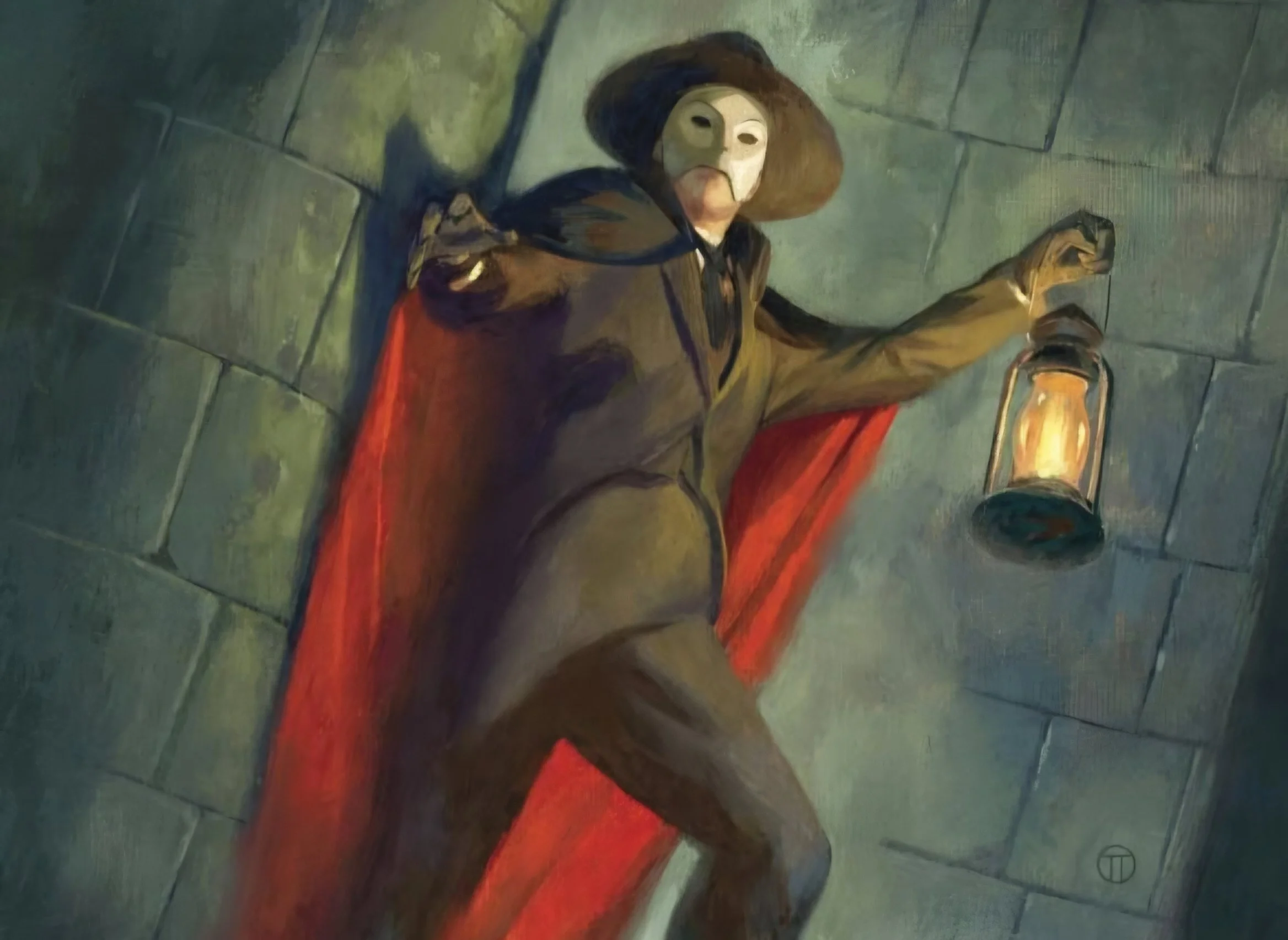
His character designs continue to impress as well. The Phantom is never fully revealed in a way that feels "safe." He remains a shifting collection of shadows and sharp edges, a presence rather than a person. It’s the kind of visual storytelling that demands you linger on every page just to soak in the atmosphere.
The Final Verdict
Universal Monsters: Phantom of the Opera #3 is an absolute triumph. It manages to take a story we’ve seen a thousand times—on stage, in film, and in print—and make it feel dangerous again. Tyler Boss and Martin Simmonds are a powerhouse duo, and they’ve managed to capture the "Universal" spirit while stripping away the camp to reveal the raw, jagged horror underneath.
This issue is the strongest of the series so far, successfully bridging the gap between the setup and what is sure to be an explosive finale. It’s seductive, scary, and visually unparalleled. Whether you’re a lifelong fan of the Gaston Leroux novel or a newcomer who just likes good horror, this is a must-buy.