
Man vs Machine: The New Creative Debate
Amidst excitement and pride over the amazing talents showcased this week in the Eisner Award nomination announcements, the conversation continues over the growing impact of AI use in the creative community. The news that the Eisner Awards nominated a book that included AI-generated content has heated up the debate. We can all agree that AI isn’t going anywhere, whether we like it or not, but does that mean we need to normalize its use? It will be interesting to see how these ongoing online discussions affect the future of creative award nominations.
I admit that I use AI in my day job. It’s an unavoidable aspect of the industry I work in. As a result, my regular exposure to it has made me feel more acutely aware of both its limitations and the telltale signs of its usage. So when I see groups like the Eisner Awards committee letting AI content slip right past them, I am concerned that this piece made the cut, and I am hopeful they update their screening process to protect the integrity of the award.
This isn't the first time AI use has been part of the creative discussion around award-winning work. Here’s another example. The 2025 winner of the Robert E. Howard Foundation’s “The Atlantean” Award for Outstanding Achievement was La Era Hibórea de Robert E. Howard by Rodolfo Martinez. Martinez is a known scholar of Howard’s works and wrote his own Conan pastiche, The Song of Belit, several years ago. Because of his expertise, it is widely assumed that the contents of his book were indeed human-generated. What raised eyebrows, however, was that the cover demonstrated signs of AI-generated artwork. This didn't affect the work’s award nomination and subsequent win, raising questions about their tolerance for at least some use of AI in the creative process. Additionally, there is an English translation of the book titled “The Hyborian Age of Robert E. Howard” on Amazon for $33 that features the same presumably AI-generated cover, raising a separate question: If AI-assisted artwork was indeed used, was the translation handled entirely by a person, AI tools, or some combination of both?
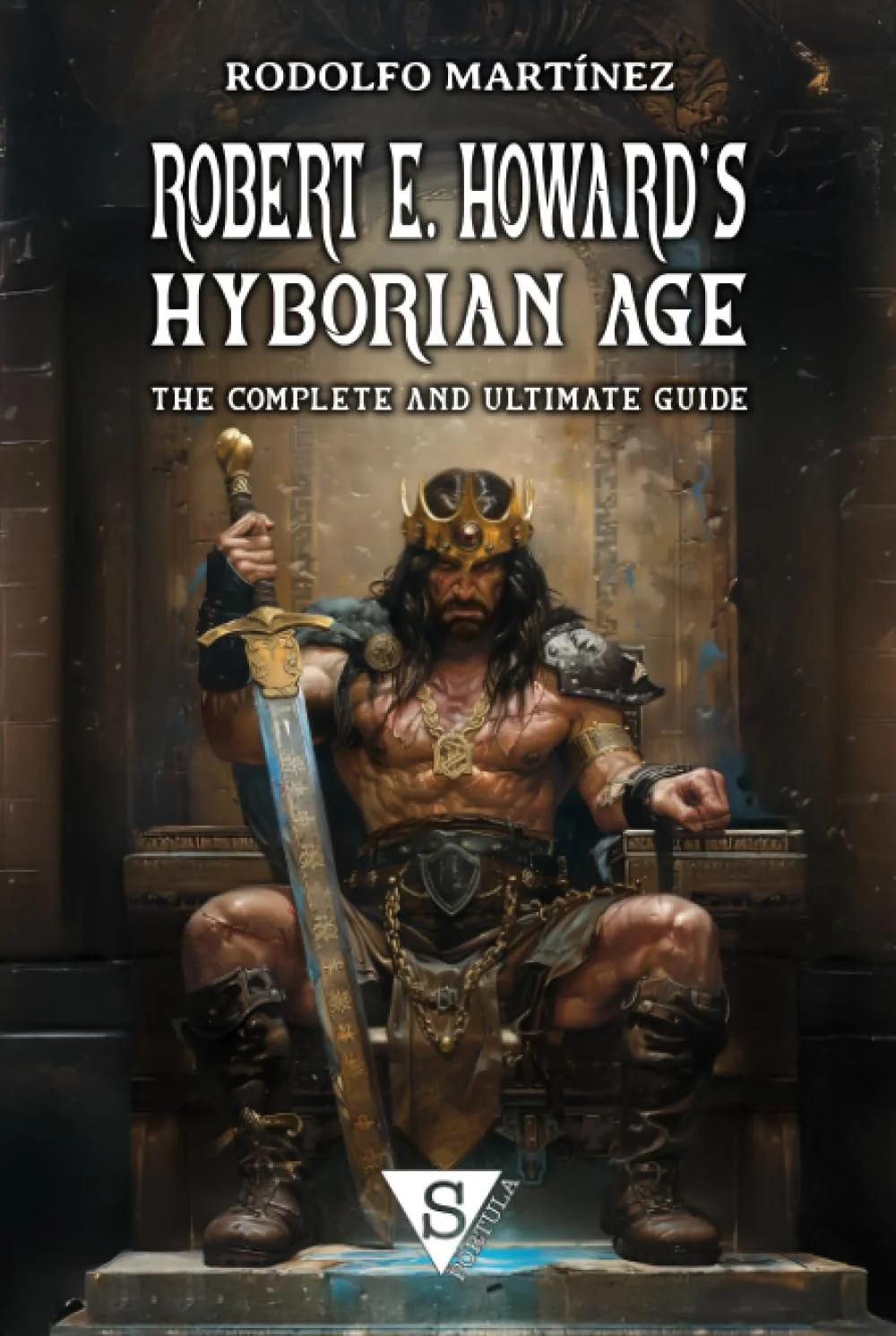
What do you think, was this made by man or machine?
Did the Eisner Foundation know that the book used AI art and give it the nomination anyway, or did it completely slip by them?
What about the Robert E. Howard Foundation, were they aware of AI usage?
Which answer do you find more concerning?
If people and institutions don’t start putting stronger safeguards in place now, they may lose the ability to distinguish between human and AI-created work altogether. As these systems improve, spotting obvious tells will only become harder. Waiting until that point arrives is probably waiting too long.