Comic Book Clique

The Shape of Evil Has Changed: And the Absolute and Ultimate Universes Know It

George SerranoComment

Evil in comics isn’t what it used to be. No longer just a masked villain with a doomsday device or a color-coded costume, modern villainy is structural, insidious, and embedded into the systems that shape society. It doesn’t just strike—it manipulates, deceives, and traps people in networks they may never even see.

Propaganda, secret cabals, financial exploitation, militarized oversight, and ideological manipulation have all become forms of villainy in the Marvel Ultimate Universe (Earth-6160) and the DC Absolute Universe (Alpha-World). Writers like Jonathan Hickman and Scott Snyder use these universes to explore evil as a system, not just a person, giving readers a mirror to reflect on power, control, and the complexity of oppression.


Alternate Universes Break Free of the Status Quo
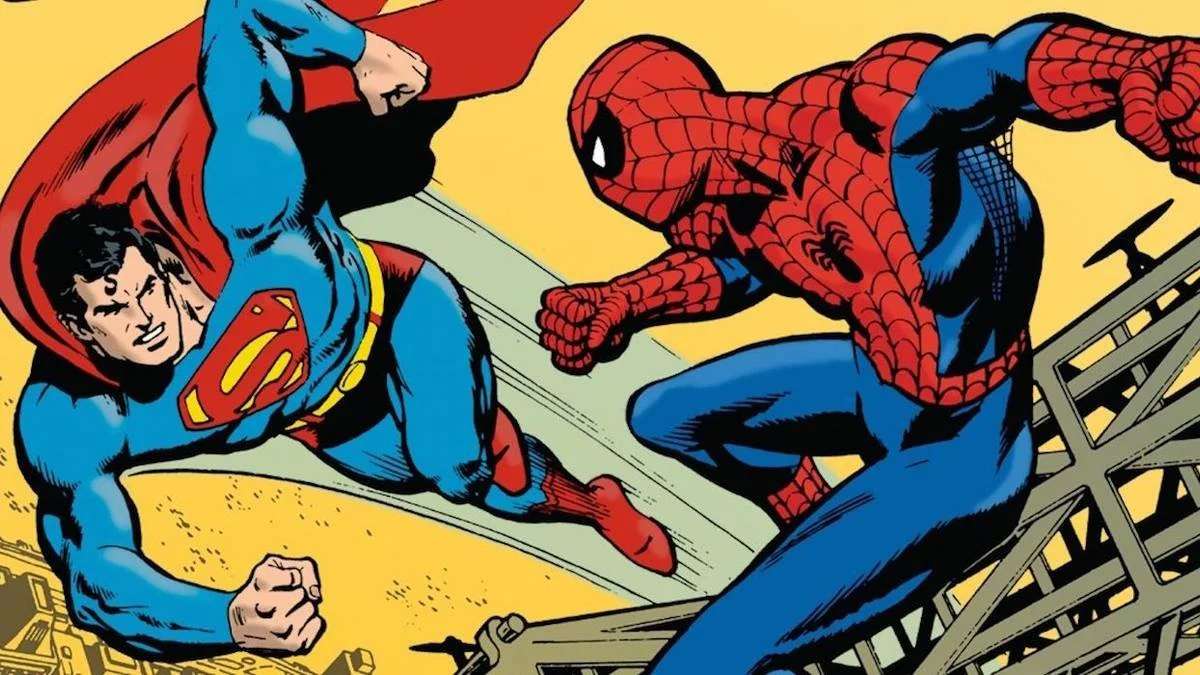
In the main continuities of Marvel and DC, heroes always reset to familiar roles. Stories entertain without destabilizing the world, favoring repetition over lasting consequences. Alternate universes, however, allow permanence and meaningful stakes. In Earth-6160 and the Absolute Universe, heroism must contend with systems of power, and villainy is procedural and systemic. Heroes cannot simply punch a villain into submission—they must dismantle networks, expose corruption, and survive environments designed to crush them.


Shared Themes: How Modern Villainy Works
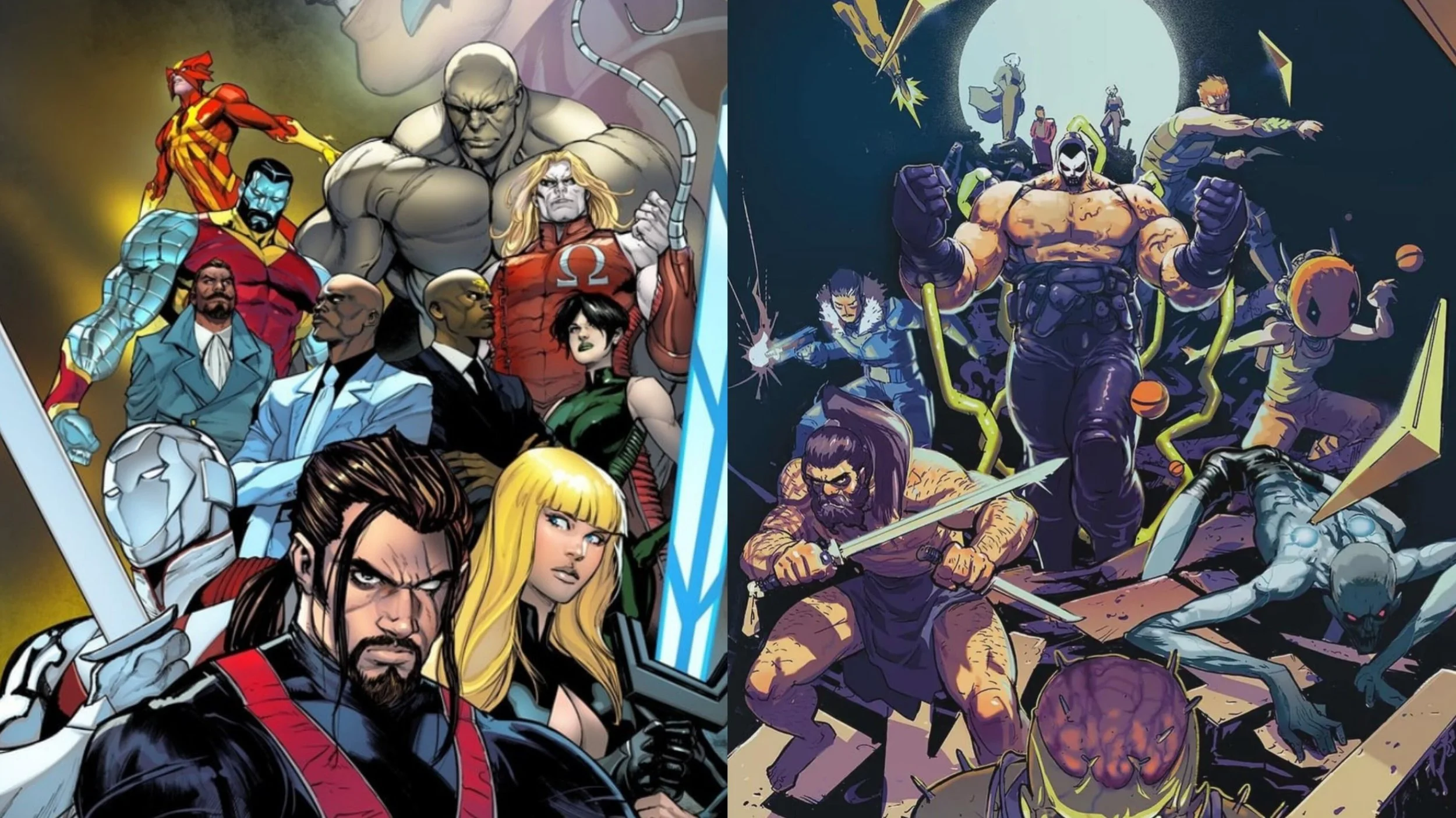
Both universes tackle similar ideas, showing that the most dangerous evil is woven into the institutions we rely on. Propaganda shapes perception, convincing civilians to support policies and leaders they might otherwise question. Secret cabals and elite councils manipulate governments, corporations, and militaries from the shadows.

Capitalism and corporate power trap populations in cycles of dependency and exploitation. Militarized enforcement ensures obedience, punishing those who step out of line. Ideology and belief bind communities to destructive agendas, turning loyalty into a weapon. In both Earth-6160 and the Absolute Universe, villainy is systemic, omnipresent, and often invisible, forcing heroes to operate on multiple levels at once—tactical, strategic, and moral.


Ultimate Universe (Earth-6160): Evil as Control and Cabal
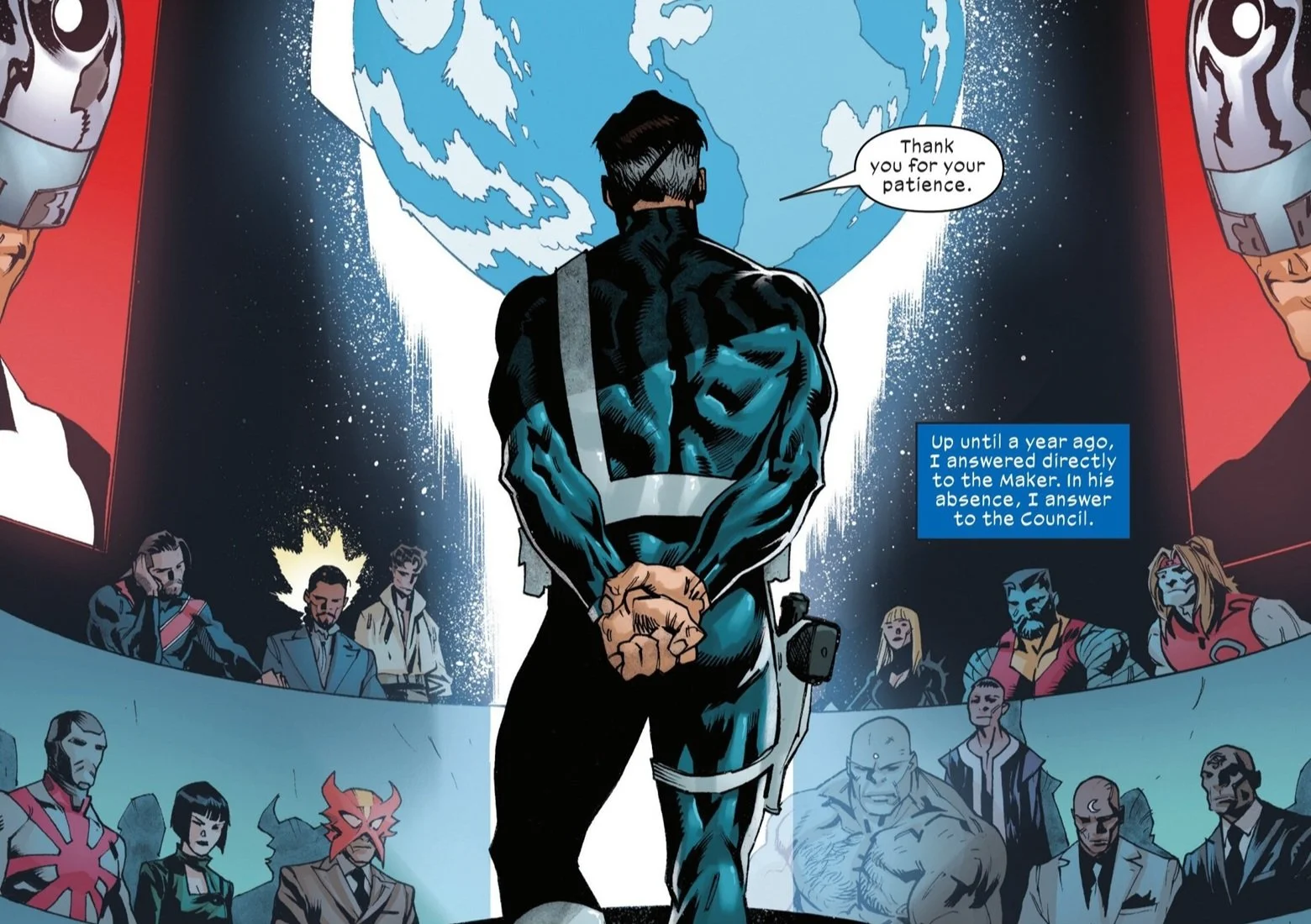
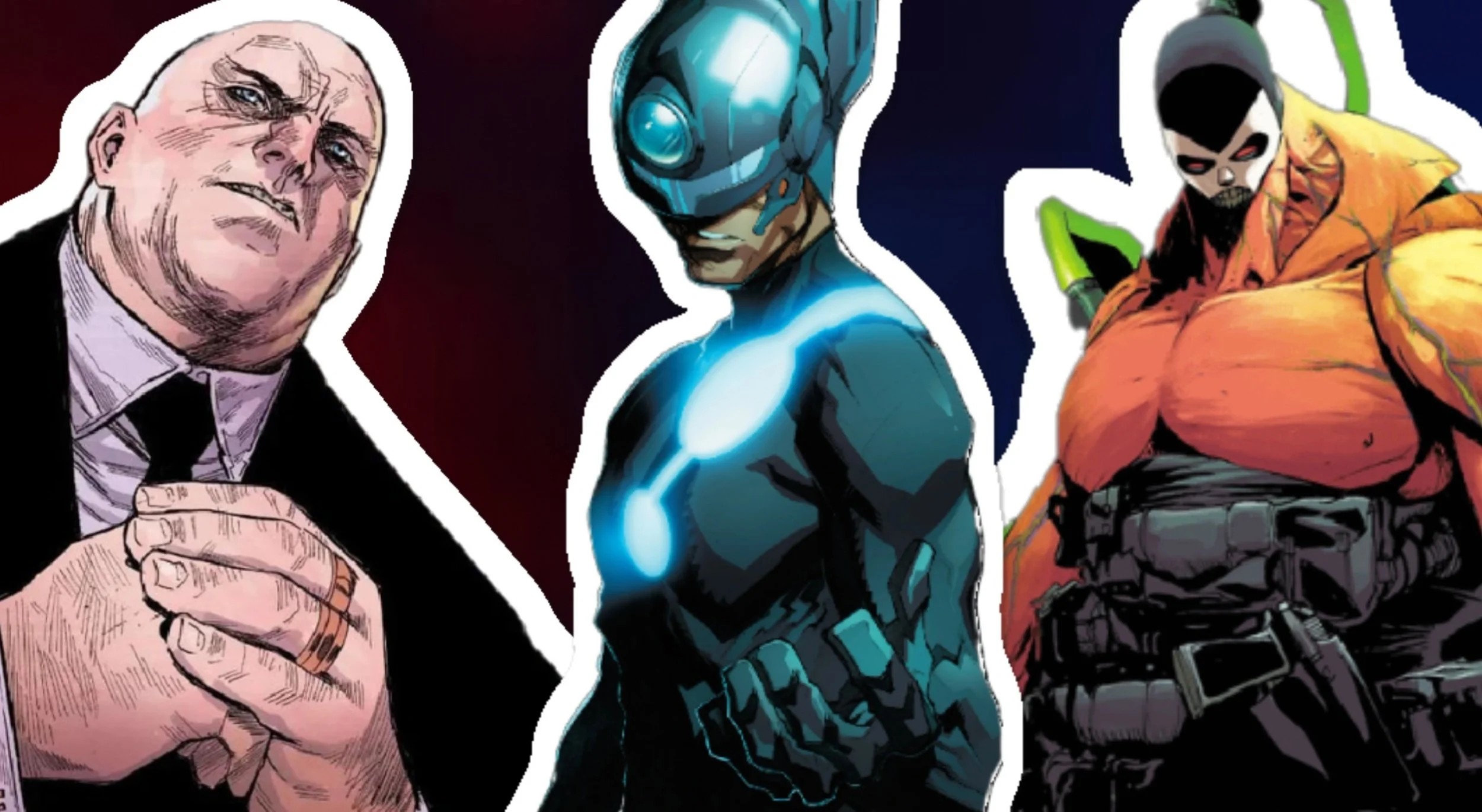
Jonathan Hickman’s Ultimate Universe presents a terrifying vision of society engineered for oppression. The Maker, an alternate Reed Richards obsessed with total control, has built a world where superheroes cannot rise without dismantling the systems themselves. His Cabal is a council of elites coordinating governments, corporations, and militaries to maintain dominance.

Wilson Fisk, running The Paper, manipulates information and perception, shaping public opinion to ensure compliance. Nick Fury acts as the enforcer, tasked with suppressing civilians who resist or question authority. Even resistance movements like the Omega Men can be illusions, designed to give people hope while keeping the status quo intact.

Other examples of systemic manipulation appear across the Ultimate Universe. In Ultimate X-Men, extremist cults exploit mutants, recruiting them through ideology and emotional manipulation. These groups demonstrate that loyalty and belief can be weaponized, showing that power can operate through social control rather than brute force. In Ultimate Black Panther, nationalist factions within Wakanda manipulate political and ideological structures to consolidate authority, turning patriotism into a tool of oppression. False flag attacks, such as those in Ultimate Universe #1, create crises that justify heightened enforcement and surveillance, illustrating how manufactured threats can cement power in place.

Heroes in Earth-6160 must navigate all of these layers, confronting evil not just as a person, but as an entire system.


The Absolute Universe: Evil as Chaos, Exploitation, and Sadism
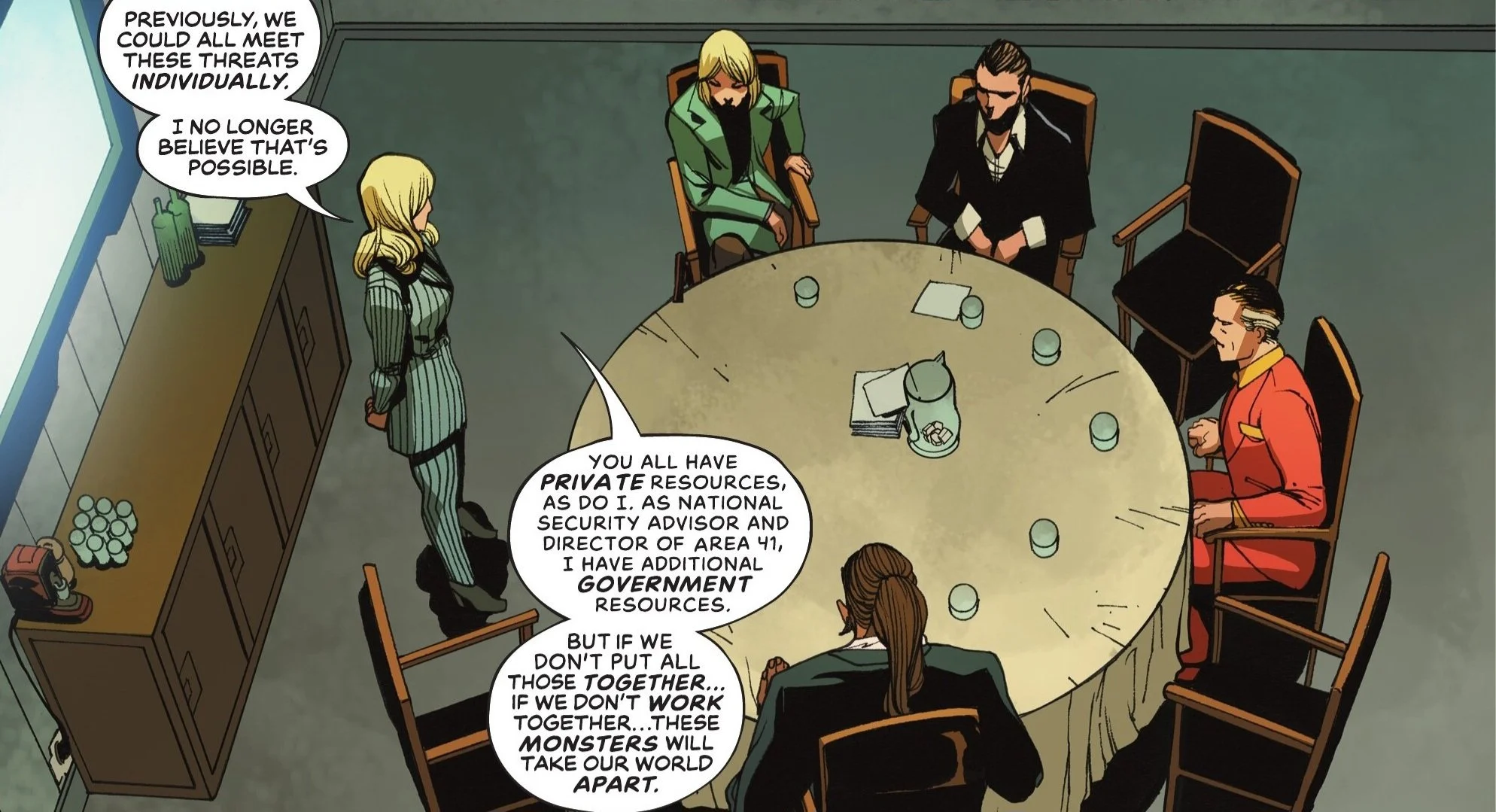
The Absolute Universe approaches villainy differently, emphasizing instability, deprivation, and cruelty. Darkseid’s influence reshapes reality, stripping heroes of the foundations they would normally rely on. Absolute Batman grows up without inherited wealth, Absolute Superman loses the guidance of the Kents, and Absolute Wonder Woman is raised in conflict instead of peace. Survival itself becomes a measure of heroism.

Villainy in the Absolute Universe is both personal and systemic. Absolute Joker is not merely chaotic—he is wealthy, cunning, and sadistic, exploiting systems to perpetuate suffering while staying in the shadows. Absolute Ra’s al Ghul manipulates ideological networks, spreading destruction through institutions rather than brute force. Even the Omega Men in Absolute Superman appear to resist injustice while secretly preserving deeper systems of control, demonstrating how “resistance” itself can be weaponized. Bureaucratic failure, economic exploitation, and manipulated ideology act as villains in their own right, creating a society where citizens are trapped and heroes must navigate moral and structural complexity.


New Heroes for a New Kind of Villainy
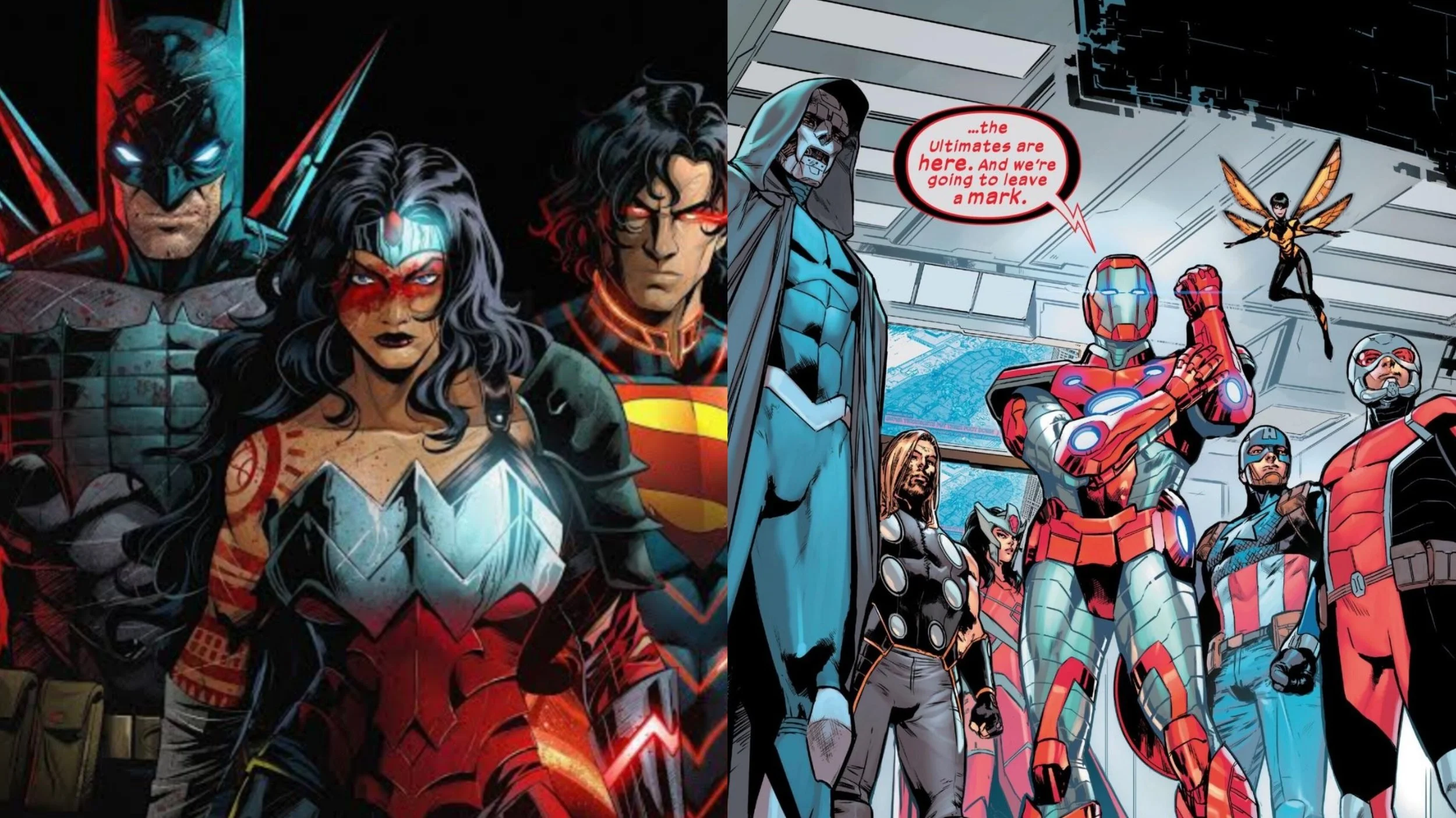
This evolution of villainy demands heroes who are more than symbols—they must be strategists, insurgents, and analysts capable of navigating systems rather than confronting a single enemy. In Earth-6160, heroes like the alternate Spider-Man and his allies must dismantle the Maker’s Cabal, challenge Wilson Fisk’s media empire, and outmaneuver Nick Fury’s enforcement campaigns. These heroes confront propaganda, false crises, and ideological manipulation with intelligence, cunning, and moral clarity.

In the Absolute Universe, Absolute Superman, Batman, and Wonder Woman must survive not only supervillains but the very chaos of their world. Superman protects civilians from systemic and institutional exploitation, Batman operates with ingenuity despite the loss of resources, and Wonder Woman inspires hope in communities stripped of guidance and safety. Together, these heroes reflect the complexity of our world—they survive instability, confront pervasive systems of oppression, and redefine what heroism means when the enemy is woven into society itself.


Conclusion: Mirrors of Our World
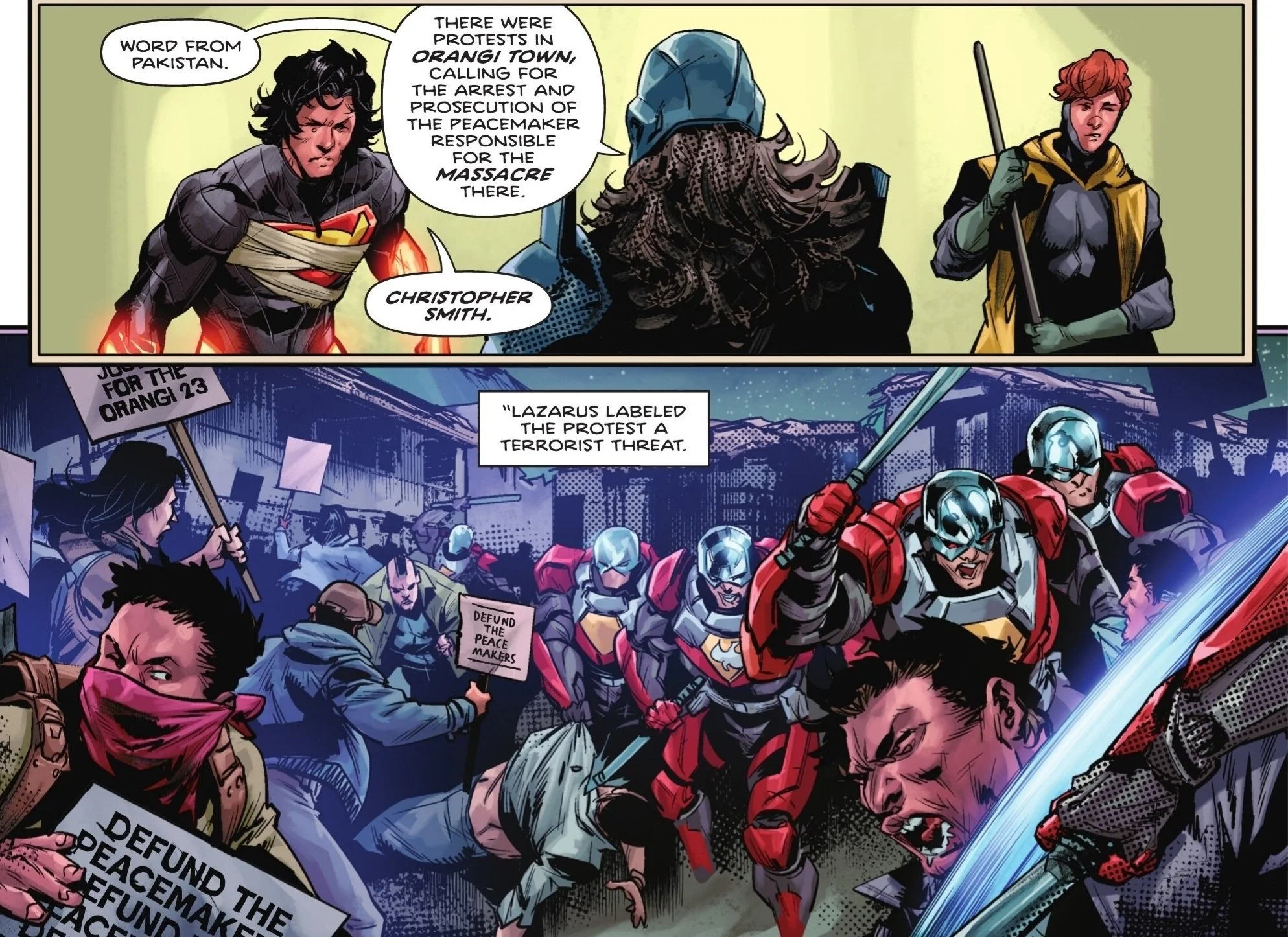
The Ultimate and Absolute Universes confirm that modern evil is systemic, structural, and multi-layered. It operates through secret cabals, propaganda, economic and bureaucratic exploitation, militarized enforcement, and ideological manipulation. Heroes in these worlds must think strategically, navigate moral gray areas, and dismantle systems rather than just individuals.

The shape of evil has changed, and the heroes who confront it have changed with it. These stories are more than entertainment—they are mirrors reflecting the systems, structures, and crises that challenge not just characters on a page, but the imagination of readers who recognize the complexity of modern evil and the courage it takes to oppose it.
Five Years Later, Birds of Prey Still Owes Cassandra Cain an Apology

George SerranoComment

It has now been half a decade since Birds of Prey (and the Fantabulous Emancipation of One Harley Quinn) premiered. During that time, the film has gained a reputation as a stylistically bold, comedic alternative to the heavier, more militarized superhero films that defined the 2010s. It is frequently praised for its choreography, its approach to female ensemble dynamics, and its willingness to be colorful in a genre that often leans metallic and gray. In many circles, it is remembered as refreshing, playful, and proudly unconcerned with traditional expectations of what a superhero movie should look like.

Yet alongside that appreciation, there remains a lasting and unresolved frustration among readers who are deeply familiar with the Bat-family. The issue is not the film’s tone, its humor, or even its narrative focus on Harley Quinn. The concern continues to be what the film chose to do with Cassandra Cain. For a character whose entire thematic core revolves around trauma, communication, identity formation, and self-reconstruction, the adaptation she received was not simply loose. It was disconnected from the foundation of who she is.

This critique is directed at the writing and the studio-level adaptation choices, not at actress Ella Jay Basco. Basco performed the version of Cassandra she was given, and she did so with charm and presence. The responsibility for the character’s portrayal lies with Warner Bros. and the creative leadership behind the script, which made decisions that disregarded the narrative and emotional history Cassandra carries. The frustration is not fueled by personal irritation. It is rooted in the erosion of a character who represents something rare and deeply meaningful in the history of superhero storytelling.


Cassandra Cain’s Core Identity

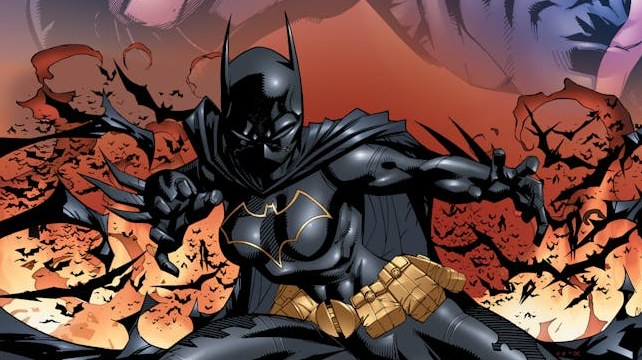
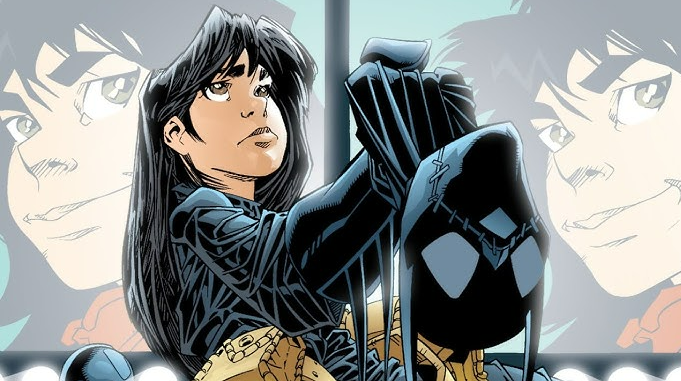
Cassandra Cain first appeared in Batman #567 in 1999, created by Kelly Puckett and Damion Scott during the "No Man’s Land" era. She did not arrive as a variation on an existing archetype. She represented a completely new approach to what a vigilante hero could be. Raised by assassins David Cain and Lady Shiva, she was trained from infancy to read body movement as language. This allowed her to understand intention, emotion, and decision in a way even Batman could not. However, this came at a cost: spoken language and extended verbal communication were never part of her upbringing.

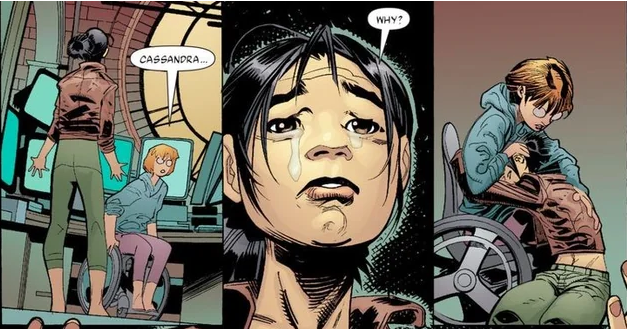
Writers such as Kelley Puckett, Chuck Dixon, and Scott Beatty made Cassandra’s journey into literacy and speech a central emotional arc, not an incidental detail. Over time, creators like Gail Simone, Adam Beechen, and Bryan Q. Miller expanded her complexity, weaving her into stories where her silence was not framed as a flaw but as a language of its own. During Simone’s run on Batgirl, we see Cassandra begin to form bonds built on mutual recognition rather than conversation. In the Outsiders and Batman Incorporated periods, her reputation as one of the most skilled combatants in the DC Universe is treated as an established fact, not a novelty.

Cassandra’s narrative speaks to people who communicate nonverbally or who experience language as secondary to presence and perception. For many fans who are nonverbal, autistic, Deaf, selectively verbal, or who grew up translating emotional environments before spoken ones, Cassandra was one of the few characters who reflected their interior reality with seriousness and respect. Her silence was not comedic. It was not quirky. It was not an obstacle to overcome. It was a form of meaning and identity.


The Version We Received in Birds of Prey

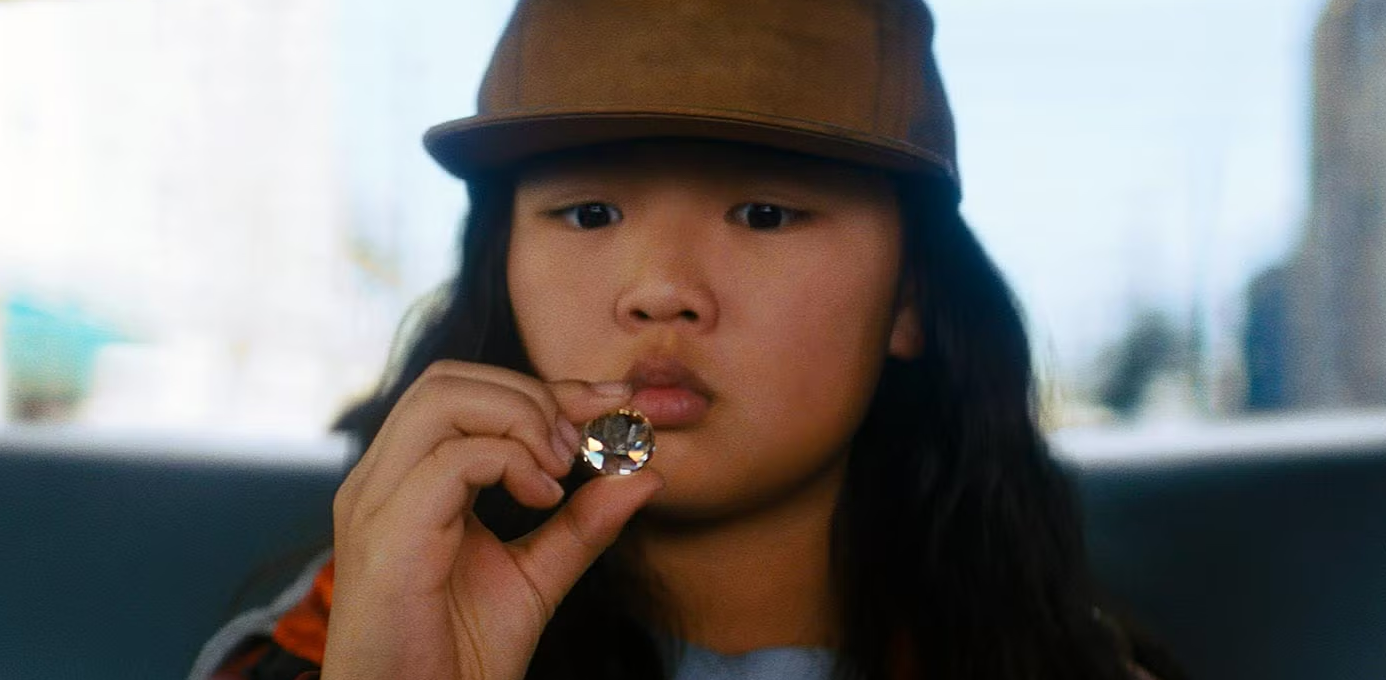
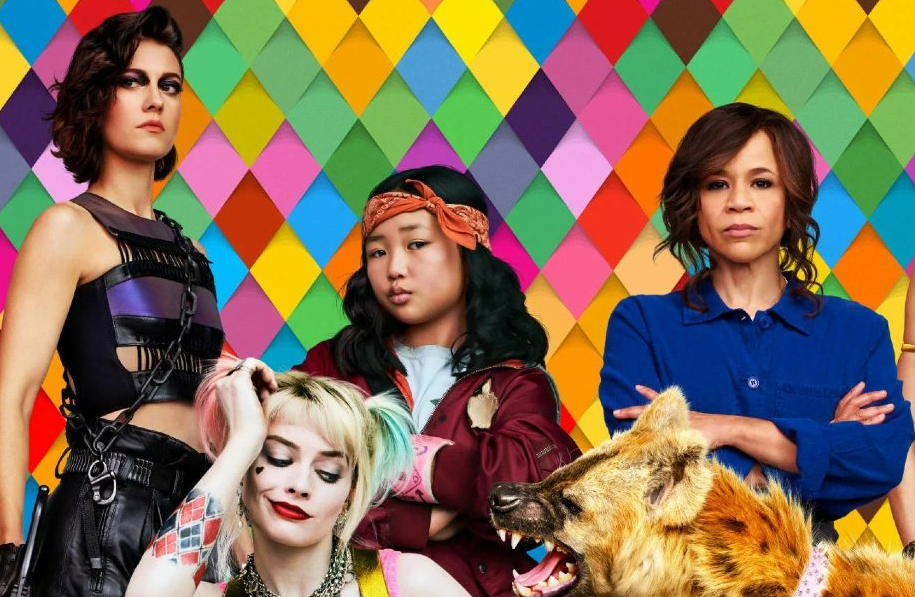
Birds of Prey reimagines Cassandra Cain as a talkative foster kid who serves as a narrative catalyst rather than a character with emotional stakes. She steals a diamond, becomes a target, and moves through the story primarily as an object of pursuit or protection. The silence that shaped her in the comics is gone. Her training and combat identity are absent. Her emotional arc is replaced with situational humor and reactive framing.

This was not a matter of compressing a long comic history into film time. Key elements of Cassandra’s character were replaced with entirely unrelated traits. The Cassandra of the comics is introspective, highly observant, and physically expressive. The Cassandra of the film is verbal, external, and framed around comedic timing. The shift is not interpretive. It is extractive.

Because of this, many viewers who met Cassandra for the first time through the film encountered a version that shares only the name. That shift has consequences. Film, unlike comics, has broader cultural reach. When a character’s first major mainstream adaptation misrepresents them, that misrepresentation becomes the starting point of public understanding.


Consequences That Haven’t Gone Away

The visibility granted by a live-action adaptation shapes how executives, writers, and new audiences perceive a character going forward. For Cassandra Cain, this means that the version now most familiar to the general public is one that lacks her identity, history, and thematic impact. When producers and studios evaluate which characters have potential for future projects, they rely heavily on existing familiarity. If the existing image is inaccurate, the character struggles to move forward.

This has already shown signs of influence. Cassandra has not been meaningfully reintroduced or expanded in live-action or animation since. She has not been positioned in discussions of future Bat-family projects. Even when discussions of a potential Batgirl film appeared, the version rumored was Barbara Gordon, not Cassandra Cain, despite Cassandra holding the Batgirl title for years in print and earning critical acclaim during her run.

The version introduced in Birds of Prey did not create forward momentum. It created a plateau. Characters who begin in misunderstanding often remain there for extended periods, because correcting a first impression requires more effort, not less.


The Part That Still Stings

Adaptations change details. No thoughtful critic expects page-to-screen replication. The issue is whether adaptation honors the internal structure of a character: the emotional logic that makes them who they are. Cassandra Cain is one of the most distinct and resonant characters DC has ever introduced. Her story is not interchangeable, and her identity is not a blank template onto which any narrative can be placed.

The disappointment remains because the opportunity was enormous. The film had the chance to introduce global audiences to a character whose emotional depth, physical language, and resilience have meant so much to readers across two decades. Instead, it offered a version shaped by convenience rather than understanding.

Five years later, the apology still feels owed because the absence still feels present.

But what do you think? Let us know below!

🧠THE CROWN OF STORMS: Batman #3 and the Exploitation of the Mind

George SerranoComment

Batman #3 (2025)
Writer: Matt Fraction Art: Jorge Jiménez Colorist: Tomeu Morey Letterer: Clayton Cowles
Associate Editor: Jessica Berbey Editor: Rob Levin

Batman #3 shifts the war from a street fight to a critical debate over Gotham's soul. Commissioner Vandal Savage's conflict with the Bat-Family has never been more personal. Writer Matt Fraction uses this escalation to expose one of the deepest failures of modern society: the systemic neglect of those with mental illness. Through a tense confrontation with The Riddler, Fraction lays bare the reality that agencies like the GCPD are unequipped to deal with the root causes of crime. This issue confirms the real battle isn't for the streets. it's for Gotham's narrative and its moral compass.


THE CRACK IN THE COMPASSION: Mental Health as a Criminal Offense

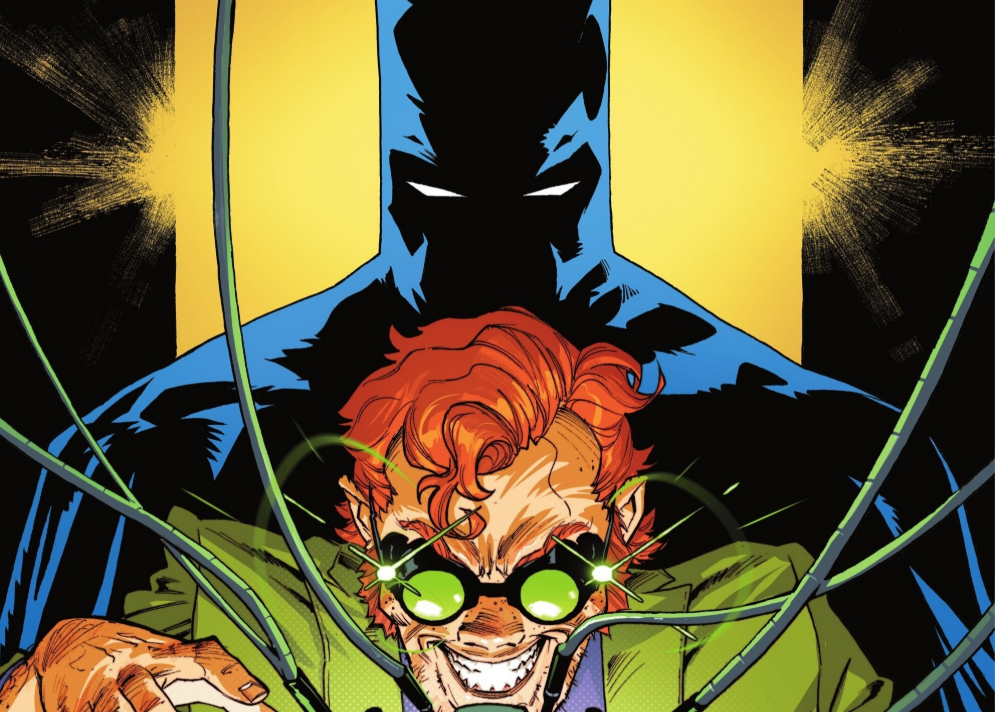
Fraction's use of Edward Nygma aka The Riddler is incredibly effective here. He shifts the focus away from the typical superhero puzzle game and onto a serious social critique, arguing that the real cause of Nigma's criminality is a system that lacks the infrastructure and compassion to treat mental illness.

The cops' attitude—lumping everyone with a psychological disorder into a single category of "crazies" to be discarded—is the crucial point. Since the police are trained for force, not therapy, they simply cycle these individuals in and out of the penal system, creating a perpetual trap.

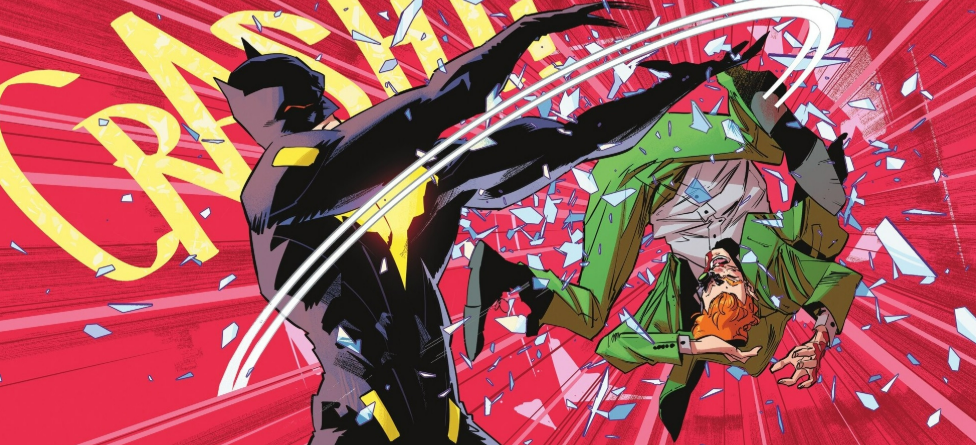
Vandal Savage’s corruption makes this institutional failure actively malicious. The issue shows Savage caught in the act of tampering with the crime scene from the Issue #2 shootout—brazenly planting a blood-dipped Batarang. This is direct, undeniable proof of his malicious intent, shocking even the seasoned Jim Gordon. Savage isn't fighting Batman he's actively destroying the public's last shred of faith in the GCPD’s integrity.


THE PRICE OF THE MASK: Lies, Loyalty, and the Citizen's Choice

Amidst this massive public war, Fraction wisely shifts focus to the human cost and moral accountability.

The introduction of the young boy witness named Huston is a masterstroke. He represents the soul of Gotham. Fraction shifts the moral weight onto this citizen's shoulders, forcing a huge moral dilemma: accept Savage's lie for safety, or risk everything to seed righteous distrust in the system by telling the truth.

The personal damage is also laid bare. The scene where Bruce visits Tim in the hospital after the shootout is a profound emotional high point. Bruce is confronted by Tim's partner, which forces Bruce to see his crusade through a heartbreaking lens where he looks like a bad influence, or worse, an abuser.

The family tension continues with Damian. While sparring, Bruce suggests Damian could still learn about "literature, poetry, history, art, and women." Damian responds to this low blow with a literal one—a well-placed kick—showing that even the most badass superhero struggles to get through to his son.


BILLIONAIRE'S CONSCIENCE: Bruce vs. The Business of War

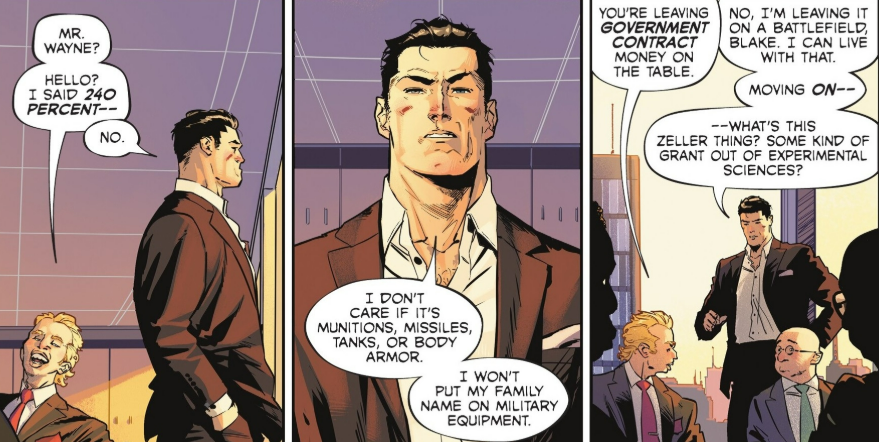
This issue proves how effective Bruce Wayne is outside of the Batsuit. We see him refuse lucrative government contracts that involve building weapons and ammunition. This hardline stance serves as a powerful commentary: Bruce is not an average, money-hungry billionaire. His refusal to profit from instruments of destruction contrasts sharply with the militarism of Savage's GCPD.

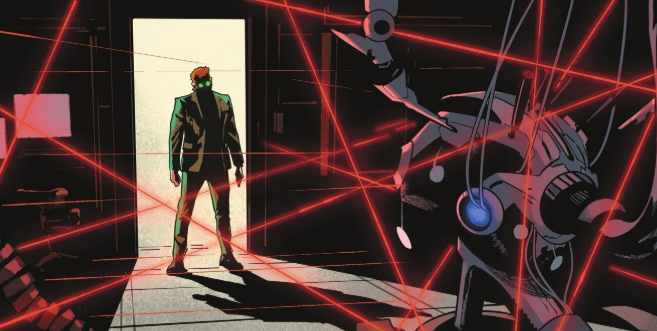
Finally, the issue introduces a major new threat tied directly to Wayne Enterprises. Dr. Zeller has created a device called the Crown of Storms, designed to help regulate electrical activity in the brain. Her research, funded by Wayne Enterprises, aims to calm overstimulated regions and excite under-stimulated ones. While Zeller seems on the straight and narrow, The Riddler—while in Batman's custody—plants a seed of doubt. His final words suggest that Zeller is performing unethical human trials on her patients, setting her up as a terrifying new villain who embodies the scientific and corporate exploitation of the mentally ill.


Conclusion and Verdict

Batman #3 is a spectacular example of a superhero comic that uses its mythology to tackle complex social issues. Fraction has masterfully expanded the central conflict to a multi-front battle against corporate exploitation, government propaganda, and systemic neglect of the mentally ill.

The confrontations here are personal, political, and poignant. The final image of the young witness facing a moral choice and the painful confrontation between Bruce and Tim's partner all prove that the hero's most effective tools are his conscience and his corporation, not just his cape. The introduction of Dr. Zeller and her "Crown of Storms" gives the run a brilliant new focus. Jimenez’s art is still phenomenal, and Fraction hasn’t missed a bit. This has been a treat to read

Verdict: Essential Reading. This is a Masterclass in Social Commentary operating on a level rarely seen in mainstream superhero comics. Don't miss the issue that puts Gotham's mind on the line.

​🔪 10 Horror Comic Book Movies to Watch This Halloween (And Where To Watch Them!) 🎃

George SerranoComment

Looking for a fright with your flight? Forget the standard capes and tights! For a true Halloween watchlist, you need a dose of the dark and the deadly. This list plunges into the grittiest, most gothic, and genuinely terrifying horror comic book movies ever made, complete with where you can stream them right now!


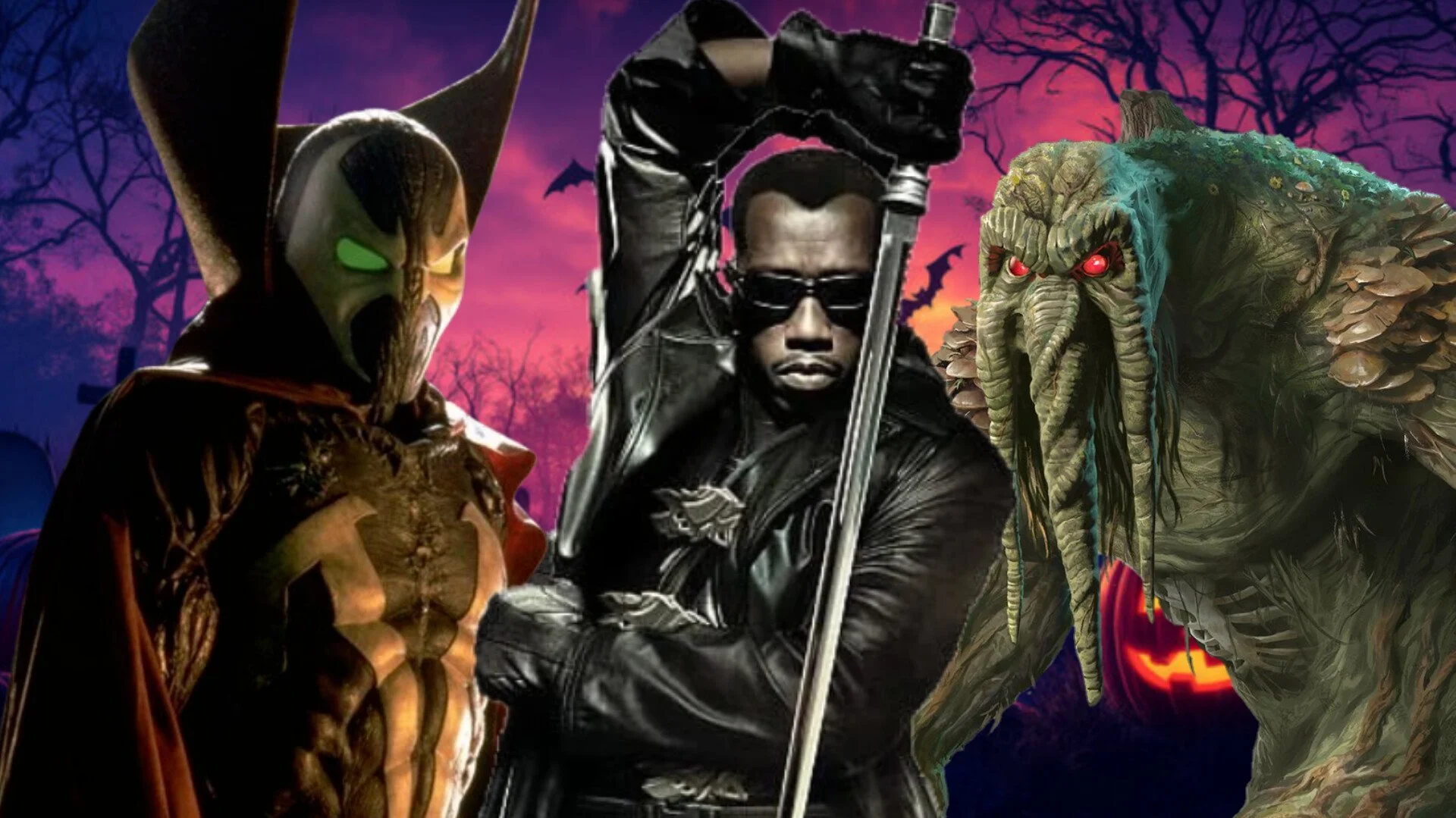
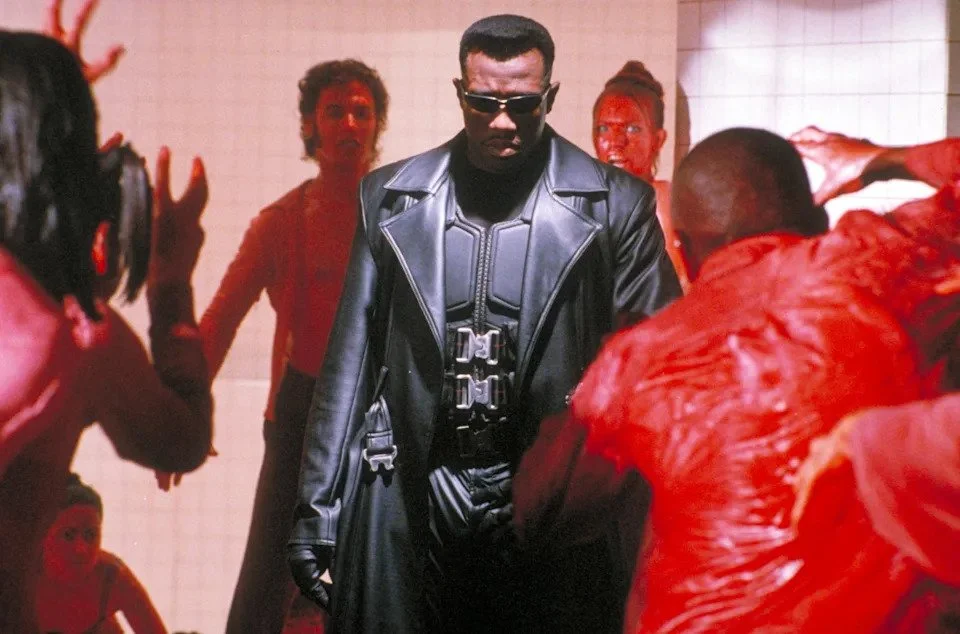
1) Blade (1998)

The half-human, half-vampire Daywalker, Blade (Marvel Comics), uses his superhuman strength and martial arts to wage a solitary, bloody war against a powerful, stylish vampire elite in the modern world. He must stop the ambitious Deacon Frost from summoning an ancient blood god to initiate a total vampire takeover of Earth.

Recommended Because: This R-rated, action-horror gem is the quintessential vampire slayer film. It features the gothic nightclubs, martial arts action, and genuine horror elements of a modern thriller. The unforgettable "blood rave" sequence and Wesley Snipes’ cool, intense performance make it a bloody good time.

Streaming Status: Available to stream on Hulu and Disney Plus.


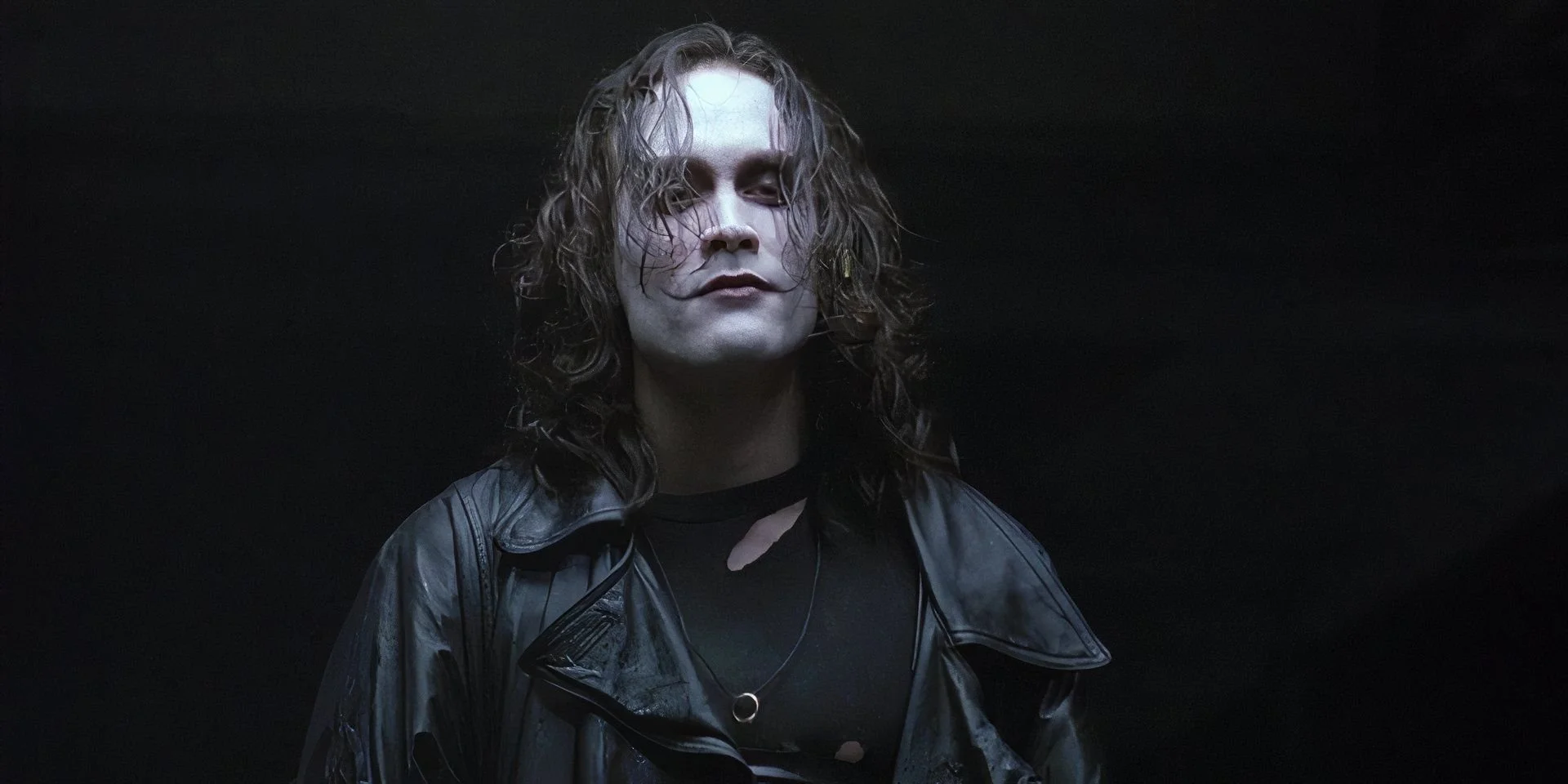
The Crow (1994)

A year after musician Eric Draven and his fiancée are brutally murdered on Devil's Night (the night before Halloween), Eric is resurrected by a mystical crow with supernatural powers and a burning need for vengeance. Navigating a grim, rain-soaked city steeped in gothic decay, Eric hunts down the gang responsible for his tragic fate.

Recommended Because: Adapted from the graphic novel by James O'Barr, this is a profound and intensely dark revenge fantasy. It is the definitive gothic horror comic film, tied to the Halloween season and defined by its iconic makeup, tragic romance, and the deeply atmospheric world created by director Alex Proyas.

Streaming Status: Available to stream on Peacock Premium and the Criterion Channel.


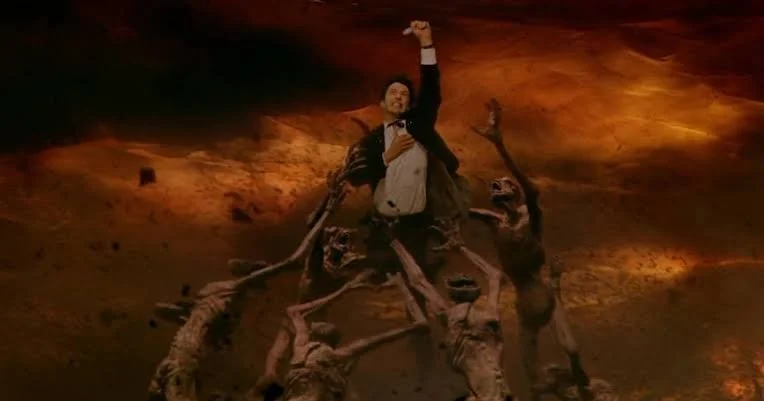
Constantine (2005)

Based on the DC/Vertigo comic Hellblazer, chain-smoking occult detective John Constantine (Keanu Reeves) is tasked with maintaining the balance between Heaven and Hell on Earth. When a skeptical police detective’s sister dies under mysterious circumstances, Constantine is pulled into an apocalyptic plot involving the son of Lucifer and a desperate, global fight for humanity’s soul.

Recommended Because: This film is a stylish, action-packed supernatural noir that excels in religious and demonic horror. It delivers a fascinating, cynical take on the DC anti-hero, featuring memorable character designs for both angels and demons, and a vision of a literal Hell that remains chillingly effective.

Streaming Status: Available to stream on HBO Max (Max).


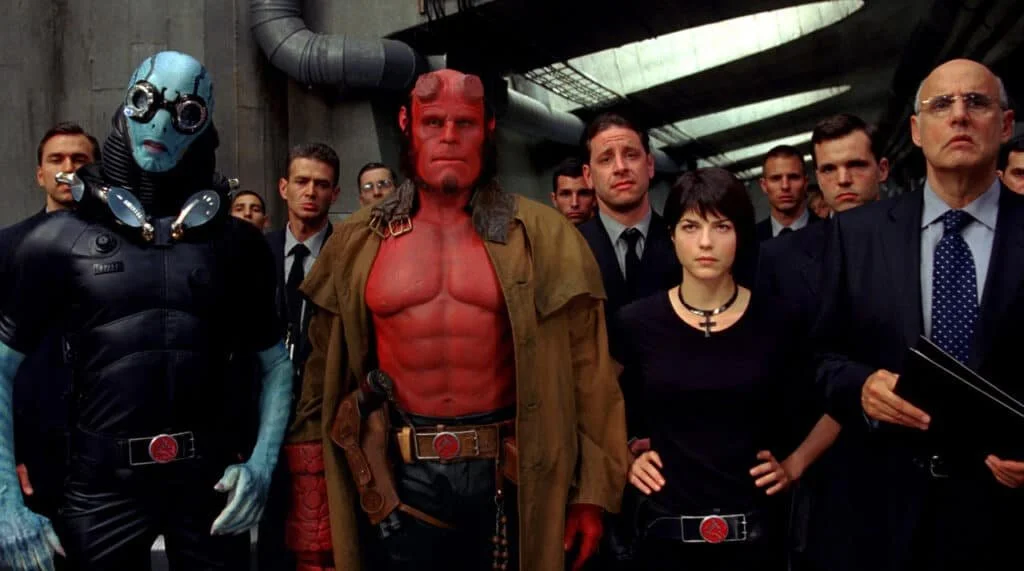
Hellboy (2004)

A demon infant, Hellboy (Dark Horse Comics), is rescued from Nazis and raised by a paranormal defense agency, the B.P.R.D. He must now become the unlikely super-powered agent defending humanity against supernatural and occult threats, including a Russian mystic attempting to bring about the apocalypse using ancient Lovecraftian horrors.

Recommended Because: This film, directed by Guillermo del Toro, masterfully blends superhero action with monster movie magic and rich folklore. It is celebrated for its spectacular, unique creature design—all rendered through phenomenal practical effects—creating a perfect blend of spooky and darkly fun fantasy.

Streaming Status: Available to stream on Paramount Plus and Philo.


Doctor Strange In The Multiverse of Madness (2022)

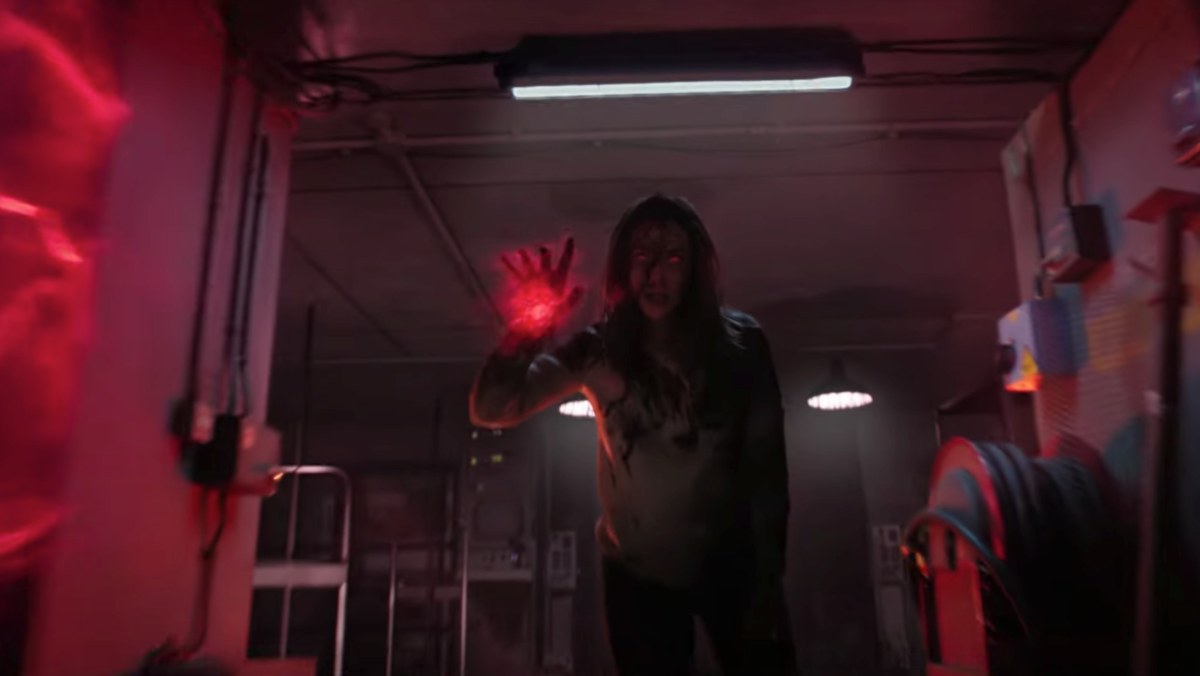
Doctor Strange (Marvel Comics) must protect a powerful new ally, America Chavez, who has the ability to travel across the multiverse. When Strange discovers that a corrupted Wanda Maximoff—the Scarlet Witch—is hunting Chavez to steal her power, he is dragged across nightmare dimensions and forced to confront the dark side of magic.

Recommended Because: Director Sam Raimi (of The Evil Dead fame) fully utilizes his horror background, infusing the blockbuster with genuine genre elements. Look for jump scares, grotesque body horror sequences, and a third act featuring a terrifying "Zombie Strange" that delivers a truly frightening spectacle within the MCU.

Streaming Status: Available to stream exclusively on Disney+.


The Batman (2022)

In his second year as Gotham's vigilante, Batman (DC Comics) is forced into the role of a detective to track a sadistic serial killer known as The Riddler. As The Riddler targets the city's corrupt elite and exposes decades of institutional decay, Batman must descend into Gotham's grim, rain-soaked underworld to uncover the truth about his own family's past.

Recommended Because: Leaning heavily into the neo-noir and crime thriller genres, this film is a genuinely unsettling and atmospheric experience. Director Matt Reeves creates a perpetual sense of dread, drawing inspiration from films like Zodiac and Se7en to deliver a dark, grounded take on the superhero mythos that is perfect for a chilling night.

Streaming Status: Available to stream on HBO Max (Max).


30 Days Of Night (2007)

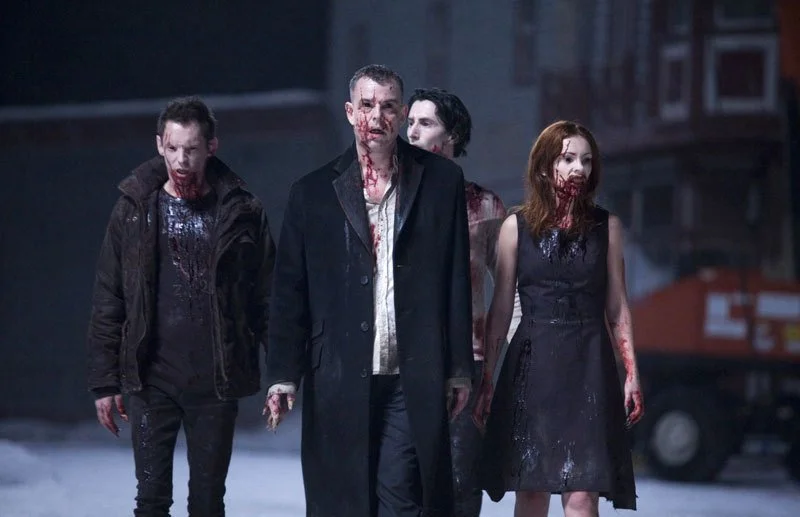
Based on the brutally visceral comic series by Steve Niles and Ben Templesmith, the isolated, northern Alaskan town of Barrow prepares for its annual 30 days of continuous darkness. This unique condition attracts a vicious, intelligent clan of primal vampires who descend upon the town, cutting off all communication and forcing the remaining residents into a desperate, bloody fight for survival.

Recommended Because: This film stands out for its raw, unrelenting vampire horror. The vampires are presented as savage predators who speak in their own ancient language, creating a palpable sense of dread and isolation. The vast, dark landscape amplifies the terror, making it an excellent, gruesome horror entry.

Streaming Status: Available to stream on HBO Max (Max) and Tubi (free with ads).


Werewolf By Night (2022)

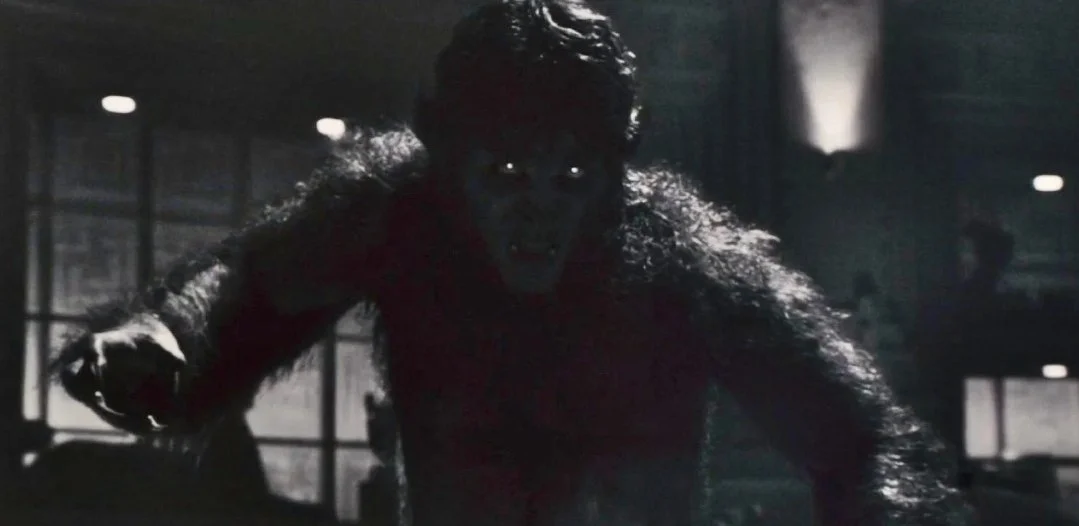
On a dark and somber night, a secret cabal of the world's greatest monster hunters (Marvel Comics) gathers at the Bloodstone Temple following the death of their leader. They are forced into a ritualistic hunt for a powerful, magical relic, pitting them against each other and a ferocious, legendary beast.

Recommended Because: This Marvel Studios special presentation is a stylized, black-and-white homage to the 1930s and 40s Universal Monster classics. It uses stunning practical effects, features a score ripped right out of vintage horror, and offers a concise, action-packed story that is the ideal high-quality, spooky addition to your Halloween line-up.

Streaming Status: Available to stream exclusively on Disney+.


Darkman (1990)

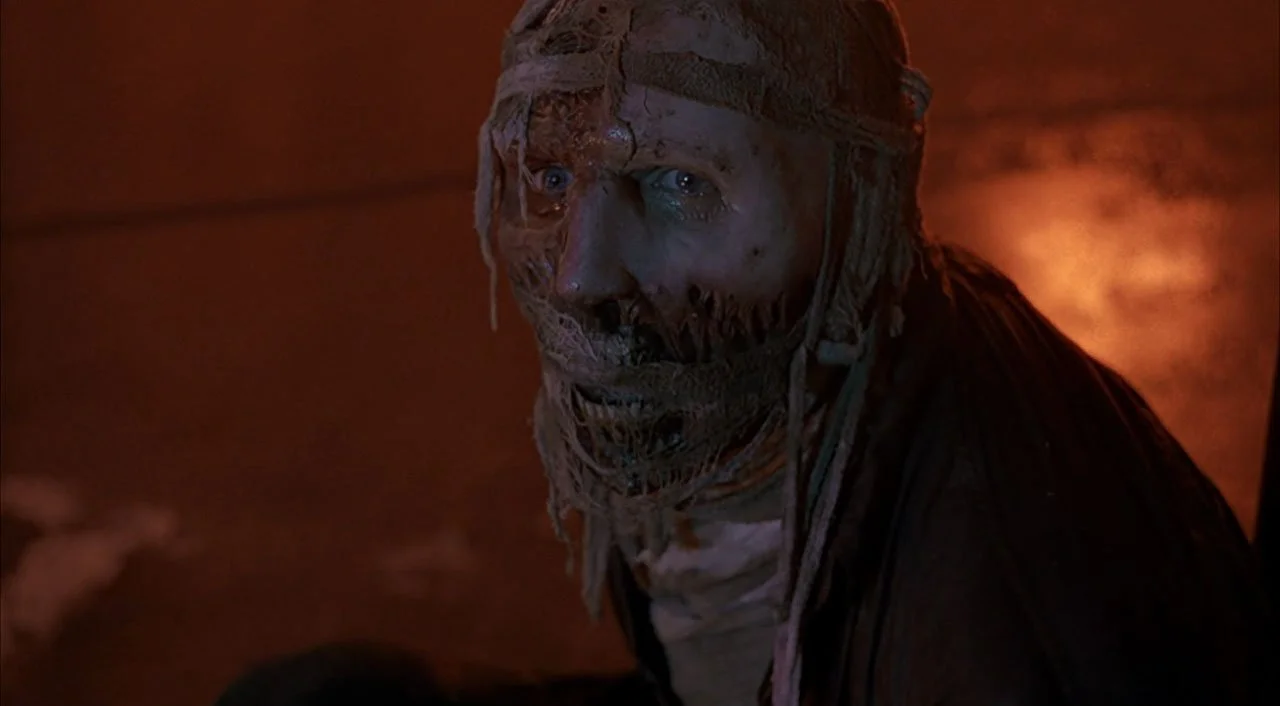
Scientist Peyton Westlake is brutally attacked, disfigured, and left for dead by gangsters. He survives after an experimental procedure leaves him incapable of feeling pain and grants him bursts of superhuman strength. Driven by revenge and a desperate need to reclaim his old life, he assumes the vigilante persona Darkman (Universal Pictures/Original idea by Sam Raimi), using synthetic masks to torment his enemies.

Recommended Because: This is Sam Raimi's loving tribute to the classic Universal Monster movies like The Invisible Man, blended with the aesthetics of a comic book vigilante. It is a fantastic example of body horror meets action, featuring Liam Neeson in his breakout role and filled with Raimi's signature dark humor and frenetic energy.

Streaming Status: Available to stream on Philo and Peacock TV.


Spawn (1997)

After being betrayed and murdered by his own boss, CIA assassin Al Simmons makes a deal with the demon Malebolgia to return to Earth as a soldier of Hell, known as Spawn (Image Comics). Granted immense necromantic powers, he is pulled into a cosmic war, forced to choose between leading Hell's army and reclaiming the humanity he lost.

Recommended Because: As a definitive product of 90s comics, Spawn is a lurid, gothic spectacle defined by its high-contrast shadows, grotesque villains like the Violator, and a dark, tragic premise straight out of a horror comic. It’s a fun piece of dark superhero nostalgia that fits the Halloween theme perfectly.

Streaming Status: Available to rent or buy on most major platforms, including Prime Video and Apple TV.


Whether you prefer the gothic tragedy of The Crow, the blood-splattered action of Blade, or the dark mystery of The Batman, this list proves that comic book adaptations have a dark side worthy of any Halloween binge. So dim the lights, grab your treats, and let the demons, vampires, and masked vigilantes show you a side of the superhero genre that’s more about the fright than the flight!

Have your own recommendation? Leave it below!

ABSOLUTE CONSEQUENCES: The Batman Annual Turns War on Crime into War on Fascism

George SerranoComment

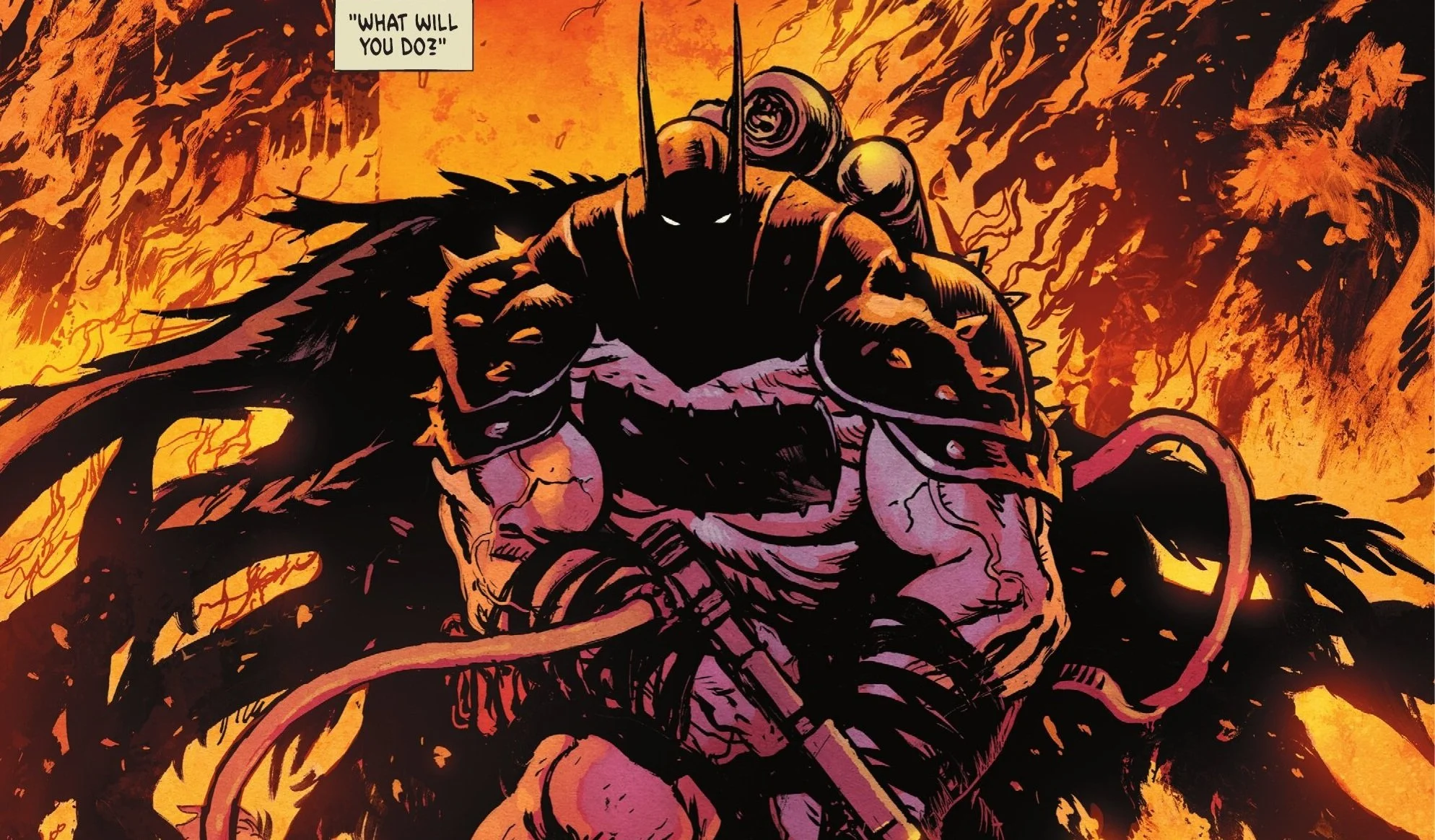
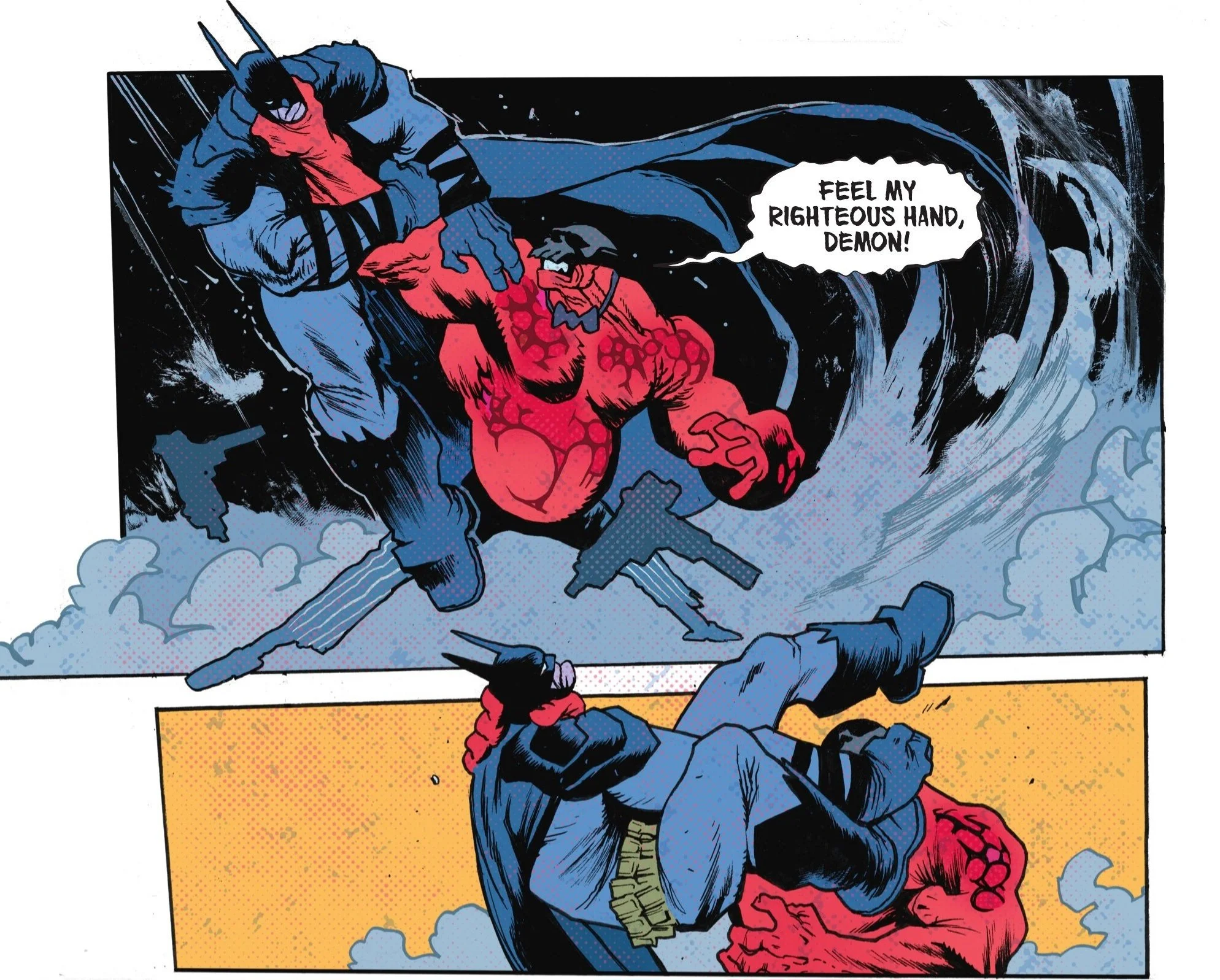
Comic books have always been our modern fables, teaching us lessons and morality through the heroes we cheer for. In a world where any marginalized group can be scapegoated by political movements, writer and artist Daniel Warren Johnson (DWJ) uses the Absolute Batman Annual to tackle true evil head-on.

This extra-sized issue is a visceral, must-read exploration of righteous violence that forces the ultimate question: What are the consequences of war, and how much of his own soul must Batman sacrifice to save others? This annual is a powerful, uncompromising look at the extreme cost of justice.


THE CRITICAL JUNCTURE: Bruce Abandons Protocol

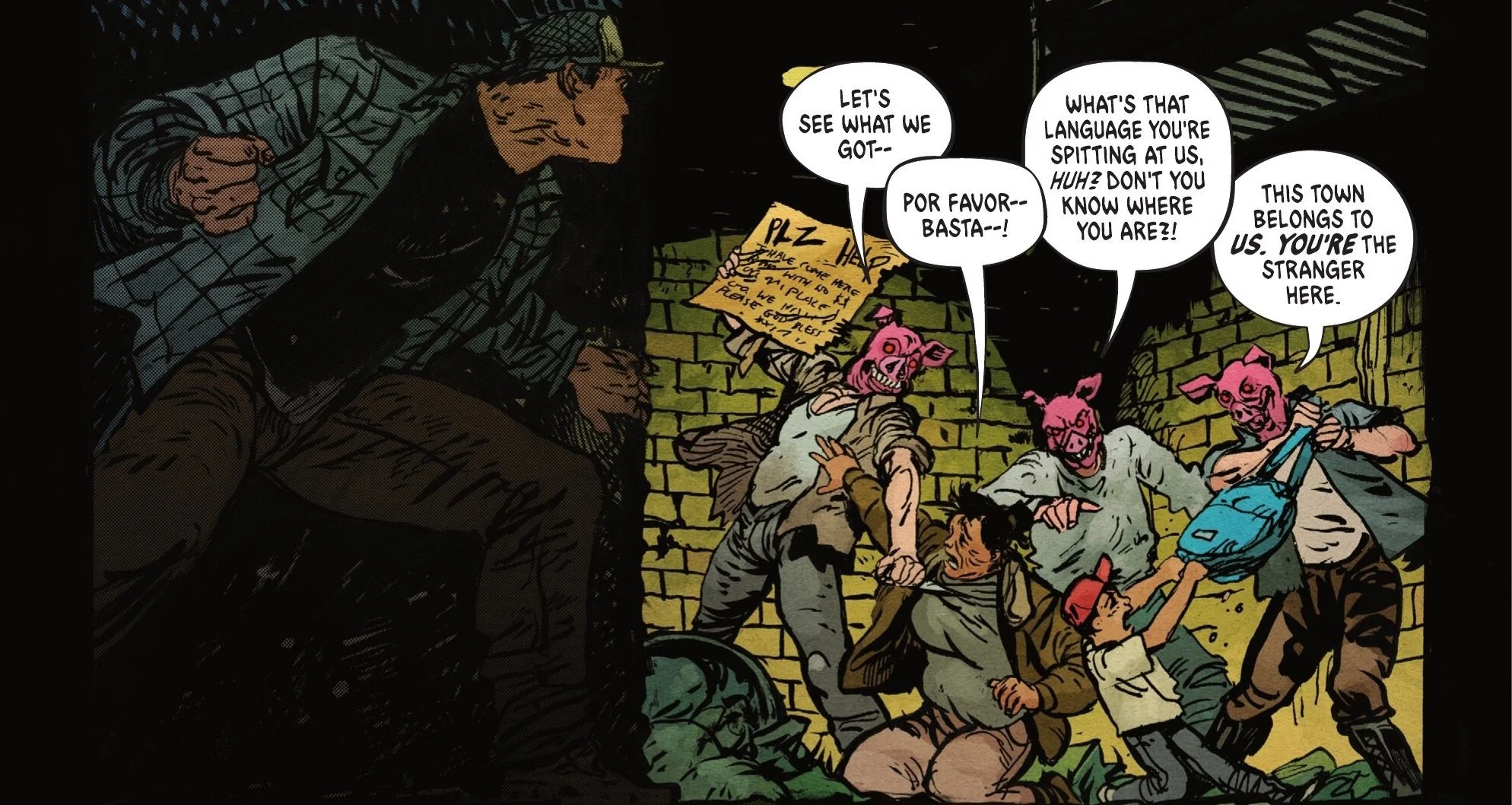
DWJ’s primary story is an early adventure from the life of this working-class Bruce Wayne. The plot finds a young Bruce undercover, but his mission immediately goes sideways when he stumbles upon white nationalist gangs preparing to attack a nearby refugee camp. These thugs are openly backed by corrupt local police. When Bruce sees a Latina woman under attack, he makes a split-second decision.

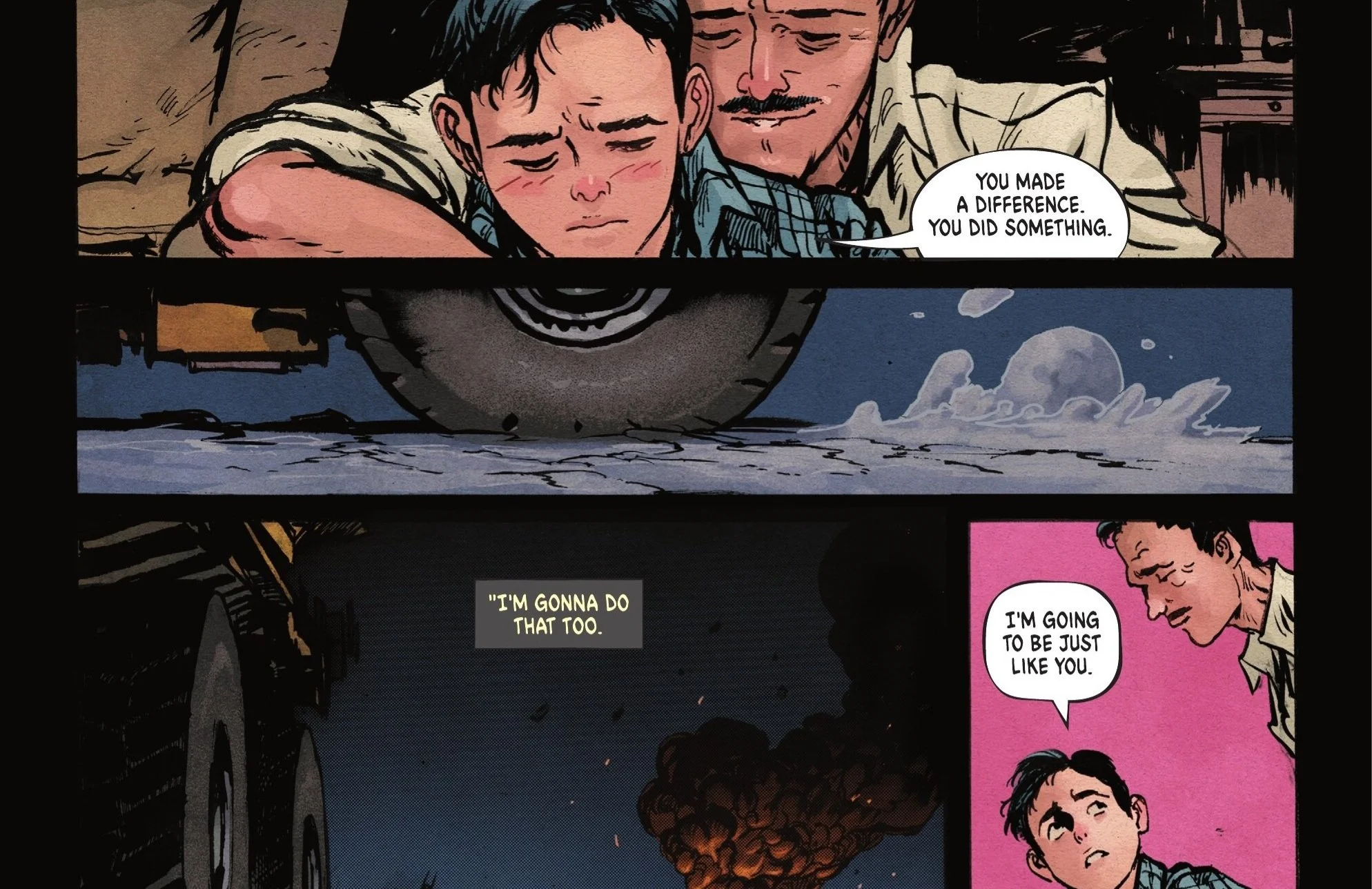
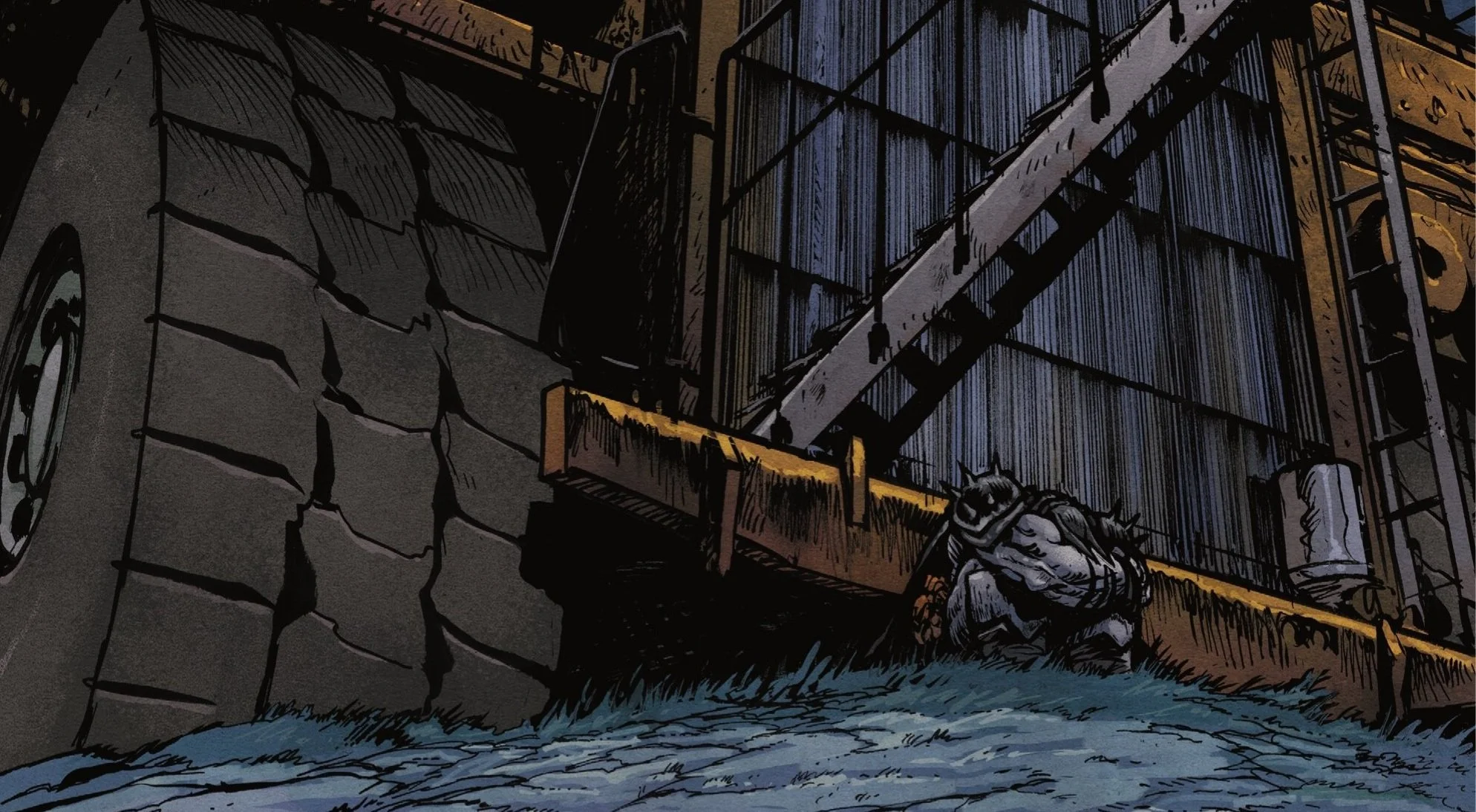
He ditches his careful plan and steps in to protect her, earning himself a brutal beating. After he gets back on his feet, Batman roars in for the final confrontation. Crucially, it’s during this chaotic incident that Bruce finds the earth mover he’ll eventually adapt into his Batmobile. This simple plot—saving a refugee camp and finding his iconic vehicle in the process—is the perfect setup for the issue’s huge moral statement.


THE SOUL'S PRICE: Violence and Paternal Legacy

Daniel Warren Johnson's story is a masterclass in thematic clarity. It completely rejects nuance in favor of righteous fury, functioning as a necessary fable for our volatile times.

​The comic’s political commentary is a hammer blow. By pitting Batman against white nationalist gangs and a police force that actively enables their violence, DWJ draws a chilling, direct parallel to current events. This comic argues that the true "Absolute Evil" is any movement that seeks to dehumanize others.

​Batman's choice of unsubtle justice is the story's core thesis. His brutal beatdowns feel less like a failure of morality and more like a visceral necessity. However, this is where the title, Absolute Consequences, truly resonates. The fighting may be over, but the moral conflict isn't.

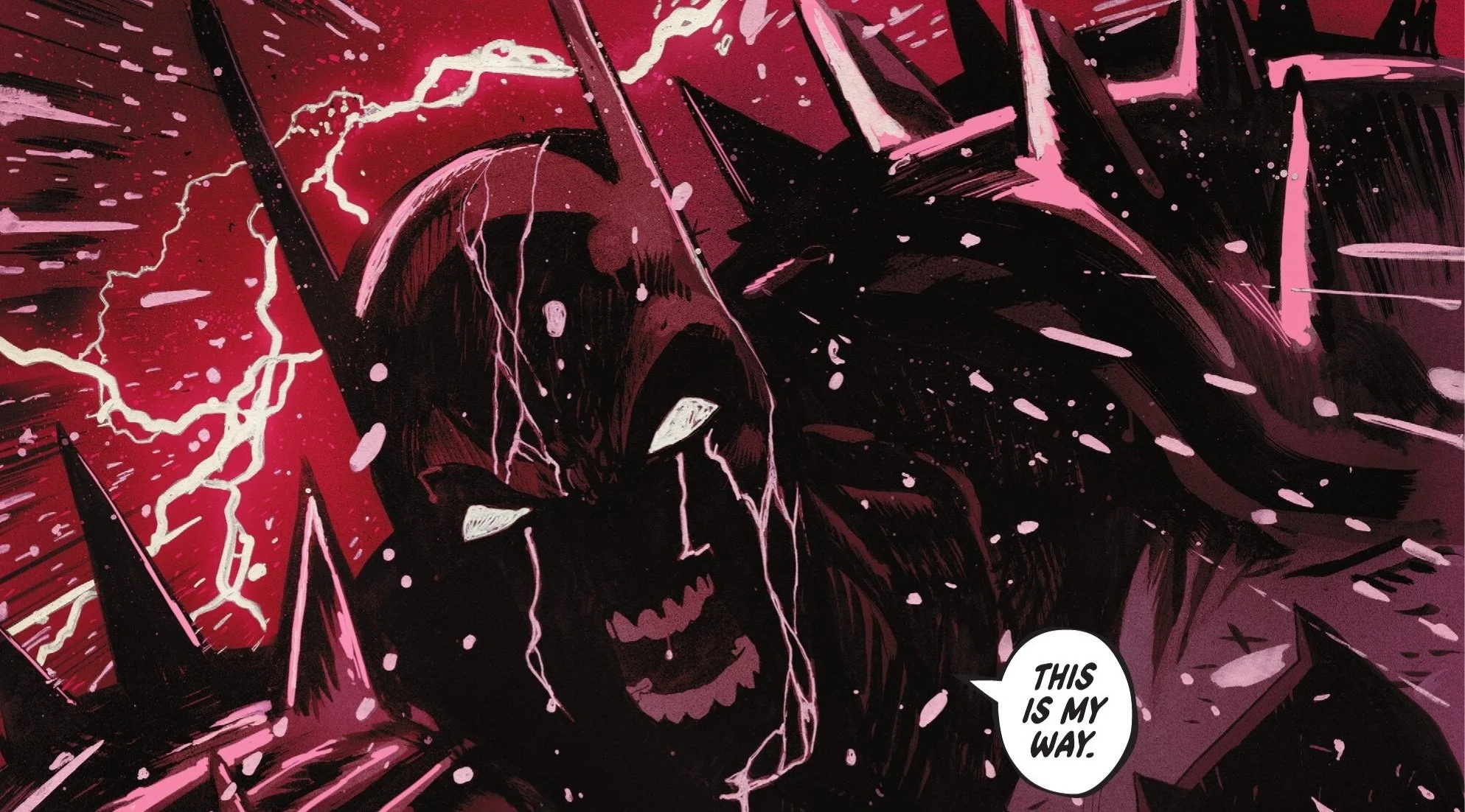
The final image of the main story is not one of triumph. Instead, Batman is balled up and bawling, left wondering if he has gone too far in his intense violence. This single panel is the emotional climax that lays bare the consequence of his actions. By embracing this raw violence, he risks betraying the legacy of compassion his parents represented, proving that his greatest enemy is always the darkness within himself.


ART OF THE VISCERAL: Johnson's Kinetic Impact

​The political message lands with such force because of Daniel Warren Johnson's raw, intense art. His style is kinetic, bombastic, gritty, and messy in the best possible ways. This isn't the clean, surgically precise Batman art we often see. This is pure rage and energy translated onto the page.

​DWJ's storytelling is based on action and motion. He makes every punch count. When Batman beats down the white nationalists, the art is a showcase of extreme punishment. The rough, messy quality of the art is perfect for this early-days, working-class Batman. His early Bat-suit lacks polish, and his fighting style is all about brute force over finesse. The whole issue is a visually arresting, fully visceral experience that confirms DWJ is the perfect artist to illustrate a story about fighting back against pure, ugly extremism.


Absolute Backup Stories

​This oversized annual isn't finished after DWJ's main feature. It includes two excellent backup tales that further flesh out the brutal Absolute Universe.

​Sanctuary by James Harren

​James Harren (writer and artist) delivers a phenomenal, visceral piece called "Sanctuary" that plays out like a desperate horror film. The core of this grim tale is the human tragedy at its center: Victor, a young gang member, brings his crew to the church where his estranged father lives. While Victor hurls insults, Batman is silently infiltrating the church, dispatching the gang members one by one. The climax is pure Harren: the gang realizes they are trapped, knocks out Victor's father, and one member takes experimental drugs to become a hulking monster. Even that isn't enough. The story ends on a surprisingly tender, emotional beat with Victor's dad holding his son. It's a powerful story about lost family and how crime destroys its own connections.

​The Meredith McClaren Story

​Finally, Meredith McClaren contributes a brilliant, thoughtful conclusion to the annual. Her two-page ending is a necessary shift in tone, providing a moment of contemplation after all the violence. It features a series of panels giving facts about bats while showing sightings of the Absolute Batman. The idea is to illustrate the traits the hero shares with the mammal. McClaren's piece ends on a surprisingly hopeful note: the concept that we can be a community of bats, helping one another.


Conclusion and Verdict

This Absolute Batman Annual is exactly the kind of comic book we need right now. It takes the familiar mythology of Batman and uses it as a platform for catharsis and a call to moral clarity. DWJ gives us a raw, raging hero who understands that some threats cannot be dealt with subtlety. The final image of Batman weeping confirms that the consequences of his mission remain his greatest struggle. This issue is a beautifully drawn exploration of extremism and righteous fury. It truly feels like a mirror held up to our own world's rage.

Verdict: Essential Reading. This is Daniel Warren Johnson at his absolute best.

But what do YOU think? Let us know below!

Inevitable DOOM: Why The Maker May Lose the Battle But May Win the War

ComicBook CliqueComment

The Ultimate Universe is nearing it’s Endgame. The Maker is trapped in the city, but time is running out. We only have weeks until he is released and one thing is for sure, the consequences will be catastrophic. Yet the true story is not battles or crumbling worlds. It is happening inside one man. Doom.

SPOILERS FOR ULTIMATE SPIDER-MAN: Incursion #5 and Ultimates #4-#17

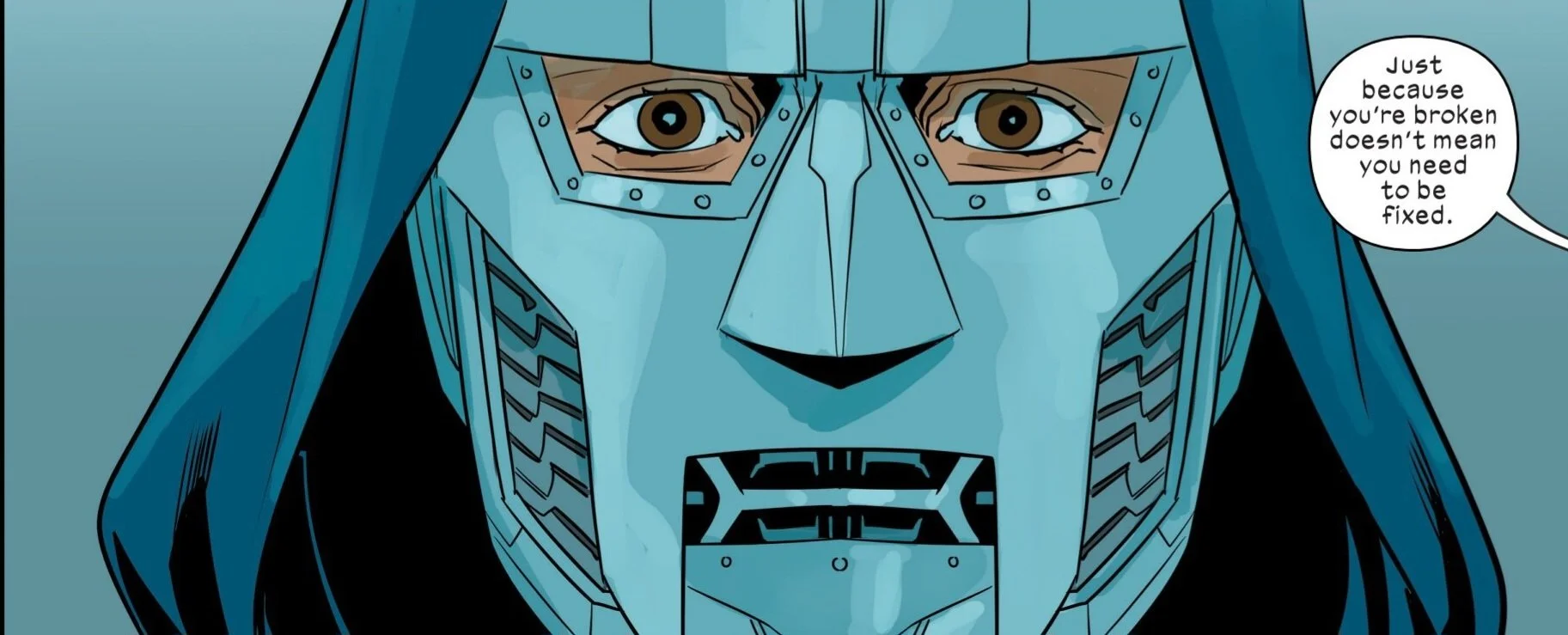
Once Reed Richards, a scientist who dreamed of saving lives, now trapped in a body and identity forged through grief, cruelty, and relentless psychological torment. Now that he knows the truth about the Maker, the central question has shifted. It is no longer whether the Maker can be stopped—it is whether Doom can confront him without losing the remnants of his soul.

Doom knows his tormentor was not merely a monster. He was a Reed Richards, a mind like his own. The realization hits him to the core. To stop this other Reed, he may have to embrace the identity he once resisted. How do you stop a Reed Richards? With Doom. And that might be exactly what the Maker wants.


The Maker's Sick Experiment

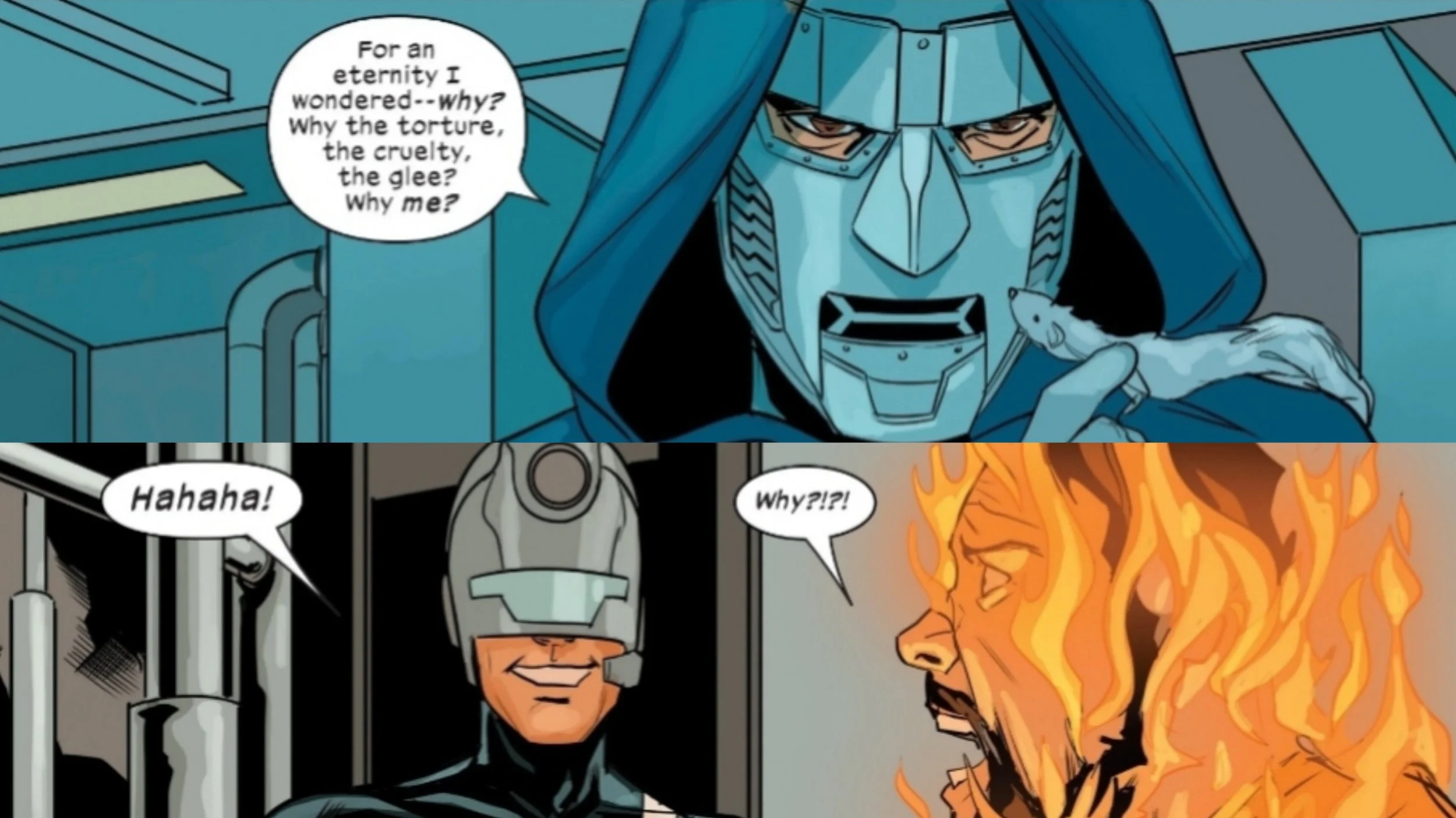
To understand the stakes, we must examine what was done to Doom. In Earth-6160, he was not born—he was engineered. The Maker orchestrated the deaths of Susan Storm, Ben Grimm, and Johnny Storm, leaving Reed alone with unbearable guilt. Then he surgically removed or suppressed the parts of Reed capable of joy, hope, and accomplishment. He forced the metal mask onto him. He forced the name Doom. Every piece of his identity became a wound.

The Maker’s goal was not to prove that all Reeds would become villains. He treated the universe like an equation, the world like a laboratory, and Doom like a variable under a magnifying glass. Doom’s mind fractured under relentless pressure, split between the man he once was, the man he was forced to be, and the potential he might yet become. He was not a villain by choice; he was a mind pushed to the brink, reshaped by cruelty.


The Reveal That Changes Everything

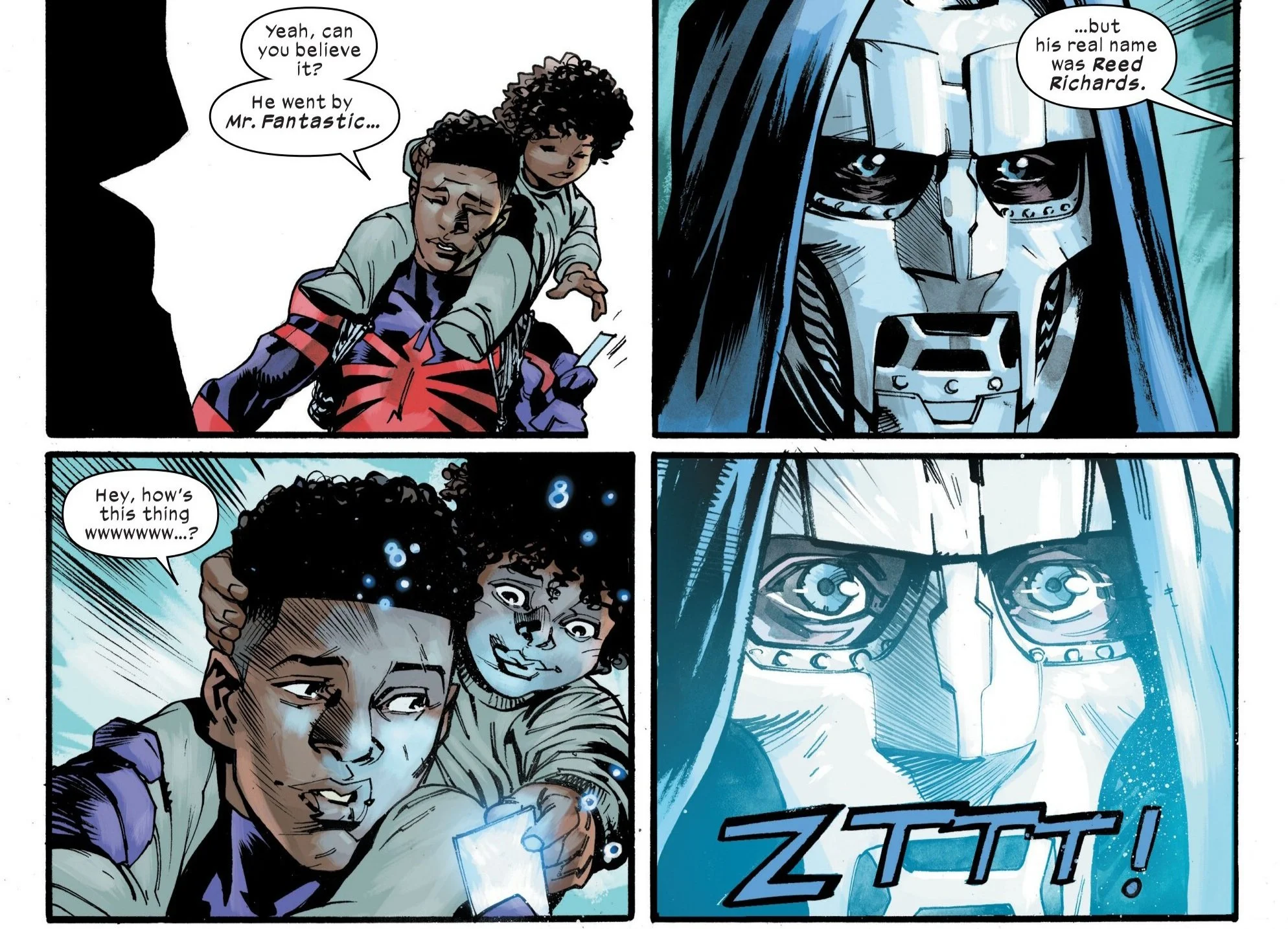
For much of the story, Doom knew he had suffered, but he did not understand why. That changed in Ultimate Incursion #5, when Miles Morales revealed the truth: the Maker was a Reed Richards. Not metaphorically. Not symbolically. The same genius, the same potential.

This revelation shatters Doom’s fractured psyche. The suffering he endured was not random; it was deliberate, precise, and in a sense, reflective of his own mind. To stop this Reed, he may have to become something colder, more ruthless, and more strategic than himself. He may have to embrace Doom fully and consciously. In doing so, he risks surrendering the last fragments of Reed Richards that remain. Every decision carries the weight of the fate of the universe, and it feels like it.

Reed Vs Doom: A Cosmic Pattern

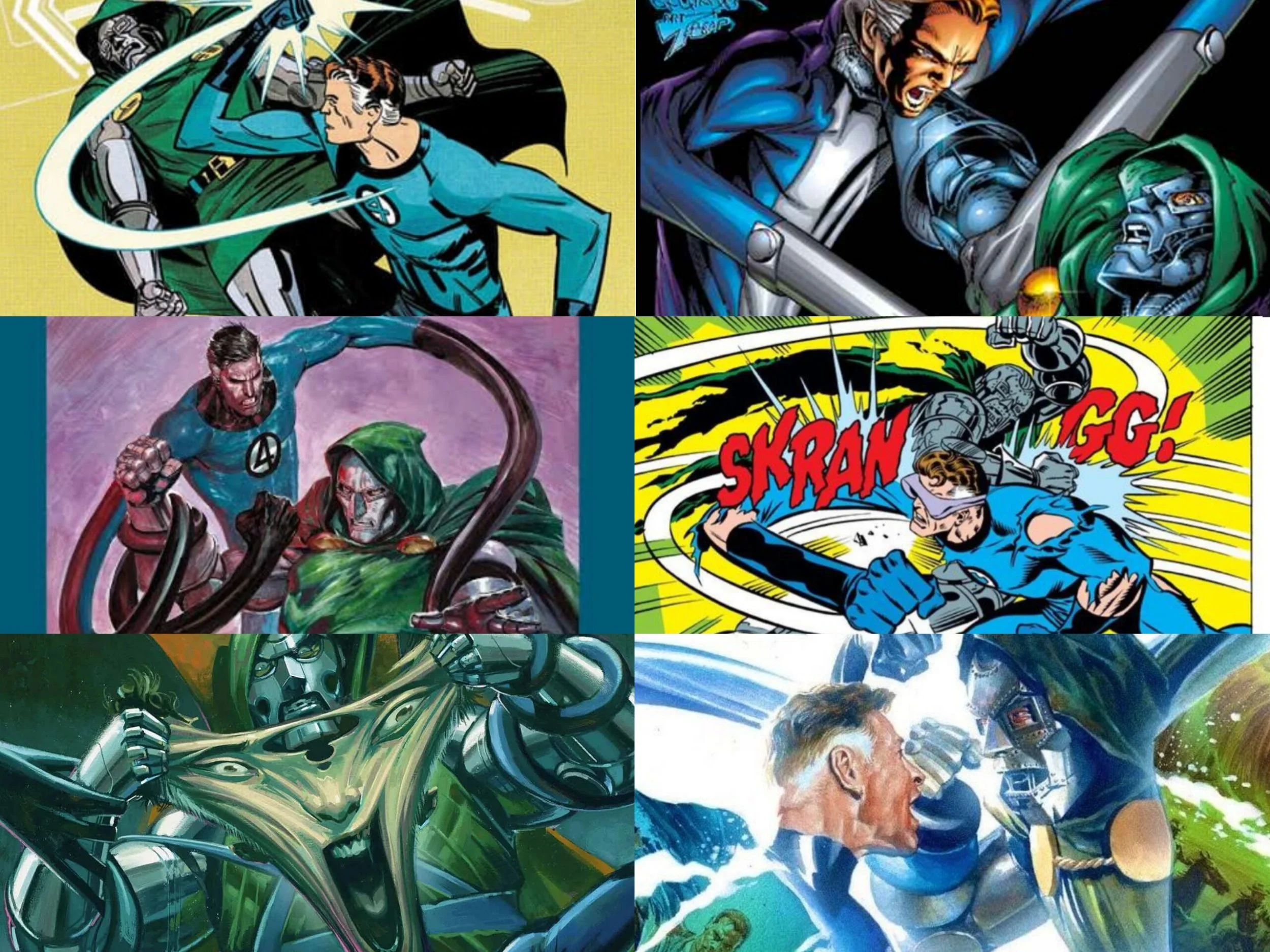
Across the multiverse, Reed Richards and Doctor Doom are bound in an eternal gravitational pull. One represents limitless intellect and creation. The other embodies pride, power, and pragmatic ruthlessness. They define each other and are destined to clash.

Now that Doom knows the Maker is a Reed like him, the pattern becomes undeniable. If Doom steps fully into the role of Doom to confront the Maker, the cycle continues. The Maker does not need to survive for his experiment to succeed. Doom’s choices alone could validate the equation. The true battlefield is not physical—it is within a mind fractured by loss, shaped by cruelty, and tested to the limits of endurance.


Shades of DOOM

Across the Ultimates series, Doom’s evolution has been gradual but unmistakable. Early on, he clings to fragments of his former self, resisting the mask and the name, trying to preserve the scientist who once wanted to help people. His psyche is fractured, pulled between who he was, who he was forced to become, and the strategic pragmatism required to survive.

After the Maker revelation, Doom grows colder and more pragmatic. He acts without hesitation, makes choices no one else can bear, and becomes attuned to brutal realities. A prophecy in Ultimates #8 foretold that Doom may be “responsible for untold suffering and the deaths of trillions” signaling the terrifying potential of a fully realized Doom.

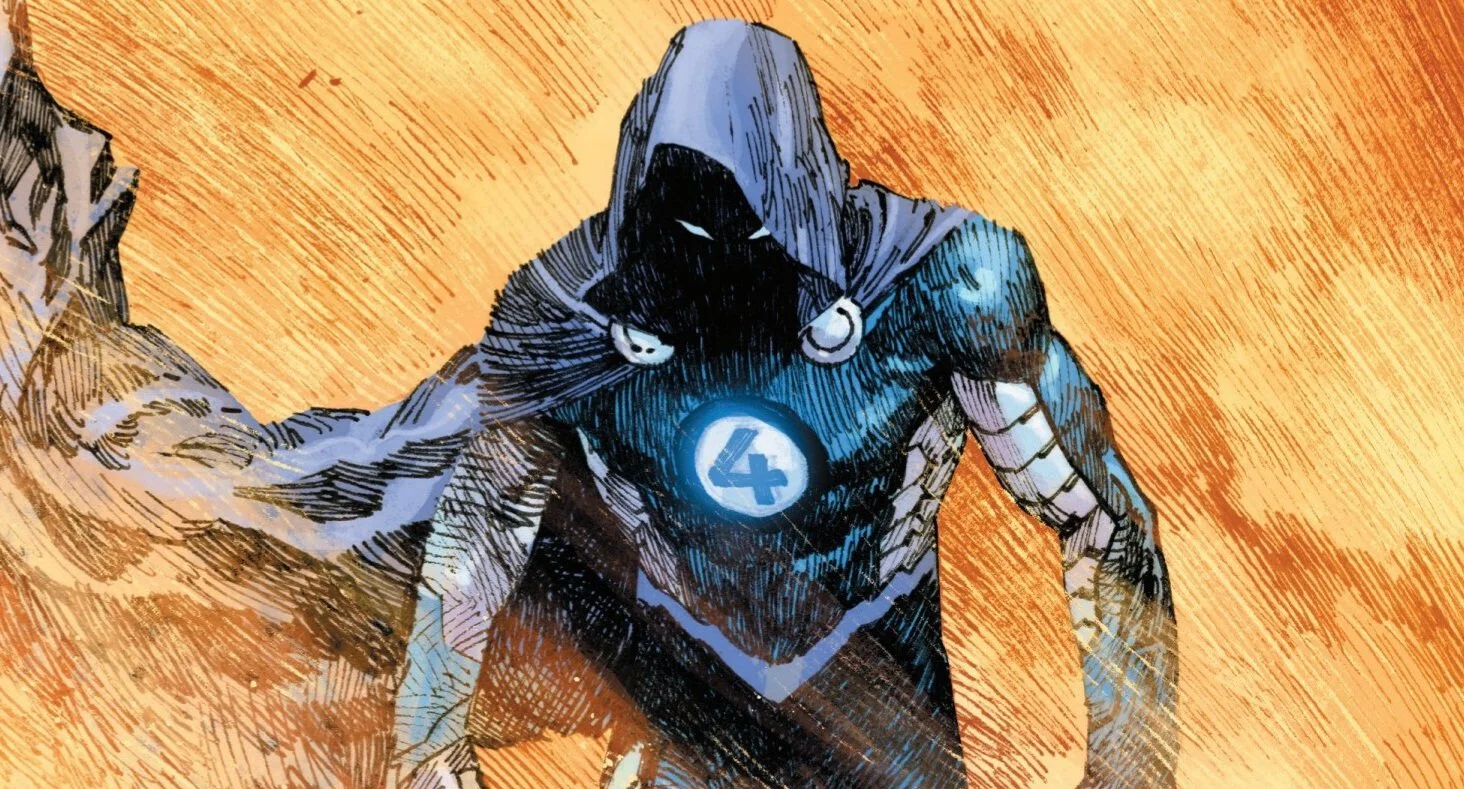
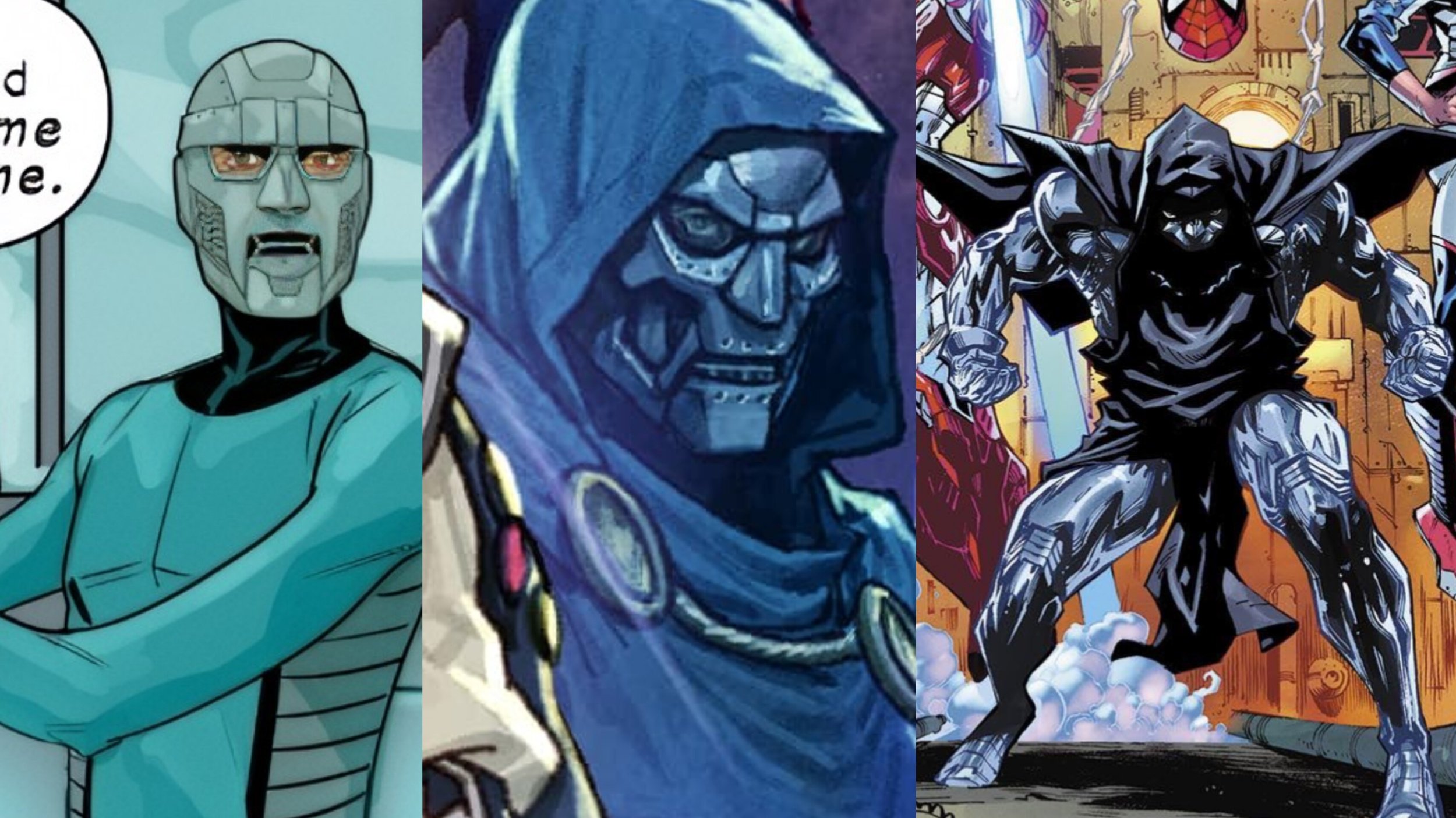
This transformation is mirrored in the art. His early armor retained echoes of the Fantastic Four, a shadow of the man he once was. Recent previews and cover art show a heavier, more imposing Doom, armored and commanding, less a man forced into a mask and more a figure beginning to accept it as his own identity. Every seam, spike, and plate reflects a mind negotiating survival, morality, and strategy. Doom’s psyche and appearance move in tandem, suggesting a man who may be consciously embracing the role the Maker envisioned.


Doom Is The Harvey Dent of The Ultimate Universe

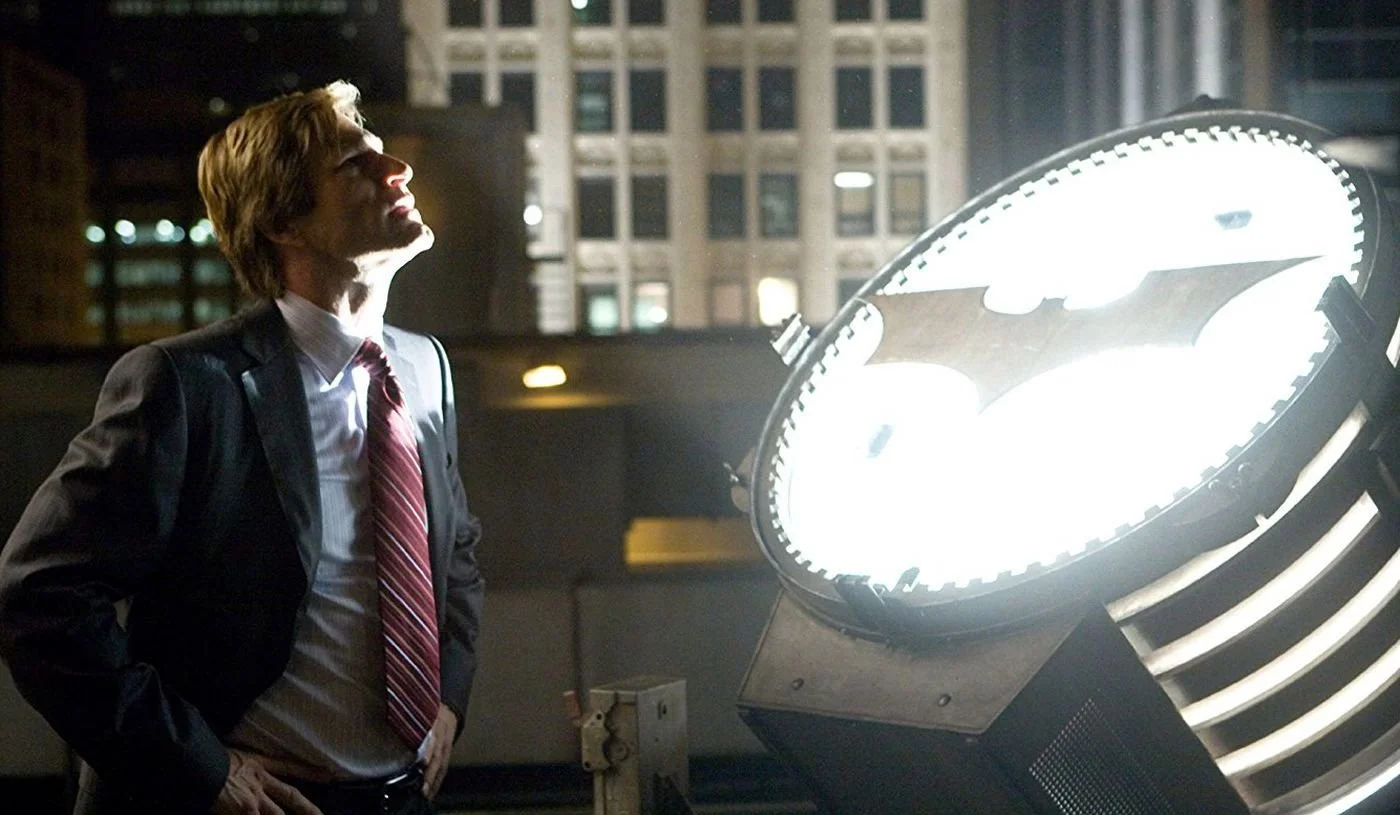
This story resonates like the most psychologically charged narratives in comics. Most people see The Dark Knight as simply Joker versus Batman, but the real battle is over Harvey Dent’s soul. Joker’s goal was not to kill Batman. It was to prove that even the incorruptible White Knight could fall.

Doom is the Harvey Dent of Earth-6160. The Maker is the Joker. The fight is not for territory or power—it is for the mind, the spirit, the very essence of a man already broken. Every decision Doom makes carries existential weight. If he succumbs to the role imposed on him, the Maker’s philosophy survives. If he resists, the remnants of Reed Richards may endure.


The Fight For Doom's Soul

When the final confrontation arrives, the question will not simply be whether Doom can defeat the Maker. He may triumph physically, standing over the man who orchestrated his suffering. But the real battle is internal. If Doom fully assumes the mantle he was forced into, embracing the cold, pragmatic identity of Doom, the Maker’s experiment continues through him. The Maker loses the battle but wins the war, creating a cruel successor as a result.

The story of Earth-6160 is not a fight to save a city or a planet. It is a fight to preserve what remains of a man’s humanity. Doom’s choices will determine whether Reed Richards survives in some form or is erased beneath the weight of the identity imposed on him. The path he walks is narrow and treacherous, balancing pragmatism and moral collapse, strategy and surrender.

Yet within this darkness lies a lesson that extends beyond one universe. The world will push, shape, and try to break you. But the measure of a hero is not survival alone—it is whether you resist being consumed. The Ultimates fight not just to defeat the Maker, but to prove that even in a fractured, brutal world, one can endure, one can resist, and one can change the world.

Doom may walk a shadowed path, but the choice remains: you do not let the world change you. You change the world.

10 Absolute Bada$$ Indigenous Comic Book Characters

George SerranoComment

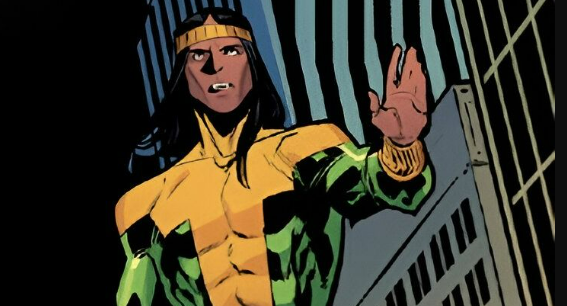
Today, on Indigenous Peoples' Day, we proudly shift the focus from a problematic past to a vibrant, powerful present and future. Comic books, at their best, are a reflection of the world, and for decades, Native American characters have been stepping out of the shadows of stereotype to become some of the most complex, formidable, and essential heroes in the medium.

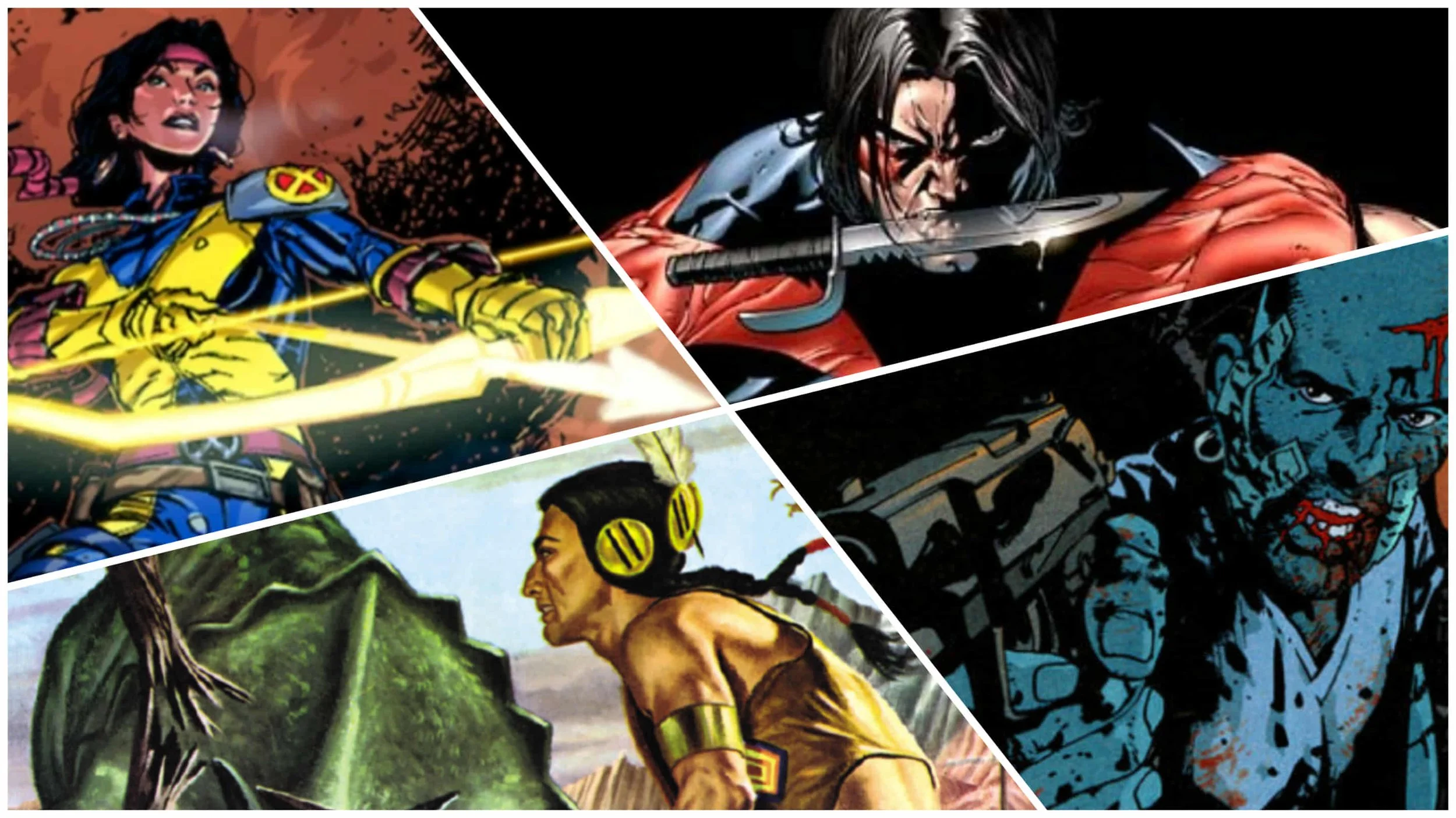
From the Cheyenne Nation to the Apache and the Choctaw, these 10 characters are more than just super-powered—they are proud, spiritual, technologically brilliant, and absolutely bada$$. They didn't just join the fight; they often led it, leaving an indelible mark on their respective universes.


1. Echo (Maya Lopez)

Publisher: Marvel Comics
Nation: Cheyenne
Debut: Daredevil Vol. 2 #9 (December 1999)
Creative Team: David Mack (writer), Joe Quesada (artist)

Maya Lopez, known as Echo, is a game-changer for several reasons. She is one of the few deaf comic book characters and a proud member of the Cheyenne Nation. Her powers of "photographic reflexes"—allowing her to perfectly mimic any physical action she sees—make her a master martial artist and a threat to anyone, even Daredevil, who was her first major adversary. She also carries the mantel of Ronin, a significant role in the Marvel Universe. The fact that she recently headlined her own Disney+ series cements her status as a mainstream icon, blazing a trail for Indigenous representation across all media. Her story is one of overcoming prejudice and finding her place not just as a hero, but as a person deeply connected to her heritage.


2. Dani Moonstar (Mirage)

Publisher: Marvel Comics
Nation: Cheyenne
Debut: Marvel Graphic Novel #4: The New Mutants (1982)
Creative Team: Chris Claremont (writer), Bob McLeod (artist)

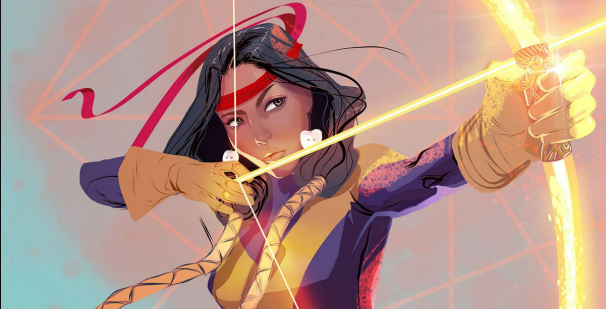
As one of the founding members of the New Mutants, Dani Moonstar is a cornerstone of the X-Men universe. Her original mutant power was to project three-dimensional illusions of her target's greatest fears, or later, their deepest desires. More profoundly, her heritage granted her a natural connection to the mystical, culminating in her becoming a Valkyrie for the Asgardian gods. Her journey from troubled youth to powerful leader, capable of staring down death itself and wielding a magical sword, shows an unparalleled strength of character. Dani is a powerful representation of Cheyenne strength, resilience, and connection to the spiritual world.


3. Warpath (James Proudstar)

Publisher: Marvel Comics
Nation: Apache (Mescalero Apache)
Debut: New Mutants #16 (June 1984)
Creative Team: Chris Claremont (writer), Sal Buscema (artist)

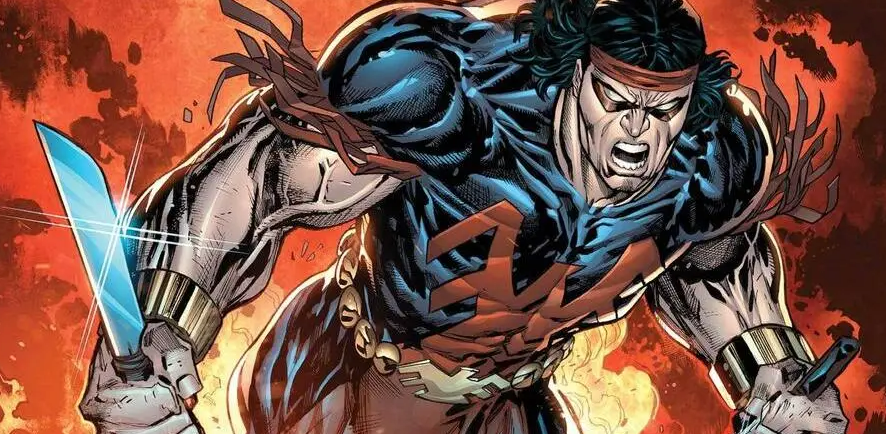
The younger brother of the original Thunderbird, John Proudstar, James initially sought revenge against the X-Men for his brother's death. He eventually grew into one of the most physically powerful and morally complex heroes in the Marvel stable, serving on both the New Mutants and the ultra-bada$$ X-Force. Warpath possesses incredible super-strength, speed, and durability, turning him into a living engine of destruction. His character arc is a profound look at grief, anger, and ultimately, a path toward redemption and leadership, constantly honoring the memory of his brother and the pride of his Apache lineage through his relentless pursuit of justice.


4. Forge

Publisher: Marvel Comics
Nation: Cheyenne
Debut: Uncanny X-Men #184 (August 1984)
Creative Team: Chris Claremont (writer), John Romita Jr. (artist)

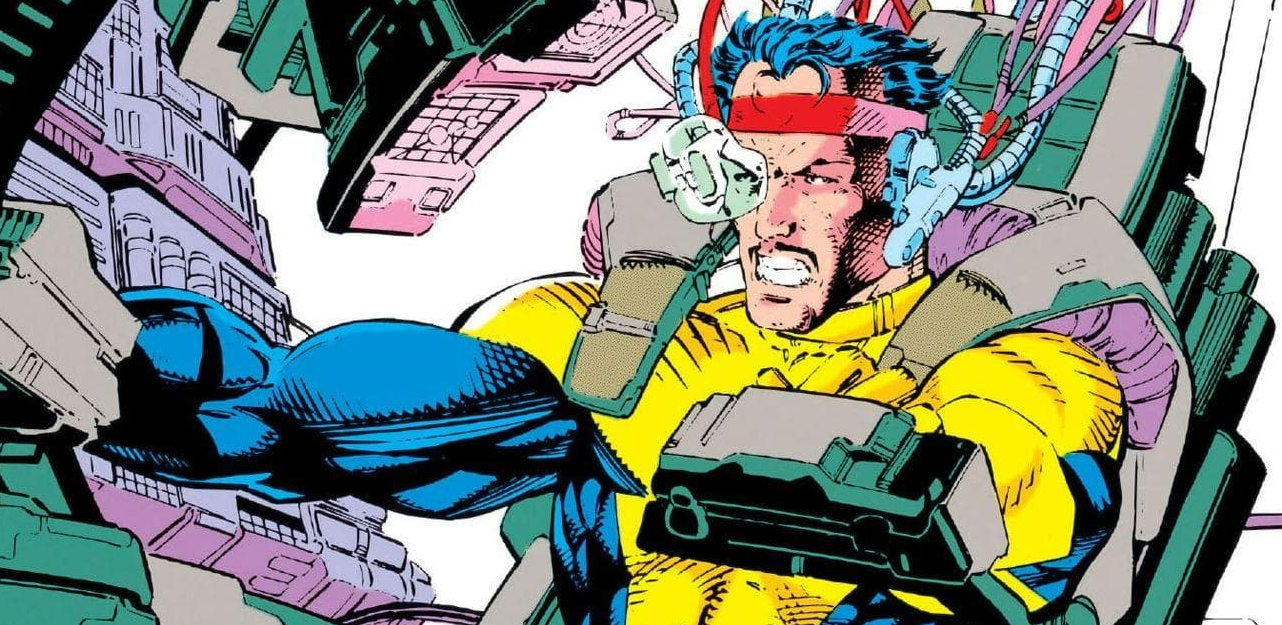
A mutant inventor and shaman from the Cheyenne Nation, Forge represents the perfect fusion of science and spirit. His mutant ability allows him to intuit the function of any machine and invent anything he can conceive. He's a technological genius who has created everything from the Neutralizer gun to advanced power suits, yet he is also a powerful mystic. This duality makes him one of the most unique and valuable figures in the X-Men's history. Forge's journey is one of immense responsibility and power, as his inventions—both magical and mechanical—have fundamentally changed the fate of the Marvel Universe multiple times.

5. Super-Chief (Jon Standing Bear)

Publisher: DC Comics
Nation: Iroquois (Wolf Clan)
Debut: All-Star Western #116 (June 1961)
Creative Team: Robert Kanigher (writer), Carmine Infantino (artist)

Super-Chief is DC Comics' premier Native American hero, pre-dating many others. He is a modern-day descendant of a long line of champions of the Iroquois Wolf Clan. By holding a magical meteorite fragment, he is granted the "strength of a thousand bears, the speed of a hundred deer, and the ability to leap higher than any wolf." The title of Super-Chief is passed down through his family, connecting him directly to an ancient legacy of honor and protection. He has served with the Justice League and is a powerful reminder that Native American heroes have a deep, foundational history in the superhero landscape.


6. Rainmaker (Sarah Rainmaker)

Publisher: Wildstorm/DC Comics
Nation: Apache (San Carlos Apache)
Debut: Gen¹³ #1 (March 1994)
Creative Team: Brandon Choi, J. Scott Campbell (writers), J. Scott Campbell (artist)

A founding member of the incredibly popular 90s team Gen¹³, Rainmaker is a powerful weather manipulator (a "weathereater") with the power to control precipitation, temperature, and atmospheric electricity. Her character is known for her rebellious spirit and her proud, assertive nature. As an openly lesbian, Native American superhero with near-limitless power, she represented a huge step forward for diversity in mainstream comics. Rainmaker's characterization firmly rejects stereotypes, instead embracing complexity and unwavering self-determination.


7. Dash Bad Horse

Publisher: Vertigo/DC Comics
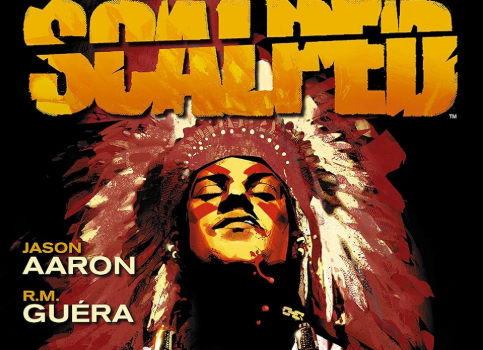
Nation: Oglala Lakota
Debut: Scalped #1 (March 2007)
Creative Team: Jason Aaron (writer), R.M. Guéra (artist)

While not a traditional "superhero," Dash Bad Horse is arguably one of the most important Native American characters in modern comics due to his starring role in the critically acclaimed crime noir series Scalped. Dash is an undercover FBI agent who returns to the fictional Prairie Rose Indian Reservation to take down the local crime boss. His story is heavy, realistic, and brutally honest, exploring themes of identity, poverty, tribal sovereignty, and historical trauma. The series, which ran for 60 issues, placed a Native American character at the center of a profound, sprawling epic, giving a raw and nuanced look at life on the reservation that is essential reading.


8. Michael Twoyoungmen (Shaman)

Publisher: Marvel Comics
Nation: Sarcee (Tsuut'ina)
Debut: Uncanny X-Men #120 (April 1979)
Creative Team: Chris Claremont (writer), John Byrne (artist)

A founding member of Canada's premiere superhero team, Alpha Flight, Michael Twoyoungmen is a brilliant surgeon who became a powerful shaman after a personal tragedy. He is an expert in the mystic arts, capable of summoning power from a magical pouch (the "Medicine Bag") that can store virtually anything. Shaman is a mature, guiding force for his team and a respected magic-user in the Marvel Universe. His power is a direct result of embracing his ancestral knowledge, a theme that celebrates the profound wisdom of Indigenous cultures.


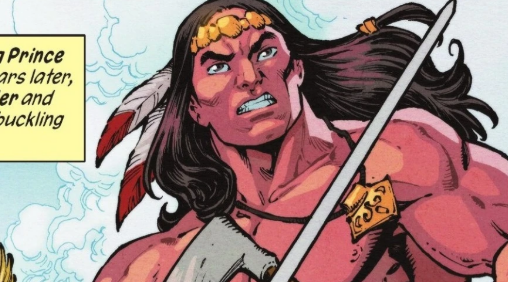
9. Arak, Son of Thunder

Publisher: DC Comics
Nation: Native American (Indigenous-European mixed heritage)
Debut: Warlord #48 (August 1981)
Creative Team: Roy Thomas (writer), Ernie Colón (artist)

A unique mix of high fantasy and historical fiction, Arak is a Native American hero from the 9th century who was separated from his tribe as a child and raised by Vikings. As an adult, he is a formidable warrior—equal parts Native American warrior and Viking berserker. His adventures saw him interact with King Arthur, Viking gods, and ancient mystics. The very premise of the character is a bold, action-packed fusion of cultures, showing a powerful Indigenous hero at the center of one of history's most mythic eras.


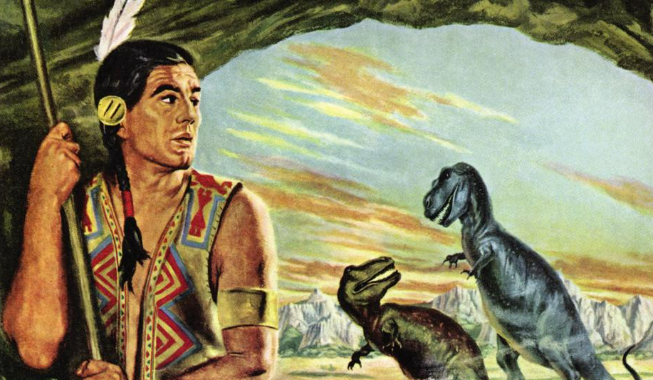
10. Turok, Son of Stone

Publisher: Gold Key / Valiant / Dynamite Entertainment
Nation: Kiowa
Debut: Four Color #596 (1954)
Creative Team: Paul S. Newman, Rex Maxon (artists and writers vary over time)

Turok, the 'Son of Stone,' is a cultural icon known widely from both comics and video games. While his initial stories (where he was a Neanderthal) were problematic, modern interpretations have recast him as a Kiowa warrior who finds himself trapped in a hidden, prehistoric land full of dinosaurs and other monsters. Turok is a master survivalist, hunter, and tracker. His ability to adapt, endure, and dominate a world where only the fittest survive speaks to the incredible resilience and resourcefulness often celebrated in Native American tradition. He is a perpetual main character, a testament to his enduring power and appeal across nearly 70 years of comics history.


A Legacy of Pride and Power

This Indigenous Peoples' Day, let us celebrate the stories, the strength, and the indelible mark these characters have made. From the cosmic flights of Dani Moonstar to the gritty realism of Dash Bad Horse, these heroes are proof that Indigenous narratives are essential to the ongoing story of comics. They embody pride, honor, and a power that is both ancient and utterly modern. They didn't just walk the trail; they helped build the road for the next generation of Indigenous heroes to follow. Hoo'ohe!

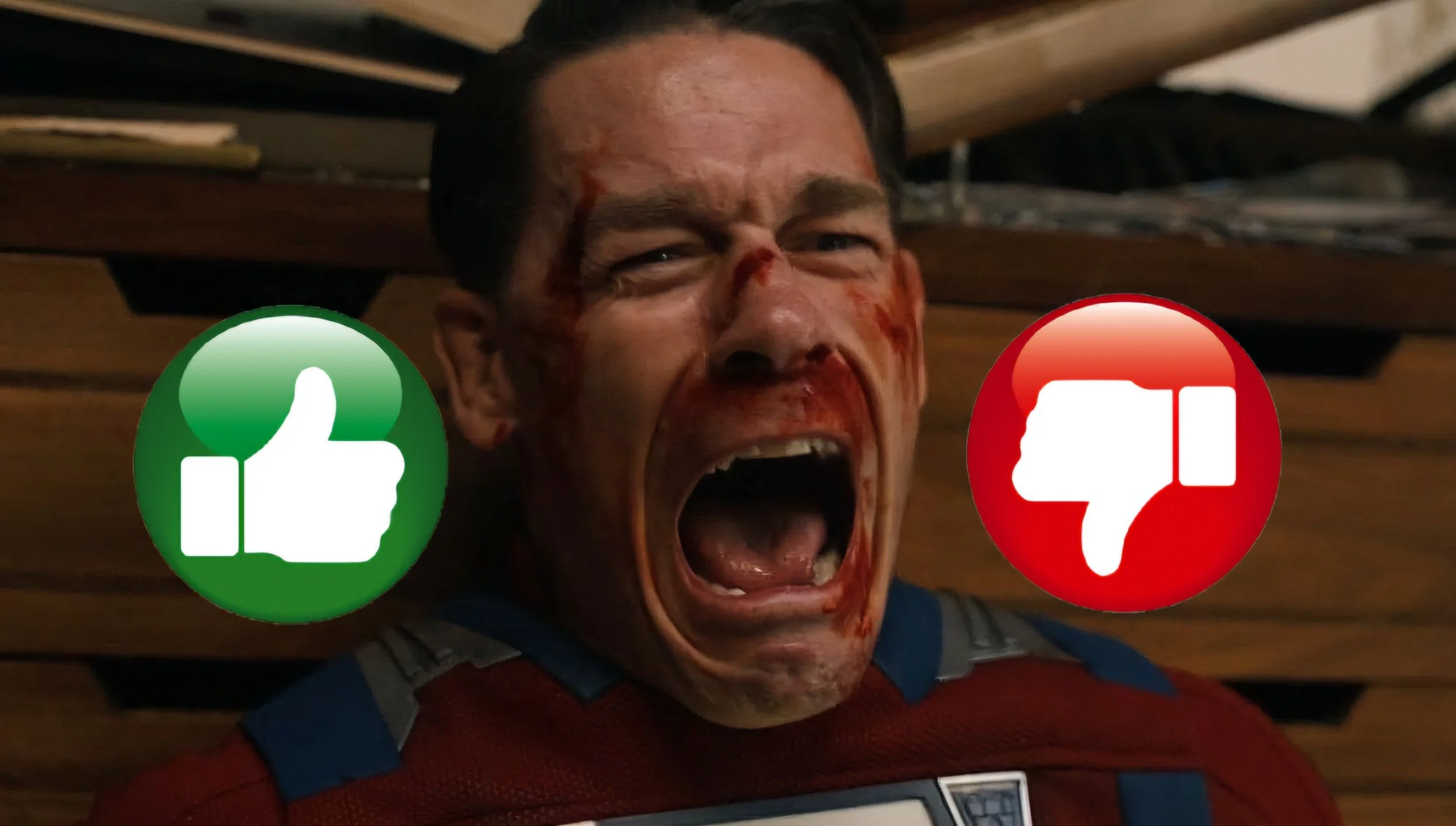
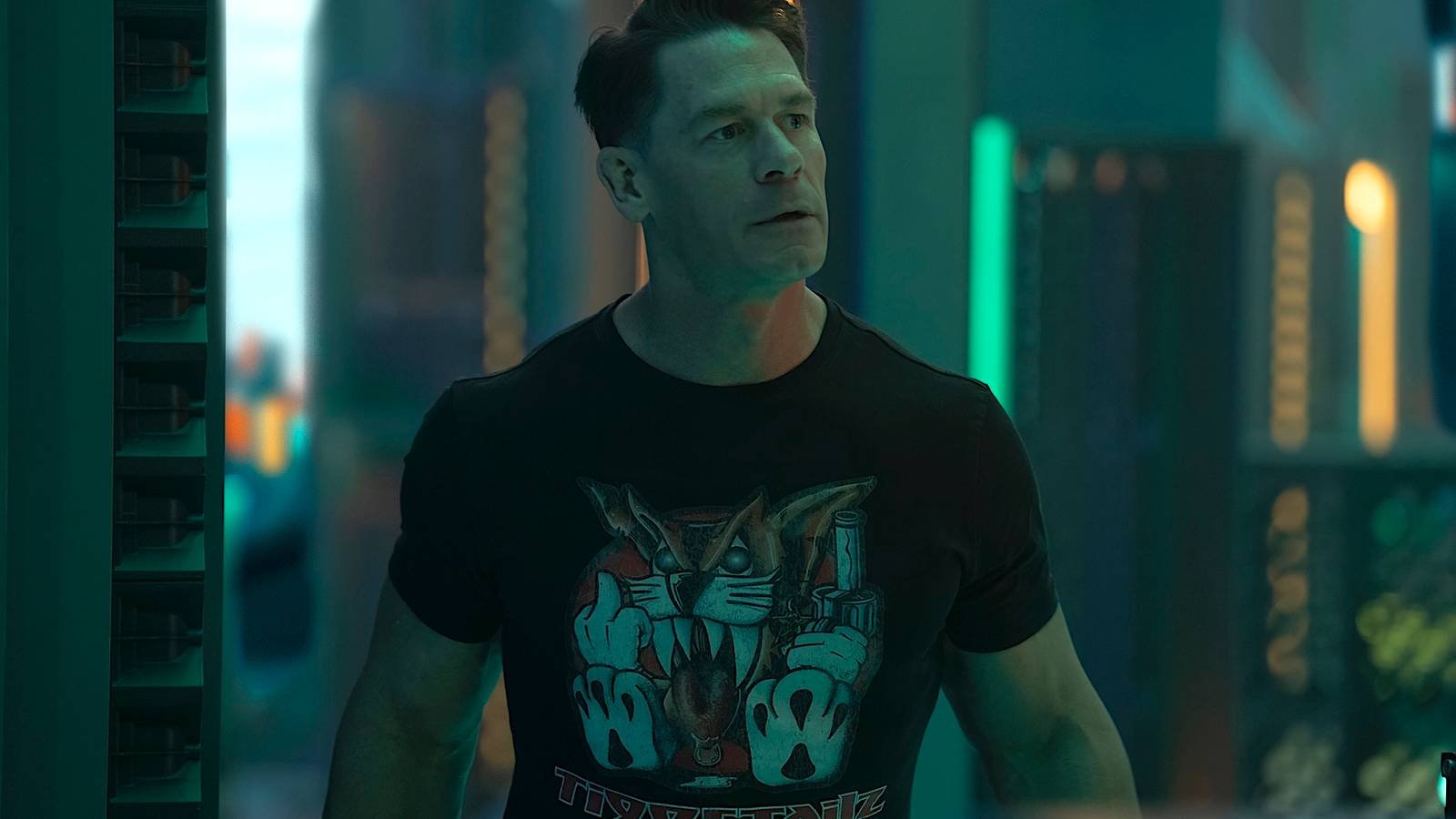
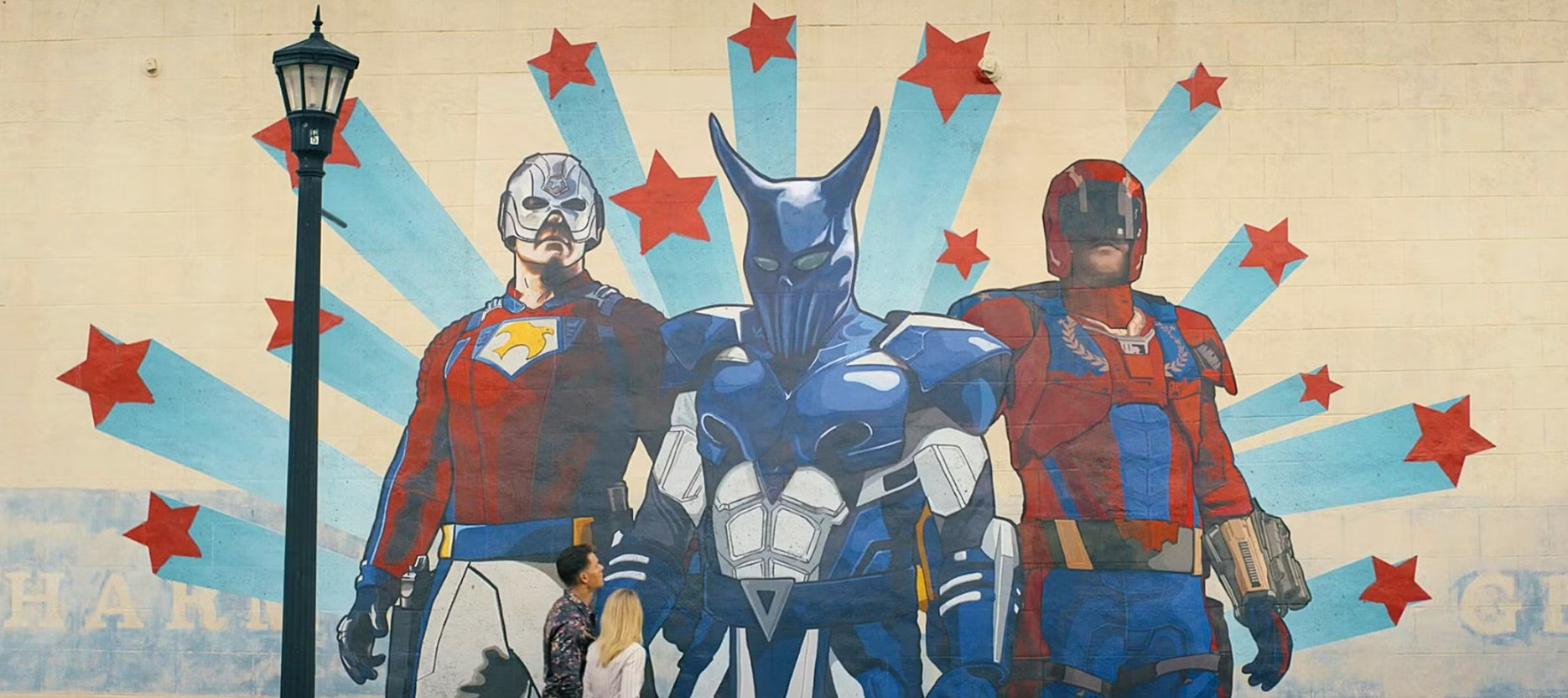
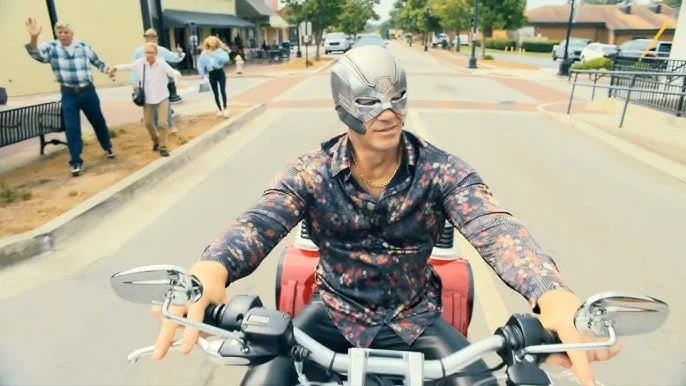
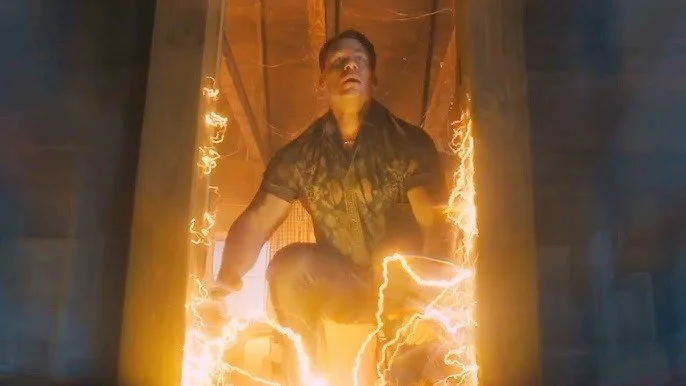
Peacemaker Season 2 Finale: The Complex Debate Over Expectations and Execution

ComicBook CliqueComment

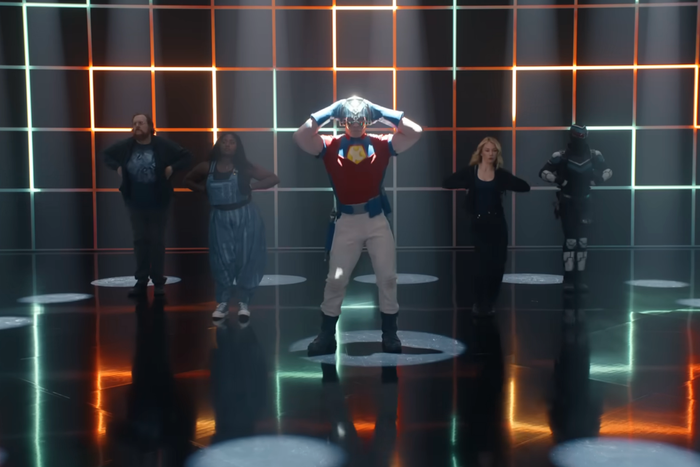
The Peacemaker Season 2 finale has landed, and the immediate reaction is a mix of applause and major disappointment. Honestly, the whole debate boils down to one simple question: Who set the bar too high? Was it us, the DC Universe (DCU) fans, or was it James Gunn, the guy running the whole show? I think the truth is somewhere in the middle, showing a real tug-of-war between the show’s genuinely heartfelt story and the enormous hype it was carrying.

The Blame Game: Fans vs. Creator

You see both sides throwing shade right now. Some fans are furious at people "trashing" the finale just because it wasn't crammed with surprise DCU cameos. These critics argue that the complainers never cared about the main characters or the plot and just wanted a viral moment to tweet about. They have a point. Gunn's style has always been about flawed protagonists and found families, and those themes were spot-on and deeply effective this season. The emotional core was absolutely there.

​But then you have the equally valid viewpoint from the disappointed viewers. Many of us didn't have high expectations when the Peacemaker series started. Our anticipation skyrocketed because the showrunner himself, the architect of the entire DC Universe, kept promising "huge surprises" and cinematic events for the Season 2 finale. When the guy in charge sets that kind of precedent, whose fault is it when the episode doesn't deliver a Justice League moment? We were essentially given permission to expect the impossible.


The Gunn Factor: Is It Time To Recalibrate?

The conflict really comes down to James Gunn's dual role. His excitement for Peacemaker was pure and understandable. He created a show that made an obscure character a household name almost overnight, and he was working on it alongside his wife. That’s a personal win he was clearly stoked to celebrate. But that passion led him to overpromise on spectacle.

​He told us the final episodes were too secret to screen for the press and were some of the "best he's ever done." That is high praise that set the bar through the roof for the Peacemaker finale. What we got was a personal, dark plot point: the reveal of Salvation, a metahuman prison dimension, and the sudden, awful abduction of Peacemaker. While the emotional journey was great—I truly enjoyed the finale as an ending for the Season 2 character arc and loved the season as a whole—it just wasn't the external event we were promised. I find it hard to swallow the idea that fans are to blame when the leader of DC Studios framed the conclusion this way.


​Why the Ending Felt Like a Letdown (To Some)

The finale's best moments were the team bonding ones: Adebayo's heartfelt speeches, the true connection between Chris and Harcourt, and the hopeful start of their new team, Checkmate. But this emotional high point made the actual ending feel like a total gut-punch.

​The story gave Christopher Smith everything he fought for—acceptance, love, purpose—only to snatch it all away in the last two minutes to set up the wider DCU narrative via the Salvation cliffhanger. Plus, the episode felt messy in places. The long-running "Argus Has To Catch Peacemaker" plot and the moments where Economos and the crew riffed a little too long dragged things down.

Ultimately, the finale served as satisfying conclusion to Peacemaker and I got no vibes of an aggressive, mandatory setup for the next major DCU project, like the upcoming Superman movie. It was great character work with an uneven conclusion that shows just how tricky it is to balance a personal story with the pressure of launching a cinematic universe.


Looking Ahead: Hope for the DCU's Pilot Episode

While the finale was a mixed bag of great character work and frustrating plotting, I still believe this entire season was essentially a giant, eight-hour pilot for the new DCU. It showed that James Gunn is still figuring out how to drive this massive ship, balancing the small, intimate stories he loves with the necessary big-picture setups. The fact that he's willing to sacrifice immediate applause for a long-term narrative payoff like Salvation proves he has a plan that extends far beyond a single season.

The foundation is solid: we have a fully realized hero in Peacemaker, and a great new team in Checkmate. I have loved all of Gunn's previous work, and his core themes remain heartfelt and important. Despite the finale's stumbles, I still have immense hope that the best is yet to come for the new DCU.

But what do YOU think? Did you love the finale? Sound off below!

THE SYSTEM BACKFIRES: Batman #2 and the Police Force Consumed by Chaos

ComicBook CliqueComment

​The subtle tension of the debut issue? Gone. Batman #2 explodes into open conflict. This issue delivers a gut-punch that changes everything in Gotham for good. Writer Matt Fraction and artist Jorge Jimenez aren't messing around.

They immediately execute the war they hinted at by making Robin, Tim Drake, the first casualty. This bold escalation proves the team is on a vital, brutal mission.Instead of just another Batman story, this is one that confirms the big social commentary promised in Issue #1 is now a horrifying reality.


​The Thin Blue Line In The Sand

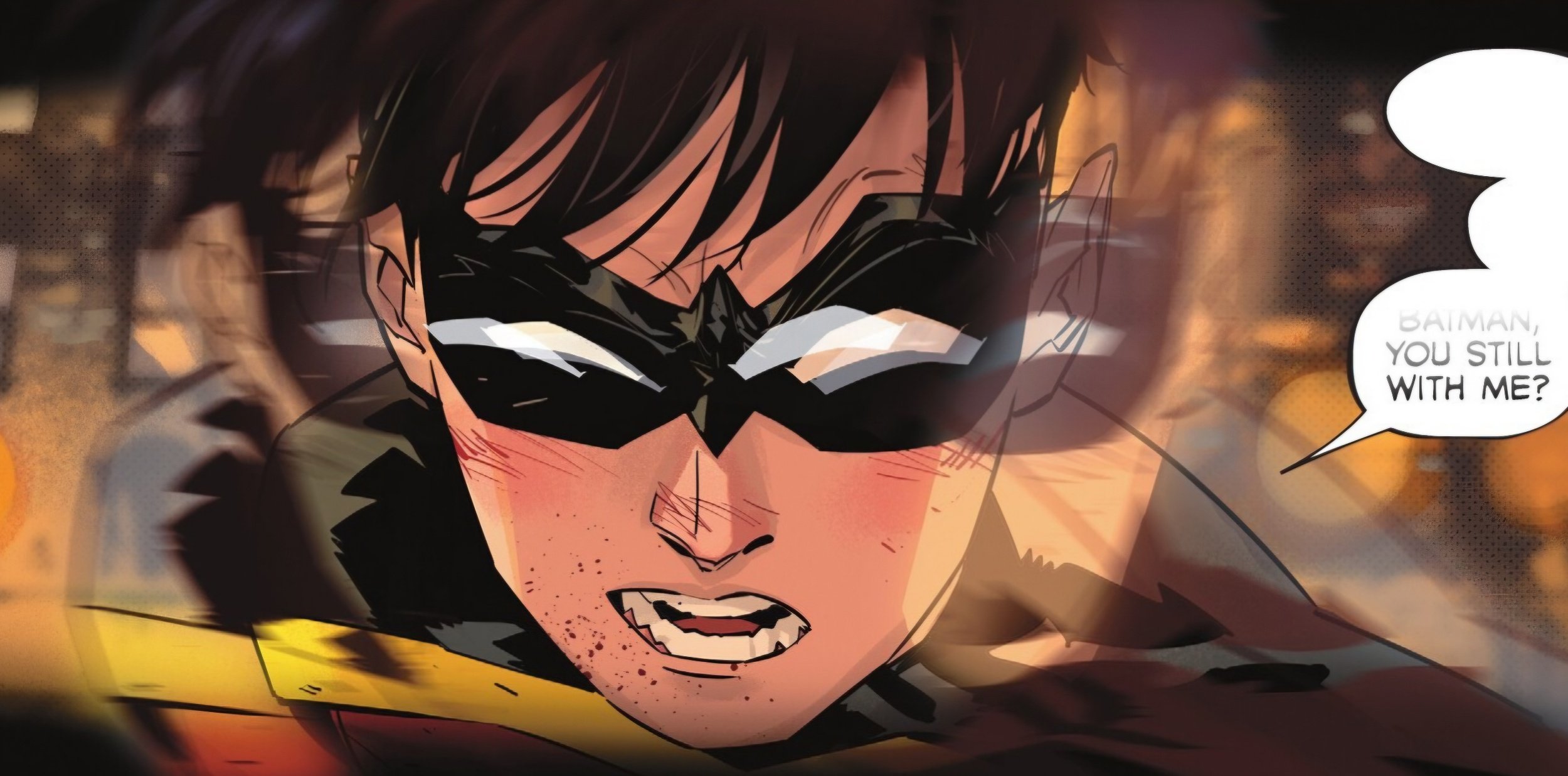
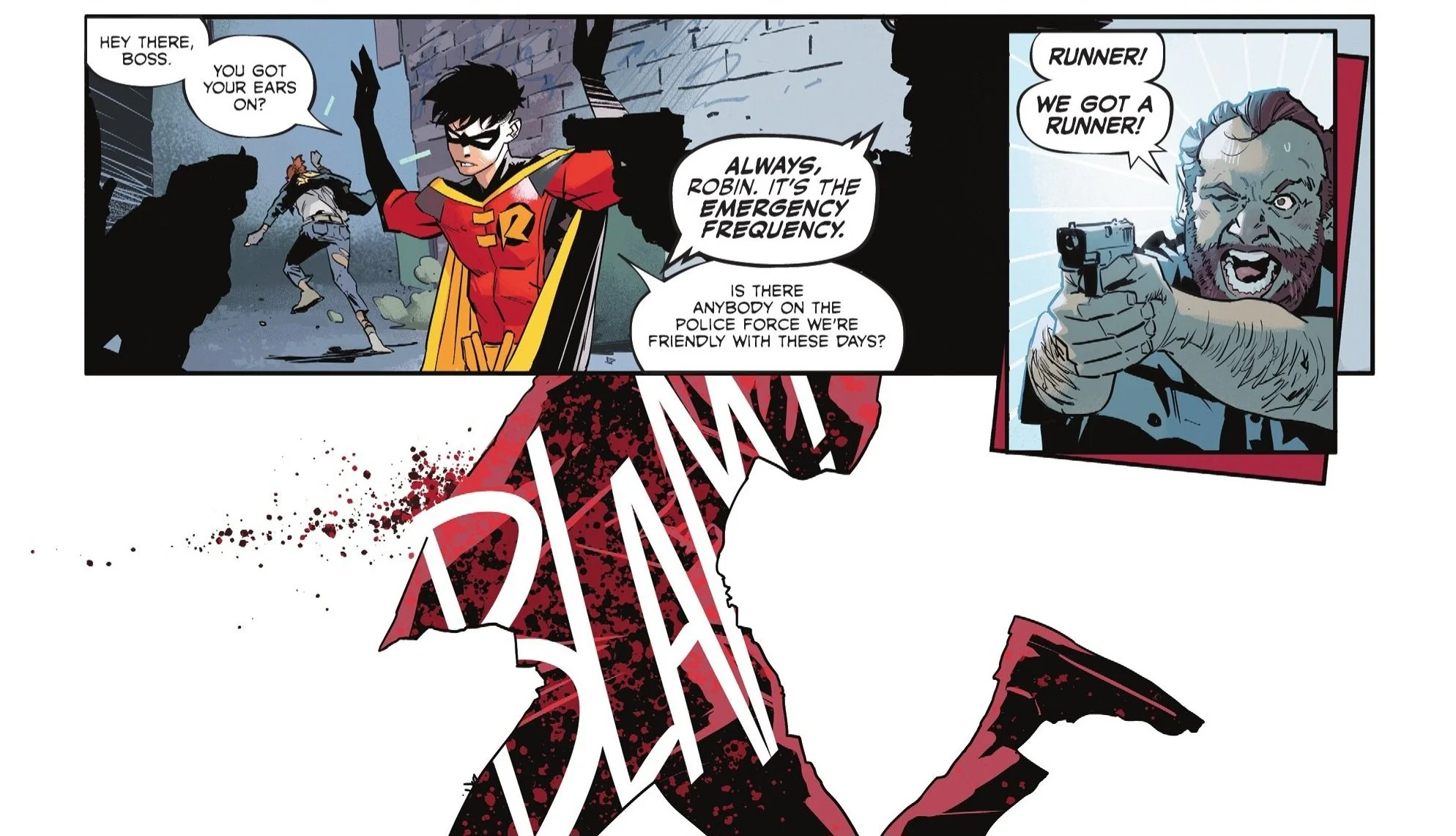
Fraction is totally clear about where the GCPD stands, and the consequences are immediate. The story opens with Tim Drake being shot and detained after he tries to escape a robbery scene that he himself helped twart. This incident is the logical endgame for Commissioner Vandal Savage's militant approach. Savage has pushed the police to be so extreme they've lost sight of their main job: helping citizens.

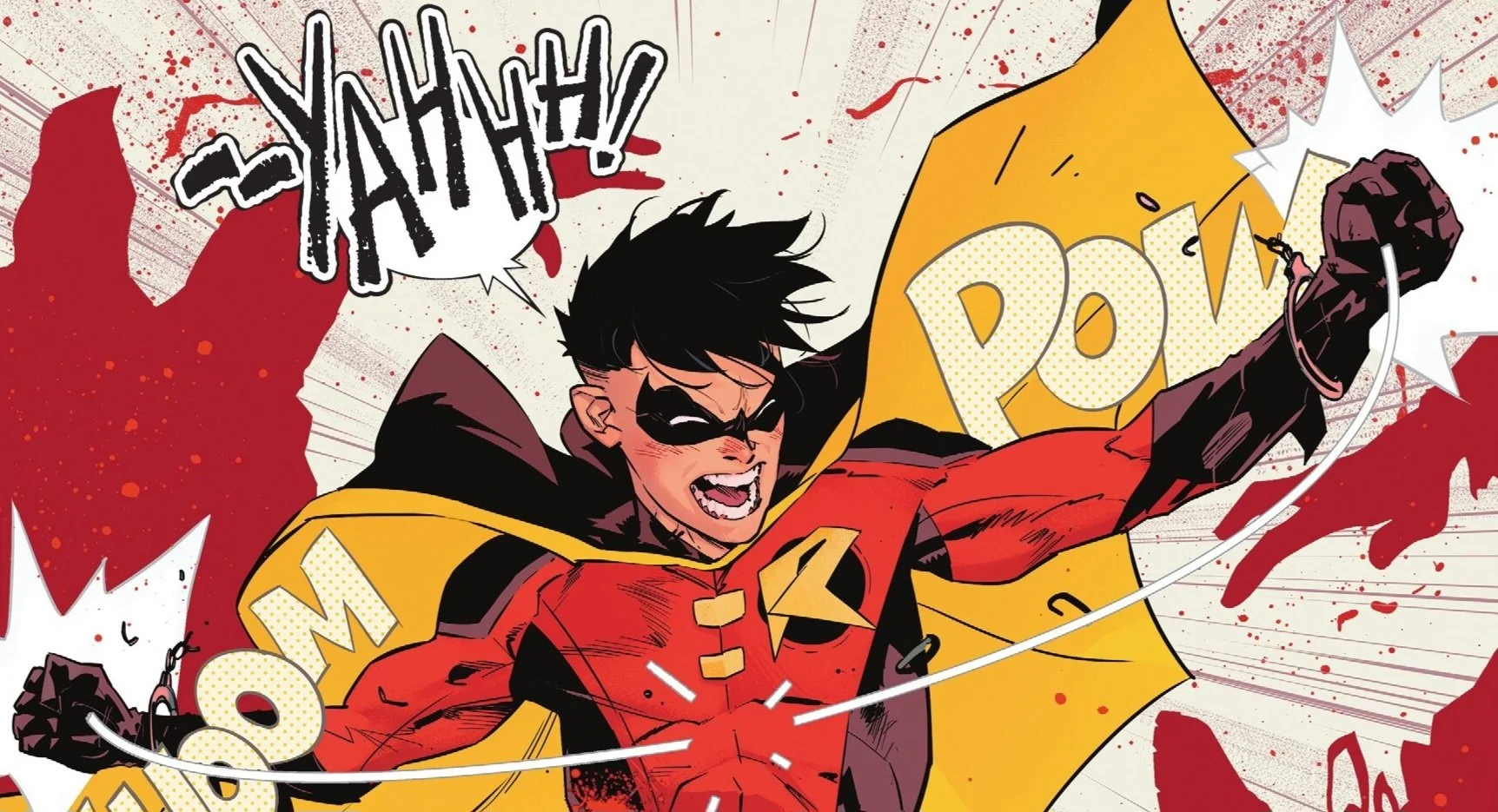
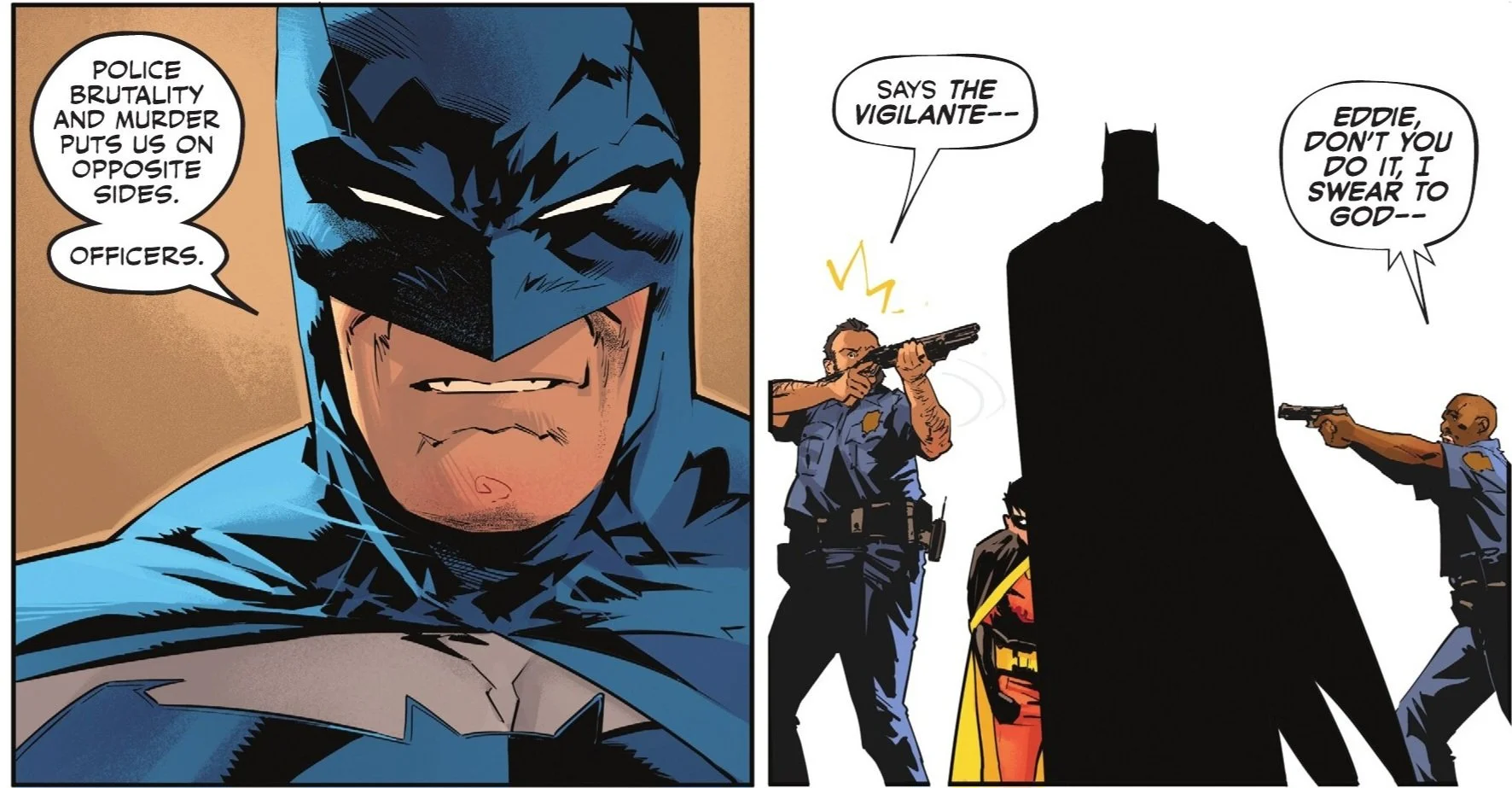
​When the police show up at the robbery, they instantly kill one of the robbers. This casual act of police brutality is a horrific example of the GCPD's broken moral compass. When Tim, shot and cuffed, escapes his restraints, he isn't running from the law. He's running from a hostile force. His whole interaction with the police proves the series' main point: the police are not allies. They're a threat.


Tim, Take The Wheel

Amidst all the chaos and violence, Fraction perfectly executes the quiet B-story of Bruce giving Tim driving lessons. This is a great, tender moment that highlights Bruce's complete trust and faith in his protégé, a trust he definitely doesn't have for the GCPD. This relationship is the emotional heart of the issue. Bruce is literally teaching Tim how to survive the city's dangers.

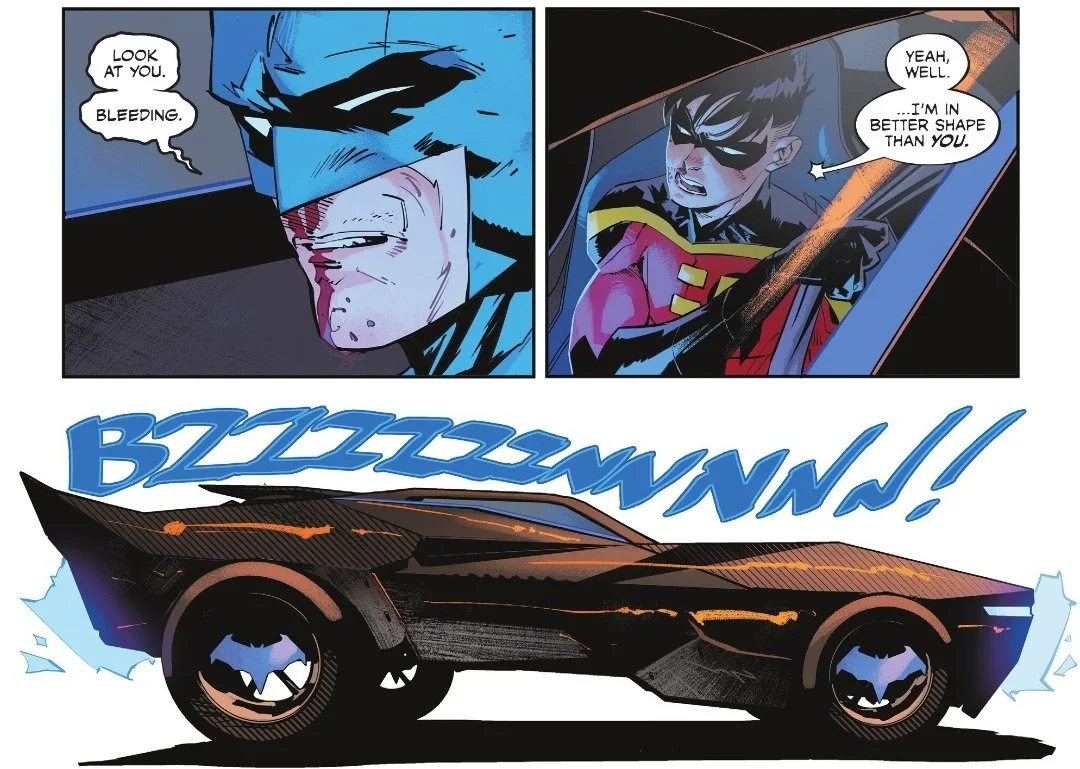
​That lesson is tested immediately. After Tim escapes, Batman arrives to save him, but an officer shoots Batman in the head with a shotgun. This hit stuns the Dark Knight, leaving him completely out of the fight. It's here that the two storylines merge perfectly: Tim drives the Batmobile away fast to get the injured Batman to safety. Tim doesn't just pass his driving test, he saves his mentor's life. This proves their bond is the only safe spot left in this chaotic Gotham.


​A Savage Interpretation of Events

The crazy fight scene ends with one officer being killed by their own partner’s bullet. That's some serious sad irony. It visually proves that Vandal Savage's aggressive, shoot-first policy is dangerous even to his own cops.

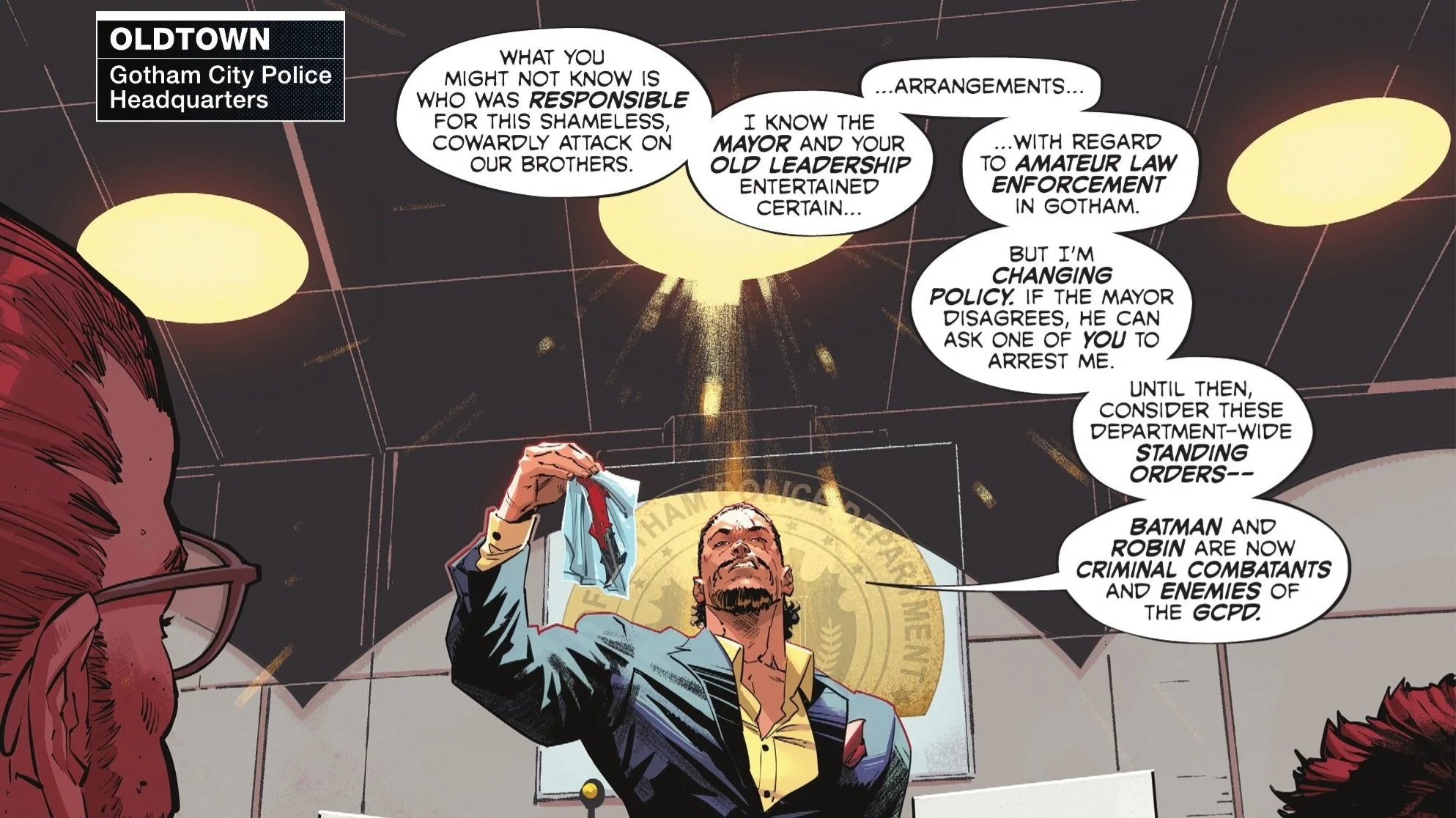
​Savage immediately jumps on this, showing how he uses propaganda to control the narrative. He demands all reporters clear the crime scene. Then he spins his own version of events after finding a batarang. Savage’s big declaration that "BATMAN AND ROBIN ARE NOW CRIMINAL COMBATANTS AND ENEMIES OF THE GCPD" is the clear move of a power-hungry leader. He's twisting the facts and using the police as his personal army. The conflict isn't about justice, it's about tyranny.


The Visuals and Art

Jorge Jimenez's talent in this issue is huge. He's a master of light and color. Putting Batman back in the blue and grey is a smart visual move that screams his moral standing. Gotham is all dark shadows and corruption, so Batman's lighter suit acts as a visible beacon of hope. The blue lets him cut through the darkness instead of just blending in.

​This look is totally amplified by Tim Drake's Robin. The bright, iconic reds and yellows are a searing contrast to the night. This dynamic duo is a vibrant force of truth standing against the black shadows of the police. Jimenez uses this color to drive the emotion. The chaotic fight scene is a mess of red (danger/blood), blue (Batman/hope), and the dark tactical gear of the cops. The visual story is clear: the only light left in Gotham is the light the heroes bring themselves.


Verdict

​Batman #2 is where this series gets serious. The debut issue was the promise. This one is the brutal follow-through that confirms this is a must-read run.

​The story pushing Tim Drake into the center of the fight makes this war personal for the Bat-Family. Bruce's driving lessons scene contrasting with Tim's real-life rescue is amazing emotional writing. It proves their bond is the only safe spot left in this chaotic Gotham. The death by 'friendly fire' is an intense visual showing how dangerous Vandal Savage's force is.

​This comic absolutely refuses to hold back. This issue marks the point of no return. Batman and Robin are officially enemies of the state now. Every patrol from here on out will be a battle on two fronts. This is a story that everyone needs to read. It's an essential piece of social commentary that uses Gotham to look at today's real-world problems. It's a beautifully drawn, powerful tragedy that leaves you wanting the next issue right away.

Verdict: Essential Reading. Get it before it sells out!

Have you already read the issue?! Let me know what tou thought below!


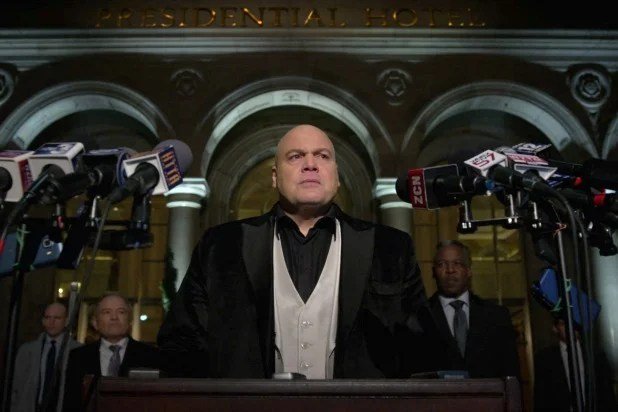
Coincidence or Conspiracy? Charlie Cox Weighs in on Fisk-Trump Comparisons!

ComicBook CliqueComment

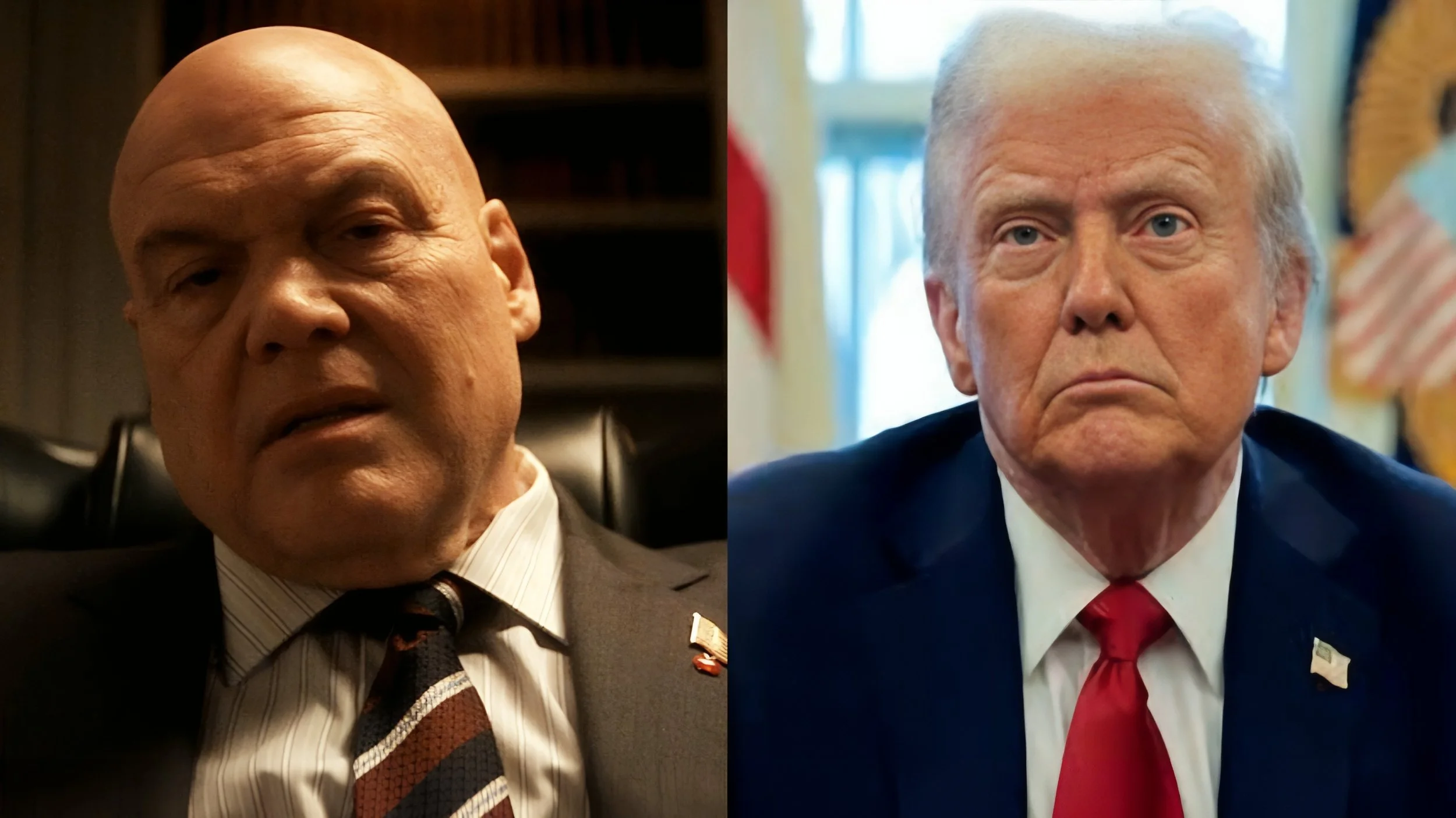
Hold on to your horned helmets, Marvel fans, because Daredevil himself, Charlie Cox, is here to set the record straight on a particularly presidential observation! In a world where reality often feels stranger than fiction, it seems some viewers have been spotting uncanny resemblances between the Kingpin of Crime, Wilson Fisk, and a certain former occupant of the Oval Office. But before you start printing "Make Hell's Kitchen Great Again" hats, Cox is emphatically saying: "Woah there, partner!"

​"I think it's really, really important at this point to say that those similarities, if people see them, are purely coincidental. That really is the case," the actor told IGN. And honestly, when you think about it, he's got a point. Vincent D'Onofrio's masterful portrayal of the hulking, suit-wearing villain was brought to life way back in 2014.

​"In 2014, if you just said the name of the president and the word president, you'd have been laughed at," Cox quipped. It's a humorous nod to how truly wild the last few years have been, isn't it? Who knew a comic book villain could become such an unintentional mirror to real-world politics? It's almost as if the universe is having a laugh at our expense, serving up dystopian delights with a side of supervillainy!


​The Perils of Parallelism: When Fiction Gets Too Real

​Cox also touched upon the ever-present challenge of creating content in a rapidly changing world. "Every time you have a scene with Frank Castle in the 10 years we've been doing it, every time there's a scene, someone's going to say, 'It doesn't feel like it's a very good time to be shooting a hero who's got a gun.' You know what I mean?"

​It's a sentiment many creators can relate to, how do you craft compelling stories without inadvertently stepping on the landmines of current events? The line between escapism and uncomfortable reflection seems to blur more and more with each passing news cycle.


Embracing the Absurdity (But Acknowledge the Parallels!)

Ultimately, Cox encourages us to find the humor in these peculiar parallels. "I feel like it's really important to allow, and chuckle at, and enjoy some coincidences that may be there," the Daredevil: Born Again star added. After all, what's life without a little dark comedy, especially when it involves a bald crime lord and a golden escalator?

​"But it's also important to stipulate that they are entirely accidental." So, there you have it, folks! While the striking resemblances might make you do a double-take, according to Charlie Cox, it's all just a glorious, albeit slightly unsettling, cosmic accident. So, next time you're watching Fisk scheme in Hell's Kitchen, feel free to chuckle at the coincidences, but remember, sometimes a cigar is just a cigar, or in this case, a powerful, intimidating crime boss is just a powerful, intimidating crime boss.


What do YOU think?

Is this all as much of a coincidence as Cox says, or are we using the devil we know to write about the devil we don't? Tell us below!

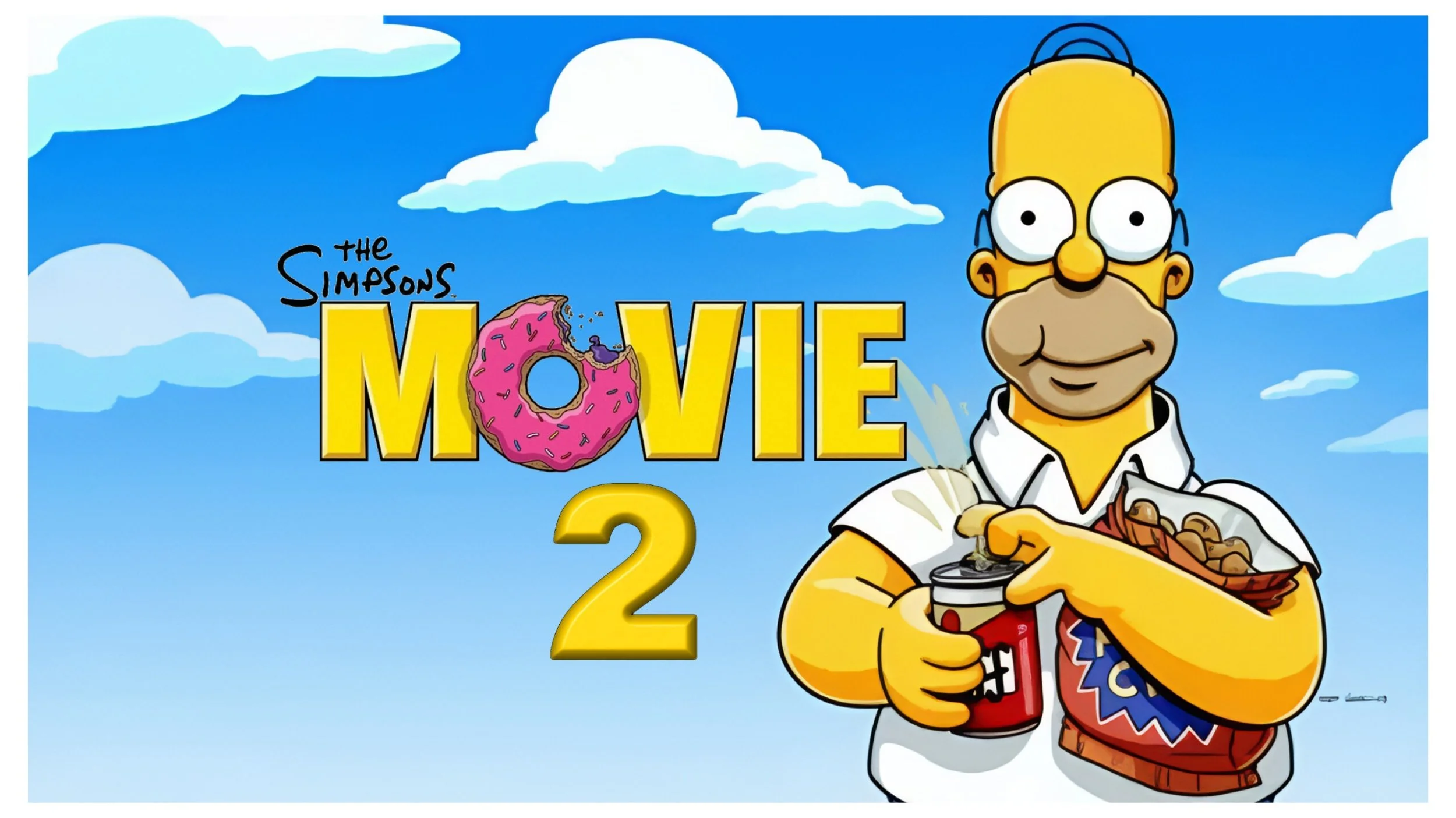
The Simpsons Movie 2 ANNOUNCED! Release Date, Cast, and What Fans Can Expect

ComicBook CliqueComment

The Simpsons Movie 2 is officially coming to theaters on July 26, 2027, almost 20 years after the original 2007 film. Fans of The Simpsons can finally see their favorite Springfield characters back on the big screen in a new adventure.

James L. Brooks returns as director and co-writer, with Matt Groening, Al Jean, and the original executive producer team also coming back. While plot details are still under wraps, the sequel promises the same mix of comedy, satire, and heart that made the first movie a hit with audiences.

The Simpsons has been a pop culture staple for over 35 years, and this movie is expected to be a major event for longtime fans and new viewers alike. Expect Springfield chaos, hilarious gags, and surprises that capture the spirit of the series.

Are you ready for The Simpsons Movie 2? Will you be first in line when tickets go on sale? Share your excitement in the comments and let us know what you hope to see in the new movie.

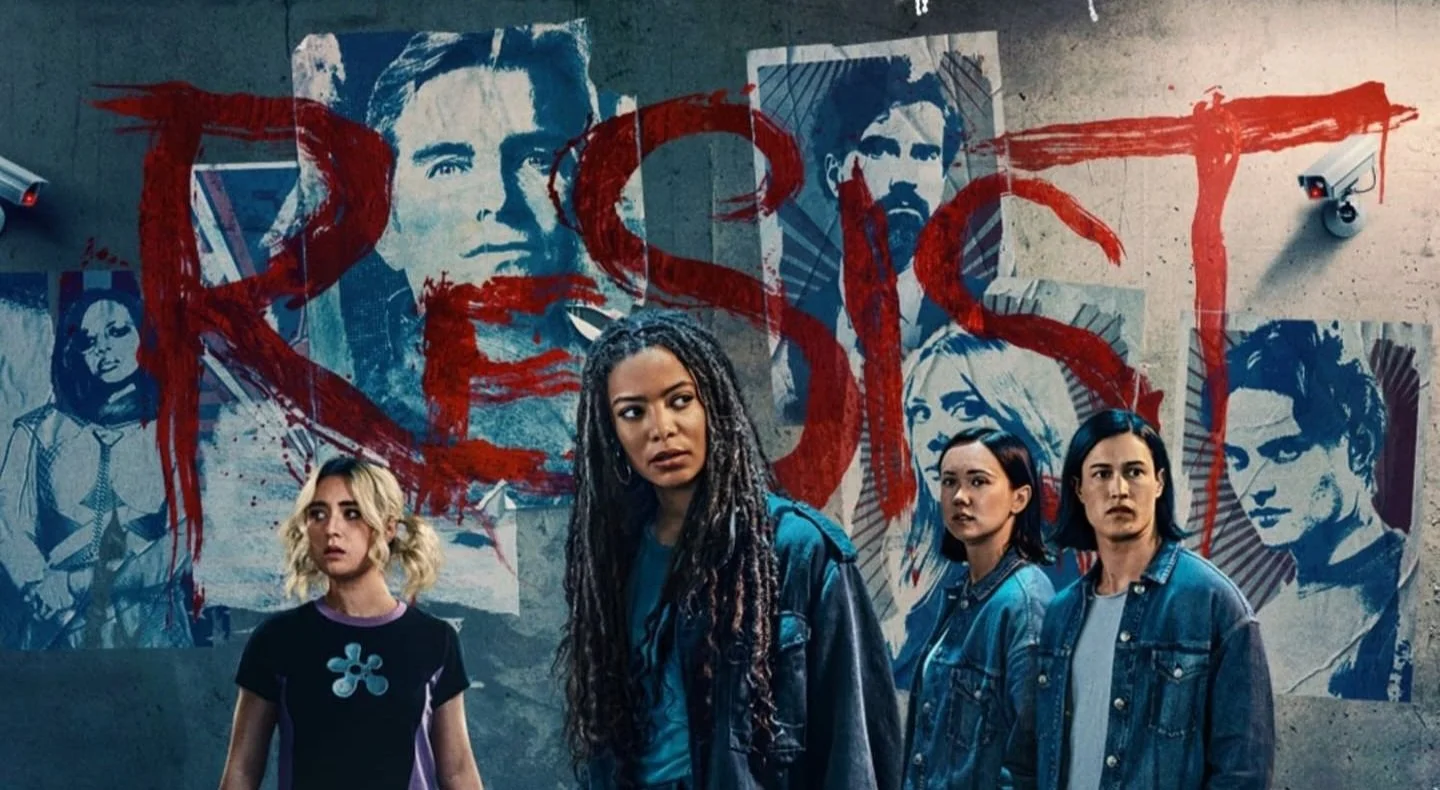
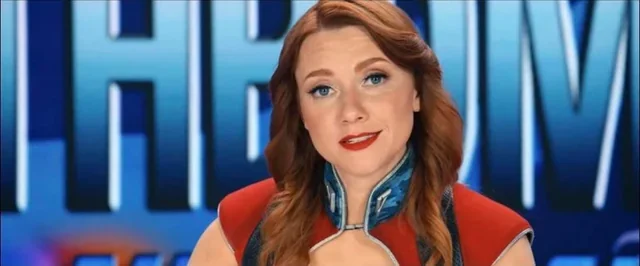
Satire is Dead: Why Gen V Season 2 Proves Reality is Bleaker Than The Boys

George SerranoComment

For years, shows like The Boys and its spin-off Gen V have cornered the market on savage political parody. The formula was simple: take the worst elements of real-world politics, corporate greed, and celebrity culture, then turn the dial up to 11.

The resulting absurdity was both shocking and funny—a grotesque exaggeration that let us laugh at the madness. But as I watched the first three episodes of Gen V Season 2, something dark shifted. The humor is gone. The exaggerated malice, the weaponized propaganda, the manufactured division, and the frankly cartoonish way we speak to and about each other—it's no longer an over-the-top joke. Our reality has become the parody.

As Black Mirror creator Charlie Brooker once lamented, the world had become so bleak, so dystopian, that he struggled to parody it on his own show. The new season of Gen V illustrates this perfectly. It doesn't feel like a satire of our current political climate; it feels like a documentary filmed through a Compound V lens.


​Manufacturing Outrage: The Weaponization of Victimhood

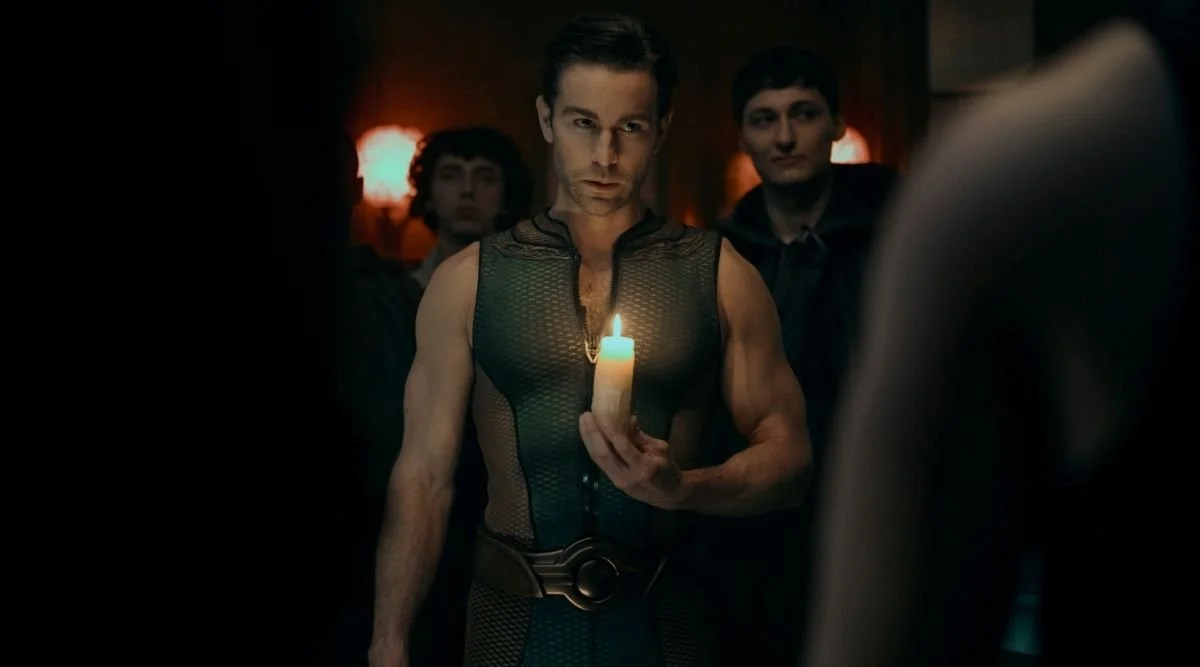
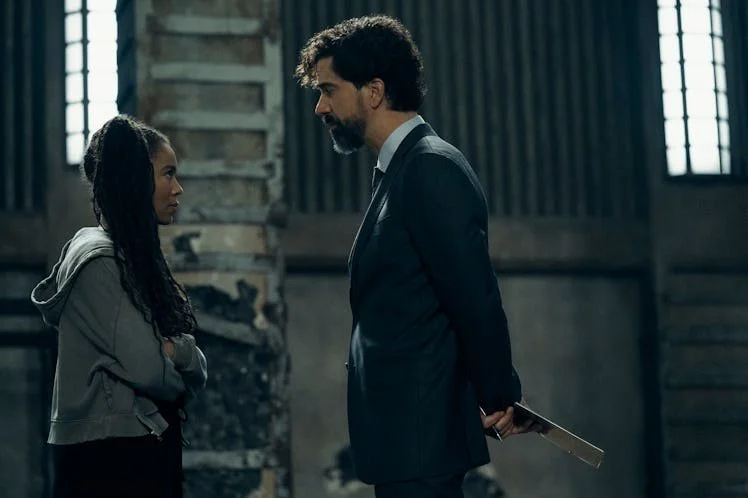
​The show wastes no time demonstrating how institutions co-opt a narrative for political gain. After Jordan Li violently attacks Cate Dunlap, leaving her in a coma, Vought and the new Dean Cipher immediately frame the incident as a "hate crime" against Supes to stir up their political base. This manufactured outrage is then used to vilify Jordan and the other students even when the truth is nuanced.

This is a direct lift from the modern political playbook. We see powerful figures, from pundits like Charlie Kirk’s widow using grief to fuel political division to actual politicians vowing violent retribution, instantly seize on an event to mobilize their base, demonize their opponents (the "other"), and escalate culture wars. The goal is never justice; it’s division and anger designed to consolidate power.


​The Performative Prison: When Truth is a Threat

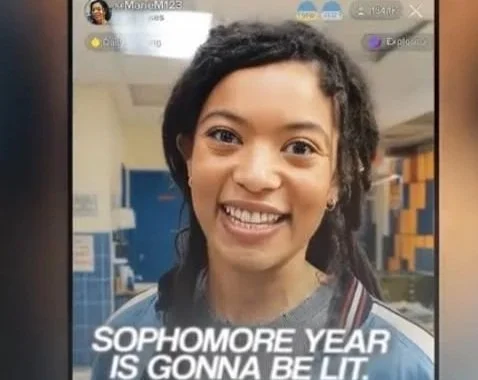
​After their involvement in the Godolkin massacre, Marie Moreau, Emma Meyer, and Jordan are blackmailed into a public-facing return to God U. Marie, specifically, is forced to record a stilted, scripted social media post, praising the school and pretending her imprisonment was a "mental health break."

She’s terrified to speak the truth, that she was jailed and the institution is corrupt, because the retribution from the politically powerful Godolkin and Vought would destroy her career. This plot point captures the chilling rise of performative activism and the very real fear of 'cancellation' in our online world. Many people in public-facing roles, from late-night hosts losing their jobs for possibly saying the wrong thing to corporate employees, often feel they must publicly toe a specific, institutional line in fear of losing their careers.

Marie’s forced apology reflects the countless scripted, inauthentic "statements of solidarity" we see online, crafted to appease an audience or employer rather than speak a genuine truth. The freedom to be an unvarnished speaker is a luxury only the already-powerful can afford.


​From Students to Soldiers: The Cult of the "Other"

​The show is further peppered with scenes that have transitioned from sharp satire to depressing familiarity, particularly the organized movements based on hatred and fear. When Marie is on the run, she encounters a clash between "Starlighters" (protesters supporting the progressive former Supe Starlight) and supporters who declare it "Homelander Country." This immediate, tribalistic, and racially coded stand-off perfectly mirrors the polarized, zero-sum confrontations that have become commonplace in the U.S.

​Adding to this environment of manufactured hatred is the emergence of figures like The Deep's cult, which appears to be explicitly rooted in racist and white supremacist ideology, masquerading as a self-help or separatist movement. This perfectly reflects how modern hate groups hide behind vague ideological banners and wellness culture to recruit and organize. Furthermore, the students are required to take classes from the "tradsupe" figure.

This character is essentially a supe influencer who trains students to use their platforms to stoke fear against humans and other marginalized groups, explicitly leveraging social media for hate-filled propaganda. Dean Cipher explicitly tells the students they are no longer students, but "soldiers" in an impending war against humanity. This military rhetoric, forcing young people into conflict for ideological reasons, echoes the constant escalation of political and ideological "warfare" in our public discourse. The enemy is no longer a political opponent; they are simply "the other" that must be defeated.


​The Bleak Inheritance of Parody

​It’s this complete loss of comedic distance that makes Gen V Season 2 so unsettling. It makes you think about movies like V for Vendetta. When that film came out in 2005, its depiction of a fascist, surveillance-state Britain was shocking a powerful exaggeration of political trends. If it were released today, many would call it "too on the nose" because so many of its dystopian elements state-sanctioned lies, manipulation of fear, and a terrifying 'othering' of dissenters feel like a one-to-one adaptation of our present reality.

The problem with satire today isn't that the writers of Gen V aren't funny or smart enough; it's that reality keeps beating them to the punch. The line between what is a joke and what is a headline has vanished. When life becomes the most cartoonish, bleak, and morally absent version of itself, the last remaining joke is, tragically, on us.

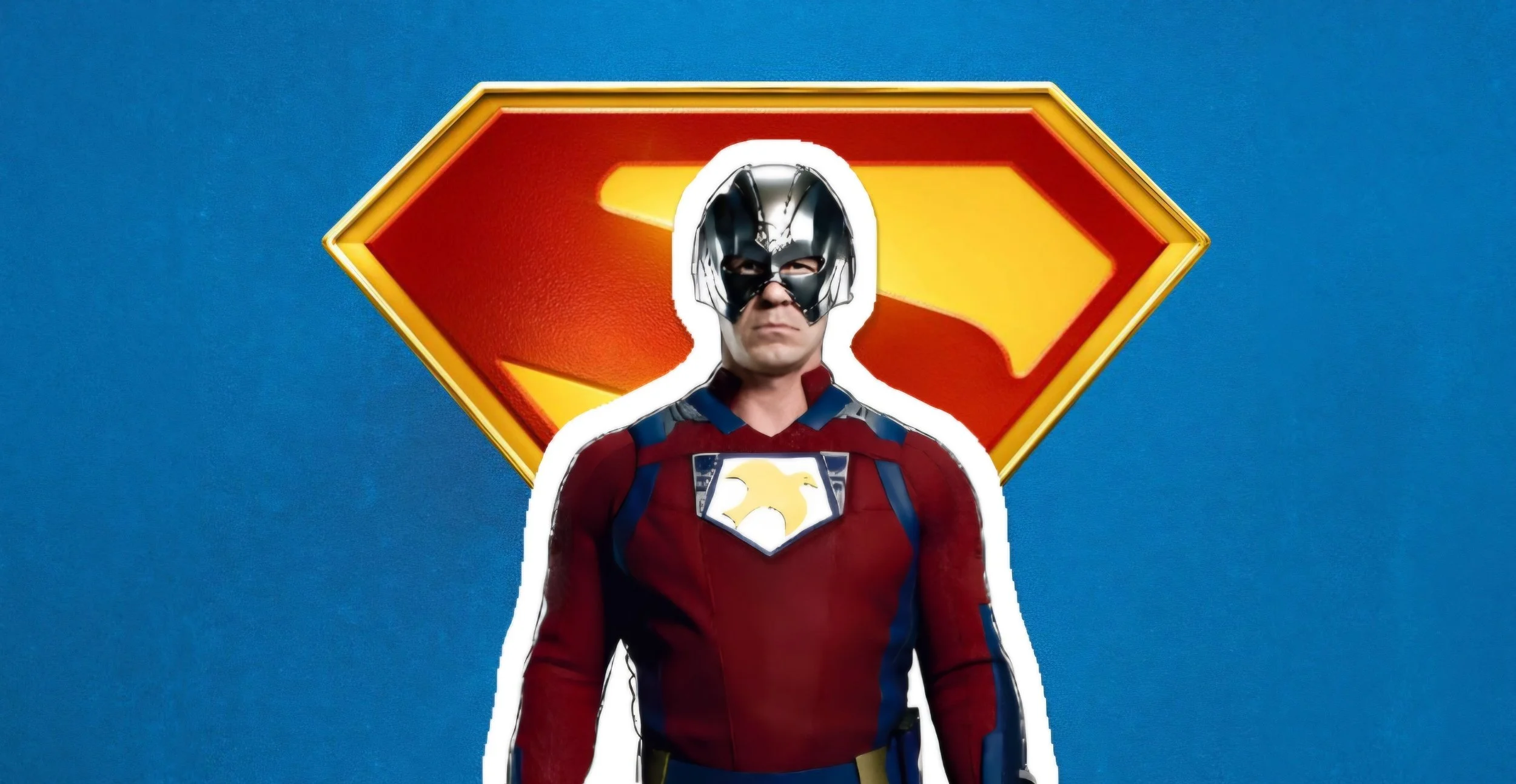
Peacemaker S2 Reveals Major Superman Character’s Fate and Sets Up Man of Tomorrow

George SerranoComment

So THAT’s why Superman went to streaming so fast.!

The incredible reveal in Peacemaker Season 2, Episode 6, titled "Ignorance Is Chris," has done exactly what James Gunn hinted it would: it clarified a major Superman character's post-Superman status and kick-started the plot for the next film, Man of Tomorrow. This isn't just a simple guest appearance. It’s a foundational piece of DC Universe lore, and it reveals why the Superman film was rushed onto digital platforms to beat the TV show's massive spoiler.

.

.

The Ultimate Spoiler: Luthor is Open for Business.

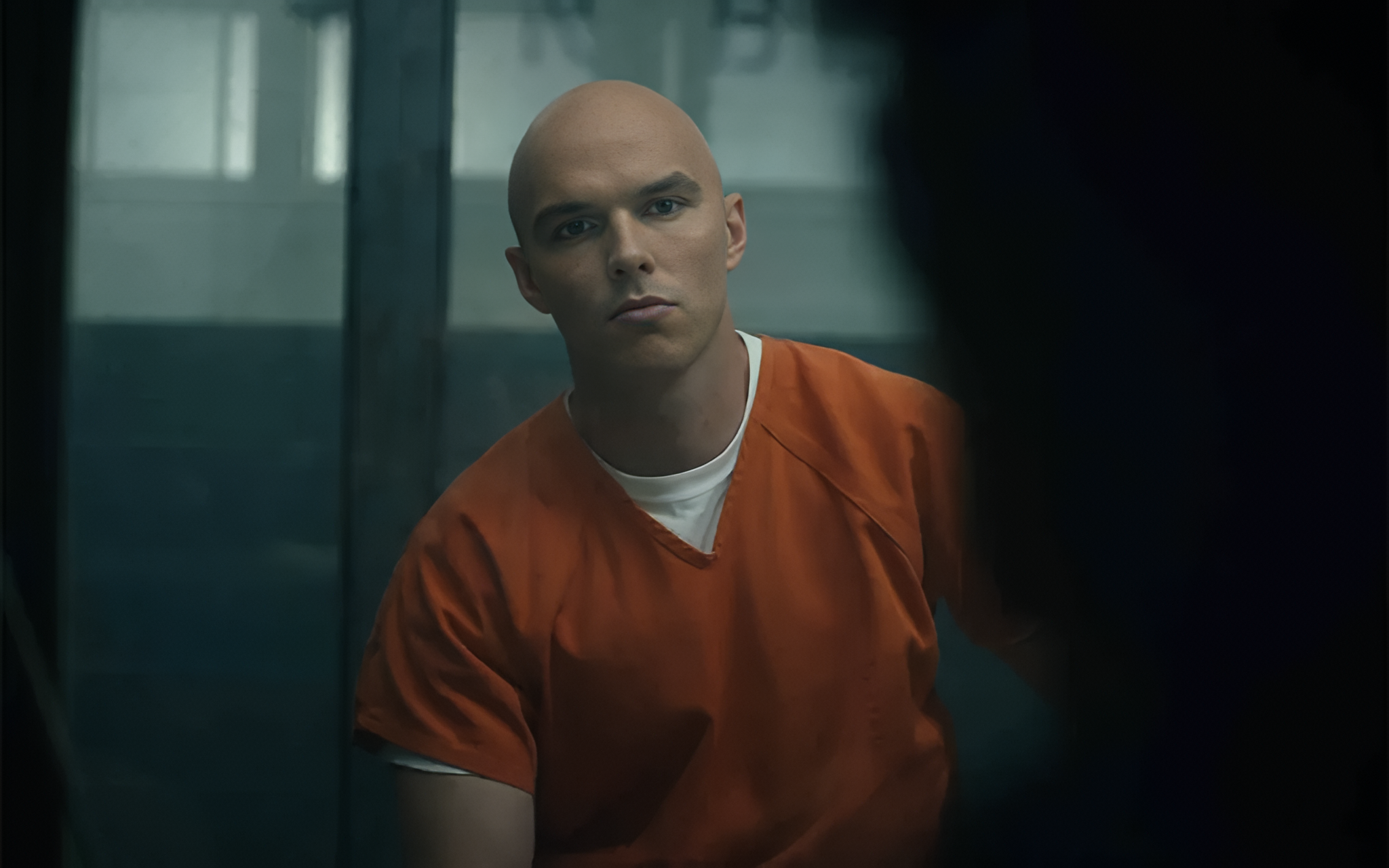
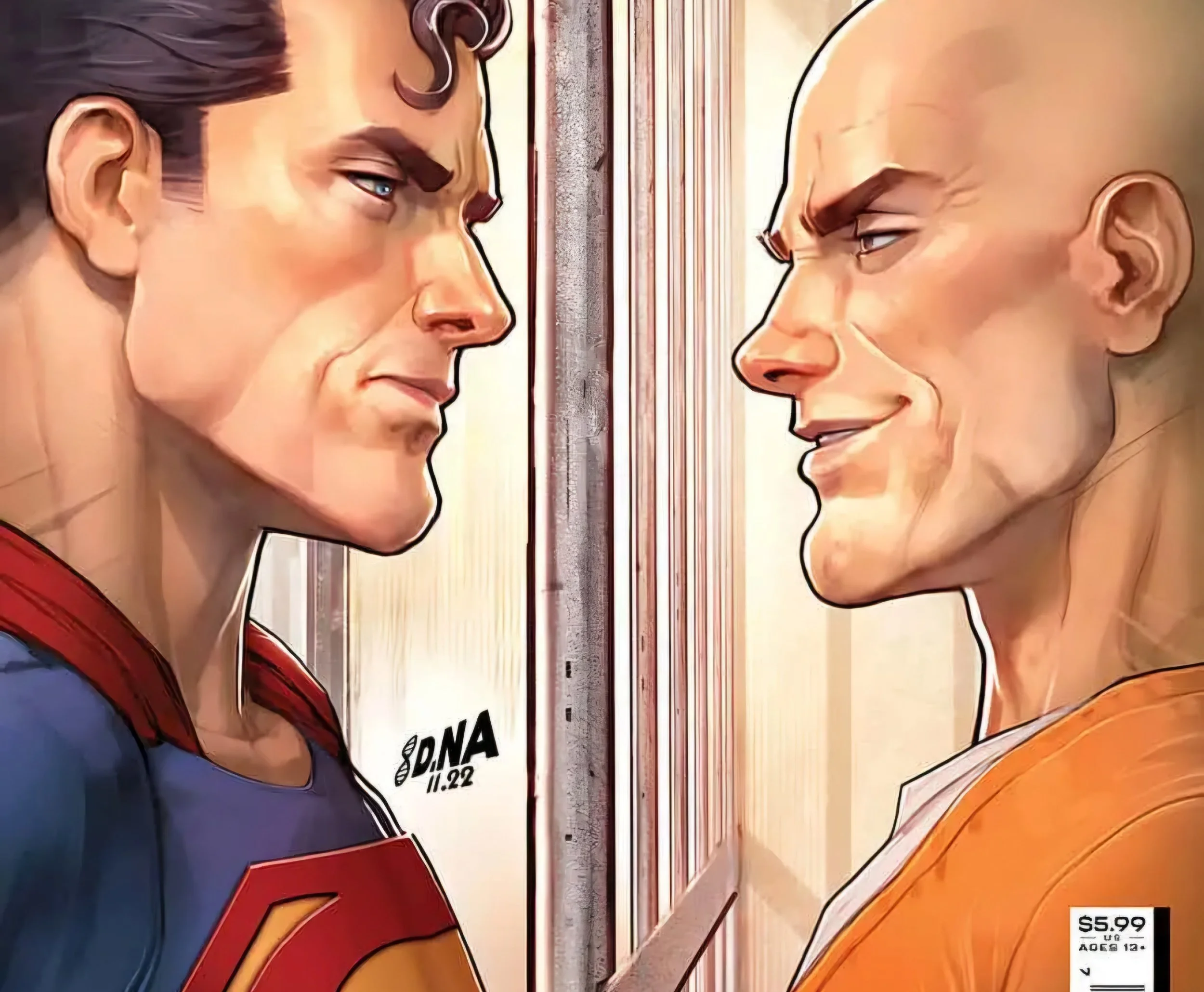
In the episode, we find a character whose fate was decided in the Superman climax. This character, whom we know to be Nicholas Hoult's Lex Luthor, is imprisoned at Belle Reve, confirming that his world-threatening actions involving his dimensional technology—the notorious "Luthor Incident"—led directly to his incarceration.

Now, A.R.G.U.S. Director Rick Flag Sr. (Frank Grillo) is desperate. Peacemaker has escaped to a Nazi-tinged alternate dimension, and Flag needs the world’s foremost and most dangerous expert on unstable dimensional portals. That expert is Lex.

Flag offers Luthor the ultimate prize for his help: a transfer out of Belle Reve and into the much softer, non-metahuman prison of Van Kull, calling it an "opportunity for redemption." The deal? Lex has to lend his genius to tracking down Peacemaker's dimensional portal technology, which is throwing dangerous energy readings across their universe.


The Multiversal Path to Man of Tomorrow

This scene is the trigger for the entire next phase of the DCU. As James Gunn has emphatically stated, Peacemaker Season 2 is a "prequel" to Man of Tomorrow.

The Luthor scene is the moment the villain gains crucial leverage to escape the metahuman prison system. By forcing him to "collaborate" with the government, Flag is unknowingly putting Luthor on the path to freedom, a path that will inevitably lead to him regaining his power and influence. It’s a classic supervillain move executed with modern DCU precision!

The dimensional chaos created by Peacemaker’s Quantum Unfolding Chamber inadvertently gives Lex Luthor the perfect excuse to re-enter the main stage. The multiversal threat that Peacemaker unleashed is exactly the kind of massive, shared foe that Gunn has teased will force an unlikely alliance between Superman and a newly "heroic" Lex Luthor in Man of Tomorrow.


Don't Miss the Finale Setup

There are still two high-stakes episodes left in Peacemaker Season 2, which James Gunn has kept under tight wraps because they contain major spoilers for the wider DCU!

The season finale, which airs October 9th, is expected to be the most crucial episode in setting up the Man of Tomorrow conflict. You won't want to miss a moment of the final push.

Catch all new episodes of Peacemaker Season 2 streaming exclusively on Max every Thursday! The fate of a major Superman villain—and the plot of the next big film—is being decided right now on your TV screen!

A New Face of Fear? 7 Villains We Could See in The Batman Part II

George SerranoComment

Following the triumph of The Batman, director Matt Reeves has left fans buzzing with a tantalizing tease about the sequel's villain: a character we haven't seen properly done on the big screen. This promise opens up Batman's rogues' gallery to some of its more compelling, and often more horrifying, figures. Given the established themes of corruption, inherited legacy, and psychological terror, we've ranked the most probable villains to be the next big threat to Robert Pattinson's Caped Crusader.


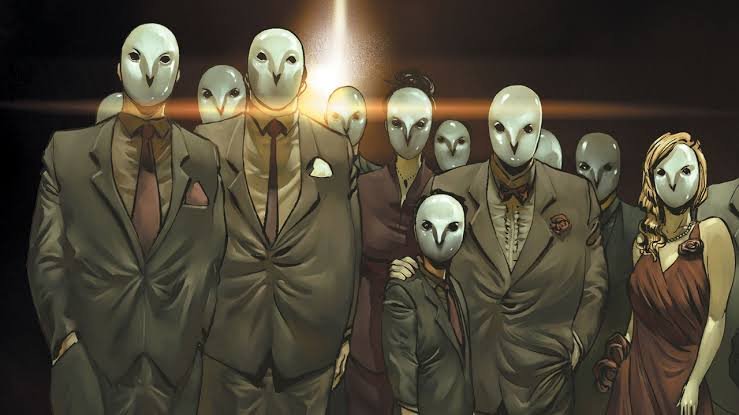
The Court of Owls 🦉⛪️

Debut: Batman (Vol. 2) #6 (February 2012) Created by Scott Snyder and Greg Capullo.

The Court of Owls is a centuries-old secret society of Gotham's elite who use an army of undead assassins called Talons to control the city from the shadows. They were long considered a children's rhyme or urban legend, but they are very real, manipulating events and people for generations.

Probability: Most Likely. This group is the perfect fit for Reeves' universe. The first film and The Penguin TV series have heavily focused on Gotham's deep-rooted corruption and powerful families. Introducing a cabal like the Court of Owls would not only expand on this theme but would also directly challenge Bruce Wayne, forcing him to confront his own family's history and potential complicity in Gotham's decay.


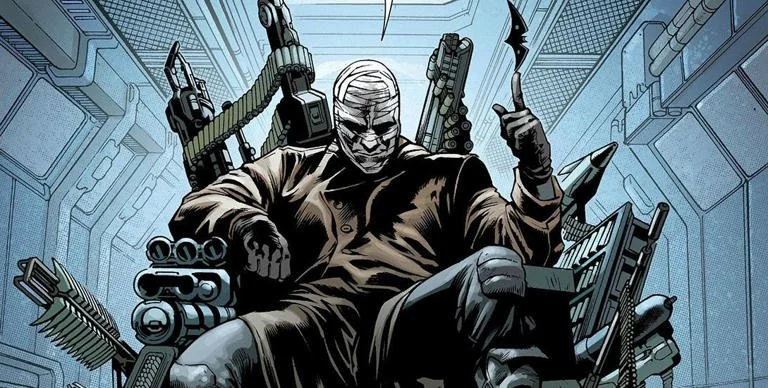
Hush 😈🕵‍♂️

Debut: Batman #609 (January 2003) Created by Jeph Loeb and Jim Lee.

Thomas Elliot was a childhood friend of Bruce Wayne who, out of jealousy, tried to kill his own parents to inherit their wealth. When Thomas Wayne saved his mother's life, Thomas Elliot grew to despise the Wayne family, eventually becoming a masterful surgeon who uses bandages to hide his identity and orchestrate a complex revenge plot against Batman.

Probability: Strong Contender. This villain offers a deeply personal and psychological threat. The first film even included an "Elliot" family reference, which many fans took as a subtle nod. Hush's story is a tense, noir-style thriller that would force Bruce to face a dark reflection of himself, making for a compelling and grounded narrative.


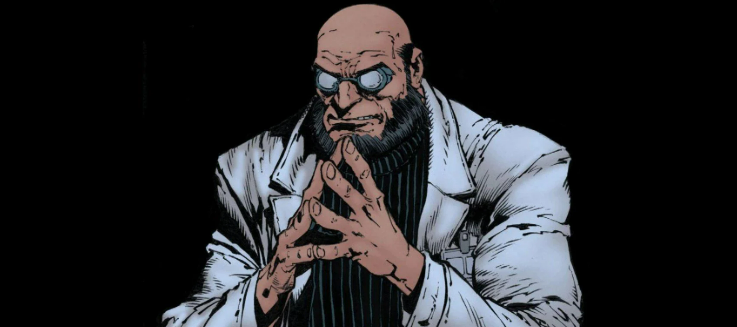
Hugo Strange 🧠👓

Debut: Detective Comics #36 (February 1940)
Created by Bill Finger and Bob Kane.

Origin: Professor Hugo Strange is a brilliant but unstable psychologist who becomes obsessed with Batman. He uses his expertise in psychiatry and chemistry to create monstrous "Monster Men" and is one of the first villains to correctly deduce Batman's secret identity, an obsession that consumes him completely.

Probability: Good Fit. Strange represents a purely mental and intellectual challenge for Batman. The first film's ending sets up Arkham Asylum as a key location, and Strange's role as a leading figure there would be a natural way to expand the universe and explore its psychological darkness. While he's appeared in other live-action shows, he's never been the main villain of a film.

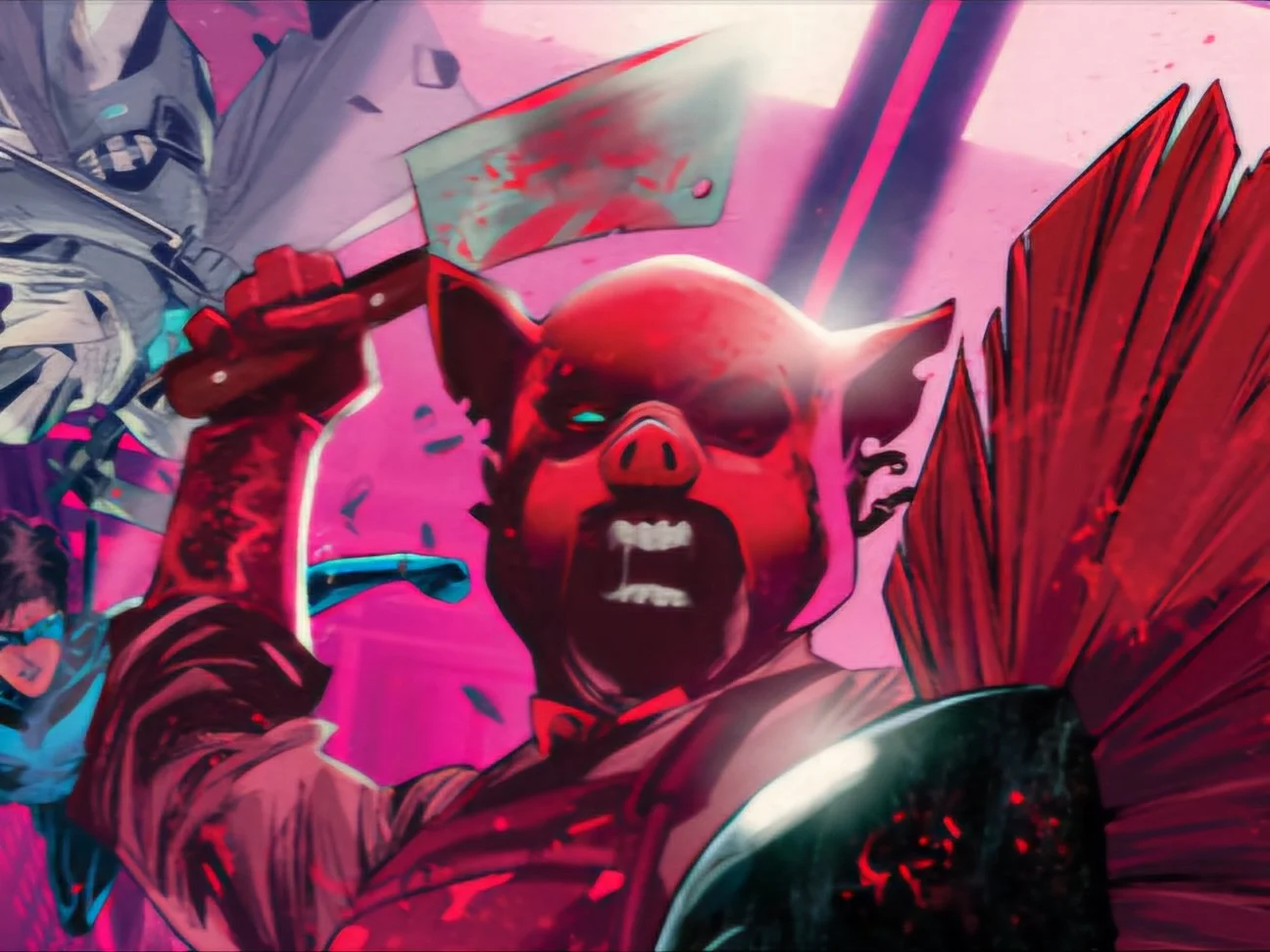
Professor Pyg 🔪🐽

Debut: Batman and Robin #1 (August 2009)
Created by Grant Morrison and Frank Quitely.

Lazlo Valentin was a traveling circus master who becomes obsessed with making people "perfect" through twisted surgical procedures, turning them into docile, doll-like creatures he calls Dollotrons. He leads a "Circus of Strange" and views his horrific acts as a form of performance art.
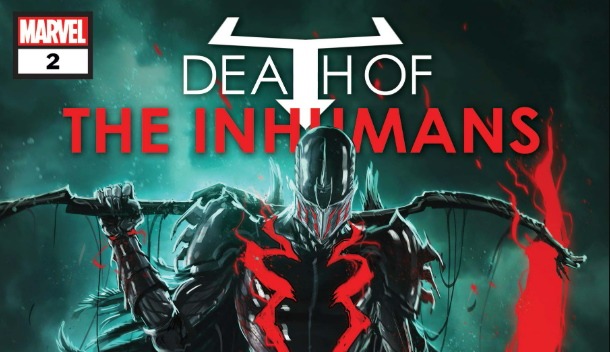
Probability: A Terrifying Possibility. This villain would be a great way to lean into the horror elements of Reeves' universe. Pyg offers a different kind of terror than the Riddler, focusing on grotesque body horror and psychological torment. While he's a newer character, his gruesome nature fits the dark, grim tone perfectly and would provide a fresh, chilling direction for the sequel.

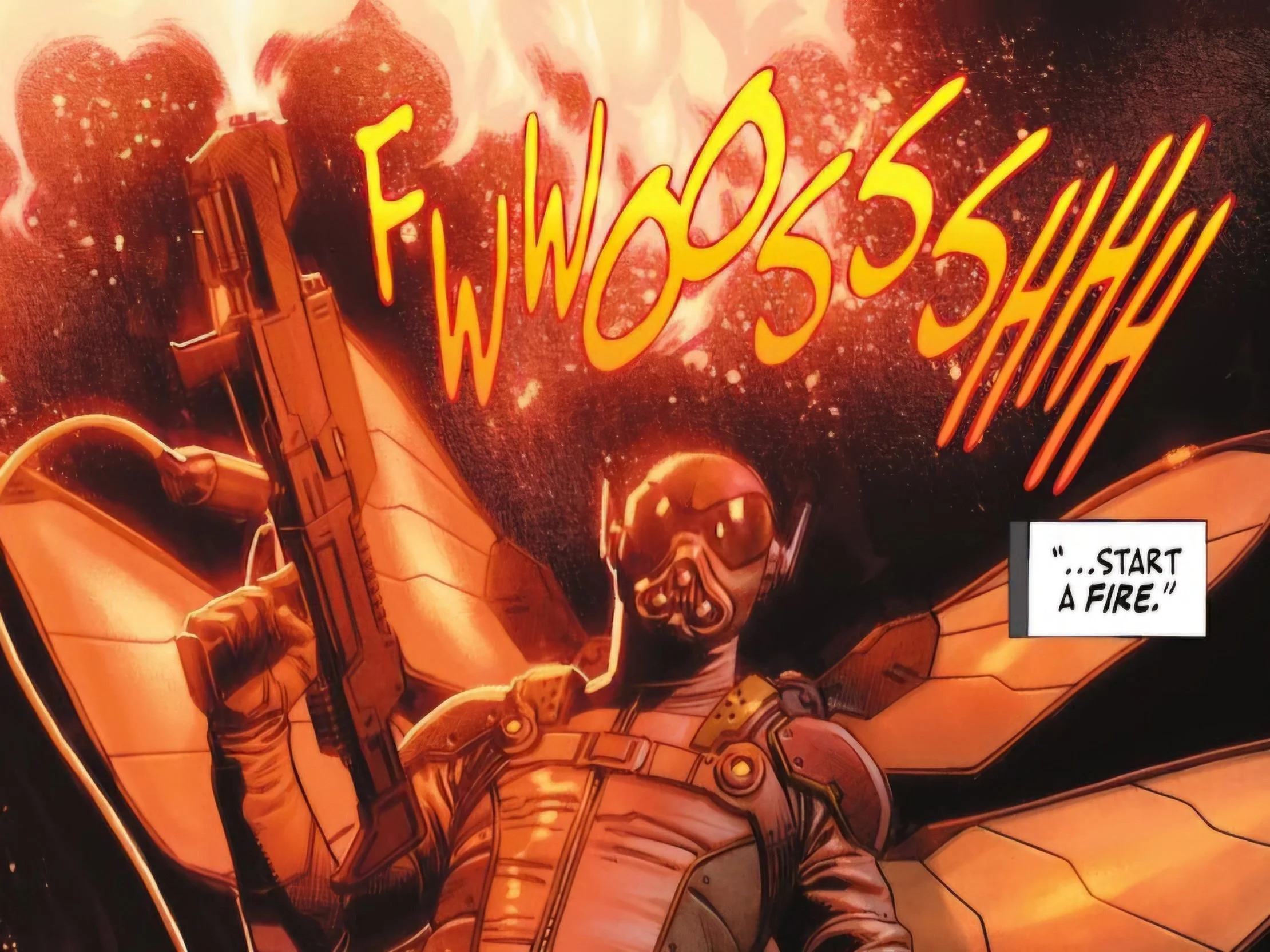
Firefly 🔥☣️

Debut: Detective Comics #184 (June 1952)
Created by France Herron and Dick Sprang.

The most prominent version of Firefly is Garfield Lynns, a special effects expert and pyromaniac who becomes obsessed with fire after a traumatic event leaves him scarred. He outfits himself with an insulated, fireproof suit, a flamethrower, and a jetpack, seeing the city as something beautiful to be burned down.

Probability: A Unique Choice. Firefly's obsession with fire and destruction would provide a unique visual and thematic contrast to the dark and wet Gotham we've seen. He fits the grounded, realistic tone as a deranged pyromaniac with a custom suit, not a superpowered being. His crimes of arson would force Batman into a different kind of detective work, focusing on a trail of devastation rather than cryptic clues.


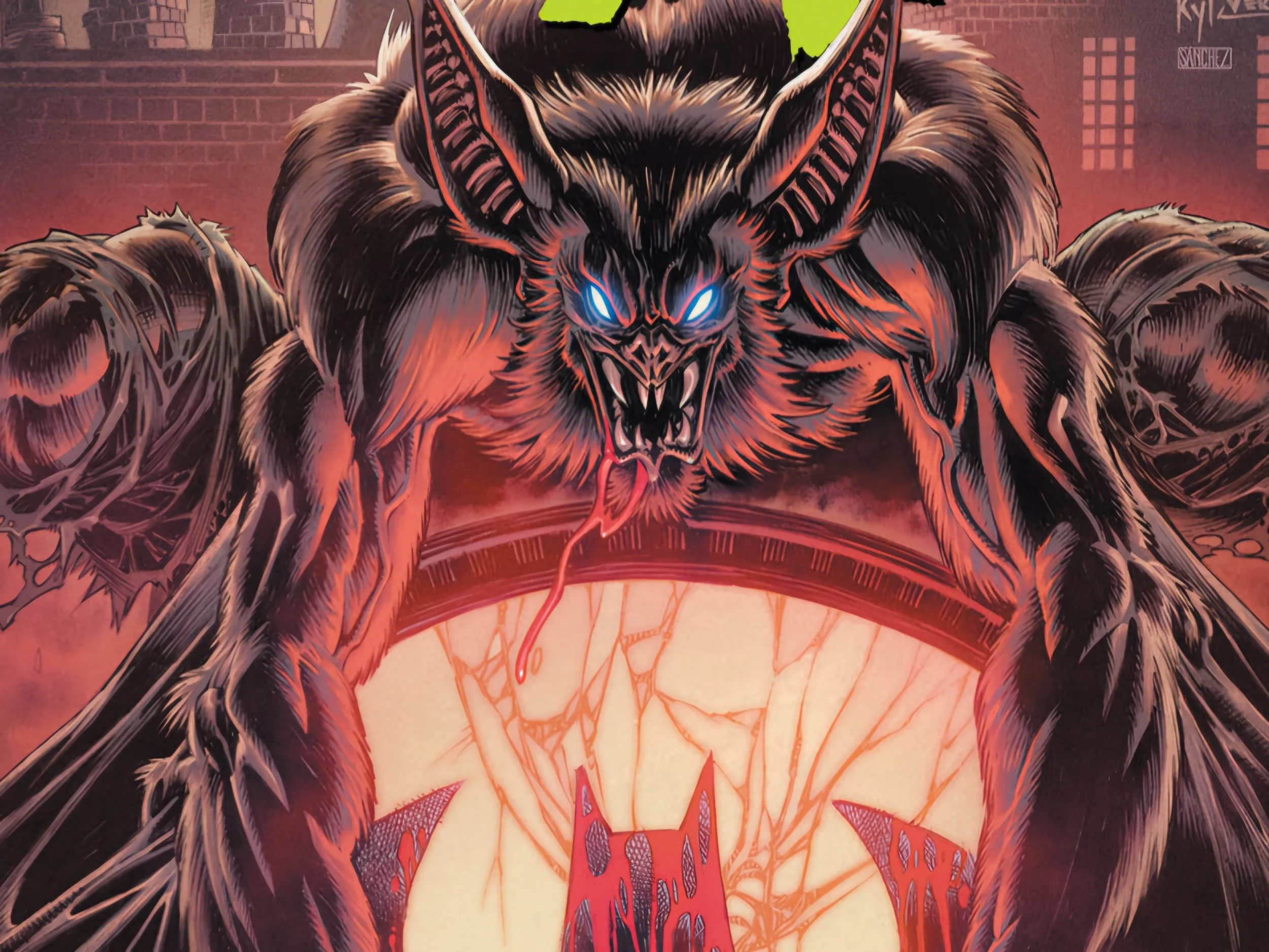
Man-Bat 🦇🧪

Debut: Detective Comics #400 (June 1970)
Created by Frank Robbins and Neal Adams.

Dr. Kirk Langstrom, a renowned zoologist, attempts to give himself bat-like sonar abilities to cure his own deafness. His experiment goes horribly wrong, transforming him into a monstrous, bat-like creature with enhanced strength and agility that he cannot control.

Probability: An Outside Shot. While it might seem too fantastical, a horror-based approach to Man-Bat could be incredibly effective. Reeves could portray him as a tragic figure and a terrifying creature, pushing the boundaries of what is considered "realistic" within this cinematic world while maintaining a grounded, character-driven story. He has never been a main villain in a live-action film.


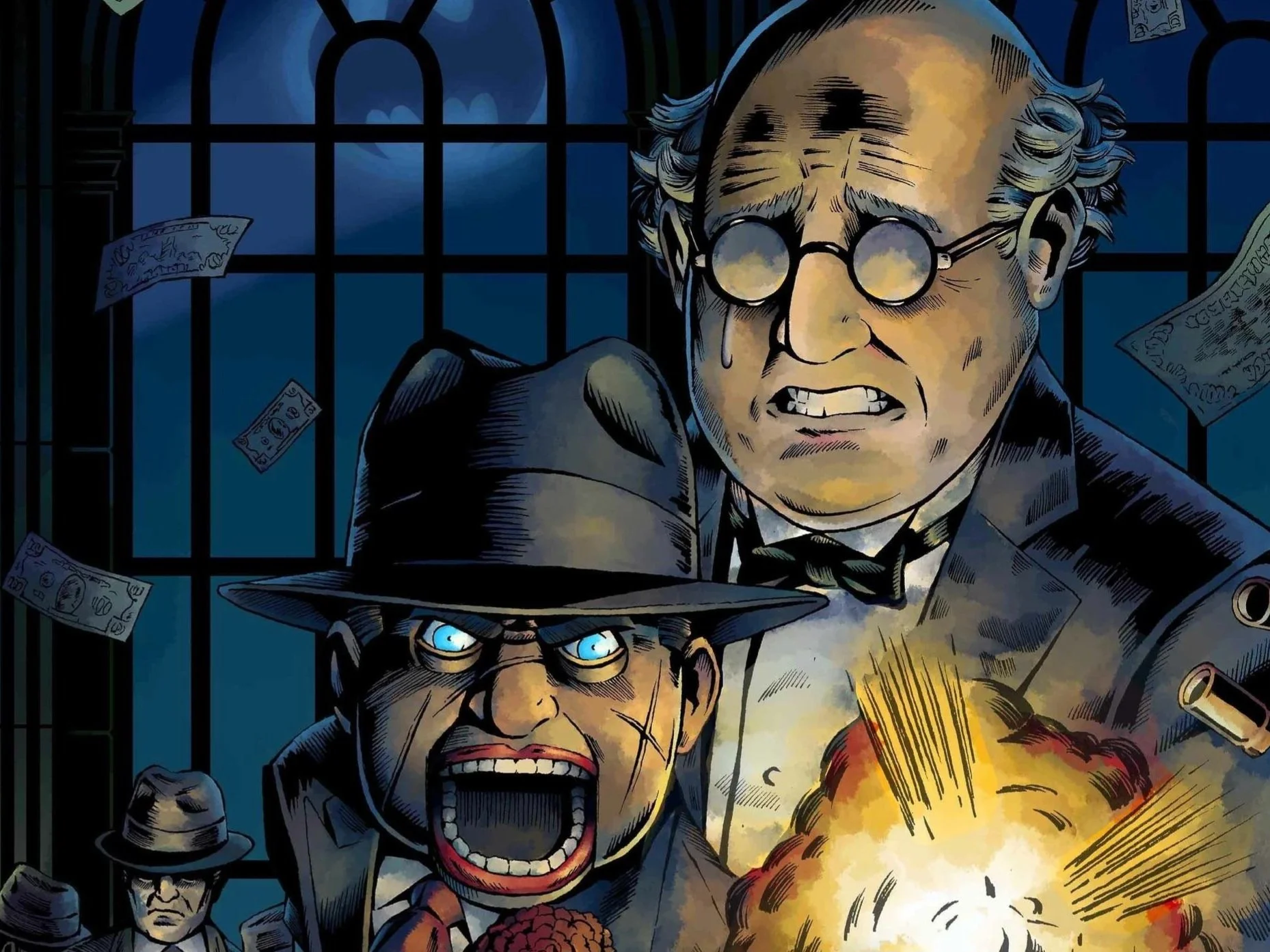
The Ventriloquist & Scarface 🎩🎭

Debut: Detective Comics #583 (February 1988)
Created by John Wagner, Alan Grant, and Norm Breyfogle.

Arnold Wesker is a timid, quiet man with a severe case of dissociative identity disorder. He channels his aggressive, violent personality into a ventriloquist's dummy named Scarface, a gangster caricature who Wesker believes is a separate person.

Probability: A Dark Horse. This villain offers a compelling look into a fractured psyche that would be a fascinating addition to Reeves' world. The contrast between Wesker's timidness and Scarface's viciousness would make for a truly bizarre and memorable antagonist, all without needing to stretch the boundaries of "realism."

But what do you think? Who do you think Matt Reeves is considering as the antagonist of The Batman II?

The Pros and Cons of Bringing Kang Back to the MCU: Is Time on His Side?

George SerranoComment

The Marvel Cinematic Universe is at a crossroads, and with whispers and unverified reports circulating on social media platforms like Reddit and X, a familiar question is making the rounds: with rumors swirling about Jonathan Majors' potential return as Kang, is there a way to bring him back into the MCU, and what message would that send?

As a tremendous fan of Jonathan Majors’ work, from his powerful performance as Atticus Freeman in Lovecraft Country to his commanding presence as Damian "Diamond Dame" Anderson in Creed III, and of course, his captivating portrayals of both Kang the Conqueror and Victor Timely in the MCU, it is difficult to separate the art from the artist. These are concerning matters, and it is important to clarify the legal situation: Majors was found guilty of two misdemeanor counts of reckless assault and harassment. He was not convicted of a felony. Yet, these events raise serious questions about his return to a family-friendly franchise. It is also a reminder that these court proceedings, and the discussion surrounding them, should not overshadow the very real impact they have on the victim. Her experience should be handled with empathy and respect as we consider the ramifications of this situation on the entertainment world.

Let's play devil's advocate and dive into the pros and cons of bringing Majors back to the MCU, framed through the lens of Kang's own time-bending antics. This is not about whether he will, but what it would mean if the Jonathan Majors return as Kang happened.


CON: The Kang-troversy: Will Fans Accept His Return?

The biggest hurdle for Marvel and Disney is the public relations nightmare. Bringing Jonathan Majors back, even with a non-felony conviction, could be perceived as condoning domestic violence. In an era where corporate culture and public image are more scrutinized than ever, this could be a massive misstep. The #MeToo movement and a heightened awareness of accountability have fundamentally changed how the public views celebrity indiscretions. A decision to bring Majors back could send a signal that the company's stance on such issues is not as steadfast as they have claimed, and it could alienate a portion of their family-friendly audience, which is a risk they may not be willing to take.


PRO: Why the Actor is Irreplaceable for the MCU's Kang

For many fans, Majors is Kang the Conqueror. His charisma and the sheer weight he brought to the character from the quirky, almost-sympathetic Victor Timely to the terrifying, multiversal threat were a highlight of the MCU's Phase 4. He commanded the screen with a physical presence and an unsettling stillness that was a refreshing departure from the CGI-heavy villains of the past. Majors' ability to portray multiple variants of the same character, each with a distinct personality but an underlying current of megalomania, proved his unique talent. Recasting the role would undoubtedly feel jarring, requiring audiences to accept a new face for a character who was so perfectly cast from the start. Keeping Majors would maintain a sense of continuity and creative integrity that would be difficult to replicate.


CON: Blazing the Same Trail Twice After MCU Rewrites

Marvel has already done a significant amount of work to move past the Kang storyline. Following the legal issues, reports confirmed that Marvel began to rethink its entire Multiverse Saga. Avengers: The Kang Dynasty was reportedly changed to Avengers: Doomsday, a clear sign of a pivot. Writer Jeff Loveness was also removed from the project, and the studio reportedly started referring to the film internally as "Avengers 5," a strategic move to distance it from the now-tarnished antagonist. Reintroducing Majors would force them to either ignore all the groundwork they have laid or undertake a complex, and potentially confusing, series of retcons. It could undermine all the hard work they have done to have fans not miss him, and instead force them to re-litigate a storyline they had already abandoned.


PRO: A Familiar Formula for a Second Chance

Marvel and Disney are no strangers to giving actors a second chance. The most famous example, of course, is Robert Downey Jr. His personal struggles were well-known before he was cast as Iron Man, a decision that not only revitalized his career but also became the foundation of the entire MCU. Bringing Majors back could be seen as a similar act of professional rehabilitation, a show of faith in an actor's ability to move forward. It is a message that could resonate with those who believe in redemption, especially given the non-felony conviction. It would require the studios to navigate a complex public relations landscape, but it would not be the first time they have placed a bet on a talented actor in a difficult personal situation.


CON: The Legal and Financial Backlash of a Potential Comeback

The decision to drop Majors was not just a creative one, it was a business decision aimed at mitigating risk. A return would open the door to a new wave of legal and public relations battles. It could expose the company to criticism, protests, and even boycotts from groups that feel strongly about holding individuals accountable for their actions. Given the immense financial stakes of the MCU, a potential backlash could be a far greater threat than any fictional supervillain. The MCU is a family-friendly juggernaut, and any perceived lack of commitment to its values could have a ripple effect on box office performance and merchandise sales.


PRO: The Groundwork Is Already Laid

For better or for worse, the MCU has already laid a significant amount of groundwork for Kang. From the mind-bending reveal of "He Who Remains" in Loki to the introduction of the Council of Kangs, to the full-on battle with the Conqueror in Quantumania, Kang's narrative threads are woven throughout the Multiverse Saga. Abruptly abandoning the character, as many have theorized, leaves a dangling plot thread that some fans feel would be deeply unsatisfying. This is where a strategic, one-off cameo becomes a powerful story device. By bringing Majors back, Marvel can give fans a sense of closure on a villain they were told was the "next Thanos," instead of having all of that setup feel like a wasted effort. This could be done by having his character return only to be swiftly and brutally decimated by a new, more powerful villain like Doctor Doom. Such a scene could be a visceral, intimidating moment to establish Doom's authority and ruthlessness, setting him up as the true overarching threat of the Multiverse Saga.

In the end, the question of whether to bring Jonathan Majors back as Kang is a complex one, with no easy answers. The decision will not only affect the future of the MCU but could also send a powerful message about second chances, accountability, and the ever-changing landscape of Hollywood. It seems that for Marvel and Disney, the greatest villain they face may not be a time-traveling conqueror, but the court of public opinion.

What's your take? Is it time for a Kang-back, or should the MCU keep ticking along without him?

From Punching Hitler to Protecting Him: How Superhero Morality Got Lost

George SerranoComment

How far have we fallen as a culture when we are debating whether Adolf Hitler should have been spared? This question is not hypothetical. It is playing out in a comic book preview and reflects how confused our sense of right and wrong has become in stories that have long shaped moral understanding.

In the upcoming Batman/Deadpool crossover, Captain America stands over a surrendering Hitler, pistol raised. Hitler lifts his hands and mutters, “Ich gebe auf”—“I surrender.” Cap’s face is twisted with grief and rage as he says, “Millions dead. Friends, people I love.” Before he can act, Wonder Woman intervenes: “Do you truly wish to kill this man? Is this right? Is this justice?”

The moral clarity of Captain America punching Hitler, established in 1941, has now been replaced with hesitation. A hero who once acted decisively in the face of the most obvious evil in history is now shown questioning whether even Hitler deserves death. Yes, in 2025.


How Comics Historically Confronted Nazis

From the Golden Age of comics, superheroes confronted Nazis with no hesitation. Captain America’s debut cover, first issue in 1941, depicted him delivering a decisive punch to Hitler. Villains were villains. Evil was clearly defined. There was no moral gray area.

Other heroes followed suit. The Human Torch, Bucky, and even Wonder Woman in early stories fought Nazi agents and stopped sabotage plots with direct, unambiguous action. Red Skull, Baron Zemo, and other recurring villains embodied threats to freedom and marginalized communities, and heroes did not pause to debate whether justice should be tempered by hesitation.

This clarity helped establish a moral baseline in comics: evil must be confronted, and those who perpetrate mass harm deserve to be stopped. These stories were both propaganda and moral instruction. They drew lines between right and wrong that readers of all ages could understand and internalize.


A Questionable Benefit of the Doubt

Some argue that Chip Zdarsky’s scene may include nuance not visible in the preview. It is possible. Full context could show a resolution that preserves Captain America’s heroism while exploring moral dilemmas.

Even with that possibility, skepticism is warranted. The preview explicitly frames Hitler’s surrender, Cap’s grief, and Wonder Woman’s moral questioning. It signals a deliberate exploration of hesitation in the face of evil. While nuanced storytelling can add depth to characters, framing Hitler as a potential candidate for mercy is a dramatic shift from the historical treatment of Nazis in comics.

The concern is not the story itself. The concern is what this shift represents: a cultural willingness to debate whether someone responsible for mass genocide should be spared, even in fiction. That hesitation has consequences for how we perceive moral certainty in real life.


Fiction Hesitates, Reality Punishes

Meanwhile, reality treats moral clarity differently. Around the same time this comic preview circulated, DC Comics fired Gretchen Felker-Martin and canceled her Red Hood series after she labeled conservative activist Charlie Kirk a “Nazi” on social media shortly after his death. The company cited violations of “standards of conduct” against promoting hostility or violence.

This contrast is stark. Fiction can explore whether Captain America should spare Hitler. A real-world creator is punished for speaking plainly about a contemporary political figure whose rhetoric many argue aligns with dangerous ideologies. Kirk’s defenders sanitized his image, calling him a “father” and a “free-thinker,” while celebrating the silencing of a professional who addressed the dangers she saw.

This juxtaposition exposes a cultural double standard. We are comfortable debating the morality of sparing the most notorious villain in history but hesitant to name contemporary threats for what they are. That hesitation sends a dangerous message.


The Broader Cultural Implications

Superhero stories have always reflected cultural values. When comics portrayed Nazis unambiguously as evil, they reinforced the idea that some actions and some people are clearly wrong. When stories introduce hesitation or moral ambiguity in the face of clear evil, they blur those lines.

The implications extend beyond fiction. Extremist movements have gained traction by normalizing moral ambiguity, and hesitation in cultural storytelling can subtly legitimize those movements. If even Hitler becomes a question in popular media, audiences may start to see other dangerous ideologies as debatable rather than condemnable.

Moreover, younger readers who look to superheroes for moral guidance may be exposed to the idea that hesitation is not only acceptable but expected, even against those whose crimes are indisputable. This is a sharp contrast to the moral clarity of earlier comics and represents a profound cultural shift.


Why Moral Clarity Still Matters

The lesson of the first Captain America cover remains: when evil shows its face, heroes act decisively. Hesitation costs lives. Fiction might explore nuance, but reality demands conviction. If we start treating even Hitler as a question mark, what modern villains or extremists will slip by under the guise of “complexity” or “forgiveness”?

The world does not need more hypotheticals about whether the worst people in history deserved mercy. It needs more heroes willing to act, and more creators willing to call out real-world threats without fear of professional punishment.

Superheroes teach lessons about courage, justice, and moral clarity. If they hesitate against the worst, we risk teaching hesitation as a virtue when confronting evil in real life. The first Captain America cover delivered a message that was simple and uncompromising: evil must be stopped. That message is more relevant than ever. Neither heroes nor society should flinch.

But what do you think? Tell us more below!

A 60-Year Saga: The Rise, Fall, and Resilience of Marvel's Inhumans

George Serrano1 Comment

What's up, comic fans! Can you believe it's been 60 years since the Inhuman royal family made their Marvel Comics debut? This incredible group of characters first crashed into the Marvel Universe on this very day in Fantastic Four #45, way back in December 1965, brought to life by the legendary Stan Lee and Jack "The King" Kirby. Their formal debut was a bit of a slow burn, as members like Medusa and Gorgon actually showed up earlier as villains in Fantastic Four before the full team was revealed. Kirby’s ambition for this hidden, super-powered society was for them to become "mainstays" of the Marvel Universe, with their own major titles. However, even from the beginning, Marvel seemed to struggle with how to use them, often relegating them to secondary stories and back-up features in other comics, like Thor. This strange start for a group that was meant to be so prominent set a pattern that would repeat for decades.  


The Run That Got It Right: The Marvel Knights Renaissance

For a lot of fans, the Inhumans didn't truly hit their stride until the 1998 miniseries by writer Paul Jenkins and artist Jae Lee. This series was a game-changer because it was part of a larger Marvel effort to reinvigorate its properties by letting creators tell compelling, character-driven stories with a distinct sensibility. The Jenkins/Lee series did this by reframing the Inhumans not as a simple superhero team, but as a morally and politically complex society. It explored deep themes like international politics, class struggles, and the moral complexities of a society built on eugenics. The series’ dark and grimly compelling art style, full of "chiaroscuro," gave it a unique look and feel and earned it an Eisner Award for its excellence. This run proved that the Inhumans were at their best when they were a unique, self-contained story, focusing on their internal conflicts and flawed society, and not just another group of heroes.  


The Big Corporate Push: From Niche to NuHuman

In the mid-2010s, Marvel decided it was time for the Inhumans to become a major player. Their profile shot up during the Infinity event in 2013, when Black Bolt detonated a special Terrigen bomb to defeat Thanos. The explosion unleashed a massive cloud across the globe, activating dormant Inhuman genes in people everywhere and creating a new generation of "NuHumans" on Earth. Marvel's then-Editor-in-Chief, Axel Alonso, wasn't shy about it, calling it a "game-changer" that would permanently thrust the Inhumans into the forefront of the Marvel Universe. This wasn't an accident; it was a top-down, strategic move. At the time, Disney did not own the film rights to the X-Men, which were held by a rival studio, 20th Century Fox. The Inhumans were being positioned as a conceptual replacement—a new, globally distributed super-powered race for the comics and, hopefully, the Marvel Cinematic Universe.  


The Inhumans Go Mainstream

This new era of prominence wasn't just in the comics. The Inhumans were also introduced into the Marvel Cinematic Universe via the TV show Agents of S.H.I.E.L.D., which was surprisingly successful in developing their hidden culture and lore. The Terrigen Cloud also had a major effect, creating one of Marvel's most popular new heroes of the decade: Kamala Khan. Kamala, the first major Muslim protagonist in Marvel comics, gained her powers in the aftermath of the "Inhumanity" storyline and took up the mantle of Ms. Marvel. The Inhumans' newfound importance was cemented with the 2016 comic book event Civil War II, which centered on a new Inhuman named Ulysses who could see the future. His predictive ability caused a massive hero-vs-hero conflict, proving that Inhumans were no longer just a weird side story—they were now at the heart of the Marvel Universe's biggest events. It seemed the characters had finally arrived.  


The War Nobody Asked For: Inhumans vs. X-Men

This corporate strategy led directly to the event that a lot of fans still remember with a groan: Inhumans vs. X-Men (IVX). The premise was simple but heartbreaking for fans: the Terrigen Cloud that gave Inhumans their powers was also a lethal toxin to mutants, creating a terrible, unavoidable war. Marvel's Chief Creative Officer, Joe Quesada, announced the event himself at San Diego Comic-Con, setting up a clash between the two super-powered races. The narrative of IVX was particularly telling. Many fans felt the story was forced, a business decision rather than a creative one, because the X-Men, traditionally a symbol for marginalized people, were weirdly portrayed as the "bad guys" for attacking the Inhumans to save their own race from extinction. This rivalry never truly won over the fan base.  


A TV Debacle and a Creative Reset

The corporate push reached its most disastrous point with the 2017 Inhumans TV series, a project that had been initially announced as a feature film but was "demoted" to a television production. The show was a spectacular failure on every level, and the reasons why are now legendary among fans. It was given a very small budget, which forced the storytellers to make strange creative choices to avoid costly special effects. Showrunner Scott Buck was heavily criticized for the incomprehensible plot and bizarre character decisions, with one review calling the writing "poorly done fan-fic" because of its "inexplicable character development." For example, Medusa's iconic hair, a key part of her power and visual identity, was cut off almost immediately to save money on special effects. The CGI for Lockjaw was so poor that it looked "cartoonish" and clashed with the show's overly serious tone. The show's IMAX theatrical debut was a total flop, grossing a dismal $3.5 million worldwide and being removed early from theaters, a direct result of its critical reception and fan backlash.  

To "clean the slate" after the TV disaster, Marvel published the 2018 miniseries Death of the Inhumans, a brutal storyline that was seen as a direct "response to the horrible TV show." The story began with the Kree killing thousands of Inhumans with the message "Join or Die" carved into their bodies, a plot that a review called a "named character meat grinder." The series served as a creative way to wipe out the new generation of NuHumans that Marvel had spent years building up, but the ending revealed that many of the supposed deaths were not final, with characters like Triton and Crystal being teleported to a Kree laboratory for experimentation. The story ultimately hit the reset button, leaving the Royal Family in a state of creative limbo.  


Hope on the Horizon: A New Cosmic Era

After years of being in creative limbo and only showing up sporadically in other titles, the Royal Family is finally finding its way back. Black Bolt, accompanied by Maximus and Lockjaw, recently made a big return in Jonathan Hickman’s cosmic series Imperial. This time, Black Bolt is positioned not as a simple hero but as a "ruthless," "dangerous," and "extremely calculated" figure who plans to forge a new empire from the ashes of the old one. It seems Marvel is finally done trying to make the Inhumans a poor man's X-Men. They're letting the Royal Family be the complicated, strange, and fascinating characters they were always meant to be. This more thoughtful approach offers a glimmer of hope that the Inhumans can finally find a meaningful place in the Marvel Universe on their own terms, far from the pressures of corporate mandates.

But what do you think? Do the Inhumans deserve better? Let us know below!

James Gunn's Wildest Twist Yet: The Possible Shocking Truth Behind the "Best Dimension Ever"

George SerranoComment

The second season of Peacemaker throws us into what seems like a perfect fantasy. The main character, Christopher Smith, stumbles into a parallel world that he immediately calls the "best dimension ever," and on the surface, it’s hard to disagree. This place is an idealized version of his life, a total fix for all his problems. But if you look a little closer, this "perfect" world has a dark and twisted secret. This article will break down the clues that suggest this dimension is actually a white supremacist reality, a brilliant and brutal narrative test for Christopher Smith, and a key piece of the puzzle for James Gunn’s new DC Universe.

This isn't just a fun plot twist. It's about using the multiverse to explore something deeply personal, forcing our hero to face a choice between a comfortable lie and a painful truth.


Why This 'Perfect' World Is So Tempting

Christopher Smith's sudden trip to this alternate universe is no cosmic accident; it's a direct response to his emotional baggage. The show lays out just how much he wants a do-over, a chance to fix the parts of his life that have broken him. This new world is a perfect remedy, a mirror of his life where all his regrets are erased.

His biggest hang-up, killing Rick Flag Jr., is gone because this world's Rick Flag is alive and well, giving Chris a chance to atone for what he did. His father, Auggie Smith, isn't the hateful White Dragon but a celebrated hero and a loving dad, which is a big change from the toxic relationship that defines Peacemaker's character. His brother, Keith, who he accidentally killed in Season 1, is also alive and supportive. Even Emilia Harcourt, who is usually emotionally distant in his reality, is a "perfect" and "emotionally available" partner, giving him the one thing his life has always lacked: a simple, loving relationship.

The "best" thing about this dimension is not what it is, but what it isn't. It's a world built specifically to remove all of Christopher’s pain, a subjective fantasy designed to bait him. The real struggle this season isn’t about a physical battle; it’s about whether Chris can reject this toxic "perfection" and choose the messy, flawed, but morally sound reality of his own life.


The Clues Hiding in Plain Sight

For all its charm, this alternate reality has a few major cracks in its facade that have led to a popular fan theory. First floated by creators like Nando v Movies and New Rockstars, the idea that this is a white supremacist world is backed by some serious on-screen evidence.

The biggest and most discussed clue is the complete lack of racial diversity. A viewer who worked in the Atlanta neighborhood where a scene was filmed pointed out that it would take a "conscious effort" to not have a single person of color in the background, given how diverse Atlanta is. This isn't an accident. It’s a purposeful piece of world-building that suggests a "Man in the High Castle" style universe where "racists won and took over the government".

The show also flips the hero and villain roles on their heads. In this reality, Peacemaker's dad, Auggie Smith, is the celebrated hero "Blue Dragon" and his entire racist ideology is not only accepted but celebrated. Meanwhile, the Sons of Liberty, who are terrorists in the main DCU, are seen here as a desperate "underground resistance movement" fighting against a system that has "literally erased diversity." Christopher’s actions here make him an unwitting enforcer of fascism. Small, subtle details also point to this reality, like a newspaper headline about a "Rainbow Creature" which could be a veiled slur against the LGBTQIA+ community, and the German-style pronunciation of "Blüdhaven," Nightwing’s hometown, which hints at a Nazi victory in World War II.

The Smiths also go by Top Trio, which may be a thinly vieled callback to the Third Reich.


James Gunn's Master Plan and the Superman Connection

The "Earth-X" theory is more than just a wild guess; it’s the logical next step for James Gunn's style of storytelling. He has said that his use of the multiverse isn't about "a thousand different Deadpools" but a singular, emotional journey for a character. The whole season is about Chris facing his deepest fears and ideologies. As Gunn has said, it's about what happens when your choices are just a little bit different, a theme he was influenced by from the novel Replay.

The multiverse door Chris uses is the Quantum Unfolding Chamber, a piece of technology first seen in Season 1 in his father's closet. This tech is a "jankier" version of the pocket dimension tech Lex Luthor used in the Superman film, directly linking Peacemaker's new storyline to the wider DCU. The fact that Auggie, a street-level neo-Nazi, had this tech suggests it's much more widespread and dangerous than we thought.

This new reality is also the perfect final step in Christopher's character development. He isn't a racist himself but is constantly struggling with the shadow of his father's ideology. The scene in Season 1 where Vigilante brutalizes racist inmates in prison serves as a benchmark for anti-racism in the show. The "Earth-X" reality will force Chris to move past his passive struggle and actively defy his father's worldview on a multiversal scale.

The theory also fits perfectly with DC Comics history. DC's Earth-X (also known as Earth-10) is a well-established reality where the Nazis won World War II. The most famous version of this reality features a fascist Superman known as Overman, which would be an incredible way to tie everything together. This is a key distinction from Marvel’s unrelated "Earth X," which is a story about a world where everyone has powers.

James Gunn has said that Peacemaker Season 2 is a "prequel" that "directly" leads into his Superman sequel, Man of Tomorrow. The "Earth-X" theory is the only logical way for Peacemaker to set up the next Superman film in a way that aligns with Gunn's character-first philosophy. This means that Man of Tomorrow may have Superman facing his fascist variant, Overman, making Peacemaker a critical primer for the audience.


The Ultimate Final Test

This isn't the first time the show has confronted this darkness; it tackled the ugly reality of Nazis and white supremacy head-on in Season 1 with the White Dragon storyline, showing Christopher's complex struggle with his father’s legacy. Now, with this new universe, that personal conflict is put on a multiversal scale. This is Christopher Smith's ultimate moral test, forcing him to sacrifice a perfect, fake life to prove he has truly rejected his father's legacy and become the hero he claims to be. It's the final step in him truly earning that title, solidifying the multiverse as a central, thematically important, and dangerous element of the new DC Universe. This “Best Dimension Ever” may offer Christopher Smith everything he ever wanted, but can he accept the very ideology he has spent his life trying to escape? We shall see!

But what do you think? Have we gone crazy or does the (Earth) X mark the spot? Let me know below!

Fourth Tomb's a Charm? Why Amazon's Tomb Raider Reboot Might Be The Best Yet!

George SerranoComment

The Tomb Raider franchise is a legend in gaming, but its movie history has always been messy. For more than twenty years, live-action attempts have missed the mark and failed to capture what makes Lara Croft such an icon. Fans have been waiting for something that truly does her justice, and now it looks like that moment is finally here. Amazon is bringing Lara back with a brand new live-action TV series, starring Sophie Turner and guided by Phoebe Waller-Bridge. This report breaks down why this project has everything it needs to be a massive success, taking the lessons of the past and putting the right team in place to finally deliver the Lara Croft we deserve.


​The Silver Screen's Flawed Adventures

​The Angelina Jolie Era: Style Over Substance

​​The first two sets of Tomb Raider movies show how tough it is to fit a big video game story into a two-hour film. The early 2000s films starring Angelina Jolie were a huge deal. The first movie was a big hit at the box office, making $274.7 million worldwide. Critics and audiences loved Jolie's performance, with many calling her a "fated casting" because she was such a perfect match for the classic Lara Croft: fearless and full of attitude.

​But even with a great star, the movies had some big problems. Critics gave them bad reviews, saying the plots were "shallow" and a "cliche-ridden mess". The director of the second movie even said he "hated working on the movie" because the studio and game makers kept interfering. The films succeeded mostly because of Angelina Jolie's star power and the cool action scenes, not because they told a good story.

​The Alicia Vikander Era: An Unfulfilled Promise

​The 2018 movie reboot, with Alicia Vikander, tried a new approach by following the popular "Survivor" video game story. This film was better received by critics and was praised for sticking closely to the games. It showed Lara as a more "multidimensional character with relatable motivations and vulnerabilities". Vikander, a very talented actress, played a more realistic and human version of Lara.

​Despite these good points, the movie had its own set of issues. The villain was "boring," and the story felt "watered down". The movie also spent too much time setting up sequels that never happened. The biggest problem was trying to cram a 12-hour game story into a two-hour movie. This meant key friends and supporting characters had to be cut, which made the story feel less emotional and "underwhelming”


A Character in Constant Motion

​A key detail people often miss is that Lara Croft is not a single character. The games have given us three different versions of her, which is a big challenge for a single movie but a perfect opportunity for a TV show.

​The "Classic" Lara was a witty, aristocratic, and fearless adventurer with her famous dual pistols and amazing gymnastics. The "Survivor" Lara, from the newer games, is a much more human person. She's vulnerable and emotional, and she relies on survival skills, stealth, and a bow and arrow instead of her pistols. A two-hour movie has to choose which version to show, which can upset some fans. But a long-form TV series can start with the more vulnerable "Survivor" Lara and, over many seasons, show her gradually grow into the confident adventurer we all know. This way, we get a single, complete story that a movie could never tell


​The Charm of the Small Screen

​The Power of a TV Show

​The TV series format is the best way to adapt a video game this big. Recently, TV shows based on games have been "FAR superior" to movies, with hits like The Last of Us and Fallout. A series gives the show time to really develop characters and their stories, which a two-hour movie just can't. This means the show can explore Lara's "family history" and "formative experiences" in a natural way. It also avoids the problem the 2018 movie had, where it had to cut out Lara's friends because of time limits.

Tomb Raider Works On TV

We actually have a recent example that proves a TV show is a great way to tell a Lara Croft story. The animated series, Tomb Raider: The Legend of Lara Croft, from Netflix has been called Hollywood's most successful Tomb Raider adaptation yet, even with a few bumps along the way. The show's amazing animation and strong voice acting were a big hit. It also gave plenty of screen time to Lara's friends and supporting characters, which the last movie failed to do. The show added new emotional depth to Lara's story and was more imaginative with its fantasy elements than the films had been. While the writing was a little clunky at first and some character designs didn’t excite viewers, the show found its rhythm and showed that a smaller screen can truly bring Lara's world to life/

​The Creative Team

​One of the biggest reasons for optimism is the creative team. Phoebe Waller-Bridge has a lot of creative control over the series. Her writing is famous for being "snappy" and having "mischievous wit" and "emotionally honest" storytelling. Her work on Fleabag and Killing Eve proves she's amazing at creating "unapologetically human," complex, and flawed female characters that audiences fall in love with. Her skills are exactly what the previous movies were missing when they failed to give Lara the intelligence and wit she deserved.

​A New Lara for a New Era: Sophie Turner

​The choice of Sophie Turner as Lara Croft has caused some mixed reactions, with some fans wondering if she can be "bad-ass" enough. But this is a mistake. The genius of her casting is that she's being picked for her ability to show a character's growth over time. Her most famous role, Sansa Stark in Game of Thrones, was a character who went from a naive young girl to a powerful leader over many seasons. This experience is perfect for Lara's journey from a survivor to a tomb raider. This shows the new series is focused on telling a slow, believable story, which is exactly what it needs to do.


​A Bright Future

The Evolution of Laura Croft by joaoppereiraus

​The previous Tomb Raider movies failed because they tried to fit a huge, sprawling story into a restrictive film format. The Angelina Jolie films were charismatic but lacked a good story, while the Alicia Vikander film had the right story but had no time to tell it properly. The new series solves these problems by using the TV format, which is a perfect fit for the games' scope. With a visionary writer, a lead actress who is a pro at showing character growth, and a medium that allows for deep storytelling, this new show is positioned to finally deliver the adaptation fans have been waiting for.

But what do you think? Have they finally learned their lesson with Laura or will we be doomed to raid this tomb to death? Tell me below!