
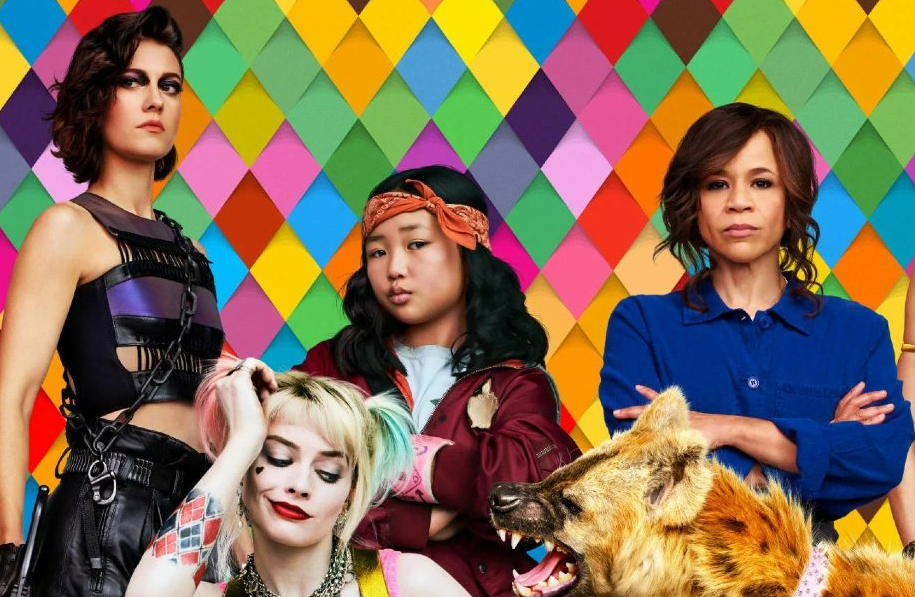
It has now been half a decade since Birds of Prey (and the Fantabulous Emancipation of One Harley Quinn) premiered. During that time, the film has gained a reputation as a stylistically bold, comedic alternative to the heavier, more militarized superhero films that defined the 2010s. It is frequently praised for its choreography, its approach to female ensemble dynamics, and its willingness to be colorful in a genre that often leans metallic and gray. In many circles, it is remembered as refreshing, playful, and proudly unconcerned with traditional expectations of what a superhero movie should look like.
Yet alongside that appreciation, there remains a lasting and unresolved frustration among readers who are deeply familiar with the Bat-family. The issue is not the film’s tone, its humor, or even its narrative focus on Harley Quinn. The concern continues to be what the film chose to do with Cassandra Cain. For a character whose entire thematic core revolves around trauma, communication, identity formation, and self-reconstruction, the adaptation she received was not simply loose. It was disconnected from the foundation of who she is.
This critique is directed at the writing and the studio-level adaptation choices, not at actress Ella Jay Basco. Basco performed the version of Cassandra she was given, and she did so with charm and presence. The responsibility for the character’s portrayal lies with Warner Bros. and the creative leadership behind the script, which made decisions that disregarded the narrative and emotional history Cassandra carries. The frustration is not fueled by personal irritation. It is rooted in the erosion of a character who represents something rare and deeply meaningful in the history of superhero storytelling.
Cassandra Cain’s Core Identity
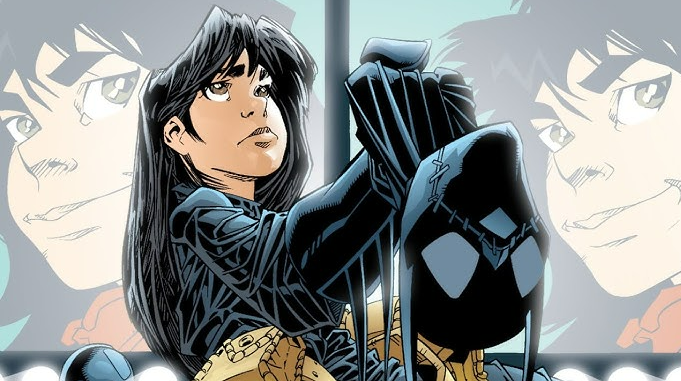
Cassandra Cain first appeared in Batman #567 in 1999, created by Kelly Puckett and Damion Scott during the "No Man’s Land" era. She did not arrive as a variation on an existing archetype. She represented a completely new approach to what a vigilante hero could be. Raised by assassins David Cain and Lady Shiva, she was trained from infancy to read body movement as language. This allowed her to understand intention, emotion, and decision in a way even Batman could not. However, this came at a cost: spoken language and extended verbal communication were never part of her upbringing.
Writers such as Kelley Puckett, Chuck Dixon, and Scott Beatty made Cassandra’s journey into literacy and speech a central emotional arc, not an incidental detail. Over time, creators like Gail Simone, Adam Beechen, and Bryan Q. Miller expanded her complexity, weaving her into stories where her silence was not framed as a flaw but as a language of its own. During Simone’s run on Batgirl, we see Cassandra begin to form bonds built on mutual recognition rather than conversation. In the Outsiders and Batman Incorporated periods, her reputation as one of the most skilled combatants in the DC Universe is treated as an established fact, not a novelty.
Cassandra’s narrative speaks to people who communicate nonverbally or who experience language as secondary to presence and perception. For many fans who are nonverbal, autistic, Deaf, selectively verbal, or who grew up translating emotional environments before spoken ones, Cassandra was one of the few characters who reflected their interior reality with seriousness and respect. Her silence was not comedic. It was not quirky. It was not an obstacle to overcome. It was a form of meaning and identity.
The Version We Received in Birds of Prey
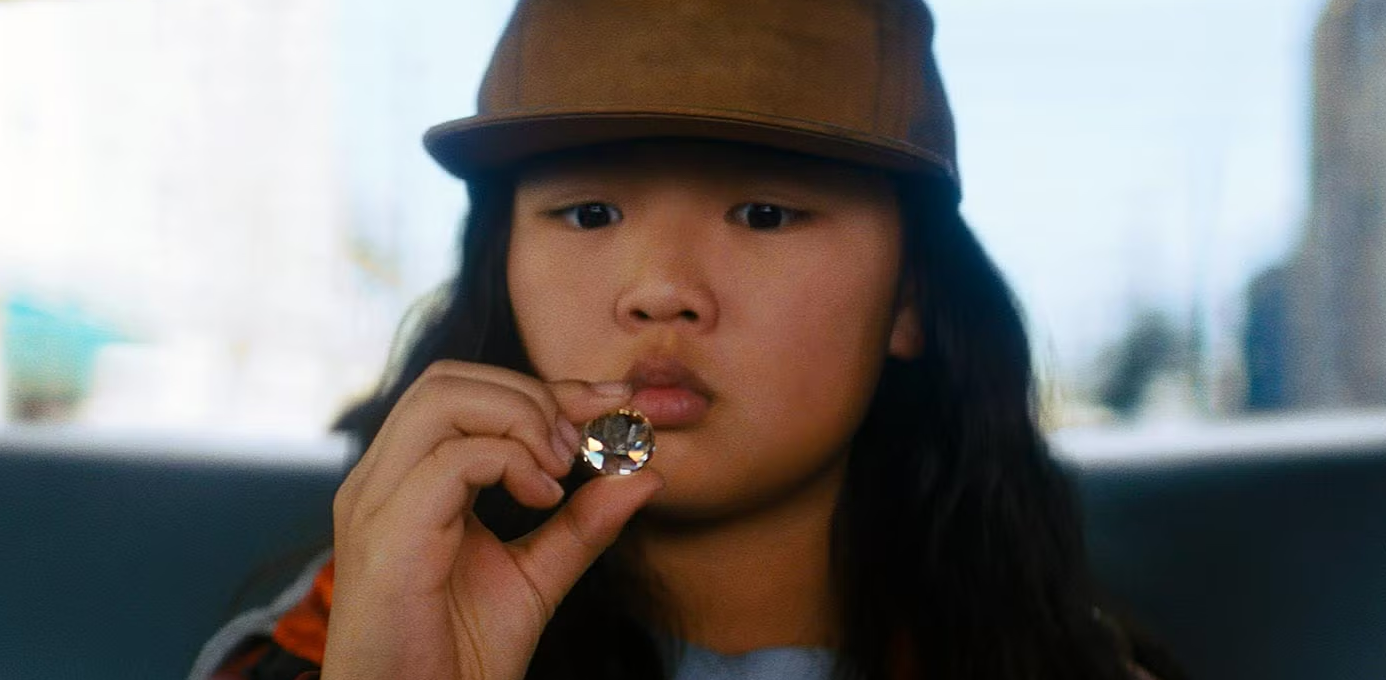
Birds of Prey reimagines Cassandra Cain as a talkative foster kid who serves as a narrative catalyst rather than a character with emotional stakes. She steals a diamond, becomes a target, and moves through the story primarily as an object of pursuit or protection. The silence that shaped her in the comics is gone. Her training and combat identity are absent. Her emotional arc is replaced with situational humor and reactive framing.
This was not a matter of compressing a long comic history into film time. Key elements of Cassandra’s character were replaced with entirely unrelated traits. The Cassandra of the comics is introspective, highly observant, and physically expressive. The Cassandra of the film is verbal, external, and framed around comedic timing. The shift is not interpretive. It is extractive.
Because of this, many viewers who met Cassandra for the first time through the film encountered a version that shares only the name. That shift has consequences. Film, unlike comics, has broader cultural reach. When a character’s first major mainstream adaptation misrepresents them, that misrepresentation becomes the starting point of public understanding.
Consequences That Haven’t Gone Away
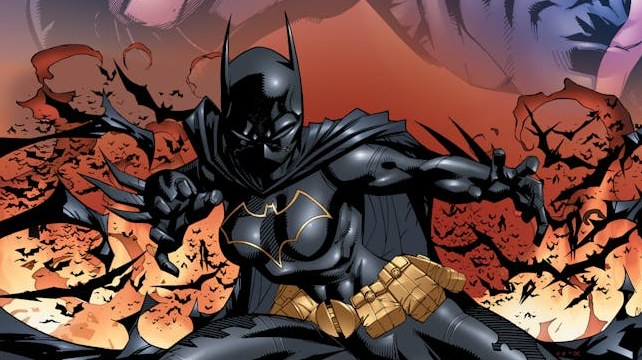
The visibility granted by a live-action adaptation shapes how executives, writers, and new audiences perceive a character going forward. For Cassandra Cain, this means that the version now most familiar to the general public is one that lacks her identity, history, and thematic impact. When producers and studios evaluate which characters have potential for future projects, they rely heavily on existing familiarity. If the existing image is inaccurate, the character struggles to move forward.
This has already shown signs of influence. Cassandra has not been meaningfully reintroduced or expanded in live-action or animation since. She has not been positioned in discussions of future Bat-family projects. Even when discussions of a potential Batgirl film appeared, the version rumored was Barbara Gordon, not Cassandra Cain, despite Cassandra holding the Batgirl title for years in print and earning critical acclaim during her run.
The version introduced in Birds of Prey did not create forward momentum. It created a plateau. Characters who begin in misunderstanding often remain there for extended periods, because correcting a first impression requires more effort, not less.
The Part That Still Stings
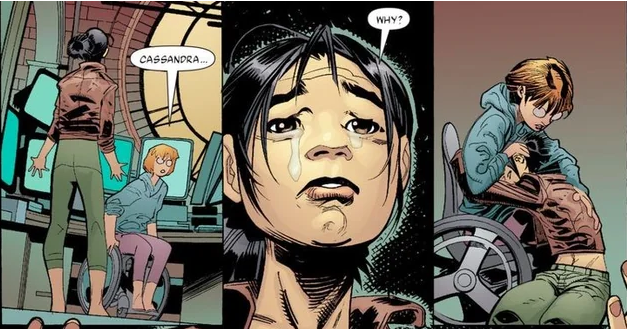
Adaptations change details. No thoughtful critic expects page-to-screen replication. The issue is whether adaptation honors the internal structure of a character: the emotional logic that makes them who they are. Cassandra Cain is one of the most distinct and resonant characters DC has ever introduced. Her story is not interchangeable, and her identity is not a blank template onto which any narrative can be placed.
The disappointment remains because the opportunity was enormous. The film had the chance to introduce global audiences to a character whose emotional depth, physical language, and resilience have meant so much to readers across two decades. Instead, it offered a version shaped by convenience rather than understanding.
Five years later, the apology still feels owed because the absence still feels present.
But what do you think? Let us know below!