
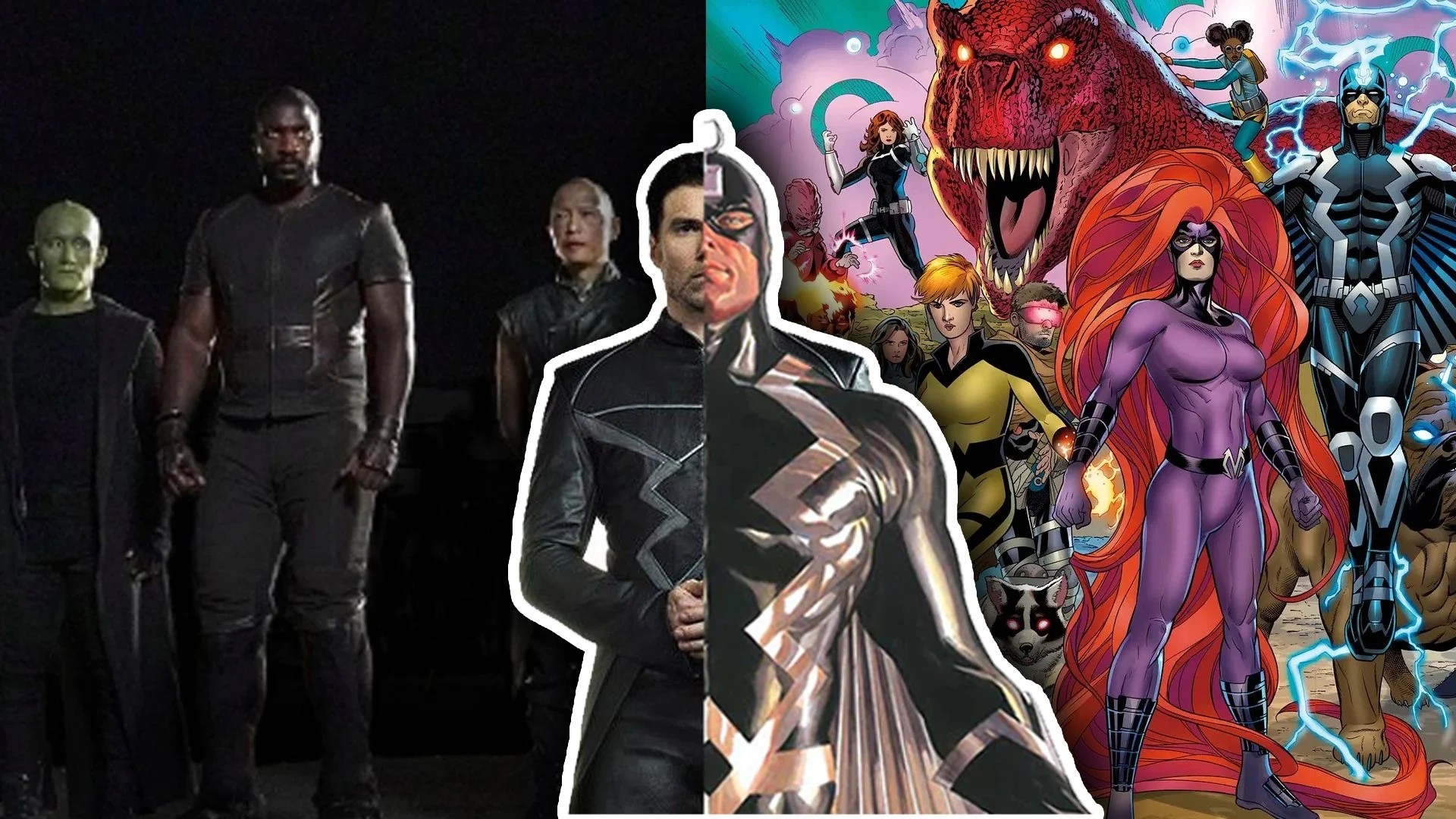
What's up, comic fans! Can you believe it's been 60 years since the Inhuman royal family made their Marvel Comics debut? This incredible group of characters first crashed into the Marvel Universe on this very day in Fantastic Four #45, way back in December 1965, brought to life by the legendary Stan Lee and Jack "The King" Kirby. Their formal debut was a bit of a slow burn, as members like Medusa and Gorgon actually showed up earlier as villains in Fantastic Four before the full team was revealed. Kirby’s ambition for this hidden, super-powered society was for them to become "mainstays" of the Marvel Universe, with their own major titles. However, even from the beginning, Marvel seemed to struggle with how to use them, often relegating them to secondary stories and back-up features in other comics, like Thor. This strange start for a group that was meant to be so prominent set a pattern that would repeat for decades.
The Run That Got It Right: The Marvel Knights Renaissance
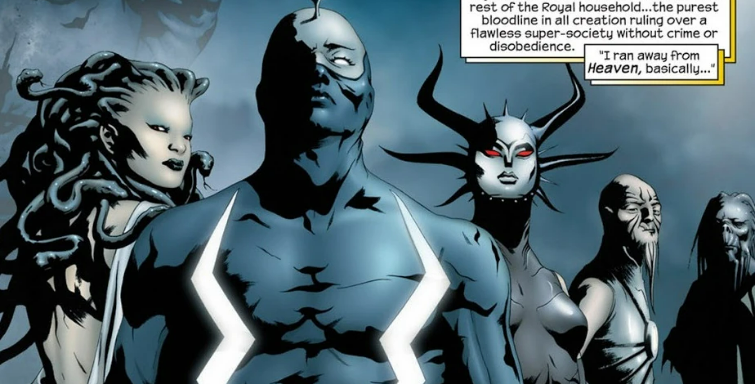
For a lot of fans, the Inhumans didn't truly hit their stride until the 1998 miniseries by writer Paul Jenkins and artist Jae Lee. This series was a game-changer because it was part of a larger Marvel effort to reinvigorate its properties by letting creators tell compelling, character-driven stories with a distinct sensibility. The Jenkins/Lee series did this by reframing the Inhumans not as a simple superhero team, but as a morally and politically complex society. It explored deep themes like international politics, class struggles, and the moral complexities of a society built on eugenics. The series’ dark and grimly compelling art style, full of "chiaroscuro," gave it a unique look and feel and earned it an Eisner Award for its excellence. This run proved that the Inhumans were at their best when they were a unique, self-contained story, focusing on their internal conflicts and flawed society, and not just another group of heroes.
The Big Corporate Push: From Niche to NuHuman
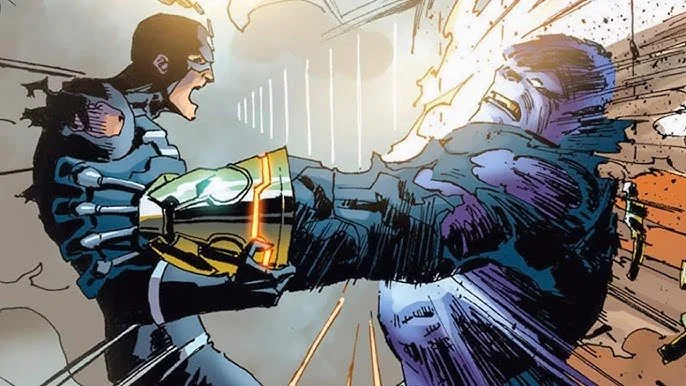
In the mid-2010s, Marvel decided it was time for the Inhumans to become a major player. Their profile shot up during the Infinity event in 2013, when Black Bolt detonated a special Terrigen bomb to defeat Thanos. The explosion unleashed a massive cloud across the globe, activating dormant Inhuman genes in people everywhere and creating a new generation of "NuHumans" on Earth. Marvel's then-Editor-in-Chief, Axel Alonso, wasn't shy about it, calling it a "game-changer" that would permanently thrust the Inhumans into the forefront of the Marvel Universe. This wasn't an accident; it was a top-down, strategic move. At the time, Disney did not own the film rights to the X-Men, which were held by a rival studio, 20th Century Fox. The Inhumans were being positioned as a conceptual replacement—a new, globally distributed super-powered race for the comics and, hopefully, the Marvel Cinematic Universe.
The Inhumans Go Mainstream
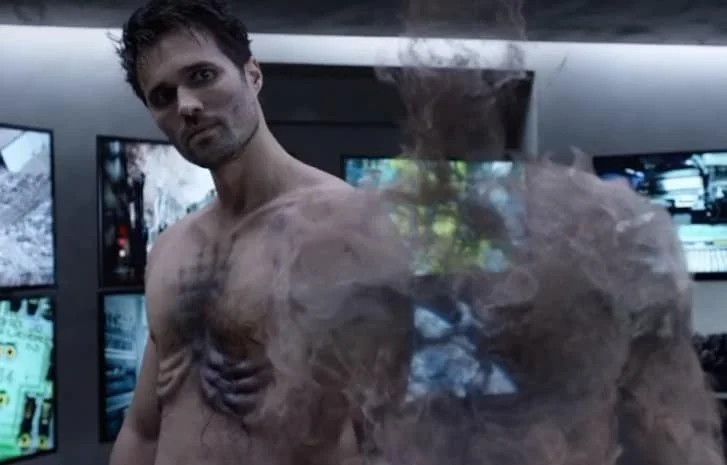
This new era of prominence wasn't just in the comics. The Inhumans were also introduced into the Marvel Cinematic Universe via the TV show Agents of S.H.I.E.L.D., which was surprisingly successful in developing their hidden culture and lore. The Terrigen Cloud also had a major effect, creating one of Marvel's most popular new heroes of the decade: Kamala Khan. Kamala, the first major Muslim protagonist in Marvel comics, gained her powers in the aftermath of the "Inhumanity" storyline and took up the mantle of Ms. Marvel. The Inhumans' newfound importance was cemented with the 2016 comic book event Civil War II, which centered on a new Inhuman named Ulysses who could see the future. His predictive ability caused a massive hero-vs-hero conflict, proving that Inhumans were no longer just a weird side story—they were now at the heart of the Marvel Universe's biggest events. It seemed the characters had finally arrived.
The War Nobody Asked For: Inhumans vs. X-Men
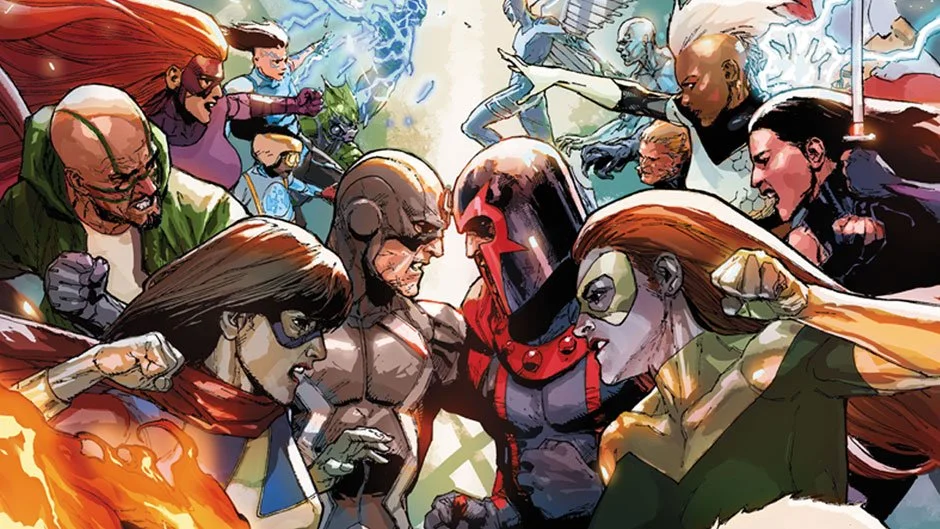
This corporate strategy led directly to the event that a lot of fans still remember with a groan: Inhumans vs. X-Men (IVX). The premise was simple but heartbreaking for fans: the Terrigen Cloud that gave Inhumans their powers was also a lethal toxin to mutants, creating a terrible, unavoidable war. Marvel's Chief Creative Officer, Joe Quesada, announced the event himself at San Diego Comic-Con, setting up a clash between the two super-powered races. The narrative of IVX was particularly telling. Many fans felt the story was forced, a business decision rather than a creative one, because the X-Men, traditionally a symbol for marginalized people, were weirdly portrayed as the "bad guys" for attacking the Inhumans to save their own race from extinction. This rivalry never truly won over the fan base.
A TV Debacle and a Creative Reset
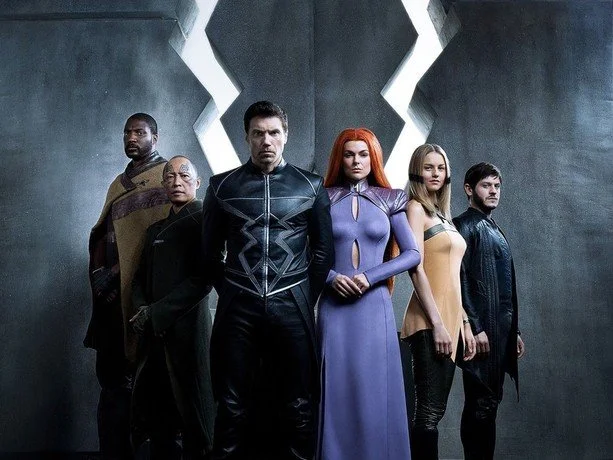
The corporate push reached its most disastrous point with the 2017 Inhumans TV series, a project that had been initially announced as a feature film but was "demoted" to a television production. The show was a spectacular failure on every level, and the reasons why are now legendary among fans. It was given a very small budget, which forced the storytellers to make strange creative choices to avoid costly special effects. Showrunner Scott Buck was heavily criticized for the incomprehensible plot and bizarre character decisions, with one review calling the writing "poorly done fan-fic" because of its "inexplicable character development." For example, Medusa's iconic hair, a key part of her power and visual identity, was cut off almost immediately to save money on special effects. The CGI for Lockjaw was so poor that it looked "cartoonish" and clashed with the show's overly serious tone. The show's IMAX theatrical debut was a total flop, grossing a dismal $3.5 million worldwide and being removed early from theaters, a direct result of its critical reception and fan backlash.
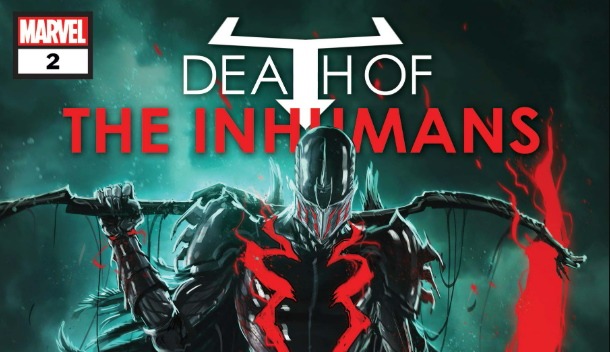
To "clean the slate" after the TV disaster, Marvel published the 2018 miniseries Death of the Inhumans, a brutal storyline that was seen as a direct "response to the horrible TV show." The story began with the Kree killing thousands of Inhumans with the message "Join or Die" carved into their bodies, a plot that a review called a "named character meat grinder." The series served as a creative way to wipe out the new generation of NuHumans that Marvel had spent years building up, but the ending revealed that many of the supposed deaths were not final, with characters like Triton and Crystal being teleported to a Kree laboratory for experimentation. The story ultimately hit the reset button, leaving the Royal Family in a state of creative limbo.
Hope on the Horizon: A New Cosmic Era
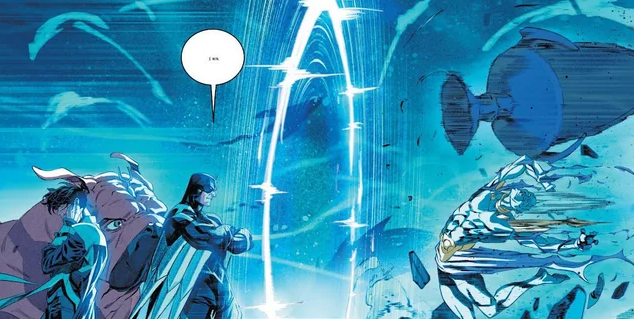
After years of being in creative limbo and only showing up sporadically in other titles, the Royal Family is finally finding its way back. Black Bolt, accompanied by Maximus and Lockjaw, recently made a big return in Jonathan Hickman’s cosmic series Imperial. This time, Black Bolt is positioned not as a simple hero but as a "ruthless," "dangerous," and "extremely calculated" figure who plans to forge a new empire from the ashes of the old one. It seems Marvel is finally done trying to make the Inhumans a poor man's X-Men. They're letting the Royal Family be the complicated, strange, and fascinating characters they were always meant to be. This more thoughtful approach offers a glimmer of hope that the Inhumans can finally find a meaningful place in the Marvel Universe on their own terms, far from the pressures of corporate mandates.
But what do you think? Do the Inhumans deserve better? Let us know below!