
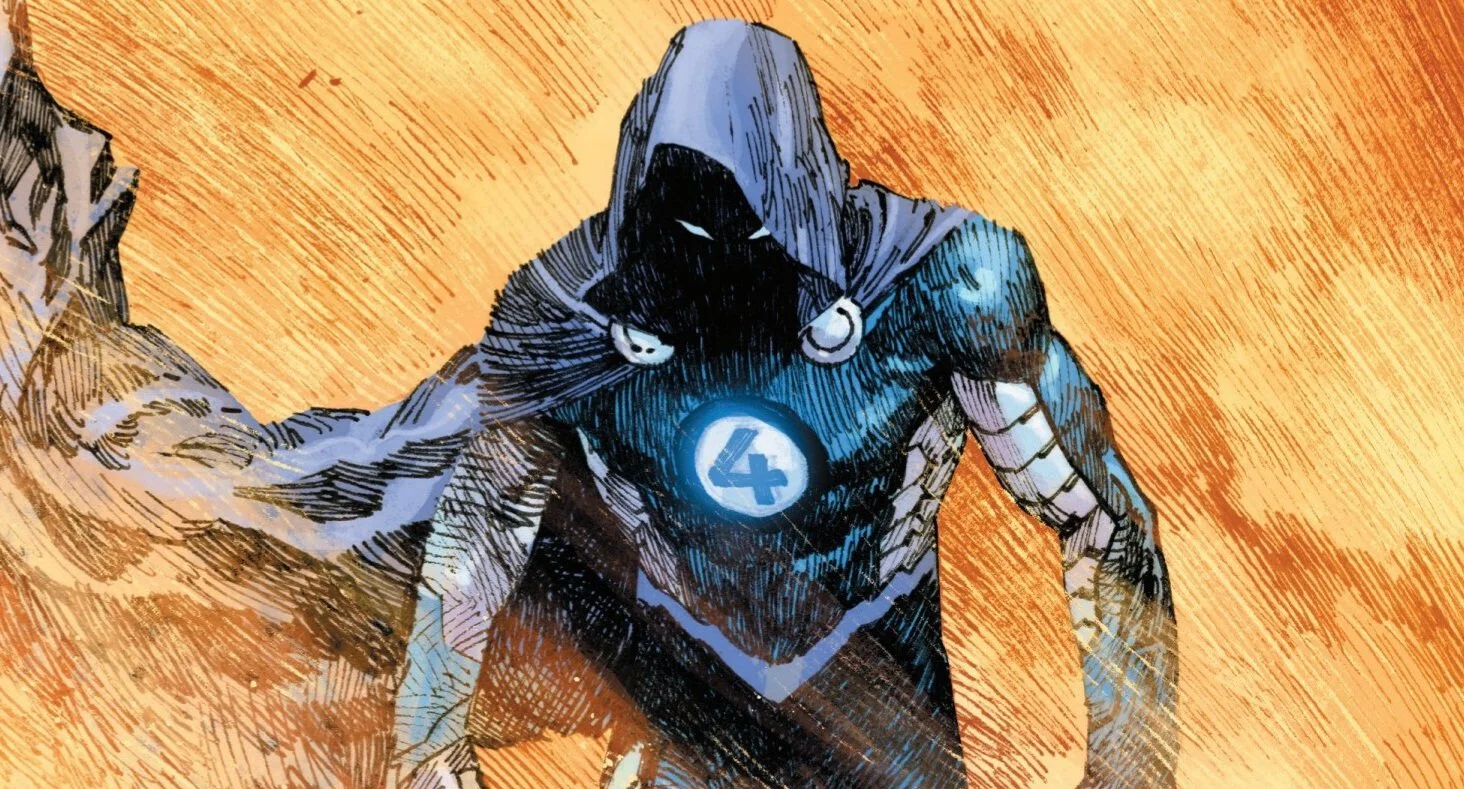
The Ultimate Universe is nearing it’s Endgame. The Maker is trapped in the city, but time is running out. We only have weeks until he is released and one thing is for sure, the consequences will be catastrophic. Yet the true story is not battles or crumbling worlds. It is happening inside one man. Doom.
SPOILERS FOR ULTIMATE SPIDER-MAN: Incursion #5 and Ultimates #4-#17
Once Reed Richards, a scientist who dreamed of saving lives, now trapped in a body and identity forged through grief, cruelty, and relentless psychological torment. Now that he knows the truth about the Maker, the central question has shifted. It is no longer whether the Maker can be stopped—it is whether Doom can confront him without losing the remnants of his soul.
Doom knows his tormentor was not merely a monster. He was a Reed Richards, a mind like his own. The realization hits him to the core. To stop this other Reed, he may have to embrace the identity he once resisted. How do you stop a Reed Richards? With Doom. And that might be exactly what the Maker wants.
The Maker's Sick Experiment
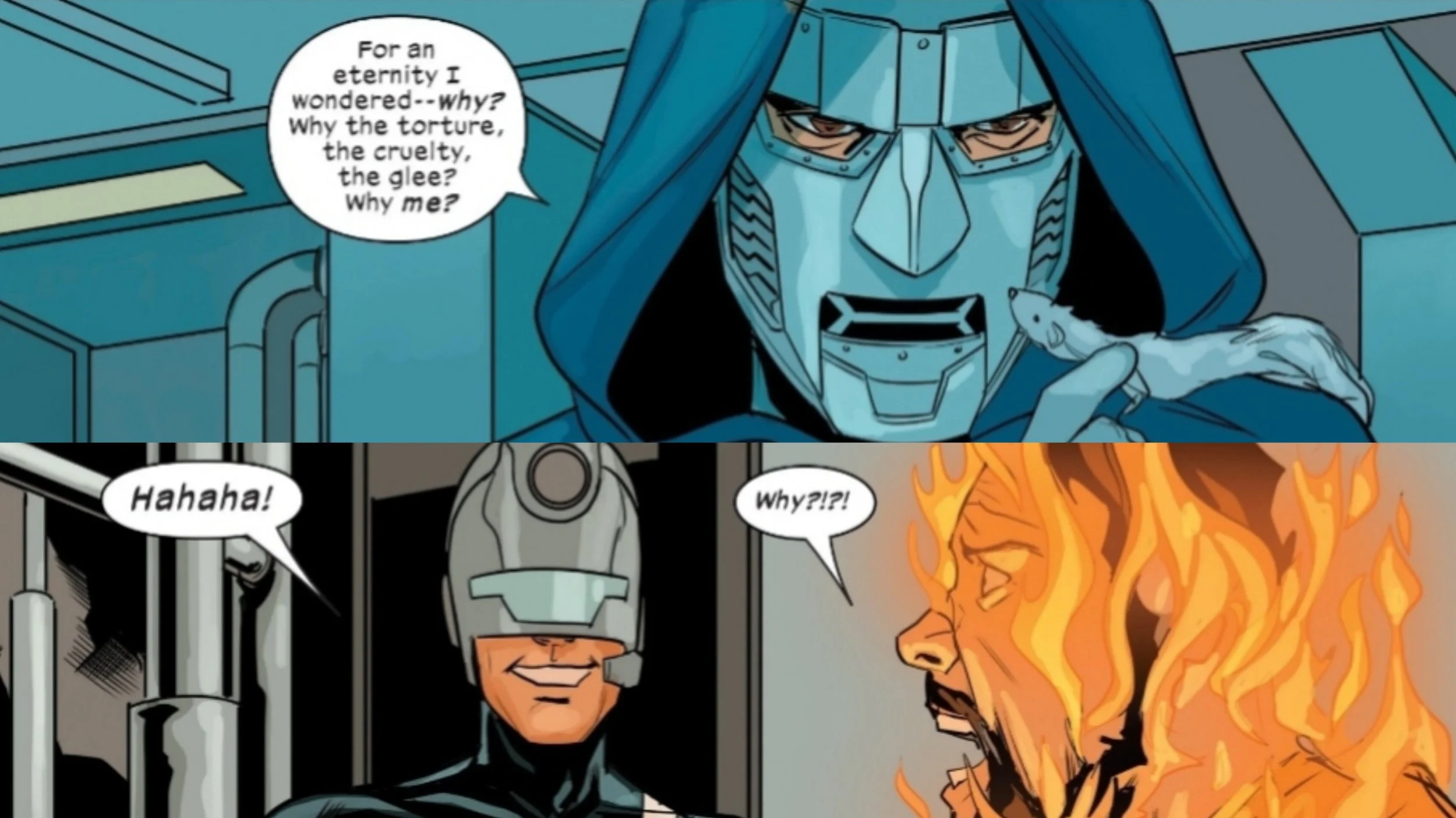
To understand the stakes, we must examine what was done to Doom. In Earth-6160, he was not born—he was engineered. The Maker orchestrated the deaths of Susan Storm, Ben Grimm, and Johnny Storm, leaving Reed alone with unbearable guilt. Then he surgically removed or suppressed the parts of Reed capable of joy, hope, and accomplishment. He forced the metal mask onto him. He forced the name Doom. Every piece of his identity became a wound.
The Maker’s goal was not to prove that all Reeds would become villains. He treated the universe like an equation, the world like a laboratory, and Doom like a variable under a magnifying glass. Doom’s mind fractured under relentless pressure, split between the man he once was, the man he was forced to be, and the potential he might yet become. He was not a villain by choice; he was a mind pushed to the brink, reshaped by cruelty.
The Reveal That Changes Everything
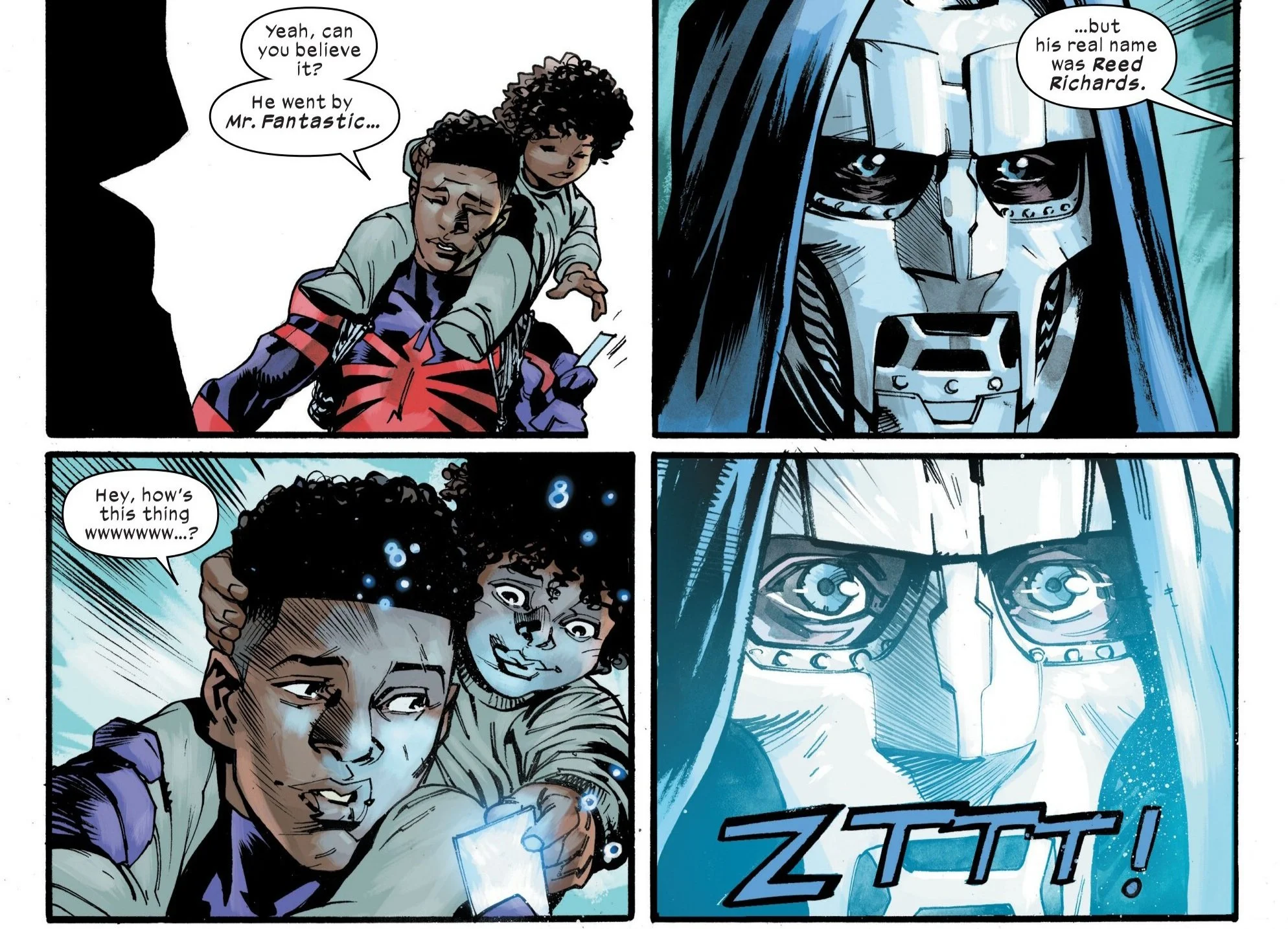
For much of the story, Doom knew he had suffered, but he did not understand why. That changed in Ultimate Incursion #5, when Miles Morales revealed the truth: the Maker was a Reed Richards. Not metaphorically. Not symbolically. The same genius, the same potential.
This revelation shatters Doom’s fractured psyche. The suffering he endured was not random; it was deliberate, precise, and in a sense, reflective of his own mind. To stop this Reed, he may have to become something colder, more ruthless, and more strategic than himself. He may have to embrace Doom fully and consciously. In doing so, he risks surrendering the last fragments of Reed Richards that remain. Every decision carries the weight of the fate of the universe, and it feels like it.
Reed Vs Doom: A Cosmic Pattern
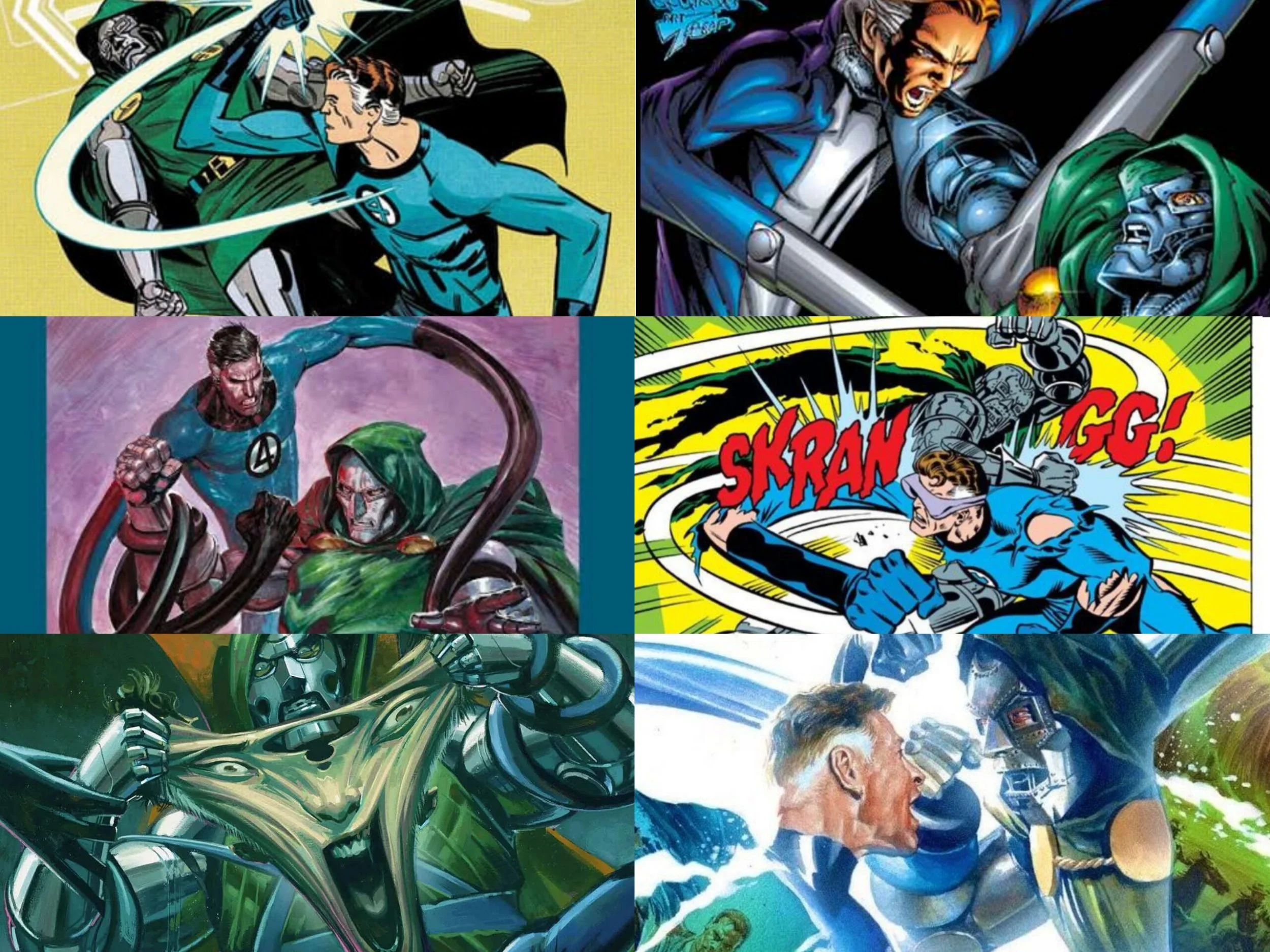
Across the multiverse, Reed Richards and Doctor Doom are bound in an eternal gravitational pull. One represents limitless intellect and creation. The other embodies pride, power, and pragmatic ruthlessness. They define each other and are destined to clash.
Now that Doom knows the Maker is a Reed like him, the pattern becomes undeniable. If Doom steps fully into the role of Doom to confront the Maker, the cycle continues. The Maker does not need to survive for his experiment to succeed. Doom’s choices alone could validate the equation. The true battlefield is not physical—it is within a mind fractured by loss, shaped by cruelty, and tested to the limits of endurance.
Shades of DOOM
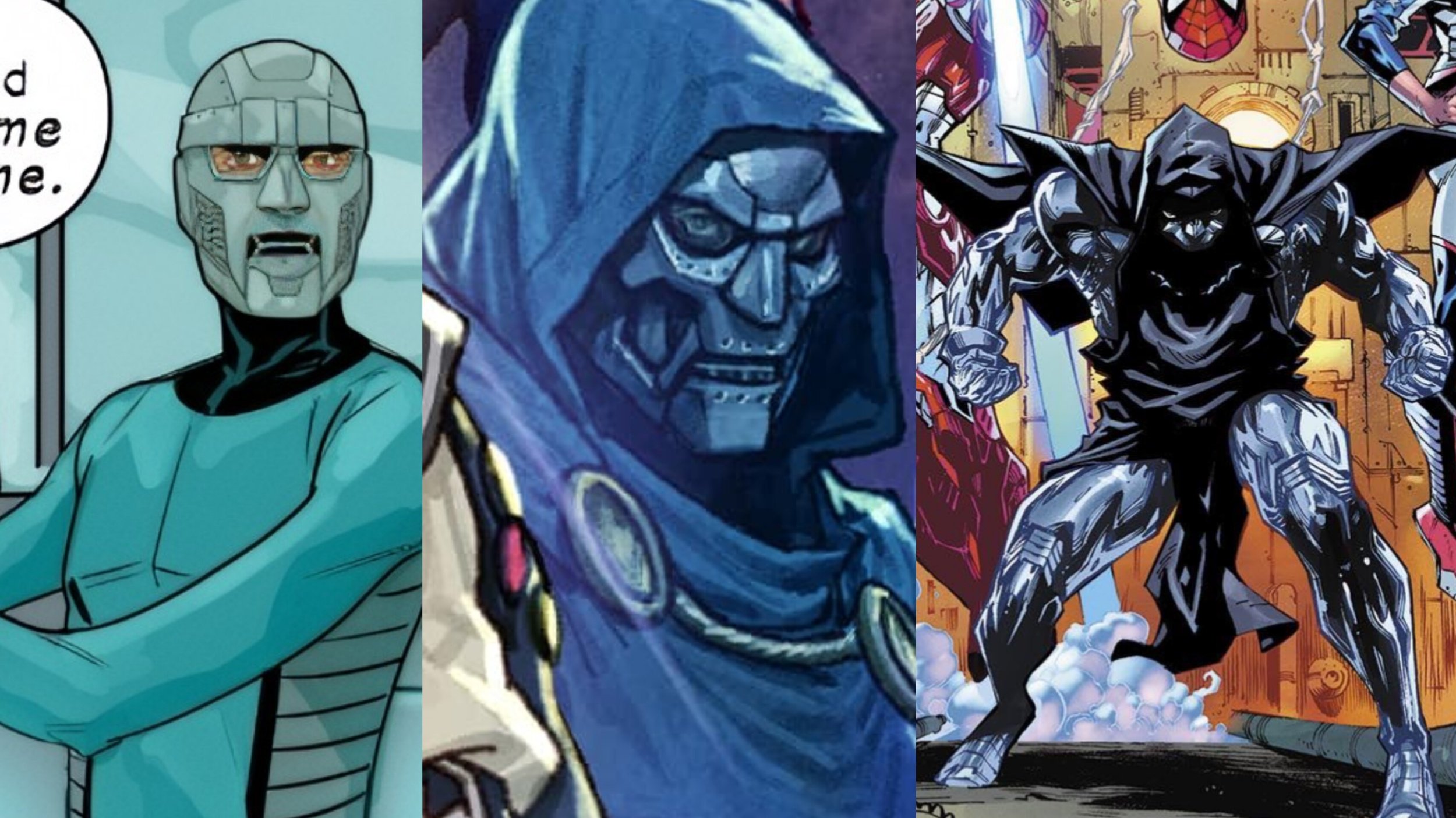
Across the Ultimates series, Doom’s evolution has been gradual but unmistakable. Early on, he clings to fragments of his former self, resisting the mask and the name, trying to preserve the scientist who once wanted to help people. His psyche is fractured, pulled between who he was, who he was forced to become, and the strategic pragmatism required to survive.
After the Maker revelation, Doom grows colder and more pragmatic. He acts without hesitation, makes choices no one else can bear, and becomes attuned to brutal realities. A prophecy in Ultimates #8 foretold that Doom may be “responsible for untold suffering and the deaths of trillions” signaling the terrifying potential of a fully realized Doom.
This transformation is mirrored in the art. His early armor retained echoes of the Fantastic Four, a shadow of the man he once was. Recent previews and cover art show a heavier, more imposing Doom, armored and commanding, less a man forced into a mask and more a figure beginning to accept it as his own identity. Every seam, spike, and plate reflects a mind negotiating survival, morality, and strategy. Doom’s psyche and appearance move in tandem, suggesting a man who may be consciously embracing the role the Maker envisioned.
Doom Is The Harvey Dent of The Ultimate Universe
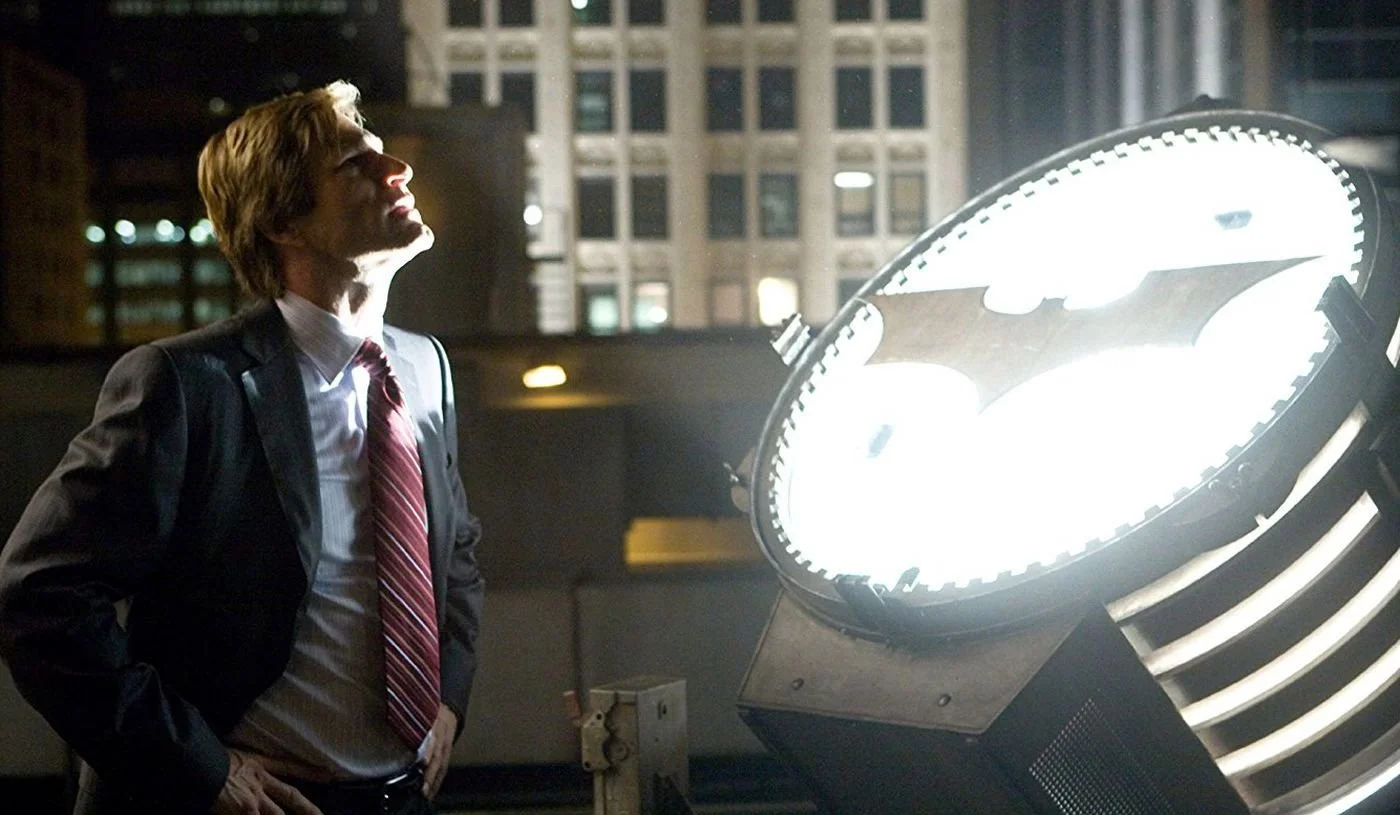
This story resonates like the most psychologically charged narratives in comics. Most people see The Dark Knight as simply Joker versus Batman, but the real battle is over Harvey Dent’s soul. Joker’s goal was not to kill Batman. It was to prove that even the incorruptible White Knight could fall.
Doom is the Harvey Dent of Earth-6160. The Maker is the Joker. The fight is not for territory or power—it is for the mind, the spirit, the very essence of a man already broken. Every decision Doom makes carries existential weight. If he succumbs to the role imposed on him, the Maker’s philosophy survives. If he resists, the remnants of Reed Richards may endure.
The Fight For Doom's Soul
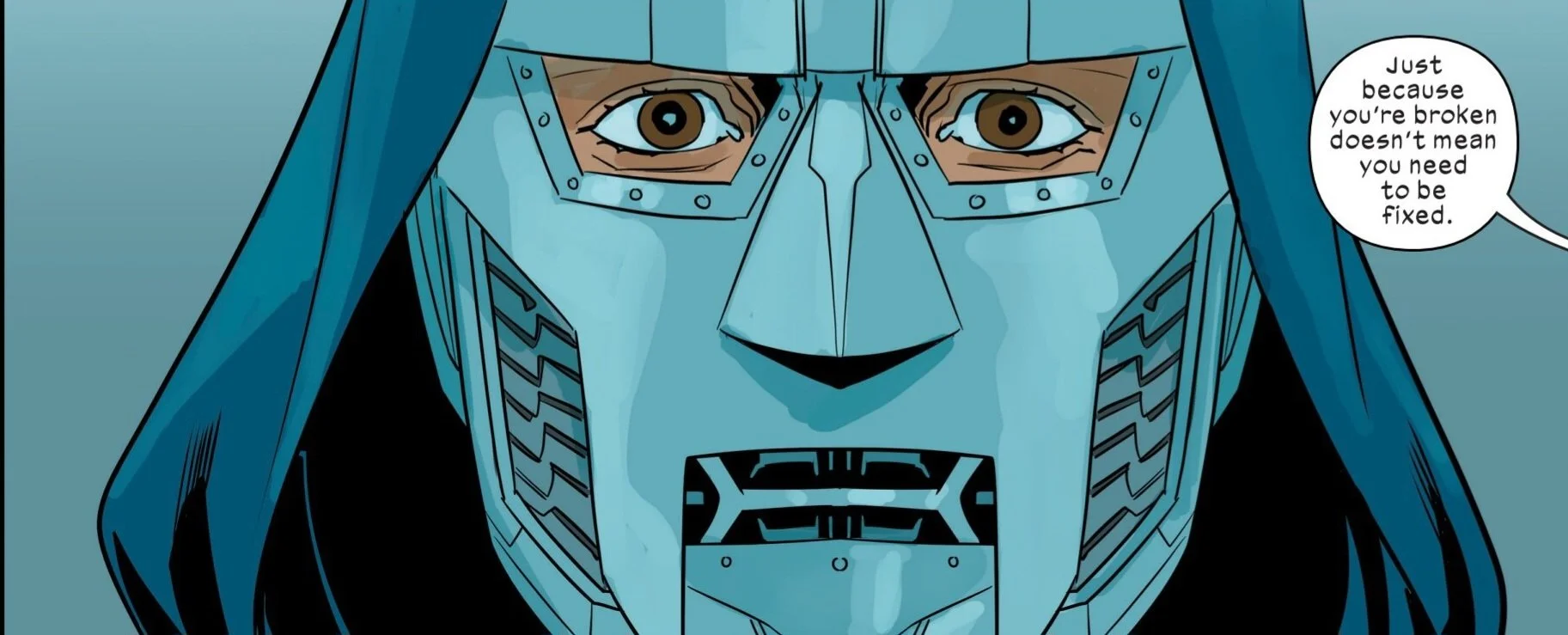
When the final confrontation arrives, the question will not simply be whether Doom can defeat the Maker. He may triumph physically, standing over the man who orchestrated his suffering. But the real battle is internal. If Doom fully assumes the mantle he was forced into, embracing the cold, pragmatic identity of Doom, the Maker’s experiment continues through him. The Maker loses the battle but wins the war, creating a cruel successor as a result.
The story of Earth-6160 is not a fight to save a city or a planet. It is a fight to preserve what remains of a man’s humanity. Doom’s choices will determine whether Reed Richards survives in some form or is erased beneath the weight of the identity imposed on him. The path he walks is narrow and treacherous, balancing pragmatism and moral collapse, strategy and surrender.
Yet within this darkness lies a lesson that extends beyond one universe. The world will push, shape, and try to break you. But the measure of a hero is not survival alone—it is whether you resist being consumed. The Ultimates fight not just to defeat the Maker, but to prove that even in a fractured, brutal world, one can endure, one can resist, and one can change the world.
Doom may walk a shadowed path, but the choice remains: you do not let the world change you. You change the world.