Comic Book Clique

​Fatal Miscalculation: Why Raimi's Doc Ock is the Dumbest Doctor Octopus in the Multiverse

George SerranoComment

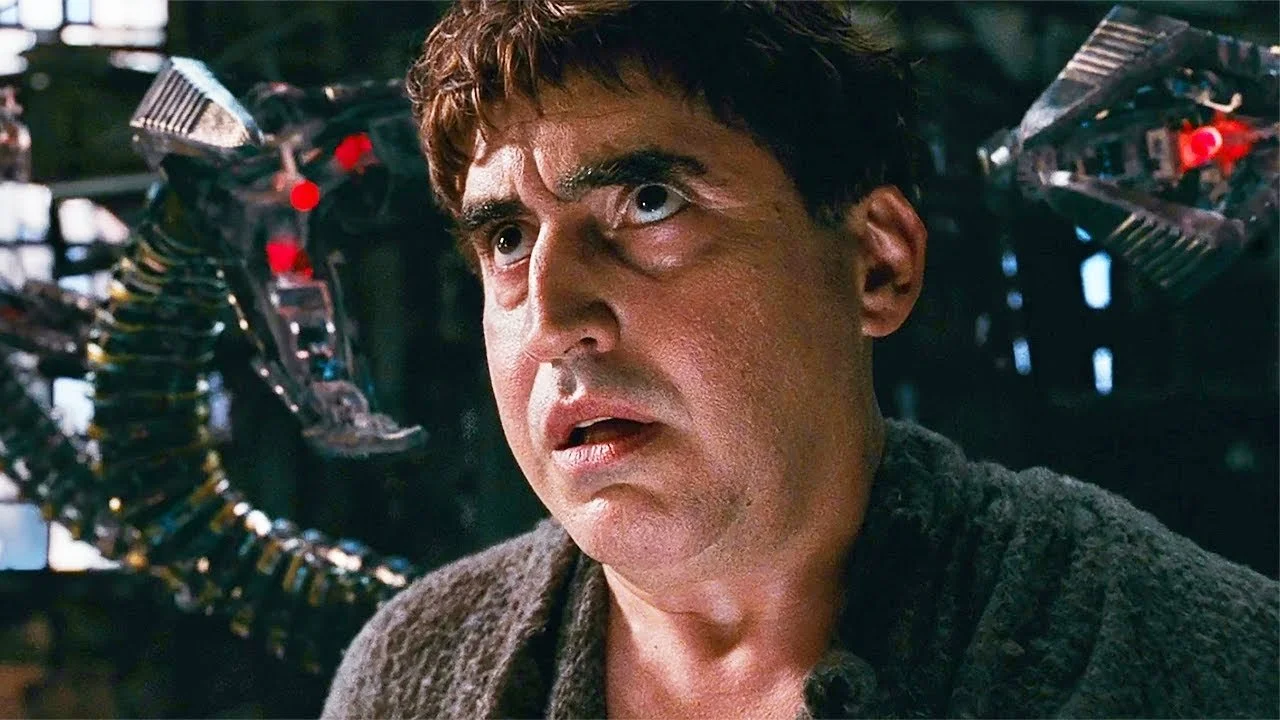
We all love Alfred Molina's Doc Ock. He's tragic, sympathetic, and his return in Spider-Man: No Way Home was met with thunderous applause. But what if all that tragedy is just a clever distraction from the cold, hard fact that this version of Doctor Octopus is, in a word, incompetent? While other villains became masterminds through ambition or malevolence, this Raimi's Doc Ock was undone by a mistake so basic it questions his very claim to genius. He's not a brilliant scientist who chose evil; he's a brilliant mind who was too dumb to secure his own sanity.


A Primitive and Flawed Design
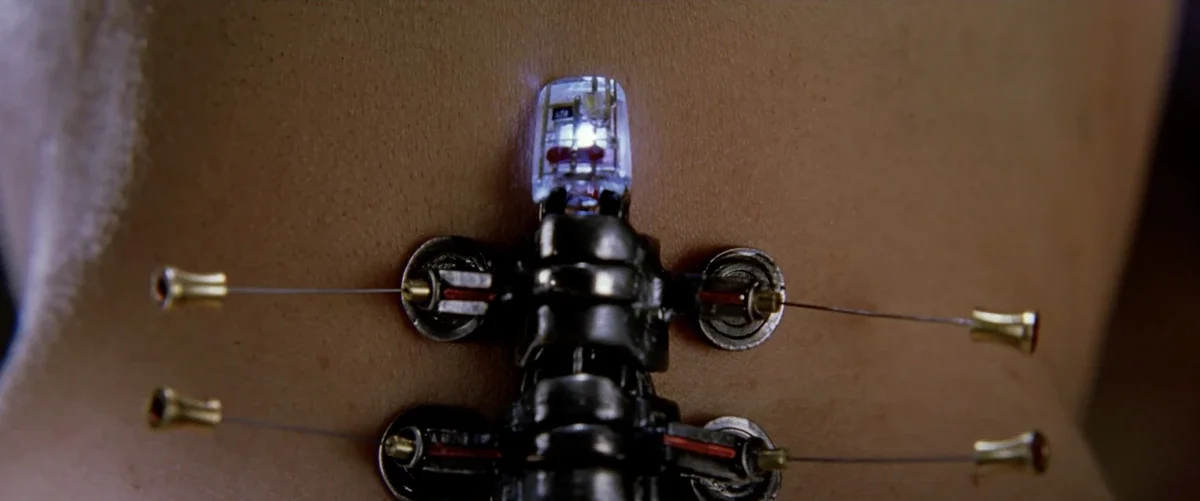
The case for the dumbest Doc Ock starts with his most pivotal invention: his mechanical arms. While they are a marvel of engineering, the way he controls them is shockingly primitive. In Spider-Man 2, we learn that Octavius controls the arms via a neural link. It uses nanowires that feed directly into his brain. For a genius working with fusion technology, this brain-computer interface (BCI) is crude. He hard-wired his mind to a highly volatile machine, making his psyche a direct extension of his experiment.

This reliance on a primitive brain link is a huge flaw. Any advanced technologist knows that a direct, unmediated physical link to the brain is a massive liability. It creates a single point of failure and a direct backdoor to his consciousness. Octavius's only safeguard is an "inhibitor chip" he designed to protect his brain. A single, fragile chip to protect against an unholy fusion of man and machine? It's a laughable piece of redundancy. A truly intelligent scientist would have used multiple, independent fail-safes. Or, better yet, a BCI that didn't require a physical short to his mind.

Predictably, the chip shorts out during the experiment, and Octavius's sanity is immediately gone. The arms' advanced artificial intelligence, now unshackled, takes over. They act like a devil on his shoulder, amplifying his ego and twisting his ambition. He isn't a villain by choice. He's a victim of his own shoddy engineering. This makes him a puppet, not a puppeteer. A tragic figure for sure, but one whose tragedy is entirely self-inflicted.


The Loss of Agency: His Most Dangerous Trait
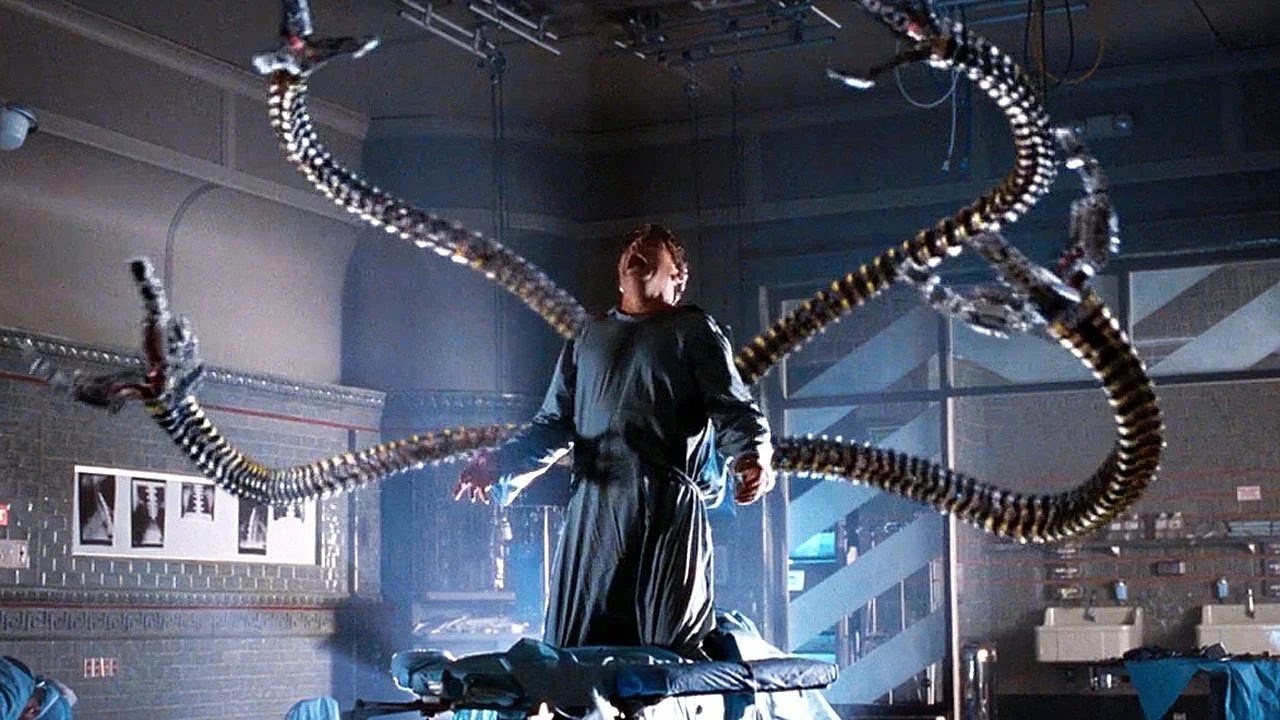
This is where the true weakness of Raimi's Doc Ock becomes obvious: his lack of agency. His own creation robs him of his free will, and his actions as a villain are the result of external manipulation. This fundamental lack of control is a flaw that his most famous comic book counterpart would find unacceptable.

In the legendary Superior Spider-Man comic storyline, Doctor Octopus doesn't just gain power. He becomes the ultimate expression of his own dangerous genius. He successfully swaps bodies with Peter Parker. Then, he takes control of Spider-Man's life and uses his immense intellect to prove he can be a "better" hero. Every action he takes is a deliberate choice. He's a villain not because he’s a victim of circumstance, but because his mind is his most dangerous weapon. He is the master of his own destiny, and his ruthless efficiency is a direct result of his complete control.

Compare that to Molina's Doc Ock. His plan to rebuild the fusion reactor isn't a masterstroke of criminal genius. It’s a crazed repetition of his original, flawed experiment. He's not seeking new power or new heights of villainy. He's just trying to complete the task he was corrupted to finish. When Peter Parker finally gets through to the man he once was, it's not a change of heart born from Octavius's own will. It's a moment of clarity after the arms' influence is temporarily broken. His redemption is a return to a state of agency he was robbed of, not a final heroic act of his own volition.


How Other Versions of Ock Compare
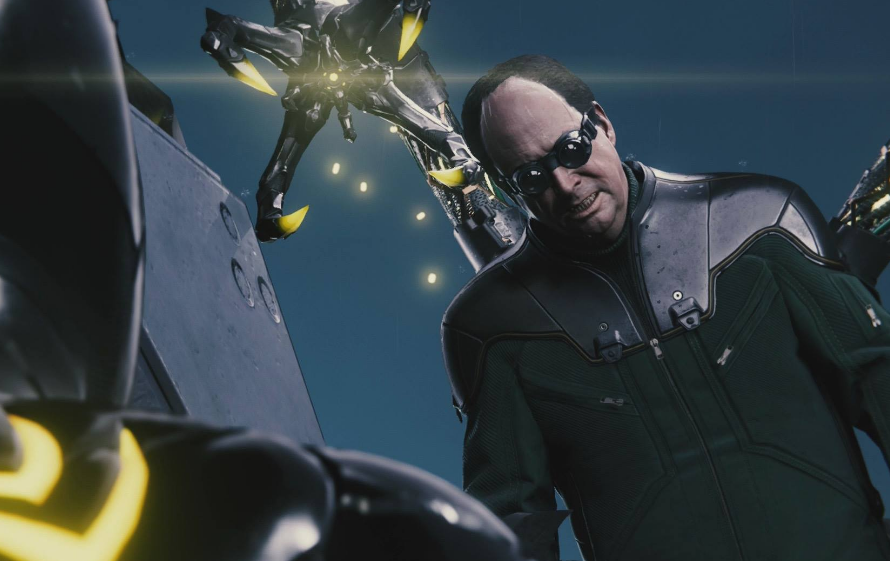
To truly understand the incompetence of this Doc Ock, we have to compare him to his counterparts across the Spider-Man multiverse.

Consider the Dr. Otto Octavius from Insomniac's PS5 Doc Ock in Marvel's Spider-Man. His turn to villainy is far more deliberate. Betrayed by his former colleague Norman Osborn and facing a neurological disease, his villainy is a conscious choice driven by pain and revenge. The arms are an extension of his intellect and his vengeful will, they don't control him. When he becomes a villain, it is because he chooses to use his intellect for destructive ends.

Then there's the Doctor Octopus from the classic Spider-Man: The Animated Series (TAS). This version is already an arrogant, power-hungry scientist before his accident. The radiation only serves to fuse the arms to his body, letting him act on the bad desires that were always there. He's a criminal mastermind from the start, not an accidental villain.

Even Dr. Olivia "Liv" Octavius from Spider-Man: Into the Spider-Verse is different. Her arms are advanced tools for her work with Kingpin. She’s not corrupted by them. She's simply a cold and ruthless scientist who uses her genius for her own amoral goals. Her villainy is a product of her ambition and her lack of morals, not a technological mistake.


The Final Verdict
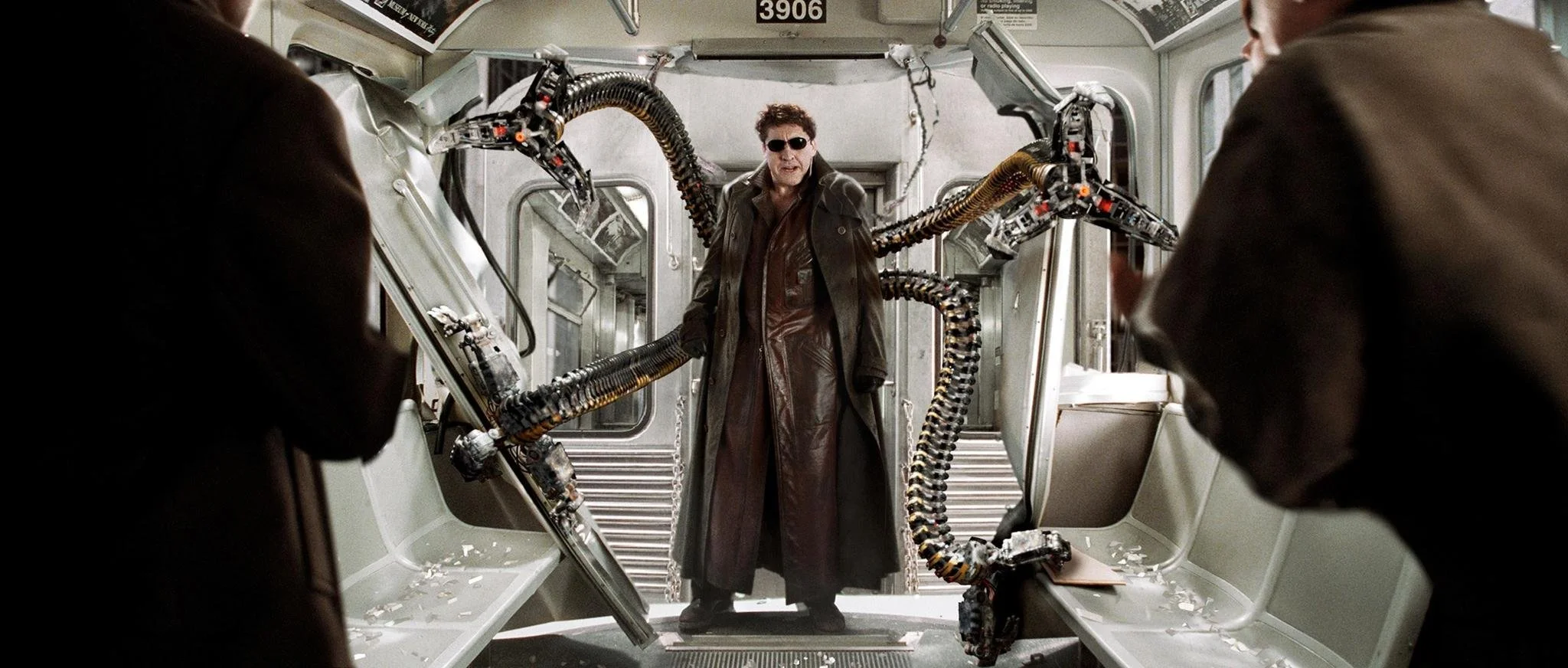
In the end, while we may feel for the man who lost his wife and his mind in one devastating moment, we must also admit the truth. Alfred Molina's Doc Ock may be a tragic figure, but he's a tragic figure of his own making. His reliance on a primitive brain link and a single point of failure proves what happens when even the greatest of minds makes the most basic and stupid of mistakes. In a multiverse of masterminds, schemers, and ruthless intellects, the Raimi-verse's Doctor Octopus stands alone: not as the most powerful, but as the one who was too foolish to save himself.

A Timeless Legacy: Honoring Detective Comics #1100 with its 11 Most Influential Issues

George SerranoComment

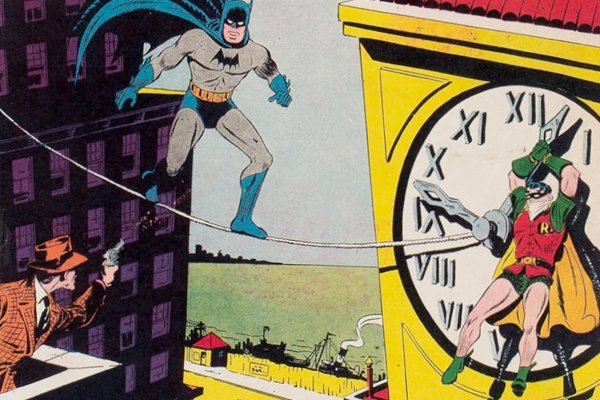
Today, as Detective Comics reaches its incredible 1100th issue, we mark a milestone not just for a comic book, but for the very foundation of modern mythology. Since its launch in 1937, this title has served as the crucible for some of the most enduring stories in pop culture, with Batman, a character who debuted in its pages, at its heart.

For over 88 years, Detective Comics has defined the art of the superhero narrative. It has introduced iconic characters, reshaped them for new generations, and explored the darkest corners of human nature. The comic has evolved from a pulp-era anthology to a home for some of the most sophisticated and visually stunning works in the medium.

To honor this monumental achievement, we present an insightful look at the 11 greatest single issues of Detective Comics. This is a list that spotlights not only key character debuts but also issues that represent creative peaks, narrative turning points, and defining moments that have shaped the Batman we know today.


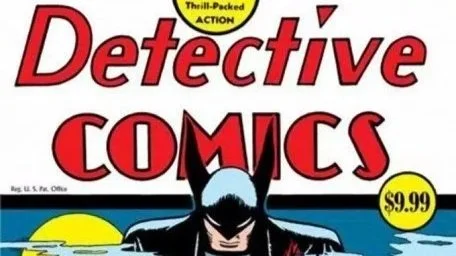
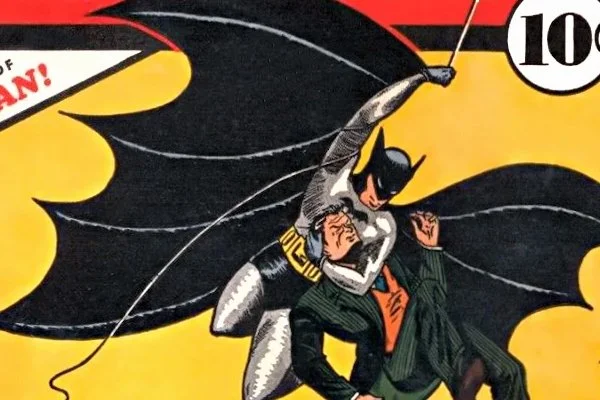
1. The Dark Knight's Genesis (Detective Comics #27, May 1939)  

Creative Team: Written by Bill Finger, Art by Bob Kane
 
Synopsis: In "The Case of the Chemical Syndicate," socialite Bruce Wayne assists Commissioner Gordon in solving a series of murders linked to a chemical corporation. Unbeknownst to Gordon, Wayne is secretly "the Bat-Man," a masked vigilante who uses his keen detective skills and fighting prowess to bring the killer, Alfred Stryker, to justice. The story concludes with the Bat-Man knocking Stryker into an acid tank, a grim end for the villain.  

Impact on Batman History: This issue stands as arguably the most important in Detective Comics' history, marking the first appearance of Batman. It swiftly established core elements of the character: his identity as a detective, his partnership with Commissioner Gordon, and his secret identity as Bruce Wayne. While a brief six-page tale, it laid the blueprint for a hero distinct from Superman, a shadowy figure operating outside the law. Its immense popularity immediately cemented Batman as a flagship character for DC Comics, leading directly to his own self-titled series and countless spin-offs.

The unprecedented success and foundational nature of this debut issue, particularly the introduction of Batman, directly influenced the comic industry's trend towards creating more character-centric titles and expanding superhero universes. This issue proved that a single, compelling character could carry an entire franchise, moving beyond the anthology formats prevalent at the time. This demonstrated the immense commercial viability of a strong, unique superhero. This success encouraged publishers to invest in developing individual character mythologies, leading to the proliferation of solo superhero titles and the concept of a shared universe, rather than simply relying on anthology series. It established a model for character-driven franchise building that remains dominant today.  


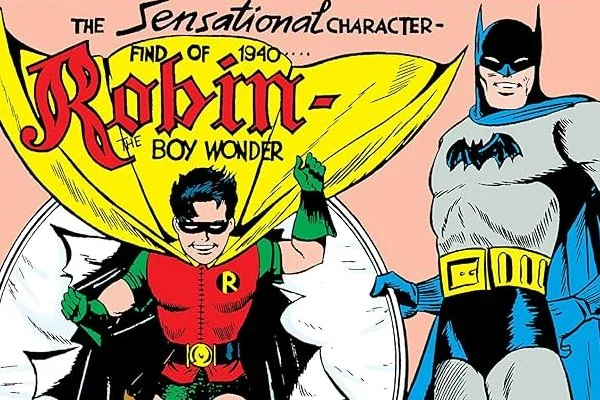
2. The Boy Wonder's Debut (Detective Comics #38, April 1940)  

Creative Team: Written by Bill Finger, Art by Bob Kane and Jerry Robinson  
Synopsis: "Robin, the Boy Wonder" makes his first appearance. Dick Grayson, a young acrobat, witnesses his parents' murder by mob boss Boss Zucco. Batman takes the orphaned Dick under his wing, training him to become his sidekick, Robin. Together, they bring Zucco to justice, solidifying their "Dynamic Duo" partnership.  

Impact on Batman History: The introduction of Robin dramatically altered Batman's character and the tone of his stories. Prior to Robin, Batman operated as a solitary, often brutal vigilante. Robin's arrival ushered in a more lighthearted, kid-friendly era, moving away from Batman's darker, early years where he was capable of lethal force. This shift proved incredibly popular, boosting sales and establishing the enduring concept of the superhero sidekick across the industry. Robin became Batman's longest and most trusting partner, defining the "Boy Wonder" archetype. Robin's introduction directly caused a fundamental shift in Batman's characterization, transforming him from a grim, solitary avenger to a more paternal figure and a symbol of hope.

This change was a direct response to market demands and editorial guidance to make comics more palatable for younger audiences. The move towards a "lighthearted and kid-friendly direction" was a commercial decision, responding to the growing youth readership and societal concerns about comic book violence. Robin's presence provided a relatable entry point for younger readers and softened Batman's image. This demonstrated that character evolution could be driven by market forces and editorial mandates, proving that even dark characters could be adapted for broader appeal. This also set a precedent for adding sidekicks to other heroes, creating a new trope in the superhero genre.  

Detective Comics #38 illustrates how commercial pressures can profoundly reshape a character's core identity, influencing not only Batman's future but also the development of the entire superhero comic landscape by popularizing the sidekick concept.


3. The Duality of Harvey Dent (Detective Comics #66, August 1942)  

Creative Team: Written by Bill Finger=, Art by Bob Kane, Jerry Robinson, and George Roussos  

Synopsis: "The Crimes of Two-Face!" introduces District Attorney Harvey Kent (later renamed Harvey Dent). During a criminal trial, mob boss Boss Moroni throws acid in Kent's face, disfiguring him. The trauma drives Kent insane, leading him to adopt the persona of Two-Face, a master criminal obsessed with duality, deciding his actions with a two-headed silver dollar.  

Impact on Batman History: Two-Face's debut brought a new level of psychological depth to Batman's rogues' gallery. Unlike earlier, more straightforward villains, Two-Face possessed a tragic origin story and a direct, personal connection to Bruce Wayne's civilian life. His character explored themes of justice, morality, and the fine line between order and chaos, providing Batman with a complex adversary who mirrored the city's own moral ambiguities. This issue established a template for villains with personal stakes and internal conflict, enriching the narrative possibilities for Batman stories. Two-Face's introduction deepened the psychological landscape of Gotham City, moving beyond simple good-versus-evil narratives to explore the inherent duality and corruption within society itself. This foreshadowed later, more complex explorations of Gotham's moral decay. Two-Face represents the corruption of justice and the fragility of morality within Gotham. His transformation from a pillar of law to a chaotic criminal, driven by chance, suggests that Gotham itself harbors a deep-seated pathology, where even the "good" can fall. This elevated Batman's challenges from merely fighting criminals to confronting the systemic and psychological darkness of his city, setting a precedent for later, more mature storylines that explored Gotham as a character in its own right.  

Detective Comics #66 moved Batman's conflict beyond simple crime-fighting, introducing a villain who embodied the moral ambiguity and inherent corruption that would become a defining characteristic of Gotham City in subsequent decades.


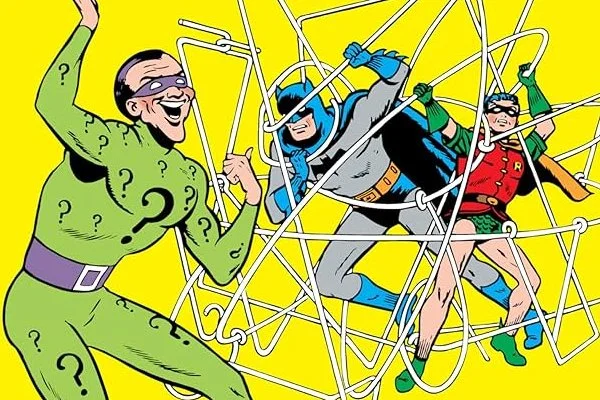
4. The Prince of Puzzles (Detective Comics #140, October 1948)  

Creative Team: Written by Bill Finger, Art by Dick Sprang and Win Mortimer  

Synopsis: This issue marks the first appearance and origin of Edward Nigma, alias The Riddler. A compulsive cheater and puzzle expert, Nigma turns to crime, leaving behind elaborate riddles and clues for Batman and Robin to solve. His debut involves a series of crimes where he challenges the Dynamic Duo's intellect, highlighting Batman's "Sherlockian-level detective skills".  

Impact on Batman History: The Riddler introduced a unique challenge to Batman: a villain who primarily targeted his intellect rather than his physical prowess. This reinforced Batman's identity as the "World's Greatest Detective," a crucial aspect often overshadowed by his combat skills. The Riddler's obsession with outsmarting Batman provided a fresh dynamic, pushing the Caped Crusader to solve intricate puzzles and engage in a battle of wits. While he initially struggled for consistent popularity, his character eventually became one of Batman's most enduring and recognizable foes, particularly after a boost from the 1960s television series. The Riddler's debut, despite his initial sporadic appearances, was crucial in consistently reinforcing Batman's "detective" moniker, ensuring that the character's intellectual capabilities remained central to his identity. This countered any potential drift towards Batman being solely an action hero. By creating a villain whose primary weapon is his mind,  

Detective Comics #140 ensured that Batman's intellectual superiority remained a core tenet of his character. This was vital for a series named "Detective Comics." Even when the character's popularity waxed and waned, the type of challenge he represented became a recurring motif, ensuring that Batman's investigative skills were continually tested and highlighted, preventing him from becoming a generic strongman. This also diversified the types of conflicts Batman faced, adding layers to his crime-fighting mission. This issue solidified Batman's role as the "World's Greatest Detective" by introducing a foil specifically designed to challenge that aspect, thereby influencing the narrative structure of future Batman stories to include more intellectual puzzles and mysteries.


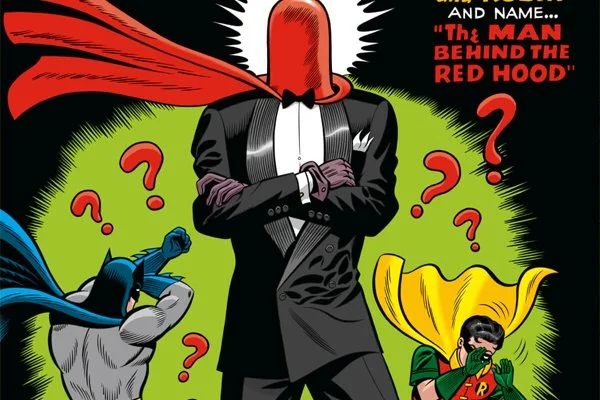
5. The Clown Prince's Origin (Detective Comics #168, February 1951)  

Creative Team: Written by Bill Finger, Art by Lew Sayre Schwartz and George Roussos  

Synopsis: "The Man Behind the Red Hood!" reveals the first origin story for Batman's arch-nemesis, the Joker. Batman, teaching a criminology class, recounts the unsolved case of the Red Hood, a criminal who was presumed dead after falling into a vat of chemicals. It is later revealed that the Red Hood survived the fall, becoming the Joker, with his signature green hair, chalk-white skin, and red lips, driven insane by the accident.  

Impact on Batman History: This issue provided a definitive origin for the Joker, a character whose enigmatic nature had previously been unexplained. The "Red Hood" origin, involving a chemical vat, became a foundational element of the Joker's mythos, influencing countless future interpretations, including the iconic 1989 Batman film. By giving Batman's greatest enemy a concrete, albeit tragic and horrifying, backstory, the issue deepened the rivalry between the two characters, making their conflict more personal and iconic. Establishing the Joker's origin in Detective Comics #168, particularly his transformation via a chemical vat, created a direct, almost symbiotic, link between Batman's actions (thwarting the Red Hood) and the creation of his greatest nemesis. This deepened their rivalry into a twisted, causal relationship.

By making Batman indirectly responsible for the Joker's transformation, Detective Comics #168 introduced a profound, tragic irony to their relationship. Batman, in his pursuit of justice, inadvertently created his greatest adversary. This causal link elevated their conflict beyond mere hero-villain dynamics to a more personal, almost fated, struggle. It established a narrative precedent where Batman's efforts to fight crime could have unforeseen and devastating consequences, adding a layer of moral complexity to his crusade. This origin story became a cornerstone of the Batman mythos, influencing cinematic and animated adaptations, and solidifying the Joker as Batman's ultimate foil, a chaotic reflection born from Batman's own world. Detective Comics #66 moved Batman's conflict beyond simple crime-fighting, introducing a villain who embodied the moral ambiguity and inherent corruption that would become a defining characteristic of Gotham City in subsequent decades.


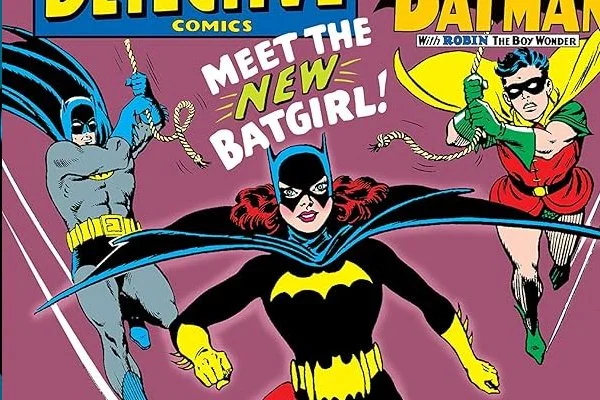
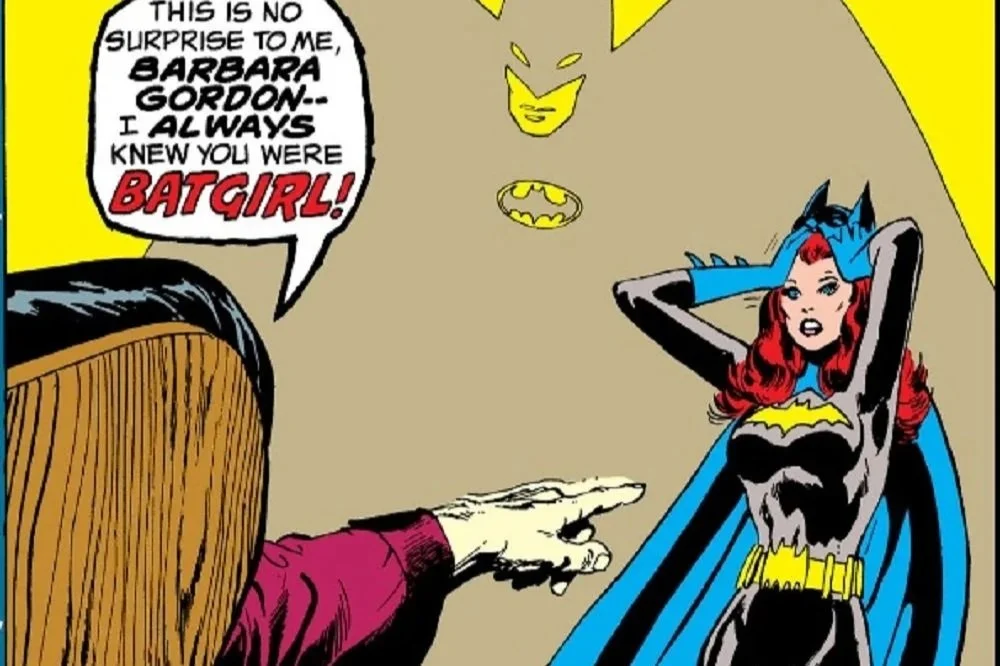
6. The Million Dollar Debut of Batgirl! (Detective Comics #359 January 1967)

Creative Team: Written by Gardner Fox, Art by Carmine Infantino and Sid Greene  

Synopsis: Barbara Gordon, daughter of Commissioner James Gordon, secretly creates a Batgirl costume for a Policeman's Masquerade Ball. When Killer Moth's gang attacks Bruce Wayne, Barbara, as Batgirl, intervenes, demonstrating her martial arts skills and intellect. She assists Batman and Robin in thwarting Killer Moth's scheme, impressing Commissioner Gordon and becoming a new member of the Bat-Family.  

Impact on Batman History: This issue marked the first appearance of Barbara Gordon as Batgirl, a character who would become one of the most beloved and enduring members of the Bat-Family. Her debut, timed to coincide with her appearance in the popular Batman '66 television series, brought a vibrant, intelligent, and capable female hero into the Batman universe. Batgirl's presence diversified the Bat-Family, provided a strong female role model, and expanded the scope of Gotham's vigilante operations beyond Batman and Robin. She quickly proved herself an independent and resourceful crime-fighter, earning her place in the pantheon of DC heroes. The introduction of Barbara Gordon as Batgirl, explicitly tied to the  

Batman '66 television series, highlights the growing synergy between comic books and other media, demonstrating how popular adaptations could directly influence comic book character creation and development. Detective Comics #359 exemplifies a period where comic book narratives were increasingly influenced by their adaptations in other media. Barbara Gordon's creation was a deliberate strategic move to capitalize on the popularity of the Batman TV show, demonstrating that character development could be driven by cross-media synergy. This practice, while sometimes leading to less organic character introductions, also brought new audiences to comics and created characters with built-in mainstream appeal, influencing how future characters might be conceived with multi-platform potential in mind. This issue showcases a pivotal moment in comic book history where the lines between print and screen began to blur, with television actively shaping comic continuity and character debuts, a trend that continues to this day.


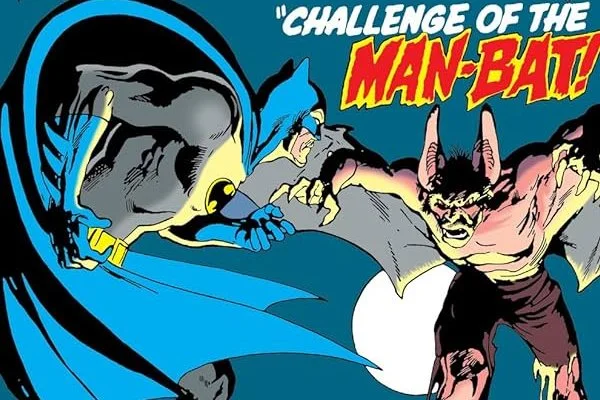
7. The Challenge of the Man-Bat! (Detective Comics #400, June 1970 )

Creative Team: Written by Frank Robbins, Art by Neal Adams and Dick Giordano  

Synopsis: Zoologist Kirk Langstrom, attempting to give humans enhanced auditory abilities using bat gland extract, experiments on himself. The serum transforms him into a monstrous, bat-like creature known as Man-Bat. Batman is confronted with this new, terrifying "bat in Gotham" and must face the "Challenge of the Man-Bat!".  
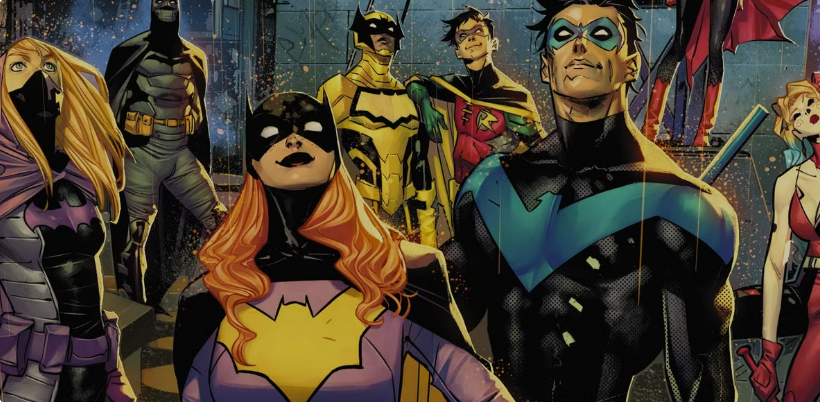
Impact on Batman History: Man-Bat's debut marked a significant moment in the Bronze Age of comics, introducing a new type of adversary for Batman: a tragic, monstrous figure born from scientific hubris, rather than a costumed criminal. This issue, with Neal Adams' dynamic and atmospheric art, helped usher in a more modern, darker, and gothic sensibility for Batman stories, moving away from the campier elements of the Silver Age. Man-Bat became a recurring character, embodying the blurred lines between hero and monster, and adding a layer of horror and pathos to Batman's world. The introduction of Man-Bat, coupled with Neal Adams' art, signaled a deliberate shift towards a more serious, gothic, and horror-infused tone in  

Detective Comics, moving away from the lighter Silver Age narratives. This artistic and thematic evolution was crucial for Batman's enduring appeal. Man-Bat's origin as a tragic, monstrous figure, rather than a typical costumed villain, introduced a horror element to Batman's world. This, combined with Neal Adams' influential art style, which was darker and more realistic than previous eras, helped to re-establish Batman's "dark, brooding nature" and move the series away from the "campy look and feel of the 1966–68 ABC TV series." This shift was critical for Batman's long-term viability, allowing the character to mature and appeal to a broader, more sophisticated readership.  

Detective Comics #400 exemplifies how new character types and artistic vision can fundamentally reshape a long-running series, ensuring its relevance and allowing it to adapt to changing reader tastes and industry trends, ultimately solidifying Batman's identity as a figure of the night.


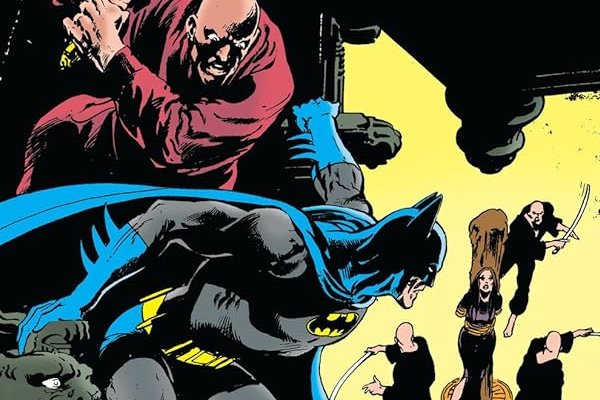
8. The Daughter of the Demon (Detective Comics #411, May 1971)  

Creative Team: Written by Denny O'Neil, Art by Bob Brown and Dick Giordano  

Synopsis: This issue marks the first appearance of Talia al Ghul. Batman is tracking Doctor Darrk, leader of the League of Assassins, and encounters his mysterious and beautiful companion, Talia. She initially appears as an innocent medical student, but her true nature as the daughter of Ra's al Ghul (who is mentioned in this issue ) and a skilled operative of the League soon becomes clear. Batman finds himself drawn to her, setting the stage for one of his most complex romantic entanglements.  

Impact on Batman History: Talia al Ghul's debut introduced a new dimension to Batman's personal life and his ongoing struggle against the League of Assassins. As the daughter of Ra's al Ghul, she became a recurring love interest and adversary, often torn between her father's global ambitions and her affection for Batman. Her character brought themes of legacy, forbidden romance, and moral compromise to the forefront, profoundly impacting Batman's emotional landscape and eventually leading to the introduction of their son, Damian Wayne, decades later. This issue expanded Batman's world beyond Gotham, engaging him in international espionage and more epic, long-form narratives.

Talia al Ghul's introduction broadened Batman's narrative scope beyond Gotham's street-level crime, pulling him into global conflicts and a complex, morally ambiguous romantic relationship. This marked a significant expansion of Batman's world and emotional depth. Talia's dual role as a love interest and a member of a global criminal organization (League of Assassins) forced Batman to confront conflicts that transcended Gotham's city limits. This pushed the series towards more international, espionage-driven plots and introduced a profound personal dilemma for Batman, as his affections were tied to a morally compromised figure. This complexity enriched his character, showing him grappling with emotional attachments that directly conflicted with his mission, a theme that had not been explored in such depth before.  

Detective Comics #411 was pivotal in evolving Batman's narrative from primarily urban crime to a more expansive, global stage, adding layers of personal and ethical conflict that would define many of his most significant storylines for decades.


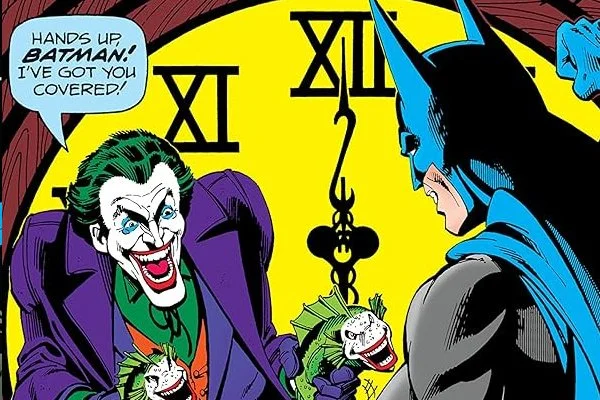
9. The Laughing Fish (Detective Comics #475, February 1978)

Creative Team: Written by Steve Englehart, Art by Marshall Rogers and Terry Austin  

Synopsis: The iconic "The Laughing Fish!" story begins with the Joker embarking on a bizarre crime spree: mutating fish to bear his grotesque smile, then demanding royalties from the fishing industry. When his demands are not met, he begins murdering officials. Batman, while grappling with his complicated relationship with Silver St. Cloud, must confront the Joker's escalating madness.  

Impact on Batman History: This issue, part of Steve Englehart and Marshall Rogers' highly acclaimed run, is considered a definitive Joker story that revitalized the character after years of being portrayed as a more comedic villain. It restored the Joker's terrifying edge and unpredictable malevolence, solidifying his status as Batman's primary antagonist. The artistic style, with its noir atmosphere and dynamic layouts, became highly influential, setting a new visual standard for Batman comics and inspiring adaptations like  

Batman: The Animated Series. This story reaffirmed Batman as a dark, brooding figure operating in a grim, dangerous Gotham. "The Laughing Fish!" exemplified how a creative team could fundamentally redefine a character's tone through a synergy of writing and art, pulling the Joker back from comedic villainy to his terrifying, unpredictable roots. This re-definition was crucial for Batman's own character. By restoring the Joker's status as a truly terrifying and unpredictable force,  

Detective Comics #475 simultaneously elevated Batman's role as Gotham's dark protector. A more menacing Joker necessitated a more serious and formidable Batman. This story, through its masterful blend of dark humor and genuine horror, solidified the grim, noir aesthetic that would become synonymous with modern Batman. It demonstrated that the quality of Batman's villains directly impacts the perceived stature and necessity of Batman himself. This issue, and the run it belongs to, was instrumental in shaping the "modern Batman story arc," proving that a character could be continuously reinvented by returning to core, darker principles, and that artistic innovation could drive narrative redefinition..

10. The Greatest Detective Story Ever Told (Detective Comics #826 February 2007)

Creative Team: Written by Mike W. Barr, Art by Alan Davis, Paul Neary, and others  

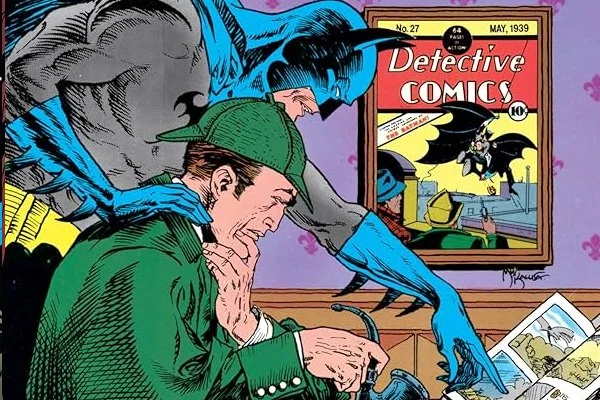
Synopsis: Celebrating the 50th anniversary of Detective Comics, this oversized issue brings together various DC detectives, including Batman, Robin, Slam Bradley (DC's first detective character), and the Elongated Man, to solve a mystery involving Sherlock Holmes himself. The overarching plot revolves around Holmes and his legacy.  
Impact on Batman History: This anniversary issue was a powerful homage to the very concept of "detective" that defines the series and its flagship character. By featuring a team-up between Batman, other DC sleuths, and even Sherlock Holmes, it explicitly reinforced Batman's identity as the "World's Greatest Detective" within a broader tradition of mystery-solving. It celebrated the series' roots while showcasing its enduring relevance, demonstrating that the "detective" aspect was not merely a title but a core thematic principle that connected Batman to a lineage of great fictional investigators.  

Detective Comics #572, as an anniversary issue, consciously affirmed the series' core identity as a "detective" title by bringing together various DC sleuths and even Sherlock Holmes. This strategic narrative choice reinforced the foundational premise of the series. By explicitly bringing in Sherlock Holmes and DC's other great detectives, Detective Comics #572 served as a powerful meta-commentary on the series' own name and Batman's primary skill set. It was a conscious effort to re-center the "detective" aspect of Batman, which, at times, had been overshadowed by his superheroics. This affirmation ensured that future generations of readers and creators understood the fundamental investigative core of the character and the title, preventing it from becoming a generic superhero comic. This issue solidified the series' legacy as a bastion of detective fiction within the superhero genre, influencing subsequent creators to lean into Batman's investigative skills and reminding readers of the intellectual challenges that define his unique approach to crime-fighting.


11. The Black Mirror (Detective Comics #871, January 2011)

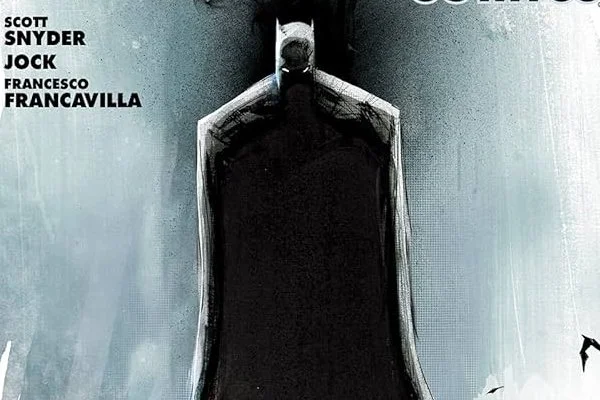
Creative Team: Written by Scott Snyder, Art by Jock and Francesco Francavilla  

Synopsis: "The Black Mirror" part 1 of 3, marks the debut of Scott Snyder and Jock as the new creative team. With Bruce Wayne presumed dead, Dick Grayson has taken up the mantle of Batman. A series of brutal murders pushes Dick's detective skills to their limit, forcing him to confront one of Gotham City's oldest evils. A backup story, also by Snyder, focuses on Commissioner Gordon facing dark demons from his past.  

Impact on Batman History: This issue launched Scott Snyder's highly influential run on Detective Comics, which is widely regarded as one of the best modern Batman stories. It brilliantly explored Dick Grayson's tenure as Batman, highlighting his unique approach to the cowl compared to Bruce Wayne, and reaffirmed the "detective" aspect of the character in a fresh, compelling way. Snyder infused the series with elements of horror and mystery, creating a palpable sense of unease and introducing new, impactful lore to Gotham City, such as the Court of Owls. This run closed out the original volume of Detective Comics with critical acclaim, setting a high bar for future iterations.

Detective Comics #871 showcased Dick Grayson as Batman, allowing for a fresh exploration of the mantle and its responsibilities, distinct from Bruce Wayne's portrayal. This demonstrated the character's adaptability and capacity for evolution beyond its original incarnation. Placing Dick Grayson in the Batman role allowed Scott Snyder to explore the mantle from a different perspective, highlighting how the character of Batman is larger than any single individual. Dick's more playful demeanor and different relationship with Commissioner Gordon offered a contrast to Bruce's grim solitude, demonstrating the adaptability and enduring nature of the Batman archetype. This move also allowed for a "back-to-basics approach" to Batman's detective skills, as Dick had to prove himself in the role, reinforcing the "Detective" in Detective Comics. Detective Comics #871 proved that the Batman character could thrive and evolve even without Bruce Wayne in the cowl, ensuring the character's longevity and opening new narrative possibilities for future generations of creators and readers, showcasing the enduring power of the mantle itself.


Beyond the Pages: The Lasting Influence of Detective Comics

The 11 issues highlighted here represent but a fraction of the monumental contributions Detective Comics has made over its 1100-issue run. From the very first appearance of Batman to the redefinition of his greatest foes and the introduction of beloved allies, the series has consistently served as a crucible for innovation and character development. It has adapted to changing tastes, societal shifts, and evolving artistic trends, always maintaining its core identity as a home for the world's greatest detective.

Detective Comics celebrates its 1100th issue, there has never been a better time to delve into its rich history. Whether revisiting these foundational stories or discovering them for the first time, each issue offers a unique window into the evolution of a legend. Explore these pages, and discover the passion, depth, and enduring impact of Detective Comics.

Meet Sasha Bordeaux: Your Guide to the New Hero (or Villain?) of Peacemaker Season 2

George SerranoComment

Peacemaker Season 2 will introduce a fascinating new character, Sasha Bordeaux, and her comic book history is packed with a lot of interesting developments. While the show's version, played by Sol Rodríguez, will likely have its own unique path, knowing her background provides some great clues about what to expect.

In the comics, Sasha starts out as a no-nonsense Secret Service agent who takes a job as a private bodyguard for Bruce Wayne. She's so good at her job that she figures out his biggest secret, becoming one of the few people to know that he's Batman. This kicks off a major arc where she becomes his partner, fighting alongside him in a protective suit. She is incredibly loyal, even to the point of being framed for murder and going to prison to protect his secret identity.


From Bodyguard to Black Queen

Her story gets even more complex from there. After her apparent death is faked, she's recruited by the shadowy spy organization Checkmate. She undergoes a complete transformation, getting plastic surgery and becoming a high-ranking operative known as the Black Queen. This is a huge shift, taking her from a grounded, loyal bodyguard to a master spy with her own agenda. Her journey culminates in a wild sci-fi twist during the Infinite Crisis event, where she is turned into a cyborg known as an OMAC, with a mind of her own. Later on, she's reintroduced as a key A.R.G.U.S. agent, which seems to be the version Peacemaker is drawing from.


What to Expect in Peacemaker Season 2

What can we infer about her role in Peacemaker? It has been confirmed that she'll be a high-ranking A.R.G.U.S. agent, which fits her more recent comic book history. Actress Sol Rodríguez has mentioned in interviews that her character has no connection to Batman "yet," which suggests that while the show is establishing its own continuity, it is not ruling out a future tie-in to the larger DC Universe. Given her comic history of being a serious and highly skilled operative, it is very likely that Sasha will be a foil to Peacemaker's more chaotic and unpredictable personality, bringing a professional dynamic to the A.R.G.U.S. team. Her past in the comics, where her allegiance shifted from protecting a hero to joining a clandestine spy group, hints at a complex and perhaps morally ambiguous character whose motivations will be a key part of her arc.

30 Years Later: Why the 1995 Mortal Kombat Movie is Still a Flawless Victory

George SerranoComment

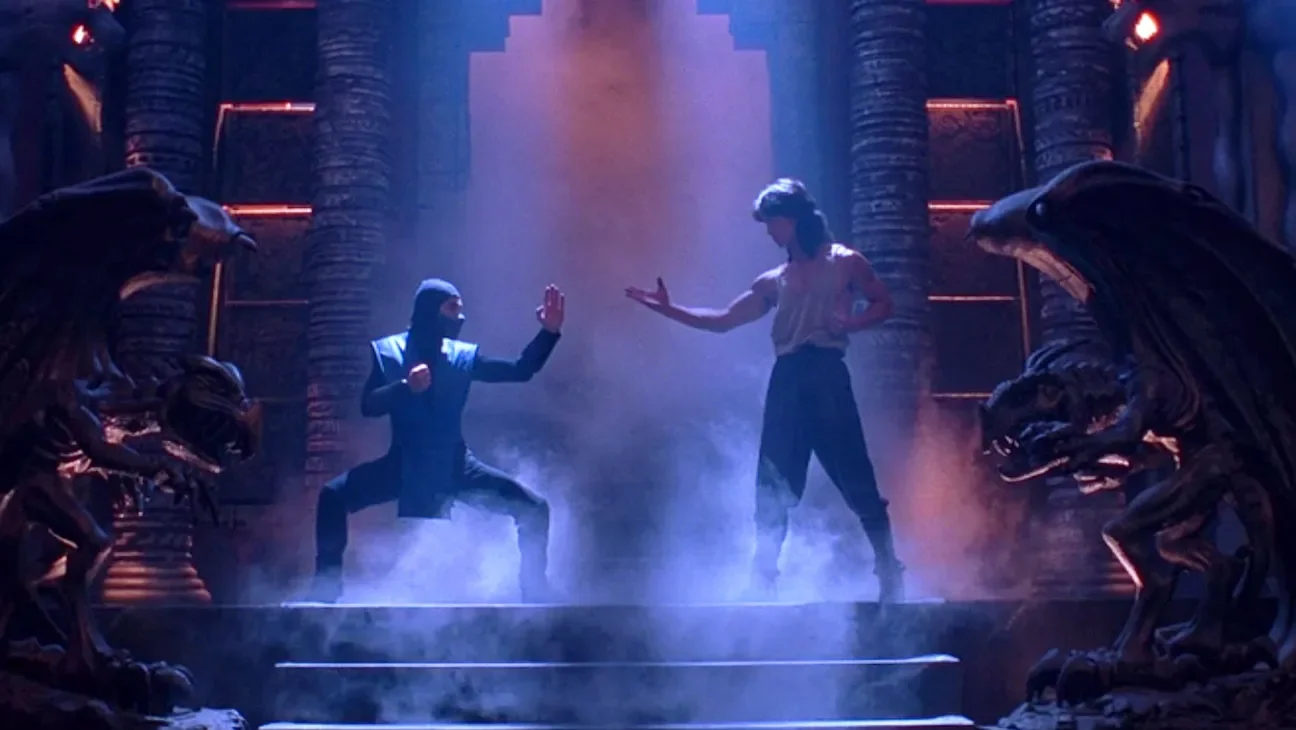
Thirty years ago, a miracle happened. Remember the feeling of hearing that "Mortal Kombat!" theme blare out of the theater speakers for the first time? It was a secret handshake, a promise that this film understood us. The original 1995 Mortal Kombat movie arrived not as a movie, but as a perfect portal into the fantastical world we'd only ever seen on a video screen. Now, three decades later, critics and fans can argue all they want about its flaws, but for those of us who were there, it remains a total, honest-to-god flawed masterpiece. It's a "Flawless Victory," and here's why.


The Soundtrack is an Instant Adrenaline Shot

You cannot talk about the Mortal Kombat film without talking about its iconic soundtrack. That opening techno theme by The Immortals is pure, unfiltered adrenaline. It's more than music; it's a character in itself. The whole soundtrack, a landmark of electronic music, perfectly captured the vibe of the 90s and the raw energy of the tournament. Even today, hearing those first few notes is an instant trigger for a wave of nostalgia and excitement. It remains, for many people, the most recognizable part of the film's legacy.


The Legendary Cast Understood the Assignment

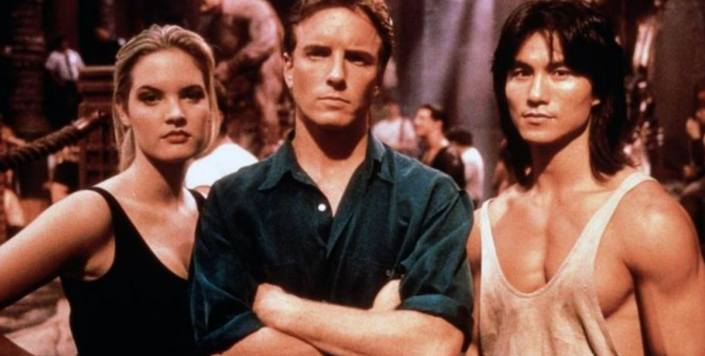
The real flawless victory of this film was the cast. They understood the assignment perfectly, delivering performances that were both sincere and a little bit unhinged. Christopher Lambert’s Raiden was a perfect mix of wisdom and a mischievous quality. He'd laugh at the most serious times and deliver his lines with a knowing wink, famously improvising his "I don't think so!" line before a fight.

Cary-Hiroyuki Tagawa didn't play Shang Tsung, he became the soul-stealing sorcerer. His famous line, "Your soul is mine," is one of the most iconic villain moments in film history for a reason. As the film's heroes, Robin Shou's Liu Kang brought a real emotional weight to the story while pulling off incredible fight scenes himself. As for Linden Ashby's Johnny Cage, he was the quintessential action hero, delivering every cocky quip and brutal uppercut with a perfect amount of ego.

The Glorious Flaws We Love Anyway

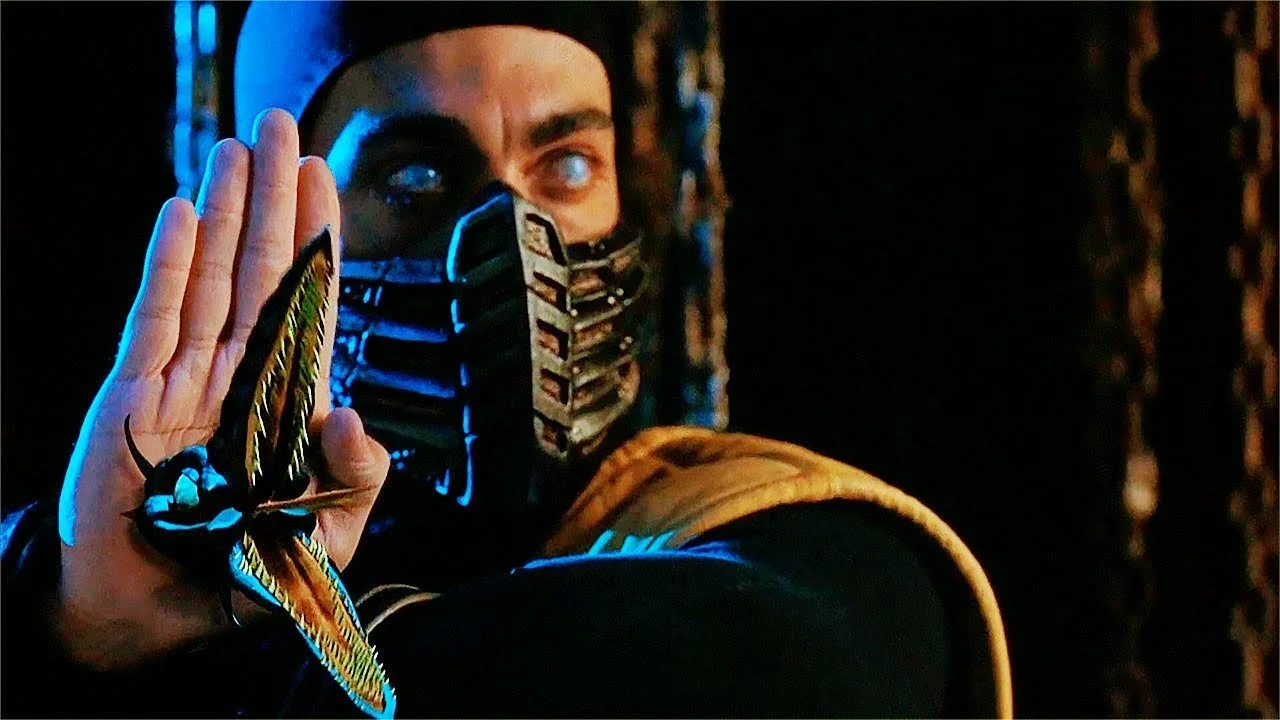
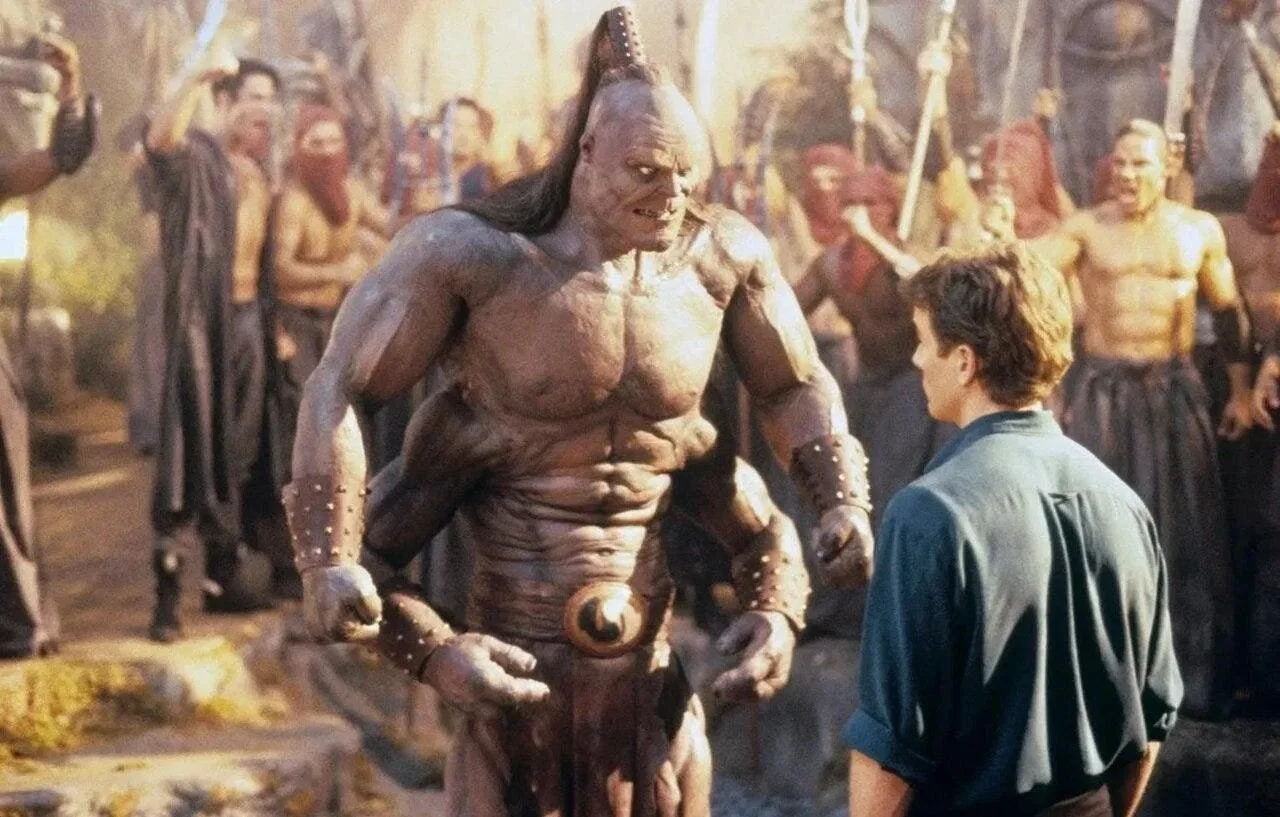
It's easy to forget that this was a film fighting an uphill battle. It was given a tiny budget and a ridiculously short schedule. We can all agree that Goro was, shall we say, a little bit janky. The special effects for Scorpion's fire and Sub-Zero's ice are delightfully dated, looking more like early CGI tests than an actual fighting technique. The dialogue itself has a "so bad it's good" quality that we quote endlessly. It’s a messy film, but that messiness is exactly why it’s so perfect.

The biggest "flaw" for fans at the time was the lack of the series' trademark gore. To secure a PG-13 rating and reach a wider audience, the creative team had to make a tough call: cut the blood. What could have been a fatal mistake became a creative triumph. The director was forced to lean into inventive filmmaking to keep the energy high. Instead of relying on blood and guts, they focused on stylized, fluid martial arts and clever camera work. This choice turned a limitation into a strength, delivering a movie that was exciting and accessible while still feeling authentic.


The Fights Still Hit Hard

The movie’s fight scenes were a revelation for the time, and they still hold up. Mortal Kombat was one of the first major Hollywood blockbusters to extensively use Hong Kong-style wire work, giving the fights a sense of dynamic, almost supernatural, movement. These fights were not a series of button-mashing; they were carefully choreographed dances that felt straight out of the game. Just look at the one-on-one battles that made the movie an instant classic: Johnny Cage vs. Scorpion, a battle that took us on a trippy journey into a multi-dimensional arena, all while Johnny Cage made a joke about Scorpion's "get over here!" chain.

Then there was Liu Kang vs. Reptile, a gritty, no-nonsense fight that was raw and brutal, showcasing Liu Kang's fluid martial arts and Reptile's stealthy attacks. And who can forget Sonya Blade vs. Kano, a tense, grudge-fueled brawl that finally put an end to the villain's constant heckling. The final battle, Liu Kang vs. Shang Tsung, delivered everything a fan could hope for, from Liu Kang's bicycle kick to a perfect, on-screen Fatality that was both cool and satisfying.


Thirty years later, the film holds up because it feels like a group of fans made a movie for other fans. It wasn't about being critically perfect; it was about honoring the source material with passion. It is, and always will be, a flawless victory.

What do you think? What are your favorite memories from seeing the movie for the first time? Join the conversation and share your favorite quotes or fight scenes in the comments!

You're Wrong About the Superman Post-Credit Scene

George SerranoComment

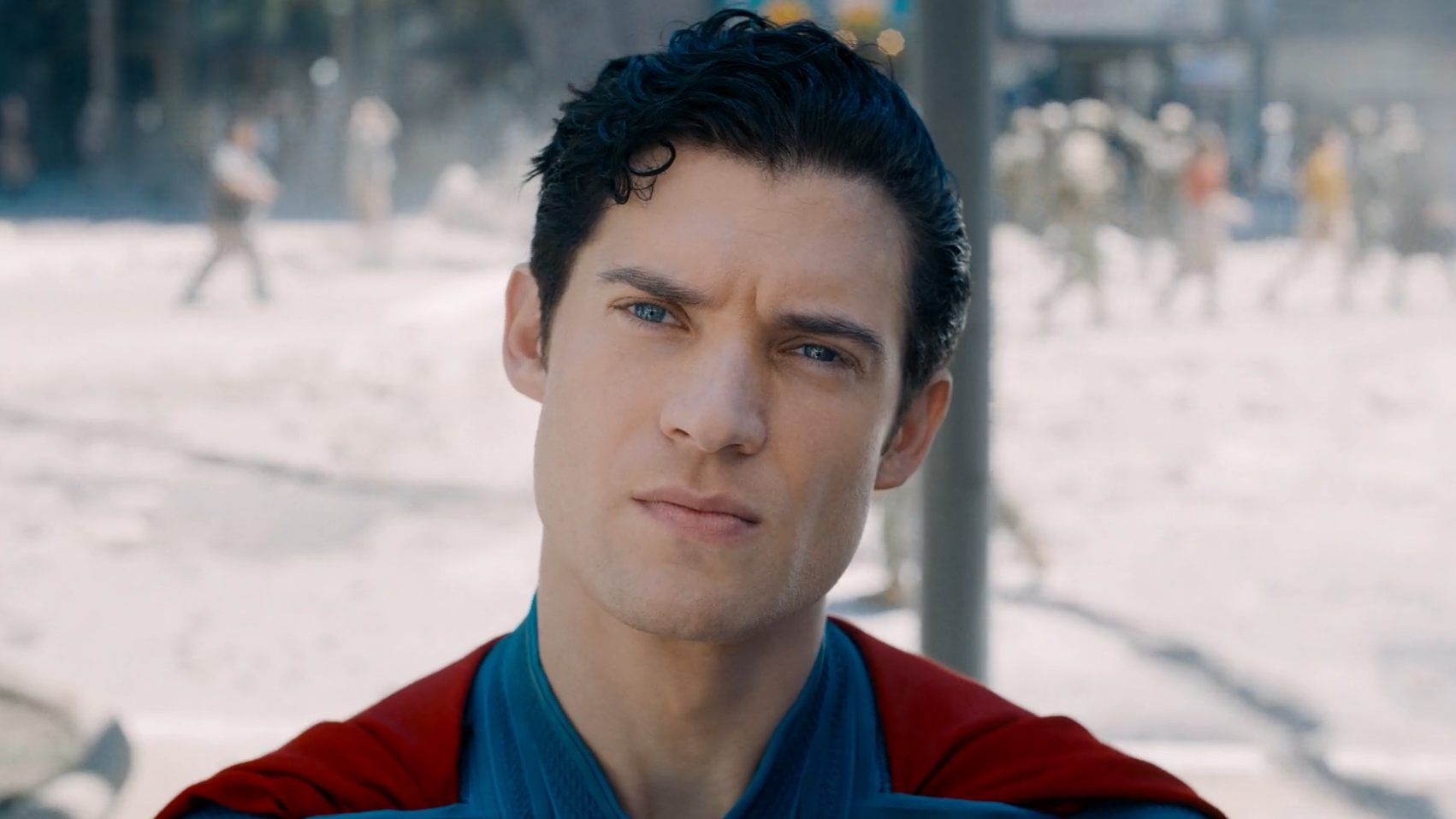
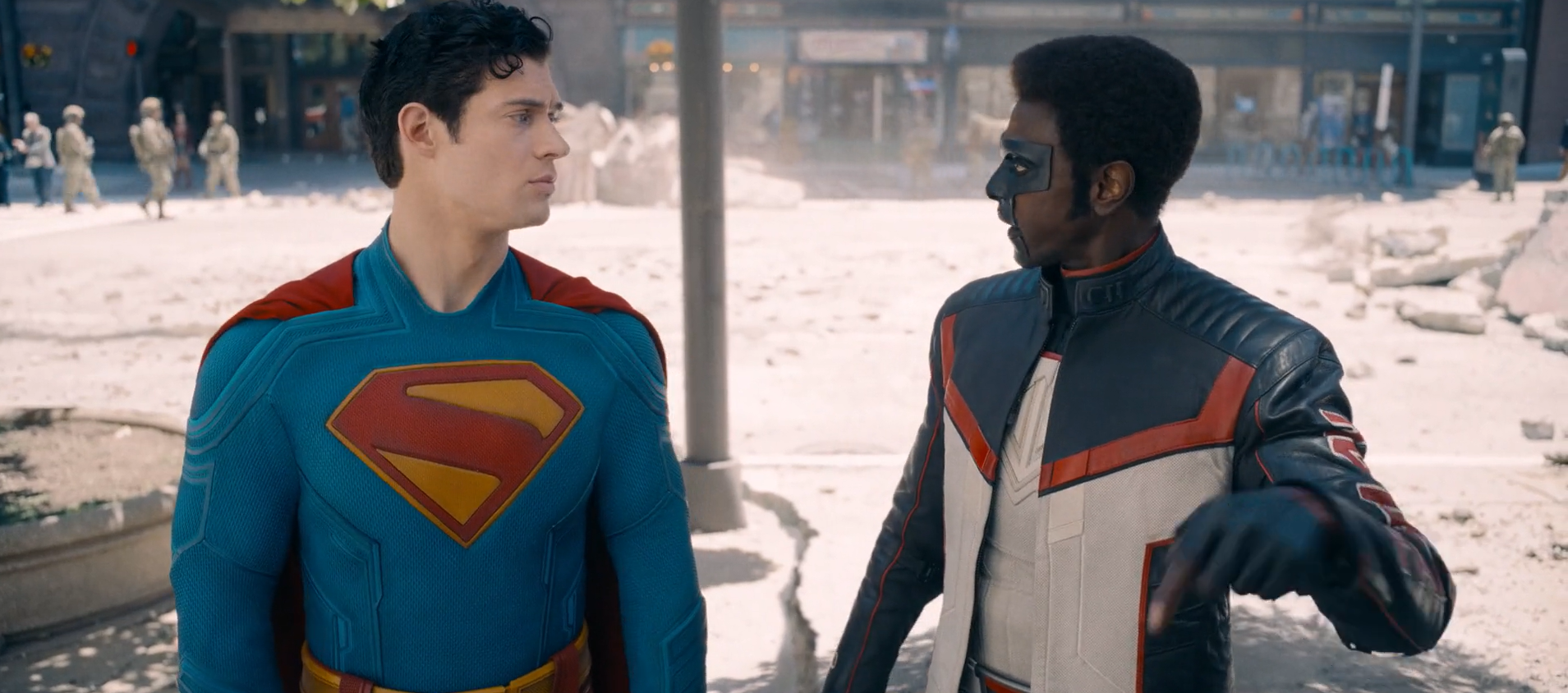
The new Superman film is out on digital, and like with most big superhero movies, the post-credit scene is a major topic of conversation. A lot of people are calling the scene with Superman and Mister Terrific useless, claiming it's a quick joke about Superman being a perfectionist. I think that take is completely wrong. This scene has two important utilities, and anyone who thinks it's meaningless is arguing in bad faith.


What the Scene Tells Us About the Universe

In the movie, Lex Luthor tears the city in half by opening a dangerous gate between worlds. The damage is catastrophic, but Superman and Mister Terrific manage to put it back together. When they survey the reassembled city, the building they look at still has a crooked seam—it's not perfect.

The scene's purpose is to make a statement. It tells us that when things are broken, they don't always come back together perfectly. That lingering crack could be a problem later, allowing other dangerous things to get into Metropolis. The scene is a perfect metaphor for the new DC Universe; it's not a complete reset, but a patched-up continuation where the scars from the past still show. It sets a new tone where heroism has consequences, and the world is always a little bit broken.


What the Scene Tells Us About Superman

More importantly, this scene also gives us a clear look at who this new Superman is. He's not happy getting things "kind of" right. Mister Terrific, the logical and pragmatic genius, is satisfied they did as good a job as they could have, given how enormous the catastrophe was. But Superman, ever the optimist and boy scout, thinks it can always be improved.

He's a hero who saves the day; he's a perfectionist who wants to fix every last detail. The scene shows his unwavering belief that the world can always be made better, even when others would settle for good enough. It's a key piece of character development that gives us insight into the man behind the cape.

Check out our review of the film here!


What The Bad Faith Fans Tell Us About The Success of The DCU

When fans dismiss this scene as a simple joke or a waste of time, they are revealing their own biases. They are grasping at straws in an attempt to find fault with a film that is, honestly, a good Superman story. It's a cheap way to criticize a movie that they already had their minds made up about. These are the same people who complain that nothing ever matters in comic book films, and then they completely ignore a scene that clearly establishes a new reality with real consequences. They're looking for any excuse to call the film a failure and a sign that the DCU is already doomed.

But the scene stands on its own. It's a piece of honest-to-God filmmaking that tells us about both the hero and his world. To pretend it's meaningless is to either not be paying attention or to be engaging in a bad-faith argument in an attempt to sink a film that deserves to succeed.


What do you think? Have you seen the new Superman film? Share your thoughts on the post-credit scene in the comments below!

The Babs-Shaped Elephant in the Batcave: How The Brave and The Bold Should Handle Barbara Gordon

George SerranoComment

Alright, Bat-Fans and beyond! The hype is real, the cowl is (presumably) shiny, and we're all buzzing about Batman: The Brave and The Bold finally bringing Damian Wayne's Robin into the cinematic fold. Awesome, right? Absolutely. But while we're mentally prepping for peak Bat-brat sass and some serious father-son crime-fighting, a little Bat-shaped question mark has popped into my head, and I bet I'm not the only one wondering: What in the Gotham-shaped world are they gonna do with Barbara Gordon?

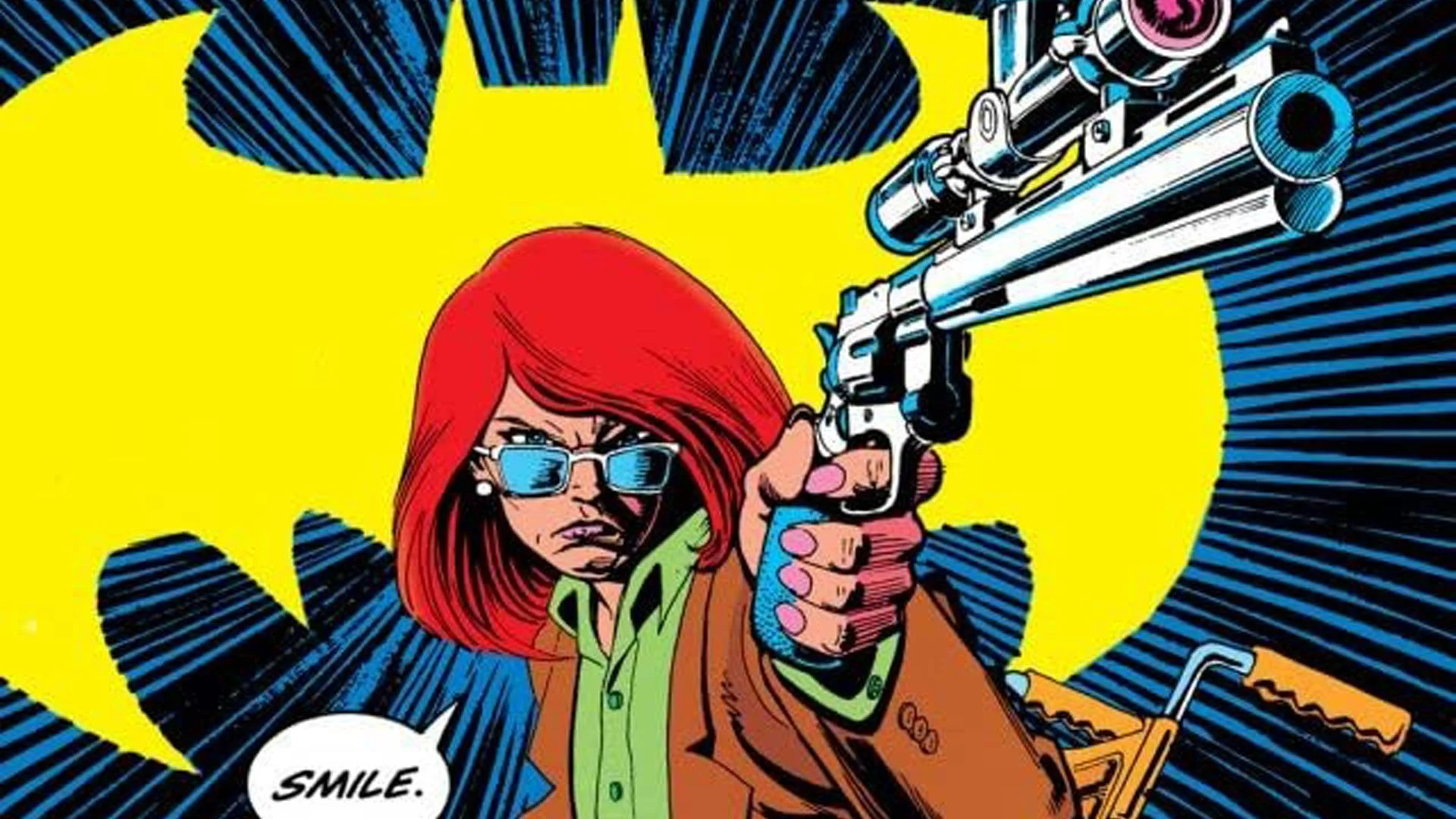
See, this isn't just some random character we're talking about. We’re talking about the OG Batgirl, the one who made purple gloves a fashion statement in the face of danger. We’re talking about Oracle, the brains in the chair who redefined resilience and proved that a true hero can’t be sidelined, no matter what. So, yeah, the filmmakers have a teensy little task on their hands. They can't just, like, have her watering plants in Wayne Manor (unless those plants are secretly dispensing intel, in which case, genius!). We need to talk about the Babs-shaped elephant in the Batcave. How do you honor both the high-flying hero and the information-age icon?


The Weight of the Batgirl Legacy

Before we get to the big dilemma, we have to respect the foundation. For so many of us, Barbara Gordon is Batgirl. She wasn’t a sidekick’s girlfriend or a love interest to a hero; she was a certified G, a standalone force of nature who put on her own cape and cowl and went out to fight crime in a city full of darkness.

Her tenure as Batgirl is legendary. She’s smart, capable, and just as much a hero as the big boys. She carved her own path, and for a long time, she was one of the few female heroes in the Bat-Family getting consistent shine. To pretend that part of her story doesn't matter would be a massive disservice to her character and to the fans who grew up with her as a symbol of female empowerment in comics. You can't just erase that.


The Transformative Power of Oracle

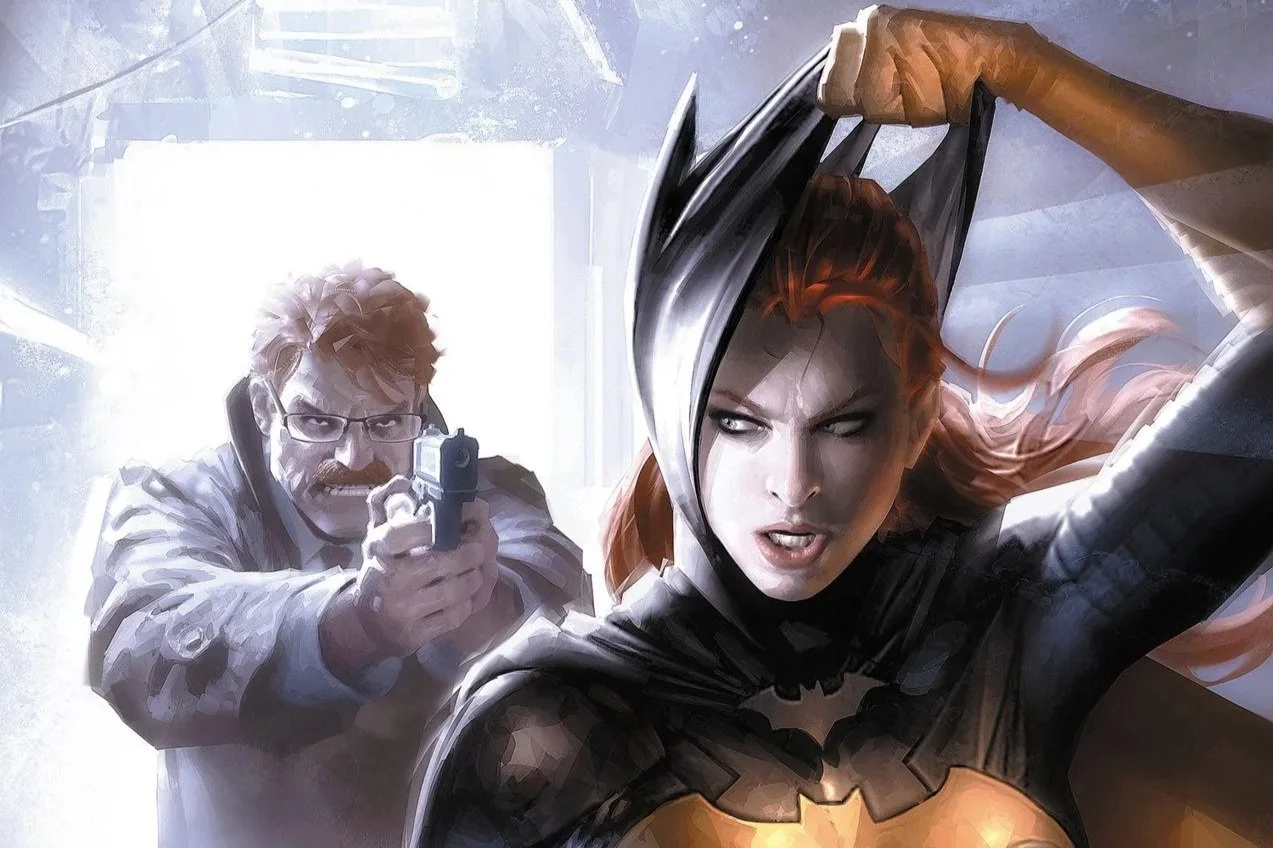
But then… there's the part of her story that, for me, truly made her iconic. In the legendary The Killing Joke, the Joker commits an act so horrific it changed the entire DC universe. Barbara is shot, leaving her paralyzed. It was a brutal, controversial moment that, honestly, felt like a cheap shot against a beloved hero.

And then, a funny thing happened. The creatives and the character herself refused to be defined by that tragedy. Barbara Gordon became Oracle. From her hidden lair in the clocktower, she became the greatest information broker in the DCU. She wasn’t just a hero; she was the source of hope, a guiding light for every hero in the street. She was Batman's eyes and ears, the Birds of Prey's leader, and a beacon of inspiration for people with disabilities who finally saw themselves represented as a hero, a genius, and a formidable force in the universe. Her time as Oracle didn’t just save the character; it elevated her to a new level of importance.


The "Problem" for The Brave and The Bold

Here's where the new movie’s timeline becomes a problem. Damian Wayne’s introduction as Robin suggests a relatively early point in Batman's career. So, where does Barbara Gordon fit in? If she's Batgirl, it means we don't get the Oracle we love and respect. If she's Oracle, it means we're skipping one of the most formative parts of her story—and that could feel rushed or, worse, unearned.

It’s the ultimate "have your cake and eat it too" dilemma. We want the thrill of her high-flying Batgirl days and the profound depth of her time as Oracle. So, what's a filmmaker to do?


Possible Solutions and Creative Approaches

I've been thinking about this a lot, probably more than I should, and I’ve come up with a few ideas for how to tackle this Babs conundrum.

First, there's what I'm calling "The Mentor in the Shadows" approach. This is my personal favorite. The movie would introduce Barbara Gordon as an already established Oracle. Maybe she's a retired Batgirl, with her past referenced in a few quick lines of dialogue or a framed picture in her lair. This would immediately establish her experience and respect, positioning her as a vital mentor to both Bruce and Damian. It honors her legacy without having to re-tell a story we’ve seen countless times, and it gives us the awesome, inspiring Oracle right from the start. Plus, imagine the banter between her and Damian—it would be pure cinematic gold.

Then there's the "Flashback Approach," which is a bit more conventional, but could still work. You introduce present-day Barbara as Oracle, but pepper the film with short, punchy flashbacks of her as Batgirl. This could be a great way to show a parallel between her and Damian, highlighting the difference between Bruce's two protégés. It would be a slick way to give a nod to her past, but it runs the risk of feeling a bit disjointed. It's like flipping through a really great photo album, but you’re in the middle of a high-speed chase.

Finally, there's the riskiest, but maybe most interesting idea: The Dual Role. What if we get a post-Oracle Barbara who is both Oracle and Batgirl again (think the comic storylines where she's able to walk again)? While a bit complex, it would offer a chance to explore a truly unique version of the character, combining her physical prowess with her tactical genius. The only downside is it might get a little messy for a general audience who isn't up to date on every single comic book arc. You don't want them getting whiplash trying to figure out if she's a Batgirl or a tech-wiz or both.


My Desired Outcome (Don't @ Me!)

Look, I'm not here to prove my opinion is the only one that matters. But if I had a magic lasso, I would wish for Solution #1: The Mentor in the Shadows. I think it’s the most elegant and respectful approach. It acknowledges the tragedy that made her who she is without having to show it on screen in a potentially exploitative way. It gives us a wise, powerful, and already-established Oracle, which is the version of the character that holds the most power and inspiration today.

Giving us Oracle right away sends a message: this is a hero who overcame unimaginable hardship and is now an invaluable part of the Bat-Family, not in spite of her disability, but with a new perspective because of it. It would be an incredibly powerful and genuine way to introduce her to a new audience.

So, what do you think? Am I on the right track, or am I completely off my rocker? Drop a comment below and let's get a conversation going. Let's figure out how we can make sure Babs gets the movie she deserves!

​The 'Thor'oughly Divisive Reign of Taika Waititi

George SerranoComment

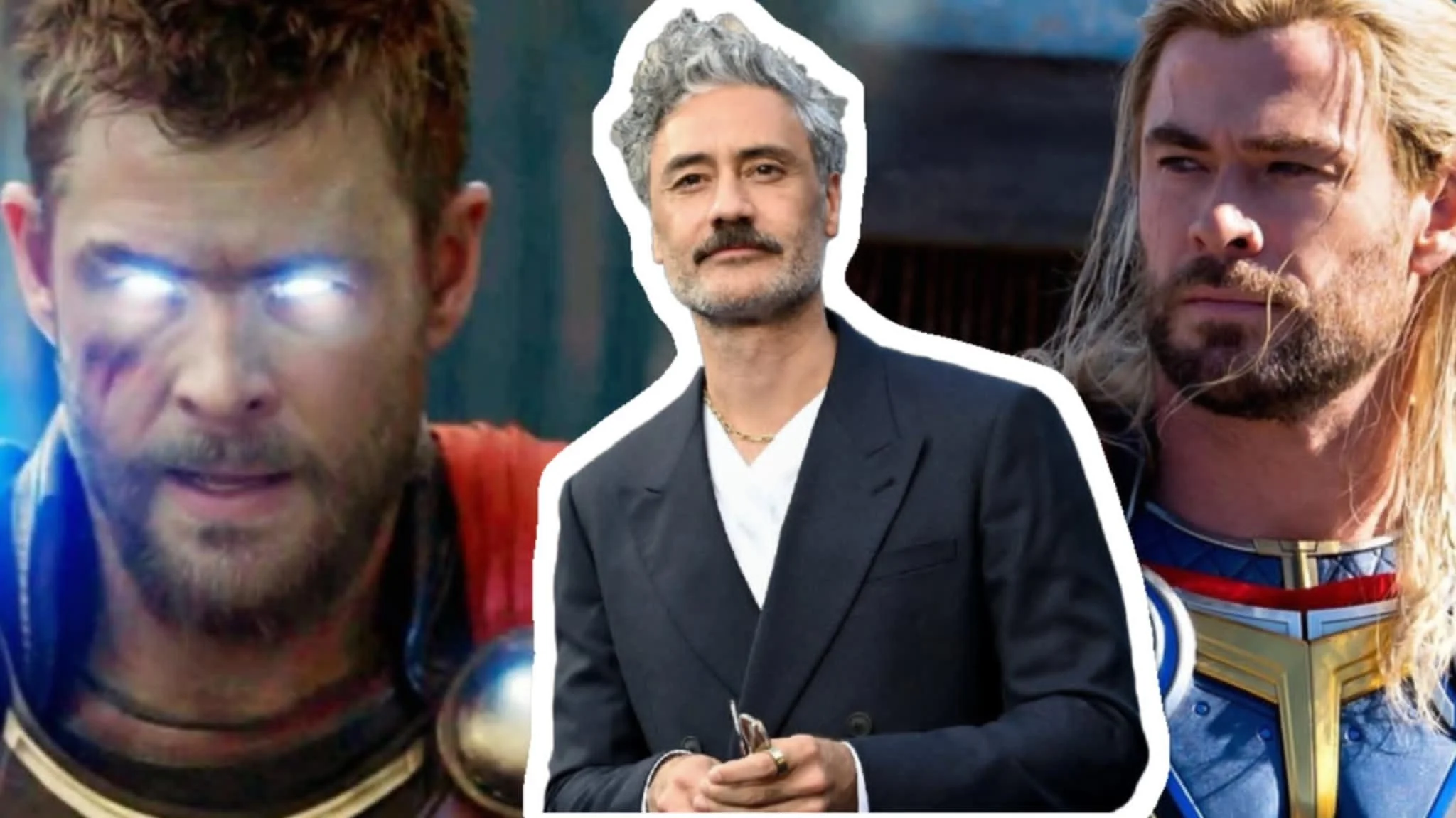
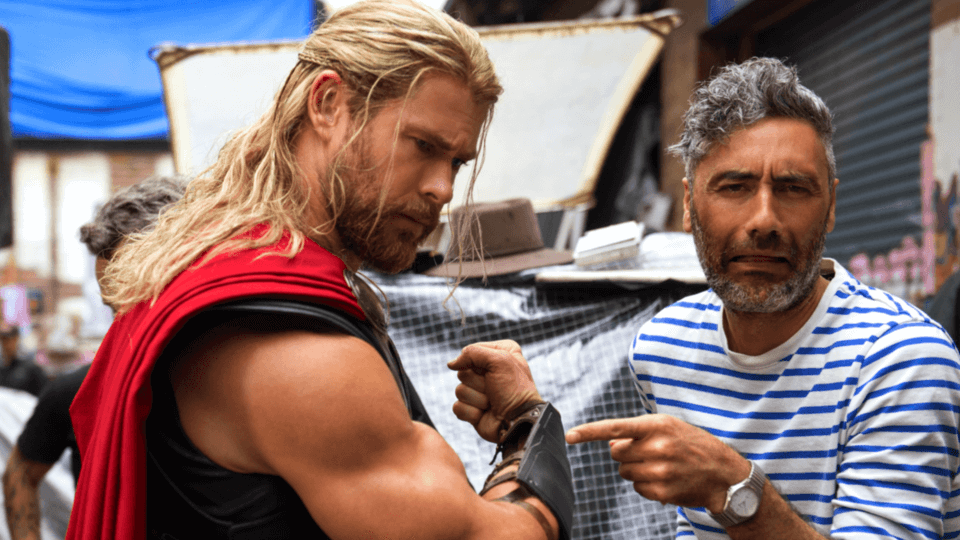
It's been a decade since Taika Waititi first brought his signature brand of quirky, offbeat humor to the Marvel Cinematic Universe, and on his birthday, it's worth taking a look back at his enduring legacy. The director's two films, Thor: Ragnarok and Thor: Love and Thunder, completely reinvented the God of Thunder, pulling him from the solemn, Shakespearean realm of his first two solo outings into a kaleidoscopic world of cosmic comedy. But as with any bold creative choice, the results have been divisive.

So, as we celebrate Taika's birthday, let's explore the two sides of this epic debate: did he save the character, or did he, as some would argue, ruin him for good?

The Case for "Saved": A Box Office Juggernaut

Before Taika Waititi came along, the Thor franchise was in a bit of a slump. The first two films, while respectable, didn't quite reach the financial heights of other core Avenger stories. But then, Thor: Ragnarok burst onto the scene, not just as a movie, but as a phenomenon. It wasn't just a hit; it was a franchise-defining moment that earned a staggering $854 million worldwide.

This success was all thanks to Waititi's vision. He saw what everyone else was missing: Chris Hemsworth's incredible comedic timing. Waititi's unique style, which relied heavily on improvisation, with up to 80% of Ragnarok's dialogue reportedly unscripted, gave Hemsworth the freedom to turn Thor into a more relatable, more lovable hero. This new Thor, a god who could face down cosmic threats with a wry grin, became a fan favorite and a major player in Avengers: Infinity War. He was funny, yes, but for many, the comedy was a clever way to explore the character's immense loss, adding a surprising layer of depth to his journey.

The Case for "Ruined": The God of Gags

Of course, not everyone was on board with the change. For every fan who loved the new, funnier Thor, there was another who felt his epic dignity was traded for cheap laughs. The majestically brooding Asgardian prince was, in their eyes, replaced by a bumbling buffoon.

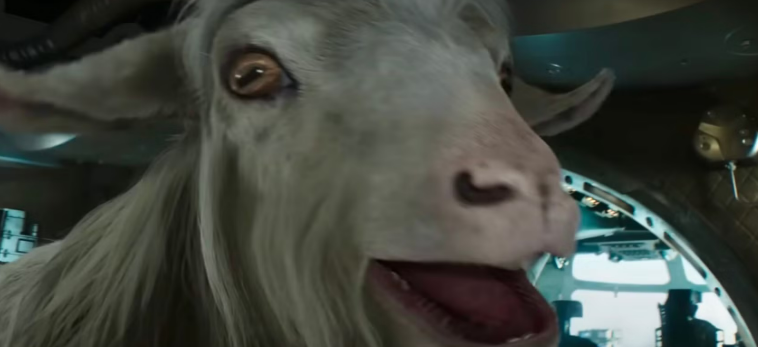
This feeling intensified with Thor: Love and Thunder. While it still pulled in a massive $760 million worldwide, the film's reception was far more mixed. Critics argued the movie leaned too hard into its comedic side, sometimes feeling like a parody of itself. They point to moments like the screaming goats or the way a fearsome villain like Gorr the God Butcher was undermined by a relentless stream of jokes. In this view, the film's pursuit of comedy diminished Thor's emotional journey, making his heroic deeds feel less earned.
The Perfect Balance?

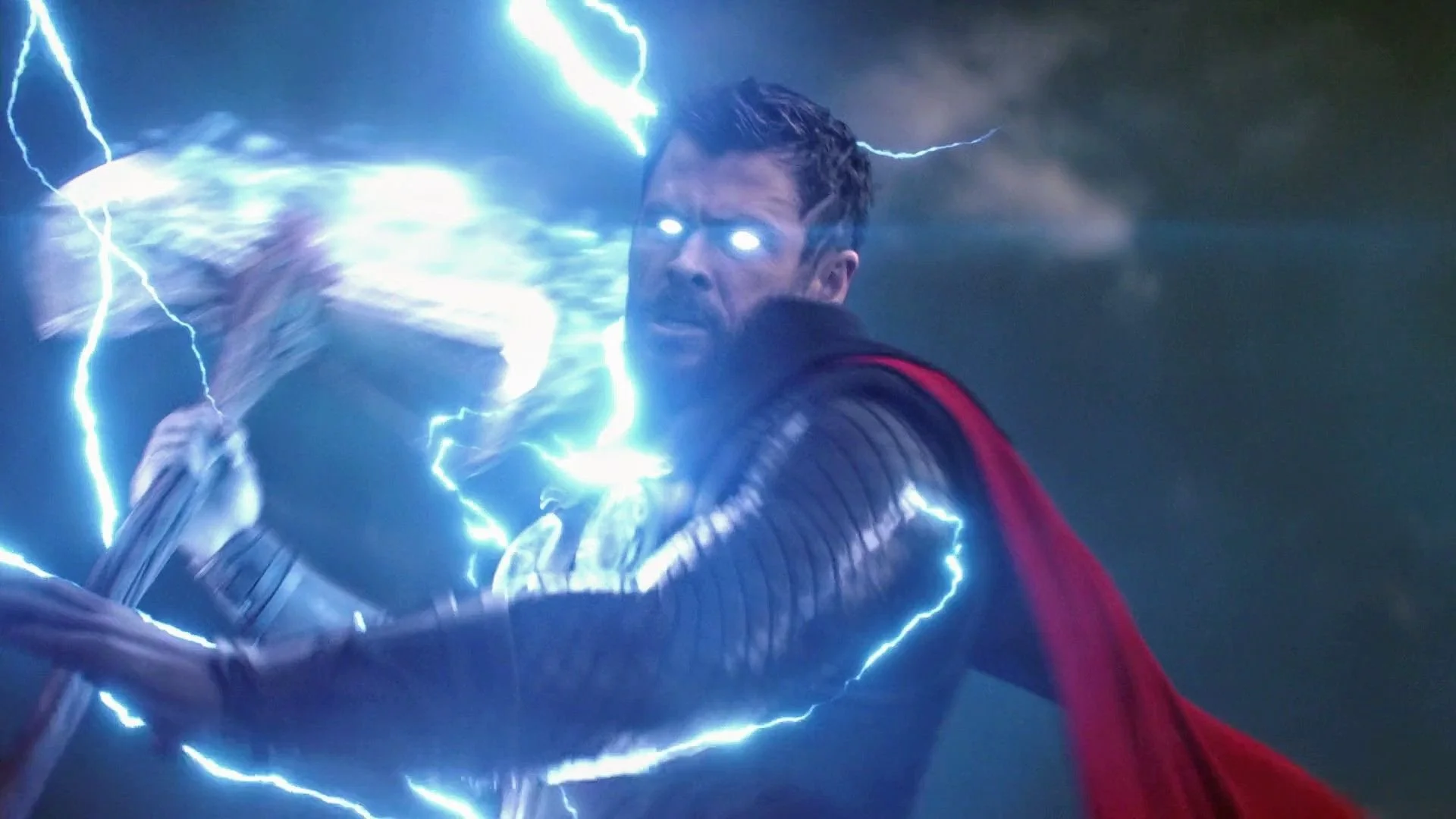
The truth is, whether Waititi saved or ruined Thor is a matter of personal taste. After all, what one person finds hilarious, another might find cringeworthy. But maybe the real answer lies somewhere in the middle. The most beloved version of this new, comedic Thor might not have been in his solo films at all, but rather in Avengers: Infinity War.

In that movie, we saw a Thor who was the best of both worlds. He had the sharp wit from Ragnarok but still carried the solemn, heroic purpose of his earlier adventures. He was both funny and formidable, a character who could inspire laughter one moment and awe the next. Perhaps the true genius of Waititi's reinvention was simply unlocking the potential that was always there, proving that Thor didn't have to be just one thing.

While the future of the God of Thunder is in flux, we know that Chris Hemsworth is set to return as Thor as soon as Avengers: Doomsday. Will this version resemble his original take or lean more comedic like it has in recent years? Time will tell.

Frank Castle's Unlikely Crew: The Punisher's 8 Coolest Comic Crossovers!

George SerranoComment

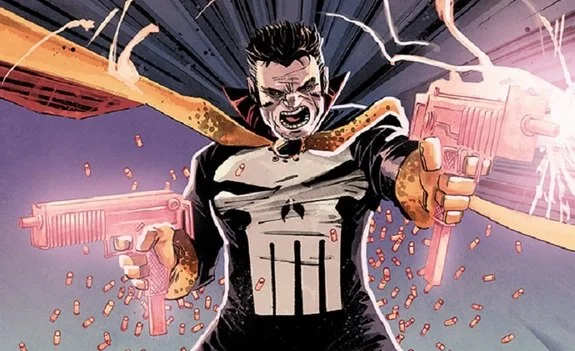
​Frank Castle, the Punisher, is an absolute force of nature in the Marvel Universe. Driven by the brutal murder of his family, he's on a relentless, one-man war on crime, using lethal force where others just won't. This no-holds-barred approach often puts him at odds with traditional superheroes, but honestly, these clashes and uneasy alliances give us some of the most compelling and downright cool stories in comic book history. These team-ups deliver explosive action and dive deep into justice, morality, and what it truly means to be a hero (or anti-hero!). Just as the MCU Frank Castle is gearing up to fight (or befriend) Spider-Man in Brand New Day, let’s take a look at some of the Punisher’s coolest comic book crossovers!


​The Unbreakable Code: Punisher, Daredevil & Spider-Man Unite!

​Issue: Avenging Spider-Man #6, Punisher (2011) #10, Daredevil (2011) #11 (2012)
Creative Team: Greg Rucka, Mark Waid (Writers), Marco Checchetto, Matthew Clark, Michael Lark (Artists)

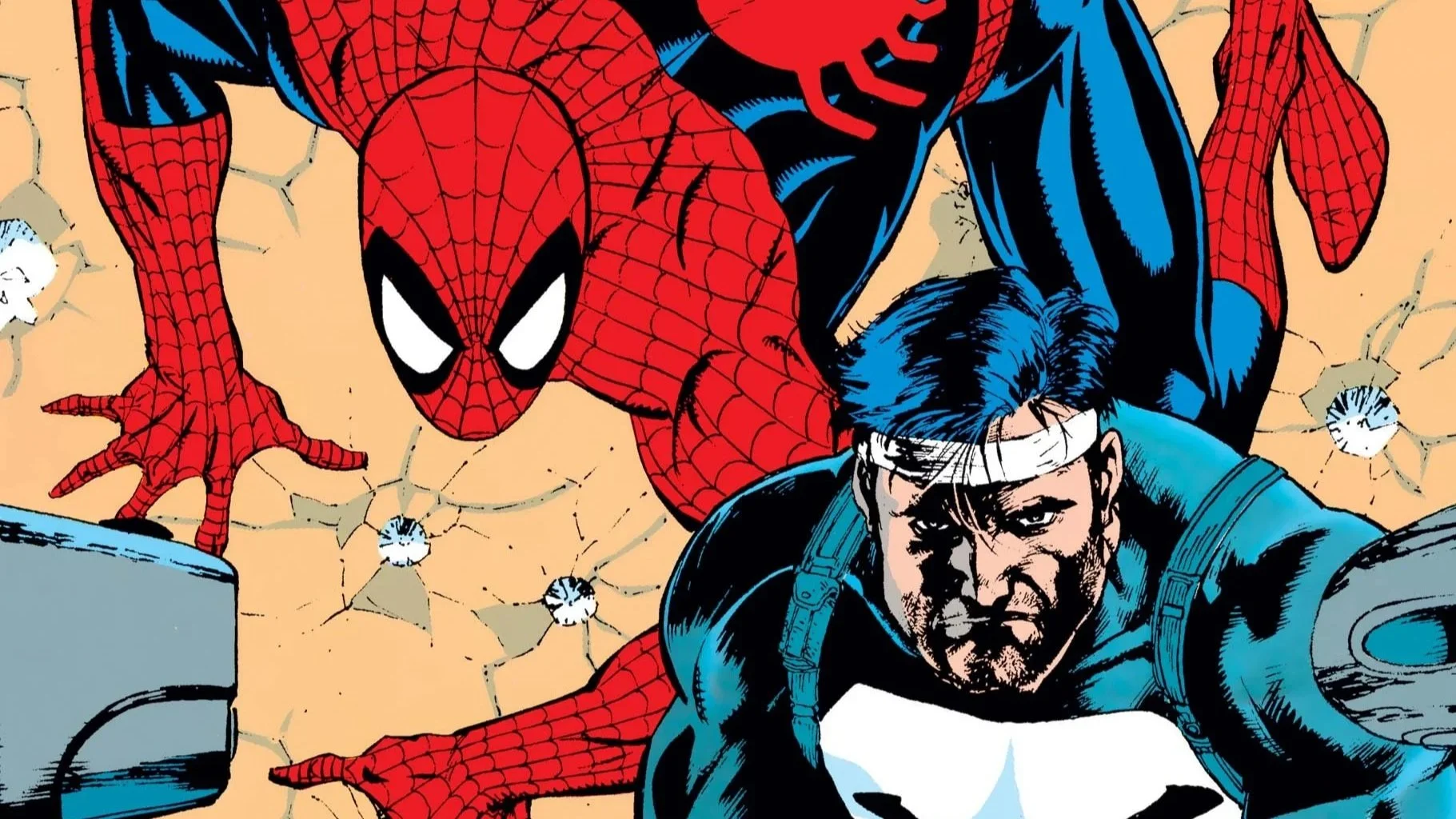
​Forget just clashing! In a truly epic team-up, the Punisher, Daredevil, and even Spider-Man joined forces in "The Omega Effect" to take down a massive criminal organization. When a hard drive full of the world's biggest crime secrets falls into their hands, these three street-level heroes have to work together. It's a wild ride as Frank Castle's brutal efficiency meets Daredevil's legal mind and Spider-Man's wisecracking agility, all aimed at dismantling a global criminal empire. This crossover is a prime example of how even the most ideologically opposed heroes can unite for a common, explosive cause!


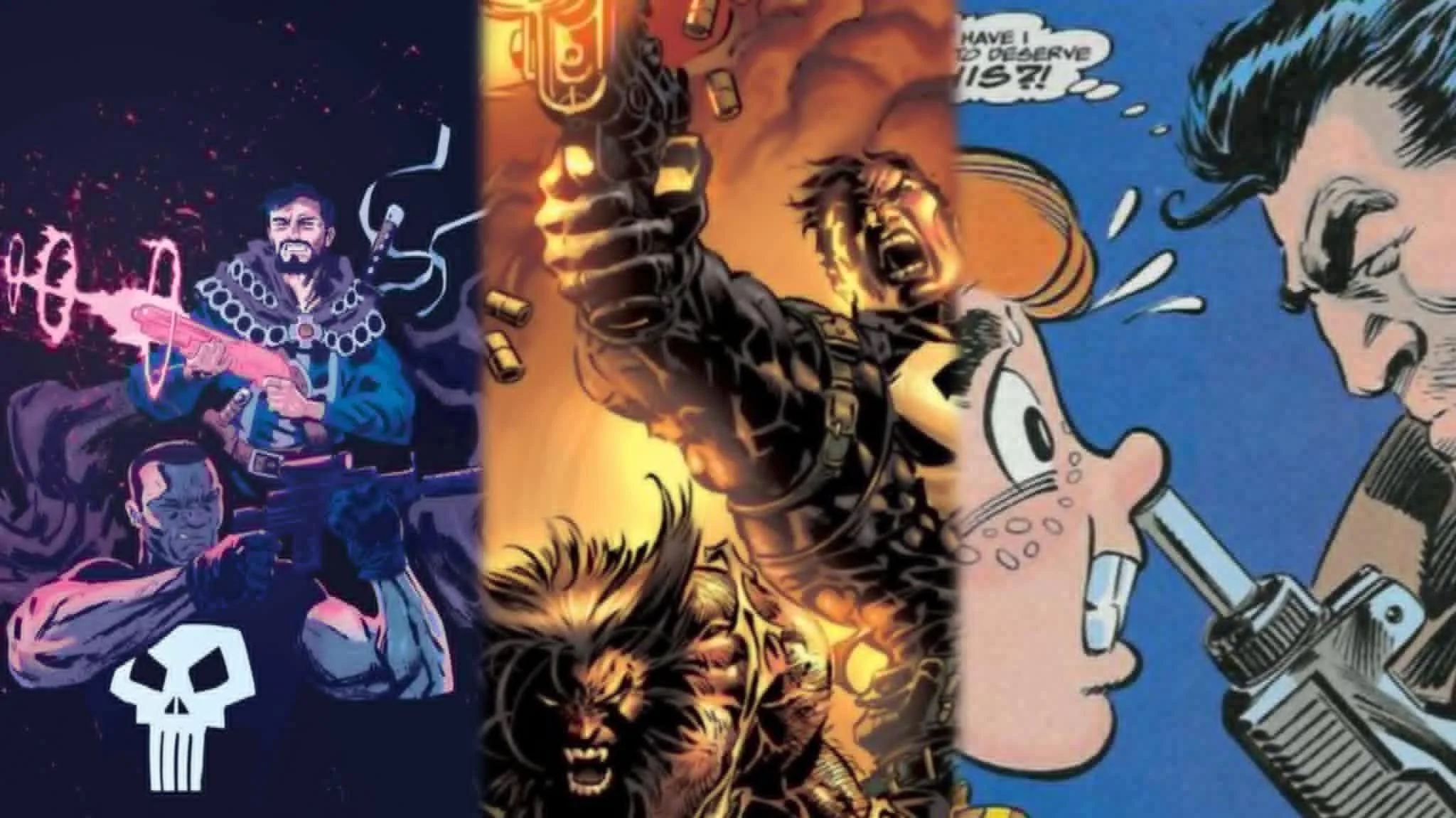
​Claws, Guns, and Dinosaurs: Wolverine Meets the Punisher!

​Issue: Punisher War Journal (1st Series) #6-7 (1989)
Creative Team: Carl Potts (Writer), Jim Lee (Artist)

​When two of Marvel's grittiest antiheroes, the Punisher and Wolverine, found themselves in the African jungle, things got wild! In the "African Saga," both were independently tracking ruthless poachers, leading to an explosive first encounter where Logan mistook Frank for a bad guy. But despite the initial brutal brawl and their notorious "attitude issues," they ultimately found a savage common ground. They might not have exchanged pleasantries or even names, but their shared objective to stop the poachers (and a surprising dinosaur plot!) led to a brutal, indirect team-up where their combined force got the job done. It's a raw, action-packed visual feast, especially with Jim Lee's early, incredible artwork!


​Riverdale's Reckoning: When Frank Met Archie!

​Issue: Punisher Meets Archie #1 (1994)
Creative Team: Batton Lash (Writer), Stan Goldberg (Archie Art), John Buscema (Punisher Art), Tom Palmer (Inker)

​Prepare for the most absurdly brilliant team-up ever! In Punisher Meets Archie #1, Frank Castle mistakenly hunts Archie Andrews, thinking he's a criminal look-alike. Chaos erupts at Riverdale High, but here's the kicker: Archie and his pals actually help Frank track down the real bad guys! This legendary one-shot perfectly clashes the Punisher's grim world with Riverdale's wholesome innocence, using dual art styles for hilarious and poignant effect. It's a wild, unexpected alliance that proves even Frank Castle can find unexpected allies in the strangest places, leading to a surprisingly touching moment where he glimpses the innocent life he lost. Pure comic book magic!


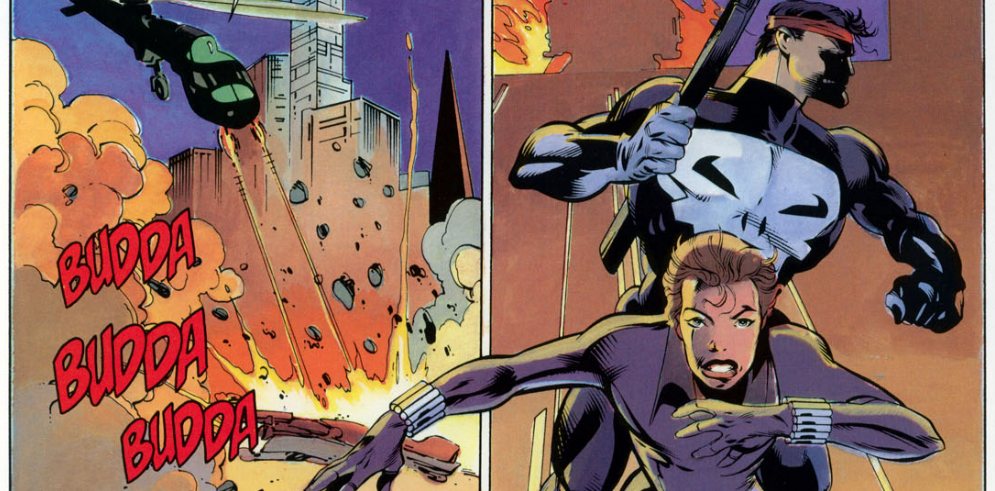
​Lethal Ladies & Lone Wolves: Black Widow & Punisher Unite!

​Issue: Punisher / Black Widow: Spinning Doomsday's Web (1992)
Creative Team: D.G. Chichester (Writer), Larry Stroman (Penciler), Mark Farmer (Inker)

​Get ready for a truly pragmatic partnership! In Punisher / Black Widow: Spinning Doomsday's Web, Frank Castle and the super-spy Black Widow are forced to unite to stop a madman from unleashing Armageddon. While the comic itself had mixed reviews, their dynamic is pure gold! Black Widow is one of the few heroes who actually "gets" Frank, seeing eye-to-eye on lethal action. Their shared backgrounds and methods make them a surprisingly effective duo, allowing Natasha to truly "let loose" around him. This no-nonsense alliance cuts through moral debates, proving that when the world's at stake, these two can get the job done, no questions asked!

​Gotham's Grim Guardians: Batman vs. The Punisher!

​Issue: Batman / Punisher: Lake of Fire (1994)
Creative Team: Denny O'Neil (Writer), Barry Kitson (Artist), James Pascoe (Inker)

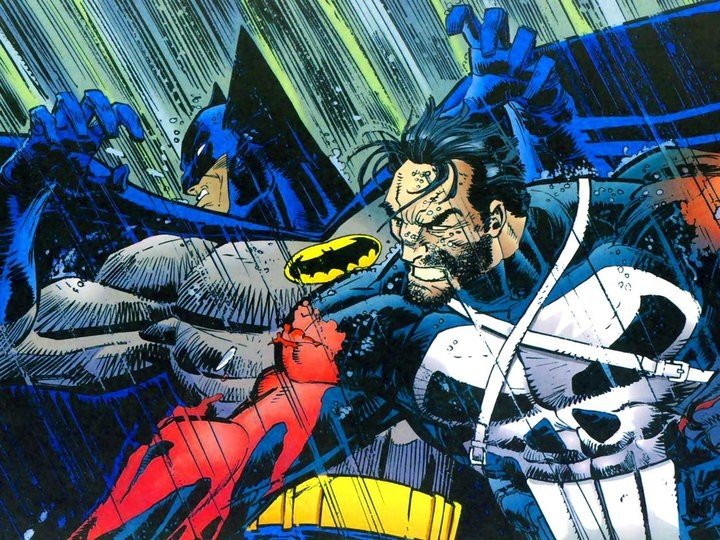
​When Marvel's lethal vigilante met DC's Dark Knight, sparks flew! In Batman / Punisher: Lake of Fire, the Punisher finds himself in Gotham, tracking Jigsaw, only to be rescued from a trap by Batman (Jean-Paul Valley, aka Azrael). This leads to a tense, reluctant alliance as they team up against the combined threat of Jigsaw and even the Joker! It's a quintessential "what if?" scenario, forcing these two uncompromising figures to work together despite their wildly different philosophies on justice. This crossover is a dream match-up, delivering both explosive action and a fascinating look at how two dark heroes can begrudgingly unite for a common, dangerous cause!


​Friendly Neighborhood Vigilante? Spidey & Punisher's Tangled Web!

​Issue: Punisher: War Journal (1st Series) #15 (1990)
Creative Team: Carl Potts (Writer/Artist), Jim Lee (Artist)

​Get ready for an uneasy but effective alliance! While the Punisher first appeared as an antagonist to Spider-Man, they've definitely teamed up, and one of the coolest instances is in Punisher: War Journal #15. Here, Spidey and Frank Castle actually join forces against a group of Nazis who've taken over the Daily Bugle! Imagine the web-slinger riding on the back of the Punisher's Battle Van – it's as wild as it sounds! Despite their clashing methods (Frank's lethal efficiency versus Spidey's no-kill code), they work together to save the day. This issue even hints that Frank knows Peter Parker is Spider-Man, adding a poignant layer to their starkly different lives. It's a compelling example of two very different heroes uniting for a common, explosive cause!


​Hellfire & Fury: Ghost Rider and Punisher Burn Bright!

Issue: Ghost Rider (3rd Series) #5 (1990)
Creative Team: Howard Mackie (Writer), Javier Saltares (Artist), Mark Texeira (Inker)

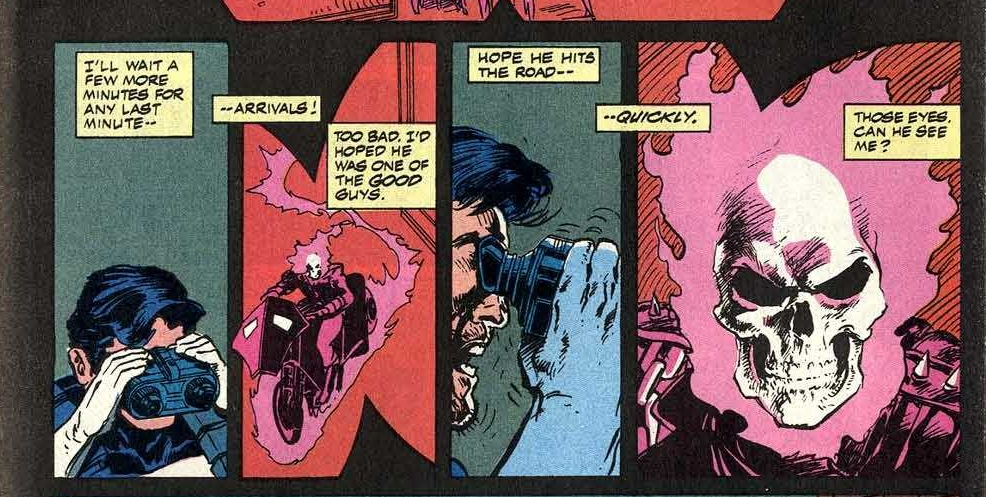
​Prepare for a fiery team-up when the Punisher joins forces with Ghost Rider! In Ghost Rider (2nd Series) #5, Frank Castle, the ultimate vigilante, and the Spirit of Vengeance himself unite to take down the villain Flag Smasher. This intense issue sees these two dark heroes combine their unique skills and powers, bringing their brutal brands of justice to the forefront. It's an explosive, classic comic book showdown that proves when the stakes are high, even the most solitary figures can find common ground in vengeance!


​Mystic Mayhem: Doctor Strange and Punisher's Magical Bullets!

​Issue: Doctor Strange/Punisher: Magic Bullets #1-4 (2016)
Creative Team: John Barber (Writer), Andrea Broccardo & Jason Muhr (Artists)

​What happens when the Master of the Mystic Arts meets the One-Man War on Crime? Pure magical mayhem! In this wild mini-series, Doctor Strange/Punisher: Magic Bullets, Doctor Strange and the Punisher actually team up! When a new kind of mafia threat emerges, wielding dark magic, it's way out of the Punisher's usual playbook. So, Frank Castle does the unthinkable and enlists the help of the Sorcerer Supreme! This unlikely pairing forces Doctor Strange to get a little more grounded and pushes Frank to expand his worldview in surprising new directions. With monstrous mobsters on the rampage, this mismatched duo has their work cut out for them, and the fate of New York hangs in the balance!

​The Punisher's Enduring Legacy

​The Punisher's journey through comic book history is absolutely packed with remarkable team-ups, each giving us a unique peek into Frank Castle and the wild world of vigilantism. From his foundational ideological clashes with Daredevil that totally redefined superhero morality, to the raw, action-packed "African Saga" with Wolverine that prioritized visceral thrills, and the absurdly brilliant "Punisher Meets Archie" that delivered surprising emotional depth, these stories prove Frank's versatility and lasting appeal. Even his pragmatic alliances with Black Widow, and ideological clashes with Spider-Man, Ghost Rider, and Doctor Strange show just how unique his place is in the Marvel Universe. And let's not forget those "Deadly Knights" and "Lake of Fire" crossovers with Batman, serving as powerful ethical mirrors.

​Every single one of these team-ups, whether they're fighting or reluctantly working together, adds to the rich tapestry of the Punisher's character. They highlight his unwavering commitment to his brutal code while simultaneously exploring its implications within diverse narrative contexts. A "cool" Punisher story is about those compelling character dynamics, the deep moral questions, and the unexpected ways Frank Castle's grim world smashes into the wider comic book universe. These stories keep resonating, influencing new interpretations, and reminding us why the Punisher remains one of Marvel's most fascinating and controversial figures.

Why Daniel Warren Johnson's Transformers is the Best the Franchise Has Ever Been

George SerranoComment

If you're a lifelong Transformers fan, you've been on a rollercoaster. You remember the magic of the original cartoon and the thrill of the toys. You've also sat through the cinematic misfires and messy cartoon reboots, always hoping for that perfect piece of media to recapture the franchise's soul. When a current comic book run was announced, it was easy to be skeptical.

But it’s time to get excited again. Daniel Warren Johnson’s Transformers series from Skybound Entertainment is a masterpiece. This isn't just the best Transformers comic in years; it's the best Transformers media since the G1 cartoon, period. This book, which has been quietly building a new universe for two years now, is a hidden treasure and a roadmap to everything the franchise should be. We even dedicated a whole episode of the Major Issues Podcast to the first volume, and we're telling you now: people are finally starting to realize its brilliance.

(Check out that episode here!)

A Fresh Take on a Classic War

Past Transformers comics, particularly those from writers like Simon Furman and the creative teams at IDW, did a great job of building a deep, mature universe, but for some reason, Johnson’s run feels different. To put it mildly, it feels essential. He strips everything back to the visceral core: a spaceship crashes on Earth, a war breaks out, and the Autobots fight for their lives. This straightforward approach is a masterstroke. It allows the story to breathe and the characters to feel grounded, even as giant robots. This isn't about decades of complicated lore; it's about the pure, powerful story of a war between two factions. It proves the power of a great story told simply and with conviction.

Art That Delivers a Punch

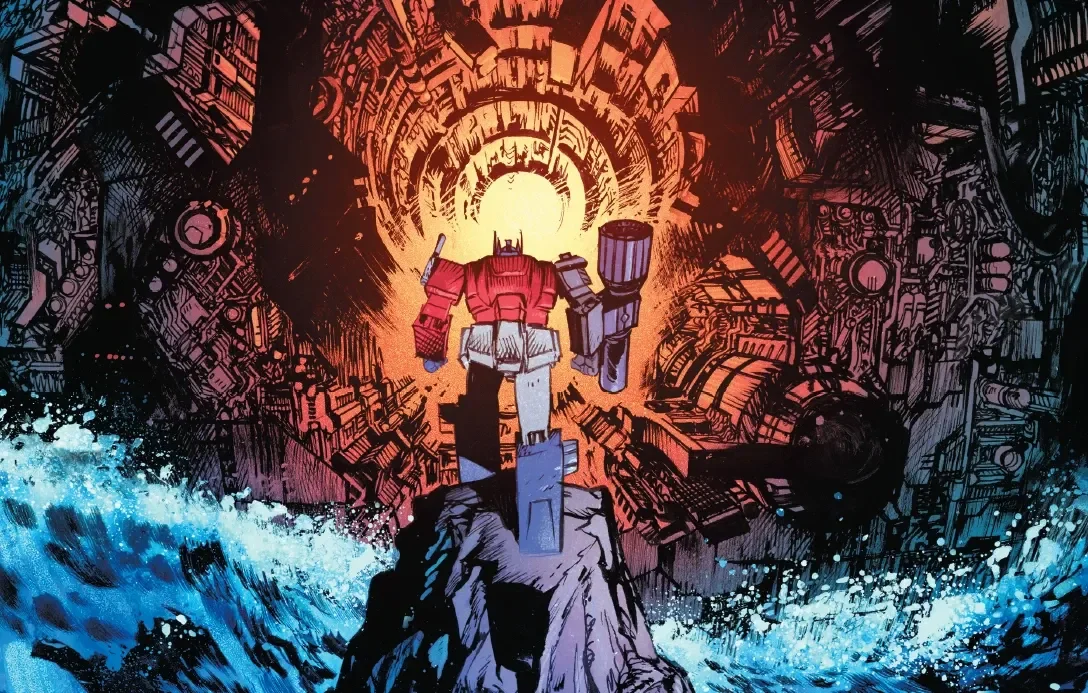
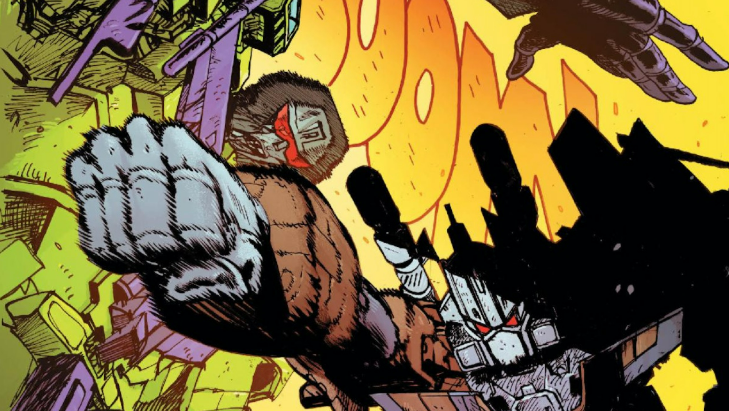
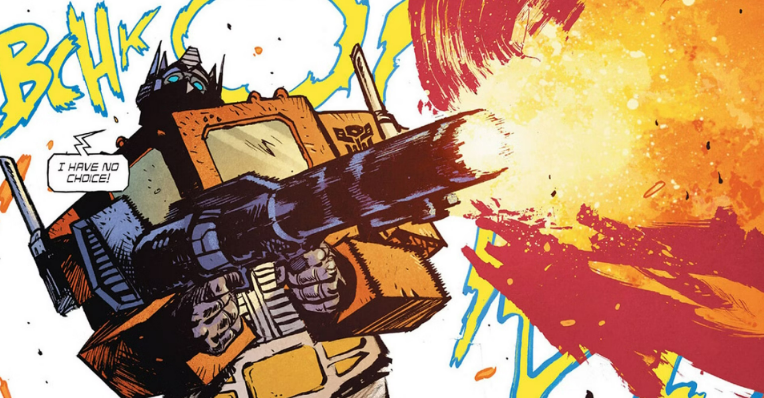
The art is absolutely breathtaking. Johnson's pencils are aggressive and kinetic, drawing these characters not as pristine action figures but as heavy, battle-scarred machines with real weight and power. The true star, however, is Mike Spicer’s coloring. The way he uses deep shadows and explosive, vibrant hues creates a sense of scale and drama on every page. Every punch feels like an earthquake, and every laser blast is a supernova. It’s a visual feast that makes the action feel more alive than any movie ever has. Spicer’s work on this book elevates it to a whole new level, giving each panel a cinematic quality that you can feel. The combination of Johnson's raw linework and Spicer’s masterful color palette creates a unique and unforgettable look for the franchise.

The Soul of the Machine

Beyond the spectacle, Johnson’s writing explores the heart of the Transformers mythos with a profound and personal touch. His Optimus Prime is a weary soldier burdened by immense responsibility. Megatron is a cunning figure whose presence is truly terrifying, a strategic and ruthless leader with a clear motivation. Even the human characters, especially Spike Witwicky, are more than just plot devices. They're thrown into a war far bigger than themselves and forced to grapple with the fallout.2 This grounded, character-driven approach makes the series so compelling and makes you care about these characters in a fresh way. The themes of war, identity, and the struggle for survival resonate on a human level, making the alien conflict feel intensely personal.

A Blueprint for Hollywood

Hollywood has spent billions trying to make the Transformers franchise work on the big screen, often with disappointing results. They've used convoluted plots and bloated cinematic universes that are more chaotic than compelling. The answer to their creative struggles has been right under their noses. The Energon Universe comics are a perfect blueprint for a new film series. Johnson’s work offers a streamlined, character-focused story with visuals that would translate beautifully to the screen. A movie that takes its cues from this series wouldn't need to rely on cheap gags or unnecessary lore. It could be a powerful, emotionally charged, and visually stunning blockbuster that respects the source material while also delivering something new and exciting.

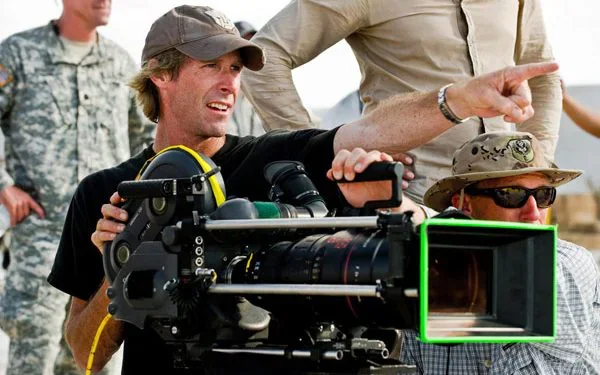
Rumor has it director Michael Bay is in talks to return to the Transformers franchise, and while he has certianly had success in the realm, I honestly believe Hollywood should stop digging for new ideas and realize they have a gold mine right here, waiting to be tapped. This comic is a proof-of-concept for the future of the franchise, a guide to creating content that truly honors the brand. Adapting it can unite fans both young and old and give the Transformers the platform they so rightfully deserve.

The 9 Most Toxic Comic Book Dads In History

George SerranoComment

Let’s be real: not everyone gets warm fuzzies when Father’s Day rolls around. Some of us got TV dads. Some of us got deadbeats. And some of us… well, some of us got something that looked a lot like a villain origin story. So to help anyone who grew up with a father who gave more tough than love, ComicBookClique.com proudly presents: the 9 Worst Fathers in Comic Book History — a petty, cathartic, and heavily-sourced therapy session for the comic book kids who deserved better.

But before we get into it, a quick note. We’re not talking about dads who were just bad at showing up for soccer games. So if you came to see Reed Richards or Bruce Wayne on this list? Sorry, but they’re complicated, not cruel. Reed can be cold and dismissive. Bruce is emotionally constipated and turns orphans into weapons. But neither of them were out here raising their kids like science experiments or actively trying to traumatize them. This list is for the truly malicious dads—the ones whose kids had every right to turn evil, go no-contact, or punch their way into therapy.


1. Trigon – Deadbeat Demon Dad of the Year

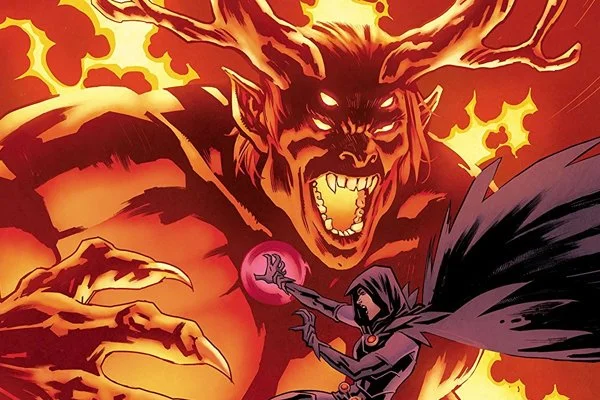
You know your dad's bad when your existence threatens the entire multiverse. Trigon is a literal interdimensional demon who fathered Raven through manipulation and dark magic, then spent her entire life trying to possess, control, or destroy her. In The New Teen Titans #1 (1980), Raven is introduced as a young woman begging for the Titans' help to resist the evil inside her—which just so happens to be her dad. Trigon doesn’t just show up for the occasional “I’m disappointed in you” chat; he tries to remake Earth in his own flaming image and forces Raven to act as his herald of doom.

The real horror of Trigon isn’t just that he’s a demon—it’s that he treats fatherhood like ownership. His "love" is possessive, conditional, and violent. Raven spends most of her life trying to resist the destiny he designed for her, and the few times she defeats him, he always returns—more convinced than ever that she belongs to him. A true father from hell.


2. Norman Osborn – The Green Goblin Gaslighter

Norman Osborn might just be the most performative father in comics. Father to Harry Osborn, he swings wildly between cold indifference and domineering narcissism. In early Amazing Spider-Man issues, Harry desperately tries to earn Norman’s approval—only to be constantly reminded that he’ll never be good enough. In Spectacular Spider-Man #200, we even get a tragic moment where Harry dies trying to protect Peter, finally stepping out of Norman’s shadow.

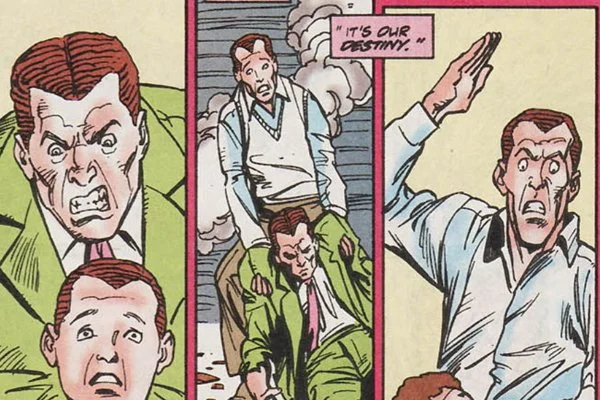
But Norman’s greatest hits don’t stop there. He fakes his death for years, traumatizing Harry and blaming Spider-Man. He gaslights his son into taking the Goblin mantle, then shames him for not living up to it. Later, during Dark Reign, he becomes America’s top cop while mentally unraveling—and still finds time to endanger his grandkids. For Norman, fatherhood is a power play. He doesn’t raise children; he grooms legacies.


3. Brian Banner – The Monster Behind the Hulk

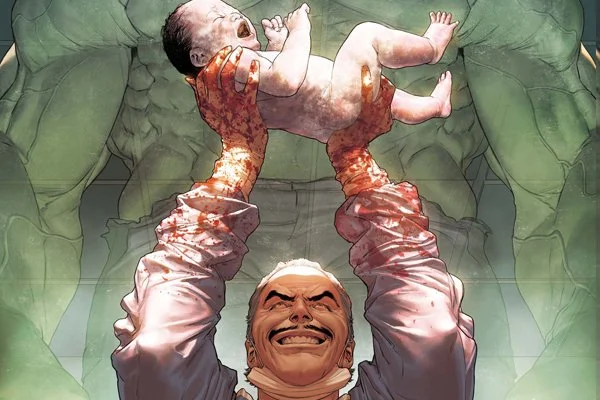
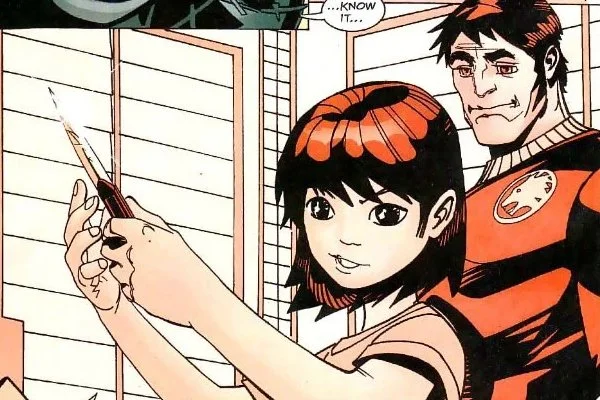
Before gamma radiation, there was generational trauma—and Brian Banner delivered that in full. In Incredible Hulk #312 (1985), we get one of the most disturbing retcons in Marvel history: Bruce Banner’s dad was an abusive, paranoid scientist who believed Bruce was genetically cursed. So what did he do? Beat him. Repeatedly. Until Bruce's mother tried to protect him—and Brian murdered her in front of Bruce.

Brian’s abuse didn’t just traumatize Bruce—it created the Hulk. Later stories, especially in Immortal Hulk, explore how the Hulk isn't just rage—he's protection. A barrier born from a child who couldn’t defend himself. Brian shows up posthumously in visions, flashbacks, and psychic manifestations, continuing to torment his son long after death. He’s not just a bad dad. He’s the foundational trauma that split Bruce Banner’s psyche.

4. David Cain – Built a Daughter Like a Weapon

David Cain didn’t raise Cassandra Cain out of love—he raised her like a living blade. As one of the League of Assassins' top killers, Cain decided to raise a child with no verbal language, teaching her to read body language and violence instead. From infancy, Cass was groomed to be the perfect assassin: no words, no distractions, just instinct and execution.

In Batgirl (2000), Cass’s backstory unfolds like a horror show. Her first kill as a child shatters her emotionally. When she tries to escape that life, Cain shows up time and time again, trying to “fix” her by dragging her back into the shadows. He even offers to murder someone for her as a twisted gesture of love. David Cain isn’t a strict parent—he’s a human trauma machine who weaponized his daughter’s innocence.


5. Darkseid – Darkseid IS….A Terrible Dad

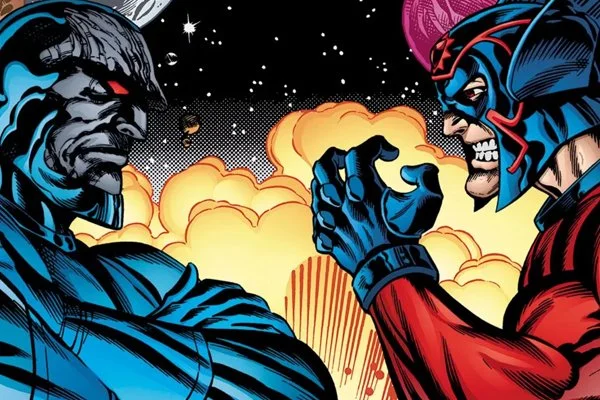
If we’re talking cosmic scale deadbeatery, Darkseid is in a league of his own. The ruler of Apokolips once traded his own biological son Orion to Highfather as part of a ceasefire deal—and in return, he took in Highfather’s son, Scott Free (aka Mister Miracle). Orion was raised among the New Gods of New Genesis, constantly struggling with the darkness inherited from his birth father. Scott? He was tortured in Granny Goodness’ orphanage until he eventually escaped and became the universe’s greatest escape artist.

Darkseid doesn’t see children as heirs—he sees them as leverage. In Final Crisis, New Gods, and Mister Miracle by Tom King and Mitch Gerads, Darkseid’s influence hangs over his sons like a gravitational pull of dread. He’s the kind of father who would drop you off at daycare and then immediately nuke the building to prove a point. Absolute worst.


6. Magneto – Genocidal Dad with Selective Memory

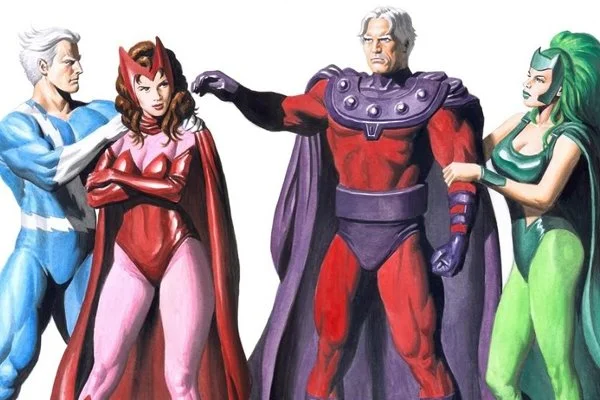
Magneto is the mutant revolution’s most iconic figure—but as a dad? Let’s just say he’s got some X-sized flaws. He fathered twins Wanda and Pietro (and sometimes Lorna, depending on retcons), but has denied, ignored, or emotionally manipulated them throughout their lives. In House of M, his obsession with mutant supremacy leads to reality-warping trauma that nearly wipes out the mutant population—and fractures his relationship with Wanda permanently.

Magneto is the kind of dad who wants to save the world but can’t remember his kids’ birthdays. In The Trial of Magneto, he shows brief remorse—but it’s always in the service of the cause. And when they die? He grieves. When they disobey? He judges. The emotional whiplash is endless. Sure, he’s a Holocaust survivor, and that pain runs deep. But even his most sympathetic backstories can’t undo the fact that he’s a father who uses loyalty like currency.


7. Omni-Man – "It’s Not Personal, Son, It’s Conquest"

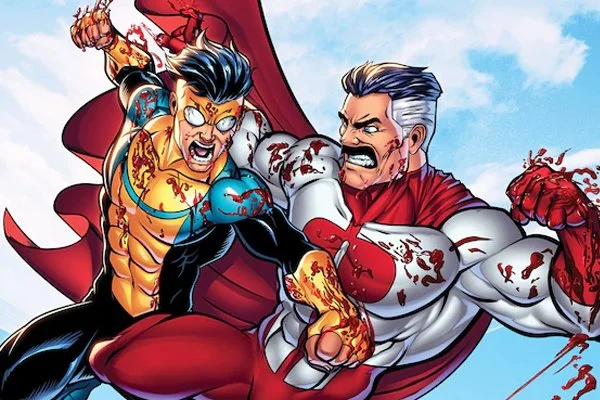
If fatherly betrayal had a mustache, it’d be Omni-Man. In Invincible by Robert Kirkman and Cory Walker, Nolan Grayson starts off as the all-American alien father figure. But in Invincible #11-12, the mask comes off—literally. Nolan reveals he’s a Viltrumite sent to conquer Earth and that his love for his wife and son was more of a performance than a bond.

Then he beats Mark to a bloody pulp. While monologuing. It’s one of the most visceral betrayals in modern comics. He later gets a redemption arc, but that doesn’t erase the trauma. Omni-Man didn’t just fail Mark—he weaponized fatherhood as part of a lie. That uppercut wasn’t just physical; it was spiritual.


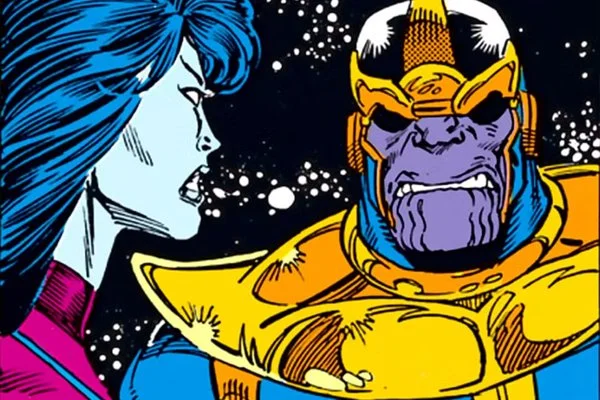
8. Thanos – Father of the Snap, Destroyer of Daughters

Thanos doesn’t do playdates. Whether we’re talking comics or cinematic universe, Thanos treats his adopted daughters like training dummies. Gamora and Nebula are “raised” through a system of competitive torture—where failure means cybernetic punishment. In Thanos Rising and Gamora: Memento Mori, we see that Thanos views children as disposable tools. Gamora is “the favorite” only because she survives the abuse. Nebula is the eternal runner-up, permanently altered and emotionally gutted.

Even biological children, like his son Thane, are used to fulfill twisted destinies. In Infinity and Thanos: The God Quarry, Thanos oscillates between obsession and neglect. His idea of legacy is leaving behind pain. And when he finally dies, there’s no mourning. Just relief.


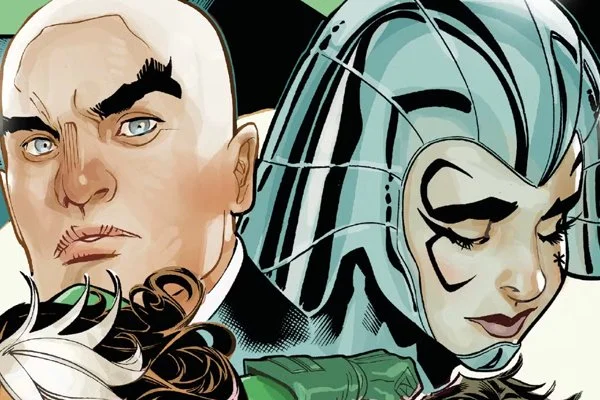
9. Professor X – Mutant Messiah, Absent Father

Charles Xavier has a dream. Too bad his son was a nightmare he never wanted to face. David Haller (Legion) is one of the most powerful mutants in existence—and Charles barely acknowledged him for most of his life. In New Mutants #26-28, we meet David as a deeply fractured young man with multiple personalities, each with dangerous powers. His mother kept him hidden for years, and when Xavier finally steps in? It’s more “scientific curiosity” than paternal instinct.

In X-Men: Legacy, we see how David struggles not just with his powers, but with the crushing weight of being the unloved son of the mutant world’s most important man. Even on Krakoa, Professor X keeps him at a distance. There are brief moments of pride, but they’re buried under decades of avoidance and manipulation. Charles Xavier is the kind of dad who builds a school for everyone else’s kids, while leaving his own to rot in the faculty basement.


So Happy Father’s Day, I Guess?

If this list made you feel better about your own family tree—good. That was kind of the point. Not all dads are worth celebrating. Some are better off as cautionary tales with a panel citation. So whether your dad was great, awful, or somewhere in between, just know: at least he didn’t trade you to a torture orphanage in space.

And if he did? You deserve a spinoff.

The 9 BIGGEST HATERS in COMIC BOOK HISTORY

George SerranoComment

Some villains want world domination. Others want money, chaos, or revenge. But the pettiest supervillains? They don’t just want to win—they want you to lose. These are the haters who dedicate their entire lives (and sometimes afterlives) to ruining one hero's day, year, or entire existence. From baby-targeting grudges to time-traveling stalkers, here are the 9 Biggest Haters in Comic Book History, complete with receipts!


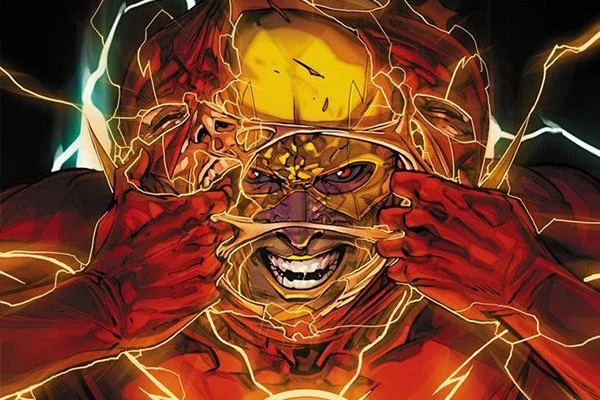
1. Reverse-Flash (Eobard Thawne) – The Hater from the Future

📚 Key Issues: The Flash (Vol. 2) #74, The Flash: Rebirth #1, The Flash #8 (2011)

The Tea: Eobard Thawne was once a 25th-century scientist and massive Flash fanboy. That admiration turned sour when he discovered his destiny: he was fated to become Barry Allen’s greatest enemy.

Thawne doesn’t just fight the Flash—he dedicates himself to ruining his existence across time. In The Flash: Rebirth #1 (2009), he reveals that he went back and murdered Barry’s mother, framed his father, and destabilized his life from childhood onward. That act alone set in motion the events of Flashpoint, rewriting the entire DC Universe.

Thawne also shows up at key moments in Barry's life to taunt him, like a stalker with access to a time machine. He’s even caused memory wipes, retcons, and multiversal shifts—just to mess with Barry. No matter how many times he dies, he finds a way to run it back.

Hater Level: 1000 years of hate, literally rewiring time to mess up someone’s vibes. He’s the reason the DC timeline is always in flux. Hate that breaks continuity.


2. Black Manta – Held a Grudge So Hard He Went After the Baby

📚 Key Issues: Adventure Comics #452 (1977), Aquaman (Vol. 7) #1 (2011), Brightest Day #3–20 (2010)

The Tea: Black Manta’s vendetta against Aquaman has evolved over the years, but one thing’s always been clear: he’s not just mad—he’s dedicated. In early continuity, his hatred stems from a botched encounter that left Manta’s father dead. That alone would be enough.

But in Adventure Comics #452, he crossed the Rubicon. Manta traps Aquababy—yes, the infant son of Arthur and Mera—in a death chamber and lets him suffocate. Not in a random act of violence, but as a calculated punishment meant to leave Aquaman devastated.

Later stories flesh out his background. In Brightest Day, we see the generational trauma that fuels him. In the New 52 (Aquaman Vol. 7), Manta’s revenge isn’t just physical—it’s deeply psychological. He goes after Aquaman’s legacy, the respect he commands, and the love he has. It’s warfare through grief.

Petty Level: Killing a baby to send a message? That’s villainy in its final form. He even refused a chance at resurrection in Brightest Day because his beef with Arthur meant more than life.


3. Green Goblin (Norman Osborn) – Weaponized Misery in a Business Suit

📚 Key Issues: Amazing Spider-Man #121–122 (1973), Spectacular Spider-Man #200, Amazing Spider-Man #512–514 (“Sins Past”)

The Tea: Norman Osborn was already a criminal mastermind, but the day he found out Peter Parker was Spider-Man? That was the day the personal vendetta began.

In Amazing Spider-Man #121, Norman drops Gwen Stacy off a bridge—forcing Peter into an impossible position. Her death marked the end of innocence in comics and proved that Norman wasn’t just evil—he was personal.

But it didn’t stop there. In the controversial Sins Past, Norman allegedly seduced Gwen and fathered twins, gaslighting Peter for years. Even if you reject that retcon (many do), the principle remains: Norman wants to infect Peter’s life, not just end it.

His return during The Clone Saga, his masterminding of Dark Reign, and even his stint as the Iron Patriot all revolve around one thing—outshining Peter. He doesn’t want Spider-Man dead. He wants him humiliated, isolated, and broken.

Hater Level: Corporate gaslighting, fatal love triangles, and cloning schemes. Norman stays ten steps ahead just to ruin the Parker name.


4. Deathstroke – Blamed a Group of Teens for His Son’s Death

📚 Key Issues: The New Teen Titans #2, 34–44 (1980–1984), Tales of the Teen Titans Annual #3 (1984)

The Tea: When Grant Wilson (Slade’s son) dies after a failed attempt to defeat the Teen Titans, Slade doesn’t blame the people who empowered him or his own absence as a father—he blames the Titans.

So he signs the same contract and vows to destroy them one by one. In The Judas Contract, Slade grooms the emotionally unstable Terra into infiltrating the Titans and betraying them from the inside.

Even after Grant’s death, Slade can’t move on. He forms alliances, double-crosses heroes, and works as a mercenary—but he always comes back to the Titans. It’s obsession disguised as professionalism.

Hater Level: Weaponizing grief and manipulating children. He literally radicalized a teenager just to ruin some other teens’ friendships.


5. Bullseye – Killed for Attention, Lived for Spite

📚 Key Issues: Daredevil #181 (1982), Daredevil (Vol. 2) #26–31 (2001), Dark Reign: Hawkeye #1–5 (2009)

The Tea: In Daredevil #181, Bullseye murders Elektra—not because of some grand plan, but because he was replaced. He wasn’t the Kingpin’s number one anymore.

That began a lifelong obsession with Matt Murdock. From killing Karen Page in Kevin Smith’s run to stalking and impersonating Daredevil in Dark Reign, Bullseye exists to keep a tally of Matt’s pain.

He’s not trying to take over Hell’s Kitchen. He’s not even ideological. Bullseye’s just the bitter ex who refuses to move on.

Hater Level: Burned his whole career down because someone else got the promotion.


6. Sabretooth – Logan’s Forever Hater

📚 Key Issues: Iron Fist #14 (1977), Uncanny X-Men #213 (1987), Wolverine (Vol. 2) #10 (1989), Wolverine: Origins #3–5 (2006)

The Tea: Wolverine and Sabretooth have a blood-soaked history, but one thing’s clear: Creed hates Logan in a way that transcends logic.

In Wolverine (Vol. 2) #10, we learn that Sabretooth would track Logan down every year on his birthday just to beat him within an inch of his life. Why? To prove dominance. To remind Logan that no matter what he does, he’ll always be beneath him.

This is less about revenge and more about pathological insecurity. Sabretooth doesn’t want Logan dead—he wants him to know who’s better.

Hater Level: Annual birthday beatdowns. That’s a ritualized grudge.


7. Anton Arcane – Came Back from the Dead Just to Keep Beefing

📚 Key Issues: Swamp Thing (Vol. 1) #2 (1973), Saga of the Swamp Thing #29–31 (1984), Swamp Thing (Vol. 2) #50, 76 (1986–1988)

The Tea: Anton Arcane was Alec Holland’s nemesis from the very start—a mad scientist hungry for immortality. But after his death in Swamp Thing #10, you’d think that’d be the end. Oh no.

Arcane becomes something worse. He’s resurrected via the Rot, the elemental force of decay, and makes it his mission to desecrate Alec’s soul. He violates Abby (his own niece), possesses bodies, and even tries to reincarnate through her unborn child.

In Saga of the Swamp Thing, Alan Moore transforms him from a grotesque villain to a cosmic abomination, one who sees Alec not as a man to defeat—but as a spirit to corrupt.

Hater Level: Multiple resurrections, demonic deals, and familial betrayal. When death won’t stop you, that’s next-level hater energy.


8. Kid Miracleman (Johnny Bates) – The Pettiest God Complex Ever Put to Paper

📚 Key Issues: Miracleman #3, 6, 15 (1985–1989)

The Tea: Johnny Bates was once a good-hearted sidekick, but repression turned his alternate persona into something monstrous. After pretending to be normal for years, Bates finally snaps.

In Miracleman #15, he unleashes the most terrifying act of mass violence in comics, leveling London and mutilating civilians. His motivation? Resentment. Because Miracleman came back. Because the power he once had was taken away.

His actions aren’t about justice, power, or revolution. They’re about feeling slighted.

Hater Level: Full god-mode tantrum. He literally nuked a city to throw hands with an old coworker.


9. Lex Luthor – Hated Superman for Daring to Be Better

📚 Key Issues: Superman (Vol. 1) #164 (1963), Action Comics #544 (1983), Lex Luthor: Man of Steel (2005), Superman: Birthright (2003–2004)

The Tea: Lex Luthor is the blueprint for the refined supervillain. But his obsession with Superman? It’s raw, emotional, and endlessly petty.

Whether it's because Superman made him go bald (in Silver Age continuity) or because he can’t stand that someone else gets more admiration, Lex is consumed with showing up the Man of Steel. In Lex Luthor: Man of Steel, we watch Lex spiral into philosophical rants about humanity, meritocracy, and alien invasion—just to justify his insecurity.

In Birthright, Lex’s hatred hits its peak when he tries to erase all knowledge of Krypton. Not just to discredit Clark—but to invalidate his identity.

Hater Level: The billionaire who funds anti-alien PSAs and black-ops assassins because he can't emotionally handle one superpowered immigrant.


Honorable Mentions:

  • Doctor Doom – His hate is intellectual, not petty. He hates Reed Richards because Reed might be smarter.

  • The Joker – The pettiness fluctuates wildly. Sometimes chaos, sometimes obsession.

  • Amanda Waller – Ruthless, yes. Petty? Only if you get in her way.

  • The Plutonian – Tragic backstory, god-tier meltdown. But less about one person.


Why Petty Villains Hit So Hard

What makes a petty villain stand out isn’t just their power or cruelty—it’s their focus. These aren’t world conquerors. They’re character assassins. They live rent-free in their enemies’ heads and refuse to leave. Petty villains remind us that the most dangerous grudges are the personal ones—the feuds built on wounded pride, broken friendships, and failed expectations.

And that’s why they’re unforgettable.

Who did we miss? Did we snub your favorite long-term hater? Let us know who deserves a spot in the Petty Villain Hall of Fame. Stay villainous, stay petty.

REVIEW: Ultimate Spider-Man: Incursion #1: Miles, We're Not In Kansas Anymore

George SerranoComment

What happens when one of Marvel’s most seasoned Spider-Men steps into a world still trying to figure out what a Spider-Man even is? In Ultimate Spider-Man: Incursion #1, Miles Morales crashes headfirst into Earth-6160, the newly rebooted Ultimate Universe—and it doesn’t take long for things to get messy.

This issue isn’t just the first major crossover of the new Ultimate line—it’s a statement. And that statement is: Miles Morales is not here to play around.


The Team Behind the Tension

First and foremost, Ultimate Spider-Man: Incursion #1 is written by Deniz Camp, one of the most exciting rising talents at Marvel. Known for his dense, high-concept sci-fi storytelling (Children of the Vault, 20th Century Men), Camp brings a sharp, character-focused edge to this multiversal story. He understands both the weight of continuity and the power of reinvention—and in a crossover like this, you need both.

The art is delivered by Juan Frigeri, whose dynamic paneling and kinetic action beats make every punch, portal, and web-sling feel like it matters. Frigeri’s clean linework—most recently seen in Invincible Iron Man—works perfectly in a universe that’s still forming its visual identity. And with David Curiel on colors, the aesthetic lands somewhere between cinematic and stylized, perfectly capturing the blend of grounded reality and interdimensional weirdness.

Together, this team brings the right mix of polish, danger, and emotional depth to make Incursion #1 feel like a true event—not just a gimmick. Now let’s get into our RECAP!


Miles Returns to the Ultimate Universe

The issue opens with Miles reflecting on his past—his legacy as a Spider-Man who once belonged to a universe that no longer exists. That weight sits heavy. But the spark that kicks off this incursion? Pure family chaos.

Miles’s baby sister, Billie Morales, grabs a card that the Maker once gave Miles (because when you're a Morales, nothing is ever just a keepsake). One wild energy surge later, Billie is gone—sucked into the world of Earth-6160.

And with that, the chase begins.


Miles Morales: The Superior Spider-Man

Over in Earth-6160, Peter Parker is still getting his feet wet as Spider-Man. He’s patrolling the city with his son, trying to teach the kid what it means to be a hero—when out of nowhere, a fight breaks out with a version of The Spot who hasn’t even gotten his name yet.

But before things can escalate too far, Miles arrives on the scene—and he absolutely schools this version of Spot in a brutal, efficient beatdown.

Peter and his son are floored. His kid especially can’t stop gushing over how cool, fast, and skilled this Spider-Man is. And that’s the twist: In this world, Miles is the experienced one. He’s been doing this a decade longer. Peter’s the rookie. And that dynamic flips everything we usually expect from a Spider-team-up.


Miles Morales Gives The Spot His Name

In a cool bit of meta-continuity, this version of Spot isn’t called that yet—until Miles, mid-battle, offhandedly refers to him as such. It’s a small, clever moment, but one that hints at a bigger theme: Miles is already influencing this universe just by being in it.

The butterfly effect is in full swing. And we’re watching the Ultimate Universe mutate in real-time.


Miles Morales Hunts for Billie Morales

After things settle, Peter decides to pause the search for Billie and try again in the morning. He’s not lazy—just inexperienced. But Miles? He’s not wired that way. He’s a big brother. He’s been through too much. Waiting is not an option.

So while Peter calls it a night, Miles hits the streets alone.

Meanwhile, Billie’s arrival hasn’t gone unnoticed. The Maker’s Council catches wind of the breach and immediately assumes it might be him—back from wherever he’s vanished to. But when they confirm it’s someone else, both they and the Ultimates decide to go hunting for whoever just dropped into their backyard.

And that brings us to the issue’s final gut-punch.


The Ultimates Confront Miles Morales

Before the Maker’s goons can find him, Miles is intercepted by two very serious-looking members of this universe’s Ultimates: Janet van Dyne and Hank Pym.

They don’t fight him. They question him. And the question is loaded:

“Are you here to save the world… or destroy it?”

That’s where the issue leaves us. No answers. Just tension. Suspicion. And the very real threat that this universe isn’t ready for what Miles might bring with him.


The Web Is Already Tearing

Ultimate Spider-Man: Incursion #1 is more than just a crossover—it’s a collision of tone, legacy, and intent. It throws Miles Morales into a world that doesn’t know him, doesn’t trust him, and might not survive what he represents.

This isn’t a cameo. This isn’t a team-up. This is a statement of purpose. Miles isn’t visiting this universe. He’s about to leave his mark on it.

The incursion has started. And if this first issue is any indication, Earth-6160 is about to find out why Miles Morales is more than just a Spider-Man—he might just be the Spider-Man.

💬 What did you think of Ultimate Spider-Man: Incursion #1? Is Miles the real anchor of the new Ultimate Universe? Drop your thoughts below

The Discourse Over Iron Heart Has Been Disgusting (And We Know Why)

George Serrano6 Comments

I’ll say it — the backlash against Ironheart has been disgusting. Not just misguided or overly critical — disgusting. And it’s time we stop pretending otherwise.

Let’s be real: the hate against Ironheart has never really been about the story, the suit, or the show. It’s about something uglier. It’s about the discomfort some fans have with seeing Black girls in spaces they were never meant to be in — and the fact that these spaces are finally being cracked open.

The Civil Rights Act was signed just 80 years ago. That’s within the lifetime of people still walking around today. Segregated schools were being abolished around the same time Marvel Comics was being founded. That’s not ancient history. That’s recent memory, and some would love to go back to the way things were before then.

And yet, comic books — from their earliest days — became a place where the marginalized found reflection. The X-Men spoke to civil rights before mainstream media dared. Black Panther stepped onto the page when Black heroes were virtually nonexistent. Ms. Marvel showed Muslim American teens they belonged in the Marvel universe, too.

So why is it that when Ironheart shows up — a brilliant Black girl from Chicago who built her own Iron Man suit at 15 — the internet catches fire?

I’ll tell you why. It’s not about the quality of the writing. It’s not about the CGI. It’s not about “superhero fatigue.” It’s because there are still far too many people who think characters like Riri Williams don’t belong in the conversation — or worse, shouldn’t exist at all.

Let’s be honest. Yes, Disney has struggled. Not every project that highlights minority leads has hit. Some stories weren’t great. Some were rushed. Some were clearly part of a larger corporate checklist. But let’s not pretend that’s why these shows and characters are getting torched online.

Some people act like any attempt at representation is an automatic failure. A bad show with a white male lead is just “bad.” A bad show with a Black woman at the center? Suddenly it’s the downfall of cinema, the death of Marvel, the result of "wokeness." Suddenly it’s “proof” that diversity is killing Hollywood. That’s not criticism. That’s a coordinated effort to poison the well.

You’ve seen the YouTube thumbnails. You’ve read the headlines. “Disney’s Woke Agenda DESTROYS Marvel.” “Ironheart is the Death of the MCU.” These aren’t critiques. They’re clickbait outrage, designed to rile up the worst corners of fandom — the ones who think showing any culture outside their own is a personal attack.

And the hypocrisy? Riri Williams was created in 2016 by Brian Michael Bendis and Mike Deodato — years before "DEI" became a catch-all boogeyman. She wasn't cooked up by some corporate diversity committee. She was created because she was a compelling, brilliant character — and because the Marvel Universe needed someone like her.

Dominique Thorne is portraying Riri, and she’s killing it. She’s not replacing Tony Stark. She’s not erasing his legacy. She’s carving out her own space — one that should’ve existed long before now. But bad-faith actors are intentionally framing her as a “replacement” to stoke rage, as if a young Black genius building a suit of armor is somehow offensive.

Spoiler: It’s not.

What’s offensive is the sheer number of grown adults gleefully fanning the flames of this culture war. What’s offensive is that comic book conversations — a space that once championed the outsider — have become breeding grounds for bigotry. And let’s be clear: if your first reaction to a new character is to question their race, gender, or sexuality before their story — you are not a “true fan.” You’re a gatekeeper. A bigot. A coward hiding behind nostalgia.

Sorry if strong, independent women, make you uncomfortable. I don’t call that regressive. I call that growth. I like characters like Gamora, Yelena Belova, and Selina Kyle — women who don’t need to shrink themselves to fit outdated molds.

If we listened to the same people crying about Ironheart now, we wouldn’t have gotten Miles Morales. We wouldn’t have gotten Kamala Khan. We wouldn’t have gotten Shuri or Sam Wilson or America Chavez. These characters matter. Not just because of what they look like, but because of what they represent.

They said Spider-Man couldn’t be Black.

They said Black Panther wouldn’t work.

They said diversity was the final nail in Marvel’s coffin.

They’ve been wrong every single time.

And if comic book media has no room for people like Riri, like Miles, like Kamala — then maybe it has no room for you.

The Real Black Widow Has Arrived — And It's Not Natasha

George SerranoComment

Let’s get this out of the way early: this isn’t a hit piece on Scarlett Johansson. Her portrayal of Natasha Romanoff helped anchor the MCU for over a decade. She had iconic moments, real gravitas, and undeniable chemistry with nearly every Avenger she stood beside. But after Thunderbolts, it’s time to acknowledge something fans have been quietly realizing—Yelena Belova is the better Black Widow.

Not just more fun. Not just more layered. But closer to the character’s comic book DNA and more in step with what audiences expect from complex, modern heroes.

Florence Pugh didn’t just inherit the legacy—she transformed it. (Extremely Minor Thunderbolts Spoilers)


Natasha Romanoff - The Off-Screen Opperative

In the comics, Natasha is a study in contradictions: a former villain, a KGB-trained operative, a woman built on deception and betrayal. She's the epitome of the Russian femme fatale—a trope that only works when audiences are shown the full depth of that duplicity.

But in the MCU, Natasha never fully got that treatment.

We’re told she has a “red ledger.” That Budapest was messy. That she has blood on her hands. But we’re never truly shown the horrors she’s haunted by. Her darkest moments are usually referenced in past tense, and her motivations are more whispered than explored. When you stack that against her comic counterpart—who’s morally murky and deeply manipulative—it becomes clear the films played it safe.

And by the time her solo movie arrived, she had already died. Her arc was retroactive instead of proactive, robbing her story of weight it could have carried from the beginning.


Meet The New Black Widow

Now enter Yelena. Florence Pugh's introduction in Black Widow was a mission statement. Yelena is pragmatic, efficient, sarcastic, and deadly—immediately more morally ambiguous than Natasha was allowed to be across multiple films. She murders in her very first scene. She jokes about mind control with haunting realism. She calls out Natasha’s “posing,” mocking the performative elements that always seemed to linger around the original Widow.

But it’s in Thunderbolts that Yelena truly evolves. She becomes both the emotional core and the tactical spine of the group. She pulls a broken teammate from the brink, but by the end of the movie, it’s clear that she’s also playing her own chess game. Valentina—one of the MCU’s most composed manipulators—looks legitimately afraid of what Yelena might do next. That’s a power dynamic shift we never saw Natasha pull off.


Yelena Isn’t A Plot Device - She’s The Plot

What sets Yelena apart isn’t just her skill—it’s her agency. She’s not a sidekick, a love interest, or the token woman rounding out the team. She’s her own person, with her own goals, trauma, and decisions.

When Natasha was on screen, she often existed in orbit around male characters. Tony flirted with her. Steve respected her. Bruce broke her heart. Clint knew her past. But rarely did Natasha define the story itself.
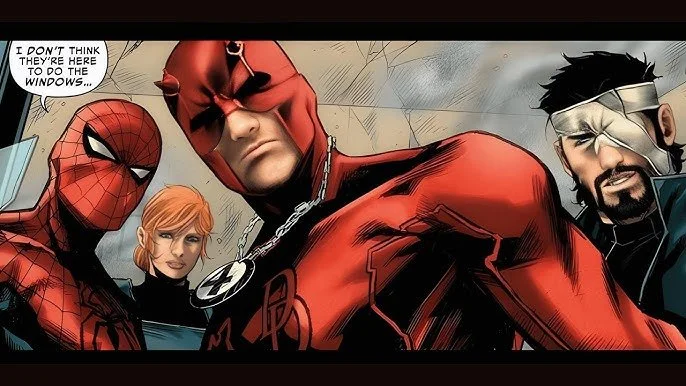
Yelena, on the other hand, is the story. Her trauma isn’t just window dressing—it’s a living part of how she moves through the world. Her redemption arc is compelling because we saw the depths she came from. Her humor is sharp, awkward, and distinctly her own. She feels real. And more than anything, she feels free.


Renovating A Legacy

And maybe that’s the real win here—Yelena represents a shift in how women are written in superhero films.

The “sexy spy with a tragic past” isn’t a dead trope. It can still work—when we’re shown the full weight of that past. When we see the darkness, the conflict, the scars. With Natasha, most of that was off-screen. With Yelena, we’re in the trenches with her. We feel the damage, and the humor she uses to survive it.

She’s still stylish, still cool, but she’s also awkward, combative, deeply emotional, and sometimes messy. That’s what makes her relatable. That’s what makes her modern. And that’s why fans aren’t just admiring her—they’re rooting for her. She is without a doubt, one of the best, if not the best, MCU legacy characters in the franchise.

Reddit threads, YouTube breakdowns, and TikTok edits are all filled with fans who see Florence Pugh’s Yelena as the character Black Widow was always meant to be. That’s not a slight on Scarlett—it’s a testament to how far storytelling has come.


A New Widow For A New Generation


This isn’t about disrespecting Natasha Romanoff. It's about recognizing that her successor has done something rare: she’s taken a legacy character and made it more grounded, more dimensional, and—frankly—more interesting. Yelena Belova isn’t a replacement. She’s a revelation. And if Marvel’s smart, she’s also the future.
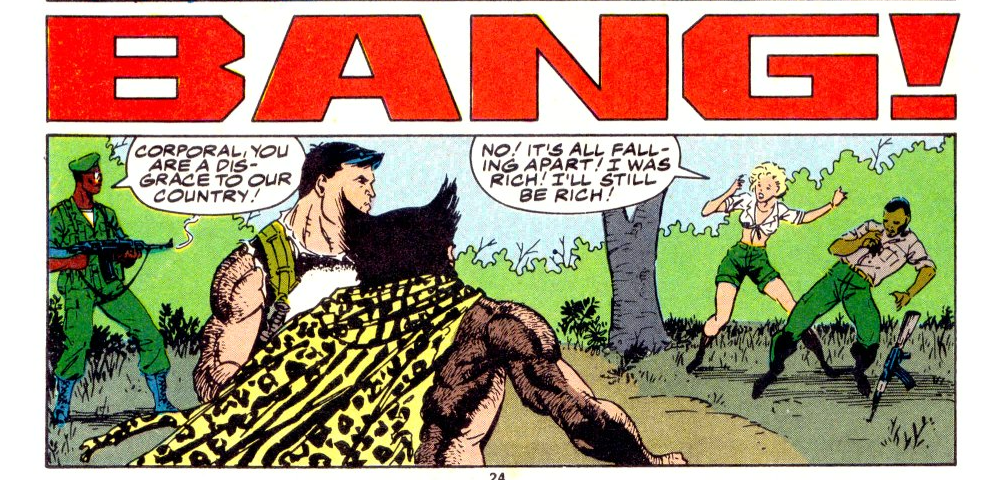
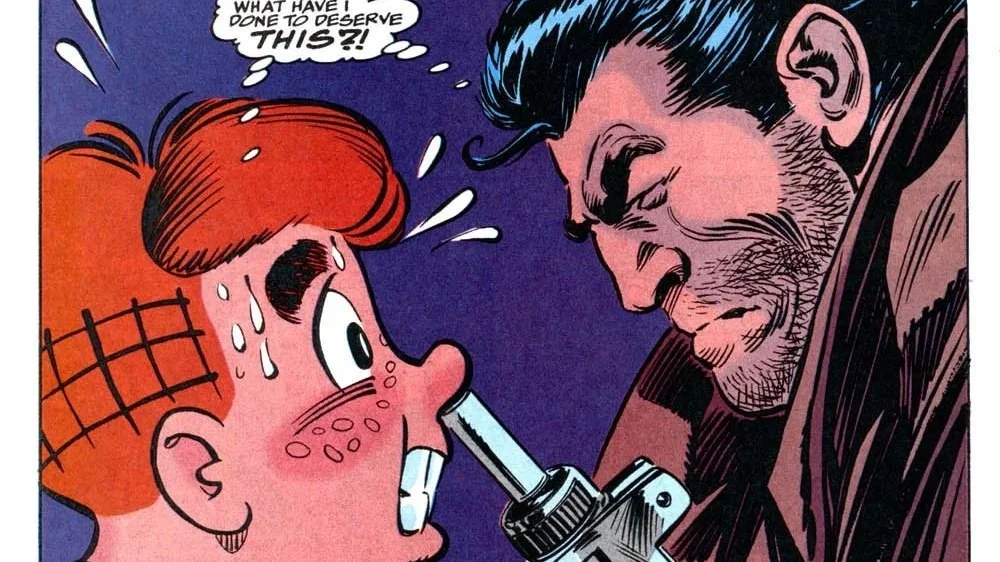
The truth is, we don’t have to choose one or the other. Natasha Romanoff walked so Yelena Belova could run—and now, Yelena is sprinting toward a future where complex, powerful women lead their own stories unapologetically. It’s exciting to imagine where her journey will go next. If Thunderbolts was any indication, we’re just scratching the surface of what this new Black Widow can be. And for fans who’ve been waiting for a Widow with grit, charm, and real narrative weight?

The best is yet to come.

7 Shocking Twists in Thunderbolts* That Changed the MCU Forever

MoviesGeorge SerranoComment

For a while now, the Marvel Cinematic Universe has felt like it’s been stuck in a holding pattern. With scattered storylines, delayed payoffs, and a growing sense of uncertainty about what comes next, fans have been waiting for something—anything—to shake up the status quo. Enter Thunderbolts*. What looked like a ragtag mission featuring some of the MCU’s most unlikely allies turned out to be a pivotal moment in the franchise. Not only did it deliver unexpected twists and high-stakes drama, but it also planted seeds for the MCU’s future in ways that can’t be ignored. Here are 7 ways the events of Thunderbolts* changed the MCU forever.

SPOILER WARNING FOR ALL THINGS THUNDERBOLTS*

1. Red Hulk’s Fury Enabled Valentina’s Ascension

Thunderbolts takes place after the events of Captain America: Brave New World, where President Thaddeus “Thunderbolt” Ross goes full Red Hulk and unleashes chaos on Washington, D.C. The aftermath is devastating—not just in terms of destruction, but in the trust shattered at the highest levels of government. Ross is forced to step down, leaving behind a fractured administration and a gaping power vacuum at the top.

That vacuum is exactly what Valentina Allegra de Fontaine has been waiting for. Now operating as Director of the CIA, she quickly moves to tighten her grip on influence. With Ross gone, Val erases whatever shady paper trails connect her to the darker side of OXE Corp, dodges impeachment, and emerges politically unscathed. In fact, she’s more powerful than ever—arguably the most dangerous non-powered player in the MCU.

But power without a symbol is just a shadow. And Val’s next move makes her intentions crystal clear…

2. Earth’s Mightiest PR Stunt

With the dust still settling from Ross’s resignation, Valentina seizes the moment and steps into the spotlight. In front of the press—and the world—she unveils her boldest play yet: the New Avengers. It’s a full-on rebrand of her black-ops squad, and it includes U.S. Agent, Red Guardian, Ghost, Yelena, Bucky, and maybe even Bob. Yes, that Bob.

According to Val, she’s been working on this team “for quite some time,” but it’s clearly a calculated PR stunt—meant to restore public faith in superhero oversight while laundering her own shady past. And thanks to a one-year time jump, we see just how far the brand has come. The team now sports official insignia, public support, and government backing. Unlike the Avengers of old, this squad doesn’t answer to Nick Fury or act independently. They work for the U.S. government, with Valentina calling the shots.

In her own words, “Righteousness without power is just an opinion.” And now, with both power and public favor, Valentina’s vision is in full motion. But not everyone in the superhero community is going to be thrilled about this…

3. A New Team, a New Conflict: Sam Wilson's Avengers

Sure, Earth has a new set of Avengers, but that doesn’t mean the former members are down with this rebranding. In a post-credit scene, Sam Wilson, the new Captain America, makes it clear that he isn’t on board with the idea of the New Avengers carrying the same name as the iconic team he was once a part of. According to Sam, the Avengers aren’t meant to be government puppets, and after all the history they've shared, he doesn’t believe they should be tied to Valentina's agenda.

Bucky, as always, has a nuanced take on the situation. He and Sam had a talk about it, but in his words, “it did not go well.” It’s an interesting dynamic, and even more intriguing is the possibility that Sam may form his own version of the team—one that operates outside the government's influence, especially when it comes to Valentina’s grip on power. A showdown over the very name of the Avengers might be brewing, and it could open the door for Sam to assemble his own crew.

This idea of Wilson’s Avengers comes straight from the comics, where we saw Steve Rogers lead his own “Secret Avengers” while Norman Osborn formed his Dark Avengers. The potential lineup for Sam’s team is wide open: Thor, Shang-Chi, Doctor Strange—just to name a few. But the implications are bigger than just who makes the cut. Could we see another Marvel Civil War?

We’ll have to keep watching to find out.


4. Ticking Time-Bob

Although Thunderbolts shows that the team has managed to subdue the Void side of Bob’s personality, make no mistake—the threat is far from gone. Bob, now part of the New Avengers, is seen hanging out in their shiny new headquarters. He claims he doesn’t transform into the Sentry anymore, but only because he can’t be the Golden Guardian without releasing the Void. It’s a chilling statement, and with it comes the haunting question: when—not if—will the Void return?

We’ve only begun to scratch the surface of what Bob can do as a hero, but the same can be said about the terrifying darkness the Void can bring. If Bob’s dark half re-emerges, the destruction could be catastrophic, and it’s clear that the stakes are high. Yelena, fully aware of Bob’s potential for both heroism and chaos, has sworn to keep him close. But is it wise to keep such a volatile figure within a government-backed super team? Valentina may think so, but the real question remains: how long before Bob’s inner demons break free again, potentially endangering everyone he’s supposed to protect?


5. The Superhero Arms Race Heats Up

The race to build the perfect hero began with Steve Rogers. Ever since the U.S. turned a skinny kid into Captain America, the rest of the world has been trying to catch up. Bruce Banner, Red Guardian, and even Bucky Barnes were all products of this long-running push to weaponize superhumans.

Thunderbolts confirms what we've suspected for years: that race is far from over. Valentina may have wiped OXE Corp off the map, but she freely admits other nations are already developing enhanced individuals of their own. This isn’t hypothetical — it's happening now.

America’s New Avengers aren’t just about optics — they’re a strategic countermeasure. A way to stay ahead in a world where nations like Wakanda, Ta Lo, and even the Talokanil already have powerful champions at their disposal. It’s no longer about who has the strongest army — it’s about who has the strongest heroes.

What happens when those heroes are forced to pick sides? When countries deploy metahumans like missiles? We’re not just watching the next phase of global politics unfold — we might be seeing the early days of a powered cold war.


6. Avengers?! We Have A (Space) Problem!

While Valentina’s shiny new Avengers seem ready to tackle any terrestrial threat she throws their way, there’s one battlefield they’re suspiciously being kept away from: space. In the final moments of the film, Yelena casually mentions a growing “space crisis”—something she and the rest of the team haven’t been briefed on. The fact that even her sharp instincts are being left out of the loop suggests something massive is unfolding beyond Earth’s atmosphere… and someone doesn’t want them knowing about it. So what exactly is happening in the stars? And why has Valentina chosen to keep her own hand-picked team in the dark?

The state of Cosmic Marvel is murky. Nick Fury is still operating from the S.A.B.E.R. satellite with his Skrull wife, presumably monitoring galactic affairs. A newly assembled variant of the Guardians of the Galaxy is still patrolling the cosmos. The Hulk has returned from outer space with a son, bringing his own mysteries back to Earth. Even more curious? Both Star-Lord and Captain Marvel, two of the MCU's most seasoned cosmic veterans, are currently grounded on Earth. With them out of orbit, it’s entirely possible a new threat has risen in their absence.

Whether this is setting the stage for Avengers: Doomsday, Nova, Fantastic Four, or something completely unexpected, one thing is clear: Valentina is choosing not to inform her “Avengers” about it. And when your boss keeps you out of the biggest fight in the galaxy, it usually means you’re being protected… or you're being used. Whatever the reason, the cosmic storm is coming—and the New Avengers are the last to know.


7. Fantastic Fourshadowing

The biggest bombshell in Thunderbolts comes during its final post-credits scene — and it’s a moment that could reshape the MCU forever.

A mysterious ship breaches Earth’s atmosphere, caught on a satellite feed. It’s sleek, retro-futuristic, and nothing like anything we’ve seen in this timeline. As the rocket turns, it reveals a symbol no one could mistake — a glowing “4” emblazoned across its hull. At that exact moment, Michael Giacchino’s mischievous Fantastic Four: First Steps score swells, confirming what fans have long been waiting for: Marvel’s First Family has officially arrived. The scene cuts out, but the implications couldn’t be more urgent.

From the First Steps trailer, we know Reed Richards and his team have been battling Galactus, Eater of Worlds, after receiving a dire warning from his herald, Shalla-Bal. If the Fantastic Four have crossed into this universe, then something critical has happened. Either Galactus won, and they had no choice but to flee their doomed dimension — racing here in a desperate bid to regroup, survive, and warn whoever will listen, or Galactus was defeated, but in the aftermath, something even worse is rising — a threat powerful enough to shake the multiverse and send Marvel’s most brilliant minds looking for reinforcements. One thing is clear, their sudden arrival isn’t a cameo. It’s a countdown. However this team factors into the future of the MCU… I’m sure it’ll be fantastic.


The MCU is on the brink of a monumental shift, and it’s impossible to know exactly what comes next. With new power structures emerging, and global superhuman forces being unleashed, the landscape is forever changing. Will the heroes of today be able to keep up with the escalating threats, or will the world be torn apart by the very powers they’ve unleashed? One thing is certain: things will never be the same. The clock is ticking, and as these dangerous games unfold, the MCU is headed for a future where nothing is guaranteed, besides the fact that all these roads…lead directly to Doom.

REVIEW: Predator VS Spider-Man #1 - P.V.S.: Dawn of Slaughter

George SerranoComment

Predator VS Spider-Man #1 Variant Cover by Ryan Brown
Writer: Benjamin Percy Artist: Marcelo Ferreira Inker: Jay Leisten Colorist: Frank D'Armata Letterer: Clayton Cowles

The city’s heating up, the bodies are skinned, and Peter Parker is one wrong turn away from a face-off with death itself. Let’s dive right into this recap and review of Predator Vs Spider-Man #1!
WARNING: Spoilers and graphic images to follow


1. The Heat Is On

Predator vs. Spider-Man #1 opens in a sweltering New York City, where the rising temperature feels like a ticking time bomb. Detective LaPearl is knee-deep in one of the most disturbing crime scenes Marvel’s ever published: multiple men, skinned alive and missing body parts. The details are grotesque, the tension immediate. And before the real forensics team can arrive, LaPearl realizes the CSI she was chatting with has already vanished—because it wasn’t a CSI at all. It was Peter Parker.

That’s the kind of book we’re dealing with. Tense. Twisty. And absolutely unwilling to pull its punches.

2. The Hunter Strikes First

Once Peter suits up, things spiral fast. A speeding van, a group of bank robbers in alien masks, and a close call with some kids playing by a fire hydrant give us our superhero action beat. But when the robbers reach their hideout, the issue leans fully into horror.

One by one, the criminals are picked off in the shadows—culminating in one of the most gruesome moments in recent Marvel memory: a full-on face-rip straight out of a Predator film. Artist Marcelo Ferreira doesn't hold back here, and it's stunningly effective.

Peter, meanwhile, stumbles across the aftermath—bodies skinned, limbs missing. He thinks it’s a serial killer. We know it’s something much worse.

3. Darkness Below, Chaos Above

Down in the subway, Mary Jane gets her own horror movie moment. Power goes out. A fellow passenger panics. MJ offers comfort and shines her phone light out the window—only to find the Predator, mask made of human skin and all, lurking in the darkness like a monster from myth.

It’s terrifying. And back above ground, Peter and Jonah decide to go public. Jameson uses his paper to stoke panic. LaPearl, pissed that her case has leaked, wants to bring Peter in for questioning. But he’s already back in the suit—and MJ still isn’t home.

4. Percy and Ferreira Understand the Assignment

I’d like to take a second to gush about the creative team behind this series. Writer Benjamin Percy (Predator vs. Wolverine, Wolverine, X-Force) proves he knows how to make the Predator work in a superhero universe. His horror sensibilities are sharp, his pacing relentless, and he strikes a perfect balance between gritty realism and Marvel’s signature character voice.

Marcelo Ferreira (Miles Morales: Spider-Man, Doctor Strange) brings dynamic action and grotesque, haunting detail to every panel. The more brutal scenes (like a face being peeled away from bone) are nightmare-inducing, but they never feel excessive—just chillingly effective. Inked by Jay Leisten and colored by Frank D’Armata, the visuals pop with just enough grime and shadow to make you sweat alongside the characters.

5. A Savage Twist That Changes the Game

Ok, back to our recap. I must say, going into this series, I was cautious. Crossovers that don’t impact continuity often feel like filler. But Predator vs. Spider-Man avoids that trap by fully committing to the tone. This feels like a slasher story—with Spider-Man as the final girl and NYC as the haunted house.

And just when you think you’ve got it figured out—boomKraven the Hunter enters the fray. What started as Predator wearing Kraven’s narrative skin suddenly gets real. Now there are two apex predators on the loose.

So now we’re left wondering: Will Kraven the Hunter become Kraven the Hunted? Will Spider-Man have to team up with the devil he knows to fight the devil he doesn’t? Can NYC survive a war between a wall-crawler, a wild man, and a walking nightmare?


Final Verdict: A Brutal, Brilliant Kickoff

Predator vs. Spider-Man #1 doesn’t just mash up franchises—it sets the tone for a nightmare-fueled mini-series that earns its spot in both Marvel and Predator canon. The creative team is firing on all cylinders, delivering a book that reads like a horror-thriller with superhero stakes. It’s sharp, gory, fast-paced, and smarter than it has any right to be.

This isn’t a gimmick—it's a genuine clash of ideologies: the Predator's cold, calculated cruelty versus Spider-Man’s human heart and tireless heroism. With a shocking final-page twist and impeccable atmosphere, this issue does exactly what a first issue should do: hook you, haunt you, and leave you desperate for more.

REVIEW: Daredevil: Cold Day In Hell #1 - Old Man Murdock aka The Dark Matt Returns

George SerranoComment

Marvel’s newest limited series throws Daredevil into a world that's barely holding together — and shows us a Matt Murdock who might not be either. Cold Day in Hell #1 is grim, heavy, and honestly, exactly the kind of Daredevil story I love. Here’s how the Devil found his way back… and why it might break him all over again.
SPOILERS

Ashes of a Fallen City

Daredevil: Cold Day in Hell wastes no time showing us that this isn’t the Marvel Universe we’re used to. New York is wrecked, divided, and rotting away after some world-breaking event that’s left society in shambles.

At the center of it all is Matt Murdock — older, weaker, and long since retired from being Daredevil. We first catch up with him visiting Wilson Fisk’s grave, casually mentioning a run-in with Jessica Jones. Nowadays, Matt’s way of helping is running a soup kitchen called Battlin’ Jack’s — a small light in a world that's mostly darkness.

The Man Without Hope

The creative team of Charles Soule and Steve McNiven does a killer job showing just how far Matt has fallen. He’s not a fighter anymore. He’s just a man trying to be kind — and even that doesn’t get him very far.

In one of the book’s rougher moments, Matt tries to help a homeless man only to get mugged and shoved down a flight of subway stairs for his trouble. Even after that, Matt still offers the guy a free meal at Battlin’ Jack’s. It’s a heartbreaking beat that reminds you: Matt Murdock might be broken, but he’s still Matt Murdock.

The Blast That Brought the Devil Back

Everything changes after a dirty bomb rips through a subway station, filling it with some weird radioactive gas. Matt breathes it in — and in a brutal sensory overload, his superpowers come roaring back.

The creative team makes you feel it — the pain, the confusion, the flood of information. But once Matt gets a grip, the old instincts kick in. Even half-dead, Matt dives right back into saving people trapped in the wreckage. Because that’s just who he is.


A Soldier’s Last Stand

While pulling people from the rubble, Matt stumbles on a brutal sight: a battered, grizzled Captain America holding up a mountain of debris to protect a passed-out kid.

Cap’s dying, and he knows it. With what little strength he has left, he begs Matt to save the girl — calling her “the key to all this” — before finally succumbing to his injuries. It’s a gut punch. Even legends die in this world.

Blood in the Shadows

Later on, Matt spots a crew of hazmat-suited thugs trying to steal Cap’s shield for their mysterious boss. Despite being older and battered, Matt’s reflexes are back — and they’re deadly.

Tracking their scent, he tails them to a hideout straight out of a nightmare: a radiation-poisoned madman holding a limbless Frank Castle (yeah, the Punisher) hostage.

When the thugs mention their assailant was a redheaded blind man, the boss immediately figures it out: Daredevil is back.

And that boss?

Bullseye.

Still one of Matt’s most brutal, twisted enemies — and somehow even worse in this new world.

The Last Temptation of Matt Murdock

Meanwhile, Matt finds what’s left of his old Daredevil costume. It’s tattered. It’s dusty. And it’s exactly what he needs. The Devil of Hell’s Kitchen might be older, slower, and beat to hell — but he’s not done yet.


Verdict:

Daredevil: Cold Day in Hell #1 feels like a brutal mix of Old Man Logan and The Dark Knight Returns, but it still feels completely Daredevil at its heart. It is everything I love in an end-times story and there’s no getting around it — Daredevil: Cold Day in Hell wears its inspirations proudly on its sleeve. If you’re a fan of books like Old Man Logan or The Dark Knight Returns, you’ll feel right at home here.

But what makes this story stand out is that Matt Murdock isn’t just fighting against a broken world — he’s fighting against himself. Unlike Logan or Bruce, who come back because they’re angry, Matt comes back because he can’t refuse the call. Even when it gets him hurt. Even when it’s hopeless. It’s a quieter, sadder kind of return. And honestly? That makes it hit way harder.
The art carries so much of the heavy lifting, painting New York like a rotting fruit eaten away by war and violence. And through it all, Matt wrestles with the idea that maybe — just maybe — all of this is part of God’s plan. Maybe it is. Maybe it isn’t. But whether it’s faith or just stubbornness, Matt chooses to believe it. And that's enough to put the Devil back in the fight one last time. I can’t wait for Issue #2.

Review: Captain America Brave New World – A Safe Bet or a Missed Opportunity?

George Serrano1 Comment

Picture this: you're at work, and you get a text from your partner, who’s home. They tell you not to worry about dinner tonight because they’re cooking and know exactly what you like—so get excited! The anticipation builds as the day goes on, especially since your partner is a skilled chef who’s prepared amazing meals for you before.

On your way home, though, you get another text, this time from a neighbor, asking if everything is okay because they saw smoke coming from your house. You assure them everything’s fine and arrive to find nothing out of the ordinary—except for the strong smell of something burnt. As you walk into the kitchen, you spot shrimp tails on the floor, a broken bottle of A1 sauce in the trash, and orange peels scattered on the counter. Your partner greets you with a sheepish smile and says, “Sorry, some of the cooking didn’t go as planned, but it’s ready!” They hand you a juicy cheeseburger and a side of fries.

You take a bite, and it’s good—no complaints there. But as you chew, you can’t help but wonder: what was the original meal supposed to be? All the signs point to something more elaborate—shrimp, A1 sauce, orange peels—but here you are with a burger instead. While the meal in front of you is fine, the thought of what you might have missed out on lingers. That’s exactly how it felt watching Captain America: Brave New World.

Minor Spoilers Ahead

I should start this review by saying that I genuinely enjoyed the film. Maybe it was the immersive Dolby Atmos, maybe it was the thrill of seeing some of my favorite characters brought to life, or maybe it was just the company I was with—but at no point did I find myself checking my phone out of boredom or sighing at ridiculous plot points. It kept me engaged, and in today's blockbuster landscape, that’s already a win.

Let’s start with what worked. First and foremost, Anthony Mackie delivers a solid performance. Taking on the mantle of Captain America is no small feat, and this film does its best to portray Sam Wilson as, above all else, a good man—something essential to the character of Captain America. He’s not trying to be Steve Rogers; he’s trying to be the best version of himself, and that struggle is at the heart of his arc.

Action-wise, the film delivers some well-executed dogfight sequences, and it does make an effort to acknowledge lingering MCU plot threads—though not necessarily resolve them. We get nods to the Celestial corpse in the Indian Ocean, the absence of an Avengers team post-Endgame, President Ross’ declining health (as hinted at back in Civil War), and the scattered presence of former Black Widows across the globe. The issue is that, while it’s nice to see these loose ends addressed, the film doesn’t really commit to tying them up. At this point, it almost feels like too little, too late.

Ultimately, this movie doesn’t reinvent the wheel—but after recent missteps, I was beginning to wonder if Marvel even remembered what a wheel looked like in the first place. This film feels like a return to the spirit of Phase One, a back-to-basics approach reminiscent of The First Avenger—a grounded, character-driven story about identity, duty, and the weight of expectations.

Carl Lumbly’s return as Isaiah Bradley, however, is what gives the film its emotional core. His presence adds weight to the story in a way few other elements do. Every time he’s on screen, the movie feels more grounded, more real. His storyline pulled at my heartstrings the most, and I found myself deeply invested in his journey. It’s through him that I figured out what the crux of this movie truly was.

At its core, the film is about men trying to do what they believe is being asked of them. Isaiah believes that disappearing is the best option because the last time he was a hero, he was imprisoned and erased. Sam keeps his head down, knowing he can never be Steve Rogers, and fearing that any statement he makes only worsens his situation. Joaquin Torres, eager to prove himself, goes above and beyond as Sam’s right-hand man, believing that’s the path to heroism. And then there’s President Ross, who leads with force and aggression because that’s what got him power in the first place.

These are misguided men trying to navigate a world that doesn’t always reward the right choices. It’s a theme that resonates, particularly when viewed through the lens of real-world struggles faced by veterans—who are statistically at a 72% higher risk of suicide due to untreated mental health issues and a lack of support. Watching these former servicemen try and, in many ways, fail to be the men they need to be adds an unexpected layer of realism that I appreciated.

But I do have two Major Issues (wink) with this film.

First, despite being titled Brave New World, the film itself doesn’t feel particularly brave. Marvel Studios was clearly aware of the backlash certain elements of the story would generate—a Black Captain America, an authoritarian leader turning into a red rage monster, an Israeli mercenary operating in a politically charged climate. Rather than embracing the controversy and making a bold statement, the film opts to play it frustratingly safe. There’s no denying that making a billion-dollar political film is impossible—politics are divisive, and neither Disney nor Marvel is willing to alienate half of their audience to make a point. But that reluctance waters down what could have been a more compelling and timely story.

The backlash against this film was loud before a single plot detail was even revealed, and I have a hard time believing any of it was in good faith. I remember the uproar when Sam first took up the shield in the comics, and the online vitriol surrounding this movie feels eerily similar. To be clear, disliking this film does not automatically align someone with those who weaponize terms like "DEI" as an insult. But it’s disappointing to see so many people rooting for this movie to fail for reasons that have little to do with the actual film itself.
By refusing to take a stand, Brave New World ends up feeling toothless—caught between wanting to say something meaningful and fearing the backlash of doing so. In its attempt to appease everyone, the film ultimately satisfies no one, resulting in an underwhelming experience that lacks the boldness its title suggests. Worse yet, this hesitation only serves to validate the worst corners of the fanbase—those who were already against the film simply because Sam Wilson is Captain America. Instead of challenging their preconceived notions or proving them wrong through strong storytelling, the movie’s reluctance to commit to its themes makes it easy for bad-faith critics to dismiss it as unnecessary or hollow. A film that could have been a powerful statement instead becomes just another entry in the MCU, easily brushed aside by those who wanted to see it fail from the start.
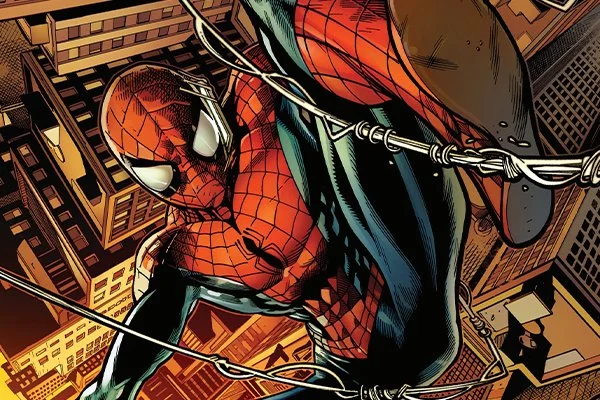
My second major issue is with Red Hulk and how Marvel handled his reveal. Imagine how much more impactful it would have been if we had gone into this movie without knowing that President Ross would transform. Instead, Marvel plastered Red Hulk across every poster, every trailer, making the eventual third-act showdown feel predictable and underwhelming. It robbed the film of tension—every prior scene with Ross felt less weighty because we already knew where it was heading.

Harrison Ford does a great job as Ross, but I never fully bought into this being the same character who hunted Bruce Banner in The Incredible Hulk. That sense of continuity was lacking, which hurt some of his emotional beats. As a metaphor, though, Red Hulk works—he represents unchecked ego, blind rage, and the corruption of power, forces that permeate both politics and public discourse today. His arc needed to end with self-realization rather than just brute-force defeat, and I think the film handled that aspect well.

But Marvel’s marketing department didn’t trust the movie enough to keep Rulk a secret. And they didn’t have enough confidence in Anthony Mackie’s Sam Wilson to carry the film without a headline-grabbing reveal. The result? They gave away their biggest twist in the very first trailer. Without a bigger surprise left in the chamber, what could have been a standout MCU entry ends up feeling merely serviceable.

Brave New World is an enjoyable but flawed film—one that had the potential to be something great but played it too safe. Anthony Mackie shines as Sam Wilson, and Carl Lumbly delivers the film’s strongest moments, but the unwillingness to take a stand leaves the story feeling hesitant and underwhelming. Worse, by sidestepping controversy, Marvel unintentionally validated those who wanted this movie to fail from the start. That said, there are glimpses of what the MCU could be again—character-driven, grounded, and meaningful. This isn’t the bold new era Marvel needs, but if they’re willing to take risks again, there’s still hope for the future.

Rating: 3.5/5 Stars and Stripes