
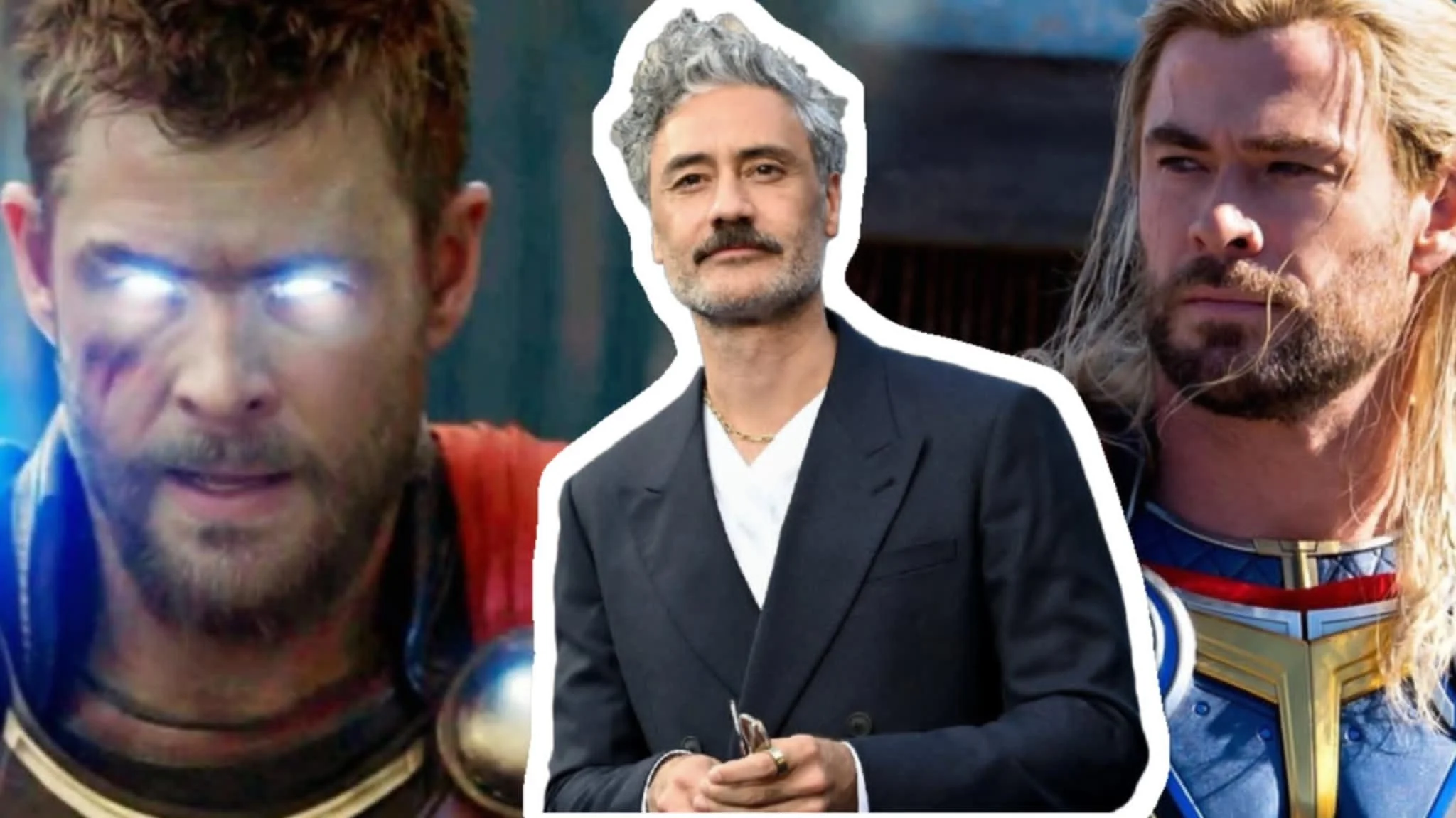
It's been a decade since Taika Waititi first brought his signature brand of quirky, offbeat humor to the Marvel Cinematic Universe, and on his birthday, it's worth taking a look back at his enduring legacy. The director's two films, Thor: Ragnarok and Thor: Love and Thunder, completely reinvented the God of Thunder, pulling him from the solemn, Shakespearean realm of his first two solo outings into a kaleidoscopic world of cosmic comedy. But as with any bold creative choice, the results have been divisive.
So, as we celebrate Taika's birthday, let's explore the two sides of this epic debate: did he save the character, or did he, as some would argue, ruin him for good?
The Case for "Saved": A Box Office Juggernaut
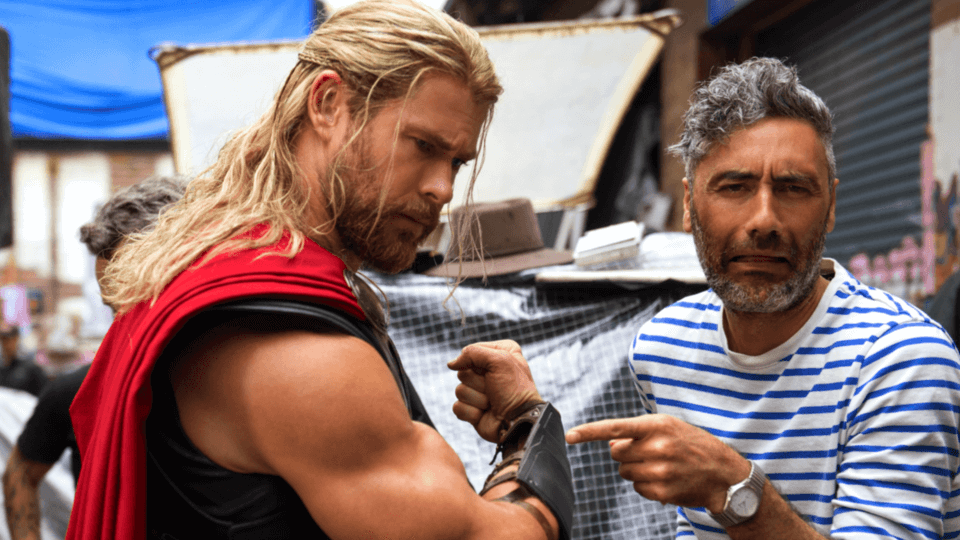
Before Taika Waititi came along, the Thor franchise was in a bit of a slump. The first two films, while respectable, didn't quite reach the financial heights of other core Avenger stories. But then, Thor: Ragnarok burst onto the scene, not just as a movie, but as a phenomenon. It wasn't just a hit; it was a franchise-defining moment that earned a staggering $854 million worldwide.
This success was all thanks to Waititi's vision. He saw what everyone else was missing: Chris Hemsworth's incredible comedic timing. Waititi's unique style, which relied heavily on improvisation, with up to 80% of Ragnarok's dialogue reportedly unscripted, gave Hemsworth the freedom to turn Thor into a more relatable, more lovable hero. This new Thor, a god who could face down cosmic threats with a wry grin, became a fan favorite and a major player in Avengers: Infinity War. He was funny, yes, but for many, the comedy was a clever way to explore the character's immense loss, adding a surprising layer of depth to his journey.
The Case for "Ruined": The God of Gags
Of course, not everyone was on board with the change. For every fan who loved the new, funnier Thor, there was another who felt his epic dignity was traded for cheap laughs. The majestically brooding Asgardian prince was, in their eyes, replaced by a bumbling buffoon.
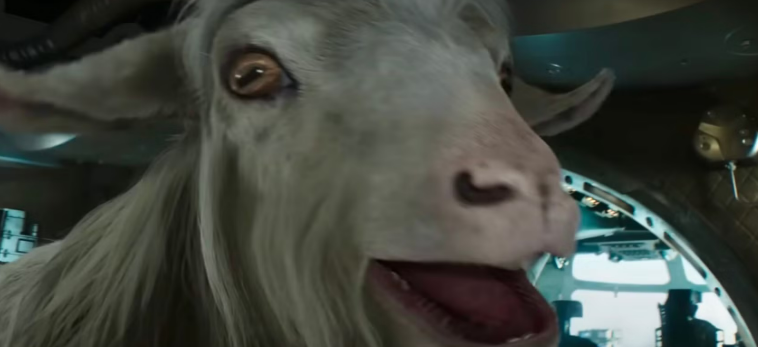
This feeling intensified with Thor: Love and Thunder. While it still pulled in a massive $760 million worldwide, the film's reception was far more mixed. Critics argued the movie leaned too hard into its comedic side, sometimes feeling like a parody of itself. They point to moments like the screaming goats or the way a fearsome villain like Gorr the God Butcher was undermined by a relentless stream of jokes. In this view, the film's pursuit of comedy diminished Thor's emotional journey, making his heroic deeds feel less earned.
The Perfect Balance?
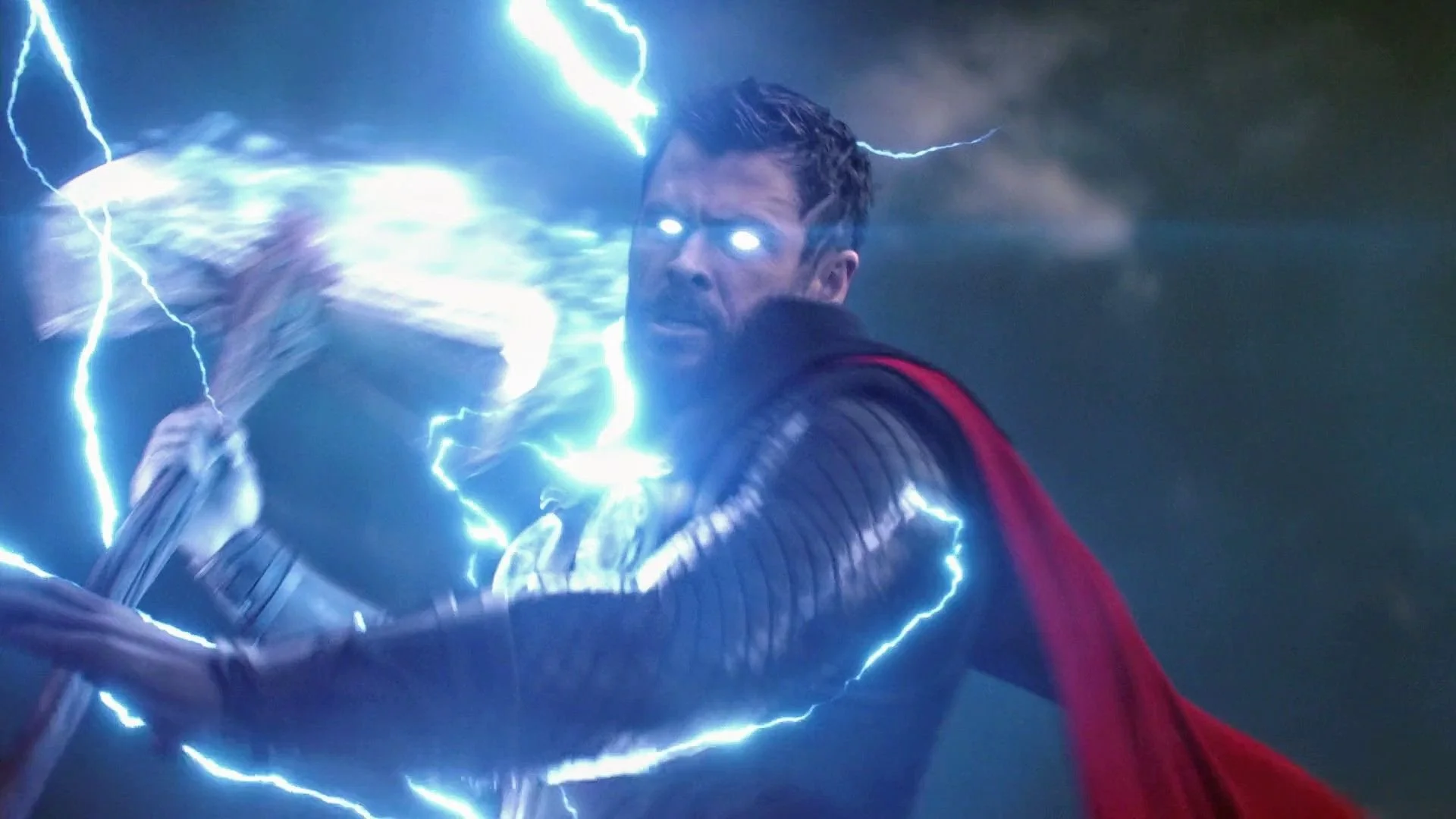
The truth is, whether Waititi saved or ruined Thor is a matter of personal taste. After all, what one person finds hilarious, another might find cringeworthy. But maybe the real answer lies somewhere in the middle. The most beloved version of this new, comedic Thor might not have been in his solo films at all, but rather in Avengers: Infinity War.
In that movie, we saw a Thor who was the best of both worlds. He had the sharp wit from Ragnarok but still carried the solemn, heroic purpose of his earlier adventures. He was both funny and formidable, a character who could inspire laughter one moment and awe the next. Perhaps the true genius of Waititi's reinvention was simply unlocking the potential that was always there, proving that Thor didn't have to be just one thing.
While the future of the God of Thunder is in flux, we know that Chris Hemsworth is set to return as Thor as soon as Avengers: Doomsday. Will this version resemble his original take or lean more comedic like it has in recent years? Time will tell.