
Thirty years ago, a miracle happened. Remember the feeling of hearing that "Mortal Kombat!" theme blare out of the theater speakers for the first time? It was a secret handshake, a promise that this film understood us. The original 1995 Mortal Kombat movie arrived not as a movie, but as a perfect portal into the fantastical world we'd only ever seen on a video screen. Now, three decades later, critics and fans can argue all they want about its flaws, but for those of us who were there, it remains a total, honest-to-god flawed masterpiece. It's a "Flawless Victory," and here's why.
The Soundtrack is an Instant Adrenaline Shot
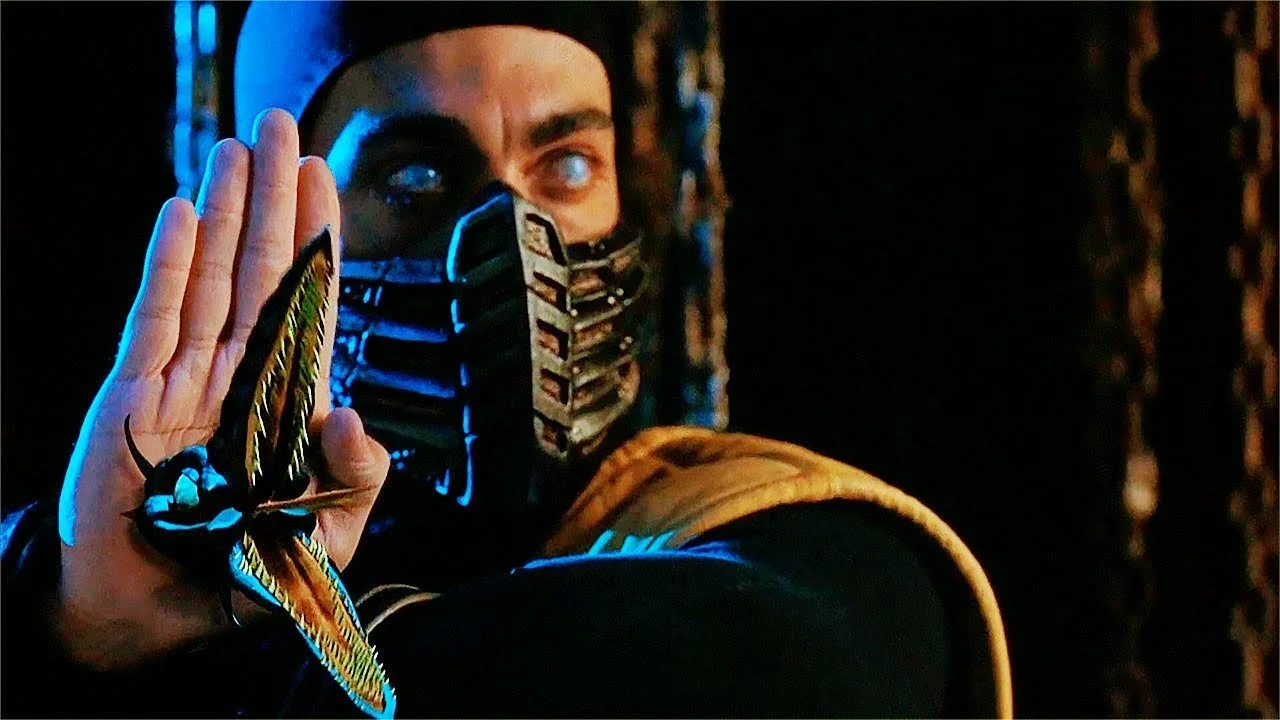
You cannot talk about the Mortal Kombat film without talking about its iconic soundtrack. That opening techno theme by The Immortals is pure, unfiltered adrenaline. It's more than music; it's a character in itself. The whole soundtrack, a landmark of electronic music, perfectly captured the vibe of the 90s and the raw energy of the tournament. Even today, hearing those first few notes is an instant trigger for a wave of nostalgia and excitement. It remains, for many people, the most recognizable part of the film's legacy.
The Legendary Cast Understood the Assignment
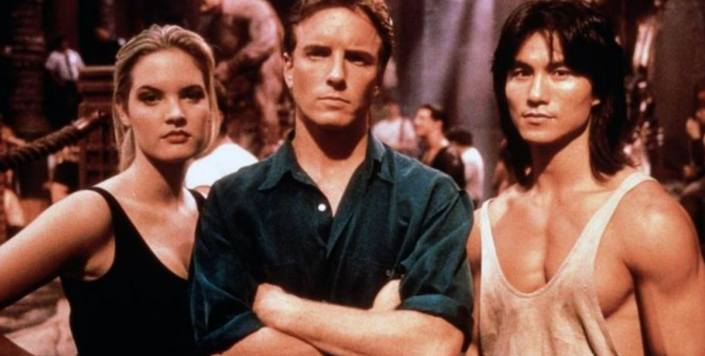
The real flawless victory of this film was the cast. They understood the assignment perfectly, delivering performances that were both sincere and a little bit unhinged. Christopher Lambert’s Raiden was a perfect mix of wisdom and a mischievous quality. He'd laugh at the most serious times and deliver his lines with a knowing wink, famously improvising his "I don't think so!" line before a fight.
Cary-Hiroyuki Tagawa didn't play Shang Tsung, he became the soul-stealing sorcerer. His famous line, "Your soul is mine," is one of the most iconic villain moments in film history for a reason. As the film's heroes, Robin Shou's Liu Kang brought a real emotional weight to the story while pulling off incredible fight scenes himself. As for Linden Ashby's Johnny Cage, he was the quintessential action hero, delivering every cocky quip and brutal uppercut with a perfect amount of ego.
The Glorious Flaws We Love Anyway
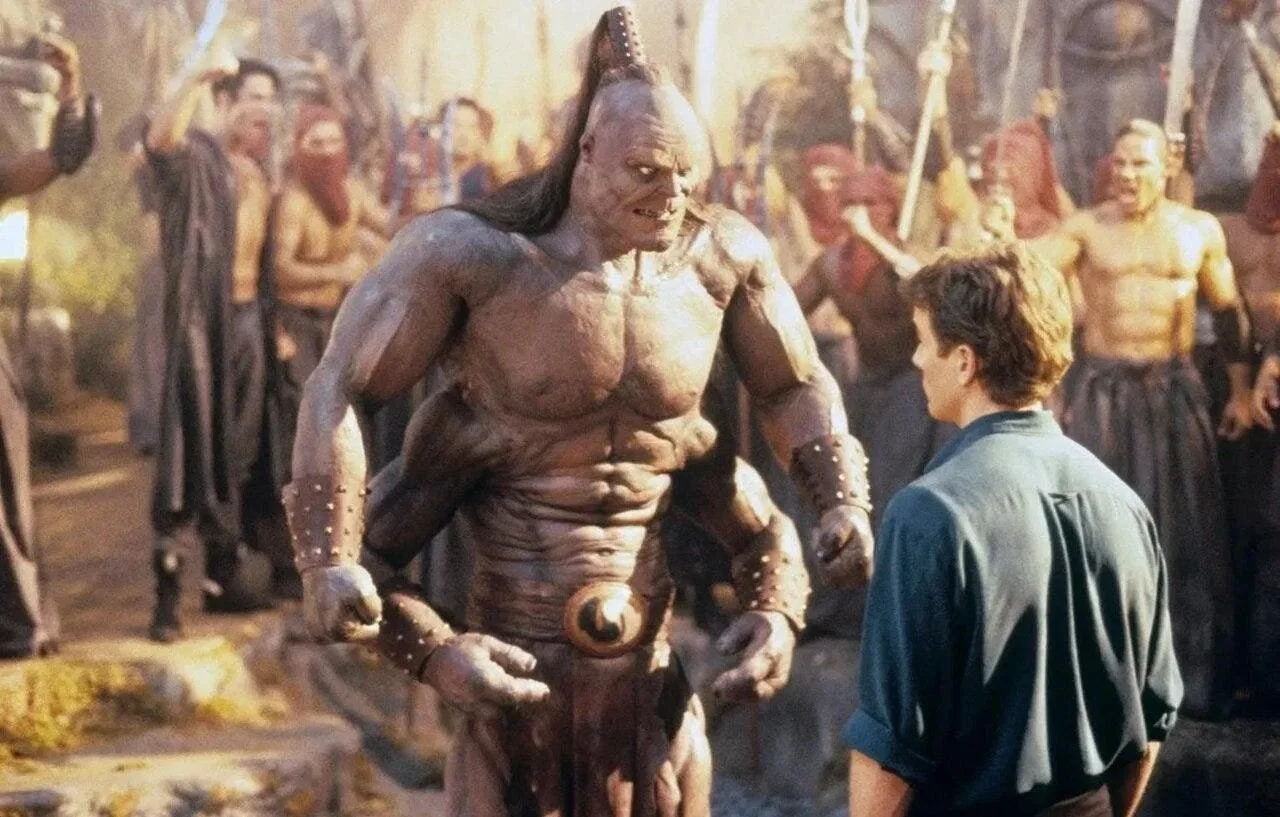
It's easy to forget that this was a film fighting an uphill battle. It was given a tiny budget and a ridiculously short schedule. We can all agree that Goro was, shall we say, a little bit janky. The special effects for Scorpion's fire and Sub-Zero's ice are delightfully dated, looking more like early CGI tests than an actual fighting technique. The dialogue itself has a "so bad it's good" quality that we quote endlessly. It’s a messy film, but that messiness is exactly why it’s so perfect.
The biggest "flaw" for fans at the time was the lack of the series' trademark gore. To secure a PG-13 rating and reach a wider audience, the creative team had to make a tough call: cut the blood. What could have been a fatal mistake became a creative triumph. The director was forced to lean into inventive filmmaking to keep the energy high. Instead of relying on blood and guts, they focused on stylized, fluid martial arts and clever camera work. This choice turned a limitation into a strength, delivering a movie that was exciting and accessible while still feeling authentic.
The Fights Still Hit Hard
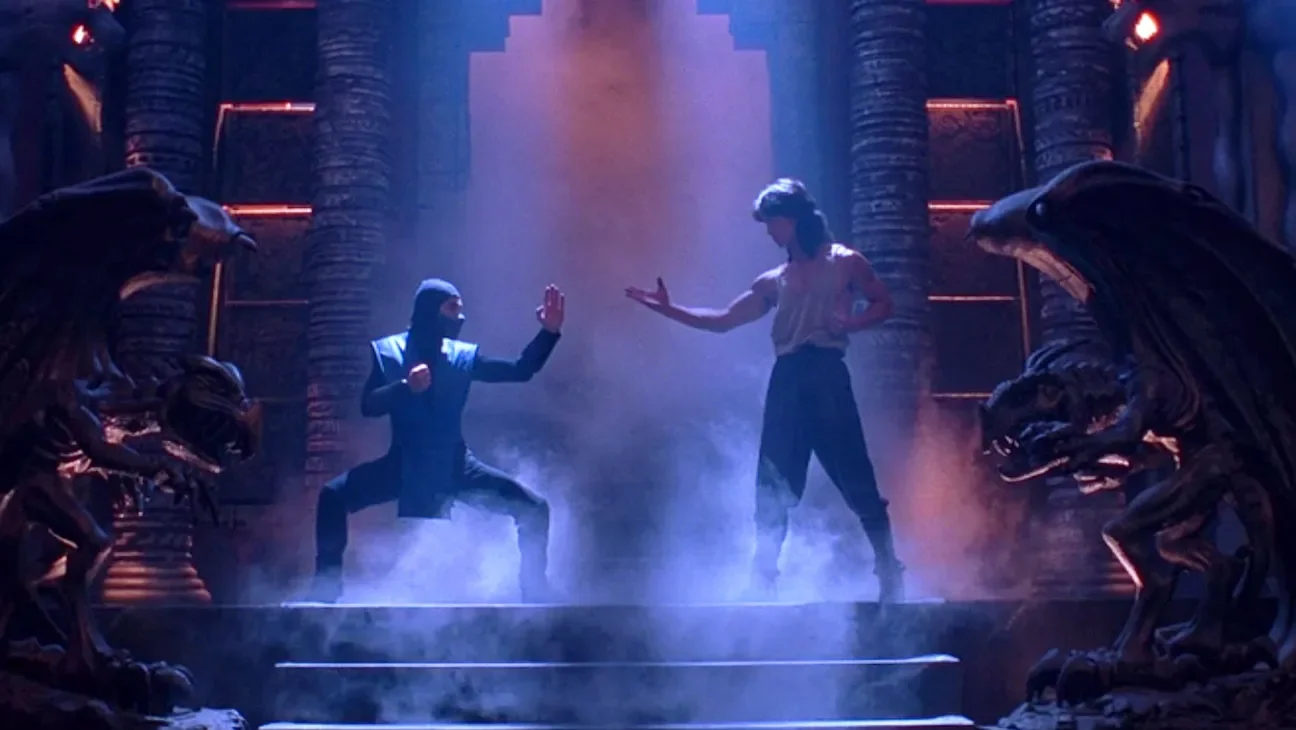
The movie’s fight scenes were a revelation for the time, and they still hold up. Mortal Kombat was one of the first major Hollywood blockbusters to extensively use Hong Kong-style wire work, giving the fights a sense of dynamic, almost supernatural, movement. These fights were not a series of button-mashing; they were carefully choreographed dances that felt straight out of the game. Just look at the one-on-one battles that made the movie an instant classic: Johnny Cage vs. Scorpion, a battle that took us on a trippy journey into a multi-dimensional arena, all while Johnny Cage made a joke about Scorpion's "get over here!" chain.
Then there was Liu Kang vs. Reptile, a gritty, no-nonsense fight that was raw and brutal, showcasing Liu Kang's fluid martial arts and Reptile's stealthy attacks. And who can forget Sonya Blade vs. Kano, a tense, grudge-fueled brawl that finally put an end to the villain's constant heckling. The final battle, Liu Kang vs. Shang Tsung, delivered everything a fan could hope for, from Liu Kang's bicycle kick to a perfect, on-screen Fatality that was both cool and satisfying.
Thirty years later, the film holds up because it feels like a group of fans made a movie for other fans. It wasn't about being critically perfect; it was about honoring the source material with passion. It is, and always will be, a flawless victory.
What do you think? What are your favorite memories from seeing the movie for the first time? Join the conversation and share your favorite quotes or fight scenes in the comments!