
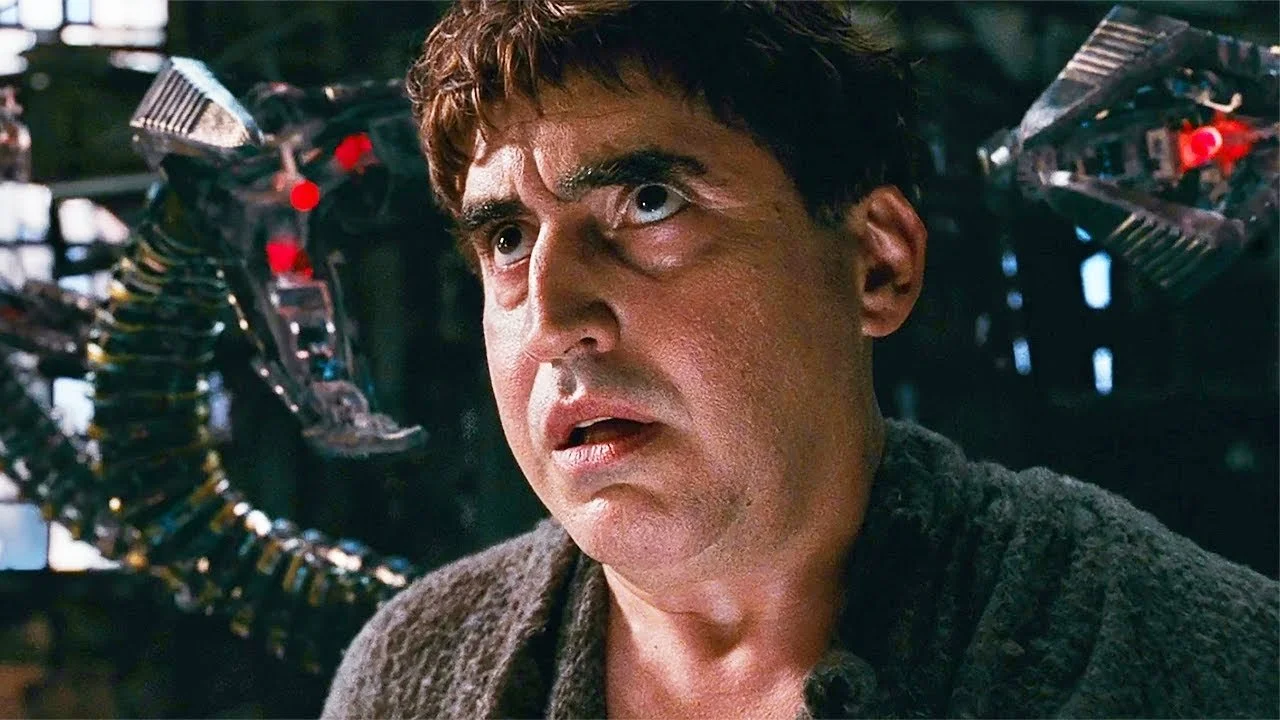
We all love Alfred Molina's Doc Ock. He's tragic, sympathetic, and his return in Spider-Man: No Way Home was met with thunderous applause. But what if all that tragedy is just a clever distraction from the cold, hard fact that this version of Doctor Octopus is, in a word, incompetent? While other villains became masterminds through ambition or malevolence, this Raimi's Doc Ock was undone by a mistake so basic it questions his very claim to genius. He's not a brilliant scientist who chose evil; he's a brilliant mind who was too dumb to secure his own sanity.
A Primitive and Flawed Design
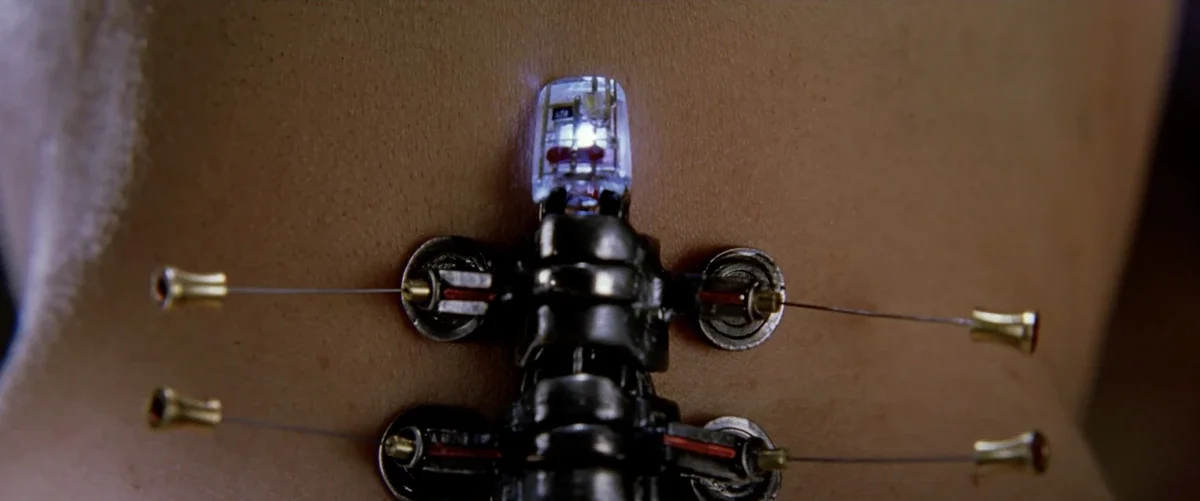
The case for the dumbest Doc Ock starts with his most pivotal invention: his mechanical arms. While they are a marvel of engineering, the way he controls them is shockingly primitive. In Spider-Man 2, we learn that Octavius controls the arms via a neural link. It uses nanowires that feed directly into his brain. For a genius working with fusion technology, this brain-computer interface (BCI) is crude. He hard-wired his mind to a highly volatile machine, making his psyche a direct extension of his experiment.
This reliance on a primitive brain link is a huge flaw. Any advanced technologist knows that a direct, unmediated physical link to the brain is a massive liability. It creates a single point of failure and a direct backdoor to his consciousness. Octavius's only safeguard is an "inhibitor chip" he designed to protect his brain. A single, fragile chip to protect against an unholy fusion of man and machine? It's a laughable piece of redundancy. A truly intelligent scientist would have used multiple, independent fail-safes. Or, better yet, a BCI that didn't require a physical short to his mind.
Predictably, the chip shorts out during the experiment, and Octavius's sanity is immediately gone. The arms' advanced artificial intelligence, now unshackled, takes over. They act like a devil on his shoulder, amplifying his ego and twisting his ambition. He isn't a villain by choice. He's a victim of his own shoddy engineering. This makes him a puppet, not a puppeteer. A tragic figure for sure, but one whose tragedy is entirely self-inflicted.
The Loss of Agency: His Most Dangerous Trait
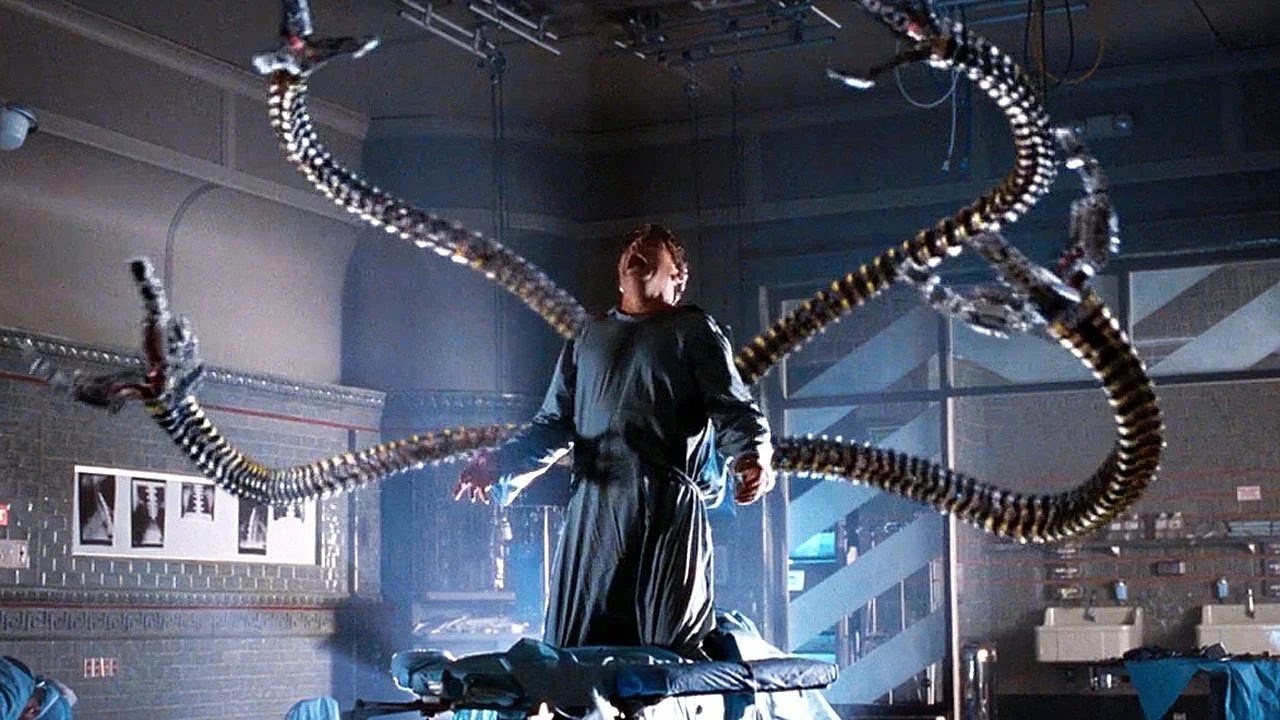
This is where the true weakness of Raimi's Doc Ock becomes obvious: his lack of agency. His own creation robs him of his free will, and his actions as a villain are the result of external manipulation. This fundamental lack of control is a flaw that his most famous comic book counterpart would find unacceptable.
In the legendary Superior Spider-Man comic storyline, Doctor Octopus doesn't just gain power. He becomes the ultimate expression of his own dangerous genius. He successfully swaps bodies with Peter Parker. Then, he takes control of Spider-Man's life and uses his immense intellect to prove he can be a "better" hero. Every action he takes is a deliberate choice. He's a villain not because he’s a victim of circumstance, but because his mind is his most dangerous weapon. He is the master of his own destiny, and his ruthless efficiency is a direct result of his complete control.
Compare that to Molina's Doc Ock. His plan to rebuild the fusion reactor isn't a masterstroke of criminal genius. It’s a crazed repetition of his original, flawed experiment. He's not seeking new power or new heights of villainy. He's just trying to complete the task he was corrupted to finish. When Peter Parker finally gets through to the man he once was, it's not a change of heart born from Octavius's own will. It's a moment of clarity after the arms' influence is temporarily broken. His redemption is a return to a state of agency he was robbed of, not a final heroic act of his own volition.
How Other Versions of Ock Compare
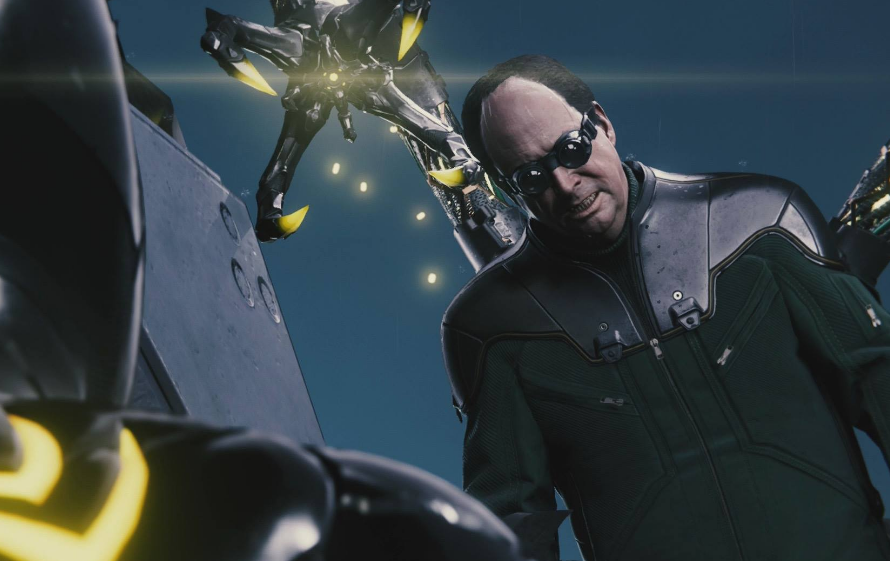
To truly understand the incompetence of this Doc Ock, we have to compare him to his counterparts across the Spider-Man multiverse.
Consider the Dr. Otto Octavius from Insomniac's PS5 Doc Ock in Marvel's Spider-Man. His turn to villainy is far more deliberate. Betrayed by his former colleague Norman Osborn and facing a neurological disease, his villainy is a conscious choice driven by pain and revenge. The arms are an extension of his intellect and his vengeful will, they don't control him. When he becomes a villain, it is because he chooses to use his intellect for destructive ends.
Then there's the Doctor Octopus from the classic Spider-Man: The Animated Series (TAS). This version is already an arrogant, power-hungry scientist before his accident. The radiation only serves to fuse the arms to his body, letting him act on the bad desires that were always there. He's a criminal mastermind from the start, not an accidental villain.
Even Dr. Olivia "Liv" Octavius from Spider-Man: Into the Spider-Verse is different. Her arms are advanced tools for her work with Kingpin. She’s not corrupted by them. She's simply a cold and ruthless scientist who uses her genius for her own amoral goals. Her villainy is a product of her ambition and her lack of morals, not a technological mistake.
The Final Verdict
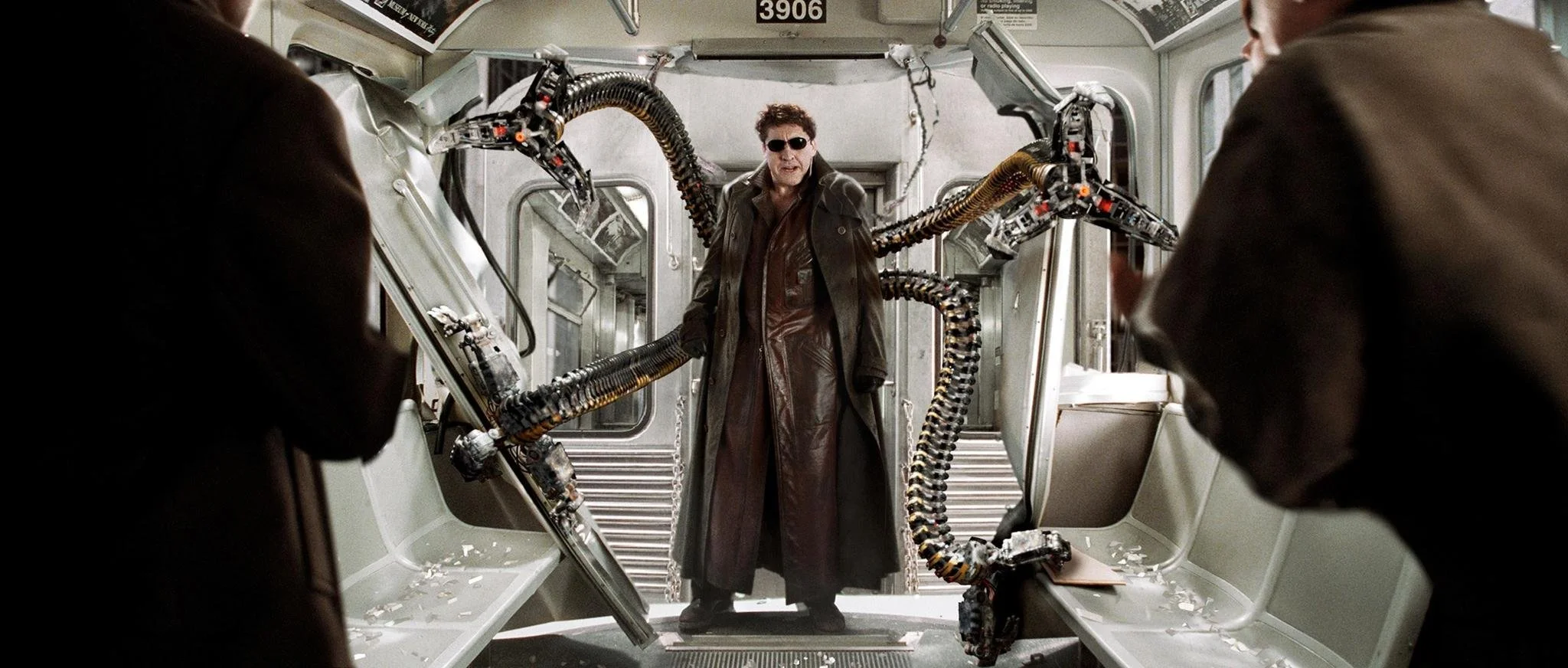
In the end, while we may feel for the man who lost his wife and his mind in one devastating moment, we must also admit the truth. Alfred Molina's Doc Ock may be a tragic figure, but he's a tragic figure of his own making. His reliance on a primitive brain link and a single point of failure proves what happens when even the greatest of minds makes the most basic and stupid of mistakes. In a multiverse of masterminds, schemers, and ruthless intellects, the Raimi-verse's Doctor Octopus stands alone: not as the most powerful, but as the one who was too foolish to save himself.