

Today, as Detective Comics reaches its incredible 1100th issue, we mark a milestone not just for a comic book, but for the very foundation of modern mythology. Since its launch in 1937, this title has served as the crucible for some of the most enduring stories in pop culture, with Batman, a character who debuted in its pages, at its heart.
For over 88 years, Detective Comics has defined the art of the superhero narrative. It has introduced iconic characters, reshaped them for new generations, and explored the darkest corners of human nature. The comic has evolved from a pulp-era anthology to a home for some of the most sophisticated and visually stunning works in the medium.
To honor this monumental achievement, we present an insightful look at the 11 greatest single issues of Detective Comics. This is a list that spotlights not only key character debuts but also issues that represent creative peaks, narrative turning points, and defining moments that have shaped the Batman we know today.
1. The Dark Knight's Genesis (Detective Comics #27, May 1939)
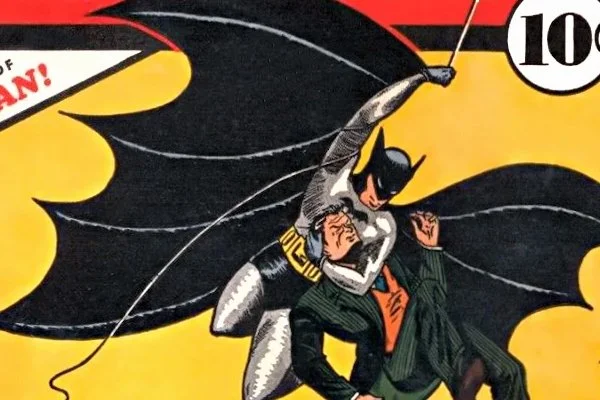
Creative Team: Written by Bill Finger, Art by Bob Kane
Synopsis: In "The Case of the Chemical Syndicate," socialite Bruce Wayne assists Commissioner Gordon in solving a series of murders linked to a chemical corporation. Unbeknownst to Gordon, Wayne is secretly "the Bat-Man," a masked vigilante who uses his keen detective skills and fighting prowess to bring the killer, Alfred Stryker, to justice. The story concludes with the Bat-Man knocking Stryker into an acid tank, a grim end for the villain.
Impact on Batman History: This issue stands as arguably the most important in Detective Comics' history, marking the first appearance of Batman. It swiftly established core elements of the character: his identity as a detective, his partnership with Commissioner Gordon, and his secret identity as Bruce Wayne. While a brief six-page tale, it laid the blueprint for a hero distinct from Superman, a shadowy figure operating outside the law. Its immense popularity immediately cemented Batman as a flagship character for DC Comics, leading directly to his own self-titled series and countless spin-offs.
The unprecedented success and foundational nature of this debut issue, particularly the introduction of Batman, directly influenced the comic industry's trend towards creating more character-centric titles and expanding superhero universes. This issue proved that a single, compelling character could carry an entire franchise, moving beyond the anthology formats prevalent at the time. This demonstrated the immense commercial viability of a strong, unique superhero. This success encouraged publishers to invest in developing individual character mythologies, leading to the proliferation of solo superhero titles and the concept of a shared universe, rather than simply relying on anthology series. It established a model for character-driven franchise building that remains dominant today.
2. The Boy Wonder's Debut (Detective Comics #38, April 1940)
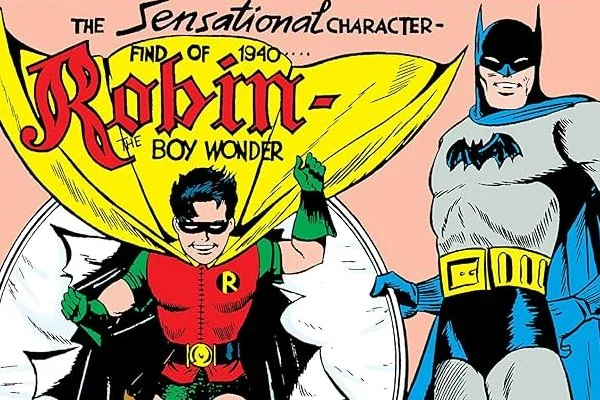
Creative Team: Written by Bill Finger, Art by Bob Kane and Jerry Robinson
Synopsis: "Robin, the Boy Wonder" makes his first appearance. Dick Grayson, a young acrobat, witnesses his parents' murder by mob boss Boss Zucco. Batman takes the orphaned Dick under his wing, training him to become his sidekick, Robin. Together, they bring Zucco to justice, solidifying their "Dynamic Duo" partnership.
Impact on Batman History: The introduction of Robin dramatically altered Batman's character and the tone of his stories. Prior to Robin, Batman operated as a solitary, often brutal vigilante. Robin's arrival ushered in a more lighthearted, kid-friendly era, moving away from Batman's darker, early years where he was capable of lethal force. This shift proved incredibly popular, boosting sales and establishing the enduring concept of the superhero sidekick across the industry. Robin became Batman's longest and most trusting partner, defining the "Boy Wonder" archetype. Robin's introduction directly caused a fundamental shift in Batman's characterization, transforming him from a grim, solitary avenger to a more paternal figure and a symbol of hope.
This change was a direct response to market demands and editorial guidance to make comics more palatable for younger audiences. The move towards a "lighthearted and kid-friendly direction" was a commercial decision, responding to the growing youth readership and societal concerns about comic book violence. Robin's presence provided a relatable entry point for younger readers and softened Batman's image. This demonstrated that character evolution could be driven by market forces and editorial mandates, proving that even dark characters could be adapted for broader appeal. This also set a precedent for adding sidekicks to other heroes, creating a new trope in the superhero genre.
Detective Comics #38 illustrates how commercial pressures can profoundly reshape a character's core identity, influencing not only Batman's future but also the development of the entire superhero comic landscape by popularizing the sidekick concept.
3. The Duality of Harvey Dent (Detective Comics #66, August 1942)
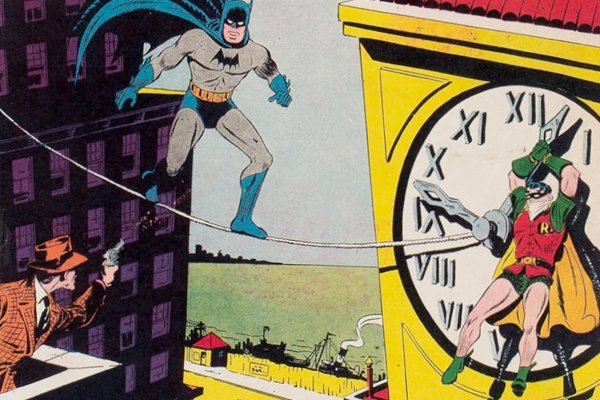
Creative Team: Written by Bill Finger=, Art by Bob Kane, Jerry Robinson, and George Roussos
Synopsis: "The Crimes of Two-Face!" introduces District Attorney Harvey Kent (later renamed Harvey Dent). During a criminal trial, mob boss Boss Moroni throws acid in Kent's face, disfiguring him. The trauma drives Kent insane, leading him to adopt the persona of Two-Face, a master criminal obsessed with duality, deciding his actions with a two-headed silver dollar.
Impact on Batman History: Two-Face's debut brought a new level of psychological depth to Batman's rogues' gallery. Unlike earlier, more straightforward villains, Two-Face possessed a tragic origin story and a direct, personal connection to Bruce Wayne's civilian life. His character explored themes of justice, morality, and the fine line between order and chaos, providing Batman with a complex adversary who mirrored the city's own moral ambiguities. This issue established a template for villains with personal stakes and internal conflict, enriching the narrative possibilities for Batman stories. Two-Face's introduction deepened the psychological landscape of Gotham City, moving beyond simple good-versus-evil narratives to explore the inherent duality and corruption within society itself. This foreshadowed later, more complex explorations of Gotham's moral decay. Two-Face represents the corruption of justice and the fragility of morality within Gotham. His transformation from a pillar of law to a chaotic criminal, driven by chance, suggests that Gotham itself harbors a deep-seated pathology, where even the "good" can fall. This elevated Batman's challenges from merely fighting criminals to confronting the systemic and psychological darkness of his city, setting a precedent for later, more mature storylines that explored Gotham as a character in its own right.
Detective Comics #66 moved Batman's conflict beyond simple crime-fighting, introducing a villain who embodied the moral ambiguity and inherent corruption that would become a defining characteristic of Gotham City in subsequent decades.
4. The Prince of Puzzles (Detective Comics #140, October 1948)
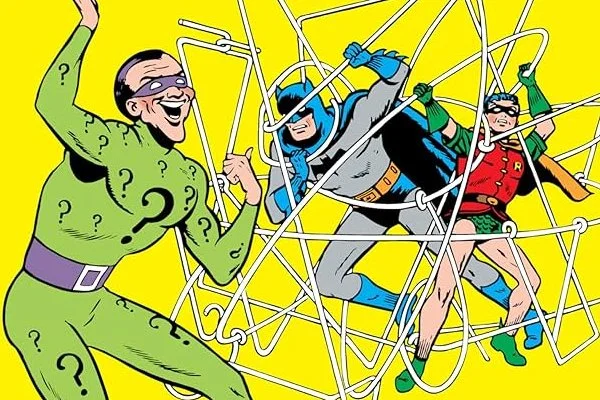
Creative Team: Written by Bill Finger, Art by Dick Sprang and Win Mortimer
Synopsis: This issue marks the first appearance and origin of Edward Nigma, alias The Riddler. A compulsive cheater and puzzle expert, Nigma turns to crime, leaving behind elaborate riddles and clues for Batman and Robin to solve. His debut involves a series of crimes where he challenges the Dynamic Duo's intellect, highlighting Batman's "Sherlockian-level detective skills".
Impact on Batman History: The Riddler introduced a unique challenge to Batman: a villain who primarily targeted his intellect rather than his physical prowess. This reinforced Batman's identity as the "World's Greatest Detective," a crucial aspect often overshadowed by his combat skills. The Riddler's obsession with outsmarting Batman provided a fresh dynamic, pushing the Caped Crusader to solve intricate puzzles and engage in a battle of wits. While he initially struggled for consistent popularity, his character eventually became one of Batman's most enduring and recognizable foes, particularly after a boost from the 1960s television series. The Riddler's debut, despite his initial sporadic appearances, was crucial in consistently reinforcing Batman's "detective" moniker, ensuring that the character's intellectual capabilities remained central to his identity. This countered any potential drift towards Batman being solely an action hero. By creating a villain whose primary weapon is his mind,
Detective Comics #140 ensured that Batman's intellectual superiority remained a core tenet of his character. This was vital for a series named "Detective Comics." Even when the character's popularity waxed and waned, the type of challenge he represented became a recurring motif, ensuring that Batman's investigative skills were continually tested and highlighted, preventing him from becoming a generic strongman. This also diversified the types of conflicts Batman faced, adding layers to his crime-fighting mission. This issue solidified Batman's role as the "World's Greatest Detective" by introducing a foil specifically designed to challenge that aspect, thereby influencing the narrative structure of future Batman stories to include more intellectual puzzles and mysteries.
5. The Clown Prince's Origin (Detective Comics #168, February 1951)
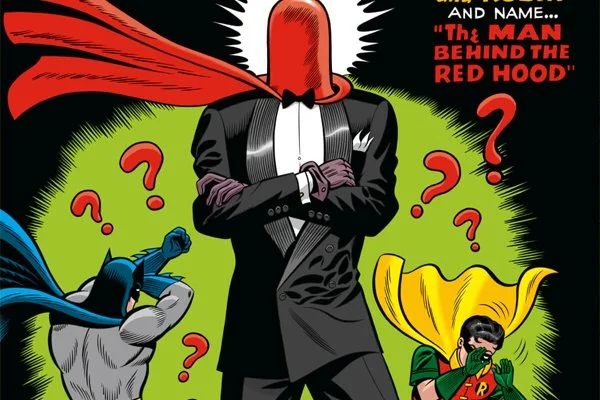
Creative Team: Written by Bill Finger, Art by Lew Sayre Schwartz and George Roussos
Synopsis: "The Man Behind the Red Hood!" reveals the first origin story for Batman's arch-nemesis, the Joker. Batman, teaching a criminology class, recounts the unsolved case of the Red Hood, a criminal who was presumed dead after falling into a vat of chemicals. It is later revealed that the Red Hood survived the fall, becoming the Joker, with his signature green hair, chalk-white skin, and red lips, driven insane by the accident.
Impact on Batman History: This issue provided a definitive origin for the Joker, a character whose enigmatic nature had previously been unexplained. The "Red Hood" origin, involving a chemical vat, became a foundational element of the Joker's mythos, influencing countless future interpretations, including the iconic 1989 Batman film. By giving Batman's greatest enemy a concrete, albeit tragic and horrifying, backstory, the issue deepened the rivalry between the two characters, making their conflict more personal and iconic. Establishing the Joker's origin in Detective Comics #168, particularly his transformation via a chemical vat, created a direct, almost symbiotic, link between Batman's actions (thwarting the Red Hood) and the creation of his greatest nemesis. This deepened their rivalry into a twisted, causal relationship.
By making Batman indirectly responsible for the Joker's transformation, Detective Comics #168 introduced a profound, tragic irony to their relationship. Batman, in his pursuit of justice, inadvertently created his greatest adversary. This causal link elevated their conflict beyond mere hero-villain dynamics to a more personal, almost fated, struggle. It established a narrative precedent where Batman's efforts to fight crime could have unforeseen and devastating consequences, adding a layer of moral complexity to his crusade. This origin story became a cornerstone of the Batman mythos, influencing cinematic and animated adaptations, and solidifying the Joker as Batman's ultimate foil, a chaotic reflection born from Batman's own world. Detective Comics #66 moved Batman's conflict beyond simple crime-fighting, introducing a villain who embodied the moral ambiguity and inherent corruption that would become a defining characteristic of Gotham City in subsequent decades.
6. The Million Dollar Debut of Batgirl! (Detective Comics #359 January 1967)
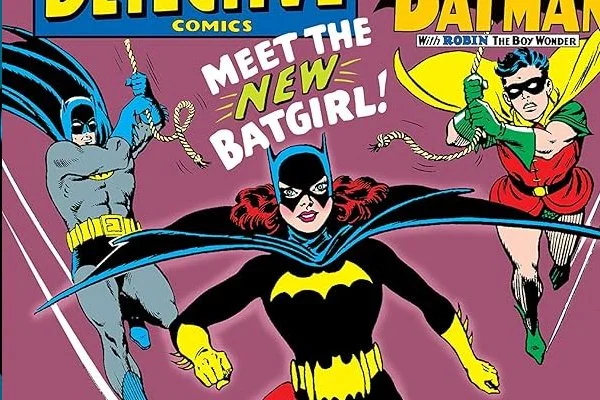
Creative Team: Written by Gardner Fox, Art by Carmine Infantino and Sid Greene
Synopsis: Barbara Gordon, daughter of Commissioner James Gordon, secretly creates a Batgirl costume for a Policeman's Masquerade Ball. When Killer Moth's gang attacks Bruce Wayne, Barbara, as Batgirl, intervenes, demonstrating her martial arts skills and intellect. She assists Batman and Robin in thwarting Killer Moth's scheme, impressing Commissioner Gordon and becoming a new member of the Bat-Family.
Impact on Batman History: This issue marked the first appearance of Barbara Gordon as Batgirl, a character who would become one of the most beloved and enduring members of the Bat-Family. Her debut, timed to coincide with her appearance in the popular Batman '66 television series, brought a vibrant, intelligent, and capable female hero into the Batman universe. Batgirl's presence diversified the Bat-Family, provided a strong female role model, and expanded the scope of Gotham's vigilante operations beyond Batman and Robin. She quickly proved herself an independent and resourceful crime-fighter, earning her place in the pantheon of DC heroes. The introduction of Barbara Gordon as Batgirl, explicitly tied to the
Batman '66 television series, highlights the growing synergy between comic books and other media, demonstrating how popular adaptations could directly influence comic book character creation and development. Detective Comics #359 exemplifies a period where comic book narratives were increasingly influenced by their adaptations in other media. Barbara Gordon's creation was a deliberate strategic move to capitalize on the popularity of the Batman TV show, demonstrating that character development could be driven by cross-media synergy. This practice, while sometimes leading to less organic character introductions, also brought new audiences to comics and created characters with built-in mainstream appeal, influencing how future characters might be conceived with multi-platform potential in mind. This issue showcases a pivotal moment in comic book history where the lines between print and screen began to blur, with television actively shaping comic continuity and character debuts, a trend that continues to this day.
7. The Challenge of the Man-Bat! (Detective Comics #400, June 1970 )
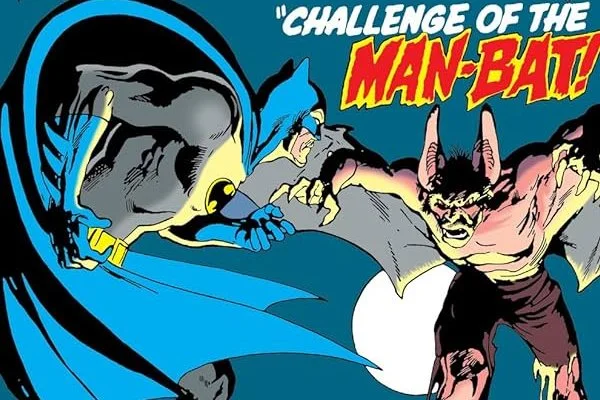
Creative Team: Written by Frank Robbins, Art by Neal Adams and Dick Giordano
Synopsis: Zoologist Kirk Langstrom, attempting to give humans enhanced auditory abilities using bat gland extract, experiments on himself. The serum transforms him into a monstrous, bat-like creature known as Man-Bat. Batman is confronted with this new, terrifying "bat in Gotham" and must face the "Challenge of the Man-Bat!".
Impact on Batman History: Man-Bat's debut marked a significant moment in the Bronze Age of comics, introducing a new type of adversary for Batman: a tragic, monstrous figure born from scientific hubris, rather than a costumed criminal. This issue, with Neal Adams' dynamic and atmospheric art, helped usher in a more modern, darker, and gothic sensibility for Batman stories, moving away from the campier elements of the Silver Age. Man-Bat became a recurring character, embodying the blurred lines between hero and monster, and adding a layer of horror and pathos to Batman's world. The introduction of Man-Bat, coupled with Neal Adams' art, signaled a deliberate shift towards a more serious, gothic, and horror-infused tone in
Detective Comics, moving away from the lighter Silver Age narratives. This artistic and thematic evolution was crucial for Batman's enduring appeal. Man-Bat's origin as a tragic, monstrous figure, rather than a typical costumed villain, introduced a horror element to Batman's world. This, combined with Neal Adams' influential art style, which was darker and more realistic than previous eras, helped to re-establish Batman's "dark, brooding nature" and move the series away from the "campy look and feel of the 1966–68 ABC TV series." This shift was critical for Batman's long-term viability, allowing the character to mature and appeal to a broader, more sophisticated readership.
Detective Comics #400 exemplifies how new character types and artistic vision can fundamentally reshape a long-running series, ensuring its relevance and allowing it to adapt to changing reader tastes and industry trends, ultimately solidifying Batman's identity as a figure of the night.
8. The Daughter of the Demon (Detective Comics #411, May 1971)
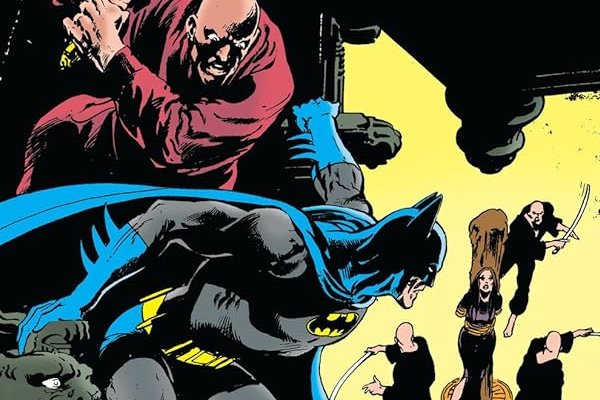
Creative Team: Written by Denny O'Neil, Art by Bob Brown and Dick Giordano
Synopsis: This issue marks the first appearance of Talia al Ghul. Batman is tracking Doctor Darrk, leader of the League of Assassins, and encounters his mysterious and beautiful companion, Talia. She initially appears as an innocent medical student, but her true nature as the daughter of Ra's al Ghul (who is mentioned in this issue ) and a skilled operative of the League soon becomes clear. Batman finds himself drawn to her, setting the stage for one of his most complex romantic entanglements.
Impact on Batman History: Talia al Ghul's debut introduced a new dimension to Batman's personal life and his ongoing struggle against the League of Assassins. As the daughter of Ra's al Ghul, she became a recurring love interest and adversary, often torn between her father's global ambitions and her affection for Batman. Her character brought themes of legacy, forbidden romance, and moral compromise to the forefront, profoundly impacting Batman's emotional landscape and eventually leading to the introduction of their son, Damian Wayne, decades later. This issue expanded Batman's world beyond Gotham, engaging him in international espionage and more epic, long-form narratives.
Talia al Ghul's introduction broadened Batman's narrative scope beyond Gotham's street-level crime, pulling him into global conflicts and a complex, morally ambiguous romantic relationship. This marked a significant expansion of Batman's world and emotional depth. Talia's dual role as a love interest and a member of a global criminal organization (League of Assassins) forced Batman to confront conflicts that transcended Gotham's city limits. This pushed the series towards more international, espionage-driven plots and introduced a profound personal dilemma for Batman, as his affections were tied to a morally compromised figure. This complexity enriched his character, showing him grappling with emotional attachments that directly conflicted with his mission, a theme that had not been explored in such depth before.
Detective Comics #411 was pivotal in evolving Batman's narrative from primarily urban crime to a more expansive, global stage, adding layers of personal and ethical conflict that would define many of his most significant storylines for decades.
9. The Laughing Fish (Detective Comics #475, February 1978)
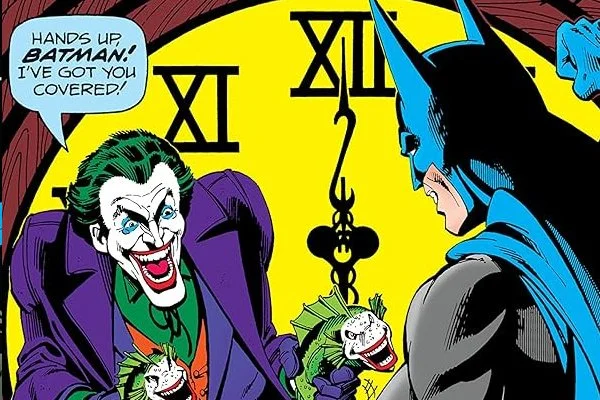
Creative Team: Written by Steve Englehart, Art by Marshall Rogers and Terry Austin
Synopsis: The iconic "The Laughing Fish!" story begins with the Joker embarking on a bizarre crime spree: mutating fish to bear his grotesque smile, then demanding royalties from the fishing industry. When his demands are not met, he begins murdering officials. Batman, while grappling with his complicated relationship with Silver St. Cloud, must confront the Joker's escalating madness.
Impact on Batman History: This issue, part of Steve Englehart and Marshall Rogers' highly acclaimed run, is considered a definitive Joker story that revitalized the character after years of being portrayed as a more comedic villain. It restored the Joker's terrifying edge and unpredictable malevolence, solidifying his status as Batman's primary antagonist. The artistic style, with its noir atmosphere and dynamic layouts, became highly influential, setting a new visual standard for Batman comics and inspiring adaptations like
Batman: The Animated Series. This story reaffirmed Batman as a dark, brooding figure operating in a grim, dangerous Gotham. "The Laughing Fish!" exemplified how a creative team could fundamentally redefine a character's tone through a synergy of writing and art, pulling the Joker back from comedic villainy to his terrifying, unpredictable roots. This re-definition was crucial for Batman's own character. By restoring the Joker's status as a truly terrifying and unpredictable force,
Detective Comics #475 simultaneously elevated Batman's role as Gotham's dark protector. A more menacing Joker necessitated a more serious and formidable Batman. This story, through its masterful blend of dark humor and genuine horror, solidified the grim, noir aesthetic that would become synonymous with modern Batman. It demonstrated that the quality of Batman's villains directly impacts the perceived stature and necessity of Batman himself. This issue, and the run it belongs to, was instrumental in shaping the "modern Batman story arc," proving that a character could be continuously reinvented by returning to core, darker principles, and that artistic innovation could drive narrative redefinition..
10. The Greatest Detective Story Ever Told (Detective Comics #826 February 2007)
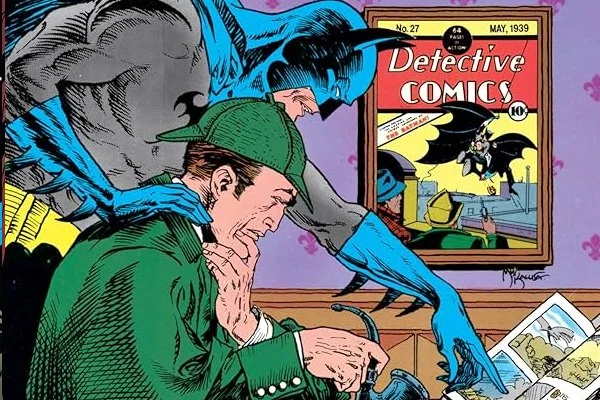
Creative Team: Written by Mike W. Barr, Art by Alan Davis, Paul Neary, and others
Synopsis: Celebrating the 50th anniversary of Detective Comics, this oversized issue brings together various DC detectives, including Batman, Robin, Slam Bradley (DC's first detective character), and the Elongated Man, to solve a mystery involving Sherlock Holmes himself. The overarching plot revolves around Holmes and his legacy.
Impact on Batman History: This anniversary issue was a powerful homage to the very concept of "detective" that defines the series and its flagship character. By featuring a team-up between Batman, other DC sleuths, and even Sherlock Holmes, it explicitly reinforced Batman's identity as the "World's Greatest Detective" within a broader tradition of mystery-solving. It celebrated the series' roots while showcasing its enduring relevance, demonstrating that the "detective" aspect was not merely a title but a core thematic principle that connected Batman to a lineage of great fictional investigators.
Detective Comics #572, as an anniversary issue, consciously affirmed the series' core identity as a "detective" title by bringing together various DC sleuths and even Sherlock Holmes. This strategic narrative choice reinforced the foundational premise of the series. By explicitly bringing in Sherlock Holmes and DC's other great detectives, Detective Comics #572 served as a powerful meta-commentary on the series' own name and Batman's primary skill set. It was a conscious effort to re-center the "detective" aspect of Batman, which, at times, had been overshadowed by his superheroics. This affirmation ensured that future generations of readers and creators understood the fundamental investigative core of the character and the title, preventing it from becoming a generic superhero comic. This issue solidified the series' legacy as a bastion of detective fiction within the superhero genre, influencing subsequent creators to lean into Batman's investigative skills and reminding readers of the intellectual challenges that define his unique approach to crime-fighting.
11. The Black Mirror (Detective Comics #871, January 2011)
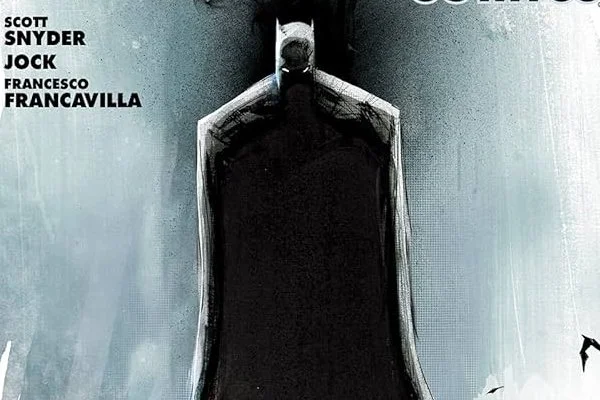
Creative Team: Written by Scott Snyder, Art by Jock and Francesco Francavilla
Synopsis: "The Black Mirror" part 1 of 3, marks the debut of Scott Snyder and Jock as the new creative team. With Bruce Wayne presumed dead, Dick Grayson has taken up the mantle of Batman. A series of brutal murders pushes Dick's detective skills to their limit, forcing him to confront one of Gotham City's oldest evils. A backup story, also by Snyder, focuses on Commissioner Gordon facing dark demons from his past.
Impact on Batman History: This issue launched Scott Snyder's highly influential run on Detective Comics, which is widely regarded as one of the best modern Batman stories. It brilliantly explored Dick Grayson's tenure as Batman, highlighting his unique approach to the cowl compared to Bruce Wayne, and reaffirmed the "detective" aspect of the character in a fresh, compelling way. Snyder infused the series with elements of horror and mystery, creating a palpable sense of unease and introducing new, impactful lore to Gotham City, such as the Court of Owls. This run closed out the original volume of Detective Comics with critical acclaim, setting a high bar for future iterations.
Detective Comics #871 showcased Dick Grayson as Batman, allowing for a fresh exploration of the mantle and its responsibilities, distinct from Bruce Wayne's portrayal. This demonstrated the character's adaptability and capacity for evolution beyond its original incarnation. Placing Dick Grayson in the Batman role allowed Scott Snyder to explore the mantle from a different perspective, highlighting how the character of Batman is larger than any single individual. Dick's more playful demeanor and different relationship with Commissioner Gordon offered a contrast to Bruce's grim solitude, demonstrating the adaptability and enduring nature of the Batman archetype. This move also allowed for a "back-to-basics approach" to Batman's detective skills, as Dick had to prove himself in the role, reinforcing the "Detective" in Detective Comics. Detective Comics #871 proved that the Batman character could thrive and evolve even without Bruce Wayne in the cowl, ensuring the character's longevity and opening new narrative possibilities for future generations of creators and readers, showcasing the enduring power of the mantle itself.
Beyond the Pages: The Lasting Influence of Detective Comics
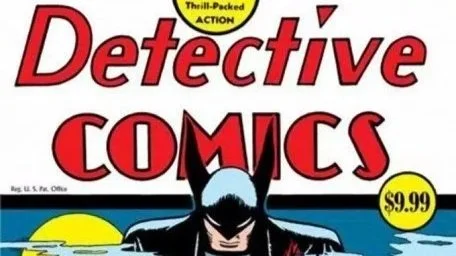
The 11 issues highlighted here represent but a fraction of the monumental contributions Detective Comics has made over its 1100-issue run. From the very first appearance of Batman to the redefinition of his greatest foes and the introduction of beloved allies, the series has consistently served as a crucible for innovation and character development. It has adapted to changing tastes, societal shifts, and evolving artistic trends, always maintaining its core identity as a home for the world's greatest detective.
Detective Comics celebrates its 1100th issue, there has never been a better time to delve into its rich history. Whether revisiting these foundational stories or discovering them for the first time, each issue offers a unique window into the evolution of a legend. Explore these pages, and discover the passion, depth, and enduring impact of Detective Comics.