Comic Book Clique

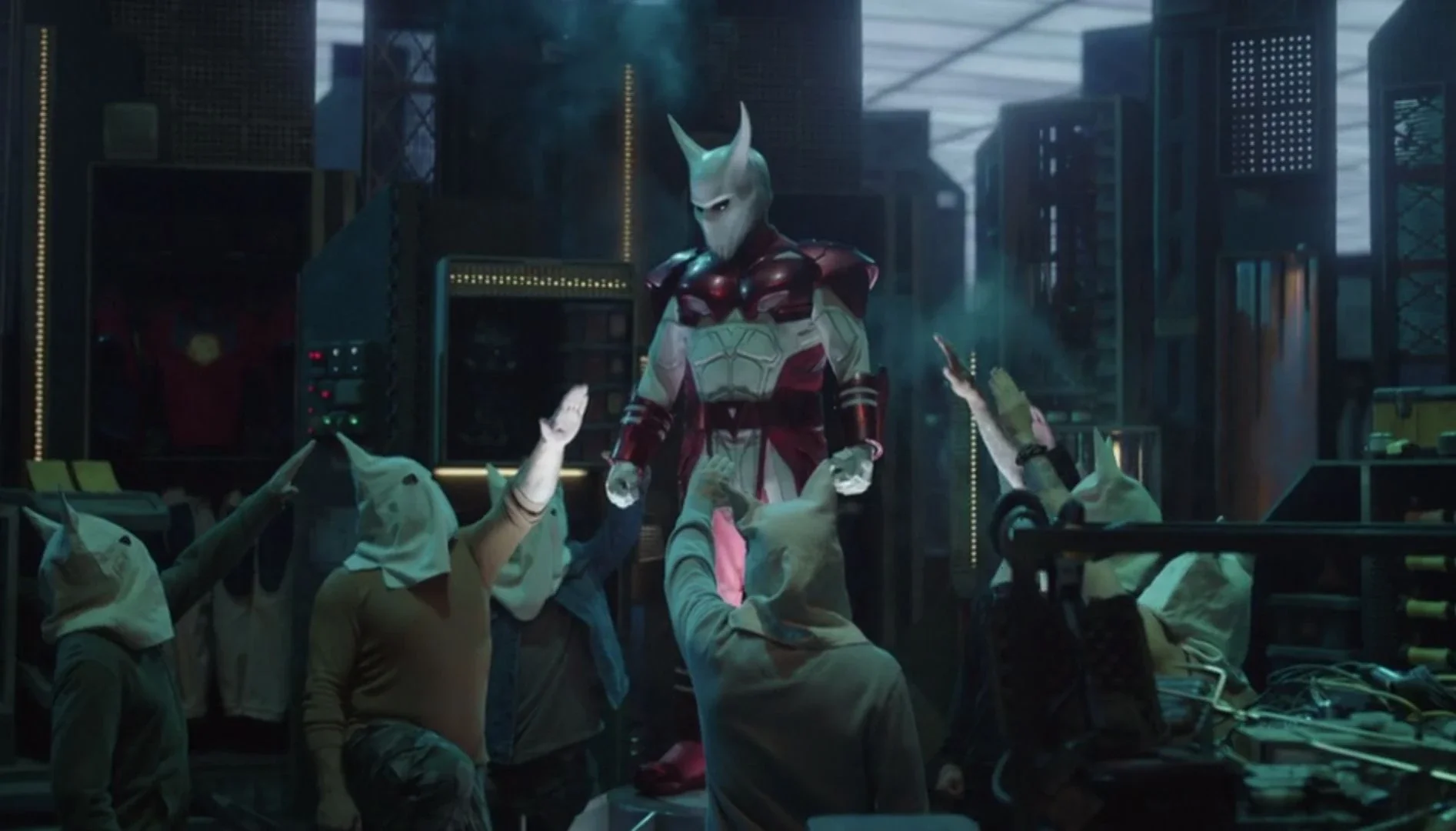
A New Face of Fear? 7 Villains We Could See in The Batman Part II

George SerranoComment

Following the triumph of The Batman, director Matt Reeves has left fans buzzing with a tantalizing tease about the sequel's villain: a character we haven't seen properly done on the big screen. This promise opens up Batman's rogues' gallery to some of its more compelling, and often more horrifying, figures. Given the established themes of corruption, inherited legacy, and psychological terror, we've ranked the most probable villains to be the next big threat to Robert Pattinson's Caped Crusader.


The Court of Owls 🦉⛪️
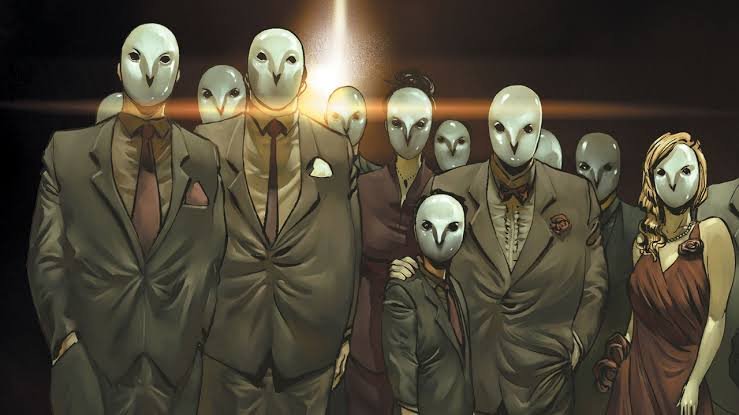
Debut: Batman (Vol. 2) #6 (February 2012) Created by Scott Snyder and Greg Capullo.

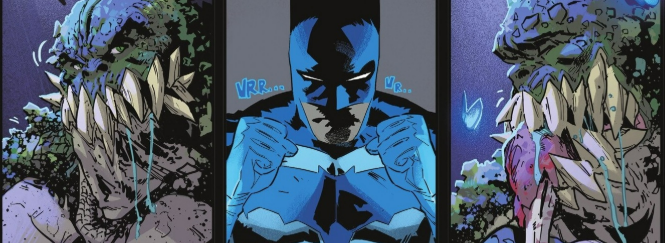
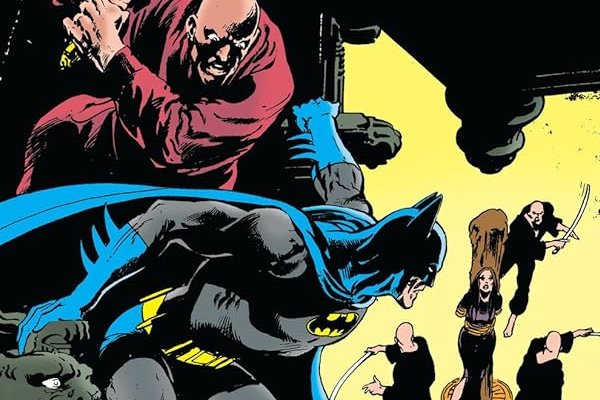
The Court of Owls is a centuries-old secret society of Gotham's elite who use an army of undead assassins called Talons to control the city from the shadows. They were long considered a children's rhyme or urban legend, but they are very real, manipulating events and people for generations.

Probability: Most Likely. This group is the perfect fit for Reeves' universe. The first film and The Penguin TV series have heavily focused on Gotham's deep-rooted corruption and powerful families. Introducing a cabal like the Court of Owls would not only expand on this theme but would also directly challenge Bruce Wayne, forcing him to confront his own family's history and potential complicity in Gotham's decay.


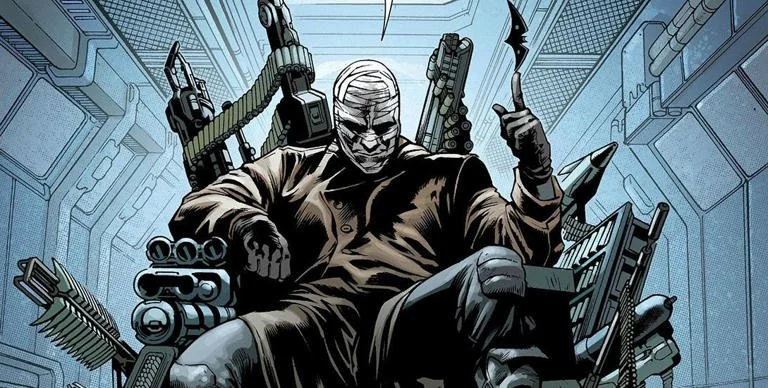
Hush 😈🕵‍♂️

Debut: Batman #609 (January 2003) Created by Jeph Loeb and Jim Lee.

Thomas Elliot was a childhood friend of Bruce Wayne who, out of jealousy, tried to kill his own parents to inherit their wealth. When Thomas Wayne saved his mother's life, Thomas Elliot grew to despise the Wayne family, eventually becoming a masterful surgeon who uses bandages to hide his identity and orchestrate a complex revenge plot against Batman.

Probability: Strong Contender. This villain offers a deeply personal and psychological threat. The first film even included an "Elliot" family reference, which many fans took as a subtle nod. Hush's story is a tense, noir-style thriller that would force Bruce to face a dark reflection of himself, making for a compelling and grounded narrative.


Hugo Strange 🧠👓
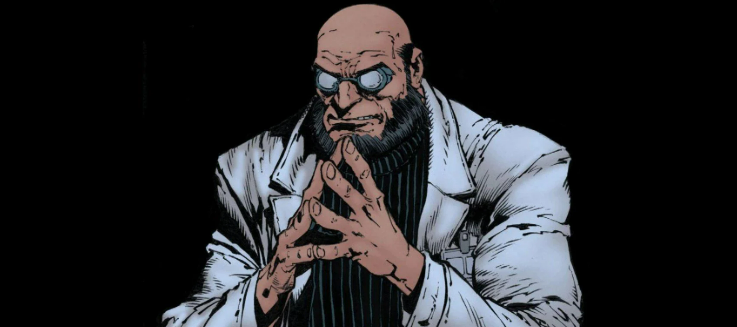
Debut: Detective Comics #36 (February 1940)
Created by Bill Finger and Bob Kane.

Origin: Professor Hugo Strange is a brilliant but unstable psychologist who becomes obsessed with Batman. He uses his expertise in psychiatry and chemistry to create monstrous "Monster Men" and is one of the first villains to correctly deduce Batman's secret identity, an obsession that consumes him completely.

Probability: Good Fit. Strange represents a purely mental and intellectual challenge for Batman. The first film's ending sets up Arkham Asylum as a key location, and Strange's role as a leading figure there would be a natural way to expand the universe and explore its psychological darkness. While he's appeared in other live-action shows, he's never been the main villain of a film.


Professor Pyg 🔪🐽
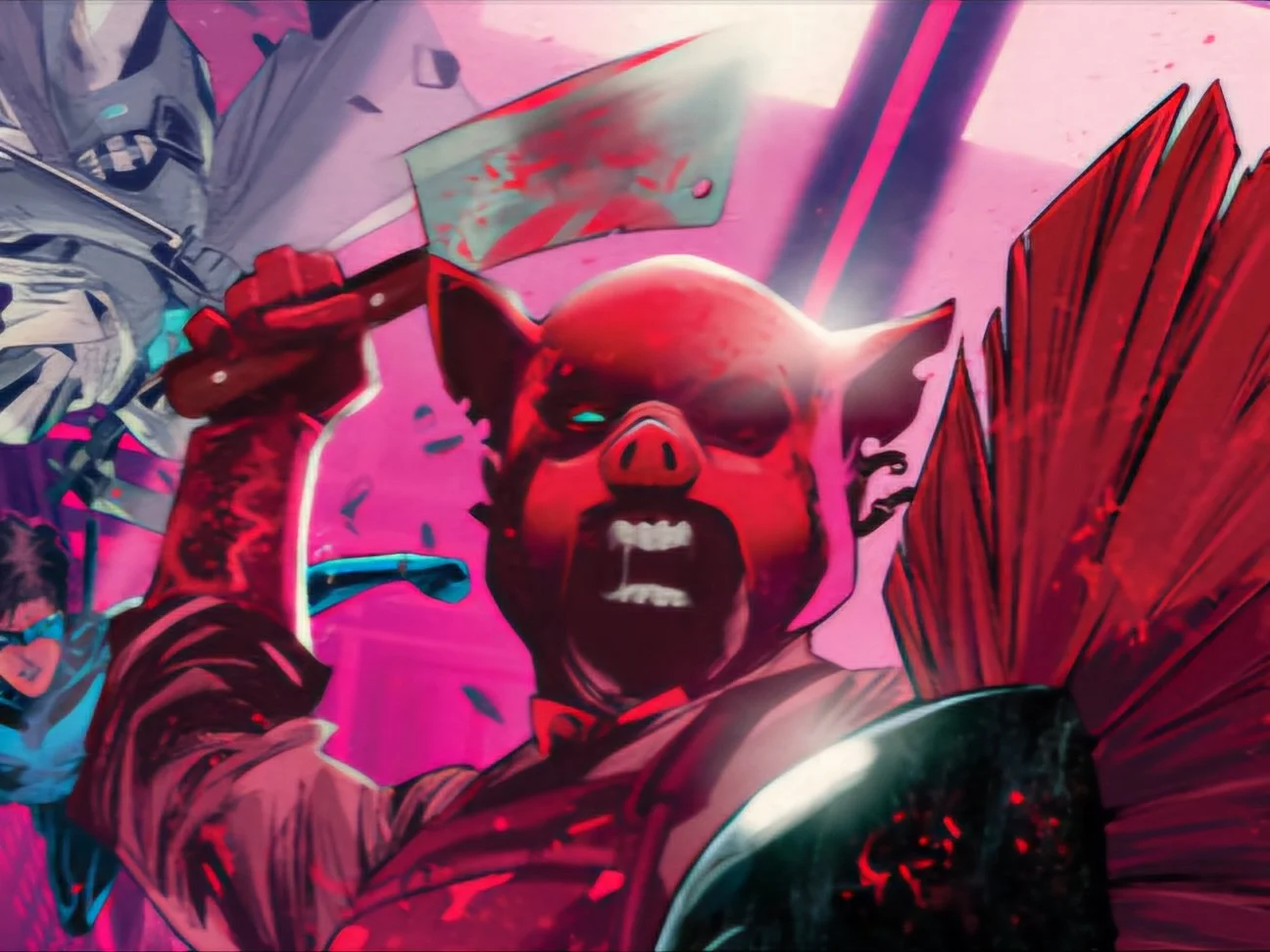
Debut: Batman and Robin #1 (August 2009)
Created by Grant Morrison and Frank Quitely.

Lazlo Valentin was a traveling circus master who becomes obsessed with making people "perfect" through twisted surgical procedures, turning them into docile, doll-like creatures he calls Dollotrons. He leads a "Circus of Strange" and views his horrific acts as a form of performance art.

Probability: A Terrifying Possibility. This villain would be a great way to lean into the horror elements of Reeves' universe. Pyg offers a different kind of terror than the Riddler, focusing on grotesque body horror and psychological torment. While he's a newer character, his gruesome nature fits the dark, grim tone perfectly and would provide a fresh, chilling direction for the sequel.


Firefly 🔥☣️
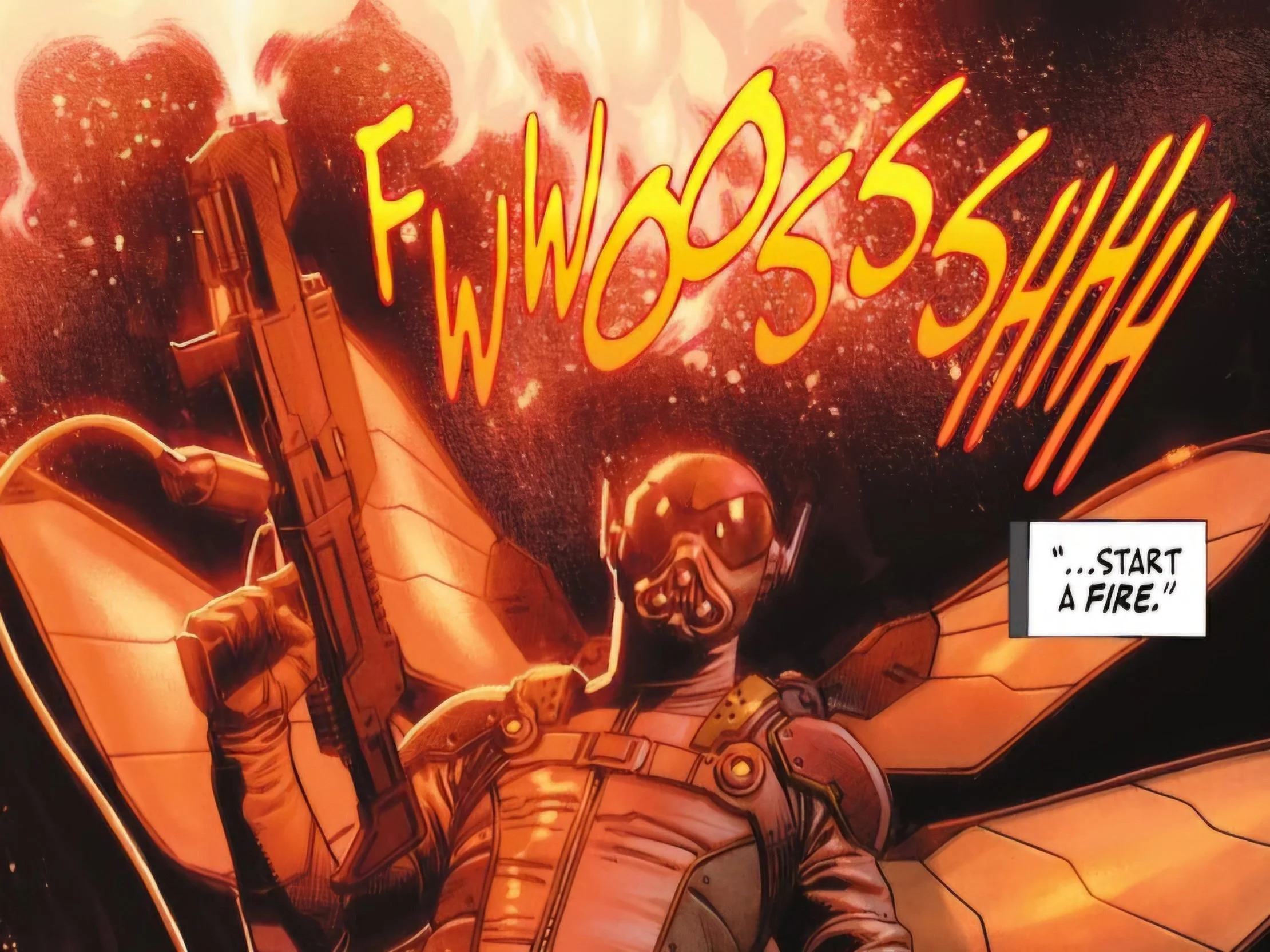
Debut: Detective Comics #184 (June 1952)
Created by France Herron and Dick Sprang.

The most prominent version of Firefly is Garfield Lynns, a special effects expert and pyromaniac who becomes obsessed with fire after a traumatic event leaves him scarred. He outfits himself with an insulated, fireproof suit, a flamethrower, and a jetpack, seeing the city as something beautiful to be burned down.

Probability: A Unique Choice. Firefly's obsession with fire and destruction would provide a unique visual and thematic contrast to the dark and wet Gotham we've seen. He fits the grounded, realistic tone as a deranged pyromaniac with a custom suit, not a superpowered being. His crimes of arson would force Batman into a different kind of detective work, focusing on a trail of devastation rather than cryptic clues.


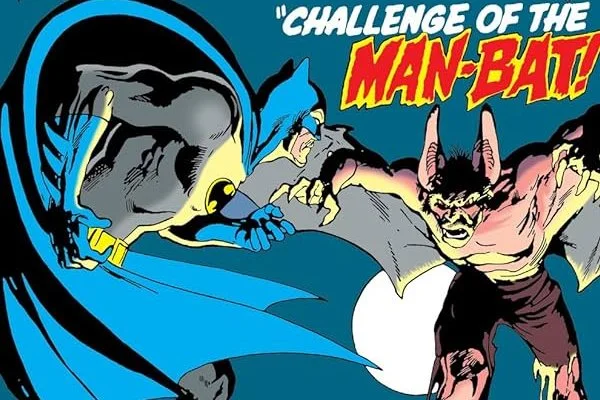
Man-Bat 🦇🧪
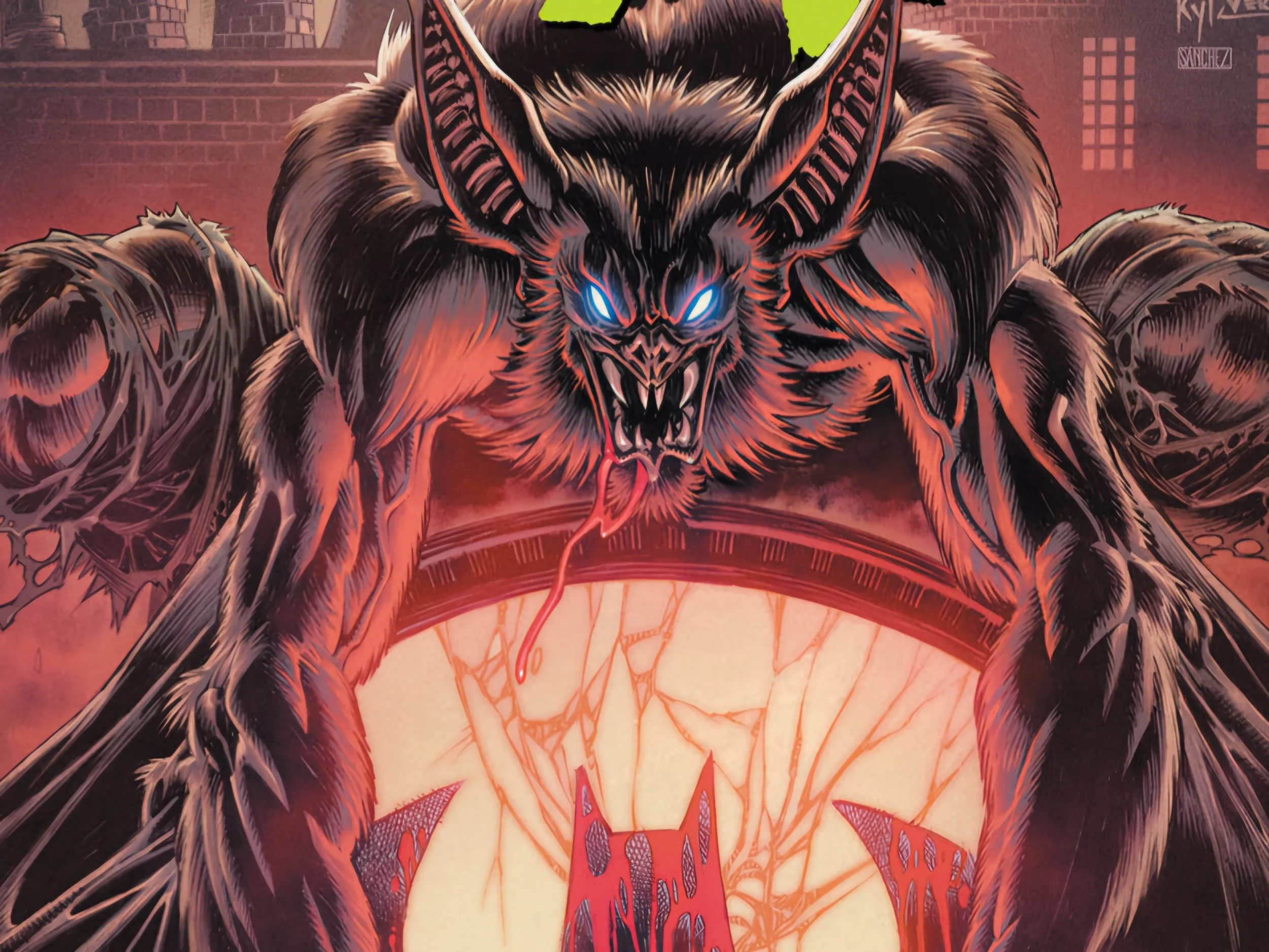
Debut: Detective Comics #400 (June 1970)
Created by Frank Robbins and Neal Adams.

Dr. Kirk Langstrom, a renowned zoologist, attempts to give himself bat-like sonar abilities to cure his own deafness. His experiment goes horribly wrong, transforming him into a monstrous, bat-like creature with enhanced strength and agility that he cannot control.

Probability: An Outside Shot. While it might seem too fantastical, a horror-based approach to Man-Bat could be incredibly effective. Reeves could portray him as a tragic figure and a terrifying creature, pushing the boundaries of what is considered "realistic" within this cinematic world while maintaining a grounded, character-driven story. He has never been a main villain in a live-action film.


The Ventriloquist & Scarface 🎩🎭
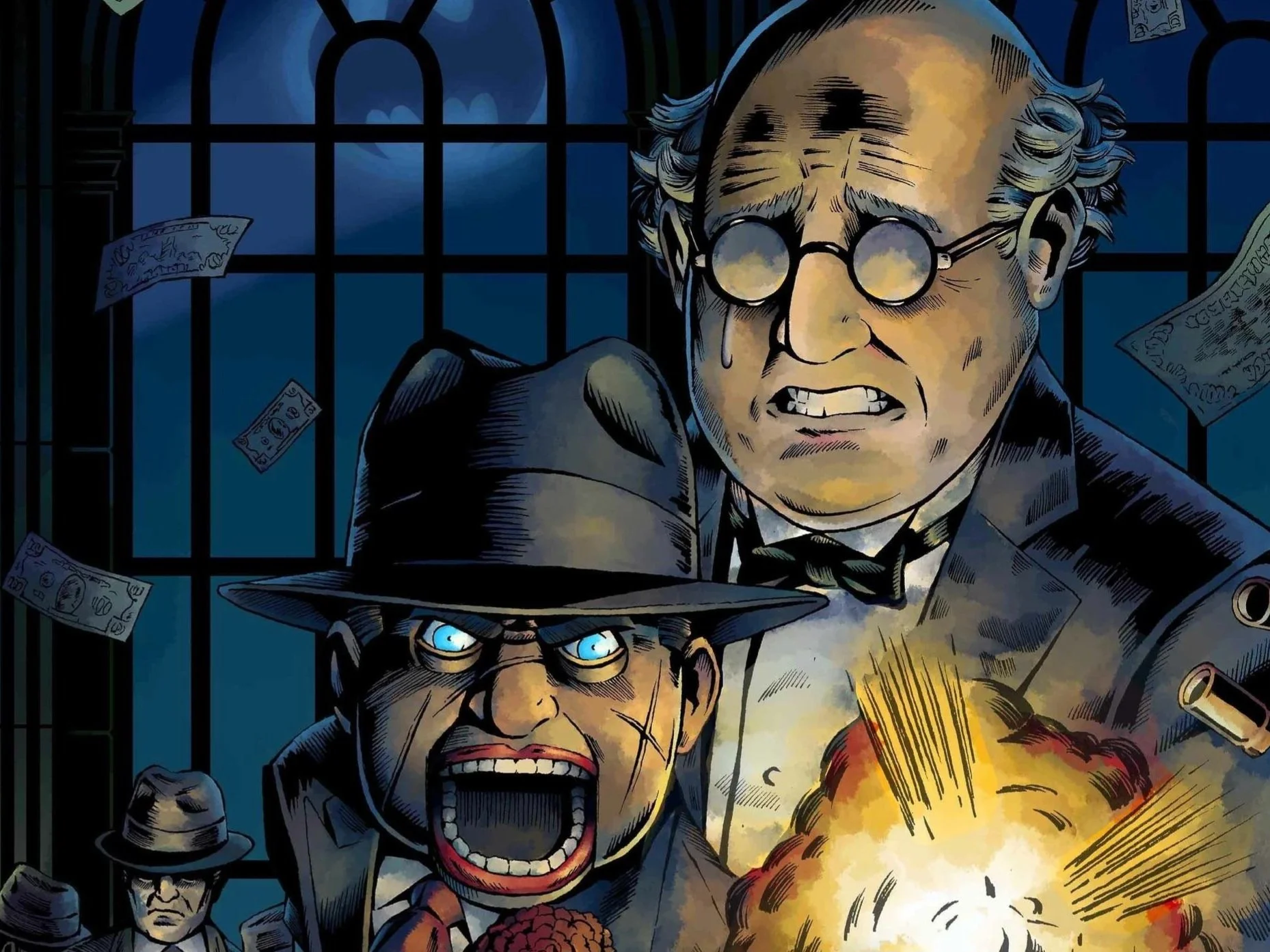
Debut: Detective Comics #583 (February 1988)
Created by John Wagner, Alan Grant, and Norm Breyfogle.

Arnold Wesker is a timid, quiet man with a severe case of dissociative identity disorder. He channels his aggressive, violent personality into a ventriloquist's dummy named Scarface, a gangster caricature who Wesker believes is a separate person.

Probability: A Dark Horse. This villain offers a compelling look into a fractured psyche that would be a fascinating addition to Reeves' world. The contrast between Wesker's timidness and Scarface's viciousness would make for a truly bizarre and memorable antagonist, all without needing to stretch the boundaries of "realism."

But what do you think? Who do you think Matt Reeves is considering as the antagonist of The Batman II?
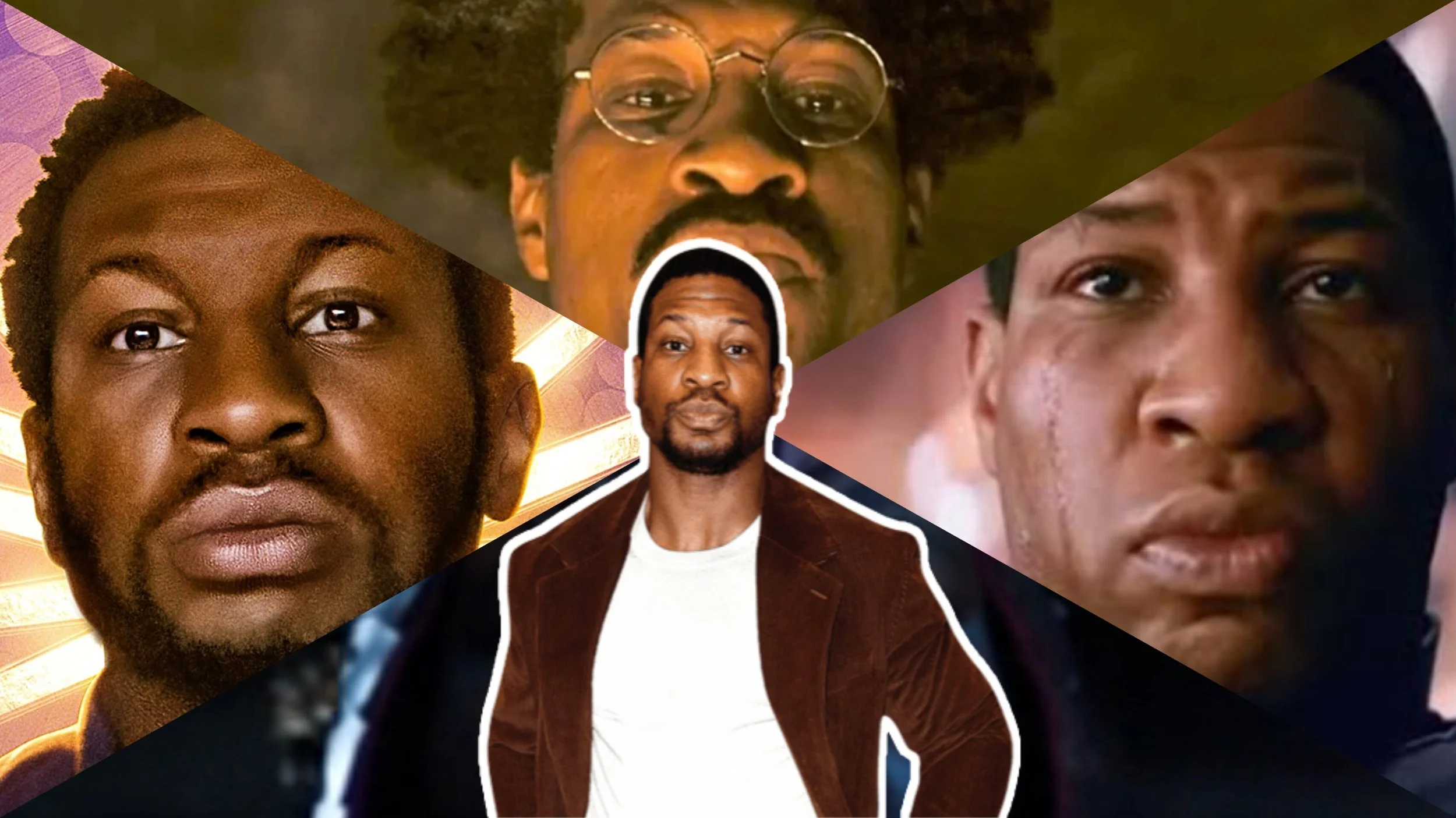
The Pros and Cons of Bringing Kang Back to the MCU: Is Time on His Side?
George SerranoComment

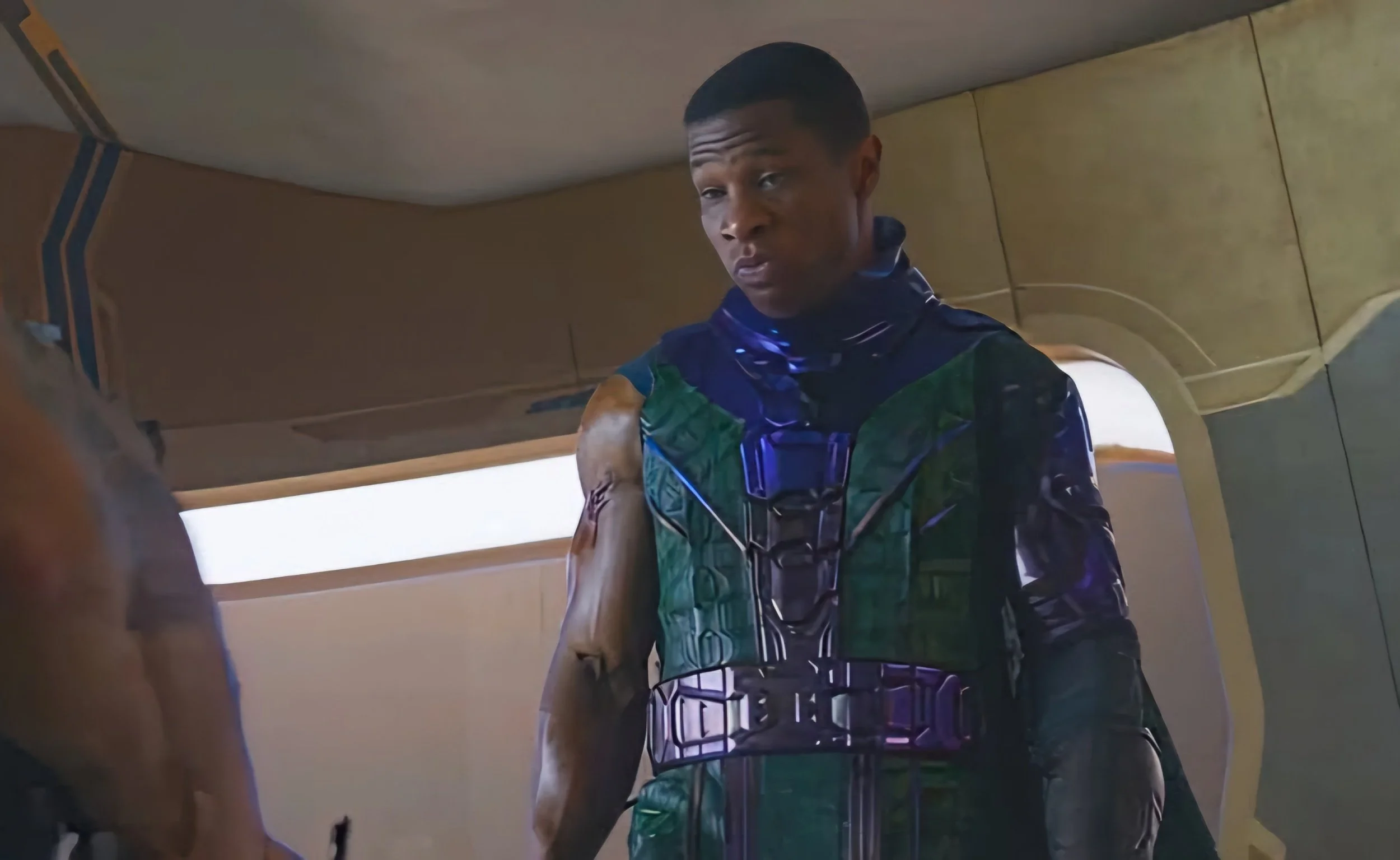
The Marvel Cinematic Universe is at a crossroads, and with whispers and unverified reports circulating on social media platforms like Reddit and X, a familiar question is making the rounds: with rumors swirling about Jonathan Majors' potential return as Kang, is there a way to bring him back into the MCU, and what message would that send?
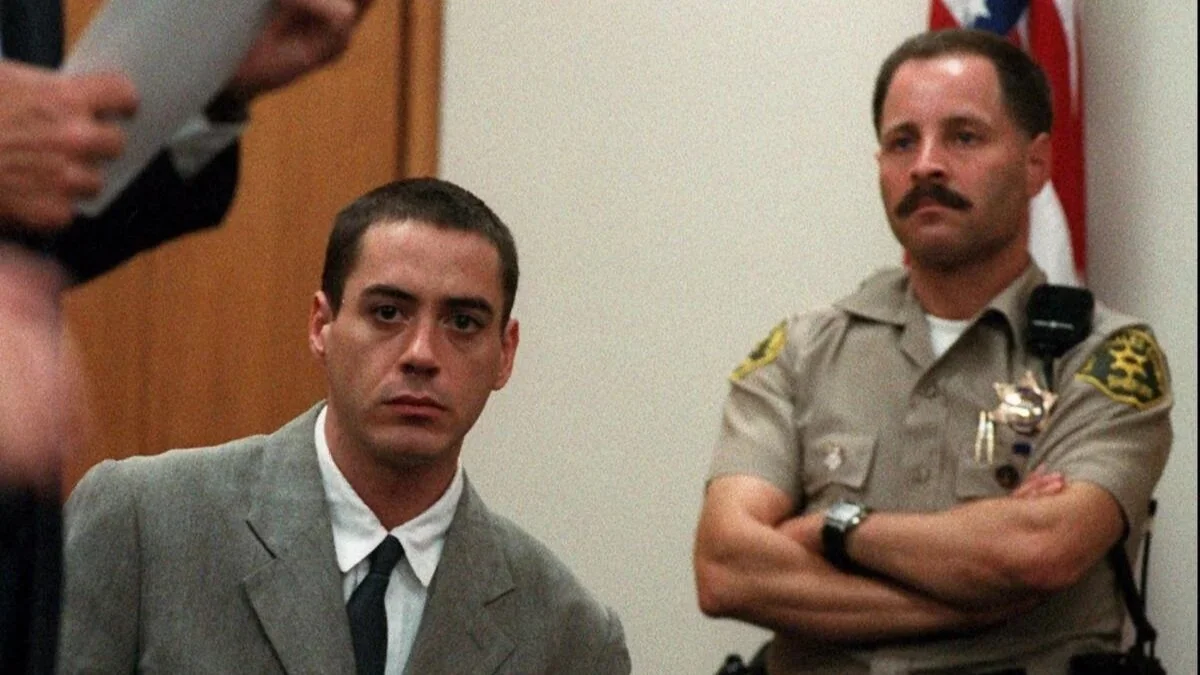
As a tremendous fan of Jonathan Majors’ work, from his powerful performance as Atticus Freeman in Lovecraft Country to his commanding presence as Damian "Diamond Dame" Anderson in Creed III, and of course, his captivating portrayals of both Kang the Conqueror and Victor Timely in the MCU, it is difficult to separate the art from the artist. These are concerning matters, and it is important to clarify the legal situation: Majors was found guilty of two misdemeanor counts of reckless assault and harassment. He was not convicted of a felony. Yet, these events raise serious questions about his return to a family-friendly franchise. It is also a reminder that these court proceedings, and the discussion surrounding them, should not overshadow the very real impact they have on the victim. Her experience should be handled with empathy and respect as we consider the ramifications of this situation on the entertainment world.

Let's play devil's advocate and dive into the pros and cons of bringing Majors back to the MCU, framed through the lens of Kang's own time-bending antics. This is not about whether he will, but what it would mean if the Jonathan Majors return as Kang happened.


CON: The Kang-troversy: Will Fans Accept His Return?

The biggest hurdle for Marvel and Disney is the public relations nightmare. Bringing Jonathan Majors back, even with a non-felony conviction, could be perceived as condoning domestic violence. In an era where corporate culture and public image are more scrutinized than ever, this could be a massive misstep. The #MeToo movement and a heightened awareness of accountability have fundamentally changed how the public views celebrity indiscretions. A decision to bring Majors back could send a signal that the company's stance on such issues is not as steadfast as they have claimed, and it could alienate a portion of their family-friendly audience, which is a risk they may not be willing to take.


PRO: Why the Actor is Irreplaceable for the MCU's Kang

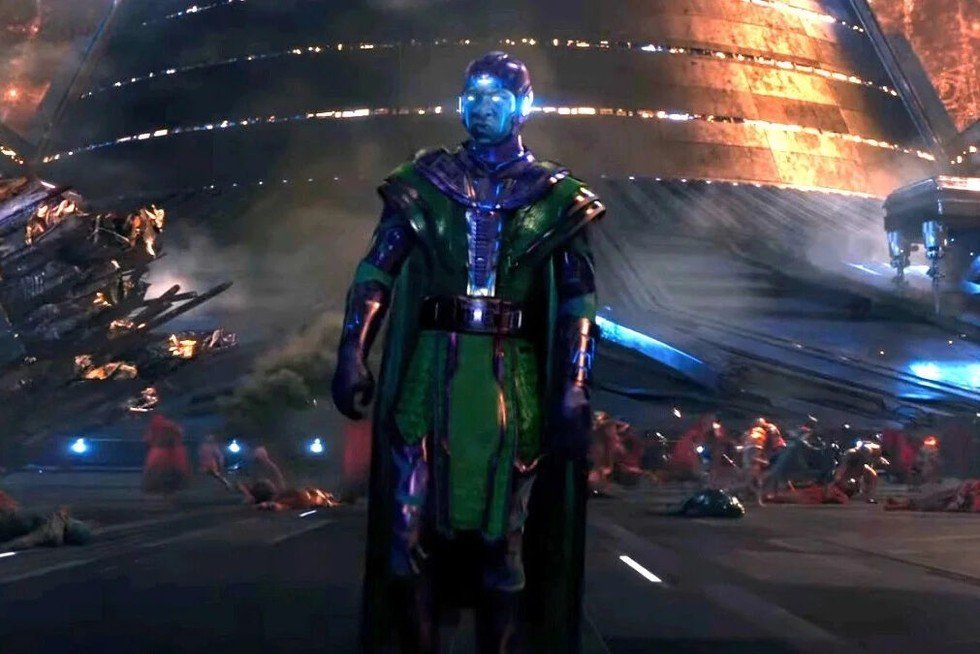
For many fans, Majors is Kang the Conqueror. His charisma and the sheer weight he brought to the character from the quirky, almost-sympathetic Victor Timely to the terrifying, multiversal threat were a highlight of the MCU's Phase 4. He commanded the screen with a physical presence and an unsettling stillness that was a refreshing departure from the CGI-heavy villains of the past. Majors' ability to portray multiple variants of the same character, each with a distinct personality but an underlying current of megalomania, proved his unique talent. Recasting the role would undoubtedly feel jarring, requiring audiences to accept a new face for a character who was so perfectly cast from the start. Keeping Majors would maintain a sense of continuity and creative integrity that would be difficult to replicate.


CON: Blazing the Same Trail Twice After MCU Rewrites

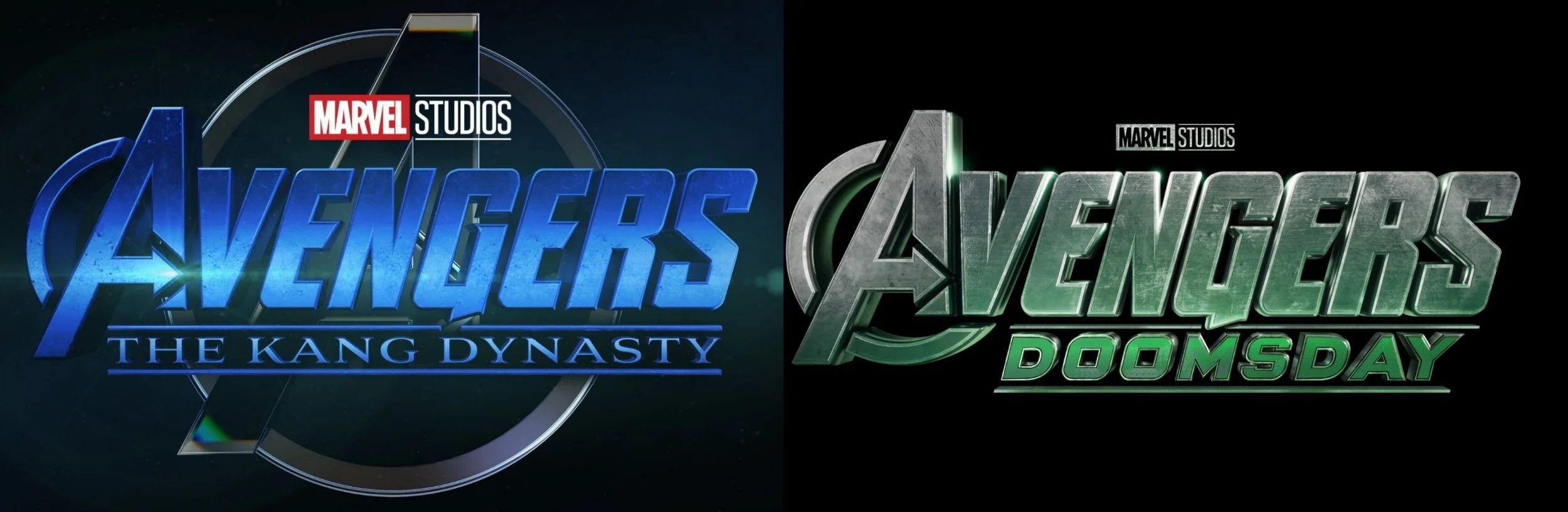
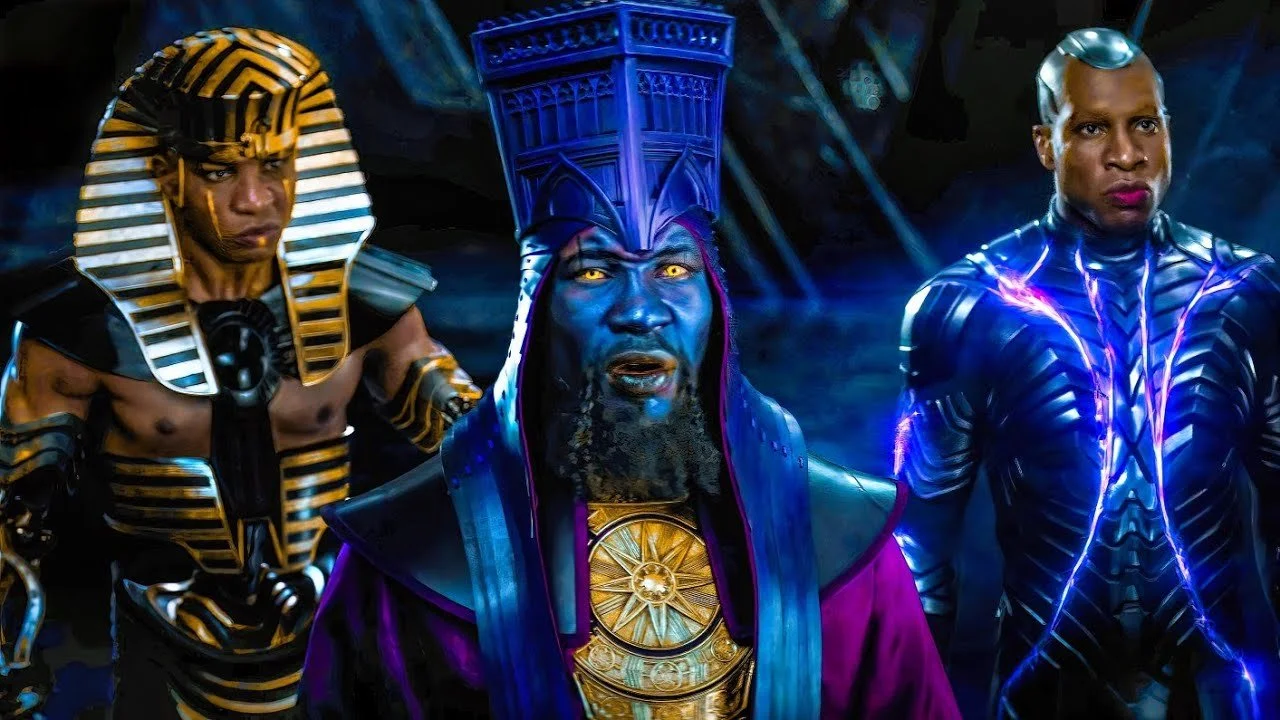
Marvel has already done a significant amount of work to move past the Kang storyline. Following the legal issues, reports confirmed that Marvel began to rethink its entire Multiverse Saga. Avengers: The Kang Dynasty was reportedly changed to Avengers: Doomsday, a clear sign of a pivot. Writer Jeff Loveness was also removed from the project, and the studio reportedly started referring to the film internally as "Avengers 5," a strategic move to distance it from the now-tarnished antagonist. Reintroducing Majors would force them to either ignore all the groundwork they have laid or undertake a complex, and potentially confusing, series of retcons. It could undermine all the hard work they have done to have fans not miss him, and instead force them to re-litigate a storyline they had already abandoned.


PRO: A Familiar Formula for a Second Chance

Marvel and Disney are no strangers to giving actors a second chance. The most famous example, of course, is Robert Downey Jr. His personal struggles were well-known before he was cast as Iron Man, a decision that not only revitalized his career but also became the foundation of the entire MCU. Bringing Majors back could be seen as a similar act of professional rehabilitation, a show of faith in an actor's ability to move forward. It is a message that could resonate with those who believe in redemption, especially given the non-felony conviction. It would require the studios to navigate a complex public relations landscape, but it would not be the first time they have placed a bet on a talented actor in a difficult personal situation.


CON: The Legal and Financial Backlash of a Potential Comeback

The decision to drop Majors was not just a creative one, it was a business decision aimed at mitigating risk. A return would open the door to a new wave of legal and public relations battles. It could expose the company to criticism, protests, and even boycotts from groups that feel strongly about holding individuals accountable for their actions. Given the immense financial stakes of the MCU, a potential backlash could be a far greater threat than any fictional supervillain. The MCU is a family-friendly juggernaut, and any perceived lack of commitment to its values could have a ripple effect on box office performance and merchandise sales.


PRO: The Groundwork Is Already Laid

For better or for worse, the MCU has already laid a significant amount of groundwork for Kang. From the mind-bending reveal of "He Who Remains" in Loki to the introduction of the Council of Kangs, to the full-on battle with the Conqueror in Quantumania, Kang's narrative threads are woven throughout the Multiverse Saga. Abruptly abandoning the character, as many have theorized, leaves a dangling plot thread that some fans feel would be deeply unsatisfying. This is where a strategic, one-off cameo becomes a powerful story device. By bringing Majors back, Marvel can give fans a sense of closure on a villain they were told was the "next Thanos," instead of having all of that setup feel like a wasted effort. This could be done by having his character return only to be swiftly and brutally decimated by a new, more powerful villain like Doctor Doom. Such a scene could be a visceral, intimidating moment to establish Doom's authority and ruthlessness, setting him up as the true overarching threat of the Multiverse Saga.

In the end, the question of whether to bring Jonathan Majors back as Kang is a complex one, with no easy answers. The decision will not only affect the future of the MCU but could also send a powerful message about second chances, accountability, and the ever-changing landscape of Hollywood. It seems that for Marvel and Disney, the greatest villain they face may not be a time-traveling conqueror, but the court of public opinion.

What's your take? Is it time for a Kang-back, or should the MCU keep ticking along without him?

From Punching Hitler to Protecting Him: How Superhero Morality Got Lost

George SerranoComment

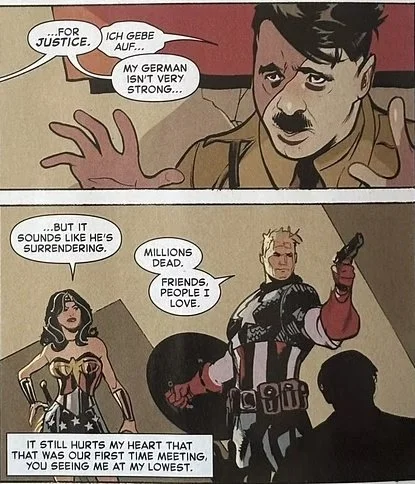
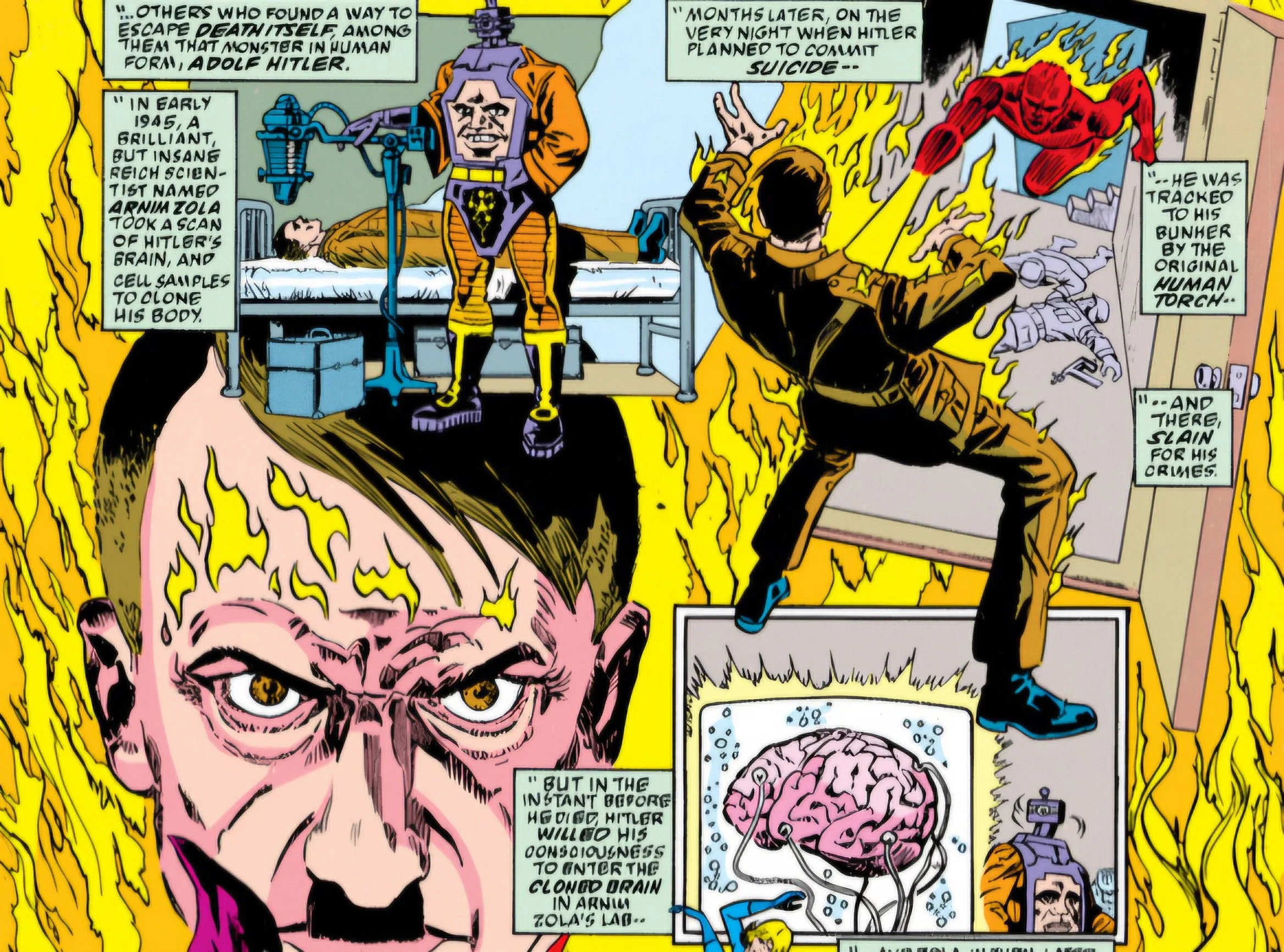
How far have we fallen as a culture when we are debating whether Adolf Hitler should have been spared? This question is not hypothetical. It is playing out in a comic book preview and reflects how confused our sense of right and wrong has become in stories that have long shaped moral understanding.

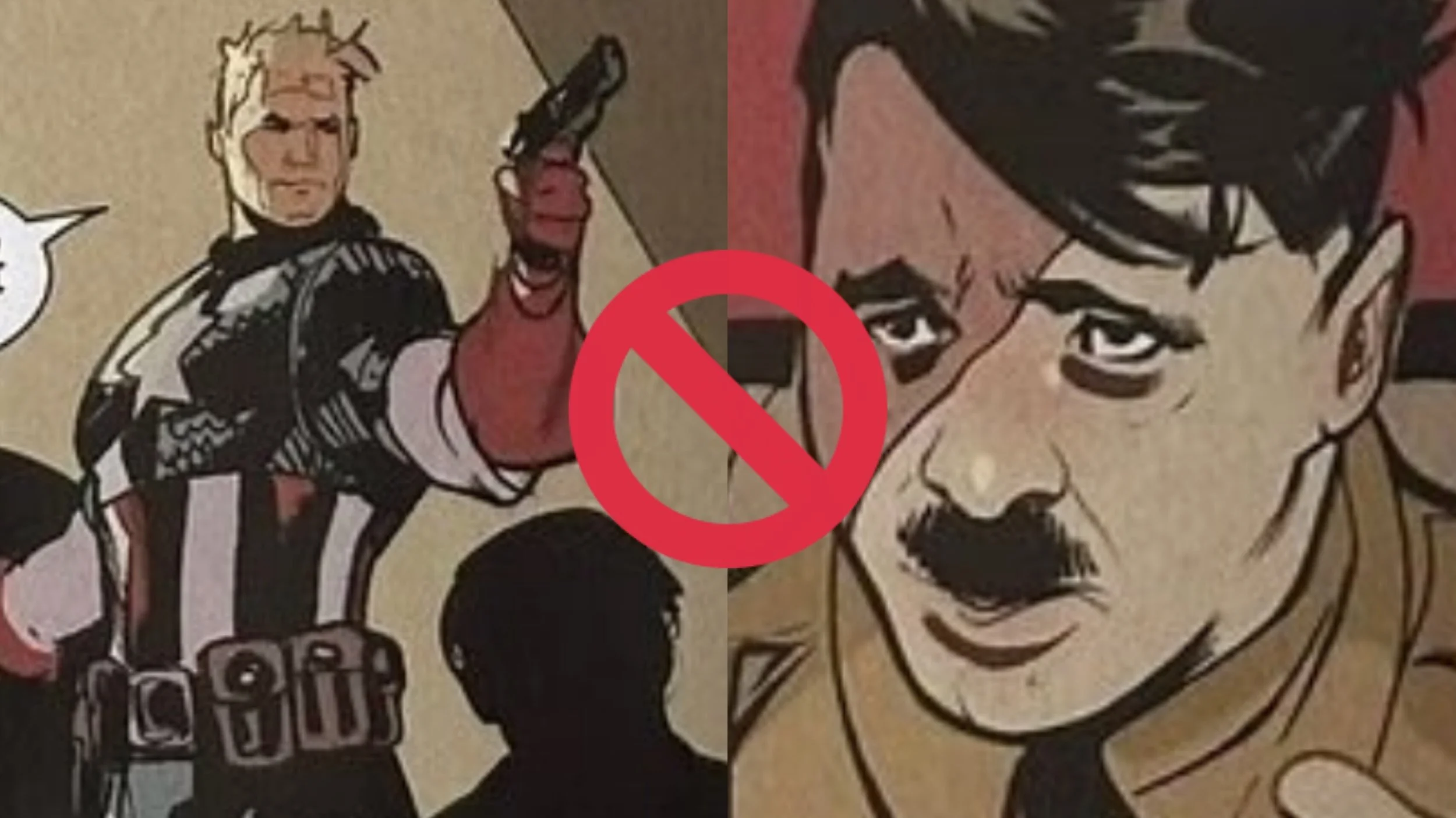
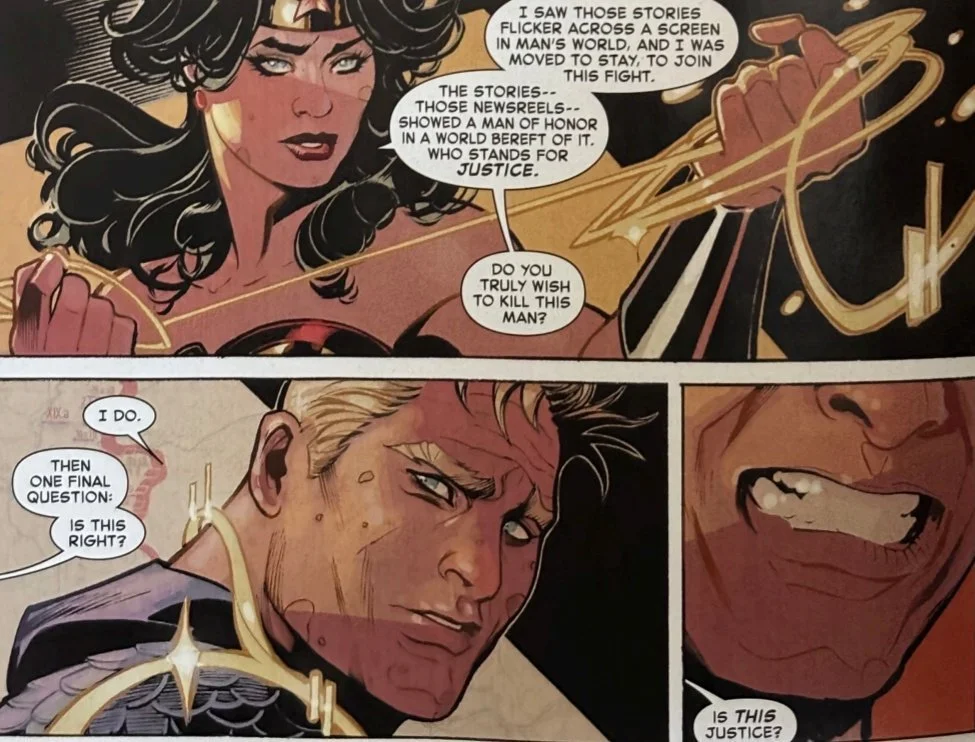
In the upcoming Batman/Deadpool crossover, Captain America stands over a surrendering Hitler, pistol raised. Hitler lifts his hands and mutters, “Ich gebe auf”—“I surrender.” Cap’s face is twisted with grief and rage as he says, “Millions dead. Friends, people I love.” Before he can act, Wonder Woman intervenes: “Do you truly wish to kill this man? Is this right? Is this justice?”

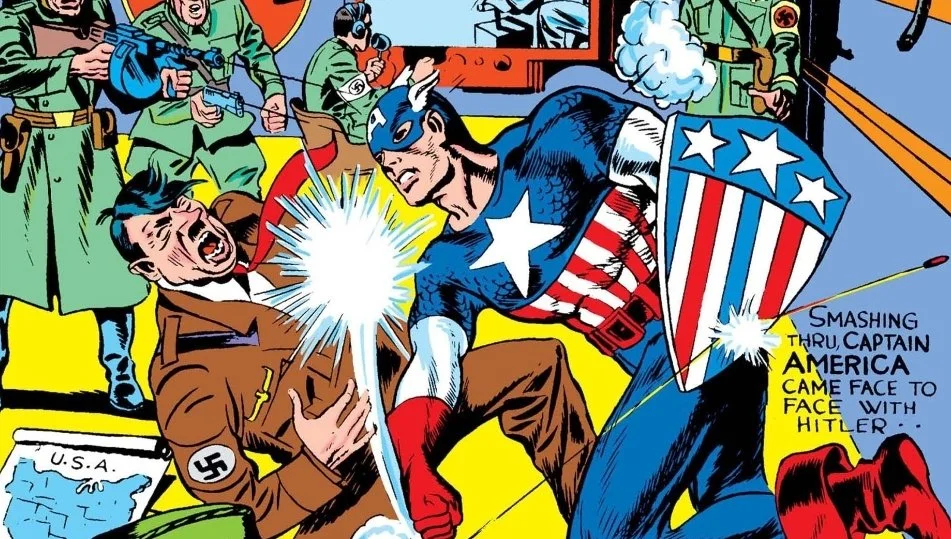
The moral clarity of Captain America punching Hitler, established in 1941, has now been replaced with hesitation. A hero who once acted decisively in the face of the most obvious evil in history is now shown questioning whether even Hitler deserves death. Yes, in 2025.


How Comics Historically Confronted Nazis

From the Golden Age of comics, superheroes confronted Nazis with no hesitation. Captain America’s debut cover, first issue in 1941, depicted him delivering a decisive punch to Hitler. Villains were villains. Evil was clearly defined. There was no moral gray area.

Other heroes followed suit. The Human Torch, Bucky, and even Wonder Woman in early stories fought Nazi agents and stopped sabotage plots with direct, unambiguous action. Red Skull, Baron Zemo, and other recurring villains embodied threats to freedom and marginalized communities, and heroes did not pause to debate whether justice should be tempered by hesitation.

This clarity helped establish a moral baseline in comics: evil must be confronted, and those who perpetrate mass harm deserve to be stopped. These stories were both propaganda and moral instruction. They drew lines between right and wrong that readers of all ages could understand and internalize.


A Questionable Benefit of the Doubt

Some argue that Chip Zdarsky’s scene may include nuance not visible in the preview. It is possible. Full context could show a resolution that preserves Captain America’s heroism while exploring moral dilemmas.

Even with that possibility, skepticism is warranted. The preview explicitly frames Hitler’s surrender, Cap’s grief, and Wonder Woman’s moral questioning. It signals a deliberate exploration of hesitation in the face of evil. While nuanced storytelling can add depth to characters, framing Hitler as a potential candidate for mercy is a dramatic shift from the historical treatment of Nazis in comics.

The concern is not the story itself. The concern is what this shift represents: a cultural willingness to debate whether someone responsible for mass genocide should be spared, even in fiction. That hesitation has consequences for how we perceive moral certainty in real life.


Fiction Hesitates, Reality Punishes

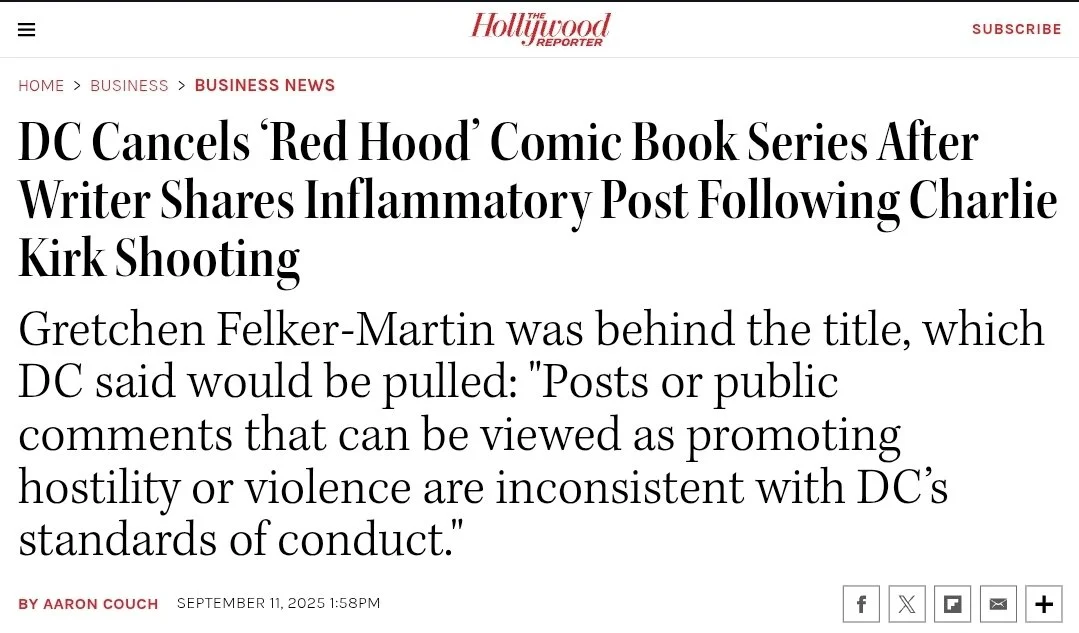
Meanwhile, reality treats moral clarity differently. Around the same time this comic preview circulated, DC Comics fired Gretchen Felker-Martin and canceled her Red Hood series after she labeled conservative activist Charlie Kirk a “Nazi” on social media shortly after his death. The company cited violations of “standards of conduct” against promoting hostility or violence.

This contrast is stark. Fiction can explore whether Captain America should spare Hitler. A real-world creator is punished for speaking plainly about a contemporary political figure whose rhetoric many argue aligns with dangerous ideologies. Kirk’s defenders sanitized his image, calling him a “father” and a “free-thinker,” while celebrating the silencing of a professional who addressed the dangers she saw.

This juxtaposition exposes a cultural double standard. We are comfortable debating the morality of sparing the most notorious villain in history but hesitant to name contemporary threats for what they are. That hesitation sends a dangerous message.


The Broader Cultural Implications

Superhero stories have always reflected cultural values. When comics portrayed Nazis unambiguously as evil, they reinforced the idea that some actions and some people are clearly wrong. When stories introduce hesitation or moral ambiguity in the face of clear evil, they blur those lines.

The implications extend beyond fiction. Extremist movements have gained traction by normalizing moral ambiguity, and hesitation in cultural storytelling can subtly legitimize those movements. If even Hitler becomes a question in popular media, audiences may start to see other dangerous ideologies as debatable rather than condemnable.

Moreover, younger readers who look to superheroes for moral guidance may be exposed to the idea that hesitation is not only acceptable but expected, even against those whose crimes are indisputable. This is a sharp contrast to the moral clarity of earlier comics and represents a profound cultural shift.


Why Moral Clarity Still Matters

The lesson of the first Captain America cover remains: when evil shows its face, heroes act decisively. Hesitation costs lives. Fiction might explore nuance, but reality demands conviction. If we start treating even Hitler as a question mark, what modern villains or extremists will slip by under the guise of “complexity” or “forgiveness”?

The world does not need more hypotheticals about whether the worst people in history deserved mercy. It needs more heroes willing to act, and more creators willing to call out real-world threats without fear of professional punishment.

Superheroes teach lessons about courage, justice, and moral clarity. If they hesitate against the worst, we risk teaching hesitation as a virtue when confronting evil in real life. The first Captain America cover delivered a message that was simple and uncompromising: evil must be stopped. That message is more relevant than ever. Neither heroes nor society should flinch.

But what do you think? Tell us more below!

A 60-Year Saga: The Rise, Fall, and Resilience of Marvel's Inhumans

George Serrano1 Comment

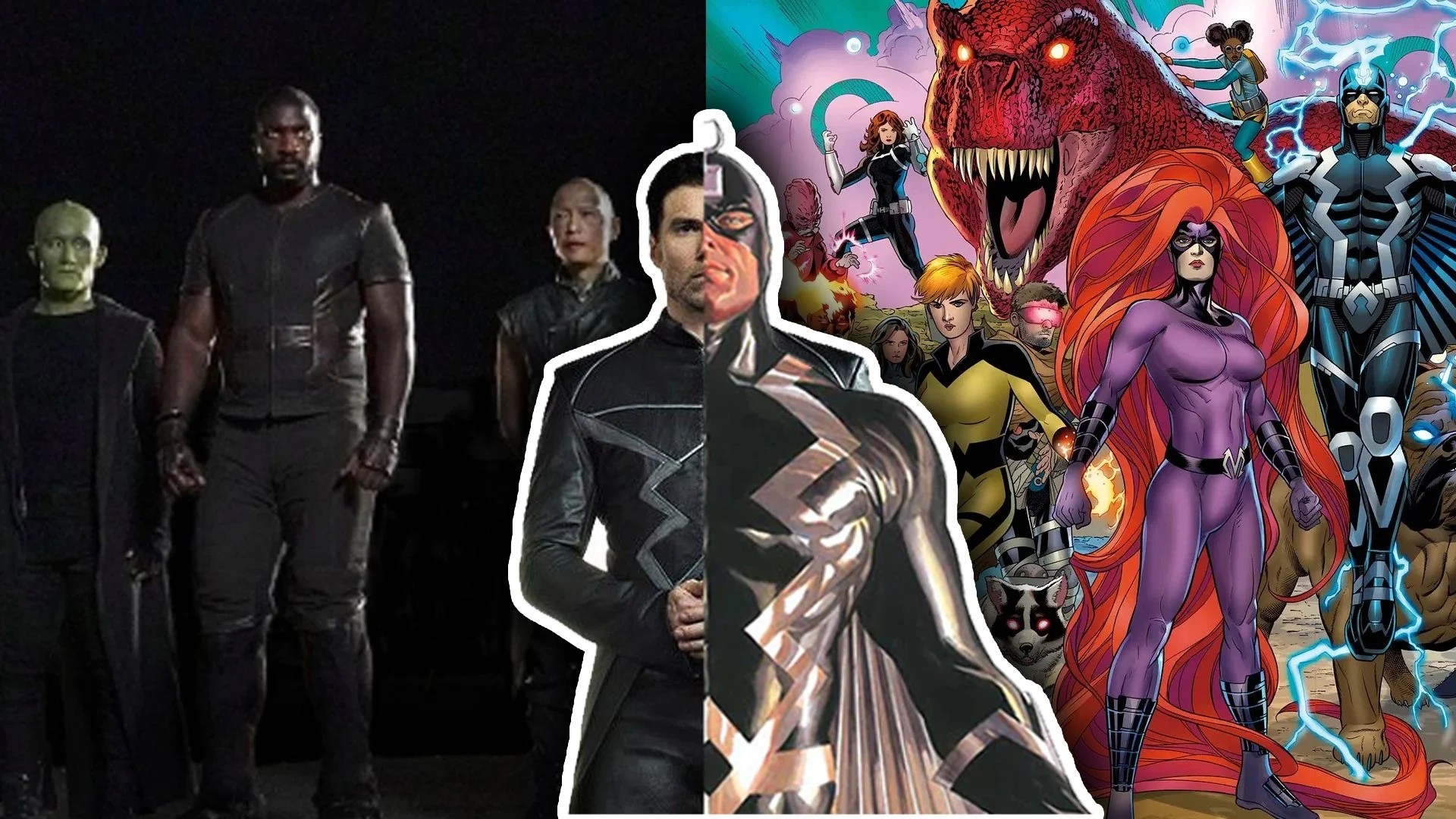
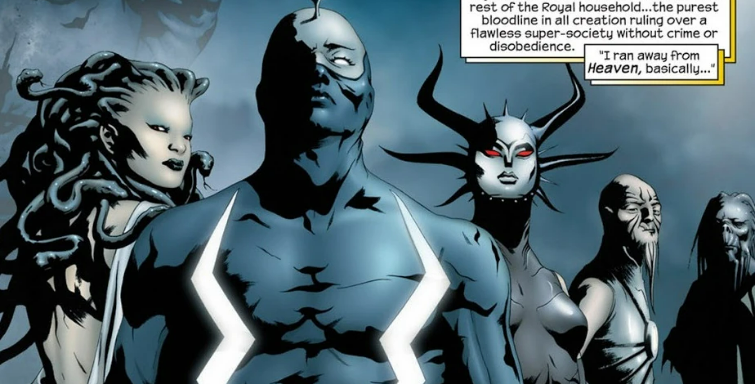
What's up, comic fans! Can you believe it's been 60 years since the Inhuman royal family made their Marvel Comics debut? This incredible group of characters first crashed into the Marvel Universe on this very day in Fantastic Four #45, way back in December 1965, brought to life by the legendary Stan Lee and Jack "The King" Kirby. Their formal debut was a bit of a slow burn, as members like Medusa and Gorgon actually showed up earlier as villains in Fantastic Four before the full team was revealed. Kirby’s ambition for this hidden, super-powered society was for them to become "mainstays" of the Marvel Universe, with their own major titles. However, even from the beginning, Marvel seemed to struggle with how to use them, often relegating them to secondary stories and back-up features in other comics, like Thor. This strange start for a group that was meant to be so prominent set a pattern that would repeat for decades.  


The Run That Got It Right: The Marvel Knights Renaissance

For a lot of fans, the Inhumans didn't truly hit their stride until the 1998 miniseries by writer Paul Jenkins and artist Jae Lee. This series was a game-changer because it was part of a larger Marvel effort to reinvigorate its properties by letting creators tell compelling, character-driven stories with a distinct sensibility. The Jenkins/Lee series did this by reframing the Inhumans not as a simple superhero team, but as a morally and politically complex society. It explored deep themes like international politics, class struggles, and the moral complexities of a society built on eugenics. The series’ dark and grimly compelling art style, full of "chiaroscuro," gave it a unique look and feel and earned it an Eisner Award for its excellence. This run proved that the Inhumans were at their best when they were a unique, self-contained story, focusing on their internal conflicts and flawed society, and not just another group of heroes.  


The Big Corporate Push: From Niche to NuHuman

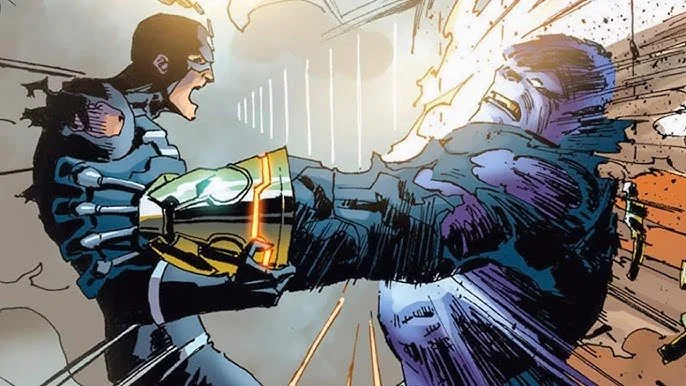
In the mid-2010s, Marvel decided it was time for the Inhumans to become a major player. Their profile shot up during the Infinity event in 2013, when Black Bolt detonated a special Terrigen bomb to defeat Thanos. The explosion unleashed a massive cloud across the globe, activating dormant Inhuman genes in people everywhere and creating a new generation of "NuHumans" on Earth. Marvel's then-Editor-in-Chief, Axel Alonso, wasn't shy about it, calling it a "game-changer" that would permanently thrust the Inhumans into the forefront of the Marvel Universe. This wasn't an accident; it was a top-down, strategic move. At the time, Disney did not own the film rights to the X-Men, which were held by a rival studio, 20th Century Fox. The Inhumans were being positioned as a conceptual replacement—a new, globally distributed super-powered race for the comics and, hopefully, the Marvel Cinematic Universe.  


The Inhumans Go Mainstream

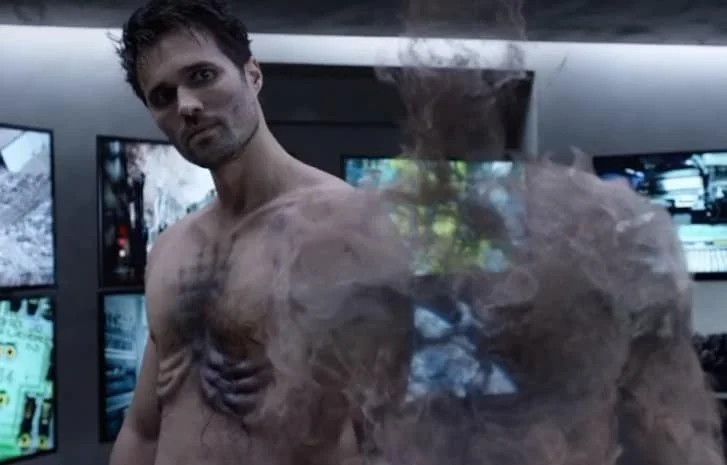
This new era of prominence wasn't just in the comics. The Inhumans were also introduced into the Marvel Cinematic Universe via the TV show Agents of S.H.I.E.L.D., which was surprisingly successful in developing their hidden culture and lore. The Terrigen Cloud also had a major effect, creating one of Marvel's most popular new heroes of the decade: Kamala Khan. Kamala, the first major Muslim protagonist in Marvel comics, gained her powers in the aftermath of the "Inhumanity" storyline and took up the mantle of Ms. Marvel. The Inhumans' newfound importance was cemented with the 2016 comic book event Civil War II, which centered on a new Inhuman named Ulysses who could see the future. His predictive ability caused a massive hero-vs-hero conflict, proving that Inhumans were no longer just a weird side story—they were now at the heart of the Marvel Universe's biggest events. It seemed the characters had finally arrived.  


The War Nobody Asked For: Inhumans vs. X-Men

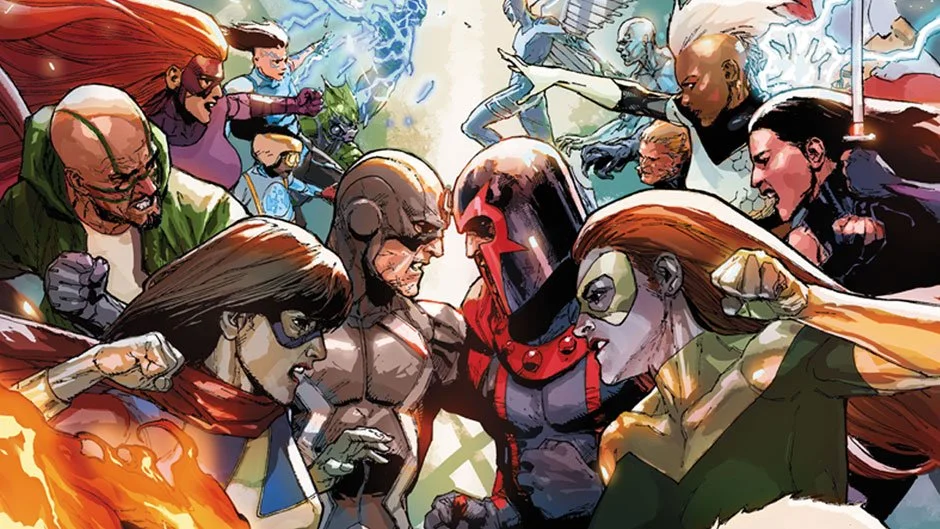
This corporate strategy led directly to the event that a lot of fans still remember with a groan: Inhumans vs. X-Men (IVX). The premise was simple but heartbreaking for fans: the Terrigen Cloud that gave Inhumans their powers was also a lethal toxin to mutants, creating a terrible, unavoidable war. Marvel's Chief Creative Officer, Joe Quesada, announced the event himself at San Diego Comic-Con, setting up a clash between the two super-powered races. The narrative of IVX was particularly telling. Many fans felt the story was forced, a business decision rather than a creative one, because the X-Men, traditionally a symbol for marginalized people, were weirdly portrayed as the "bad guys" for attacking the Inhumans to save their own race from extinction. This rivalry never truly won over the fan base.  


A TV Debacle and a Creative Reset

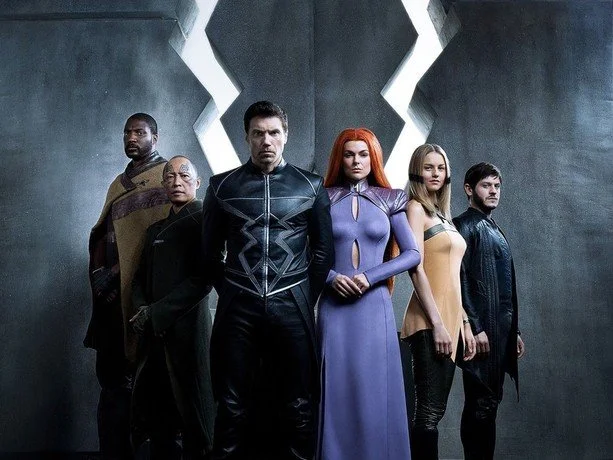
The corporate push reached its most disastrous point with the 2017 Inhumans TV series, a project that had been initially announced as a feature film but was "demoted" to a television production. The show was a spectacular failure on every level, and the reasons why are now legendary among fans. It was given a very small budget, which forced the storytellers to make strange creative choices to avoid costly special effects. Showrunner Scott Buck was heavily criticized for the incomprehensible plot and bizarre character decisions, with one review calling the writing "poorly done fan-fic" because of its "inexplicable character development." For example, Medusa's iconic hair, a key part of her power and visual identity, was cut off almost immediately to save money on special effects. The CGI for Lockjaw was so poor that it looked "cartoonish" and clashed with the show's overly serious tone. The show's IMAX theatrical debut was a total flop, grossing a dismal $3.5 million worldwide and being removed early from theaters, a direct result of its critical reception and fan backlash.  

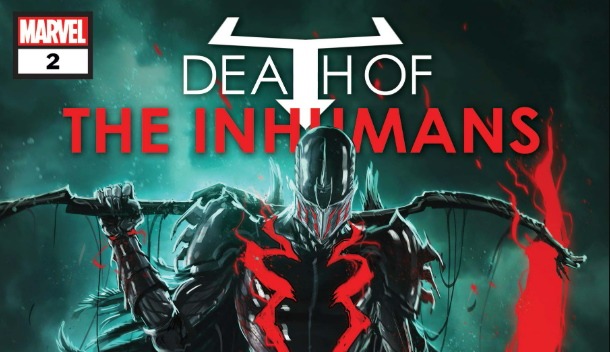
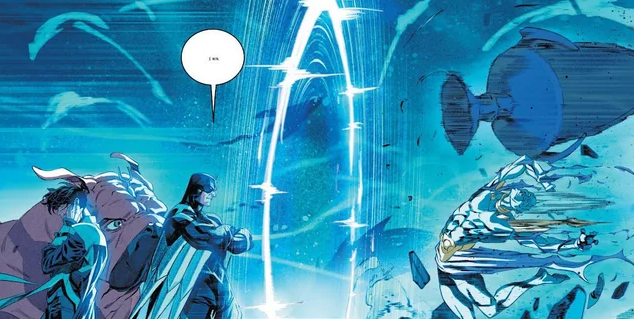
To "clean the slate" after the TV disaster, Marvel published the 2018 miniseries Death of the Inhumans, a brutal storyline that was seen as a direct "response to the horrible TV show." The story began with the Kree killing thousands of Inhumans with the message "Join or Die" carved into their bodies, a plot that a review called a "named character meat grinder." The series served as a creative way to wipe out the new generation of NuHumans that Marvel had spent years building up, but the ending revealed that many of the supposed deaths were not final, with characters like Triton and Crystal being teleported to a Kree laboratory for experimentation. The story ultimately hit the reset button, leaving the Royal Family in a state of creative limbo.  


Hope on the Horizon: A New Cosmic Era

After years of being in creative limbo and only showing up sporadically in other titles, the Royal Family is finally finding its way back. Black Bolt, accompanied by Maximus and Lockjaw, recently made a big return in Jonathan Hickman’s cosmic series Imperial. This time, Black Bolt is positioned not as a simple hero but as a "ruthless," "dangerous," and "extremely calculated" figure who plans to forge a new empire from the ashes of the old one. It seems Marvel is finally done trying to make the Inhumans a poor man's X-Men. They're letting the Royal Family be the complicated, strange, and fascinating characters they were always meant to be. This more thoughtful approach offers a glimmer of hope that the Inhumans can finally find a meaningful place in the Marvel Universe on their own terms, far from the pressures of corporate mandates.

But what do you think? Do the Inhumans deserve better? Let us know below!

James Gunn's Wildest Twist Yet: The Possible Shocking Truth Behind the "Best Dimension Ever"

George SerranoComment

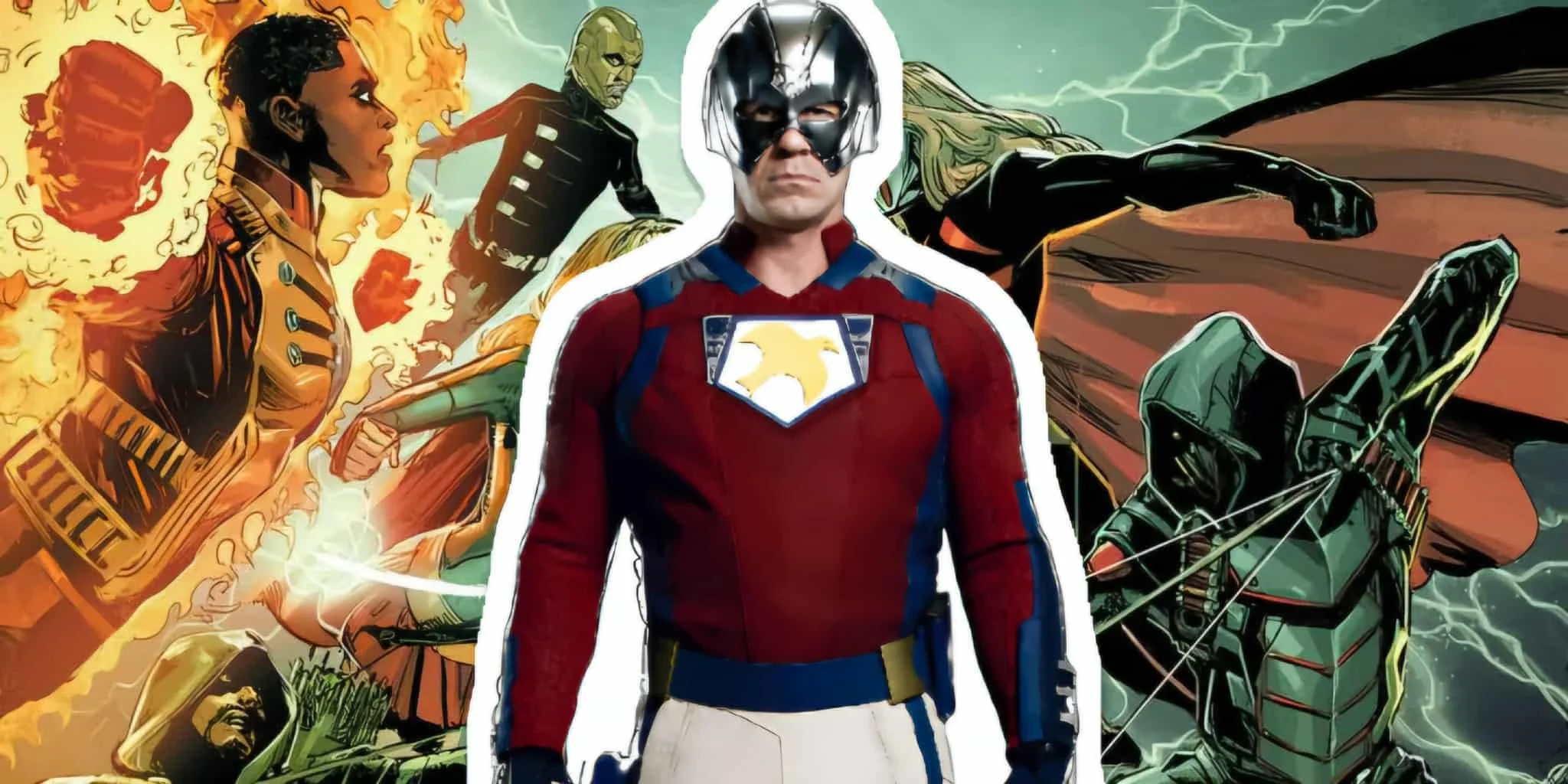
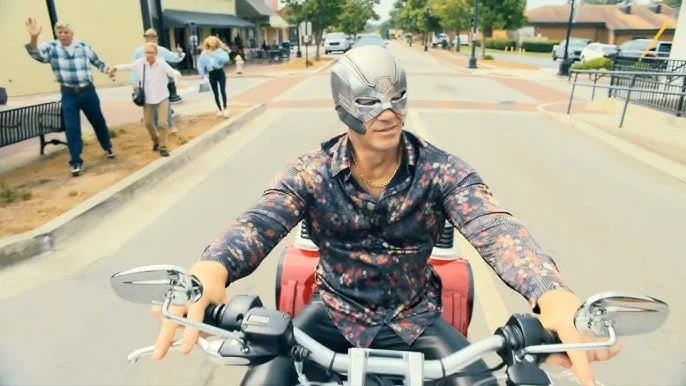
The second season of Peacemaker throws us into what seems like a perfect fantasy. The main character, Christopher Smith, stumbles into a parallel world that he immediately calls the "best dimension ever," and on the surface, it’s hard to disagree. This place is an idealized version of his life, a total fix for all his problems. But if you look a little closer, this "perfect" world has a dark and twisted secret. This article will break down the clues that suggest this dimension is actually a white supremacist reality, a brilliant and brutal narrative test for Christopher Smith, and a key piece of the puzzle for James Gunn’s new DC Universe.

This isn't just a fun plot twist. It's about using the multiverse to explore something deeply personal, forcing our hero to face a choice between a comfortable lie and a painful truth.


Why This 'Perfect' World Is So Tempting

Christopher Smith's sudden trip to this alternate universe is no cosmic accident; it's a direct response to his emotional baggage. The show lays out just how much he wants a do-over, a chance to fix the parts of his life that have broken him. This new world is a perfect remedy, a mirror of his life where all his regrets are erased.

His biggest hang-up, killing Rick Flag Jr., is gone because this world's Rick Flag is alive and well, giving Chris a chance to atone for what he did. His father, Auggie Smith, isn't the hateful White Dragon but a celebrated hero and a loving dad, which is a big change from the toxic relationship that defines Peacemaker's character. His brother, Keith, who he accidentally killed in Season 1, is also alive and supportive. Even Emilia Harcourt, who is usually emotionally distant in his reality, is a "perfect" and "emotionally available" partner, giving him the one thing his life has always lacked: a simple, loving relationship.

The "best" thing about this dimension is not what it is, but what it isn't. It's a world built specifically to remove all of Christopher’s pain, a subjective fantasy designed to bait him. The real struggle this season isn’t about a physical battle; it’s about whether Chris can reject this toxic "perfection" and choose the messy, flawed, but morally sound reality of his own life.


The Clues Hiding in Plain Sight

For all its charm, this alternate reality has a few major cracks in its facade that have led to a popular fan theory. First floated by creators like Nando v Movies and New Rockstars, the idea that this is a white supremacist world is backed by some serious on-screen evidence.

The biggest and most discussed clue is the complete lack of racial diversity. A viewer who worked in the Atlanta neighborhood where a scene was filmed pointed out that it would take a "conscious effort" to not have a single person of color in the background, given how diverse Atlanta is. This isn't an accident. It’s a purposeful piece of world-building that suggests a "Man in the High Castle" style universe where "racists won and took over the government".

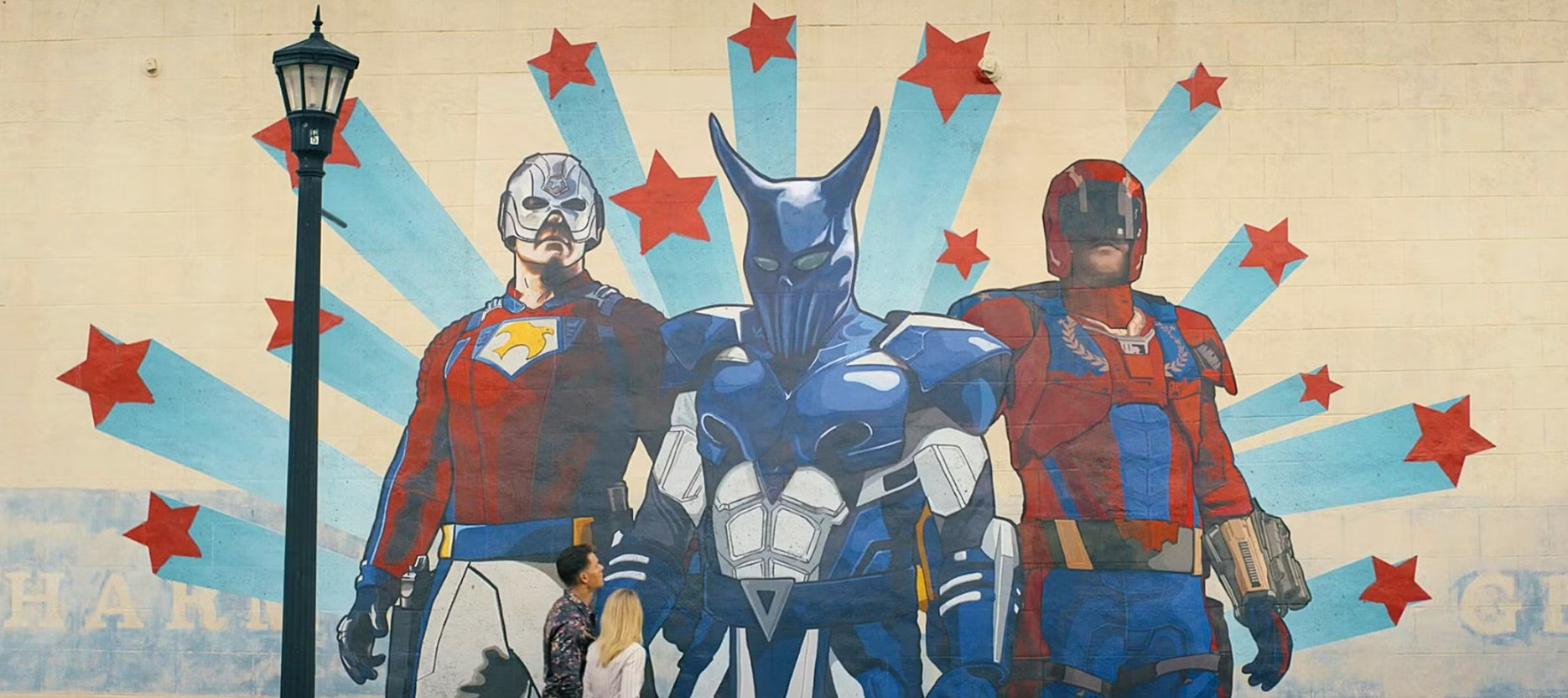
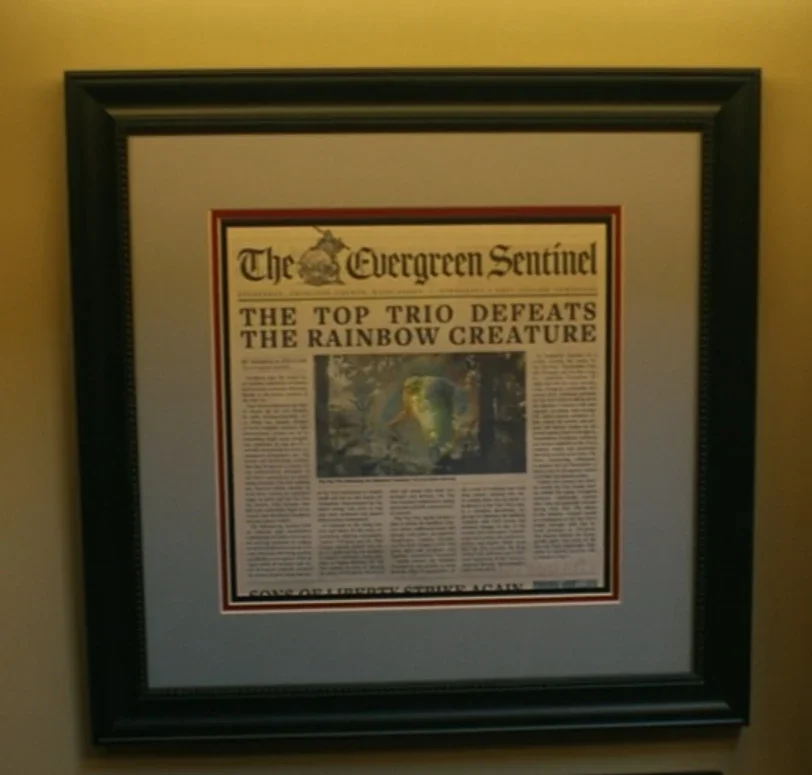
The show also flips the hero and villain roles on their heads. In this reality, Peacemaker's dad, Auggie Smith, is the celebrated hero "Blue Dragon" and his entire racist ideology is not only accepted but celebrated. Meanwhile, the Sons of Liberty, who are terrorists in the main DCU, are seen here as a desperate "underground resistance movement" fighting against a system that has "literally erased diversity." Christopher’s actions here make him an unwitting enforcer of fascism. Small, subtle details also point to this reality, like a newspaper headline about a "Rainbow Creature" which could be a veiled slur against the LGBTQIA+ community, and the German-style pronunciation of "Blüdhaven," Nightwing’s hometown, which hints at a Nazi victory in World War II.

The Smiths also go by Top Trio, which may be a thinly vieled callback to the Third Reich.


James Gunn's Master Plan and the Superman Connection

The "Earth-X" theory is more than just a wild guess; it’s the logical next step for James Gunn's style of storytelling. He has said that his use of the multiverse isn't about "a thousand different Deadpools" but a singular, emotional journey for a character. The whole season is about Chris facing his deepest fears and ideologies. As Gunn has said, it's about what happens when your choices are just a little bit different, a theme he was influenced by from the novel Replay.

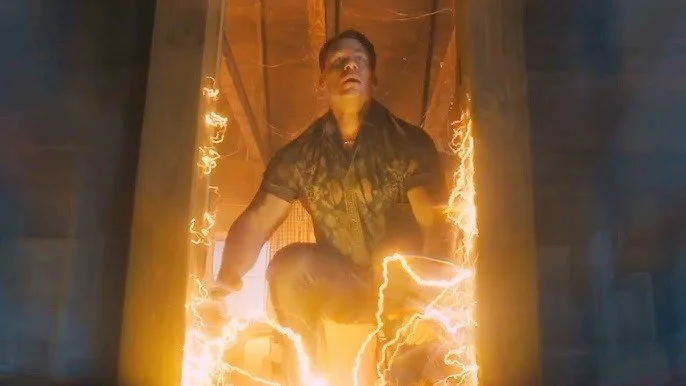
The multiverse door Chris uses is the Quantum Unfolding Chamber, a piece of technology first seen in Season 1 in his father's closet. This tech is a "jankier" version of the pocket dimension tech Lex Luthor used in the Superman film, directly linking Peacemaker's new storyline to the wider DCU. The fact that Auggie, a street-level neo-Nazi, had this tech suggests it's much more widespread and dangerous than we thought.

This new reality is also the perfect final step in Christopher's character development. He isn't a racist himself but is constantly struggling with the shadow of his father's ideology. The scene in Season 1 where Vigilante brutalizes racist inmates in prison serves as a benchmark for anti-racism in the show. The "Earth-X" reality will force Chris to move past his passive struggle and actively defy his father's worldview on a multiversal scale.

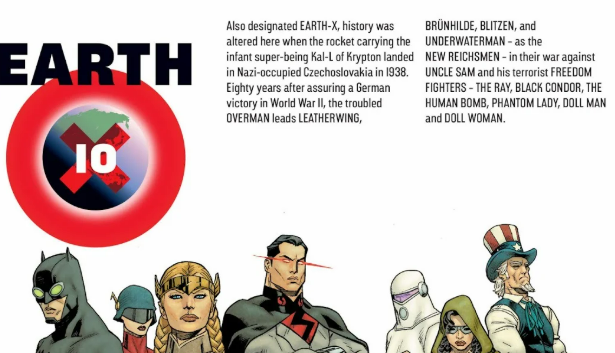
The theory also fits perfectly with DC Comics history. DC's Earth-X (also known as Earth-10) is a well-established reality where the Nazis won World War II. The most famous version of this reality features a fascist Superman known as Overman, which would be an incredible way to tie everything together. This is a key distinction from Marvel’s unrelated "Earth X," which is a story about a world where everyone has powers.

James Gunn has said that Peacemaker Season 2 is a "prequel" that "directly" leads into his Superman sequel, Man of Tomorrow. The "Earth-X" theory is the only logical way for Peacemaker to set up the next Superman film in a way that aligns with Gunn's character-first philosophy. This means that Man of Tomorrow may have Superman facing his fascist variant, Overman, making Peacemaker a critical primer for the audience.


The Ultimate Final Test

This isn't the first time the show has confronted this darkness; it tackled the ugly reality of Nazis and white supremacy head-on in Season 1 with the White Dragon storyline, showing Christopher's complex struggle with his father’s legacy. Now, with this new universe, that personal conflict is put on a multiversal scale. This is Christopher Smith's ultimate moral test, forcing him to sacrifice a perfect, fake life to prove he has truly rejected his father's legacy and become the hero he claims to be. It's the final step in him truly earning that title, solidifying the multiverse as a central, thematically important, and dangerous element of the new DC Universe. This “Best Dimension Ever” may offer Christopher Smith everything he ever wanted, but can he accept the very ideology he has spent his life trying to escape? We shall see!

But what do you think? Have we gone crazy or does the (Earth) X mark the spot? Let me know below!

Fourth Tomb's a Charm? Why Amazon's Tomb Raider Reboot Might Be The Best Yet!

George SerranoComment

The Tomb Raider franchise is a legend in gaming, but its movie history has always been messy. For more than twenty years, live-action attempts have missed the mark and failed to capture what makes Lara Croft such an icon. Fans have been waiting for something that truly does her justice, and now it looks like that moment is finally here. Amazon is bringing Lara back with a brand new live-action TV series, starring Sophie Turner and guided by Phoebe Waller-Bridge. This report breaks down why this project has everything it needs to be a massive success, taking the lessons of the past and putting the right team in place to finally deliver the Lara Croft we deserve.


​The Silver Screen's Flawed Adventures

​The Angelina Jolie Era: Style Over Substance

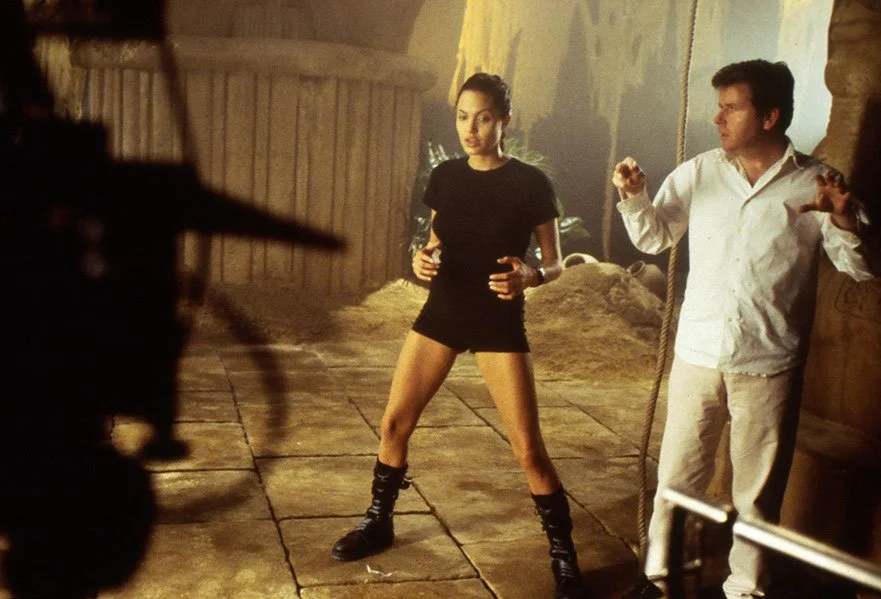
​​The first two sets of Tomb Raider movies show how tough it is to fit a big video game story into a two-hour film. The early 2000s films starring Angelina Jolie were a huge deal. The first movie was a big hit at the box office, making $274.7 million worldwide. Critics and audiences loved Jolie's performance, with many calling her a "fated casting" because she was such a perfect match for the classic Lara Croft: fearless and full of attitude.

​But even with a great star, the movies had some big problems. Critics gave them bad reviews, saying the plots were "shallow" and a "cliche-ridden mess". The director of the second movie even said he "hated working on the movie" because the studio and game makers kept interfering. The films succeeded mostly because of Angelina Jolie's star power and the cool action scenes, not because they told a good story.

​The Alicia Vikander Era: An Unfulfilled Promise

​The 2018 movie reboot, with Alicia Vikander, tried a new approach by following the popular "Survivor" video game story. This film was better received by critics and was praised for sticking closely to the games. It showed Lara as a more "multidimensional character with relatable motivations and vulnerabilities". Vikander, a very talented actress, played a more realistic and human version of Lara.

​Despite these good points, the movie had its own set of issues. The villain was "boring," and the story felt "watered down". The movie also spent too much time setting up sequels that never happened. The biggest problem was trying to cram a 12-hour game story into a two-hour movie. This meant key friends and supporting characters had to be cut, which made the story feel less emotional and "underwhelming”


A Character in Constant Motion

​A key detail people often miss is that Lara Croft is not a single character. The games have given us three different versions of her, which is a big challenge for a single movie but a perfect opportunity for a TV show.

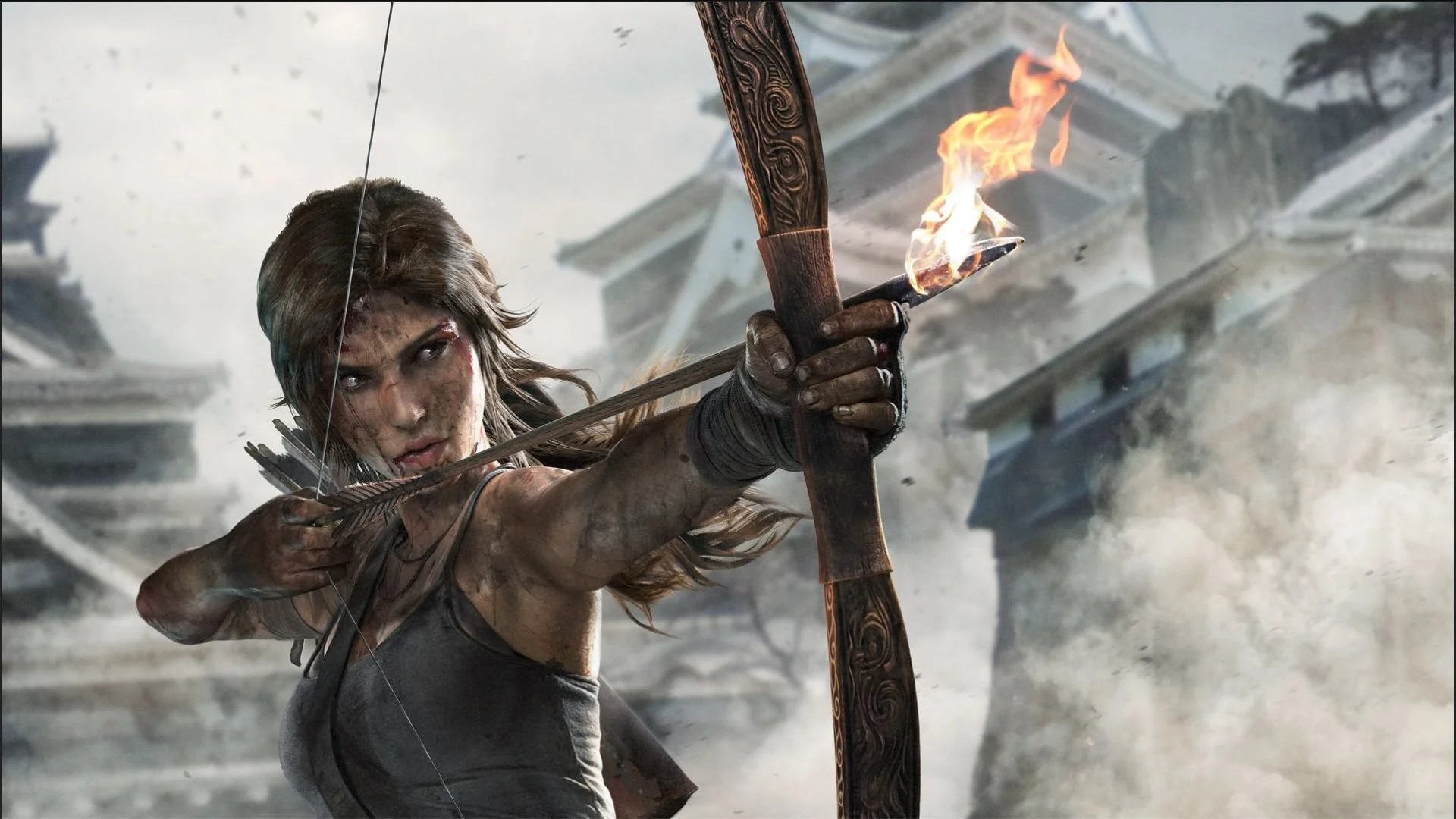
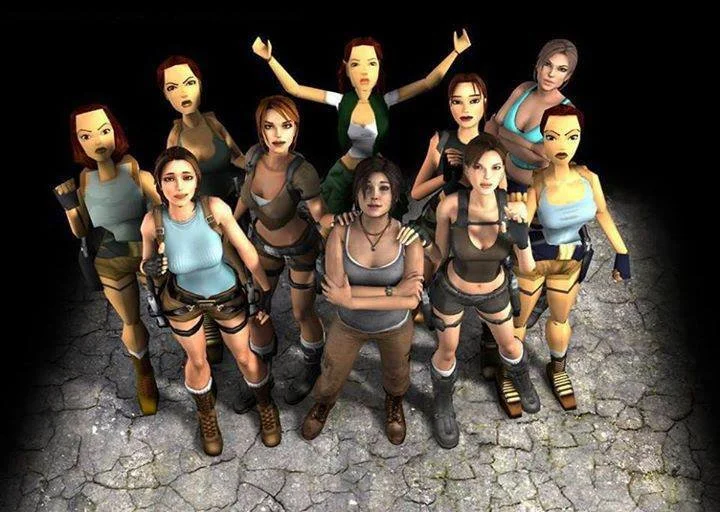
​The "Classic" Lara was a witty, aristocratic, and fearless adventurer with her famous dual pistols and amazing gymnastics. The "Survivor" Lara, from the newer games, is a much more human person. She's vulnerable and emotional, and she relies on survival skills, stealth, and a bow and arrow instead of her pistols. A two-hour movie has to choose which version to show, which can upset some fans. But a long-form TV series can start with the more vulnerable "Survivor" Lara and, over many seasons, show her gradually grow into the confident adventurer we all know. This way, we get a single, complete story that a movie could never tell


​The Charm of the Small Screen

​The Power of a TV Show

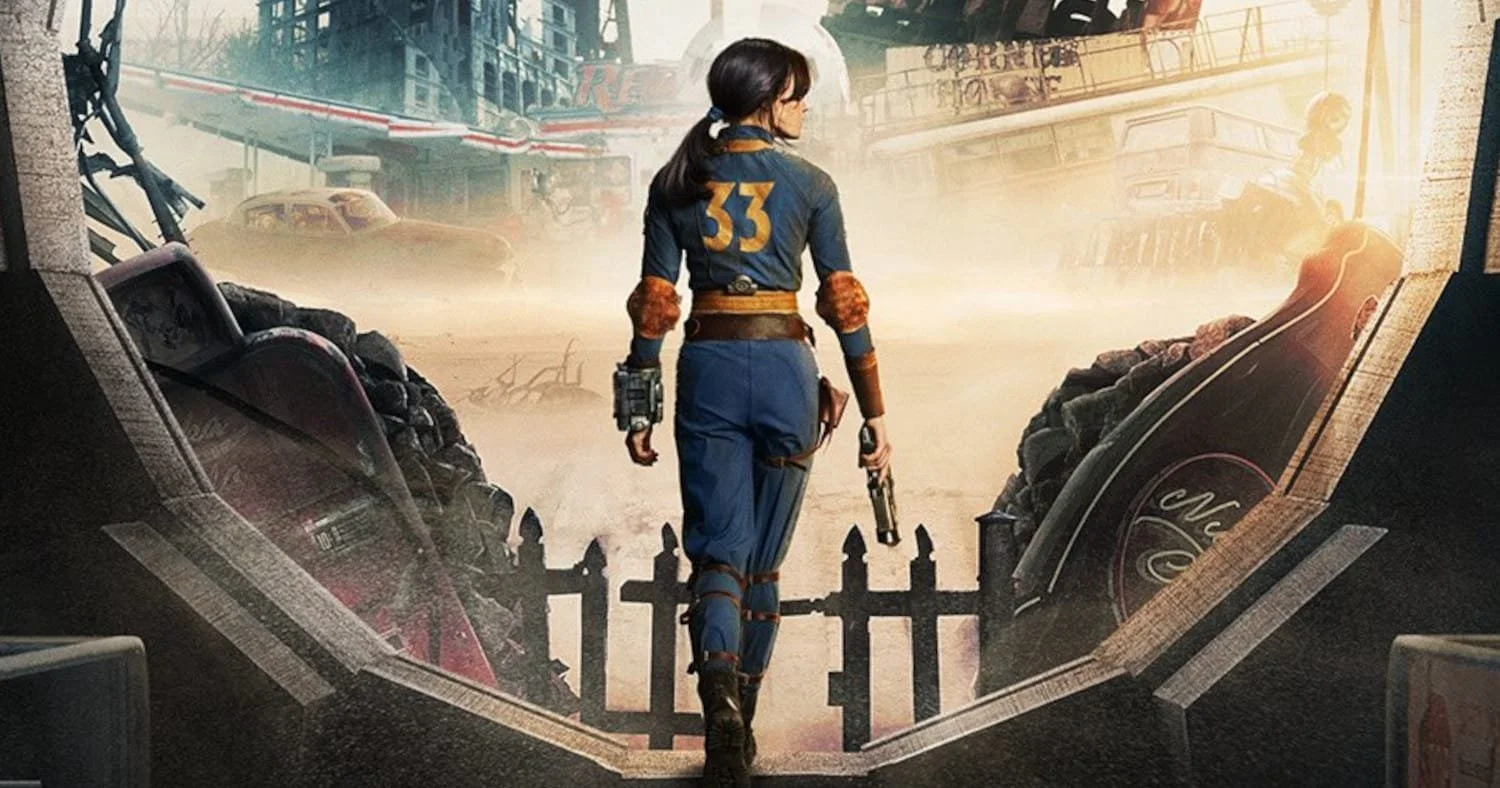
​The TV series format is the best way to adapt a video game this big. Recently, TV shows based on games have been "FAR superior" to movies, with hits like The Last of Us and Fallout. A series gives the show time to really develop characters and their stories, which a two-hour movie just can't. This means the show can explore Lara's "family history" and "formative experiences" in a natural way. It also avoids the problem the 2018 movie had, where it had to cut out Lara's friends because of time limits.

Tomb Raider Works On TV

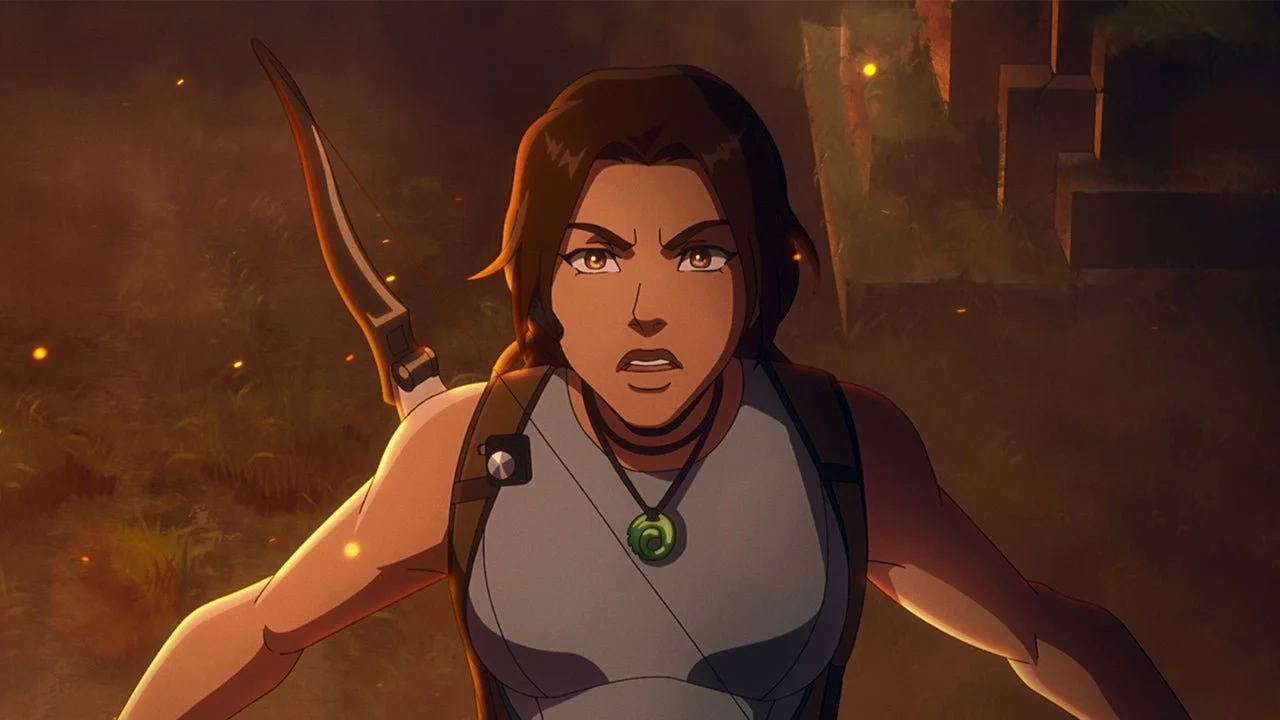
We actually have a recent example that proves a TV show is a great way to tell a Lara Croft story. The animated series, Tomb Raider: The Legend of Lara Croft, from Netflix has been called Hollywood's most successful Tomb Raider adaptation yet, even with a few bumps along the way. The show's amazing animation and strong voice acting were a big hit. It also gave plenty of screen time to Lara's friends and supporting characters, which the last movie failed to do. The show added new emotional depth to Lara's story and was more imaginative with its fantasy elements than the films had been. While the writing was a little clunky at first and some character designs didn’t excite viewers, the show found its rhythm and showed that a smaller screen can truly bring Lara's world to life/

​The Creative Team

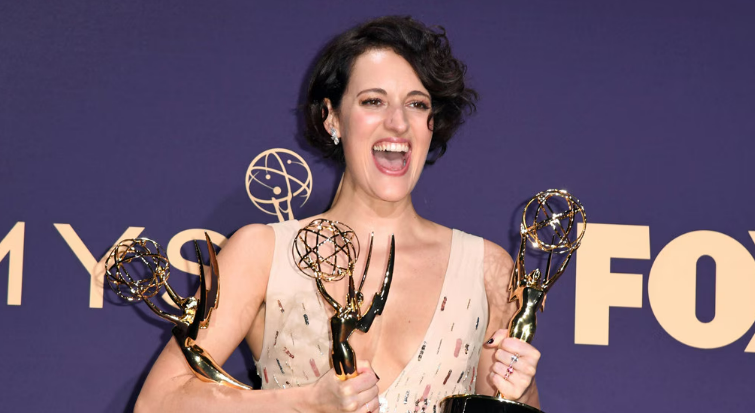
​One of the biggest reasons for optimism is the creative team. Phoebe Waller-Bridge has a lot of creative control over the series. Her writing is famous for being "snappy" and having "mischievous wit" and "emotionally honest" storytelling. Her work on Fleabag and Killing Eve proves she's amazing at creating "unapologetically human," complex, and flawed female characters that audiences fall in love with. Her skills are exactly what the previous movies were missing when they failed to give Lara the intelligence and wit she deserved.

​A New Lara for a New Era: Sophie Turner

​The choice of Sophie Turner as Lara Croft has caused some mixed reactions, with some fans wondering if she can be "bad-ass" enough. But this is a mistake. The genius of her casting is that she's being picked for her ability to show a character's growth over time. Her most famous role, Sansa Stark in Game of Thrones, was a character who went from a naive young girl to a powerful leader over many seasons. This experience is perfect for Lara's journey from a survivor to a tomb raider. This shows the new series is focused on telling a slow, believable story, which is exactly what it needs to do.


​A Bright Future

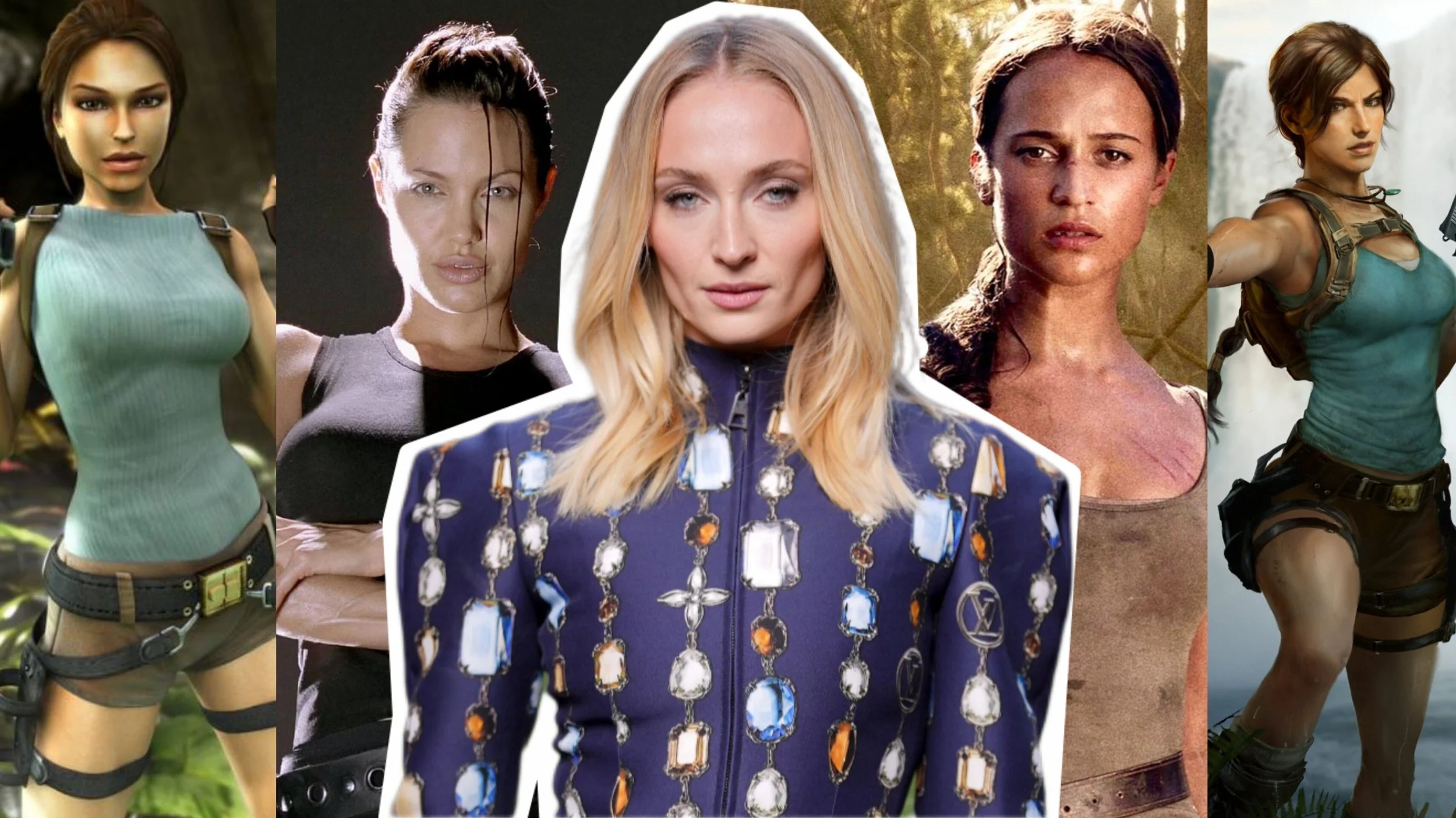
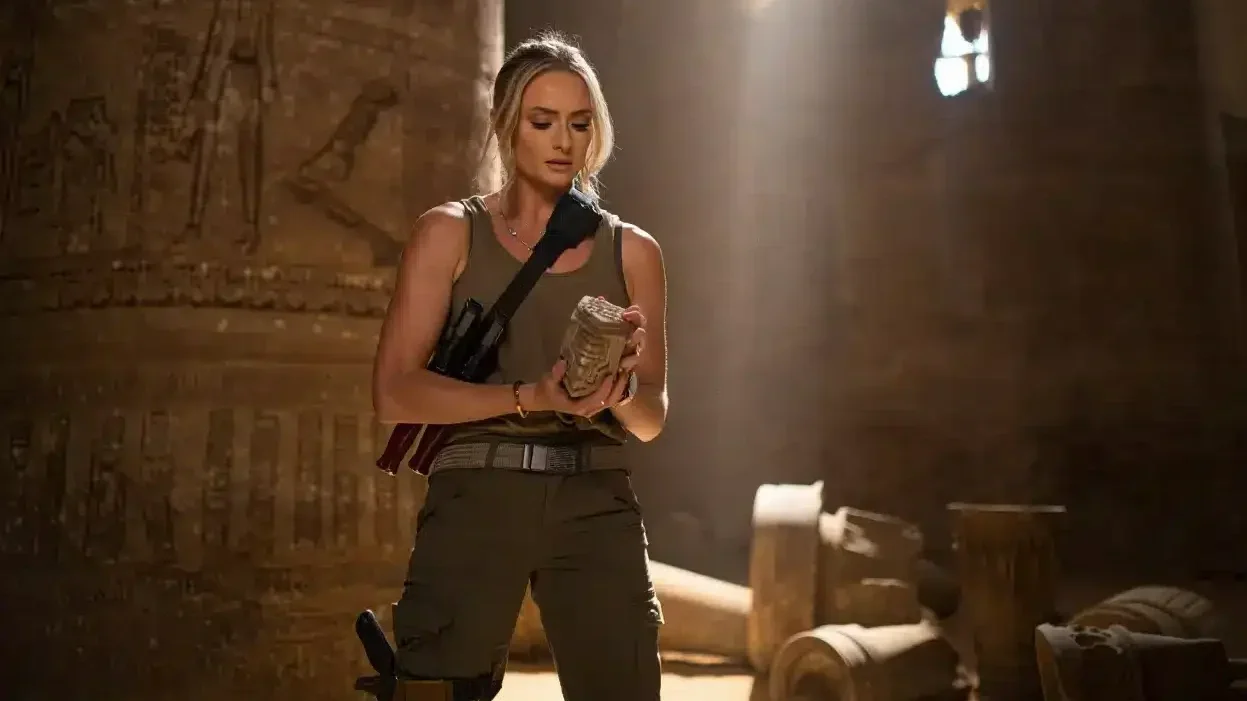
The Evolution of Laura Croft by joaoppereiraus

​The previous Tomb Raider movies failed because they tried to fit a huge, sprawling story into a restrictive film format. The Angelina Jolie films were charismatic but lacked a good story, while the Alicia Vikander film had the right story but had no time to tell it properly. The new series solves these problems by using the TV format, which is a perfect fit for the games' scope. With a visionary writer, a lead actress who is a pro at showing character growth, and a medium that allows for deep storytelling, this new show is positioned to finally deliver the adaptation fans have been waiting for.

But what do you think? Have they finally learned their lesson with Laura or will we be doomed to raid this tomb to death? Tell me below!

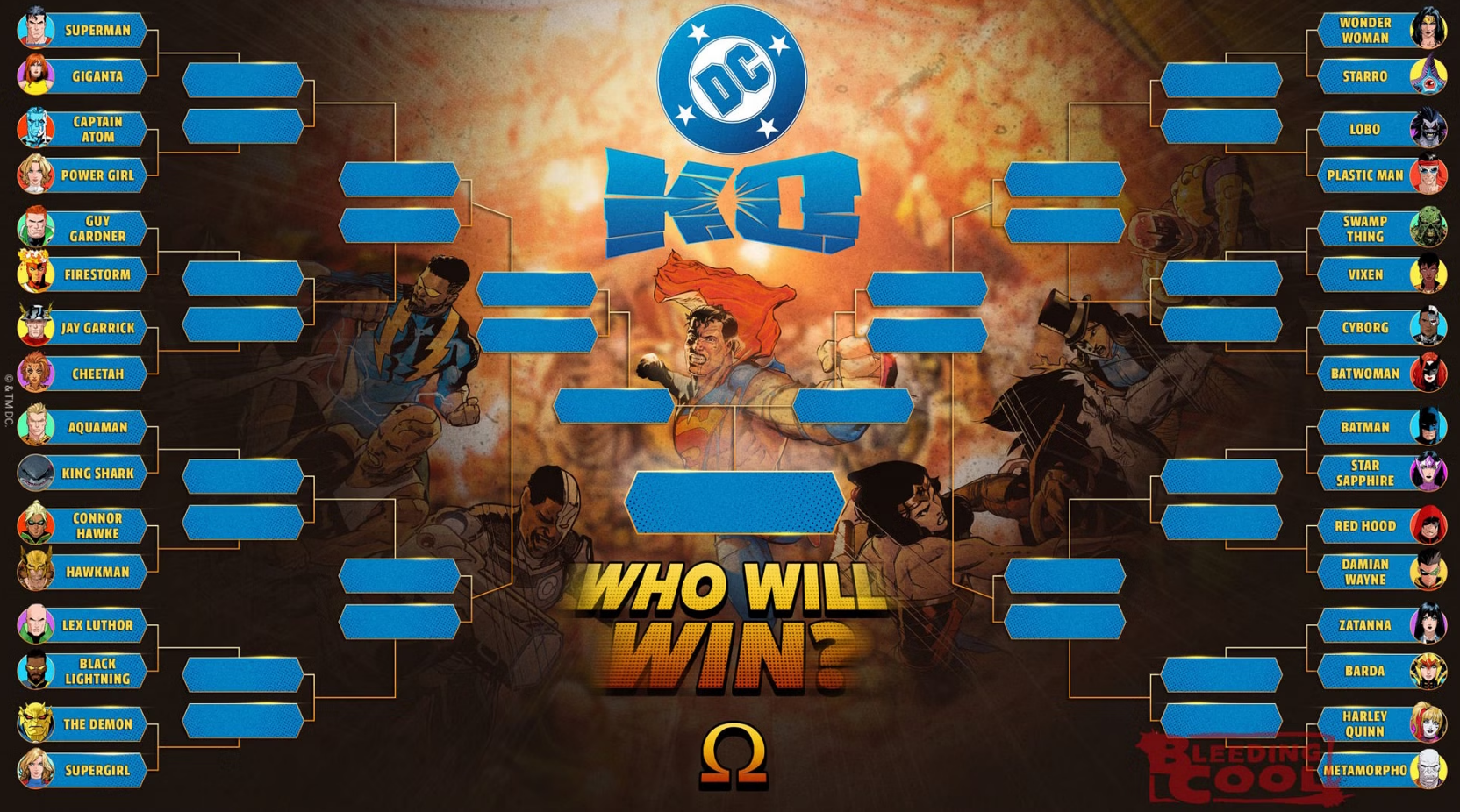
The DC KO Tournament: Round 1 Predictions & Power Scaling Breakdown!

George SerranoComment

Welcome, fight fans! The DC KO Tournament is here. This isn't friendly sparring; it's a knockdown, drag-out brawl for multiversal supremacy. Our team has gone deep into the archives, analyzing comic history and legendary feats to deliver a definitive, data-driven breakdown of each matchup. This is about raw power, cunning strategy, and psychological fortitude. The action is about to begin!


The Heavyweight Division

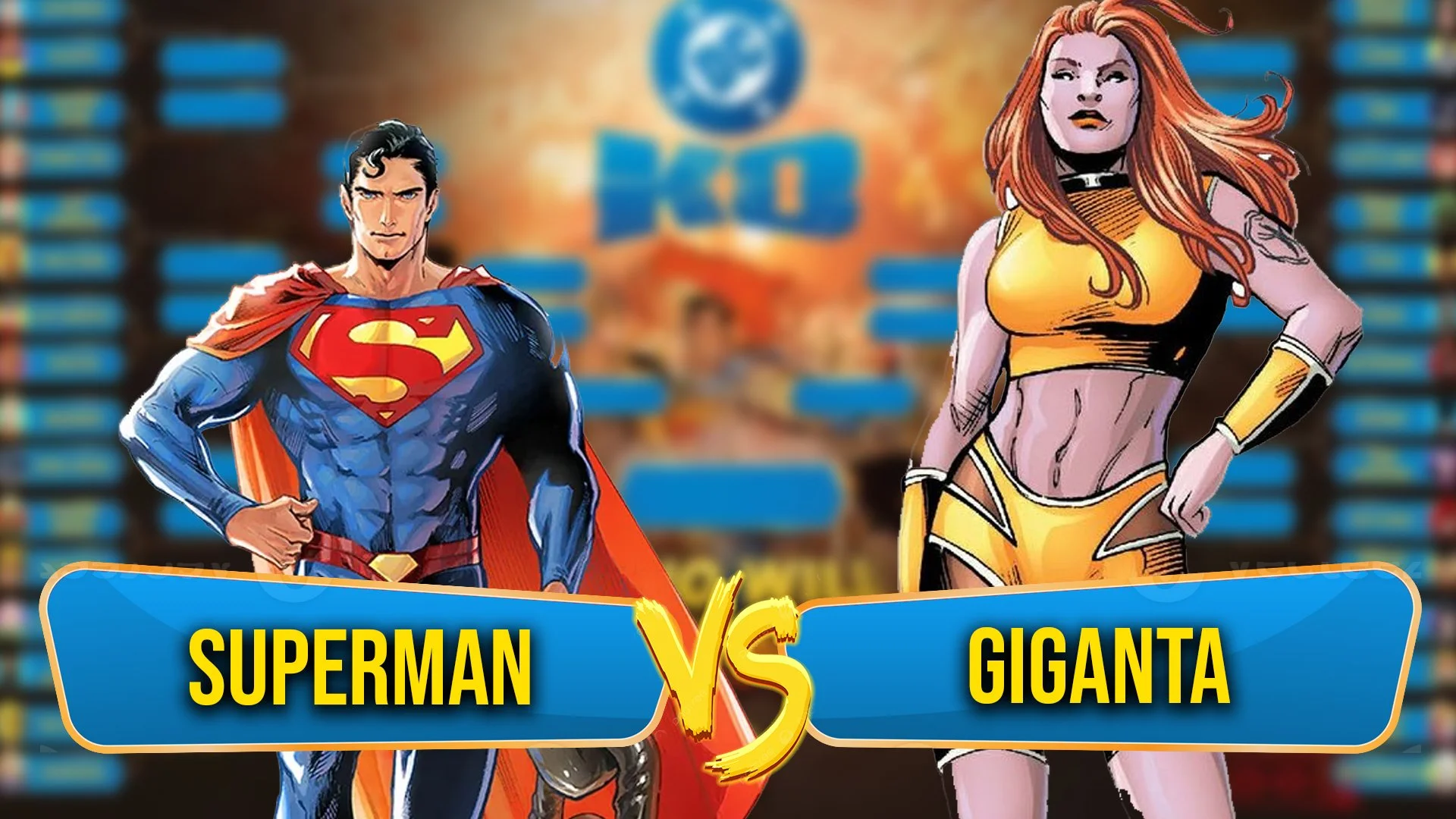
Matchup 1: Superman vs. Giganta

Tale of the Tape: Superman

In the blue corner, it's the Man of Steel, Superman. His solar-powered abilities grant him immense superhuman strength, faster-than-light flight, and invulnerability. His strength is depicted as having no upper limit, simply adapting to a given situation. He can lift planets and his tactical telekinesis protects large objects he lifts, and his body generates an invisible force field.  

Tale of the Tape: Giganta

In the red corner, with a genius intellect, we have Giganta. Her powers grant her superhuman strength and durability that are proportionate to her size. Her feats include smashing a stone ceiling, tossing helicopters, and even punching Wonder Woman into concrete. A legendary deep-cut feat saw her knock out Superman with a single clap in the DC Animated Universe, proving her power is no laughing matter. She has also taken hits from Wonder Woman and Black Adam, showing high durability.  

Feats, Fails, and the Final Bell

This is a classic power-scaling contradiction. Giganta knocked out Superman with a clap in a viral moment, a one-off feat that defines her power. But a comprehensive analysis must weigh this against Superman's consistent history. He's moved planets, flies faster than light, and endures planet-busting explosions. The DCAU knockout is an outlier against his canon. Based on consistent power scaling, Superman's superior speed would end the fight before it even begins. He could simply vibrate through her attacks or overwhelm her with blows of a planetary class.  

Predicted Winner: Superman


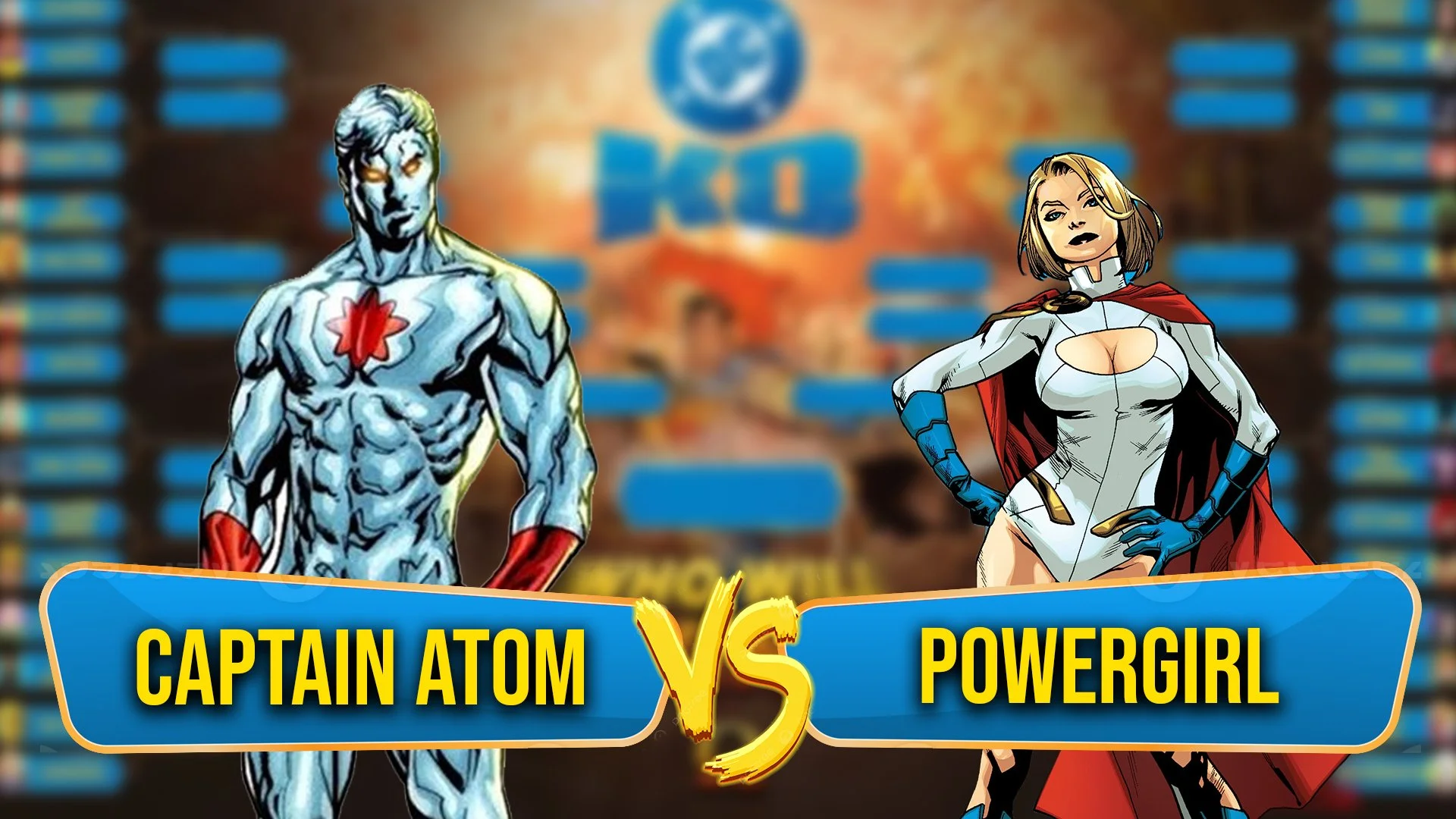
Matchup 2: Captain Atom vs. Power Girl

Tale of the Tape: Captain Atom

In the blue corner, he’s a walking nuclear reactor and a master of the Quantum Field, Captain Atom. His body is a conduit for a power source that grants him Quantum Powered Strength, matter manipulation, and staggering durability. He has absorbed Kryptonite radiation that was strong enough to kill other S-tier heroes and survived a planet-busting meteor explosion. When his mental limits are off, he can create and destroy universes, and he is a hard counter to anyone who uses energy, absorbing it simply by flying past.  

Tale of the Tape: Power Girl

In the red corner, she is the Maiden of Might of Earth-Two, Kara Zor-L. A refugee from Krypton, she possesses a power set identical to Superman's, including superhuman strength, flight, and invulnerability. She is a "punch first, ask questions later" brawler with a gung-ho attitude. She is highly resistant to Kryptonite, although some versions show it can affect her in a diminished form. Her strength is on par with Superman's, having punched him across the Great Wall of China.  

A War of Will and Wavelength

This is a battle of power sources. Power Girl’s abilities are solar-powered. Captain Atom's power is quantum-based, a higher-dimensional energy source that lets him absorb and manipulate other forms of energy. He has a documented history of absorbing Kryptonite radiation, proving his energy manipulation is effective even against Kryptonian-specific threats. In a fight, he would not need to beat her physically; he could simply drain her of her power. Power Girl is facing a metaphysical entity who, at his peak, can create and destroy realities. A simple punch is unlikely to affect a being who survived a planet-busting meteor explosion and is impervious to Kryptonian-level attacks. Captain Atom's power set represents a direct and absolute counter, giving him a clear path to victory.  

Predicted Winner: Captain Atom


The Magical & Cosmic Division

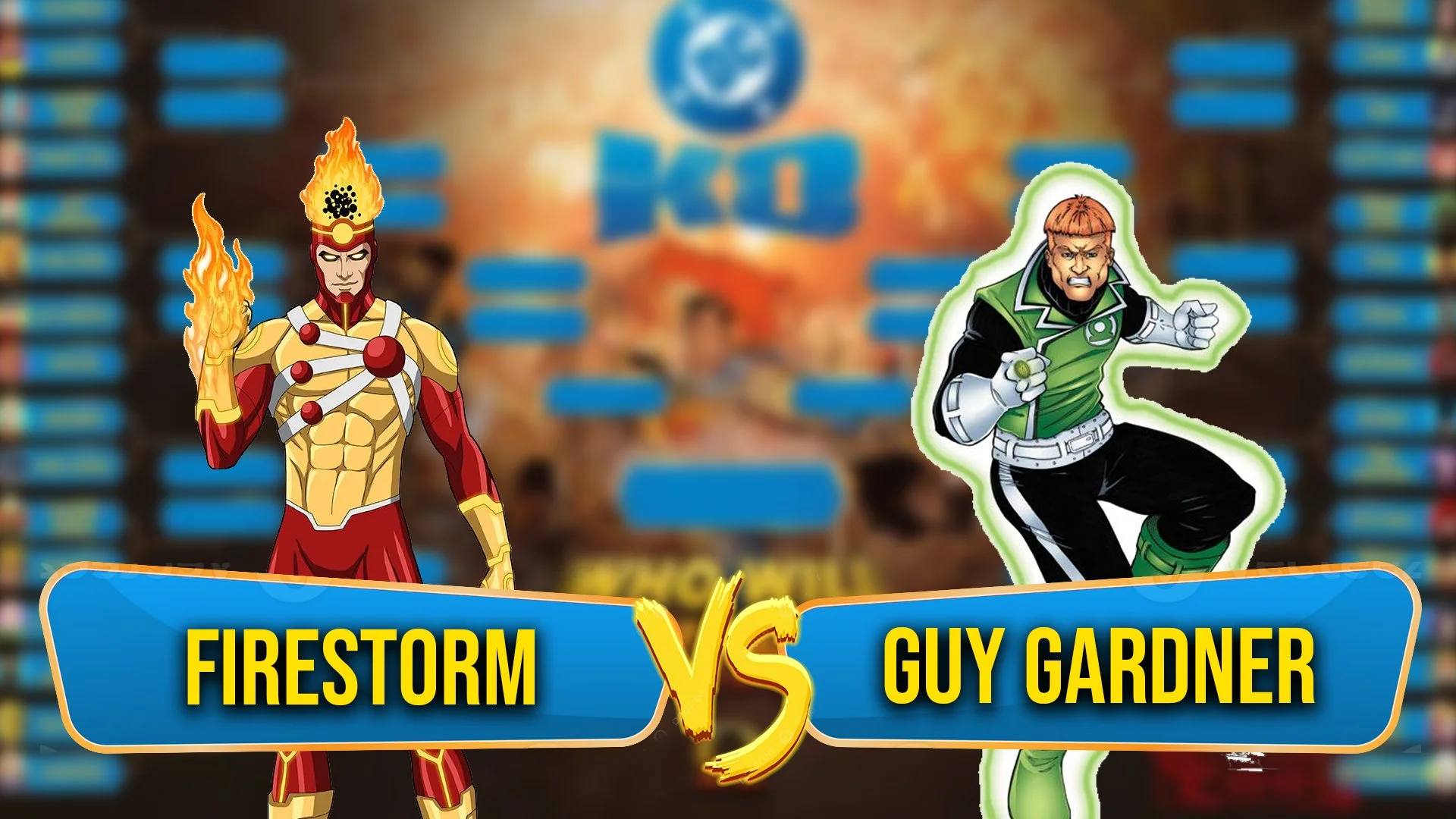
Matchup 3: Guy Gardner vs. Firestorm

Tale of the Tape: Guy Gardner

In the blue corner, he is the most abrasive member of the Green Lantern Corps, Guy Gardner. His power comes from his Green Lantern ring, limited only by his considerable willpower. What makes Guy unique is his emotional versatility; he has wielded not just the green ring of willpower but also the yellow ring of fear and the red ring of rage. His ego has been famously knocked out by a single punch from Batman, but his ability to wield a ring makes him one of the most powerful lanterns ever to exist.  

Tale of the Tape: Firestorm

In the red corner, he is the Nuclear Man, a gestalt being of two consciousnesses with the power of matter transmutation. The Firestorm Matrix allows him to rearrange matter on a sub-atomic level, a power he has used to turn guns into brooms and a fallen Eiffel Tower into rose petals. His power is incredibly versatile, but his durability is inconsistent, with feats ranging from tanking nuclear attacks to a stated fear of a simple 800-foot fall.  

From Fire to Fury

The fundamental difference in this fight is one of approach. Firestorm is a technician, who works on a complex, sub-atomic level and requires a mental process to rearrange matter. Guy Gardner is a brawler. His power ring is a precision-based weapon designed for combat, which he uses to generate high-energy blasts that can send a Martian Manhunter flying. The core of Firestorm's power is the Firestorm Matrix, a unified consciousness that is vulnerable to physical disruption. A focused, powerful strike from a Green Lantern-enhanced fist would be a decisive attack. Guy’s raw, unbridled willpower and tactical use of direct energy blasts would overwhelm Firestorm's more complex, alchemical-based powers.  

Predicted Winner: Guy Gardner


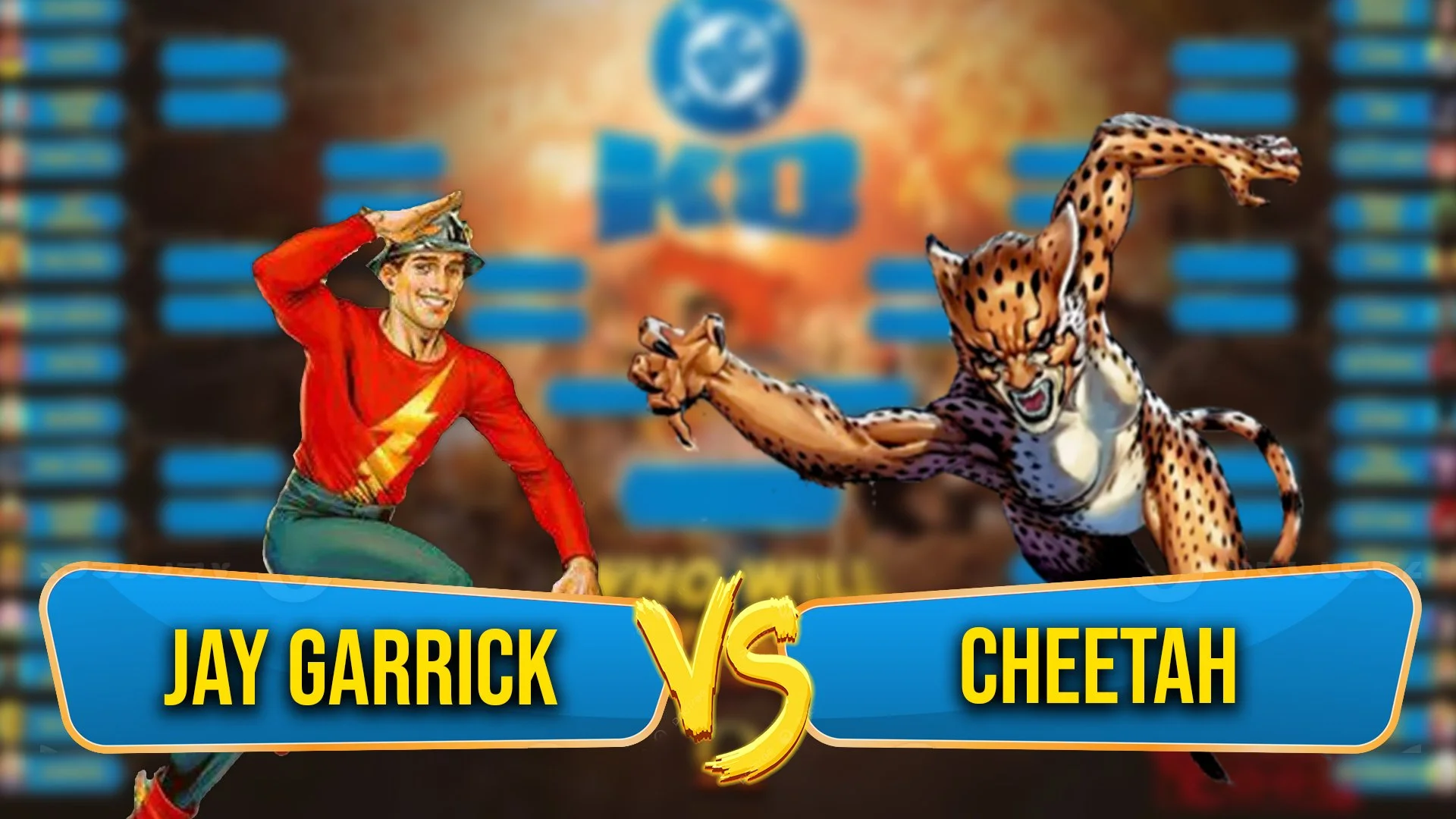
Matchup 4: Jay Garrick vs. Cheetah

Tale of the Tape: Jay Garrick

In the blue corner, the original Scarlet Speedster, the man who started it all, Jay Garrick. His powers come from his connection to the Speed Force, an extra-dimensional energy source. He has been documented running at Mach 1448.6, and he has a superior, intuitive understanding of the Speed Force. He is a master of his abilities and an invaluable mentor to the speedster legacy.  

Tale of the Tape: Cheetah

In the red corner, she is a demigod blessed with the strength and speed of a feline god, Cheetah. Her powers are magical in nature, which is a lethal advantage against those who rely on physical strength and speed. Her most devastating feat is a deep-cut classic: she has been shown to take down the entire Justice League, including Superman and the Flash, without any prep time. She has also used her magic to cast a curse on Superman, turning him into a cheetah-like creature, and has caused Wonder Woman to hallucinate.  

The Magic of Speed

This is a classic "speed versus magic" confrontation. While Jay Garrick has a legendary legacy and an unparalleled connection to the Speed Force, Cheetah's powers are mystical and fundamentally different. Her magical nature is a perfect counter to a speedster's physical abilities, as it allows her to bypass conventional durability and power scaling. Cheetah has a proven track record of defeating a full-powered Flash. This is the critical causal relationship in this matchup. Her abilities are a nightmare for any opponent who does not have a magical counter. Jay Garrick may be a master of the Speed Force, but his power is not mystical and offers no inherent resistance to Cheetah's magic. In a single, devastating strike, she could land a magical attack that would neutralize his Speed Force connection.  

Predicted Winner: Cheetah


The Demigod & Metahuman Brawler Division

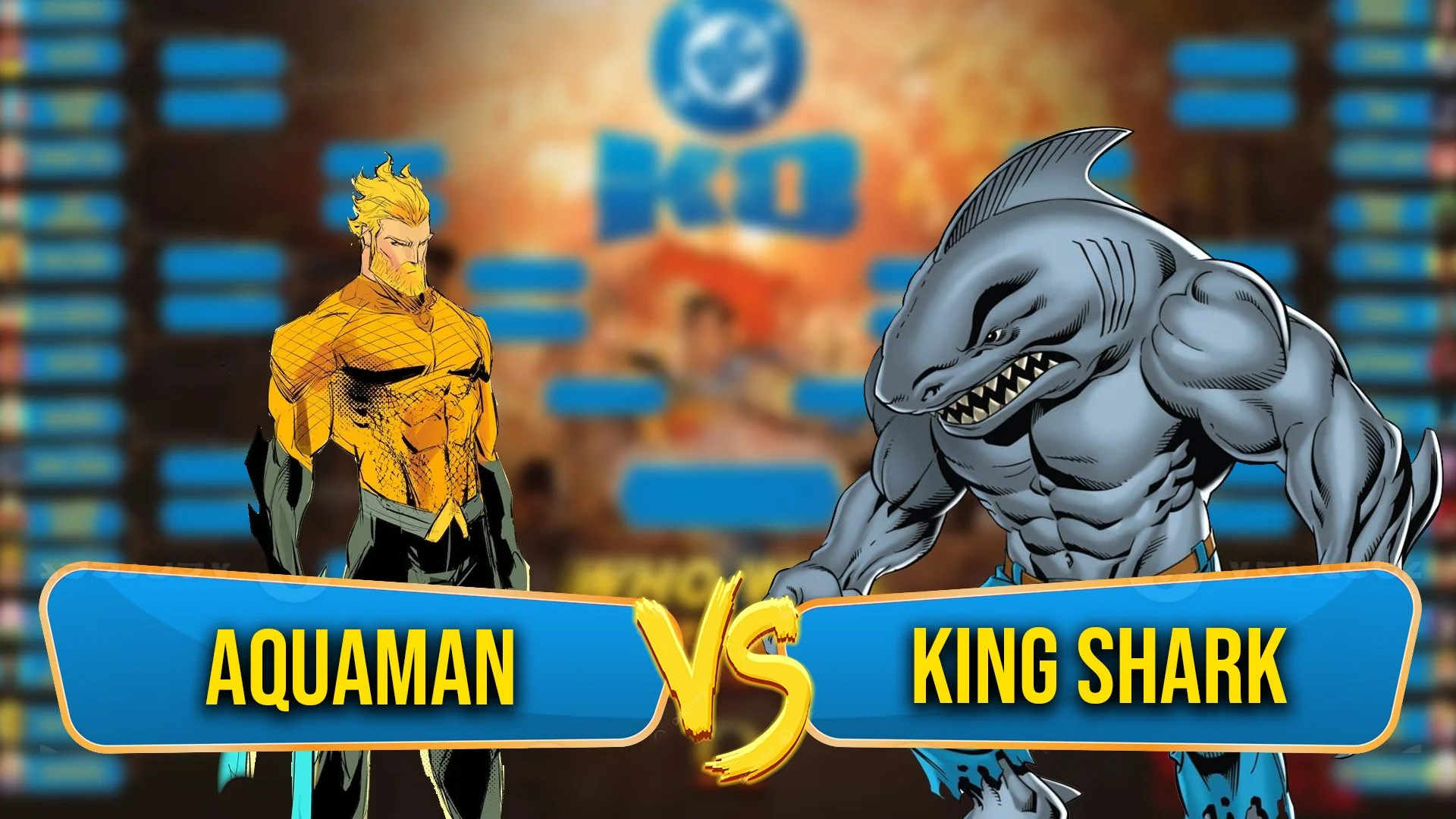
Matchup 5: Aquaman vs. King Shark

Tale of the Tape: Aquaman

In the blue corner, he is the King of Atlantis and a demigod of the seas, Aquaman. His Atlantean physiology grants him superhuman strength, with feats including lifting a cruise ship and uppercutting an evil version of himself. He is incredibly fast in the water, reaching speeds of over 6,700 mph. His most devastating and profound power is his cosmic-level telepathy, which allows him to communicate with and command not just marine life, but all sentient life in the cosmos through the "Life Force". He has used this power to give a White Martian a seizure and even mind-rape every being on Earth.  

Tale of the Tape: King Shark

In the red corner, he is the son of a shark god, Nanaue, also known as King Shark. He is a physical powerhouse with enhanced strength, durability, and a potent regenerative healing factor. His feats include biting Superman hard enough to break his own teeth and one-shotting Superboy. His physical strength is immense, but he is driven by primal instinct and hunger, and his vulnerability to dehydration is a known weakness.  

An Ocean of Difference

This matchup seems like a straight-up brawl, but a deeper look reveals a significant strategic mismatch. King Shark is a fearsome brawler, a one-dimensional threat driven by instinct. This makes him the perfect target for Aquaman’s most potent weapon: his mind. Aquaman is not just a brawler; he is a king and a master tactician. His cosmic-level telepathy is a trump card that King Shark has no defense against. Aquaman could use his telepathy to attack King Shark’s mind directly, an ability he has demonstrated against the likes of White Martians. King Shark's mind is a primitive one, susceptible to a sophisticated telepathic assault, which Arthur is more than capable of executing.  

Predicted Winner: Aquaman


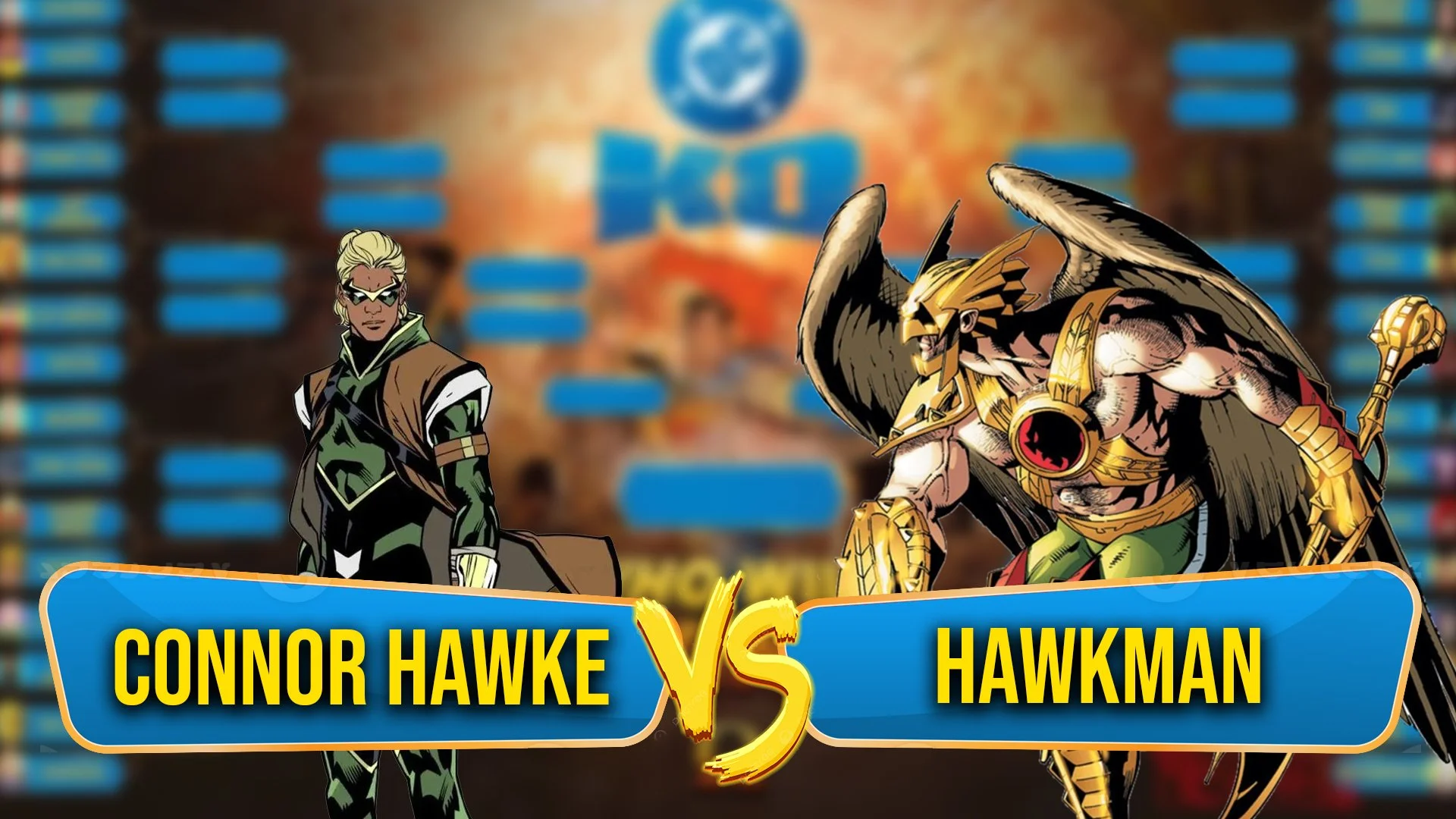
Matchup 6: Conner Hawke vs. Hawkman

Tale of the Tape: Conner Hawke

In the blue corner, he is a peerless martial artist and master archer, Conner Hawke. His abilities are far beyond a normal human's. He has bathed in dragon's blood, which gave him superhuman strength, speed, and a near-instant healing factor. He has trained in the ancient martial art of the "All Caste," which allows him to fight on the astral plane and predict the future. His feats include one-shotting Orm, kicking off an alien's head, and surviving a shot to the head.  

Tale of the Tape: Hawkman

In the red corner, he is the winged warrior of Thanagar, Carter Hall, also known as Hawkman. His powers are derived from his Nth Metal harness, which grants him flight, superhuman strength, and a potent healing factor. He prefers archaic weaponry as his reincarnated consciousness makes him a master of their use. His most devastating feat is using the Claw of Horus, an Nth Metal weapon, to hit Superman with the force of "the planet itself," a blow that cratered the ground.  

Nth Metal vs. Dragon's Blood

This fight is a clash of two similar power sets: enhanced strength, flight, and a healing factor. However, the difference in their feats and power scaling is immense. Hawkman’s Nth Metal technology is a quantum leap in power that Conner’s dragon’s blood abilities cannot match. The Claw of Horus feat is the critical deciding factor. Hitting Superman with the force of the planet itself is a feat of power on a different scale than anything Conner Hawke has ever demonstrated. While Conner’s "All Caste" training is impressive and his ability to predict the future is a powerful tool, it would be useless against a blow of such catastrophic force. Hawkman, with his millennia of experience and his devastating arsenal, operates on a scale that Conner simply cannot reach. The causal relationship is that technology provides an overwhelming advantage over physical skill.  

Predicted Winner: Hawkman


The Mastermind Division

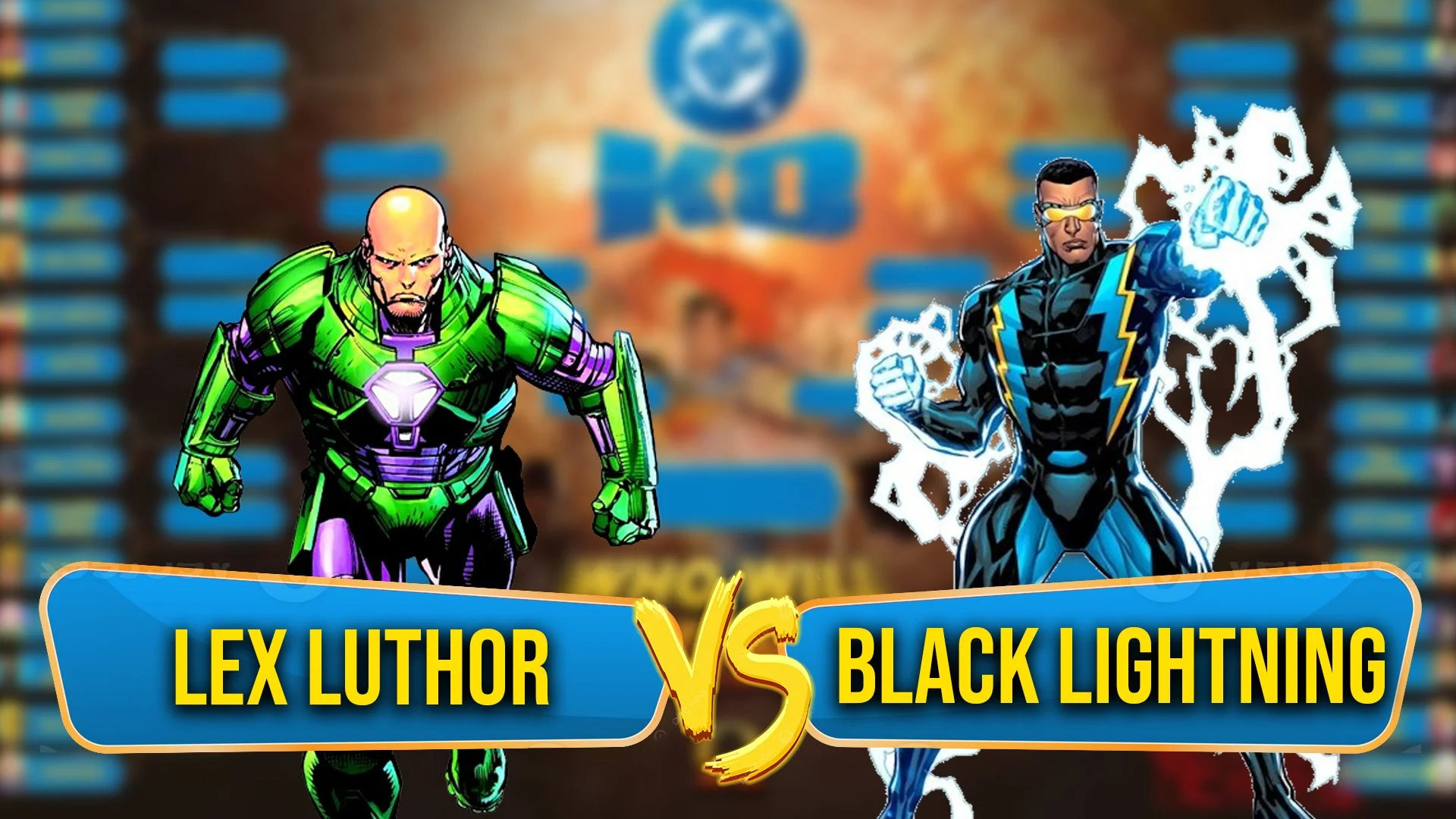
Matchup 7: Lex Luthor vs. Black Lightning

Tale of the Tape: Lex Luthor

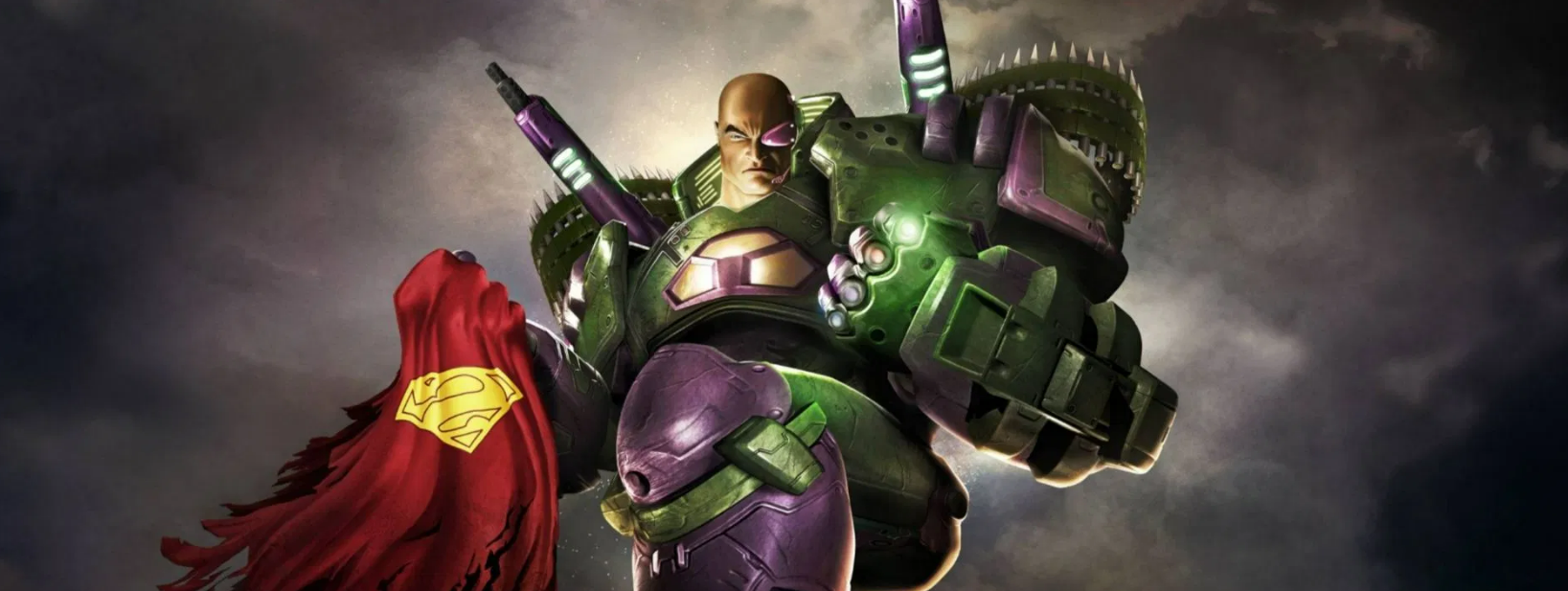
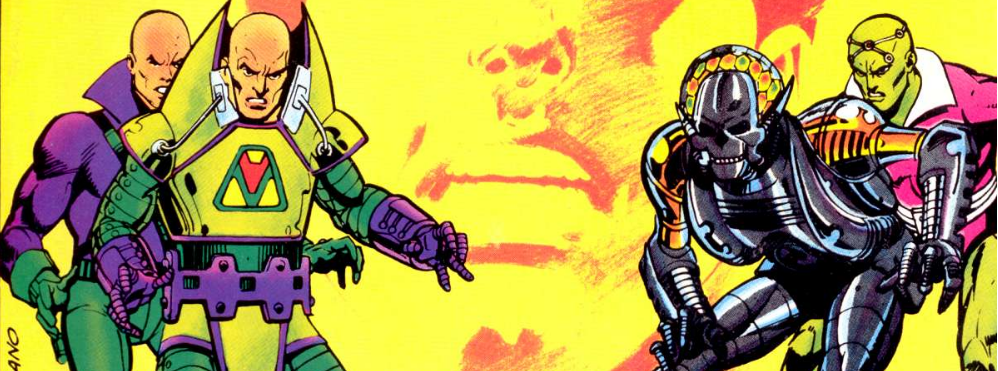
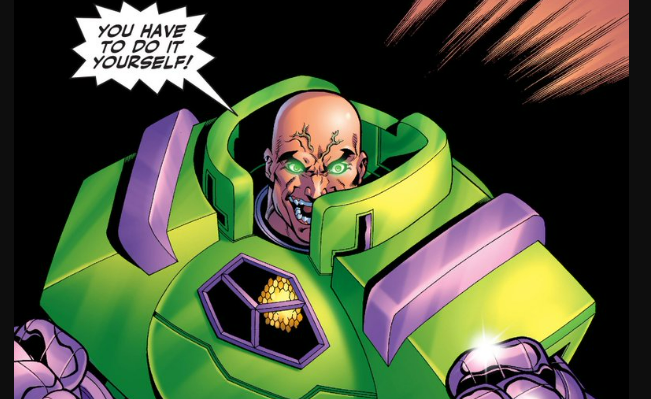
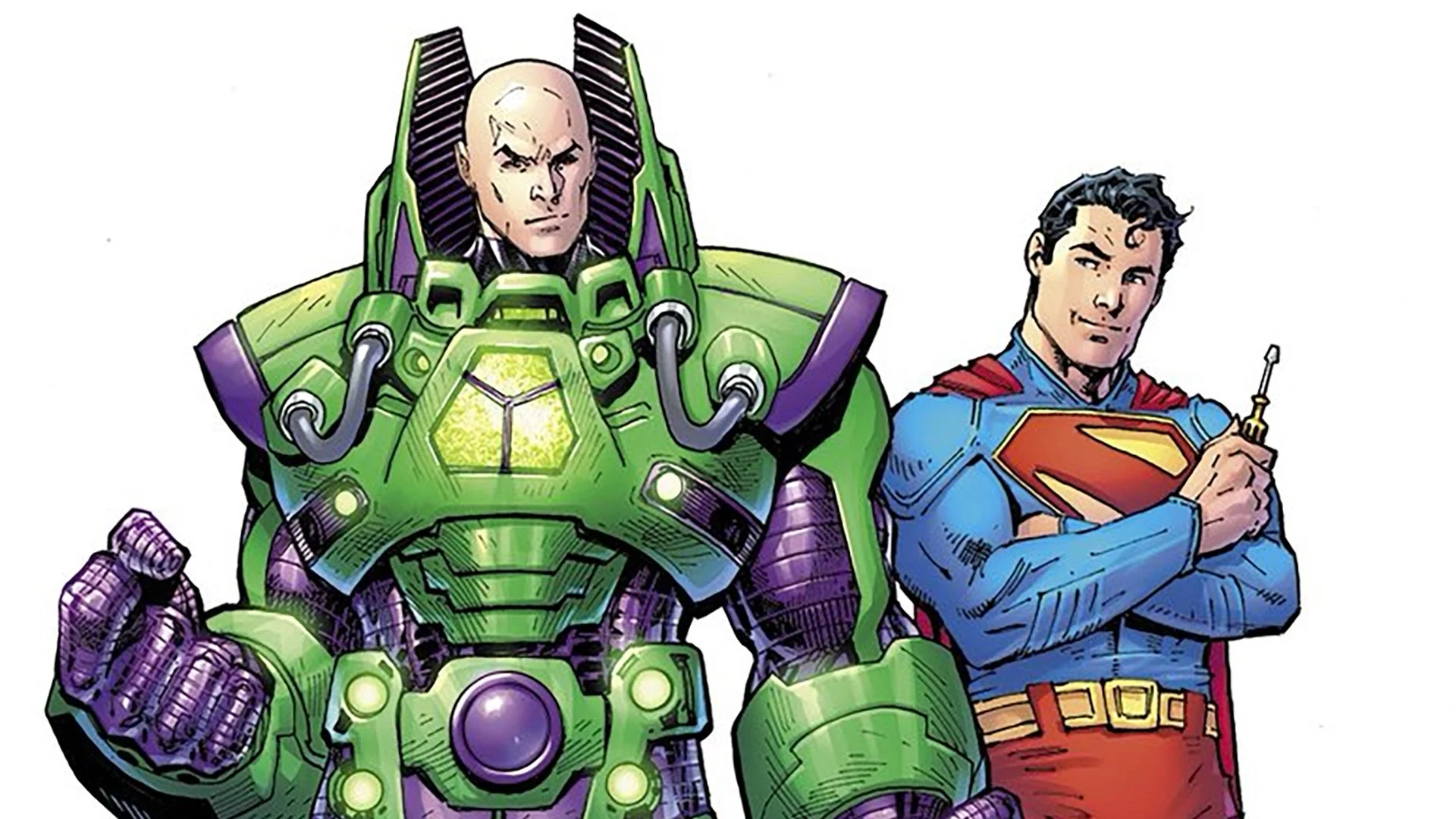
In the blue corner, he is the archenemy of Superman, Lex Luthor. Luthor is a genius with an IQ of over 250, a polymath who has mastered countless scientific disciplines. While he has no inherent powers, his mind is his super-weapon, and his wealth and technology, including his Warsuit, allow him to contend with the most powerful beings on Earth. He is a genius on a multiversal scale, second only to Brainiac 5.  

Tale of the Tape: Black Lightning

In the red corner, he is Jefferson Pierce, a master martial artist and a metahuman with the innate ability to generate and control electricity. He is a highly skilled fighter who has used his powers to overpower Doctor Freeze's beams and clash with a mind-controlled Superman. He has a history of fighting technological opponents, overheating mech suits and restraining Luthor himself in his Warsuit.  

Tech and Tactics

This looks like a fight between a man with technology and a man with the power to counter that technology. Black Lightning’s electrical powers are a direct counter to Lex Luthor’s Warsuit and other creations. However, to assume this is a simple power-for-power battle would be to underestimate Luthor's defining trait: his unparalleled strategic genius. Luthor’s mind is a meta-power that exists on a higher plane than raw physical ability. He is a master tactician who has created contingency plans for every member of the Justice League. The fight would not begin with a head-on assault. Luthor's victory would come from a plan, a strategy, or a specific device designed to neutralize Black Lightning’s powers. He would have a non-conductive suit, a localized energy dampener, or some other piece of technology specifically designed to defeat an electrical manipulator.  


Predicted Winner: Lex Luthor


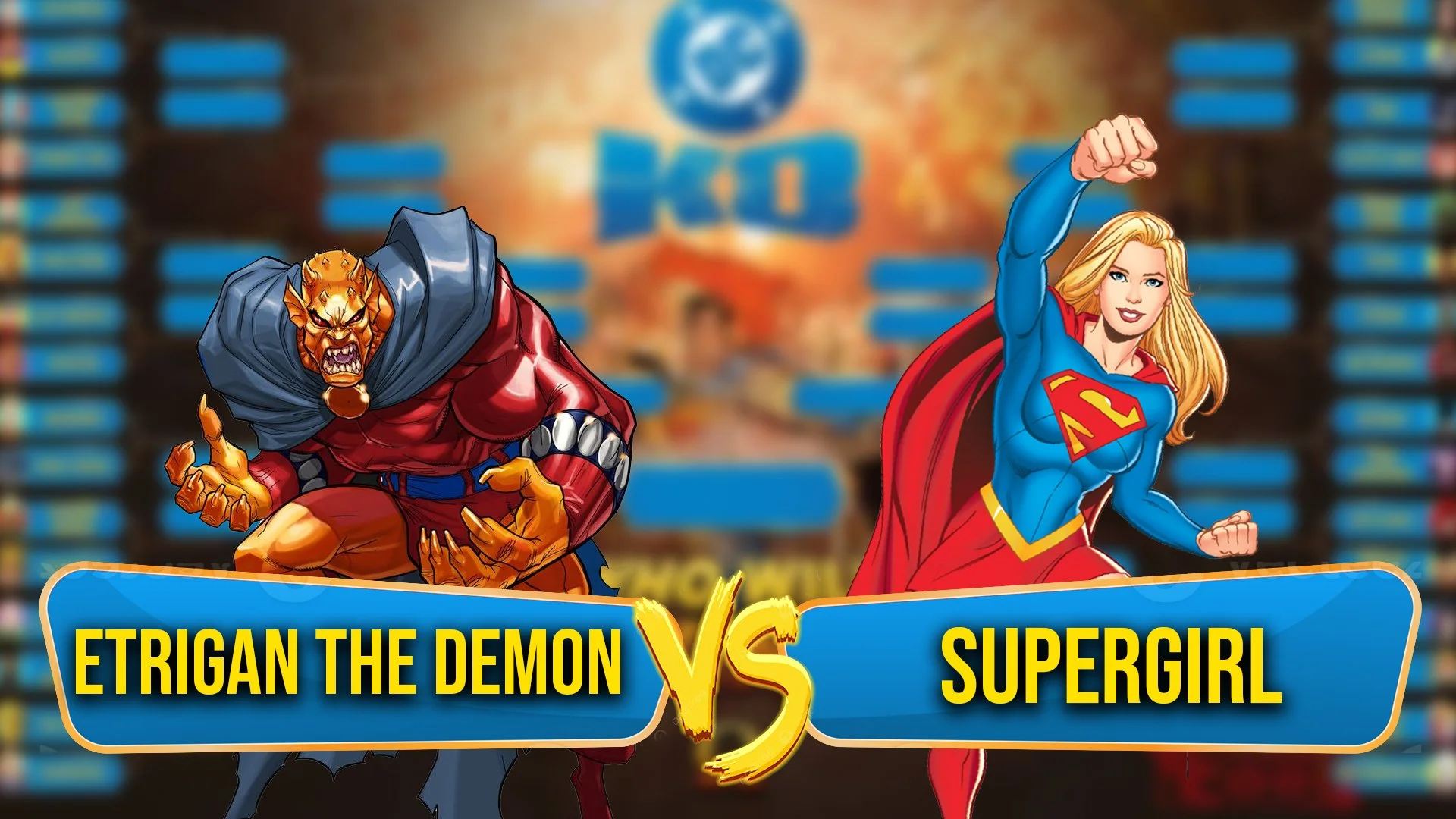
Matchup 8: The Demon vs. Supergirl

Tale of the Tape: The Demon

In the blue corner, he is the son of the demon Belial, the rhyming warrior of Hell, Etrigan the Demon. He is a high-ranking demon with mystically enhanced superhuman strength and durability, a power level that allows him to stand against powerhouses like Superman and Lobo. He is a master of hellfire, which he projects from his mouth, and he possesses an incredible regenerative healing factor. His sadomasochistic nature makes him fearless in a fight, as he enjoys pain.  

Tale of the Tape: Supergirl

In the red corner, she is the Maiden of Might, Kara Zor-El, the cousin of Superman. She is a Kryptonian with powers identical to her cousin's, including superhuman strength, speed, durability, and invulnerability. She has a long history of impressive feats, including punching Superman across the Great Wall of China and drawing blood from Wonder Woman.  

Unholy Hellfire vs. Solar Power

This fight is a brutal test of a classic power-scaling vulnerability. Supergirl is a being of immense solar-powered might, but her primary weakness is magic. Etrigan's powers are mystical and based on Hell itself, making every one of his attacks a direct counter to Supergirl's physical resilience. While Supergirl’s strength would make this a difficult fight for Etrigan, every blow she takes from him is a magical one, which she is far more vulnerable to. Furthermore, Etrigan's sadomasochistic nature gives him a decisive psychological advantage. He is a warrior who actively enjoys taking pain, which means he is not susceptible to the shock or physical punishment that would normally end a fight. He can sustain wounds that would incapacitate almost any other being and continue to fight. Supergirl has the raw power to land a knockout, but her vulnerability to magic and Etrigan’s healing factor and pain tolerance give him a clear advantage. He would simply outlast her until she succumbed to his mystical blows.  


Predicted Winner: The Demon


The Unkillable & Unpredictable Division

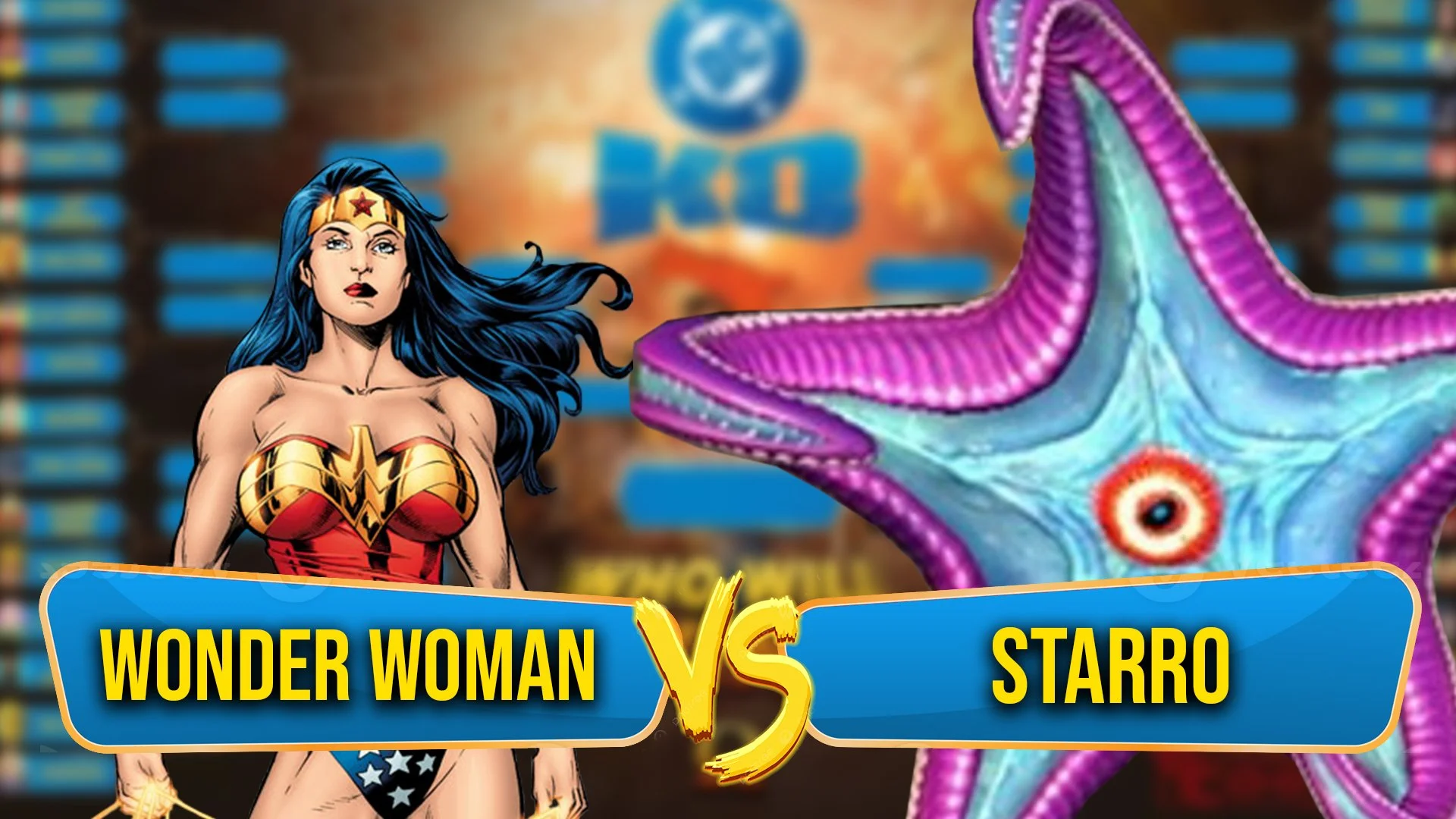
Matchup 9: Wonder Woman vs. Starro/Jarro

Tale of the Tape: Wonder Woman

In the blue corner, she is the Princess of Themyscira, the Amazon demigod Wonder Woman. Diana’s power comes from a blessing of the Greek gods, granting her superhuman strength on par with Superman, incredible durability, and a robust healing factor. She is a master of combat with her Lasso of Truth and her bullet-deflecting Bracelets of Submission. Her greatest weapon is her indomitable willpower, a mental fortitude that few can match.  

Tale of the Tape: Starro/Jarro

In the red corner, it is the Star Conqueror, a parasitic hive mind and alien conqueror. Starro's primary weapon is its ability to attach spores to the faces of humanoids, controlling their minds and bodies and giving it access to their powers and memories. Starro is a master of psychological warfare, and its telepathic abilities are so potent that they have been shown to infiltrate the minds of even Martian Manhunter and Aquaman.  

Willpower Beyond Measure

This is a battle of mind over matter, with the physical fight serving as a side show. Starro's entire strategy revolves around mind control, using its intelligence to force opponents to show restraint. However, Wonder Woman's legendary willpower and mental fortitude are the perfect counter. Her strength is not just physical; it is a mental and spiritual strength that is tied to her unwavering moral compass. The Lasso of Truth can also break mind control and force those in its grasp to reveal their true nature. While Starro's telepathy is superior to Aquaman's, Wonder Woman's mental resistance is a different kind of strength, honed by her Amazonian training. The causal relationship is that Starro's power is psychological manipulation, and Wonder Woman's entire character is built on a will that cannot be broken. She has the physical might to defeat a giant Starro probe, and the mental fortitude to resist its attempts at mind control.  

Predicted Winner: Wonder Woman


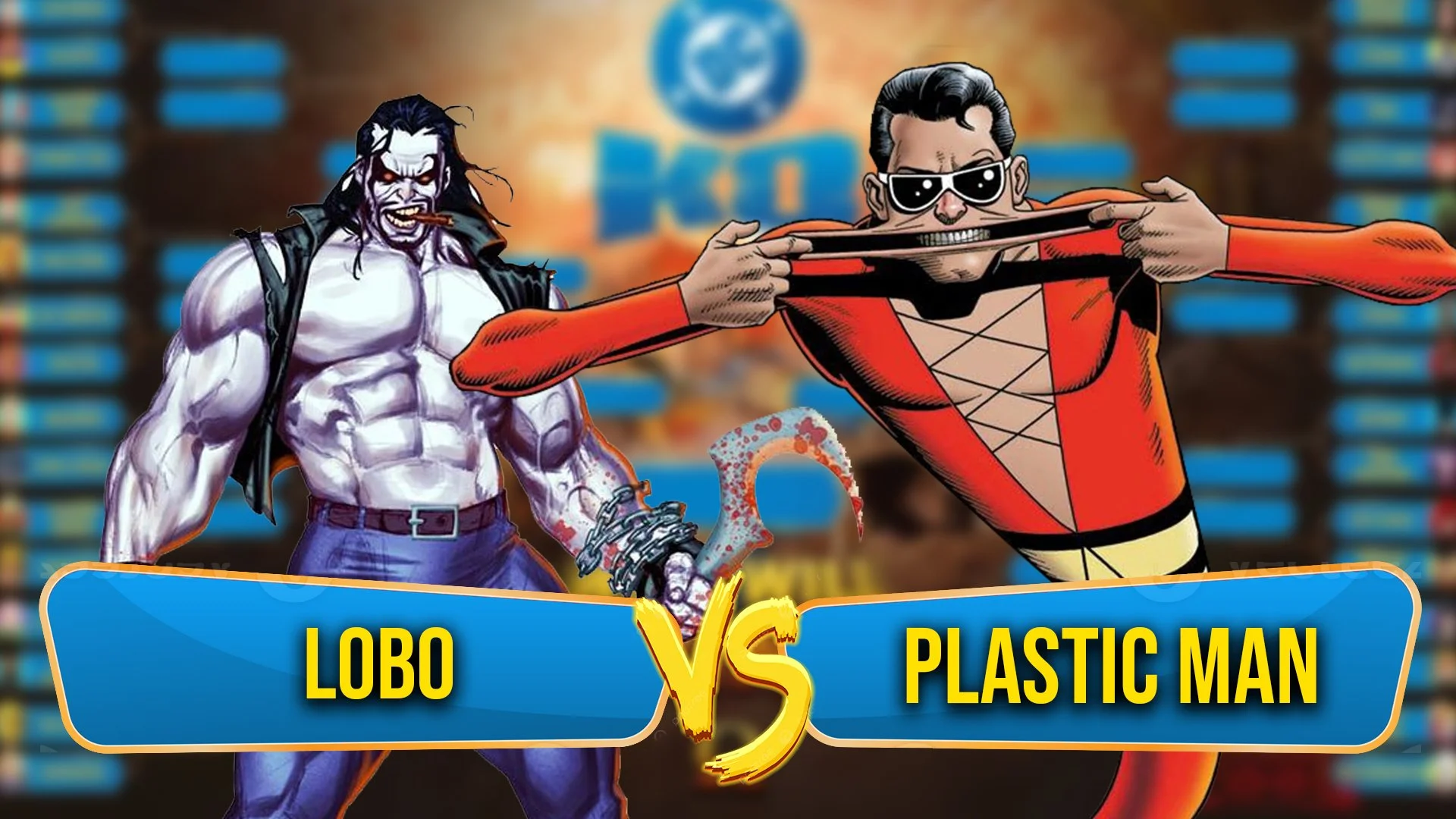
Matchup 10: Lobo vs. Plastic Man


Tale of the Tape: Lobo

In the blue corner, he is the last of the Czarnians, the Main Man, Lobo. Lobo is a cosmic-level powerhouse. His strength is staggering, with feats including crushing a city into a ball and destroying a planet by simply punching a guy. He possesses an absurd regenerative healing factor, able to regenerate from a single drop of blood or a pile of ash. He is a genius-level intellect who has used "math to hook the Flash," proving his mind is as deadly as his fists.  

Tale of the Tape: Plastic Man

In the red corner, he is the master of matter, the immortal, and virtually invulnerable Eel O'Brian, Plastic Man. His body is a fluid state of matter, allowing him to stretch, bounce, and mold himself into any shape. He is impervious to conventional attacks like bullets, fire, and blunt force. His most incredible feat is surviving for 3,000 years after being frozen and shattered into thousands of pieces and scattered across the ocean floor. He is also immune to telepathic attacks.

Who Folds First?

This is a battle of two seemingly unkillable forces. Lobo’s strength is on a cosmic scale, capable of annihilating planets with a punch. Plastic Man’s invulnerability is based on his ability to manipulate his molecular structure, making him impervious to physical harm. The key to victory lies not in brute force, but in a specific weakness. Lobo is not a mindless brawler; he is a genius. The research shows that Plastic Man's weakness is a sudden change in temperature, which can incapacitate him by turning him into a solid. Batman has a specific plan for Plastic Man: freeze him with liquid nitrogen and scatter him across the globe. Lobo, with his intellect, would likely deduce this weakness. While he cannot kill Plastic Man, he can defeat him by incapacitating him indefinitely.  

Predicted Winner: Lobo


The Wildcard Division

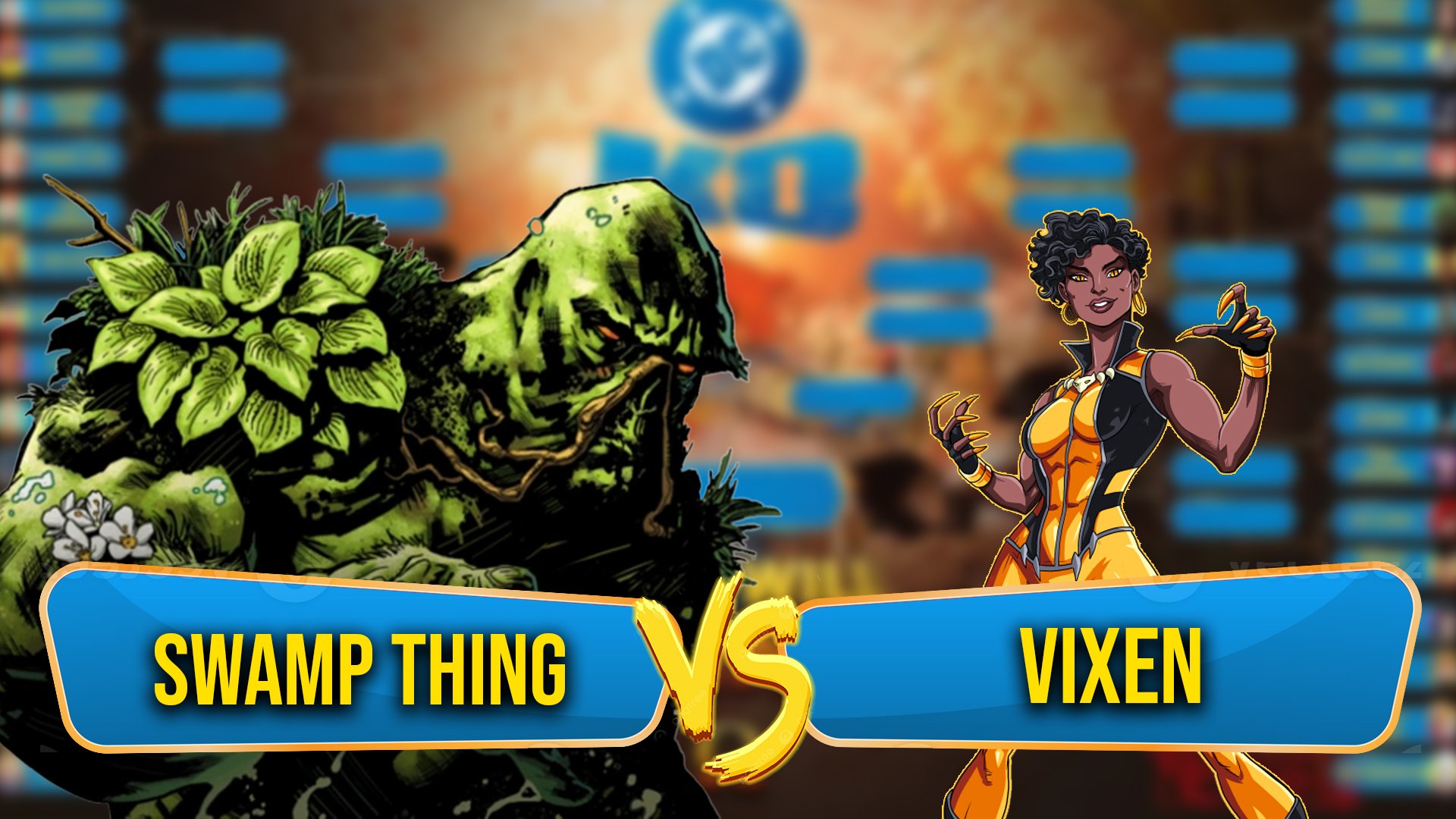
Matchup 11: Swamp Thing vs. Vixen

Tale of the Tape: Swamp Thing

In the blue corner, he is the Elemental of the Green, a living manifestation of all plant life in the universe, Swamp Thing. His power is metaphysical, granting him superhuman strength that is "nearly incalculable" and the ability to regenerate a new body anywhere there is plant life. He can control all vegetative matter, from a forest to the microscopic flora inside his enemies' bodies. His most devastating feats include overpowering Superman and defeating the Justice League.  

Tale of the Tape: Vixen

In the red corner, she is Mari McCabe, the champion of the animal kingdom who wields the Tantu Totem to channel the "Red" and mimic the abilities of any animal. She can have the strength of a bull, the ferocity of a tiger, or the flight of a hawk. She is a formidable hero and a skilled fighter.  

A Clash of Nature's Champions

This is a battle of two avatars of nature, but the scale of their powers is fundamentally different. Vixen’s power is a subset of the natural world, limited to the attributes of the animal kingdom. Swamp Thing’s power is the very essence of the natural world itself, as he is the avatar of all plant life in the cosmos. This is a casual relationship of overwhelming scale. Vixen is powerless against a being who can control her environment and even the biology within her body. Swamp Thing could simply overwhelm her by causing the flora in her vicinity to grow and entangle her, or he could use his most terrifying power and cause the microscopic flora in her body to grow and kill her from the inside. She has no counter to an attack of this nature. The fight would be over in a matter of moments.  

Predicted Winner: Swamp Thing


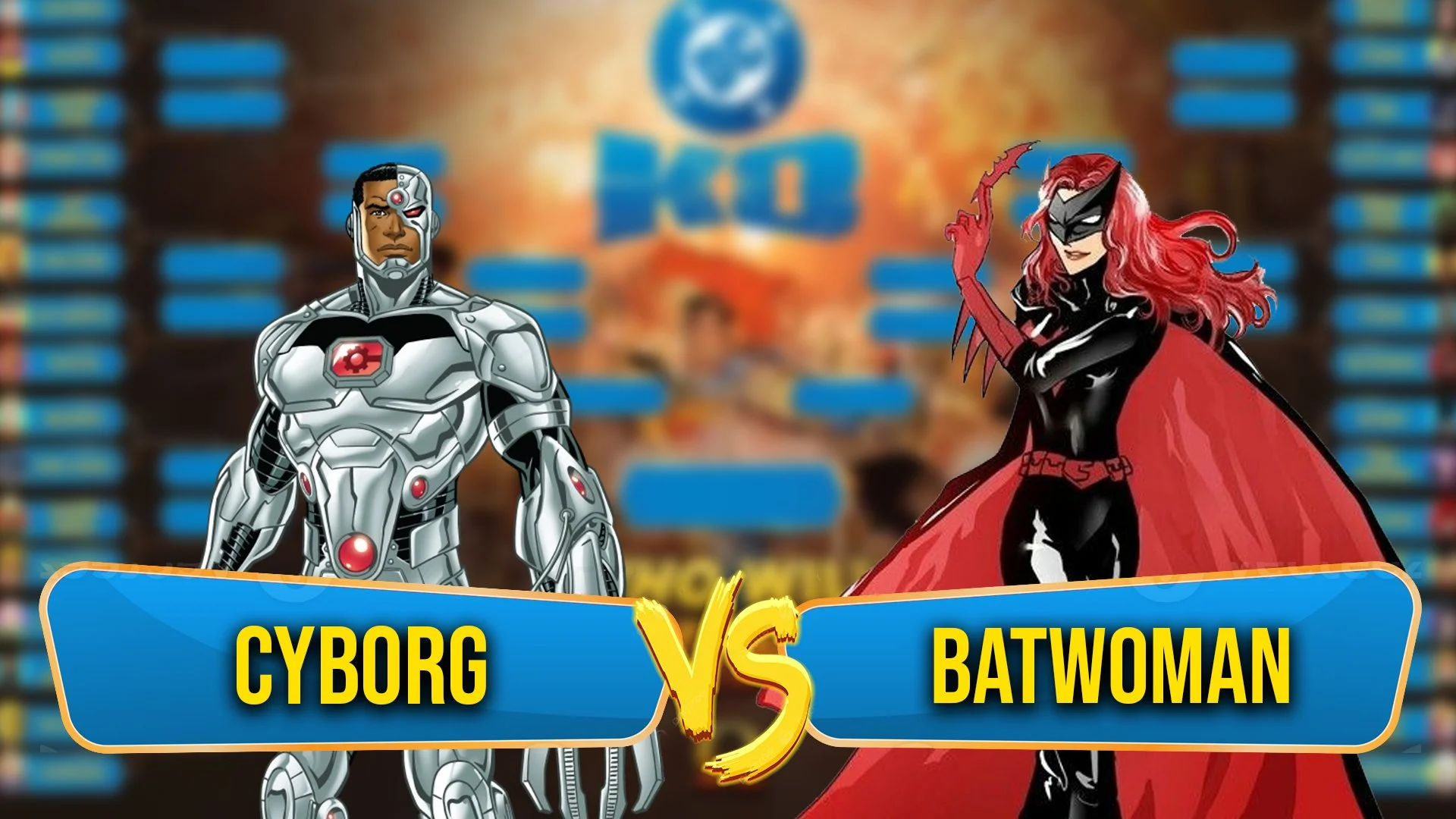
Matchup 12: Cyborg vs. Batwoman

Tale of the Tape: Cyborg

In the blue corner, he is the cybernetic powerhouse, Victor Stone, Cyborg. His body is fused with advanced technology from a Mother Box, granting him superhuman strength, durability, and a vast arsenal of weapons and systems. His sonic cannons have been shown to damage Red Tornado and one-shot a clone of Superboy. He has the ability to interface with computers and can hack into alien technology with ease.  

Tale of the Tape: Batwoman

In the red corner, she is the master martial artist and tactician, Kate Kane, Batwoman. She possesses no superhuman abilities and relies on her peak human conditioning, extensive firearms training, and a high-tech arsenal of non-lethal weapons. She is an expert martial artist whose skills have been honed by her time at West Point.  

Human Will vs. Machine

This is a battle of human skill versus technological superiority. While Batwoman is a formidable human fighter, she is up against an opponent with superhuman strength, speed, and durability. Her punches and kicks, no matter how precise, would be like hitting a brick wall. Her best hope would be a gadget that could exploit a weakness, but the research does not suggest she has anything in her arsenal that could neutralize Cyborg’s advanced technology and physical superiority. A sonic blast from his cannon, which has been shown to one-shot a Superboy clone, would end the fight in a matter of seconds. There is no plausible scenario in which a non-superhuman combatant can defeat a character with Cyborg's power level.  

Predicted Winner: Cyborg


The Gotham Division

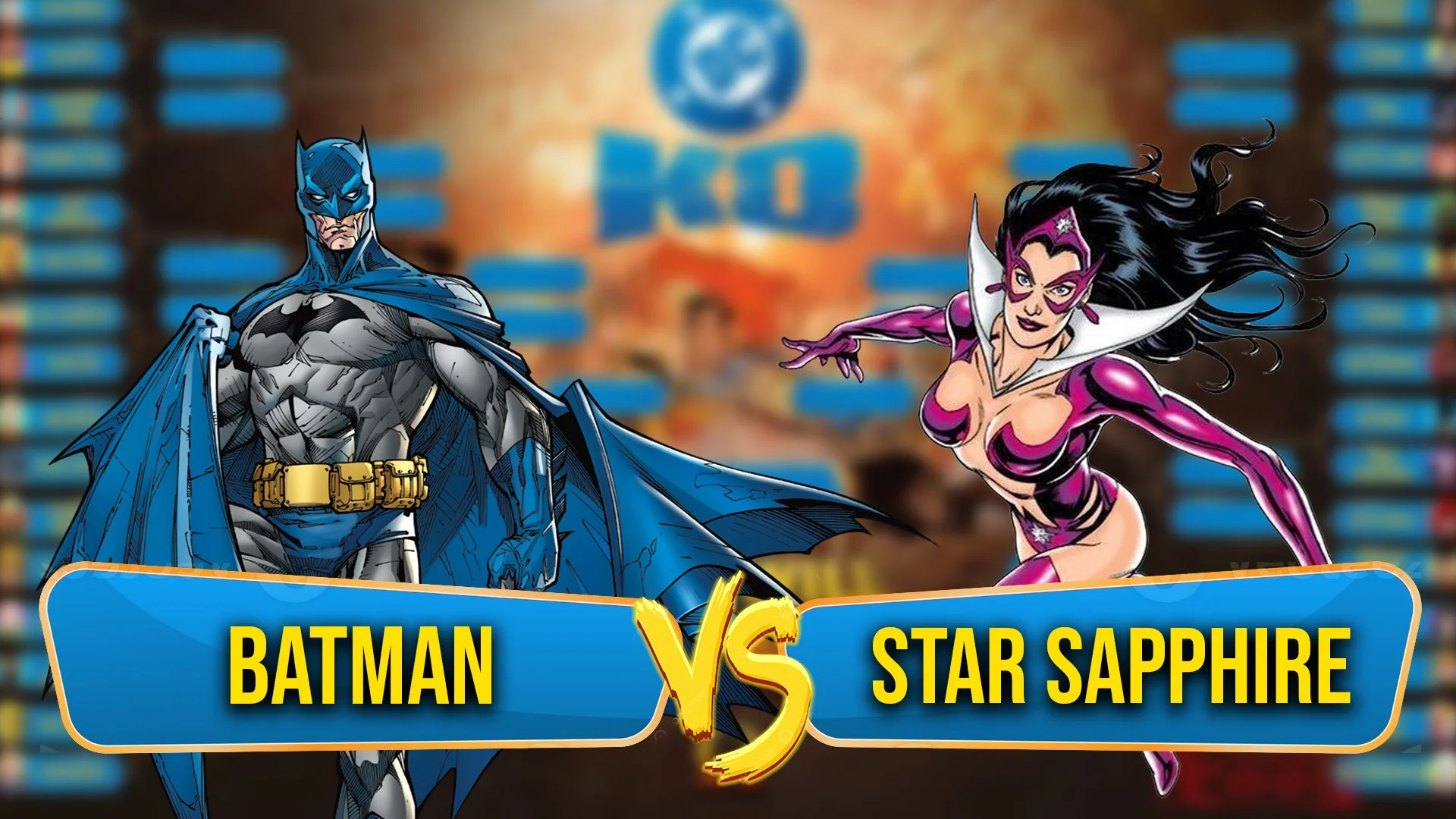
Matchup 13: Batman vs. Star Sapphire

Tale of the Tape: Batman

In the blue corner, he is the Dark Knight Detective, Batman. Bruce Wayne has no inherent powers but relies on his genius-level intellect, his mastery of 127 forms of martial arts, and his unparalleled strategic mind. He has a plan for everything and everyone, and has a specific contingency plan for every member of the Justice League. He is a master of psychological warfare and has a legendary mental fortitude that resists mind control.  

Tale of the Tape: Star Sapphire

In the red corner, she is Carol Ferris, who wields a violet power ring fueled by love, which grants her flight, force field generation, and constructs. Her power level is rated as equal to Green Lantern Guy Gardner. Her ring can also manipulate minds and has the ability to detect when a love is in jeopardy.  

Fear, Love, and a Dark Contingency

This is a battle of psychological manipulation. Star Sapphire’s ring is a weapon of the emotional spectrum, fueled by love, which can be volatile and unpredictable. A Green Lantern’s greatest weakness is fear. Batman is a potential Yellow Lantern, as his greatest weapon is inspiring fear in his enemies. He has a specific contingency plan for Green Lanterns, a post-hypnotic suggestion that makes them believe they are blind, forcing their ring to make that belief a reality. While Carol’s ring is fueled by love, the “emotional spectrum” is a core concept that links all Lanterns, and Batman would exploit the emotional nature of the ring's power. He is a master of psychological warfare and has a legendary mental fortitude that would be impervious to any mental manipulation from her ring. He would use a tactic, a word, or a psychological manipulation to exploit her emotional state and the ring’s vulnerabilities. He would not rely on a direct physical confrontation, but on his mind, which is his true super-weapon.  

Predicted Winner: Batman


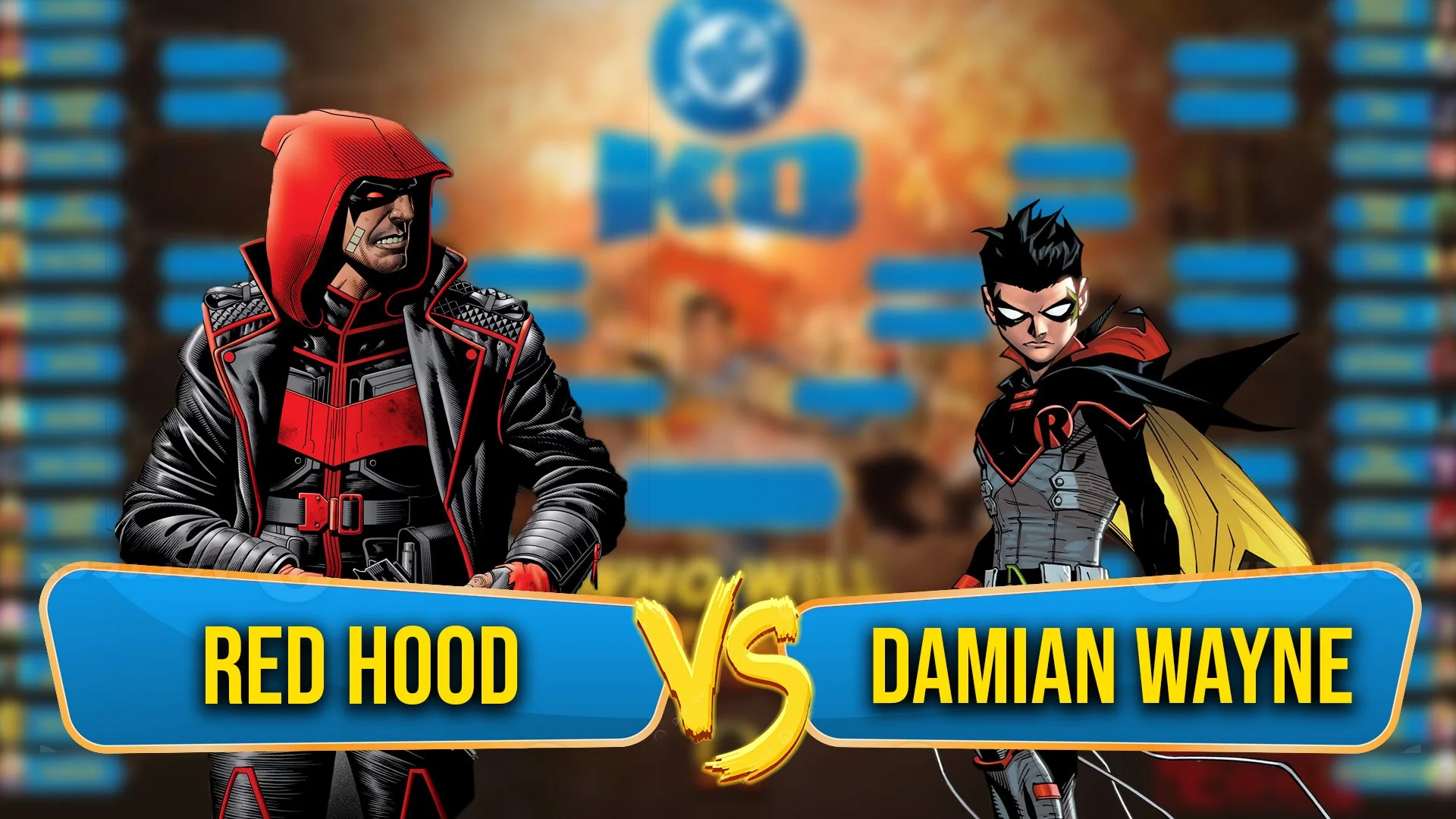
Matchup 14: Red Hood vs. Damian Wayne

Tale of the Tape: Red Hood

In the blue corner, he is the former Robin who came back from the dead, Jason Todd, the Red Hood. He is a master martial artist and a genius tactician, but his powers go beyond a simple peak human. He has magical training from the "All Caste," which gives him "superhuman feats," the ability to fight on the astral plane, and the power to predict the future. His arsenal includes guns, knives, and a pair of magical flaming swords known as the All Blades. He is a brutal and unpredictable fighter who is not afraid to use lethal force.  

Tale of the Tape: Damian Wayne

In the red corner, he is the biological son of Batman, the most recent Robin, Damian Wayne. He was genetically perfected and trained by the League of Assassins from birth to be the perfect warrior, learning 1,000 ways to kill a man. He is a prodigious talent, a master swordsman and a formidable detective. He has impressive durability for a child, having been thrown through a wall by Deathstroke and getting back up to fight.  

A Family Feud

This is a fight between two of Batman's proteges. While Damian is a prodigy with incredible potential, he is still a child, and his small, fragile body is a tactical weakness. Red Hood has already defeated him once, albeit with psychological tactics and a refusal from Damian to fight back. The primary difference is one of experience and arsenal. Red Hood’s "All Caste" training elevates him beyond a simple peak human and gives him the ability to predict the future. Jason Todd’s unpredictable fighting style and willingness to use lethal force would give him a definitive edge against Damian's more conventional, non-lethal approach. In a straight-up fight, Red Hood’s superior physical strength, his mastery of guns, and his magical swords would simply overwhelm a 13-year-old child, no matter how skilled.  

Predicted Winner: Red Hood


The Magic & Might Division

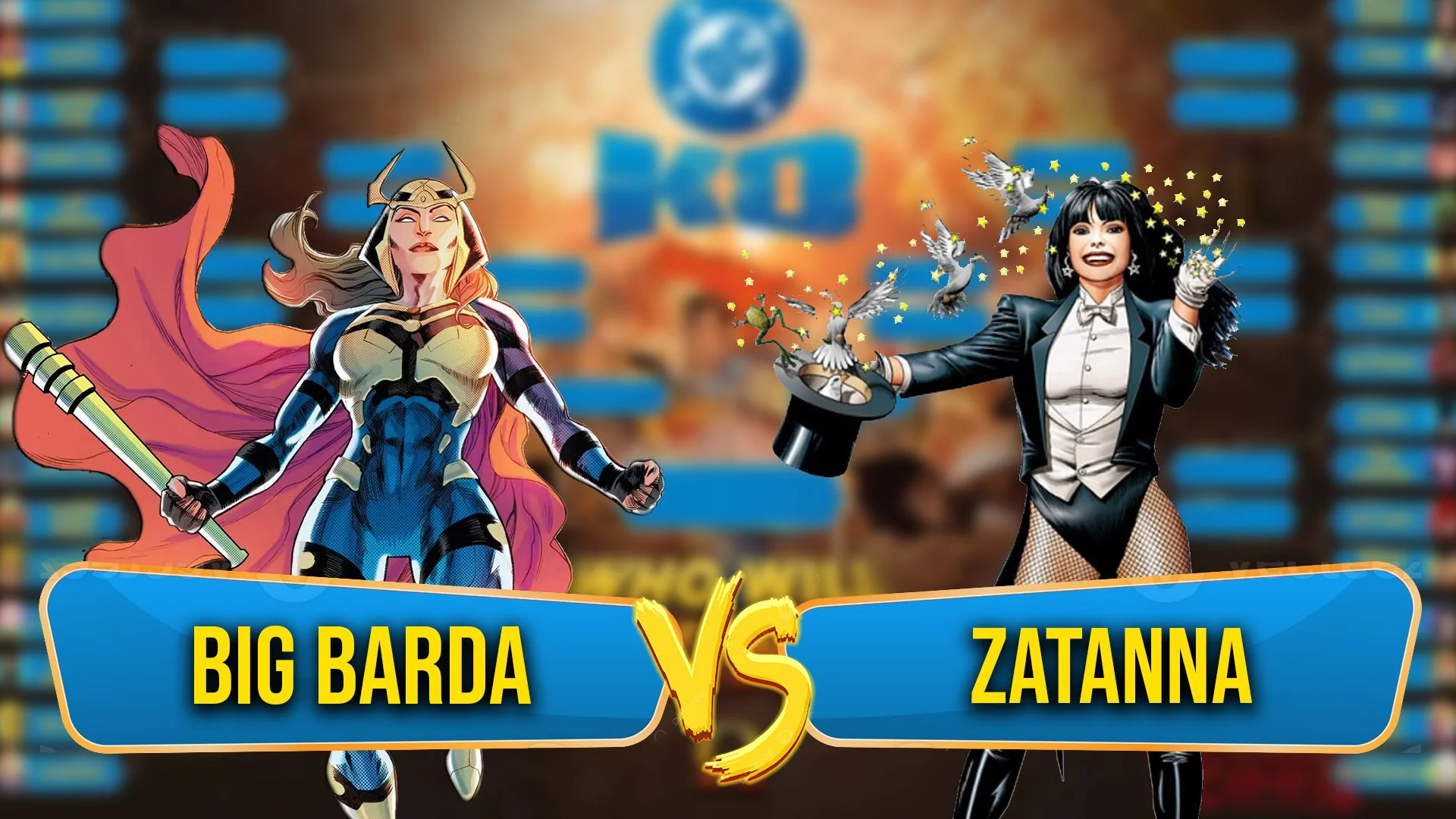
Matchup 15: Zatanna vs. Big Barda

Tale of the Tape: Zatanna

In the blue corner, she is the Sorceress Supreme, a Homo Magi, and one of the most powerful magic users in the DC Universe, Zatanna. Her power is the manipulation of reality itself, which she commands by speaking backwards. Her feats are legendary: she has depowered the fifth-dimensional imp Mxyzptlk, healed grievous injuries instantly, and warped reality itself. She can turn a person into a dove or a chair into a prison, proving that physical strength is irrelevant to her power.  

Tale of the Tape: Big Barda

In the red corner, she is a New God warrior from Apokolips, a master brawler with strength and durability on par with Wonder Woman. Barda’s physiology grants her immense superhuman strength, speed, and invulnerability. Her weapon, the Mega-Rod, is a high-tech artifact that can "level mountains," fire concussive bolts, and teleport herself and others great distances.  

Reality's Rule

This is a classic battle of brawn versus magic. Big Barda's power is physical, albeit immense. Her strength and her "mountain-leveling" Mega-Rod are rendered useless against an opponent who can change the fundamental laws of physics with a spoken word. Zatanna's power operates on a level that Big Barda cannot comprehend or defend against. There is no physical defense against a spell that can turn a person into a dove or a chair into a prison. Big Barda is a physical force, but Zatanna is an elemental one. She could defeat Barda in a number of ways without ever needing to touch her. The causal relationship is one of overwhelming power: the absolute power of magic negates even the most formidable physical might. Zatanna wins, easily.  

Predicted Winner: Zatanna


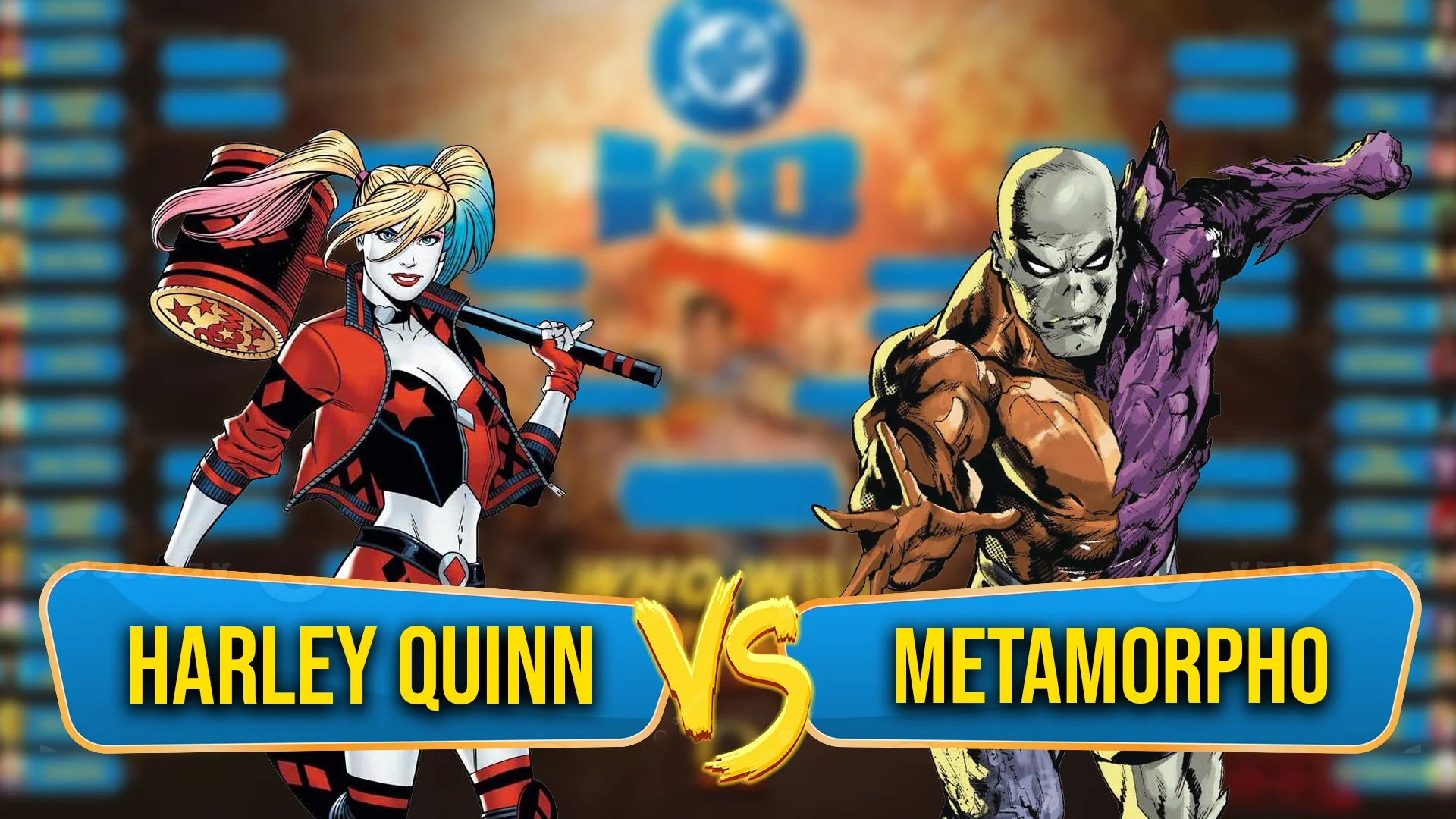
Matchup 16: Harley Quinn vs. Metamorpho

Tale of the Tape: Harley Quinn

In the blue corner, she is the Queen of Chaos, a former psychiatrist who has been enhanced with superhuman strength, agility, and durability. Her greatest weapon is her complete unpredictability and her arsenal of gag weaponry, most notably her oversized mallet. She is a formidable fighter who has outclassed Batman and Joker in terms of strength, and she has complete immunity to most toxins. She is a wild card, and her chaotic nature is a powerful weapon in a fight.  

Tale of the Tape: Metamorpho

In the red corner, he is the Elemental Man, Rex Mason, a man who was exposed to a radioactive meteorite, giving him the ability to transmute his body into any element, liquid, or gas. He is "virtually invulnerable" and resistant to fire, electricity, and radiation. His shapeshifting allows him to change his body into any form or shape he wants, and he has a genius-level knowledge of chemistry that allows him to instinctively understand what elements to use for any given scenario.  

The Unpredictable Force

Harley Quinn’s greatest strength is her ability to use her unpredictability to defeat a conventional opponent. However, Metamorpho is not a conventional opponent. His ability to transmute his body into a gas or a liquid makes him impossible to hit with a physical attack. He is an elemental force, and a sledgehammer, no matter how big, cannot defeat a cloud of gas or a puddle of acid. The causal relationship here is a simple one of an absolute counter. Metamorpho’s power set is a direct and absolute counter to everything Harley Quinn has in her arsenal. The fight would be a one-sided defeat, with Metamorpho’s superior power and tactical versatility winning the day.  

Predicted Winner: Metamorpho


The Winners' Circle

The first round of the DC KO Tournament has delivered. We have analyzed the matchups and have a clear picture of who would emerge victorious. We have our sixteen possible winners, but the tournament is just beginning! The next round will see these victors face off in even more devastating matchups. Who will emerge as the last hero or villain standing? Stay tuned for our next report!

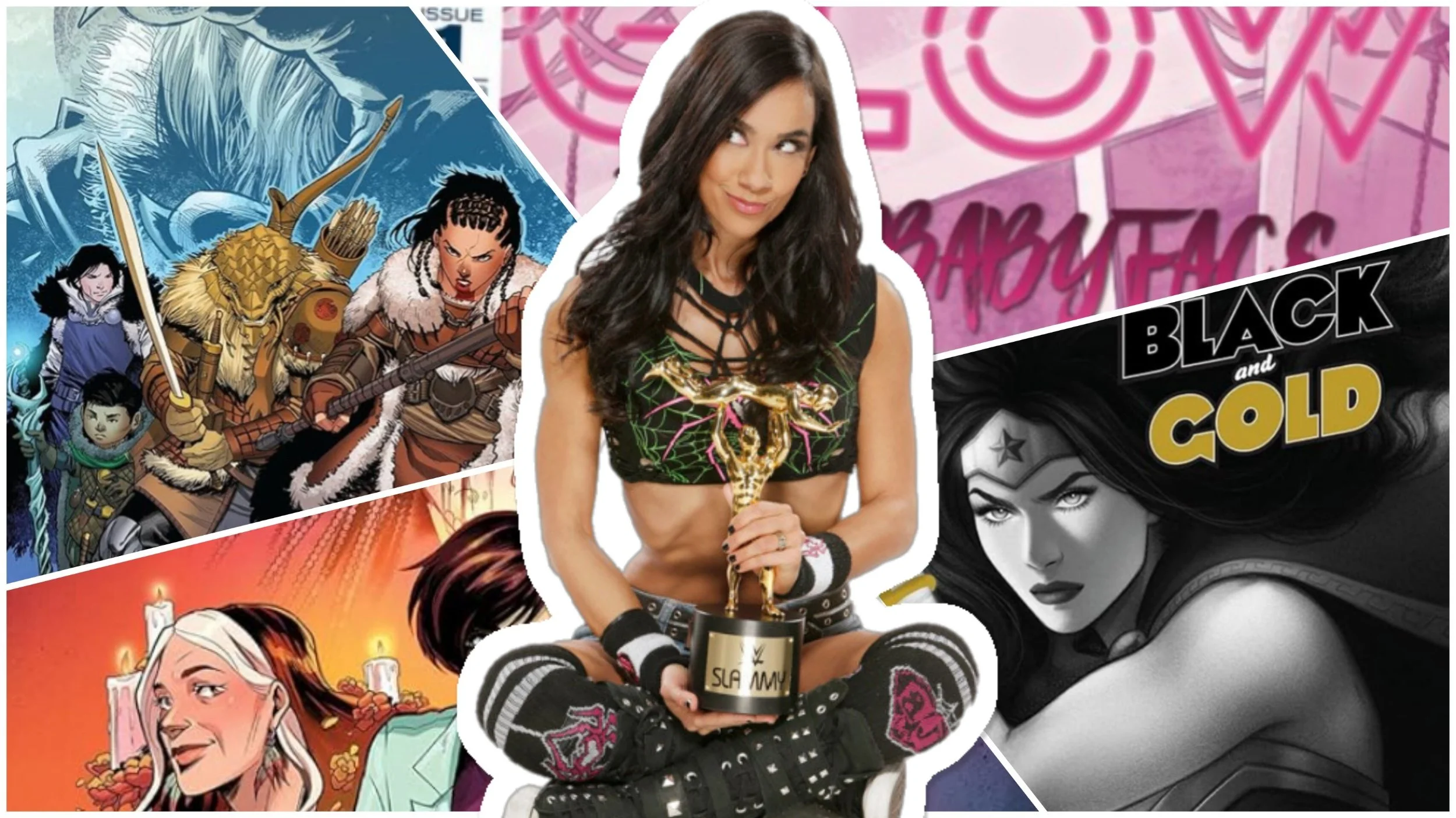
Write It Up! The Hidden Comic Book Career of AJ Mendez

George SerranoComment

By now, you have likely heard the exciting news that AJ Mendez, the former WWE Superstar known as AJ Lee, is making a celebrated return to the public eye. While her in-ring legacy is what first captured the hearts of millions, her time away from the wrestling world was far from a break. Instead, she quietly dedicated herself to becoming a prolific author and an accomplished comic book writer, crafting intricate worlds and compelling narratives that showcase her versatility as a creative force. For many fans who believed her creative work began and ended with her best-selling memoir, Crazy Is My Superpower, her extensive resume in the comic book industry might come as a delightful and a surprising discovery.

Here is a look at five of the incredible comic book projects that AJ Mendez has played a pivotal role in creating.


Wonder Woman: Mother's Daughter

In 2021, to celebrate the iconic hero's 80th anniversary, DC Comics released the anthology series Wonder Woman: Black & Gold. This prestigious collection featured a roster of top-tier writers and artists, and AJ Mendez was a standout contributor. In the series' first issue, she co-wrote the captivating story "Mother's Daughter" with artist Ming Doyle. The short tale delved into a a nuanced and emotional family reunion on the mystical island of Themyscira, proving Mendez’s ability to craft a powerful narrative within the established lore of one of the world's most famous superheroes.


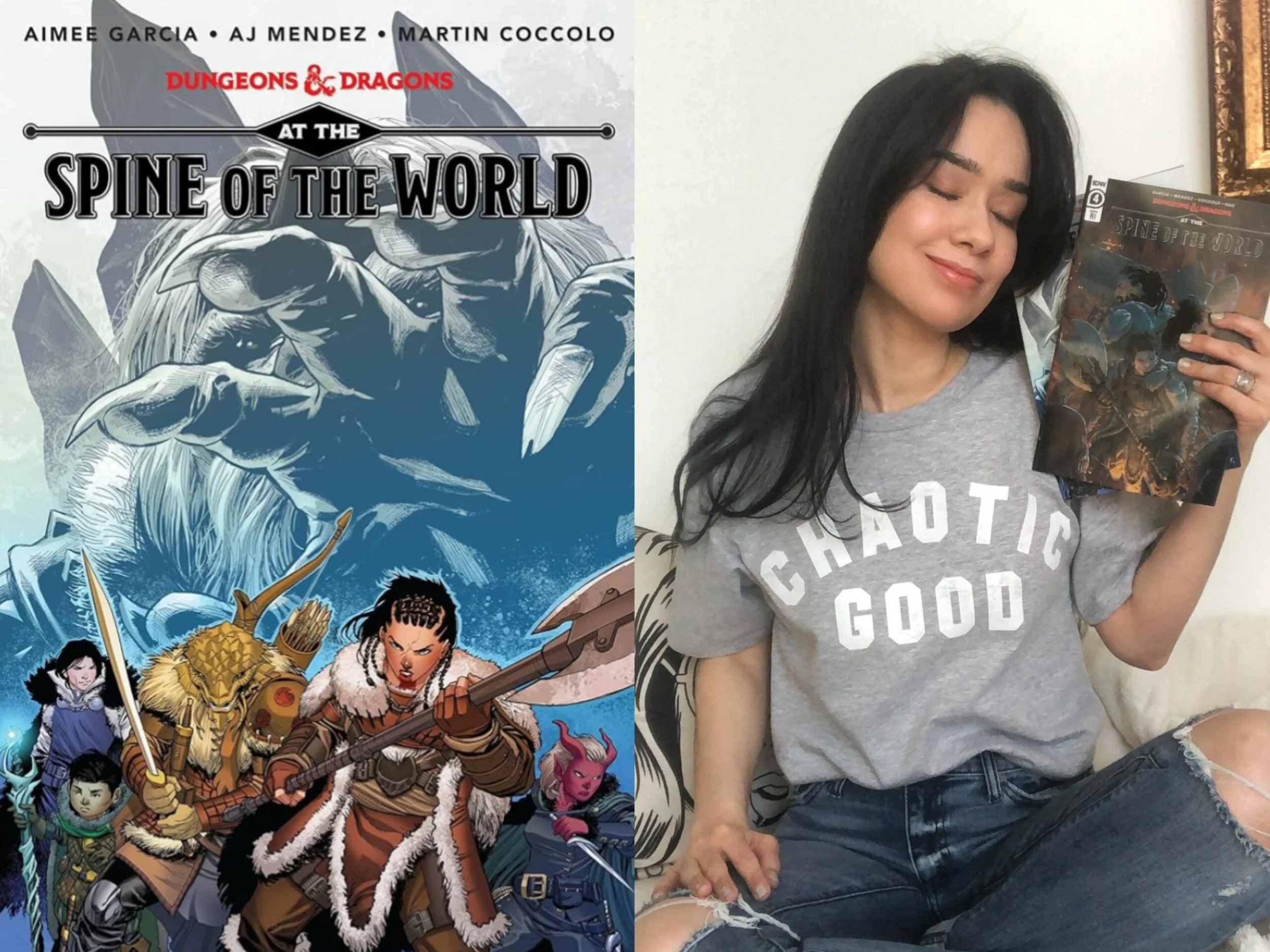
Dungeons & Dragons: At the Spine of the World

As a lifelong pop culture enthusiast and a fan of gaming, it was no surprise when Mendez lent her talents to the world of Dungeons & Dragons. In 2020, she co-wrote this four-issue series with her friend and frequent collaborator, actress Aimee Garcia. The comic unfolds in the chilling and dangerous setting of the popular Icewind Dale campaign, introducing a new party of adventurers. The story explores classic D&D themes of camaraderie, survival, and facing off against ancient evils, all brought to life through her compelling writing.


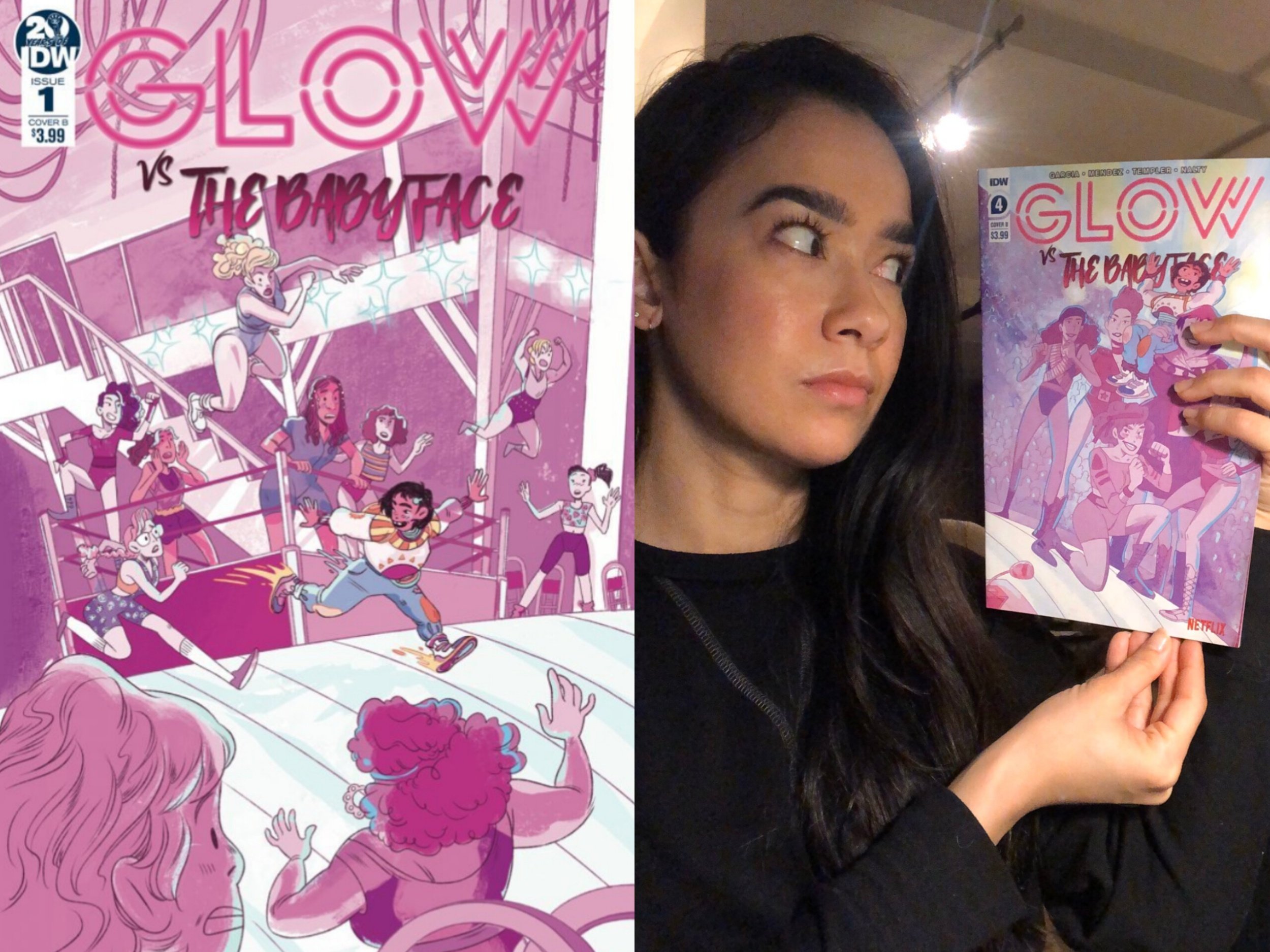
GLOW vs. The Babyface

​In a project that was a dream come true for fans of the iconic Netflix series, AJ Mendez co-wrote the four-issue series GLOW vs. The Babyface with her frequent collaborator Aimee Garcia. This comic book adventure showcases her deep understanding of the wrestling world and her flair for storytelling. The narrative follows the Gorgeous Ladies of Wrestling as they face off against a new, formidable opponent, bringing the show's signature humor, drama, and in-ring action to the pages of a comic book.


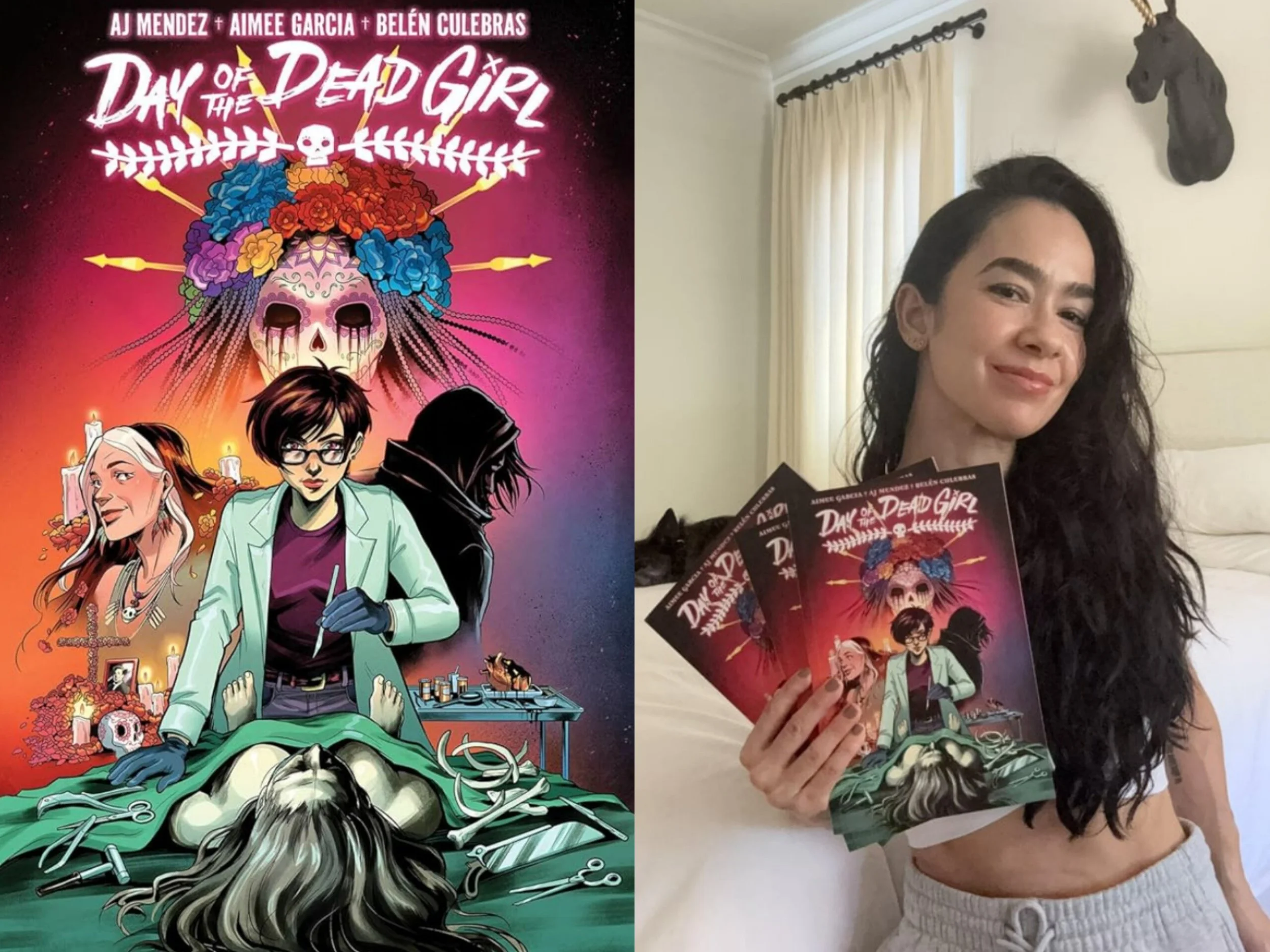
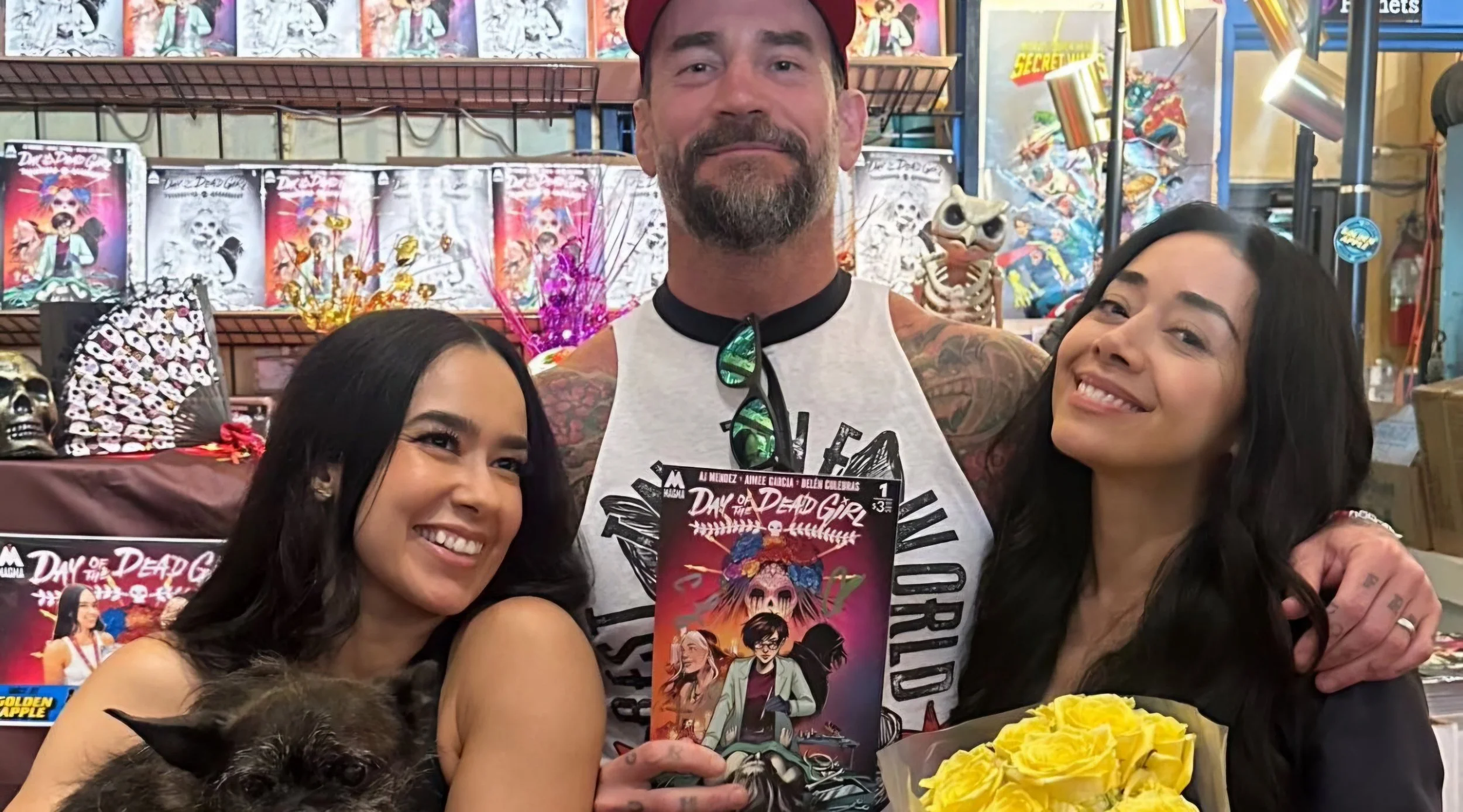
Day of the Dead Girl

Continuing her successful partnership with Aimee Garcia, AJ Mendez co-created another project that explores the supernatural in a contemporary setting. Day of the Dead Girl, released by Magma Comix, is a gripping tale that follows a skeptical coroner who must rely on her spiritual mother's unique abilities to put a stop to a supernatural killer terrorizing their hometown. The project showcases Mendez’s ability to weave elements of crime, the occult, and family dynamics into a single, cohesive story that keeps readers on the edge of their seats.


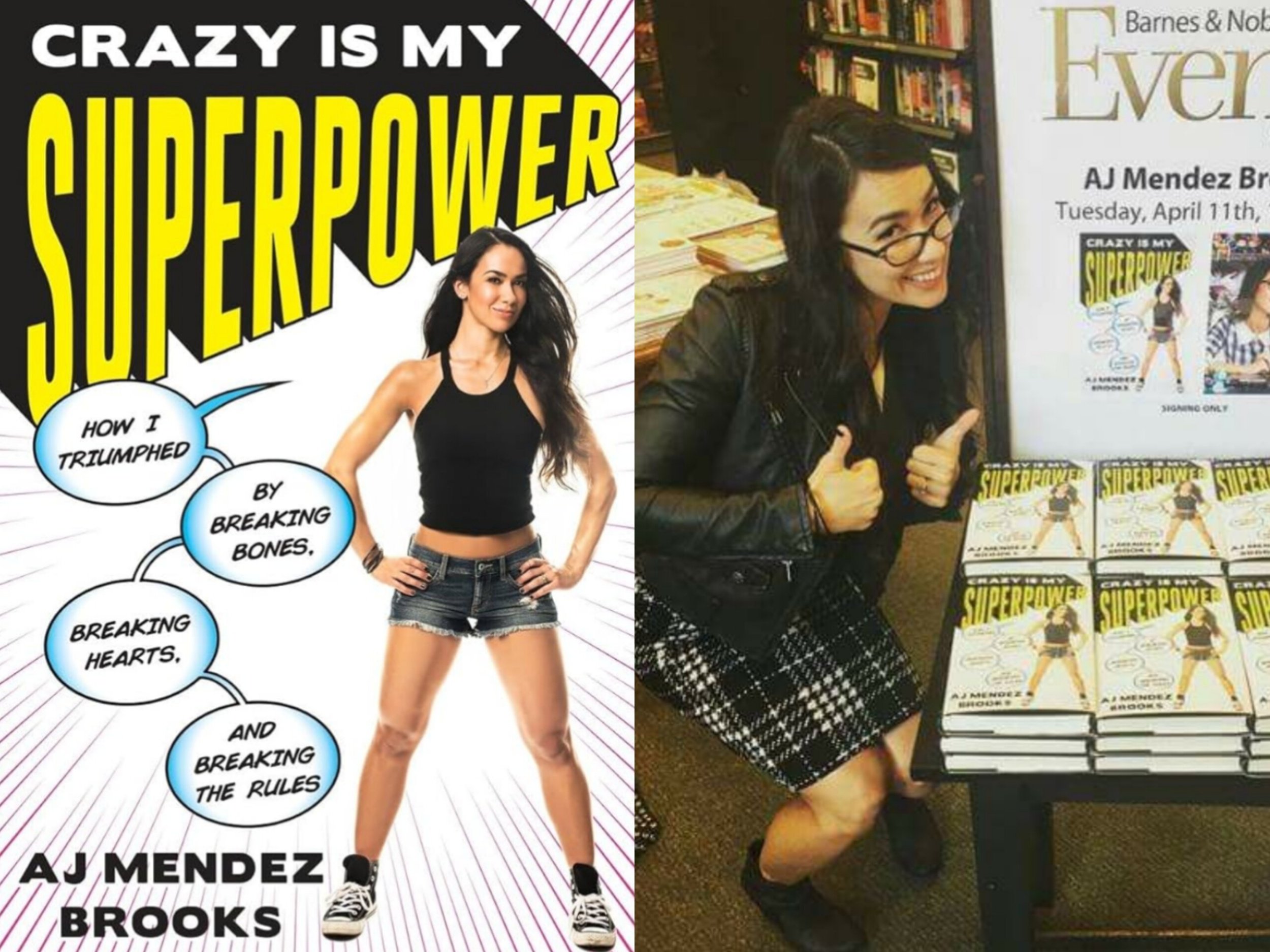
Crazy Is My Superpower

While not a comic book, this autobiography is essential to understanding Aj Mendez's creative journey. Published in 2017, her memoir, Crazy Is My Superpower: How I Triumphed by Breaking Bones, Breaking Hearts, and Breaking the Rules, became a New York Times bestseller. In this deeply personal and unflinching autobiography, Mendez chronicled her chaotic childhood and her long road to self-acceptance.

She famously explored her battles with mental illness and the very real struggles she faced, reframing them not as weaknesses but as a source of her strength and unique perspective. The book's core narrative is the powerful message that what others might call "crazy," she learned to embrace and use as her superpower. It is the creative and thematic foundation for much of her later work, including her collaborations in the comic book world.


AJ Mendez’s creative endeavors outside of wrestling prove that her talents are boundless. As fans eagerly await her next move, these comic book projects serve as a reminder of her dedication to the craft of storytelling. Her ability to transition from the squared circle to the writer's room with such success makes her an inspirational figure for fans in both industries.

Are you excited about AJ's return to the WWE? Let us know in the comics below!

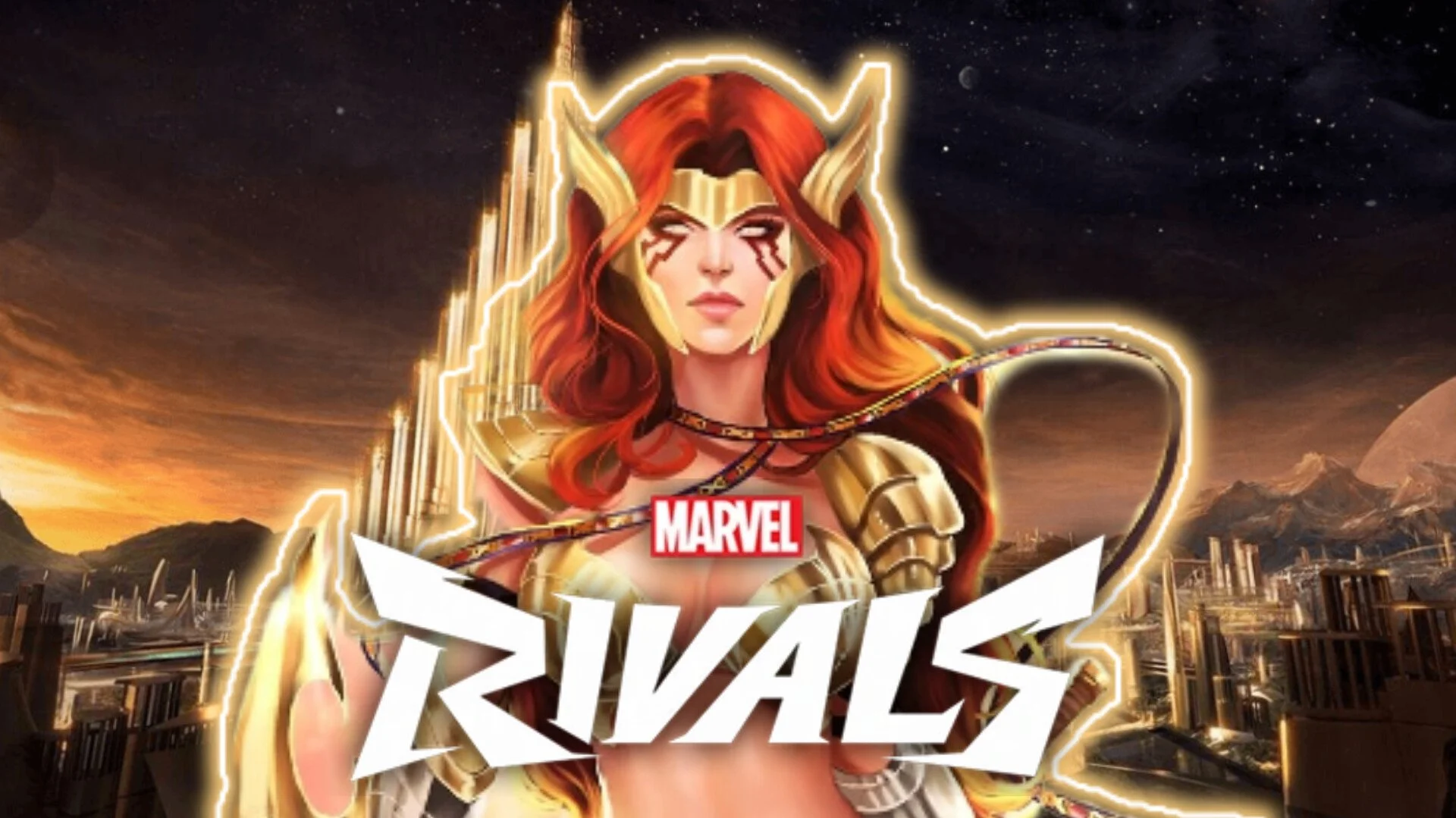
​Who Is The Angel of Asgard? Angela's Arrival in Marvel Rivals

ComicBook CliqueComment

Get ready, Marvel Rivals fans, because a new powerhouse is joining the fray: Angela! This formidable warrior, with her angelic origins and a complicated past, is about to bring a whole new level of cosmic action to the game. If you're not familiar with Angela, you're in for a treat. She's got a fascinating history that spans universes and legal battles, making her one of Marvel's most unique characters.


From Image to Marvel: A Tale of Two Creators

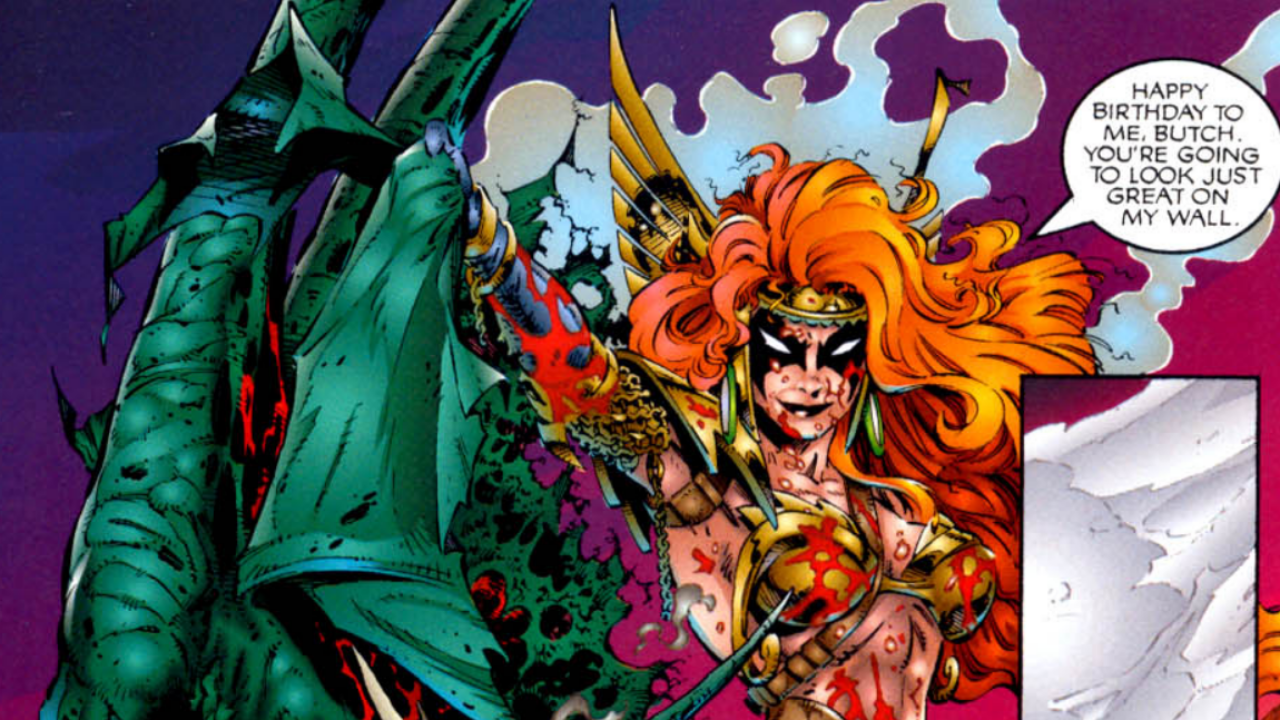
Angela's journey to the Marvel Universe is almost as epic as her in-story adventures. She didn't actually start as a Marvel character. Instead, she debuted in the pages of Image Comics in 1993, as part of Todd McFarlane's Spawn series. Created by Neil Gaiman and Todd McFarlane, Angela was a formidable bounty hunter from Heaven, tasked with hunting down rogue Hellspawns.

However, a major legal dispute arose between Gaiman and McFarlane over the ownership of characters Gaiman created for Spawn, including Angela. Gaiman eventually won the lawsuit, giving him full ownership of Angela and several other characters. This legal victory paved the way for Angela's eventual leap to Marvel. In 2013, Marvel Comics announced that they had acquired the rights to Angela from Gaiman, integrating her into their vast universe. Talk about a multiversal transfer!


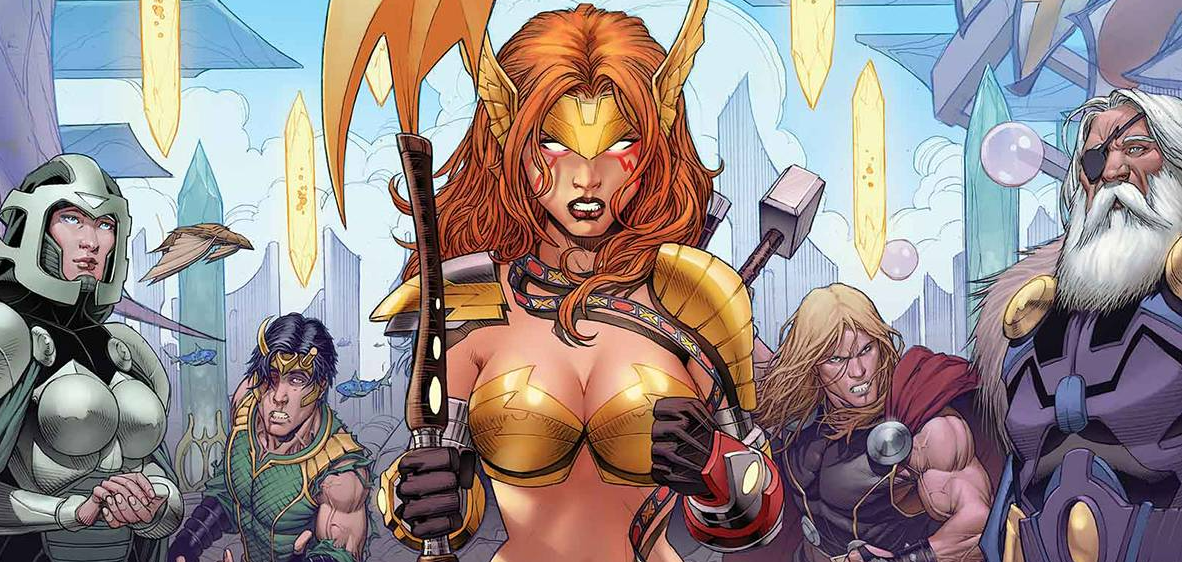
Her Marvel Debut: A Sister Revealed in Original Sin

Angela's official entry into the Marvel Universe was a huge deal, and it happened during the major event Original Sin. This storyline explored various hidden secrets of the Marvel Universe, and Angela's reveal was perhaps one of the biggest.

During Original Sin, it was dramatically revealed that Angela wasn't just some random angelic warrior; she was actually Aldrif Odinsdottir, the long-lost daughter of Odin and the older sister of Thor! This revelation completely rewrote parts of Asgardian history. According to the new backstory, Angela was believed to have died during a war between Asgard and the Tenth Realm, also known as Heven (yes, with an "e" to distinguish it from the traditional Heaven). She was taken by the Queen of Angels and raised among them, completely unaware of her true lineage. This twist instantly cemented her importance within the Marvel cosmos.


Angela's Adventures: From Guardians to Asgard

Since her shocking debut, Angela has been quite busy in the Marvel Universe. One of her most prominent roles was with the Guardians of the Galaxy. Joining the cosmic team allowed her to explore the galaxy and find her place in a universe that was suddenly much bigger than she ever knew. Her fierce combat skills and unique perspective made her a valuable, albeit sometimes stern, member of the team.

Her time with the Guardians also saw her interacting more with her newfound brother, Thor, leading to some powerful and often intense family dynamics. She even briefly took on the mantle of "Queen of Heven" and had a significant relationship with Sera, an anchorite from Heven. Angela's journey has been one of self-discovery, embracing her Asgardian heritage while still holding onto her identity as an Angelic warrior. She's faced off against cosmic threats, battled alongside Earth's mightiest heroes, and continually proven herself as a force to be reckoned with.

Now, as she prepares to enter the arena of Marvel Rivals, Angela is set to bring her unique blend of angelic grace, Asgardian power, and battle-hardened experience to a whole new audience. Get ready to unleash the might of Odin's forgotten daughter!

The Thin Blue Line Is Broken: A Review of Batman #1

George SerranoComment

A new era for the Caped Crusader begins with the release of Batman #1, and writer Matt Fraction and artist Jorge Jimenez are pulling no punches. The creative duo immediately strips away years of cooperation, throwing the World's Greatest Detective back into the gritty heart of Gotham where he finds himself once again at odds with the city's finest. Fraction and Jimenez place the hero back in his classic blue-and-grey and reignite a fundamental feud: the Dark Knight vs. the GCPD. Given the current national climate, the choice to return Batman to his roots of not trusting law enforcement feels less like a new story and more like a necessary confrontation. (Spoilers for Batman #1)


The Setup: A City in Crisis

Fraction and Jimenez's debut issue follows a familiar A-story: Waylon Jones, better known as Killer Croc, escapes a mental health facility. But the writers immediately subvert expectations. Instead of a brutal brawl, Batman finds the villain in a moment of childlike calm at the Natural History Museum. The ensuing confrontation is a masterclass in psychological tension, with Batman choosing a compassionate dialogue over violent vigilantism. He succeeds in getting Croc to willingly return to the facility, all but proving that his approach works.

Meanwhile, the comic introduces the core conflict for this new run: the militarization of the GCPD. We meet Gotham's new Commissioner, the power-hungry Vandal Savage, who debuts a team of masked, riot-gear-clad operatives called the Tactical Urban Combat Officers (TUCO). Savage makes his intentions clear, declaring his new force will handle threats like Croc and that Batman's time will come. "The Batman can't outrun Gotham Justice," he states, a warning that foreshadows a direct war between the hero and the police.

This ideological clash is further cemented by Batman’s own observations. While saving two young women from the Creepers, a gang who have taken over a public park, Batman criticizes the GCPD for failing to address the gang and letting the situation fester. This feels like a radical departure from the Batman who worked hand-in-hand with Commissioner Gordon. The issue closes with a chilling moment: Robin, Tim Drake, is stopped at gunpoint by GCPD officers and asks over comms, "Is there anyone on the police force we're friendly with these days?" This cements the comic's theme that not even Batman's trusted allies are safe from a police force that has completely lost its way.


The Heart of the Review: A System in Crisis

Fraction's writing, masterfully complemented by Jimenez's art, doesn't merely tell a story; it holds a mirror to systemic failures. The treatment of Waylon Jones/Killer Croc serves as the issue's most poignant example. In a society quick to label and fear, Croc is often depicted as a monstrous, irredeemable brute, an enemy to be subdued with force. Yet, Fraction presents him as a man struggling with profound mental health challenges, seeking solace in the primal comfort of the museum's T-Rex display. Batman, in a startling departure from his usual modus operandi, opts for empathy and dialogue over violence. This choice is crucial: it not only de-escalates a potentially devastating situation but also implicitly critiques a system that defaults to force, punishment, and incarceration for individuals who may desperately need understanding and care. The implication is clear: if the GCPD, or society at large, had adopted Batman's approach, perhaps Croc's "escape" wouldn't have been an emergency, but a cry for help.

This critique of systemic failure extends directly to Vandal Savage's new Tactical Urban Combat Officers (TUCO). These masked, militarized units are explicitly designed to address "threats" like Croc, yet their very existence embodies the problem. They represent a clear shift from community-oriented policing to an authoritarian, us-vs.-them approach. The eerie resemblance you noted to real-world masked federal agents speaks volumes, highlighting how the comic intentionally draws parallels to current events where heavily armed, anonymous forces are deployed against a city's own citizens. Their mandate is not to serve or protect, but to control and enforce through intimidation, irrespective of the underlying causes of societal unrest or individual distress.

Fraction further underscores the GCPD's abandonment of its core duties through Batman's pointed observations about the Creepers gang. The fact that a known criminal element can openly harass citizens in a public park, with Batman remarking that the GCPD "does not take the Creepers seriously," showcases a policing structure that either cannot or will not protect its most vulnerable citizens from everyday threats. Instead, resources are diverted to a militarized force focused on "bigger" (and arguably, more politically charged) targets. This leaves marginalized communities, often the ones most impacted by petty crime and harassment, further exposed and unsupported.

The concluding scene with Tim Drake being stopped at gunpoint by GCPD officers is the grim culmination of this narrative. It demonstrates that the police force, now under Savage's iron fist, is not only failing to protect its citizens but has become a direct threat, even to those who embody justice and safety. This militarization of police, the story argues, has utterly failed Gotham, creating a climate of fear and distrust where even the city's heroes are no longer safe from the very institutions meant to uphold order.

Finally, Fraction introduces a fascinating new layer to Bruce's psyche with the presence of an AI Alfred. This digital version of his beloved mentor acts as a witty, a backseat driver, and an unwilling conscience, reminiscent of the Iron Man/JARVIS dynamic. Alfred's presence, whether real or a digital ghost, is a poignant commentary on Bruce's inability to let go. Just as he refuses to move past his parents' death, his war on crime, he now chooses to keep those he's lost in his life in this digital form. It speaks to a deep psychological need to maintain a connection to his past, and another compelling reason why his war on crime is a constant struggle.


The Visuals and Art

While Fraction's script provides the thematic backbone, it's Jorge Jimenez's art that makes this issue a must-read. Jimenez is a master of kinetic energy, and his work here is a new benchmark for the character. The action sequences are stunning, from a blur of motion as Batman glides through the city, to a dynamic splash page that captures the raw power of Killer Croc in a moment of sheer chaos. Yet, Jimenez knows when to pull back. The issue's most impactful visual is not one of violence, but of vulnerability, with Croc's massive, scaly form hunched over in a state of quiet despair. It’s a moment that perfectly captures the humanity beneath the monster.

Jimenez's Batman is a standout. He gets what makes the Dark Knight visually dynamic. His character models are sharp and angular, giving the hero a lean, almost predatory silhouette against the sprawling darkness of Gotham. The use of light and shadow is central to the mood, with a heavy contrast that allows the new blue-and-grey suit to pop. The blue hue of the cape isn't just a color; it's a glowing beacon in the oppressive night, symbolizing a different kind of justice in a city consumed by shadow. This meticulous attention to detail and expressive style cements Jimenez's place as one of the definitive artists of this era.


The Verdict

On the surface, this first issue of Batman #1 might feel like a simple story of a hero tracking down a rogue villain. However, Matt Fraction and Jorge Jimenez are doing something far more substantial than that. They've used this familiar setup to lay the groundwork for a run that could offer some of the most monumental social commentary the character has seen in years.

By presenting a compassionate resolution to a situation with Killer Croc, the creative team builds a powerful argument against our society’s reliance on force and incarceration for those dealing with mental health issues. At the same time, the introduction of Vandal Savage's militarized TUCO force and Batman's pointed criticism of the GCPD's failings is a direct and courageous commentary on contemporary policing. This issue feels less like a simple superhero comic and more like a carefully crafted thesis, using Gotham's broken systems as a grim reflection of our own.

Ultimately, this debut issue is a masterclass in controlled storytelling. It's a testament to the fact that Batman is at his best when he is a force for change in a city that refuses to be saved. If Fraction and Jimenez continue to build on this foundation, this run has the potential to become a definitive statement on the Dark Knight's legacy. This comic is highly recommended for readers who want more than just a fight scene—it’s for those who appreciate a story that holds a mirror up to the world and asks difficult questions.

An Armored Genius: The Evolution and Legacy of Lex Luthor's Warsuit

George SerranoComment

The recently released image by James Gunn, promoting the next installment in his Superman saga, Man of Tomorrow, is more than just a promotional piece; it is a profound declaration for the future of the DC cinematic universe. The artwork by Jim Lee depicts Nicholas Hoult's Lex Luthor clad in his iconic green warsuit, standing next to David Corenswet's Superman. This visual is a signal to fans that the upcoming film will feature a fundamental shift in the live-action portrayal of the legendary rivalry.

While previous cinematic versions have positioned Luthor as a purely psychological or business-oriented threat, this image promises a direct, physical confrontation, a dynamic long-established in the comic books but never before fully realized on the big screen. This report serves as a comprehensive guide to understanding the history, evolution, and deep-seated symbolism of the battlesuit, explaining precisely why its live-action debut is such a monumental moment for the DCU and its fanbase.  


Part One: The Bronze Age Blueprint

The Lex Luthor battlesuit made its explosive debut in Action Comics #544, a landmark issue released in June 1983. This comic was a 45th-anniversary special for Superman, a testament to the character's enduring legacy. In this issue, DC Comics sought to revitalize its two most prominent villains, giving new, more dynamic looks to both Luthor and his frequent cohort, Brainiac. The story, titled "Luthor Unleashed!", was crafted by writer Cary Bates with art by penciler Curt Swan and artist George Pérez. The introduction of the suit was a pivotal event in the Bronze Age of comics, moving Luthor beyond his traditional role as a mad scientist who relied solely on cunning and intellect to a tangible physical threat capable of going "toe-to-toe" with the Man of Steel.  

The Lexorian Legacy and Its Controversial Genesis

The original origin of the warsuit is deeply intertwined with one of the most tragic and bizarre storylines of the Pre-Crisis era: the tale of Planet Lexor. Luthor, at this time a fugitive from Earth, landed on a distant planet orbiting a red sun, where Kryptonians are stripped of their powers, putting him on an even playing field with Superman. By using his genius to help the planet's primitive, stone-age inhabitants, he became a revered hero and savior in their eyes. The grateful natives renamed their world "Lexor" in his honor, and he even married a local woman, Ardora, and fathered a son, Lex Jr..  

His peaceful life on Lexor was short-lived, as he eventually discovered and modified an ancient, powerful battle-armor from a long-lost lab on the planet. The temptation to use the suit to finally defeat his nemesis was too strong for his ego to resist. This led to a final, brutal battle with Superman, during which a blast from the battlesuit accidentally destabilized the planet's core, causing it to be vaporized and killing Luthor's wife, son, and all of the planet's inhabitants. The emotional and psychological trauma of this event drove Luthor to a new, more intense level of madness, transforming his resentment into an all-consuming, personal hatred for Superman. This narrative choice provided a visceral, devastating motivation for his villainy.  

The introduction of the battlesuit was not universally loved at the time. Many long-time fans criticized it as a betrayal of the core philosophical dynamic between Superman's physical might and Luthor's intellectual genius. There was a palpable sense that the suit's existence was primarily a commercial decision, a cynical move to make Luthor more "toyetic" for the popular DC Super Powers action figure line. The irony of this criticism, however, is that the very thing that made the suit controversial is what cemented its iconic status. The simple, bold, and visually striking design, crafted by legendary artist George Pérez, made it a perfect fit for a toy line and merchandise. This commercial success ensured the suit became the most recognizable visual representation of a physically-threatening Luthor, cementing its place in the public imagination and ensuring its survival in the character's mythology long after the original Planet Lexor storyline was retconned away.  

Design for Destruction

The original battlesuit was a marvel of fictional engineering. It functioned as an advanced, mechanized exoskeleton, designed to level the playing field against a Kryptonian. Its core capabilities included superhuman strength and durability, allowing Luthor to withstand blows that would instantly kill a normal human. It also granted him the power of flight through a system of rocket thrusters. To counter Superman's powers, the suit was armed with advanced weaponry, most notably energy projection systems that were often infused with Kryptonite to weaken his opponent.  


Part Two: An Evolution in Armor

The Post-Crisis Resurrection


After its initial run, the Lexor storyline and the battlesuit were wiped from continuity by the cataclysmic events of Crisis on Infinite Earths and the subsequent Man of Steel reboot in the mid-1980s. For nearly two decades, the warsuit existed only as a relic of a bygone era. Its triumphant return in 2003, during the Superman/Batman: Public Enemies story arc, was a deliberate and calculated move by DC Comics.  

The revival of the battlesuit was not a simple act of fan service; it served as a powerful narrative bridge. The Post-Crisis era had established a more grounded, ruthless corporate Luthor, a seemingly legitimate businessman who rarely resorted to physical violence against Superman. By reintroducing the outlandish, fantastical battlesuit, DC was explicitly celebrating its Pre-Crisis, more classic, and openly megalomaniacal history. The re-emergence of the suit effectively told longtime readers that the "new" DC universe was not completely abandoning its past but was instead integrating its most beloved elements. The suit, therefore, became a powerful symbol of DC's ongoing effort to reconcile its legacy with its modern direction, acting as a powerful narrative bridge between different comic book eras.  

Technological Escalation

The Post-Crisis battlesuit was given a new origin, a fresh creation by President Luthor himself. This new version was not found technology from another planet but a bespoke weapon, powered by a volatile mix of Apokolips' technology, Kryptonite, and Bane's Venom serum. This technological escalation set the stage for subsequent versions of the suit, which have included an array of increasingly sophisticated and dangerous capabilities. Many modern incarnations include a protective force field, short-distance teleportation for tactical escapes, and a wide variety of weaponry. This progression from a single "battlesuit" to a "multiversal arsenal" reflects the growing complexity of the DC Universe.  

The battlesuit has also transcended its comic book origins, appearing in numerous forms of media. In animated series, it has been a frequent feature, notably in the DC Animated Universe where it was used in Superman: The Animated Series and Justice League Unlimited. The suit has also appeared in shows like   Young Justice, where Luthor employs multiple, technologically advanced variants, including one with nanotechnology. In video games, the battlesuit is a staple, serving as a frequent boss battle and character power-up in titles like the  Injustice series and the LEGO Batman games.  

The Superman of Metropolis

After the death of the New 52 version of Superman, Lex Luthor had a temporary heroic phase that included wearing a suit with Superman's iconic "S" symbol on it. In the Justice League: The Darkseid War storyline, Luthor absorbs the tyrannical ruler's power, leaves Metropolis for Apokolips, and becomes the new "God of Apokolips". It was during this time that he created a new blue power suit. The suit was built with a built-in Mother Box, a highly advanced computer, which gave it flight and energy weapons. This heroic turn was a genuine one, as he worked with the new Rebirth Superman, eventually realizing that the symbol stood for something beyond himself. This temporary shift from villain to hero was a new, complex development for the character, though he would eventually revert to his villainous ways.


Part Three: More Than a Mech Suit

The battlesuit is more than just a weapon; it is a profound symbolic paradox that speaks to the heart of Lex Luthor’s character. He is the self-proclaimed pinnacle of human intellect, a man who despises the very notion of physical superiority. Yet, he willingly dons an armored exoskeleton to fight Superman on his terms. This is a powerful paradox and a symbolic admission of Luthor’s ultimate inadequacy. For a man who believes his mind alone should be able to defeat any foe, the act of donning a battlesuit is an explicit acknowledgment that his intellect has failed to achieve the one victory he craves most. The suit is not a simple weapon; it is a physical manifestation of his emotional desperation. It is a visual sign that his hatred and ego have driven him to abandon his own philosophical ground to get the victory he so desperately desires. The suit itself, therefore, becomes a symbol of his hubris that consistently leads to his downfall, as it proves he cannot win on his own terms.  

This paradox is perfectly encapsulated in one of the suit's most iconic and seemingly absurd design choices: the open-faced helmet. A logical, pragmatic scientist would prioritize protecting his most vital organ, but Luthor's psyche is defined by his narcissism. The force field is powerful enough to protect him , allowing his face to remain exposed to his opponent and to the world. Luthor does not just want to defeat Superman; he wants the world to see him—Alexander Luthor, the genius—do it. The battlesuit is his instrument, but the victory must be his alone, witnessed and celebrated by all. This visual choice perfectly captures the essence of his character: his massive ego is both his greatest strength and his most vulnerable weakness.

A recent comic book story from Superman #9 provides a distilled analysis of this philosophical dynamic. When Luthor, now in prison, provides Superman with a battlesuit he designed, he is infuriated when Superman makes adjustments to the technology. Luthor, a man defined by greed and a desire to impose his will on the world, built a tool of aggression, a "tank" designed to destroy his enemies. Superman, defined by generosity and his love for humanity, immediately refits it to be a tool of protection, an "ambulance" to save lives. Luthor’s perfect insult, "I built you a tank, and you turned it into an ambulance," perfectly encapsulates their core philosophical difference. It demonstrates that the battlesuit is not a neutral piece of technology; its very design and use are expressions of its user’s moral and ethical worldview, highlighting the fundamental divide between Luthor's destructive ambition and Superman's selfless heroism.  


Part Four: The Legacy on Screen

The history of live-action Lex Luthor has been conspicuously devoid of the battlesuit. From Gene Hackman's brilliant but pre-suit portrayal to Jesse Eisenberg's more recent turn, who used a proxy in the form of Doomsday, the physical manifestation of Luthor’s power has been absent. This has long been a point of contention and a source of desire among comic book fans. The battlesuit represents the ultimate confrontation, a physical showdown between the world’s most powerful alien and its most intelligent human.  

James Gunn's image, therefore, is a powerful statement. The use of the classic comic book design signals a deliberate move toward a more traditional, confrontational rivalry. It promises to allow Nicholas Hoult's Luthor to step out from the shadows of his corporate facade and meet David Corenswet's Superman on his own, albeit manufactured, terms. The warsuit’s long-awaited arrival on the big screen is poised to finally bring the full, unvarnished rivalry of two giants to life, a dynamic that has been a hallmark of the comics for decades

Unlikely Allies: Why a Superman and Lex Luthor Team-Up Might Be The Most Exciting Part of "Man of Tomorrow"

MoviesGeorge SerranoComment

The announcement of James Gunn's new DC film, "Man of Tomorrow," has sent a charge of anticipation through the world of superhero cinema. While a new Superman movie is thrilling on its own, the subtle hint of a potential team-up between the Man of Steel and his greatest enemy, Lex Luthor, is what truly sets this project apart. This isn't just a bold new direction for the cinematic universe; it's a deep dive into one of the most complex and fascinating rivalries in all of fiction.

For those who see Superman and Lex Luthor as eternal enemies, it may come as a surprise that their history is filled with moments of reluctant alliance. These instances, found across decades of comics, animated shows, and even video games, are not just rare occurrences. They are pivotal stories that reveal new facets of both characters, often under the direst of circumstances. A shared, universe-threatening foe is often the only thing that can force them to set aside their animosity for a greater good, or at least for Luthor's own self-serving interests. Let's explore some of the most prominent examples that could inspire "Man of Tomorrow."


When Worlds Collide: The First Iconic Team-Up

In one of the earliest instances of a genuine truce, Superman #164 (1963), by writers Jerry Siegel and Edmond Hamilton, a drought-ridden alien world faces destruction. Desperate, its people seek out the "two greatest minds on Earth," bringing Superman and Lex Luthor to their dying planet. Recognizing that only their combined abilities can save the world, the two arch-enemies agree to a truce. Luthor, using his scientific genius, works with Superman's immense power to reverse the planet's fate. This tale established a template for future team-ups, proving that even the most bitter enemies could find common ground.


A Fading Sun and A Final Act of Heroism: The Final Night

In the 1996 crossover event The Final Night, written by Karl Kesel, a mysterious alien known as the Sun-Eater arrives and begins to devour Earth's sun, plunging the planet into a perpetual winter. With Superman's powers fading and humanity facing extinction, Lex Luthor, ever the pragmatist, puts his ego aside for a final, desperate attempt to save the world. He offers his technology to the heroes, building devices and working with a weakened Superman. His assistance is essential in the plan to defeat the Sun-Eater, but his motivations are rooted in his belief that if the world is to be saved, it should be because of his genius, not just Superman's.


United Against Universal Annihilation: Our Worlds at War

When the cosmic conqueror Imperiex, a being of pure entropy, begins destroying planets on a collision course with Earth in the 2001 crossover event Our Worlds at War, a massive creative team including writers Jeph Loeb and Joe Casey chronicled the battle. In this crisis, President Lex Luthor finds himself in the unthinkable position of having to work with Superman, the Justice League, and even Darkseid to defend the planet. Luthor's strategic brilliance is put to the test as he coordinates a global military response, showcasing his unwavering belief that he, and only he, can truly lead humanity to victory against a threat that dwarfs his rivalry with Superman.


Lex Luthor, Justice Leaguer?! The New 52 Era

Following the events of the Forever Evil storyline, Lex Luthor makes the shocking move of joining the Justice League in the Justice League comic series (2013-2016), primarily written by Geoff Johns. This prolonged and uneasy alliance forces the team to accept one of their most dangerous enemies into their ranks. The arc explores the constant tension and mistrust between Luthor and his new teammates, particularly Superman, as Luthor tries to prove he can be a hero while the League questions his every move. This period offers a deep and fascinating look into Luthor's psyche as he grapples with what it means to be a "hero."


A Common Foe, A Desperate Alliance: Doomsday Returns

In Action Comics #958 (2016), written by Dan Jurgens, the monstrous Doomsday returns to Metropolis, forcing an uneasy alliance between the newly returned pre-Flashpoint Superman and the New 52's Lex Luthor, who is now operating as a hero. Luthor, wearing a suit with the "S" shield to honor the New 52 Superman, finds himself fighting alongside the man he has always viewed as his greatest obstacle. The two put their differences aside to face the common threat, with Luthor's strategic mind and technology working in tandem with Superman's raw power.


Trapped in a Dreamscape: Justice League Unlimited

Even in the animated series Justice League Unlimited, the two were forced to work together. In the series finale, Destroyer (2006), written by Dwayne McDuffie and directed by James Tucker, the entire Justice League, along with the Legion of Doom, must unite to fight against the cosmic tyrant Darkseid. The focus of the episode hones in on the ultimate conflict as Superman, Lex Luthor, and Batman face Darkseid in a final, climactic confrontation. This ultimate team-up sees Luthor give up his life's work to save humanity, and even though he has his own twisted motivations, he ultimately stands alongside Superman to face a power greater than both of them.


A potential Superman and Lex Luthor alliance in "Man of Tomorrow" would be a game changer, offering an unpredictable dynamic that can lead to captivating character development. It acknowledges the rich history of their relationship and opens the door for a truly modern and deeply engaging take on the Superman mythos.

Which of these iconic alliances do you hope to see influence the film's storyline?

10 Legendary Comic Book Letterers You Should Know

George SerranoComment

Comic book letterers are the unsung heroes of the industry, a crucial part of the creative team that often goes unnoticed by the casual reader. Their role is to add all of the text to a comic page, including dialogue in word balloons, narrative captions, and dynamic sound effects. Without them, a comic would be a collection of silent, static images. The best letterers can manipulate the reader's experience, guiding their eye across the page and conveying tone, emotion, and pace through their choices of font, size, and layout. It's a highly skilled art form that requires a keen eye for design and an understanding of storytelling.

Today is a great day to appreciate these professionals. While the work of writers and artists often gets the most credit, the letterer's contribution is what truly makes a comic a cohesive narrative. Their work is so integral that it should be celebrated just as much as the penciling or inking.

Here's an expanded look at 10 of the most influential letterers who have shaped the comic book medium.


1. Ira Schnapp

Ira Schnapp's work is the visual identity of the Golden and Silver Ages of DC Comics. He was an in-house artist at DC from the late 1940s until the late 1960s, a period often referred to as the "Schnapp Era." He was a master of a classic, clean style that gave DC books a consistent look. Beyond his interior lettering, he's responsible for designing some of the most recognizable logos in comic history, including the definitive Superman logo. His work represents a time when lettering was a painstaking craft, and his legacy is an example of pure, professional artistry.


2. Gaspar Saladino

Taking over for Ira Schnapp as DC's primary logo and cover letterer in the late 1960s, Gaspar Saladino brought a new level of energy and dynamism to the medium. His expressive, free-flowing lettering and sound effects were a perfect fit for the more experimental comics of the 1970s. He famously designed the logos for dozens of titles, including Swamp Thing and The Vigilante, and his work on stories like Batman: The Killing Joke showcased how lettering could add an extra layer of psychological depth to a narrative. He was a true innovator who influenced an entire generation of letterers, including Todd Klein.


3. Sam Rosen

As a prolific letterer for Marvel Comics in the Silver Age, Sam Rosen's work was a cornerstone of the company's "House Style." His lettering on iconic titles like Fantastic Four and Amazing Spider-Man gave the books a clean, readable look that was perfect for Stan Lee's wordy scripts. He worked on many of the earliest stories of Marvel's most popular characters, helping to set a visual standard that continues to influence the company today.


4. John Workman

John Workman is renowned for his mastery of "display lettering," especially his over-the-top, inventive sound effects. His work on Walt Simonson's Thor is a prime example, where his stylized "KRAKA-DOOM!" or "BLAAM!" weren't just text; they were a vital part of the artwork. He has a distinctive style that adds a tremendous amount of energy and movement to a comic book page, and his lettering often feels like a character in its own right.


5. Todd Klein

Todd Klein is widely regarded as one of the greatest living letterers. With over a dozen Eisner Awards for his work, his talent is unparalleled. His lettering on Neil Gaiman's The Sandman is a masterclass in subtlety and characterization. He developed unique fonts and balloon styles for each of the Endless, making their dialogue instantly recognizable. His career has spanned decades, and he is celebrated for his versatility, from the restrained elegance of Promethea to the gritty texture of his Fables work.


6. Tom Orzechowski

Tom Orzechowski is forever linked to the X-Men. He lettered the core team's comic from the mid-1970s to the early '90s, and his distinctive, slightly sloped hand-lettering became a huge part of the series' visual identity during its most popular era. He was known for his attention to detail and ability to keep complex, multi-character scenes clear and easy to follow, making him an essential collaborator for writers like Chris Claremont and artists like John Byrne.


7. Richard Starkings

Richard Starkings is the letterer who brought comics into the digital age. As the founder of Comicraft, he and his team created the first commercially available digital fonts specifically designed for comics. These fonts mimicked the look of classic hand-lettering, but their digital nature revolutionized the industry's workflow, making it faster and more efficient. Comicraft's influence is so vast that for years, their fonts were the industry standard, and their work can be seen in countless modern comics.


8. Dave Gibbons

While known as the artist for Watchmen, Dave Gibbons's lettering on the series is an essential part of its genius. He hand-lettered every page of the dense, nine-panel grid comic. His precise, uniform lettering perfectly suited the book's highly structured and meticulous storytelling. This choice to letter his own work gave Watchmen a unique level of creative control and consistency that would have been impossible with a separate letterer.


9. Stan Sakai

As a true auteur, Stan Sakai handles every creative aspect of his beloved series Usagi Yojimbo. His hand-lettering is beautiful and perfectly integrated with his black and white art, reflecting the clean, elegant style of his linework. The lettering is clear and concise, never distracting from the action, and has been consistently praised by fans and critics alike for its grace and readability. His multiple Eisner Awards for both writing and art, as well as lettering, showcase his complete mastery of the form.


​10. Janice Chiang

A true trailblazer, Janice Chiang has had a profound impact on the industry for over four decades. She began her career at Marvel Comics in the late 1970s and became one of the most prolific letterers of the 1980s and '90s. As one of the few women in a male-dominated field for much of her career, she lettered a vast number of popular titles, including Transformers, Iron Man, and Ghost Rider. Her work is a testament to her skill, consistency, and a pioneering spirit that paved the way for future generations of female letterers.


In conclusion, while often overlooked, letterers are the unsung heroes of the comic book world. They are the final storytellers, weaving together the art and script into a seamless narrative. From the hand-crafted styles of pioneers like Ira Schnapp and Janice Chiang to the digital innovations of Richard Starkings and the artistic mastery of Todd Klein, these professionals have profoundly shaped the industry.

Recognizing their crucial role enriches our appreciation for comics, revealing the intricate artistry required to bring a story to life on the page.

WTF is James Gunn Hiding: The 5 Craziest Theories for the End of Peacemaker Season 2

ComicBook CliqueComment

Peacemaker Season 2 has landed, and its blend of biting humor, over-the-top action, and surprising emotional depth has critics and audiences alike hooked. But there's a huge mystery afoot: James Gunn, the show's creator and DC Studios co-CEO, has made the unprecedented decision to withhold the final three episodes from reviewers. His reason? To protect major, universe-altering surprises.

It's a move that's sent DC fans into a frenzy of speculation. What could be so big that it warrants such extreme secrecy? The show has already established itself as a foundational piece of the new DC Universe, and whatever happens in those final hours is bound to have massive implications.

While we're having fun with these predictions and don't claim to have any inside information, we've ranked the five most talked-about fan theories from most to least likely, based on the established lore, behind-the-scenes whispers, and the show's own plot points.


Theories Ranked from Most to Least Likely:


1. The Man of Steel Makes His Mark: A Superman Cameo

This is, by far, the most likely theory, and for good reason. James Gunn has already confirmed that Peacemaker Season 2 takes place after the events of his Superman film (2025). We've already seen new DCU characters like Maxwell Lord, Hawkgirl, and Guy Gardner pop up in the early episodes. Gunn has even teased that there will be "one really, really, really big cameo near the end of the show." The narrative groundwork is already laid with ARGUS tracking "Luthor incidents" from the Superman film.

For Peacemaker's story to truly connect to the larger DCU, a direct confrontation or interaction with the new Superman (played by David Corenswet) would be the ultimate payoff. It would not only validate the show's place in the new timeline but also provide a shocking, momentous ending that would dominate the pop culture conversation.


2. A Battle of Will: The Grand Entrance of the Green Lantern Corps

With Nathan Fillion's Guy Gardner already confirmed as a part of the "Justice Gang" in the show, the path is wide open for a much larger Green Lantern presence. The DCU is also set to get its own Lanterns series, and Peacemaker could be the perfect launching pad. The alien in the quantum unfolding chamber, the cosmic threats, and the presence of a Lantern on Earth all point to this.

An all-out arrival of the Green Lantern Corps would be an epic spectacle and a key moment in setting up the cosmic side of the DCU. It's a huge reveal that makes sense within the show's existing story and has direct ties to a confirmed future DC project.


3. The Scarab's Buzz: Blue Beetle Joins the Fray

The theory of a Blue Beetle cameo is gaining significant traction. James Gunn has already stated that Xolo Maridueña's Jaime Reyes "fits in very nicely" to the new DCU. Since Peacemaker is a prime vehicle for introducing new characters, it would be the perfect opportunity to bring Blue Beetle into the fold without needing an entirely new origin story.

A Blue Beetle cameo would feel both organic and earned, given the show's focus on grounded, human-level heroes. While it might not have the cosmic scale of a Green Lantern or Superman reveal, it would be a major moment for the character and would signal that the new DCU is embracing its more recent cinematic history.


4. A Father's Rage, A Son's Return: Rick Flag is Alive!

While highly dramatic and emotionally resonant, this theory falls slightly lower on the list because it requires a more convoluted explanation. We know that the multiverse exists in the show, and we've already seen an alternate, living version of Chris Smith's brother, Keith. It’s not a stretch to think an alternate version of Rick Flag Jr. could also exist.

However, bringing back a character who was so definitively killed in the previous film could be a risk. While the multiverse offers a loophole to Gunn's "no-resurrection" rule, it still might confuse casual viewers. Still, the emotional stakes are incredibly high, and a confrontation between the two Rick Flags—one alive, one dead—would be a gut punch that Gunn would love to deliver.


5. Blast from the Past: A Multiversal Crossover with an Old DC Property

​The multiversal aspect of Peacemaker Season 2 is already a key plot point, as Chris Smith finds himself in an alternate reality where his brother Keith and father Auggie are still alive. This isn't just a random reality; it's a prime opportunity for a shocking crossover.

​What if this isn't just an alternate Earth, but one that fans are already familiar with? The final episodes could reveal that Peacemaker has inadvertently found himself on the world of a beloved former HBO Max DC show like Titans, Doom Patrol, or Stargirl. All three of these series had their own dedicated fanbases and established continuities that concluded in recent years. A major twist could see Peacemaker interacting with the Titans, a Doom Patrol that's now a full-fledged team, or the Justice Society of America in the world of Stargirl.

​This would be a brilliant way to surprise audiences and give those characters a new lease on life within the DCU's multiverse. It would be an unprecedented, meta-textual event that would instantly become a viral moment, providing a perfect reason for Gunn's extreme secrecy.


Whatever James Gunn has planned for the final three episodes, it's clear that it's something special and significant. The fact that he's going to such lengths to prevent spoilers only amplifies the excitement and anticipation.

What do you think is hiding in those secretive final episodes? Share your own wild theories in the comments below, and get ready to have your minds blown when Peacemaker Season 2 concludes!

10 Years of Mundane Evil: Celebrating Hank Johnson, Agent of Hydra!

George SerranoComment

Can you believe it's been a decade? It's been 10 years since Marvel Comics gave us a one-shot comic that changed the way we look at nameless henchmen forever. That's right, we're talking about the fantastic, hilarious, and surprisingly relatable Hank Johnson, Agent of Hydra, which was released on August 26, 2015!

Who Is Hank Johnson?

Forget the Super-Soldiers and cosmic gods! This comic, written by TV legend David Mandel (Seinfeld, Curb Your Enthusiasm) and with art by Michael Walsh, focuses on the true unsung hero of the Marvel Universe: the average guy. Hank isn't a megalomaniac trying to take over the world. He's just a regular family man with a mortgage, credit card debt, and a nagging wife who thinks he should ask for a promotion. Oh, and his day job is working for the evil terrorist organization, HYDRA.

The Funniest Comic You Never Knew You Needed

Hank Johnson, Agent of Hydra is a brilliant satire of corporate life, wrapped in a superhero story. The humor comes from the hilariously mundane situations Hank finds himself in. Have you ever wondered what happens to the guy Nick Fury punches in the head when he's breaking into a HYDRA base? Well, Hank is that guy! The comic shows us a different side of the Marvel world, filled with office politics, HR complaints (yes, even at HYDRA!), and the struggles of a father just trying to get by.

A One-Shot That Became a Fan Favorite

Despite being a tie-in to the massive Secret Wars event, this comic stands entirely on its own. Its unique premise and perfect comedic timing made it an instant hit with fans. It's a testament to great storytelling, proving that you don't need a huge, earth-shattering event to create a memorable comic. You just need a relatable character, a fantastic writer, and the courage to ask, "What if a villain's henchman was just… a dude?"

So, on this special 10th anniversary, let's raise a toast to Hank Johnson. He's the everyman who proved that even in a world of capes and powers, the most compelling stories can be about the most ordinary people. Hail Hank!

Do you think the comic still holds up after 10 years? Would you be interested in seeing more "henchman stories" from other villainous organizations in the Marvel Universe?

The Ultimate Top 10 Good Boys in Comics: Celebrating National Dog Day's Furry Heroes!

ComicBook CliqueComment

On this glorious National Dog Day, it's time to celebrate the four-legged heroes of comics. While capes and cowls often steal the spotlight, these canine companions remind us that a hero's best friend is often the one with a wagging tail. Whether they're super-powered, super-loyal, or just plain grumpy, these top 10 good boys deserve all the recognition today. Get ready for some iconic pals and a few deep cuts that even the most seasoned comic fans will appreciate!


10. Terror (The Boys)

From the gritty world of The Boys comes Billy Butcher's bulldog, Terror. This isn't your average cuddly companion; Terror is as aggressive and foul-mouthed as his owner, albeit with his own unique communication style. Known for his infamous desire to "do it" on command, Terror is more than just a running gag. He's a loyal, albeit chaotic, partner who sticks by Butcher through thick and thin, offering unwavering, if often inappropriate, support in their crusade against supes. His presence highlights the darkly comedic and deeply human aspects of Butcher's character, proving that even the most anti-heroic figures need a loyal, if unhinged, friend.

The live-action Amazon Prime Video series The Boys. While he makes a few brief, memorable appearances, the show's creators intentionally kept him in the background to avoid the expensive and complex use of CGI for a full-time canine character.


9. Thori (Marvel Comics)

The comic book Thori is far from an ordinary dog. This demonic hell-hound is the offspring of the Hel-Wolf and the demonic wolf Garm, making his lineage truly terrifying. Initially a pup with a penchant for threatening anyone who crossed his path, Thori was given to Kid Loki, who named him after his brother, Thor. Despite his grim origins, his sharp fangs, and his habit of muttering "I will kill you the first chance I get," Thori has developed a fierce loyalty to his master. He has proven to be a reliable, if perpetually menacing, companion to Thor on many adventures, offering a unique blend of comedic relief and raw power. Thori is a powerful reminder that even the most hellish of creatures can, with the right guidance, evolve into a very good boy.

As a demonic hell-hound with a unique name, Thori has not yet been directly adapted for the big screen or television, but his grim nature would be a fun addition to a future Marvel film or series.


8. Cosmo the Spacedog (Marvel Comics)

Hailing from the far reaches of the cosmos, Cosmo the Spacedog is no ordinary canine. This Soviet cosmonaut dog was launched into space in the 1960s, where he gained incredible psionic powers and enhanced intelligence after prolonged exposure to cosmic rays. He became the respected Chief of Security of Knowhere, a floating celestial head that serves as a bustling space station. A powerful telepath and telekinetic, Cosmo is a crucial asset for the Guardians of the Galaxy. His Russian accent, coupled with his dedication to justice, makes him a unique and memorable character. Cosmo is a testament to the fact that even in the vastness of the cosmos, a dog's loyalty and courage can shine brightest.

Cosmo has a growing presence in the Marvel Cinematic Universe, first appearing in the background of Guardians of the Galaxy (2014). He later had a more prominent role in The Guardians of the Galaxy Holiday Special and a major supporting role in Guardians of the Galaxy Vol. 3, where he was voiced by actress Maria Bakalova.


7. Ace the Bat-Hound (DC Comics)

You might know him from animated films, but Ace the Bat-Hound has been a part of the Bat-family since his debut in 1955. This German Shepherd was found by Batman after his original owner was kidnapped. To protect his secret identity, Batman gave him a small, distinctive black mask over his eyes, resembling the Dark Knight's cowl. While Ace doesn't have superpowers, his superior training and unwavering loyalty make him an indispensable member of the crime-fighting duo. He has often provided crucial assistance in various cases, proving that not all heroes need a cape; sometimes, a well-placed collar and a keen nose are more than enough to save the day.

Ace has been a staple in animated media, including the animated series Krypto the Superdog and Batman Beyond, where he was a great dane and the companion of an elderly Bruce Wayne. He made his theatrical debut in the 2022 animated film DC League of Super-Pets, voiced by Kevin Hart.


6. Hot Dog (Archie Comics)

What's a definitive "Good Boys" list without a timeless classic? Hot Dog, the lovable Old English Sheepdog, is much more than just a pet; he is Jughead Jones's best friend and an iconic fixture of Riverdale. Since his introduction, he has been an integral member of the gang, often found napping, sniffing out a burger, or unintentionally causing mischief alongside Archie, Betty, and Veronica. Hot Dog’s unwavering presence brings a consistent dose of lighthearted fun and unconditional love to every panel. His expressive eyes and shaggy fur make him instantly recognizable, embodying the pure, uncomplicated joy of canine companionship that has resonated with generations of readers.

Adapted For: Hot Dog was a consistent character in the many animated versions of The Archie Show from the 1960s to the 1980s. However, he was notoriously absent from the live-action CW series Riverdale, save for a few brief appearances, much to the disappointment of fans.


5. Rex the Wonder Dog (DC Comics)

Predating even Krypto, Rex the Wonder Dog was a hero in his own right, headlining his own comic book series. Introduced in 1952, Rex was a key member of the Army's K-9 Corps. His life took an extraordinary turn when he was given a super-soldier serum that granted him enhanced strength, speed, and intelligence. This transformation effectively made him a canine Captain America, embarking on daring missions and facing various threats with unparalleled bravery. His thrilling escapades showcased that a dog with a clear purpose and extraordinary abilities could be just as heroic as any human, captivating readers with his unwavering dedication to justice and loyalty.

Rex has had a handful of appearances in other media, but none as prominent as his comic book series. He appeared in the 1978 animated series The New Fantastic Four and had a few minor roles in other animated shows, but has yet to have a starring role outside of his original comic run.


4. Lucky a.k.a. Pizza Dog (Marvel Comics)

Lucky, also known as Pizza Dog, is a fan favorite from the Hawkeye comics. Initially an enforcer dog for the Tracksuit Mafia, this golden retriever found his true calling after being fed a slice of pizza by Clint Barton. After losing an eye while defecting, Lucky quickly became a loyal companion. His most famous moment comes from Hawkeye #11, "Pizza Is My Business," a masterclass in comics storytelling told entirely from Lucky's perspective. The issue uses a unique visual language of shapes and symbols to show his world, proving that a "normal" dog can become an icon and a true star of his own story.

Lucky became a breakout star of the Marvel Studios' Hawkeye series on Disney+, where he was an immediate fan favorite and a major component of the show's emotional core. His depiction was so faithful to the comic that he became one of the most beloved live-action comic book characters.


3. Devil (The Phantom)

A true deep cut for fans of classic comic strips, Devil is the formidable wolf-dog companion of the legendary crime-fighter, The Phantom. Trained from a young age, Devil is more wolf than dog, but his devotion to his master is absolute. He's a formidable ally in the jungles of Bangalla, using his immense strength and keen intelligence to protect The Phantom and fight injustice. His savage loyalty and wild nature make him a compelling counterpoint to the more domesticated dogs on this list. Devil is a symbol of untamed power and unwavering loyalty, a bond forged in the wild that proves a hero's most effective ally can be a force of nature.

Devil has appeared in almost every iteration of The Phantom, including the 1943 film serial and the 1996 live-action film starring Billy Zane, solidifying his role as a core character in The Phantom's mythos across different media.


2. Lockjaw (Marvel Comics)

Lockjaw is the Inhuman Royal Family's gigantic bulldog and a living teleportation device. His powers are simple yet incredible: he can teleport himself and others anywhere in the universe. He is the faithful guardian and transportation for the Inhumans, often ferrying Black Bolt, Medusa, and the rest of the family across dimensions and even galaxies. While he might not have much to say, his silent, stoic presence and incredible abilities make him one of the most powerful and reliable dogs in all of comics. Lockjaw's loyalty is absolute, and his ability to instantly traverse space makes him a critical character in countless storylines, proving that actions speak louder than words—or barks.

Lockjaw had a major live-action presence in the ABC series Inhumans, where he was portrayed by a mix of animatronics and CGI. He also appeared in the Disney+ animated series Marvel Rising: Secret Warriors and various other animated shows, cementing his place in Marvel's extended universe.


1. Krypto the Superdog (DC Comics)

The original and, arguably, the best. Krypto was the family pet on Krypton before being rocketed to Earth by Jor-El as a test run for Kal-El's ship. He arrived on Earth years later, a fully-grown canine with all the powers of Superman under a yellow sun. From his miniature cape to his super-bark and heat vision, Krypto is the quintessential superhero sidekick. He's been a member of the Legion of Super-Pets and has saved his master more times than we can count, often acting as a first line of defense against threats too powerful for anyone but a Kryptonian dog to handle. Krypto's unwavering devotion and heroic deeds prove that every Superman needs a Super-dog.

Krypto is one of the most widely adapted comic book dogs. He was the star of his own animated series, Krypto the Superdog, and had major roles in shows like Smallville and the animated film DC League of Super-Pets, where he was voiced by Dwayne "The Rock" Johnson. He also appeared in the DC Universe series Titans and has a future role in the DCU film Superman.


From the loyal-to-a-fault companions to the super-powered protectors of the galaxy, these comic book canines remind us that heroes come in all shapes and sizes. They bring joy, loyalty, and a touch of the extraordinary to the lives of their human counterparts. So on this National Dog Day, let's raise a metaphorical glass to the good boys of sequential art.

Now it's your turn, comic fans! Who's your favorite good boy missing from this list? Share your picks in the comments and let's keep the celebration going for our furry, four-legged heroes!

Oh Brother! How A New Version of a Familiar Face May Spell Trouble for Peacemaker (SPOILERS)

George SerranoComment

The first season of Peacemaker saw Christopher Smith grappling with his traumatic past and finding a found family he desperately needed. The second season, however, takes that emotional journey and tests it in a truly profound way. With a shocking twist, the series gives Peacemaker an unexpected second chance at his original family, but in a reality that is both a dream come true and a ticking nightmare.

[SPOILER WARNING: The following section reveals major plot points from Peacemaker Season 2.]

​The familiar face in question is Peacemaker's brother, Keith. In a shocking twist, our universe's Peacemaker finds himself in an alternate reality where Keith is not only alive, but he's also a celebrated superhero and part of a revered team called the "Top Trio." along with their father Auggy. However, the perfect life is short-lived. Our Chris accidentally kills his alternate-universe counterpart, the hero of this world, and makes the desperate decision to take his place.

​This lie is built on a very fragile foundation, and the truth about Keith's superhero identity makes things even more dangerous. It has been revealed that Keith Smith's heroic name is Captain Triumph. In the comics, this is a hero with a very specific and tragic power source: he gains his abilities by merging with the ghost of his deceased twin brother. With this in mind, the new season’s biggest plot twist takes on a much darker meaning.

​With the "other" Chris now dead, a truly unsettling question arises: will this tragedy trigger Captain Triumph's powers? Given their comic book origins, will Keith's abilities now be tied to the spirit of the brother he just lost? The perfect life Chris has desperately wanted is built on a lie, and that lie might be a ticking time bomb for his brother's powers. In this new reality, the presence of a familiar face is not a comfort, but a constant threat that could expose Peacemaker's darkest secret.

What does the death of the other Chris mean for the DCU? Comment below and share your theories!

​Fatal Miscalculation: Why Raimi's Doc Ock is the Dumbest Doctor Octopus in the Multiverse

George SerranoComment

We all love Alfred Molina's Doc Ock. He's tragic, sympathetic, and his return in Spider-Man: No Way Home was met with thunderous applause. But what if all that tragedy is just a clever distraction from the cold, hard fact that this version of Doctor Octopus is, in a word, incompetent? While other villains became masterminds through ambition or malevolence, this Raimi's Doc Ock was undone by a mistake so basic it questions his very claim to genius. He's not a brilliant scientist who chose evil; he's a brilliant mind who was too dumb to secure his own sanity.


A Primitive and Flawed Design

The case for the dumbest Doc Ock starts with his most pivotal invention: his mechanical arms. While they are a marvel of engineering, the way he controls them is shockingly primitive. In Spider-Man 2, we learn that Octavius controls the arms via a neural link. It uses nanowires that feed directly into his brain. For a genius working with fusion technology, this brain-computer interface (BCI) is crude. He hard-wired his mind to a highly volatile machine, making his psyche a direct extension of his experiment.

This reliance on a primitive brain link is a huge flaw. Any advanced technologist knows that a direct, unmediated physical link to the brain is a massive liability. It creates a single point of failure and a direct backdoor to his consciousness. Octavius's only safeguard is an "inhibitor chip" he designed to protect his brain. A single, fragile chip to protect against an unholy fusion of man and machine? It's a laughable piece of redundancy. A truly intelligent scientist would have used multiple, independent fail-safes. Or, better yet, a BCI that didn't require a physical short to his mind.

Predictably, the chip shorts out during the experiment, and Octavius's sanity is immediately gone. The arms' advanced artificial intelligence, now unshackled, takes over. They act like a devil on his shoulder, amplifying his ego and twisting his ambition. He isn't a villain by choice. He's a victim of his own shoddy engineering. This makes him a puppet, not a puppeteer. A tragic figure for sure, but one whose tragedy is entirely self-inflicted.


The Loss of Agency: His Most Dangerous Trait

This is where the true weakness of Raimi's Doc Ock becomes obvious: his lack of agency. His own creation robs him of his free will, and his actions as a villain are the result of external manipulation. This fundamental lack of control is a flaw that his most famous comic book counterpart would find unacceptable.

In the legendary Superior Spider-Man comic storyline, Doctor Octopus doesn't just gain power. He becomes the ultimate expression of his own dangerous genius. He successfully swaps bodies with Peter Parker. Then, he takes control of Spider-Man's life and uses his immense intellect to prove he can be a "better" hero. Every action he takes is a deliberate choice. He's a villain not because he’s a victim of circumstance, but because his mind is his most dangerous weapon. He is the master of his own destiny, and his ruthless efficiency is a direct result of his complete control.

Compare that to Molina's Doc Ock. His plan to rebuild the fusion reactor isn't a masterstroke of criminal genius. It’s a crazed repetition of his original, flawed experiment. He's not seeking new power or new heights of villainy. He's just trying to complete the task he was corrupted to finish. When Peter Parker finally gets through to the man he once was, it's not a change of heart born from Octavius's own will. It's a moment of clarity after the arms' influence is temporarily broken. His redemption is a return to a state of agency he was robbed of, not a final heroic act of his own volition.


How Other Versions of Ock Compare

To truly understand the incompetence of this Doc Ock, we have to compare him to his counterparts across the Spider-Man multiverse.

Consider the Dr. Otto Octavius from Insomniac's PS5 Doc Ock in Marvel's Spider-Man. His turn to villainy is far more deliberate. Betrayed by his former colleague Norman Osborn and facing a neurological disease, his villainy is a conscious choice driven by pain and revenge. The arms are an extension of his intellect and his vengeful will, they don't control him. When he becomes a villain, it is because he chooses to use his intellect for destructive ends.

Then there's the Doctor Octopus from the classic Spider-Man: The Animated Series (TAS). This version is already an arrogant, power-hungry scientist before his accident. The radiation only serves to fuse the arms to his body, letting him act on the bad desires that were always there. He's a criminal mastermind from the start, not an accidental villain.

Even Dr. Olivia "Liv" Octavius from Spider-Man: Into the Spider-Verse is different. Her arms are advanced tools for her work with Kingpin. She’s not corrupted by them. She's simply a cold and ruthless scientist who uses her genius for her own amoral goals. Her villainy is a product of her ambition and her lack of morals, not a technological mistake.


The Final Verdict

In the end, while we may feel for the man who lost his wife and his mind in one devastating moment, we must also admit the truth. Alfred Molina's Doc Ock may be a tragic figure, but he's a tragic figure of his own making. His reliance on a primitive brain link and a single point of failure proves what happens when even the greatest of minds makes the most basic and stupid of mistakes. In a multiverse of masterminds, schemers, and ruthless intellects, the Raimi-verse's Doctor Octopus stands alone: not as the most powerful, but as the one who was too foolish to save himself.

A Timeless Legacy: Honoring Detective Comics #1100 with its 11 Most Influential Issues

George SerranoComment

Today, as Detective Comics reaches its incredible 1100th issue, we mark a milestone not just for a comic book, but for the very foundation of modern mythology. Since its launch in 1937, this title has served as the crucible for some of the most enduring stories in pop culture, with Batman, a character who debuted in its pages, at its heart.

For over 88 years, Detective Comics has defined the art of the superhero narrative. It has introduced iconic characters, reshaped them for new generations, and explored the darkest corners of human nature. The comic has evolved from a pulp-era anthology to a home for some of the most sophisticated and visually stunning works in the medium.

To honor this monumental achievement, we present an insightful look at the 11 greatest single issues of Detective Comics. This is a list that spotlights not only key character debuts but also issues that represent creative peaks, narrative turning points, and defining moments that have shaped the Batman we know today.


1. The Dark Knight's Genesis (Detective Comics #27, May 1939)  

Creative Team: Written by Bill Finger, Art by Bob Kane
 
Synopsis: In "The Case of the Chemical Syndicate," socialite Bruce Wayne assists Commissioner Gordon in solving a series of murders linked to a chemical corporation. Unbeknownst to Gordon, Wayne is secretly "the Bat-Man," a masked vigilante who uses his keen detective skills and fighting prowess to bring the killer, Alfred Stryker, to justice. The story concludes with the Bat-Man knocking Stryker into an acid tank, a grim end for the villain.  

Impact on Batman History: This issue stands as arguably the most important in Detective Comics' history, marking the first appearance of Batman. It swiftly established core elements of the character: his identity as a detective, his partnership with Commissioner Gordon, and his secret identity as Bruce Wayne. While a brief six-page tale, it laid the blueprint for a hero distinct from Superman, a shadowy figure operating outside the law. Its immense popularity immediately cemented Batman as a flagship character for DC Comics, leading directly to his own self-titled series and countless spin-offs.

The unprecedented success and foundational nature of this debut issue, particularly the introduction of Batman, directly influenced the comic industry's trend towards creating more character-centric titles and expanding superhero universes. This issue proved that a single, compelling character could carry an entire franchise, moving beyond the anthology formats prevalent at the time. This demonstrated the immense commercial viability of a strong, unique superhero. This success encouraged publishers to invest in developing individual character mythologies, leading to the proliferation of solo superhero titles and the concept of a shared universe, rather than simply relying on anthology series. It established a model for character-driven franchise building that remains dominant today.  


2. The Boy Wonder's Debut (Detective Comics #38, April 1940)  

Creative Team: Written by Bill Finger, Art by Bob Kane and Jerry Robinson  
Synopsis: "Robin, the Boy Wonder" makes his first appearance. Dick Grayson, a young acrobat, witnesses his parents' murder by mob boss Boss Zucco. Batman takes the orphaned Dick under his wing, training him to become his sidekick, Robin. Together, they bring Zucco to justice, solidifying their "Dynamic Duo" partnership.  

Impact on Batman History: The introduction of Robin dramatically altered Batman's character and the tone of his stories. Prior to Robin, Batman operated as a solitary, often brutal vigilante. Robin's arrival ushered in a more lighthearted, kid-friendly era, moving away from Batman's darker, early years where he was capable of lethal force. This shift proved incredibly popular, boosting sales and establishing the enduring concept of the superhero sidekick across the industry. Robin became Batman's longest and most trusting partner, defining the "Boy Wonder" archetype. Robin's introduction directly caused a fundamental shift in Batman's characterization, transforming him from a grim, solitary avenger to a more paternal figure and a symbol of hope.

This change was a direct response to market demands and editorial guidance to make comics more palatable for younger audiences. The move towards a "lighthearted and kid-friendly direction" was a commercial decision, responding to the growing youth readership and societal concerns about comic book violence. Robin's presence provided a relatable entry point for younger readers and softened Batman's image. This demonstrated that character evolution could be driven by market forces and editorial mandates, proving that even dark characters could be adapted for broader appeal. This also set a precedent for adding sidekicks to other heroes, creating a new trope in the superhero genre.  

Detective Comics #38 illustrates how commercial pressures can profoundly reshape a character's core identity, influencing not only Batman's future but also the development of the entire superhero comic landscape by popularizing the sidekick concept.


3. The Duality of Harvey Dent (Detective Comics #66, August 1942)  

Creative Team: Written by Bill Finger=, Art by Bob Kane, Jerry Robinson, and George Roussos  

Synopsis: "The Crimes of Two-Face!" introduces District Attorney Harvey Kent (later renamed Harvey Dent). During a criminal trial, mob boss Boss Moroni throws acid in Kent's face, disfiguring him. The trauma drives Kent insane, leading him to adopt the persona of Two-Face, a master criminal obsessed with duality, deciding his actions with a two-headed silver dollar.  

Impact on Batman History: Two-Face's debut brought a new level of psychological depth to Batman's rogues' gallery. Unlike earlier, more straightforward villains, Two-Face possessed a tragic origin story and a direct, personal connection to Bruce Wayne's civilian life. His character explored themes of justice, morality, and the fine line between order and chaos, providing Batman with a complex adversary who mirrored the city's own moral ambiguities. This issue established a template for villains with personal stakes and internal conflict, enriching the narrative possibilities for Batman stories. Two-Face's introduction deepened the psychological landscape of Gotham City, moving beyond simple good-versus-evil narratives to explore the inherent duality and corruption within society itself. This foreshadowed later, more complex explorations of Gotham's moral decay. Two-Face represents the corruption of justice and the fragility of morality within Gotham. His transformation from a pillar of law to a chaotic criminal, driven by chance, suggests that Gotham itself harbors a deep-seated pathology, where even the "good" can fall. This elevated Batman's challenges from merely fighting criminals to confronting the systemic and psychological darkness of his city, setting a precedent for later, more mature storylines that explored Gotham as a character in its own right.  

Detective Comics #66 moved Batman's conflict beyond simple crime-fighting, introducing a villain who embodied the moral ambiguity and inherent corruption that would become a defining characteristic of Gotham City in subsequent decades.


4. The Prince of Puzzles (Detective Comics #140, October 1948)  

Creative Team: Written by Bill Finger, Art by Dick Sprang and Win Mortimer  

Synopsis: This issue marks the first appearance and origin of Edward Nigma, alias The Riddler. A compulsive cheater and puzzle expert, Nigma turns to crime, leaving behind elaborate riddles and clues for Batman and Robin to solve. His debut involves a series of crimes where he challenges the Dynamic Duo's intellect, highlighting Batman's "Sherlockian-level detective skills".  

Impact on Batman History: The Riddler introduced a unique challenge to Batman: a villain who primarily targeted his intellect rather than his physical prowess. This reinforced Batman's identity as the "World's Greatest Detective," a crucial aspect often overshadowed by his combat skills. The Riddler's obsession with outsmarting Batman provided a fresh dynamic, pushing the Caped Crusader to solve intricate puzzles and engage in a battle of wits. While he initially struggled for consistent popularity, his character eventually became one of Batman's most enduring and recognizable foes, particularly after a boost from the 1960s television series. The Riddler's debut, despite his initial sporadic appearances, was crucial in consistently reinforcing Batman's "detective" moniker, ensuring that the character's intellectual capabilities remained central to his identity. This countered any potential drift towards Batman being solely an action hero. By creating a villain whose primary weapon is his mind,  

Detective Comics #140 ensured that Batman's intellectual superiority remained a core tenet of his character. This was vital for a series named "Detective Comics." Even when the character's popularity waxed and waned, the type of challenge he represented became a recurring motif, ensuring that Batman's investigative skills were continually tested and highlighted, preventing him from becoming a generic strongman. This also diversified the types of conflicts Batman faced, adding layers to his crime-fighting mission. This issue solidified Batman's role as the "World's Greatest Detective" by introducing a foil specifically designed to challenge that aspect, thereby influencing the narrative structure of future Batman stories to include more intellectual puzzles and mysteries.


5. The Clown Prince's Origin (Detective Comics #168, February 1951)  

Creative Team: Written by Bill Finger, Art by Lew Sayre Schwartz and George Roussos  

Synopsis: "The Man Behind the Red Hood!" reveals the first origin story for Batman's arch-nemesis, the Joker. Batman, teaching a criminology class, recounts the unsolved case of the Red Hood, a criminal who was presumed dead after falling into a vat of chemicals. It is later revealed that the Red Hood survived the fall, becoming the Joker, with his signature green hair, chalk-white skin, and red lips, driven insane by the accident.  

Impact on Batman History: This issue provided a definitive origin for the Joker, a character whose enigmatic nature had previously been unexplained. The "Red Hood" origin, involving a chemical vat, became a foundational element of the Joker's mythos, influencing countless future interpretations, including the iconic 1989 Batman film. By giving Batman's greatest enemy a concrete, albeit tragic and horrifying, backstory, the issue deepened the rivalry between the two characters, making their conflict more personal and iconic. Establishing the Joker's origin in Detective Comics #168, particularly his transformation via a chemical vat, created a direct, almost symbiotic, link between Batman's actions (thwarting the Red Hood) and the creation of his greatest nemesis. This deepened their rivalry into a twisted, causal relationship.

By making Batman indirectly responsible for the Joker's transformation, Detective Comics #168 introduced a profound, tragic irony to their relationship. Batman, in his pursuit of justice, inadvertently created his greatest adversary. This causal link elevated their conflict beyond mere hero-villain dynamics to a more personal, almost fated, struggle. It established a narrative precedent where Batman's efforts to fight crime could have unforeseen and devastating consequences, adding a layer of moral complexity to his crusade. This origin story became a cornerstone of the Batman mythos, influencing cinematic and animated adaptations, and solidifying the Joker as Batman's ultimate foil, a chaotic reflection born from Batman's own world. Detective Comics #66 moved Batman's conflict beyond simple crime-fighting, introducing a villain who embodied the moral ambiguity and inherent corruption that would become a defining characteristic of Gotham City in subsequent decades.


6. The Million Dollar Debut of Batgirl! (Detective Comics #359 January 1967)

Creative Team: Written by Gardner Fox, Art by Carmine Infantino and Sid Greene  

Synopsis: Barbara Gordon, daughter of Commissioner James Gordon, secretly creates a Batgirl costume for a Policeman's Masquerade Ball. When Killer Moth's gang attacks Bruce Wayne, Barbara, as Batgirl, intervenes, demonstrating her martial arts skills and intellect. She assists Batman and Robin in thwarting Killer Moth's scheme, impressing Commissioner Gordon and becoming a new member of the Bat-Family.  

Impact on Batman History: This issue marked the first appearance of Barbara Gordon as Batgirl, a character who would become one of the most beloved and enduring members of the Bat-Family. Her debut, timed to coincide with her appearance in the popular Batman '66 television series, brought a vibrant, intelligent, and capable female hero into the Batman universe. Batgirl's presence diversified the Bat-Family, provided a strong female role model, and expanded the scope of Gotham's vigilante operations beyond Batman and Robin. She quickly proved herself an independent and resourceful crime-fighter, earning her place in the pantheon of DC heroes. The introduction of Barbara Gordon as Batgirl, explicitly tied to the  

Batman '66 television series, highlights the growing synergy between comic books and other media, demonstrating how popular adaptations could directly influence comic book character creation and development. Detective Comics #359 exemplifies a period where comic book narratives were increasingly influenced by their adaptations in other media. Barbara Gordon's creation was a deliberate strategic move to capitalize on the popularity of the Batman TV show, demonstrating that character development could be driven by cross-media synergy. This practice, while sometimes leading to less organic character introductions, also brought new audiences to comics and created characters with built-in mainstream appeal, influencing how future characters might be conceived with multi-platform potential in mind. This issue showcases a pivotal moment in comic book history where the lines between print and screen began to blur, with television actively shaping comic continuity and character debuts, a trend that continues to this day.


7. The Challenge of the Man-Bat! (Detective Comics #400, June 1970 )

Creative Team: Written by Frank Robbins, Art by Neal Adams and Dick Giordano  

Synopsis: Zoologist Kirk Langstrom, attempting to give humans enhanced auditory abilities using bat gland extract, experiments on himself. The serum transforms him into a monstrous, bat-like creature known as Man-Bat. Batman is confronted with this new, terrifying "bat in Gotham" and must face the "Challenge of the Man-Bat!".  

Impact on Batman History: Man-Bat's debut marked a significant moment in the Bronze Age of comics, introducing a new type of adversary for Batman: a tragic, monstrous figure born from scientific hubris, rather than a costumed criminal. This issue, with Neal Adams' dynamic and atmospheric art, helped usher in a more modern, darker, and gothic sensibility for Batman stories, moving away from the campier elements of the Silver Age. Man-Bat became a recurring character, embodying the blurred lines between hero and monster, and adding a layer of horror and pathos to Batman's world. The introduction of Man-Bat, coupled with Neal Adams' art, signaled a deliberate shift towards a more serious, gothic, and horror-infused tone in  

Detective Comics, moving away from the lighter Silver Age narratives. This artistic and thematic evolution was crucial for Batman's enduring appeal. Man-Bat's origin as a tragic, monstrous figure, rather than a typical costumed villain, introduced a horror element to Batman's world. This, combined with Neal Adams' influential art style, which was darker and more realistic than previous eras, helped to re-establish Batman's "dark, brooding nature" and move the series away from the "campy look and feel of the 1966–68 ABC TV series." This shift was critical for Batman's long-term viability, allowing the character to mature and appeal to a broader, more sophisticated readership.  

Detective Comics #400 exemplifies how new character types and artistic vision can fundamentally reshape a long-running series, ensuring its relevance and allowing it to adapt to changing reader tastes and industry trends, ultimately solidifying Batman's identity as a figure of the night.


8. The Daughter of the Demon (Detective Comics #411, May 1971)  

Creative Team: Written by Denny O'Neil, Art by Bob Brown and Dick Giordano  

Synopsis: This issue marks the first appearance of Talia al Ghul. Batman is tracking Doctor Darrk, leader of the League of Assassins, and encounters his mysterious and beautiful companion, Talia. She initially appears as an innocent medical student, but her true nature as the daughter of Ra's al Ghul (who is mentioned in this issue ) and a skilled operative of the League soon becomes clear. Batman finds himself drawn to her, setting the stage for one of his most complex romantic entanglements.  

Impact on Batman History: Talia al Ghul's debut introduced a new dimension to Batman's personal life and his ongoing struggle against the League of Assassins. As the daughter of Ra's al Ghul, she became a recurring love interest and adversary, often torn between her father's global ambitions and her affection for Batman. Her character brought themes of legacy, forbidden romance, and moral compromise to the forefront, profoundly impacting Batman's emotional landscape and eventually leading to the introduction of their son, Damian Wayne, decades later. This issue expanded Batman's world beyond Gotham, engaging him in international espionage and more epic, long-form narratives.

Talia al Ghul's introduction broadened Batman's narrative scope beyond Gotham's street-level crime, pulling him into global conflicts and a complex, morally ambiguous romantic relationship. This marked a significant expansion of Batman's world and emotional depth. Talia's dual role as a love interest and a member of a global criminal organization (League of Assassins) forced Batman to confront conflicts that transcended Gotham's city limits. This pushed the series towards more international, espionage-driven plots and introduced a profound personal dilemma for Batman, as his affections were tied to a morally compromised figure. This complexity enriched his character, showing him grappling with emotional attachments that directly conflicted with his mission, a theme that had not been explored in such depth before.  

Detective Comics #411 was pivotal in evolving Batman's narrative from primarily urban crime to a more expansive, global stage, adding layers of personal and ethical conflict that would define many of his most significant storylines for decades.


9. The Laughing Fish (Detective Comics #475, February 1978)

Creative Team: Written by Steve Englehart, Art by Marshall Rogers and Terry Austin  

Synopsis: The iconic "The Laughing Fish!" story begins with the Joker embarking on a bizarre crime spree: mutating fish to bear his grotesque smile, then demanding royalties from the fishing industry. When his demands are not met, he begins murdering officials. Batman, while grappling with his complicated relationship with Silver St. Cloud, must confront the Joker's escalating madness.  

Impact on Batman History: This issue, part of Steve Englehart and Marshall Rogers' highly acclaimed run, is considered a definitive Joker story that revitalized the character after years of being portrayed as a more comedic villain. It restored the Joker's terrifying edge and unpredictable malevolence, solidifying his status as Batman's primary antagonist. The artistic style, with its noir atmosphere and dynamic layouts, became highly influential, setting a new visual standard for Batman comics and inspiring adaptations like  

Batman: The Animated Series. This story reaffirmed Batman as a dark, brooding figure operating in a grim, dangerous Gotham. "The Laughing Fish!" exemplified how a creative team could fundamentally redefine a character's tone through a synergy of writing and art, pulling the Joker back from comedic villainy to his terrifying, unpredictable roots. This re-definition was crucial for Batman's own character. By restoring the Joker's status as a truly terrifying and unpredictable force,  

Detective Comics #475 simultaneously elevated Batman's role as Gotham's dark protector. A more menacing Joker necessitated a more serious and formidable Batman. This story, through its masterful blend of dark humor and genuine horror, solidified the grim, noir aesthetic that would become synonymous with modern Batman. It demonstrated that the quality of Batman's villains directly impacts the perceived stature and necessity of Batman himself. This issue, and the run it belongs to, was instrumental in shaping the "modern Batman story arc," proving that a character could be continuously reinvented by returning to core, darker principles, and that artistic innovation could drive narrative redefinition..


10. The Greatest Detective Story Ever Told (Detective Comics #826 February 2007)

Creative Team: Written by Mike W. Barr, Art by Alan Davis, Paul Neary, and others  

Synopsis: Celebrating the 50th anniversary of Detective Comics, this oversized issue brings together various DC detectives, including Batman, Robin, Slam Bradley (DC's first detective character), and the Elongated Man, to solve a mystery involving Sherlock Holmes himself. The overarching plot revolves around Holmes and his legacy.  

Impact on Batman History: This anniversary issue was a powerful homage to the very concept of "detective" that defines the series and its flagship character. By featuring a team-up between Batman, other DC sleuths, and even Sherlock Holmes, it explicitly reinforced Batman's identity as the "World's Greatest Detective" within a broader tradition of mystery-solving. It celebrated the series' roots while showcasing its enduring relevance, demonstrating that the "detective" aspect was not merely a title but a core thematic principle that connected Batman to a lineage of great fictional investigators.  

Detective Comics #572, as an anniversary issue, consciously affirmed the series' core identity as a "detective" title by bringing together various DC sleuths and even Sherlock Holmes. This strategic narrative choice reinforced the foundational premise of the series. By explicitly bringing in Sherlock Holmes and DC's other great detectives, Detective Comics #572 served as a powerful meta-commentary on the series' own name and Batman's primary skill set. It was a conscious effort to re-center the "detective" aspect of Batman, which, at times, had been overshadowed by his superheroics. This affirmation ensured that future generations of readers and creators understood the fundamental investigative core of the character and the title, preventing it from becoming a generic superhero comic. This issue solidified the series' legacy as a bastion of detective fiction within the superhero genre, influencing subsequent creators to lean into Batman's investigative skills and reminding readers of the intellectual challenges that define his unique approach to crime-fighting.


11. The Black Mirror (Detective Comics #871, January 2011)

Creative Team: Written by Scott Snyder, Art by Jock and Francesco Francavilla  

Synopsis: "The Black Mirror" part 1 of 3, marks the debut of Scott Snyder and Jock as the new creative team. With Bruce Wayne presumed dead, Dick Grayson has taken up the mantle of Batman. A series of brutal murders pushes Dick's detective skills to their limit, forcing him to confront one of Gotham City's oldest evils. A backup story, also by Snyder, focuses on Commissioner Gordon facing dark demons from his past.  

Impact on Batman History: This issue launched Scott Snyder's highly influential run on Detective Comics, which is widely regarded as one of the best modern Batman stories. It brilliantly explored Dick Grayson's tenure as Batman, highlighting his unique approach to the cowl compared to Bruce Wayne, and reaffirmed the "detective" aspect of the character in a fresh, compelling way. Snyder infused the series with elements of horror and mystery, creating a palpable sense of unease and introducing new, impactful lore to Gotham City, such as the Court of Owls. This run closed out the original volume of Detective Comics with critical acclaim, setting a high bar for future iterations.

Detective Comics #871 showcased Dick Grayson as Batman, allowing for a fresh exploration of the mantle and its responsibilities, distinct from Bruce Wayne's portrayal. This demonstrated the character's adaptability and capacity for evolution beyond its original incarnation. Placing Dick Grayson in the Batman role allowed Scott Snyder to explore the mantle from a different perspective, highlighting how the character of Batman is larger than any single individual. Dick's more playful demeanor and different relationship with Commissioner Gordon offered a contrast to Bruce's grim solitude, demonstrating the adaptability and enduring nature of the Batman archetype. This move also allowed for a "back-to-basics approach" to Batman's detective skills, as Dick had to prove himself in the role, reinforcing the "Detective" in Detective Comics. Detective Comics #871 proved that the Batman character could thrive and evolve even without Bruce Wayne in the cowl, ensuring the character's longevity and opening new narrative possibilities for future generations of creators and readers, showcasing the enduring power of the mantle itself.


Beyond the Pages: The Lasting Influence of Detective Comics

The 11 issues highlighted here represent but a fraction of the monumental contributions Detective Comics has made over its 1100-issue run. From the very first appearance of Batman to the redefinition of his greatest foes and the introduction of beloved allies, the series has consistently served as a crucible for innovation and character development. It has adapted to changing tastes, societal shifts, and evolving artistic trends, always maintaining its core identity as a home for the world's greatest detective.

Detective Comics celebrates its 1100th issue, there has never been a better time to delve into its rich history. Whether revisiting these foundational stories or discovering them for the first time, each issue offers a unique window into the evolution of a legend. Explore these pages, and discover the passion, depth, and enduring impact of Detective Comics.

Meet Sasha Bordeaux: Your Guide to the New Hero (or Villain?) of Peacemaker Season 2

George SerranoComment

Peacemaker Season 2 will introduce a fascinating new character, Sasha Bordeaux, and her comic book history is packed with a lot of interesting developments. While the show's version, played by Sol Rodríguez, will likely have its own unique path, knowing her background provides some great clues about what to expect.

In the comics, Sasha starts out as a no-nonsense Secret Service agent who takes a job as a private bodyguard for Bruce Wayne. She's so good at her job that she figures out his biggest secret, becoming one of the few people to know that he's Batman. This kicks off a major arc where she becomes his partner, fighting alongside him in a protective suit. She is incredibly loyal, even to the point of being framed for murder and going to prison to protect his secret identity.


From Bodyguard to Black Queen

Her story gets even more complex from there. After her apparent death is faked, she's recruited by the shadowy spy organization Checkmate. She undergoes a complete transformation, getting plastic surgery and becoming a high-ranking operative known as the Black Queen. This is a huge shift, taking her from a grounded, loyal bodyguard to a master spy with her own agenda. Her journey culminates in a wild sci-fi twist during the Infinite Crisis event, where she is turned into a cyborg known as an OMAC, with a mind of her own. Later on, she's reintroduced as a key A.R.G.U.S. agent, which seems to be the version Peacemaker is drawing from.


What to Expect in Peacemaker Season 2

What can we infer about her role in Peacemaker? It has been confirmed that she'll be a high-ranking A.R.G.U.S. agent, which fits her more recent comic book history. Actress Sol Rodríguez has mentioned in interviews that her character has no connection to Batman "yet," which suggests that while the show is establishing its own continuity, it is not ruling out a future tie-in to the larger DC Universe. Given her comic history of being a serious and highly skilled operative, it is very likely that Sasha will be a foil to Peacemaker's more chaotic and unpredictable personality, bringing a professional dynamic to the A.R.G.U.S. team. Her past in the comics, where her allegiance shifted from protecting a hero to joining a clandestine spy group, hints at a complex and perhaps morally ambiguous character whose motivations will be a key part of her arc.