
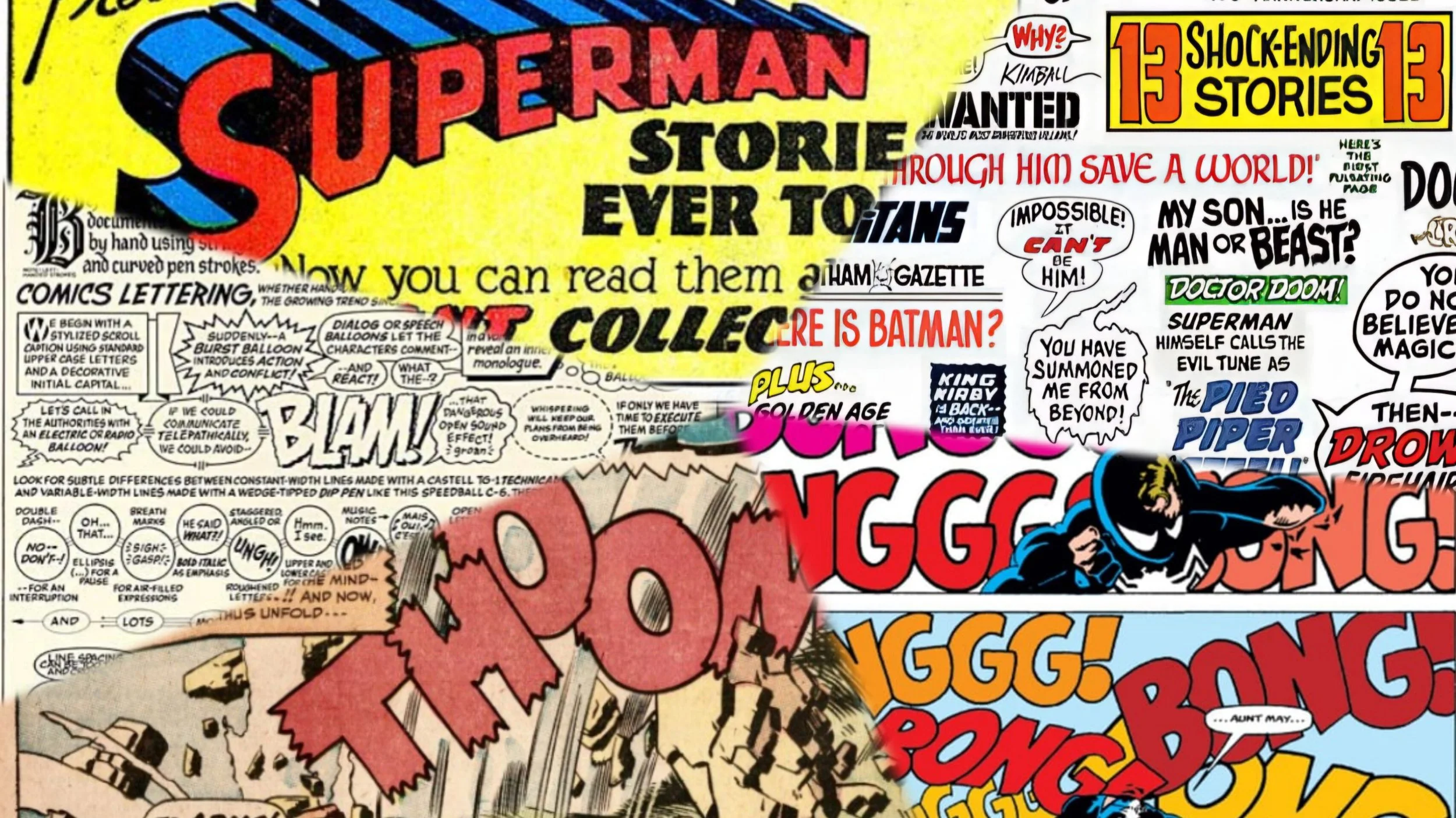
Comic book letterers are the unsung heroes of the industry, a crucial part of the creative team that often goes unnoticed by the casual reader. Their role is to add all of the text to a comic page, including dialogue in word balloons, narrative captions, and dynamic sound effects. Without them, a comic would be a collection of silent, static images. The best letterers can manipulate the reader's experience, guiding their eye across the page and conveying tone, emotion, and pace through their choices of font, size, and layout. It's a highly skilled art form that requires a keen eye for design and an understanding of storytelling.
Today is a great day to appreciate these professionals. While the work of writers and artists often gets the most credit, the letterer's contribution is what truly makes a comic a cohesive narrative. Their work is so integral that it should be celebrated just as much as the penciling or inking.
Here's an expanded look at 10 of the most influential letterers who have shaped the comic book medium.
1. Ira Schnapp
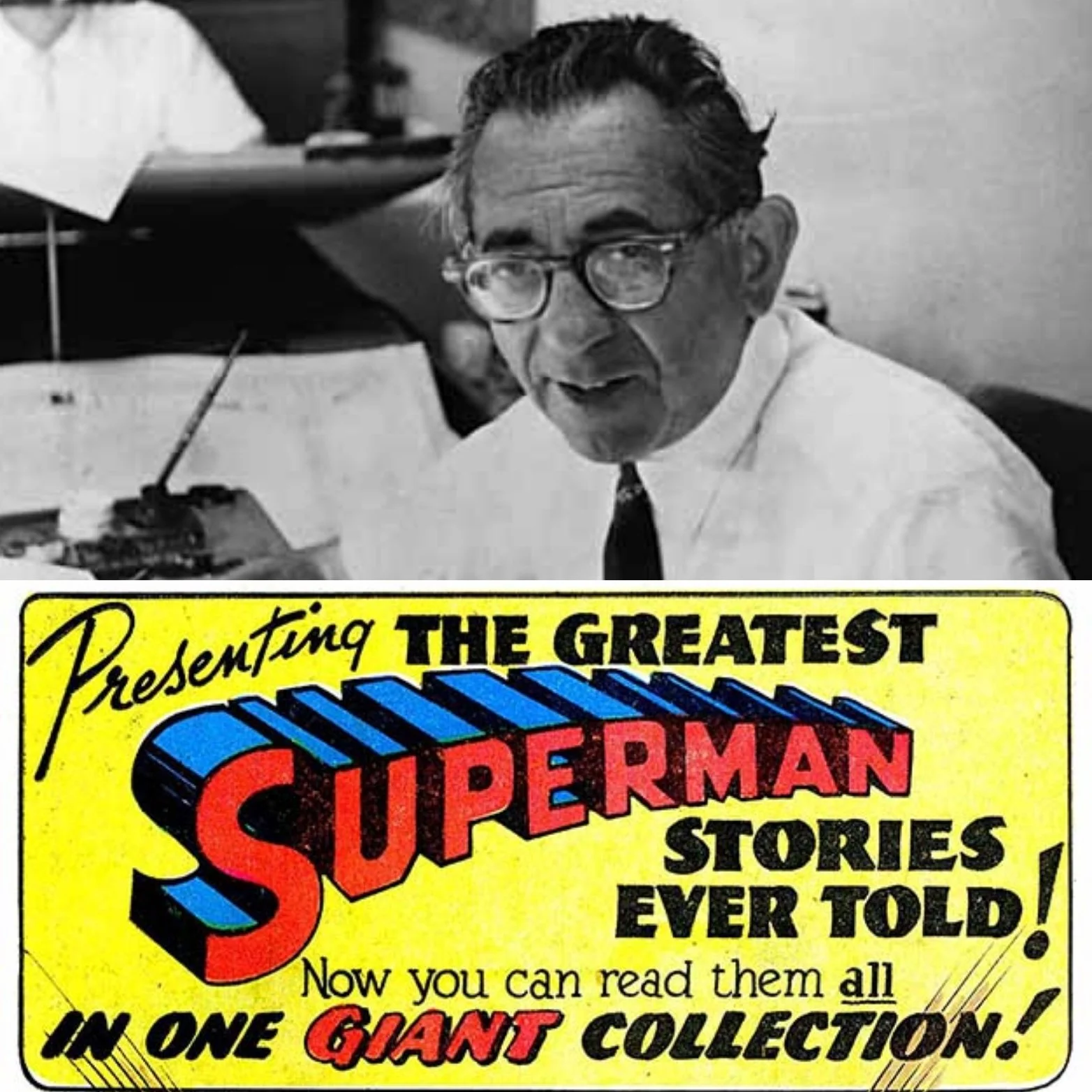
Ira Schnapp's work is the visual identity of the Golden and Silver Ages of DC Comics. He was an in-house artist at DC from the late 1940s until the late 1960s, a period often referred to as the "Schnapp Era." He was a master of a classic, clean style that gave DC books a consistent look. Beyond his interior lettering, he's responsible for designing some of the most recognizable logos in comic history, including the definitive Superman logo. His work represents a time when lettering was a painstaking craft, and his legacy is an example of pure, professional artistry.
2. Gaspar Saladino
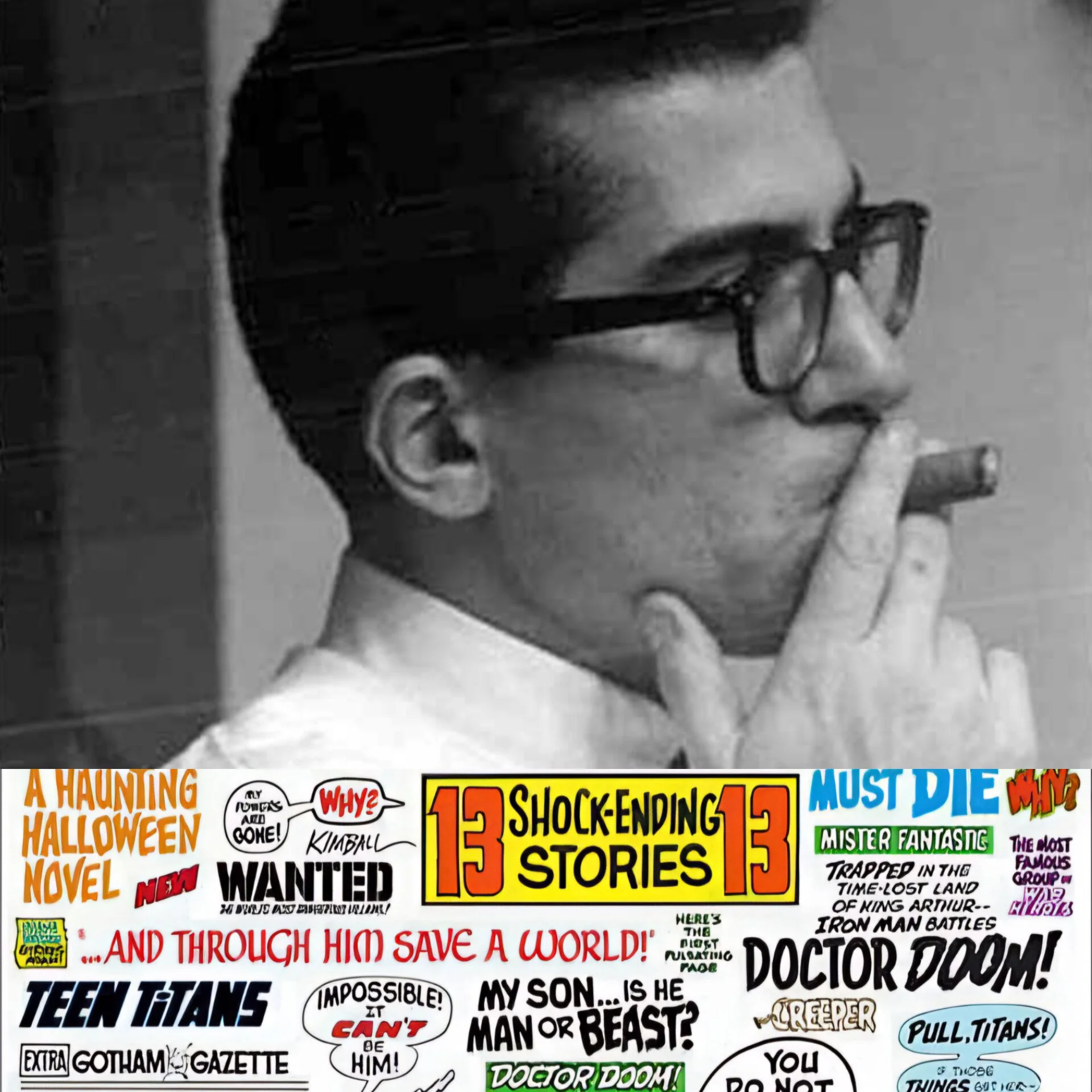
Taking over for Ira Schnapp as DC's primary logo and cover letterer in the late 1960s, Gaspar Saladino brought a new level of energy and dynamism to the medium. His expressive, free-flowing lettering and sound effects were a perfect fit for the more experimental comics of the 1970s. He famously designed the logos for dozens of titles, including Swamp Thing and The Vigilante, and his work on stories like Batman: The Killing Joke showcased how lettering could add an extra layer of psychological depth to a narrative. He was a true innovator who influenced an entire generation of letterers, including Todd Klein.
3. Sam Rosen
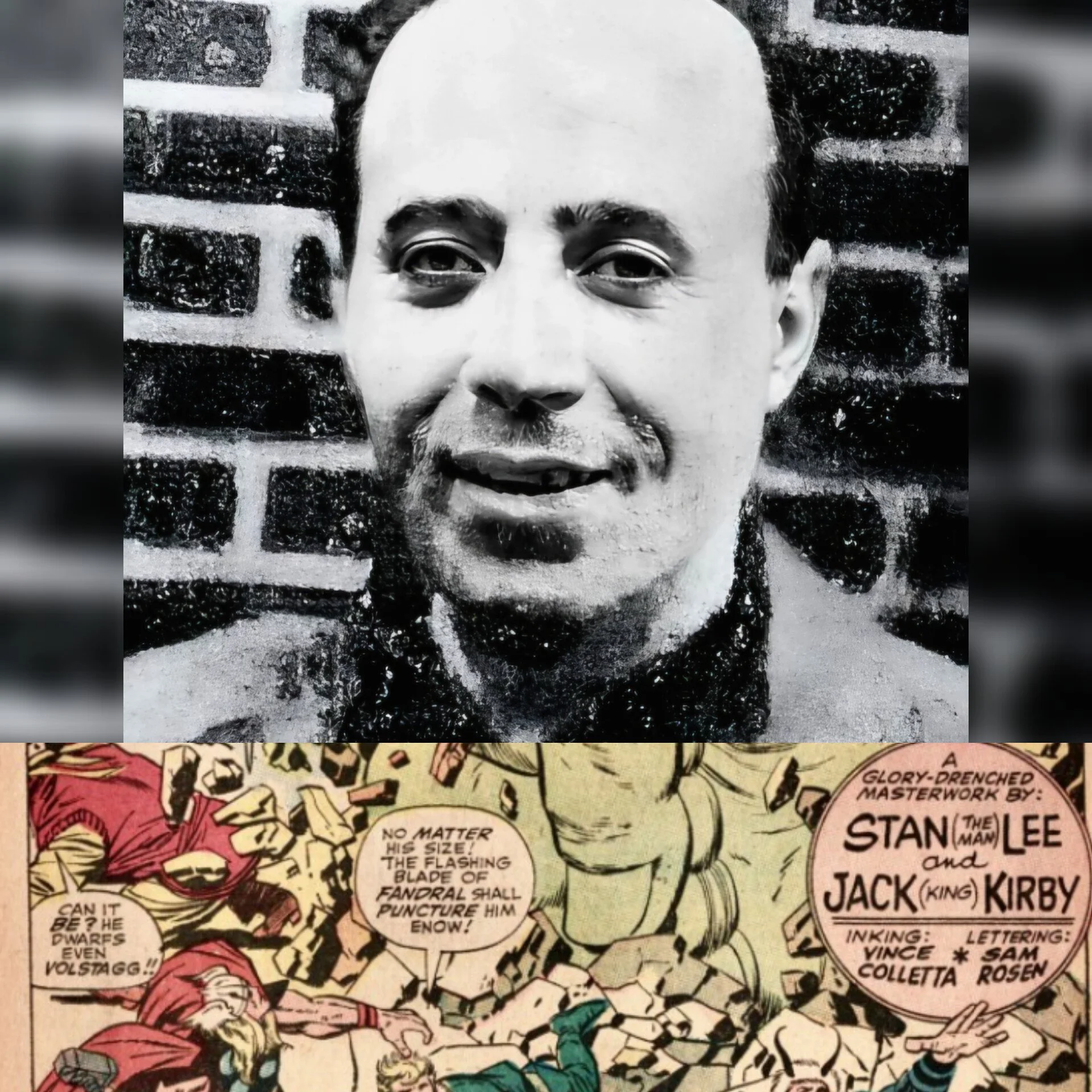
As a prolific letterer for Marvel Comics in the Silver Age, Sam Rosen's work was a cornerstone of the company's "House Style." His lettering on iconic titles like Fantastic Four and Amazing Spider-Man gave the books a clean, readable look that was perfect for Stan Lee's wordy scripts. He worked on many of the earliest stories of Marvel's most popular characters, helping to set a visual standard that continues to influence the company today.
4. John Workman
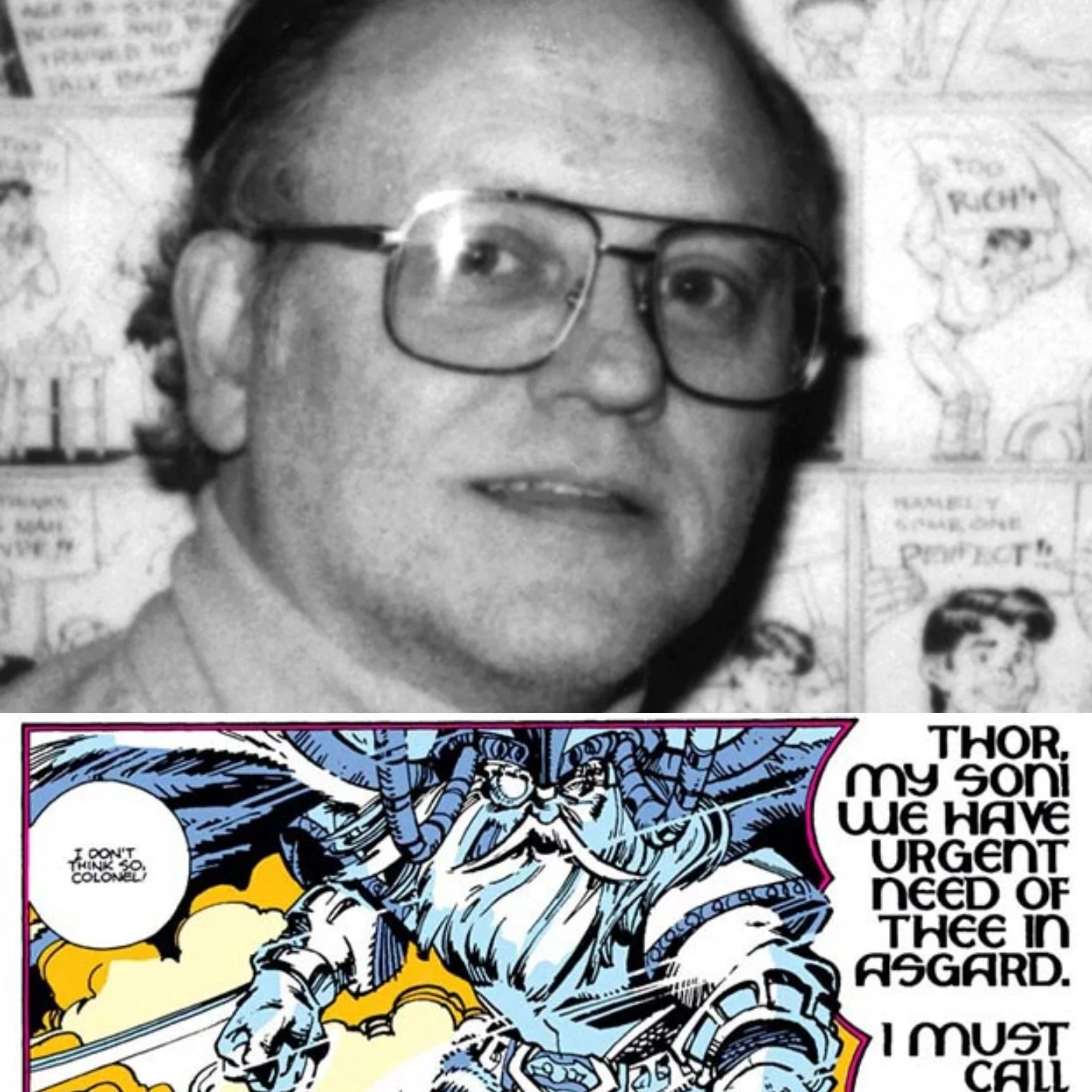
John Workman is renowned for his mastery of "display lettering," especially his over-the-top, inventive sound effects. His work on Walt Simonson's Thor is a prime example, where his stylized "KRAKA-DOOM!" or "BLAAM!" weren't just text; they were a vital part of the artwork. He has a distinctive style that adds a tremendous amount of energy and movement to a comic book page, and his lettering often feels like a character in its own right.
5. Todd Klein
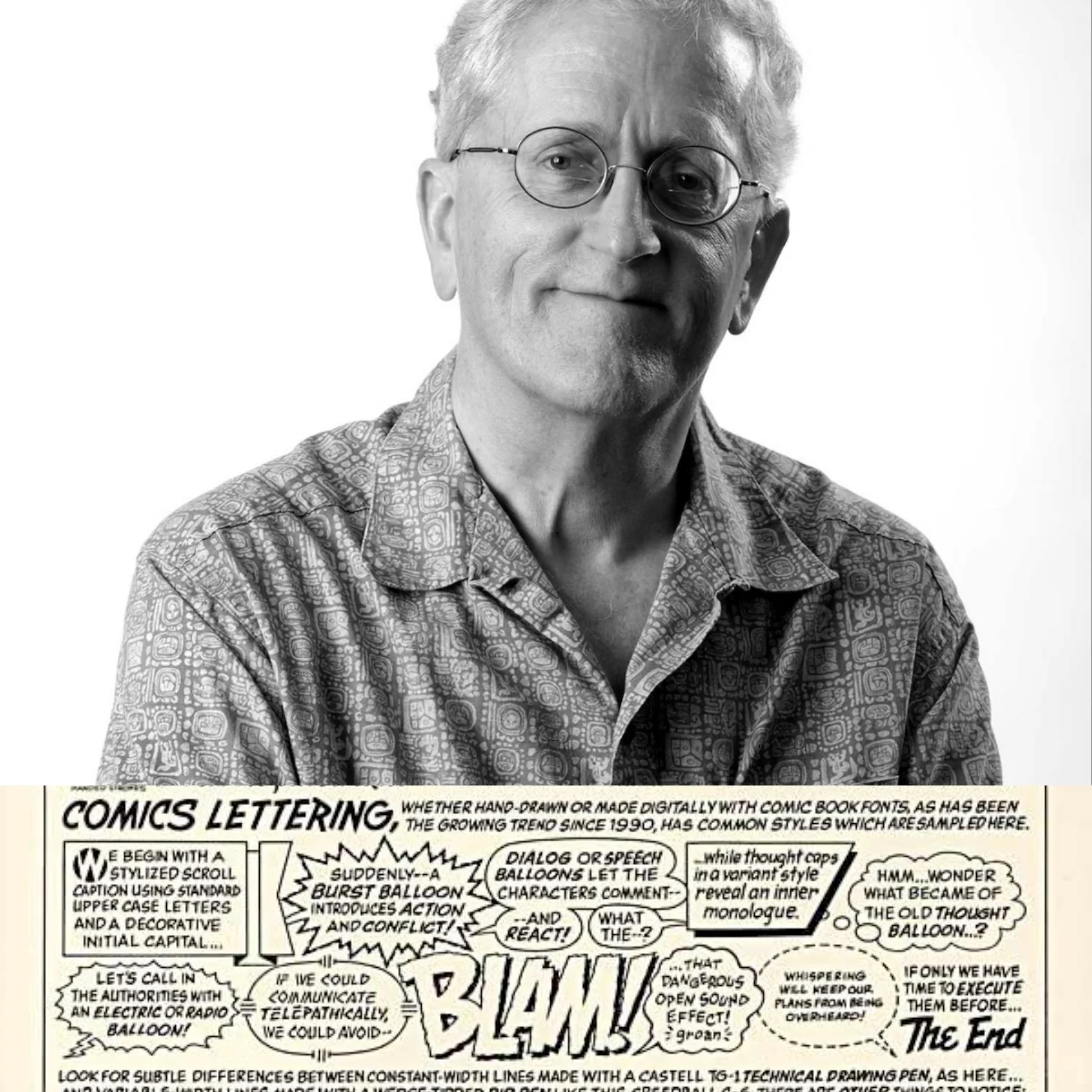
Todd Klein is widely regarded as one of the greatest living letterers. With over a dozen Eisner Awards for his work, his talent is unparalleled. His lettering on Neil Gaiman's The Sandman is a masterclass in subtlety and characterization. He developed unique fonts and balloon styles for each of the Endless, making their dialogue instantly recognizable. His career has spanned decades, and he is celebrated for his versatility, from the restrained elegance of Promethea to the gritty texture of his Fables work.
6. Tom Orzechowski
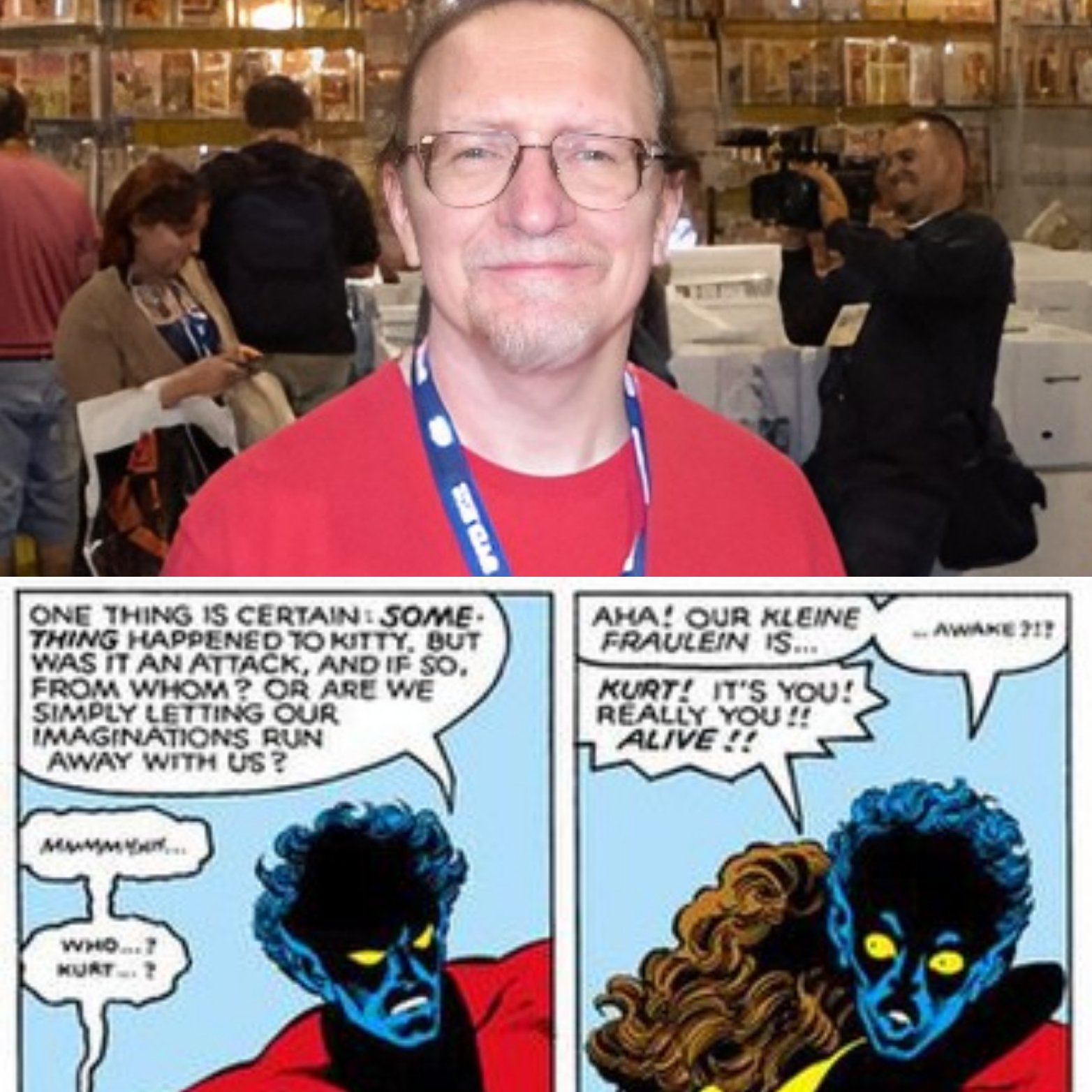
Tom Orzechowski is forever linked to the X-Men. He lettered the core team's comic from the mid-1970s to the early '90s, and his distinctive, slightly sloped hand-lettering became a huge part of the series' visual identity during its most popular era. He was known for his attention to detail and ability to keep complex, multi-character scenes clear and easy to follow, making him an essential collaborator for writers like Chris Claremont and artists like John Byrne.
7. Richard Starkings
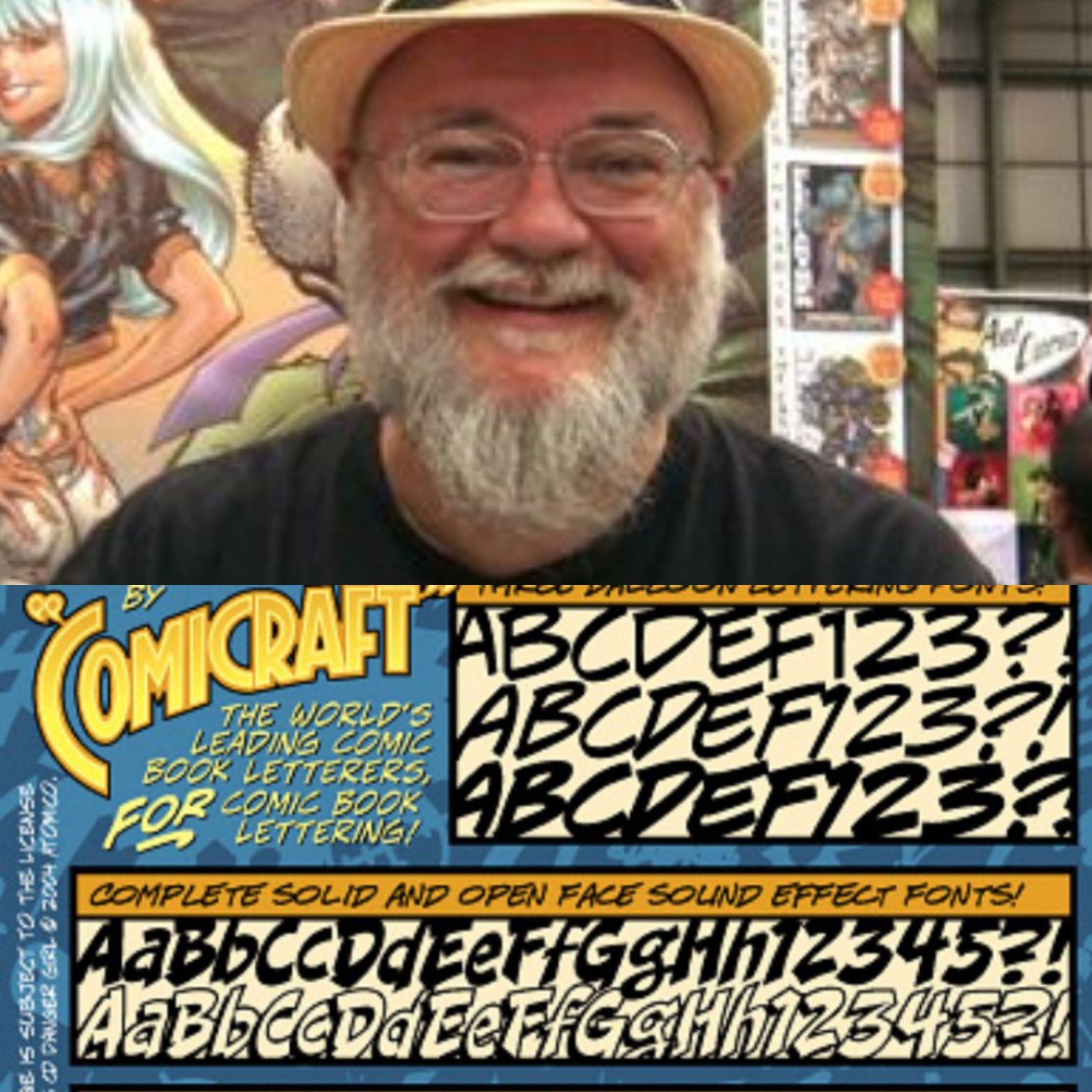
Richard Starkings is the letterer who brought comics into the digital age. As the founder of Comicraft, he and his team created the first commercially available digital fonts specifically designed for comics. These fonts mimicked the look of classic hand-lettering, but their digital nature revolutionized the industry's workflow, making it faster and more efficient. Comicraft's influence is so vast that for years, their fonts were the industry standard, and their work can be seen in countless modern comics.
8. Dave Gibbons
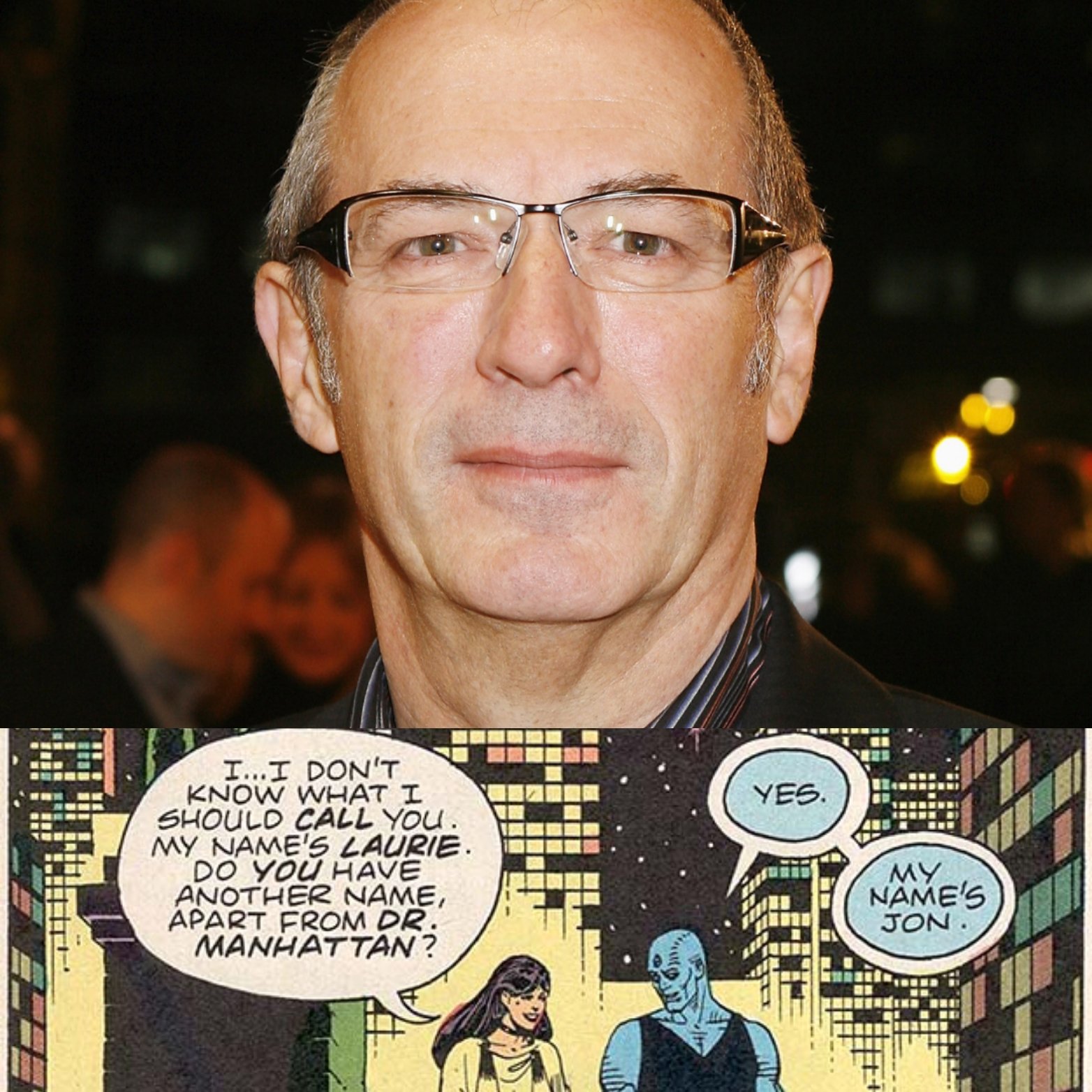
While known as the artist for Watchmen, Dave Gibbons's lettering on the series is an essential part of its genius. He hand-lettered every page of the dense, nine-panel grid comic. His precise, uniform lettering perfectly suited the book's highly structured and meticulous storytelling. This choice to letter his own work gave Watchmen a unique level of creative control and consistency that would have been impossible with a separate letterer.
9. Stan Sakai
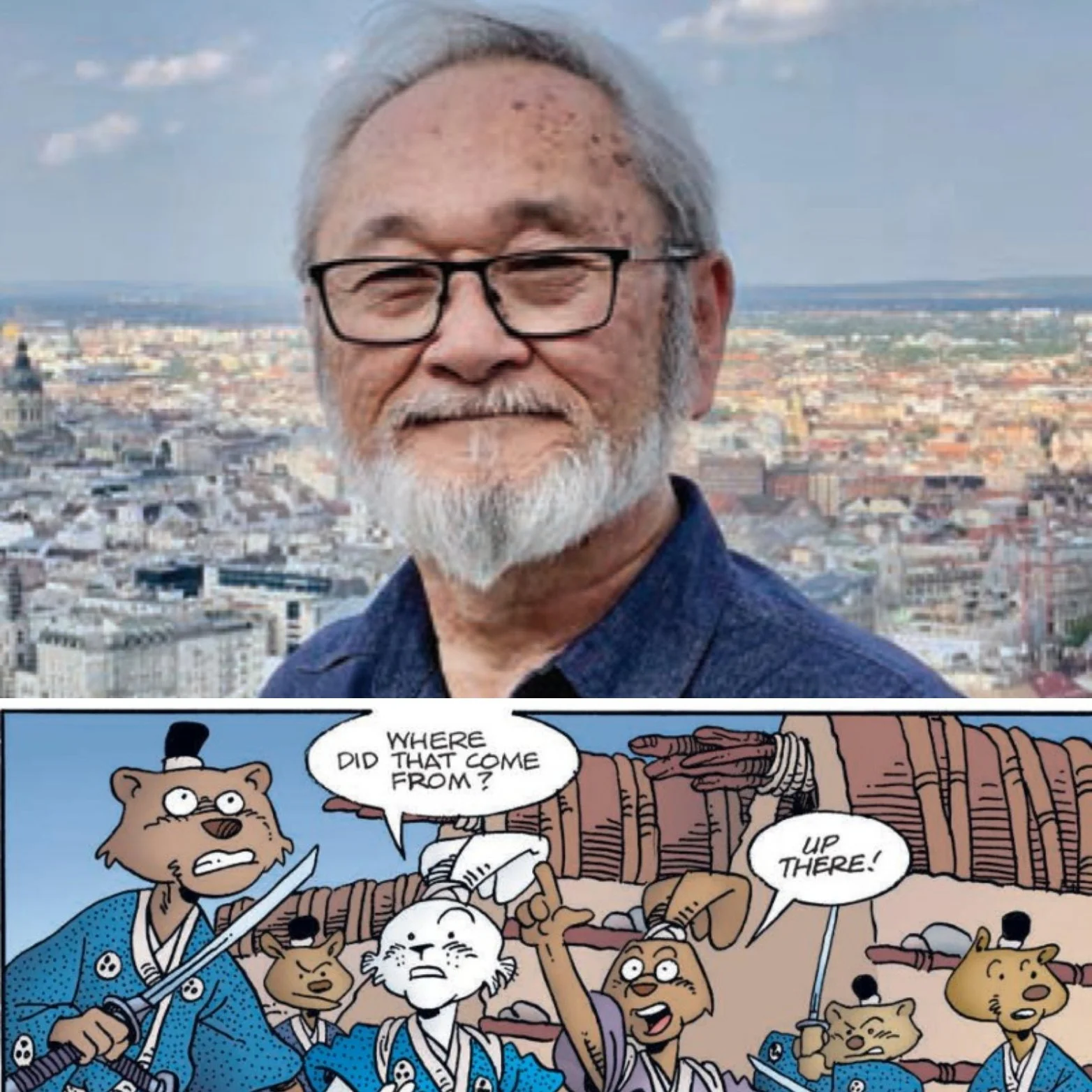
As a true auteur, Stan Sakai handles every creative aspect of his beloved series Usagi Yojimbo. His hand-lettering is beautiful and perfectly integrated with his black and white art, reflecting the clean, elegant style of his linework. The lettering is clear and concise, never distracting from the action, and has been consistently praised by fans and critics alike for its grace and readability. His multiple Eisner Awards for both writing and art, as well as lettering, showcase his complete mastery of the form.
10. Janice Chiang
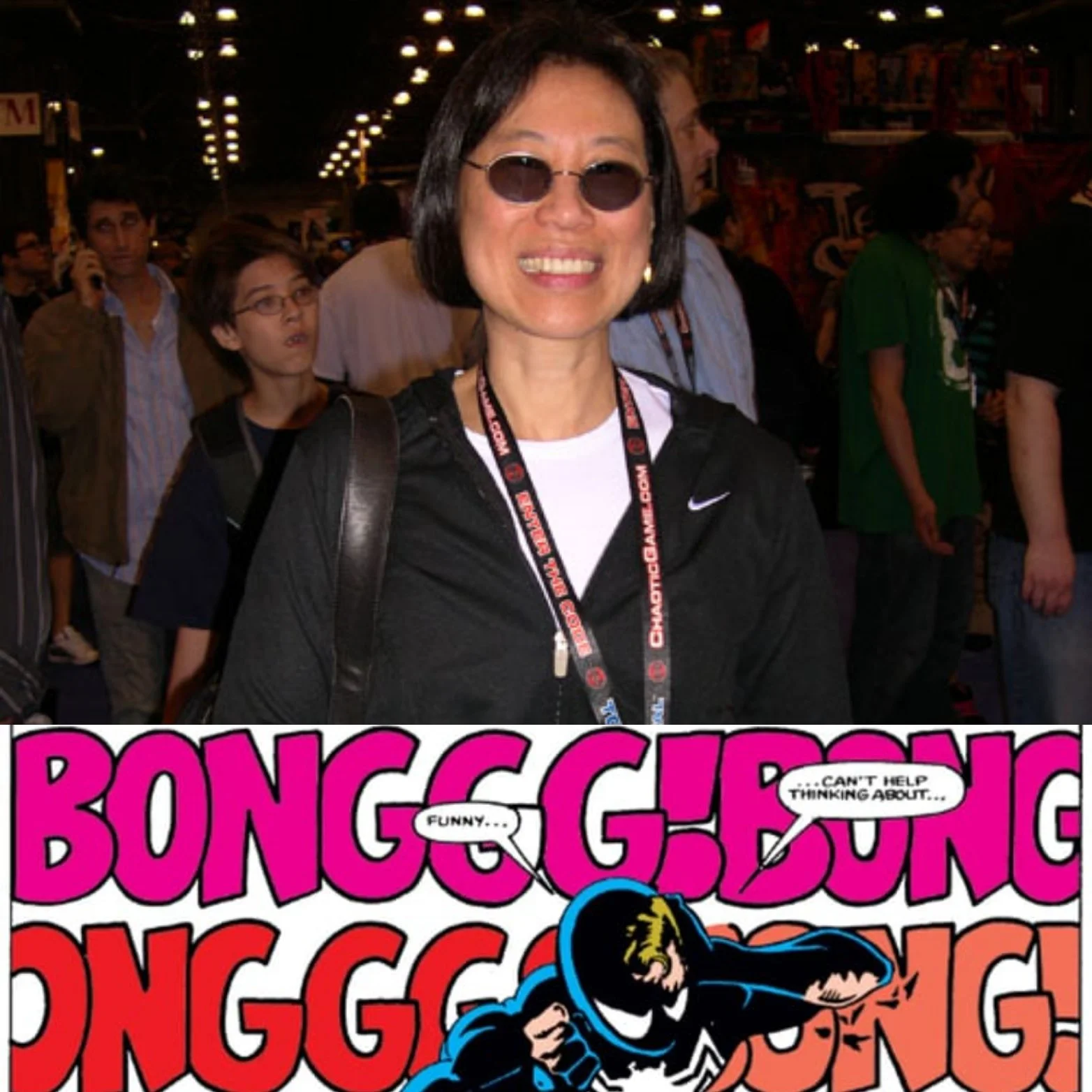
A true trailblazer, Janice Chiang has had a profound impact on the industry for over four decades. She began her career at Marvel Comics in the late 1970s and became one of the most prolific letterers of the 1980s and '90s. As one of the few women in a male-dominated field for much of her career, she lettered a vast number of popular titles, including Transformers, Iron Man, and Ghost Rider. Her work is a testament to her skill, consistency, and a pioneering spirit that paved the way for future generations of female letterers.
In conclusion, while often overlooked, letterers are the unsung heroes of the comic book world. They are the final storytellers, weaving together the art and script into a seamless narrative. From the hand-crafted styles of pioneers like Ira Schnapp and Janice Chiang to the digital innovations of Richard Starkings and the artistic mastery of Todd Klein, these professionals have profoundly shaped the industry.
Recognizing their crucial role enriches our appreciation for comics, revealing the intricate artistry required to bring a story to life on the page.