
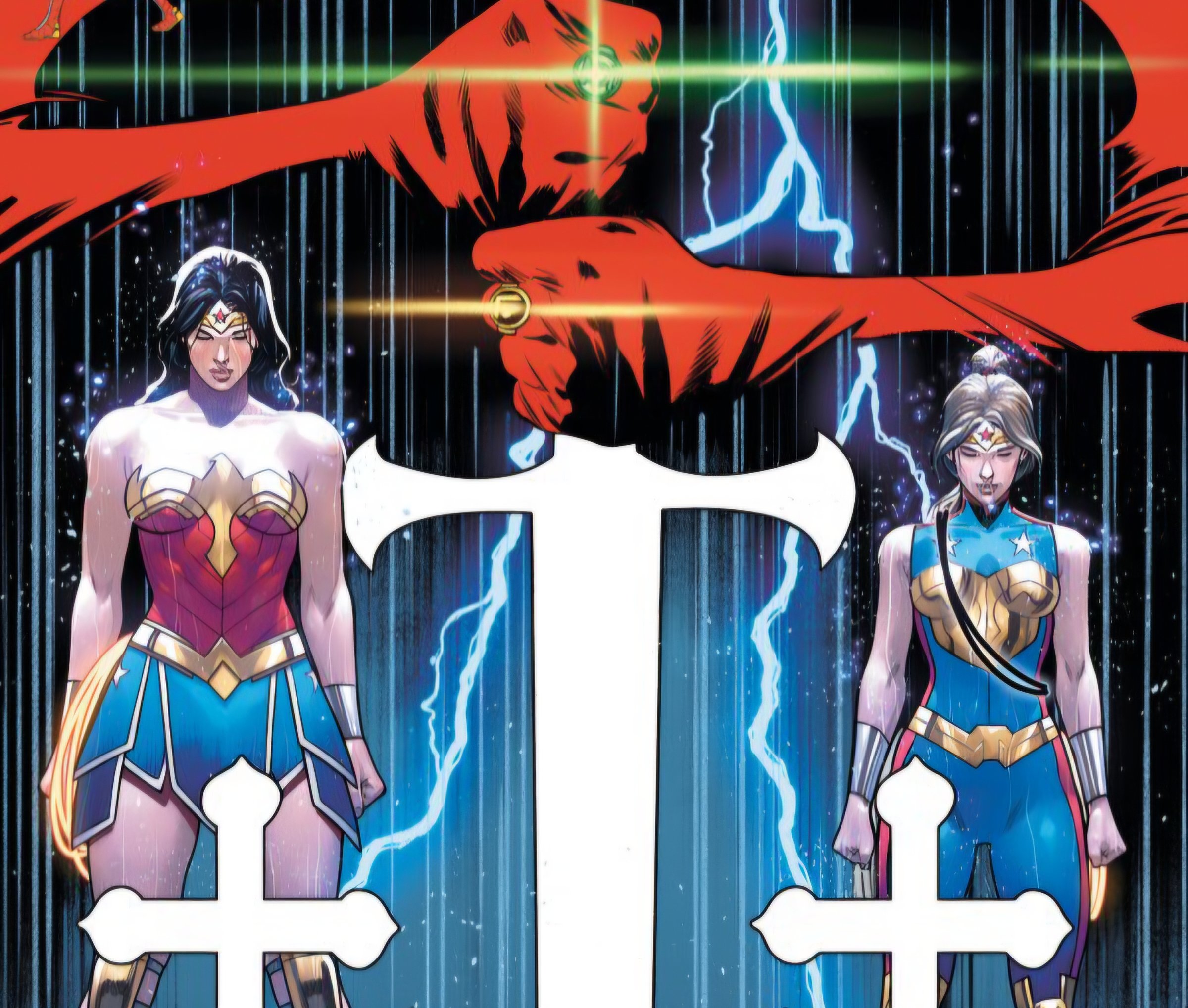
Wonder Woman issue #32 is published DC Comics with writing credits attributed to Tom King, art by Daniel Sampere, colours by Adriano Lucas, lettering by Clayton Cowles
The Recap: The Noose Tightens
When we left off in #31, Diana was essentially a fugitive in a country she once helped protect. The Matriarch's "Lasso of Lies" hasn't just been a physical threat; it’s been a psychological one, rewriting the narrative of what it means to be an Amazon in the modern world.
Issue #32 picks up in the immediate aftermath of the "Steel and Silk" confrontation. The story opens with a hauntingly quiet sequence at a nondescript diner in the Midwest—a classic King setting. Diana is trying to maintain a low profile, but the tension is palpable. The Matriarch's propaganda has worked too well. Even the people she saves are looking at her with a mix of fear and resentment.
The core of this issue revolves around a "missing" piece of Amazonian history that the Matriarch is using as leverage. We get a series of flashbacks to Themyscira that parallel Diana’s current isolation. By the end of the issue, the stakes are shifted from a political battle to a personal one, as Trinity’s future (Diana’s daughter from the future timelines we’ve been seeing) starts to bleed into the present-day narrative in a way that feels both inevitable and terrifying.
The Story: Deconstructing the Myth
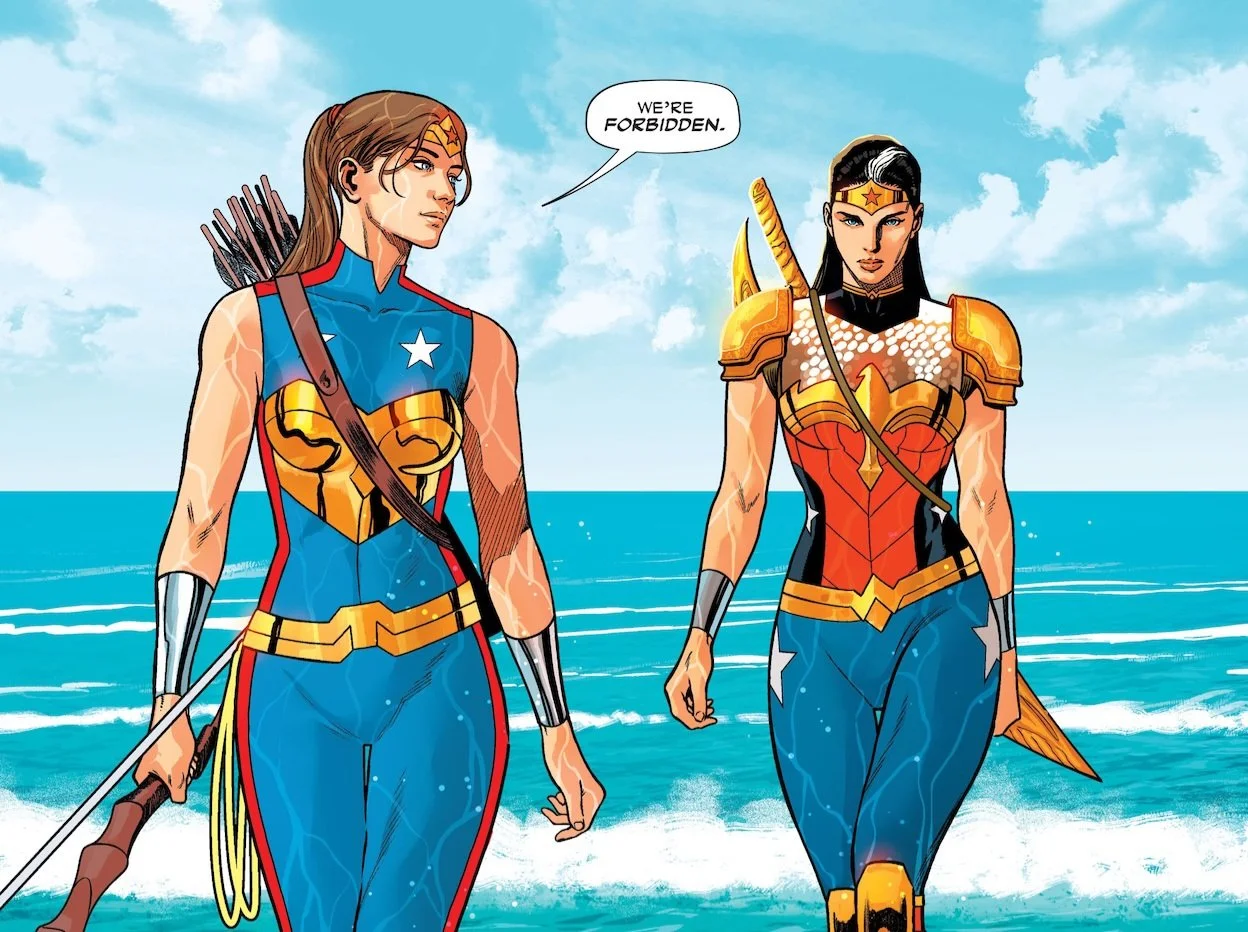
Tom King is known for deconstructing heroes, but in Wonder Woman #32, he seems more interested in reconstructing her against an impossible tide. The writing here is sharp, dense, and unapologetically philosophical.
What makes the story in this specific issue stand out is the focus on the "Lies vs. Truth" dichotomy. In a world of deepfakes and Matriarch-controlled media, Diana’s Lasso of Truth is becoming a liability. How do you tell the truth to people who have been conditioned to love the lie? King handles this with a surprising amount of nuance. It’s not just "superhero beats up the bad guy"; it’s a meditation on the exhaustion of being "the good one."
There’s a specific dialogue scene between Diana and a disillusioned veteran halfway through the book that is vintage King. It’s six panels of heavy-hitting dialogue that manages to humanize the global conflict. It grounds the "Amazon Ban" plotline in a way that feels less like a comic book event and more like a tragedy. The way Diana handles the veteran's anger—not with a punch, but with a terrifyingly calm empathy—is why this run is going to be talked about for decades.
The Pacing: A Masterclass in Tension
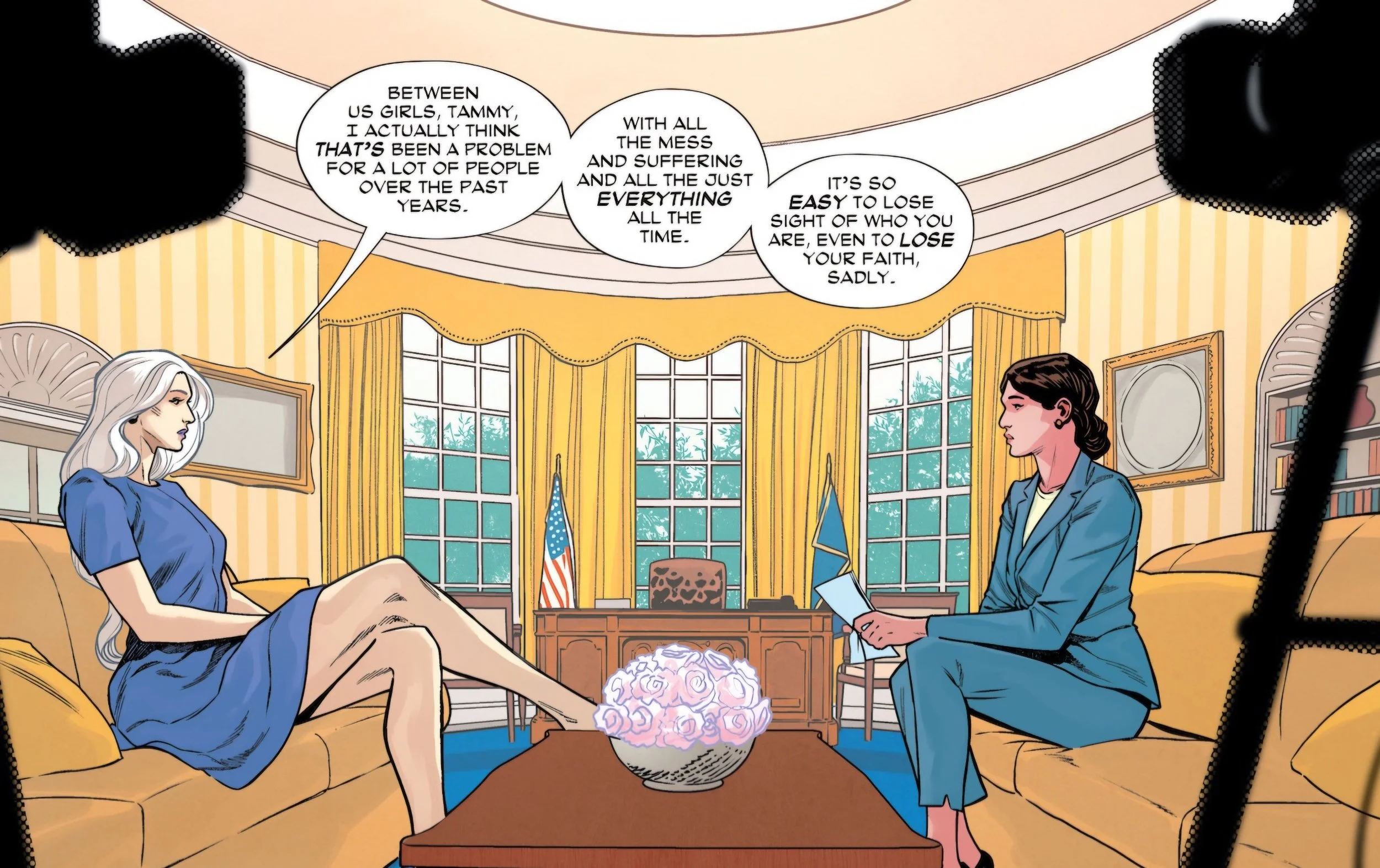
If you’ve read King’s Mister Miracle or Strange Adventures, you know he loves a "decompressed" style. Some fans find it slow, but in #32, the pacing is actually quite frantic despite the quiet moments.
The issue uses a 9-panel grid for several key pages, which creates a sense of claustrophobia. You feel the Matriarch's influence closing in on Diana. The transition between the high-action sequences (a stunning skirmish with government-sanctioned "Amazon Hunters") and the somber, reflective moments is seamless.
The middle act of this issue slows down significantly to let a revelation about the Matriarch's identity breathe, but then the final four pages ramp up to a breakneck speed. It’s a rhythmic style of storytelling that rewards the reader for paying attention to the small details. It’s the kind of pacing that works perfectly for those of us making short-form content—every page feels like it has a "hook" or a "cliffhanger" that demands a reaction.
The Art: Daniel Sampere is Unstoppable
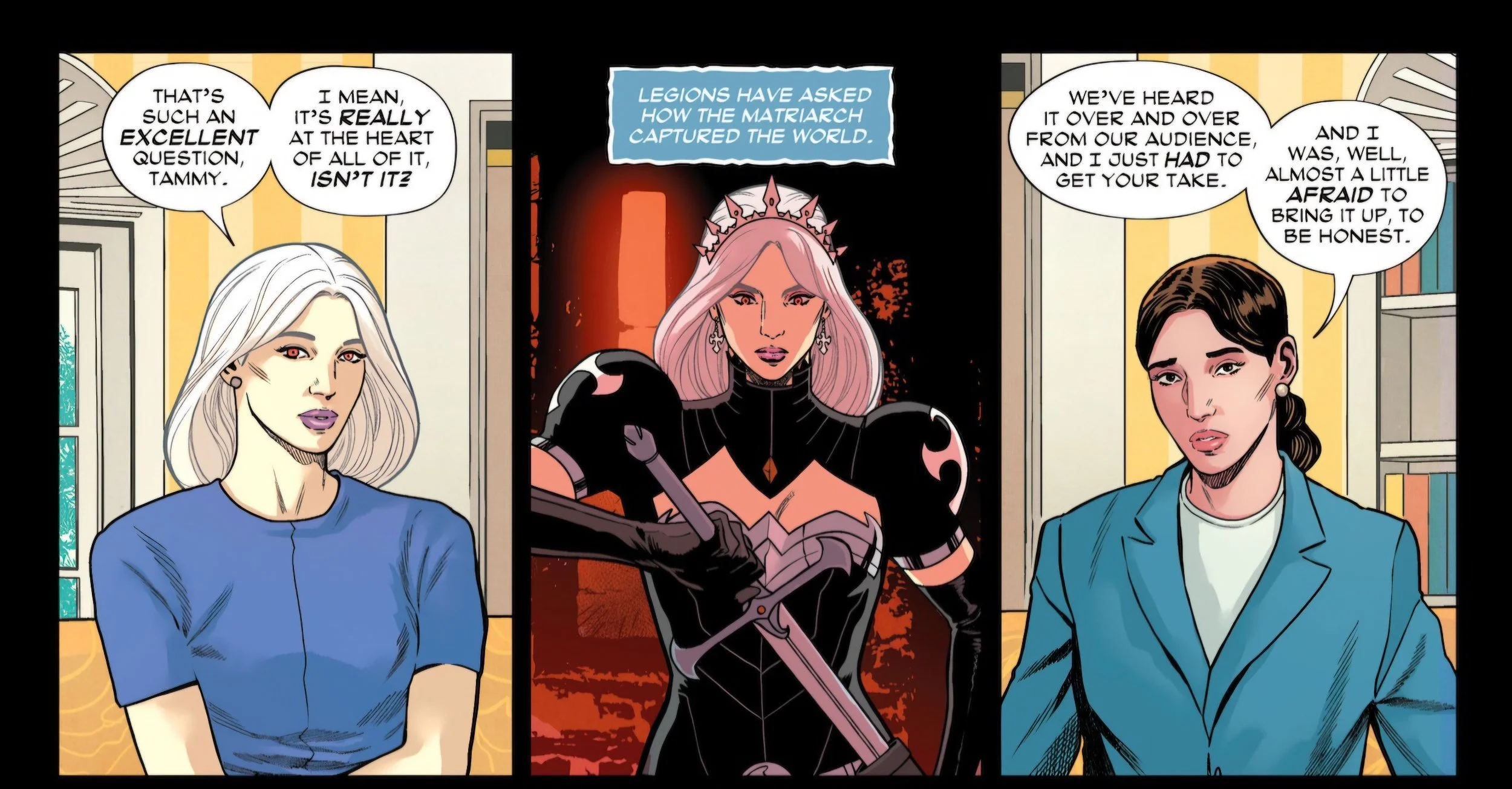
We have to talk about Daniel Sampere. At this point in the run, he has cemented himself as the definitive Wonder Woman artist of the 2020s. His work in issue #32 is, quite frankly, a flex.
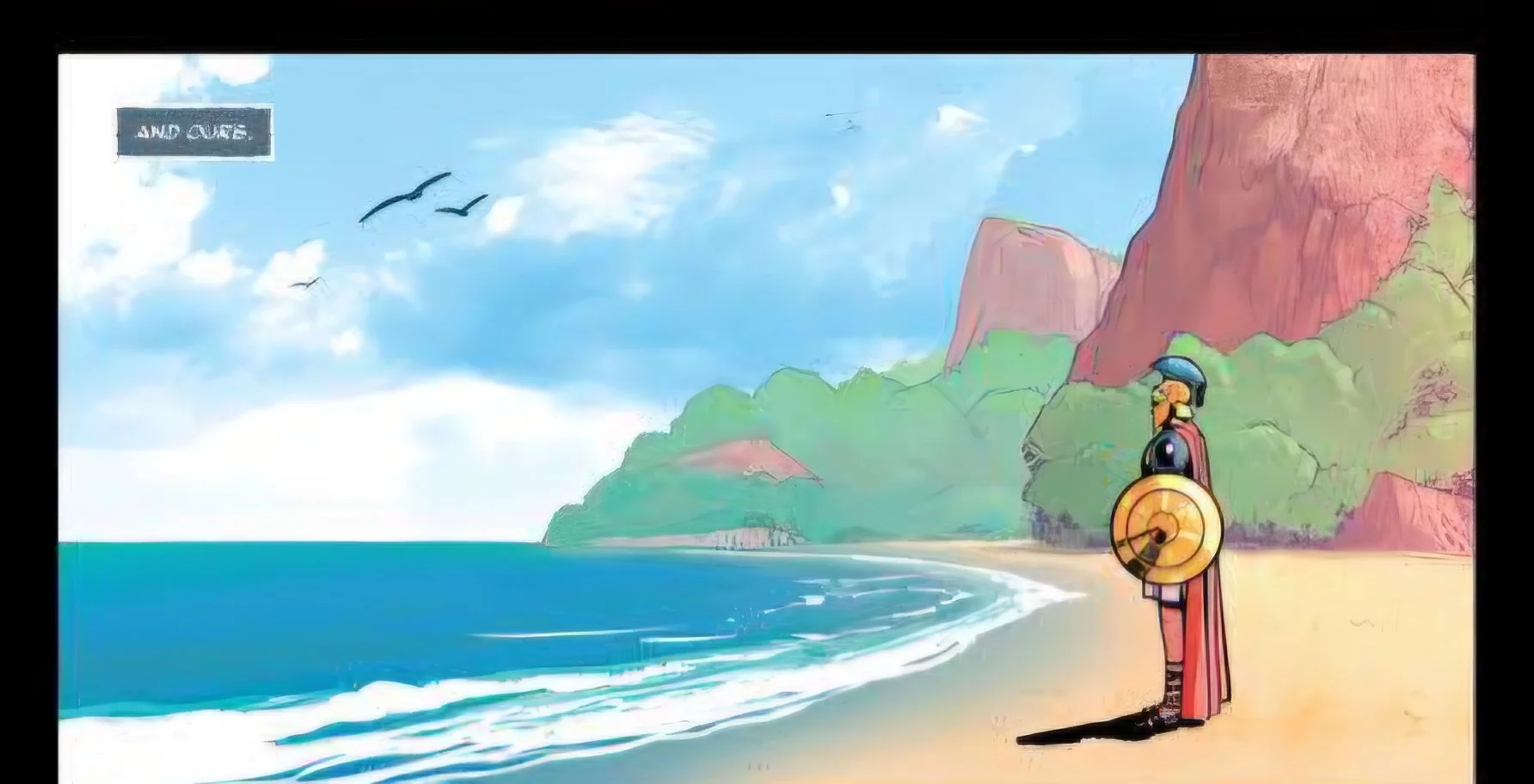
The Scale: The opening shots of the American landscape compared to the ethereal, golden-hued flashbacks of Themyscira create a visual bridge that shouldn't work, but it does.
The Emotion: Diana’s face says more in this issue than the dialogue does. There’s a panel near the end where she looks genuinely tired—not physically, but soul-weary. Sampere captures that weight in her eyes and the set of her shoulders in a way that feels incredibly human.
The Action: When the action does kick off, it’s kinetic and brutal. Sampere’s choreography is clean; you never lose track of where Diana is or the impact of her strikes. The way he renders the Lasso of Truth—shimmering, almost alive—contrasts beautifully with the dark, jagged energy of the Matriarch's forces.
Tomeu Morey’s colors also deserve a shoutout. The palette shifts from the cold, clinical blues of the "modern" world to the warm, almost blinding oranges and golds of Diana’s memories. It’s a visual representation of the Truth being drowned out by the cold reality of the Matriarch's reign.
Final Verdict: A Must-Read
Wonder Woman #32 is a masterstroke. It manages to move the overarching "Sovereign" plot forward while delivering a standalone character study that reminds us why Diana is part of the Trinity.
Is it a "jumping-in point"? Probably not. You really need the context of the previous 31 issues to feel the full weight of the betrayals and the political maneuvering. But for those of us who have been buckled in since issue #1, this is the payoff we’ve been waiting for.
King and Sampere are doing something special here. They aren't just telling a Wonder Woman story; they are defining what she means in an era of misinformation. If you’re looking for "Shorts" material, the final page reveal alone is going to set the internet on fire. It’s a bold, risky move that redefines Diana’s mythology yet again.