
Writer: Robert Kirkman
Artist: Ludo Lullabi
Colorist: Mike Spicer
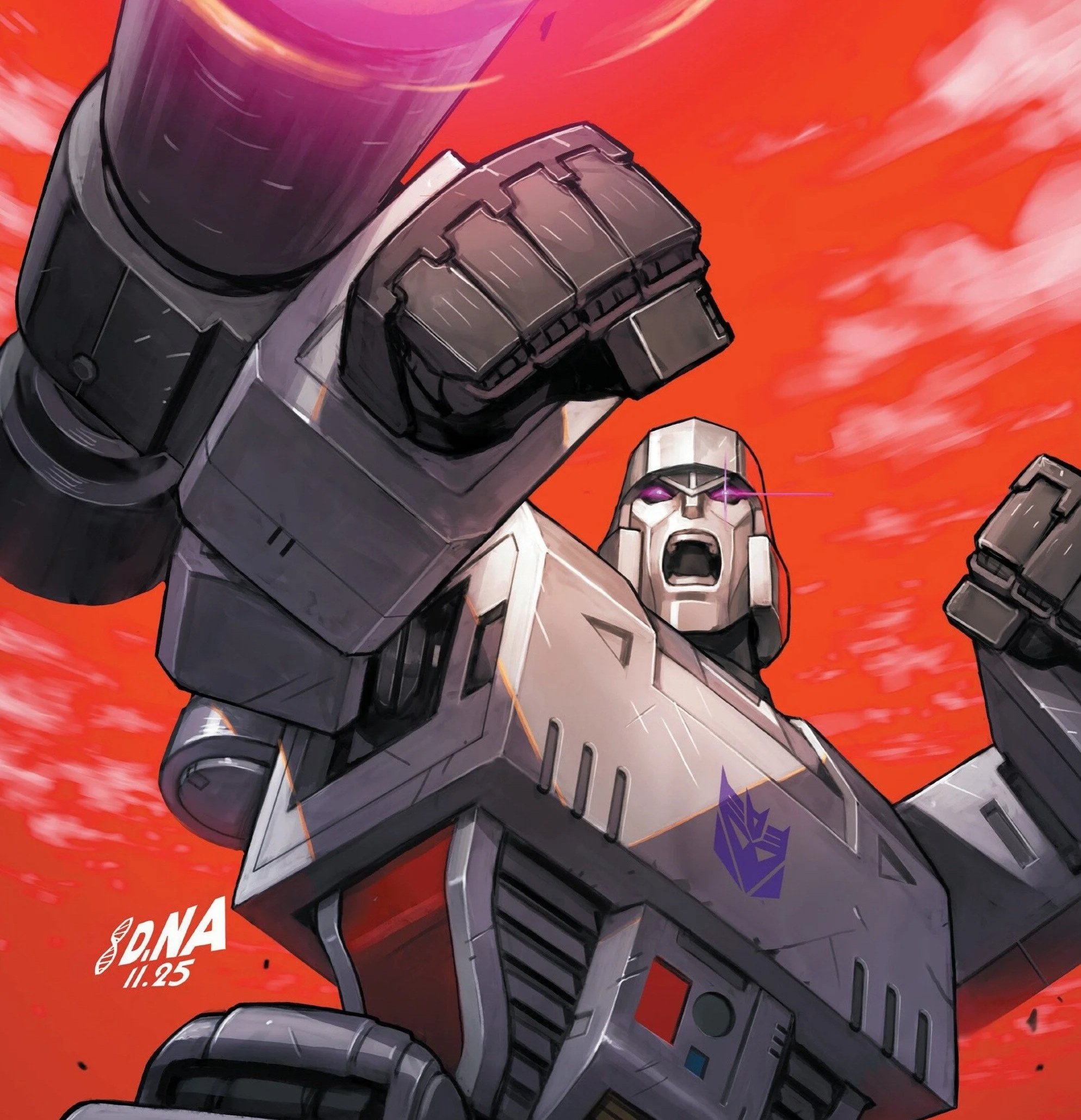
Cover Artist: David Nakayama
After one of the most defining turning points in the series so far, Transformers #31 makes a surprising choice. Instead of building on that momentum, it steps away from it entirely. Rather than continuing the ideological divide between Optimus and Elita Prime, Robert Kirkman narrows the scope almost entirely to one character: Megatron.
On paper, that is a compelling direction. Megatron has been simmering in the background of this run, and the mystery surrounding his instability and connection to a darker power has been building for several issues. This issue finally answers some of those questions. The problem is that despite those reveals, the issue never quite finds the same energy or momentum that has defined the series at its best.
Megatron Takes Center Stage
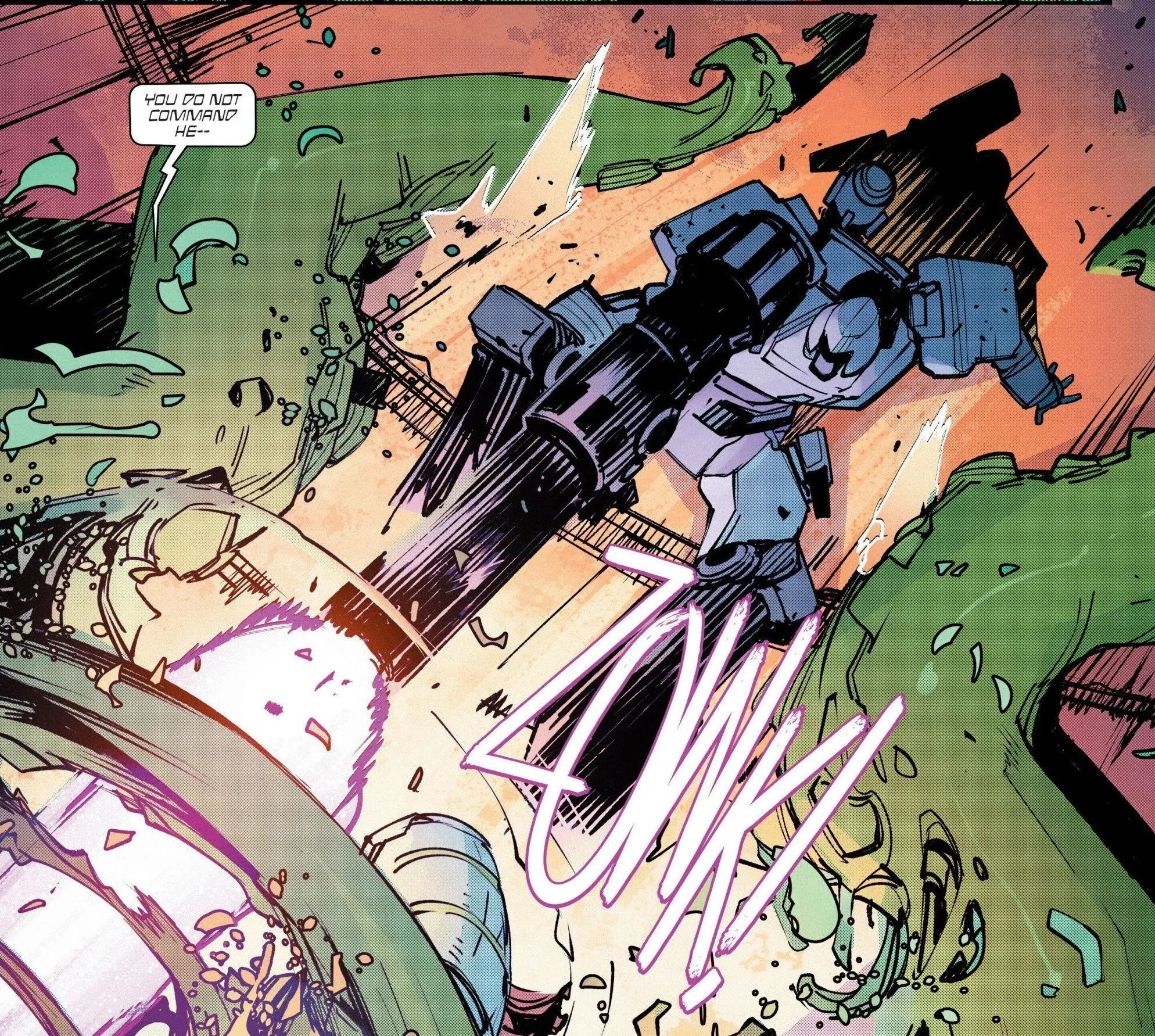
From the opening pages, it's clear that this is Megatron’s story. The structure leans heavily into a mix of hallucination, memory, and revelation, placing the reader directly inside his perspective. This isn't a battlefield issue. It's a conceptual one, almost entirely internal.
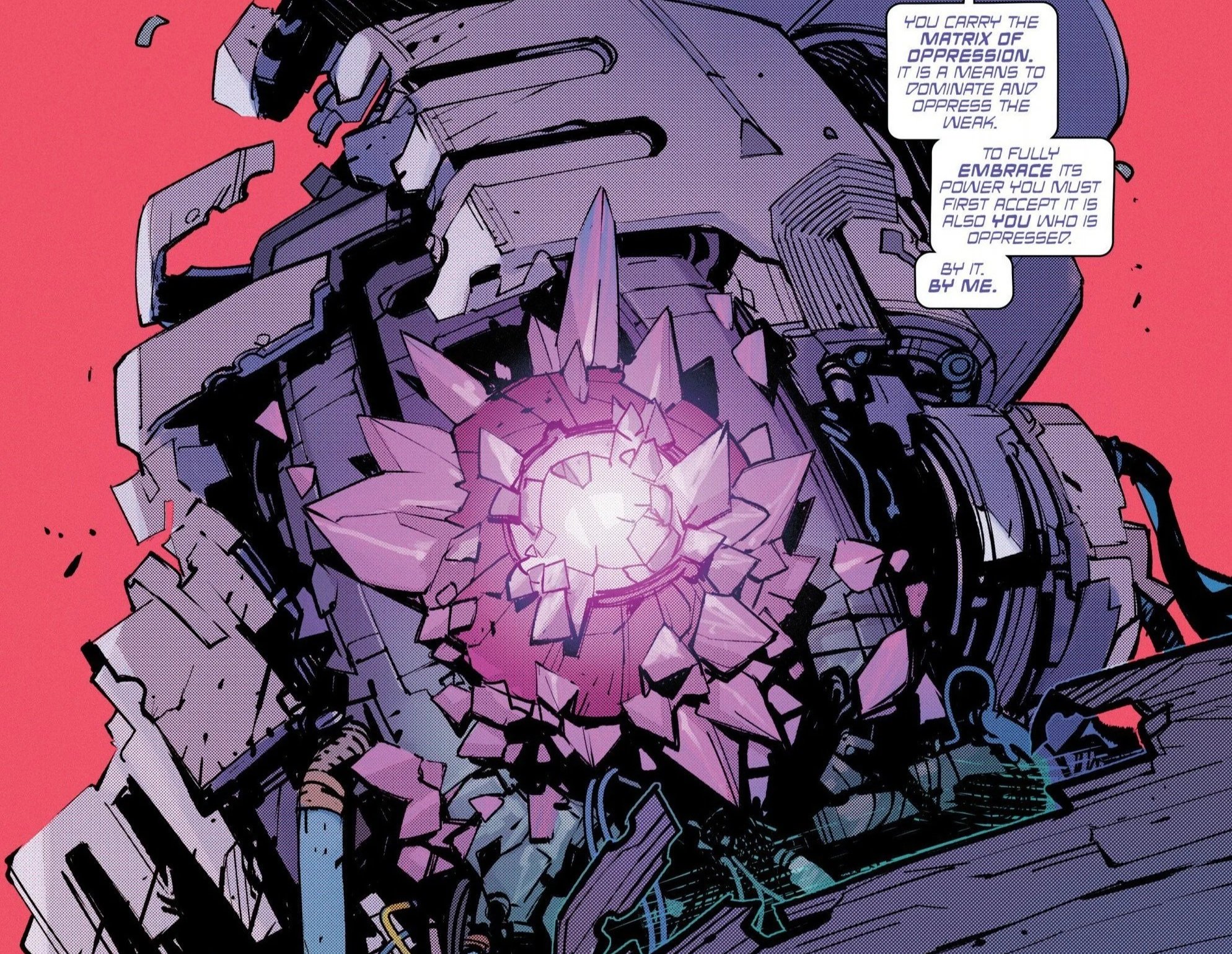
Kirkman uses this setup to explore the long-teased mystery of Megatron’s connection to a corrupted version of the Matrix. The reveal of the Matrix of Oppression is the centerpiece of the issue, reframing Megatron not just as a tyrant, but as a figure shaped and empowered by something far more insidious.
There is a clear parallel being drawn here to Optimus’ relationship with the Matrix of Leadership. Where Optimus’ journey is defined by responsibility and restraint, Megatron’s is rooted in control and domination. The idea itself is strong. It fits neatly into the broader thematic framework of the series, especially coming off an issue that directly questioned what leadership means.
The problem isn't the concept. It's the execution.
A Story That Stands Still
For an issue built around such a significant reveal, Transformers #31 feels surprisingly static. Nearly the entire story unfolds within a single setting, with minimal shifts in perspective or pacing. The structure relies heavily on dialogue and exposition, which slows the issue down considerably.
At its best, this series thrives on momentum. Even quieter issues like #30 maintained tension through character interaction and ideological conflict. Here, that tension is largely absent. Instead of building toward something, the issue circles a single idea without adding meaningful variation.
The hallucination framework allows for some interesting visual and narrative possibilities, but it's not fully utilized. Moments that should feel revelatory come across as drawn out rather than impactful. The introduction of the Matrix of Oppression, while important, lacks the immediacy or emotional weight that similar moments have carried in earlier issues.
There is a sense that the story is stretching itself to fill the space rather than moving with purpose.
Lore Over Engagement
One of the strengths of Kirkman’s run has been its ability to balance lore with character. Even when introducing larger concepts, the story has remained grounded in the emotional journeys of its cast.
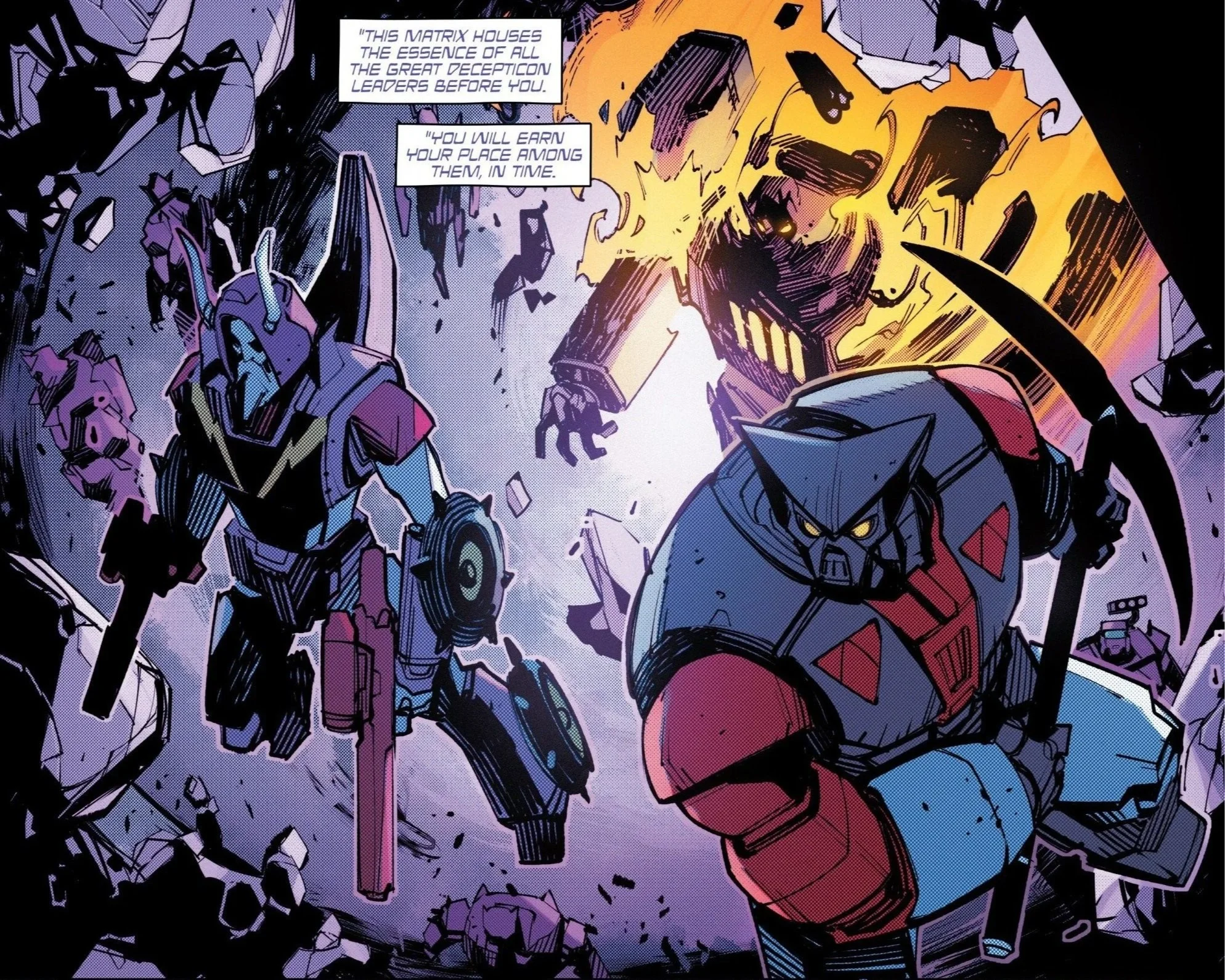
This issue leans much more heavily into lore. The appearance of figures like Megatronus adds an element of mythological depth, and for longtime fans, these connections are likely to be exciting. There is a clear attempt to expand the scope of the Transformers universe and tie Megatron into something larger than the immediate conflict.
But that expansion comes at a cost. The issue prioritizes explanation at the expense of engagement. Instead of using these elements to deepen Megatron as a character, they often feel like setups for future developments rather than meaningful moments in the present.
The result is an issue that feels more like a piece of a larger puzzle than a satisfying chapter on its own.
Ludo Lullabi Steps In
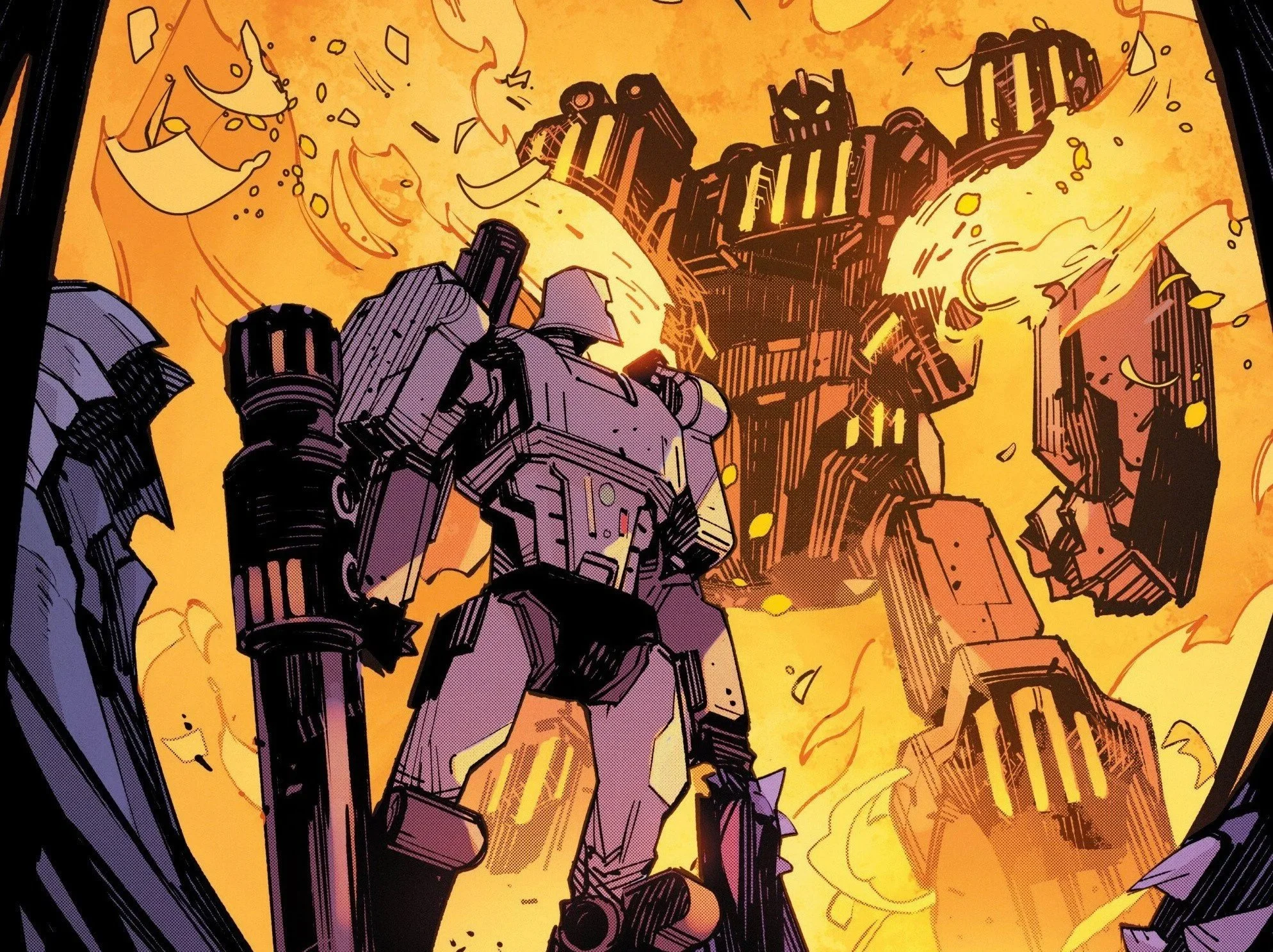
One area where the issue clearly succeeds is its artwork. Taking over from Dan Mora is no small task, especially given how visually defining Mora’s work has been for this series. Ludo Lullabi steps into that role with confidence.
The most noticeable strength in Lullabi’s art is movement. Even in an issue that is largely confined to a single setting, Megatron feels dynamic. His posture, expressions, and physicality give the character a sense of presence that helps carry scenes that might otherwise feel static.
There is a fluidity to the way Megatron moves across the page that keeps the visuals engaging, even when the narrative slows down. The exaggerated motion and expressive detail make him feel volatile and unpredictable, which fits the tone of the story.
The sequences involving Megatronus stand out in particular. There is a sense of scale and intimidation in these moments that elevates the material. The character design and composition give these scenes a weight that the script sometimes struggles to match.
Mike Spicer’s colors continue to be a major asset. The contrast between darker tones and bursts of energy helps define the surreal nature of the hallucination sequences. The use of color creates visual separation between reality and vision, even when the narrative boundaries are less clear.
A Step Back After a Major Shift
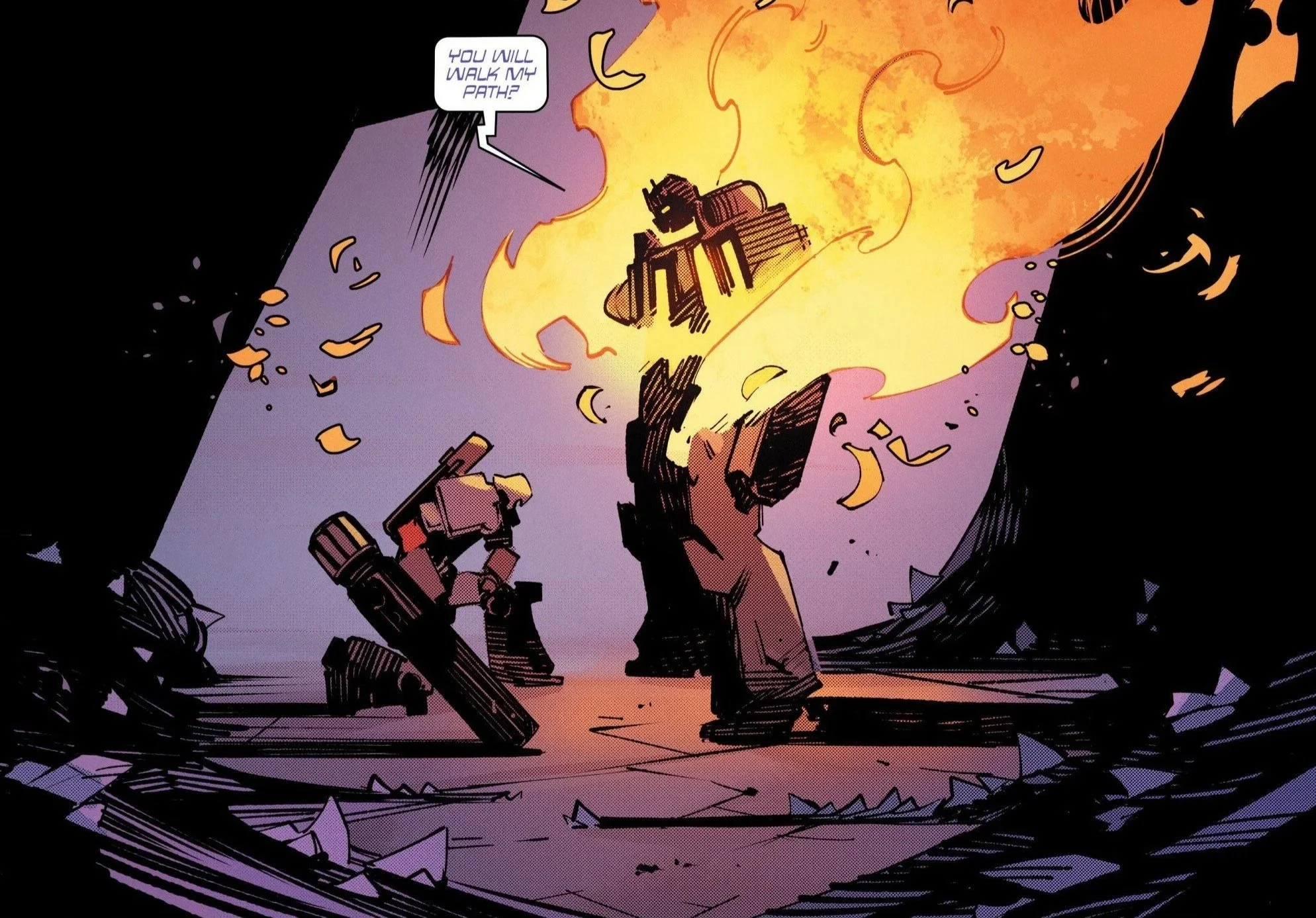
Coming directly after issue #30, this chapter feels like a noticeable step back in momentum. The previous issue fundamentally reshaped the status quo, splitting the Autobots and redefining leadership within the series. It left the story in a position full of tension and possibility.
Transformers #31 largely pauses that momentum. Instead of exploring the immediate consequences of Elita Prime’s rise or Optimus’ new role, the narrative diverts its attention entirely to Megatron.
That choice isn't inherently flawed. Building up Megatron as a larger threat makes sense in the long term. But in the context of the current arc, it feels like an interruption rather than a continuation.
There is little sense of progression from the events of the previous issue. The story doesn’t build on the emotional or ideological fractures that were established. Instead, it shifts focus in a way that feels disconnected from the immediate narrative.
A Bigger Threat, But Less Impact
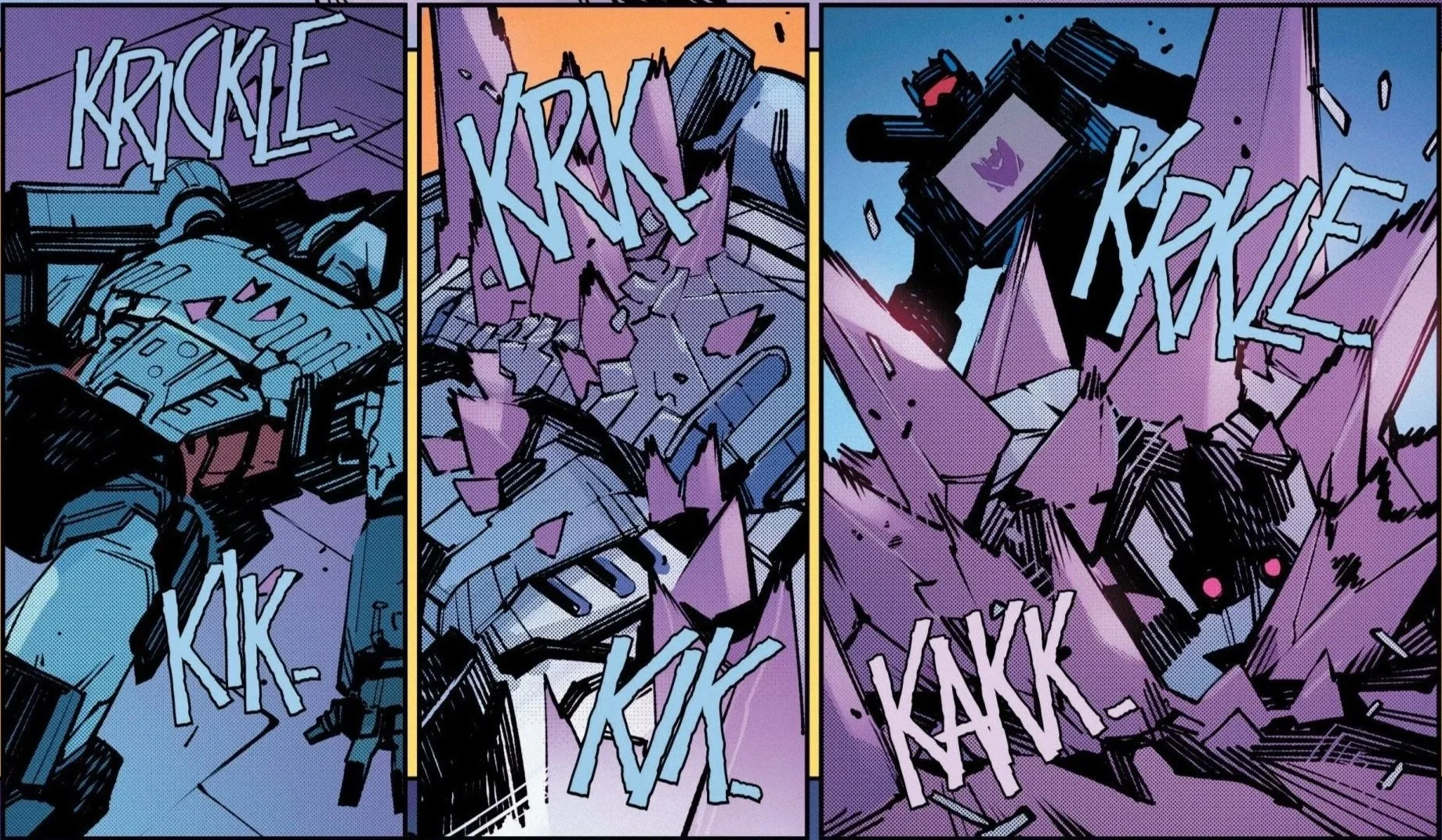
By the end of the issue, the intent is clear. Megatron is being positioned as a far more powerful and dangerous adversary than previously understood. The Matrix of Oppression is meant to elevate him beyond a standard villain into something more mythic.
That idea works on a conceptual level. It sets up a larger conflict and expands the scope of the series in an interesting way. The impact is surprisingly muted. The journey to that reveal feels longer than it needs to be, and the lack of variation in the storytelling makes it harder for the moment to land with the intended weight. Rather than feeling like a major turning point, the issue comes across as a prolonged setup.
Final Thoughts and Rating
Transformers #31 is an issue that prioritizes setup over momentum. It introduces an important concept in the Matrix of Oppression and further develops Megatron’s role within the larger narrative, but it does so in a way that feels slower and less engaging than the series’ strongest chapters.
Ludo Lullabi’s artwork is a clear highlight, bringing energy and expression to a story that often feels static. The visual storytelling helps carry the issue, even when the pacing struggles.
There is potential here. The ideas being introduced could pay off in meaningful ways as the story continues. But as a standalone chapter, this issue lacks the urgency and emotional impact that have defined the best parts of this run.
After the bold, character-driven shift of issue #30, this feels like a pause rather than a progression. This is an issue that explains why Megatron matters, but never quite makes you feel it.
Rating: 6/10
After an issue that redefined leadership and fractured the Autobots, shifting entirely to Megatron feels less like escalation and more like a detour.