
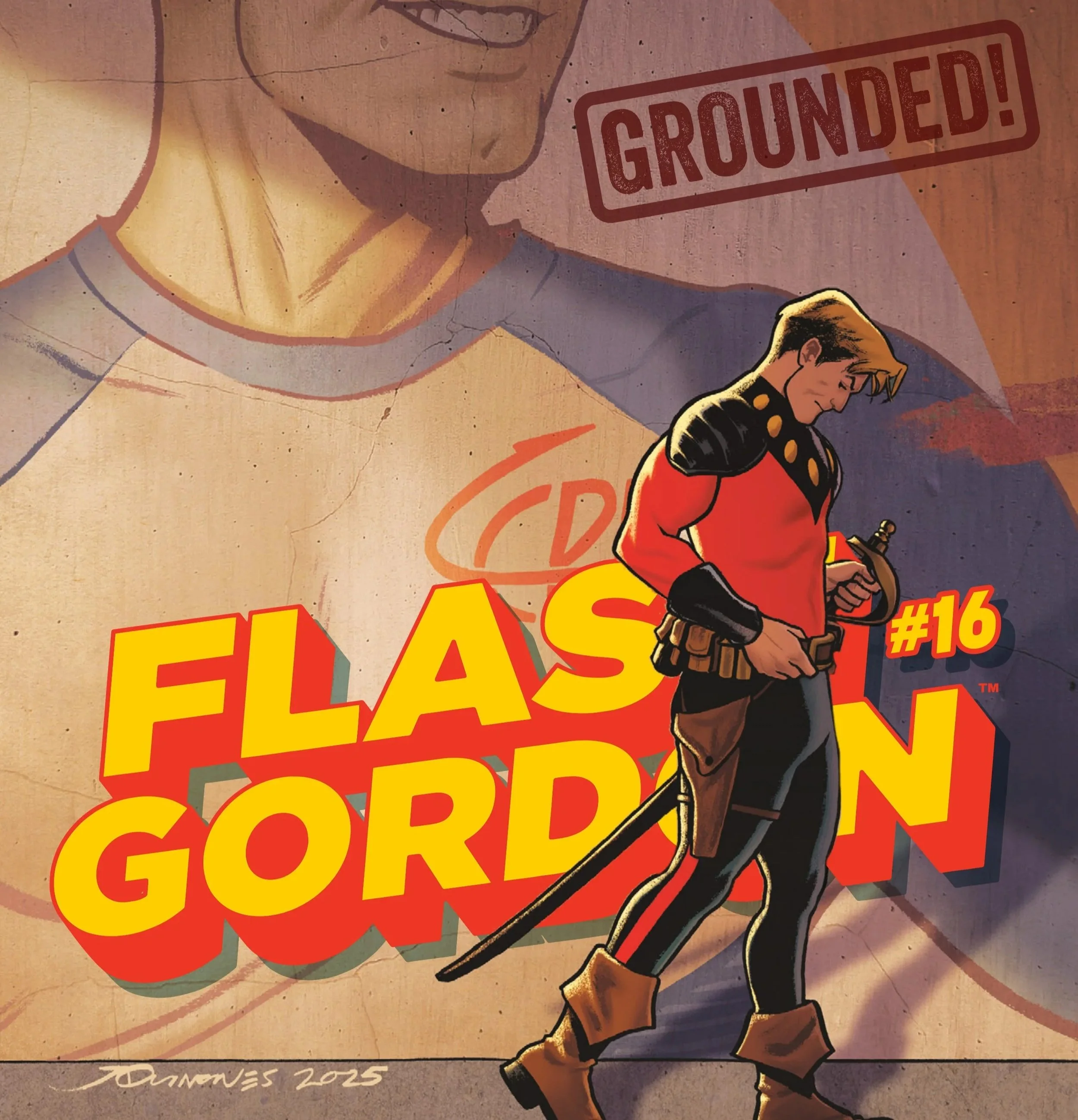
Writer: Dan Abnett
Artist: Manuel Garcia
Colorist: Ceci de la Cruz
Cover Artist: Joe Quinones
Flash Gordon #16 feels like the point where this relaunch truly starts coming together. While Flash Gordon #0 focused heavily on establishing the new status quo and exploring Flash’s uncertainty after years of adventure, this issue finally throws him back into the kind of large-scale sci-fi danger the character was built for. The introspection is still present, but now it exists alongside giant cosmic threats, unauthorized space missions, rival pilots, and the kind of pulpy momentum that makes the series feel much closer to classic Flash Gordon.
That balance matters because it allows the comic to preserve the more reflective themes introduced in #0 without losing sight of what makes Flash Gordon exciting in the first place. Dan Abnett still presents Flash as a man struggling with irrelevance in a world that no longer seems to value the kind of adventuring spirit he represents, but this time those ideas actively fuel the story rather than slowing it down.
The result is a far stronger issue overall and one that feels much more confident in its direction.
A Hero the World Has Outgrown
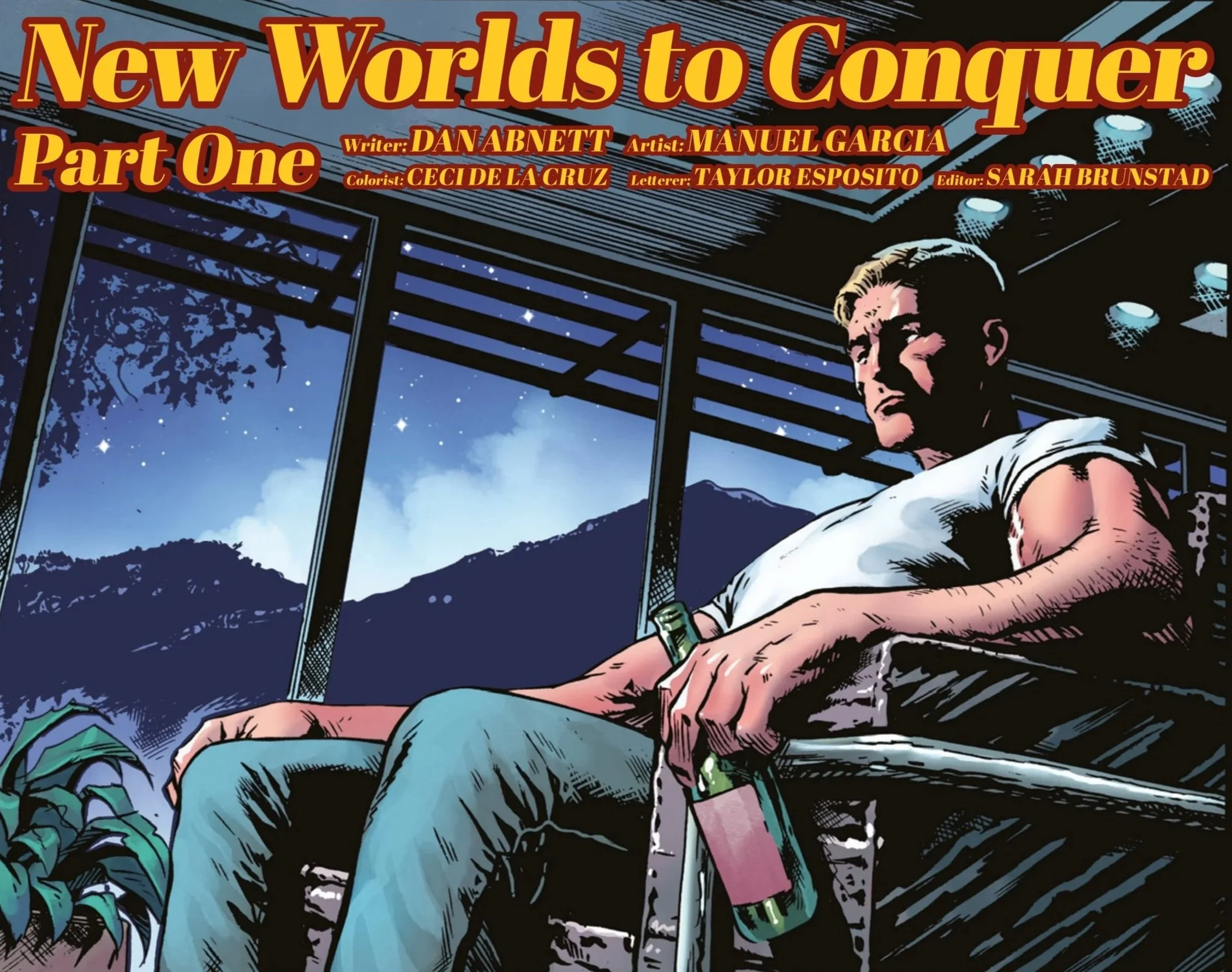
One of the most compelling aspects of this relaunch continues to be Flash’s growing disconnect from the world around him. He’s no longer humanity’s unquestioned spacefaring hero. Earth has changed while he was away, and now institutions like the Earth Rocketry Administration want space exploration handled through rigid structure, careful planning, and government oversight.
Flash Gordon has never been built for that kind of system.
That tension drives much of the issue. A massive planetoid is on a collision course with Earth, yet Flash is expected to sit on the sidelines while the “professionals” handle it. There’s a quiet frustration running through the comic because Flash knows he has the experience to help, but the people in charge see him as reckless, outdated, and impossible to control.
What makes this characterization work better here than it did in #0 is that the story gives Flash something tangible to push against. Instead of simply reflecting on his dissatisfaction with normal life, he’s actively confronting a world that no longer has room for someone like him. That creates a much stronger sense of momentum and purpose.
The issue also wisely avoids making Flash overly bitter or cynical. There’s definitely anger and resentment beneath the surface, but Abnett never lets the character lose the optimism and determination that define him. Even when Flash feels sidelined, he still fundamentally wants to help people. That core sincerity keeps the character recognizable even as the relaunch explores a more uncertain stage of his life.
In many ways, the comic treats Flash like an old-school pulp adventurer trying to survive in a modernized world that values procedure over instinct. It’s a smart direction because it allows the series to explore themes of aging and relevance while still preserving what makes Flash Gordon distinct from other sci-fi heroes.
The Adventure Finally Kicks Into Gear
For all the thematic depth the issue explores, Flash Gordon #16 succeeds because it never forgets to actually be fun.
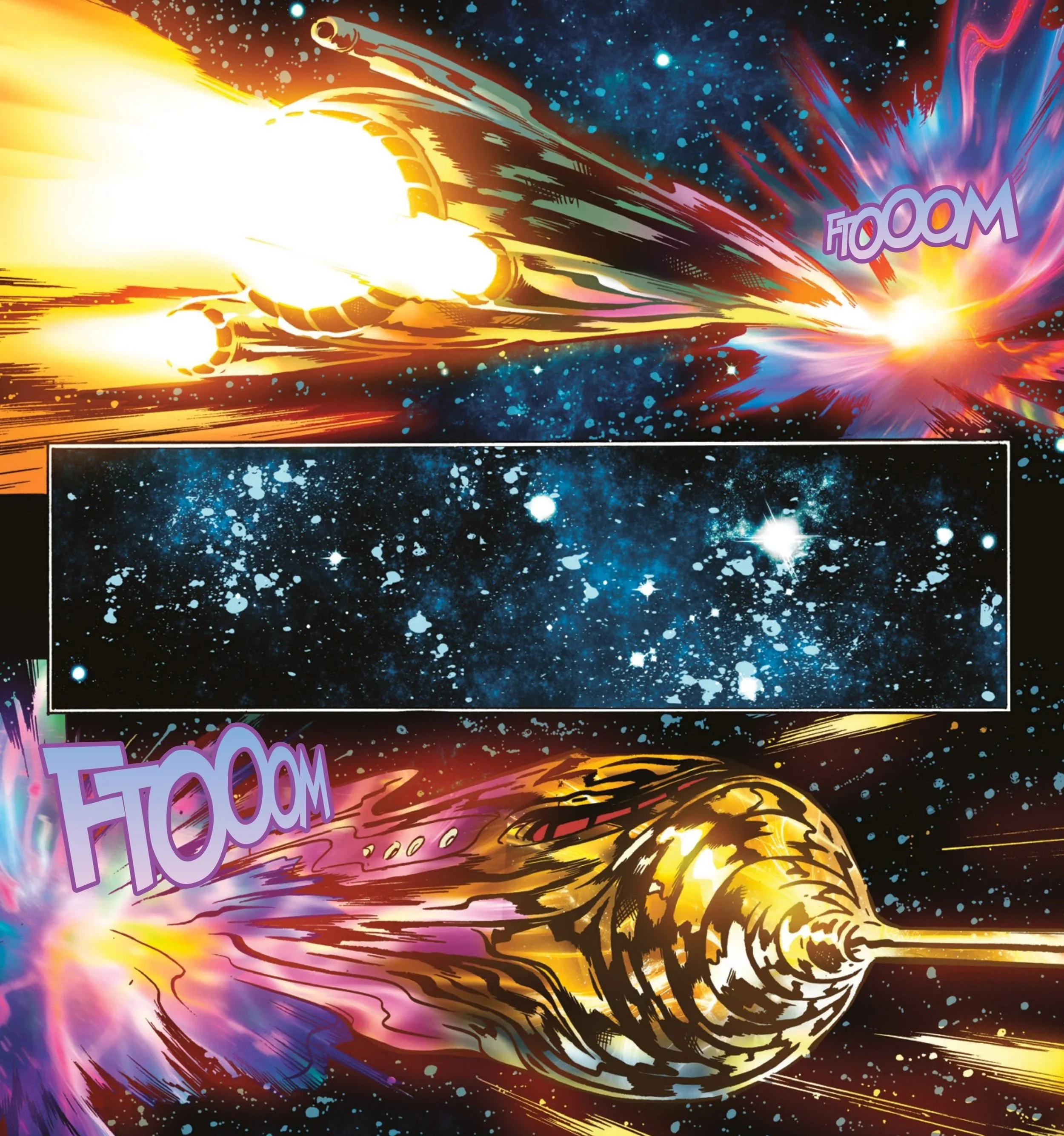
The premise itself feels delightfully old-school in the best possible way. A gigantic celestial object is racing toward Earth, the authorities scramble to respond, and Flash decides the best course of action is to steal a ship and investigate the threat himself. It’s exactly the kind of unapologetically adventurous setup this franchise thrives on.
Most importantly, the comic embraces that pulp energy sincerely. Nothing here feels embarrassed by the heightened reality of the story. That confidence goes a long way toward making the issue feel authentically Flash Gordon.
Doctor Zarkov’s return plays a huge role in that success. His presence immediately injects more energy into the comic, and his interactions with Flash help restore some of the adventurous charm that felt slightly muted in #0. Zarkov’s enthusiasm balances Flash’s frustration well, creating a dynamic that makes the story considerably more lively whenever the two share the page.
Dale Arden also continues to be a strong presence in the relaunch. Rather than functioning purely as support for Flash, she feels like an active participant in the adventure, and the chemistry between the trio helps the comic recapture some of the classic serial energy associated with the franchise.
The introduction of Dane “Ditch” Albright adds another interesting layer to the story as well. His rivalry with Flash immediately creates tension, particularly because he represents the kind of government-approved astronaut the E.R.A. wants leading humanity into the future. He’s skilled, ambitious, and eager to prove himself, but there’s also a clear sense that he views Flash as outdated competition rather than a legendary hero.
That dynamic gives the issue an additional source of conflict beyond the incoming cosmic threat. The relaunch is not just asking whether Flash can still save the day. It’s asking whether someone like Flash Gordon even has a place in this version of the future anymore.
Art That Sells the Scale
Manuel Garcia and Ceci de la Cruz continue to be one of the strongest parts of the relaunch. While the first issue already showcased their ability to handle large-scale sci-fi environments, Flash Gordon #16 feels much more visually confident because the story gives them bigger, more energetic material to work with.
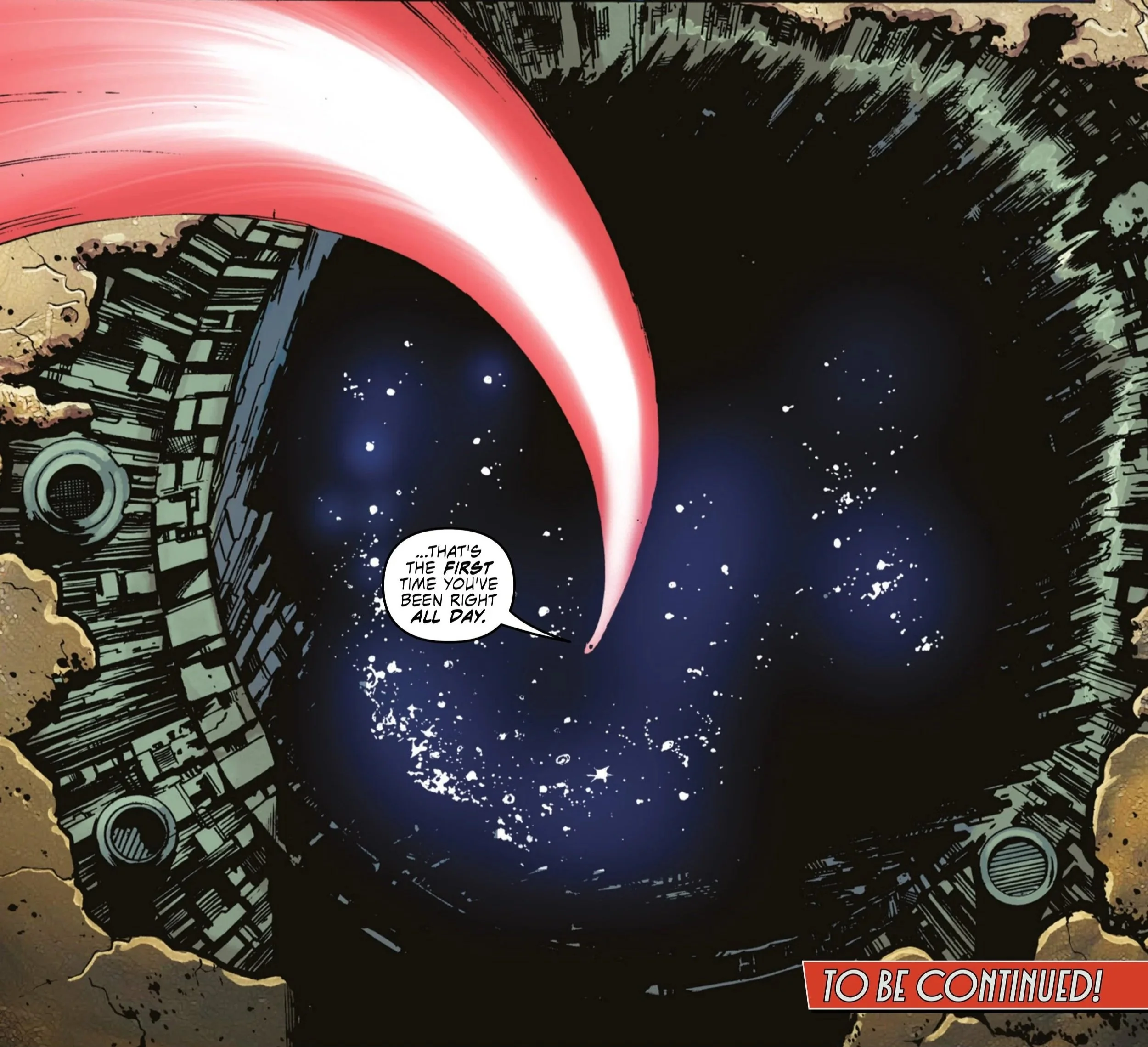
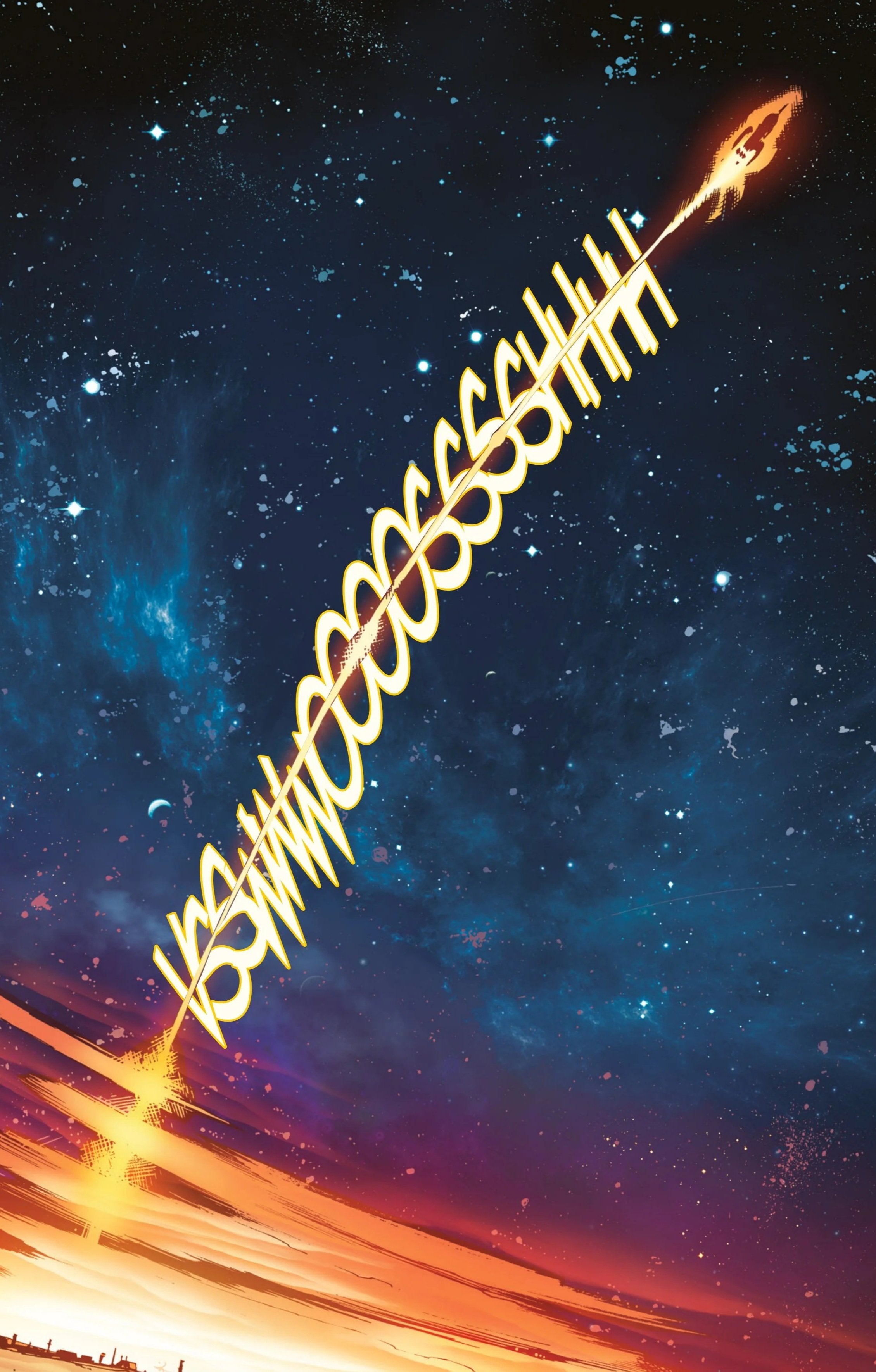
The issue’s strongest moments come when the art leans fully into the pulp spectacle. The incoming planetoid feels appropriately massive, and the various spacecraft designs capture that retro-futuristic Flash Gordon aesthetic without feeling trapped in nostalgia. There’s a nice balance between classic pulp inspiration and modern comic-book polish.
Garcia’s character work also deserves a lot of credit. One of the subtler strengths of the issue is how expressive the cast feels throughout. Flash’s frustration, Zarkov’s excitement, and Ditch’s arrogance all come through clearly in their facial expressions and body language. Even during exposition-heavy scenes, the art keeps the characters emotionally engaging.
De la Cruz’s colors are especially effective during the space sequences. The deep blues, glowing highlights, and bursts of cosmic light help emphasize both the scale and danger of the adventure ahead. The colors also give the book a stronger sense of atmosphere than #0 occasionally had. Earth often feels sterile and controlled, while the sequences in space immediately feel more alive and unpredictable, reinforcing the idea that Flash truly belongs among the stars rather than confined to a desk on Earth.
The visual storytelling overall feels more assured this time around, matching the stronger pacing and clearer sense of direction in the script.
A Stronger Identity for the Relaunch
What ultimately makes Flash Gordon #16 work so well is that it finally feels comfortable balancing its two identities.
The relaunch clearly wants to examine aging, irrelevance, and the tension between old-school heroism and modern institutional control. Those ideas are still very present here, and in many ways they’re more effective now because they’re woven directly into the adventure itself instead of existing separately from it.
At the same time, the issue finally embraces the larger-than-life excitement that readers expect from Flash Gordon. There are giant cosmic threats, dangerous missions, rivalries, reckless decisions, and just enough pulpy absurdity to make the whole thing incredibly entertaining.
That combination makes this feel much closer to the ideal version of a modern Flash Gordon comic. It respects the franchise’s history without feeling trapped by it, and it updates the character in a way that adds complexity without stripping away the adventurous spirit that defines him.
I was much more invested in this issue than I was after finishing #0 because it feels like the series has finally found its footing. The reflective elements are still there, but now they’re supporting the adventure rather than replacing it.
Final Thoughts and Rating
Flash Gordon #16 is a major improvement over the relaunch’s opening chapter and a strong indication that this series understands what makes the character work. By combining thoughtful character work with genuinely fun pulp sci-fi adventure, the issue finally strikes the balance that #0 occasionally struggled to maintain.
The conflict between Flash and the E.R.A. adds an intriguing new dimension to the franchise, while the incoming cosmic threat gives the story immediate stakes and momentum. Add in strong artwork, energetic pacing, and the welcome return of Zarkov, and the result is an issue that feels far more like the Flash Gordon readers know and love.
Most importantly, the comic feels confident embracing both its reflective themes and its adventurous roots at the same time.
Rating: 8/10
A much stronger second chapter that balances introspection with genuine sci-fi adventure and finally gives this relaunch the momentum it needed.