
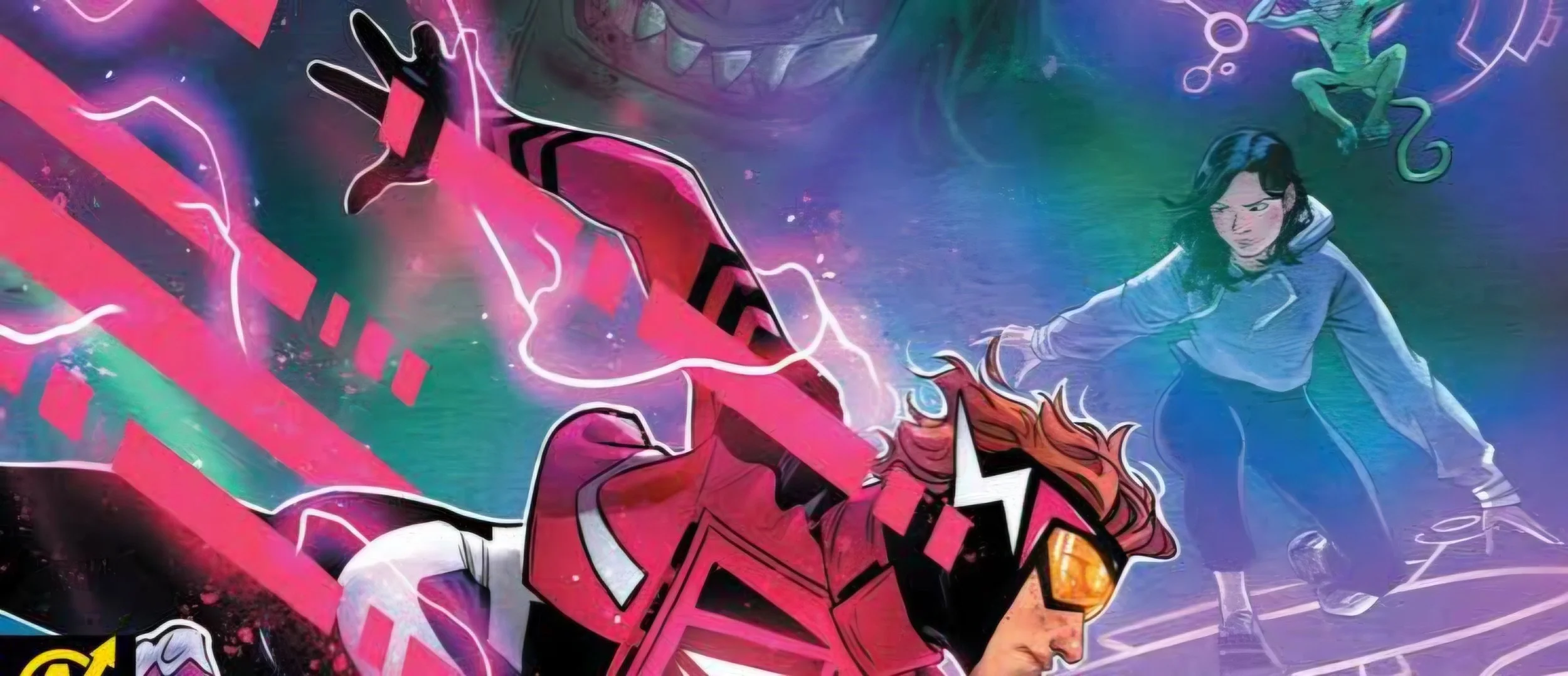
Absolute Flash is published by DC Comics under their Absolute line with writing credits attributed to Jeff Lemire, art by Haining, colourist Adriano Lucas, and lettering by Tom Napolitano
The Recap
Man, Jeff Lemire is absolutely not playing around anymore. When Absolute Flash kicked off back in early 2025, it felt like a deeply intimate, grounded character study—a story about a lonely, isolated teenager trying to navigate a world that didn't want him, all while wrestling with a terrifyingly volatile power set. But now that we’re in the summer of 2026, hitting issue #16, Lemire and the art team have completely blown the doors off this series. They’re exposing the true, dark, cosmic horror roots of this Darkseid-tainted Absolute Universe, and it is a wild ride.
If you’ve been keeping up with my thoughts on the line, you know I’ve been waiting for the other shoe to drop regarding S.T.A.R. Labs and the government's broader role in this world. Issue #16 doesn’t just drop the shoe; it drops a whole bunker. This is easily one of the most intense, psychologically heavy issues of the run so far. It perfectly exemplifies why the Absolute line isn’t just a passing gimmick, but a masterclass in universe-building.
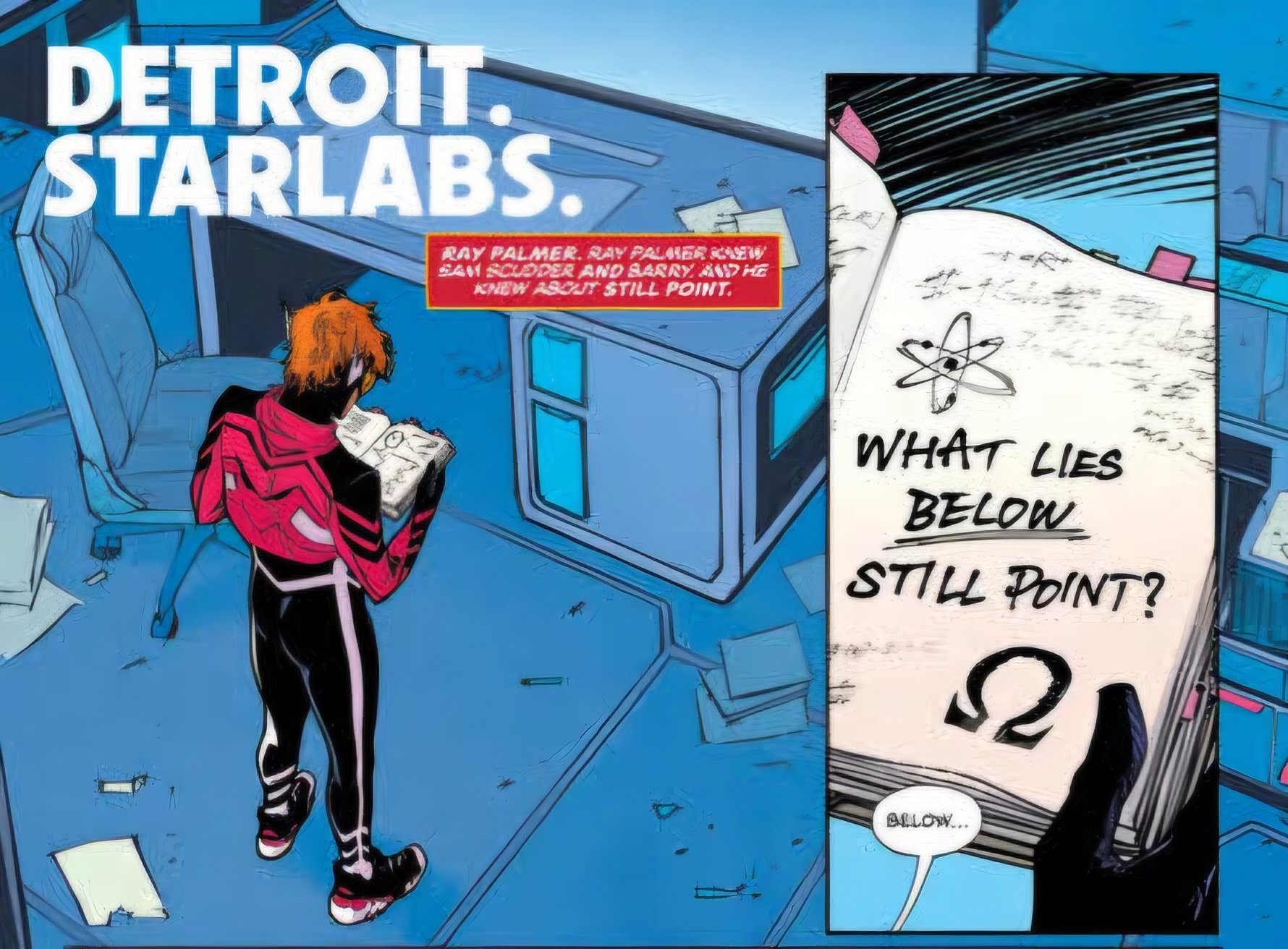
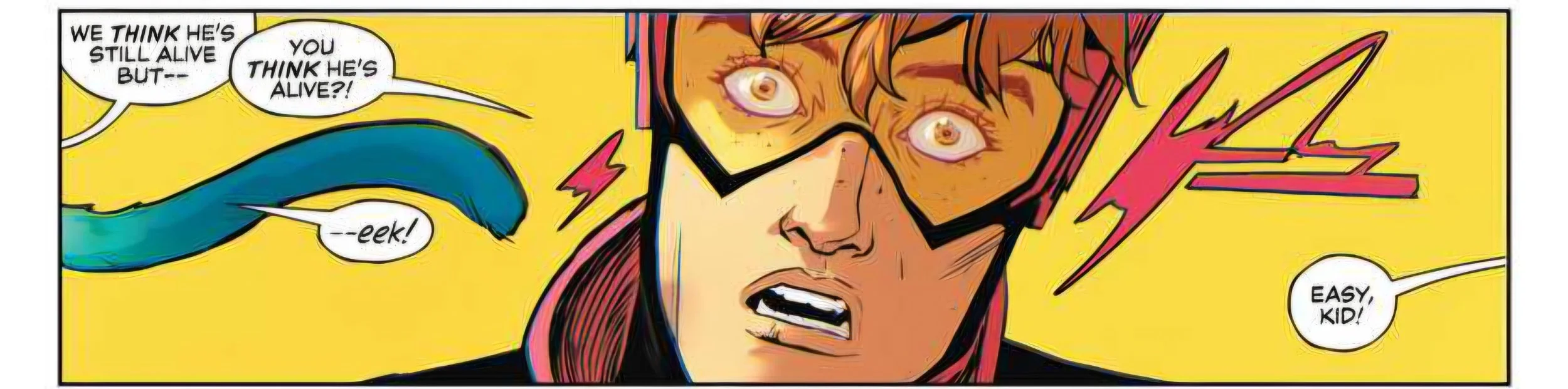
To understand just how frantic this issue is, you have to look at the two distinct narrative tracks Lemire is balancing here. On one side of the ledger, we have Wally West driving himself to the absolute brink. He is racing across the country to uncover the truth about the mysterious founders of S.T.A.R. Labs. The stakes here aren’t just conspiratorial; they are deeply physical. Wally’s powers are turning on him. His speed energy is becoming so volatile that he’s literally spontaneously combusting on a cellular level, forcing him to fight his own biology while trying to outrun a corporate-government cover-up.
Meanwhile, the narrative shifts its focus over to Montevale, Colorado, where the Rogues have resurfaced. But forget everything you know about the classic, blue-collar Rogues gallery from the main DC continuity. In the Absolute Universe, these guys are operating with an entirely different mandate. Their current, high-priority mission? Secure the young gorilla Grodd and his elusive father before the psychic duo can completely upend and conquer the state of Colorado.
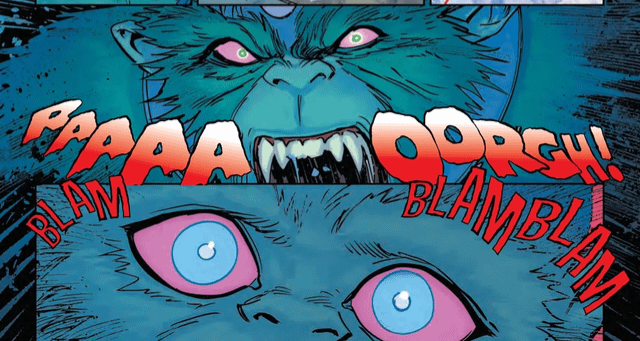
The meat of the issue dives into a heartbreaking, terrifyingly tense family reunion. We get a look into Grodd’s tragic origin and the introduction of his father, colloquially referred to as "Papa." Papa is an absolute monster of a psychic presence, but he didn't start out that way. He is a tragic product of Project Olympus—a secret government initiative that subjected him to horrific, torturous experimentation. Broken by the trauma, Papa has emerged with a terrifyingly simple, nihilistic worldview, and he possesses the raw, overwhelming telepathic power necessary to force that worldview onto humanity.
The issue culminates in a heartbreaking flashback and present-day convergence where a young, innocent Grodd—who just wants to understand the world—is forced to witness the sheer, unbridled cruelty of human soldiers, setting him on the dark path we’ve been building toward.
Story & Themes: Subverting the Flash Mythos
What makes Lemire’s work on Absolute Flash #16 so compelling is the sheer psychological weight he injects into characters who, in standard continuity, are often treated as colorful, campy silver-age relics. By centering the emotional core of this issue on the trauma of Grodd and his father, Lemire holds up a mirror to the entire Absolute line's philosophy: this is a universe devoid of the traditional structural safety nets, built from the foundational ash of Darkseid's influence.
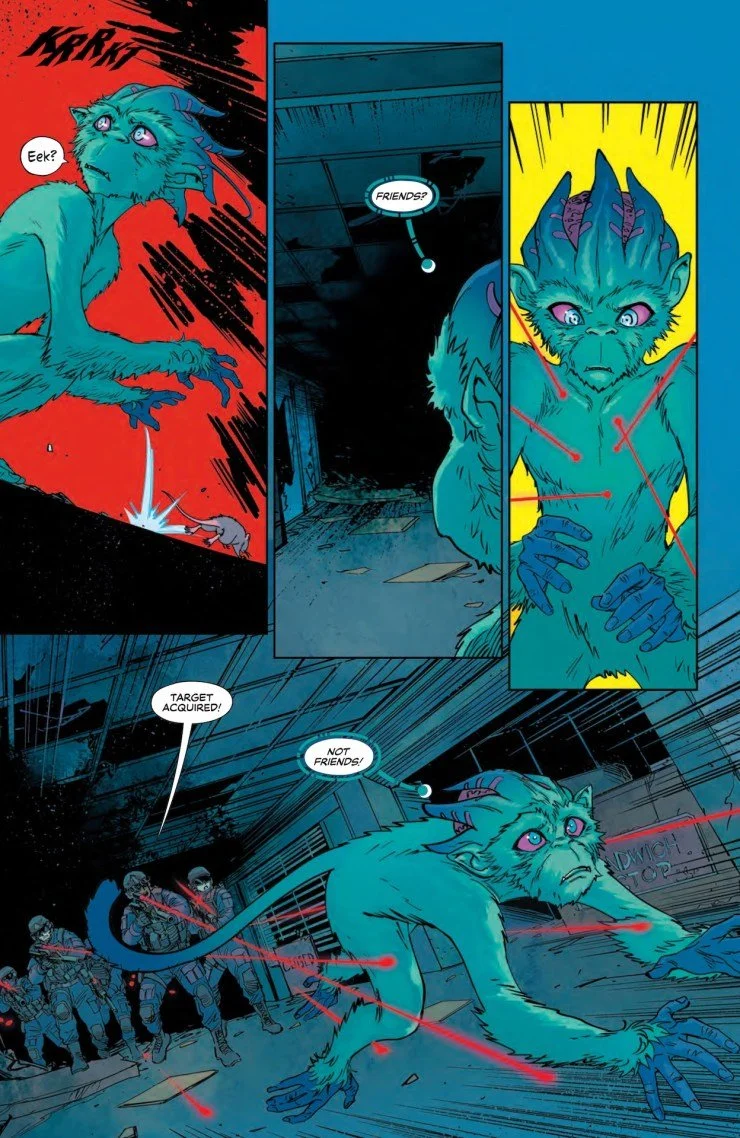
The thematic juxtaposition between Wally West and Grodd is brilliant here. You have Wally, a kid who is quite literally burning alive from the inside out because of his gifts, running parallel to a young gorilla who is being psychologically shattered by the world around him. The scene in the preview pages where a young Grodd picks up a tiny mouse and gently asks "FRIEND?" right before armed government forces descend upon his family is a genuine gut-punch. It shows a profound level of empathy in Lemire’s writing. He makes you deeply sympathize with a character who is actively becoming a global threat.
Papa’s worldview is simple: humanity is an existential disease that only understands violence, so violence is the only language they should be spoken to in. When you see what Project Olympus did to him, it's impossible to argue with his logic, even if his methods are catastrophic. This isn't just a superhero comic about a guy who runs fast fighting a smart ape; it's an exploration of generational trauma, institutional cruelty, and how monsters are manufactured by the state.
Pacing: A Breakneck Shift in Gears
Pacing a comic book with "Flash" in the title is always an interesting challenge for a writer. You have to convey the concept of absolute velocity without making the actual reading experience feel rushed or insubstantial. Lemire handles this by creating a deliberate, jarring structural contrast between Wally's segments and the Colorado segments.
Wally's pages feel frantic, breathless, and chaotic. The dialogue is sparse, the inner monologue is fractured, and you genuinely feel the panic of a young man who knows his clock is ticking down to zero as his body combusts. It moves like a bullet train.
But when the book cuts to Montevale, Colorado, the pacing slows down to an almost suffocating, atmospheric crawl. Lemire lets the silence hang over the panels. The tension builds slowly, like a rubber band being pulled to its absolute limit. The transition from Wally’s high-octane corporate espionage to the grim, isolated midwestern gothic horror of the Grodd family reunion shouldn't work on paper, yet it executes flawlessly. It gives the 22 pages of this issue the narrative weight of a giant-sized special, leaving you feeling thoroughly exhausted—in the best way possible—by the time you hit the final page.
Art & Colors: A Kinetic Masterclass in Cosmic Horror
The visual identity of Absolute Flash has been one of its greatest strengths since day one, and issue #16 sees a phenomenal tag-team effort on lines between Haining and series mainstay Nick Robles, perfectly complemented by the brilliant Adriano Lucas on colors.
Robles and Haining divide the labor in a way that feels completely organic to the story's dual narratives. Haining tackles the raw, kinetic, and deeply unstable nature of Wally’s scenes. The linework during the S.T.A.R. Labs investigation is jagged and frantic; you can practically feel the heat radiating off the page as Wally begins to spontaneously combust. The blur effects aren't just standard comic book speed lines—they look like reality itself is tearing at the seams around Wally, which ties back perfectly into the cosmic horror undertones of the book.
When the book shifts to Nick Robles' work in Colorado, the art takes on a heavier, more shadow-drenched, grounded quality. Robles’ rendering of Papa is magnificent—he looks massive, ancient, and deeply weary, his eyes carrying the profound weight of the torture he endured at Project Olympus. The psychic distortions caused by Papa’s mind control are rendered with subtle, unsettling reality-warping effects that don't rely on flashy energy constructs, but rather on the physical distortion of the environments and the terrifying, vacant expressions of the people caught in his thrall.
Adriano Lucas’ color palette is the glue that binds these two styles together. He utilizes a stark contrast: Wally’s world is dominated by searing, volatile oranges, bleeding reds, and blinding yellows that emphasize his internal combustion. Conversely, Colorado is rendered in cold, muted, oppressive blues, deep forest greens, and sterile grays. When the psychic violence erupts, Lucas lets these two color profiles clash in a way that makes the psychic energy feel physically invasive.
Furthermore, Tom Napolitano’s lettering deserves a massive shoutout. The way he alters the word balloons to represent Papa’s overwhelming, suffocating telepathic voice adds a layer of auditory dread to a silent medium.
Final Verdict
Absolute Flash #16 is a stellar achievement that proves this series has no intentions of slowing down or playing it safe. Jeff Lemire, Nick Robles, Haining, and Adriano Lucas have delivered a comic that is raw, emotionally devastating, and visually spectacular. By taking the time to deeply flesh out the tragic, horrifying genesis of Grodd and his father, they have elevated the stakes of the series far beyond a simple superhero chase.
This issue manages to pull off the rare trifecta of comic book storytelling: it advances the overarching mystery of S.T.A.R. Labs, provides massive character development for its primary antagonists, and delivers a profound emotional punch that will reframe how you look at the entire Absolute Universe moving forward. It’s dark, it’s kinetic, and it is absolutely essential reading.