
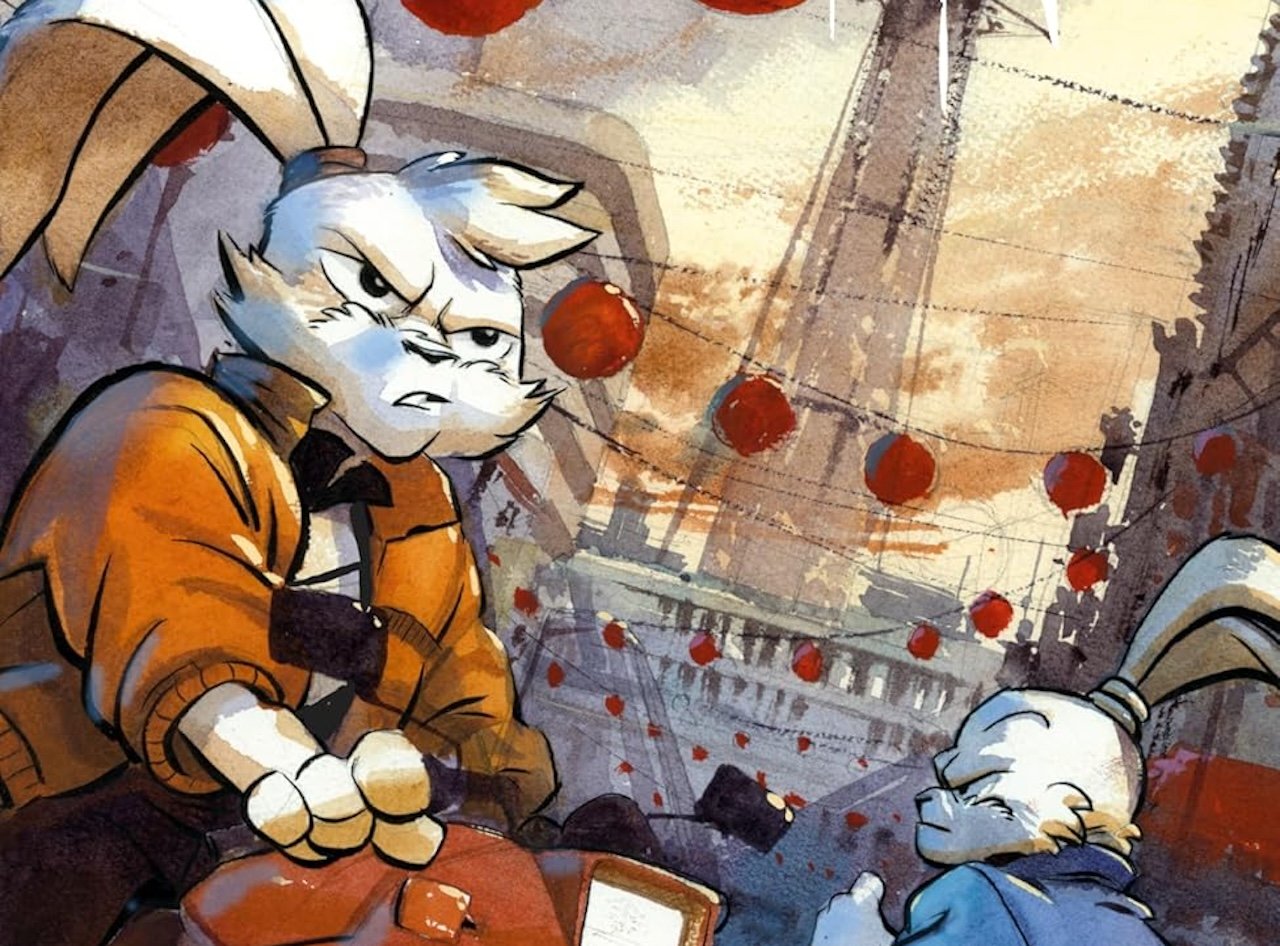
Usagi Yojimbo: Kaitō '84 #3 is published by Dark Horse comics and is written by Zack Rosenberg with art, colours and lettering by Jared Cullum.
The Recap: When the Heist Goes Sideways
When Dark Horse and Dogu Publishing first announced Usagi Yojimbo: Kaitō '84, I'll admit I had my reservations. Taking Stan Sakai’s legendary, decades-long samurai epic and transplanting it into the gritty, urban backdrop of 1984 Osaka felt like a massive gamble. Stan wasn’t directly driving the ship as writer or artist anymore; instead, the keys were handed over to writer Zack Rosenberg and artist Jared Cullum. But three issues in, any lingering doubts I had have completely evaporated. Issue #3, titled The Blood Kintsugi Spear, released on May 20, 2026, isn't just a solid continuation of a spinoff—it is a phenomenal turning point that bridges ancient samurai mythology with 1980s cinematic flair.
To understand why issue #3 hits so hard, we have to look at where the pieces were left on the board. Our main protagonist, Kaitō Usagi—a charismatic, rebellious thief who inherits the bloodline of Miyamoto Usagi—has been operating as a sort of furry Robin Hood in the underbelly of Osaka. He is not the stoic, honor-bound ronin of the Meiji or Edo eras; he is a street-smart rogue with a tight-knit crew, including his cousin Yuki and modern incarnations of classic characters like Kitsune and Gennosuke.
Issue #3 opens exactly where the chaos left off. The high-stakes heist to steal a legendary, soul-tearing spear goes completely off the rails. Just as the police begin closing in on Kaitō’s operation, a mysterious and deeply familiar visitor from the overarching Usagi lore—the demon-hunting fox Sasuké—makes a dramatic entrance. Sasuké delivers a chilling warning: the heist isn't just a crime; it has triggered the reawakening of Jei, the terrifying, soul-stealing demon warrior from Hell who has plagued the Usagi bloodline for generations.
With the supernatural threat looming and the Osaka police breathing down his neck, Kaitō is forced into a desperate, logic-defying alliance with Detective Tomoe—the very cop who has dedicated her career to putting him behind bars. To prevent the emerging darkness from consuming the city, this mismatched duo retreats into a hidden, sacred shrine where they must survive three ancient, deadly trials designed to test their courage, intellect, and compassion.
Story & Character Dynamics: 80s Buddy Cop Meets Ancient Prophecy
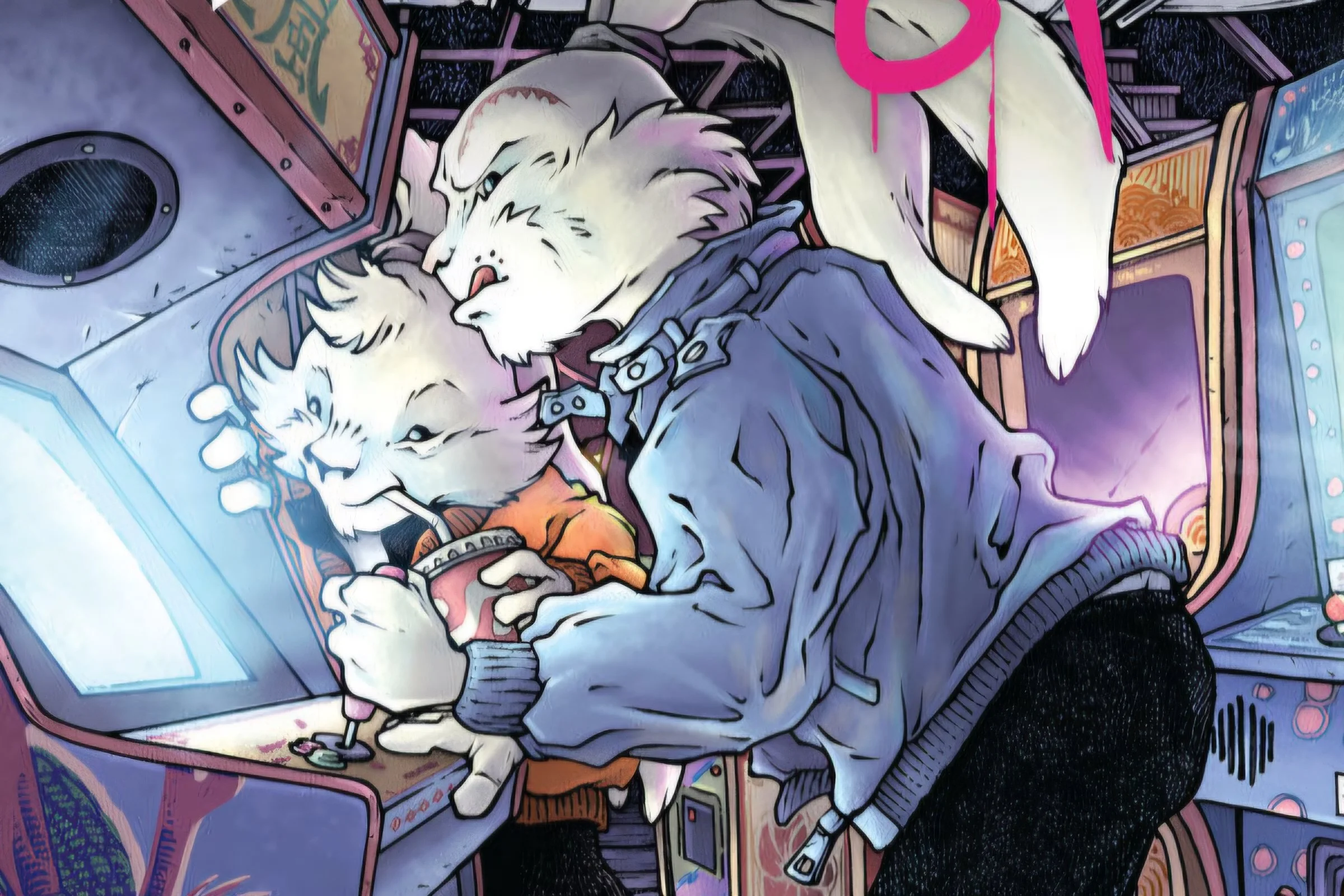
What makes Zack Rosenberg’s script work so beautifully here is the thematic pivot. The first two issues felt like a love letter to 1980s Hong Kong action cinema—all kinetic energy, fast-paced chases, and street-level crime stakes. In issue #3, Rosenberg masterfully weaves in the heavy, mystical gravity of Stan Sakai's original universe. We learn that every few hundred years, these specific ancestral lines are fated to converge to push back Jei. This adds a profound sense of destiny to Kaitō’s actions; he can no longer pretend he is just a thief running from the law. He is a part of something much bigger, historical, and terrifying.
The dynamic between Kaitō and Detective Tomoe is the absolute heartbeat of this issue. It utilizes the classic "buddy cop" trope but executes it with genuine emotional weight rather than cheap, comedic bickering. Tomoe represents order, law, and a rigid sense of justice, while Kaitō operates on a community-first, anti-establishment ethos.
Watching them navigate the three trials in the shrine forces a mutual respect that feels completely earned. Rosenberg balances this high-stakes tension with brilliant smaller character beats, particularly an interrogation scene early in the book that gracefully shifts from high-energy panic to a somber, intimate look at the characters' vulnerabilities.
Pacing: A Kinetic but Compact Ride
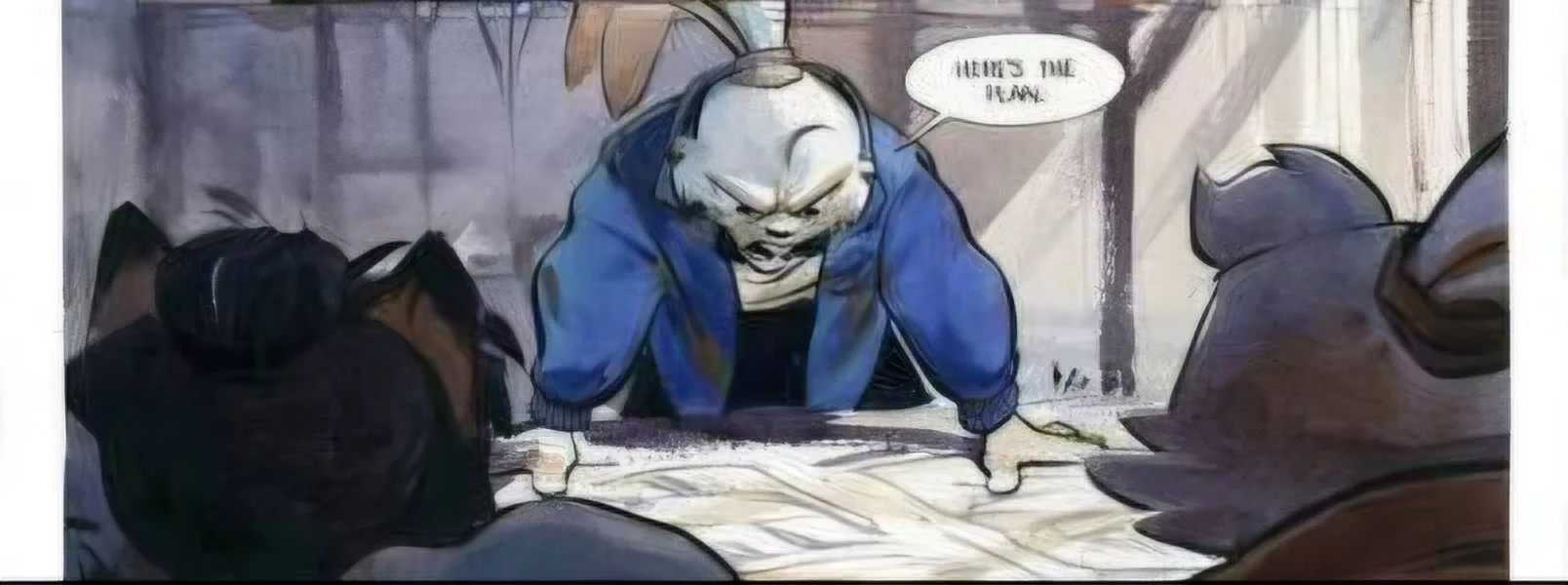
If there is any minor critique to lever against issue #3, it's that the narrative feels incredibly dense, making the physical length of the comic feel a bit brief for the sheer amount of ground it covers. Rosenberg packs a massive lore dump from Sasuké, a police ambush, a forced alliance, and three distinct mystical trials all into a standard 32-page format.
Because of this packed structure, the actual trials can feel like they are resolved a bit too quickly. Each trial could have easily sustained its own issue if this were a longer ongoing series rather than a tight, five-issue miniseries. However, the breakneck pacing works in favor of the 1980s cinematic tone the creators are aiming for. There is no room to breathe, which perfectly mirrors the panic Kaitō and Tomoe are feeling as monstrous guardians and spectral demons close in on them from all sides.
Art & Visual Presentation: Jared Cullum’s Watercolor Masterclass
While Rosenberg’s script is excellent, Jared Cullum’s art is the undisputed crown jewel of this book. Cullum handles the linework, coloring, and lettering, giving the entire issue a singular, unified artistic vision that is breathtaking to look at.
Instead of leaning into a predictable, neon-drenched aesthetic that dominates most modern 1980s throwbacks, Cullum renders Osaka in a muted, earthy palette filled with rich grays, deep browns, and soft watercolor washes. The characters are defined by bold, expressive black outlines that make them pop vividly against these beautifully soft backgrounds.
Issue #3 features two jaw-dropping artistic choices that blew me away:
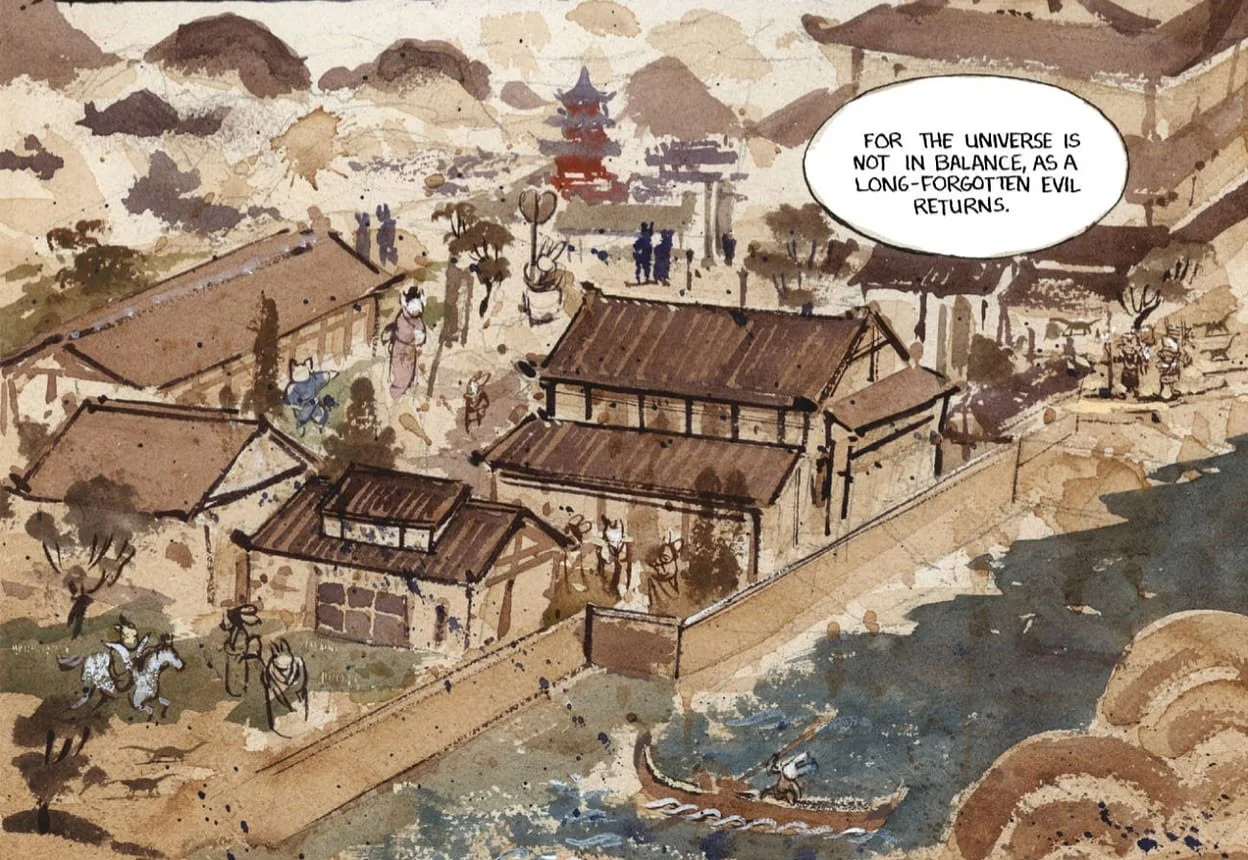
The Miyamoto Usagi Flashback: When Sasuké explains the history of the soul-tearing spear, Cullum shifts his style entirely to mimic traditional Japanese woodblock prints. It is a gorgeous, reverent nod to Stan Sakai's roots and the historical cinema that birthed the franchise, contrasting sharply with the 1984 urban setting.
The Coffee-Wash Sequence: In the back-matter of the book, Cullum confirms what my eyes suspected: a significant portion of the mystical shrine sequence was watercolored using actual coffee. This gives the demonic trials an organic, sepia-toned, and ancient texture that feels ancient, dusty, and distinct from the rest of the issue's colors.
Cullum’s lettering also deserves praise; it is clean, dynamic, and perfectly integrated into the artwork, never blocking the gorgeous watercolor vistas or crowding the kinetic panel arrangements.l
The Final Verdict
Usagi Yojimbo: Kaitō '84 #3 is a spectacular triumph. It successfully transitions the miniseries from a fun, stylized heist comic into a deeply vital piece of the broader Usagi mythology.
Zack Rosenberg has found the perfect balance between paying homage to Stan Sakai's legendary creation and forging a unique path for Kaitō. Coupled with Jared Cullum’s magnificent, experimental watercolor art, this issue stands as one of the single best comic book releases of 2026 so far. Whether you are a die-hard fan of the classic Miyamoto Usagi adventures or a complete newcomer looking for a gripping urban fantasy, this series demands a spot on your pull list. Issue #4 cannot get here soon enough.