
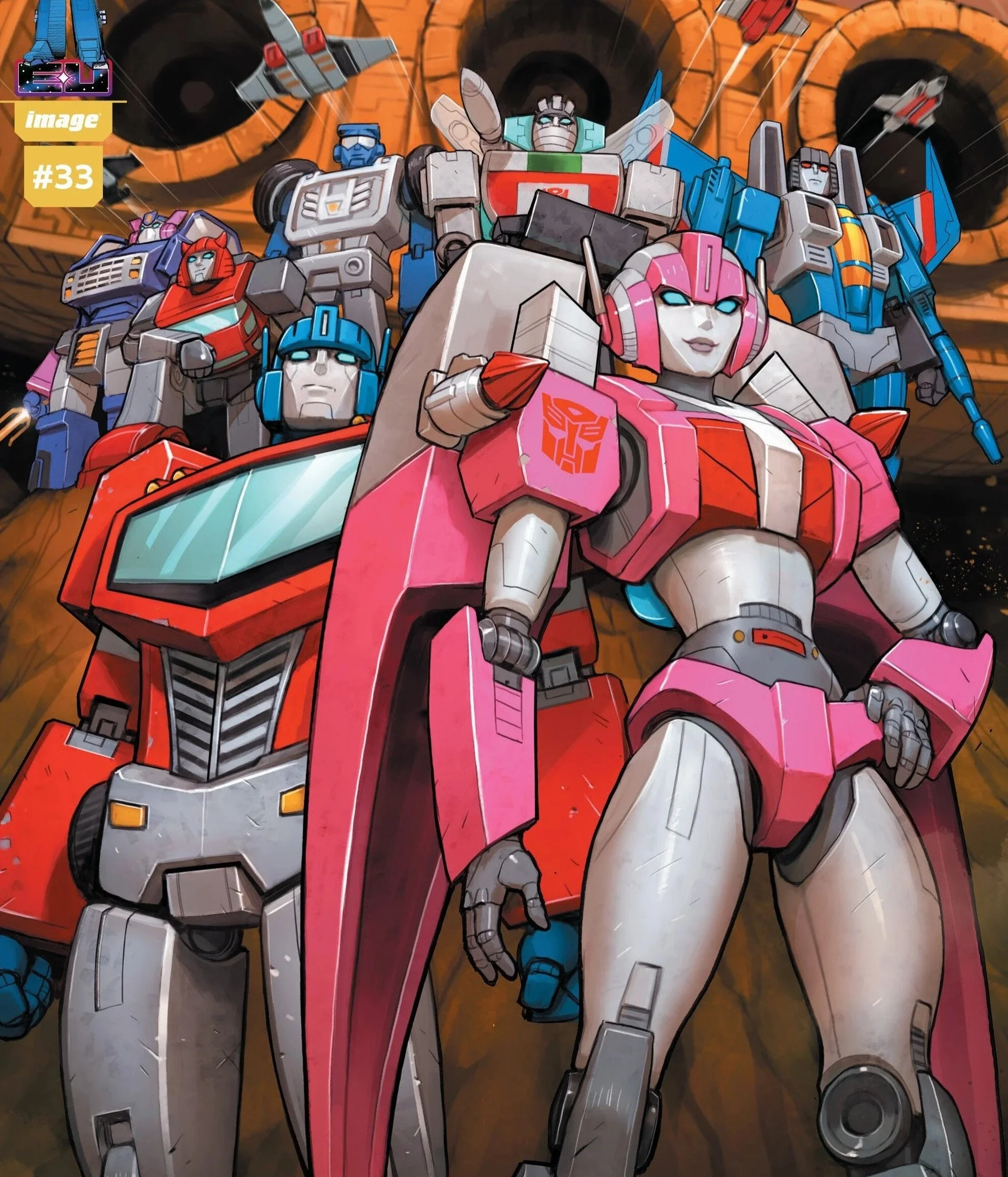
Writer: Robert Kirkman
Artist: Jason Howard
Colorist: Mike Spicer
Cover Artist: David Nakayama
For most comic series, Transformers would still be considered one of the strongest books on the stands. The artwork remains excellent, the characters are compelling, and Robert Kirkman clearly understands the larger mythology he's playing with. The problem is that this series has already shown readers what it looks like when everything is firing on all cylinders, and compared to those heights, Transformers #33 feels like another chapter spent setting pieces in place rather than delivering meaningful payoff.
That's been a recurring issue over the past several installments. Ever since the fallout of issue #30, the book has felt increasingly focused on teasing future developments rather than providing satisfying progression in the present. New revelations appear, familiar faces return, and larger conflicts continue to take shape in the background, but very little of it feels like it's actually moving the story forward.
To be clear, this isn't a bad comic. In fact, it's still better than a large percentage of the monthly books currently being published. The frustration comes from knowing how much better this series has been before. During Daniel Warren Johnson's tenure, every issue felt like an event. Major developments happened constantly, emotional beats landed with tremendous force, and every chapter felt essential. By comparison, Transformers #33 feels more like another episode of a long-running television series that's waiting for its season finale before anything truly significant can happen.
Plenty Happens, Yet Very Little Changes
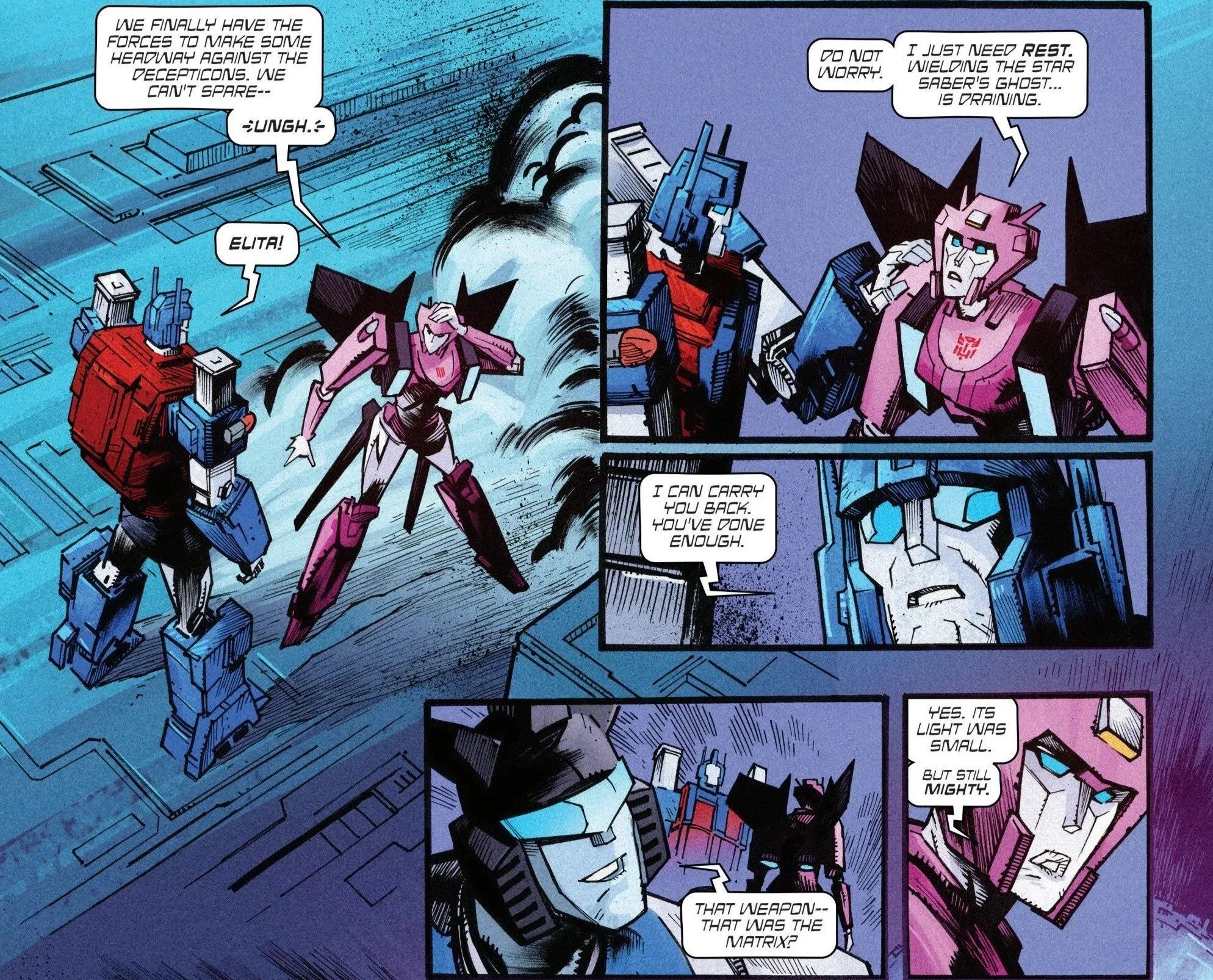
One of the strangest aspects of Transformers #33 is that it's technically packed with content.
Kirkman jumps between multiple storylines, checks in with several major factions, and gives readers updates on nearly every important corner of the book's current status quo. On paper, it sounds like exactly the sort of issue that should feel substantial. We spend time with Optimus, Elita Prime, Wheeljack, the human cast, and the Decepticons. There are reveals, teases, and hints about where the story may be heading next.
The problem is that most of those developments still feel like a setup.
At a certain point, setup alone stops being enough. The series has spent several issues laying groundwork for future conflicts, future arrivals, and future confrontations. While those breadcrumbs are occasionally exciting in isolation, they become less effective when readers realize they've been following a trail of breadcrumbs for months without reaching the actual destination.
That feeling is especially noticeable here because the issue is structured almost entirely around checking in with various story threads. Readers are reminded of what everyone is doing and where everyone currently stands, but very few of those situations meaningfully evolve. By the time the issue ends, the board has been refreshed, but it hasn't really been changed.
Optimus Remains the Heart of the Series
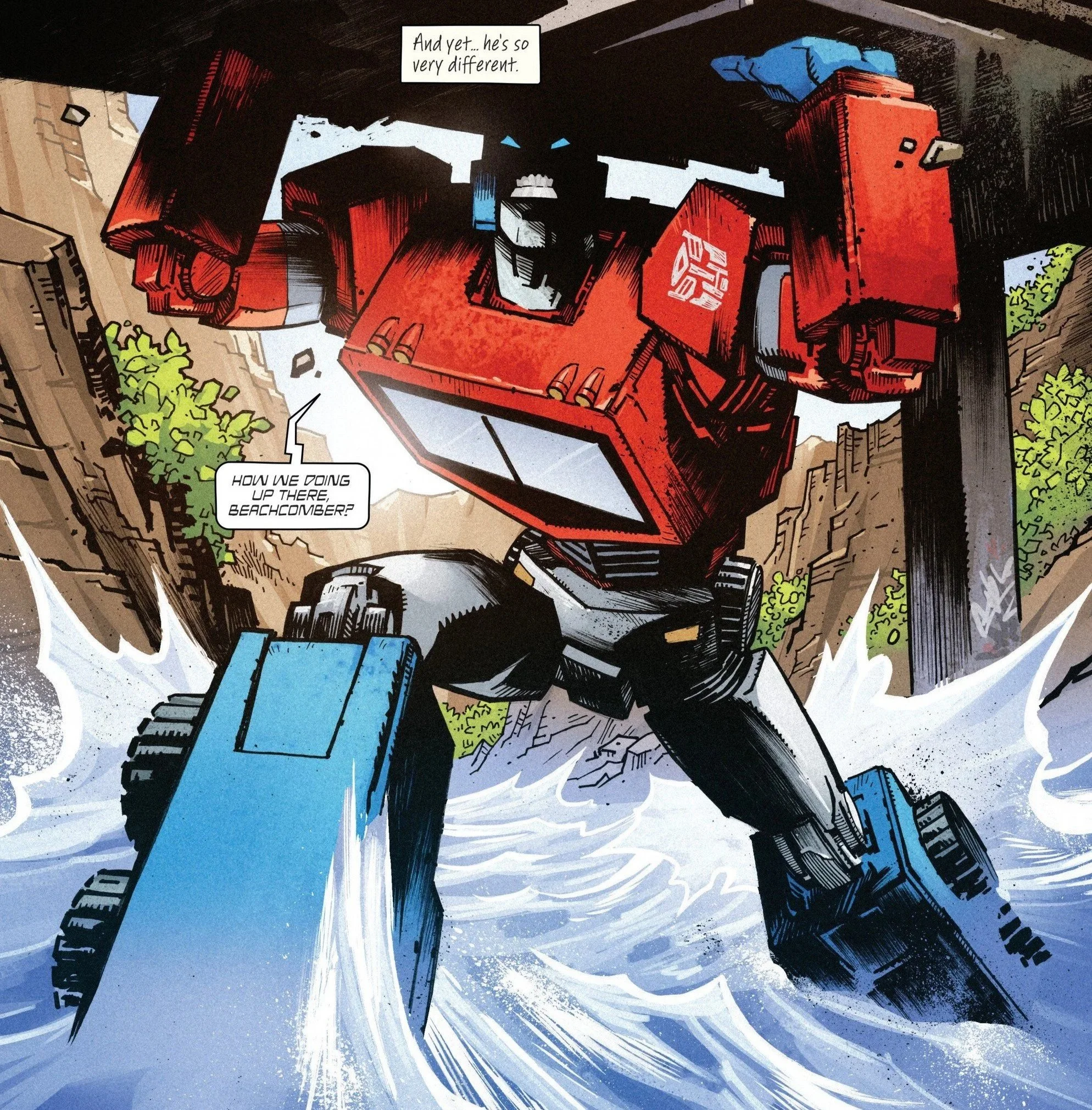
Even if the larger narrative continues to feel stalled, Kirkman still understands what makes Optimus such an enduring character.
The issue's strongest sequence involves Optimus actively working alongside humanity to solve problems and save lives. After months of political maneuvering, factional disputes, and leadership struggles, there's something refreshing about seeing Optimus simply being a hero.
The Superman-inspired imagery works particularly well because it highlights what separates Optimus from so many other leaders in the series. Even without the Matrix, even without formal authority, Optimus remains someone who instinctively chooses compassion and service.
Those moments help reinforce why so many characters continue gravitating toward him despite the increasingly fractured state of Cybertronian society.
More importantly, they provide some much-needed emotional grounding. The series occasionally becomes so focused on its larger mythology that it risks losing sight of the individual characters. Optimus serves as a reminder of why readers became invested in these characters in the first place.
The Teases Continue to Pile Up
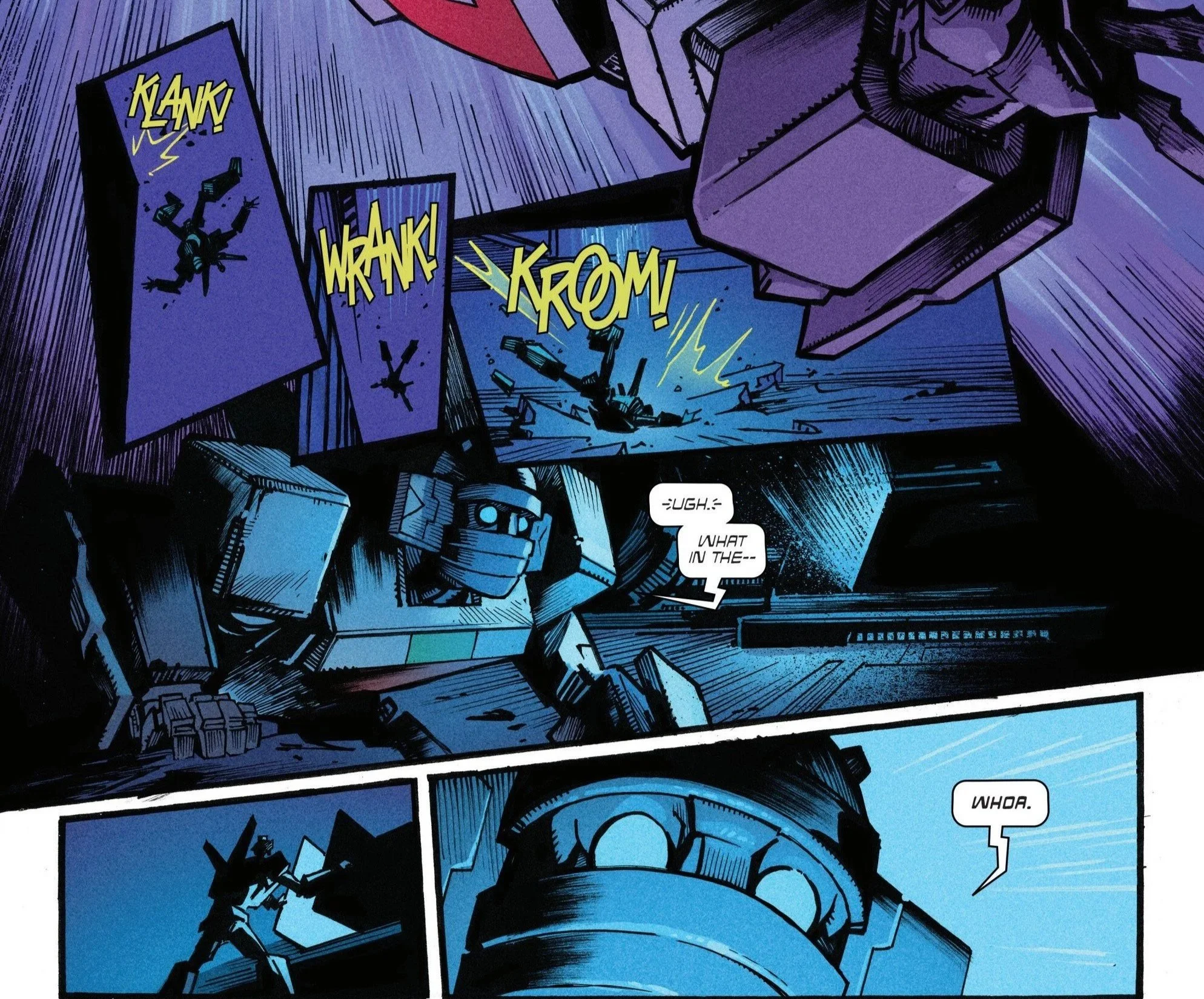
One area where the issue succeeds is in generating speculation.
The return of Hot Rod will undoubtedly excite longtime Transformers fans, and the implications surrounding the Matrix of Leadership are difficult to ignore. Likewise, Wheeljack's discovery and the hints surrounding future arrivals suggest that Kirkman has several major developments waiting in the wings.
The return of Starscream is also likely to be a significant moment moving forward.
The problem is that almost every major talking point in this issue falls into the category of "things that might become interesting later."
At some point, those future developments need to become present developments.
When every issue primarily functions as a promise of better things ahead, readers inevitably begin evaluating the promises rather than the actual story being told. Right now, the series feels like it's constantly gesturing toward exciting ideas without fully committing to them.
That doesn't mean the eventual payoff won't be worthwhile. It simply means the journey toward that payoff has become increasingly difficult to remain excited about.
Jason Howard and Mike Spicer Deliver the Goods
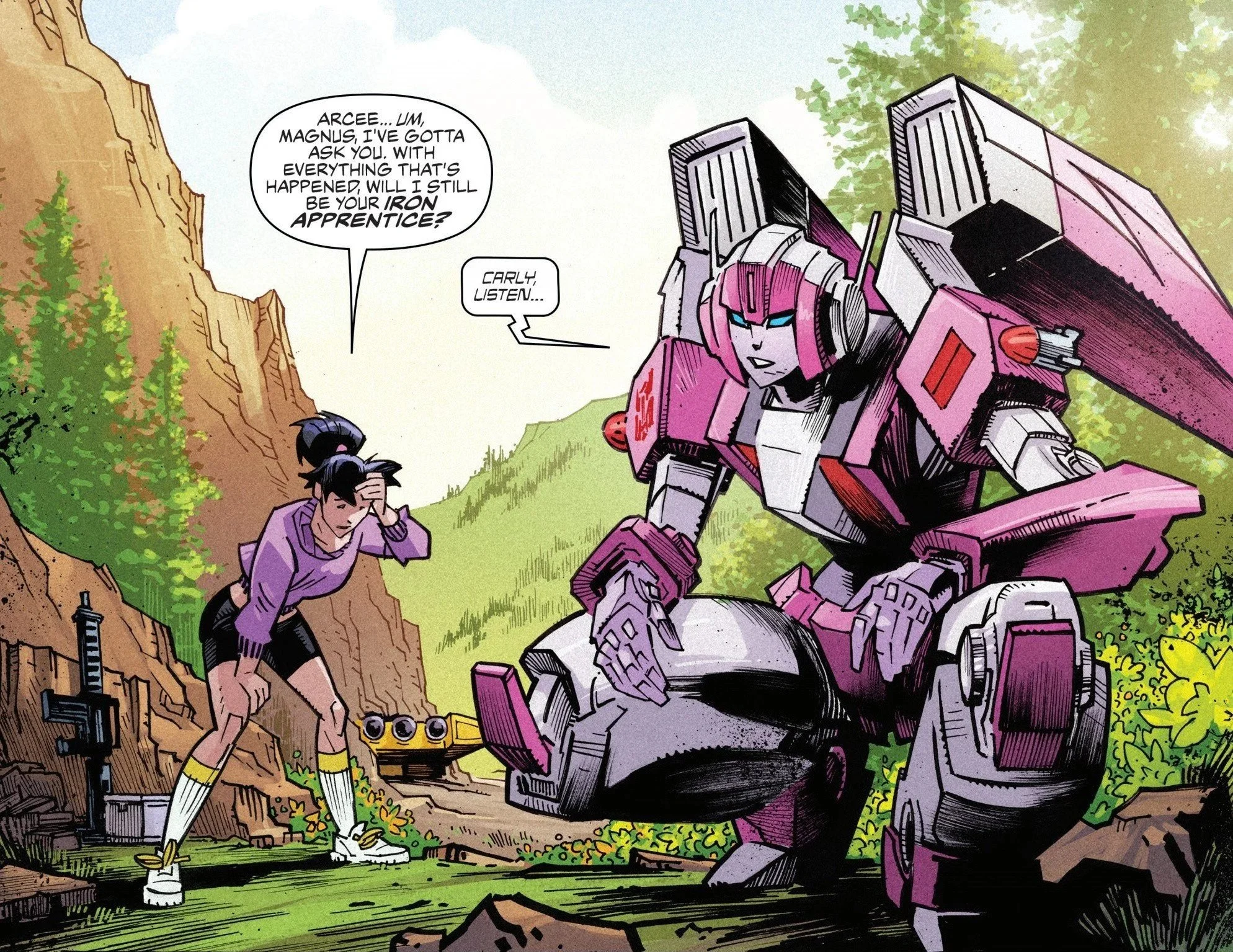
If there is one area where Transformers #33 rarely disappoints, it's the visual presentation.
Jason Howard continues bringing a tremendous amount of energy to the book. His layouts are dynamic, his action is easy to follow, and his storytelling remains consistently effective throughout the issue. Even during scenes that are largely exposition-driven, Howard finds ways to keep pages visually engaging.
That said, I still haven't fully warmed to some of his facial designs for the Transformers themselves.
The robots occasionally look a bit too thin for my tastes, and certain facial expressions don't land as effectively as they did under previous artists. It's not enough to significantly hurt the reading experience, but it remains one of the few visual elements that hasn't completely clicked for me.
Everything else, however, looks fantastic.
Mike Spicer deserves particular praise here. One of my concerns when Dan Mora briefly stepped into the title was that some of the series's signature grit felt diminished. Spicer's coloring continues to preserve that rough, lived-in atmosphere that helped define the book during its strongest stretches.
The environments feel dirty, the battles feel impactful, and the world retains the sense of wear and damage that has become such an important part of the series' identity.
A Good Comic That Can’t Escape Comparison
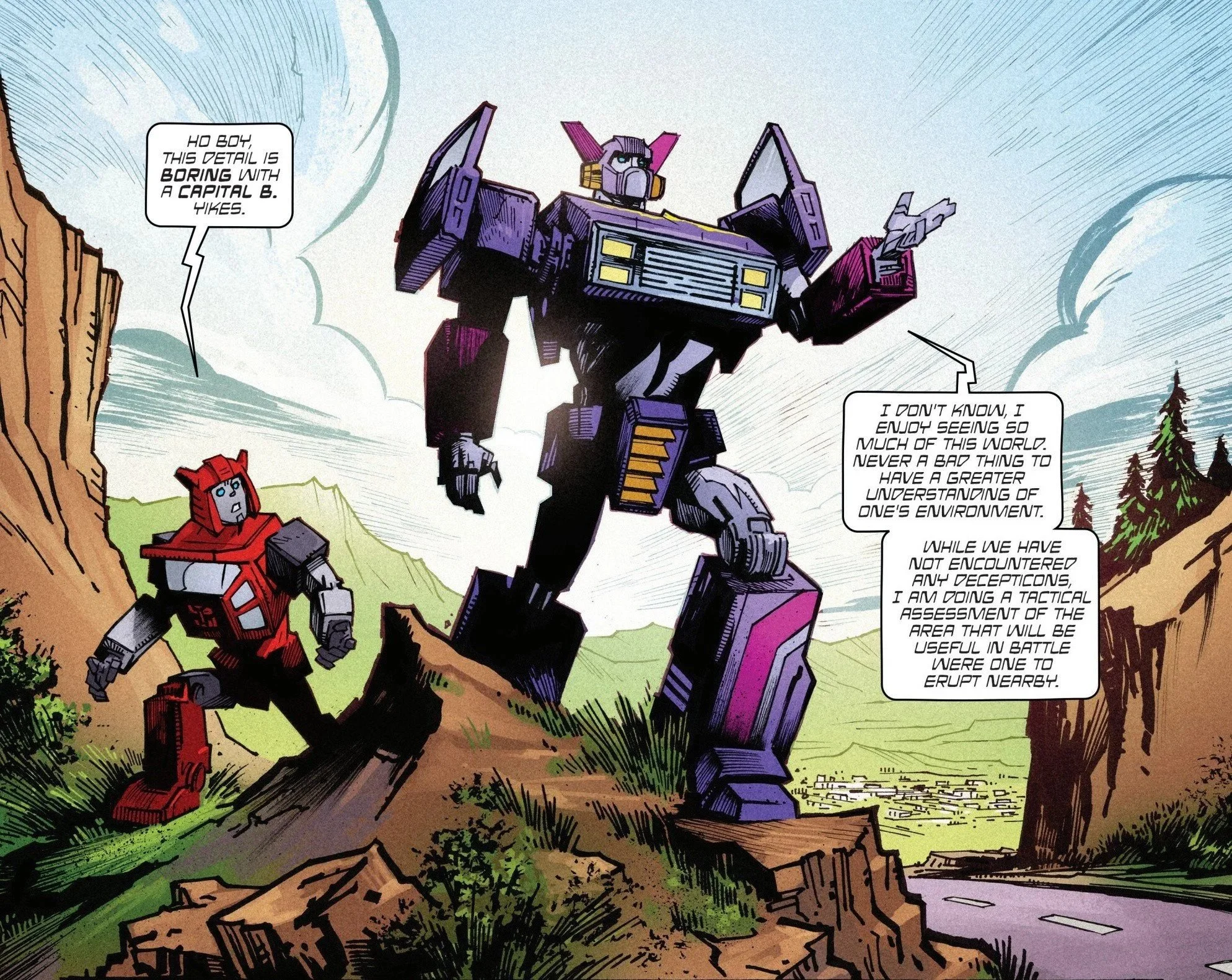
Perhaps the biggest challenge facing Transformers right now is that it's competing against its own recent history.
If this were a completely different series with no prior context, I'd probably be more forgiving of the slower pacing. The individual scenes are well-written, the artwork remains strong, and there are still plenty of interesting ideas being introduced.
The problem is that this same book used to feel essential every single month.
Daniel Warren Johnson's run consistently delivered major emotional moments, shocking developments, and unforgettable action sequences that fundamentally altered the direction of the story. Every issue felt like something readers would be discussing for weeks afterward.
Lately, the series has felt content to tread water.
The pieces are clearly moving toward something larger, but the movement is happening so slowly that much of the excitement has begun to fade. Instead of eagerly anticipating the next chapter because of what just happened, I'm increasingly anticipating the next chapter because I'm hoping something finally happens.
That's a subtle distinction, but it's an important one.
Final Thoughts and Rating
Transformers #33 is another solid issue in a series that remains better than most of its competition. Robert Kirkman continues laying the groundwork for future stories, the character work remains strong, and the artwork from Jason Howard and Mike Spicer is consistently impressive.
Unfortunately, it also continues a pacing problem that has become increasingly difficult to ignore. While the issue contains numerous teases, reveals, and status updates, very little feels genuinely consequential. The story remains trapped in a prolonged state of setup, repeatedly promising bigger developments without delivering enough of them in the present.
There are certainly reasons to remain optimistic. The return of familiar characters, the growing importance of the Matrix, and the looming conflicts on the horizon all suggest that the series is building toward something substantial.
The question is simply how long readers will be willing to wait.
For now, Transformers remains a good comic. I just miss when it felt like a great one.
Rating: 7/10
Transformers #33 delivers strong artwork, solid character moments, and plenty of intriguing teases, but the series continues to struggle with pacing. While the future still looks promising, the present increasingly feels like a waiting room for stories that haven't arrived yet.