
Writer: Robert Kirkman
Artist: Jason Howard
Colorist: Mike Spicer
Cover Artist: David Nakayama
After the slow, introspective detour of the previous issue, Transformers #32 finally swings the series back toward large-scale action. The focus returns to the Autobots, Elita Prime’s unstable leadership takes center stage, and Robert Kirkman delivers some of the most visually explosive combat the book has seen in several issues. On a purely entertainment level, this chapter is undeniably more engaging than issue #31.
At the same time, the issue continues a growing trend that has started to hold the series back somewhat since the conclusion of issue #30. The action is exciting, the choreography is sharp, and the artwork consistently impresses, but the actual progression of the story feels surprisingly limited for an issue built around such major conflict. There is a lingering sense that the narrative is stretching material that could move much faster, prioritizing trade pacing over individual issue momentum.
That does not make the issue ineffective. Far from it. This is still an above-average installment in an above-average series. But compared to the heights this run has already proven capable of reaching, especially during Daniel Warren Johnson’s stretch and the phenomenal character work of issue #30, this chapter feels more like solid maintenance than meaningful escalation.
Elita Prime’s Leadership Continues to Fracture
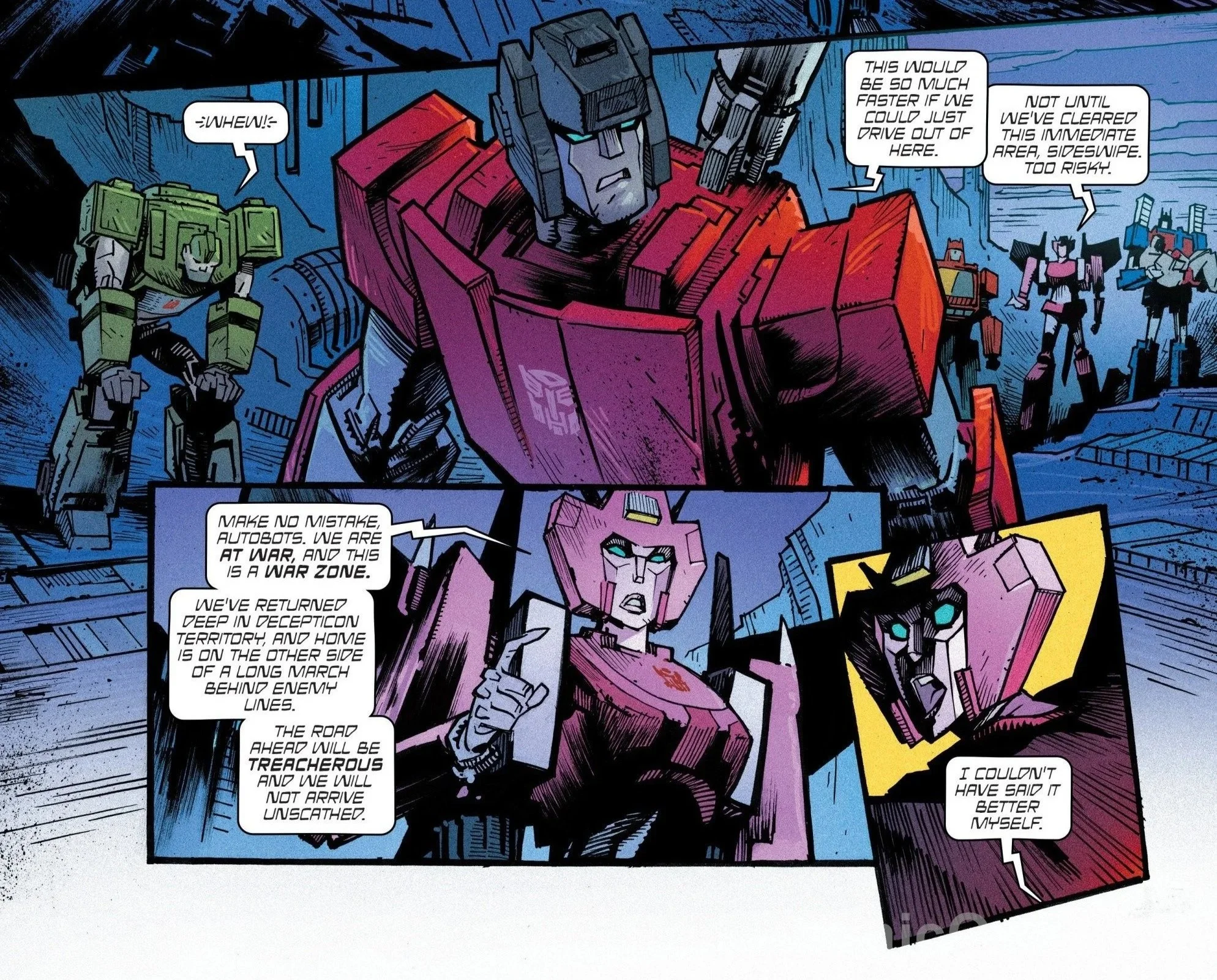
One of the issue’s strongest elements is its continued portrayal of Elita Prime’s leadership struggles. Rather than presenting her rise as a triumphant evolution of the Autobots, Kirkman increasingly frames it as unstable and reactive.
That nuance is important because it keeps the ideological fracture introduced in issue #30 from becoming overly simplistic. Elita may possess the Matrix, but possession alone does not automatically make her an effective leader. Throughout the issue, there is a growing sense that she is relying more on force and instinct than strategy.
The Autobots spend much of the issue on the defensive, scrambling to survive rather than operating with any clear tactical control. When victories do come, they often feel improvised rather than earned through strong leadership decisions. That tension gives the conflict an undercurrent of instability that helps elevate the material beyond a standard action issue.
In many ways, the issue quietly reinforces Optimus Prime’s absence rather than merely celebrating Elita’s rise. The story repeatedly highlights how difficult leadership actually is once the symbolic victory fades and the practical consequences begin.
That subtlety is one of the issue’s most interesting qualities.
Shockwave Steals the Issue
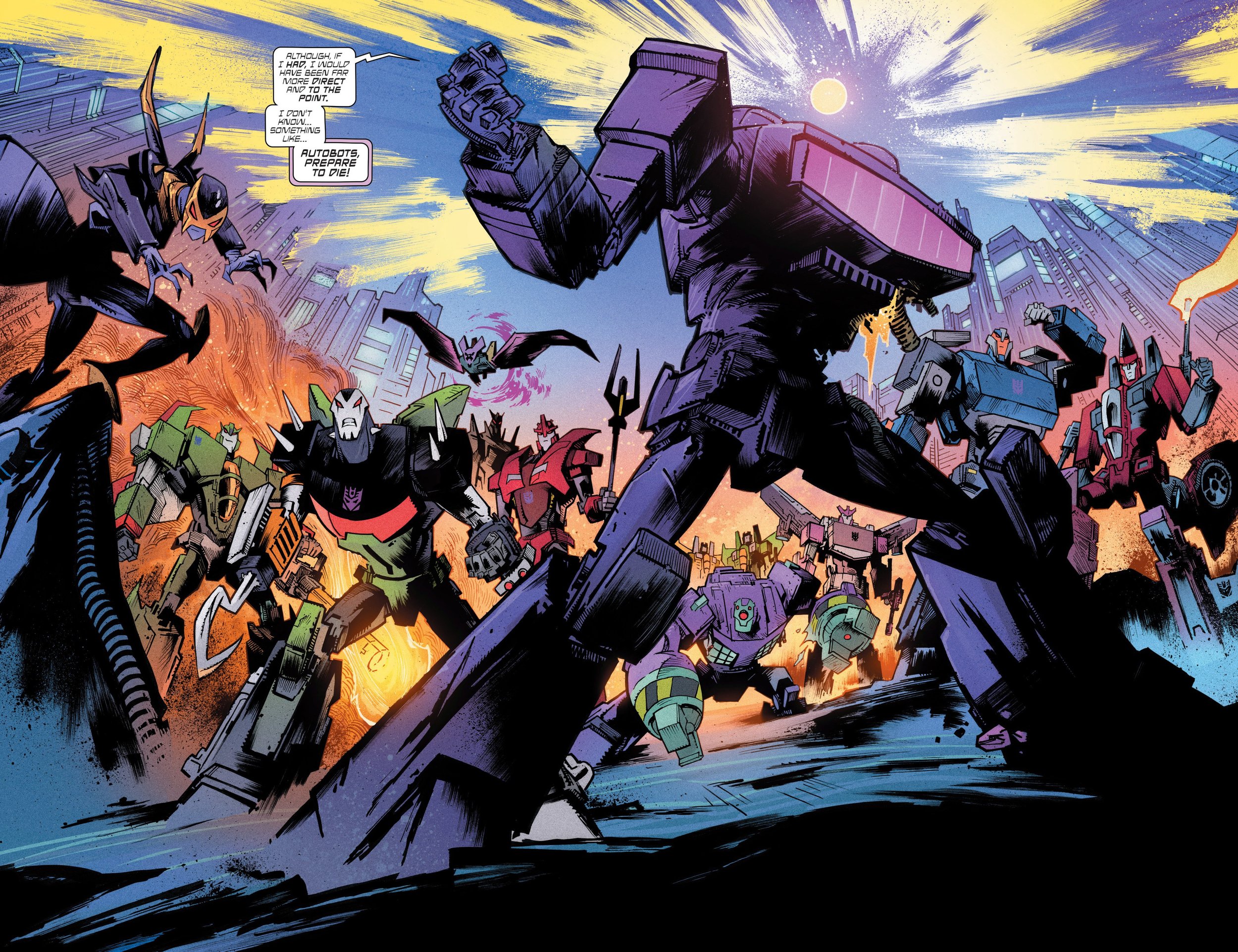
If Elita provides the thematic core, Shockwave provides the energy.
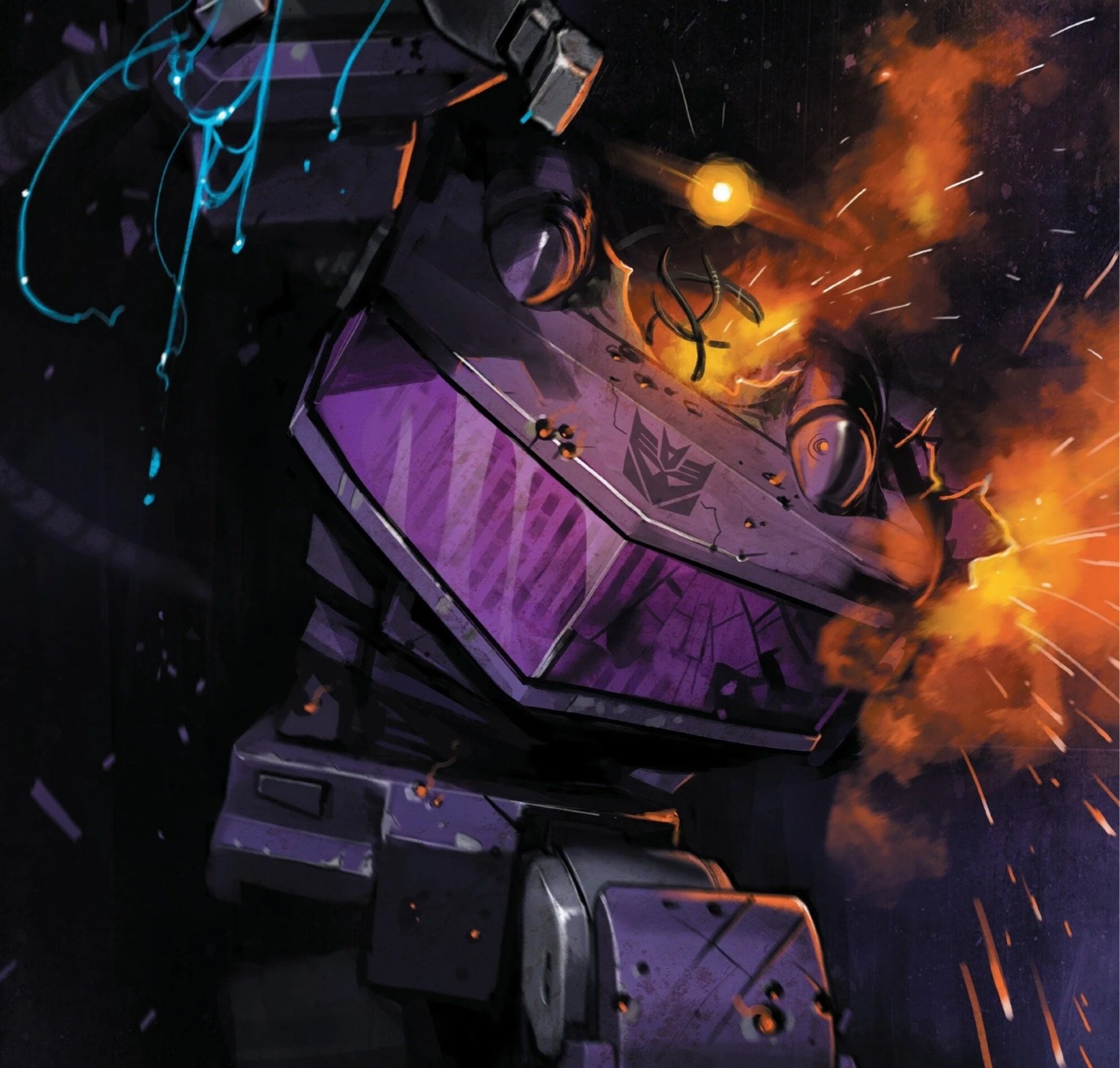
Kirkman continues writing Shockwave as an almost horrifying force of persistence, less a traditional villain and more a relentless machine that simply refuses to stop functioning. There is something deeply unsettling about the way the character moves through the issue, especially given the physical state he is currently in.
More importantly, Shockwave brings urgency back to the series.
Issue #31 often felt static because so much of it unfolded through exposition and hallucination. Here, the conflict feels immediate. Every appearance by Shockwave creates tension because he genuinely feels dangerous in a way few antagonists currently do.
The issue also understands how visually compelling Shockwave can be when properly utilized. The fights are brutal, fast-moving, and consistently dynamic, giving the action a level of energy that the previous chapter sorely lacked.
Even when the story itself feels somewhat stalled structurally, Shockwave’s presence keeps the issue entertaining.
Spectacle Over Progression
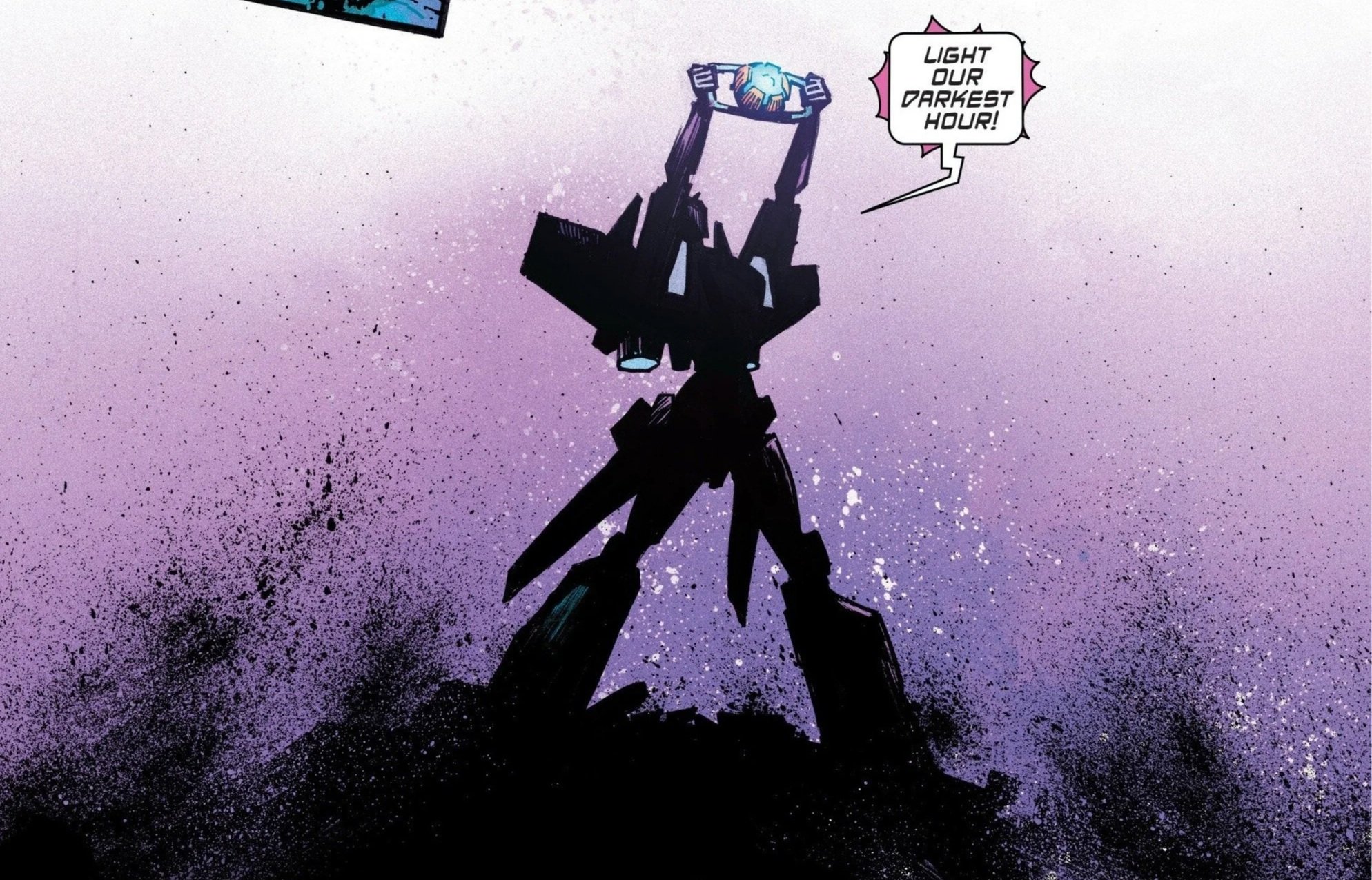
For all of its strengths, Transformers #32 still struggles with pacing in a different way than its predecessor.
Unlike issue #31, this is not a slow comic. In fact, it moves quickly from scene to scene and rarely stops delivering action. The problem is that despite all that movement, the larger story advances surprisingly little.
This increasingly feels like an arc being stretched to fit a trade rather than unfolding at the pace the material naturally demands. Several sequences linger longer than necessary, and while the action remains entertaining throughout, there is a growing sense that the series is delaying larger developments rather than meaningfully building toward them.
That frustration becomes especially noticeable when compared to issue #30, which managed to radically alter the status quo while still delivering emotional depth and narrative momentum within a single chapter.
By comparison, issue #32 feels thinner structurally despite containing significantly more spectacle.
The issue leaves you wanting more, but not entirely in the way the strongest cliffhangers do. Instead of anticipation born from overwhelming momentum, there is a slight sense of impatience with how long the current conflicts are taking to fully unfold.
Jason Howard Brings Tremendous Energy
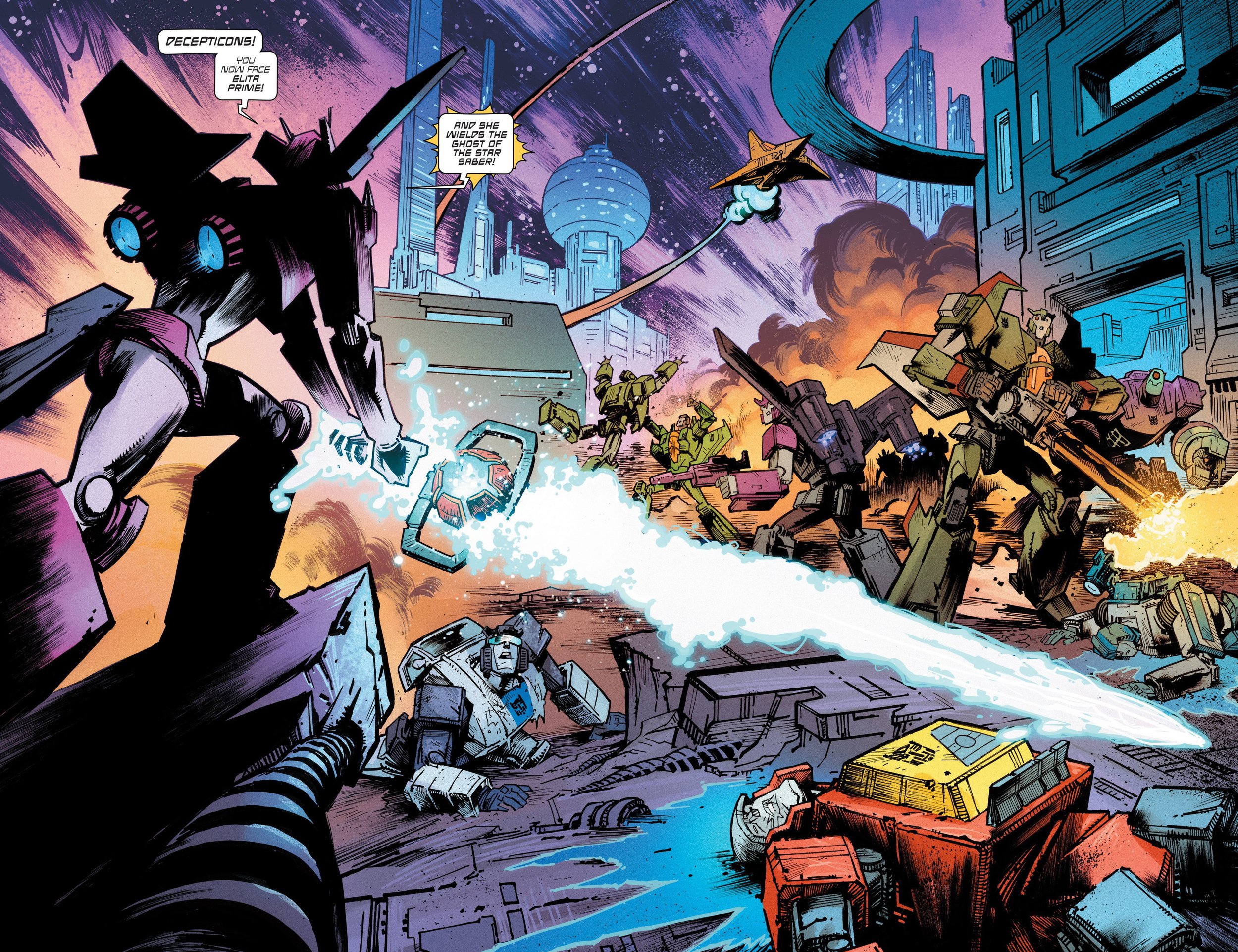
One area where the issue unquestionably succeeds is its artwork. Jason Howard steps into the series with an approach that feels stylistically distinct while still fitting naturally alongside the work of previous artists.
The action choreography throughout the issue is excellent. Howard gives the combat a fluid, aggressive energy that keeps every major confrontation visually engaging. Impacts feel heavy, movement feels fast, and the staging consistently maintains clarity even during chaotic sequences.
What makes Howard’s work especially effective is how much personality he injects into the characters through movement and posing. The Autobots and Decepticons never feel stiff or overly mechanical. Instead, they move with exaggerated force and emotion that helps sell the intensity of the battles.
There are also clear visual influences from previous artists on the run. Certain panels evoke the larger-than-life energy of Daniel Warren Johnson, while other moments lean closer to the cleaner readability of Jorge Corona or the polished dynamism Dan Mora brought to the series.
Rather than feeling derivative, though, Howard blends those influences into something that still feels uniquely his own.
Mike Spicer’s colors continue to elevate the book tremendously. The bright energy blasts, environmental destruction, and sharp tonal contrasts give the issue a constant sense of motion and impact. Even quieter scenes maintain visual intensity thanks to the strength of the coloring.
Simply put, this is a very good-looking comic.
A Series Between Major Turning Points
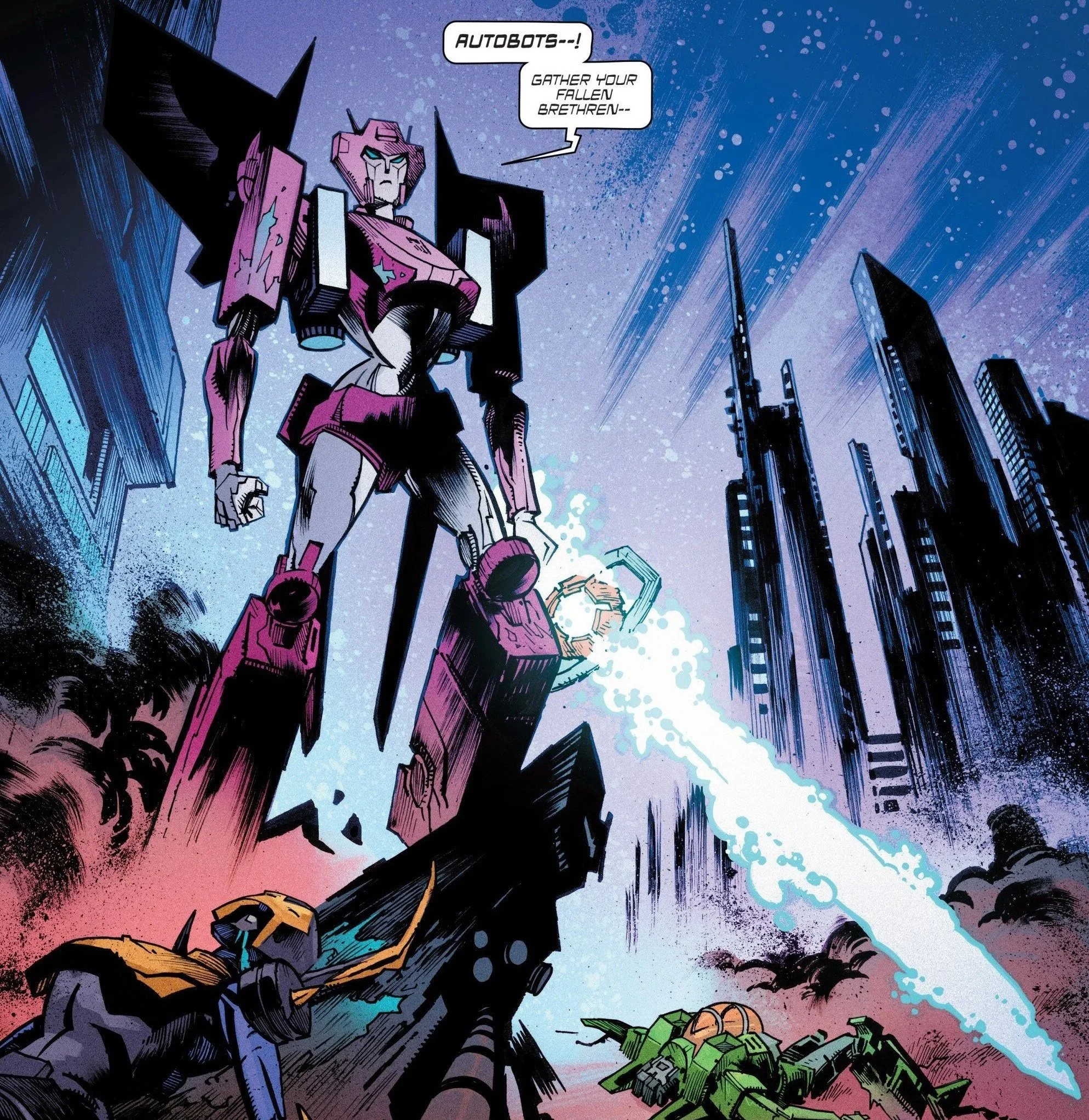
More than anything else, Transformers #32 feels like a bridge between larger developments.
The issue continues exploring the consequences of Elita Prime’s rise while building up future conflicts involving Shockwave and the fractured Autobots, but it rarely feels like it delivers a major progression in its own right. Instead, it functions as connective tissue between bigger moments.
That is not inherently a flaw. Serialized storytelling needs issues that reposition pieces on the board. The challenge is that this series has already demonstrated how effectively it can combine setup, action, emotional development, and progression simultaneously.
This chapter only fully succeeds at two of those things: spectacle and tension.
The result is a comic that remains entertaining throughout, but never quite reaches the emotional or narrative highs the series has already set for itself.
Final Thoughts and Rating
Transformers #32 is a fun, energetic rebound after the slower and more static previous issue. The return to large-scale action helps restore momentum, Shockwave continues to be one of the series’ strongest villains, and Jason Howard delivers artwork filled with energy and personality.
At the same time, the issue reinforces some growing concerns about pacing. While the action is exciting, the actual advancement of the story feels limited, creating the sense that the current arc is being stretched longer than necessary.
Even so, the issue remains highly entertaining on a moment-to-moment level. The fight choreography is excellent, the visual storytelling is consistently strong, and the thematic cracks forming beneath Elita Prime’s leadership continue to add welcome complexity to the conflict.
This may not reach the heights of the series’ very best issues, but it is still a solid entry in a run that remains stronger than most current mainstream comics.
Rating: 8/10
An action-heavy rebound with fantastic artwork and strong tension, even if the larger story still feels like it is moving more slowly than it should.