
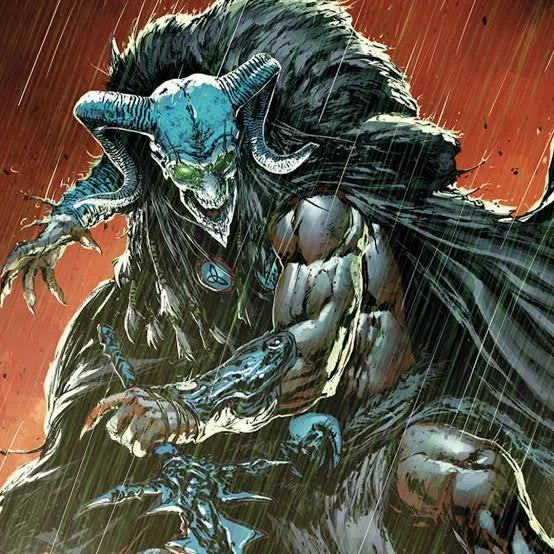
Spawn The Dark Ages issue #6 is published by Image Comics and set in the Spawn Universe created by Todd McFarlane. Written by Liam Sharp, with art by Liam Sharp
The Recap: Chaos in Londinium
Liam Sharp’s six-issue run on Spawn: The Dark Ages (2026) has officially wrapped up, and I have a lot of thoughts on this ambitious project. Taking on the responsibilities of writer, artist, and colorist all at once for a major Image Comics book is a massive undertaking, and honestly, getting a book of this visual caliber at a standard price point feels like a steal in today’s comic landscape. Now that the dust has settled over the ruins of Londinium, it is time to break down how this epic dark fantasy finale stands on its own feet.
Issue #6 functions as the grand finale to this specific six-part mini-saga. The narrative drops us right back into the thick of a bleak, mud-soaked medieval England. In the immediate aftermath of staggering death, political fracturing, and personal treachery, King Aurelianus is forced to face his absolute darkest hour. The invading Saxon hordes are actively descending upon the crumbling, rain-slicked ruins of Londinium.
The stakes are not just physical survival or the shifting of crowns; the spiritual fate of the land hangs in the balance. To withstand the relentless Saxon onslaught, Aurelianus is forced to maintain a fragile, terrifying alliance with the Devil Spawn. The issue moves rapidly through a series of chaotic, blood-drenched skirmishes where human steel clashes violently with hellish power. By the final pages, the immediate military threat is resolved, but it leaves us with a deeply atmospheric, melancholic, and spooky conclusion. The final moments heavily question whether certain spiritual doors have been permanently closed to humanity, while dropping distinct hints that a second volume tracking the Devil Spawn's legacy is lurking on the horizon.
Story Analysis: High Mythos and Shakespearean Weight
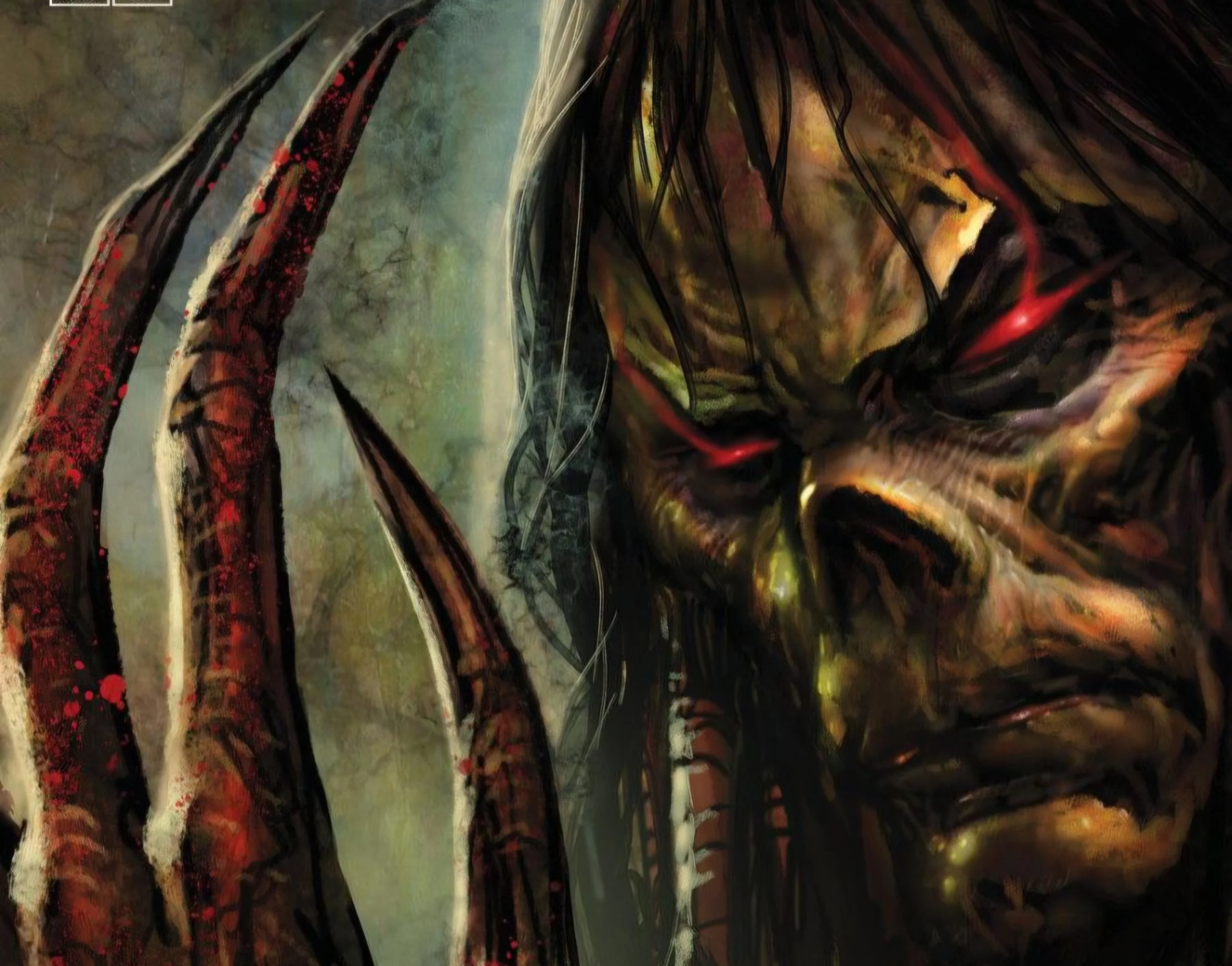
When evaluating the story, you have to look closely at what Liam Sharp was trying to achieve textually. This is not your standard modern superhero comic filled with snappy, fast-paced dialogue or casual banter. Sharp writes this book like an ancient, forgotten chronicle. The language is intensely poetic, rhythmically dense, and carries an explicitly Shakespearean flavor that demands your full attention. Characters speak in grand, sweeping declarations about destiny, damnation, and the rot of the world.
On one hand, this writing style is fantastic for establishing a suffocating sense of historical scale and dark fantasy dread. It makes the Spawn mythos feel profoundly old, anchoring the Hellspawn curse into the actual folklore of the British Isles. The dynamic between King Aurelianus and the Devil Spawn works beautifully as a clash of desperate human pragmatism against eternal, unholy burdens.
On the other hand, the sheer density of the prose can sometimes act as a barrier. The script gets so wrapped up in its own poetic rhythms that actual plot progression occasionally takes a back seat. If you have been reading this series month-to-month since late 2025, you might find yourself needing to flip back to previous issues just to re-orient yourself with the specific political betrayals and character motivations. It is a story that feels designed to be read all at once in a single, continuous sitting rather than broken up by multi-month scheduling gaps.
Pacing: The Internal Tug-of-War
The pacing of Spawn: The Dark Ages #6 is easily the most polarizing aspect of the book, creating a bizarre internal tug-of-war. Because this is the absolute final issue of a limited miniseries, the narrative has a massive amount of structural work to do. It has to wrap up a war, resolve the arc of a king, define the status of the Hellspawn, and deliver a satisfying thematic conclusion. As a direct result, the plot itself feels incredibly rushed. Major tactical shifts in the battle happen abruptly, and the final resolution arrives with a suddenness that might leave you blinking.
The Pacing Paradox: While the actual plot moves at a breakneck speed to hit its page budget, the actual reading experience is deliberately slow and glacial.
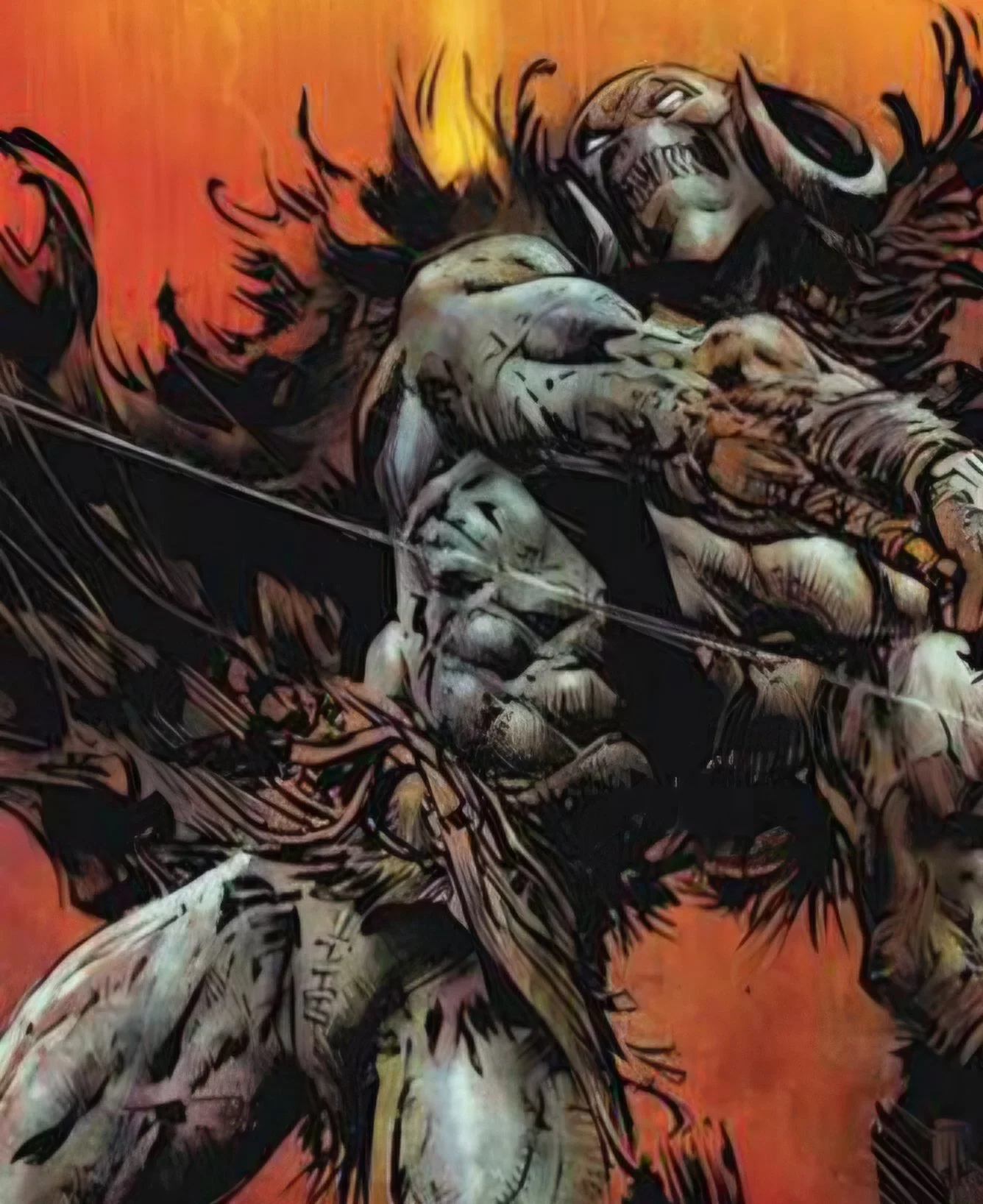
You cannot skim this book. The heavy, archaic dialogue blocks require you to slow your reading down to a crawl just to digest the meaning behind the poetry. Concurrently, the artwork is so dense and packed with intricate texture that your eyes naturally linger on every single panel for minutes at a time. Sharp regularly deploys massive, panoramic double-page spreads that completely stop the narrative momentum dead in its tracks—in the best way possible. It creates a strange reading rhythm where you are simultaneously hurrying to see how the story ends while being forcefully held back by the sheer weight of the visuals and the text.
Art: A Masterclass in Dark Fantasy Illustration
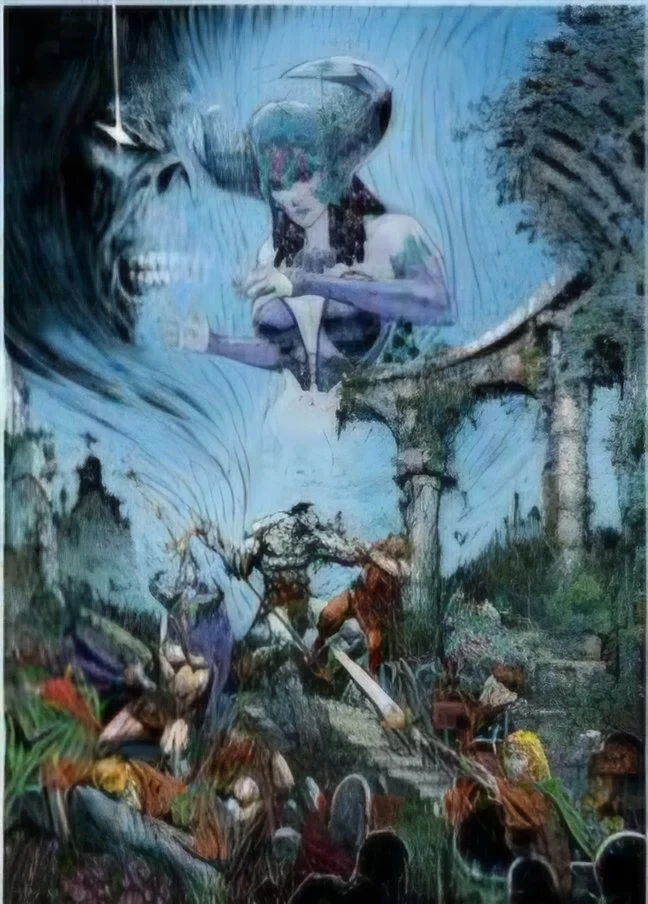
Let's be completely real: the artwork is the primary reason to buy this comic. What Liam Sharp has achieved visually in this issue is nothing short of an absolute masterpiece of dark fantasy illustration. This isn't standard comic art with clean linework and flat digital gradients; this is heavy, painterly, textured fine art that feels like an explicit homage to legendary classical fantasy illustrators like Frank Frazetta, Sanjulian, and Simon Bisley.
Every single page feels like a fully realized oil painting that you could easily detach, frame, and hang on a wall. The rendering of the ruins of Londinium is spectacular—you can practically feel the damp chill of the stone, the slickness of the mud, and the heavy mist hanging over the battlefields. The character designs are terrifyingly visceral. The Devil Spawn looks genuinely monstrous, a walking nightmare wrapped in chains, jagged bone, and a billowing cape that flows across panels like living shadow.
Sharp’s use of color is equally brilliant. He utilizes a murky, earthy palette dominated by cold greys, deep browns, and sickly moss greens to establish the grim reality of medieval warfare. But when the supernatural elements ignite, the pages erupt with vivid, haunting bursts of hellfire oranges, ethereal greens, and deep crimson blood. The double-page battle spreads in this finale are legendary. They are chaotic, violent, meticulously detailed tapestries of clashing swords, shattering shields, and demonic fury that perfectly capture the grand scale of a dark age apocalypse. It is an unbelievable display of raw artistic passion and endurance.
The Final Verdict
Ultimately, Spawn: The Dark Ages #6 stands as a visual triumph that closes out one of the most unique corners of the expanding Spawn Universe. If you are looking for a tightly plotted, fast-moving narrative with complex character webs and traditional comic pacing, this book might leave you feeling a bit frustrated by its rushed conclusion and dense, poetic prose. It acts more like an incredible illustrated myth than a standard comic script.
However, if you have a deep love for classical fantasy art, gothic atmosphere, and risks in visual storytelling, this series is an absolute must-own. Liam Sharp poured his absolute heart and soul into every single panel, delivering a gorgeous visual spectacle that sets a brand-new high bar for what a modern dark fantasy comic can look like. It is an unforgettable ride that demands a premium, oversized hardcover treatment somewhere down the line just so we can truly appreciate the scale of these pages.