
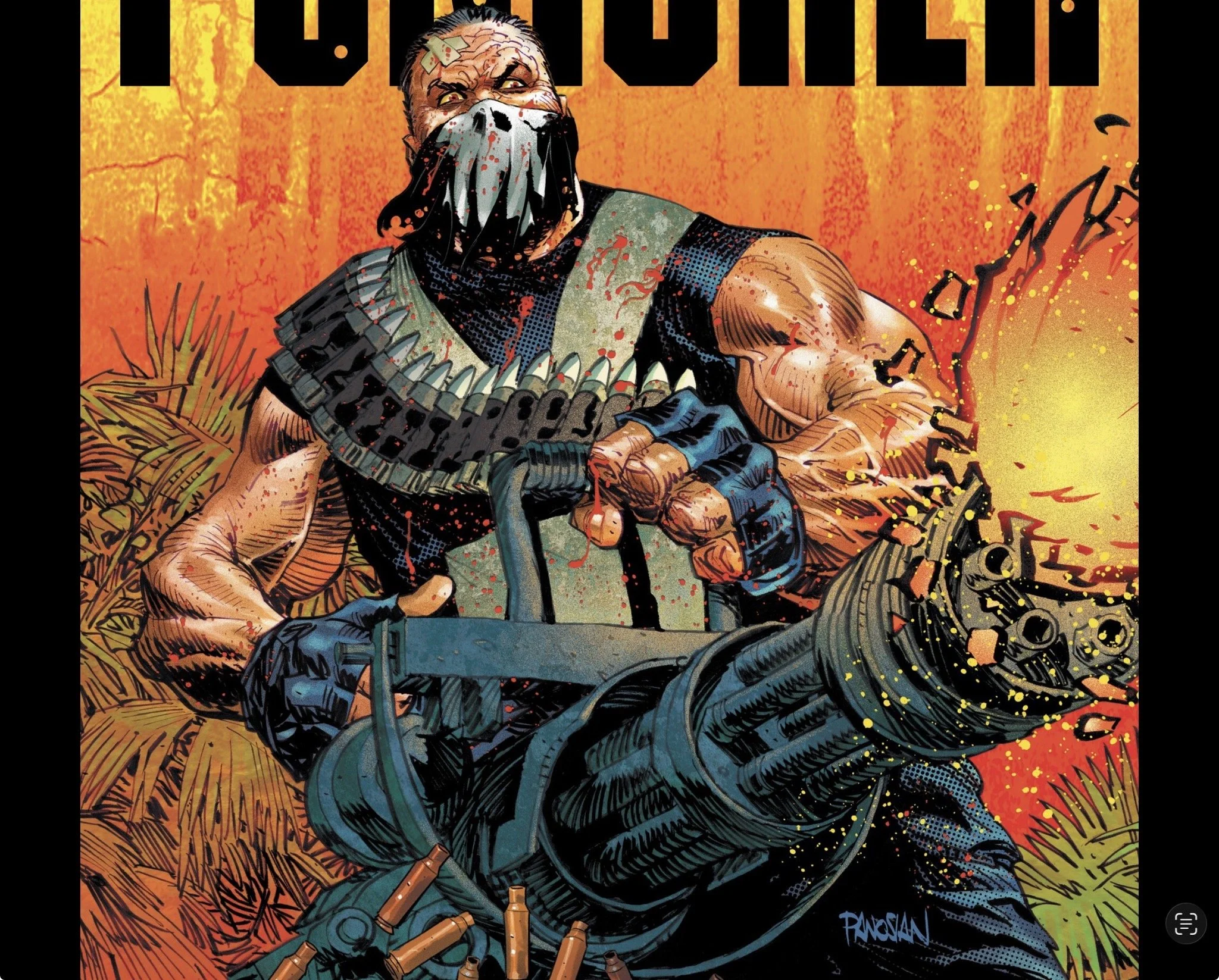
Let Me Be Frank
Recently, in my review of Daredevil/Punisher #1, I mentioned that I’m not the biggest fan of the Punisher. I just don’t find him compelling enough to carry a book on his own. So it’s pretty funny that 1) I was assigned another Punisher book right after that, and 2) he’s essentially a background character in his own series.
Marvel Knights: The World to Come is a six-issue miniseries by Christopher Priest and Joe Quesada that presents a possible future for the Marvel 616, viewed through the lens of Marvel Knights characters and creators. I’ll be honest, I haven’t read it yet. I assumed there was no realistic chance all six issues would ship on time with Quesada handling interiors, so I can’t speak to Frank Castle’s status quo in that book.
Marvel Knights: Punisher is a four-issue miniseries by Jimmy Palmiotti and Dan Panosian that focuses on Frank Castle in the 25 years leading up to The World to Come, effectively setting up his place in that future. It’s not a bad read by any means, but it didn’t exactly knock my socks off either.
Castle Will Help You Get Your Z’s
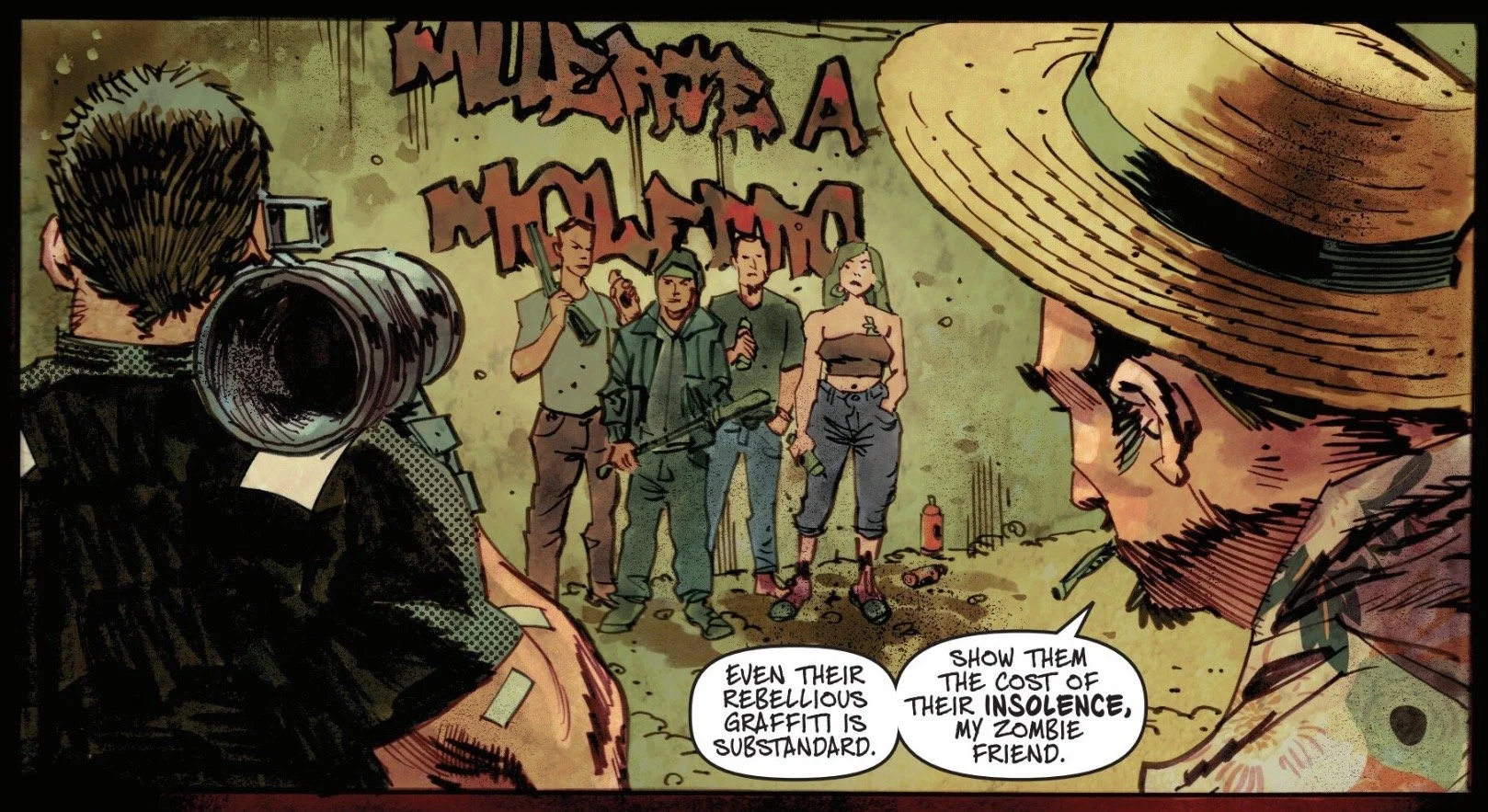
The Punisher has been tracking a major drug dealer, Armando Molero, the man responsible for a powerful new drug called “Z.” Z effectively turns its users into zombies, stripping them of free will and forcing them to obey any command. During a confrontation with Molero’s monstrous enforcer, El Zombie—a hulking brute transformed into a mindless, subservient killing machine—Castle is beaten half to death and captured.
Over the following months, Castle is tortured, brutalized, and repeatedly dosed with Z until he finally becomes El Zombie himself. For years after, Molero uses the Punisher as his personal weapon, unleashing him on rivals and their families alike—women, children, everyone. If you just thought, “Oh, that’s going to end well for them,” give yourself a gold star.
Castle’s removal from Molero’s control comes courtesy of Everett K. Ross—yes, that Everett K. Ross from Christopher Priest’s excellent Black Panther run—who has gone undercover inside Molero’s operation. Ross is placed there by Agent K of the FBI, who is very much in Molero’s pocket. From there, Castle begins the long, painful process of breaking free from Z… though not without some complications.
I won’t spoil the specifics—you’ll see it on the cover of issue #4 next month—but let’s just say Frank Castle could probably win a Jonah Hex cosplay contest these days.
Born of a Broken Man, But Not a Broken Man
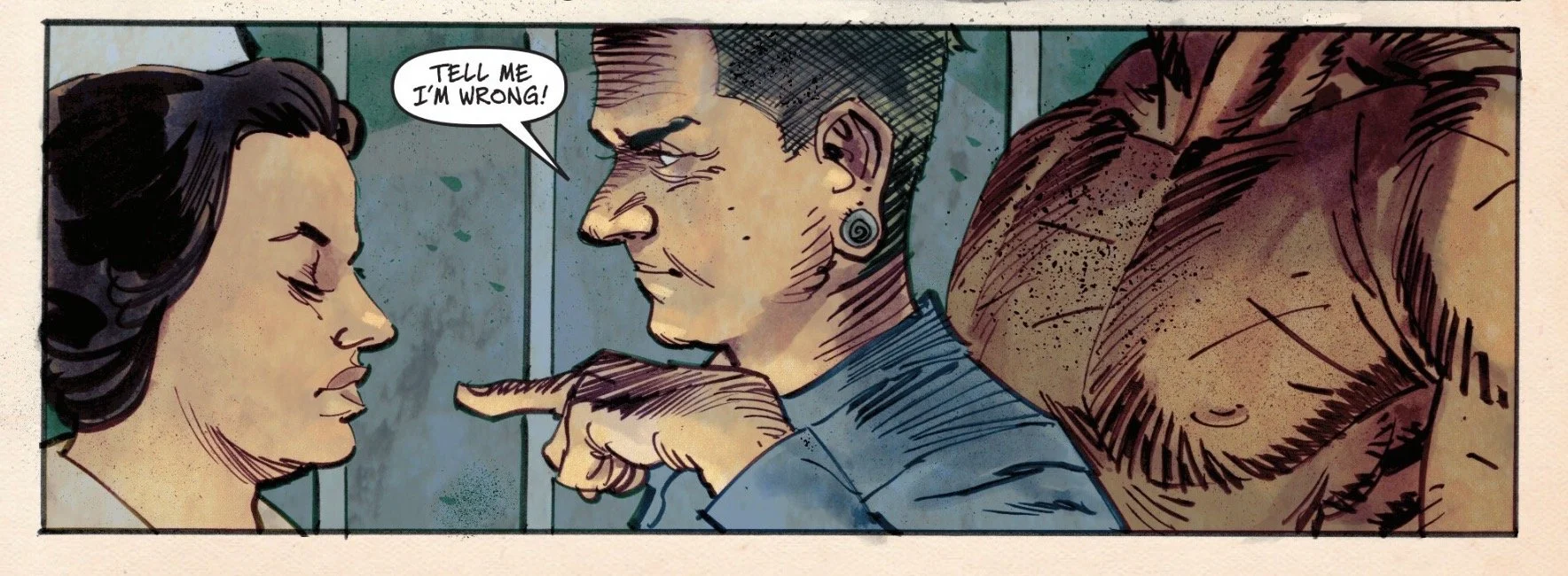
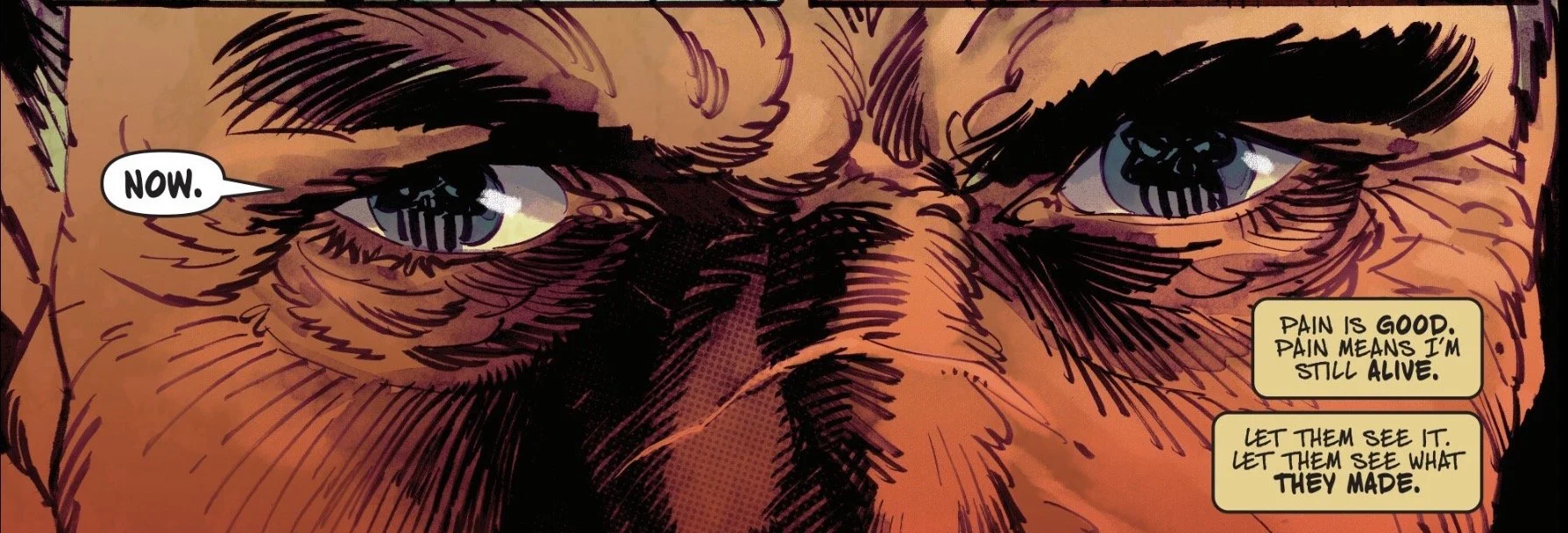
For me, the strongest moment in this issue—and really the miniseries as a whole—comes when Castle finally breaks free of Z and regains his faculties, and with them, his memories. He realizes that he cold-bloodedly murdered women and children, and not just once or twice. In that instant, the monster he has become, both physically and mentally, completely breaks. The pain etched across his face is unmistakable.
What follows is an action no one could reasonably blame him for, and one that will clearly inform his character for the rest of the series. It’s an incredibly powerful moment, and easily the highlight of the issue for me.
Too often, writers reduce the Punisher to a near one-note killing machine, defined solely by “my family was gunned down by criminals, so now I’m unhinged and will kill anyone even loosely associated with crime.” That approach can work for a miniseries or an occasional solo story, but there simply isn’t enough substance there to sustain the character long-term. It’s similar to how one of the Punisher’s major inspirations, Mack Bolan the Executioner, eventually had to move beyond fighting just the Mafia—otherwise, those books wouldn’t still be in print today.
Fog of War
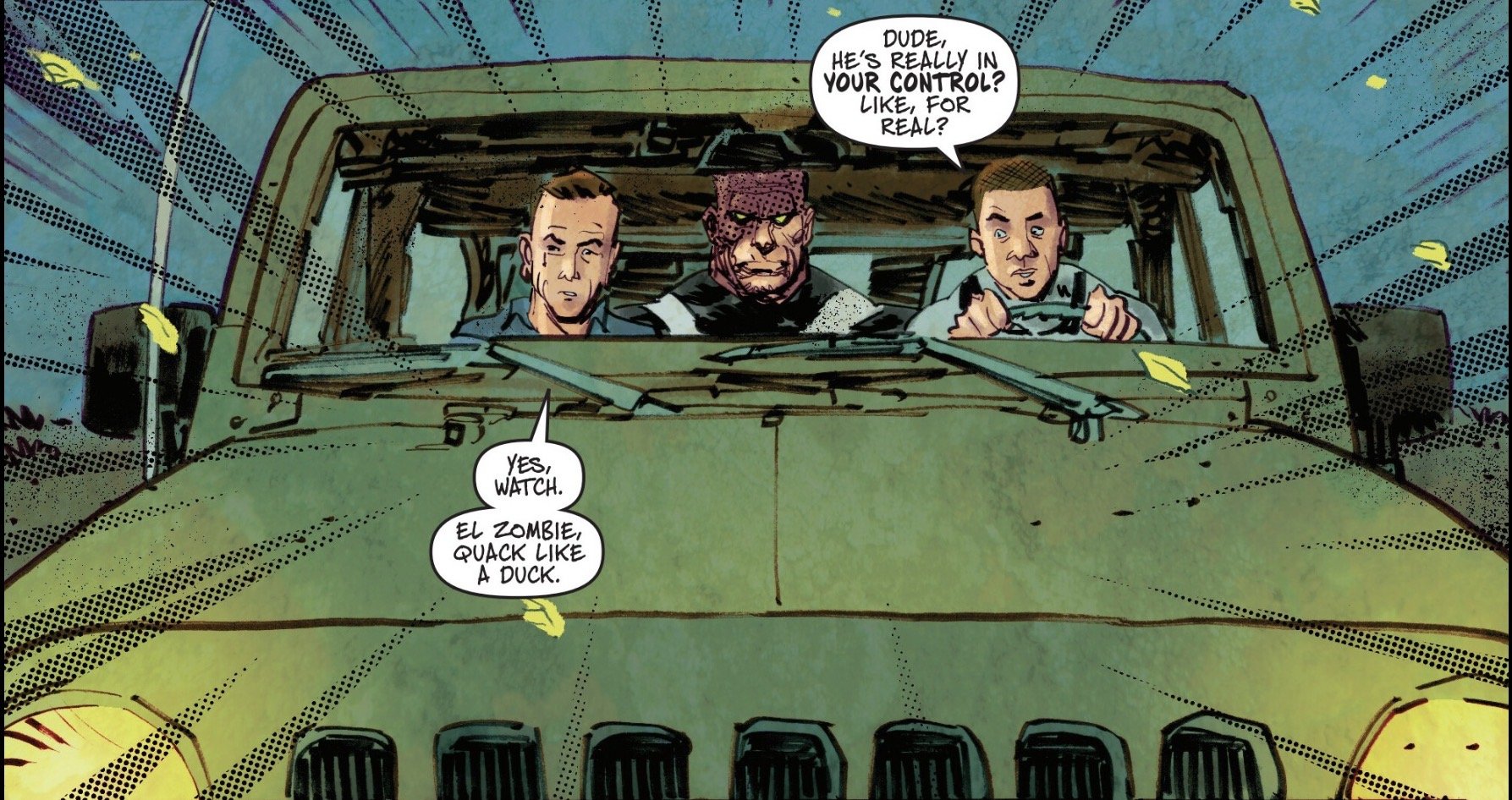
There are a lot of interesting choices in the art, coloring, and even the lettering throughout this book, all of which lean heavily into an “indie” aesthetic. Panosian’s art in particular recalls Eric Powell’s The Goon, both in the exaggerated facial features and especially in Castle’s almost unrealistically hulking frame. It gives the book a slightly off-kilter, heightened look that fits the story’s tone surprisingly well.
The coloring follows a similar philosophy. It embraces an intentionally retro style reminiscent of what G.I. Joe and Birds of Prey have used in recent years, but it feels more at home here. That may be due to how well it complements the indie-leaning linework rather than fighting against it. The lettering also reinforces that sensibility, opting for a hand-lettered look instead of the clean, uniform typefaces typical of the Big Two. All of it adds to the indie vibe, which was, of course, a defining hallmark of the original Marvel Knights line.
Visually, the book lands some great moments. The panel of Ross fleeing with El Zombie Castle is genuinely funny, while the sequence where the weight of Castle’s actions crashes down on him is quietly devastating. Those visual contrasts—comedy and horror sitting side by side—are where the art team really shines.
King of the Castle
It’s funny that over the last couple of weeks I’ve now read two books featuring the Punisher, which is probably two more than I’d read in a very long time, and both ended up being way better than I expected. What’s even funnier is that both were written by Jimmy Palmiotti, who clearly understands that Frank Castle just isn’t interesting on his own and needs something more to latch onto.
Whether it’s the Boogeyman-style take in Daredevil/Punisher or the broken, haunted man this book has been steadily building toward, both approaches are far more compelling than the generic “unstoppable killing machine” version that so many writers default to. And let’s not forget that, in various attempts to keep him relevant over the years, Marvel has turned the Punisher into an angel, a Frankenstein monster, and all sorts of other increasingly wild concepts.
None of this is enough to suddenly make me a full-on Punisher fan, but it is enough to say that I genuinely enjoyed my time with this book and am actually looking forward to seeing how it all wraps up.