
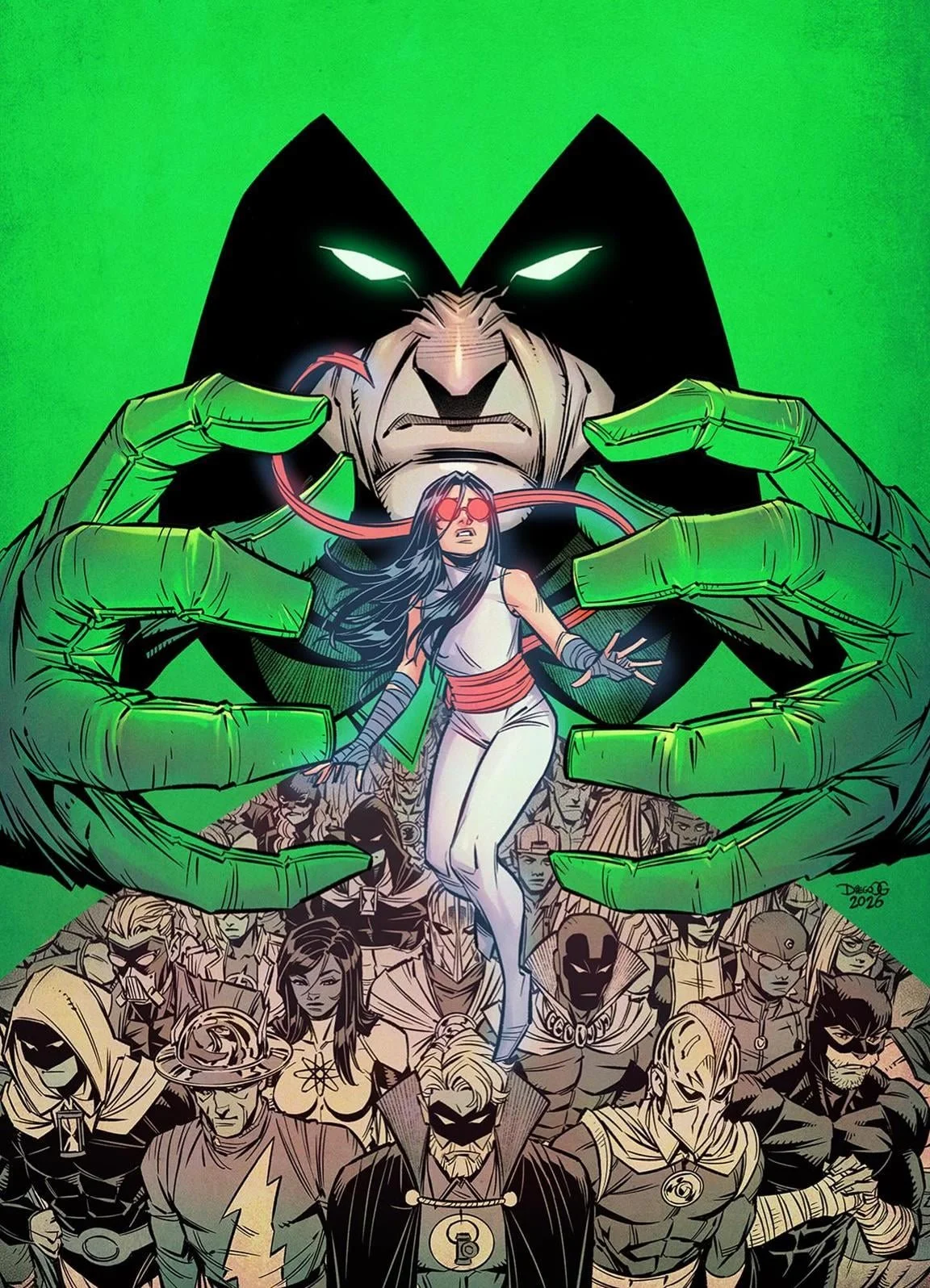
JSA issue published by DC Comics with writing credits attributed to Jeff Lemire, art by Diego Ortegui, colours by Luis Guerrero, and lettering by Steven Wands
Recap: Life After Ragnarok
After months of living in the past with the "Year One" arc, JSA #19 finally brings us back to the present day, and honestly, the wait was worth it. Jeff Lemire has taken the reins of this legendary team and is steering them into territory that feels both hauntingly familiar and strikingly new. This issue kicks off the "Search for the Spectre" storyline, and it’s a masterclass in how to balance a massive ensemble cast while setting the stakes for a cosmic-level threat.
The issue opens in the quiet, reflective aftermath of the team’s brutal encounter with the Injustice Society. For those who have been following the run, the previous "Ragnarok" storyline left the Society reeling. Issue #19 serves as the ultimate "breather" issue—at least for the first twenty pages. We find the team back at their headquarters, trying to figure out what the Justice Society even looks like in 2026.
The roster is currently a fascinating mix of the old guard and the new blood. Jay Garrick and Alan Scott are still the moral anchors, but they spent a lot of this issue looking at the younger members and wondering if they’ve done enough to prepare them for what’s coming. Meanwhile, the mid-tier legends like Jade, Obsidian, and Hourman are dealing with the actual "life" part of being a superhero.
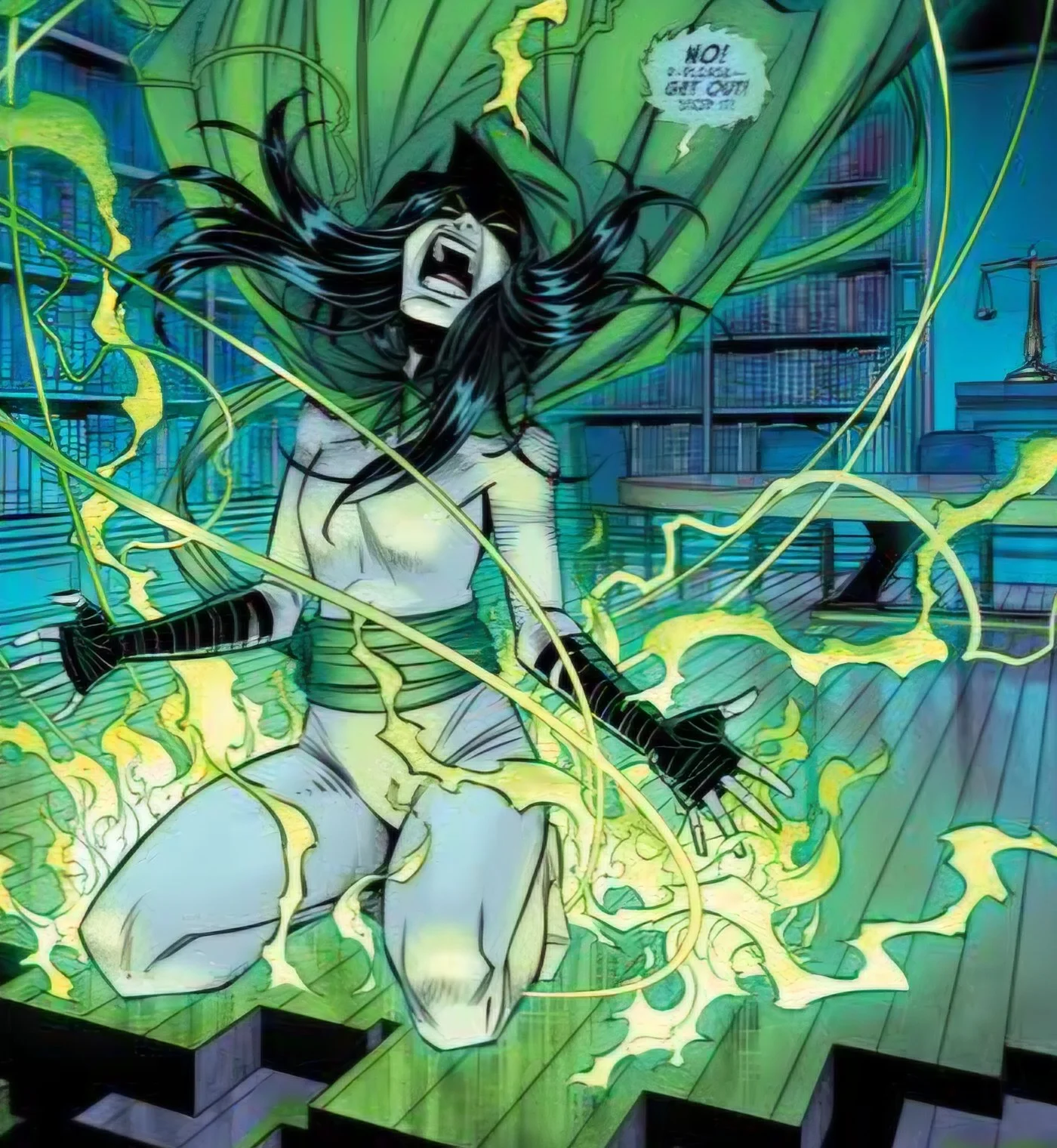
The peace is shattered when Kid Eternity—the young, undead hero who was so pivotal in the first year of this title—crashes into the present in rough shape. She isn’t alone; she’s being hunted by the Spectre. The Spirit of Vengeance is host-less and looking for a new vessel, and he has his sights set on Kid Eternity because, as he puts it, she is "empty and without a sense of self." The issue ends on a terrifying cliffhanger as the Spectre begins to manifest, threatening to judge the entire world for the "sins" of the JSA’s past.
Story: The Weight of Legacy
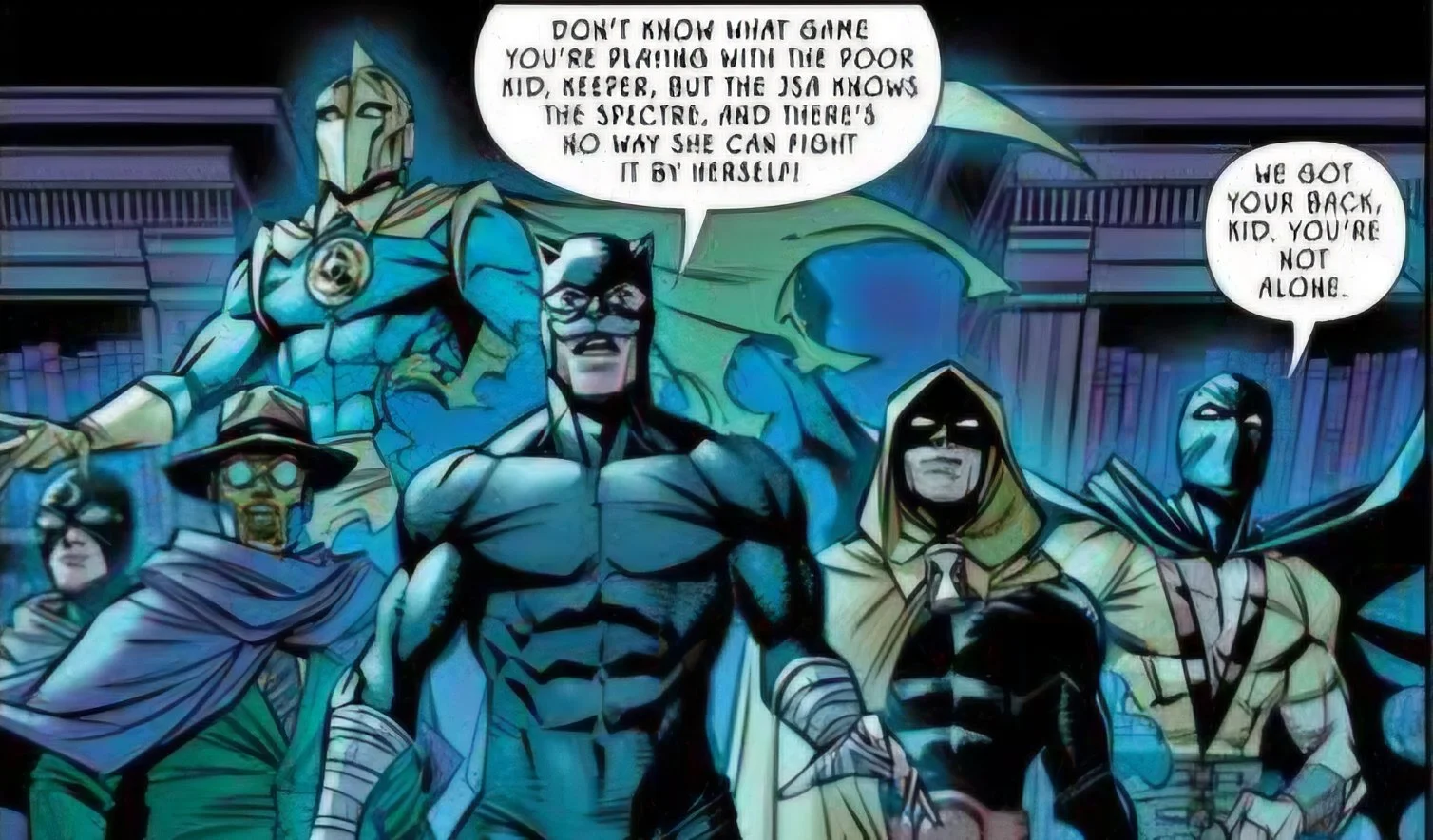
What I love most about Lemire’s writing here is how he handles the theme of "the past eating the future." It’s such a perfect metaphor for the JSA. This is a team built on history, but in this issue, that history feels like a weight. The Spectre isn't just a monster-of-the-week; he represents a divine reckoning for every shortcut and moral compromise the JSA has made since the 1940s.
The character work is where this issue really shines for me. Seeing Rick Tyler (Hourman II) sparring in the gym with Sandy and the new Wildcat was a highlight. It wasn't just an action beat; it was a way to explore Rick’s headspace following his divorce from Jesse Quick. It’s rare to see a superhero book lean into the "mundane" sadness of a failed marriage, but it makes the characters feel human. On the flip side, we get a great moment of levity with Jakeem Thunder and the new Dr. Fate playing video games, only to be interrupted by the long-awaited full-time return of Courtney Whitmore. Stargirl’s energy has been missed, and her presence immediately brightens the book’s tone before things go dark.
Lemire also gives us a fantastic Detective Chimp cameo. Using Bobo as the supernatural expert to explain why the Spectre is targeting Kid Eternity was a smart move. It grounds the high-concept magic in a bit of noir-detective cynicism that balances the "God-level" stakes of the Spectre.
Pacing: The Calm and the Storm
Pacing is always tricky with team books, especially when you have a roster this deep. However, #19 manages to feel breezy without feeling shallow. The first two-thirds of the book are dedicated to "living" with the characters. We get to see them in their downtime, which is essential for a book about a "family" like the JSA. If we don’t care about them when they’re eating breakfast or arguing in the gym, we won’t care when the Spectre tries to erase them from existence.
The transition from the "slice-of-life" moments to the horror of the Spectre’s arrival is jarring in the best way possible. The tension ramps up slowly as Kid Eternity’s arrival is preceded by a sense of dread that even Alan Scott’s ring can’t quite pinpoint. By the time the final splash page hits, the shift from "day in the life" to "end of the world" feels earned. If I had one complaint, it’s that some of the dialogue in the transition scenes felt a little heavy on the recap. I understand we need to catch up new readers after the "Year One" arc, but for long-time pull-list fans, it felt a bit like an exposition dump in a few panels.
Art: A New Visual Language
Diego Olortegui is doing some incredible work here. Moving away from the moodier, more shadow-heavy art of the previous arc, Olortegui brings a kinetic, "classic superhero" feel to the book. His character designs are expressive—you can see the exhaustion in Jay Garrick’s eyes and the bottled-up frustration in Rick Tyler’s posture.
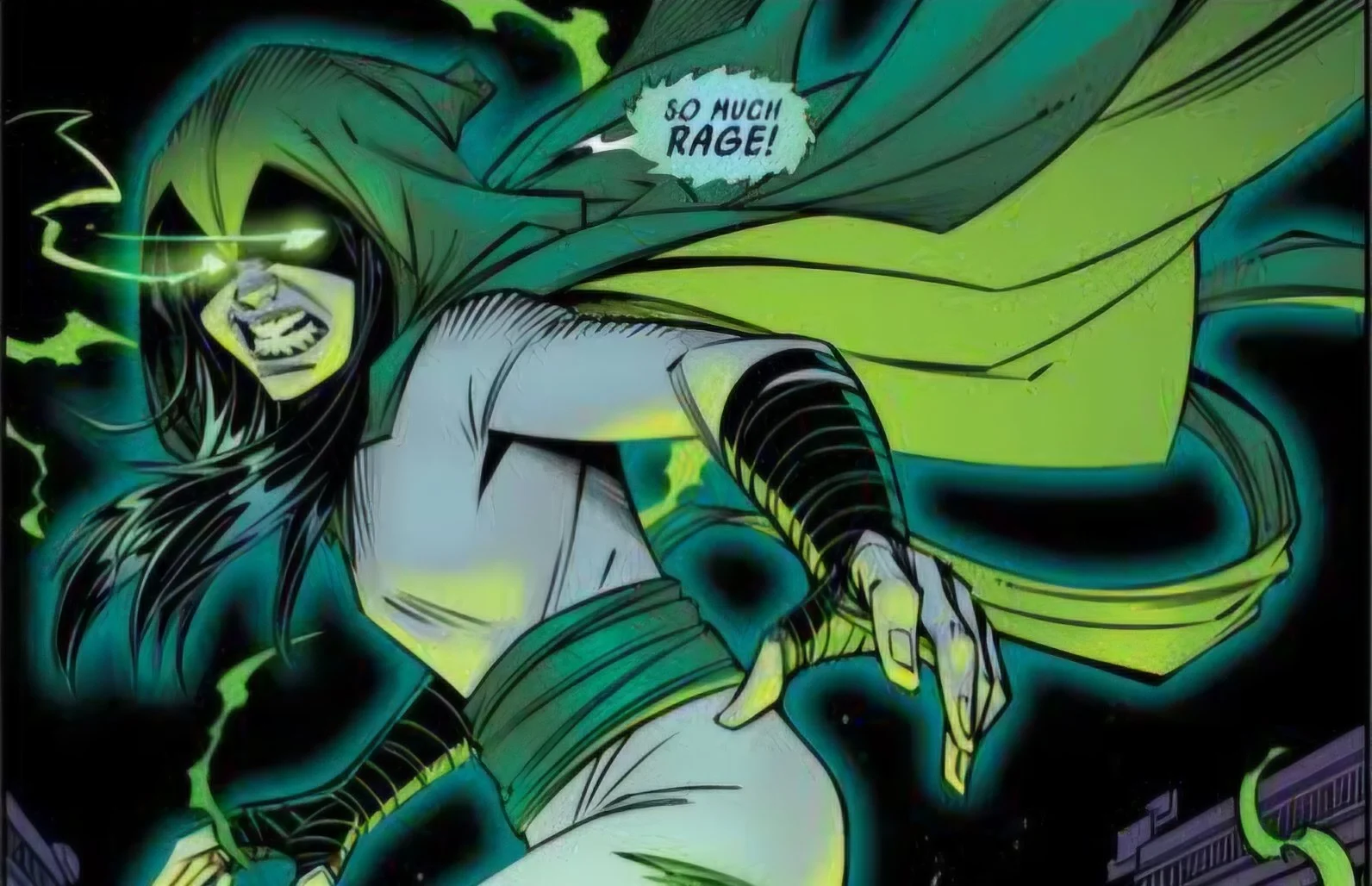
The action sequences, specifically the sparring match, have a great sense of flow. You can actually follow the physics of the movement, which is something a lot of modern artists struggle with. But the real standout is how he renders the Spectre. The Spectre should be terrifying, and Olortegui nails it. He doesn't just look like a guy in a green cape; he looks like a force of nature manifesting through the page.
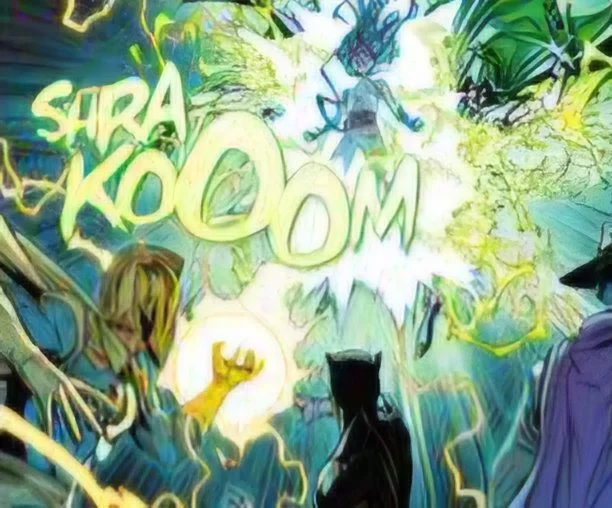
Luis Guerrero’s colors deserve a shout-out as well. The way he uses the vibrant greens of Alan Scott’s construct energy to contrast with the sickly, ethereal glow of Kid Eternity creates a visual tension that perfectly matches the script. The colors pop during the daytime scenes at the brownstone, making the JSA’s world feel lived-in and warm, which only makes the cold, dark arrival of the Spectre feel more intrusive.
The Final Verdict
JSA #19 is a phenomenal "jumping-on point" for anyone who was intimidated by the historical deep-dives of the first 18 issues. It respects the legacy of the characters while firmly planting them in the modern DC Universe. Jeff Lemire understands that the JSA isn't just a team; it’s a lineage. By pitting them against a host-less Spectre, he’s forcing the team to justify their existence, and I can’t wait to see how they handle it.
The issue hits that sweet spot of nostalgia and progression. Seeing Stargirl back in the mix feels right, and the looming threat of Kid Eternity being possessed by the Wrath of God is the kind of high-stakes drama this book deserves. While the pacing hits a few speed bumps during the expository dialogue, the character beats and the top-tier art more than make up for it.
If you’ve been away from the Justice Society for a while, now is the time to come back. This is "comic-book-ass" comic booking at its finest—big ideas, deep characters, and stakes that feel personal.