
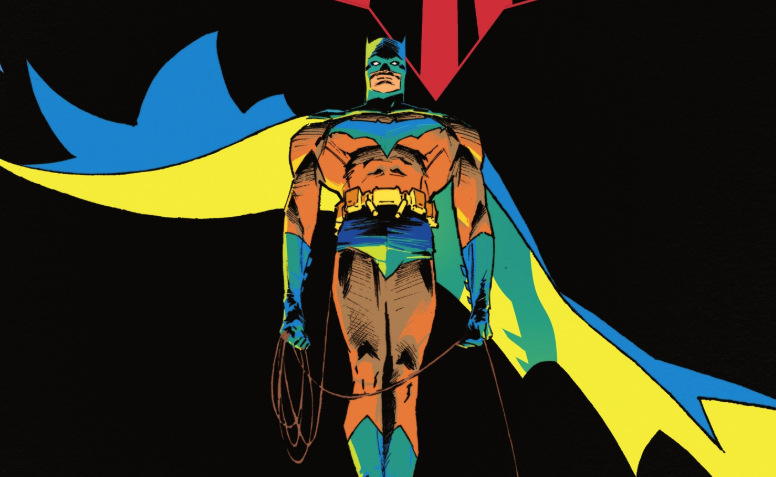
Batman #10 handles the fallout of a crushing defeat by shifting the focus toward a psychological war for Gotham’s soul. Watching the heroes pick up the pieces after losing Wayne Manor creates a heavy, desperate atmosphere that makes the eventual fightback feel incredibly earned. Matt Fraction balances the bleak reality of a media-driven police state with the classic, stubborn hope that defines the Dark Knight. This chapter makes me deeply invested in the long game, proving that even when Batman is stripped down to nothing, he is still the most dangerous man in the room.
The Propaganda War and Boardroom Chaos
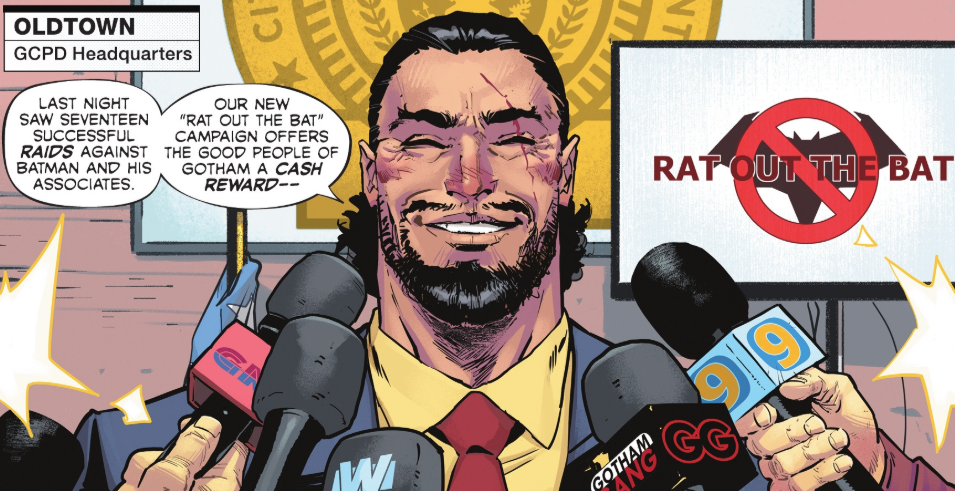
Vandal Savage wastes no time throwing a digital victory party across every media outlet in Gotham. He brags about infiltrating the hidden bunkers and plastering Barbara Gordon’s arrest all over the news to prove the vigilante era is dead. He is also offering a hefty sum to any Gothamite who is willing to “Rat Out The Bat” and turn the evasive vigilante in. The remaining members of the Bat family are scattered and dejected, forced to watch their entire crusade get publicly dismantled on television. Savage weaponizes the media to break the city's spirit, turning screens into a digital frontline.
This corporate-style smear campaign on the streets bleeds directly into the boardroom as Wayne Enterprises begins to fracture under the pressure. Dr. Zeller has completely vanished and shut down the Crown of Storms project, leaving the company with massive amounts of useless titanographene. A desperate board member named Blake corners Bruce, pleading with him to sell the material to the military to satisfy furious shareholders. Blake warns Bruce to stop thinking with his head in the clouds and start focusing on the money before the company collapses entirely, showing that Bruce is being squeezed from the top and the bottom simultaneously.
The Return of the Caped Crusader
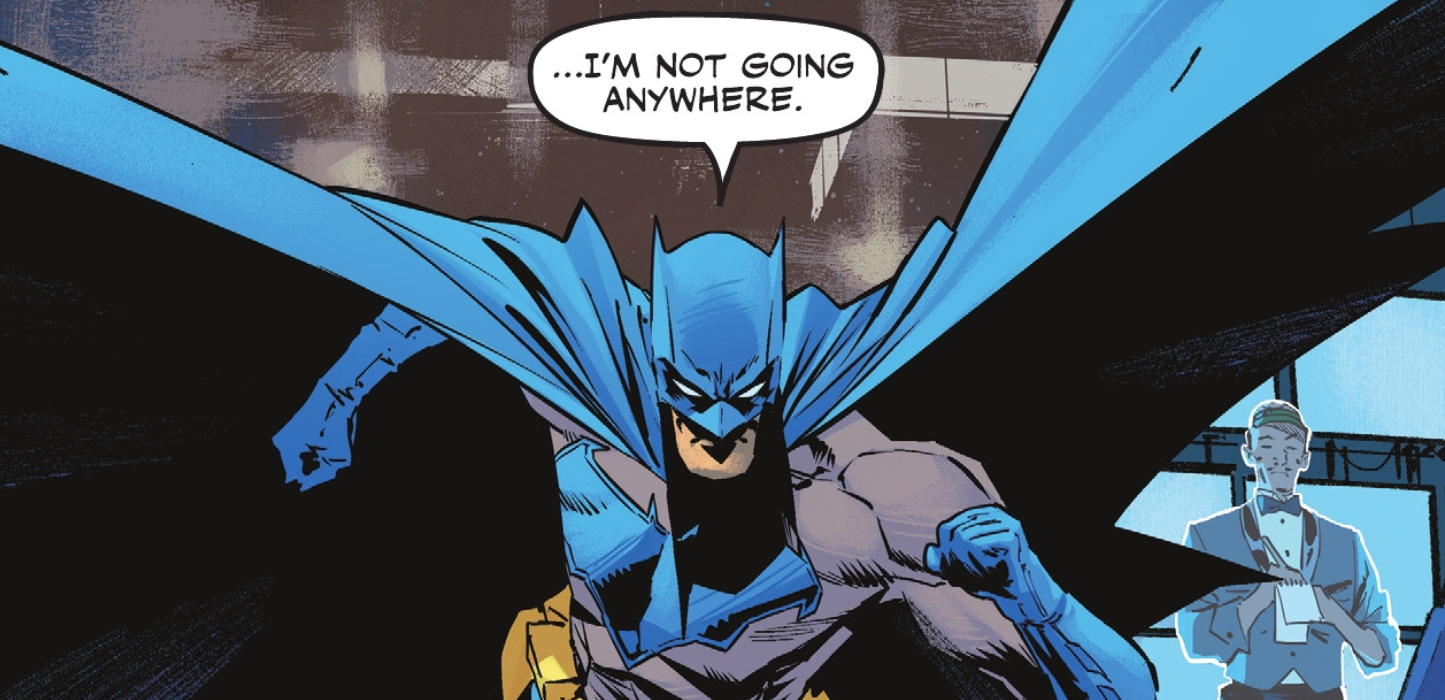
Batman answers Savage’s media circus by putting his boots on the ground to remind Gotham who actually runs the night. He patrols the streets, shuts down street crimes, and pulls citizens out of harm's way to prove his crusade cannot be burned down. He raises the stakes by cutting the power to GCPD Headquarters right before tech crimes can crack into one of his seized hard drives.
Simultaneously, a pre-recorded message from Barbara Gordon hits the phones of the scattered Bat family members. She apologizes for keeping them in the dark but reassures them that her arrest is part of a larger strategy, reminding everyone of the golden rule that Batman always wins. This calculated strike proves that while Savage may control the airwaves, Batman still dictates the rules of the streets.
The Birth of the Swarm
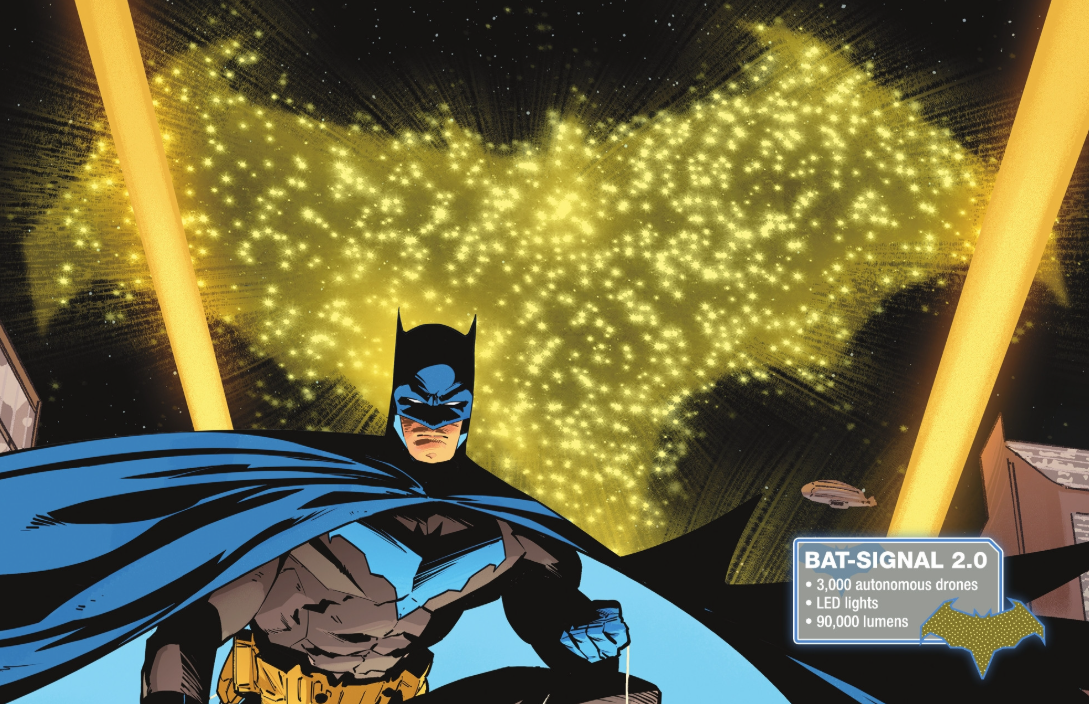
The ultimate counter-punch to Savage’s regime arrives in a beautifully cinematic display of technological innovation. Batman completes his phase of Barbara's plan by releasing thousands of mechanical fireflies into the dark Gotham sky. The glowing drones swarm together above the skyscrapers, locking into formation to illuminate a massive, floating Batsignal 2.0. This new beacon serves as a direct message of hope to the citizens living under Savage’s martial law. It is a brilliant piece of psychological warfare that completely hijacks Savage's media victory, proving that the signal cannot be destroyed even if you tear down the buildings that housed it. The sheer scale of the display completely shifts the narrative momentum of the book.
Capitalizing on Chaos
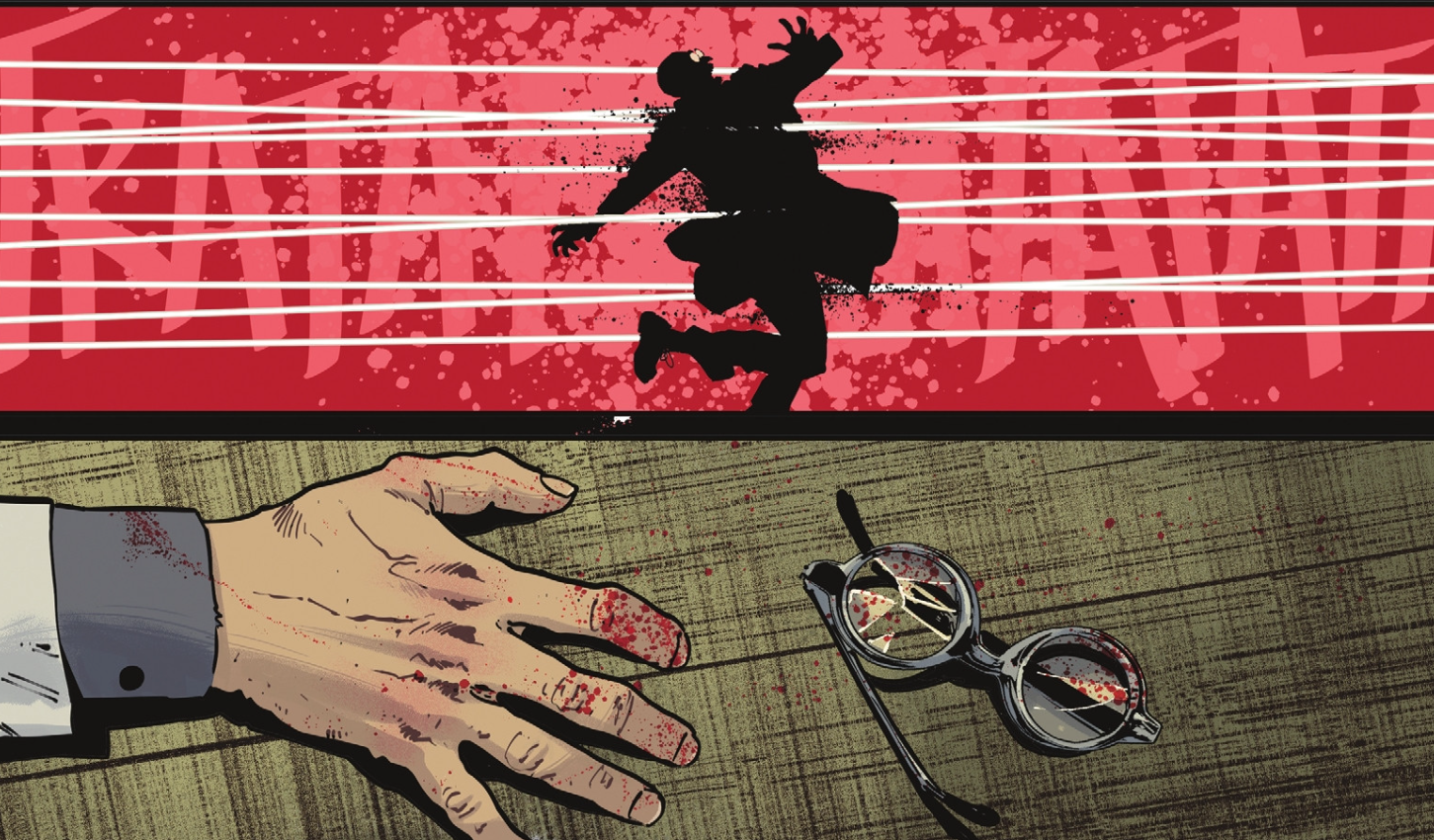
Our terrifying new player in Gotham’s underground complicates the board when the Minotaur shows up unmasked at the funeral of Boss Tozuki’s wife. He casually informs Tozuki that he had Hugo Strange murdered, offering the assassination as a gesture of goodwill on behalf of Toros while using it as a blatant show of force. Batman analyzes the move and deduces that the Minotaur is a pure capitalist who has no desire to rule Gotham. Instead, this new threat wants to profit from the financial destabilization of the city by removing major players like Strange to drive up the value of chaos. The revelation shifts the nature of the conflict, introducing a villain who views Gotham as a market to be manipulated rather than a kingdom to conquer.
The Art of Futility
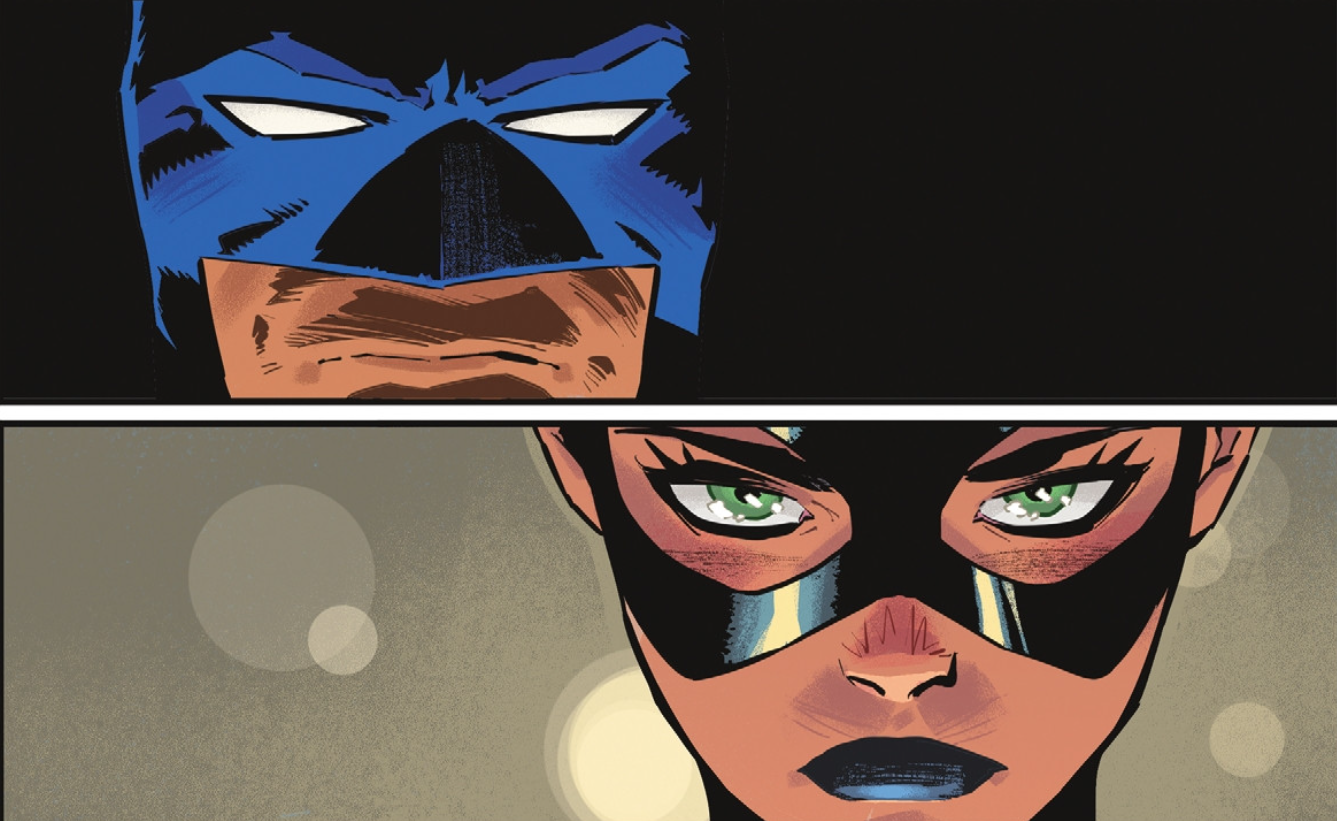
Jorge Jiménez delivers an absolute visual triumph during a silent rooftop cameo from Catwoman. As Batman prepares to deploy one of his firefly drone boxes, he locks eyes with Selina Kyle across the dark skyline. Jiménez communicates an entire relationship through Selina’s expression, blending deep concern with a painful sense of futility. Her eyes perfectly convey the quiet plea for Bruce to be safe alongside the tragic realization that he will never stop fighting, no matter how high the stakes get. The emotional weight of that single gaze grounds the entire fast-paced issue, using the shadows of Gotham to highlight the isolation of the man behind the cowl.
Verdict & Conclusion
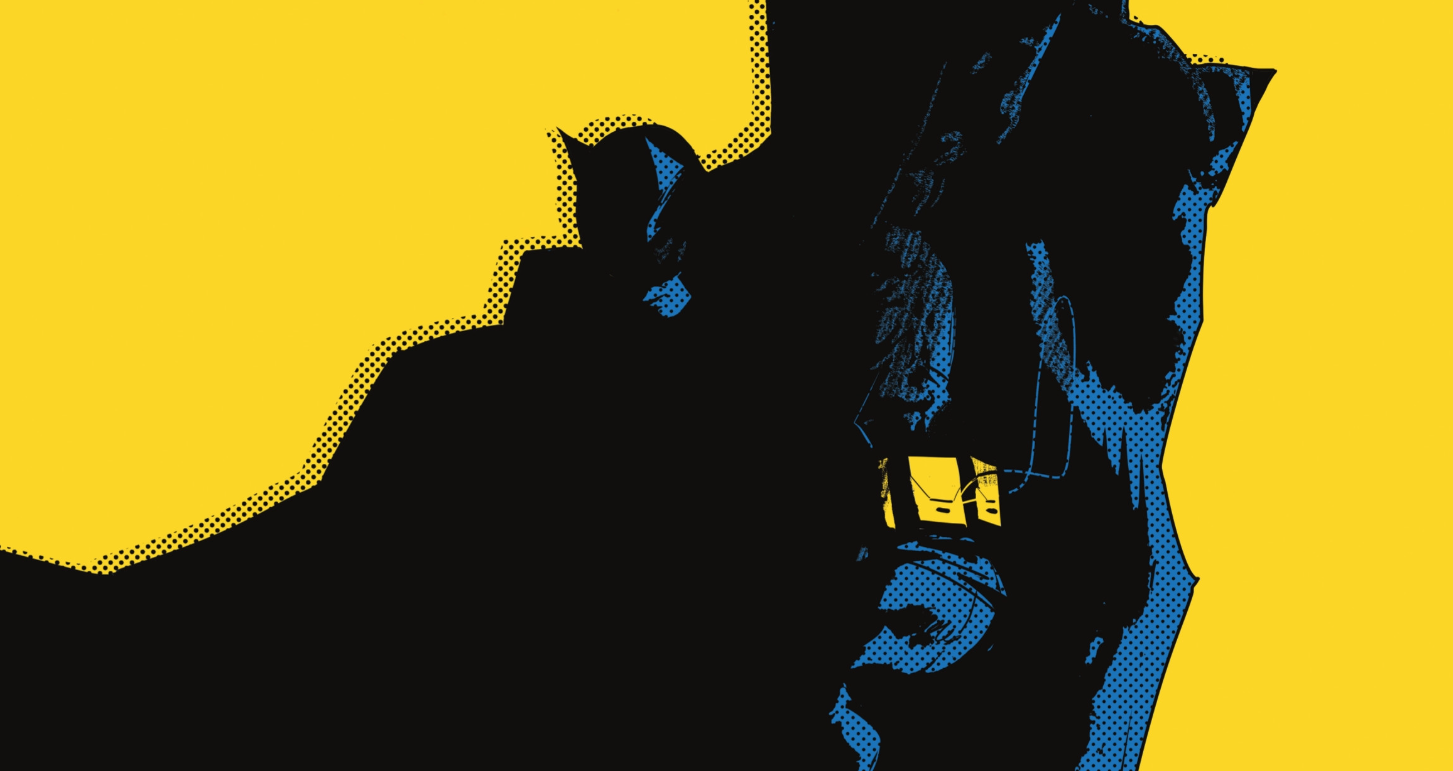
Matt Fraction delivers a phenomenal transition issue that replaces the panic of a retreat with the focused energy of a counter-offensive. By introducing the capitalist motives of the Minotaur and the brilliant setup of Barbara's hidden plan, the book creates a complex web of narrative threads that feel incredibly rewarding. The final page leaves you feeling inspired rather than worried, shifting the power dynamic of the series back to the heroes. I guess Batman does always win.