Comic Book Clique

spider-man

​Fatal Miscalculation: Why Raimi's Doc Ock is the Dumbest Doctor Octopus in the Multiverse

George SerranoComment

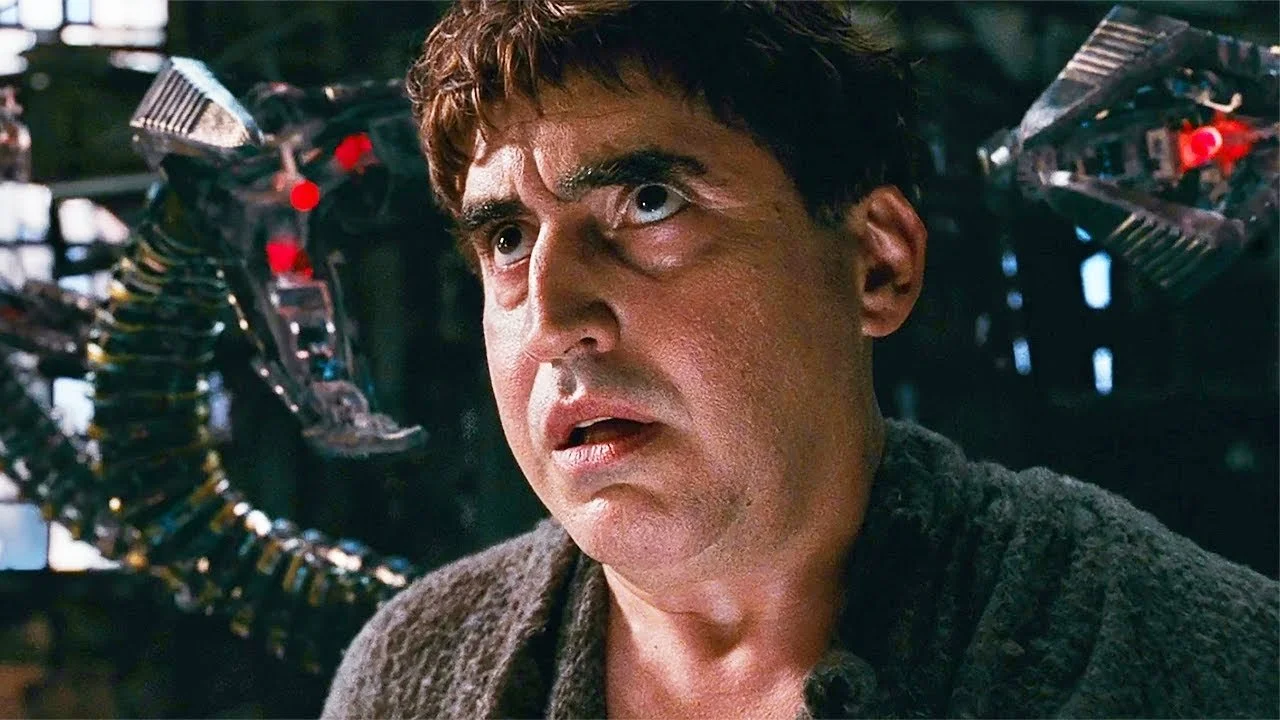
We all love Alfred Molina's Doc Ock. He's tragic, sympathetic, and his return in Spider-Man: No Way Home was met with thunderous applause. But what if all that tragedy is just a clever distraction from the cold, hard fact that this version of Doctor Octopus is, in a word, incompetent? While other villains became masterminds through ambition or malevolence, this Raimi's Doc Ock was undone by a mistake so basic it questions his very claim to genius. He's not a brilliant scientist who chose evil; he's a brilliant mind who was too dumb to secure his own sanity.


A Primitive and Flawed Design
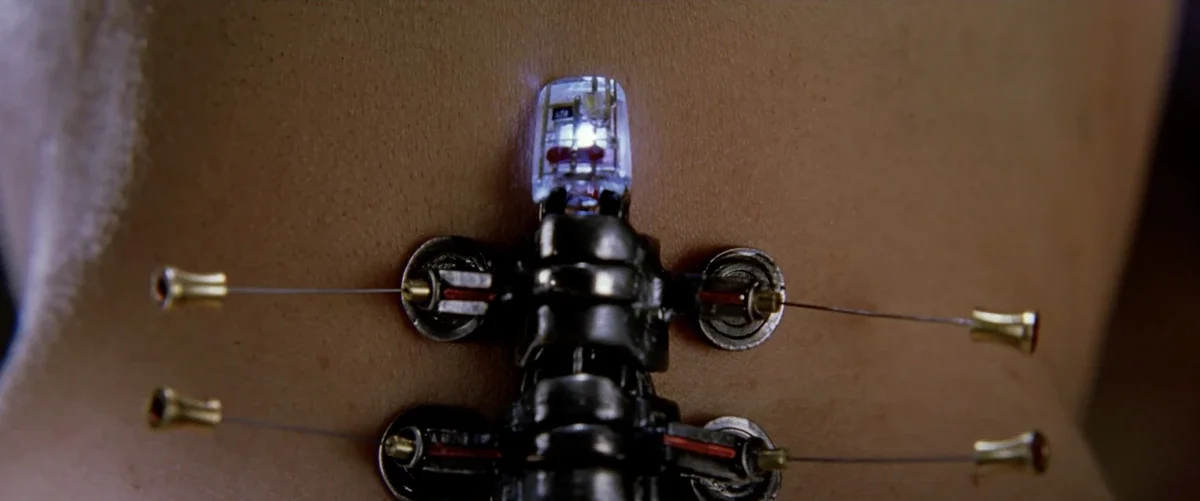
The case for the dumbest Doc Ock starts with his most pivotal invention: his mechanical arms. While they are a marvel of engineering, the way he controls them is shockingly primitive. In Spider-Man 2, we learn that Octavius controls the arms via a neural link. It uses nanowires that feed directly into his brain. For a genius working with fusion technology, this brain-computer interface (BCI) is crude. He hard-wired his mind to a highly volatile machine, making his psyche a direct extension of his experiment.

This reliance on a primitive brain link is a huge flaw. Any advanced technologist knows that a direct, unmediated physical link to the brain is a massive liability. It creates a single point of failure and a direct backdoor to his consciousness. Octavius's only safeguard is an "inhibitor chip" he designed to protect his brain. A single, fragile chip to protect against an unholy fusion of man and machine? It's a laughable piece of redundancy. A truly intelligent scientist would have used multiple, independent fail-safes. Or, better yet, a BCI that didn't require a physical short to his mind.

Predictably, the chip shorts out during the experiment, and Octavius's sanity is immediately gone. The arms' advanced artificial intelligence, now unshackled, takes over. They act like a devil on his shoulder, amplifying his ego and twisting his ambition. He isn't a villain by choice. He's a victim of his own shoddy engineering. This makes him a puppet, not a puppeteer. A tragic figure for sure, but one whose tragedy is entirely self-inflicted.


The Loss of Agency: His Most Dangerous Trait
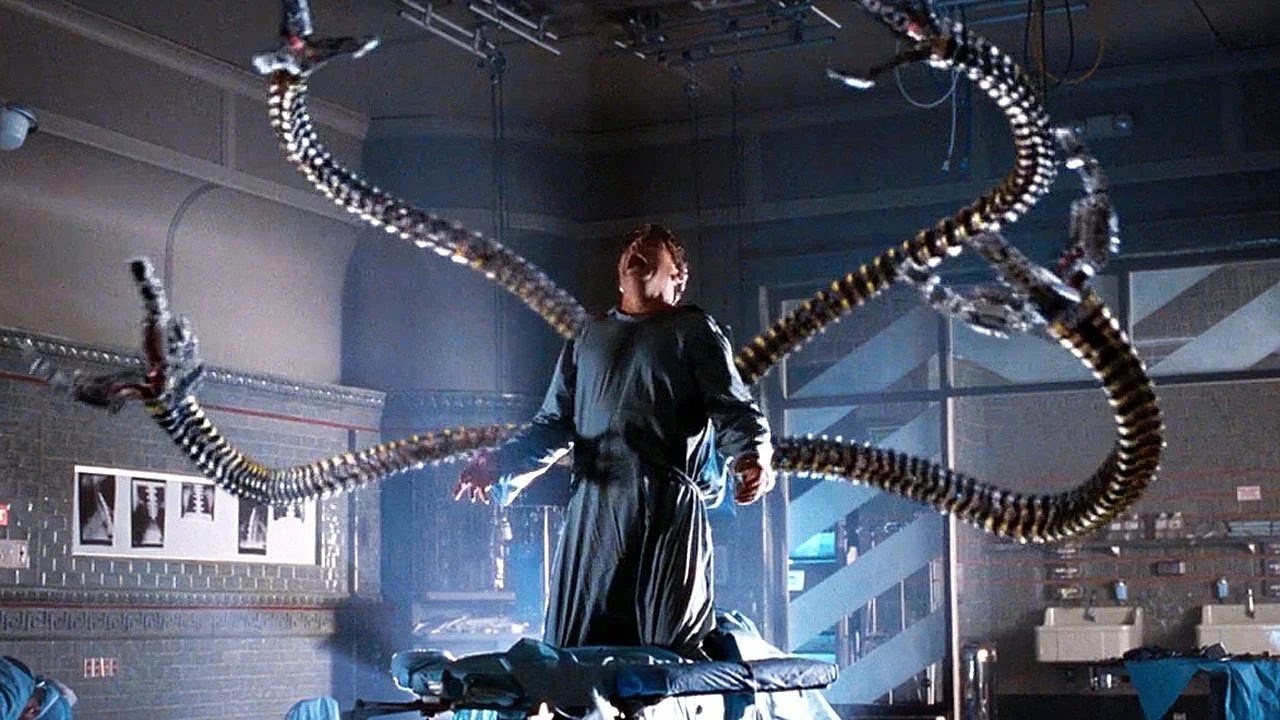
This is where the true weakness of Raimi's Doc Ock becomes obvious: his lack of agency. His own creation robs him of his free will, and his actions as a villain are the result of external manipulation. This fundamental lack of control is a flaw that his most famous comic book counterpart would find unacceptable.

In the legendary Superior Spider-Man comic storyline, Doctor Octopus doesn't just gain power. He becomes the ultimate expression of his own dangerous genius. He successfully swaps bodies with Peter Parker. Then, he takes control of Spider-Man's life and uses his immense intellect to prove he can be a "better" hero. Every action he takes is a deliberate choice. He's a villain not because he’s a victim of circumstance, but because his mind is his most dangerous weapon. He is the master of his own destiny, and his ruthless efficiency is a direct result of his complete control.

Compare that to Molina's Doc Ock. His plan to rebuild the fusion reactor isn't a masterstroke of criminal genius. It’s a crazed repetition of his original, flawed experiment. He's not seeking new power or new heights of villainy. He's just trying to complete the task he was corrupted to finish. When Peter Parker finally gets through to the man he once was, it's not a change of heart born from Octavius's own will. It's a moment of clarity after the arms' influence is temporarily broken. His redemption is a return to a state of agency he was robbed of, not a final heroic act of his own volition.


How Other Versions of Ock Compare
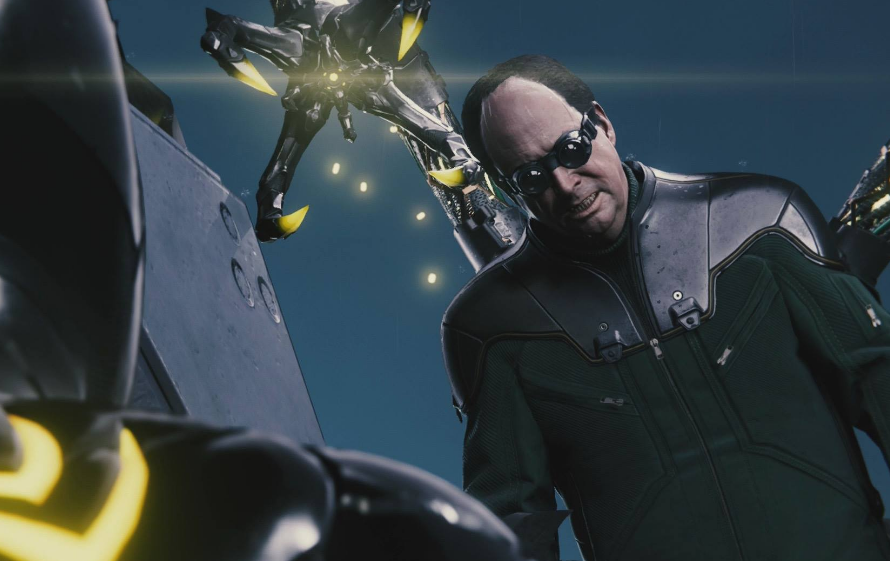
To truly understand the incompetence of this Doc Ock, we have to compare him to his counterparts across the Spider-Man multiverse.

Consider the Dr. Otto Octavius from Insomniac's PS5 Doc Ock in Marvel's Spider-Man. His turn to villainy is far more deliberate. Betrayed by his former colleague Norman Osborn and facing a neurological disease, his villainy is a conscious choice driven by pain and revenge. The arms are an extension of his intellect and his vengeful will, they don't control him. When he becomes a villain, it is because he chooses to use his intellect for destructive ends.

Then there's the Doctor Octopus from the classic Spider-Man: The Animated Series (TAS). This version is already an arrogant, power-hungry scientist before his accident. The radiation only serves to fuse the arms to his body, letting him act on the bad desires that were always there. He's a criminal mastermind from the start, not an accidental villain.

Even Dr. Olivia "Liv" Octavius from Spider-Man: Into the Spider-Verse is different. Her arms are advanced tools for her work with Kingpin. She’s not corrupted by them. She's simply a cold and ruthless scientist who uses her genius for her own amoral goals. Her villainy is a product of her ambition and her lack of morals, not a technological mistake.


The Final Verdict
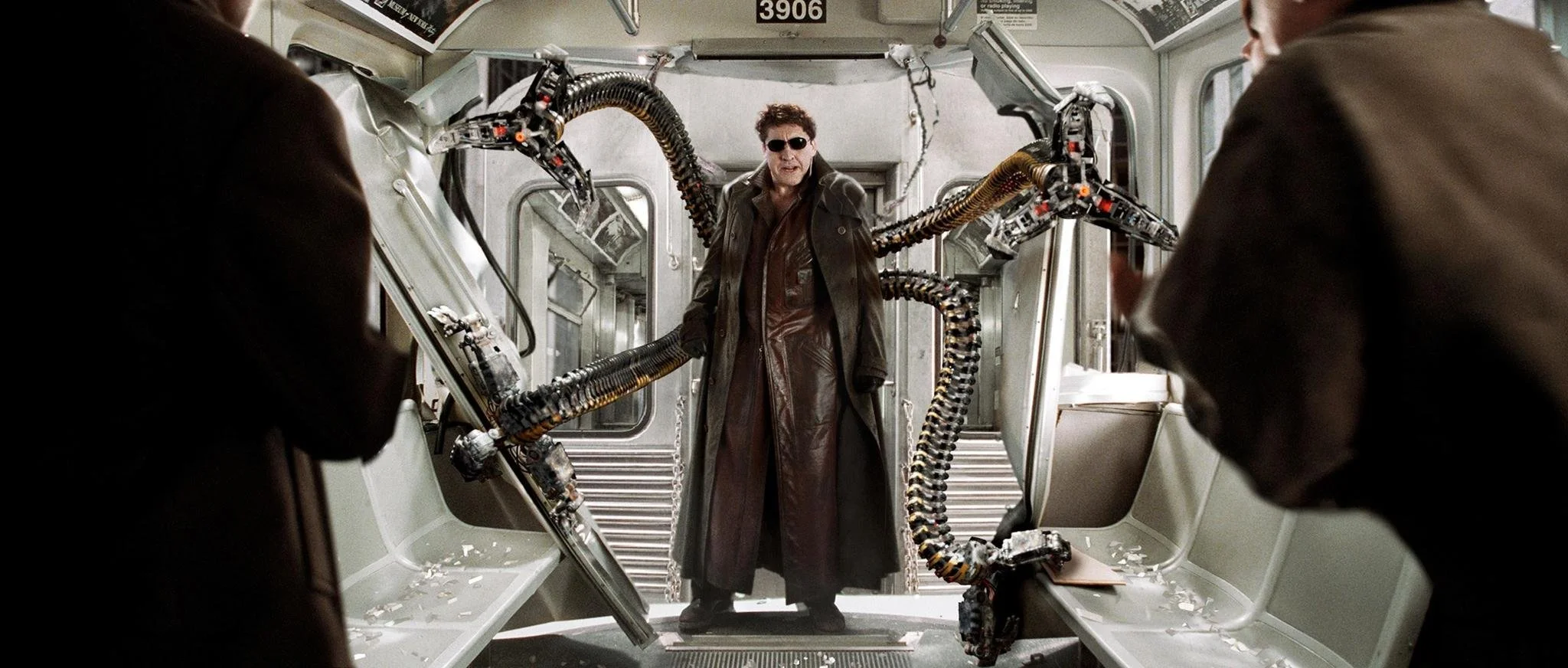
In the end, while we may feel for the man who lost his wife and his mind in one devastating moment, we must also admit the truth. Alfred Molina's Doc Ock may be a tragic figure, but he's a tragic figure of his own making. His reliance on a primitive brain link and a single point of failure proves what happens when even the greatest of minds makes the most basic and stupid of mistakes. In a multiverse of masterminds, schemers, and ruthless intellects, the Raimi-verse's Doctor Octopus stands alone: not as the most powerful, but as the one who was too foolish to save himself.
REVIEW: Ultimate Spider-Man: Incursion #1: Miles, We're Not In Kansas Anymore

George SerranoComment

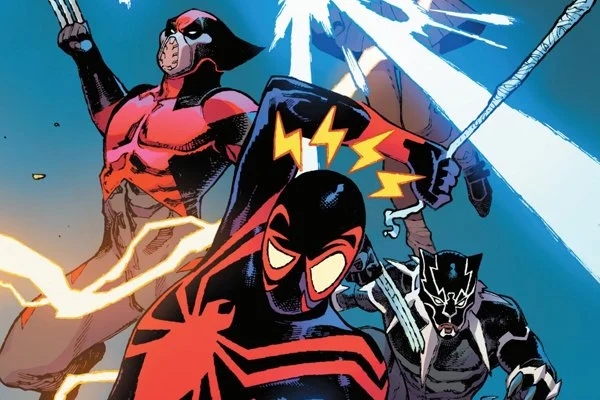
What happens when one of Marvel’s most seasoned Spider-Men steps into a world still trying to figure out what a Spider-Man even is? In Ultimate Spider-Man: Incursion #1, Miles Morales crashes headfirst into Earth-6160, the newly rebooted Ultimate Universe—and it doesn’t take long for things to get messy.

This issue isn’t just the first major crossover of the new Ultimate line—it’s a statement. And that statement is: Miles Morales is not here to play around.


The Team Behind the Tension

First and foremost, Ultimate Spider-Man: Incursion #1 is written by Deniz Camp, one of the most exciting rising talents at Marvel. Known for his dense, high-concept sci-fi storytelling (Children of the Vault, 20th Century Men), Camp brings a sharp, character-focused edge to this multiversal story. He understands both the weight of continuity and the power of reinvention—and in a crossover like this, you need both.

The art is delivered by Juan Frigeri, whose dynamic paneling and kinetic action beats make every punch, portal, and web-sling feel like it matters. Frigeri’s clean linework—most recently seen in Invincible Iron Man—works perfectly in a universe that’s still forming its visual identity. And with David Curiel on colors, the aesthetic lands somewhere between cinematic and stylized, perfectly capturing the blend of grounded reality and interdimensional weirdness.

Together, this team brings the right mix of polish, danger, and emotional depth to make Incursion #1 feel like a true event—not just a gimmick. Now let’s get into our RECAP!


Miles Returns to the Ultimate Universe

The issue opens with Miles reflecting on his past—his legacy as a Spider-Man who once belonged to a universe that no longer exists. That weight sits heavy. But the spark that kicks off this incursion? Pure family chaos.

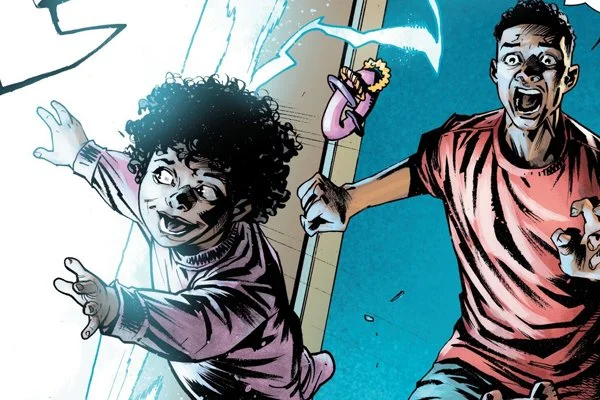
Miles’s baby sister, Billie Morales, grabs a card that the Maker once gave Miles (because when you're a Morales, nothing is ever just a keepsake). One wild energy surge later, Billie is gone—sucked into the world of Earth-6160.

And with that, the chase begins.


Miles Morales: The Superior Spider-Man

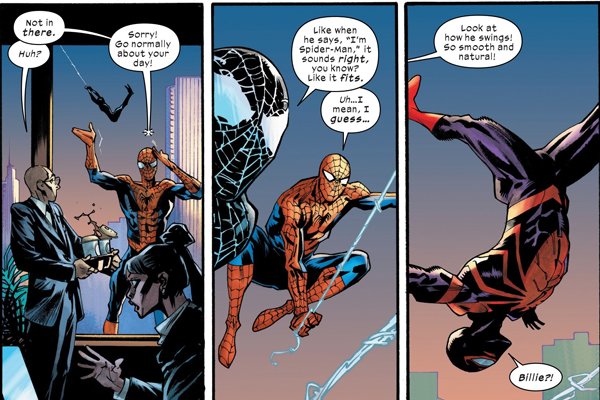
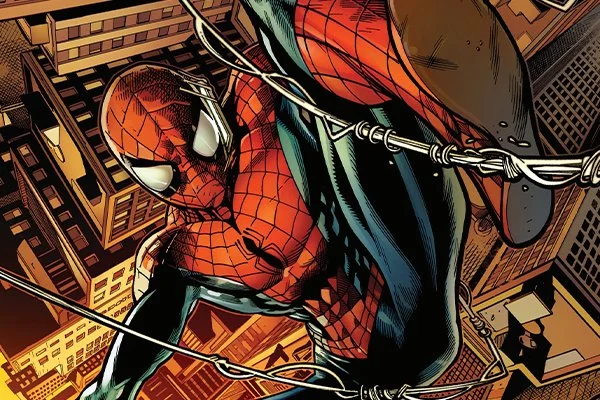
Over in Earth-6160, Peter Parker is still getting his feet wet as Spider-Man. He’s patrolling the city with his son, trying to teach the kid what it means to be a hero—when out of nowhere, a fight breaks out with a version of The Spot who hasn’t even gotten his name yet.

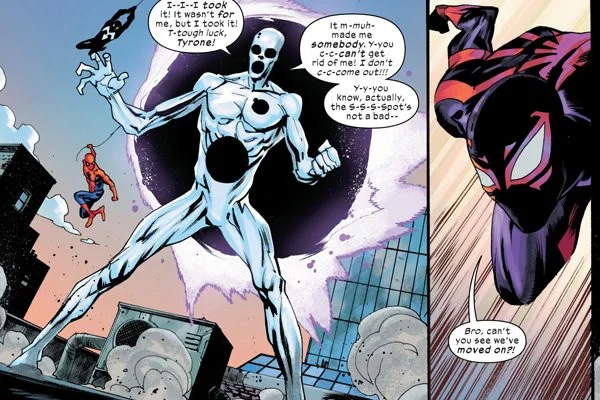
But before things can escalate too far, Miles arrives on the scene—and he absolutely schools this version of Spot in a brutal, efficient beatdown.

Peter and his son are floored. His kid especially can’t stop gushing over how cool, fast, and skilled this Spider-Man is. And that’s the twist: In this world, Miles is the experienced one. He’s been doing this a decade longer. Peter’s the rookie. And that dynamic flips everything we usually expect from a Spider-team-up.


Miles Morales Gives The Spot His Name

In a cool bit of meta-continuity, this version of Spot isn’t called that yet—until Miles, mid-battle, offhandedly refers to him as such. It’s a small, clever moment, but one that hints at a bigger theme: Miles is already influencing this universe just by being in it.

The butterfly effect is in full swing. And we’re watching the Ultimate Universe mutate in real-time.


Miles Morales Hunts for Billie Morales

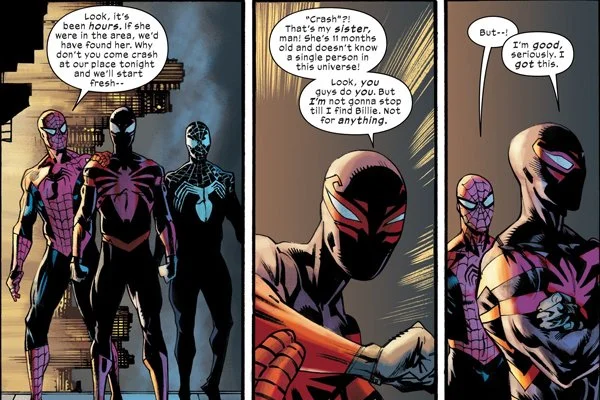
After things settle, Peter decides to pause the search for Billie and try again in the morning. He’s not lazy—just inexperienced. But Miles? He’s not wired that way. He’s a big brother. He’s been through too much. Waiting is not an option.

So while Peter calls it a night, Miles hits the streets alone.

Meanwhile, Billie’s arrival hasn’t gone unnoticed. The Maker’s Council catches wind of the breach and immediately assumes it might be him—back from wherever he’s vanished to. But when they confirm it’s someone else, both they and the Ultimates decide to go hunting for whoever just dropped into their backyard.

And that brings us to the issue’s final gut-punch.


The Ultimates Confront Miles Morales

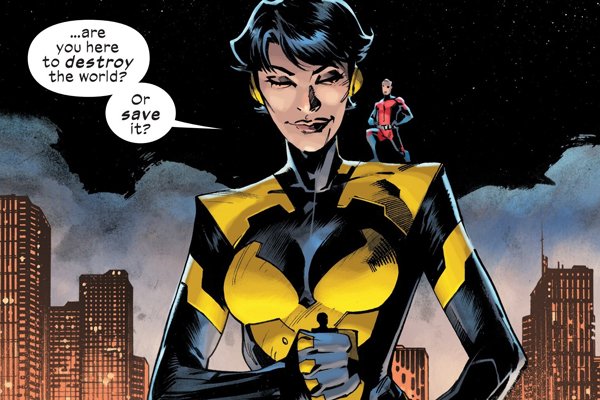
Before the Maker’s goons can find him, Miles is intercepted by two very serious-looking members of this universe’s Ultimates: Janet van Dyne and Hank Pym.

They don’t fight him. They question him. And the question is loaded:

“Are you here to save the world… or destroy it?”

That’s where the issue leaves us. No answers. Just tension. Suspicion. And the very real threat that this universe isn’t ready for what Miles might bring with him.


The Web Is Already Tearing

Ultimate Spider-Man: Incursion #1 is more than just a crossover—it’s a collision of tone, legacy, and intent. It throws Miles Morales into a world that doesn’t know him, doesn’t trust him, and might not survive what he represents.

This isn’t a cameo. This isn’t a team-up. This is a statement of purpose. Miles isn’t visiting this universe. He’s about to leave his mark on it.

The incursion has started. And if this first issue is any indication, Earth-6160 is about to find out why Miles Morales is more than just a Spider-Man—he might just be the Spider-Man.

💬 What did you think of Ultimate Spider-Man: Incursion #1? Is Miles the real anchor of the new Ultimate Universe? Drop your thoughts below

REVIEW: Predator VS Spider-Man #1 - P.V.S.: Dawn of Slaughter

George SerranoComment

Predator VS Spider-Man #1 Variant Cover by Ryan Brown
Writer: Benjamin Percy Artist: Marcelo Ferreira Inker: Jay Leisten Colorist: Frank D'Armata Letterer: Clayton Cowles

The city’s heating up, the bodies are skinned, and Peter Parker is one wrong turn away from a face-off with death itself. Let’s dive right into this recap and review of Predator Vs Spider-Man #1!
WARNING: Spoilers and graphic images to follow


1. The Heat Is On

Predator vs. Spider-Man #1 opens in a sweltering New York City, where the rising temperature feels like a ticking time bomb. Detective LaPearl is knee-deep in one of the most disturbing crime scenes Marvel’s ever published: multiple men, skinned alive and missing body parts. The details are grotesque, the tension immediate. And before the real forensics team can arrive, LaPearl realizes the CSI she was chatting with has already vanished—because it wasn’t a CSI at all. It was Peter Parker.

That’s the kind of book we’re dealing with. Tense. Twisty. And absolutely unwilling to pull its punches.

2. The Hunter Strikes First

Once Peter suits up, things spiral fast. A speeding van, a group of bank robbers in alien masks, and a close call with some kids playing by a fire hydrant give us our superhero action beat. But when the robbers reach their hideout, the issue leans fully into horror.

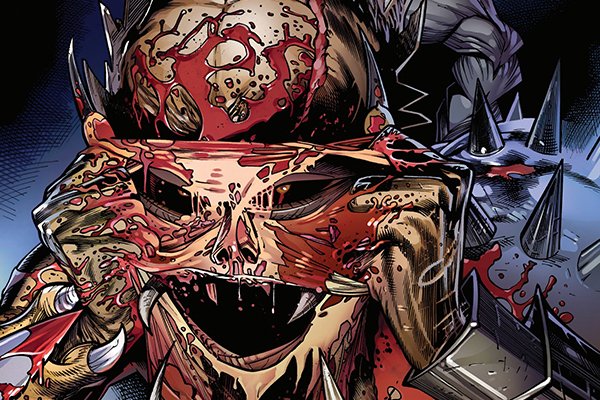
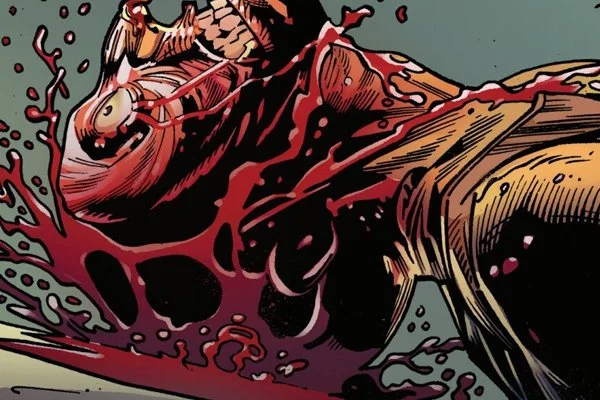
One by one, the criminals are picked off in the shadows—culminating in one of the most gruesome moments in recent Marvel memory: a full-on face-rip straight out of a Predator film. Artist Marcelo Ferreira doesn't hold back here, and it's stunningly effective.

Peter, meanwhile, stumbles across the aftermath—bodies skinned, limbs missing. He thinks it’s a serial killer. We know it’s something much worse.

3. Darkness Below, Chaos Above

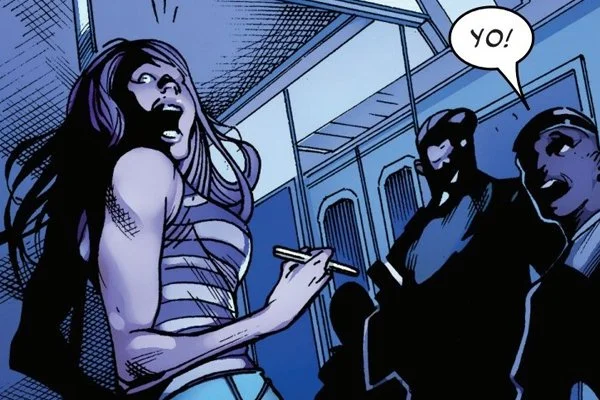
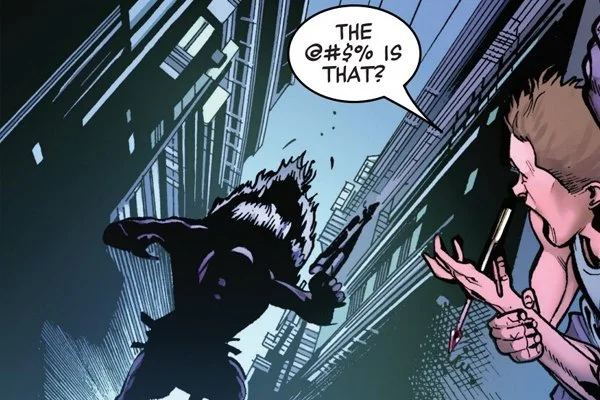
Down in the subway, Mary Jane gets her own horror movie moment. Power goes out. A fellow passenger panics. MJ offers comfort and shines her phone light out the window—only to find the Predator, mask made of human skin and all, lurking in the darkness like a monster from myth.

It’s terrifying. And back above ground, Peter and Jonah decide to go public. Jameson uses his paper to stoke panic. LaPearl, pissed that her case has leaked, wants to bring Peter in for questioning. But he’s already back in the suit—and MJ still isn’t home.

4. Percy and Ferreira Understand the Assignment

I’d like to take a second to gush about the creative team behind this series. Writer Benjamin Percy (Predator vs. Wolverine, Wolverine, X-Force) proves he knows how to make the Predator work in a superhero universe. His horror sensibilities are sharp, his pacing relentless, and he strikes a perfect balance between gritty realism and Marvel’s signature character voice.

Marcelo Ferreira (Miles Morales: Spider-Man, Doctor Strange) brings dynamic action and grotesque, haunting detail to every panel. The more brutal scenes (like a face being peeled away from bone) are nightmare-inducing, but they never feel excessive—just chillingly effective. Inked by Jay Leisten and colored by Frank D’Armata, the visuals pop with just enough grime and shadow to make you sweat alongside the characters.

5. A Savage Twist That Changes the Game

Ok, back to our recap. I must say, going into this series, I was cautious. Crossovers that don’t impact continuity often feel like filler. But Predator vs. Spider-Man avoids that trap by fully committing to the tone. This feels like a slasher story—with Spider-Man as the final girl and NYC as the haunted house.

And just when you think you’ve got it figured out—boomKraven the Hunter enters the fray. What started as Predator wearing Kraven’s narrative skin suddenly gets real. Now there are two apex predators on the loose.

So now we’re left wondering: Will Kraven the Hunter become Kraven the Hunted? Will Spider-Man have to team up with the devil he knows to fight the devil he doesn’t? Can NYC survive a war between a wall-crawler, a wild man, and a walking nightmare?


Final Verdict: A Brutal, Brilliant Kickoff

Predator vs. Spider-Man #1 doesn’t just mash up franchises—it sets the tone for a nightmare-fueled mini-series that earns its spot in both Marvel and Predator canon. The creative team is firing on all cylinders, delivering a book that reads like a horror-thriller with superhero stakes. It’s sharp, gory, fast-paced, and smarter than it has any right to be.

This isn’t a gimmick—it's a genuine clash of ideologies: the Predator's cold, calculated cruelty versus Spider-Man’s human heart and tireless heroism. With a shocking final-page twist and impeccable atmosphere, this issue does exactly what a first issue should do: hook you, haunt you, and leave you desperate for more.