
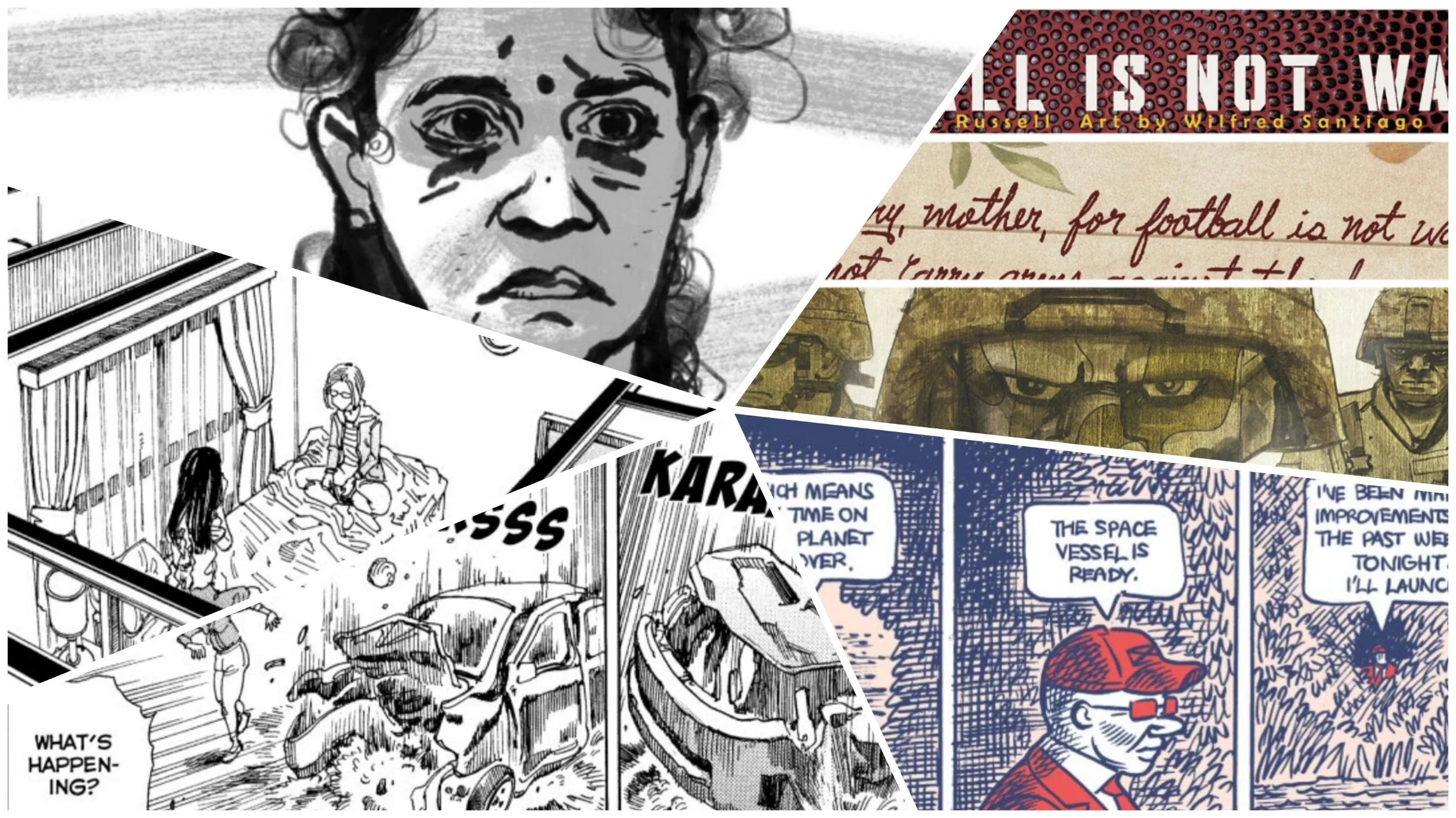
The 2026 Eisner Award nominations are finally out, and the Best Short Story category is looking incredibly stacked this year. Often called the Oscars of the comic book world, these awards highlight the absolute best in the business. This year’s short story picks cover everything from grotesque body horror to heavy hitting investigative journalism. It is a wild mix of styles that shows just how versatile comics can be in 2026.
“Blood Harvest” (in Brain Damage)
What's it about?
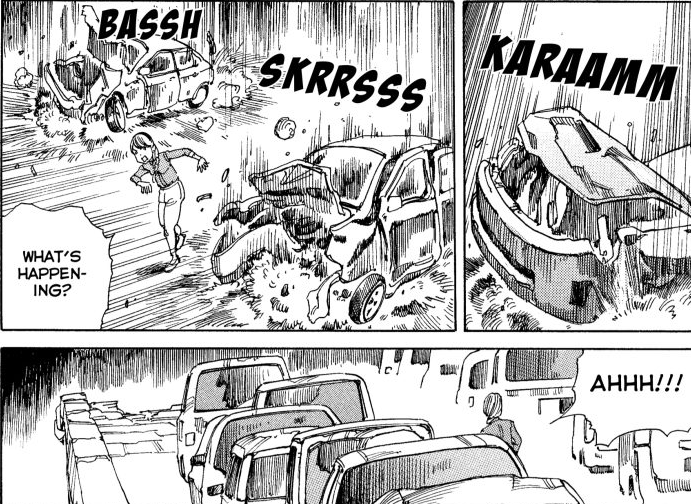
Featured in the collection Brain Damage, this story delivers a chilling car based horror scenario. The plot centers on a series of gruesomely mangled bodies discovered inside perfectly pristine vehicles. When a young woman nods off during a stagnant traffic jam, she awakens to a terrifying realization: something sinister might be lurking within the cold masses of glass and steel we inhabit every day.
Who is behind it?
The story comes from the legendary Shintaro Kago, a master of the erotic grotesque subgenre. It was translated for English audiences by Zack Davisson and published by the team at Fantagraphics. Kago is well known for previous mind bending works like Dementia 21 and The Princess of the Never-Ending Castle.
What folks are saying:
Critics are calling the story a masterclass in tension and subversion. Reviews highlight the abrupt and shocking final panel twist that leaves readers questioning the mechanical world around them. While the gore is significant, the psychological impact of the "car horror" premise is what really sticks with the audience.
Why it should win:
This story deserves the win for its sheer visual inventiveness. Kago manages to take a mundane setting, a traffic jam, and turn it into a claustrophobic nightmare. It is a perfect example of how short form comics can deliver a punchier and more unsettling narrative than many full length novels.
“The Curse Room” (in Brain Damage)
What's it about?
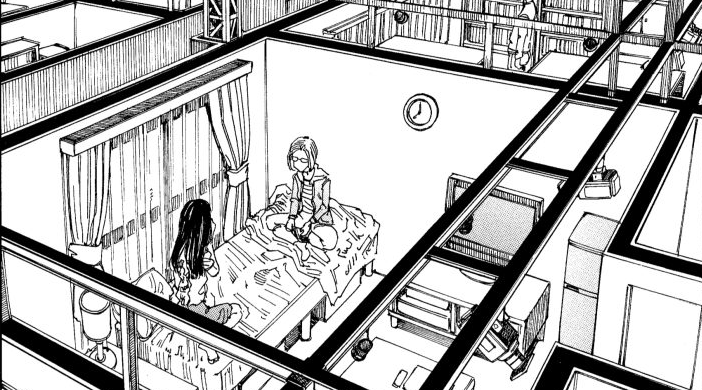
Also found within the Brain Damage anthology, this story offers a unique spin on the saturated zombie genre. It follows a plucky health aide tasked with a strange and dangerous job: keeping "peaceful" zombies calm so they do not descend into a brain eating frenzy. The plot thickens as the protagonist begins to feel that something is fundamentally wrong within her own apartment, leading to a series of outlandish escalations.
Who is behind it?
This is another collaboration between author and artist Shintaro Kago and translator Zack Davisson, published by Fantagraphics. This duo has been instrumental in bringing avant-garde Japanese manga to a broader Western audience.
What folks are saying:
Readers love the blend of dark humor and macabre absurdity. Unlike traditional survival horror, this story treats the undead with a level of bureaucratic mundanity that makes the eventual horror feel even more surreal. Some have called it a refreshing and funny take on a genre that often takes itself too seriously.
Why it should win:
It should win for its incredible ability to balance tone. Moving seamlessly between satire and genuine dread is a difficult feat, but this short story executes it flawlessly. The artwork is intricate and serves the bizarre plot points with terrifying precision.
“Football Is Not War” (in Come Out and Play: The Queer Sports Project)
What's it about?
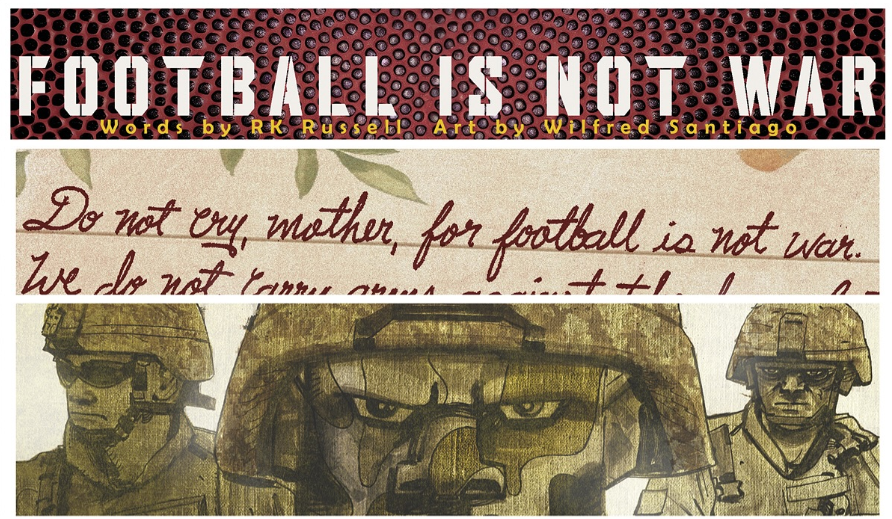
This narrative is a standout entry in the Come Out and Play anthology. It provides a deeply personal look at the intersection of professional sports and queer identity. The story explores the contrast between the inherent violence of American football and the protagonist's internal search for peace and authenticity. It uses the gridiron as a metaphor for broader social battles while grounding the story in human emotion.
Who is behind it?
The story is written by R. K. Russell, a former NFL player turned poet and advocate, and illustrated by Wilfred Santiago. Santiago is highly respected for his kinetic and expressive art in books like 21: The Story of Roberto Clemente. The publisher is Stacked Deck Press.
What folks are saying:
Takeaways from this piece often focus on its visceral honesty. Readers have praised the high energy artwork that captures the impact of the sport while maintaining the intimacy of a memoir. It is seen as a vital piece of representation that speaks to the loneliness and eventual triumph of being an out athlete.
Why it should win:
This story is a strong contender because of its cultural weight. Combining the lived experience of an NFL veteran with the sophisticated visual storytelling of Santiago creates a powerful and authentic narrative that expands the boundaries of what sports comics can achieve.
“Red Snapper in the Rea” (in Milk White Steed)
What's it about?
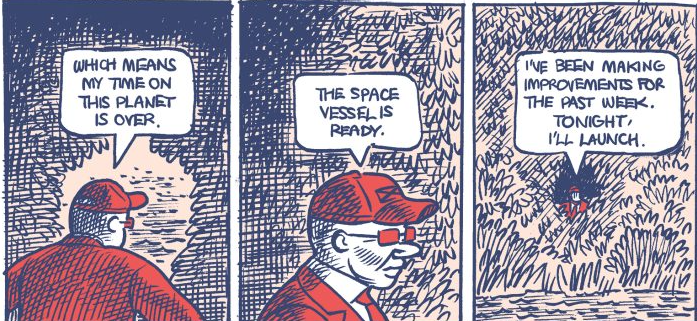
Set within the collection Milk White Steed, this surrealist story follows a character named Kenny who is dealing with isolation and grief after the death of his father. Kenny uses science fiction tropes and whiskey to cope with the realities of systemic oppression and his identity as part of the Windrush generation in England. The narrative takes a surreal turn as Kenny’s life begins to merge with a "snapper man" caricature drawn by his son.
Who is behind it?
The book is written and illustrated by Michael D. Kennedy and published by Drawn & Quarterly. Kennedy often incorporates autobiographical elements and Caribbean mythology into his work to explore themes of race and immigration.
What folks are saying:
Reviews highlight the complexity of the story and its refusal to be didactic. It is described as an angry yet poetic reflection on the British experience for people of color. Critics have noted the clever use of sci-fi elements to discuss very real and grounded issues like Brexit and systemic racism.
Why it should win:
The emotional depth of this story is staggering. Kennedy’s ability to weave together heavy political themes with dreamlike and surrealist imagery makes for a haunting reading experience. It is a sophisticated piece of literature that happens to be told through the medium of comics.
“trAPPed”
What's it about?
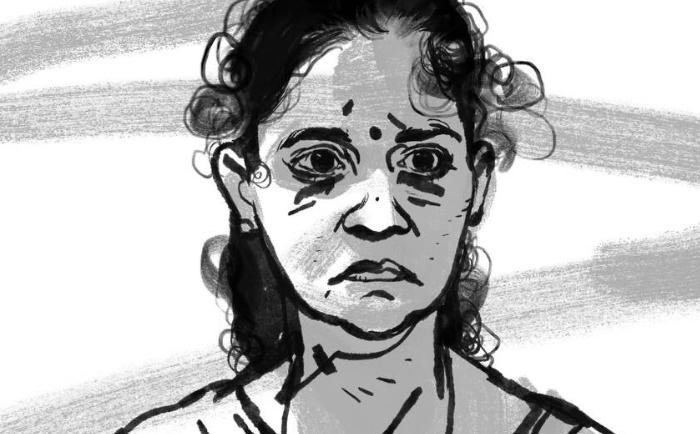
Originally published by Bloomberg News, this is a work of illustrated investigative journalism. It tells the harrowing true story of a neurologist in India who fell victim to a "digital arrest." The story details how scammers used her phone and surveillance techniques to hold her hostage in her own home. It is a cautionary tale about the growing global dangers of cyber fraud and digital surveillance.
Who is behind it?
The creative team includes artist Anand RK and journalists Suparna Sharma and Natalie Obiko Pearson. This team recently won a Pulitzer Prize for this work, marking a significant moment for comics in mainstream journalism.
What folks are saying:
The general takeaway is one of genuine alarm and fascination. Reviewers have called it a riveting account that uses the visual language of comics to make a complex and modern crime feel immediate and terrifying. It has been lauded for its clarity and its ability to humanize the victims of digital scams.
Why it should win:
Winning an Eisner would recognize the power of comics as truth. This piece demonstrates that the medium is not just for fiction: it is a vital tool for reporting and social commentary. The combination of rigorous journalism and evocative illustration makes it one of the most important stories of the year.
These five stories highlight why short form comics are so vital right now. Whether it is through the lens of a fictional nightmare or the hard reality of modern crime, each nominee pushes the boundaries of what a few pages can achieve. No matter who takes home the trophy, these selections prove that the industry is in a very exciting and experimental place.