
Writer: Tim Seeley
Artist: Hendry Prasetya
Colorist: Francesco Segala
Cover Artists: Hendry Prasetya & Francesco Segala
After spending the previous issue focusing on emotional fallout and character relationships, Godzilla #11 shifts back toward larger revelations and escalating conflict. On paper, that should make for an exciting next chapter. Unfortunately, while the issue delivers some stunning visuals and memorable kaiju moments, the story itself never quite reaches the same level. The result is an installment that remains enjoyable thanks largely to its artwork, but ultimately feels like a step down from the stronger character-driven material that preceded it.
That's not to say the issue is bad. There are still plenty of reasons for readers who are enjoying the Kai-Sei Era to remain invested. Tim Seeley continues to expand the mythology surrounding this version of the Godzilla universe, and several developments clearly have major implications for the future of the series. The problem is that many of those developments feel surprisingly obvious long before the comic treats them as revelations. As a result, what should be major story beats often land with less impact than intended.
The Story Finally Shows Its Hand
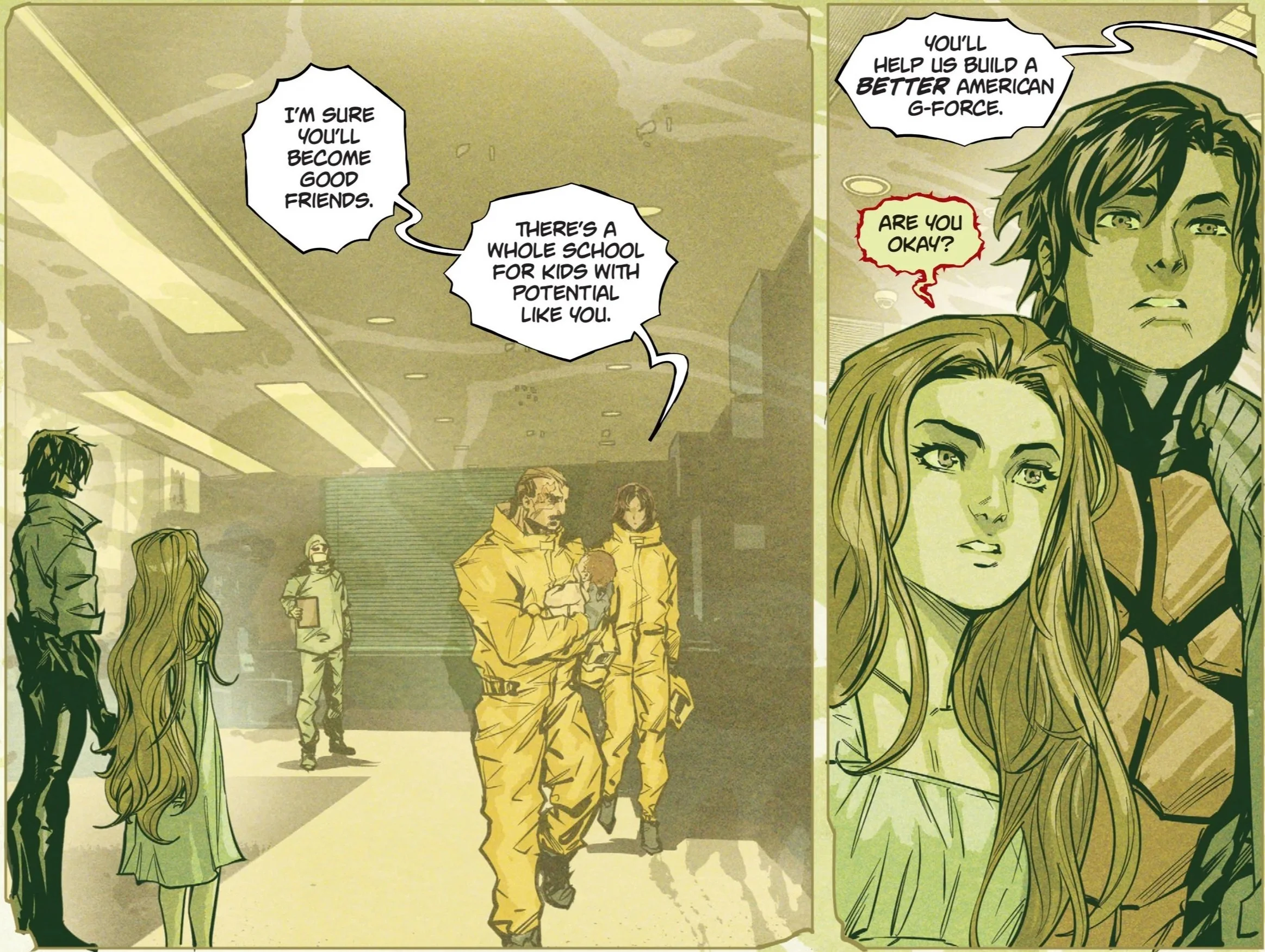
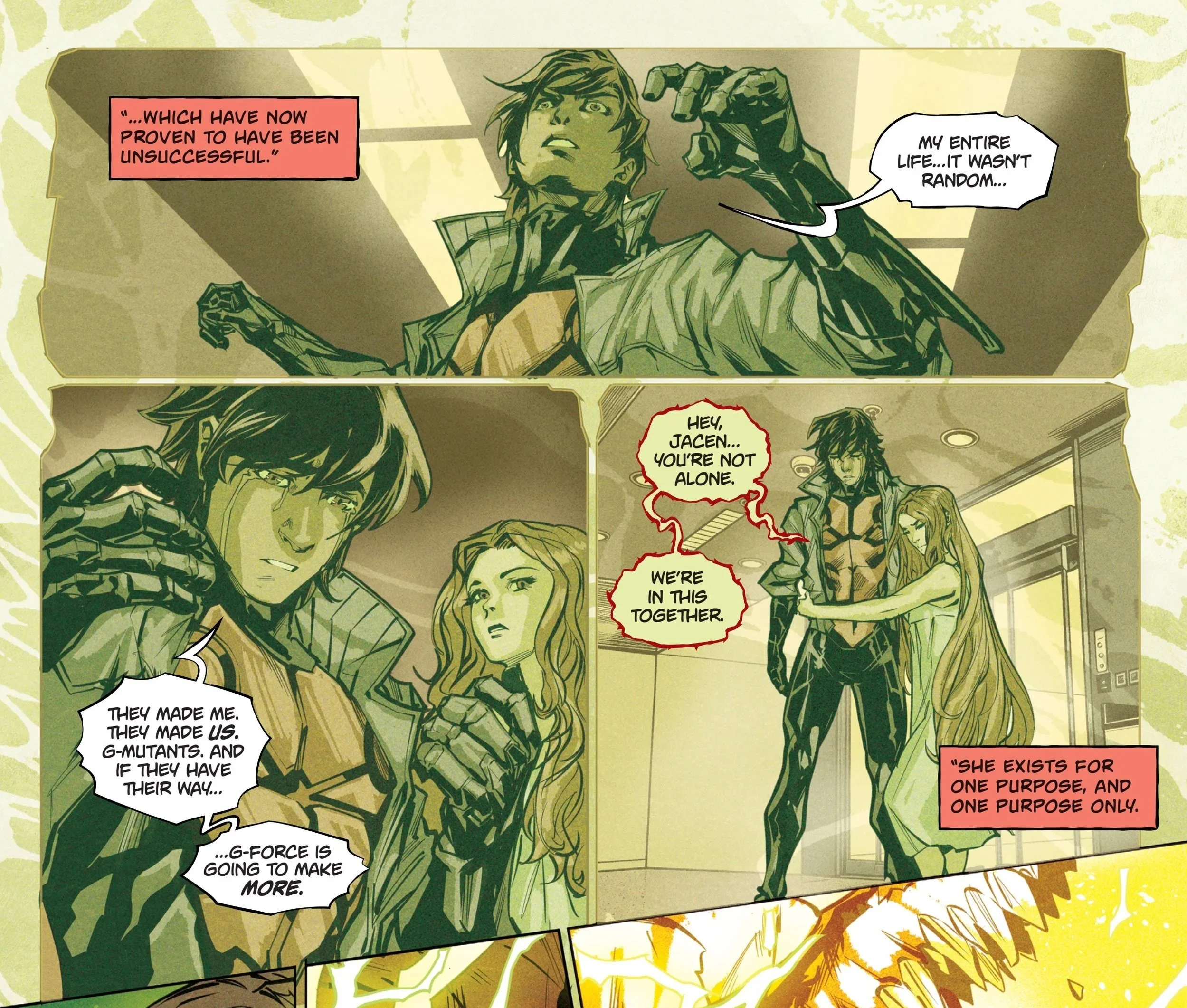
The biggest development in Godzilla #11 revolves around General Onishi and the growing revelations surrounding G-Force USA's mutant program. This is clearly intended to be one of the issue's major twists, but it never really functions as one.
The moment the story begins moving in that direction, it becomes fairly easy to predict where things are headed. Readers who have been paying attention to the series' various hints and clues will likely arrive at the same conclusion well before the issue formally confirms it. Because of that, the reveal lacks the sense of shock or discovery that it seems designed to create.
Predictability alone isn't always a problem. Some stories are less concerned with surprising readers and more interested in exploring the consequences of events once they occur. The issue, however, spends enough time building toward this revelation that it feels as though readers are supposed to be caught off guard. Instead, the confirmation largely plays out exactly as expected.
That predictability creates a larger problem for the issue as a whole. Much of the narrative momentum depends on information that simply isn't all that surprising. The story continues moving forward, but it does so without the excitement that typically accompanies a major turning point.
Strong Characters Can’t Fully Save the Plot
One area where the series continues to perform reasonably well is its cast.
Godzilla stories have always faced the challenge of balancing human drama with giant monster action. Most readers are here for the kaiju, but without compelling human characters, those monster battles lose much of their emotional weight. Throughout the Kai-Sei Era, Seeley has generally understood that balance, and several members of the supporting cast remain interesting despite the issue's narrative shortcomings.
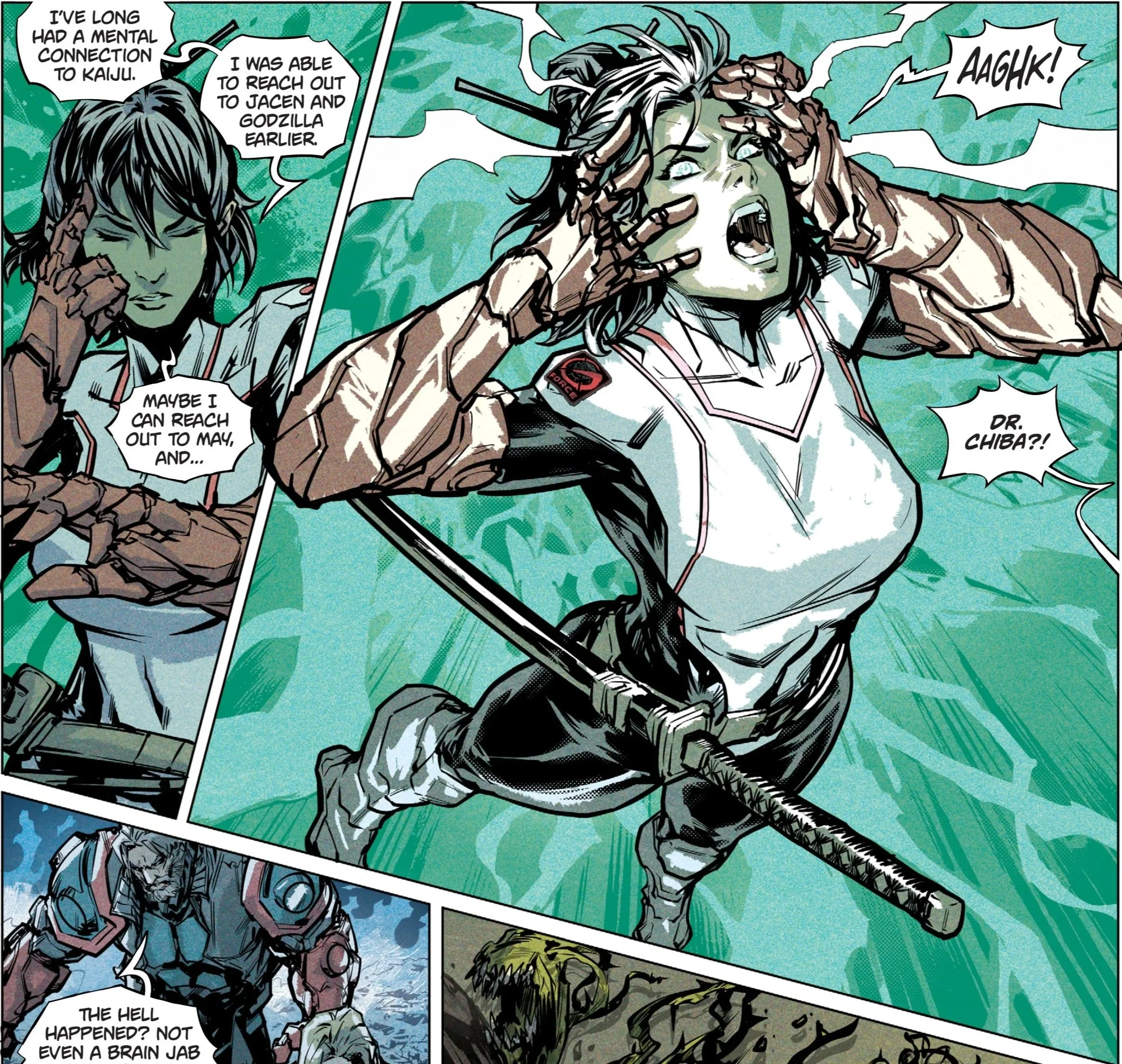
Characters like Dr. Chiba and Jacen continue to feel like people with distinct motivations rather than generic exposition machines. Even when the plot itself becomes predictable, their reactions to unfolding events help maintain some level of engagement. The relationships established throughout the series continue to provide context for the larger conflict, preventing the book from becoming nothing more than a collection of monster fights.
That said, the character work isn't quite strong enough to completely overcome the story's weaknesses. Earlier issues succeeded because emotional investment and mystery worked hand in hand. Here, the mystery element largely falls flat, leaving the characters to do much of the heavy lifting on their own.
The Artwork Saves the Issue
If there is one aspect of Godzilla #11 that absolutely delivers, it's the artwork.
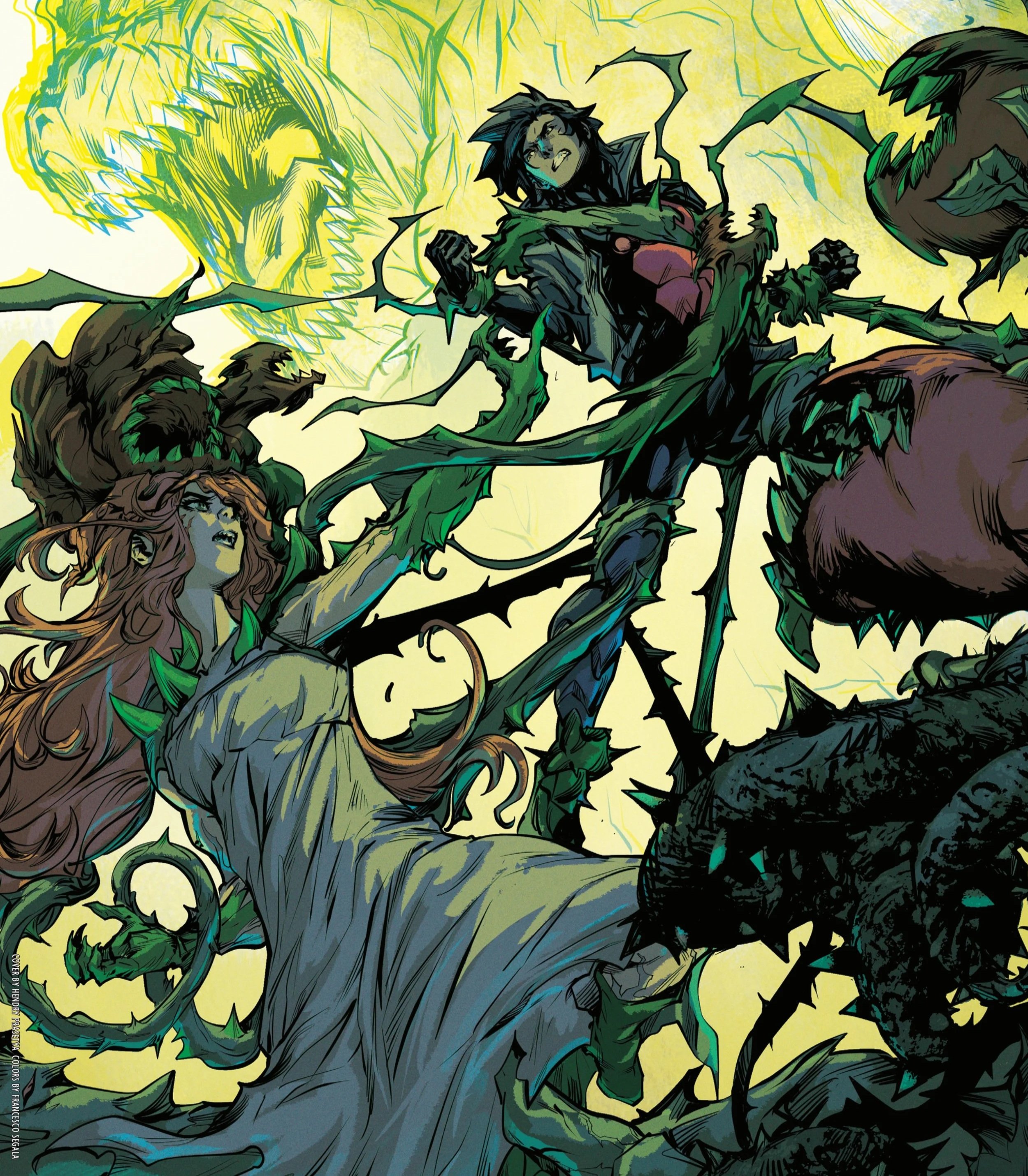
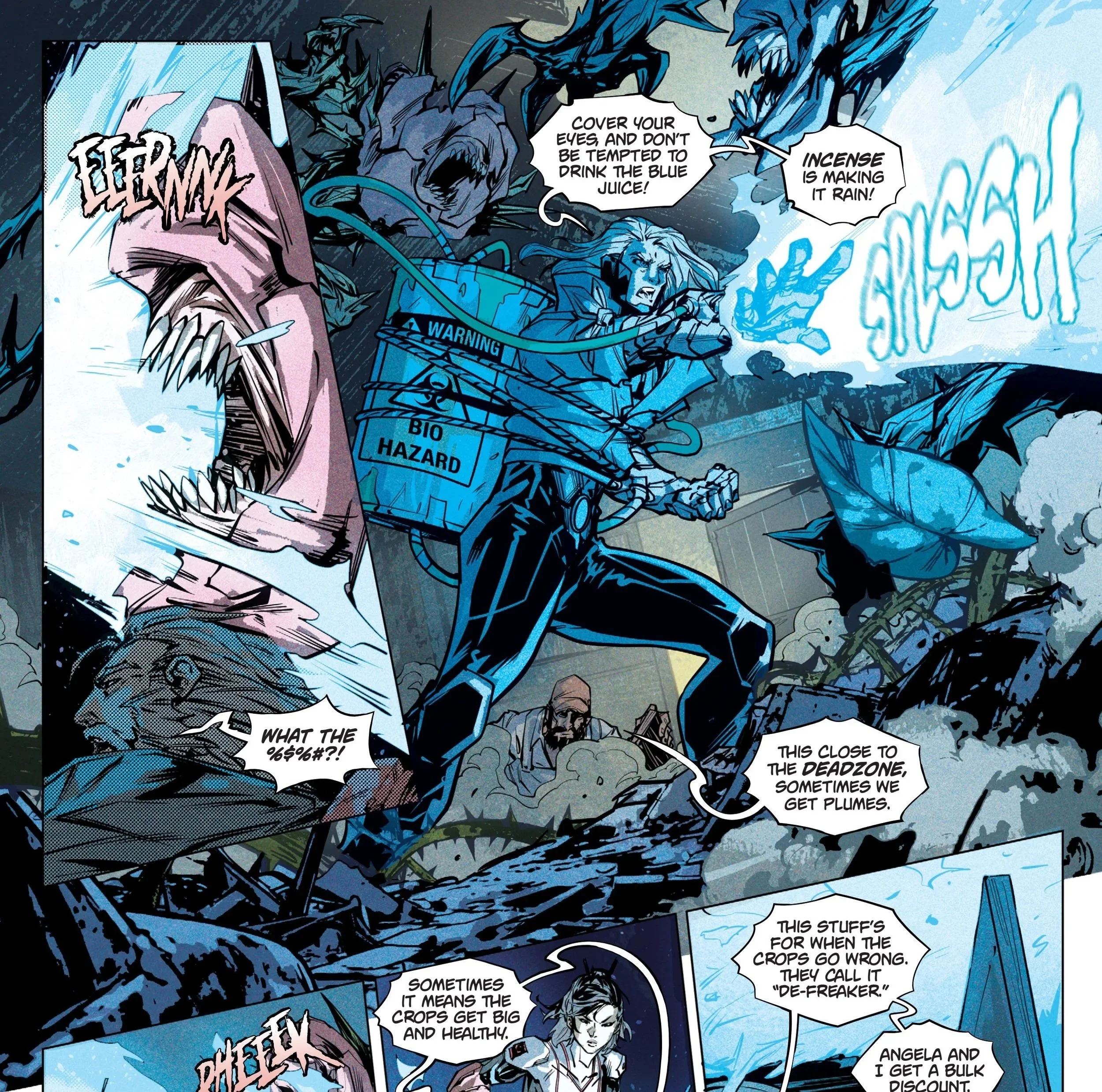
Hendry Prasetya turns in what may be the strongest visual performance of the entire series. Whether depicting massive kaiju, military hardware, or quieter character moments, every page is packed with detail and energy. Even when the story struggles, the visuals remain consistently engaging.
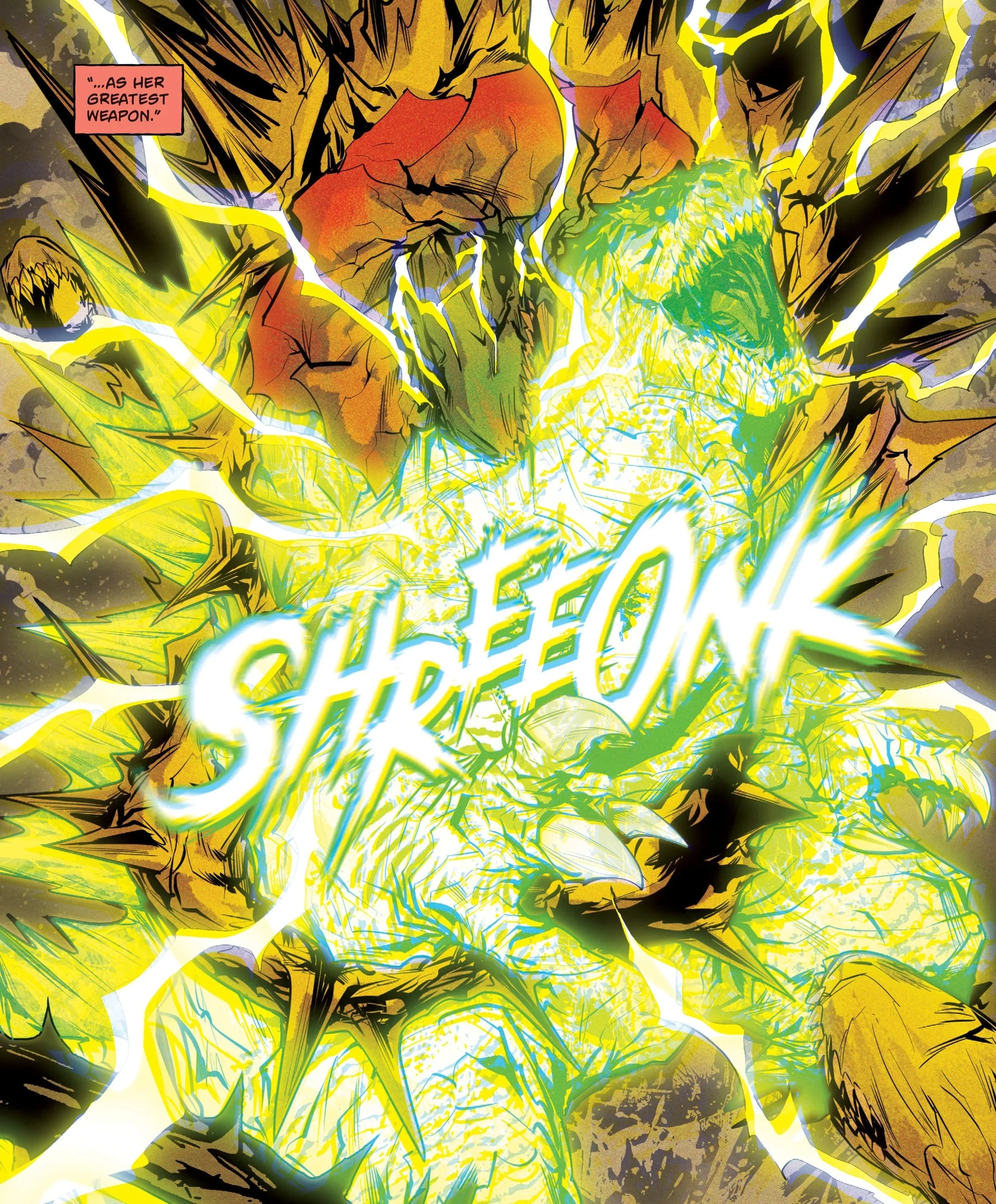
Godzilla himself looks incredible throughout the issue. Prasetya presents him less as a traditional movie monster and more as an unstoppable force of nature. There is a raw power to every appearance that helps reinforce the sheer scale of the threat he represents. Whenever Godzilla enters a scene, the issue immediately becomes more compelling.
The action sequences are equally impressive. The sense of scale remains intact throughout, and the monster-focused moments consistently deliver the spectacle readers expect from a Godzilla comic. Even readers who find themselves frustrated by the plot will likely come away impressed by how good this issue looks.
Simply put, if the writing matched the quality of the artwork, this would be one of the strongest entries in the series.
Francesco Segala’s Colors Elevate Every Page
As good as Prasetya's artwork is, Francesco Segala deserves just as much credit for the issue's visual success.
The coloring throughout the book is exceptional. Segala consistently finds ways to make the various kaiju abilities and destructive set pieces feel larger than life without overwhelming the page. The result is an issue that constantly feels vibrant and energetic, even during quieter moments.
The standout sequence involves Godzilla's atomic breath. It's the kind of moment that reminds readers why this ability remains one of the most iconic attacks in all of fiction. The combination of Prasetya's linework and Segala's colors creates an image that immediately grabs the reader's attention and lingers long after the issue is over.
Moments like that help explain why the comic remains enjoyable despite its narrative shortcomings. The creative team understands how to deliver spectacle, and there are several pages throughout the issue that are genuinely breathtaking.
A Step Back After a Stronger Previous Issue
Part of the reason Godzilla #11 feels disappointing is because of what came before it.
Godzilla #10 succeeded by focusing on emotional consequences and character relationships. Rather than relying entirely on spectacle, it spent time exploring Jacen's grief, Nuki's determination, and the growing tensions within G-Force. Those elements gave the story genuine emotional weight and helped distinguish it from more straightforward monster comics.
This issue largely abandons that approach in favor of plot developments and revelations. In theory, that isn't a problem. Stories need to move forward, and mysteries eventually need answers. The problem is that the answers provided here aren't nearly as interesting as the questions that preceded them.
As a result, the issue feels less engaging despite featuring larger developments. Bigger events don't always translate into a better story, and Godzilla #11 serves as a good example of that reality.
Final Thoughts and Rating
Godzilla #11 is a frustrating issue because it contains some of the best artwork the series has produced while also featuring one of its more predictable storylines. The visuals are outstanding from beginning to end, with Hendry Prasetya and Francesco Segala delivering page after page of impressive monster action and memorable imagery.
Unfortunately, the narrative never reaches the same level. The major reveal involving General Onishi lacks the impact it needs, and much of the issue's tension disappears because readers can see where the story is heading long before it arrives there. While the supporting cast remains solid and the larger mythology continues to expand, the storytelling itself feels surprisingly straightforward.
Even so, the artwork is strong enough to keep the issue entertaining. There are several genuinely spectacular moments throughout the book, and longtime readers will still find enough here to remain interested in where the series goes next.
Godzilla #11 isn't a disaster by any means, but it's a noticeably weaker chapter in a series that has recently delivered stronger material.
Rating: 6.5/10
A visually stunning issue whose exceptional artwork and colors help compensate for a predictable story. While the Kai-Sei Era continues to expand in interesting ways, this chapter ultimately feels more impressive to look at than it does to read.