
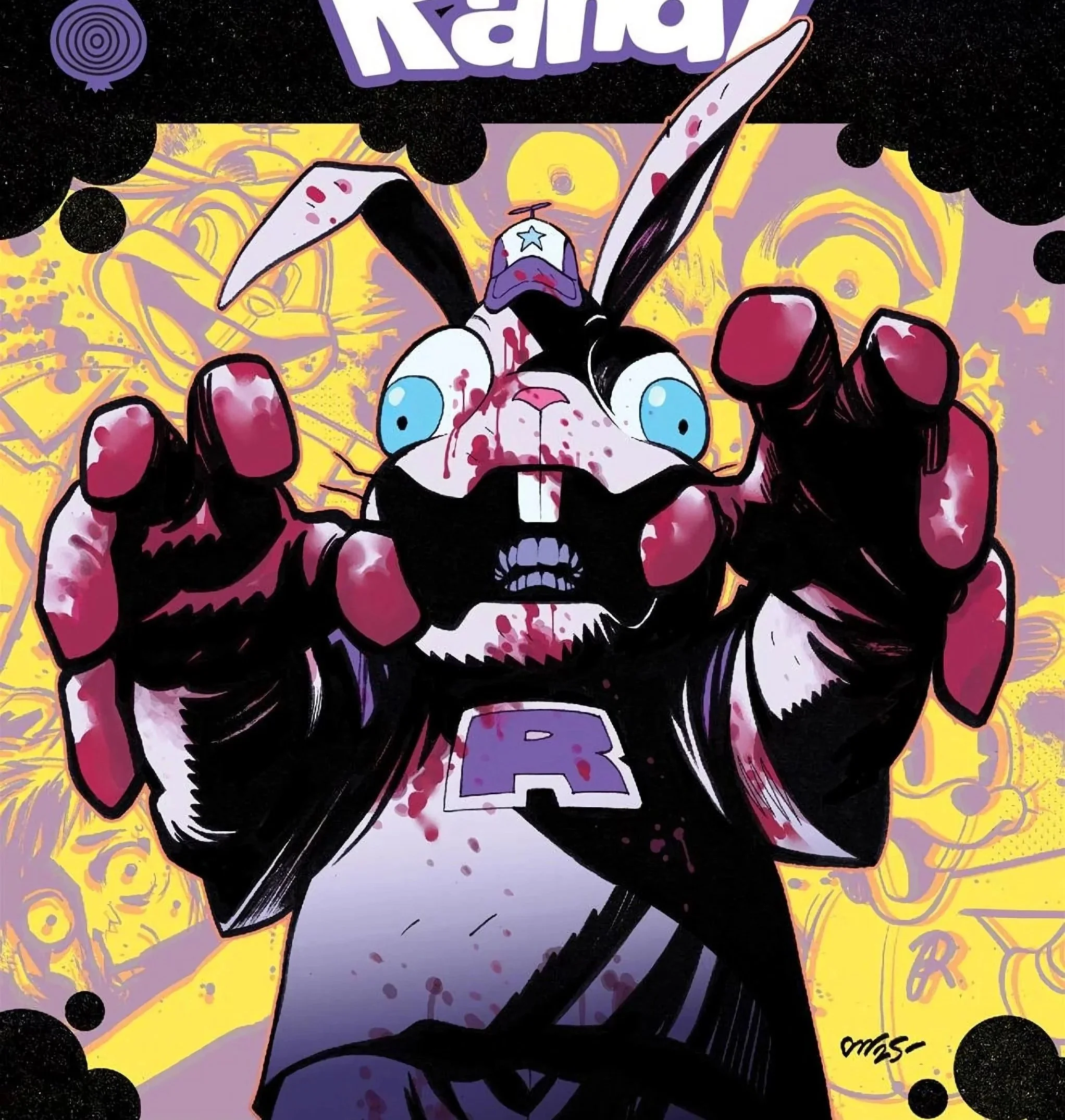
Writer: Tyler Boss
Artist: Dylan Burnett
Colorist: Jordie Bellaire
Cover Artist: Dylan Burnett
The first season of Exquisite Corpses ended with one of the strongest finales I've read all year, proving that James Tynion IV, Michael Walsh, and the rest of the creative team had built a horror universe with far more potential than a single story could contain. Rather than immediately launching into Season Two, the team instead expands the world with Exquisite Corpses: Rascal Randy #1, a prequel centered on one of the competition's most bizarre killers.
Fortunately, this doesn't feel like a side project created simply to keep the brand alive between seasons. Tyler Boss crafts an opening issue that stands comfortably on its own while enriching the larger mythology surrounding Rascal Randy. More importantly, it remembers exactly what made Exquisite Corpses so compelling in the first place. It's less interested in piling up body counts than it is creating an atmosphere of creeping dread, introducing memorable new characters, and asking unsettling questions that make you desperate to read the next issue.
This is exactly what a first issue should accomplish.
Building a Mystery Instead of Solving One
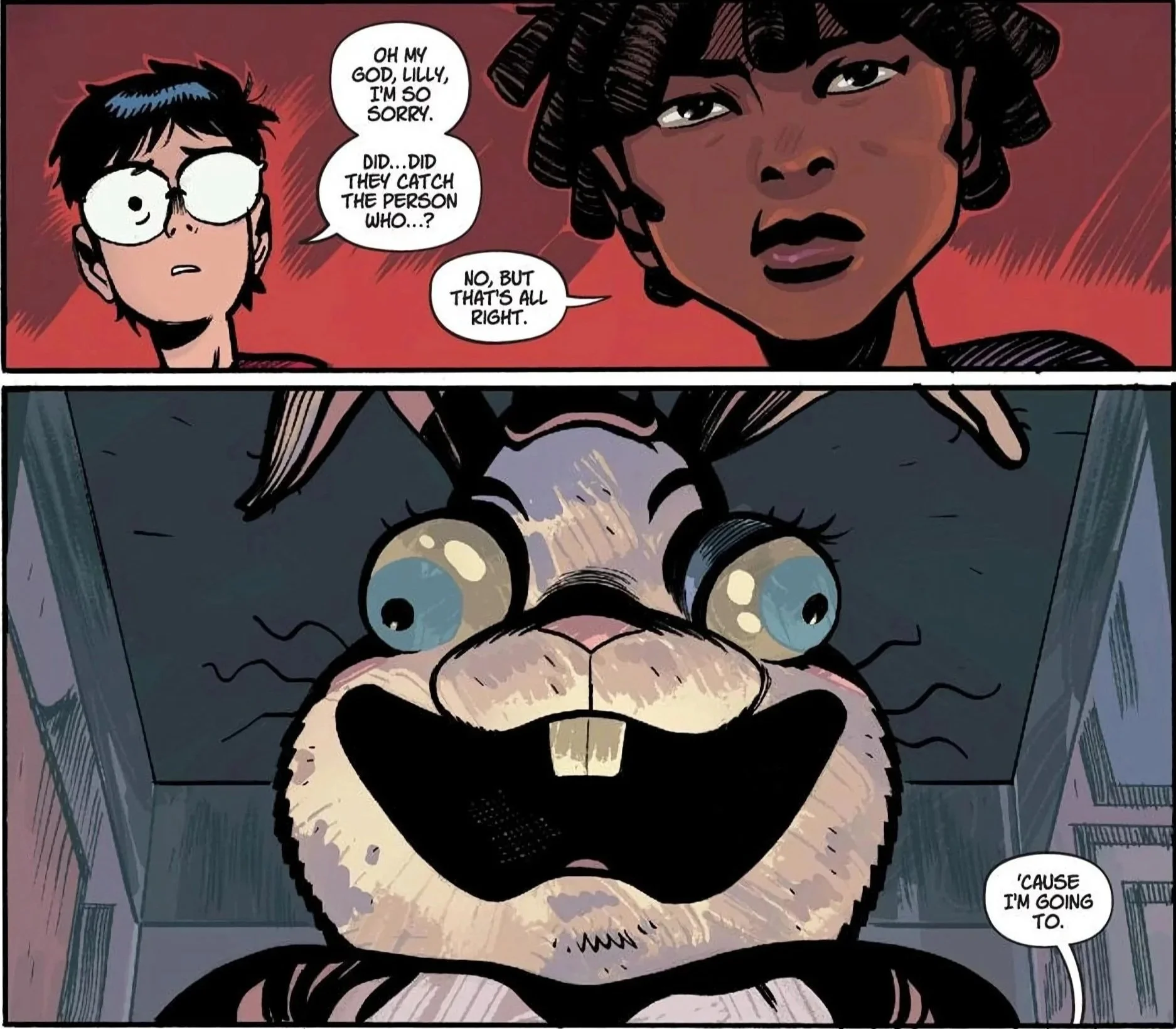
One of the smartest decisions Tyler Boss makes is resisting the temptation to overexplain Rascal Randy's origins. It would have been easy to devote the entire issue to revealing exactly how the mascot became a killer, but instead the comic carefully doles out just enough information to deepen the mystery without removing it.
We learn that Aurora Springs is Randy's birthplace, that the mascot was once intended to become a beloved entertainment icon, and that tragedy transformed something innocent into something horrifying. Those details provide enough context to make the mythology feel richer while still leaving plenty of unanswered questions.
That restraint makes Randy far more unsettling than if the issue had simply explained everything immediately.
The comic also introduces several new characters who immediately feel worth investing in. Rather than functioning as disposable victims waiting to be slaughtered, they each have personalities and relationships that suggest they'll continue driving the story forward. The setting itself quickly develops its own identity as well. Aurora Springs feels like the kind of small town hiding decades of ugly secrets beneath a friendly exterior, giving the series an atmosphere that feels noticeably different from the main title while still belonging in the same universe.
Lilly Makes for a Strong Lead
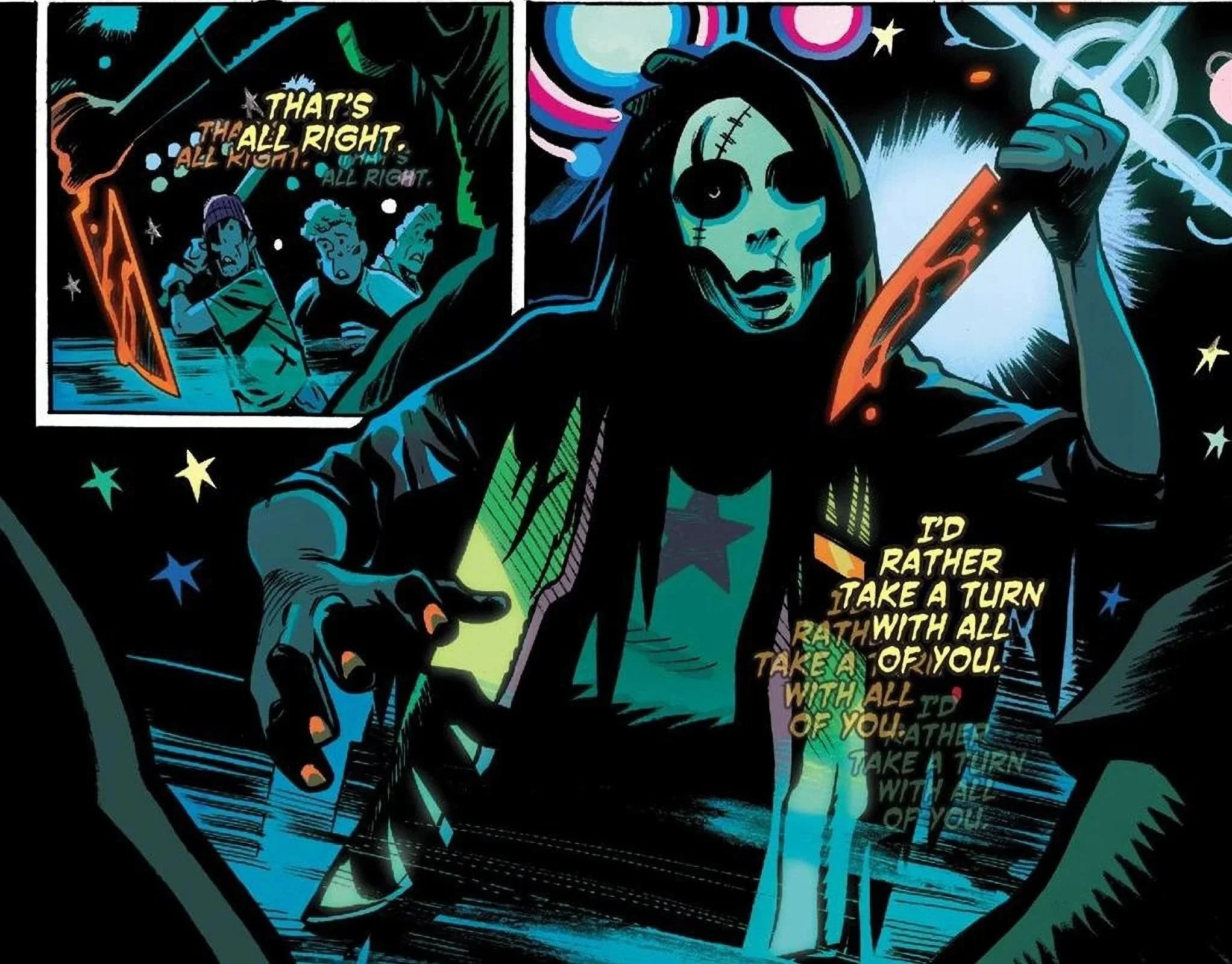
I've seen some criticism that Lilly functions mostly as a reader surrogate, but I found her considerably more interesting than that.
Her fascination with true crime doesn't simply exist because the plot requires someone curious enough to investigate strange events. It stems from the unresolved murder of her mother, a tragedy that has clearly shaped how she sees the world. That background immediately gives her personal stakes beyond simply surviving whatever horrors await in Aurora Springs.
In fact, I found myself becoming invested in her story surprisingly quickly.
The comic also quietly plants enough clues to make readers question what really happened to her mother. Whether intentional or not, I couldn't shake the feeling that her father knows far more than he's letting on. It's a subtle thread, but one that immediately gave Lilly's storyline another layer of intrigue beyond the central Rascal Randy mystery.
That combination of personal trauma and genuine curiosity makes her feel like a protagonist worth following into what promises to become an increasingly disturbing story.
Horror That Knows When to Shock
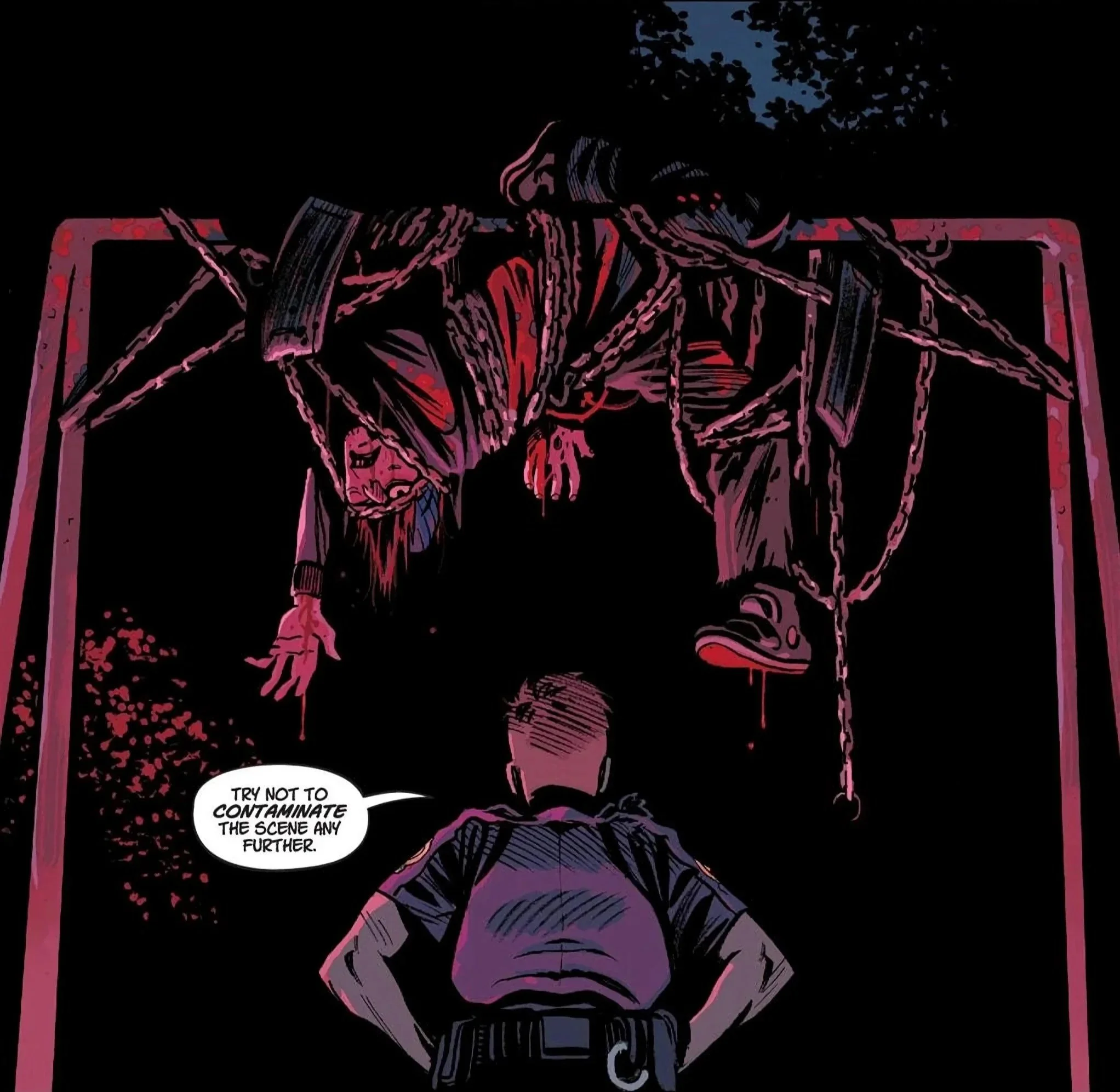
While Rascal Randy leans more heavily into mystery than the main Exquisite Corpses series, it certainly doesn't forget where it came from.
The opening sequence immediately establishes that this world remains every bit as brutal as readers expect. Leopold Strong's appearance is a fantastic surprise for fans, and his gruesome act of murder sets the tone almost instantly. Watching him crush a little girl's head with his hammer is horrifying, but it also serves an important storytelling purpose. It reminds readers that this universe remains utterly uncompromising.
It's an opening that grabs your attention immediately and refuses to let go.
The issue balances those moments of graphic violence with quieter suspense remarkably well. Rather than relying entirely on gore, Boss allows tension to build gradually through uncomfortable conversations, eerie locations, and perfectly timed reveals. By the time Randy himself begins asserting his presence, the atmosphere has already become deeply unsettling.
That balance keeps the horror feeling varied instead of repetitive.
Dylan Burnett Delivers Outstanding Artwork
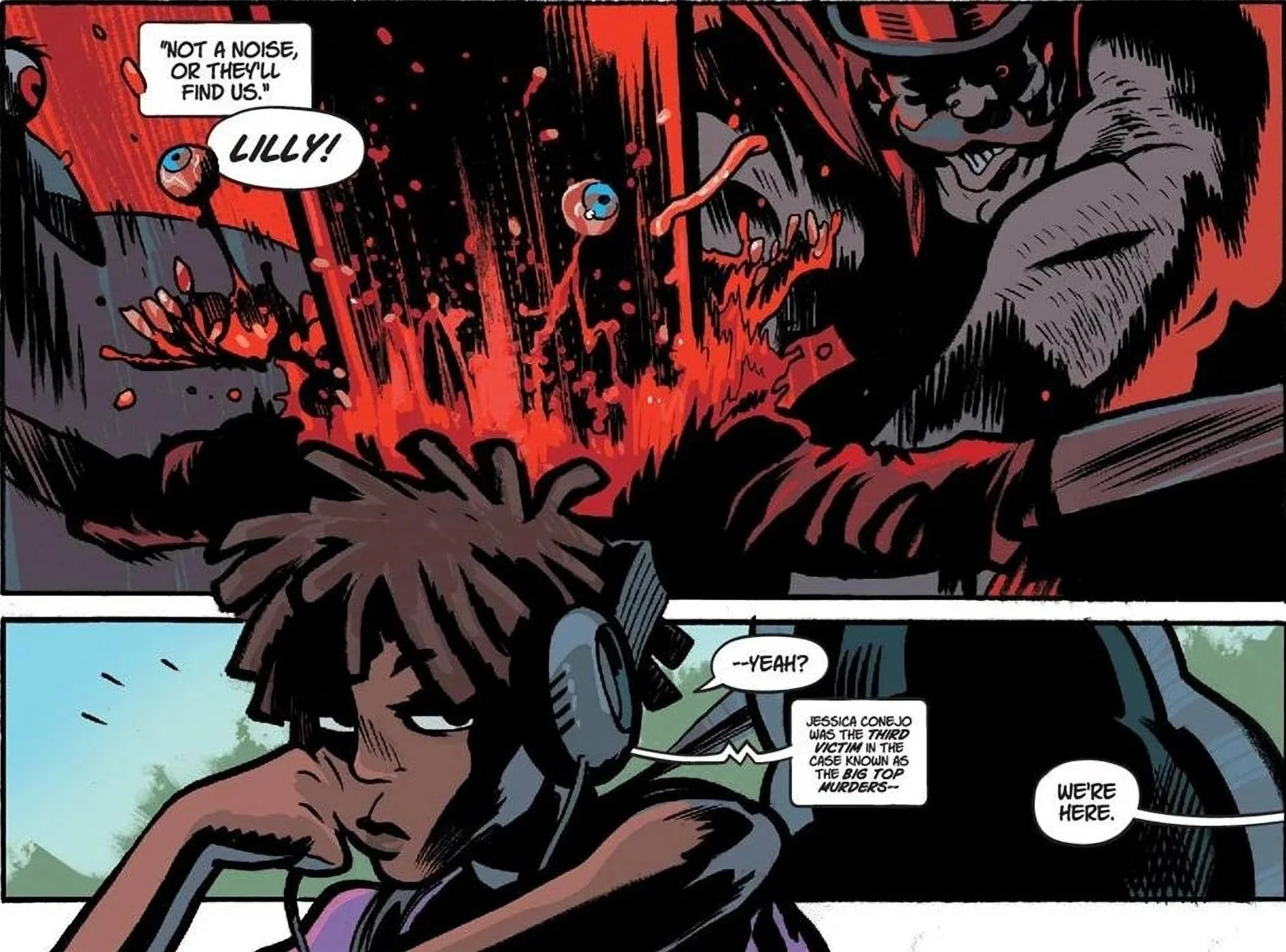
Much like Michael Walsh did on the main series, Dylan Burnett understands that horror works best when readers always know exactly what they're looking at.
His storytelling is exceptionally clear throughout the issue, making every scare land exactly when it's supposed to. The page turns are timed beautifully, several jump scares genuinely caught me off guard, and the action remains easy to follow even during moments of complete chaos.
The gore is equally impressive.
The opening murder is gruesome without feeling excessive, striking exactly the right balance between shock value and effective horror storytelling. Burnett never treats violence as spectacle for its own sake. Instead, every brutal moment reinforces the danger lurking beneath Aurora Springs' seemingly ordinary exterior.
Jordie Bellaire's colors deserve just as much praise. The bright palette creates an almost nostalgic atmosphere during quieter moments before shifting seamlessly into something far more sinister whenever the horror emerges. That contrast helps make Randy's appearances even more unnerving.
Together, Burnett and Bellaire create one of the strongest visual debuts I've seen this year.
A Worthy Expansion of the Exquisite Corpses Universe
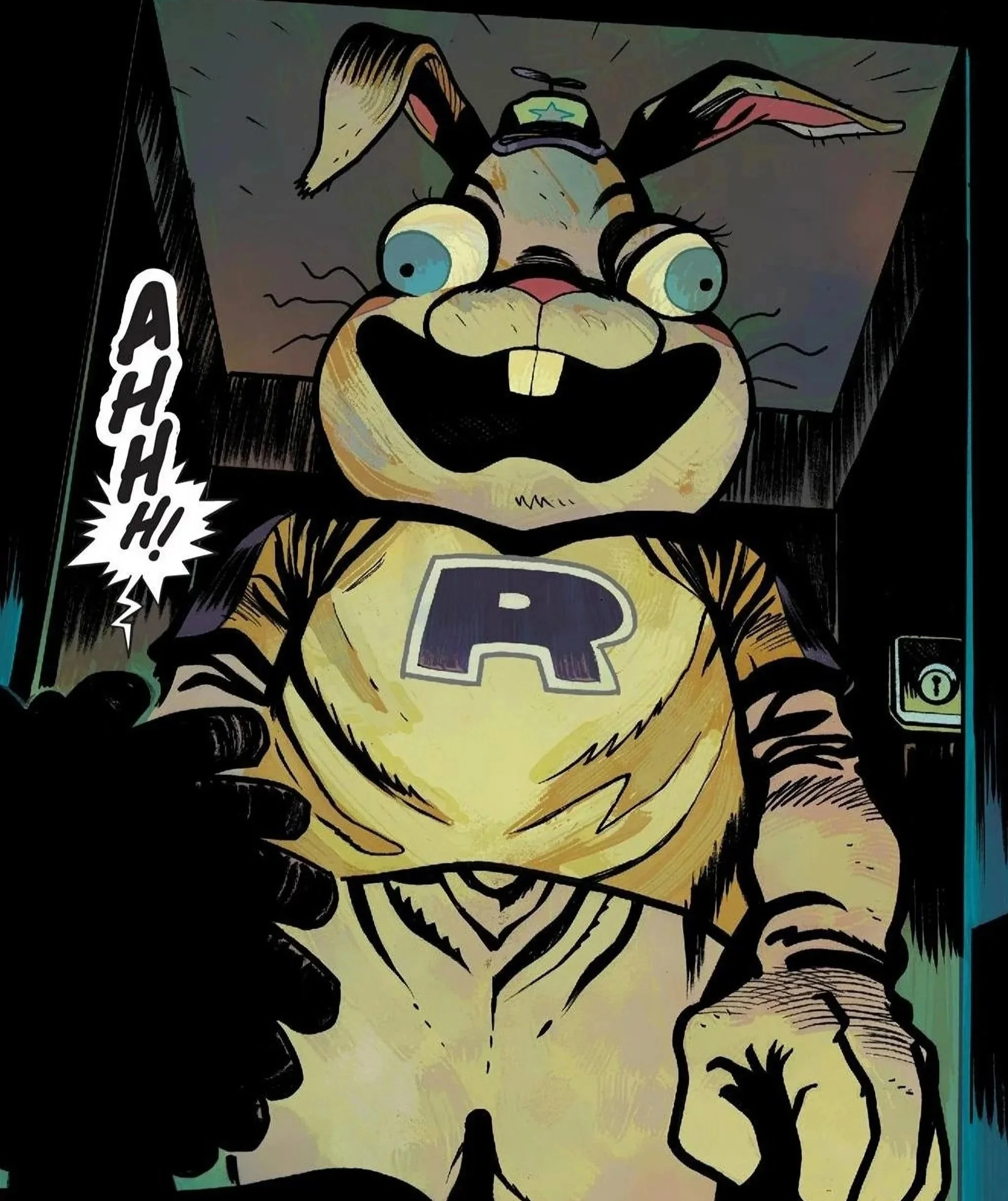
One thing that impressed me most about Rascal Randy #1 is how naturally it expands the larger Exquisite Corpses universe.
Readers who finished Season One will appreciate the connections, including Leopold Strong's cameo and the additional mythology surrounding one of the competition's most memorable killers. At the same time, newcomers could easily start here without feeling lost. The story introduces its own setting, cast, and central mystery while requiring very little knowledge of previous events.
That's a difficult balance to achieve, but Boss manages it remarkably well.
Rather than feeling like mandatory supplemental reading, this comic earns its existence by telling a compelling story in its own right. It expands the world without simply repeating what worked before, giving the franchise room to grow in exciting new directions.
Final Thoughts and Rating
Exquisite Corpses: Rascal Randy #1 is everything I wanted from a spinoff. It introduces compelling new characters, expands the mythology without giving too much away, delivers several genuinely creepy horror sequences, and establishes a mystery that's immediately worth following.
Most importantly, it never feels like filler between larger stories. This is a confident, self-contained opening chapter that strengthens the overall Exquisite Corpses universe while carving out an identity of its own. Tyler Boss understands that sometimes what you don't reveal is just as important as what you do, and that restraint makes Rascal Randy all the more fascinating.
Combined with Dylan Burnett's excellent artwork, Jordie Bellaire's outstanding colors, and a memorable opening that longtime readers won't soon forget, this is exactly how you launch a new corner of an already excellent horror universe.
Rating: 9.5/10
A creepy, confident, and expertly crafted debut that expands the Exquisite Corpses universe while telling a gripping horror mystery of its own. With memorable characters, outstanding artwork, and just enough mythology to keep readers guessing, Rascal Randy #1 is exactly what a first issue should be.