
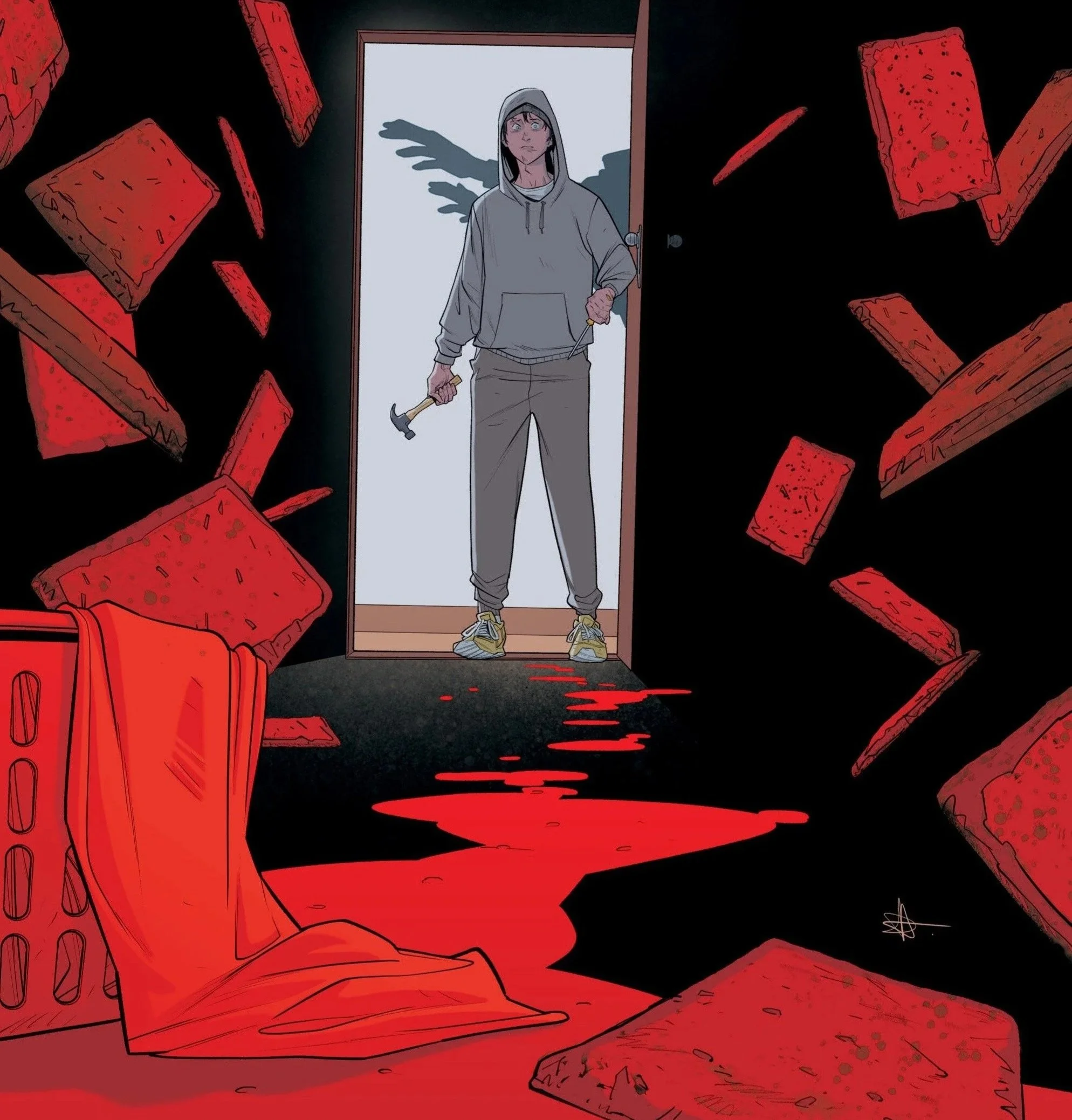
Writer: Doug Wagner
Artist: Daniel Hillyard
Colorist: Dave Stewart
Cover Artists: Daniel Hillyard & Dave Stewart
After spending its first two issues balancing grounded character drama with bursts of surreal violence and instability, Narco #3 takes a noticeably different approach. The mystery continues to deepen, but the emphasis here is far less on shock or escalation and much more on emotional pressure, manipulation, and uncertainty. It is a quieter issue in almost every way, one that pushes Marcus further into the investigation while also making him question both himself and the people around him.
That slower, more procedural approach works surprisingly well for much of the issue because the character writing remains strong. Marcus continues to feel believable and sympathetic, and the detectives become significantly more interesting the more time the story spends with them. At the same time, though, this issue does feel like it loses some of the strange, unsettling energy that made the first two installments stand out so much.
The result is still a solid and engaging chapter, but one that occasionally feels like it is drifting away from the unique identity the series established early on.
Leaning Further Into the Mystery
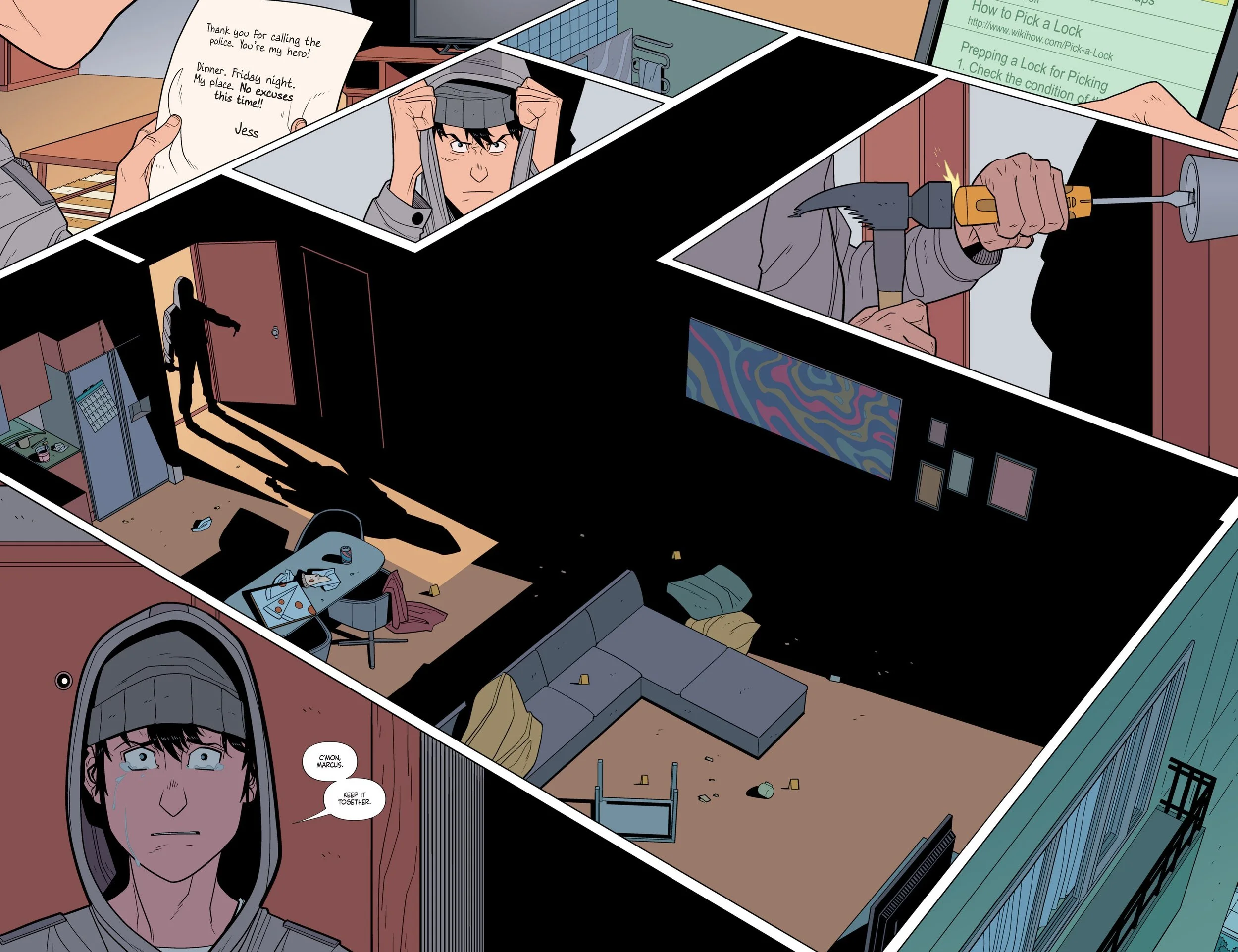
One of the most interesting things about Narco #3 is how committed it is to destabilizing both Marcus and the reader. The issue spends a large amount of time questioning what can actually be trusted, and not just in terms of the murder investigation itself.
Marcus’ narcolepsy and blackouts continue to shape the story in meaningful ways, but this issue pushes beyond simple uncertainty about memory. Instead, it starts exploring the idea that Marcus himself may not fully understand his own actions, motivations, or emotional state. The possibility that he could somehow be more involved than he realizes becomes much harder to dismiss here, and the book does a good job of making that tension feel plausible without outright forcing the reveal.
That growing uncertainty is helped significantly by Detectives Violet and Dean, who are probably the strongest part of the issue overall. Their interactions with Marcus are subtle but constantly manipulative in ways that feel believable. Neither detective comes across as cartoonishly aggressive or obviously dishonest. Instead, they carefully guide conversations, introduce doubt at strategic moments, and make Marcus increasingly paranoid about the people closest to him.
The “good cop, bad cop” dynamic works because it never feels exaggerated. The detectives are not trying to intimidate Marcus through force so much as psychologically corner him, and that creates a kind of tension that fits the tone of the series extremely well.
A More Procedural Approach
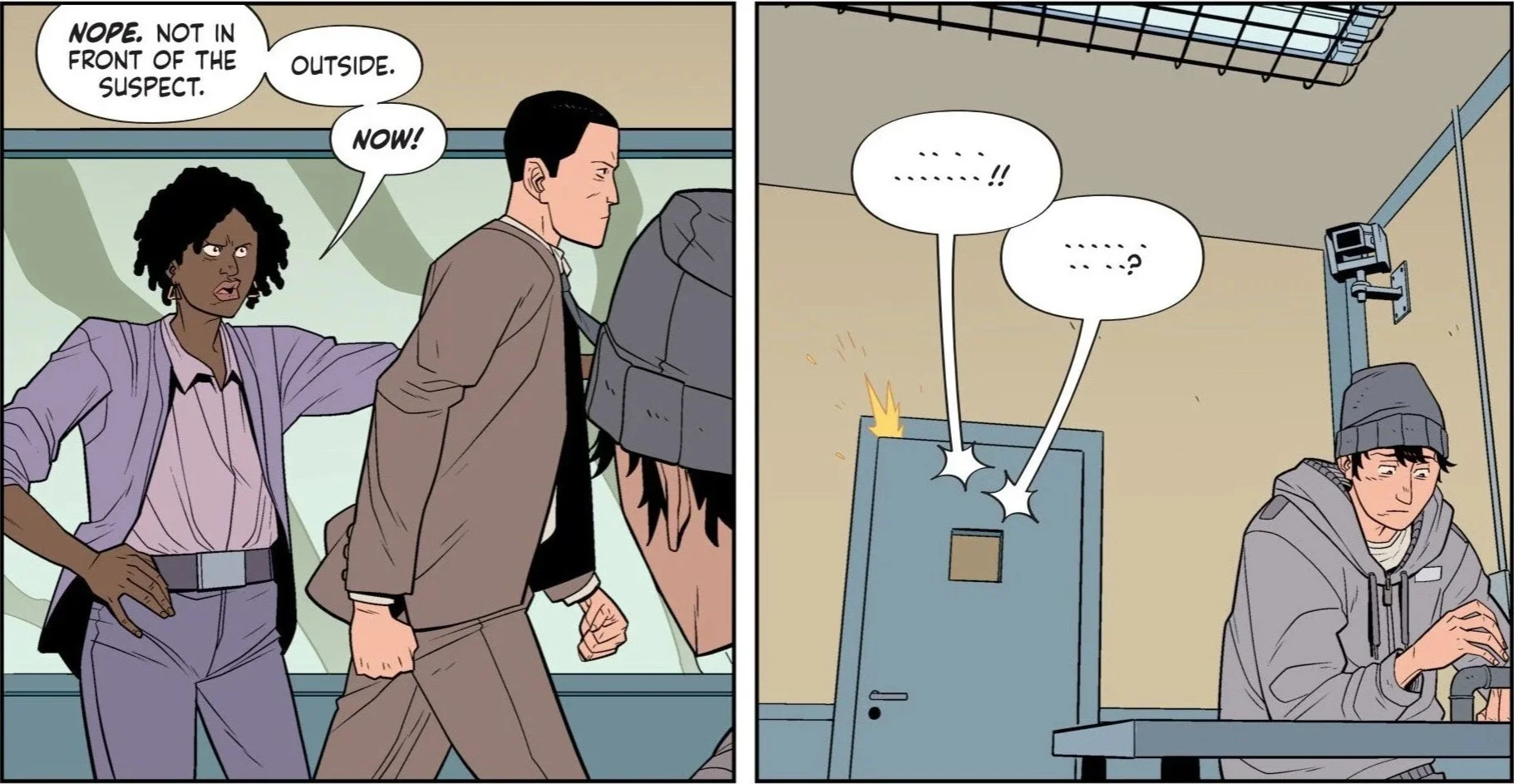
Compared to the first two issues, this chapter feels much more grounded in investigation and interpersonal conflict. There is less emphasis on shocking imagery, sudden violence, or chaotic transitions, and more emphasis on conversations, suspicions, and emotional fallout.
That approach is not inherently a problem. In fact, some of the strongest scenes in the issue are simply characters talking to one another while trying to figure out who can still be trusted. The emotionality works because the characters feel authentic, and the dialogue continues to sound natural without losing tension.
Marcus’ interactions with his friends are particularly important here because they reinforce how isolated he is becoming. Earlier issues positioned his friend group as a kind of safety net and emotional support system. This issue begins to chip away at that comfort by introducing the possibility that someone within that circle may be connected to Jess’ murder.
That reveal creates effective tension for Marcus, but it is also where the story becomes slightly less convincing.
Where the Mystery Feels Less Distinct
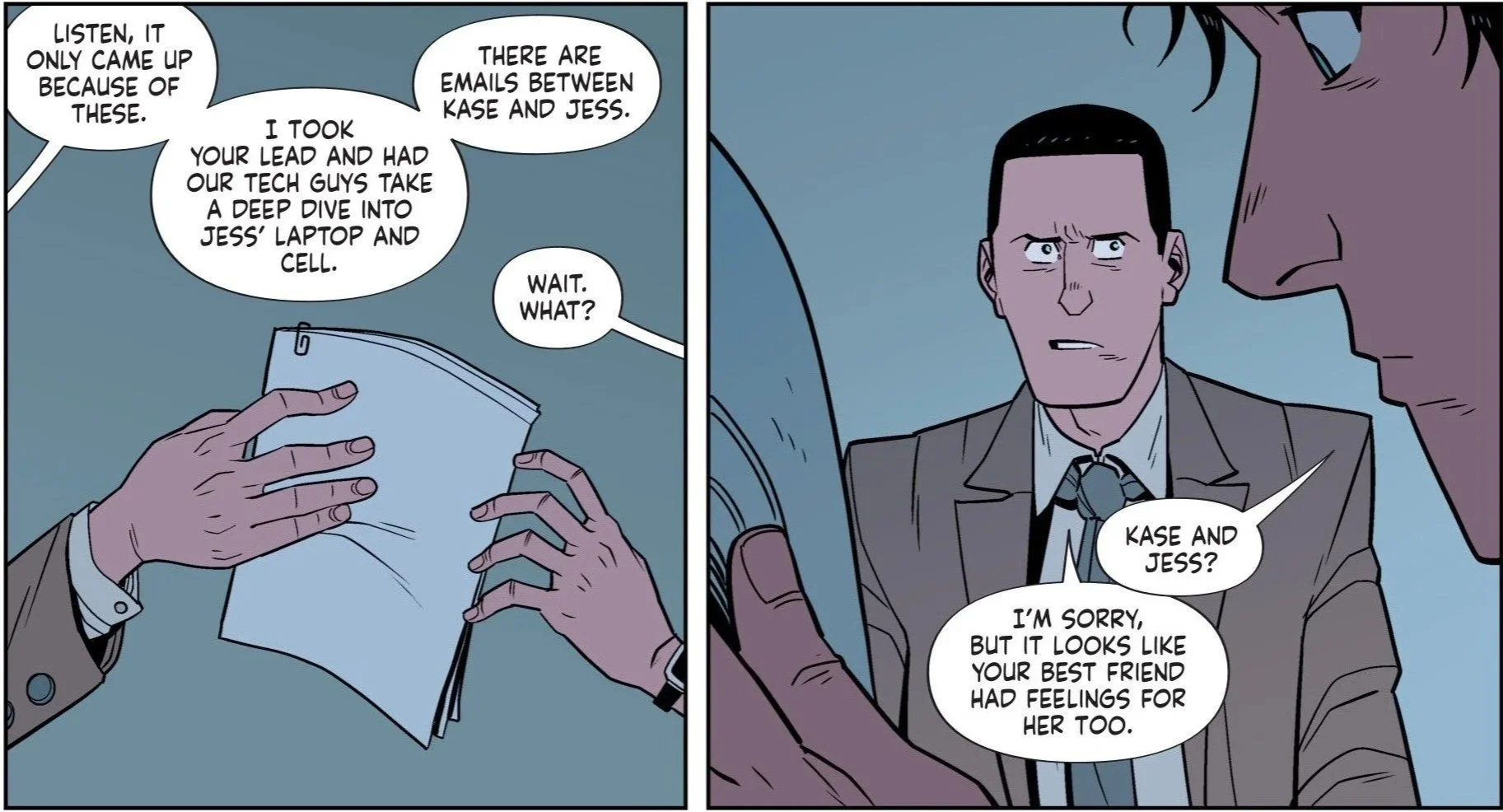
The biggest weakness of the issue is that some of its newer developments feel more conventional than what the series had been building toward previously. Introducing one of Marcus’ friends as a potential suspect certainly raises the emotional stakes, but it also feels like a somewhat expected turn for a mystery story like this.
Part of what made the earlier issues compelling was that the story felt unpredictable even while moving slowly. The combination of Marcus’ condition, the surreal visual presentation, and the grounded emotional writing gave the book an identity that separated it from more standard crime fiction.
Here, some of that uniqueness fades a little. The mystery begins to resemble a more familiar procedural structure, where suspicion rotates between members of the protagonist’s inner circle. The execution is still strong because the writing and performances remain believable, but the direction itself feels less surprising.
There is also a noticeable lack of the bizarre, chaotic imagery that defined parts of the first two issues. The series does not need to become full-on exploitation horror to maintain its identity, but those moments of visual instability and sudden discomfort helped give the book a unique atmosphere.
This issue has flashes of that energy. There are still some clever layouts and moments of visual tension that remind you what Daniel Hillyard is capable of. But overall, the comic feels far more restrained, and occasionally that restraint makes the pacing drag slightly.
Marcus Continues to Carry the Series
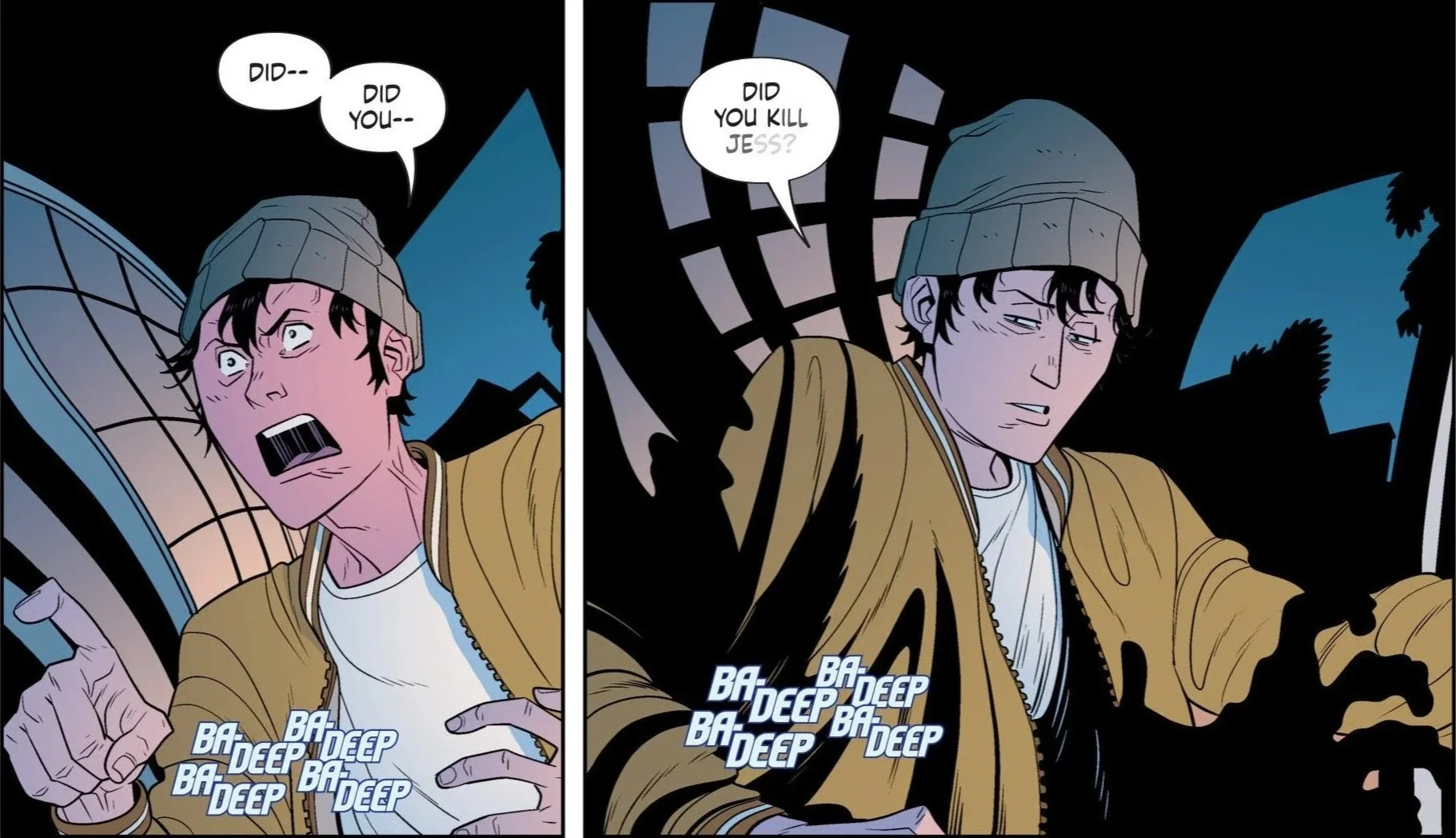
Even with the slower pacing, Marcus remains an effective lead because the story continues to treat him like an actual person rather than a genre archetype.
He is not suddenly transforming into a master detective or action hero. He still feels awkward, overwhelmed, and emotionally fragile in ways that make sense for both his age and his condition. What makes him compelling is not competence, but persistence. He keeps trying to understand what is happening, even as the people around him become increasingly difficult to trust.
That emotional vulnerability is ultimately what keeps the issue engaging even during its quieter stretches. The story works because Marcus feels grounded enough that the psychological manipulation actually matters. Every new piece of information feels destabilizing because the book has successfully established how little control he truly has over the situation.
The issue also continues to use Marcus’ condition in thoughtful ways rather than reducing it to a gimmick. The blackouts are not just plot devices that exist to create cliffhangers. They fundamentally shape how Marcus experiences reality, and by extension how the reader experiences the story.
Artwork That Still Sells the Unease
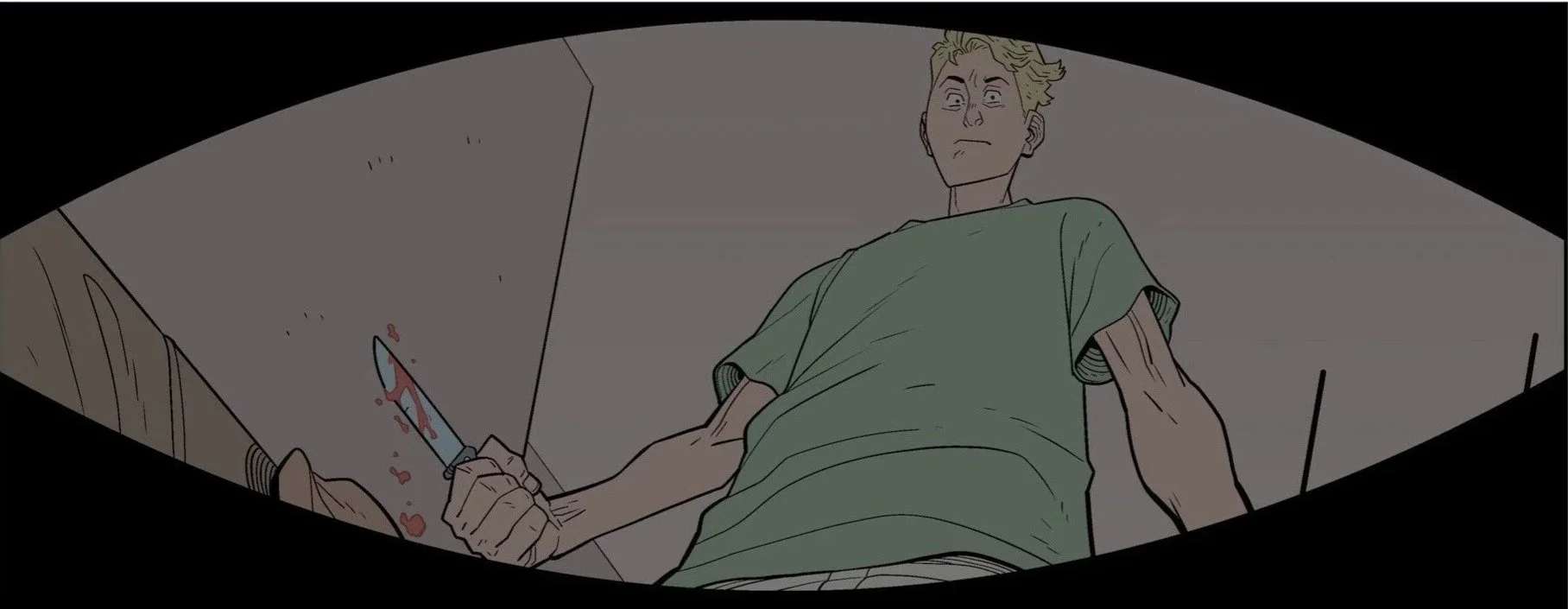
Daniel Hillyard and Dave Stewart continue to deliver strong visual storytelling even in a less visually explosive issue.
The book still excels at creating unease through composition, facial expressions, and transitions between scenes. Conversations often feel tense before a single threatening word is spoken because the artwork communicates discomfort so effectively.
The layouts remain especially strong during scenes where Marcus begins to mentally spiral or lose focus. Hillyard continues to experiment with how space and perspective function on the page, creating moments where conversations feel claustrophobic and emotionally overwhelming without relying on overt spectacle.
That said, the visual style does feel more restrained overall. The first two issues balanced grounded realism with moments of chaos and disorientation that gave the series a distinctive identity. This issue leans much more heavily into realism, and while that supports the procedural tone, it also removes some of the visual unpredictability that previously made the series stand out.
Final Thoughts and Rating
Narco #3 continues to build its central mystery in compelling ways while deepening the psychological tension surrounding Marcus and the investigation. The character writing remains consistently strong, the detectives become far more interesting, and the emotional manipulation running throughout the issue creates an atmosphere of growing paranoia that fits the story well.
At the same time, the issue feels noticeably more restrained than in the first two chapters. The slower procedural structure works on a character level, but it also sacrifices some of the strange, chaotic energy that originally gave the series such a unique voice. Certain mystery developments feel slightly more conventional, and the pacing occasionally drifts because of how heavily the issue leans into conversation and emotional tension over visual intensity.
Even so, the foundation remains strong. Marcus continues to be an engaging protagonist, the uncertainty surrounding the case is becoming more compelling, and the creative team still understands how to build unease better than most crime comics currently on shelves.
Rating: 7/10
A slower and more procedural chapter that strengthens the psychological tension and character work, even if it loses some of the bizarre energy and unpredictability that made the earlier issues stand out.