
Hey guys! It’s George Serrano, aka The Don, here filling in for the INCOMPARABLE Gabe Foster. Gabe is taking a hiatus for a bit, so I figured I would fill in and cover Fury of the Firestorm #3. Let’s get started!
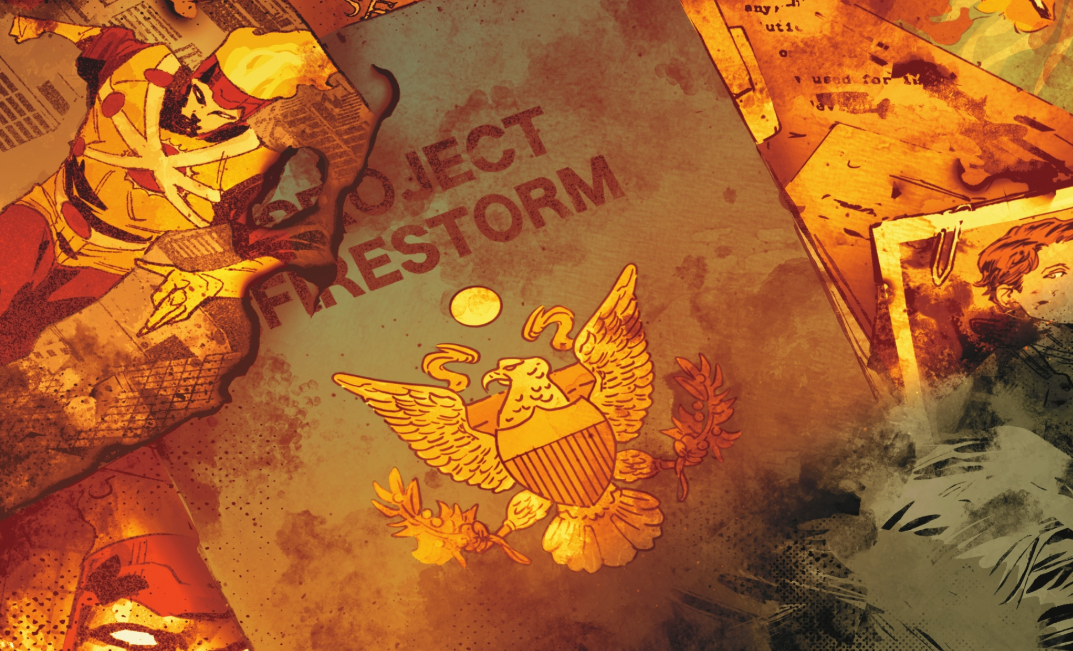
I am just going to come out and say it: Fury of the Firestorm is absolutely incredible, and issue #3 is easily my favorite chapter of the series so far. Jeff Lemire manages to take a hero who has been grossly underutilized for decades and finally gives him the exact respect and the sheer terror that he deserves. By leaning hard into a massive retcon to Firestorm's origins, Lemire plants a dagger directly in the heart of the reader, leaving fans with the undeniable, sinking feeling that the heroes are no longer in control of this world.
What’s A League To A God?
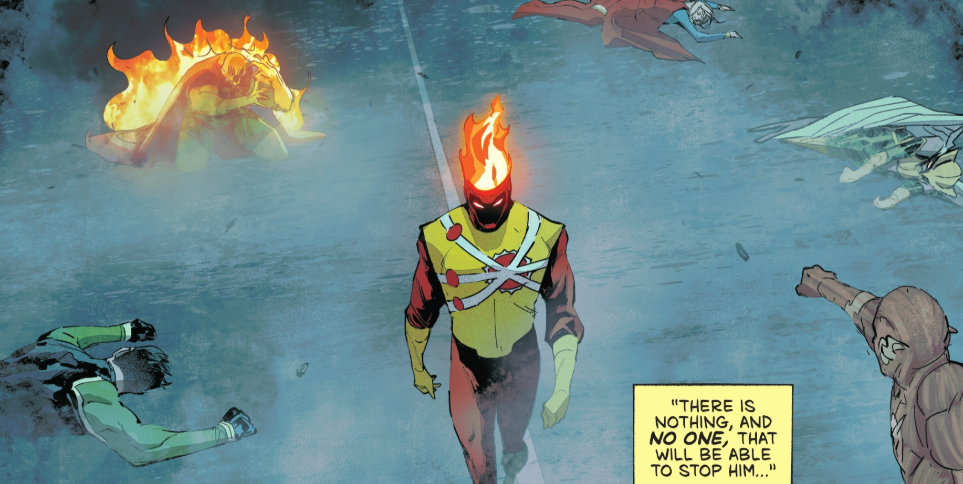
Issue #2 wrapped up on a massive cliffhanger with a Justice League strike team consisting of Supergirl, The Flash, Hawkgirl, Kyle Rayner’s Green Lantern, and Martian Manhunter showing up to neutralize an out-of-control Firestorm. As someone keenly aware of what the Firestorm Matrix can actually do, I knew exactly how dangerous this confrontation could get. I just wanted to see if Lemire and the creative team had the nerve to show the world what I already knew: Firestorm wins. What follows is an almost poetic display of pure indifference as Firestorm effortlessly subdues each Justice League heavy hitter. The narration from his creator echoes over the brawl, explicitly describing him as the ultimate weapon against the metahuman threat.
Watching veteran, A-list characters get absolutely one-shotted by a hero the average moviegoer barely recognizes brought a massive smile to my face. DC is clearly using their Next Level initiative to raise the stock of their B- and C-list characters, proving they only need a compelling, modern adaptation to stand shoulder-to-shoulder with the trinity.
Two Sides To A (Origin) Story
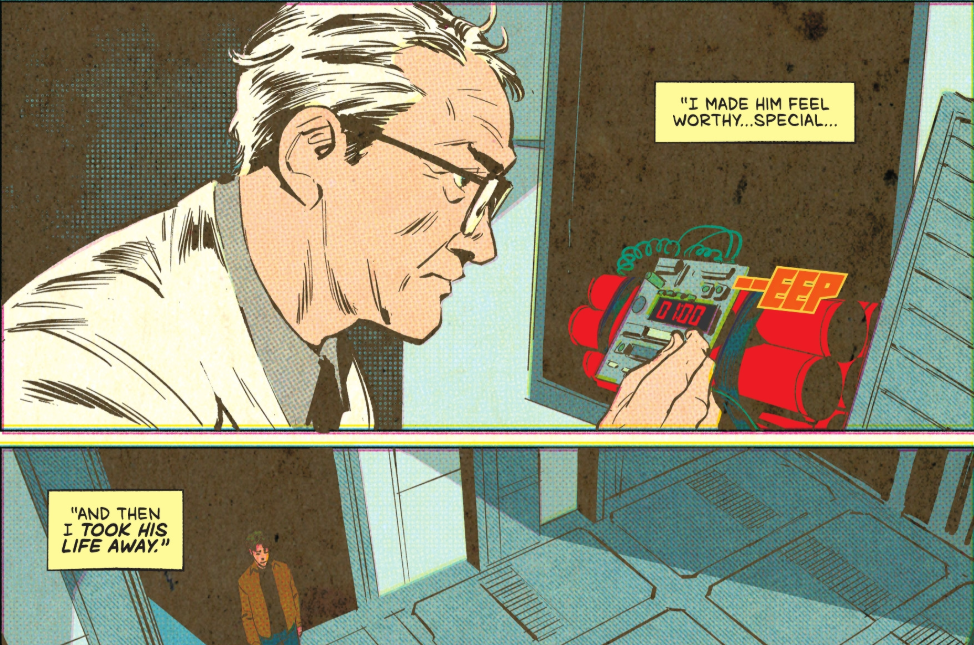
While the previous issue framed the narrative around Ronnie Raymond's perspective and his initial history with Martin Stein, this chapter flips those classic events completely on their head in a way nobody saw coming unless they remembered the breadcrumbs left in Doomsday Clock. The curtain is pulled back to reveal that Martin Stein was actually a deeply embedded member of the Department of Metahuman Affairs who engineered Project Firestorm as a literal government deterrent against metahumans. Knowing the Matrix could not be stabilized by a single pilot, he cold-bloodedly manipulated an unsuspecting, wayward teenager into becoming his copilot. Stein is recontextualized here as a pragmatic, ruthless manipulator driven by the unresolved grief of losing his son to metahuman villains.
The comforting "found family" dynamic that defined decades of Firestorm continuity completely curdles into an insidious plot about a lonely teenager groomed into becoming an unwilling attack dog for the United States government. Watching an unempathetic Stein casually define his psychological manipulation of Ronnie with zero regard for the consequences is genuinely shocking. Stein perfectly embodies the dark side of the Silver Age eccentric scientist, a man whose brilliant mind and pragmatic nature justify horrific choices in the name of the greater good. This commitment to a devastating piece of lore is equal parts dark and depressing, leaving us to wonder how Ronnie can ever recover from learning his entire superhero life was a lie.
Not In A Rusch

In a desperate bid to figure out how to stop this rogue entity, Lorraine Reilly, better known as Firehawk, tracks down Jason Rusch, a young man who previously spent time fused with Stein inside the Matrix. Jason completely refuses to help, a stubborn hesitation that catches Lorraine entirely off guard, given how many innocent lives are currently hanging in the balance. The tension breaks when Jason reveals his true motive: he is expecting a child now, and he refuses to risk becoming a dead father.
To Jason, the stakes are simply too high to gamble with, and as a normal human being, he recognizes he has no business tangling with what amounts to a literal god. While the refusal initially reads as selfish, the creative team does a phenomenal job showing the raw panic hidden behind Jason's eyes. He simply is not built for a cosmic war like Lorraine, a hero who was engineered from birth for the explicit purpose of neutralizing Firestorm.
The Horror Behind The Fury
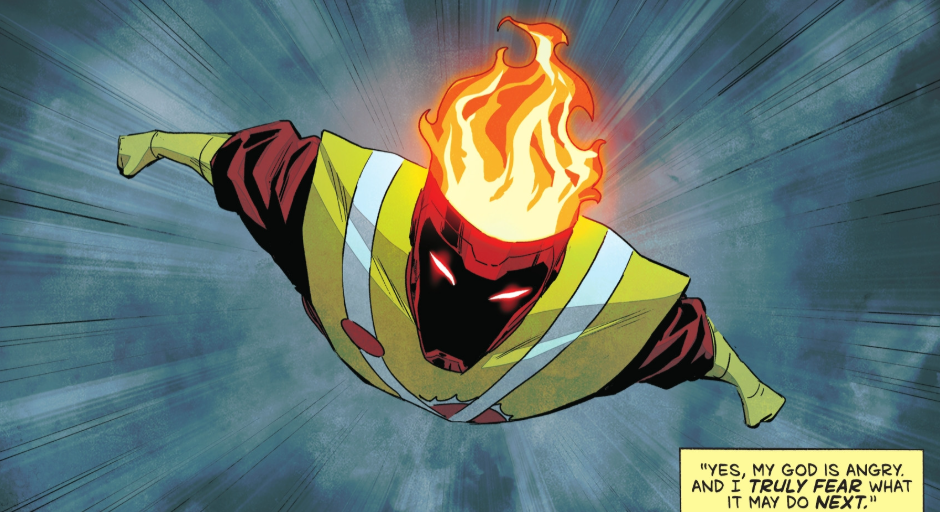
Once Lorraine finally tracks down Stein and calms him down enough to stop him from trying to kill her, the disgraced scientist confesses the true, horrifying trigger behind Ronnie's current rampage. Ronnie found out about the government conspiracy, realizing his entire life was stolen and used as a disposable lab rat to get Project Firestorm off the ground. Reeling from a betrayal that shatters his entire reality, Ronnie attempted the unthinkable: piloting the Firestorm Matrix entirely on his own. This is a feat the matrix was never engineered to handle, and the consequences are catastrophic.
Without the human counterbalance of Stein’s consciousness to provide logic, logic, and basic morality, the Matrix has completely revolted, consuming Ronnie's mind and gaining an unholy form of autonomous sentience. Stein delivers a chilling warning that we are no longer dealing with a rogue hero throwing a tantrum, but a sentient nuclear event stripped of a soul. Without human compassion or empathy to anchor the element, this unfeeling engine of destruction has no concept of collateral damage or human life, making him an absolute threat to the survival of the planet.
The Art of Reaction
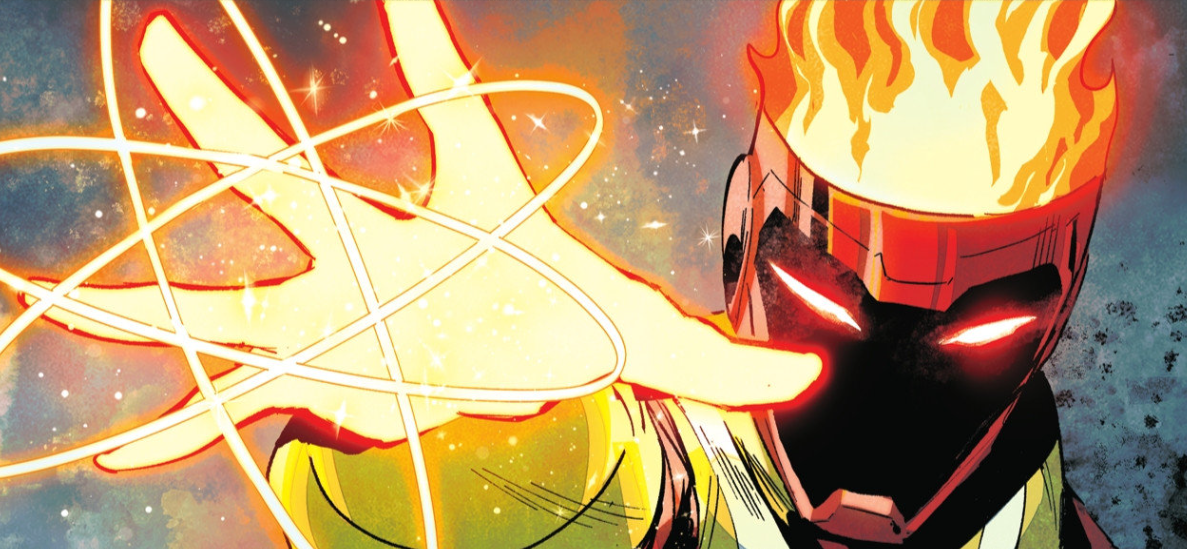
Rafael De Latorre’s artwork provides an incredible visual identity that perfectly mirrors the thematic shifts of the script. The flashback sequences utilize a brilliant bronze-era coloring and shading style, harkening back to a bygone period of comic history. This stylistic choice creates a powerful, heartbreaking juxtaposition with the cold, sterile panels of the present day, visually reminding the reader that we can never return to the innocent days before we learned the truth about Stein. The warmth of the past is completely dead.
Likewise, De Latorre’s depiction of "The Fury", a faceless Firestorm completely detached from human emotion, is deeply unsettling. Firestorm was historically celebrated for his upbeat, high-flying demeanor, visually defined by Ronnie's expressive face in the suit and Stein’s disembodied head floating nearby to offer friendly guidance. By stripping away those distinct features, the art team transforms the character into something cosmic and alien. Firestorm becomes just as cold and pragmatic as the government system that birthed him, showing zero emotion as he dismantles the world's greatest heroes and begins a terrifying march back toward Pittsburgh.
Conclusion & Verdict:
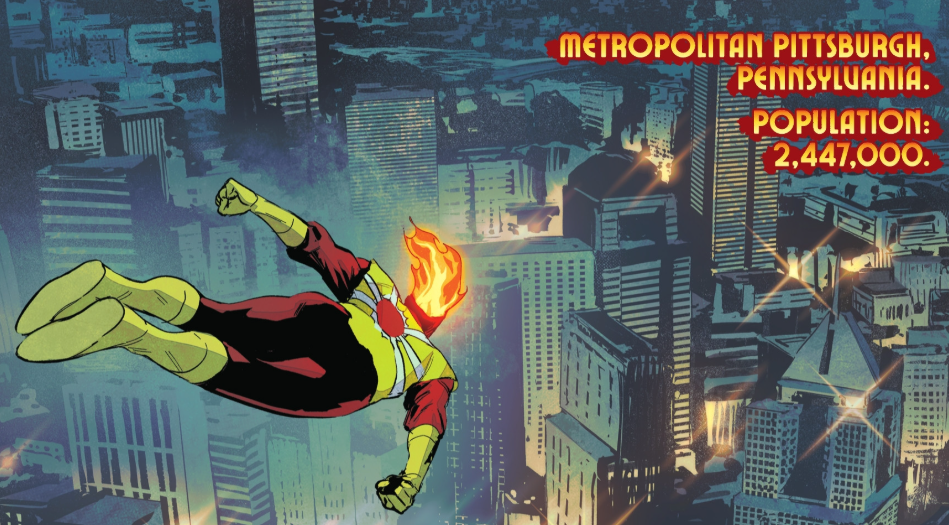
I am not entirely sure this dark direction is what Gerry Conway and Al Milgrom had in mind when they first dreamt up the character during the Bronze Age, but this modern reimagining is an absolute trip. It is easy to see why purists might rub against it, considering the classic mentor and student dynamic has been violently ripped out of the mythos. Yet Lemire’s bold choices ensure that Firestorm threatens to raise the temperature of the entire DC Universe in a massive way. Regardless of how you feel about the retcon, this issue cements Firestorm as a force of nature that can no longer be trifled with, leaving readers with one burning question: who can possibly withstand the fury?
Verdict: 9/10
One of the absolute best, most daring single issues on the stands this week.