
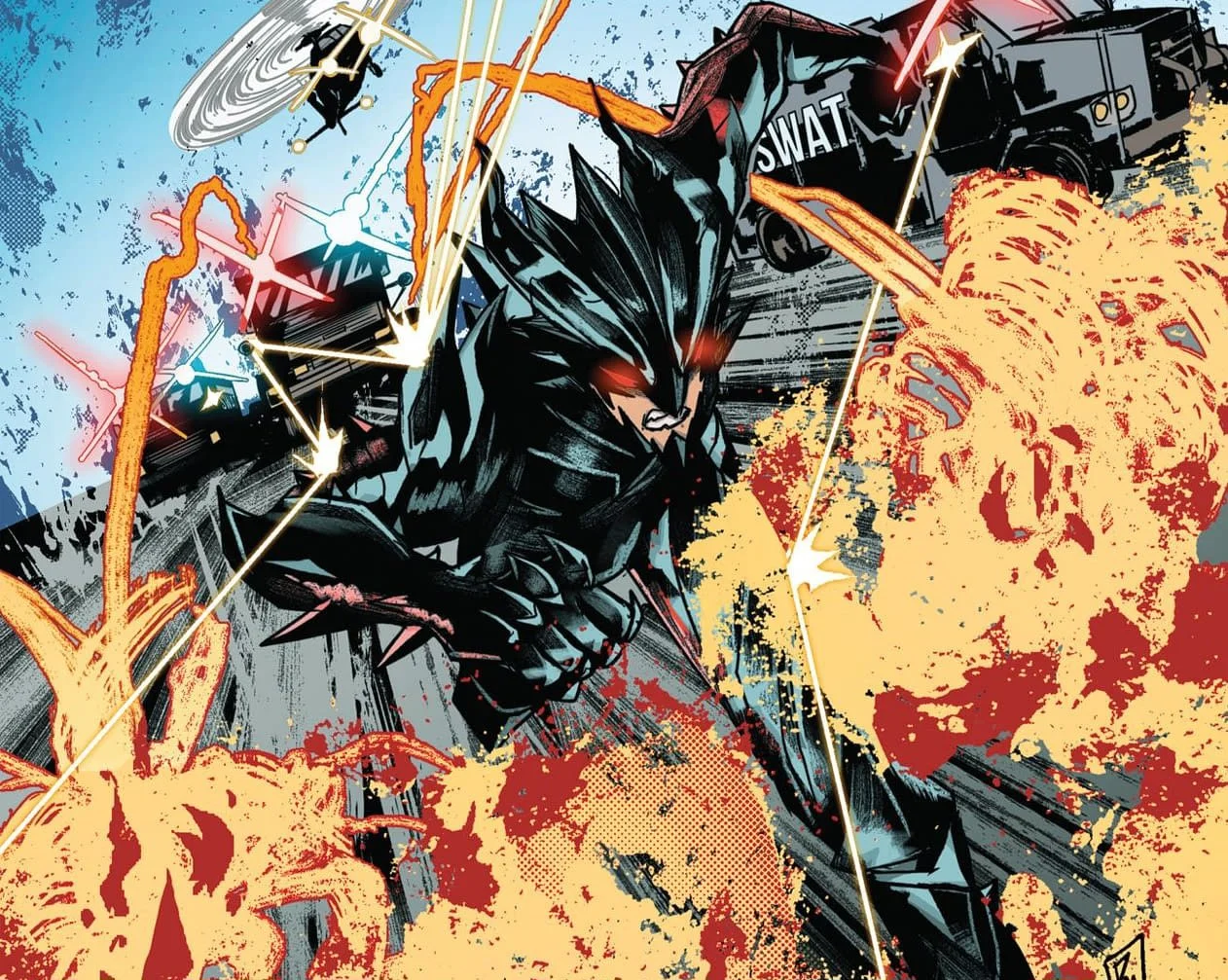
Fireborn issue #2 is published Image Comics and is written by Curt Pires, Franklin Jones with art by Patrick Mullholland, colours by Mark Dale.
The Recap: What Went Down in Issue #2
When Image Comics dropped Fireborn #1 in April 2026, it felt like a lightning strike across the indie comic landscape. The premise alone was enough to turn heads: a high-octane, urban fantasy-superhero fusion co-written by indie powerhouse Curt Pires and—in a wild twist that nobody saw coming—Franklin Jonas, the youngest Jonas brother. Paired with the explosive visuals of Patrick Mulholland, the debut issue handed us an oversized, neon-drenched introduction to a universe that felt like a bloody, adult-oriented love letter to early 2000s Kids' WB animation.
Now that Fireborn #2 (subtitled "Ignition") has hit the shelves, the real test begins. A premier issue can survive on sheer hype and shiny concepts, but issue two is where a series has to build its foundation. Across the comic community and major review outlets, Fireborn #2 has sparked a fascinating debate: is it a masterful blend of grounded family drama and anime-esque action, or is it a classic case of style over substance? Let’s break down exactly how this issue holds up.
Following the explosive, building-leveling climax of the first issue, our main character, Aaron Hillburg, finds himself squarely in the eye of a brewing storm. He is no longer just an angsty, parkour-loving rich kid; he is now involuntarily bonded to a floating, mystical dragon egg that has ignited an ancient, magical lineage within his DNA.
Issue #2 opens by grounding the supernatural chaos in some deeply uncomfortable domestic reality. Aaron faces down his mother, who confronts him about the terrifying events plastered all over the morning news. Like any defensive teenager hiding a world-altering secret, Aaron deflects, cuts the conversation short, and tries to escape to his normal routine.
Unfortunately for Aaron, "normal" is entirely off the table. On his way to school, he is intercepted by an NYPD detective who practically screams hardboiled cliché—complete with a white shirt, black tie, mustache, and a classic brown trench coat. The detective flashes a surveillance photo of Aaron standing right next to the previous issue's ground zero. Aaron is hauled in as a prime suspect, but telling the cops that he’s under the protection of a literal dragon isn’t exactly a viable legal strategy.
The tension boils over into pure spectacle during the issue's final act. Two grotesque, massive mystical creatures sent by "The World Beneath" converge on New York City, hunting Aaron down to rip the dragon egg from his hands. Trapped in a life-or-death gauntlet, the dragon decides to put Aaron to the ultimate test. It evaluates his heart, drive, and determination to see if this "failson" is genuinely worthy of wielding its ancient power. Just when the walls are closing in, a glimmer of hope arrives in the form of a highly enigmatic new ally.
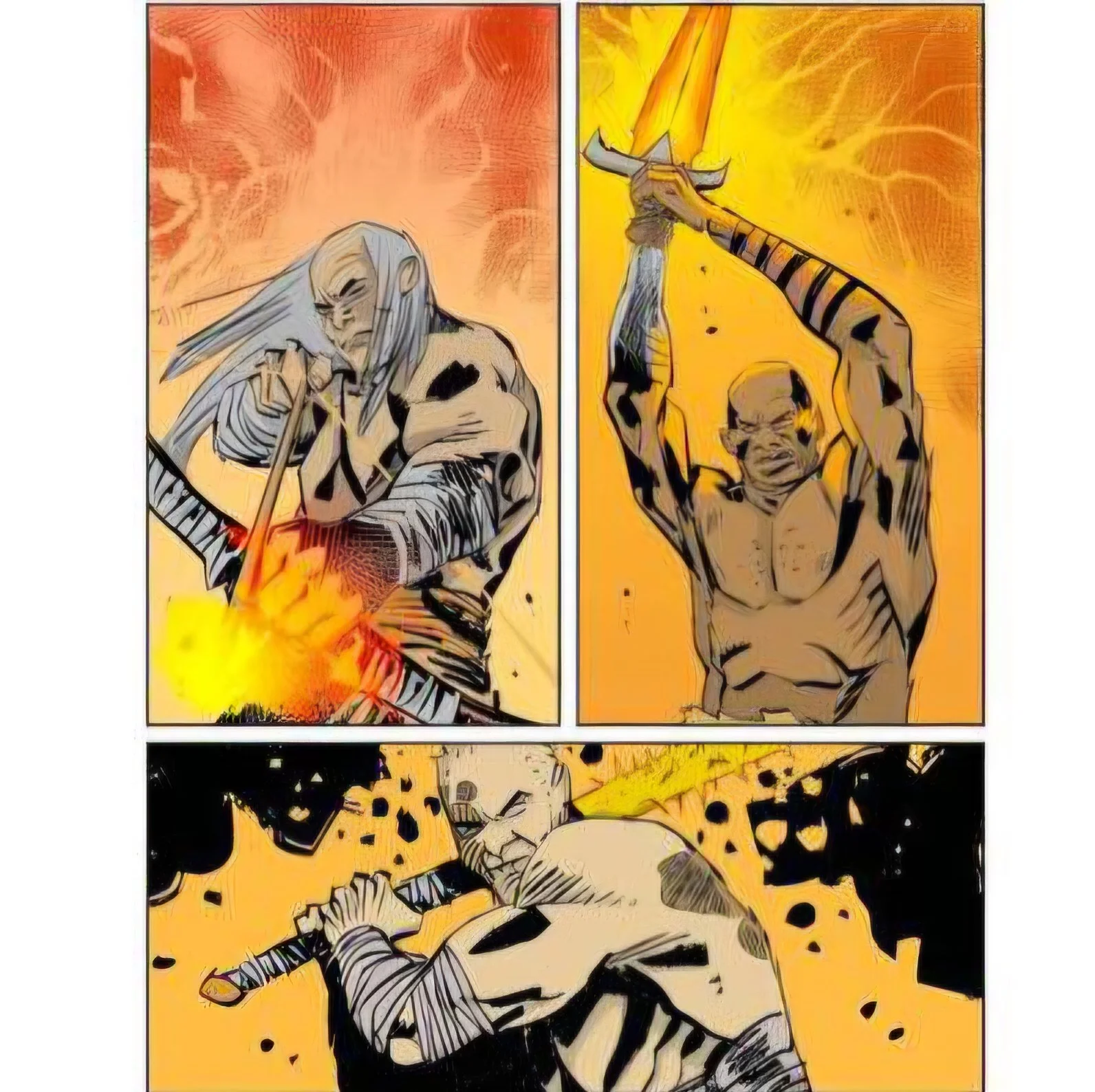
To cap it all off, the issue utilizes its expanded page count to deliver a dark backup story by Timmy Heague and Luca Casalanguida, focusing on the series' chief antagonist, Edge, and his ruthless hunt for the last living dragon, Abraxus.
Story & Character: High-Fantasy Fusion Meets Rich-Kid Problems
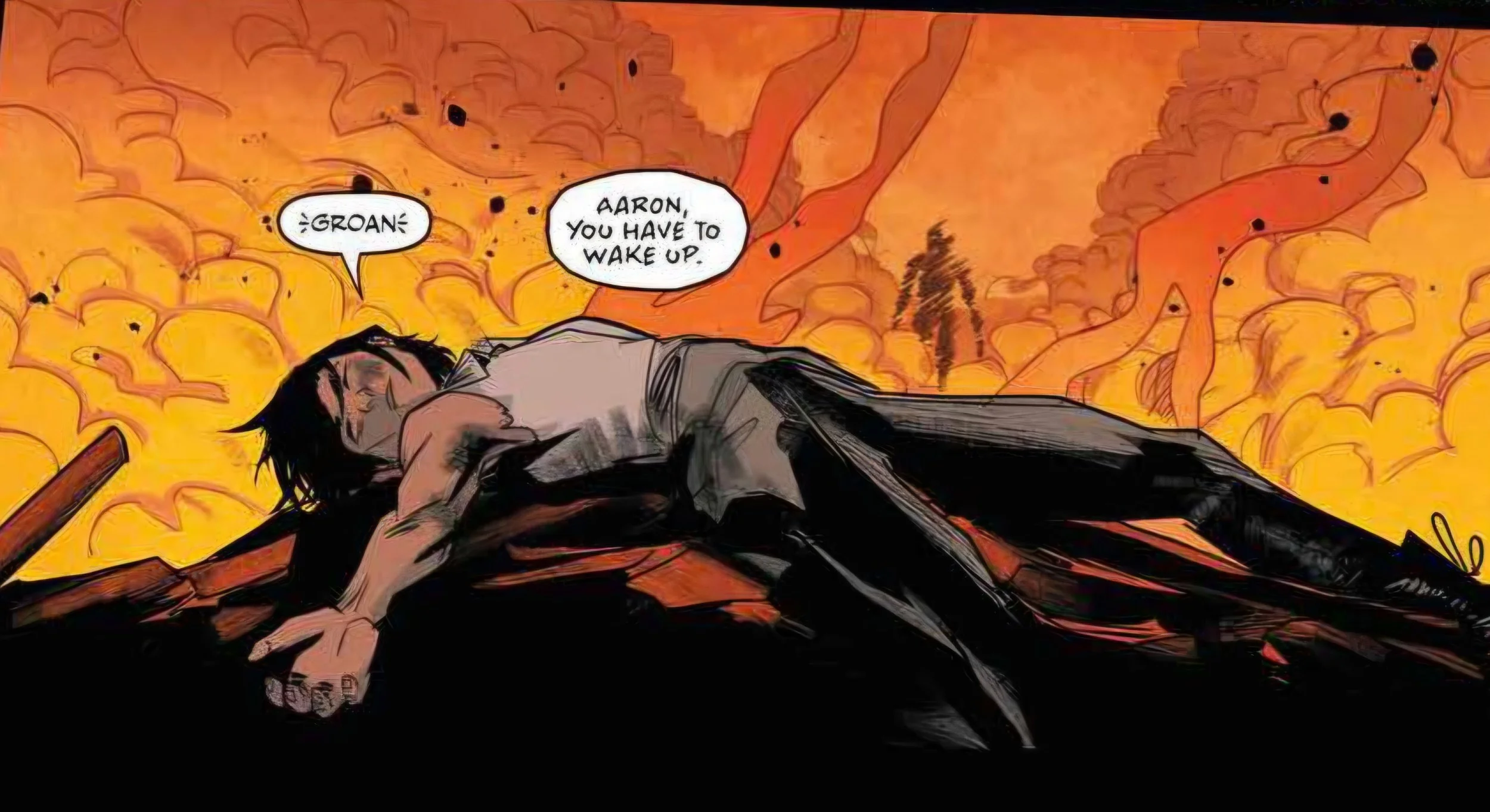
What makes Pires and Jonas’ script so compelling—yet polarizing—is the distinct juxtaposition between contemporary metropolitan reality and high-fantasy lore. Reviewers from sites like You Don't Read Comics noted that the creative team strikes an impressive balance here. Aaron’s earthbound, realistic problems (the fractured relationship with his billionaire father, the protective anxiety of his mother, and the immediate threat of a police interrogation) carry just as much emotional weight as the lurking horrors from The World Beneath.
Aaron himself is progressing into a protagonist you can actually root for. In issue #1, he leaned heavily into the "rich kid failson" archetype, which ran the risk of alienating readers with unearned angst. In issue #2, however, his vulnerability shines through. The dialogue during the confrontation with his mother feels raw and painfully authentic. It captures that classic teenage sentiment of wanting to push your parents away while desperately needing their protection. This emotional anchoring makes it far more impactful when the dragon forces him to prove his worth later in the issue. He isn’t fighting just to look cool; he’s fighting because his entire fragile reality depends on it.
However, the story does face some criticism regarding its world-building execution. I would argue that the series is throwing a massive laundry list of villains, factions, and terms ("The World Beneath," "Hypergod Spears," "biker cultists") at the reader without giving the concepts room to breathe. While fans of the broader Lost Fantasy universe will delight in the deep lore connections, newer readers might find themselves slightly overwhelmed by the sheer volume of unexplained jargon.
Pacing: Rapid Fire vs. Script Stall
The pacing of Fireborn #2 is a fascinating beast. Issue #1 ran at a breakneck speed, utilizing an in media res narrative structure that kept readers disoriented but thrilled. Issue #2 deliberately takes its time in the front half to establish the consequences of that chaos.
The transition from the quiet, tense, conversational spaces of the police interrogation room and Aaron's kitchen to the explosive madness of the final act is handled incredibly well. The script utilizes a "stop-and-go" cadence that mimics the sudden, unpredictable nature of a supernatural crisis invading an everyday life. One minute you're arguing about curfews and school schedules, and the next you're dodging a "HYPERGOD SPEAR LEVEL 9999" thrown by an underworld assassin.
If there is any critique to be made, it’s that the sudden burst of fantasy logic in the finale can feel a bit jarring compared to the slow-burn detective drama of the first fifteen pages. The sheer volume of new concepts and attacking entities introduced in the final moments threatens to crowd the narrative canvas. However, Pires and Jonas manage to pull it off because the emotional core remains tightly locked onto Aaron's internal struggle. It feels structurally reminiscent of classic 2000s afternoon cartoons like Static Shock or Jackie Chan Adventures, where an ordinary kid is suddenly thrust into a massive world of hidden relics and shadow organizations, maintaining a fun, high-octane energy without sacrificing the high stakes.
The Art: Visual Spectacle and Neon Energy
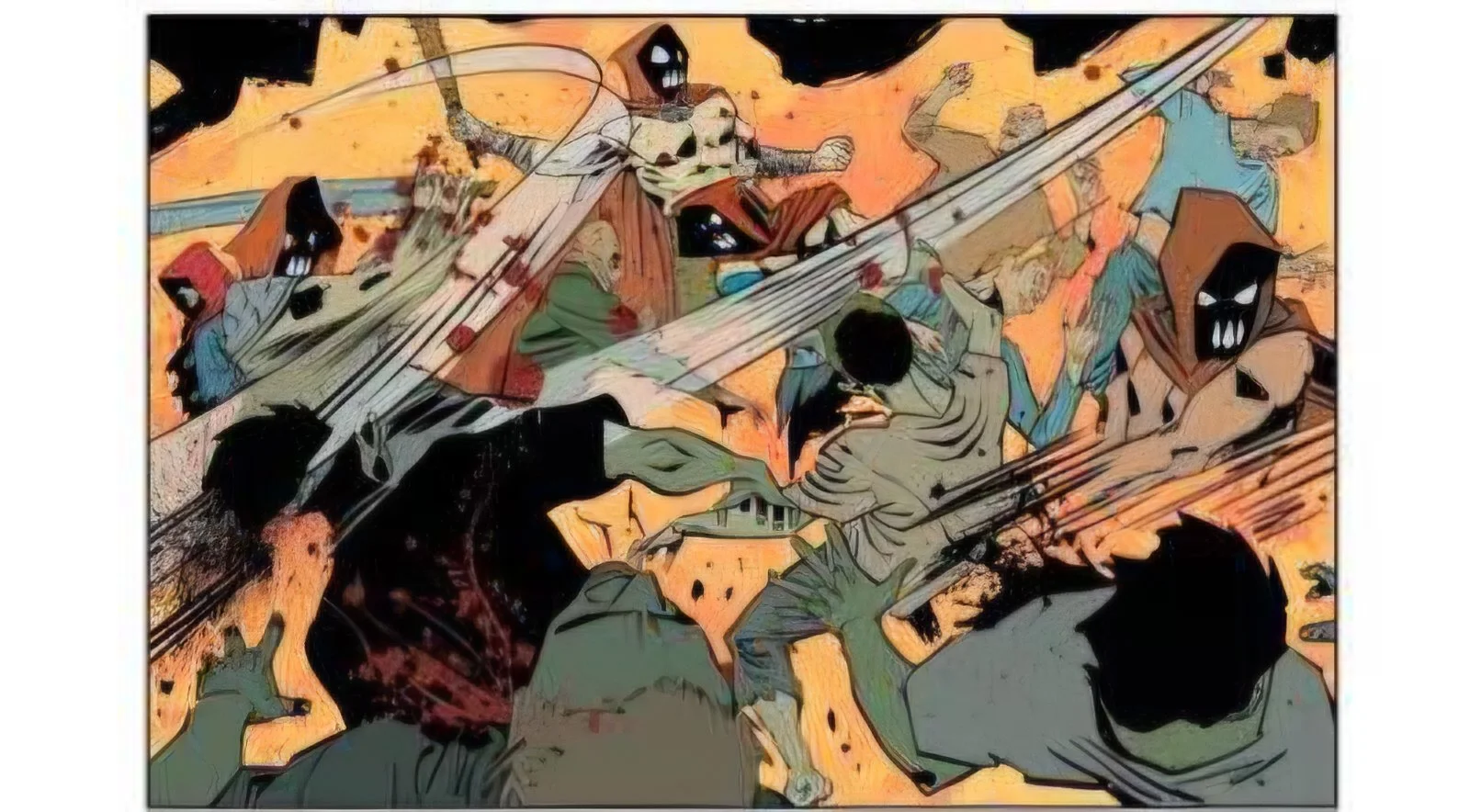
While the writing team does a wonderful job giving this universe a brain and a heart, Patrick Mulholland and Mark Dale give it its absolute soul. Mulholland’s line art is spectacularly clean, dynamic, and heavily expressive. He captures the nuanced facial expressions of a defensive teenager talking to his mom just as effectively as he renders sprawling, violent clashes with otherworldly monsters. His style has a distinct, energetic flair that leans into shonen manga and anime aesthetics while retaining the classic western superhero silhouette.
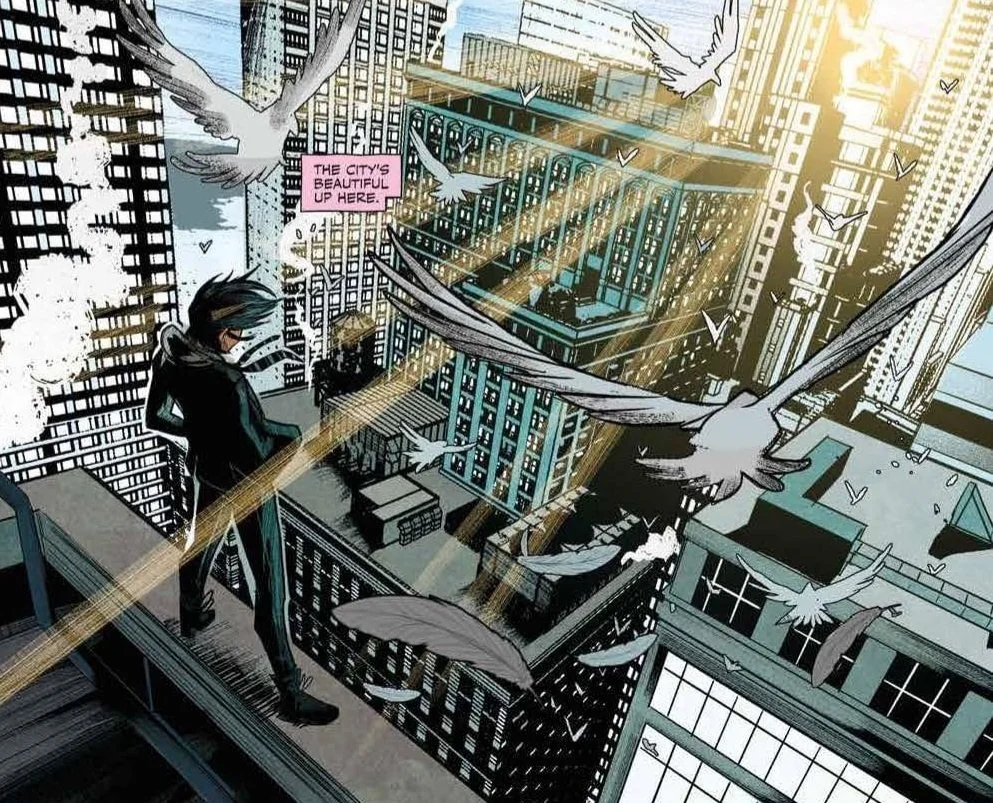
Mark Dale's coloring is the true secret weapon of this book. Instead of relying on the muted, gritty, desaturated tones that plague so many modern urban fantasy comics, Dale bathes New York City in a beautiful, neo-fantasy glow. The panels are saturated with vibrant pinks, hot oranges, and deep, mystical purples. When the magic manifests on the page, it doesn't just sit there—it looks like it's actively burning, radiating right off the paper.
If there is a minor flaw in the visual presentation, it's that during the peak chaos of the final battle, the overwhelming abundance of glowing effects, speed lines, and bright neon energy can occasionally cause the panels to blur together. A bit more negative space or stark contrast between the mundane metropolitan backgrounds and the magical elements could have given the action beats an even sharper, more jaw-dropping impact.
A quick shoutout must also go to letterer Micah Myers. His work here is masterful, changing font styles, balloon shapes, and weight to instantly differentiate the standard human dialogue from the booming, ancient, and terrifying voices of the creatures invading Aaron's world. It is a subtle touch that elevates the reading experience immensely.
The Final Verdict
Fireborn #2 is a triumphant continuation of what is shaping up to be one of Image Comics' most genuinely entertaining runs of 2026. It avoids the sophomore slump by expanding the lore of the Lost Fantasy universe while keeping its anchor deeply embedded in a compelling, character-driven narrative. Aaron Hillburg is evolving from a thoroughly unlikable rich kid into a sympathetic protagonist you actually want to root for as he navigates the overwhelming chaos surrounding him.
The scripting is clean, the character beats resonate, and the art team delivers a gorgeous, visually spectacular book that demands your attention. If you are looking for a fresh, high-energy comic that combines the domestic stakes of Invincible or Rogue Sun with the sheer, unadulterated aesthetic joy of modern shonen manga, Fireborn is an absolute mandatory addition to your pull list.