
I’m a comic book fan.
Obviously.
I’ve read comics since I was a kid. I don’t remember exactly what age I was, but I’d guess it’s been around 40 years.
I’ve been playing tabletop roleplaying games since I was a sophomore in high school, so... about 30 years ago.
Man, I’m getting old.
What is it that draws me to both of these seemingly very different hobbies?
Let's talk about it.
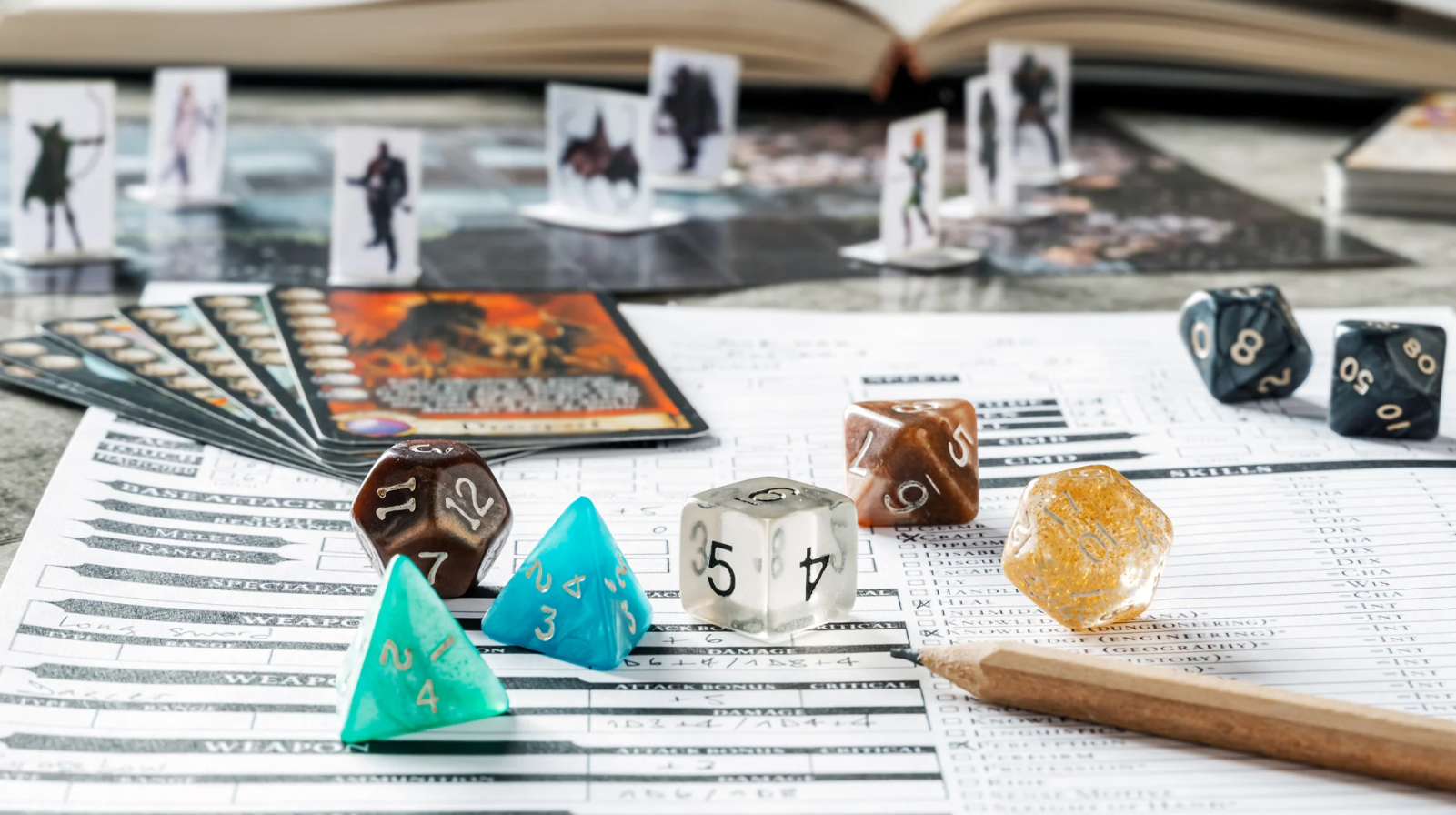
Separated at Birth: Comic Books and Tabletop Roleplaying Games
You may not realize just how much DNA comic books and roleplaying games share.
Roleplaying games—RPGs for short—are collaborative activities that generally involve a Game Master (think the head writer and director) and a number of players (think co-writers and actors), with four usually being the sweet spot.
The Game Master comes up with the setting, the basics of the plot, and portrays the non-player characters in the world. The players are the heroes and react to the story and other characters in real time.
It's a little bit like improvisational theater, really.
The biggest difference between RPGs and other forms of storytelling is that nobody—not even the Game Master—knows exactly how things are going to unfold. The players make choices. The dice introduce unexpected twists. Stories evolve naturally through collaboration.
And if you're a comic fan, that should sound surprisingly familiar.
How many times have you gotten into a lively debate with your comics-reading friends about how you would have told a story differently, or what character would win in a fight?
We’ve all done it.
Roleplaying games are a mechanism where you get to tell those stories and decide those battles. You create your own characters, tell your own stories, and play them out the way you want to.
The Shared Universe of the Tabletop
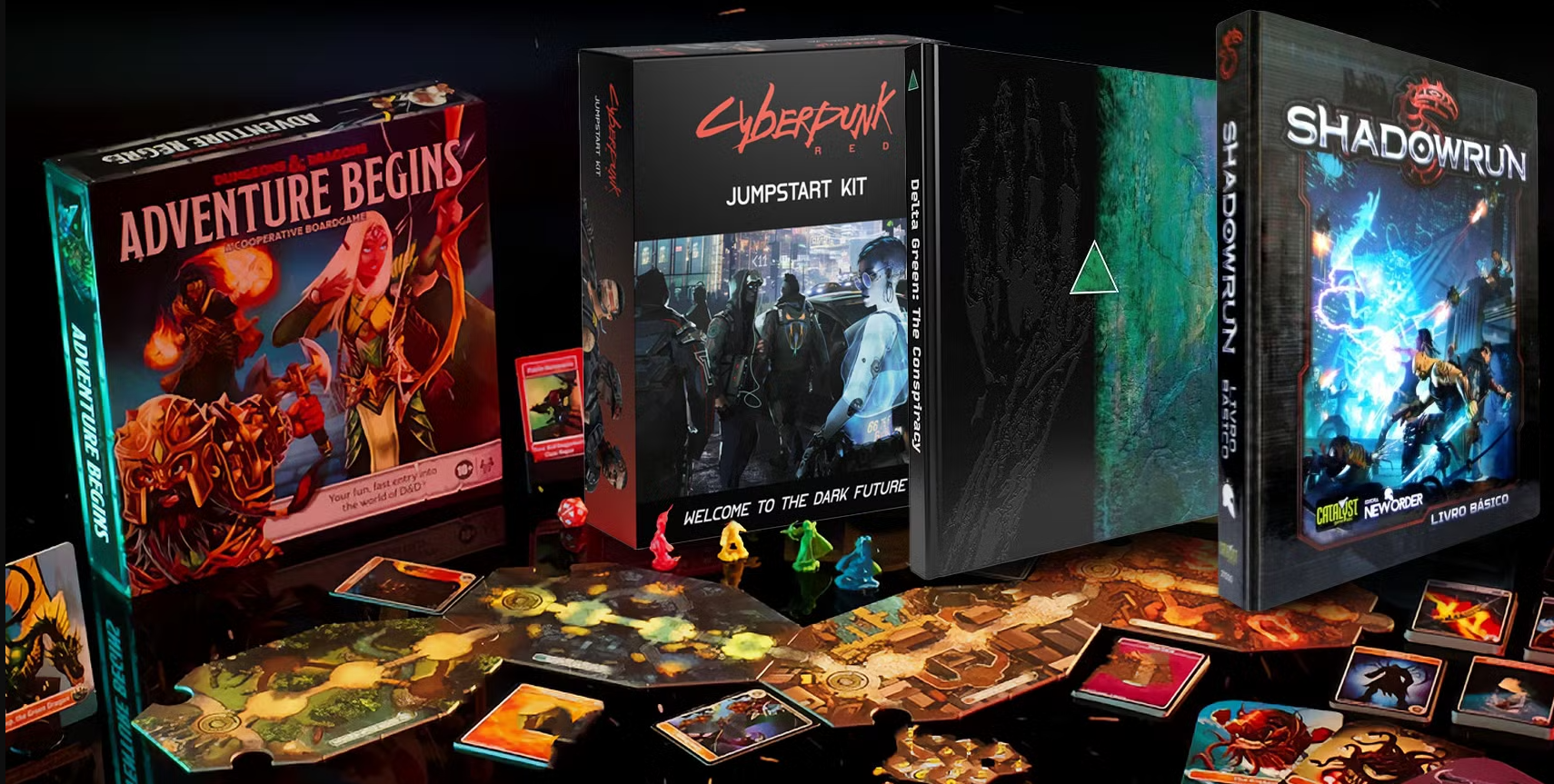
There are comic books based on RPGs like Dungeons & Dragons, Pathfinder, and Vampire: the Masquerade. There are RPGs based on comics and superheroes like the Batman Gotham City RPG, Marvel Multiverse RPG, and the forthcoming DC Justice League Unlimited RPG (written by Mark Waid!).
There are also non-licensed superhero games like ICONS, HERO System, and Mutants & Masterminds.
Much like modern comics, RPGs are an embarrassment of riches.
Whatever story you want to tell—superheroes, fantasy, personal horror—there’s probably a game for it.
Think you could do a better job getting the One Ring to Mount Doom that Frodo and Sam did? Prove it.
Feel like Batman should have put the Joker down years ago and that crossing that line wouldn't make you a monster? Give it a shot.
Want to play an intelligent monkey piloting a robot and call him Furious George? Your friend wants to partner him with a metal man with super-speed called Speed Metal? Let's do it.
But the real overlap between comics and RPGs isn’t the products. It’s the way we engage with the stories.
The Stories We Make
Think about your favorite comic runs. Something with a beginning, a middle, and an end.
I’ll go first.
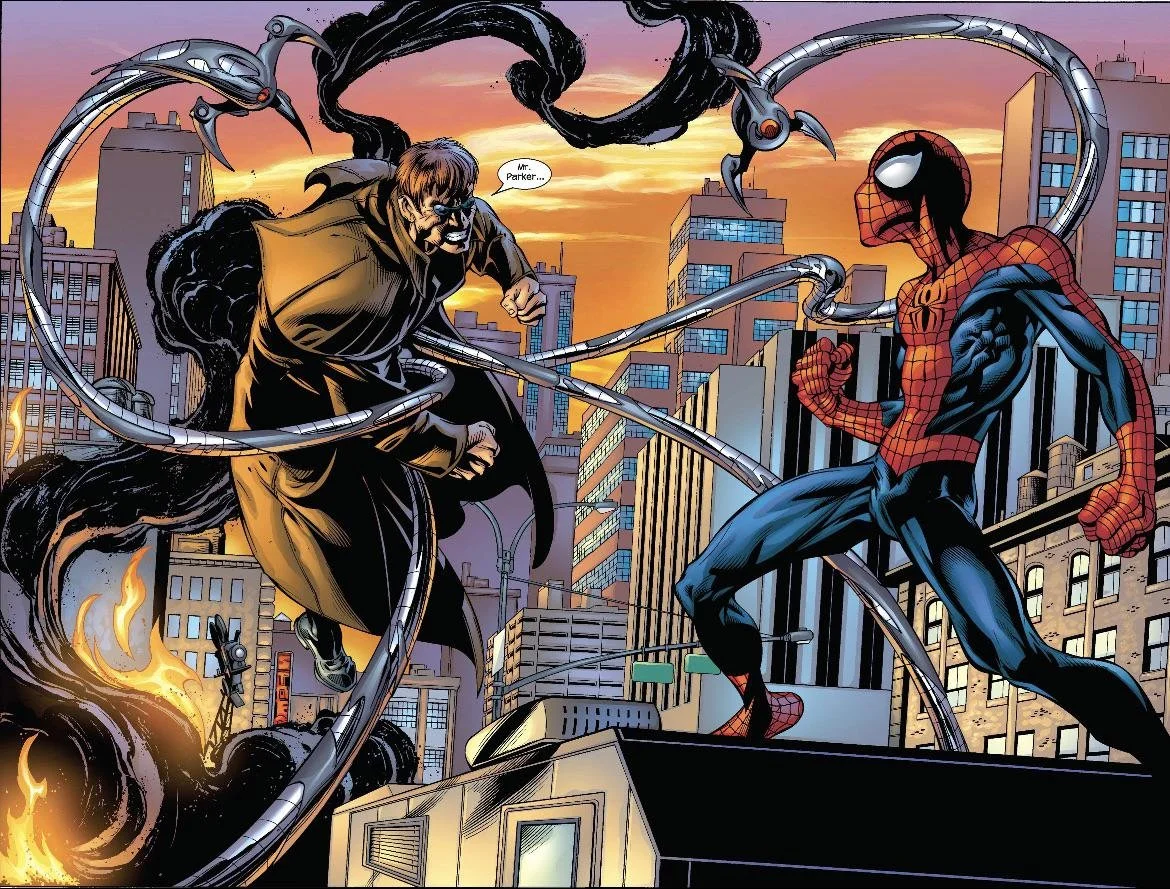
One of mine is Brian Bendis’ Ultimate Spider-Man. It re-established the character for a new generation, told fresh modern stories, and had a definitive end (he died). It’s a run that will stick with me forever.
I’ve read a ton of great comics in my time, and had great conversations around them. But I’ve also participated in RPG sessions that I will genuinely never forget. Stories and characters that my friends and I came up with that just blew us away.
They weren’t just stories we read. They were stories we made.
Another story that will stick with me forever was my high school Dungeons & Dragons campaign, Dead Gods Usually Don’t Stay Dead. My old friend Chris was the Dungeon Master. The rest of us were the players, each with characters we poured our hearts into. We gave them backstories, laughed and cried with them. Not everyone survived to the end of the story, but we all played our parts. Some of those friends have moved on, but I still talk about Dead Gods with the ones I see.
Here’s one thing I’ve never forgotten about that campaign.
My character, Link Sharloe, was traveling with his betrothed and Dave’s character Azeyet. We had adjourned to our rooms at an inn when we were awakened by a shattering window. My betrothed was gone, and in her place was a battered, bloodied dark elf named Ghaundar (played by Mike). Before Link could attack, Chad’s character Drake intervened and insisted the stranger was under his protection.
So we didn’t get along.
But through our travels, we learned to trust each other. We became friends. We became family. Those characters stopped being numbers on a character sheet a long time before the campaign ended. When one of us had to sacrifice their life to save the world, we all felt it. We played that campaign for years, and I wouldn’t trade that time for anything.
The Power of Living the Story
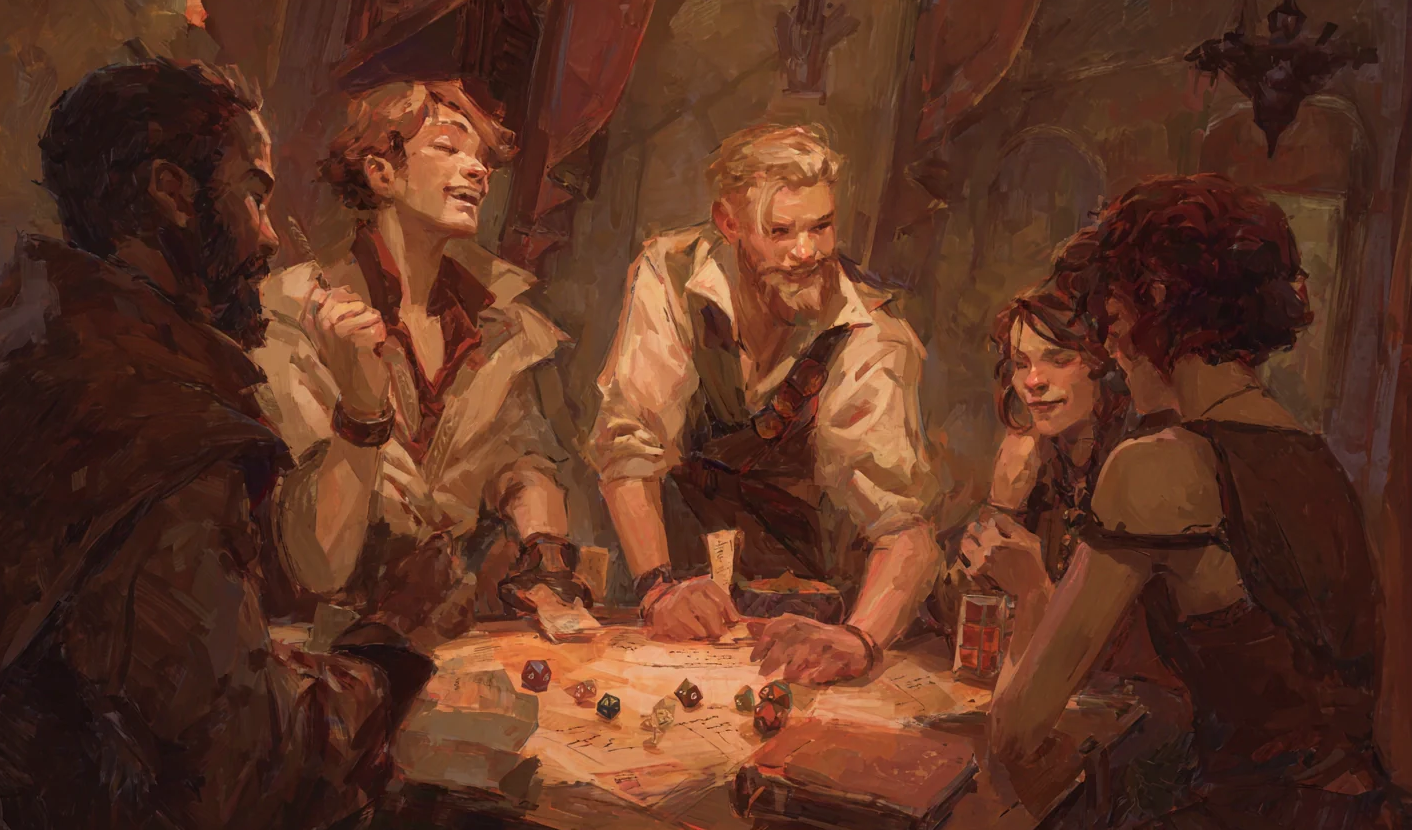
That’s the power of roleplaying games. Comics have the advantage that, if I start to forget a favorite story, I can pull the issues back out and read them again. RPGs don’t have that luxury—but if the game is strong enough, like Dead Gods was for my friends and me, you won’t have to refresh your memory.
We created it. We lived it. And we’ll never forget it.