
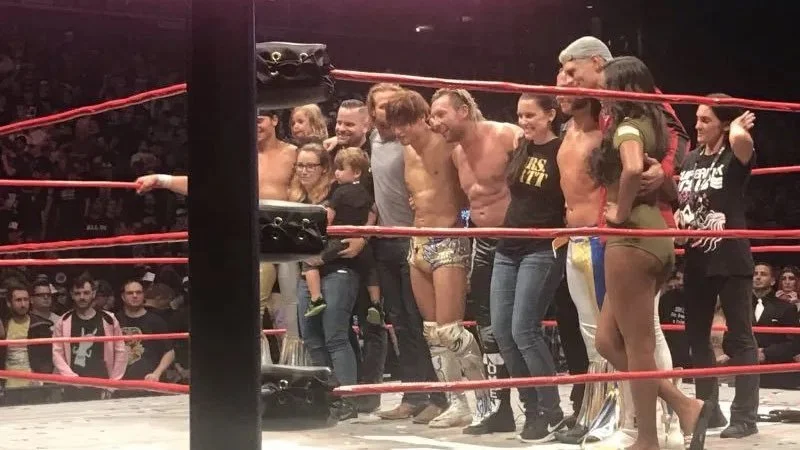
Seven years ago today, Cody Rhodes and the Young Bucks held the original All In event.
To understand why it is arguably the single most important wrestling event in modern history, we have to go back to 2001.
With WCW and ECW gone, the WWF became the last remaining major professional wrestling promotion in North America, a position it would hold for nearly two decades. From this supreme dominance, a vacuum developed.
This vacuum, combined with the passion of unsigned wrestlers in the early 2000s, gave birth to the American Independent Wrestling scene.
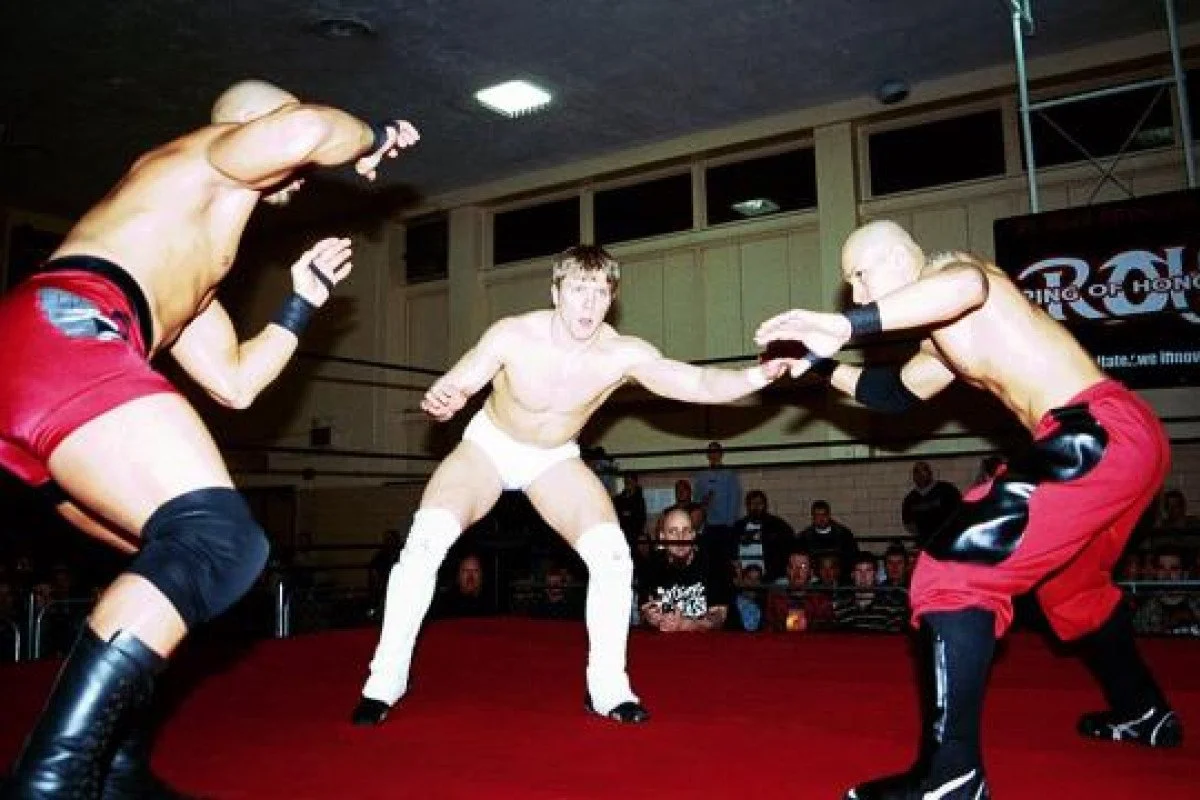
Promotions like Ring of Honor, CZW, PWG, TNA and IWA-MS sprung up, providing an alternative style and a place of employment for those outside the WWE system.
As WWE largely closed its doors to working partnerships, promotions from Japan, Mexico, and Europe began building relationships with the American Independents, cultivating a growing interest in international wrestling among US fans.
New Japan Pro Wrestling, in particular, saw a major resurgence thanks in part to fans like the late RealHero12089 Jahmale Hepburn sharing NJPW shows with Americans who otherwise had no access.
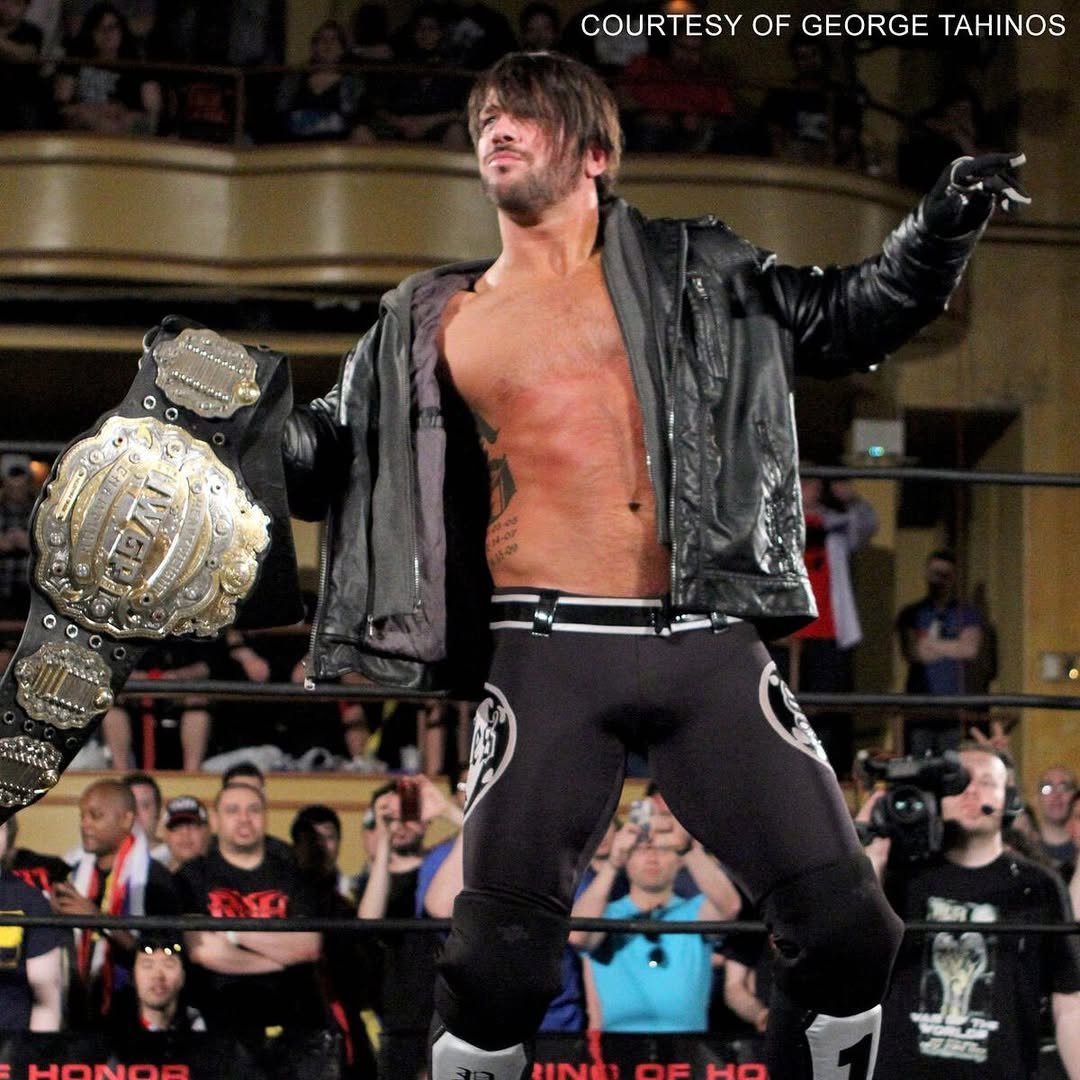
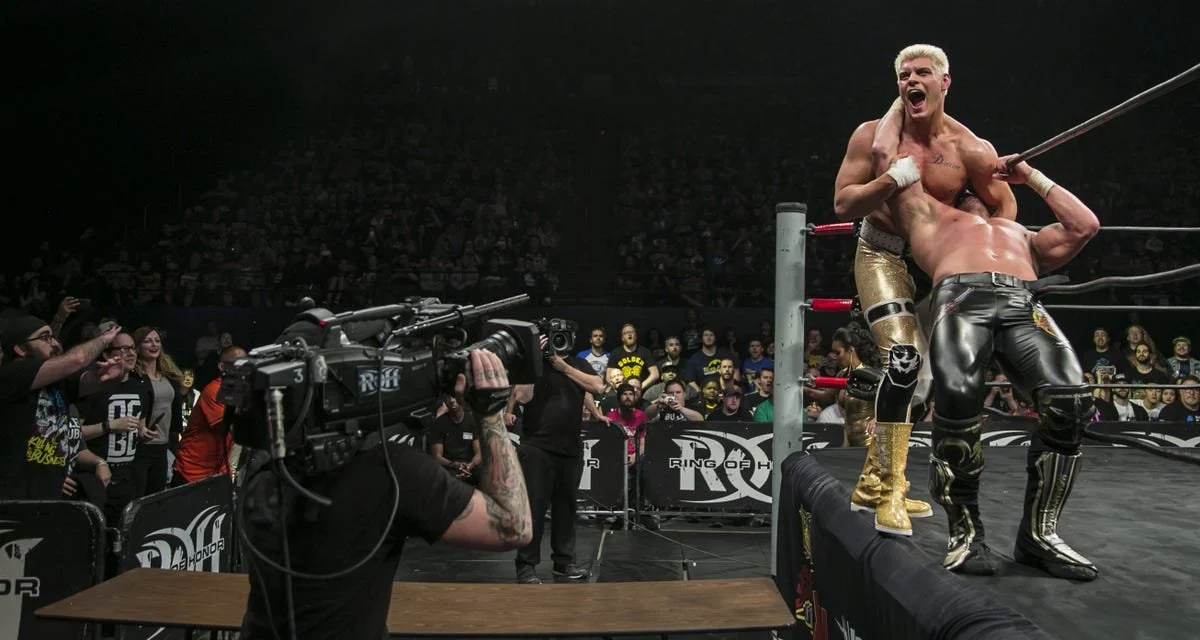
By 2018, partnerships like the one between ROH and NJPW had formed the framework of an alternative wrestling ecosystem. However, the true potential of this scene remained untapped until Cody Rhodes and the Young Bucks took a tweet from Dave Meltzer—claiming a non-WWE show couldn't sell 10,000 seats—as a direct challenge.
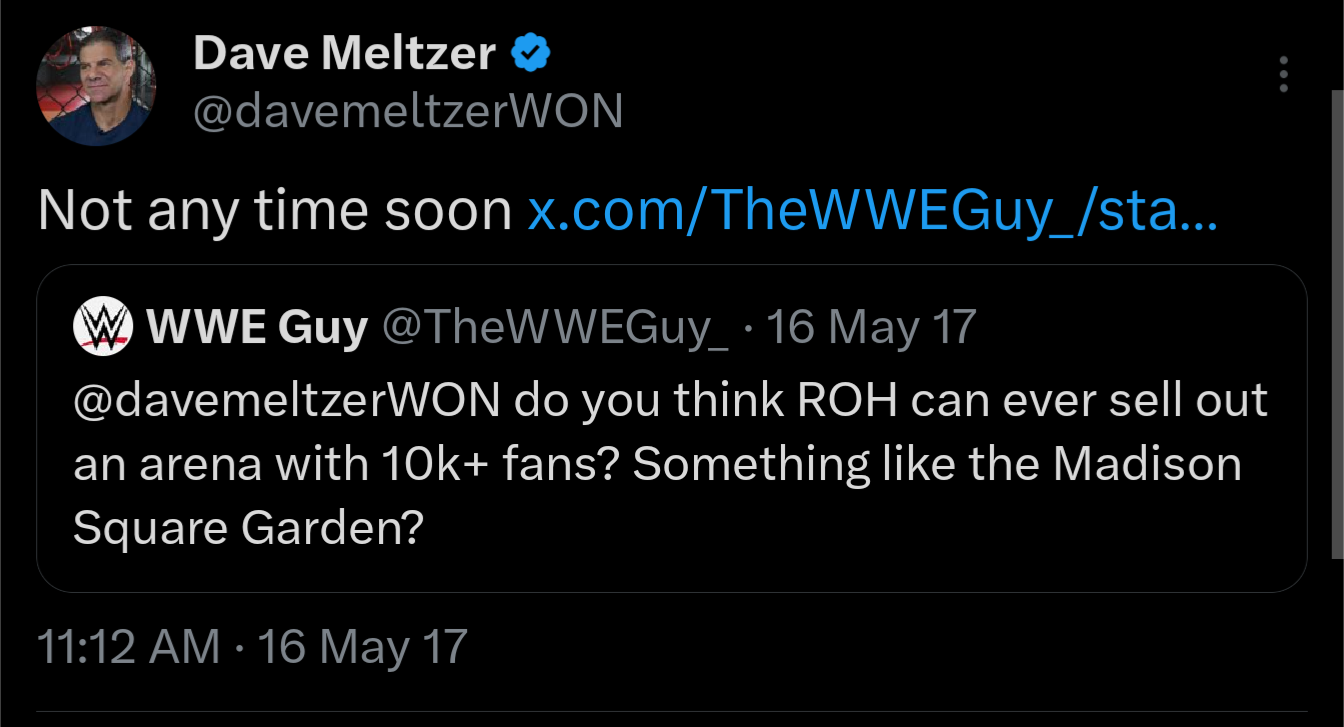
In response, they self-funded their own event, All In, and sold over 10,000 tickets in under 30 minutes, proving the alternative style was a quantifiable success. Capturing the attention of billionaire wrestling fan Tony Khan. Unbeknownst to Cody and the Bucks, Khan was already making in roads to putting a new wrestling show on cable television.
Four months later, All Elite Wrestling was announced. The spiritual successor to All In.

While All In was intended to be a culmination of everything the American indies and international federations had built, it ultimately became a beacon for the future of the industry.
Today, there are once again two major national promotions in America, with one—All Elite Wrestling, the direct successor to All In—maintaining a focus on the very alternative styles that built its foundation.
The importance of the original All In event should never be lost to history; just because this chapter doesn't belong to WWE, it is no less significant.