
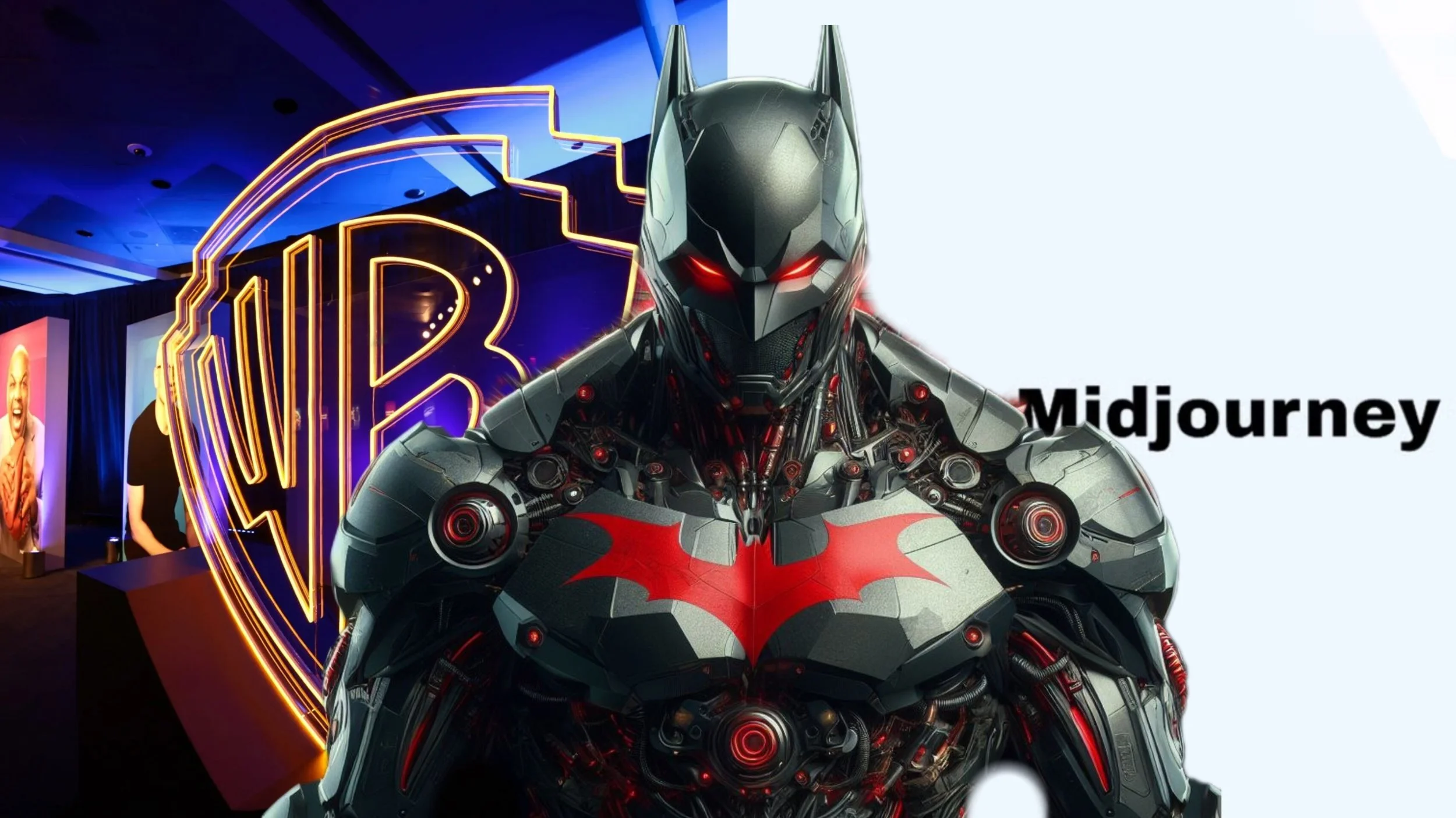
In a significant move that highlights the escalating conflict between creative industries and artificial intelligence, Warner Bros. Discovery has filed a lawsuit against the popular AI image-generation company, Midjourney. The legal action, filed in a California federal court, alleges that Midjourney is engaged in "brazen" copyright infringement by allowing its users to create AI-generated images of iconic, copyrighted characters like Batman, Superman, and Scooby-Doo.
This lawsuit marks a new and powerful front in the ongoing debate over AI and intellectual property. The core of Warner Bros.'s argument is that Midjourney's ability to generate "on-model" images of its characters is a key feature that draws users to its paid subscription service. The complaint includes dozens of pages of side-by-side comparisons of official artwork and AI-generated images, showcasing the striking resemblance and arguing that this is a direct and purposeful violation of their intellectual property.
Key Details of the Lawsuit:
* The Accusation: Warner Bros. claims Midjourney has built a "profit-driven" business model with "zero protection for copyright owners." They argue the company knowingly allows its service to be used to create infringing content.
* Characters Cited: The lawsuit specifically calls out a wide range of characters from the Warner Bros. and DC Comics catalogs, including Batman, Superman, Wonder Woman, Bugs Bunny, Daffy Duck, and Scooby-Doo.
* The Stakes: Warner Bros. is seeking significant financial damages, demanding $150,000 per infringed work. Given the vast number of images generated on the platform, this could lead to a financially crippling sum for Midjourney.
* Broader Context: The lawsuit follows a similar legal challenge filed by Disney and Universal earlier this year, which also targeted Midjourney for generating infringing content featuring their characters, such as Darth Vader and the Minions. This shows a coordinated effort by major Hollywood studios to protect their valuable intellectual property in the age of AI.
The Legal and Industry Implications
This case, along with those filed by Disney and Universal, is a landmark event that will help shape the future of AI and copyright law. While AI companies often argue that the use of copyrighted material for training their models constitutes "fair use," these lawsuits are shifting the focus to the outputs—the actual AI-generated images and videos that directly compete with and undermine the original works.
The legal battle also raises questions about who is ultimately responsible for the infringement: the AI company that developed the tool, or the user who prompts it to create the content. Warner Bros. argues that Midjourney is vicariously liable because it controls the platform and profits from the infringing creations.
As these cases progress, they will not only determine the financial liability of AI companies but also establish crucial legal precedents for how creative works are protected in a world where AI is becoming an increasingly powerful tool for content creation. The outcome of these lawsuits will have a profound impact on artists, studios, and the entire generative AI industry.