
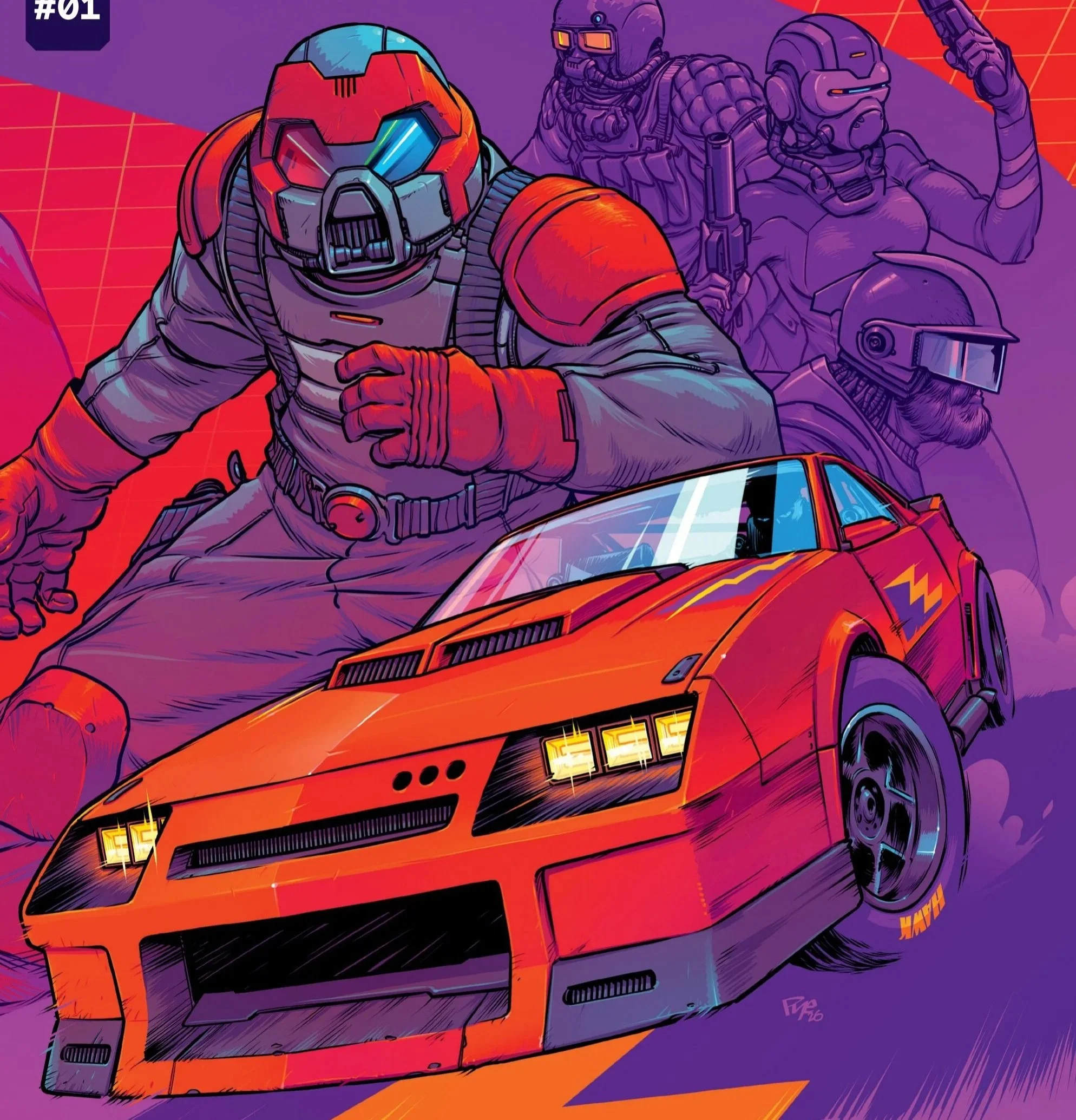
Writer: Dan Watters
Artist: Pye Parr
Colorist: Pierluigi Casolino
Cover Artist: Pye Parr
After months of teasing Matt Trakker and Miles Mayhem throughout the Energon Universe, M.A.S.K. #1 finally arrives to formally introduce one of Hasbro's most beloved franchises into Skybound's shared continuity. Rather than serving as a bombastic jumping-on point filled with explosive reveals and nonstop action, Dan Watters opts for something more restrained. This first issue is almost entirely focused on establishing its two central players, the technology they'll wield, and the conflict that will define the series moving forward.
That approach certainly has its strengths, but it also makes for an unusual first issue. While there's plenty here to intrigue longtime fans and Energon Universe readers, M.A.S.K. #1 often feels less like the beginning of a new series and more like the middle chapter of a story that's already been unfolding elsewhere. Considering how much groundwork was laid in G.I. Joe, Transformers, and the Energon Universe Special, that isn't entirely surprising, but it does make this debut feel less accessible than it probably should have been.
The result is a comic that's undeniably interesting, even if it never quite captures the excitement typically associated with a #1 issue.
A Tale of Two Leaders
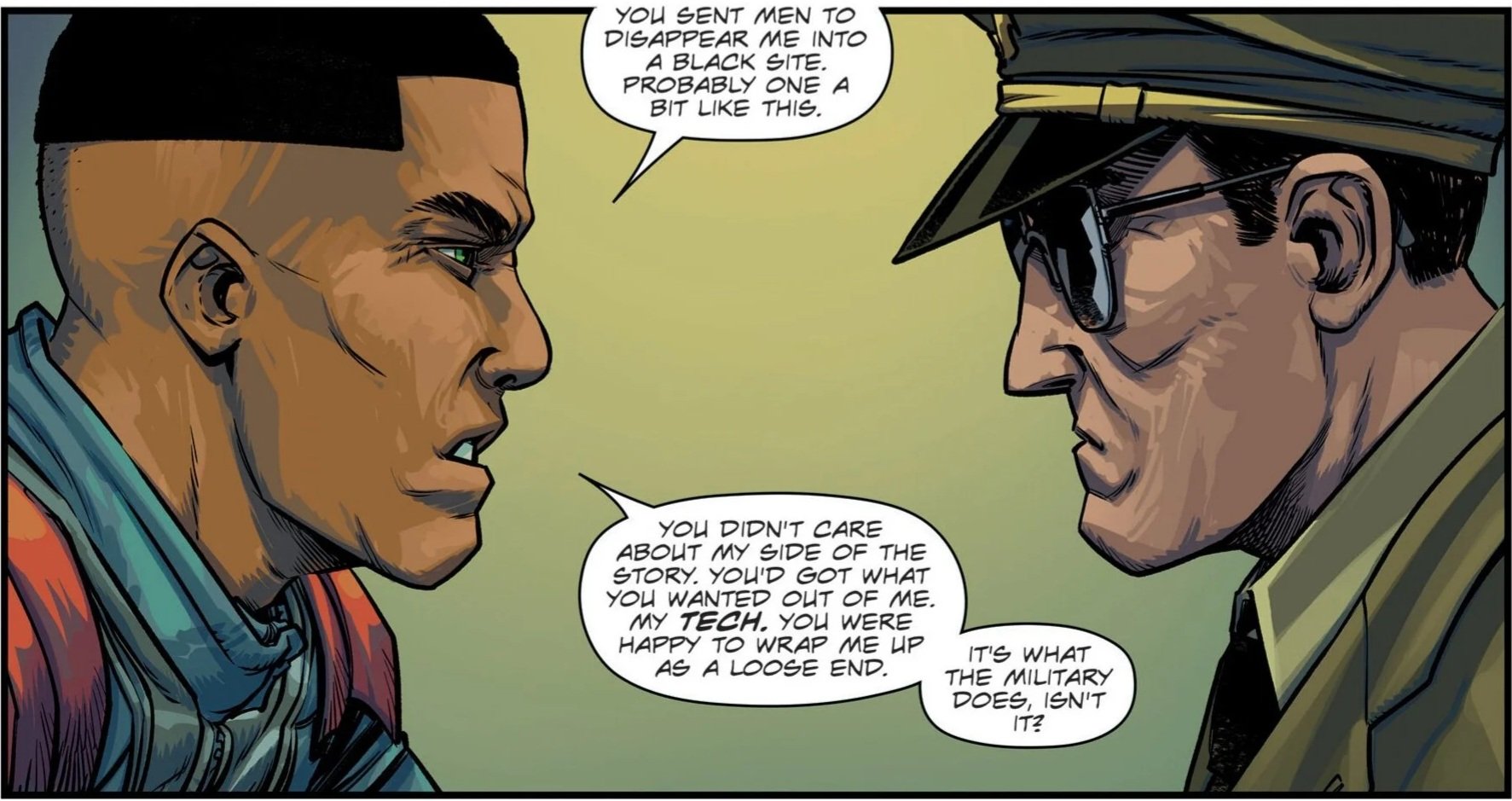
The strongest aspect of the issue is easily its characterization of Matt Trakker and Miles Mayhem. Watters wastes very little time establishing how fundamentally different these two men are, despite both possessing brilliant minds and advanced technology.
Trakker comes across as someone who is always several moves ahead of everyone around him. Even while being pursued and interrogated, he remains calm, calculating, and completely in control of the situation. Rather than relying on brute force, he consistently outthinks his opponents, making him feel like a genuinely capable leader before M.A.S.K. has even fully assembled.
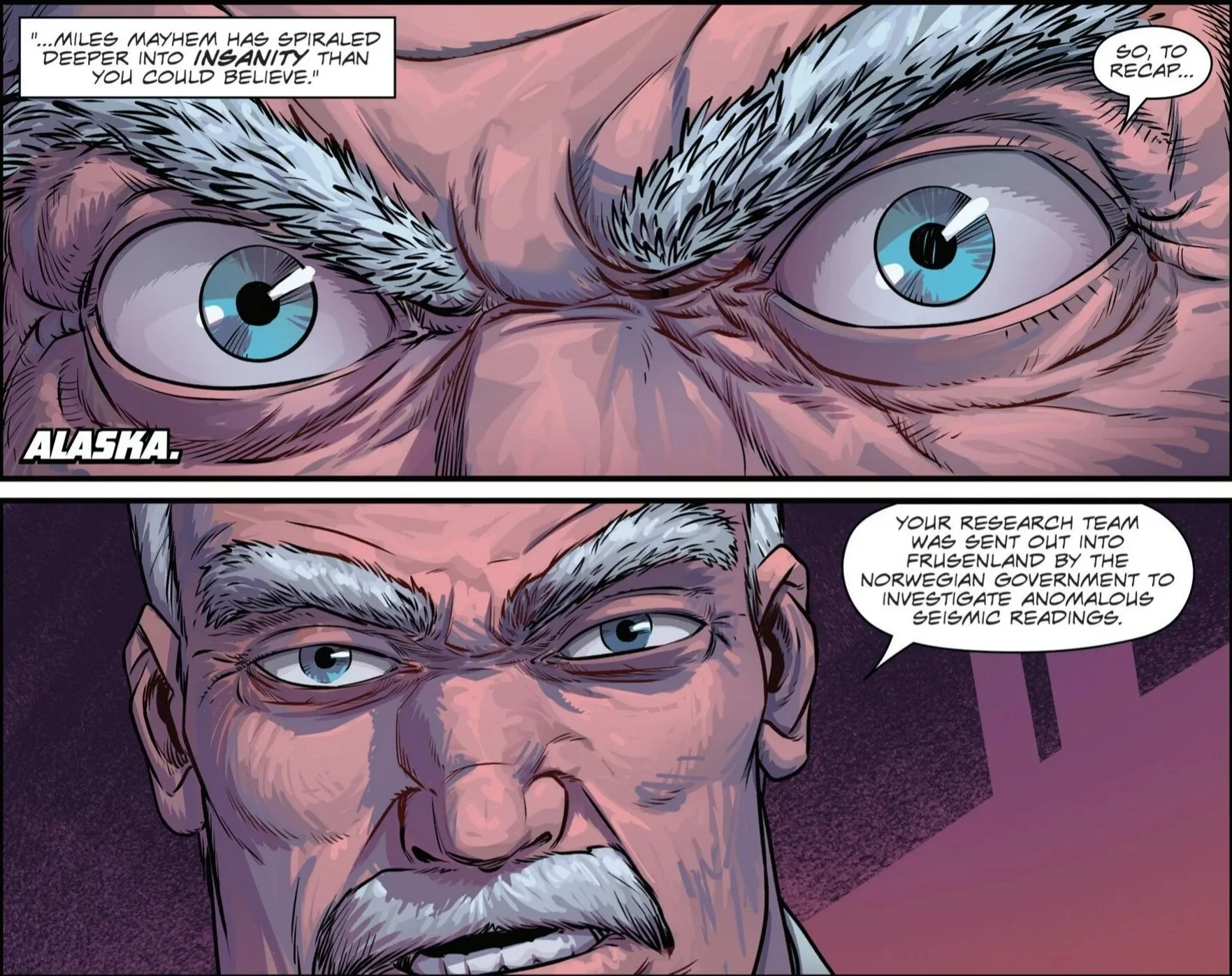
Mayhem serves as an effective foil. Where Trakker is measured, Mayhem feels consumed by obsession. His pursuit of Cybertronian technology gives the issue some unsettling moments, particularly as his experiments begin crossing into body horror territory. Watters never portrays him as evil simply for the sake of it, but there's an instability to his ambitions that makes him immediately dangerous.
Their ideological divide is established clearly enough that the central conflict already feels compelling.
More Setup Than Story
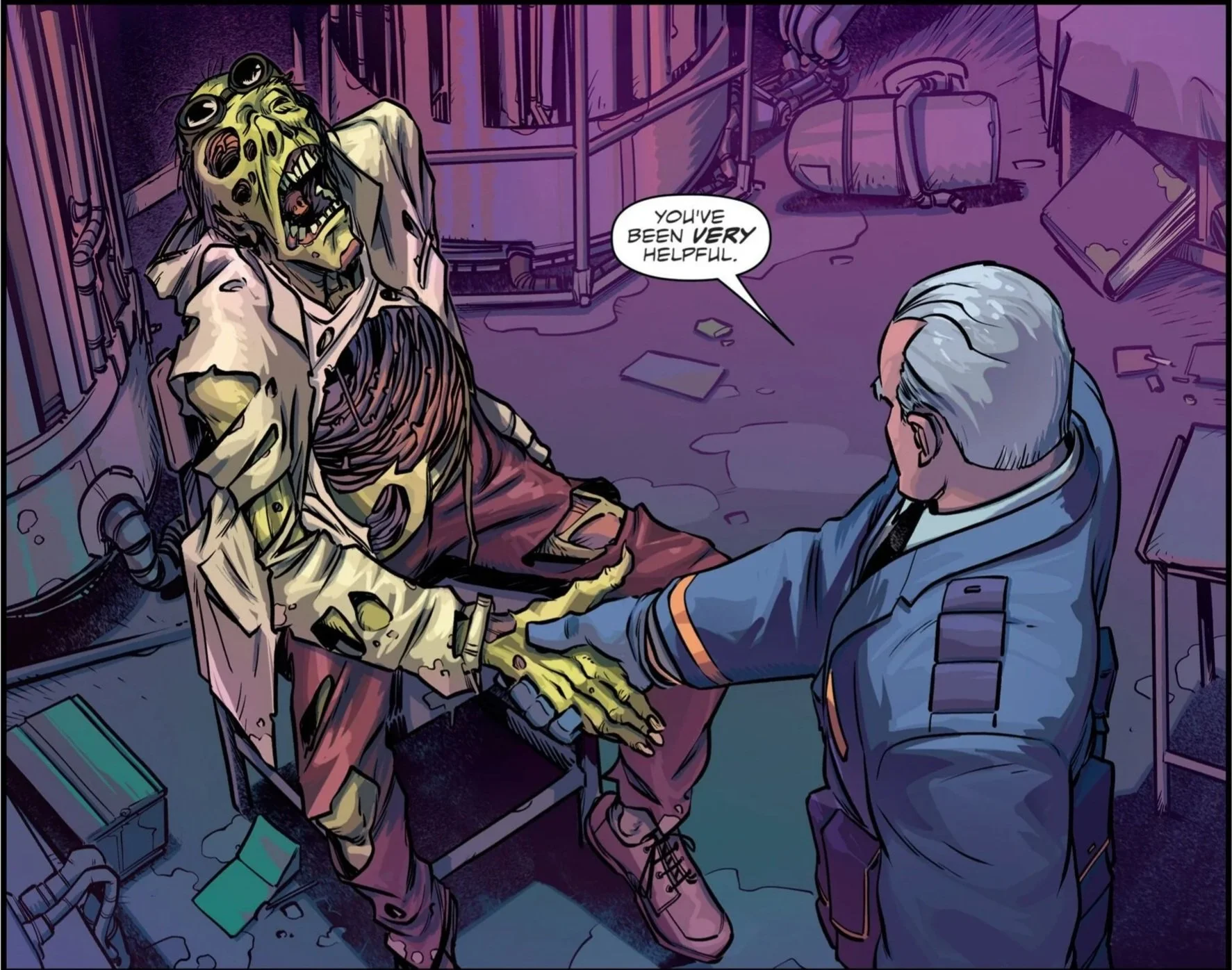
Where the issue struggles is in how little of that conflict actually unfolds. Most of the comic consists of moving characters into position, teasing future developments, and introducing concepts that will clearly become more important later.
None of those individual scenes are poorly written. In fact, many of them are quite engaging. The problem is that they rarely build toward a satisfying payoff within the issue itself.
By the time the final page arrives, it feels like the story is only just beginning.
That isn't necessarily a flaw for serialized storytelling, but it's an odd choice for a debut issue. First issues usually strive to establish their world while also delivering a complete experience that leaves readers excited for what's next. M.A.S.K. #1 certainly leaves questions worth asking, but it never feels like it fully rewards readers for sticking with its slower pacing.
It almost reads like issue #4 of an ongoing series rather than issue #1.
A Natural Fit for the Energon Universe
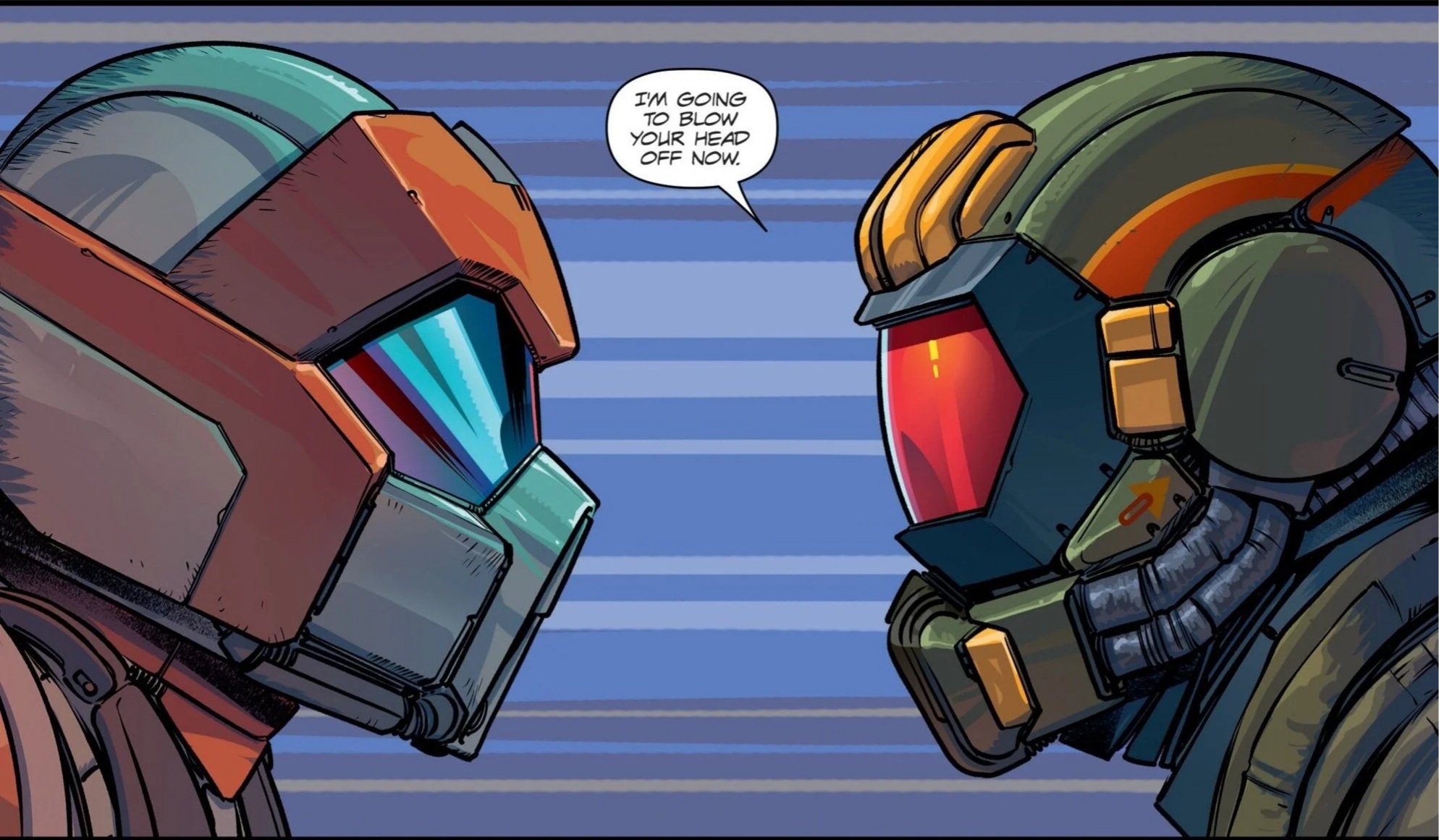
One thing the comic absolutely succeeds at is making M.A.S.K. feel like it belongs in the Energon Universe. The advanced technology, military intrigue, and lingering presence of Cybertronian influence all mesh naturally with what Robert Kirkman and the rest of the creative teams have already established.
The M.A.S.K. Network itself is an especially fun concept. By allowing virtually anyone to become an operative under the right circumstances, the series opens the door for plenty of surprises moving forward. It also creates opportunities for a rotating cast that should help keep the book feeling fresh as it develops.
Because so much of the Energon Universe has revolved around large organizations and competing factions, M.A.S.K. already feels like another meaningful piece of that larger puzzle.
Strong Technology, Uneven Character Art
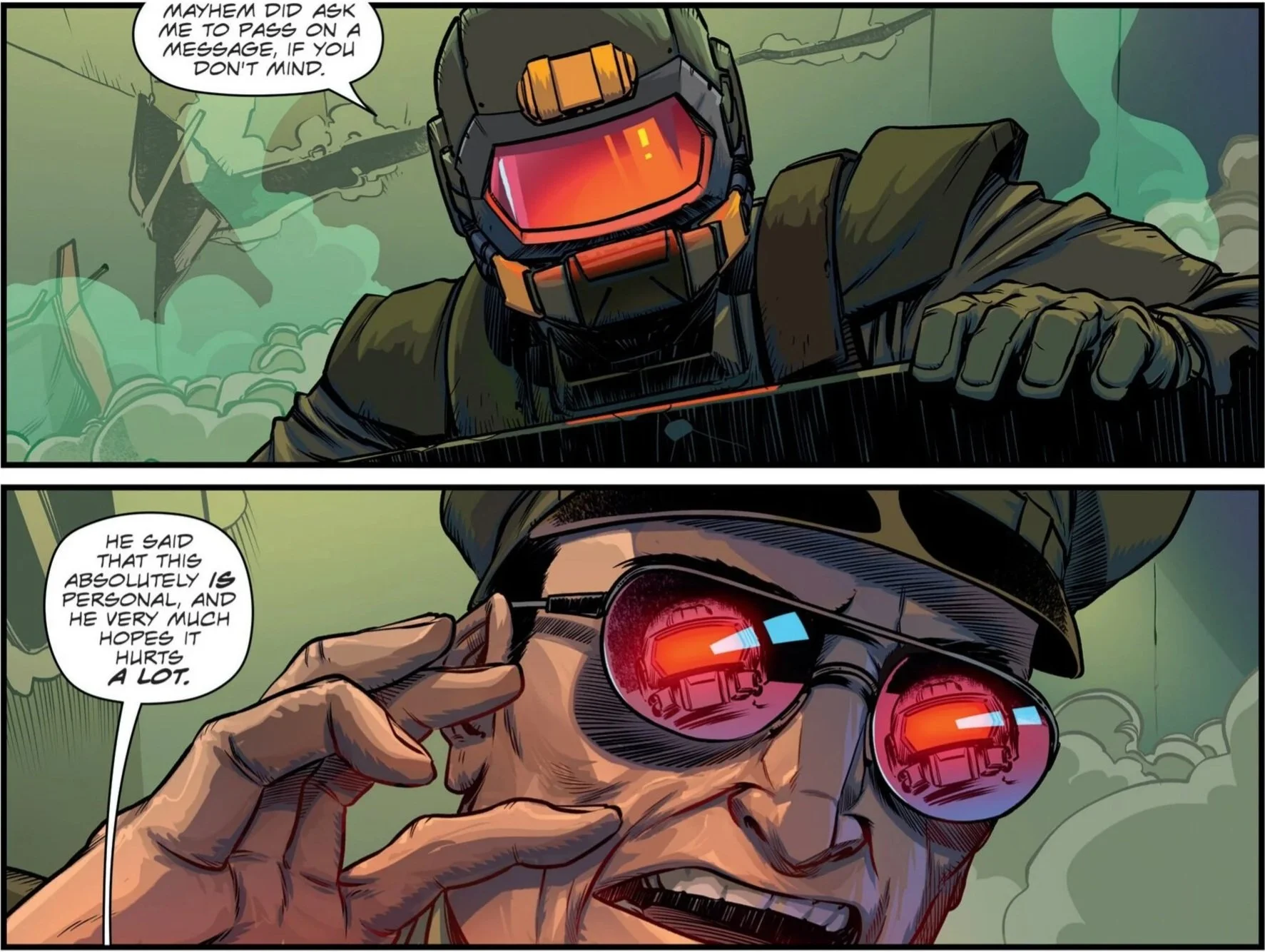
Pye Parr's artwork is somewhat inconsistent throughout the issue. Whenever the focus shifts toward futuristic vehicles, transforming technology, or Cybertronian machinery, the pages absolutely shine. The sci-fi elements look fantastic, and several action sequences have a sleek, cinematic quality that perfectly fits the tone of the book.
The human characters, however, don't always fare as well.
Facial proportions occasionally feel off, and some figures appear oddly stiff or distorted from panel to panel. It's not enough to derail the comic, but it does create moments where otherwise dramatic scenes lose some of their impact simply because the character work isn't as polished as the surrounding technology.
Fortunately, Pierluigi Casolino's colors help smooth over many of those inconsistencies. The muted military palette contrasts nicely with the bright bursts of advanced technology, giving the issue a grounded visual identity while still allowing the more futuristic moments to pop.
Final Thoughts and Rating
M.A.S.K. #1 is a solid introduction to another major corner of the Energon Universe, even if it doesn't quite feel like the explosive launch many readers may expect. Dan Watters lays intriguing groundwork for Matt Trakker and Miles Mayhem while expanding the shared universe in meaningful ways, but the issue spends so much time setting pieces into place that it rarely feels like a complete story on its own.
The artwork is similarly mixed. The vehicles, gadgets, and science-fiction elements are consistently impressive, while some of the human character work feels noticeably rougher. Thankfully, the strong world-building and intriguing central conflict help carry the issue through its slower moments.
There's plenty of potential here, and I'm interested to see where the series goes next. I just wish this debut had felt more like a true beginning rather than another chapter in a story that was already underway.
Rating: 8/10
A promising but unusually restrained debut that expands the Energon Universe in exciting ways, even if its slower pacing and incomplete-feeling structure keep it from fully delivering as a first issue.