
Godzilla #5
Writer: Tim Seeley
Artist and Cover: Nikola Čižmešija
Colors: Francesco Segala (w/ Gloria Martinelli)
Godzilla #5 feels like the moment the series finally shows the full extent of the problems that have been present since the very beginning. From issue #1, this run has struggled to find an identity, often feeling more contrived than cohesive. The blend of political tension, military posturing, and kaiju mythology has never quite clicked into place. Issue #5 puts all of those elements on display, and instead of sharpening the series’ focus, it highlights how uneven the foundation has been from the start. There are flashes of energy, and the artwork remains consistently strong, but the writing continues to push its themes so forcefully that the story sinks under its own weight.
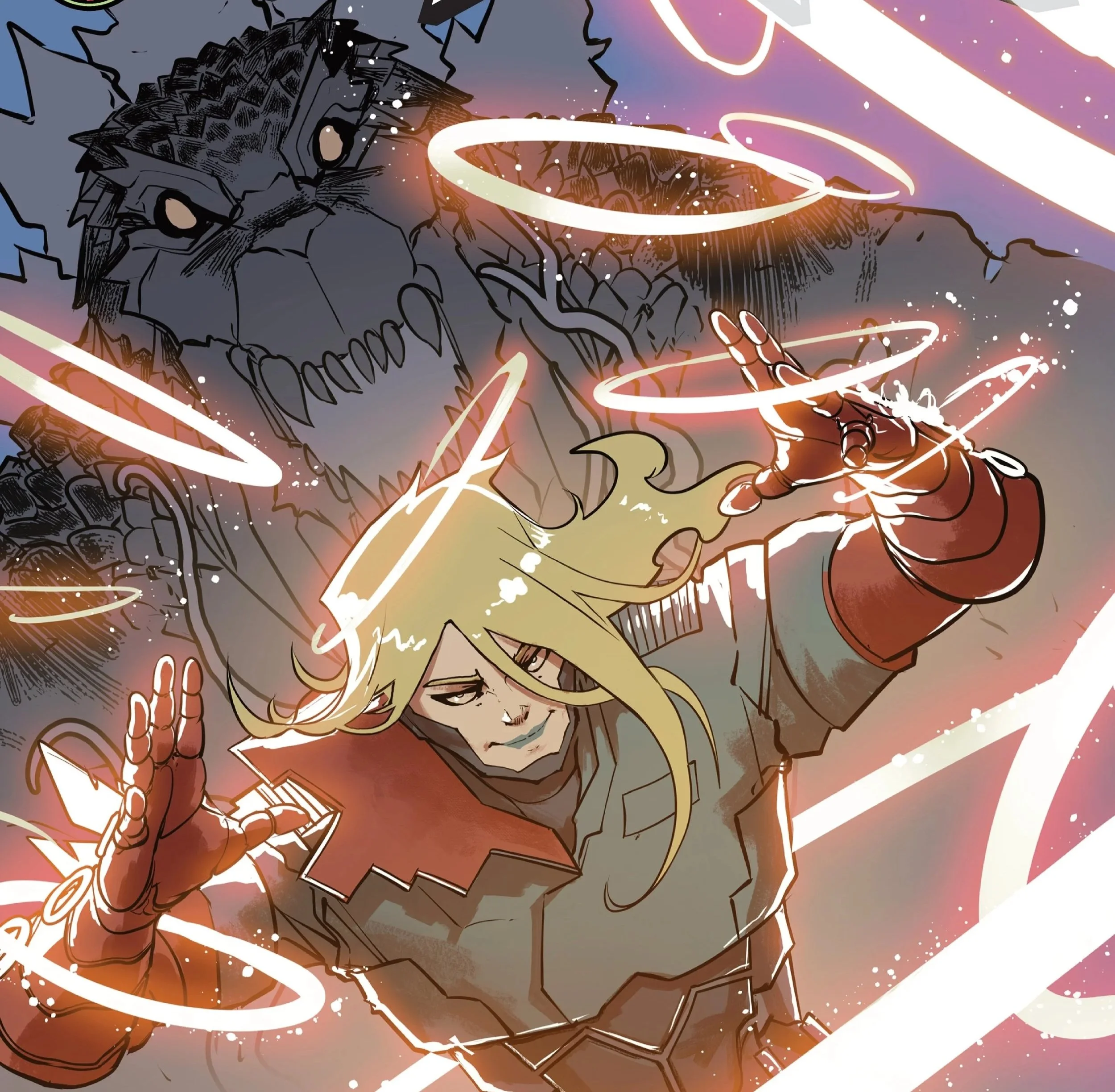
Jacen Braid is imbued with Kai-Sei power and becomes a G-Mutant in Issue #1.
Where We Are So Far
The series opened with Godzilla’s dramatic emergence off the coast of Manhattan, smashing through the city’s giant protective wall. It was a strong visual hook, but even then the storytelling felt overly constructed, with the introduction of Kai-Sei energy and the immediate rollout of global countermeasures coming across as mechanical rather than organic. We met the United Nations Godzilla Countermeasure Center, including Dr. Rumi Chiba, a handful of eccentric specialists, and Captain Stine, whose portrayal leaned hard into cliché from the moment he appeared.
Jacen Braid entered the story as a young G-Mutant powered by Godzilla’s energy, positioned early as a major emotional anchor. The idea had potential, but the execution felt rushed and calculated, forcing him into the narrative before the story earned it. Issue #2 followed with the reappearance of Anguirus, now weakened by parasitic roundworms. These moments were strong visually, but again undermined by pacing that felt predetermined rather than natural.
Issue #3 escalated the conflict with a chaotic battle aboard a cargo ship and Godzilla’s brief but destructive appearance in Atlanta. The narrative leaned even more into exposition-heavy dialogue and character speeches, reinforcing the sense that the series was orchestrating its themes rather than letting them emerge. Meanwhile, Captain Stine’s aggressive, one-note personality became increasingly difficult to take seriously.
Issue #4 introduced a talking kaiju and laid out the synthetic origins of Lament. The ideas were interesting on paper, but the delivery felt stiff and overly plotted. The story’s attempts at mystery and shock did not land because the groundwork never felt organic. Across all four issues, the series often placed its themes and concepts ahead of its characters and kaiju, and the seams have shown from the start.
Issue #5: Heavy Themes and Shaky Balance
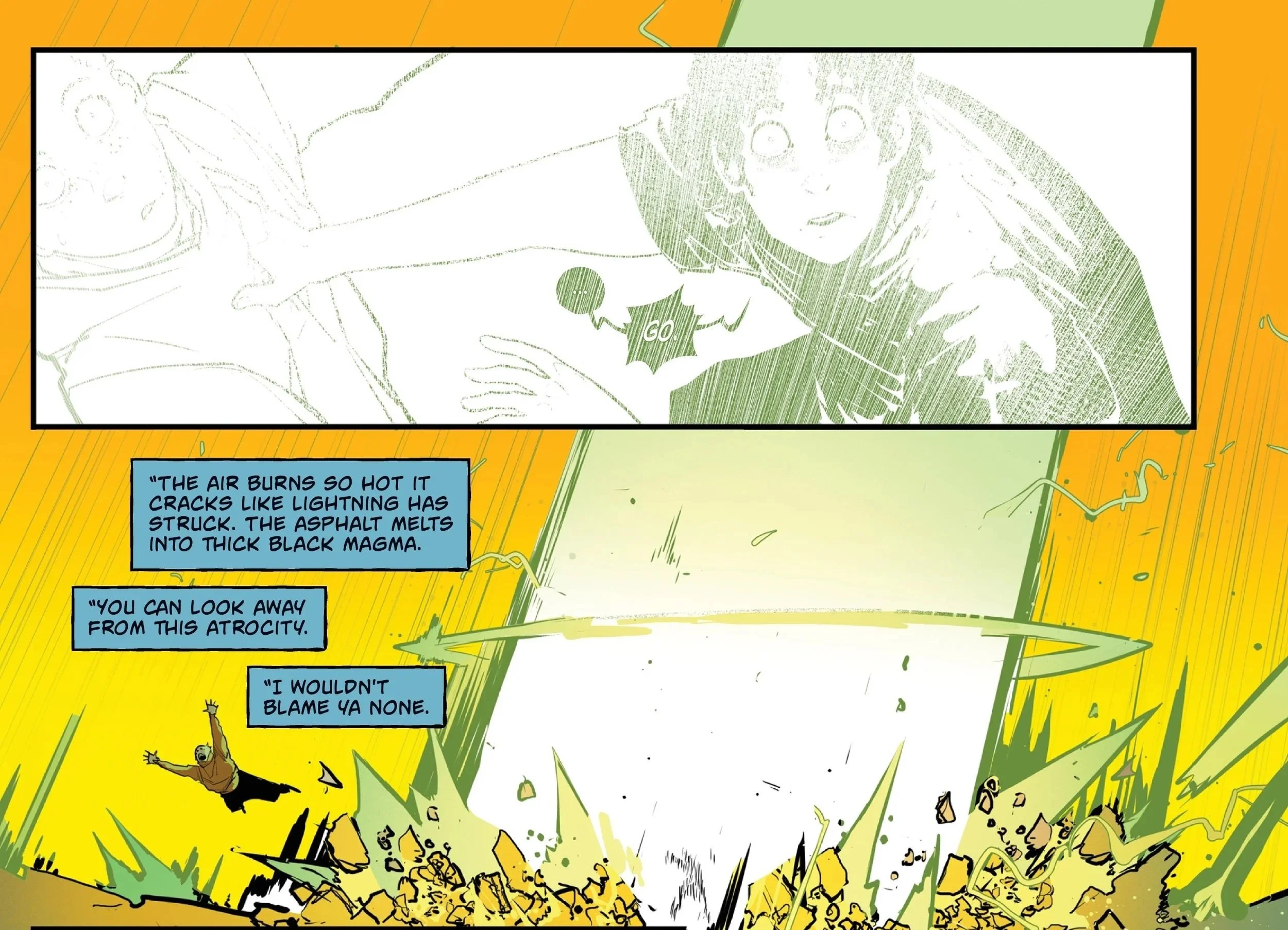
Godzilla battles Yacumama in Issue #5.
Issue #5 begins with Godzilla fighting Yacumama. These scenes are among the stronger ones in the issue, but the dialogue remains heavy-handed. Characters often state the moral or thematic point of the scene outright instead of allowing the visual storytelling to carry it.
Elsewhere, the rest of G-Force arrives with Lament. The story clearly wants this moment to feel monumental, but the creature still lacks personality or impact. Lament exists as a plot device, not as a meaningful presence in the world. Issue #5 tries to deepen its significance, but the effort only emphasizes how flat the creature has been since its introduction.
Captain Stine dominates several scenes, and his portrayal continues to be a major obstacle for the book. He was never a compelling character, even in his earliest appearances, and issue #5 pushes him further into exaggerated territory. His dialogue is blunt, repetitive, and disconnected from any believable emotional depth. Instead of grounding the military side of the story, he pulls it even further into caricature.
The appearance of Yacumama is easily the highlight of the issue. The creature’s parasitic design, unsettling physiology, and aggressive behavior immediately stand out. Its appearance brings a dose of tension and unpredictability the series has needed since the start. Yacumama feels like a genuine threat, and its scenes finally deliver some of the horror and scale the book has been missing.
The underground clash between Godzilla and Yacumama has real energy, but even this moment is interrupted by thematic exposition and character monologues that drain the tension. The issue ends with the reveal that Godzilla’s attack in the Dead Zone didn’t kill Jacen’s mother, but instead transformed her into the kaiju now called Lament. It is meant to be a dramatic twist, yet it does little to make Lament more compelling because the reveal feels unearned and lands without emotional weight. The final page sets the stage for Jacen beginning Round 3 with Godzilla.
Themes Delivered Without Subtlety
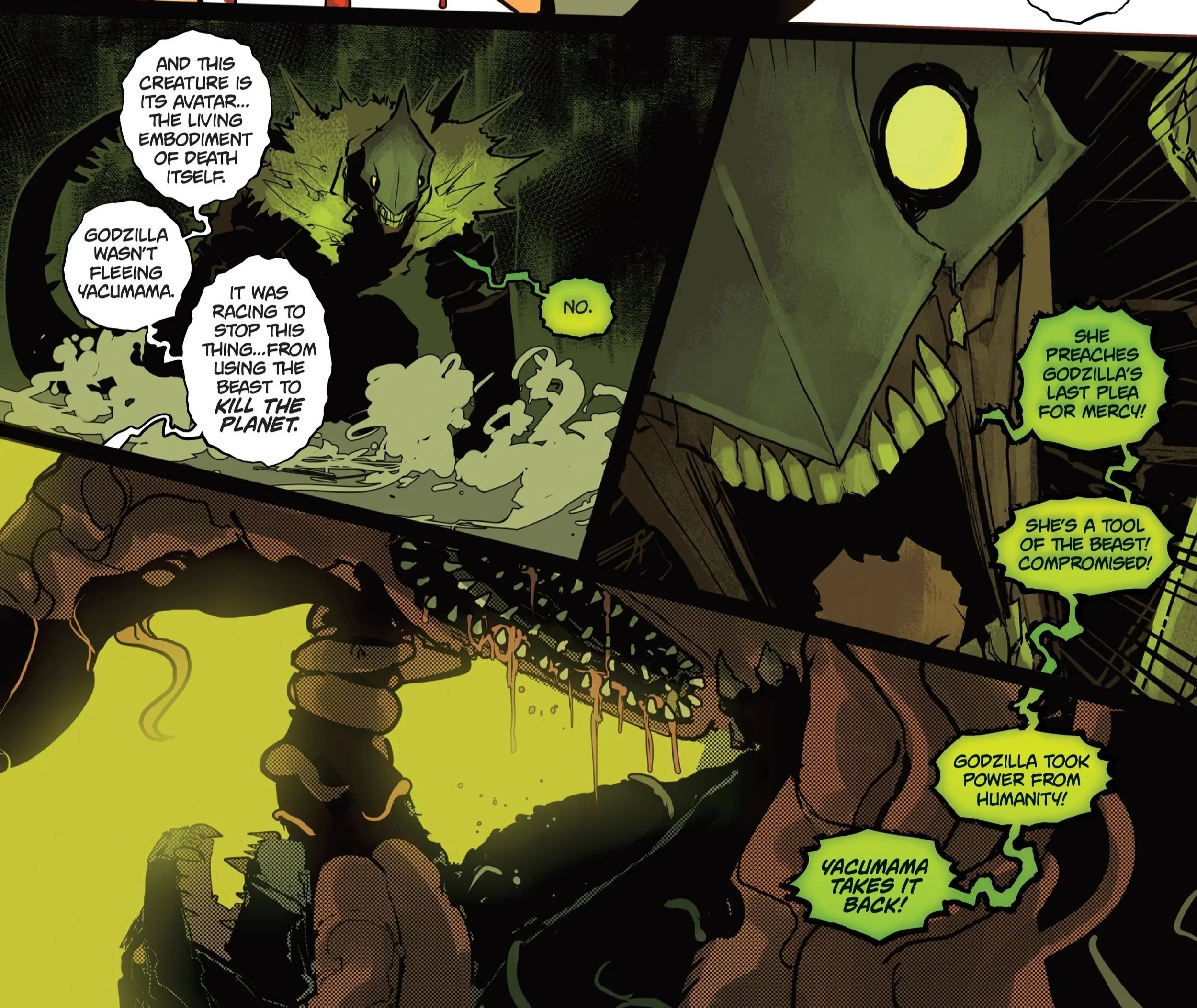
Dr. Rumi Chiba explains what Lament is as Lament explains what we’re looking at.
One of the most persistent issues in Godzilla #5, as well as the series as a whole, is the way its themes are delivered with absolute bluntness. The ideas at play are not inherently flawed—environmental decay, human responsibility for escalating conflicts, anti-weaponization ethics, and the emotional cost of revenge are all classic Godzilla themes. The problem is the execution. Instead of allowing these ideas to emerge organically through action, implication, or visual storytelling, the comic has characters spell them out in long, literal statements.
Moments that should land with mystery or emotional weight are instead accompanied by dialogue explaining the metaphor. Scenes that could rely on tension or atmosphere are interrupted by characters summarizing the lesson the audience should take from them. The result is a story that often feels closer to a lecture than a narrative. Even powerful images—Godzilla retreating from energy-draining parasites, Anguirus staggering with depleted Kai-Sei reserves, the underground tunnels scarred by experimentation—lose impact when immediately followed by explanatory monologues.
The themes are relevant, but the delivery strips them of subtlety and resonance. Godzilla stories have always allowed meaning to rise from spectacle and destruction; here, meaning is announced rather than evoked. Issue #5 continues that trend more aggressively than any issue before it.
Captain Stine: A Weak Character from the Start
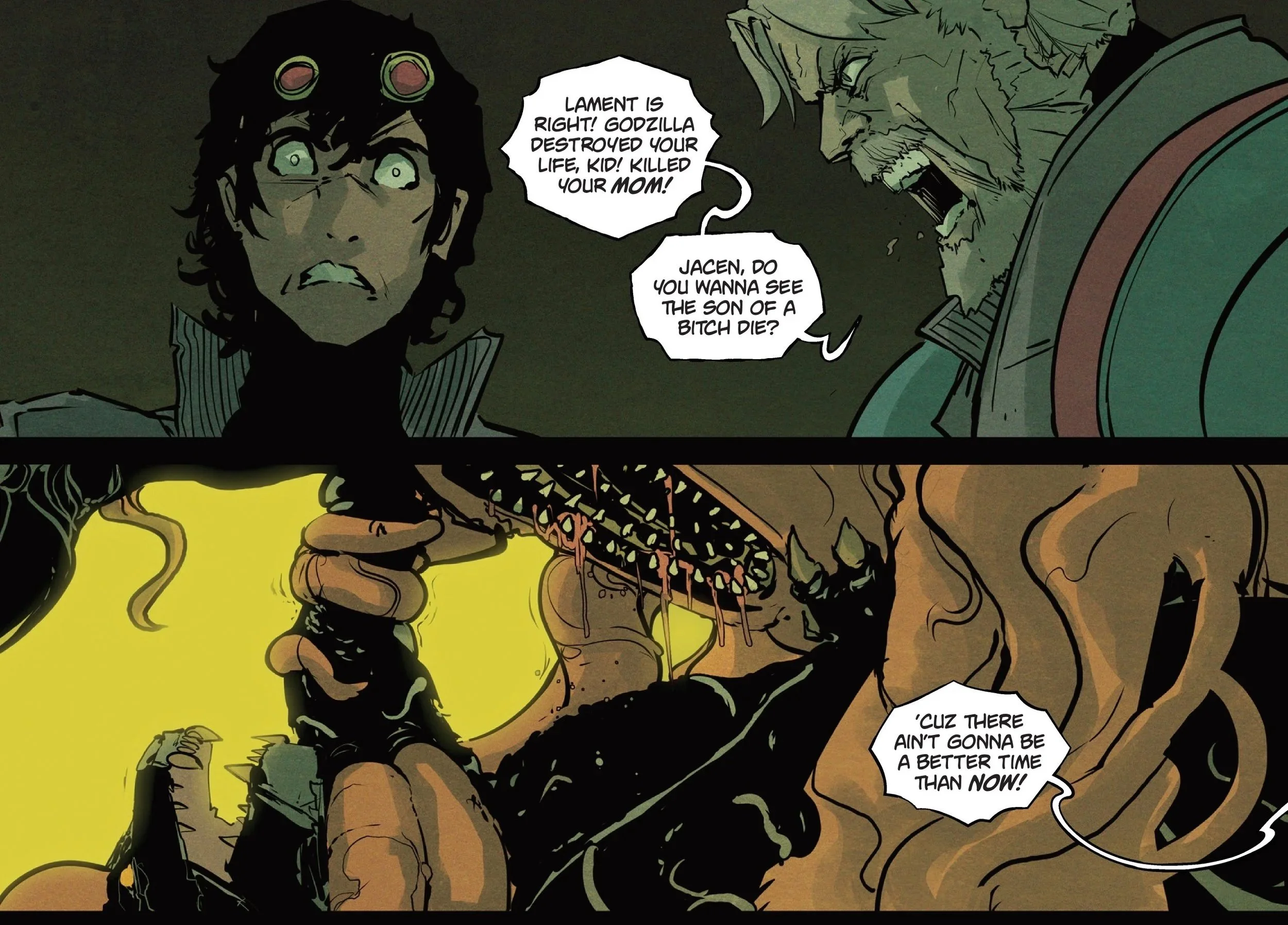
Captain Stine once again fails to break the mold by being a caricature.
Captain Stine has always been one of my most significant obstacles in this series, and issue #5 only amplifies the problem. From the moment he appeared in issue #1, he felt less like a character and more like a collection of clichés glued together: the angry American commander, the hot-tempered authority figure, the “my way or the highway” military stereotype. The book seems to believe he adds gravitas or moral tension, but his presence consistently does the opposite.
In issue #5, Stine is louder, flatter, and even more disconnected from believable human behavior. His dialogue rarely reflects the gravity of the situations he’s in, and his leadership consistently undermines the story’s attempts at emotional complexity. Instead of offering a grounded or morally complicated perspective, Stine feels like a caricature standing in the middle of scenes that require nuance.
Even when the plot wants him to act as a foil to Dr. Chiba or Jacen, the dynamic falls flat because Stine doesn’t read like a real person. He reads like an exaggerated stereotype pushed beyond the point of parody. Rather than raising the stakes, his presence drags them down.
Too Much Humanity, Not Enough Kaiju
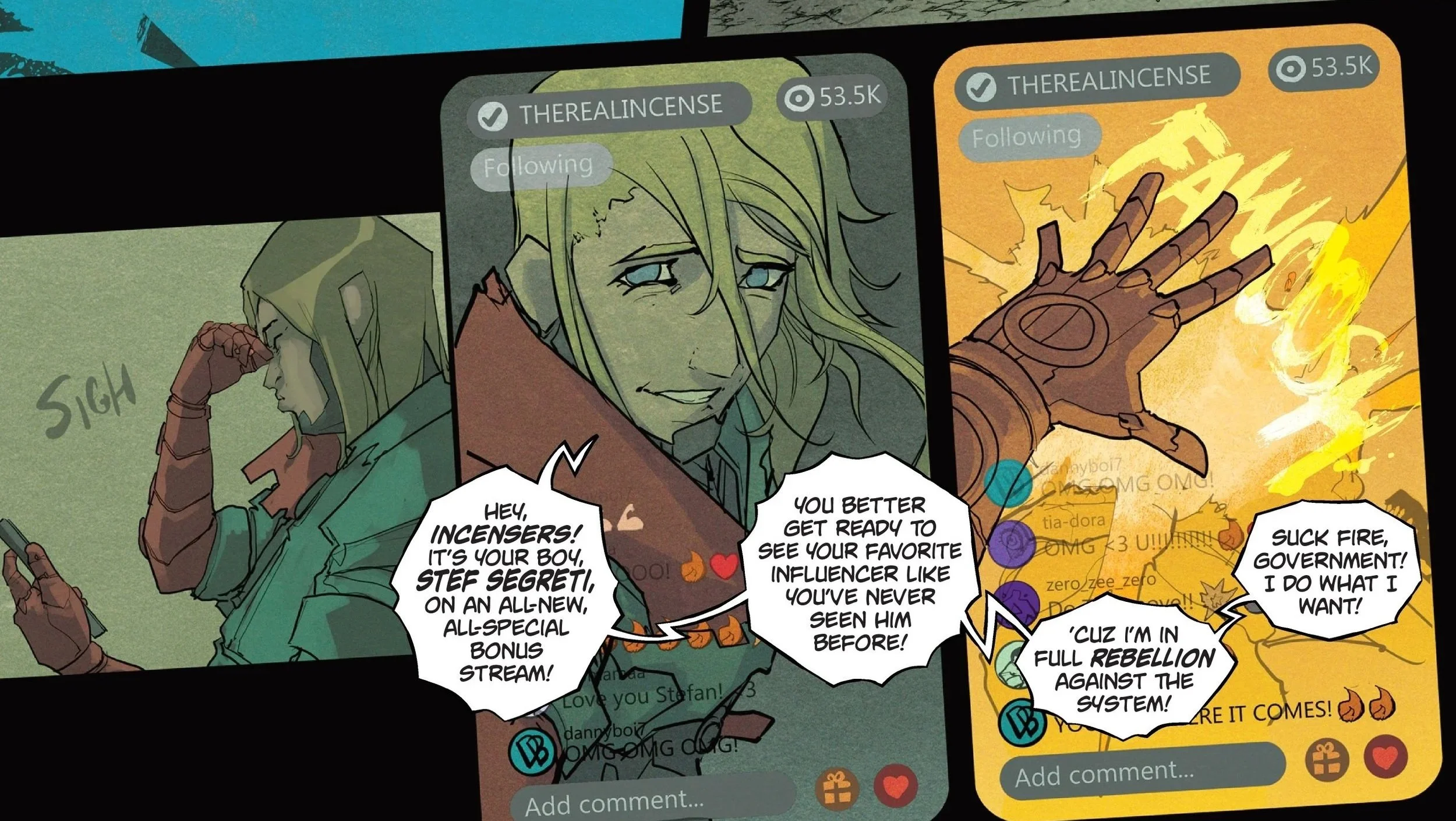
One of many emotional human moments that falls flat because there isn’t any character development.
One of the most surprising shortcomings of this series—and its most glaring in issue #5—is how little time it spends with its kaiju. Godzilla, Anguirus, Yacumama, and Lament should be the visual and thematic core of the story. Instead, the narrative repeatedly sidelines them to focus on extended human conversations, tactical disagreements, and emotional conflicts that rarely feel compelling enough to justify the page count.
There is nothing wrong with a Godzilla story that invests in human characters, but the balance here is off. The humans dominate so thoroughly that the kaiju sequences feel like brief interruptions rather than the centerpiece. The underground battle with Yacumama is thrilling but short, and even that moment is broken up by speeches about revenge, responsibility, and morality. Godzilla himself appears far less often than the surrounding drama suggests he should.
The result is a story that feels oddly small. The characters talk about world-ending stakes, synthetic kaiju conspiracies, and escalating global threats, yet the book spends more time in cramped hallways and briefing rooms than in cities being torn apart. The scale collapses under the weight of its own dialogue.
Lament Still Lacks Identity
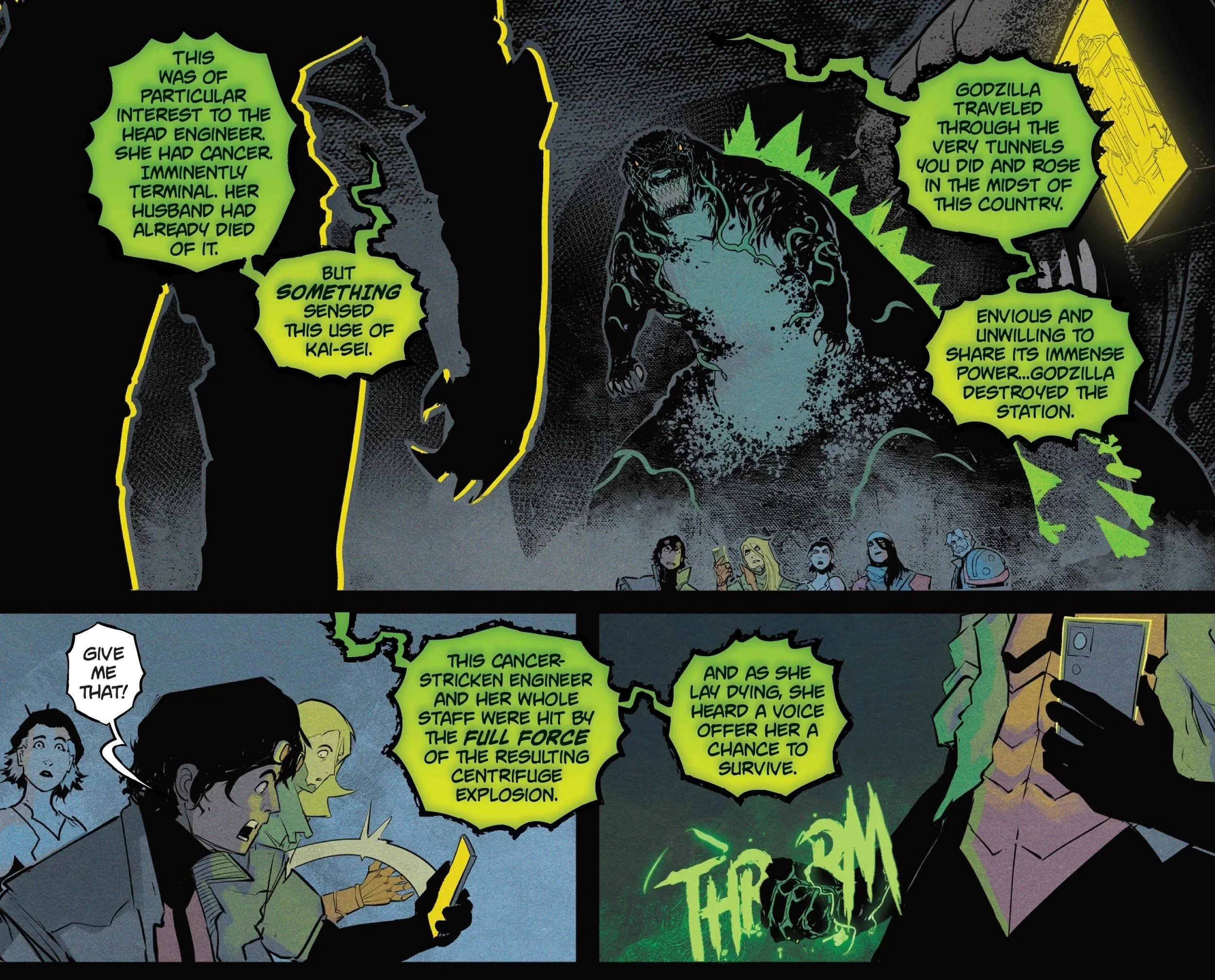
Lament’s big reveal happens…but it’s unearned.
For a creature introduced with such narrative emphasis, Lament remains shockingly underdeveloped, and issue #5 does little to change that. The idea of a synthetic kaiju created through experimental energy manipulation is interesting on paper, but the execution has given Lament no distinct identity. The creature does not have a mythology, a personality, or even a clear presence in the panels.
In issue #5, the comic attempts to deepen Lament’s importance by tying it closer to the plot, but none of these developments give the kaiju emotional or thematic weight. Lament shows up, participates in a few scenes, and disappears without leaving an impression. For a monster positioned as a major piece of the story’s mystery, it remains painfully generic. Its design is serviceable but not memorable, its motivations are never fully articulated, and its connection to the story feels like a placeholder for a more interesting creature the book never delivers.
Yacumama Is The Best New Element
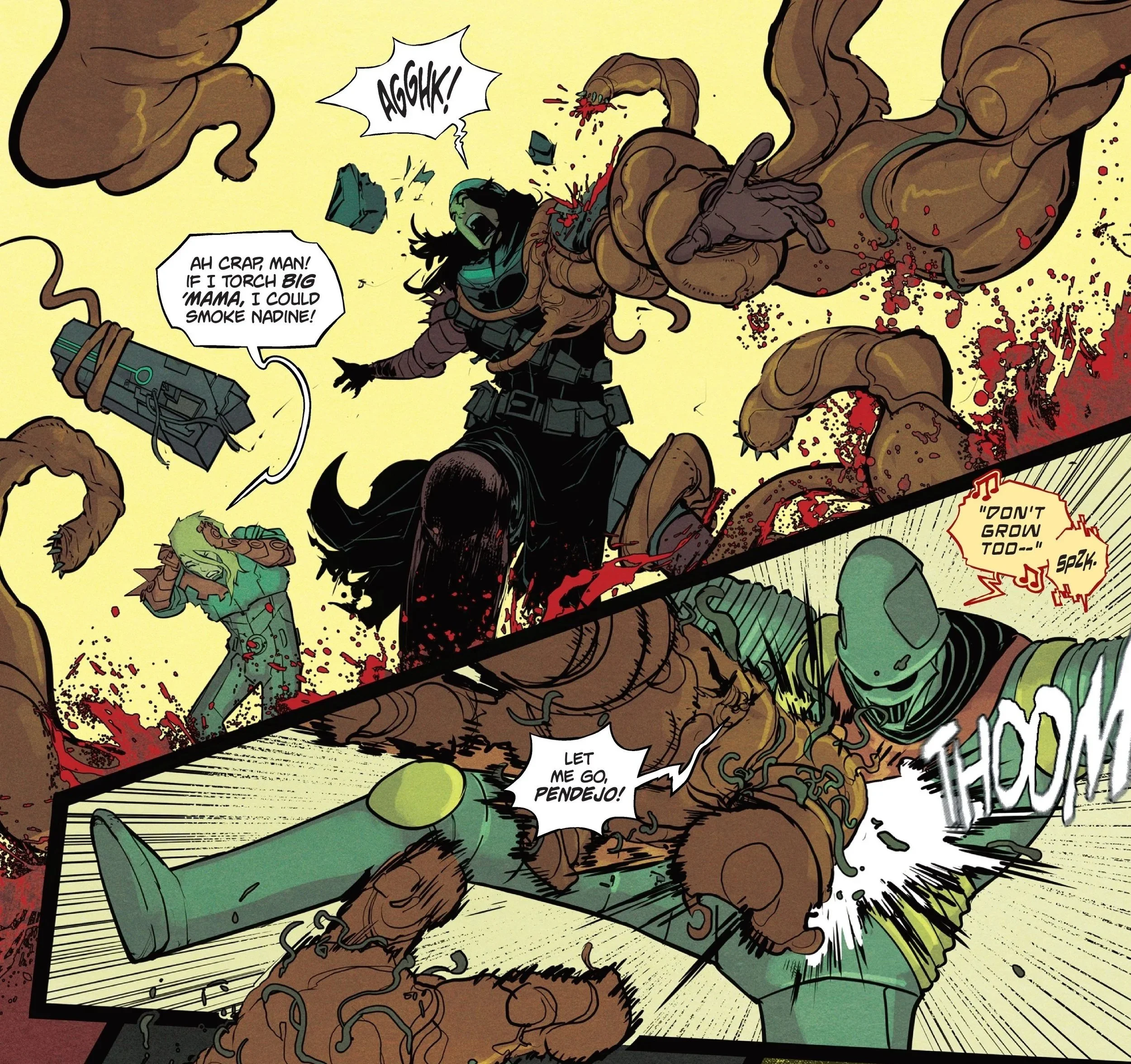
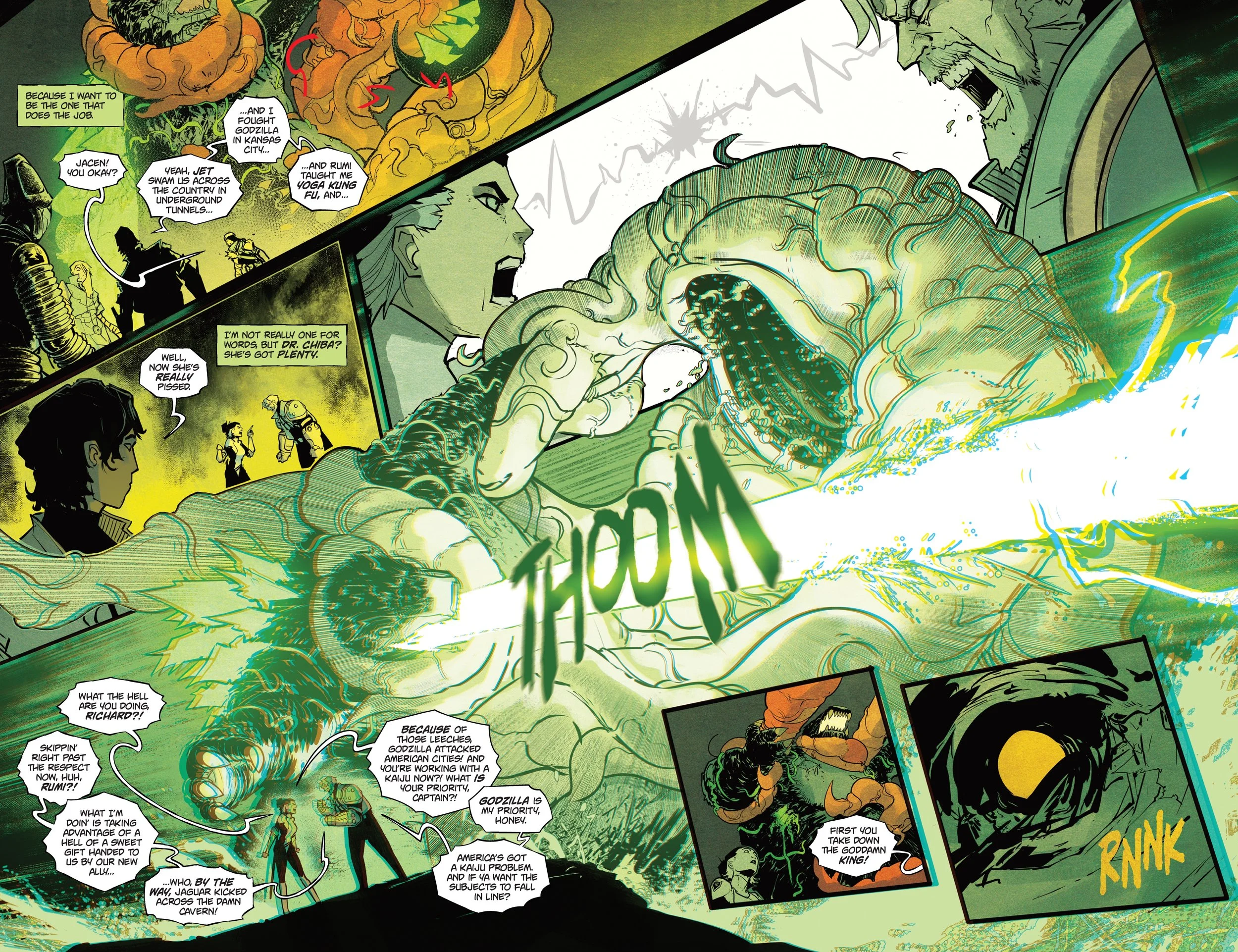
Yacumama takes on both Nuki and Jet Jaguar.
Yacumama, by contrast, is the one truly successful addition to the series. The parasitic physiology, the unsettling texture of its tendrils and maws, and its aggressive, predatory behavior immediately give it a sense of menace the book has been lacking. Even without heavy exposition, Yacumama feels alive in a way the other new kaiju do not. Its presence on the page is visually striking, and its interactions with Godzilla finally bring the tension, horror, and scale that this series has been gesturing toward since issue #1.
What makes Yacumama work is simple: it is allowed to be a monster first. Its behavior is dangerous, unpredictable, and rooted in biology rather than theme-delivery. The horror elements finally click into place, and the book becomes more engaging the moment it enters the scene. In a run that often struggles to make its ideas feel genuine, Yacumama emerges as the closest thing to a breakthrough.
The Art Remains the Saving Grace
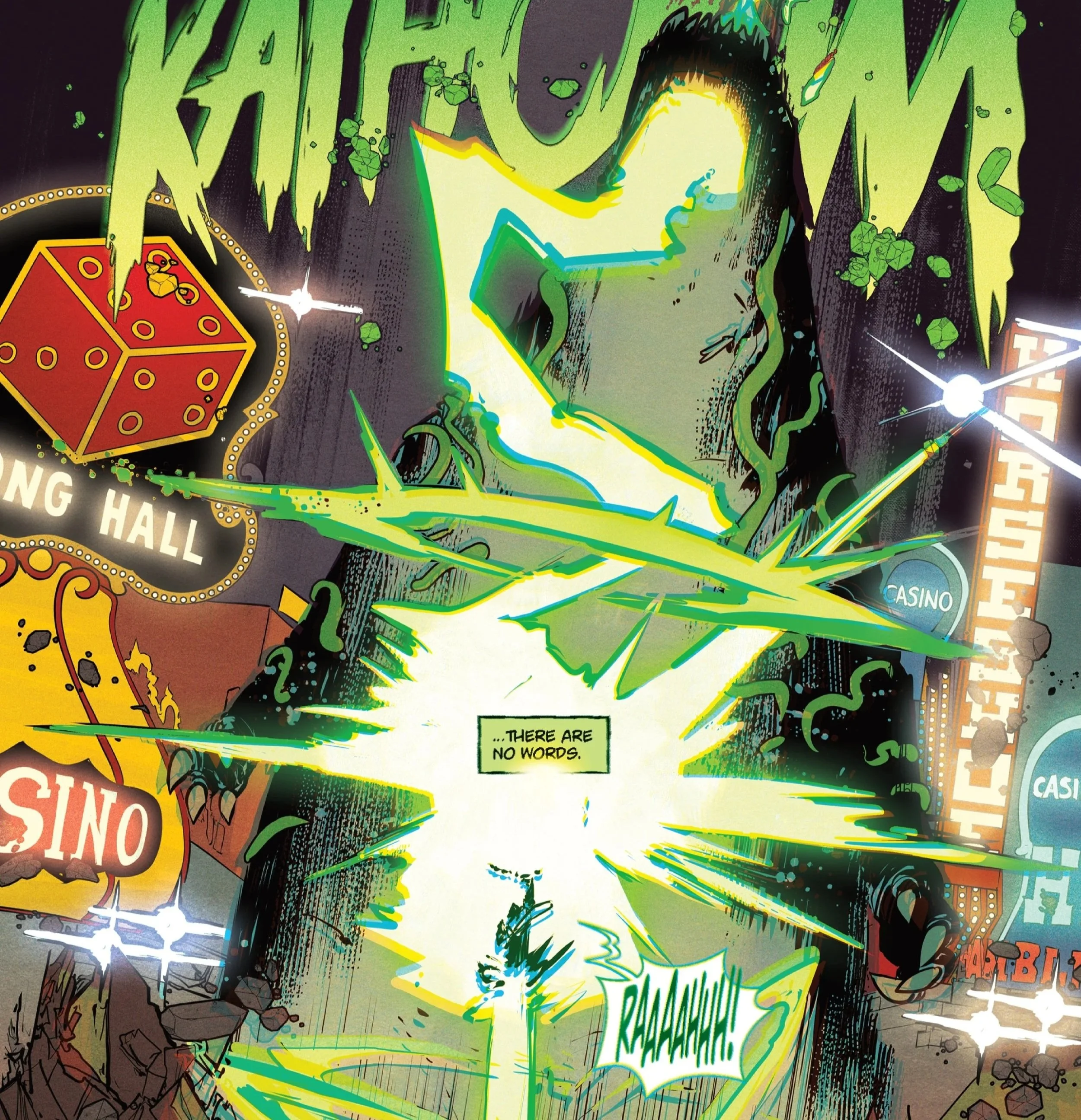
Jacen begins battle with Godzilla once again.
The artwork by Nikola Čižmešija continues to be the strongest and most reliable part of this entire series. His depiction of Godzilla carries real weight, giving the monster a sense of physical presence that grounds every scene he appears in. The underground sequences in issue #5, in particular, benefit from Čižmešija’s heavy shadows, tight framing, and textured linework. The clash between Godzilla and Yacumama feels massive and chaotic in all the right ways, and the parasitic details on Yacumama make the creature visually unsettling even when the script does not offer much support.
Čižmešija also handles the human-focused scenes with clarity and purpose, elevating moments that could otherwise feel flat. The environments feel lived in, the action is easy to follow, and every kaiju panel has real impact. Colorist Francesco Segala enhances this with vibrant contrasts that highlight energy bursts, underground tension, and the biological horror of the new creatures. Even when the narrative loses momentum, the art maintains its identity and gives the issue the sense of scale and atmosphere a Godzilla comic needs.
Final Thoughts and Rating
Godzilla #5 puts the strengths and weaknesses of the series side by side. The themes are still too heavy-handed, Captain Stine remains one of the least compelling parts of the book, and Lament continues to lack dimension. However, Yacumama is a standout addition to the mythos, and the artwork elevates even the weaker scenes. There is potential here, but the writing needs to trust its audience more and its themes less.
Rating: 5.5/10
A visually strong issue that features a compelling new kaiju, but is weighed down by contrived storytelling, weak character work, and thematic overstatement.