
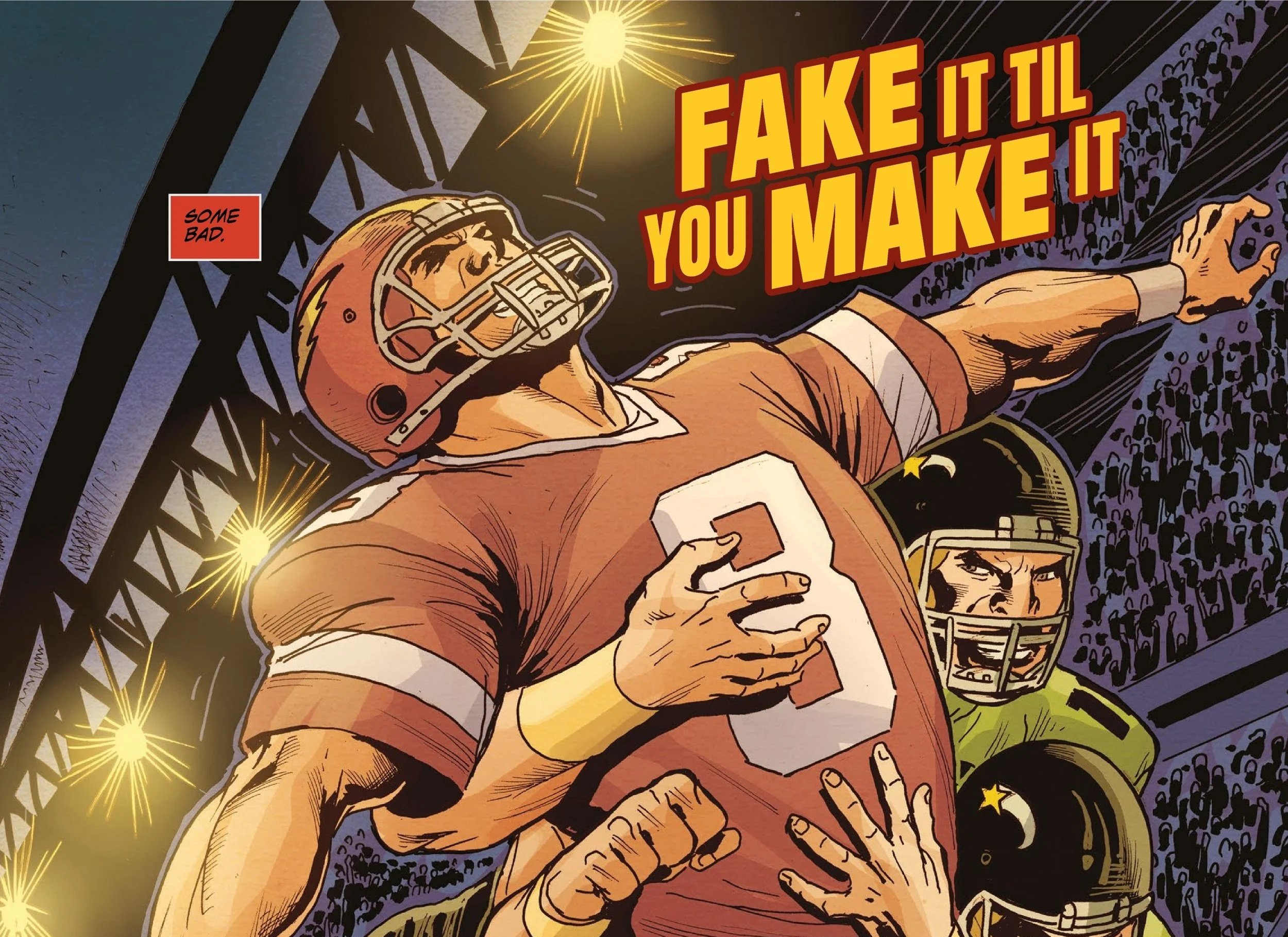
Flash Gordon #13 pushes the series into its boldest territory yet, delivering a high-speed blend of pulp adventure, cosmic intrigue, and character-driven stakes. Mad Cave Studios’ revival has been confident from the start, but this issue stands out because it balances explosive action with a surprisingly thoughtful exploration of legacy, deception, and what it really means to be Flash Gordon.
A Quick Summary of the Series So Far
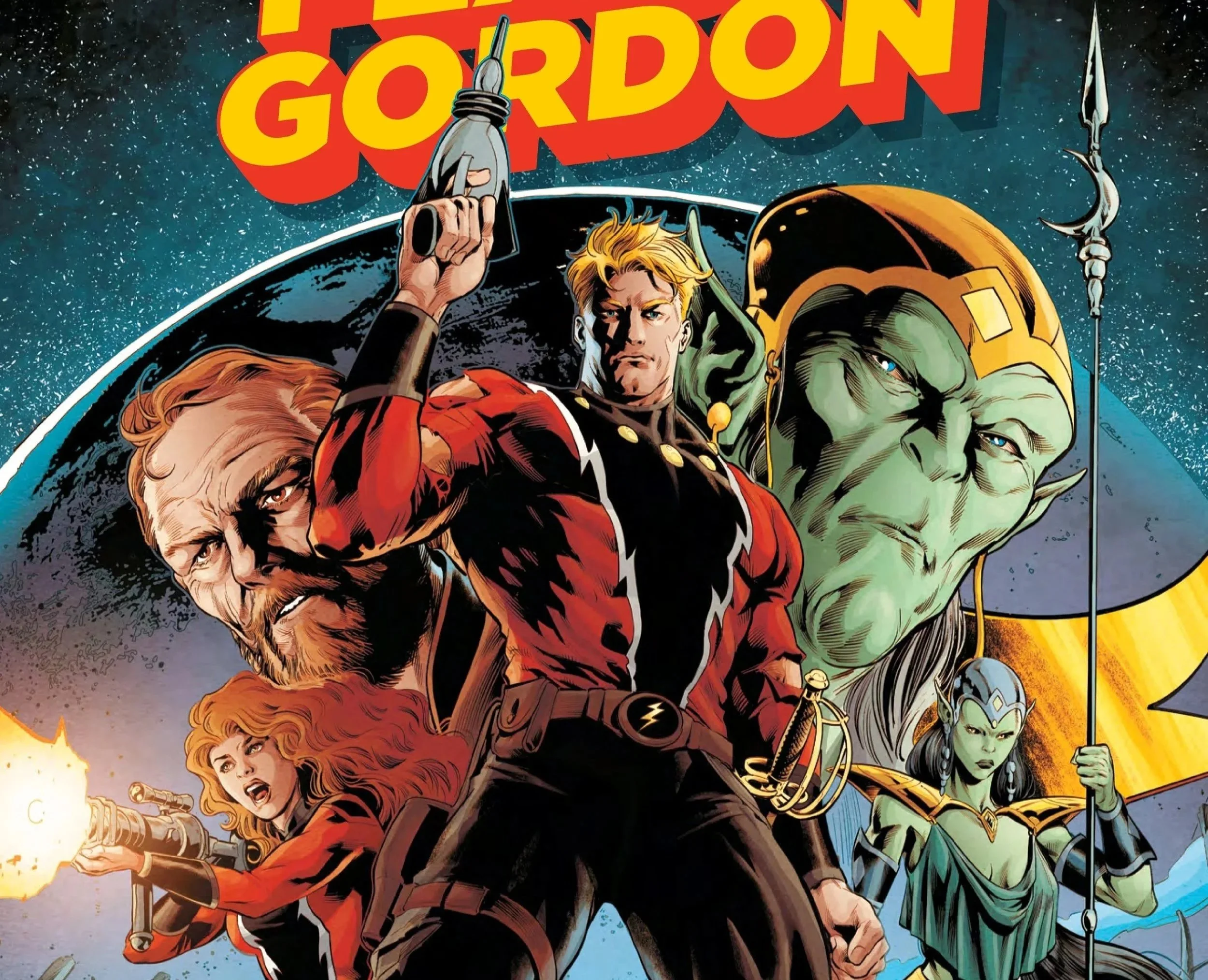
Mad Cave’s run takes the classic Flash Gordon formula and expands it into a sprawling interdimensional saga. The early issues reintroduced Flash as a charismatic but impulsive hero who gets swept into an escalating war against tyranny. Familiar names like Zarkov and Dale remain key players, but the creative team has broadened the Flash Gordon universe by playing with multiversal variants, alternate timelines, and a political landscape in constant flux.
The series opens with Mongo’s destruction after Flash tips over a device called the Unraveller while Ming has it aimed at Earth. As a result, Mongo is annihilated and its tribes scattered across the galaxy. Flash is captured and sent to a prison on Planet Death, where he wakes with splintered memories of what has happened. There, he teams up with Ming, who has also been imprisoned but has used his usual cunning to engineer an escape. Once they break free, they encounter a robot aboard their ship containing the downloaded consciousness of Dr. Hans Zarkov.
After several betrayals and an encounter with the now-king Vultan, Ming, Flash, Zarkov (later restored to a regenerated human body), Vultan, his son Talon, Aura, and Barin make it back to Mingo City. They then confront an evil version of Empress Dale Arden, who turns out to be an alternate universe Dale. She is ultimately killed in the crossfire once the group finds and frees the real Dale from captivity.
Ming quickly seizes the chaos as an opportunity to reclaim power. He also discovers that alternate Dale and her fiancé, Aton, had a portal leading to her home universe. Through that portal comes an evil alternate Flash, searching for his now-dead wife, evil Dale. To stop both Ming and this tyrannical version of himself, the real Flash travels to that universe, discovers that his counterpart has conquered Mongo, and learns that Ming now leads the resistance against him. Flash impersonates the evil version of himself to take control of his armies and lead them back to his home universe to confront both threats.
A High-Energy, Relentless Issue
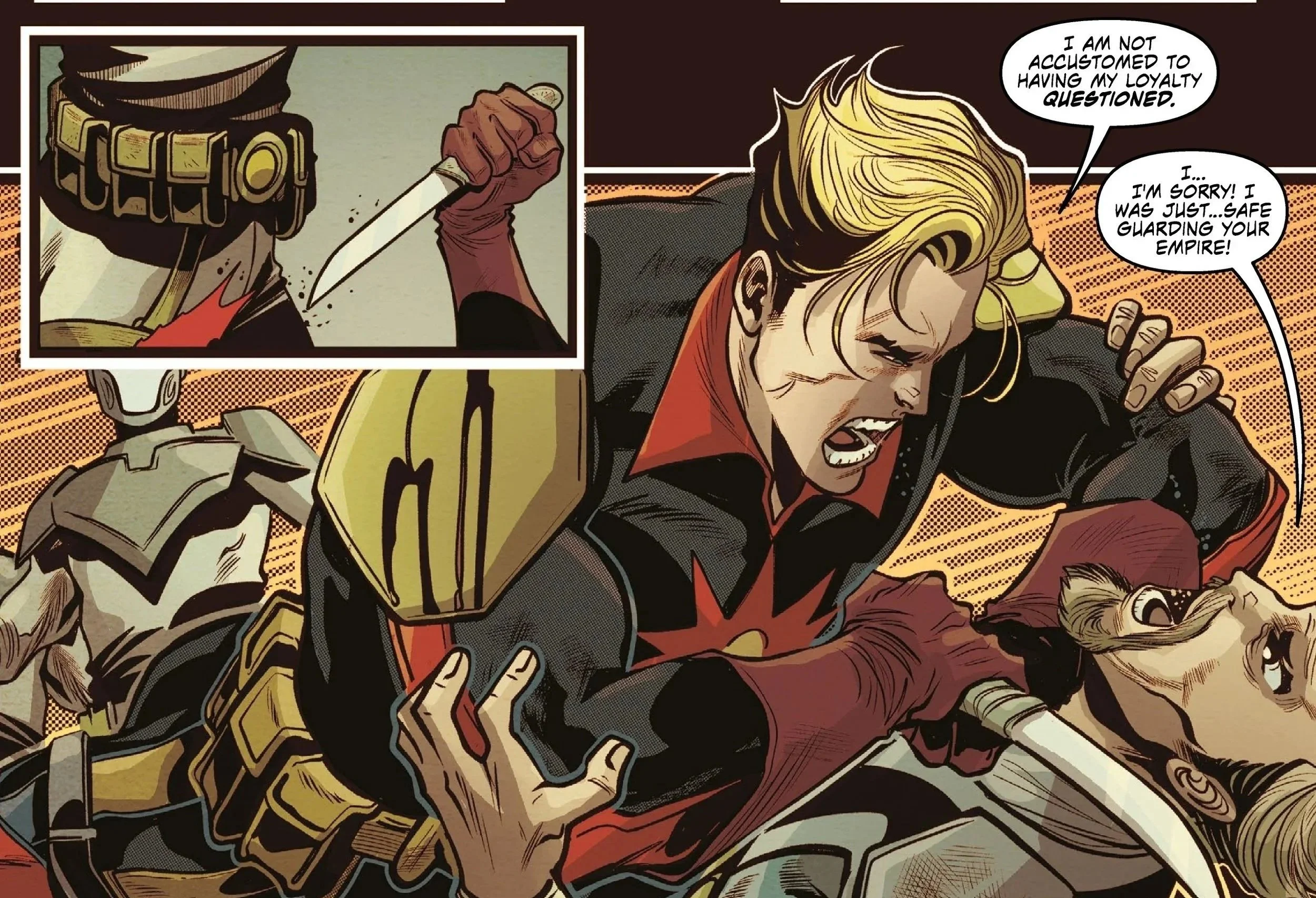
What immediately stands out in issue thirteen is its momentum. The story opens with Flash comparing his past battles to being hit full force on a football field. It is rough, direct, and very Flash-like, capturing both the physical punishment he endures and the way he processes conflict as something you get up from even when it knocks the wind out of you.
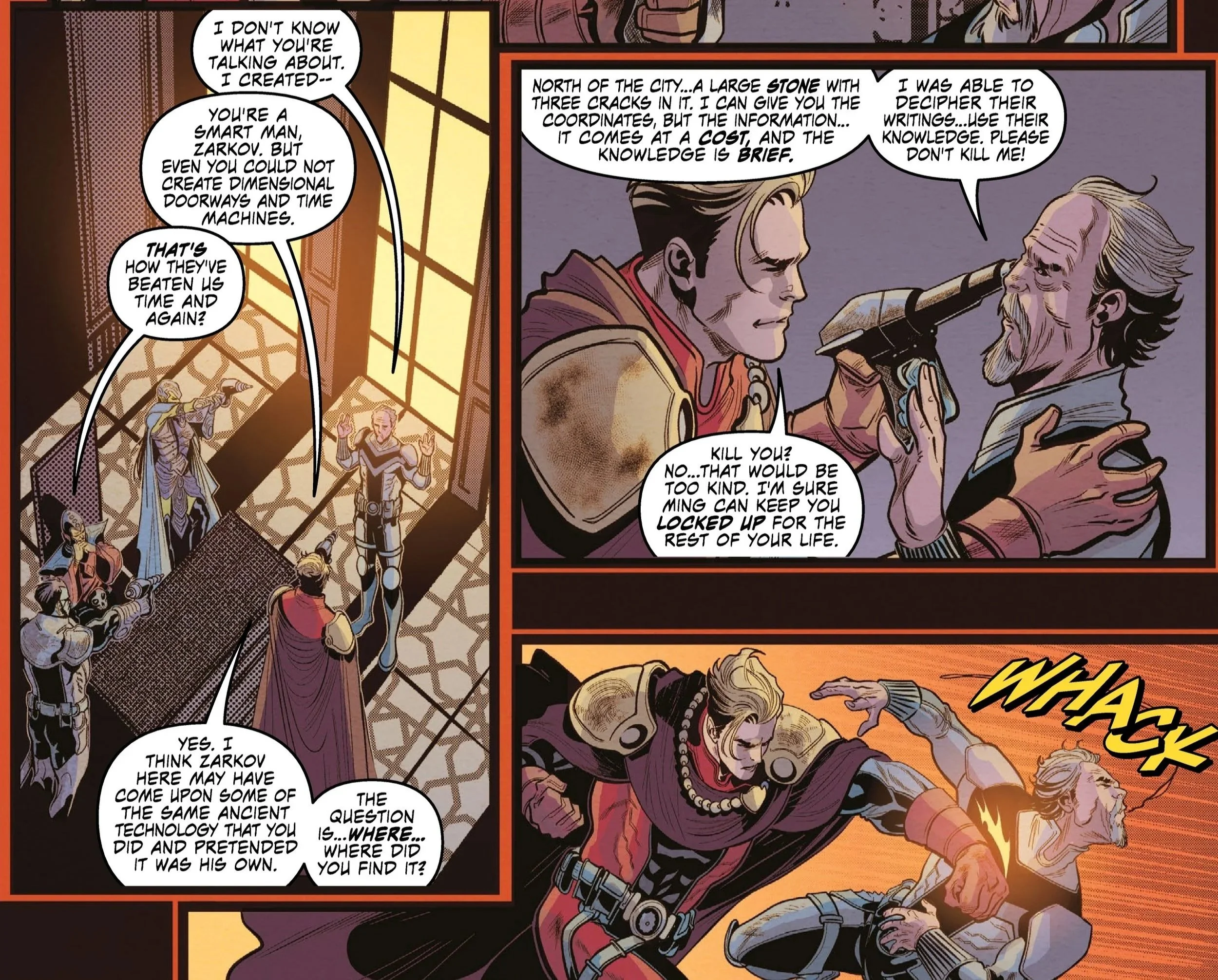
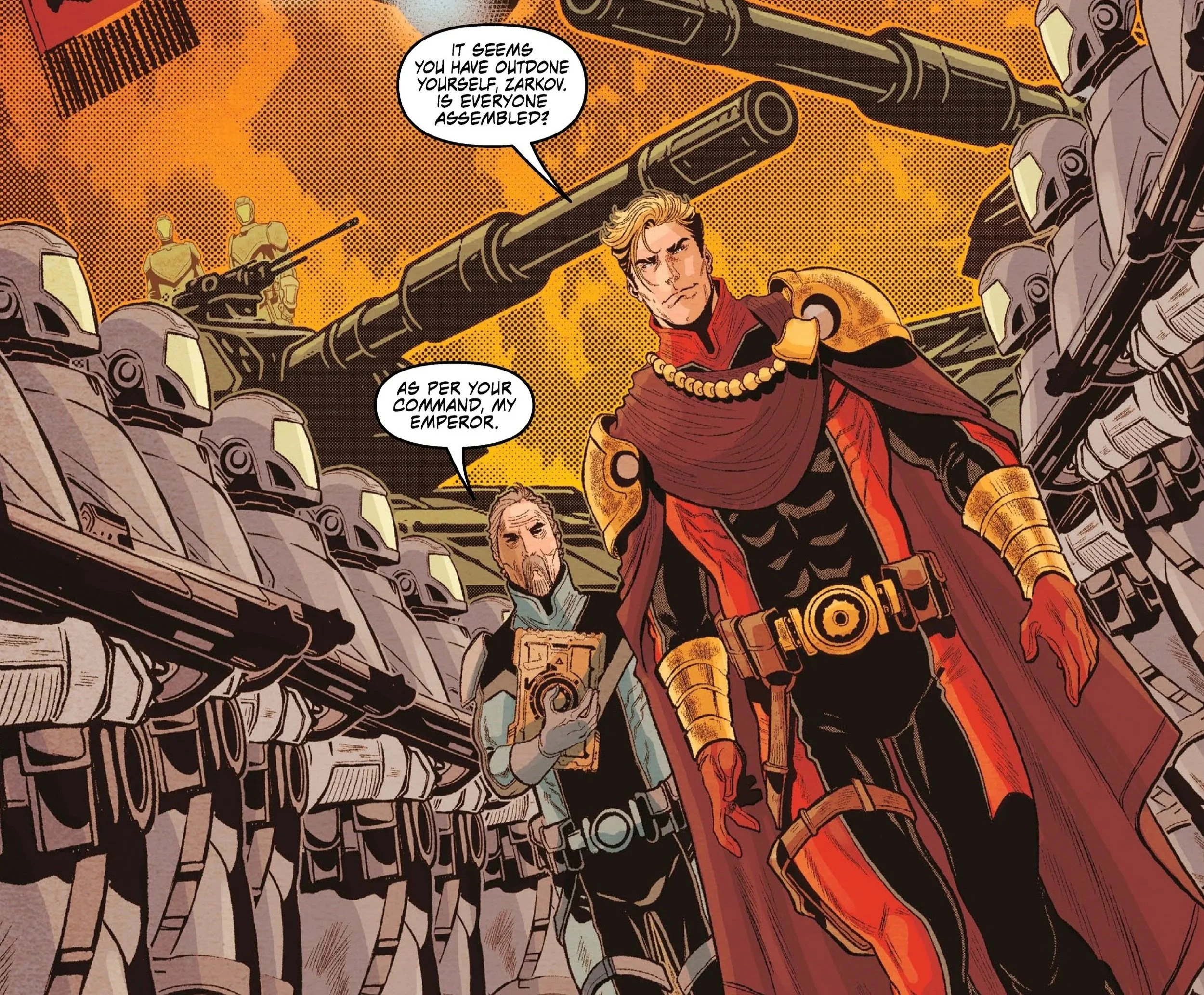
The rest of the issue dives straight into infiltration and deception. Flash disguises himself as the alternate version of himself, the so-called Evil Flash, in order to slip into a hostile universe and manipulate the political landscape from within. It is ambitious storytelling that shifts rapidly between scheming, confrontation, and the rising threat of all-out war.
The pacing is breathless. Scenes never linger unnecessarily, and every page carries a sense of forward motion. The narrative is dense, sometimes bordering on overwhelming, but that has always been part of the charm of this run. It is sci-fi that refuses to slow down, and instead asks the reader to keep up.
Staying True to Flash Gordon’s Legacy
Despite its multilayered plotting, the issue remains unmistakably grounded in Flash Gordon tradition. The creative team clearly understands what sets Flash apart from other sci-fi heroes. He is not driven by cynicism, nor is he a flawless warrior. He has always been an athlete, an improviser, an idealist, and a troublemaker. His victories come from instinct just as often as planning.
Putting him in the role of a villain could have pushed the character into unfamiliar territory, but the issue never betrays who Flash is. He does not slip into cruelty or ruthlessness while maintaining this disguise. The deception is tactical, not ideological. His goals remain the same: protect innocent lives and dismantle oppressive systems. Even surrounded by paranoia, hard choices, and shifting alliances, he holds on to his natural optimism and sense of responsibility.
This respect for character extends to the worldbuilding. Flash Gordon’s lore has always embraced the bizarre and spectacular: alternate realities, cosmic tyrants, impossible landscapes, and dangerous technologies. The series modernizes these elements without losing their retro charm. Ray guns, strange cities, and operatic threats still feel like direct descendants of Alex Raymond’s original strips, only filtered through contemporary storytelling and visuals. Issue thirteen especially leans into the long-standing tradition of alternate worlds and variant selves, something Flash has been a part of since the earliest decades of the character.
The Art: Kinetic, Colorful, and Chaotic
Eder Messias, Tom Derenick, and Lee Loughridge give the issue a visual identity that hits hard. The art is dynamic, full of motion, and well suited to a story built around infiltration and rapid shifts in strategy. Characters move with urgency, and environments shimmer with otherworldly energy. Even quieter scenes carry an undercurrent of tension.
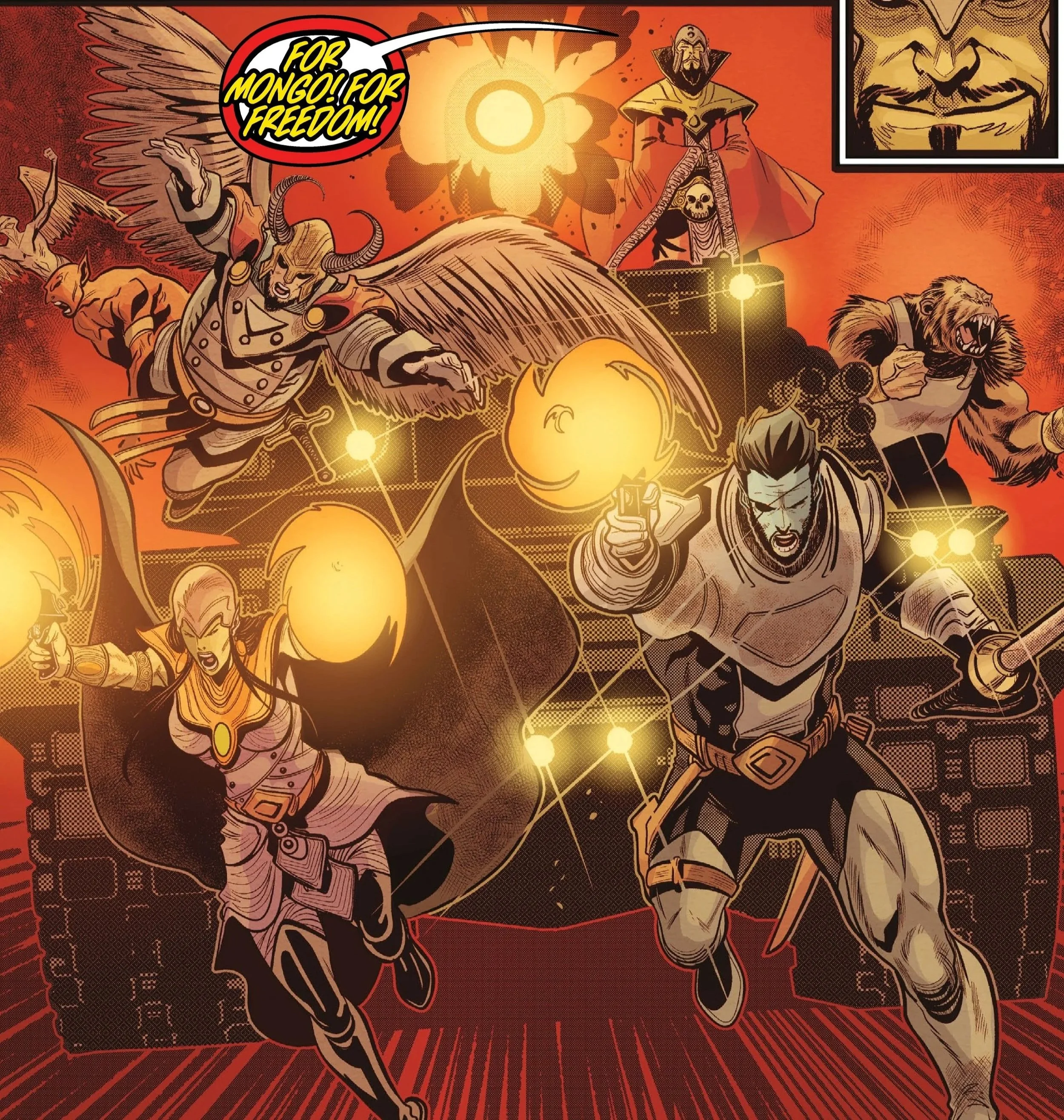
The action sequences occasionally border on visual overload, particularly when portals, machinery, and cosmic forces overlap. Yet the intensity adds character to the chaos rather than detracting from it. The visuals reinforce the sense that this universe is on the verge of tearing itself apart.
Where It Struggles
The same qualities that make the issue exciting may challenge some readers. The narrative density leaves little space for emotional beats to land. Flash gets strong internal moments, but supporting characters receive less focus, and newcomers to the series might feel disoriented.
Still, these weaknesses come from ambition rather than missteps.
Final Verdict
This issue is loud, confident, and rooted in the DNA of a character who has survived nearly a century of reinvention. It embraces everything that has always made Flash Gordon thrilling: reckless bravery, colorful worlds, scheming villains, and the constant drive of a hero who refuses to bow to tyranny. It honors the classics without relying on nostalgia.
If you have followed the series so far, this is one of the strongest chapters. If you are new, you may want to backtrack a bit before diving in. But for longtime fans of Flash Gordon, this is exactly the kind of adventure that proves why he still matters.
Rating: 9/10
This is exactly what I’m looking for in a modern take on Flash Gordon and his colorful cast of characters.