
If you were looking for a deep, quiet meditation on morality, you bought the wrong comic. Tyler Kirkham’s Final Boss is a self-aware, over-the-top adrenaline shot, a true Monster Energy-fueled fever dream. This is a high-octane nod to those classic ‘90s action stories where the plot exists primarily to get the main character into the next brutal fight. We follow Tommy Brazen, who’s using his newfound powers for cash in the cage-fighting scene, only to quickly stumble onto a past far more complex than he ever imagined. This comic knows exactly what it is, and what it is, is pure, beautiful chaos.
An Action-Hero Origin
The chaotic life of Tommy the Brazen Bull is built on equal parts brutal necessity and mystical lineage. Tommy is a former Special Ops soldier now living day-to-day, fueling his life with heavy drinking and heavy fighting just to pay the rent. His current work ranges from dirty cage fights to paid enforcer gigs, like the first one we see: roughing up a cheating husband for money. He is the ultimate broken badass who can barely make his own life work.
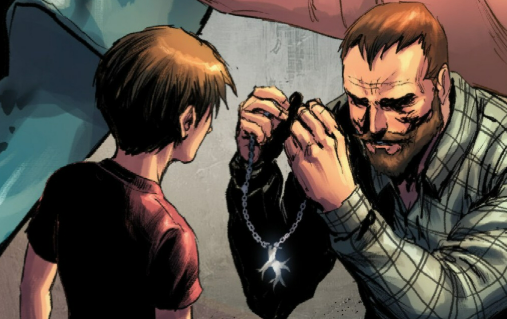
But the complexity runs deep in his family history. Tommy is the descendant of his grandfather, Jay Brazen, a WWII veteran who found a ruined temple dedicated to an ancient God of War. Jay wrestled the deity for a relic and gave the mystical object to Tommy at age 10. That relic left its symbol burned into Tommy's chest. The contrast here is fascinating: a legacy rooted in mythological, WWII-era heroism now forces Tommy to settle petty disputes for cash. The book effectively grounds the divine with the deeply low-rent reality of Tommy's current struggle, setting up the central conflict between his mundane failures and his explosive destiny.
Ready? FIGHT!
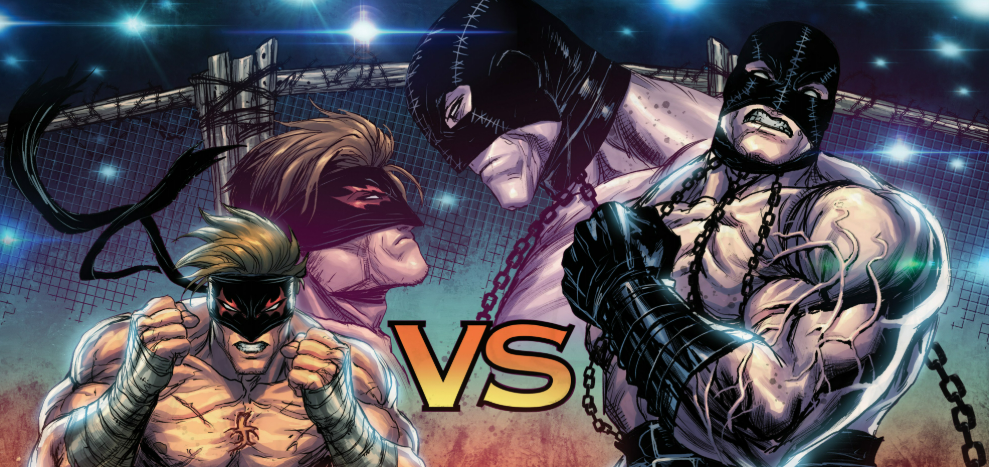
The book leans heavily into the fighting game protagonist archetype: the badass with a heart of gold and a mysterious power set. But Final Boss makes the archetype work by deeply exploring the tragedy inherent in that hyper-masculine shell. Tommy isn't just a heavy drinker; his heavy fighting is a literal, self-destructive way to cope with Spec-Ops trauma and the bizarre, divine legacy he carries. His life of heavy drinking and heavy fighting is the result of carrying the weight of the "Brazen Bull" title and the trauma of his past.
The self-aware, over-the-top cheesiness is the book's psychological defense mechanism. By forcing the serious, ancient God of War threat to co-exist with the low-stakes reality of roughing up a cheating spouse, the comic establishes a tonal instability. It tells you to laugh at the clichés while watching a man slowly destroy himself in the ring. The book’s success lies in embracing the noise and the spectacle, refusing to apologize for its hyper-masculine chaos, and inviting the reader to find the broken human being beneath the fighting game exterior.
Tommy Brazen Takes No Bull
Looking ahead, it's clear Tyler Kirkham has several high-octane tricks up his sleeve. The first issue successfully set Tommy Brazen up as the broken champion, but the next step is the true Final Boss encounter. We have to assume the overarching conflict will force Tommy to finally confront the ancient God of War that his grandfather fought, likely using the relic's true power. The question isn't if he will embrace his destiny, but how he will resolve his addiction and trauma first. Will he conquer the drinking and the self-destructive fighting before he faces the mythological threat, or will the final fight itself be his rock bottom and his ultimate redemption?
Visually, Kirkham's challenge will be topping the already extreme level of brutality. We should expect the action to move beyond street fights and cage matches, culminating in truly mythological art—the kind of visuals where gods and men literally collide. Final Boss has built a world where the only way out is through, and we're strapped in to watch Tommy fight his way through the chaos he inherited.
Kirkham's Hyper-Visceral Art Style
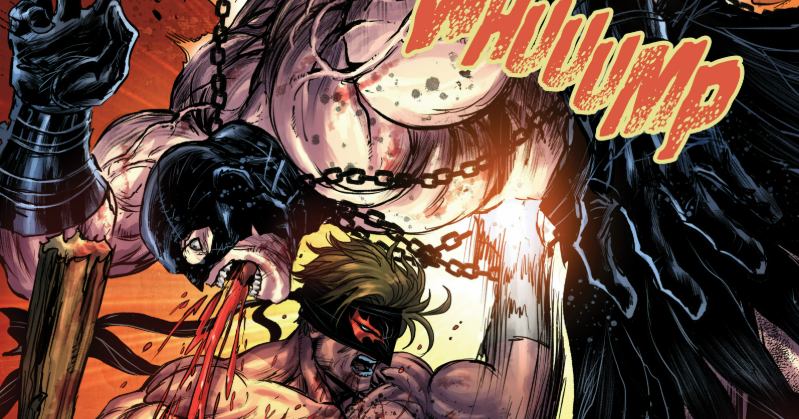
The art is what makes this book an absolute must-read. Tyler Kirkham's visuals are the engine driving this fever dream, demanding that every reader feels the chaotic impact of Tommy's existence.
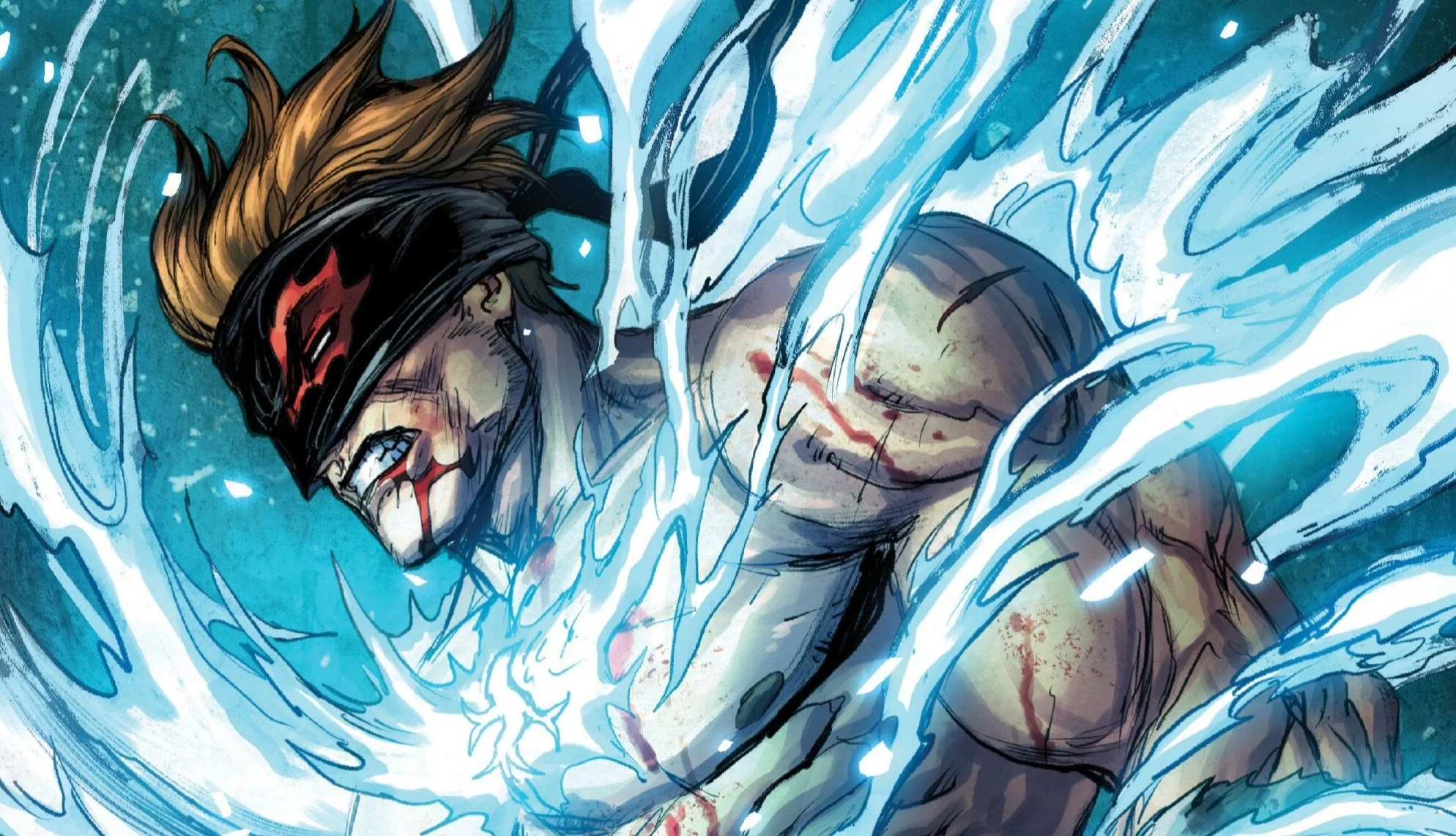
Kirkham’s panel layouts are relentless. He actively refuses the typical four-panel grid and often overlaps motion lines to ensure the kinetic feeling of the action never stops. When Tommy unleashes his powers, the page explodes into chaotic fragments, giving the reader whiplash from the sheer velocity of the attacks. This style is the visual equivalent of a permanent adrenaline rush.
The brutality of the fight scenes is amplified by the color work, which establishes the "Monster Energy-fueled fever dream." The high contrast lighting and sharp lines, especially the focus on high-octane splash pages, sell the visceral nature of the damage. Kirkham uses heavy inks and chaotic effects to show the impact of the fighting, making the violence feel destructive and addictive. Even if you miss a dialogue bubble, the sheer chaotic force of the imagery sells the story's core emotional truth.
Conclusion & Verdict
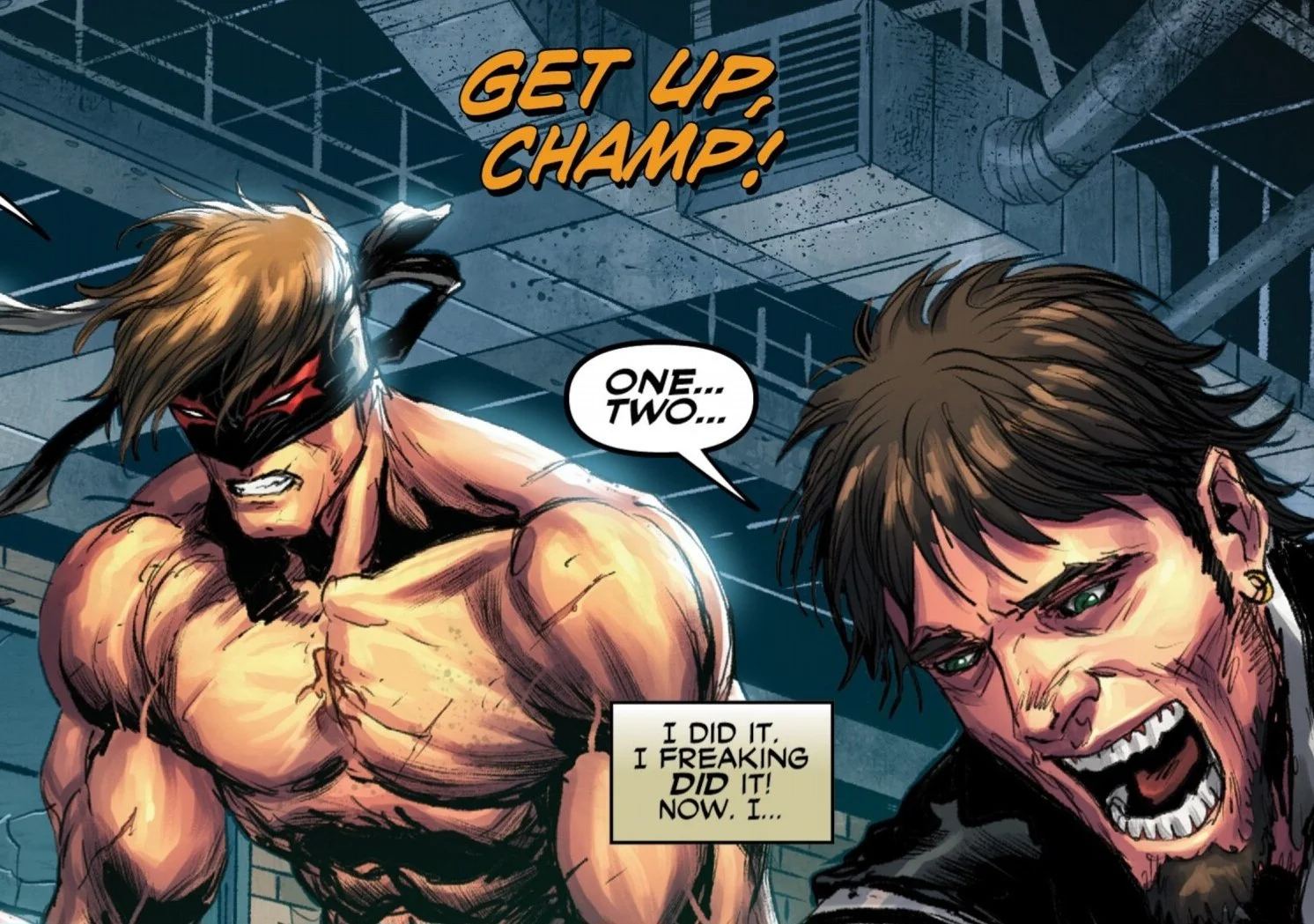
Final Boss is a glorious, noisy celebration of hyper-stylized action and character tropes. It succeeds because it commits completely to its identity: a brutal, chaotic, and intentionally cheesy action story that is 100% focused on delivering maximum kinetic fun.Kirkham's Hyper-Visceral Style You come for the God of War relic and the mystery past, but you stay because Tyler Kirkham ensures the fight scenes are delivered with addictive, unrestrained power. The book isn't trying to deliver a subtle message; it offers pure, necessary, chaotic escapism.
I’ll admit that at first, I wasn’t impressed with the cliche nature of the storytelling until I realized that was the point. Now I am ready to see what insane scenarios Kirkhamhas up his sleeves for us readers and more importantly Tommy himself.
Verdict: 7/10