
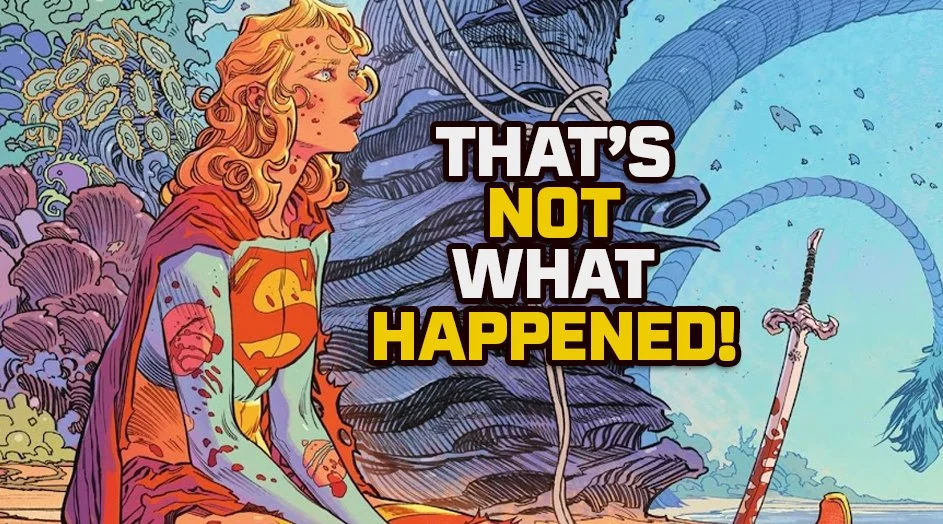
Look, we are all mature enough to understand how Hollywood works at this point. When a major studio adapts a beloved comic book masterpiece for the big screen, it is rarely going to be a perfect, page-for-page copy. Directors and screenwriters frequently use the names, titles, and basic premises of popular books while remixing the actual narrative to fit a two-hour theatrical runtime. Changes are inevitable, and usually, that is completely fine.
But for the Supergirl: Woman of Tomorrow movie, screenwriter Ana Nogueira did something entirely different. She justified a massive, controversial creative choice by making up a version of the comic book that the pages literally do not support.
To see exactly where everything goes off the rails, you first have to look at how the source material actually concludes.
What Actually Happens in the Comic Ending
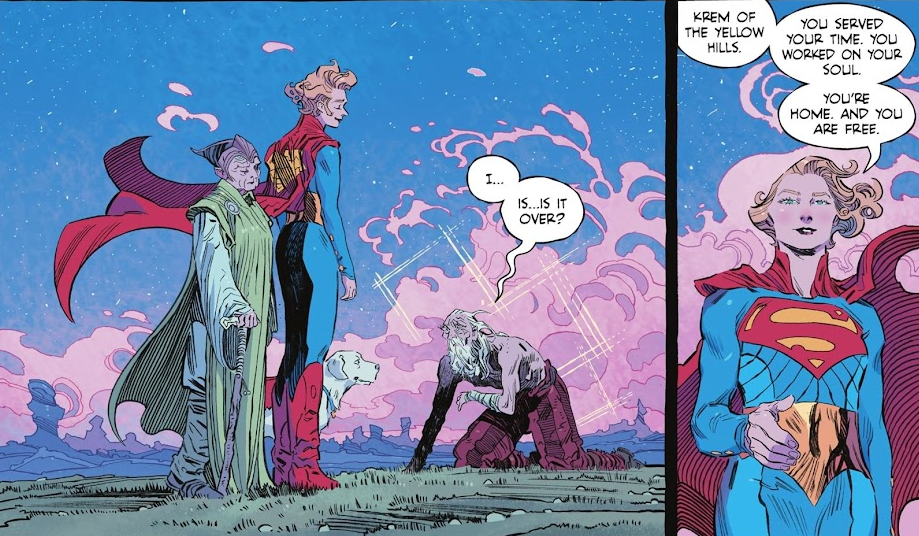
The entire comic book miniseries by Tom King and Bilquis Evely tracks Ruthye’s quest for vengeance after Krem murders her dad. It is a brutal, cosmic road trip fueled by pure rage. The story eventually jumps to the far future, where an older Kara Zor-El visits an elderly Ruthye. Kara has just let Krem out of the Phantom Zone after he spent hundreds of years locked away.
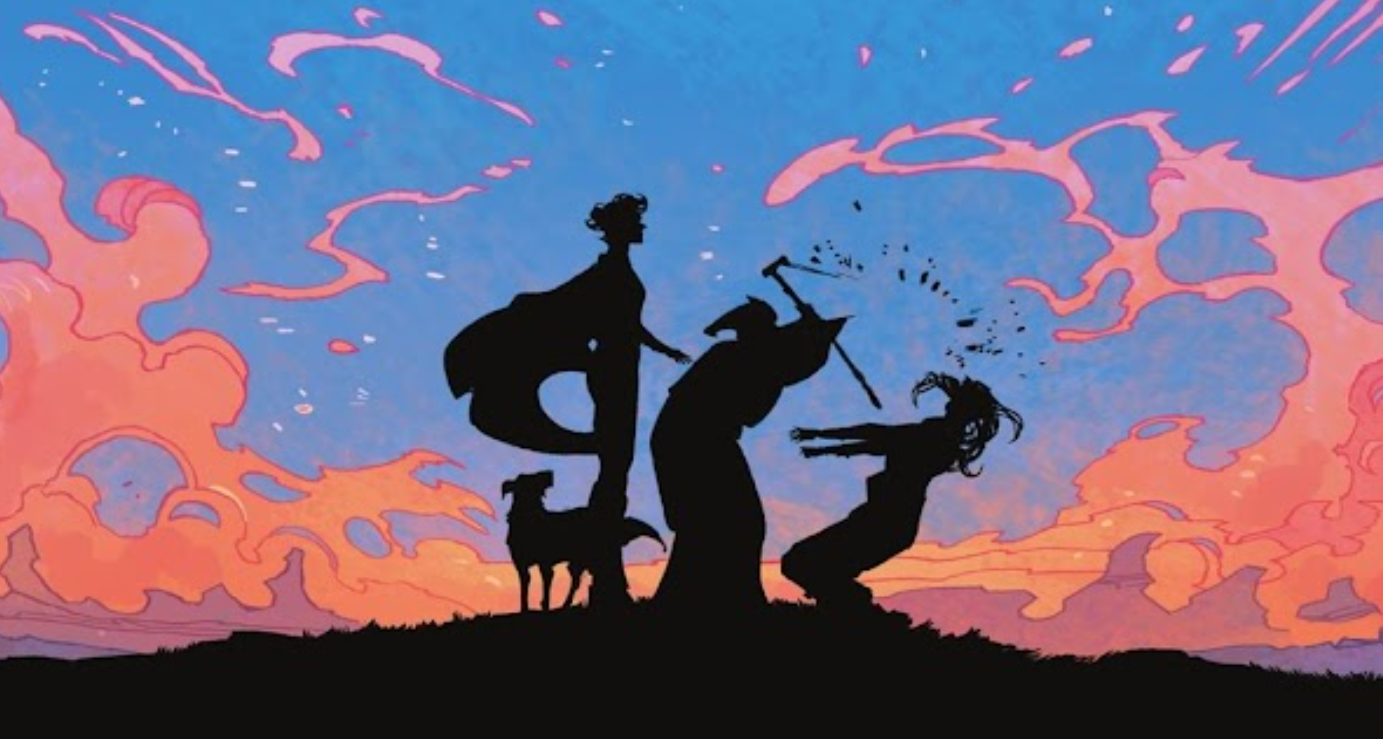
Krem is totally broken. He is reformed, terrified, and profusely apologizing for his past crimes. Right here, Ruthye has the perfect chance to finally get her revenge. Instead of killing him, she knocks the old man over and walks away. She rejects her base instincts, refuses to give into the cycle of violence, and preserves her own humanity.
Bilquis Evely’s artwork leaves zero room for debate. In the final panels, you can explicitly see Krem’s body moving on the ground. He is alive. This choice is the literal emotional and thematic payoff of the entire series.
Flipping a Hopeful Theme Into a Casual Execution
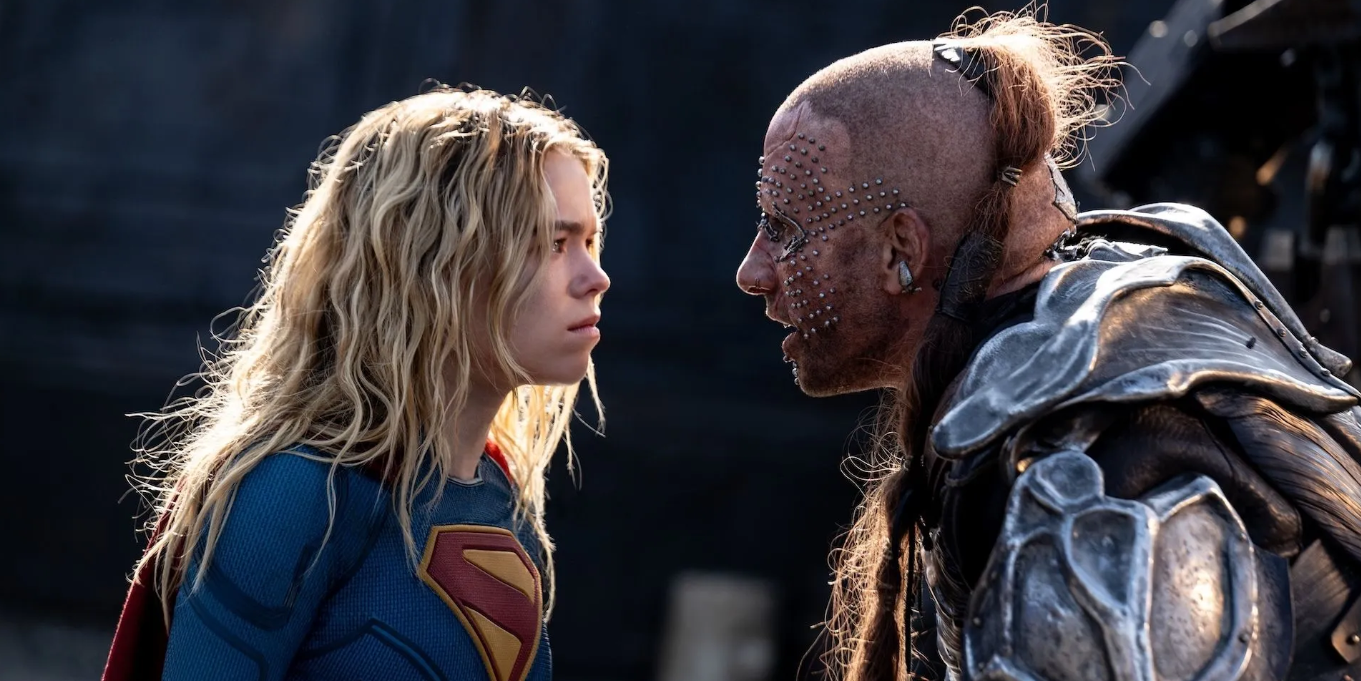
And that brings us to the movie's massive, hidden twist…
Major Spoiler Alert!
.
.
.
.
.
In the theatrical version, Supergirl straight-up executes Krem herself.
By having Supergirl kill Krem to "preserve Ruthye’s innocence," the film completely undoes the message of the source material. In the comic, Ruthye preserves her own innocence by walking away. Supergirl did not have to play executioner because the cycle of violence was broken by mercy.
The Smoking Gun: Ana Nogueira's Wild Justification
So, why make such a radical shift? It turns out it was not a deliberate thematic subversion, but a fundamental misunderstanding. When Variety asked the writer how she crafted the movie's final battle, she dropped an absolute bomb of a quote to explain her logic:
"The ending between Kara and Krem was always in it, from the pitch - truly from the very beginning. Because the comic ends with Ruthye killing him, but in the far, far future. We knew we weren't gonna be able to do that kind of time jump, and I find it's quite a dark ending of the comic. He essentially has changed, and she kills him anyway, because she still just has this anger, and you understand there's this element of deserve, right? So, we wanted to craft a villain who would deserve this, but we also wanted Kara to really care about preserving Ruthye's innocence..."
Read that again. The writer of the film called the comic a "dark ending" because she genuinely thinks an old, reformed man got murdered in cold blood on the page.
The layer of confusion here is deep. Throughout the comic, Ruthye acts as an unreliable narrator writing a legendary, dramatized text. At one point, her stylized narration boxes explicitly claim that Supergirl plunged a blade into Krem. But Tom King and Bilquis Evely utilize a classic comic technique: the text lies, but the art tells the truth. On panel, you see Ruthye merely wallop Krem on the nose with her cane, and the final panels explicitly show his arm moving as she and Kara walk away.
Nogueira misread the book on multiple levels. She mistook Ruthye's fictionalized, in-universe narration for objective fact and attributed an action to her that she never even committed on the page. Just in case there was any lingering doubt about what actually happened, writer Tom King has been entirely explicit when asked whether Krem dies at the end of the book:
"This is not supposed to be ambiguous. Krem is supposed to be alive at the end."
Anatomizing a Massive Lack of Diligence
So, how does a mistake of this magnitude happen on a multi-million dollar production? I decided to investigate myself using a few of the baseline “internet research” methods.
If you look into the corners of the internet, a few possibilities open up. If you ask a standard AI chatbot to summarize the book, it will often hallucinate and tell you flat-out that Ruthye killed Krem. Similarly, casual readers who skimmed right past the nuance of the unreliable narration and the actual imagery of the final panels have posted incorrect summaries online. Odds are, a quick Google search or an AI prompt led Nogueira down the wrong path early in the process, and nobody ever bothered to look at the physical book to check the math.
The truly baffling part of this entire scenario is that Tom King literally works for DC and acted as a creative consultant on this exact film. The architect of the entire narrative was right there, easily accessible, yet the production somehow managed to bypass his input on the most critical thematic moment of the story. It points to a massive lack of diligence in the scripting phase. Nogueira completely flipped the story on its head because she based a foundational pitch on a surface-level internet rumor rather than a close reading of the text. She mistakenly invented a darker ending for the comic to justify a movie where the hero commits an execution.
A Familiar Cautionary Tale
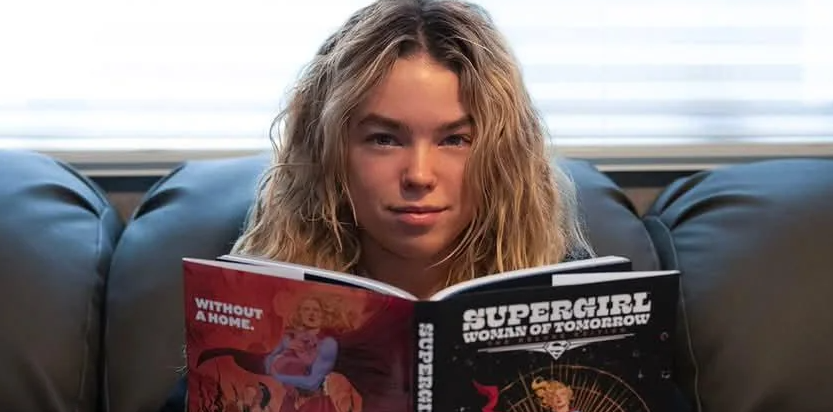
While I dug the film, this lack of comprehension, and other changes possibly made because of a lack of understanding, is what stopped it short of greatness. Supergirl: Woman of Tomorrow is a flat-out modern masterpiece, universally highly regarded as one of the most visually stunning and emotionally profound comic books of the last decade. By completely misunderstanding its core message, there was simply no way the film was ever going to hit the majestic heights of the source material. When an adaptation completely misses the soul of its foundation, the spectacle on screen can only carry it so far.
Replacing a beautifully sophisticated, transcendent message about breaking the cycle of violence with a standard, hollow Hollywood execution leaves us with an entertaining blockbuster, but it deprives us of the cinematic masterpiece this story should have been. More than that, it serves as a glaring warning for future DC and Marvel adaptations: when filmmakers misread the core anatomy of the books they are adapting, they risk flattening complex art into generic blockbusters, teaching studios all the wrong lessons about why these stories resonated with fans in the first place.