Comic Book Clique

thunderbolts

The Real Black Widow Has Arrived — And It's Not Natasha

George SerranoComment

Let’s get this out of the way early: this isn’t a hit piece on Scarlett Johansson. Her portrayal of Natasha Romanoff helped anchor the MCU for over a decade. She had iconic moments, real gravitas, and undeniable chemistry with nearly every Avenger she stood beside. But after Thunderbolts, it’s time to acknowledge something fans have been quietly realizing—Yelena Belova is the better Black Widow.

Not just more fun. Not just more layered. But closer to the character’s comic book DNA and more in step with what audiences expect from complex, modern heroes.

Florence Pugh didn’t just inherit the legacy—she transformed it. (Extremely Minor Thunderbolts Spoilers)


Natasha Romanoff - The Off-Screen Opperative
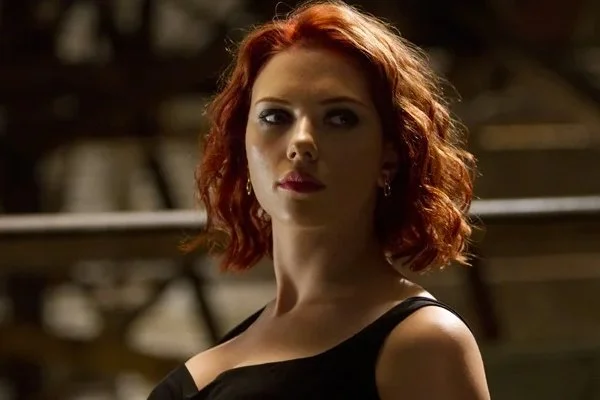
In the comics, Natasha is a study in contradictions: a former villain, a KGB-trained operative, a woman built on deception and betrayal. She's the epitome of the Russian femme fatale—a trope that only works when audiences are shown the full depth of that duplicity.

But in the MCU, Natasha never fully got that treatment.

We’re told she has a “red ledger.” That Budapest was messy. That she has blood on her hands. But we’re never truly shown the horrors she’s haunted by. Her darkest moments are usually referenced in past tense, and her motivations are more whispered than explored. When you stack that against her comic counterpart—who’s morally murky and deeply manipulative—it becomes clear the films played it safe.

And by the time her solo movie arrived, she had already died. Her arc was retroactive instead of proactive, robbing her story of weight it could have carried from the beginning.


Meet The New Black Widow
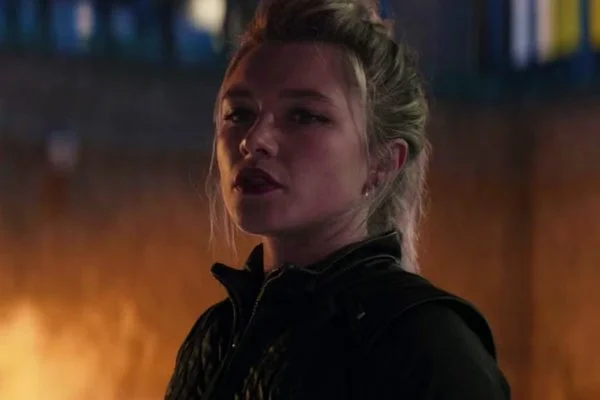
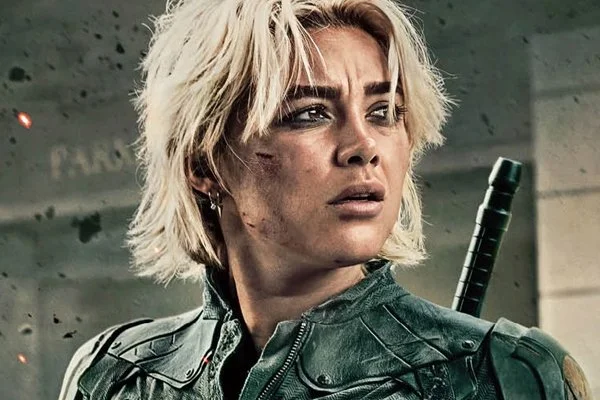
Now enter Yelena. Florence Pugh's introduction in Black Widow was a mission statement. Yelena is pragmatic, efficient, sarcastic, and deadly—immediately more morally ambiguous than Natasha was allowed to be across multiple films. She murders in her very first scene. She jokes about mind control with haunting realism. She calls out Natasha’s “posing,” mocking the performative elements that always seemed to linger around the original Widow.

But it’s in Thunderbolts that Yelena truly evolves. She becomes both the emotional core and the tactical spine of the group. She pulls a broken teammate from the brink, but by the end of the movie, it’s clear that she’s also playing her own chess game. Valentina—one of the MCU’s most composed manipulators—looks legitimately afraid of what Yelena might do next. That’s a power dynamic shift we never saw Natasha pull off.


Yelena Isn’t A Plot Device - She’s The Plot

What sets Yelena apart isn’t just her skill—it’s her agency. She’s not a sidekick, a love interest, or the token woman rounding out the team. She’s her own person, with her own goals, trauma, and decisions.

When Natasha was on screen, she often existed in orbit around male characters. Tony flirted with her. Steve respected her. Bruce broke her heart. Clint knew her past. But rarely did Natasha define the story itself.

Yelena, on the other hand, is the story. Her trauma isn’t just window dressing—it’s a living part of how she moves through the world. Her redemption arc is compelling because we saw the depths she came from. Her humor is sharp, awkward, and distinctly her own. She feels real. And more than anything, she feels free.


Renovating A Legacy
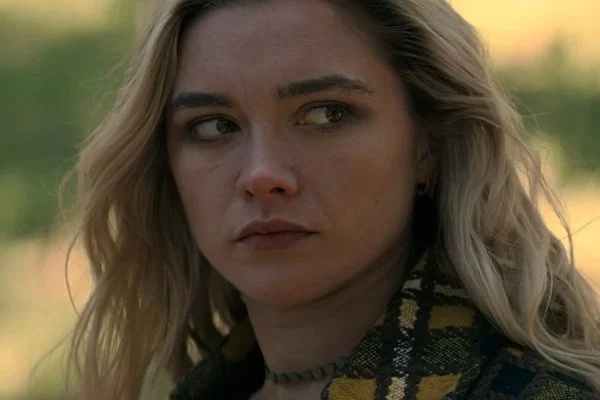
And maybe that’s the real win here—Yelena represents a shift in how women are written in superhero films.

The “sexy spy with a tragic past” isn’t a dead trope. It can still work—when we’re shown the full weight of that past. When we see the darkness, the conflict, the scars. With Natasha, most of that was off-screen. With Yelena, we’re in the trenches with her. We feel the damage, and the humor she uses to survive it.

She’s still stylish, still cool, but she’s also awkward, combative, deeply emotional, and sometimes messy. That’s what makes her relatable. That’s what makes her modern. And that’s why fans aren’t just admiring her—they’re rooting for her. She is without a doubt, one of the best, if not the best, MCU legacy characters in the franchise.

Reddit threads, YouTube breakdowns, and TikTok edits are all filled with fans who see Florence Pugh’s Yelena as the character Black Widow was always meant to be. That’s not a slight on Scarlett—it’s a testament to how far storytelling has come.


A New Widow For A New Generation
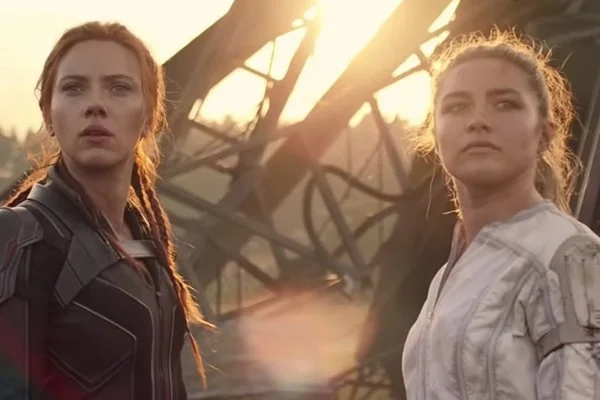

This isn’t about disrespecting Natasha Romanoff. It's about recognizing that her successor has done something rare: she’s taken a legacy character and made it more grounded, more dimensional, and—frankly—more interesting. Yelena Belova isn’t a replacement. She’s a revelation. And if Marvel’s smart, she’s also the future.

The truth is, we don’t have to choose one or the other. Natasha Romanoff walked so Yelena Belova could run—and now, Yelena is sprinting toward a future where complex, powerful women lead their own stories unapologetically. It’s exciting to imagine where her journey will go next. If Thunderbolts was any indication, we’re just scratching the surface of what this new Black Widow can be. And for fans who’ve been waiting for a Widow with grit, charm, and real narrative weight?

The best is yet to come.
7 Shocking Twists in Thunderbolts* That Changed the MCU Forever

MoviesGeorge SerranoComment

For a while now, the Marvel Cinematic Universe has felt like it’s been stuck in a holding pattern. With scattered storylines, delayed payoffs, and a growing sense of uncertainty about what comes next, fans have been waiting for something—anything—to shake up the status quo. Enter Thunderbolts*. What looked like a ragtag mission featuring some of the MCU’s most unlikely allies turned out to be a pivotal moment in the franchise. Not only did it deliver unexpected twists and high-stakes drama, but it also planted seeds for the MCU’s future in ways that can’t be ignored. Here are 7 ways the events of Thunderbolts* changed the MCU forever.

SPOILER WARNING FOR ALL THINGS THUNDERBOLTS*

1. Red Hulk’s Fury Enabled Valentina’s Ascension

Thunderbolts takes place after the events of Captain America: Brave New World, where President Thaddeus “Thunderbolt” Ross goes full Red Hulk and unleashes chaos on Washington, D.C. The aftermath is devastating—not just in terms of destruction, but in the trust shattered at the highest levels of government. Ross is forced to step down, leaving behind a fractured administration and a gaping power vacuum at the top.

That vacuum is exactly what Valentina Allegra de Fontaine has been waiting for. Now operating as Director of the CIA, she quickly moves to tighten her grip on influence. With Ross gone, Val erases whatever shady paper trails connect her to the darker side of OXE Corp, dodges impeachment, and emerges politically unscathed. In fact, she’s more powerful than ever—arguably the most dangerous non-powered player in the MCU.

But power without a symbol is just a shadow. And Val’s next move makes her intentions crystal clear…

2. Earth’s Mightiest PR Stunt

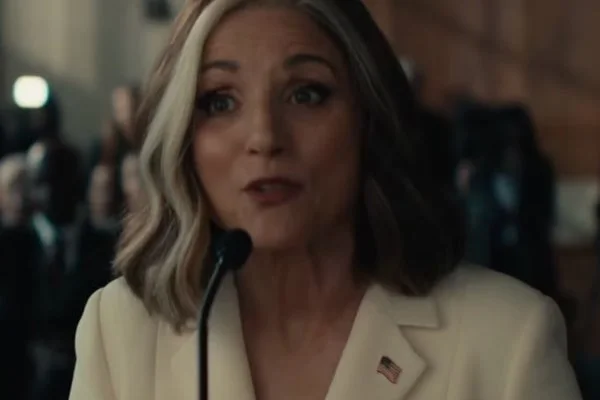
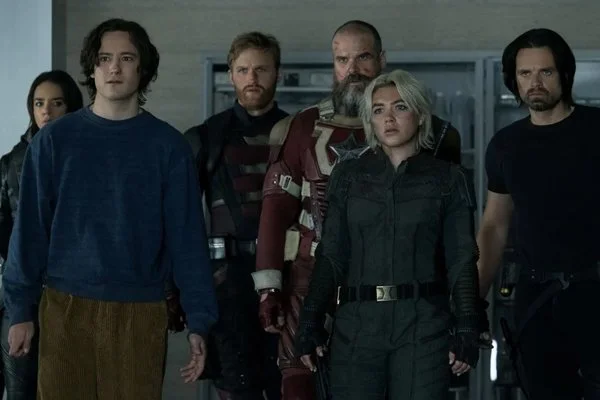
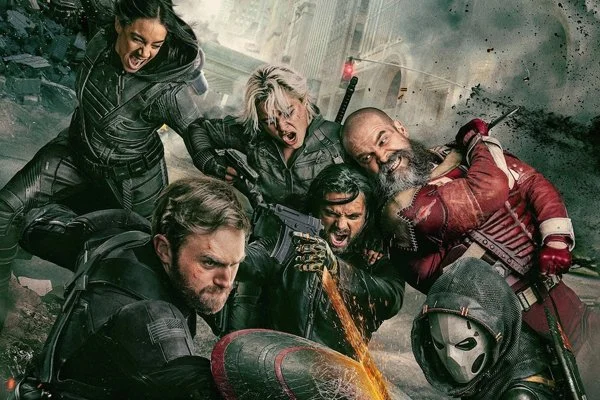
With the dust still settling from Ross’s resignation, Valentina seizes the moment and steps into the spotlight. In front of the press—and the world—she unveils her boldest play yet: the New Avengers. It’s a full-on rebrand of her black-ops squad, and it includes U.S. Agent, Red Guardian, Ghost, Yelena, Bucky, and maybe even Bob. Yes, that Bob.

According to Val, she’s been working on this team “for quite some time,” but it’s clearly a calculated PR stunt—meant to restore public faith in superhero oversight while laundering her own shady past. And thanks to a one-year time jump, we see just how far the brand has come. The team now sports official insignia, public support, and government backing. Unlike the Avengers of old, this squad doesn’t answer to Nick Fury or act independently. They work for the U.S. government, with Valentina calling the shots.

In her own words, “Righteousness without power is just an opinion.” And now, with both power and public favor, Valentina’s vision is in full motion. But not everyone in the superhero community is going to be thrilled about this…

3. A New Team, a New Conflict: Sam Wilson's Avengers

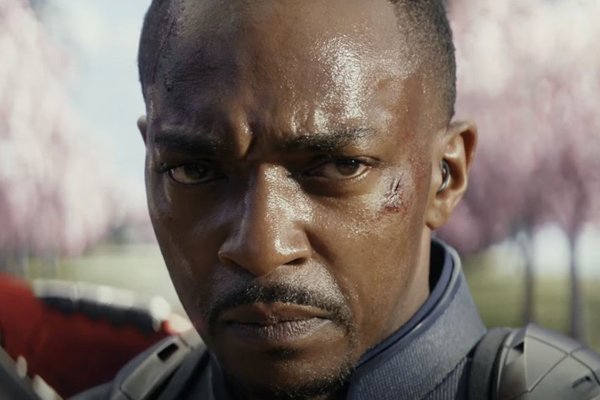
Sure, Earth has a new set of Avengers, but that doesn’t mean the former members are down with this rebranding. In a post-credit scene, Sam Wilson, the new Captain America, makes it clear that he isn’t on board with the idea of the New Avengers carrying the same name as the iconic team he was once a part of. According to Sam, the Avengers aren’t meant to be government puppets, and after all the history they've shared, he doesn’t believe they should be tied to Valentina's agenda.

Bucky, as always, has a nuanced take on the situation. He and Sam had a talk about it, but in his words, “it did not go well.” It’s an interesting dynamic, and even more intriguing is the possibility that Sam may form his own version of the team—one that operates outside the government's influence, especially when it comes to Valentina’s grip on power. A showdown over the very name of the Avengers might be brewing, and it could open the door for Sam to assemble his own crew.

This idea of Wilson’s Avengers comes straight from the comics, where we saw Steve Rogers lead his own “Secret Avengers” while Norman Osborn formed his Dark Avengers. The potential lineup for Sam’s team is wide open: Thor, Shang-Chi, Doctor Strange—just to name a few. But the implications are bigger than just who makes the cut. Could we see another Marvel Civil War?

We’ll have to keep watching to find out.


4. Ticking Time-Bob

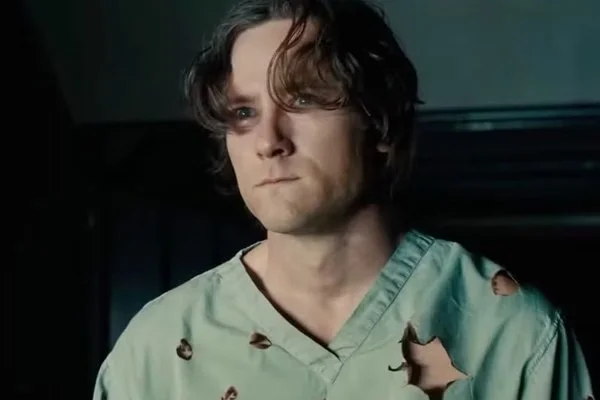
Although Thunderbolts shows that the team has managed to subdue the Void side of Bob’s personality, make no mistake—the threat is far from gone. Bob, now part of the New Avengers, is seen hanging out in their shiny new headquarters. He claims he doesn’t transform into the Sentry anymore, but only because he can’t be the Golden Guardian without releasing the Void. It’s a chilling statement, and with it comes the haunting question: when—not if—will the Void return?

We’ve only begun to scratch the surface of what Bob can do as a hero, but the same can be said about the terrifying darkness the Void can bring. If Bob’s dark half re-emerges, the destruction could be catastrophic, and it’s clear that the stakes are high. Yelena, fully aware of Bob’s potential for both heroism and chaos, has sworn to keep him close. But is it wise to keep such a volatile figure within a government-backed super team? Valentina may think so, but the real question remains: how long before Bob’s inner demons break free again, potentially endangering everyone he’s supposed to protect?


5. The Superhero Arms Race Heats Up

The race to build the perfect hero began with Steve Rogers. Ever since the U.S. turned a skinny kid into Captain America, the rest of the world has been trying to catch up. Bruce Banner, Red Guardian, and even Bucky Barnes were all products of this long-running push to weaponize superhumans.

Thunderbolts confirms what we've suspected for years: that race is far from over. Valentina may have wiped OXE Corp off the map, but she freely admits other nations are already developing enhanced individuals of their own. This isn’t hypothetical — it's happening now.

America’s New Avengers aren’t just about optics — they’re a strategic countermeasure. A way to stay ahead in a world where nations like Wakanda, Ta Lo, and even the Talokanil already have powerful champions at their disposal. It’s no longer about who has the strongest army — it’s about who has the strongest heroes.

What happens when those heroes are forced to pick sides? When countries deploy metahumans like missiles? We’re not just watching the next phase of global politics unfold — we might be seeing the early days of a powered cold war.


6. Avengers?! We Have A (Space) Problem!

While Valentina’s shiny new Avengers seem ready to tackle any terrestrial threat she throws their way, there’s one battlefield they’re suspiciously being kept away from: space. In the final moments of the film, Yelena casually mentions a growing “space crisis”—something she and the rest of the team haven’t been briefed on. The fact that even her sharp instincts are being left out of the loop suggests something massive is unfolding beyond Earth’s atmosphere… and someone doesn’t want them knowing about it. So what exactly is happening in the stars? And why has Valentina chosen to keep her own hand-picked team in the dark?

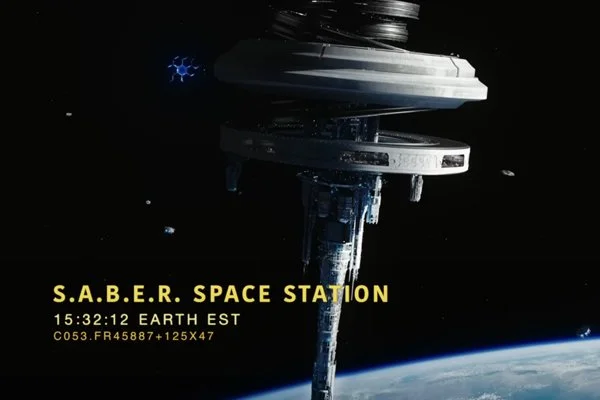
The state of Cosmic Marvel is murky. Nick Fury is still operating from the S.A.B.E.R. satellite with his Skrull wife, presumably monitoring galactic affairs. A newly assembled variant of the Guardians of the Galaxy is still patrolling the cosmos. The Hulk has returned from outer space with a son, bringing his own mysteries back to Earth. Even more curious? Both Star-Lord and Captain Marvel, two of the MCU's most seasoned cosmic veterans, are currently grounded on Earth. With them out of orbit, it’s entirely possible a new threat has risen in their absence.

Whether this is setting the stage for Avengers: Doomsday, Nova, Fantastic Four, or something completely unexpected, one thing is clear: Valentina is choosing not to inform her “Avengers” about it. And when your boss keeps you out of the biggest fight in the galaxy, it usually means you’re being protected… or you're being used. Whatever the reason, the cosmic storm is coming—and the New Avengers are the last to know.


7. Fantastic Fourshadowing

The biggest bombshell in Thunderbolts comes during its final post-credits scene — and it’s a moment that could reshape the MCU forever.

A mysterious ship breaches Earth’s atmosphere, caught on a satellite feed. It’s sleek, retro-futuristic, and nothing like anything we’ve seen in this timeline. As the rocket turns, it reveals a symbol no one could mistake — a glowing “4” emblazoned across its hull. At that exact moment, Michael Giacchino’s mischievous Fantastic Four: First Steps score swells, confirming what fans have long been waiting for: Marvel’s First Family has officially arrived. The scene cuts out, but the implications couldn’t be more urgent.

From the First Steps trailer, we know Reed Richards and his team have been battling Galactus, Eater of Worlds, after receiving a dire warning from his herald, Shalla-Bal. If the Fantastic Four have crossed into this universe, then something critical has happened. Either Galactus won, and they had no choice but to flee their doomed dimension — racing here in a desperate bid to regroup, survive, and warn whoever will listen, or Galactus was defeated, but in the aftermath, something even worse is rising — a threat powerful enough to shake the multiverse and send Marvel’s most brilliant minds looking for reinforcements. One thing is clear, their sudden arrival isn’t a cameo. It’s a countdown. However this team factors into the future of the MCU… I’m sure it’ll be fantastic.


The MCU is on the brink of a monumental shift, and it’s impossible to know exactly what comes next. With new power structures emerging, and global superhuman forces being unleashed, the landscape is forever changing. Will the heroes of today be able to keep up with the escalating threats, or will the world be torn apart by the very powers they’ve unleashed? One thing is certain: things will never be the same. The clock is ticking, and as these dangerous games unfold, the MCU is headed for a future where nothing is guaranteed, besides the fact that all these roads…lead directly to Doom.