
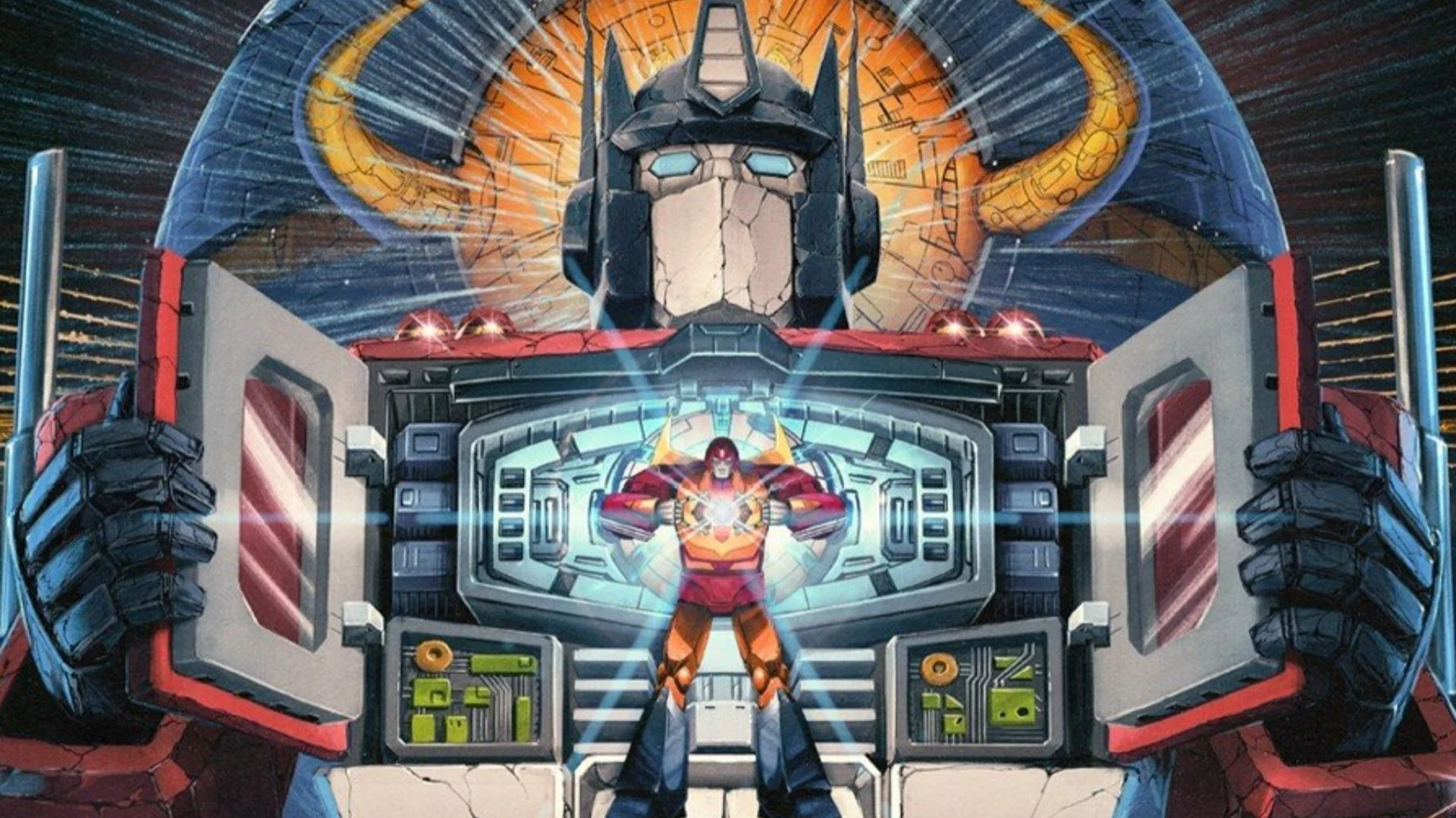
As the Transformers franchise became such a strong force in 1986 on the back of its hit animated show, a feature film that would change the franchise forever was almost inevitable for a unique summer blockbuster. With a time jump of twenty years, the film saw a big departure from the first two seasons of Transformers set in the 1980s timeline, alongside the changes to the Autobots and Decepticons, creating a new experience for those who loved the show enough to see it in theatres.
With the new era of Autobots and Decepticons ushered in and the majority of the beloved characters from the show killed off in the Battle of Autobot City, Hasbro developed the new features to appeal to children, considering the real money for the IP had always been in the toy line. The worst change, however, was the death of the legendary Optimus Prime. The presence of the Autobot leader was felt throughout the film after his death, but the move was so controversial that Hasbro had to resurrect Prime in the third season of the series following the film.
Despite all of this, there’s a lot to enjoy. The animation and visuals are pure perfection courtesy of Toei. With multiple remastering over the four decades, the 2D animation is still top notch even in 2026. The animation when Unicron transforms from the planet killer to a colossal robot to cause havoc and mayhem is extraordinarily breathtaking.
It's amazing that this cult classic managed to assemble several legendary actors in robotics roles. Brat Pack's Judd Nelson portrayed Hot Rod, a headstrong and somewhat reckless Autobot with his own hero's journey and evolution from youth to new leader of the group brought fresh enthusiasm. Lionel Stander as the elder Autobot Kup, who's a mentor to Hot Rod guiding him with old stories was refreshing and keeps the story interesting. The biggest grab for the cast was Orson Welles as the planet eating Unicron. He brought a sinister performance to the big bad villain role. The fact that his last acting gig was for a 1980s animated franchise will always be talked about among the fandom.
The soundtrack is a masterpiece and the songs were used perfectly. Stan Bush’s tracks The Touch and Dare provide the ultimate high-energy, motivational fuel for the Autobots. Vince DiCola’s instrumental score—especially Autobot/Decepticon Battle and Death of Optimus Prime used heavy synthesizers to deliver a surprisingly dramatic, sci-fi atmosphere. NRG's Instruments of Destruction and Lion's aggressive rendition of the Transformers theme match the shockingly high-stakes action and character deaths of the film.
Transformers: The Movie is more than a cult classic, it's a timeless special movie that is shown for multiple generations passed down. The feature stands the test of time for a movie that's a continuation of an iconic cartoon series to inspire people from quotes of Optimus Prime to experiencing a 1980s rock opera with the music presented through the film. What the film and the Transformers franchise continues to do is expand the mythology that was created involving a war between two factions and getting invested in animated personalities on the Decepticons and the Autobots.