
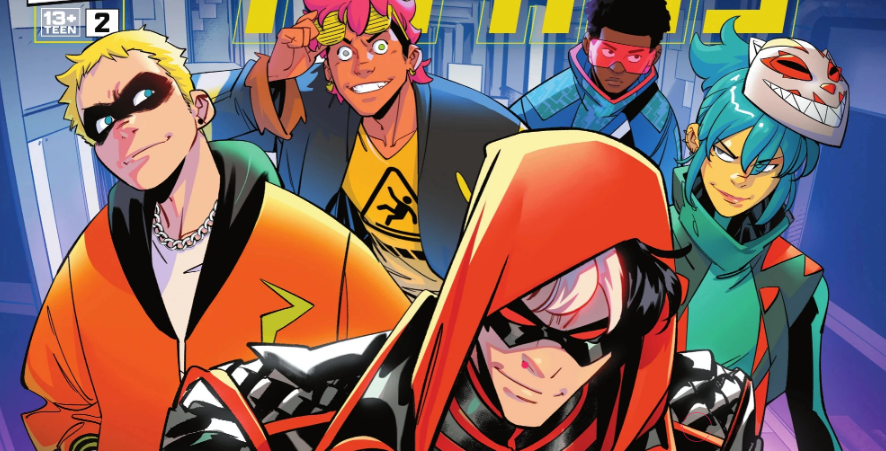
Teen Titans #2
Writer: Kyle Higgins
Artist: Daniele Di Nicuolo
Colorist: Marcelo Costa
Publisher: DC Comics
Writing sophomore issues is tough because the honeymoon of the debut is over and the real storytelling has to kick in. In Teen Titans #2, Kyle Higgins and Daniele Di Nicuolo lean directly into the delicious irony of Jason Todd being the person forced to preach restraint. For decades, Red Hood was DC’s poster boy for collateral damage, a shoot-first anti-hero who solved disagreements with live ammunition and raw rage. Watching him struggle to play the calm, collected voice of reason to a crew running on unfiltered internet adrenaline is both hilarious and genuinely profound. Higgins puts Jason in the ultimate karmic bind: having to play sensible dad mode while his squad walks straight into a vicious media buzzsaw where perception beats reality every single time.
The Breakfast Club of Misfits
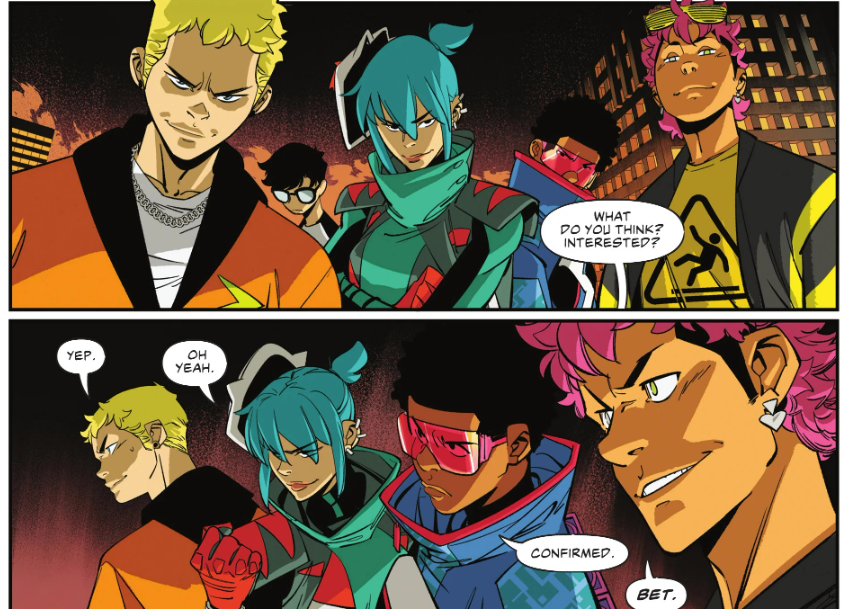
We pick up right where the premiere left us, with Jason Todd cracking knuckles and sweating a captured Ascend operative for intel. Across town, our freshly christened Teen Titans are hanging on a rooftop, still riding high off the sheer rush of having superhero clout. That buzz dies pretty quick, though, thanks to Wild Card riding Eugene hard about being the odd man out with zero powers. The digs hit deep, leaving Eugene feeling completely alienated and bailing on the crew right before a major lead drops. Higgins nails the Gen Z dialogue here without breaking a sweat. It never feels like an adult writer hitting up Urban Dictionary to cosplay as a teen. The slang drops naturally, giving the banter genuine youthful grit instead of cringe.
Reckless Youth
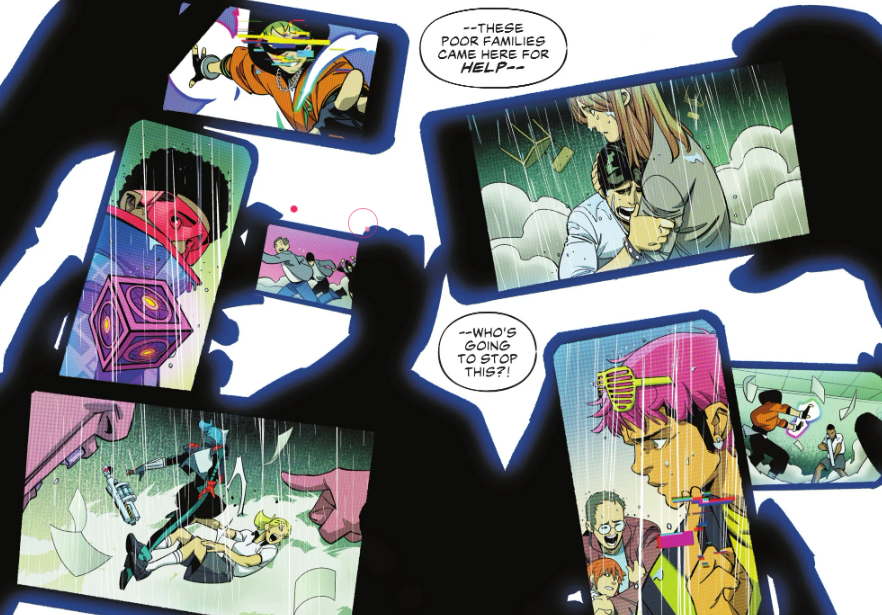
That lack of chill blows up the second the crew goes on a stakeout. Staring down a suspected Ascend outpost, they watch a teenage girl get dragged inside, kicking and screaming. Naturally, they chuck Jason’s warnings about patience right out the window and barge into the building, fists flying. Security swarms, superpowers light up the hallways, and the whole debacle is recorded on cellphones and uploaded to social media.
To add salt to the wound, the facility boss, Maren Vellis, steps out ice-cold to tell everyone the place is just a voluntary wellness center. Honestly, whether Maren is lying through her teeth does not even matter. The Titans kicked down the doors of a purported clinic and threw hands on camera, handing Ascend all the ammunition they need to paint metas as unhinged monsters on the evening news.
Sixteen Scandals
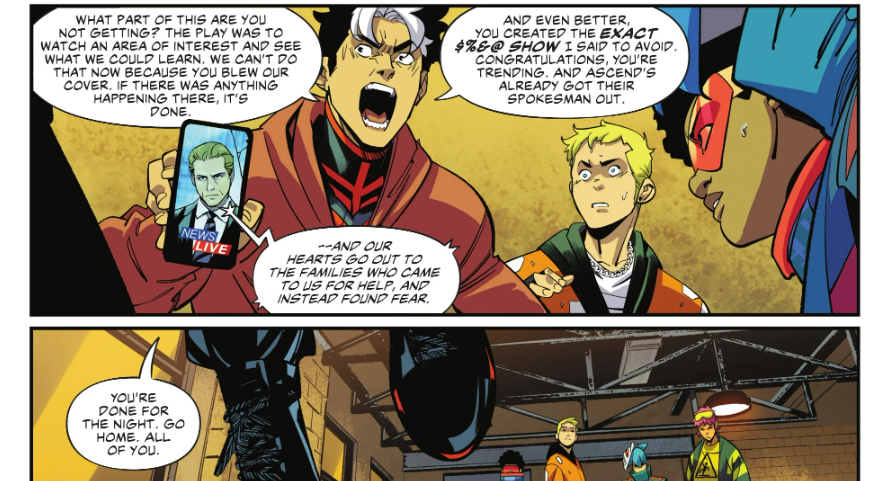
Before local PD can lock them up, Jason swoops in under the guise of "Monty Malone," a slick nod to Bruce Wayne’s old Matches Malone persona. He plays the beleaguered, apologetic group-home counselor to smooth things over and hustle his reckless squad out the door. Back at base, Jason rips into them, throwing on the broadcast to show how Ascend completely hijacked the narrative to make the heroes look like violent extremists. The parallels here to real-world extremist playbooks hit hard. Ascend operates just like reactionary groups such as Turning Point USA, hunting down lonely, angry kids who feel left behind by society and giving them an easy scapegoat to hate. All it takes is a tiny grain of half-truth and some viral footage to manipulate the public, and our rookie heroes walked right into the crosshairs.
That disastrous media firestorm sends shockwaves straight up the ladder. Mr. Terrific contacts Nightwing in a panic, terrified that his kid, Fairplay, is running headfirst into a meat grinder after watching the chaotic news coverage. Dick Grayson steps up to do what he does best, playing the seasoned diplomat and trying to de-escalate an overprotective father while acknowledging that any Titans squad is messy by nature.
Don’t You (Forget About Eugene)
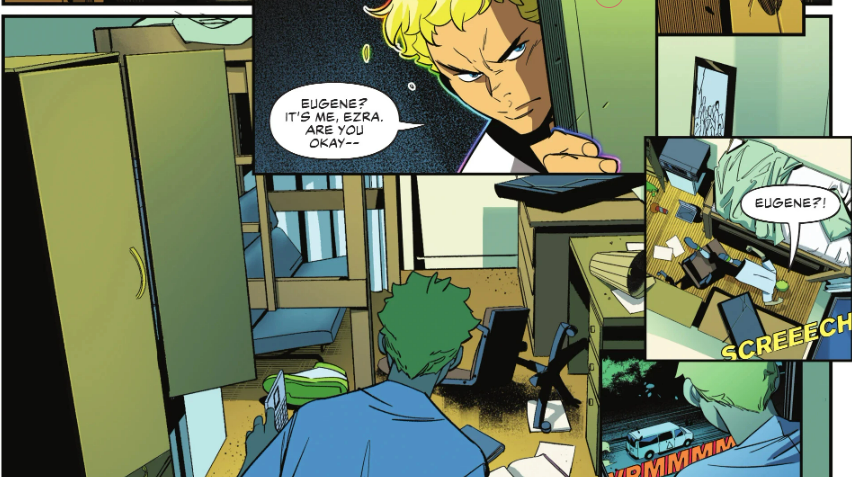
But the real cliffhanger hits back in Eugene's neighborhood. Later that evening, Wild Card gets a ping from Eugene claiming he unearthed fresh intel on Ascend. Wild Card rolls up to the apartment only to find Eugene's bedroom completely trashed, catching a glimpse of an unmarked white van peeling out into the night with Eugene presumably inside.
The cliffhanger itself is shocking, but my spidey senses make Eugene's apparent abduction sting even worse. Beyond the immediate threat of a kidnapping, Eugene is practically built in a lab to be Ascend's dream recruit. After getting relentlessly clowned and ostracized by his own peers just for being a "normal" without powers, he represents the exact profile of an isolated, angry youth vulnerable to radicalization. Turning down someone who feels discarded by metas gives Ascend all the leverage in the world, and watching the Titans' petty locker-room bullying potentially hand their enemy the ultimate inside weapon is going to come back to haunt them. Issue one gave us the team, issue two cemented the interpersonal dynamics, and now the stakes have officially hit the roof.
Weird Science in Motion
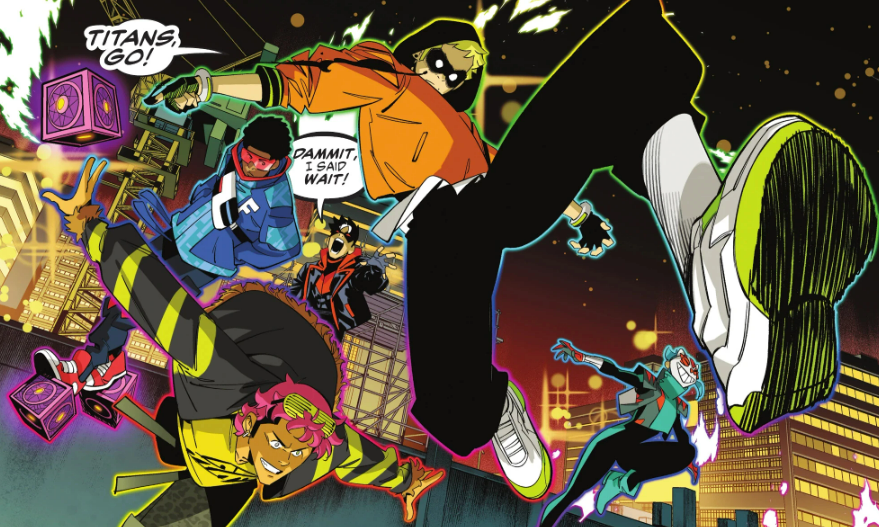
Daniele Di Nicuolo’s artwork keeps the entire book feeling alive and electric. He leans heavy into that energetic manga sensibility, stacking the pages with kinetic motion lines, exaggerated faces, and genuine punch. Proxy’s powers look incredible in action, bringing an inventive visual flow that makes the panel layouts a blast to read. Marcelo Costa’s colors make the action pop off the page while keeping the mood appropriately shadowed once the cameras turn off and the dread sets in.
Conclusion & Verdict
At the end of the day, Jason Todd trying to corral a bunch of hotheads is the beating heart of Teen Titans #2. For a guy who built his entire reputation on shooting first and asking questions never, watching Jason force himself to stay calm and play the responsible mentor is incredible character growth. He sees his own worst teenage impulses looking right back at him.
Verdict: 8/10
A slick, sharp-witted look at digital-age propaganda that pushes Jason Todd into genuine maturity while delivering top-tier superhero action.