
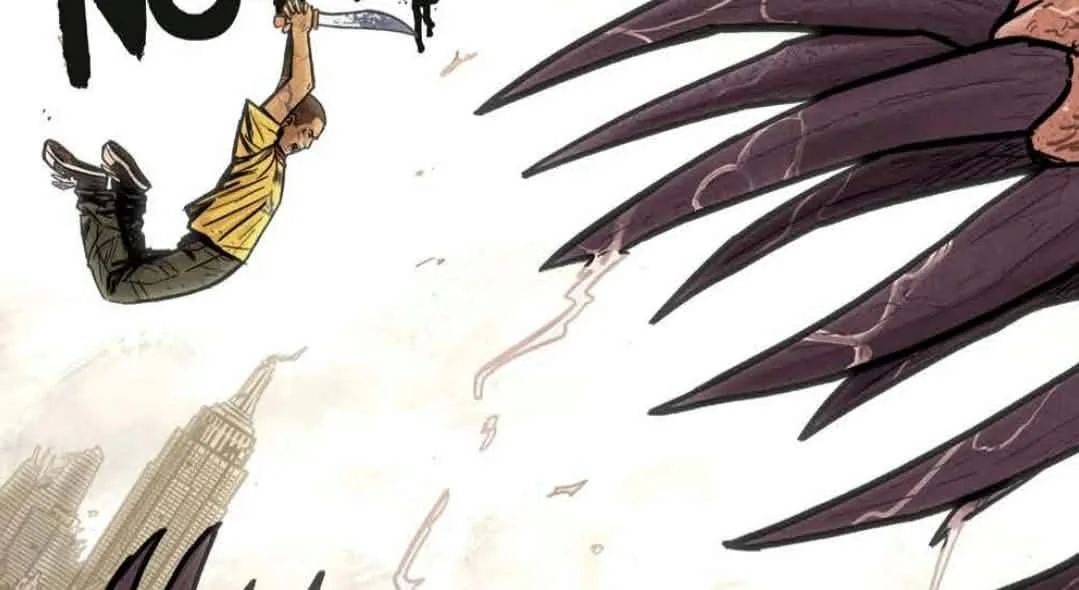
No Gods, No Masters #2
Writer: Julio Anta
Artist: Jacoby Salcedo
Publisher: DSTLRY
No Gods, No Masters #2 wastes no time proving that the worst fallout of an apocalypse is rarely just the creatures leveling the skyline. While the debut issue threw readers headfirst into the spectacle of giant beasts tearing through New York, Julio Anta and Jacoby Salcedo use chapter two to narrow the focus to sidewalk level without taking their foot off the gas. It is a lean, urgent follow-up that balances high-stakes survival with an explicit examination of state violence, class abandonment, and the everyday people who refuse to get pushed aside.
Red Line to Ruin
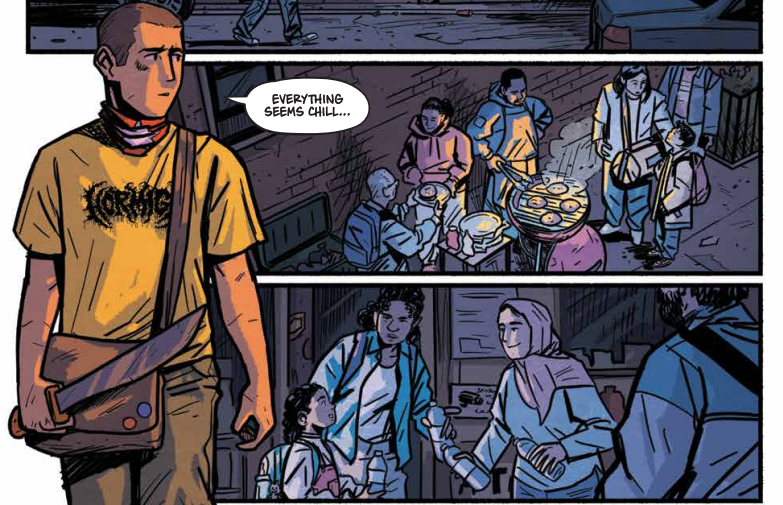
The narrative urgency hits immediately. Felipe is driven by pure panic to reach the 14th Street station to locate his mother, pulling his ragged crew straight through the city's shattered core. Anta gives the teenage ensemble distinct friction and sharp personalities rather than treating them like polished superheroes with a tactical master plan. They are desperate, rebellious kids scraping through rubble, balancing terror with defiant humor and relying on raw adrenaline alongside their weapons and volatile abilities. Salcedo captures this frantic trek through tight alleyways and pulverized concrete, establishing a suffocating atmosphere where danger lurks around every blind corner.
Occupiers in Uniform
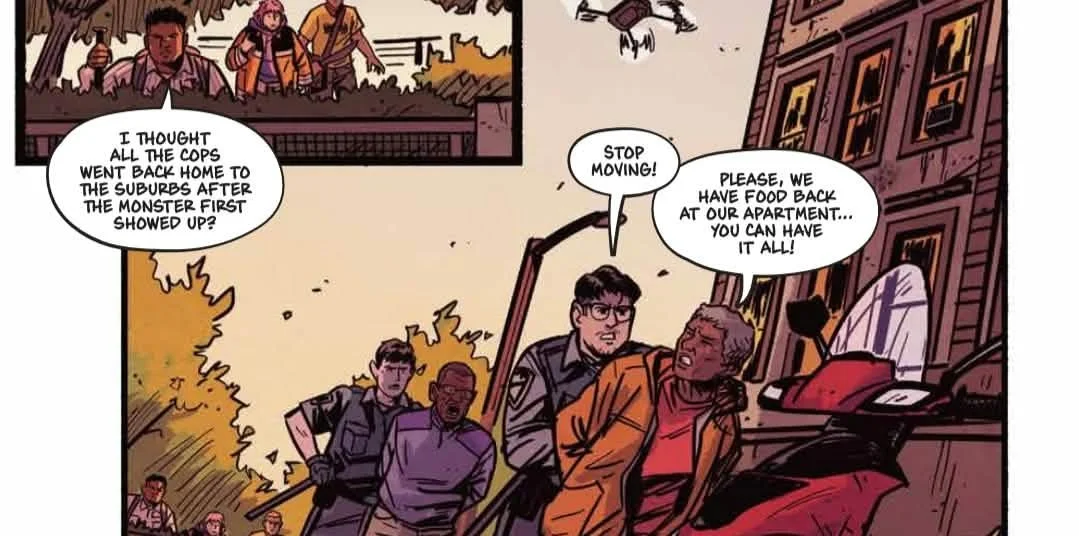
The emotional crux of the chapter arrives when the group collides with an armed squad terrorizing an elderly couple. It is an ugly, deliberately uncomfortable scene. Stripped of official precinct markings and brandishing unmarked tactical gear and zip-ties, the squad functions less like civil servants and more like an occupying militia using total disaster conditions to bully, detain, and brutalize vulnerable residents.
Felipe and his crew intervene on instinct, throwing themselves between the armed thugs and the seniors. The clash is brief and scrappy, but the moral weight lands when prowling kaiju emerge to wipe out the militia force. In the aftermath, the teenagers urge the couple to flee, only to be met with defiant refusal. The seniors make it clear that this home was built with their own hands, and they will not be intimidated into running. Anta turns this quiet exchange into a powerful mirror for real-world occupied and displaced communities who refuse to let state forces push them off their ancestral land.
Venezuelan Terror in the Lower Depths
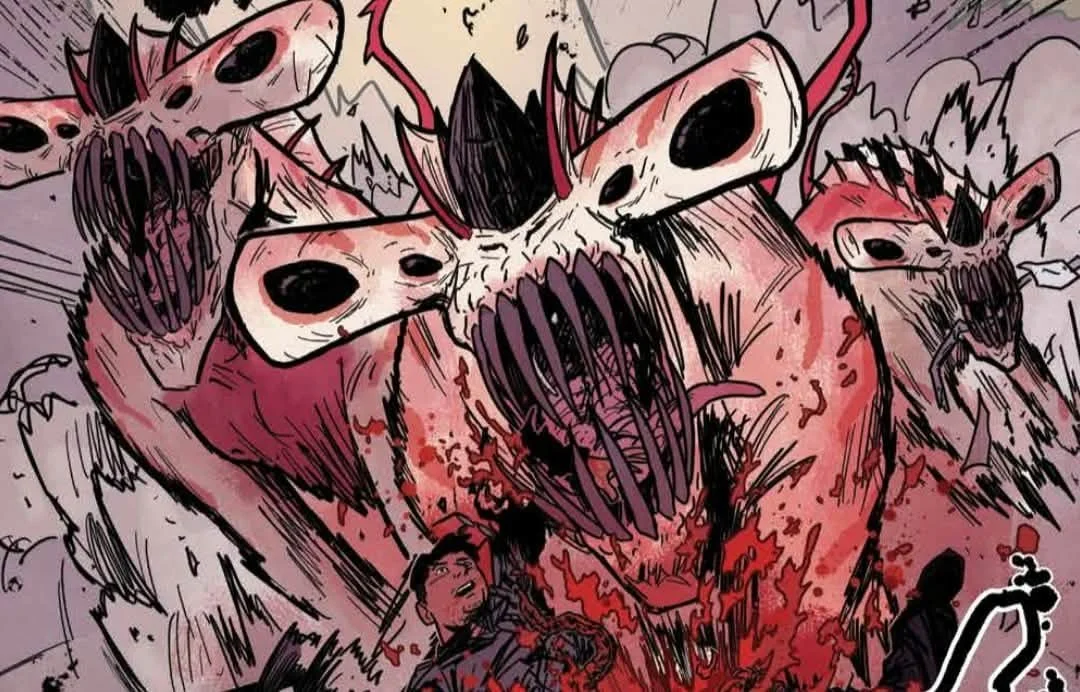
When the creature combat takes center stage, the creators steer clear of standard Western monster cliches by introducing the Amikuk. Tapping directly into Venezuelan and regional maritime folklore, Anta and Salcedo use cryptid horror to honor cultural roots while delivering genuine creature-feature spectacle. The Amikuk is hulking, grotesque, and terrifyingly alien against the shattered grid of Manhattan. Salcedo gives the beast genuine physical heft; you can practically feel the slime, ancient malice, and earth-shattering weight behind every strike.
The Capital Flight Protocol
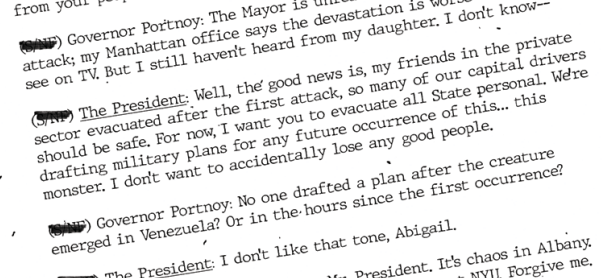
The issue's back matter provides the most venomous sociopolitical punch in the book. Formatted as sterile, redacted bureaucratic correspondence between the president and executive advisors, the grim reality of the crisis is laid bare: the ultra-wealthy, corporate titans, and political elites were quietly evacuated long before the public was ever notified. While working-class communities are abandoned to face lethal beasts and rogue armed gangs on the pavement, capital ensures its own survival behind closed doors. It strips away any romantic illusion of shared hardship and exposes the catastrophe as an exercise in class abandonment.
Visceral Visuals
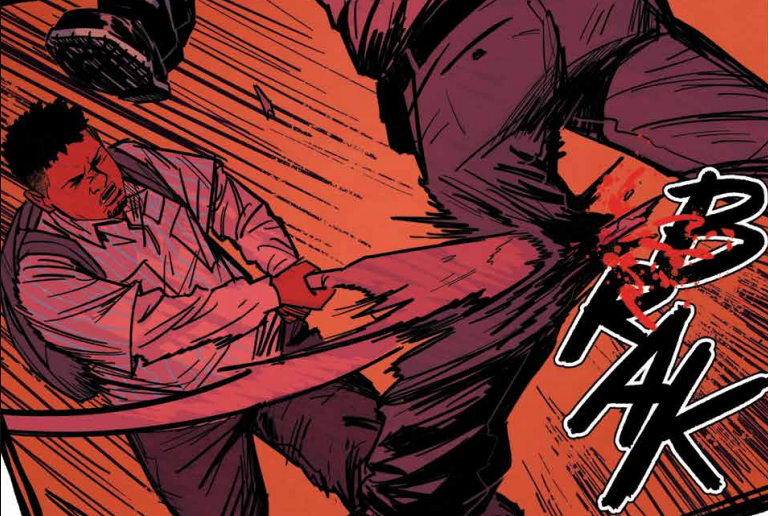
Jacoby Salcedo delivers standout work here, balancing intimate character drama with massive destruction. The color palette plays a vital role in establishing this contrast: muted, dust-choked grays and sickly subway tunnel tones dominate the street level, only to be violently shattered by lurid, unnatural hues whenever the Amikuk surfaces. Salcedo's textured, kinetic linework conveys suffocating scale and the raw panic of kids facing monsters the size of city blocks without ever losing the human heart beating inside the chaos.
Conclusion & Verdict
Two issues in, Anta and Salcedo have established a rhythm that treats spectacle and substance as two sides of the same coin. No Gods, No Masters #2 succeeds because it understands that massive scales mean nothing without a grounded, human pulse to anchor them. By pairing folklore-rooted monster carnage with an unflinching look at systemic rot and the resilience of ordinary survivors, the creative team delivers a sophomore chapter as gritty and purposeful as the pavement its characters defend.
Verdict: 7.5 / 10
A sharp, fast-paced sophomore chapter that pairs urban creature horror with uncompromising political fury, proving giant monster stories hit hardest when grounded in the people left behind."