
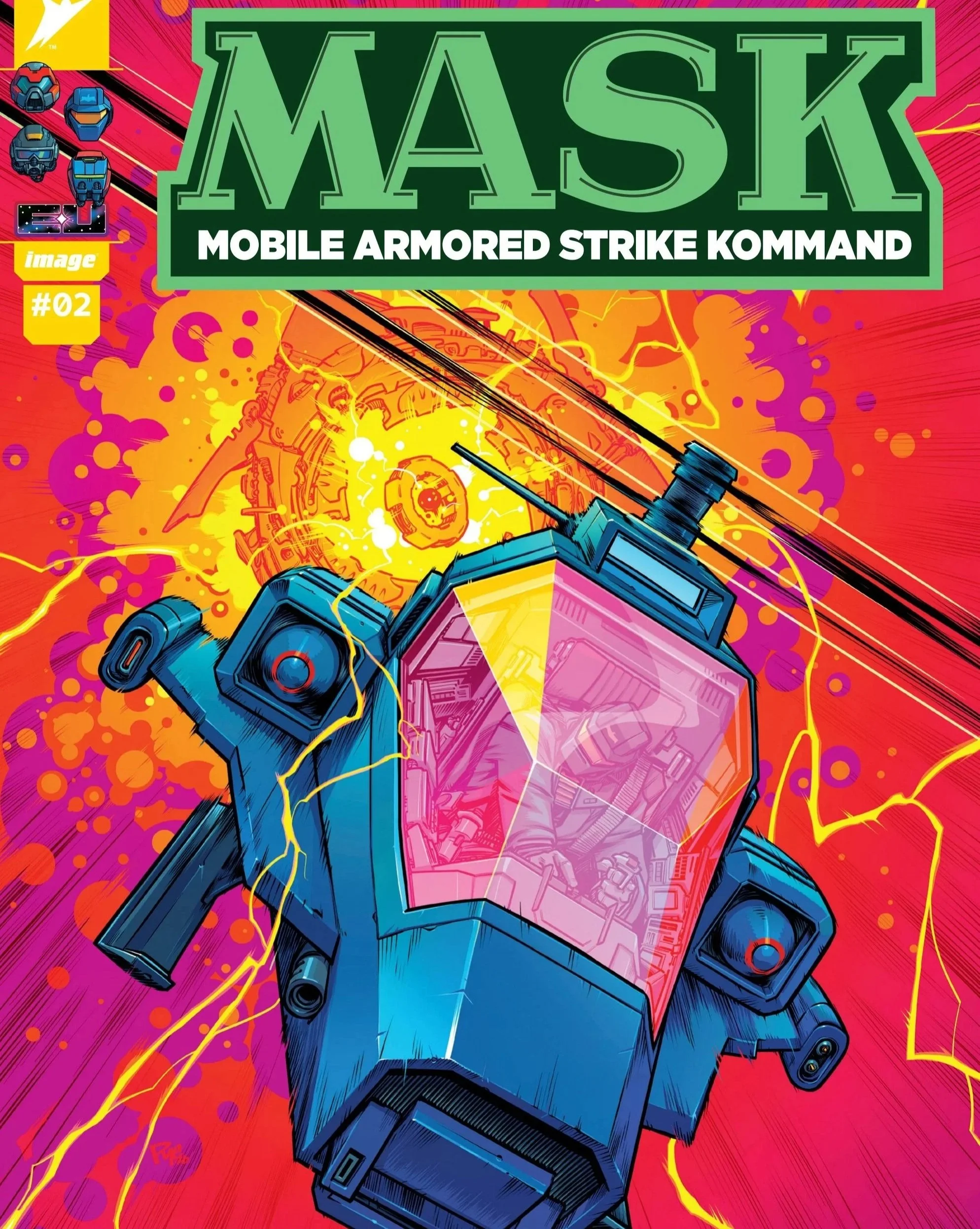
After a somewhat restrained introduction, M.A.S.K. #2 immediately makes a much stronger impression by throwing its characters into a genuinely ridiculous and exciting crisis. A black hole has formed beneath the ocean and threatens to consume the planet, while Matt Trakker is forced to assemble a team capable of dealing with a problem far beyond anything a normal military operation could handle. Dan Watters takes the foundation established in the first issue and finally lets the concept loose, resulting in an issue that feels considerably more confident and entertaining.
What makes this chapter work so well is that the premise is exactly the kind of wonderfully insane science fiction that a M.A.S.K. comic should be delivering. The idea of a black hole forming underwater is immediately compelling, but Watters doesn't let the absurdity overwhelm the characters or the stakes. Instead, the impossible situation gives the M.A.S.K. Network an opportunity to demonstrate exactly what makes it different from V.E.N.O.M. and establishes a much clearer identity for the series.
M.A.S.K. Finally Gets to Go on a Mission
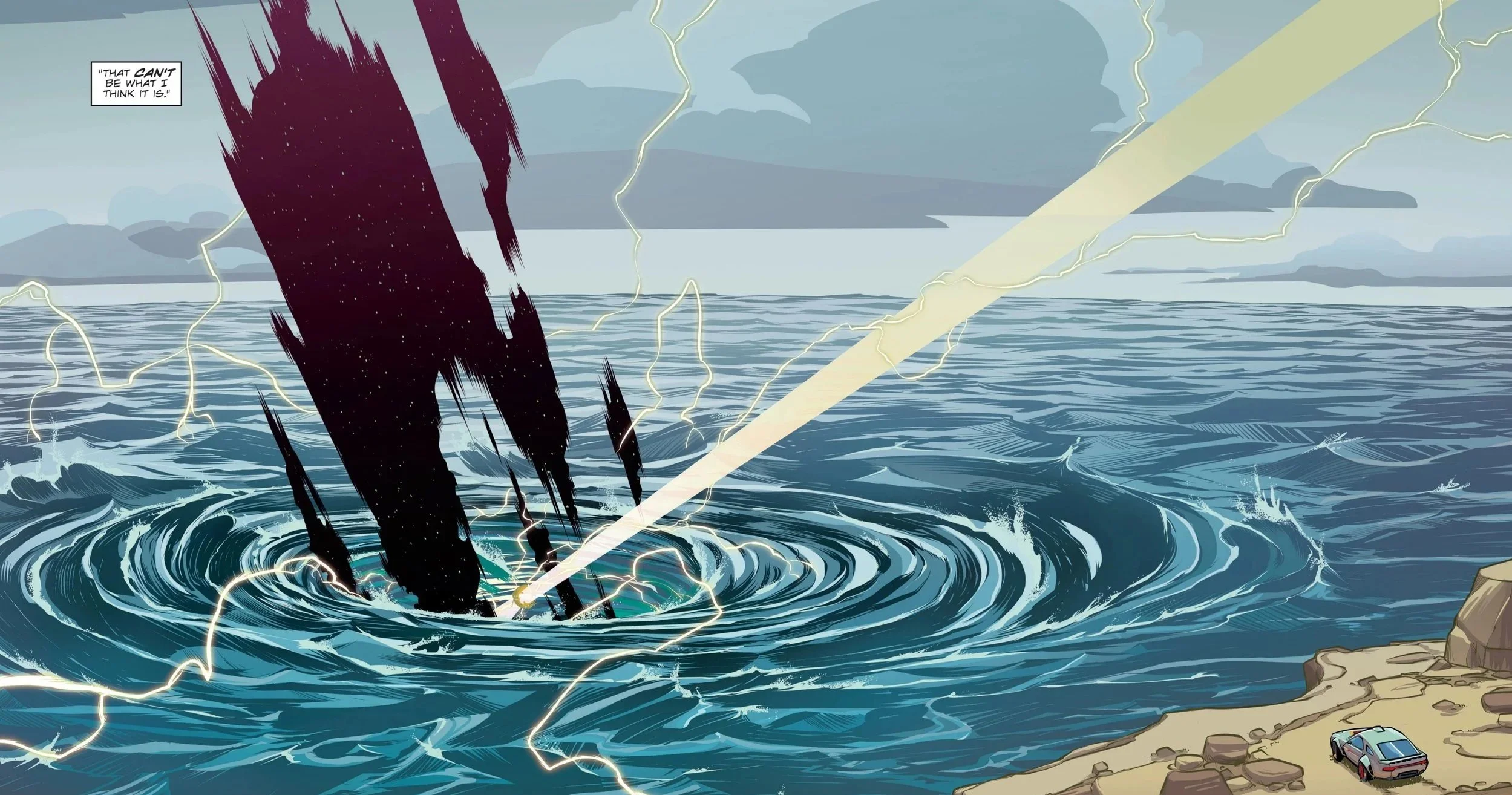
One of my biggest criticisms of the first issue was that it spent so much time establishing Matt Trakker and Miles Mayhem that the actual M.A.S.K. concept had barely gotten the opportunity to breathe. That changes immediately here. This is the first time we really get to see the M.A.S.K. Network operating as a team, and the difference is substantial.
Rather than relying on a small group of established characters, Trakker can call in operatives with completely different abilities and backgrounds. Bruce Sato and Gloria Baker are introduced as new members of the team, and their personalities immediately help distinguish the organization from V.E.N.O.M. Gloria, in particular, provides an interesting source of friction because she clearly doesn't trust Trakker and isn't particularly interested in blindly following his orders.
That dynamic is refreshing because superhero and action stories often make their heroes function as a perfectly coordinated unit while reserving all of the interpersonal conflict for the villains. Here, M.A.S.K. itself has disagreements and competing personalities, which makes the organization feel more believable and gives Watters more opportunities to develop these characters moving forward.
Sato also makes a strong impression. His technical expertise proves invaluable during the crisis, and his ability to solve problems under pressure gives him an immediate purpose within the team. After the first issue spent so much time establishing the broader concept, seeing these characters actually put that concept into practice makes the series feel much more complete.
The Black Hole Is a Fantastic Premise
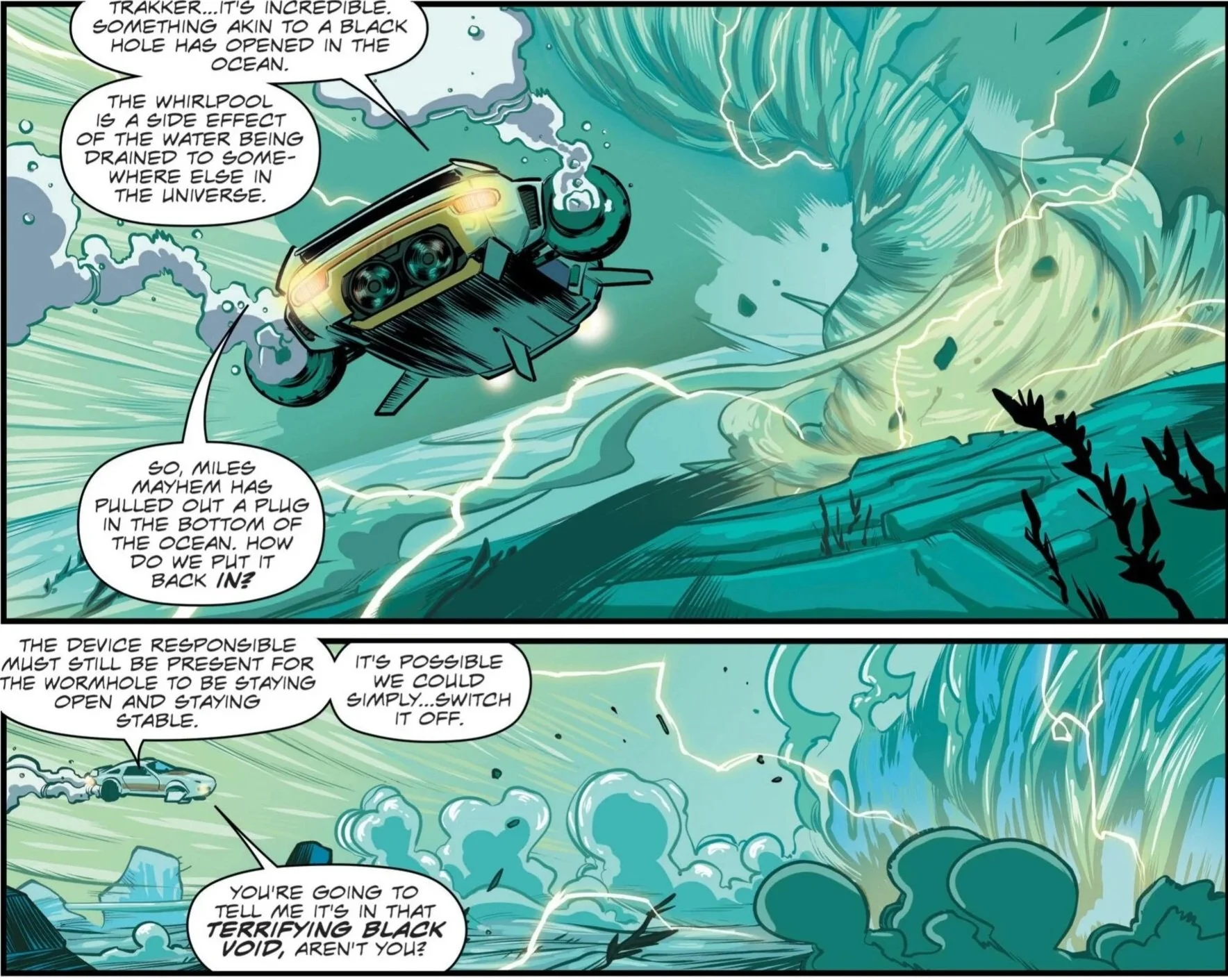
The central disaster is easily the most memorable part of the issue. A black hole opening beneath the ocean sounds completely ridiculous when written down, but that is precisely why it works so well in M.A.S.K. The series has the freedom to embrace concepts that would feel absurd in a more grounded action comic, and Watters takes full advantage of that here.
The underwater setting makes the situation even more interesting. The characters aren't simply trying to stop an abstract cosmic threat. They're dealing with something that has the potential to destroy everything around them while operating in an environment where they are already at a significant disadvantage.
The crisis also provides a great opportunity to showcase the difference between M.A.S.K. and V.E.N.O.M. The two organizations may have access to advanced technology, but they approach that technology from fundamentally different perspectives. M.A.S.K. feels designed around adaptability and problem-solving, while V.E.N.O.M.'s equipment is more aggressive and predatory.
That distinction was hinted at in the previous issue, but it becomes much clearer here because we're finally seeing both sides of that technological philosophy in action.
The Characters Are Starting to Click
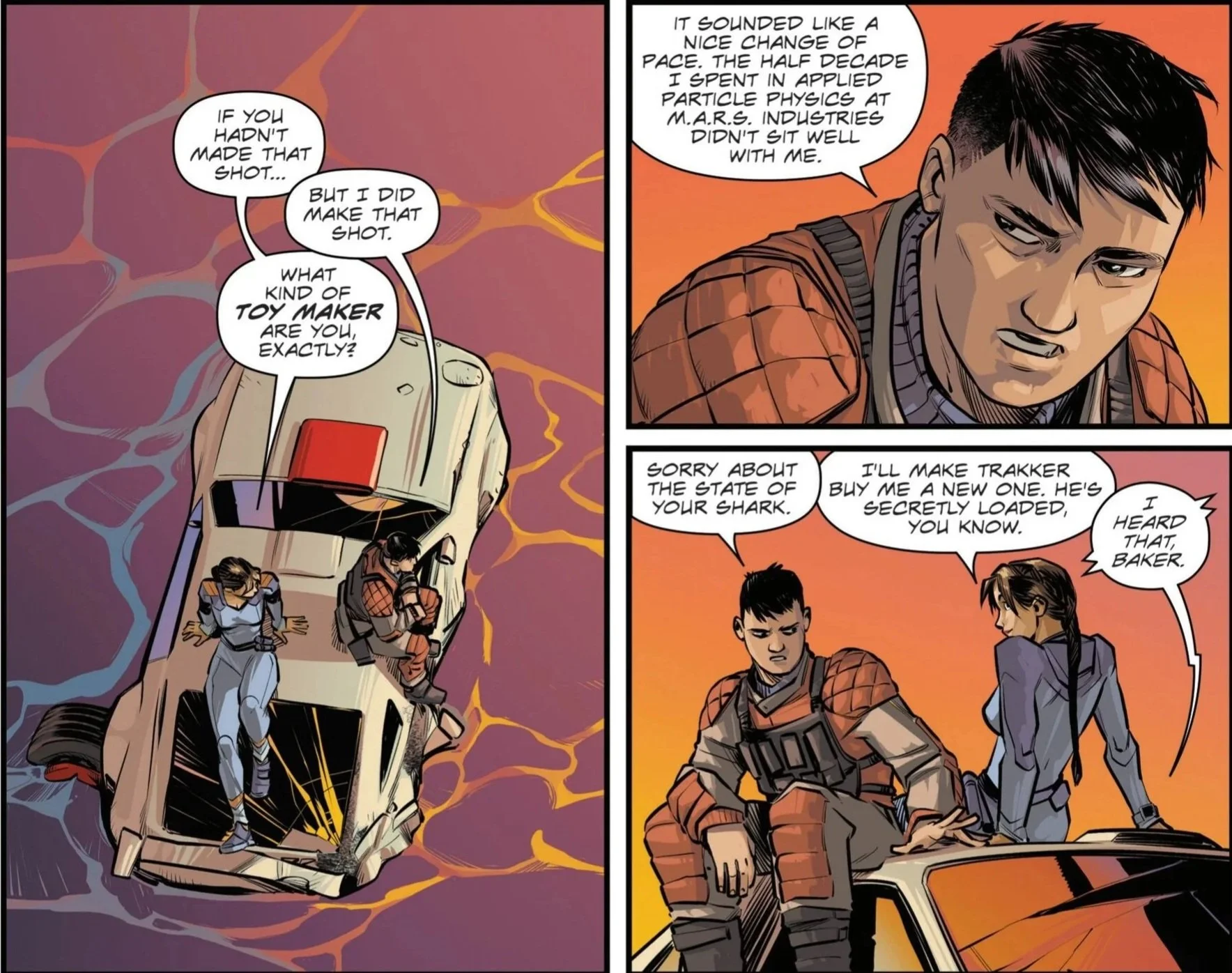
The biggest improvement from the previous issue is how much more invested I am in the characters now that they're actually being placed into situations where their personalities can interact. Trakker, Sato, and Baker have immediately recognizable differences, and those differences create an entertaining team dynamic.
Gloria Baker might be my favorite addition because her distrust of Trakker gives the group some much-needed friction. She doesn't simply accept his authority because he's the leader, and her willingness to challenge him makes their interactions more interesting. It also raises questions about Trakker himself. If someone who has joined his organization already has reasons to distrust him, there is clearly more going on beneath the surface.
Miles Mayhem remains an important part of the issue as well. While the previous chapter leaned heavily on his perspective, this issue does a better job of establishing M.A.S.K. as its own entity. Mayhem is still a significant threat, but the story is increasingly becoming about the people trying to oppose him rather than simply following his actions.
That balance makes the series feel healthier moving forward. There is still plenty of room for Mayhem's story to develop, but now M.A.S.K. itself feels like the primary attraction.
Pye Parr Gets to Have Some Fun
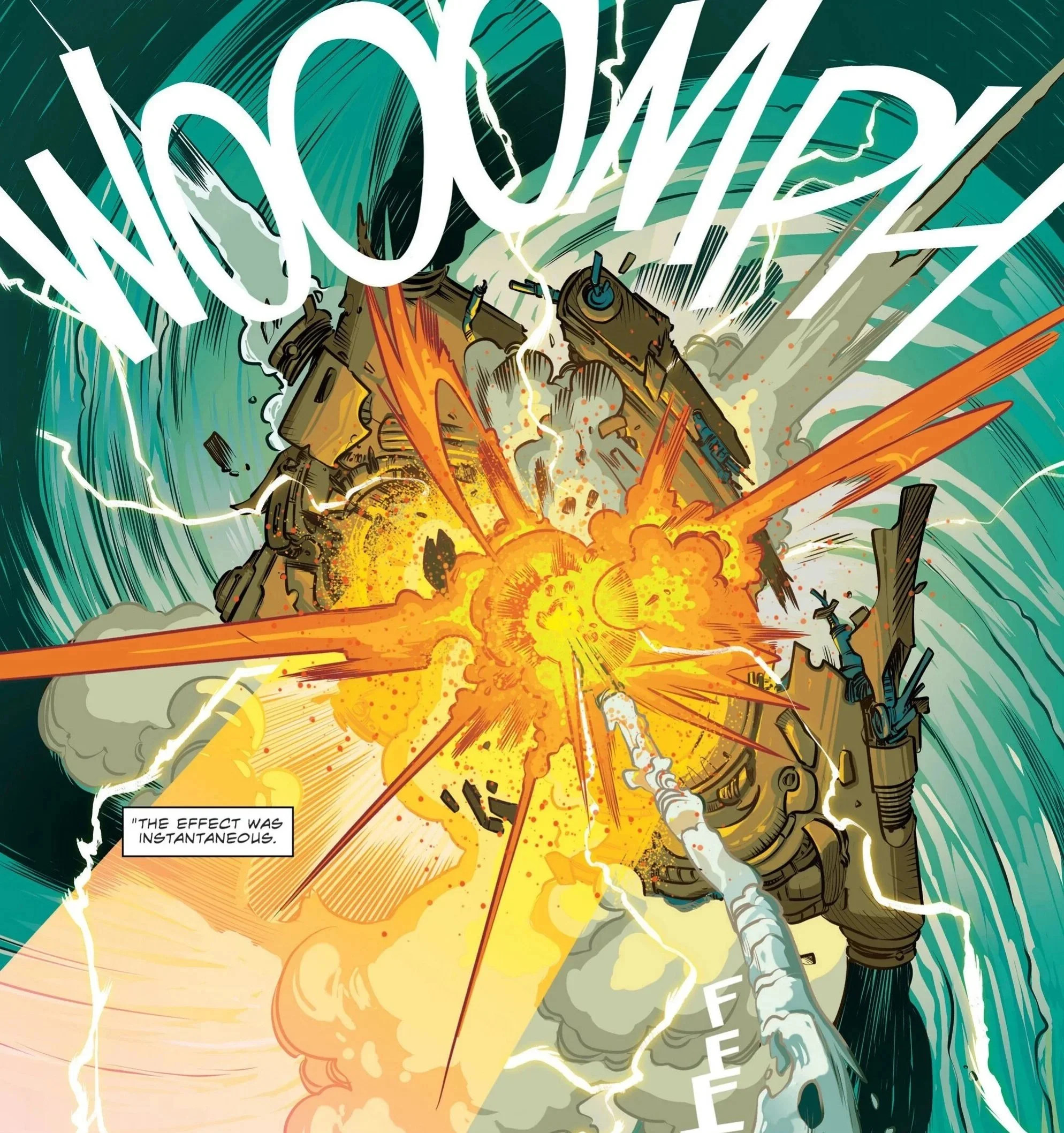
Pye Parr's artwork benefits enormously from the larger scale of this issue. The first chapter established that Parr is particularly comfortable with the technology and vehicles of this world, and M.A.S.K. #2 gives him considerably more opportunities to show off that strength.
The various M.A.S.K. vehicles and helmets are exactly the sort of ridiculous, high-concept technology that makes this franchise so much fun. Gloria's vehicle gaining the ability to operate underwater is particularly appropriate given the circumstances, and Parr does an excellent job making these machines feel like practical pieces of advanced equipment rather than simply toys being thrown onto the page.
The black hole itself is another major visual highlight. As the event horizon grows, it begins to consume more and more of the surrounding imagery, creating a genuinely unsettling sense of scale. The two-page spread inside the black hole is especially effective, with the darkness creating the impression that the characters are staring into something completely incomprehensible.
That imagery gives the issue a much stronger visual identity than the first installment. Parr and Pierluigi Casolino make the disaster feel appropriately enormous without losing sight of the characters caught in the middle of it.
A Much Stronger Second Chapter
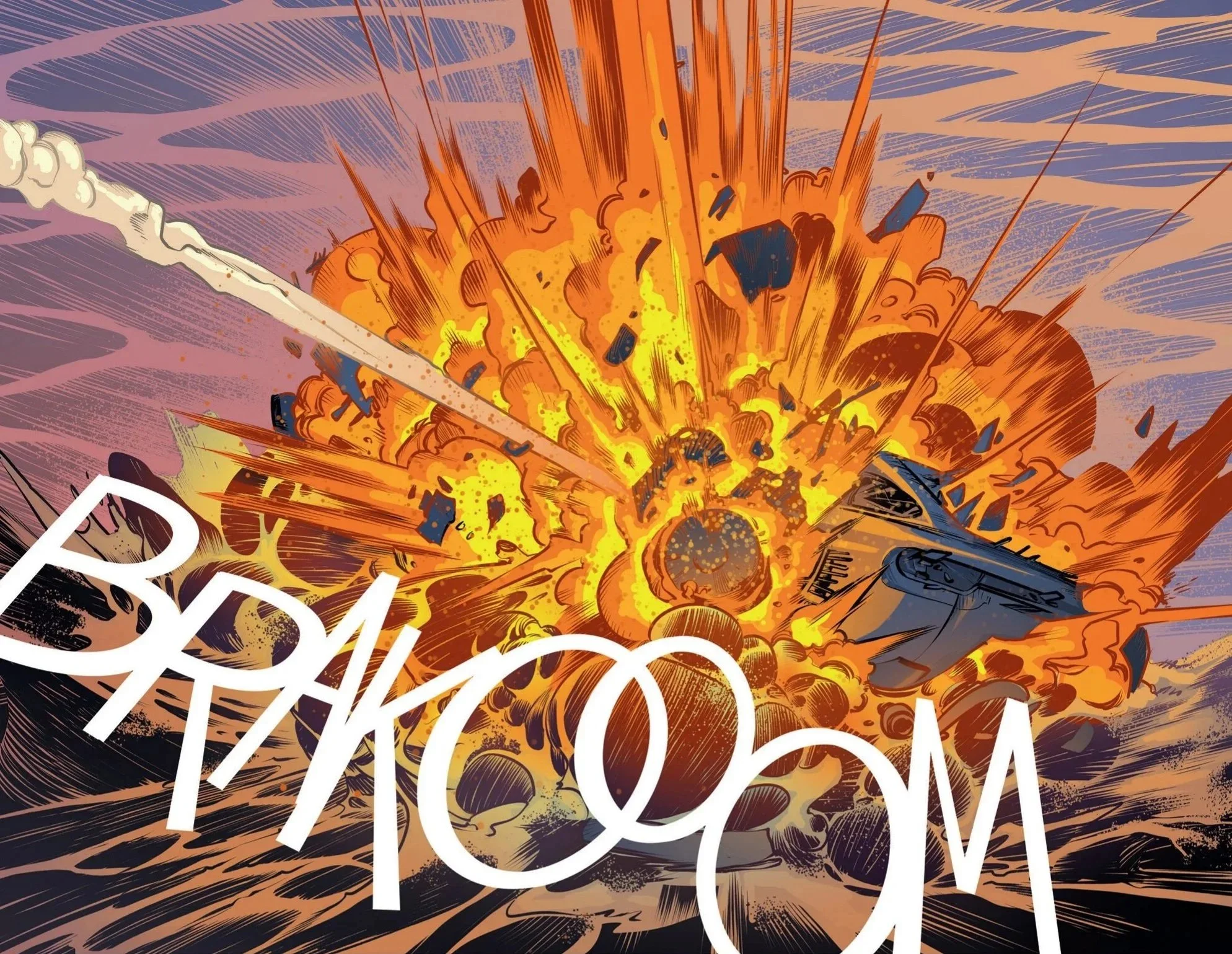
What ultimately makes M.A.S.K. #2 work is that it feels like the series finally understands what it wants to be. The first issue had plenty of interesting ideas, but it was largely concerned with establishing the pieces. This chapter takes those pieces and actually puts them into motion.
The result is a much more exciting comic that balances character development, world-building, absurd science fiction, and action without allowing any one element to completely overwhelm the others. The M.A.S.K. Network feels more distinct, the technology is more interesting, and the conflict with V.E.N.O.M. is beginning to take on a clearer ideological dimension.
Most importantly, I am considerably more invested in the series after this issue than I was after the first. The underwater black hole is an excellent premise, the new characters are immediately interesting, and the distinction between M.A.S.K. and V.E.N.O.M. is becoming one of the most compelling parts of the book.
Final Thoughts and Rating
M.A.S.K. #2 is a major improvement over the first issue and, for me, is the chapter that finally makes the series click. Dan Watters takes the concepts established in the debut and actually lets them operate at full speed, giving readers a bizarre and genuinely exciting crisis that feels perfectly suited to this universe.
The character work is stronger as well. Bruce Sato and Gloria Baker give the M.A.S.K. Network more personality, while the tension between Baker and Trakker creates an interesting dynamic that should become even more rewarding as the series continues. The technology and artwork are also excellent, particularly when the story gets to show off the vehicles and the terrifying scale of the black hole.
After the first issue, I was interested in seeing where M.A.S.K. went next. After this one, I'm considerably more invested. The series has finally started delivering on the potential of its premise, and if Watters and Parr continue building from here, this could become one of the more entertaining corners of the Energon Universe.
Rating: Thumbs Up
A major step up from the debut that finally delivers the wild science fiction, character dynamics, and high-speed action that make M.A.S.K. such an exciting addition to the Energon Universe.