
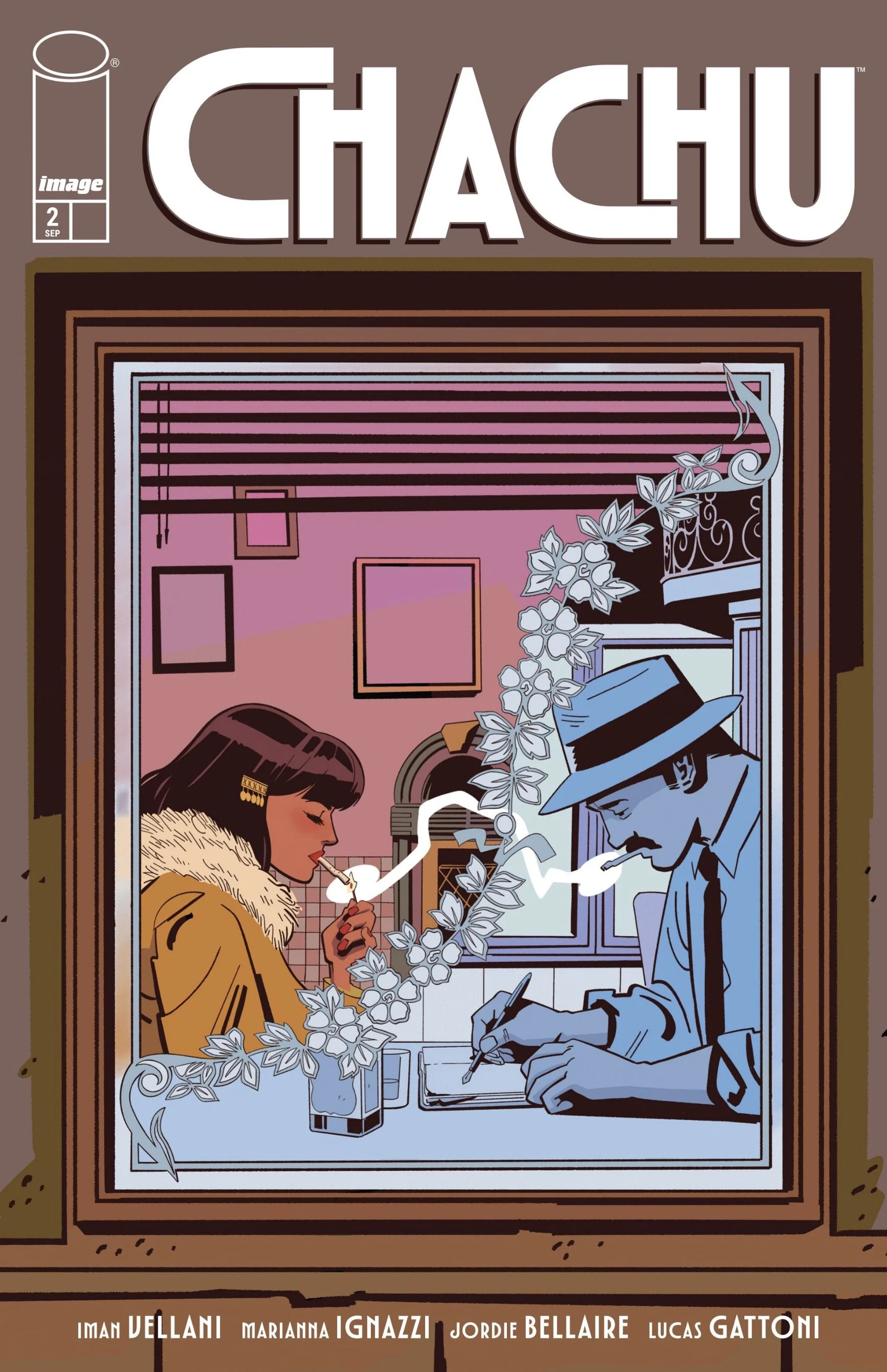
Chachu #2
Writer: Iman Vellani
Artist: Marianna Ignazzi
Colorist: Jordie Bellaire
Publisher: Image Comics
Chachu #2 does little to progress the front-facing mystery of the series: where is Cleo? But it covers considerable ground on its real mystery: just who is Chachu?
Missing Persons Found
Before we check in with Leila and Chachu on the road to Vegas, we resolve the mystery of what happened to Cleo. She has been abducted by her co-star, who clearly has intentions of being more than that. Obviously, this particular mystery isn’t going to be the crux of the book.
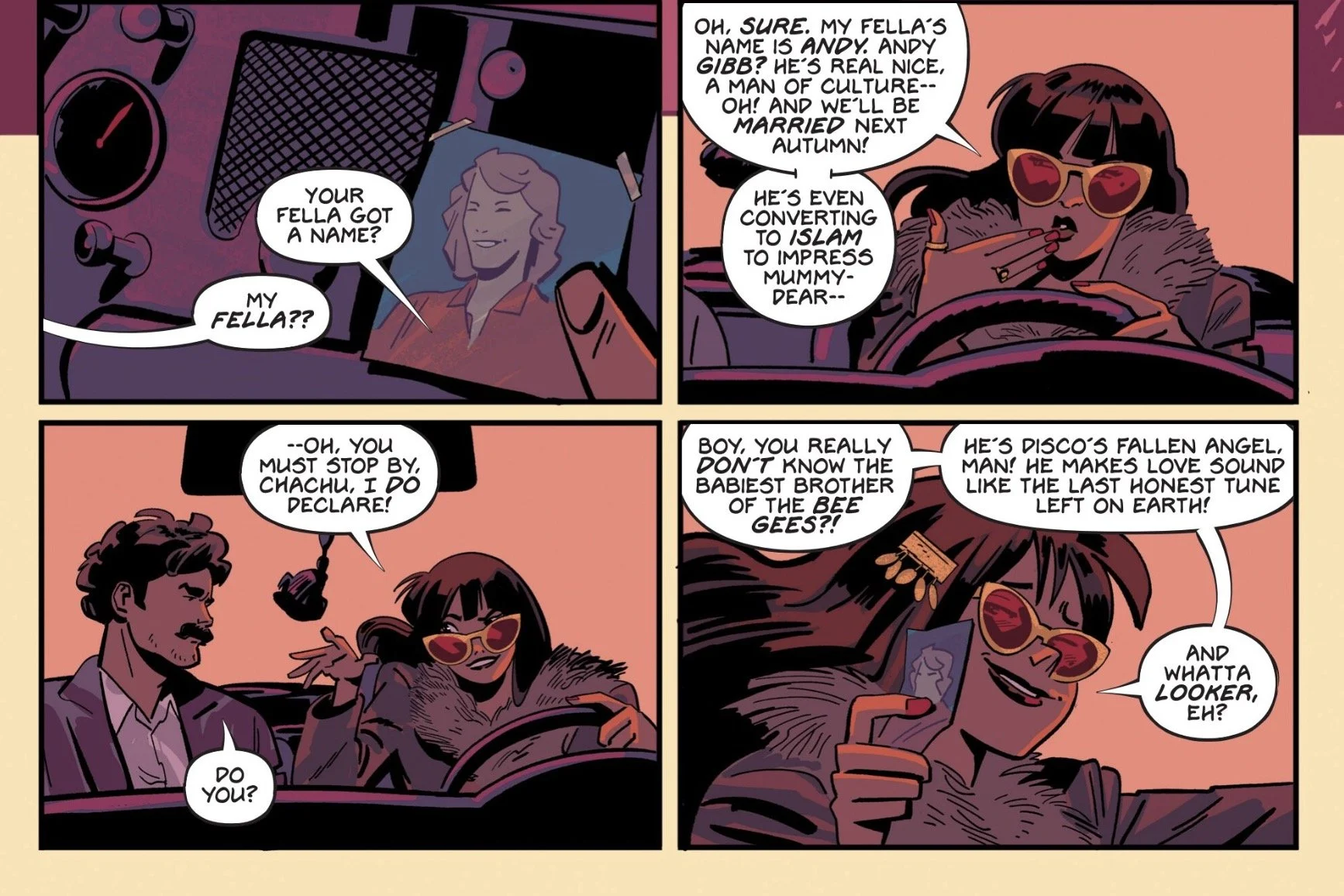
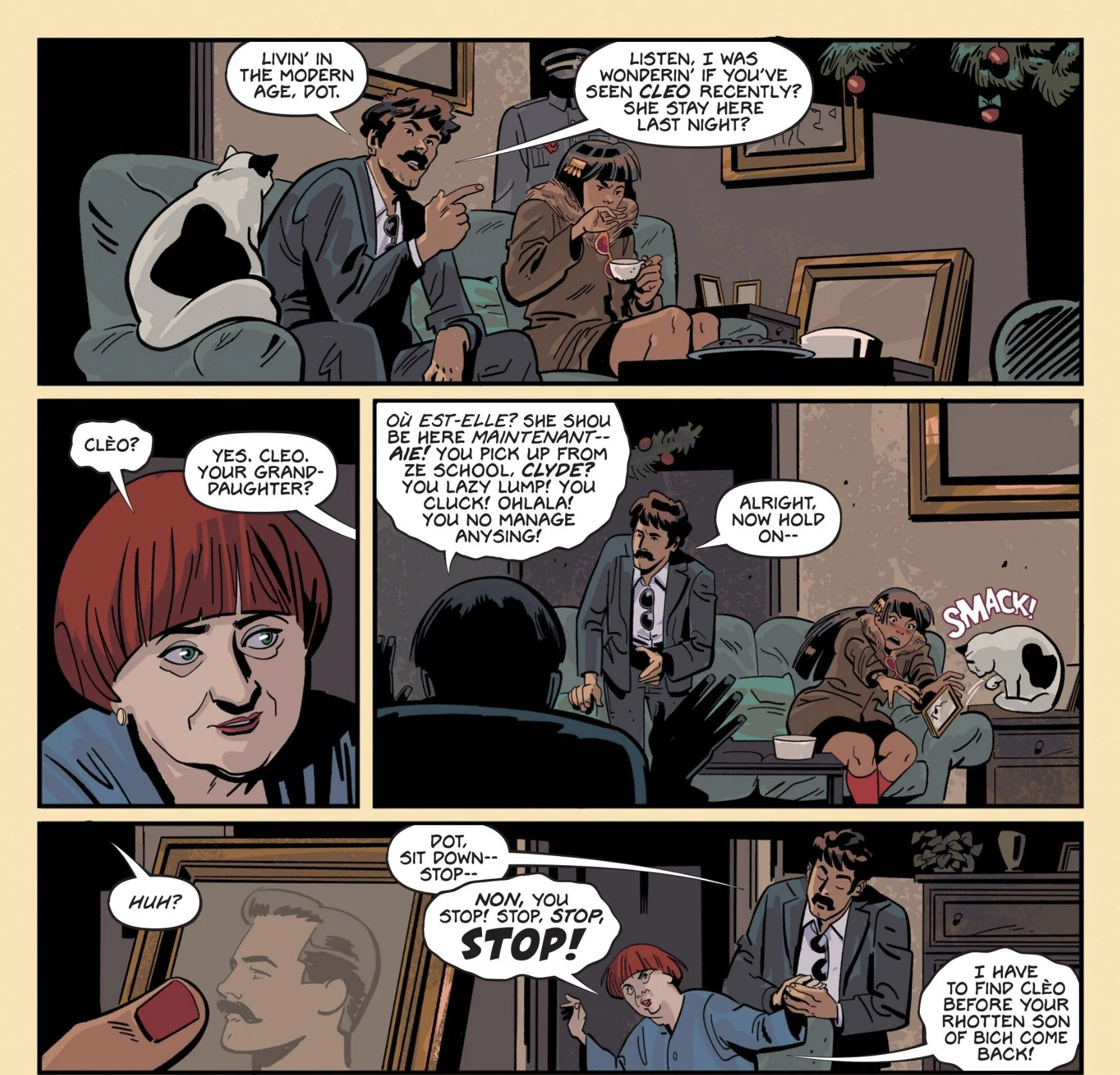
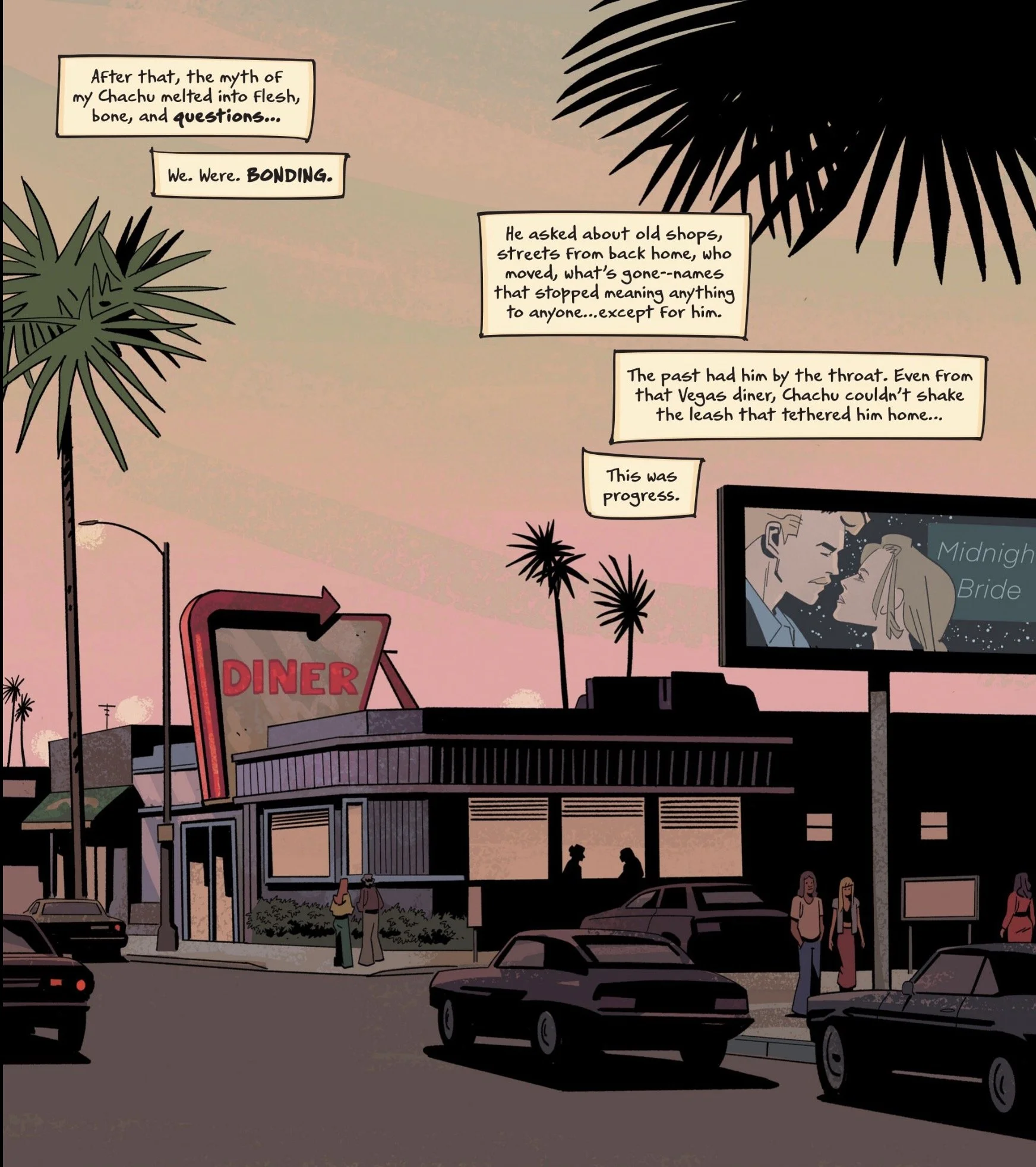
Leila and Chachu bond a little on the road, then they pay a visit to Cleo’s grandmother. The old woman is a little lost and confused, and speaks a lot of broken French, so she’s hard to understand. The important thing is that Leila gets to see another side of her Chachu.
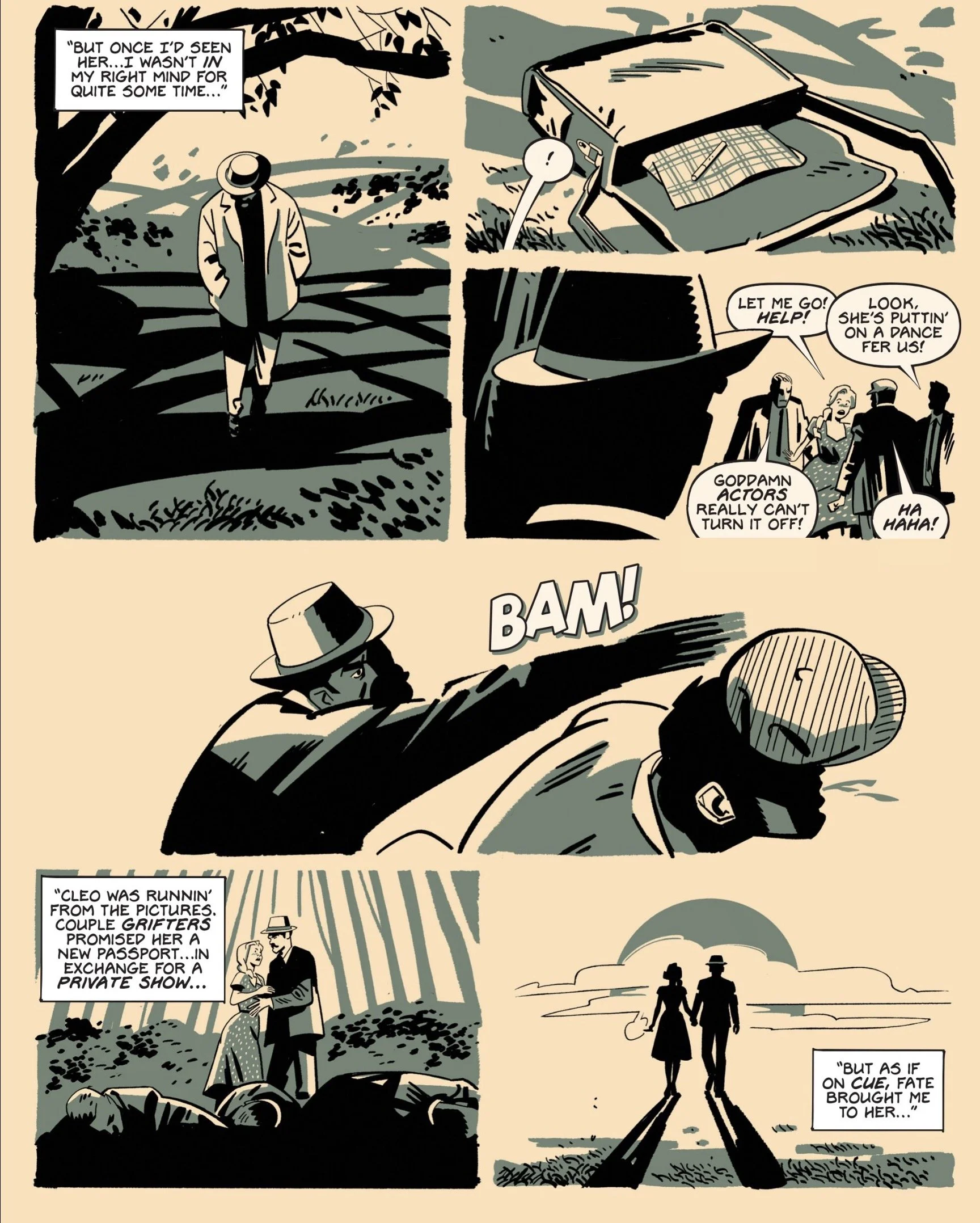
Later in Vegas, she tries to get him talking about his relationship with her father and why he left. He tells a good story, but she knows it’s false. Turns out, the front page of the newspaper gives them a big clue regarding Cleo…
Riddles and Enigmas
Chachu #2 slows things down and barely progresses the central plot at all, instead choosing to focus on dialogue and character development. It’s not the most eventful issue, but that doesn’t mean it’s not exciting.
I personally find it funny how the story isn't even pretending that Cleo's whereabouts are some great mystery. Heck, her being taken by her co-star is even on the front page of the paper! That just tells me that the mystery is just window dressing, and this story is really about the characters. And I'm all for that.
One thing I find especially impressive is Leila's characterization. When you have someone so young in the role that she's in, it's too easy to write them much older and more seasoned than they really are in order to fit the tropes of the genre. That hasn't happened here yet, and I've never forgotten her age even as the story progresses.
Chachu is, as you'd expect by the title of the series, the main draw here. He's a little bit of a riddle wrapped in an enigma right now. The way he's able to handle the confused old woman, the way he's effortlessly bonding with Leila… it makes you think he's a perfectly good dude. Then you get hit with the story about what happened between him and Leila's father, and her realization that it's the plot of a movie. Now you're left wondering how much of everything you've seen of the man to this point is true, and how much is an act.
I'm not saying I think the whole story was made up, but at least part of it came from The Lady from Shanghai, which he'd clearly be surprised that Leila has seen. Makes you wonder what the source of his other stories was, doesn't it?
Although he's off-screen this issue, Cleo's father Cyril, is also a major player in this little drama. What happened to him in the war to change him from the "sweet boy" his mother says he was? Just what power does he hold over Cleo and Chachu beyond the obvious? What's he going to do if the search doesn't go the way he wants it to?
Speaking of the search, I think it's hilarious that our duo have gotten absolutely nowhere and get their first clue from the front page of the newspaper that someone else is reading at the diner when they stop for a bite to eat. Pure dumb luck, no skill on either of their parts. So now they know the who, but not the where or the why. And we still don't know who the co-star Neil's mysterious "new manager" is, or what that means for the rest of our cast…
The Old Days
For someone so young and relatively new to comics, Iman Vellani is pretty darn good at this writing thing. She slows the pace way down this month, but there's still plenty happening—it's just within the various conversations instead of actions. And the dialogue is really good. Chachu is a charming storyteller, it's easy to buy into whatever he's saying. And Leila shows her age when she speaks, despite her best efforts, but not annoyingly so. Her internal monologue maintains the noir style while not making her sound too old, which is a delicate balancing act.
The art from Marianna Ignazzi and the colors for Jordie Bellaire work together incredibly well here. Ignazzi's characters are very expressive, which is needed for a story that relies so much on both what is said and unsaid. Bellaire is a talented colorist that I can sometimes find very distracting, but she isn't being as experimental here. I especially like Chachu's extended backstory sequence being done in black and white, which takes on a double meaning when you learn that at least part of it was taken from an old Orson Welles movie.
Family Ties
Chachu #2 is a good issue that is almost entirely carried by dialogue and the interactions between our two leads. The central mystery isn't very mysterious at all, and the pace slows way down in order to give the various conversations plenty of room to breathe. If you're looking for a complex mystery or a lot of action, you're in the wrong place. But if you're looking for interesting characters and a complicated web of their history that needs to be unraveled, this might be just what you're looking for.