
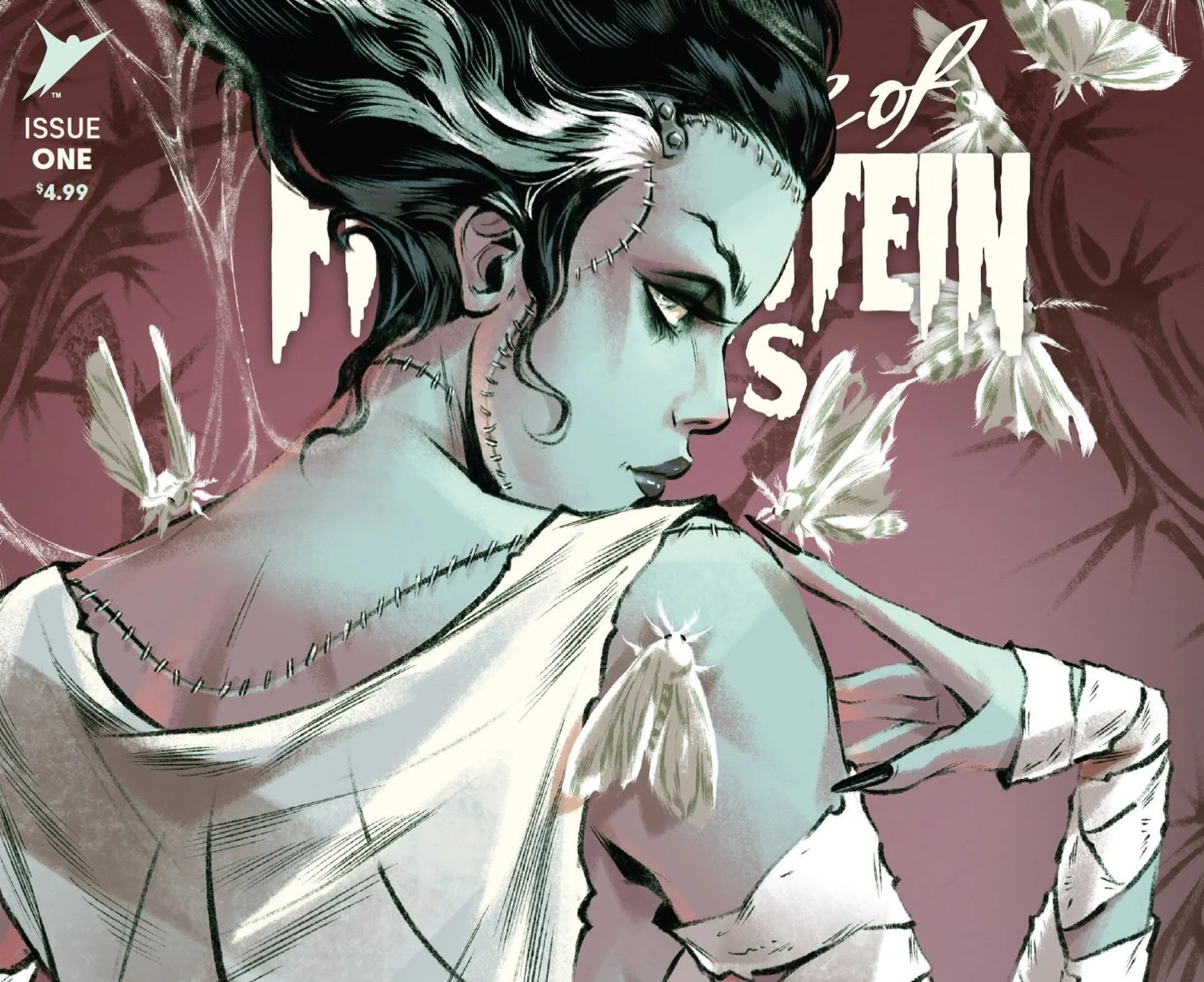
Sveta Shubina Ssalefish Comics Variant Cover
Universal Monsters: The Bride of Frankenstein Lives #1
Writer: Kelly Thompson
Artist: Mattia De Iulis
Cover Artists: Annie Wu, Christian Ward, Clayton Crain, David Talaski, Jay Ferguson, Joshua Middleton, KyuYong Eom, Lesley ‘Leirix’ Li, Luana Vecchio, Mattia De Iulis, Michelle Dias, Naomi Griffin, Nate Melendez, Rob Retiano, Rosemary Valero-O’Connell, Rudy Ao, Ryan Sook, Santa Fung, Stanley ‘Artgerm’ Lau, Suspiria Vilchez, Sveta Shubina, Tehani Farr
Colorist: Mattia De Iulis
Letterer: Becca Carey
Publisher: Image Comics
Universal Monsters: The Bride of Frankenstein Lives #1 takes the iconic story of one of horror's most recognizable characters and uses it as a foundation to explore the woman behind the monster. Kelly Thompson approaches the material with a clear appreciation for the classic Universal Monsters films, balancing familiar elements with an intriguing new direction for the Bride. Mattia De Iulis' phenomenal artwork further elevates the experience, capturing the atmosphere and visual identity of the original film while giving this new interpretation a distinctive personality of its own. With an underdeveloped character finally getting the opportunity to step into the spotlight, I'm excited to see what Thompson has in store for one of horror's most enduring icons.
She’s Alive! She’s Alive!
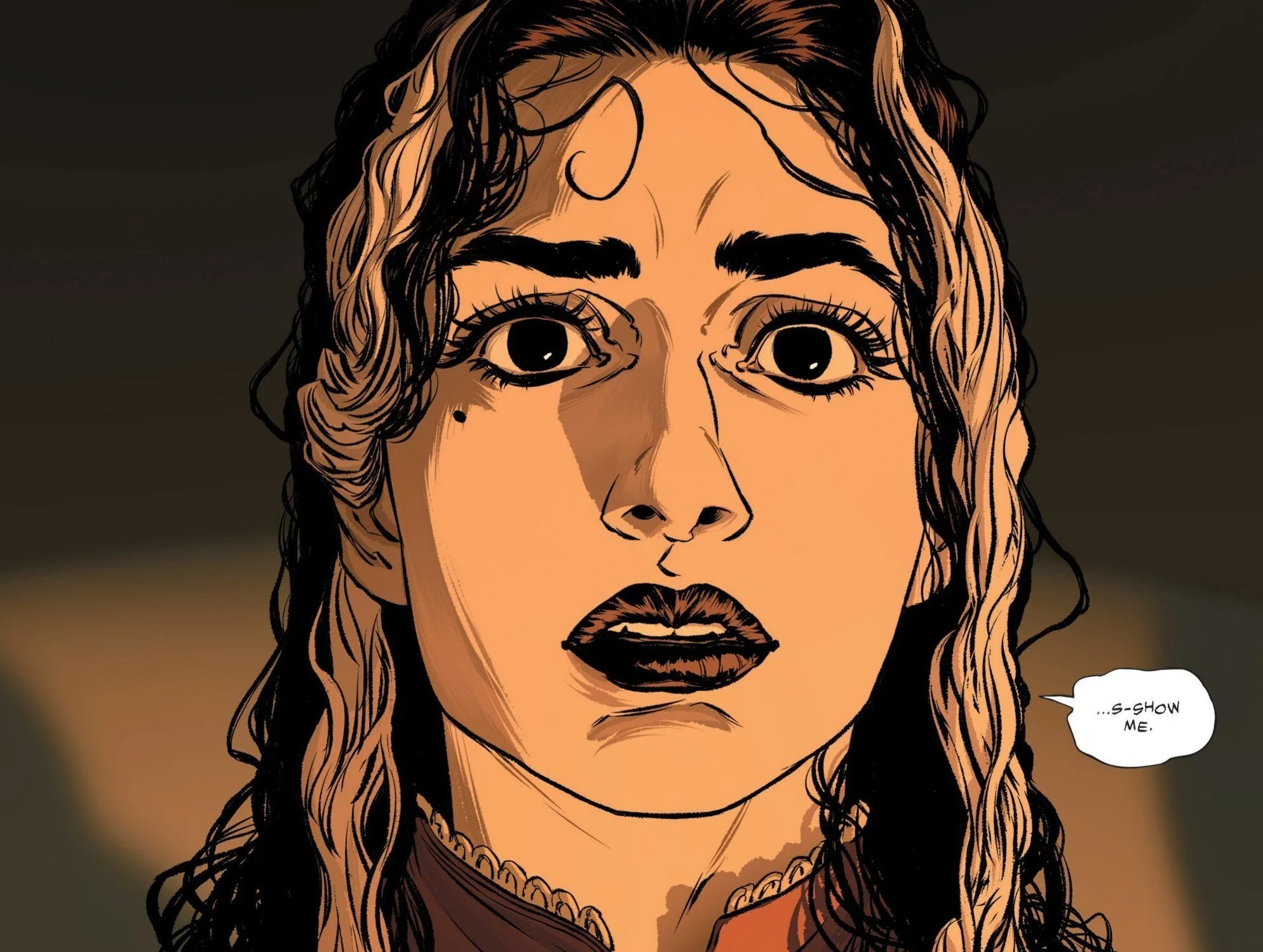
Frankenstein's Creature, distraught and increasingly hopeless after experiencing humanity's cruelty firsthand, approaches his creator, Dr. Henry Frankenstein, with a request: to create a female companion to put an end to his loneliness. Initially hesitant, Henry is eventually persuaded by his mentor, the eccentric and unhinged scientist Septimus Pretorius.
Unlike Mary Shelley's original novel, where Frankenstein is named Victor rather than Henry, the story follows the events of the classic film, with Henry agreeing to the Creature's request. He succeeds in bringing the woman we know as the Bride of Frankenstein to life. However, the Bride has no idea who she is, where she came from, or why she exists. As she begins to understand that her intended purpose is to become the Creature's companion, she emphatically rejects the idea, much to his disappointment. Heartbroken and unwilling to endure yet another rejection, the Creature pulls the lever, destroying Henry's laboratory and seemingly killing everyone inside.
Or... are they?
The Bride eventually surfaces, gasping for air, only to discover that the Creature has also survived and wandered off on his own. Despite everything that has happened, there's a sense of relief in seeing that he's alive. Now left to discover the world on her own, the Bride has plenty of questions, but perhaps the most important is this: who is she, really? And will she, much like the Creature, discover the true horrors humanity has to offer?
Monsters Among Men
Content warning: This section discusses sexual assault, which is a significant plot point in this issue. If this subject makes you uncomfortable, feel free to skip ahead. There's absolutely no judgment in doing so, and I encourage everyone to read at their own level of comfort.
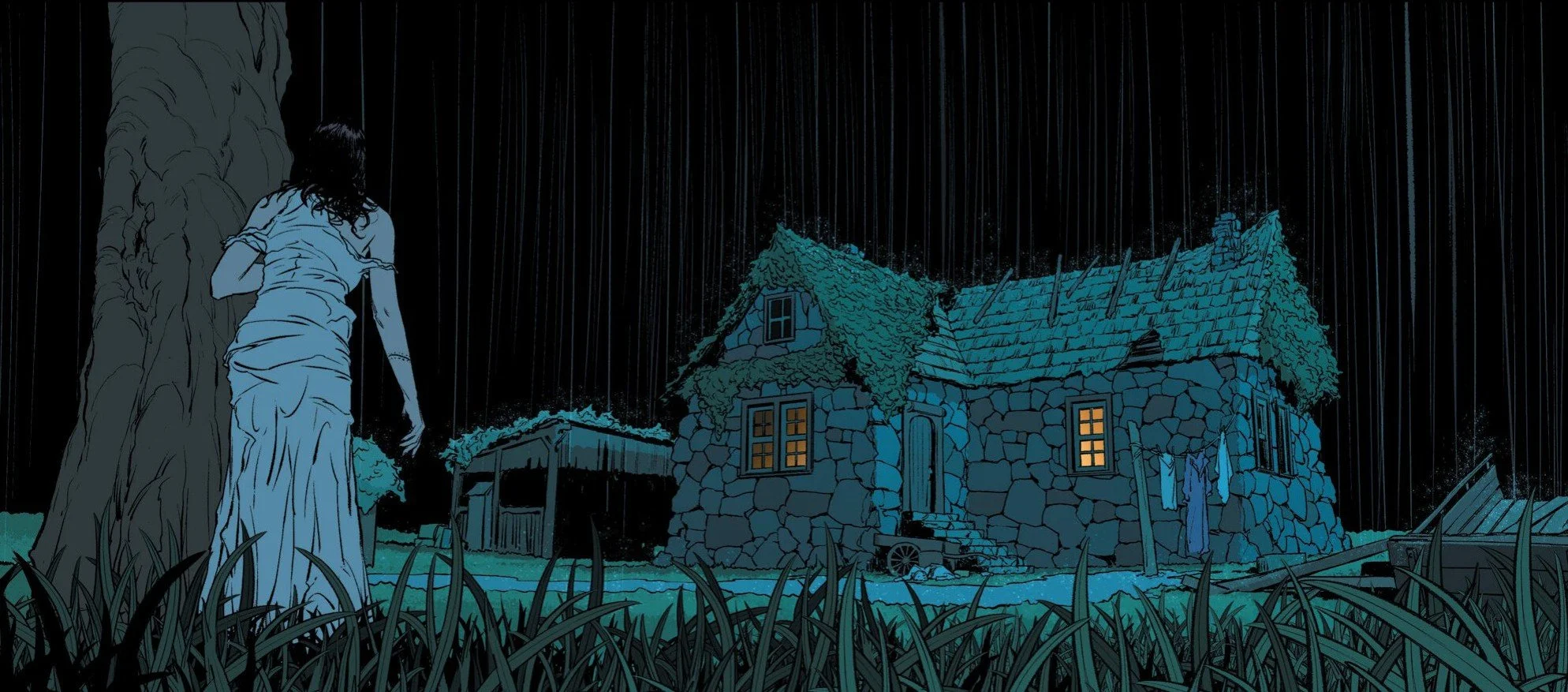
After washing ashore and gathering her bearings, the Bride encounters four villagers who immediately take an unwanted interest in her appearance. Their intentions quickly become apparent as they begin cornering her, grabbing at her, and tearing pieces of her dress away in an attempt to sexually assault her. Initially managing to flee, the Bride trips while attempting to escape, giving the men an opportunity to catch up and pin her down. Refusing to become another victim of humanity's cruelty, she fights back with everything she's got, managing to turn the tables on her attackers and escape.
I think themes of sexual assault have become increasingly difficult for the public to engage with, and rightfully so. In some instances, they can be used as little more than a cheap plot device to inject shock value into a story. However, I genuinely don't believe that's Kelly Thompson's intention here. In fact, I think the subject is handled with a considerable amount of narrative purpose.
Frankenstein's Creature has experienced the worst of humanity, through a male perspective. The Bride, meanwhile, experiences a similar cruelty through a woman's perspective. Her entire reason for existing was to serve as a companion for the Creature, and now, despite surviving the destruction of the Frankenstein laboratory, her first encounter with the outside world as a supposedly free woman is a terrifying reminder of how cruel humanity can be. The scene isn't particularly graphic, but the implications are uncomfortable enough to leave an impression.
The Bride is constantly confronted with humanity at its worst, and while it's never easy to explore subjects like this, sometimes uncomfortable realities need to be addressed to tell a complete story about someone's pain and suffering. More importantly, I believe this experience is essential to establishing the Bride as her own character rather than simply defining her through her intended relationship with the Creature.
One aspect of this scene that I find particularly interesting is how the Bride responds. Although she fights back ferociously, there's no clear indication that she kills any of the villagers. That's a notable distinction from the Creature's portrayal in Mary Shelley's novel, where his actions become increasingly deliberate and vengeful. Many screen adaptations, meanwhile, have portrayed him more sympathetically, with his violence largely stemming from his mistreatment and desire for revenge.
Thompson has a relatively blank canvas with the Bride, particularly when it comes to establishing her personality and motivations. Unlike the Creature, whose characterization has been explored extensively across countless adaptations, the Bride has historically received very little attention beyond her brief appearances in the classic films. That gives Thompson an incredible opportunity to establish a meaningful identity for a character who has long deserved more than a supporting role. Based on what we've seen here, I genuinely believe she's on the right track.
The Art of Resurrection
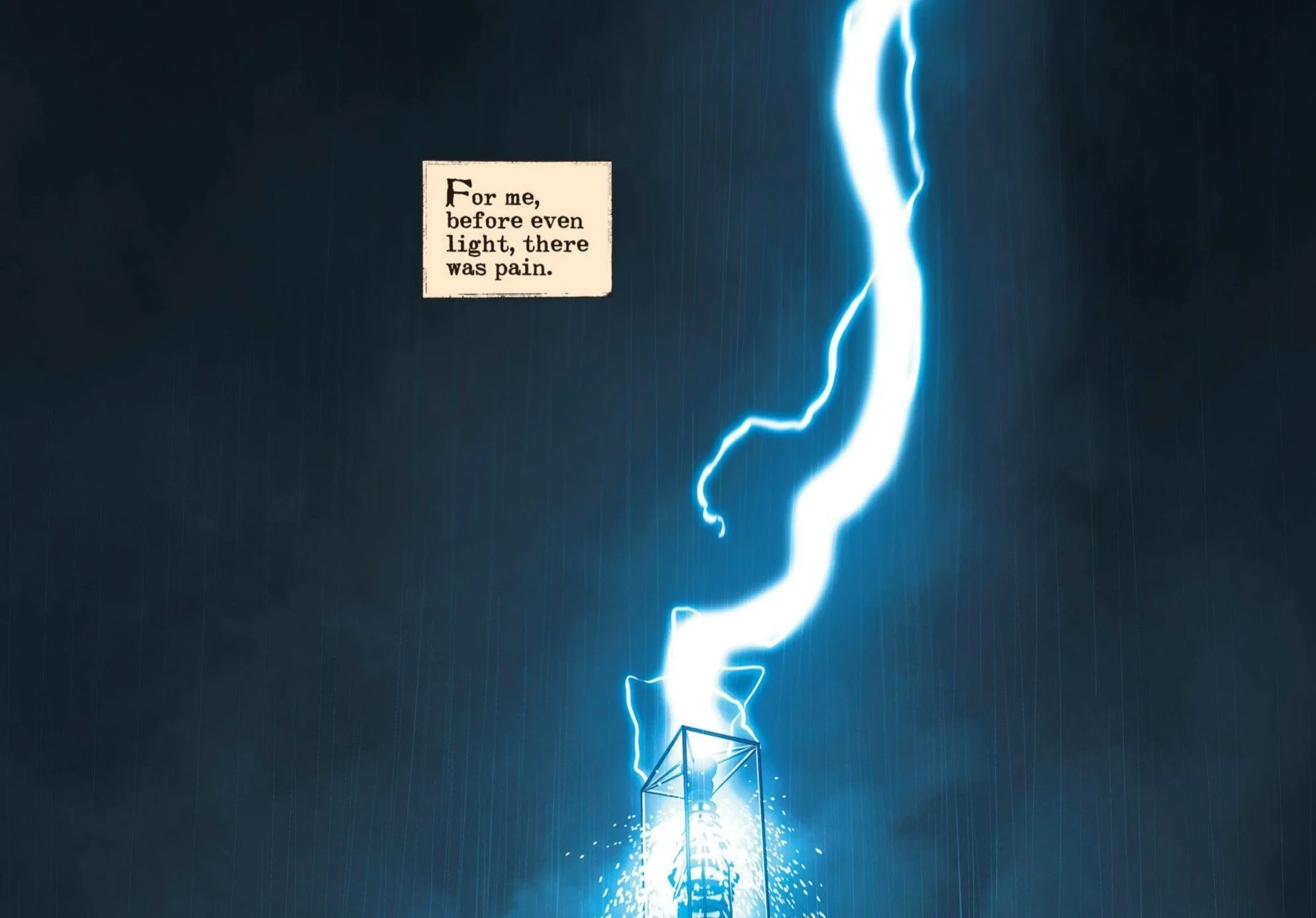
Mattia De Iulis has been an artist I've admired ever since I first encountered his work in Absolute Wonder Woman #6, another terrific Kelly Thompson book. What a coincidence! He also did an incredible job filling in for the brief two-issue arc, "The Lady or the Tiger." What he's delivered here with The Bride of Frankenstein Lives is an incredibly slick, almost big-budget presentation.
De Iulis also opts for a muted color palette, serving as both the artist and colorist, and while I imagine that might bother some readers, I think it's absolutely the right choice. Of course, modern comic books are expected to make use of color, but when you're paying tribute to one of the greatest black-and-white horror films of all time, wouldn't it make sense to avoid letting the colors overwhelm the artwork? I'd like to think so, and I applaud Mattia for that decision.
His rendition of the Bride is gorgeous, breathtaking, even. Her complexion is remarkably pale, and her iconic scars provide a striking contrast. Interestingly, and I'll chalk this up to a continuity choice for now, Mattia only depicts the Bride with her iconic beehive hairstyle during the opening recap of the film. Once she emerges from the water, she's sporting long, wet, slightly curly hair that gives her an entirely different look. There's almost a high-fashion runway aesthetic to the way she's presented.
I don't necessarily think this was a conscious decision to reinvent her appearance beyond the practical considerations of continuity, but I appreciate the opportunity to see the Bride with a slightly different look than what we're accustomed to. It's a small detail, but it reinforces the idea that Thompson and De Iulis aren't simply interested in paying tribute to the original film. They're also willing to experiment with the character's presentation and introduce their own creative touches along the way.
A Legacy Reanimated
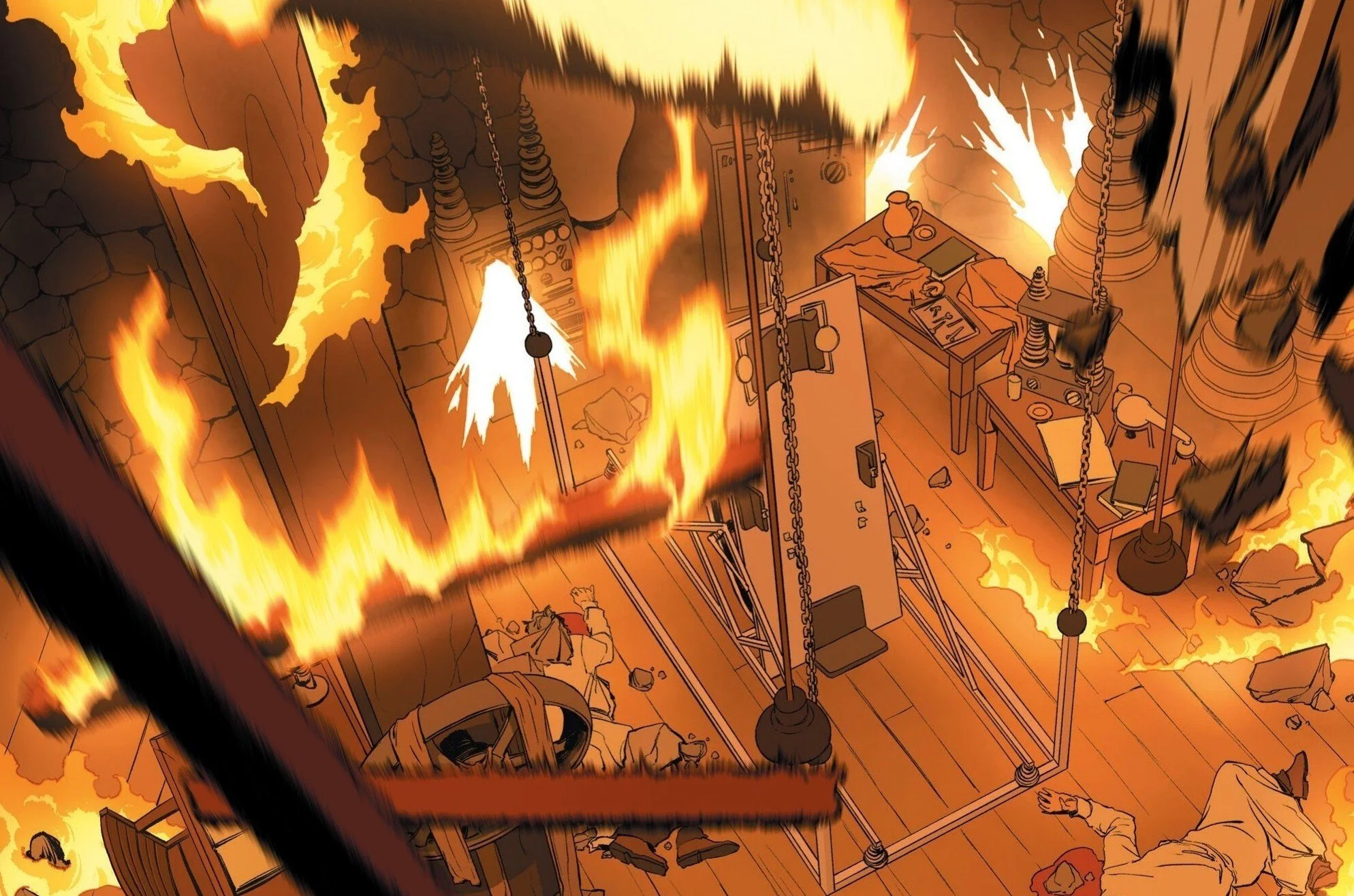
I absolutely love the direction Kelly Thompson is taking with Universal Monsters: The Bride of Frankenstein Lives #1. She's not attempting to rewrite the original film or reimagine its events through her own interpretation. Instead, she pays homage to the source material, faithfully recapping its major events before using that foundation to build something entirely new for the Bride.
The decision to focus the story on discovering the identities of the murdered women whose bodies were used to assemble the Bride is equally brilliant. It gives the story an additional layer of mystery while providing an opportunity to explore the character's origins in a way the original film never could.
You can tell Kelly is a genuine fan of the classic Universal Monsters films, rather than someone simply hired to churn out a quick cash grab based on a recognizable property. Which, to be frank (ha), is something I can say about the entire Universal Monsters line from Image Comics. None of these books have felt cheap or half-hearted. They've all been approached with an obvious amount of love and passion for these beloved properties, and why shouldn't they? The classic Universal Monsters helped establish the horror genre as we know it, and their influence continues to serve as a blueprint for aspiring horror writers and filmmakers to this day.
This book is no different. It's a labor of love, carefully crafted by Kelly and beautifully illustrated by Mattia. I'm genuinely excited to read more and see how Thompson plans to flesh out such an iconic character, one who achieved such an enduring status despite having approximately four minutes of screen time in the original film.
That's the beauty of comic books. It's arguably the greatest storytelling medium because, theoretically, it gives creators the freedom to tell their stories on their own terms, with as many issues as they need to bring their vision to life. I have every confidence that Image Comics will give Kelly that freedom, and that she'll make the most of the opportunity.
Although Elsa Lanchester is no longer with us, I genuinely believe she would be proud of the care and attention Kelly Thompson has poured into bringing the Bride of Frankenstein back into the spotlight. She's one of horror's most recognizable figures, yet she's spent almost a century being remembered more for her appearance than for anything resembling a fully developed character. If this first issue is any indication, that's about to change. And I couldn't be happier to see it.