The DC K.O. Tournament has just detonated! Sixteen of the multiverse's greatest heroes and most dangerous villains have survived the initial carnage, but the real spectacle began in the chaotic "Scramble Round" of DC K.O. #2. In that brutal free-for-all, these competitors didn't just win their bouts; they fought to claim legendary weapons, relics, and technologies from across the DC Multiverse. The tournament rules have forced them into dark territory, compelling them to fuse their unique fighting styles and moral codes with artifacts of unfathomable cosmic power. This isn't just a battle of strength, it's a test of whether these beings can control the raw power now coursing through their veins. Get ready to break down the most volatile and terrifying combinations in the bracket!
The Perfect Storm: Why These Items Are Deadly In These Hands
Red Hood & The Scarab

Jason Todd has bonded with a piece of alien technology so powerful, it threatens to turn the entire tournament into a military coup: the Scarab! This sentient, symbiotic battlesuit, known as Khaji Da, first appeared in its modern form in Infinite Crisis #3 (2006), courtesy of Geoff Johns, Phil Jimenez, and George Pérez. Historically, Red Hood has often used technology and firearms to level the playing field against meta-humans, often designing his own power-dampening suits or using Kryptonite-laced weapons. While previous Scarab wearers focused on defense, Red Hood's aggression turns this artifact into an unstoppable weapon platform. The Scarab can generate virtually any weapon he can imagine, but in Jason's hands, his lethal combat training and willingness to kill means the adaptable armor is now an instrument of total, military annihilation. He's no longer just a vigilante; he's an armored god of war.
Zatanna & The God Killer Sword
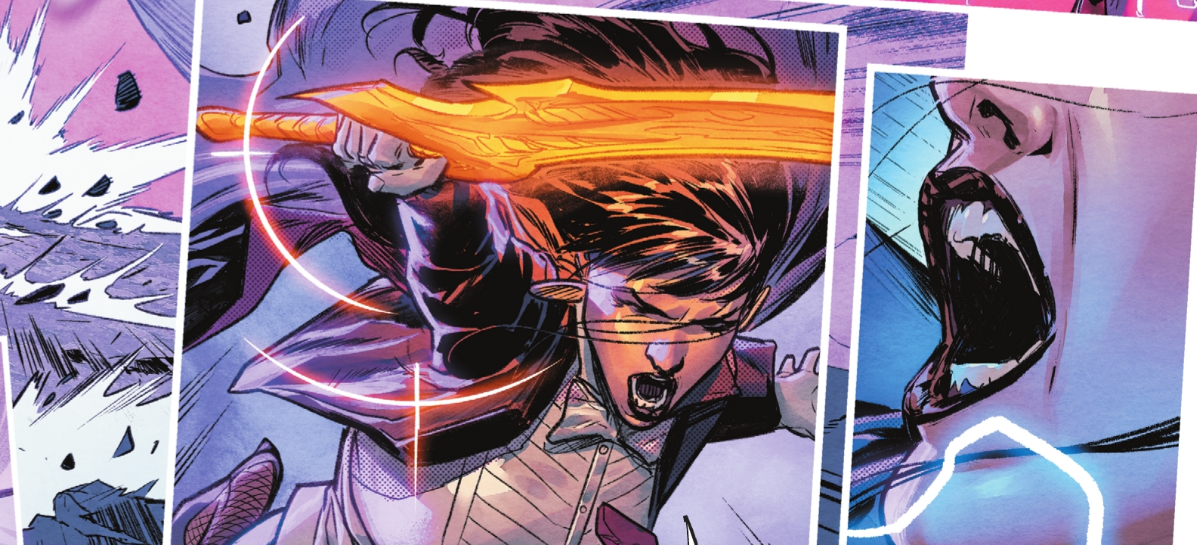
Magic meets mythic steel! Zatanna's greatest upgrade is the God Killer Sword, which first appeared in Wonder Woman #3 (2016) by Greg Rucka and Liam Sharp. This ancient Amazonian blade is capable of slicing through anything, even gods and powerful magical entities. Zatanna is DC's primary magical strategist, used to wielding powerful, often uncontrollable forces. However, her greatest weakness is often being silenced, cutting off her primary source of power. By acquiring a weapon capable of slaying deities that doesn't require a single spoken word, she has gained a physical, undeniable threat that complements her magical might.
Guy Gardner & The Worlogog
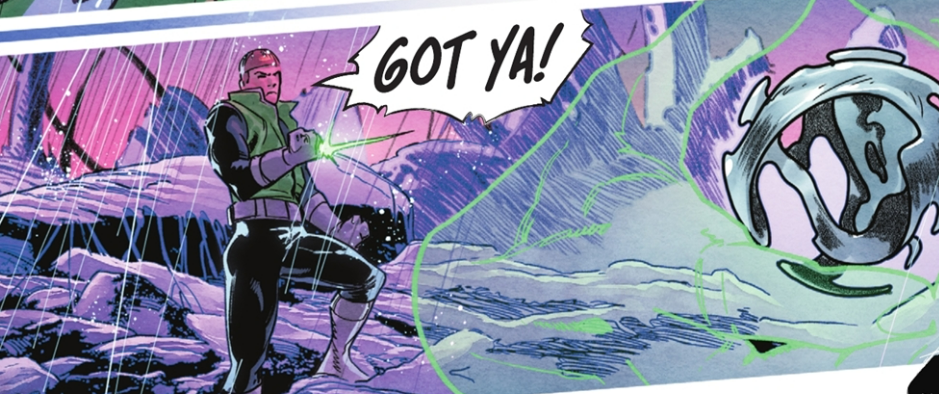
Guy Gardner is now the wielder of the Worlogog, an artifact that first appeared in Justice League #17 (1994) by Gerard Jones and Chuck Wojtkiewicz. This miniature model of the space-time continuum grants its holder near-omnipotence, allowing for manipulation of space, time, and reality on a cosmic scale. Guy has always been an explosive, unpredictable Green Lantern, often clashing with cosmic authority (even joining the Red Lantern Corps). Guy’s notoriously arrogant and aggressive temper, when coupled with an artifact capable of rewriting existence, means the entire flow of the tournament, and reality itself, is now subject to his legendary bad mood and lack of patience.
Joker & Atom's Belt
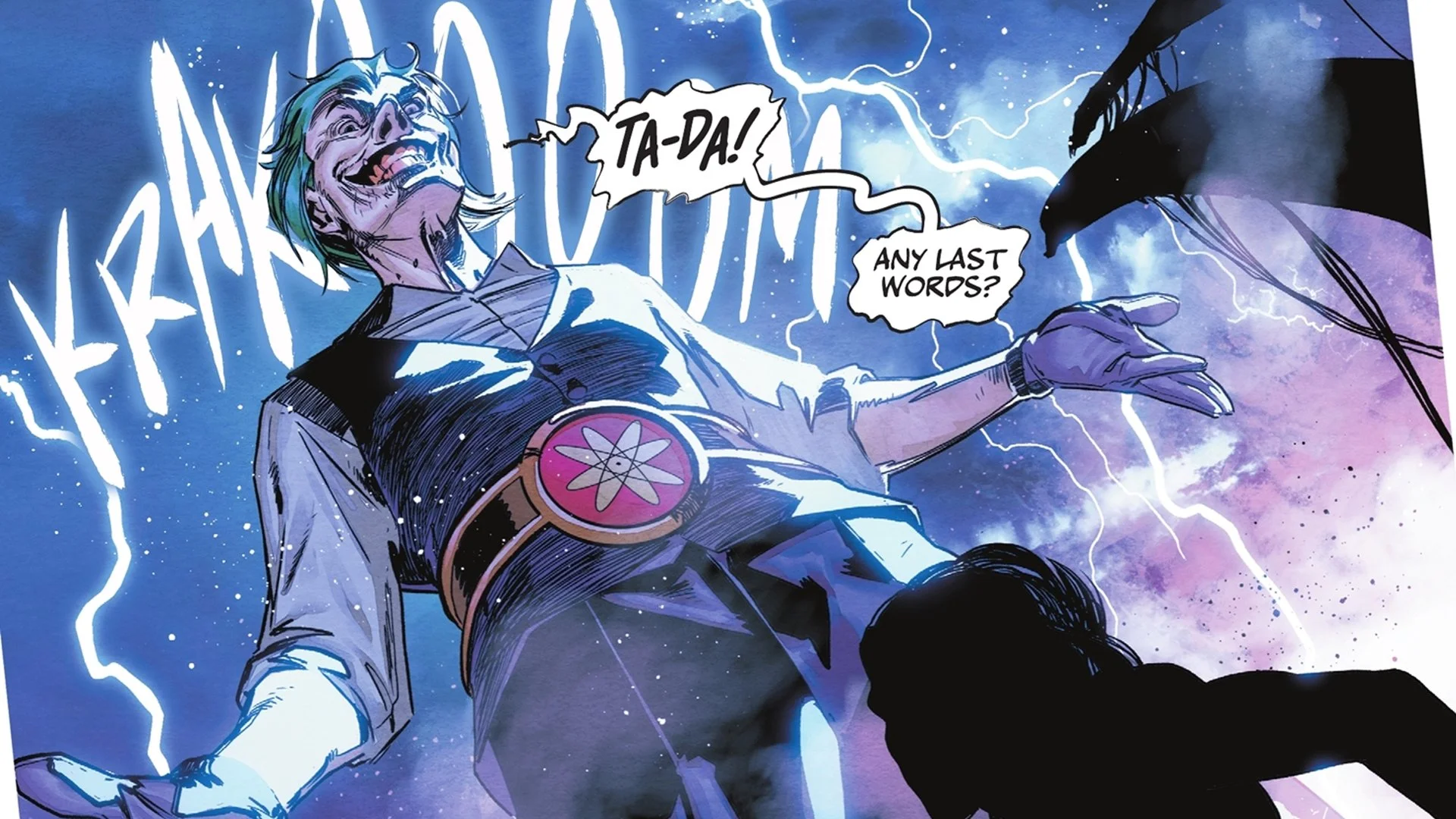
No one turns a scientific instrument into a punchline quite like the Joker. He claimed Atom's Belt, technology first seen with Ray Palmer in Showcase #34 (1961) by Gardner Fox and Gil Kane. Designed to allow wearers to shrink to subatomic levels, this tool of precision has become an instrument of grotesque, intimate murder in the Joker's hands. The Joker is historically defined by his use of personalized, chemical-based weapons (like Joker Venom) to cause specific, dramatic chaos. Now, as DC K.O. #2 grimly showed, the Clown Prince can inflict personalized pain from the inside out: the belt’s advanced science has been hijacked by boundless sadism.
Cyborg & Mother Box
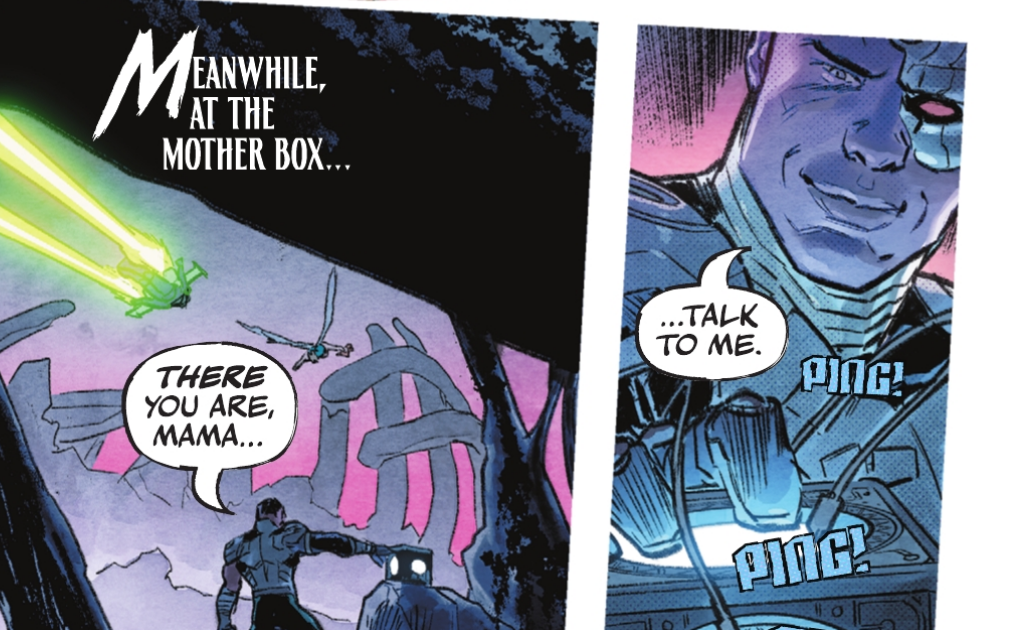
Victor Stone has integrated with a Mother Box, a sentient, New Gods' computer that first appeared in The Forever People #1 (1971), created by the legendary Jack Kirby. Capable of Boom Tube teleportation, advanced healing, and controlling all technology, this cosmic-level operating system gives Cyborg an unprecedented upgrade. Cyborg's history is defined by his struggle to integrate New Gods' technology into his very being; now, he has gained the master key. His already powerful cybernetics are now backed by a device that allows him to instantly teleport, rewrite the laws of technology, and turn any battlefield into his inescapable, personal fortress.
Captain Atom & Psycho Pirate's Mask
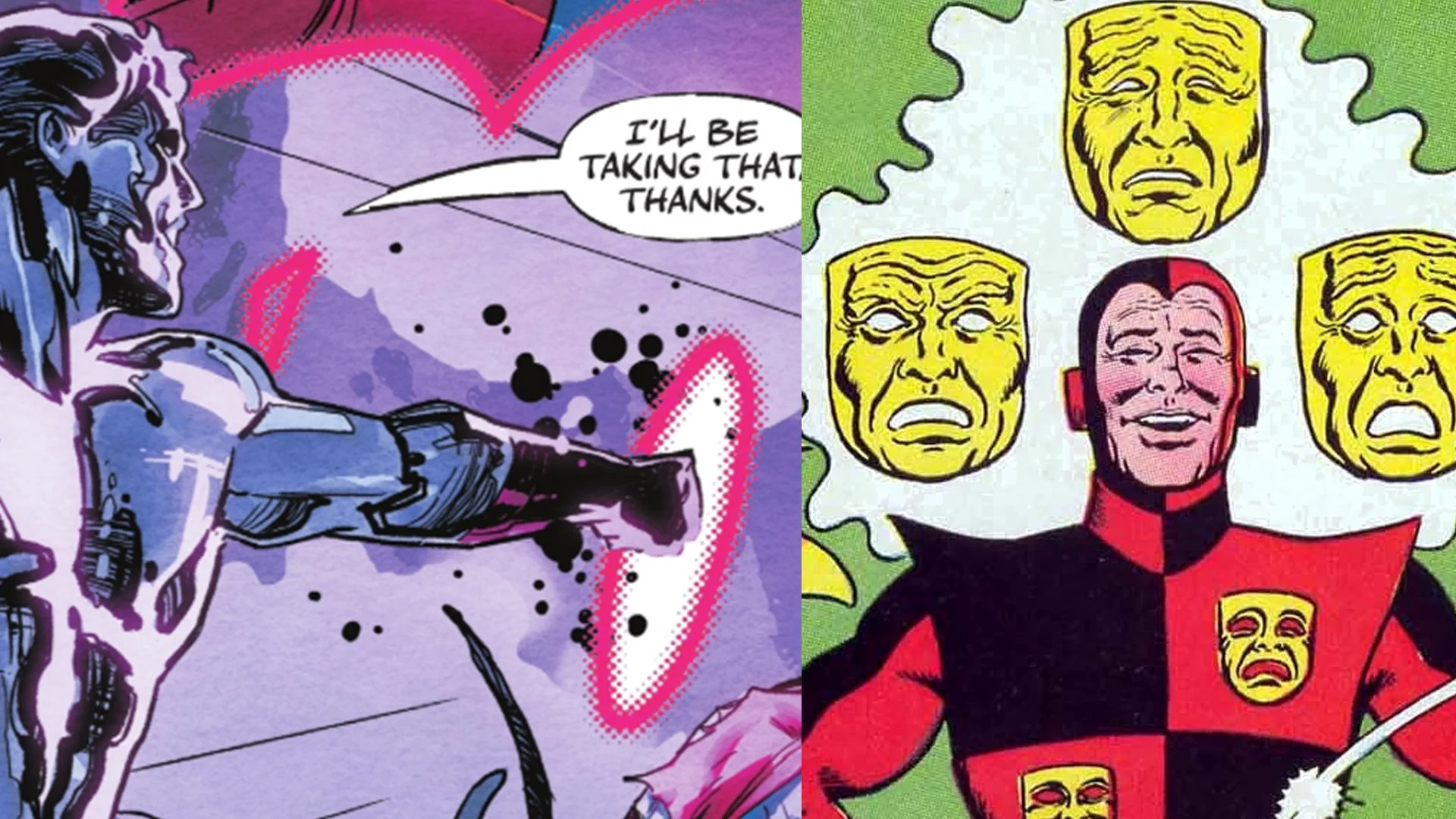
Captain Atom now possesses the Psycho Pirate’s Mask (The Medusa Mask), worn by Roger Hayden when he debuted in Showcase #56 (1965) by Gardner Fox and Mike Sekowsky. The Mask allows the wearer to manipulate the emotions of others on a massive scale. Captain Atom's history is one of volatile power struggles, often fearing his own power and the catastrophic damage it can inflict. Giving him a tool to control the emotions of his foes means he can induce paralyzing fear or mind-breaking despair in opponents before unleashing his nuclear might, turning an already unstable force into an emotional master manipulator.
Wonder Woman & Thor's Hammer (Mjolnir)
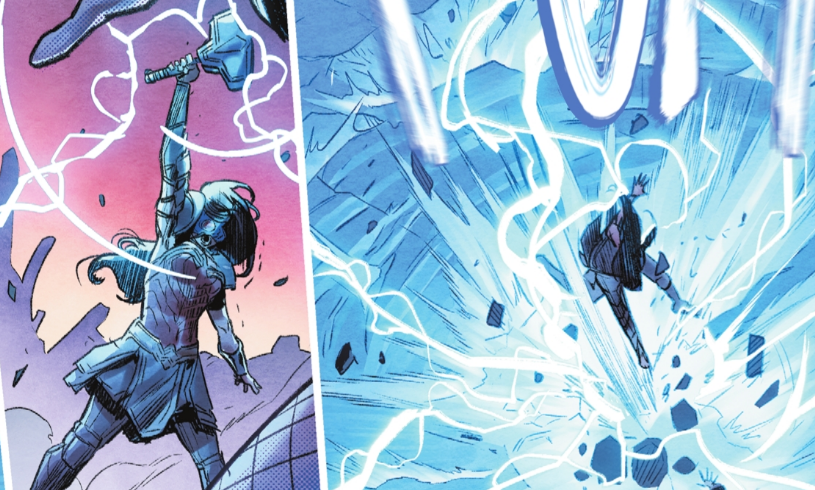
A truly worthy union! Diana has proven herself capable of wielding Thor's Hammer. This legendary Asgardian artifact grants the user the power of the Thunder God, including control over storms and flight. The hammer's mythological counterpart first appeared in a DC comic in Flash Comics #57 (1944). Wonder Woman is steeped in Greek mythology and often wields weapons of divine origin (like the Lasso of Truth or the Sword of Athena), which share similar origins to this hammer. Her Amazonian skill is now fused with the raw, cosmic fury of a thunder god, and her pure heart confirms she is always worthy of this mythological power, making this union of Greek and Norse myth an overwhelming, divine-level engine of destruction.
Lobo & Bane’s Venom
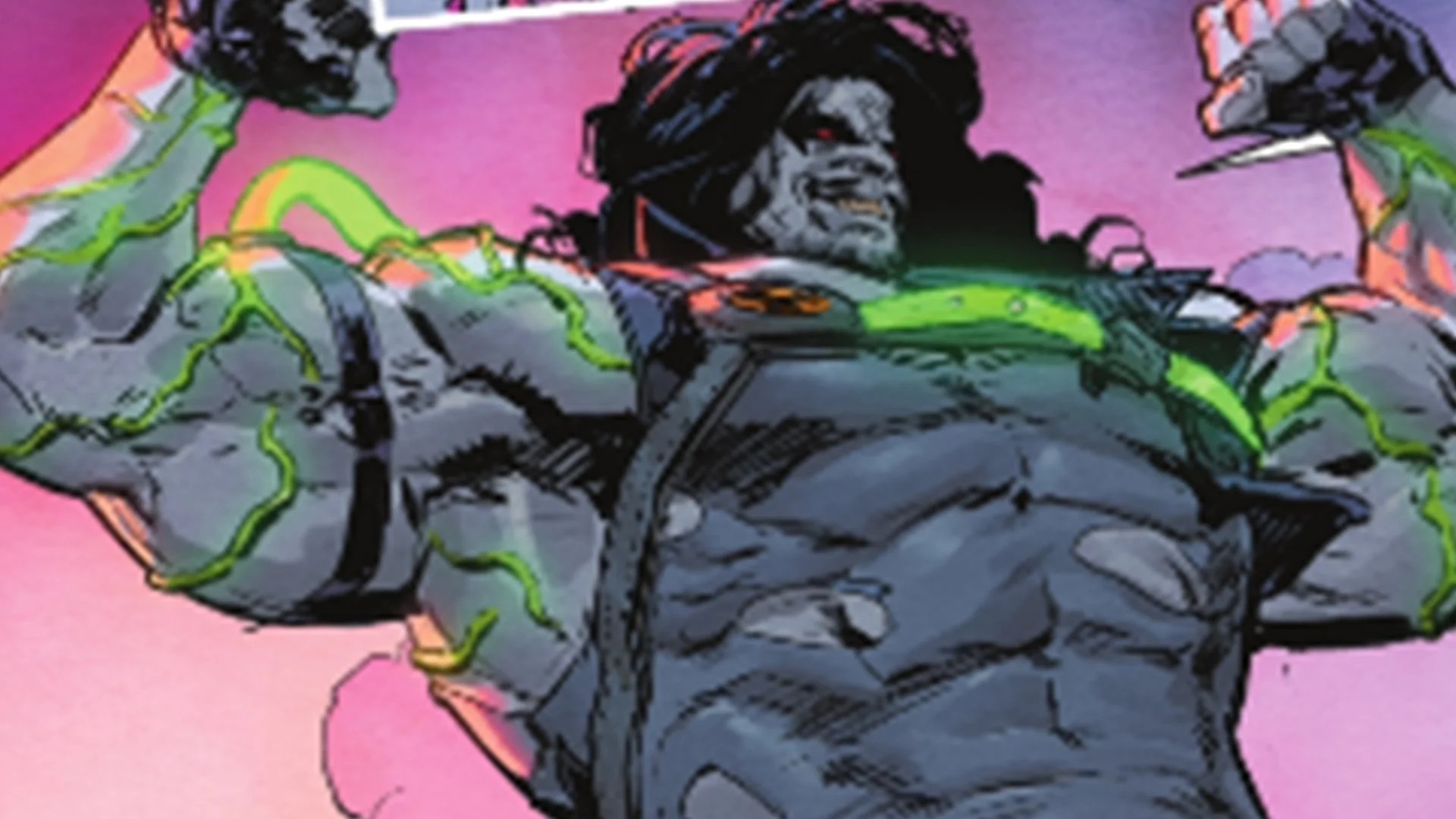
As if he wasn't tough enough! The Main Man’s power level just got dialed past infinity with Bane's Venom, a potent steroid that debuted in Batman: Vengeance of Bane #1 (1993) by Chuck Dixon, Doug Moench, and Graham Nolan. This drug grants massive, superhuman strength and stamina. Lobo has always relied on his inherent Czarnian physiology and ridiculous regenerative factor to overwhelm foes with sheer brute force. Venom doesn't just make him stronger; it takes his already insane power level and cranks it past twelve, compounding his signature berserker rage into an uncontrollable, hyper-charged engine of galactic violence.
Harley Quinn & Speed Force Ring
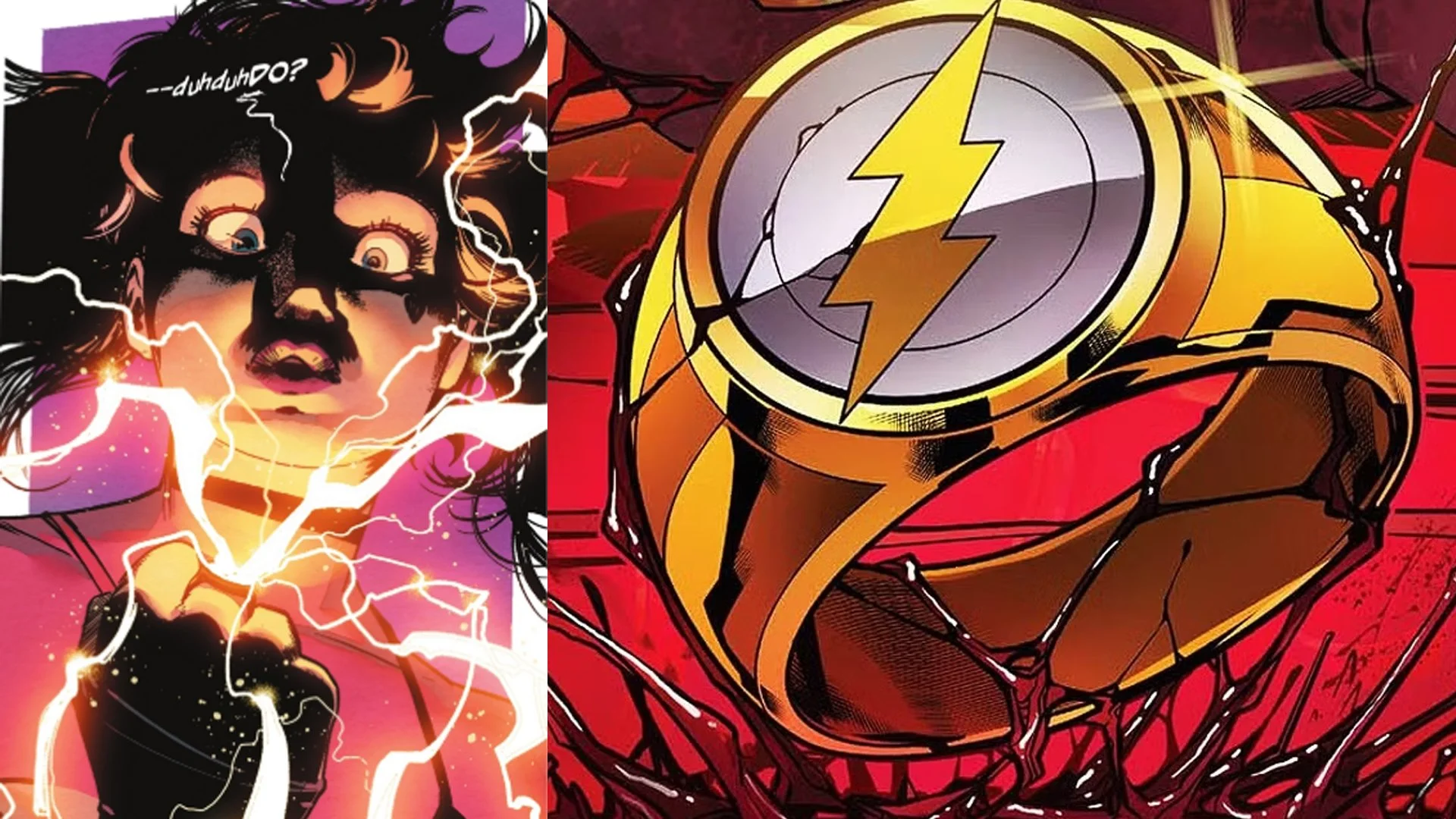
Harley is now tapping into the Speed Force, the energy source first detailed in Flash Vol 2 #91 (1994) by Mark Waid. This power grants the user super-speed and the ability to vibrate through matter. Harley's entire fighting style is based on gymnastic agility, unpredictability, and chaotic timing. Giving her chaotic, unhinged energy the power of near-instantaneous movement means her random, violent chaos can now be executed at the speed of light. She is an erratic, hypersonic hurricane of destruction that no one can track, let alone predict.
Lex Luthor & Power Rings
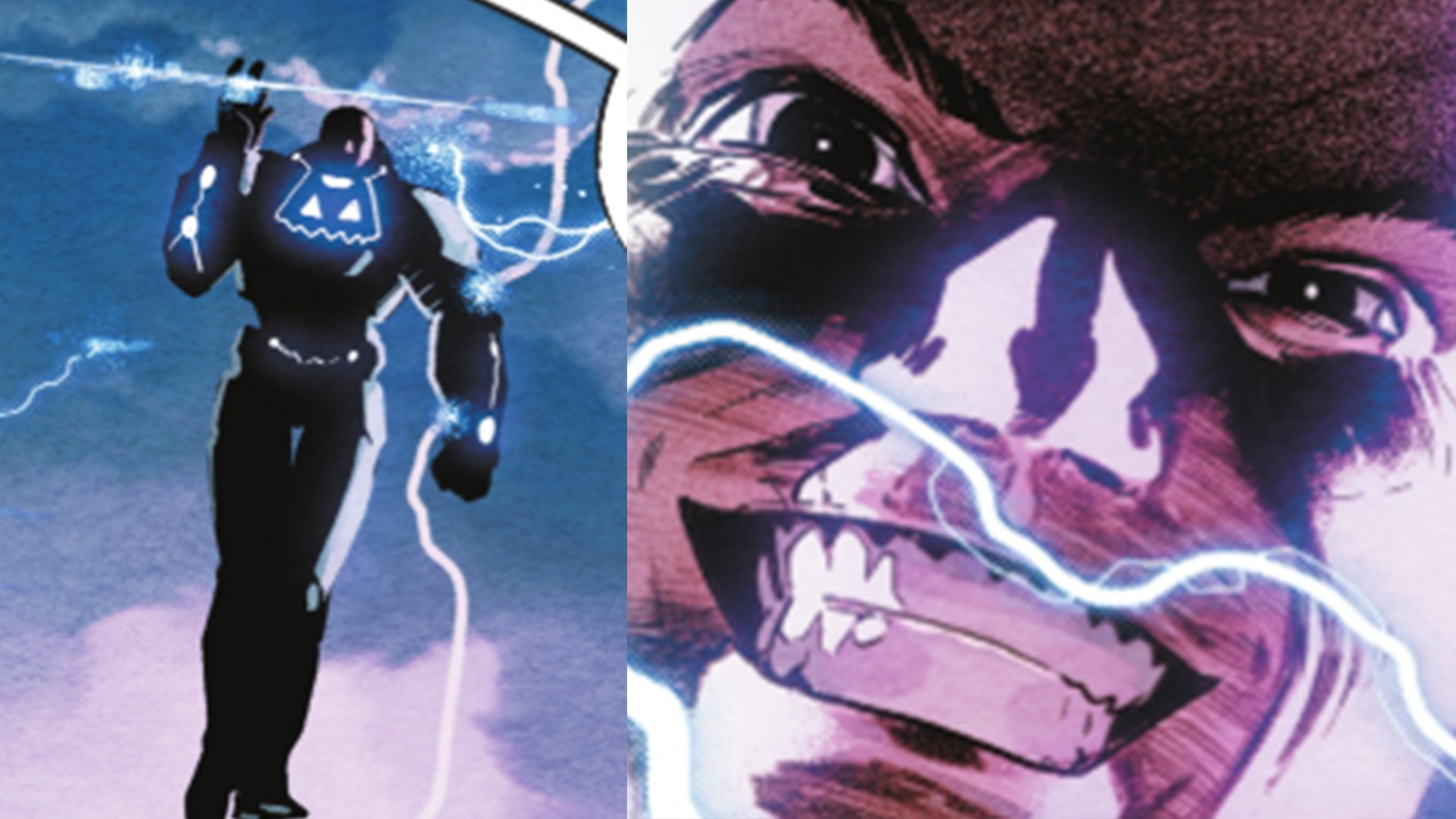
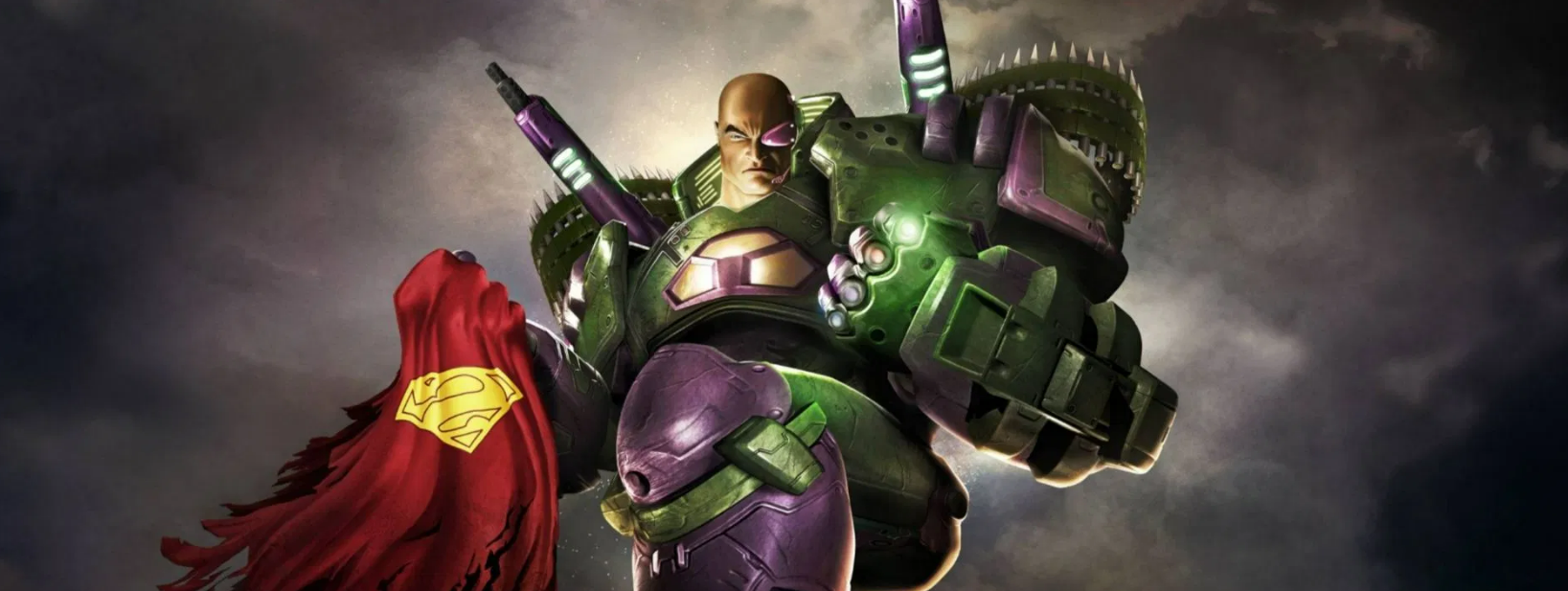
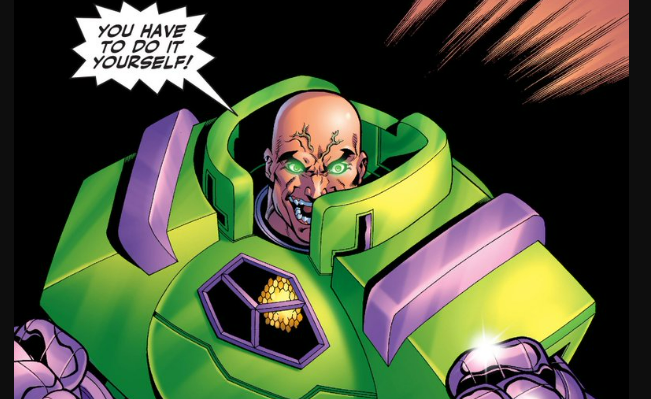
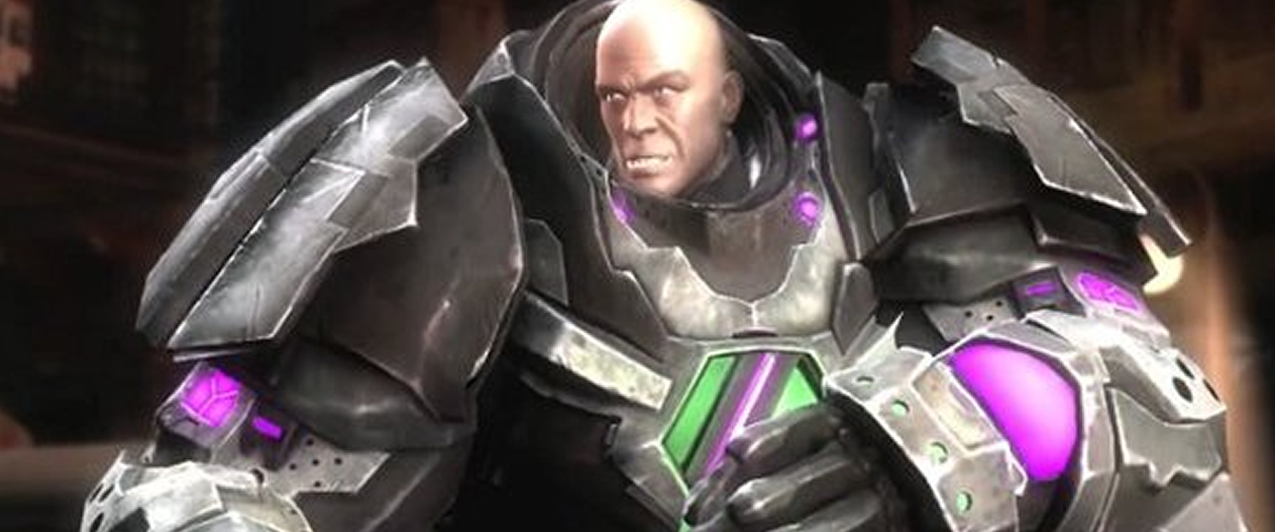
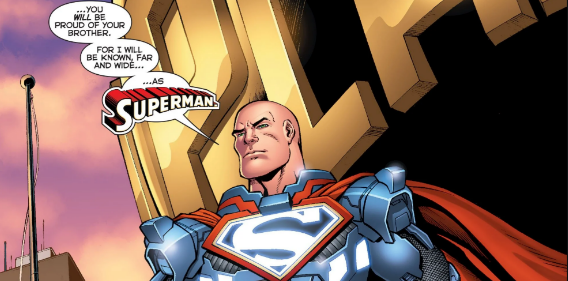
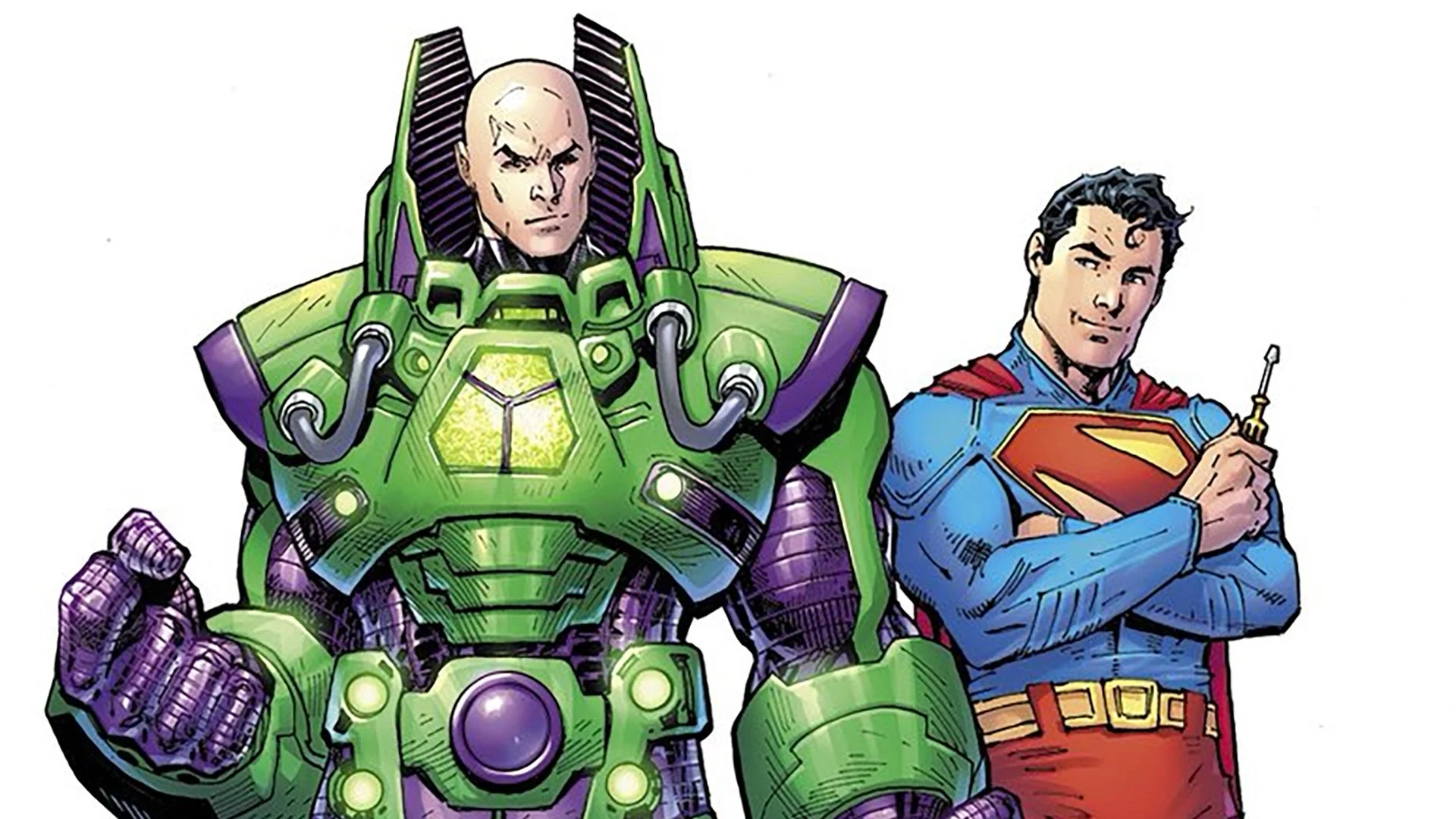
The universe's most brilliant mind just armed himself with the power of the cosmos! Lex Luthor has acquired multiple Power Rings, artifacts whose modern Corps concept began in Showcase #22 (1959) by John Broome and Gil Kane. These rings, fueled by different emotional spectrums, allow the wielder to create solid energy constructs and fly. Luthor has a long history of stealing or replicating Lantern technology, most notably the Orange Lantern Ring (Avarice) or his own Kryptonite-powered Green Lantern Ring. The real danger is that his sheer, cold intellect and will are now directing multiple cosmic emotional powers with a level of tactical genius that makes him an unparalleled, unified threat.
Etrigan & Genie Pen (Thunderbolt)
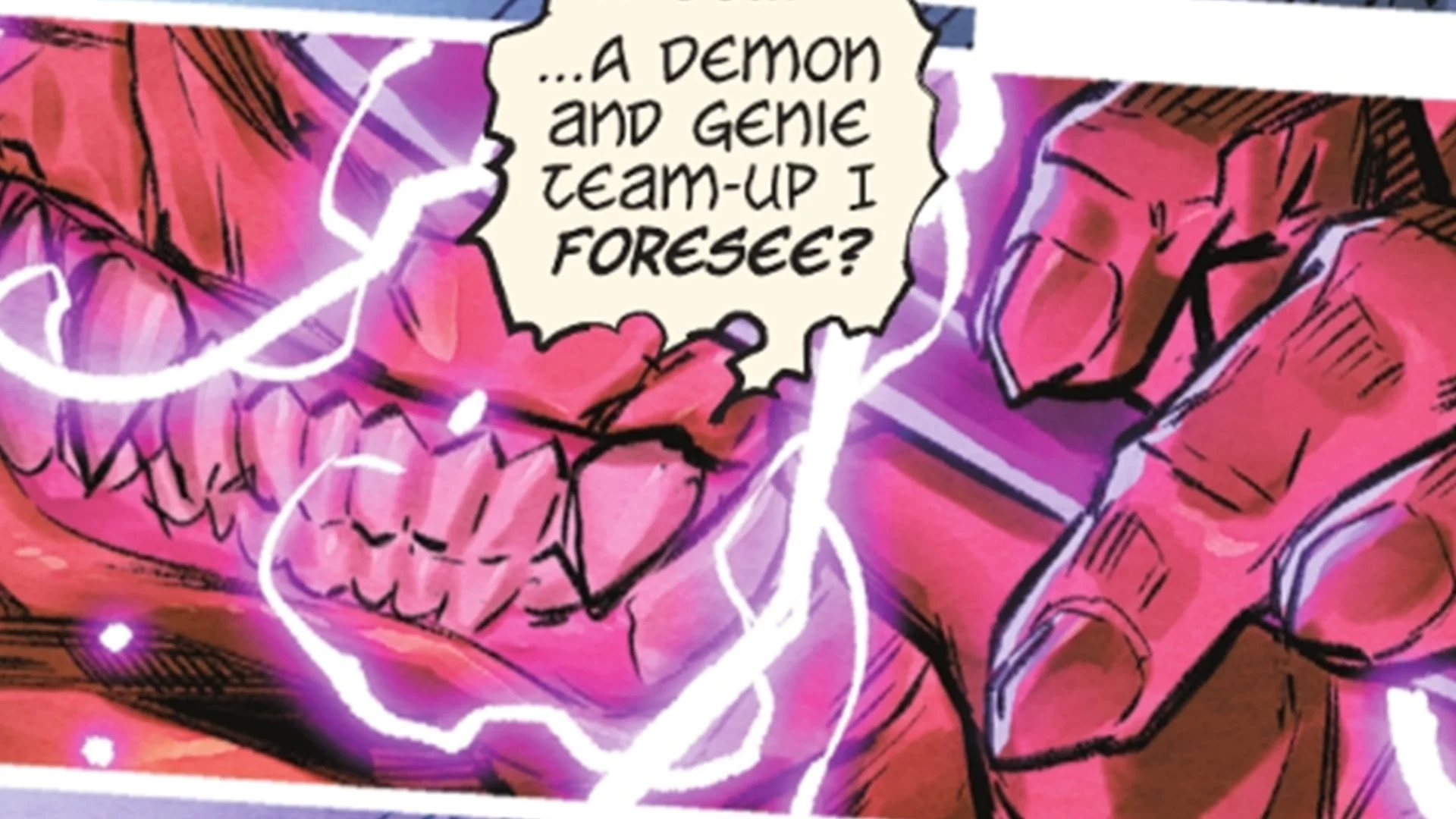
Etrigan the Demon now holds the Genie Pen, which contains the Fifth-Dimensional Imp Thunderbolt (Yz), dating back to Flash Comics #1 (1940) by John B. Wentworth and Stan Aschmeier. The pen grants wishes, resulting in chaotic, cosmic power. Etrigan's power is already rooted in chaotic, rhyming magic, making him a being of pure magical unpredictability. Combining his native hell-power with the chaotic, reality-bending wish-fulfillment means he can summon catastrophic, yet highly specific, magical effects with a single, rhymed decree: wishes for utterly demonic destruction.
Hawkman & Claw of Horus
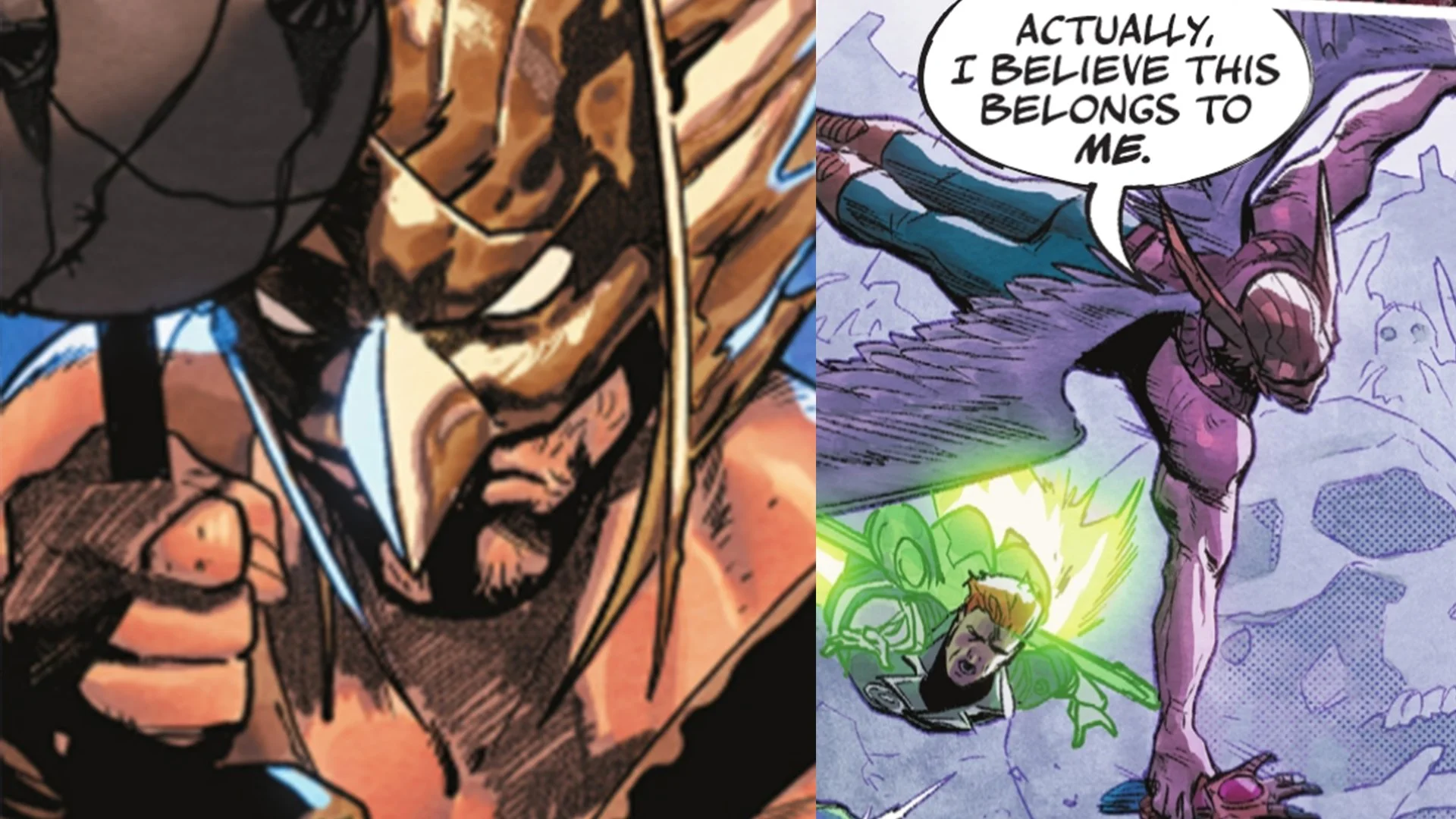
Hawkman carries the Claw of Horus, a specialized Nth Metal gauntlet that debuted in JSA #20 (2001) by David S. Goyer, Geoff Johns, and Stephen Sadowski. The Claw channels the Earth's gravitational field and uses it as a kinetic weapon. Hawkman's history is steeped in ancient Egyptian myth and he has wielded countless Nth Metal weapons and artifacts over his many reincarnations. The Claw gives this relentless, barbaric warrior the power to essentially "hit you with the planet," augmenting his melee assault with planet-scale gravity manipulation, crushing opponents with the weight of the Earth itself.
Swamp Thing & Soul Taker Sword
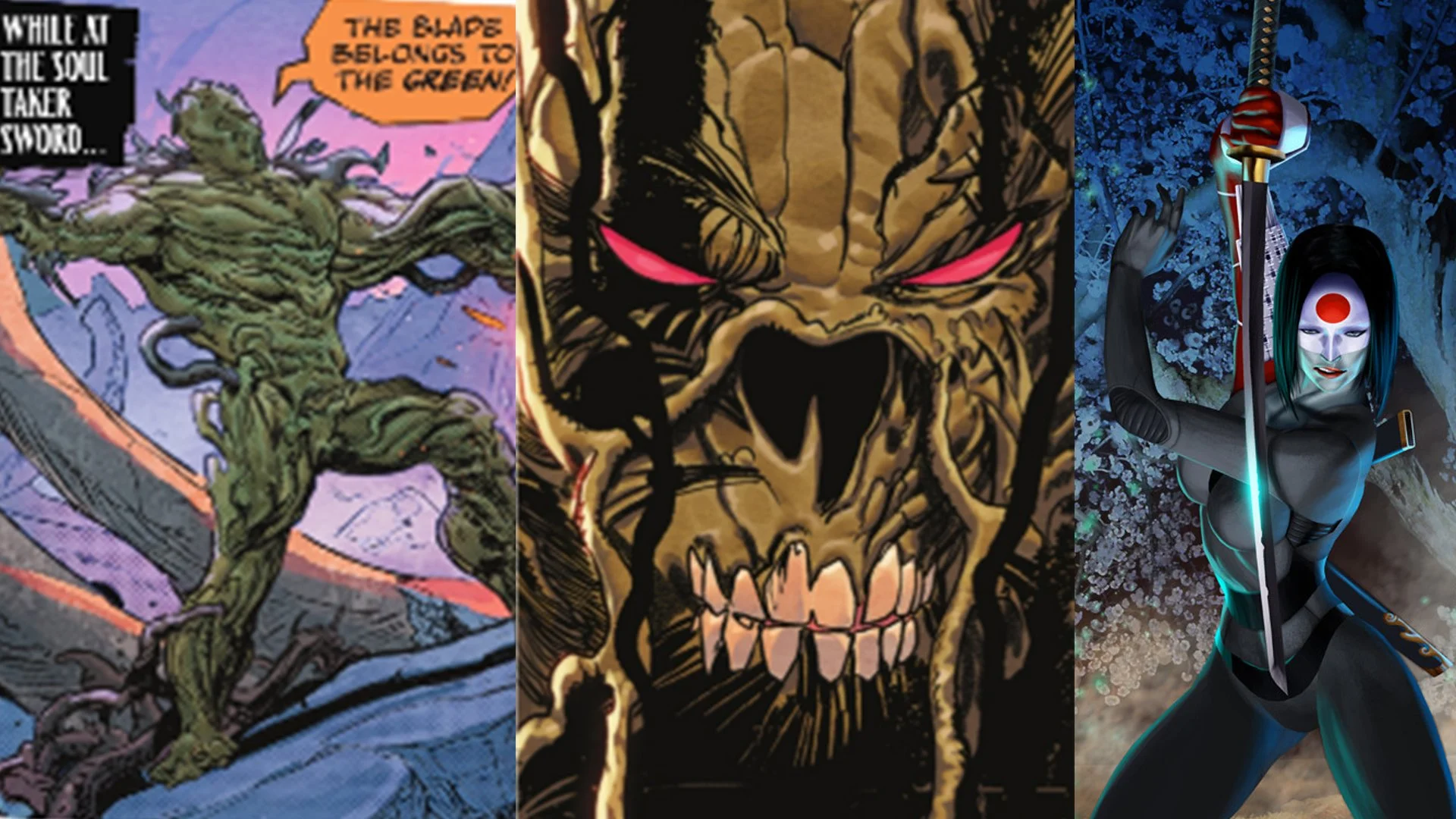
The Avatar of the Green is now armed with the Soul Taker Sword, most famously used by Katana and debuting in The Brave and the Bold #200 (1983) by Mike W. Barr and Jim Aparo. The sword captures the souls of those it kills within its blade. Swamp Thing is the champion of The Green, fundamentally defined by non-violence and the protection of natural life, rarely using conventional weapons. Giving him a weapon that traps the spiritual essence of his victims is a horrifying corruption of his nature, turning him into the reluctant warden of his defeated foes.
Jay Garrick & Lasso of Truth
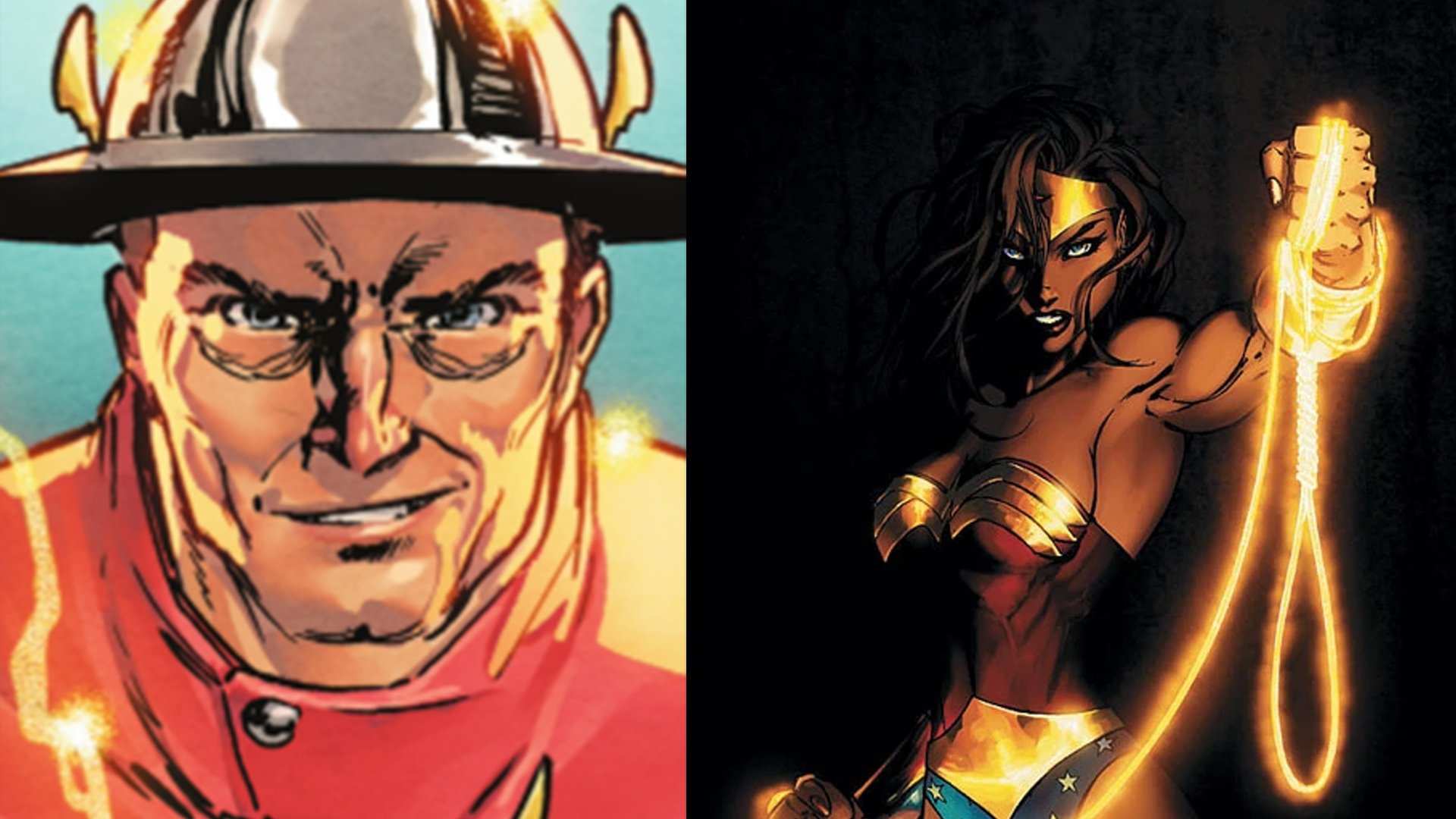
The original Flash, Jay Garrick, is wielding the Lasso of Truth, which first appeared in All-Star Comics #8 (1941) by William Moulton Marston and Harry G. Peter. The Lasso compels anyone wrapped in it to tell the absolute truth. Jay Garrick is known for his wisdom, moral center, and experience, often serving as a mentor for younger heroes. Fusing his wisdom and speed with this tool that cuts through all deception means he can instantly bind any opponent, forcing them to reveal their strategy, their weaknesses, or their hidden fears before they can react. He is a lightning-fast, inescapable inquisitor.
Aquaman & Cosmic Rod
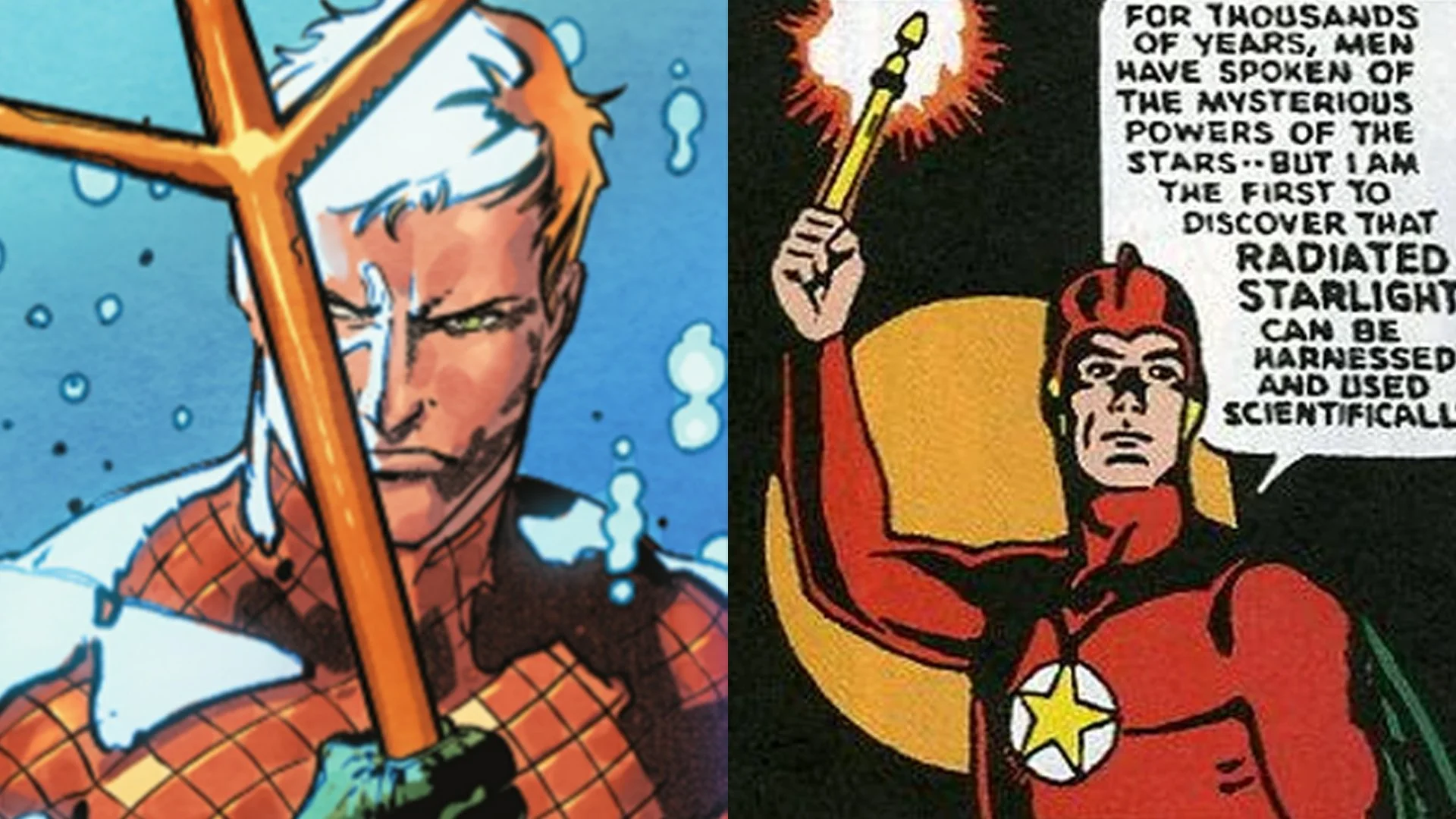
Aquaman, King of Atlantis, has claimed the Cosmic Rod, the stellar-powered device of the Golden Age Starman, which debuted in Adventure Comics #61 (1941) by Gardner Fox and Jack Burnley. The Rod absorbs and projects stellar energy and allows for the manipulation of gravity. Aquaman has always struggled with his reputation and reliance on the ocean, often seeking tools to augment his power on land. This artifact instantly negates his disadvantage on land, turning him into a cosmic-powered, gravity-defying artillery platform. He would best use the Cosmic Rod to instantly create crushing gravity wells, pinning his foe while simultaneously calling on his telepathic command of the ocean to attack. An opponent may draw him to a desert for an advantage, only to be instantly crushed by localized gravity and elemental manipulation.
Superman & Omega Sanction
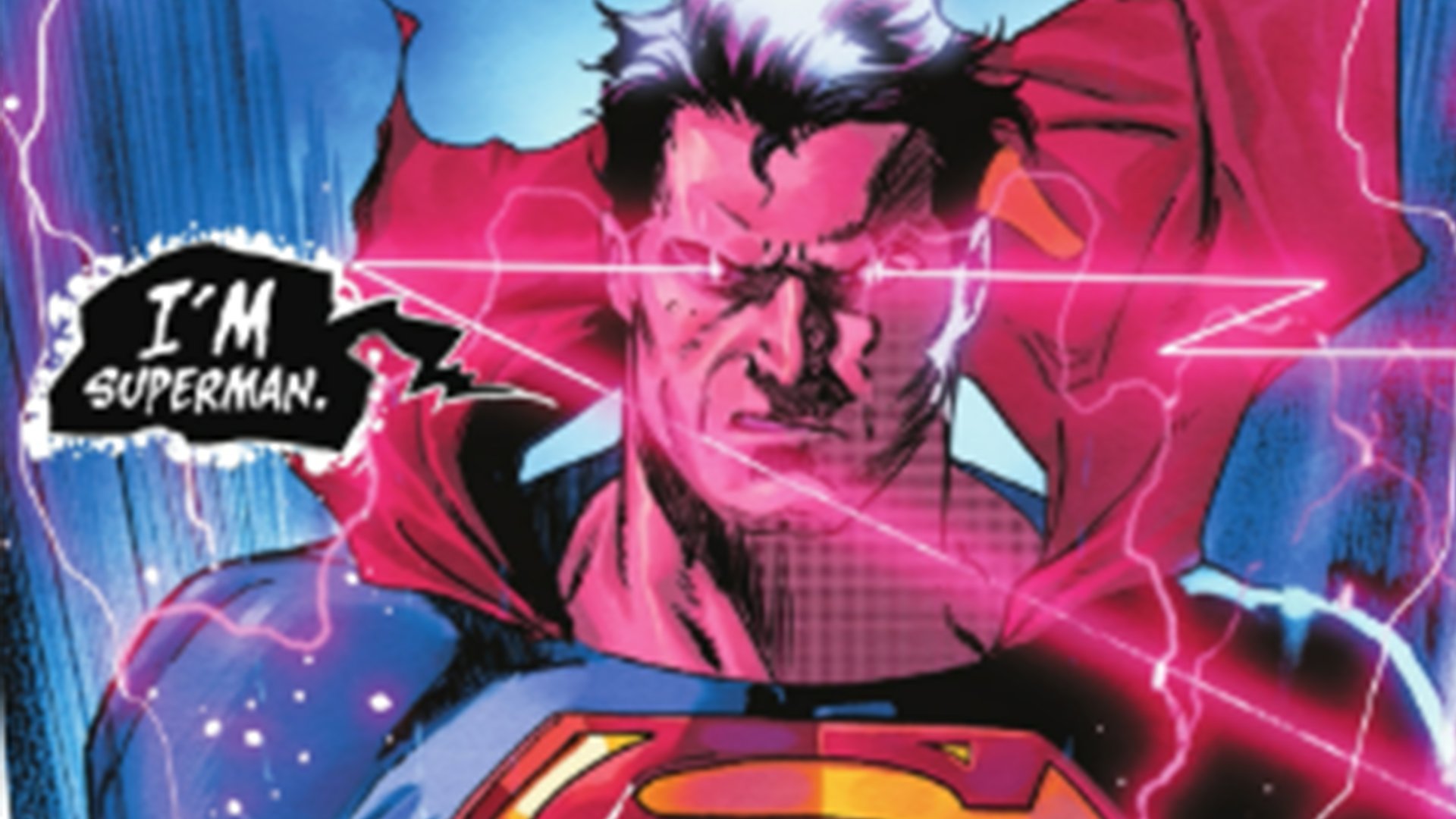
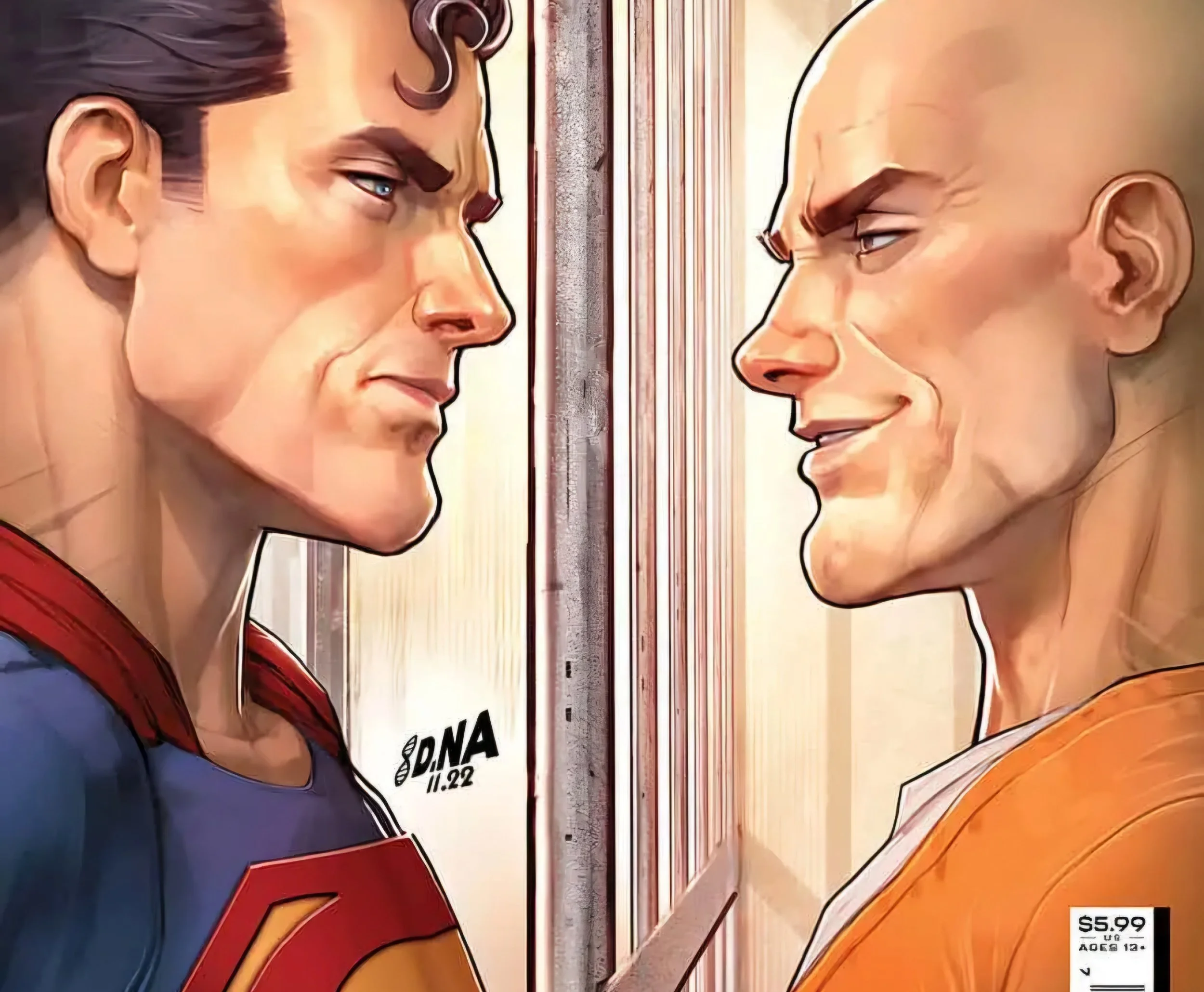
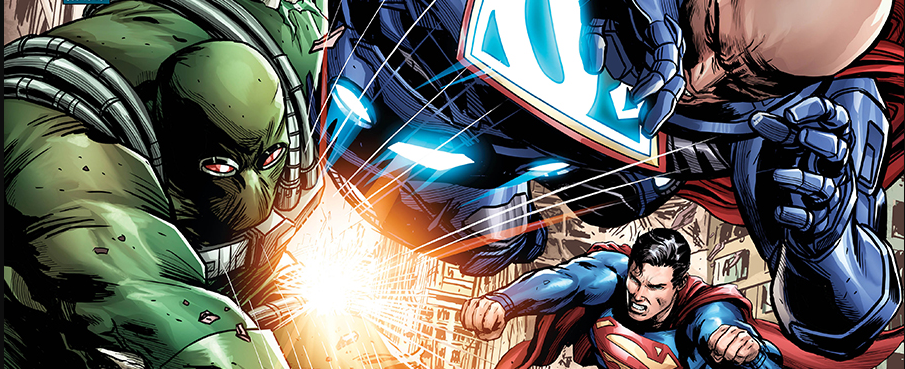
The most terrifying combination in the entire bracket: Superman has acquired the ultimate weapon of Darkseid: the Omega Sanction, an attack first detailed in Mister Miracle Vol 3 #6 (1998) by Walter Simonson. This power traps its victim in an endless cycle of alternate lives and horrific realities. Superman's character is built entirely on his adherence to a strict, non-lethal moral code. As the DC K.O. #2 reviews confirm, he acquired this power through a brutal, self-sacrificial act, showing he is willing to cross his own moral lines. This weapon gives the world's most powerful being the ultimate divine power, forcing him to engage in an act of finality and psychological annihilation. This is no longer the Superman we know; this is the Omega weaponized.
🏆 Conclusion: The King Omega Will Rise!
The final 16 are set, and the sheer power contained in this bracket is unprecedented. The tournament has done more than just pit the DC Universe’s heavy hitters against each other; it has armed them with the very instruments of cosmic chaos. Every hero and villain has been fundamentally changed by their new weapon, and the consequences of their choices in the Scramble Round will echo through the next stage. Who will survive? Who will break? And who has what it takes to stop Darkseid by becoming the new King Omega? Don't miss a single page of this epic event!